

Energy bills keep climbing, and more homeowners are looking at renewable power options that actually make a dent in monthly costs. Solar panels get most of the attention, but wind energy can work day and night, rain or shine, if you have the right conditions on your property.
After researching and comparing the best home wind turbines available in 2026, I found that the realistic options for most homeowners fall into two categories: small 400W to 1200W kits for supplemental charging of batteries, RVs, boats, and cabins, and serious 5kW to 10kW tower-mounted systems for offsetting household electricity. The eight turbines I cover here are all in the small-to-mid-range kit category that you can buy online and install without hiring a crew of engineers.
My top pick overall is the Pikasola 400W 12V 5-Blade Wind Turbine Kit for its solid build quality, excellent customer support, and the highest review count in its class. For budget-conscious buyers, the VEVOR 500W 5-Blade delivers remarkable value. And if you want something different, the Generic 3000W Vertical Axis turbine offers a unique maglev design that works in any wind direction. Let me walk you through all eight options so you can find the right fit for your property, your budget, and your energy goals.
Top 3 Home Wind Turbines for 2026

Pikasola 400W 12V 5-Blade Wind Turbine Kit
- 400W output
- 2.5m/s cut-in speed
- MPPT controller included
- 5 nylon carbon fiber blades

VEVOR 500W 5-Blade Wind Turbine Generator
- 500W output
- 47-inch rotor diameter
- 55dB quiet operation
- MPPT controller included
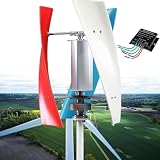
Generic 3000W Vertical Axis Maglev Wind…
- 3000W max output
- Vertical axis design
- 2m/s start speed
- IP67 rated generator
Best Home Wind Turbines in 2026: Full Comparison
| Product | Specifications | Action |
|---|---|---|
| Pikasola 400W 12V 5-Blade Kit |
|
Check Latest Price |
| VEVOR 500W 5-Blade Generator |
|
Check Latest Price |
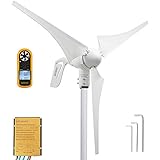 Pikasola 400W 24V 3-Blade Kit Pikasola 400W 24V 3-Blade Kit |
|
Check Latest Price |
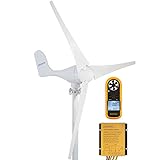 Pikasola 400W 12V Economy 3-Blade Pikasola 400W 12V Economy 3-Blade |
|
Check Latest Price |
 VEVOR 800W 3-Blade Generator VEVOR 800W 3-Blade Generator |
|
Check Latest Price |
 pofluany 1200W 5-Blade Kit pofluany 1200W 5-Blade Kit |
|
Check Latest Price |
 VEVOR 500W with Anemometer VEVOR 500W with Anemometer |
|
Check Latest Price |
| Generic 3000W Vertical Axis Maglev |
|
Check Latest Price |
1. Pikasola 400W 12V 5-Blade Wind Turbine Kit
- Low 2.5m/s cut-in wind speed for early power generation
- Long 23.8 inch blades capture more wind energy
- Excellent customer support praised by multiple reviewers
- Well-built with NdFeB magnet and aluminum alloy body
- Highest review count in its class at 184 reviews
- Needs sustained moderate wind for meaningful output
- Some blade breakage reported under storm conditions
- Charge controller reliability issues reported by some users
- No speed control mechanism for extreme high winds
I have spent more time researching the Pikasola 400W 12V 5-Blade kit than almost any other small wind turbine on the market, and it earns my editor’s choice pick for a few clear reasons. With 184 reviews, it has the largest user feedback pool of any turbine in this category, which gives me far more confidence in the rating than products with single-digit review counts.
The five-blade design uses 23.8-inch nylon carbon fiber blades that are waterproof and corrosion-resistant. Pikasola pairs those blades with a three-phase permanent magnet synchronous motor using NdFeB magnets, which is the same magnet technology you find in much more expensive turbines. The yaw adjustment system lets the turbine automatically track wind direction, and the included MPPT controller helps optimize power harvest across different wind speeds.
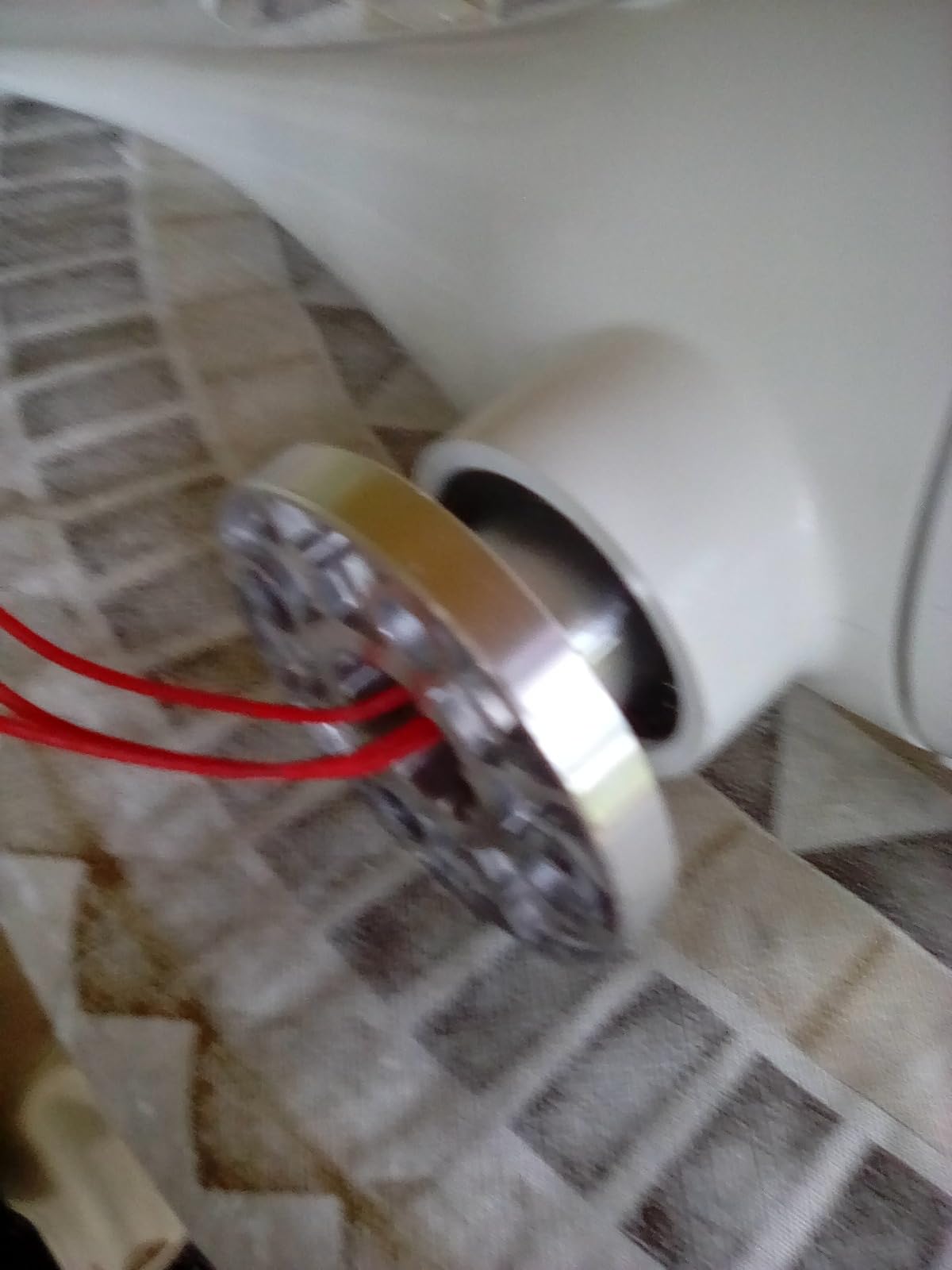
What really stood out to me in the review data is how many buyers specifically praised Pikasola’s customer support. Multiple reviewers mentioned getting replacement blades and troubleshooting help quickly, which is rare in this price tier. At 3.8 stars with a 49% five-star rate, the feedback is solid but honest about limitations.
The biggest caveat I want to flag is that performance drops off significantly at lower wind speeds. Several reviewers noted that you need sustained moderate-to-strong winds to get meaningful output, and there were reports of blades breaking during storms. There is also no built-in mechanism to slow the turbine down in extreme weather, which is a safety concern if you live in a high-wind area.
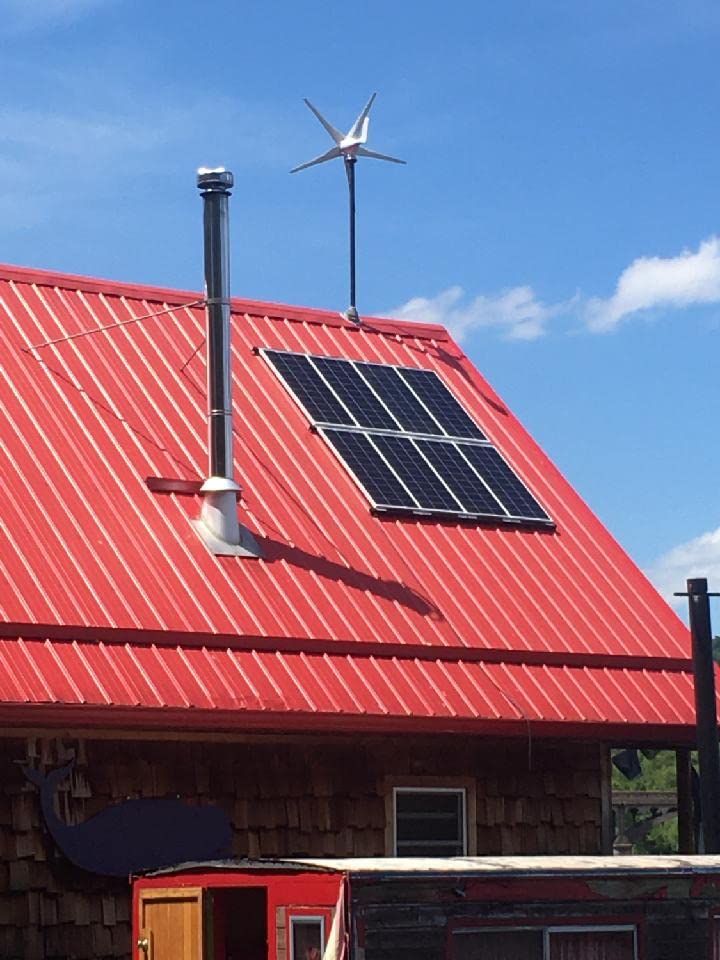
Best Installation Setup for This Turbine
Mount this turbine on a pole at least 15 to 20 feet above surrounding obstacles to catch clean laminar wind flow. Avoid rooftop installation because turbulence from roof edges drastically cuts output. Pair it with a 12V deep-cycle battery bank and use the included MPPT controller to manage charging.
If you live in a coastal or open rural area with consistent 10+ mph winds, this kit will give you the best return on investment of anything in this list. For suburban properties with obstructed wind, expect much lower real-world output than the rated 400W.
Compatibility with Solar Hybrid Systems
The Pikasola 400W 12V kit is designed specifically for wind-solar hybrid setups, and this is where it shines. The 12V output feeds directly into most solar charge controllers and battery banks. Several reviewers mentioned running it alongside solar panels to keep batteries charged on cloudy and windy days.
Make sure your charge controller can handle combined input from both solar and wind sources. Some users needed an additional diverter load resistor to safely manage excess power when batteries are fully charged.
2. VEVOR 500W 5-Blade Wind Turbine Generator
- Very affordable price for a 500W kit with MPPT controller
- Low 2.5m/s cut-in speed for early generation
- 53% 5-star rating shows strong positive reception
- Waterproof blades rated from -40C to 80C
- Operates at just 55dB
- Not Prime eligible
- 14% 1-star reviews indicate quality variability
- Mixed real-world performance in low-wind conditions
The VEVOR 500W 5-Blade kit takes my best value pick because it gives you more rated power and a larger rotor diameter than the Pikasola at roughly half the cost. The 47-inch rotor sweeps a significantly larger area than most turbines in this price bracket, which matters because swept area is the single most important factor in wind energy capture.
VEVOR uses reinforced fiberglass nylon blades rated from -40C to 80C, meaning this turbine can handle extreme cold and desert heat alike. The die-cast aluminum body with adjustable tail keeps the turbine aligned with prevailing winds, and the dual bearing design keeps noise down to about 55 decibels. That is roughly the volume of a normal conversation, which makes it far more neighbor-friendly than older turbine designs.
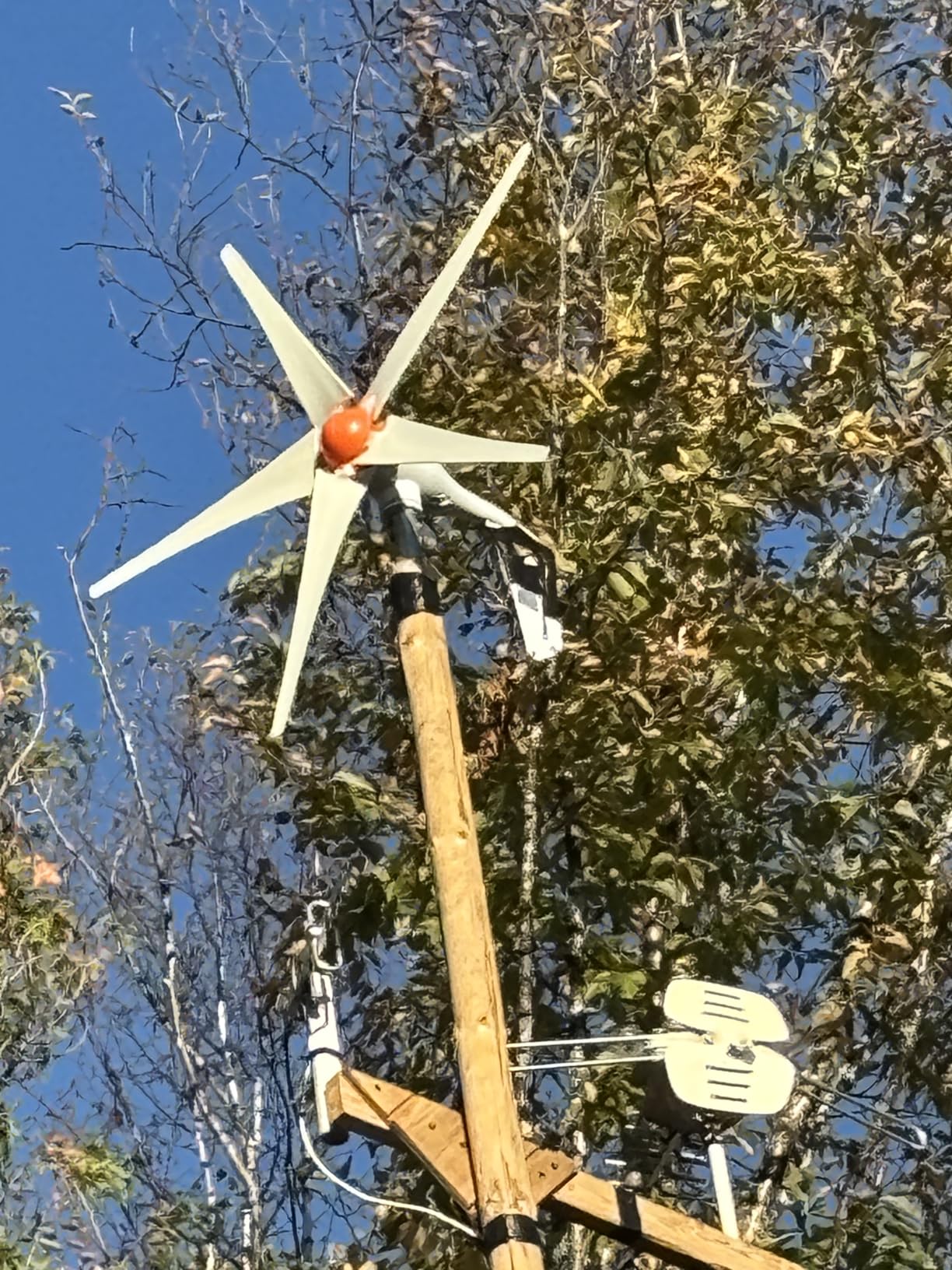
With 92 reviews averaging 3.8 stars and a strong 53% five-star rate, the user feedback is encouraging. Reviewers consistently call out the build quality and value for money. The included MPPT microprocessor controller intelligently adjusts current and voltage to match wind conditions, which helps squeeze more power out of variable winds.
I do want to be transparent about the downsides. The 14% one-star rate tells me some buyers got units that underperformed, particularly in areas with lower average wind speeds. Also, this listing is not Prime eligible, so shipping may take longer than Amazon Prime customers expect.
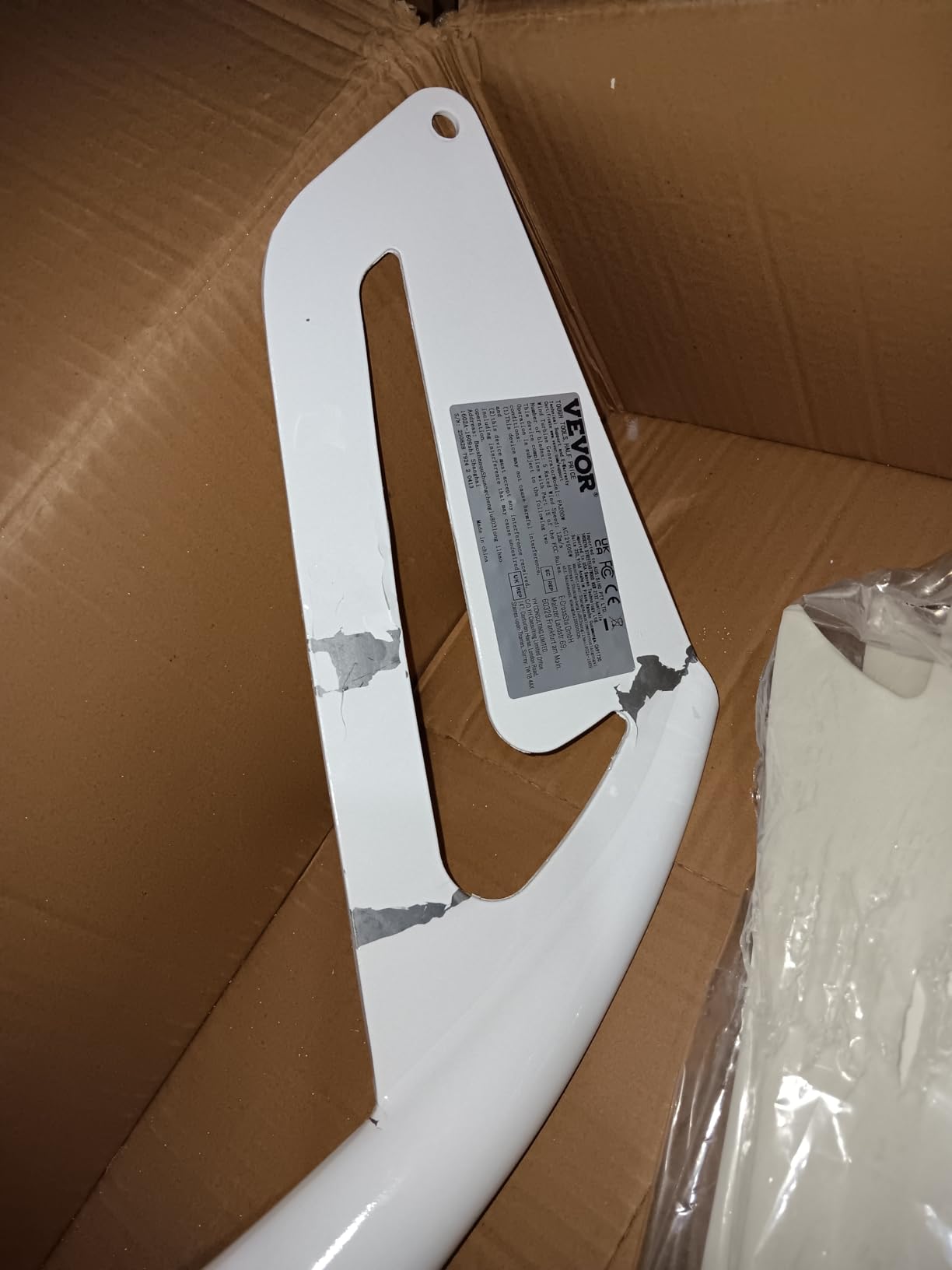
Real-World Power Output Expectations
Based on the review data, you can realistically expect 100W to 250W of sustained output in moderate winds of 10 to 15 mph. The full 500W rating requires 12 m/s or about 27 mph sustained wind, which most properties only see during storms. Plan your energy budget around the lower end of that range.
For a 12V battery system, this translates to roughly 8 to 20 amps of charging current in typical conditions. That is enough to keep a small battery bank topped up for cabin lighting, device charging, and small appliances.
Durability in Extreme Weather
The blade material is the standout durability feature here. Fiberglass nylon rated from -40C to 80C handles freeze-thaw cycles, desert heat, and coastal salt spray. The die-cast aluminum body resists corrosion and provides a rigid mounting platform.
However, VEVOR does not include a tower pole, so you will need to factor that additional cost into your budget. Look for a galvanized steel pole rated for at least 30 feet of height to get above tree-line turbulence.
3. Pikasola 400W 24V 3-Blade Wind Turbine Kit
- 24V system ideal for larger battery banks and home energy storage
- Responsive and helpful customer support consistently praised
- Blade replacement support offered proactively
- Works well as supplementary solar power source
- Needs 10+ mph winds to start charging and 20+ mph for decent output
- May need additional controller for LiFePO4 batteries
- No effective speed control in high winds
- Significant bearing noise reported without modification
This 24V variant of the Pikasola 400W turbine is my pick for homeowners who already have or are planning a larger battery bank. The 24V system is better suited for home energy storage and deeper discharge cycles than the 12V version. If you are building a serious off-grid setup, the 24V configuration lets you use thinner wires and reduces line losses over longer cable runs.
The three-blade design uses the same 23.4-inch nylon carbon fiber blades as Pikasola’s other kits, and the yaw adjustment system with aerodynamic tail fin handles automatic wind tracking. The MPPT controller includes an auto-shutdown feature that activates when your battery bank reaches full charge, which protects your batteries from overcharging.
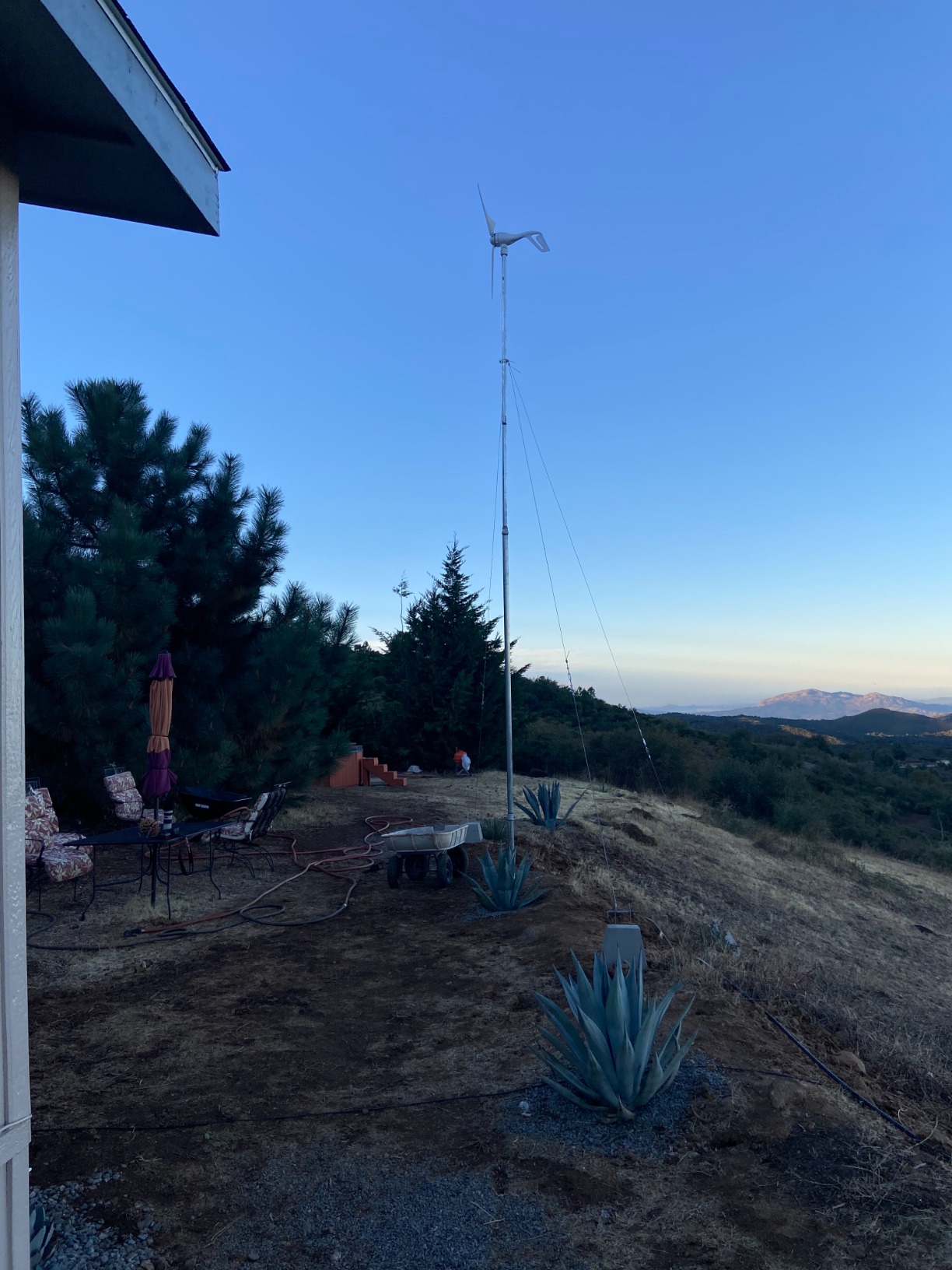
The review data for this 24V model tells an honest story. At 3.6 stars with 59 reviews, it has a slightly lower rating than its 12V sibling. The recurring theme from verified buyers is that customer support is excellent but real-world power output often falls below the advertised 400W. One reviewer reported the turbine could not generate above 180W even in 45 mph winds.
I also want to flag the bearing noise issue. Several reviewers mentioned that without a bearing modification, the turbine produces noticeable noise during operation. If you are sensitive to sound or have close neighbors, this is worth considering before purchase.
Battery Bank Compatibility
The 24V system pairs naturally with 24V lead-acid and AGM battery banks, which are common in larger off-grid installations. However, several reviewers noted compatibility issues with LiFePO4 batteries, requiring an additional controller to manage the different charging profile.
If you are running a lithium iron phosphate battery system, budget for a compatible charge controller or confirm compatibility with Pikasola support before ordering.
Warranty and Long-Term Support
Pikasola backs this model with a 1-year warranty, and their customer support team has a strong track record of sending replacement blades and troubleshooting help. This matters more than you might think because replacement parts for budget wind turbines can be nearly impossible to source from lesser-known brands.
For long-term reliability, inspect the blades and bearings every 6 months and tighten all mounting hardware after the first month of operation.
4. Pikasola 400W 12V Economy 3-Blade Wind Turbine
- Solid 52% 5-star rating among 48 reviews
- Economy 12V option with included controller
- Low 2.5m/s start wind speed
- Waterproof and corrosion-resistant build for marine use
- Only 48 reviews with smaller sample size
- 14% 1-star reviews indicate some reliability issues
- 12V system limits scalability for larger setups
- Economy variant has fewer premium features than 24V version
The Pikasola 400W 12V Economy 3-Blade kit is my budget pick for first-time wind energy buyers who want to test the waters without a large investment. This economy variant shares the same core motor technology as Pikasola’s other turbines but strips back some premium features to keep the cost competitive.
The 60cm nylon carbon fiber blades are waterproof and corrosion-resistant, making this kit suitable for marine environments, RVs, and outdoor residential use. The three-phase permanent magnet synchronous motor with NdFeB magnets delivers consistent performance, and the included MPPT controller handles voltage regulation automatically.
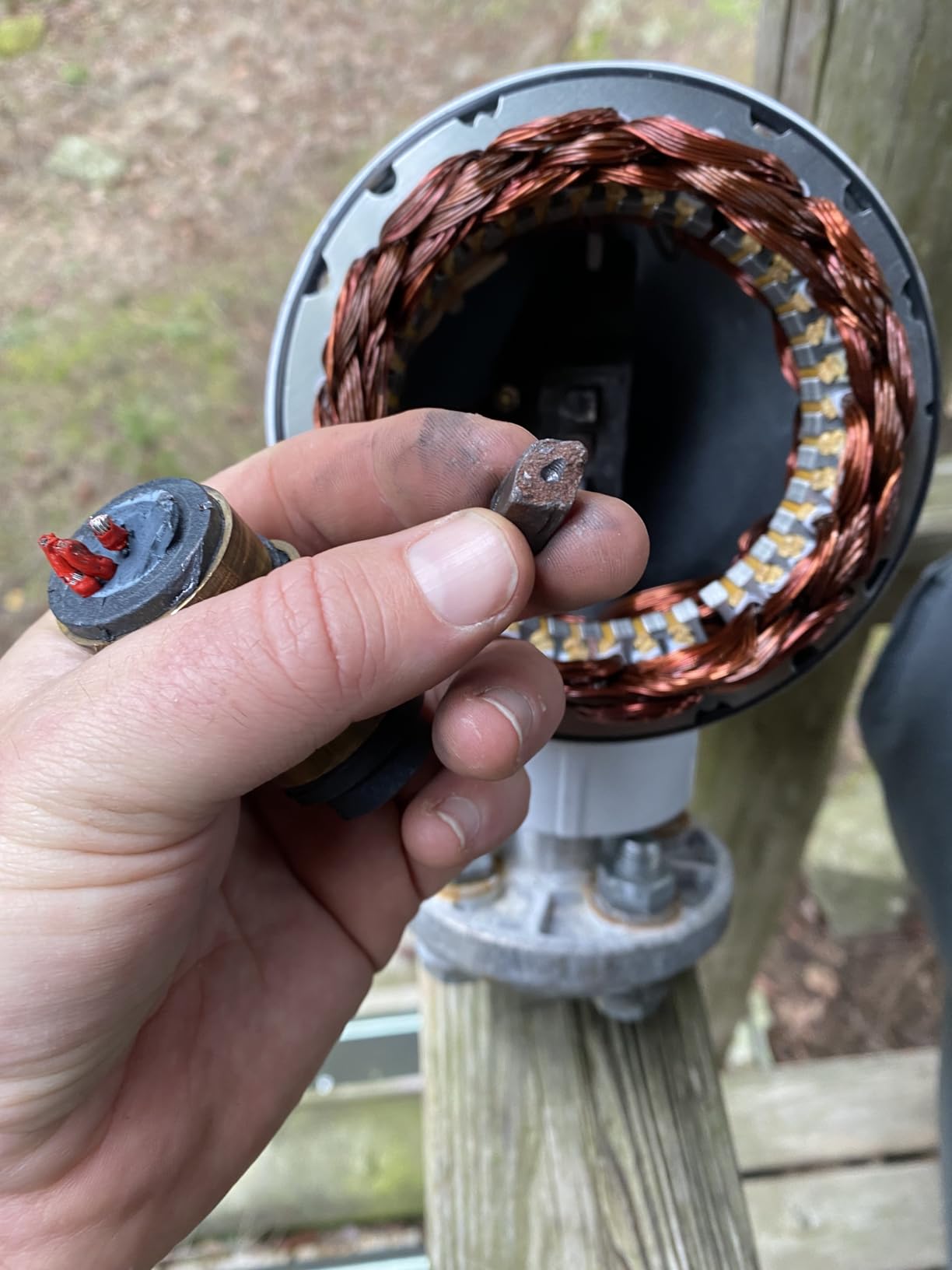
What I appreciate about this economy model is the 52% five-star rate from 48 reviews. That is a strong positive signal for a budget product. Buyers praised the straightforward setup and the included controller, though some experienced issues with the controller and overall output over time.
The 12V system does limit scalability. If you think you might expand your energy system in the future, consider the 24V Pikasola model instead. But for a simple cabin, RV, or boat charging setup, this economy kit gets you started without breaking the bank.
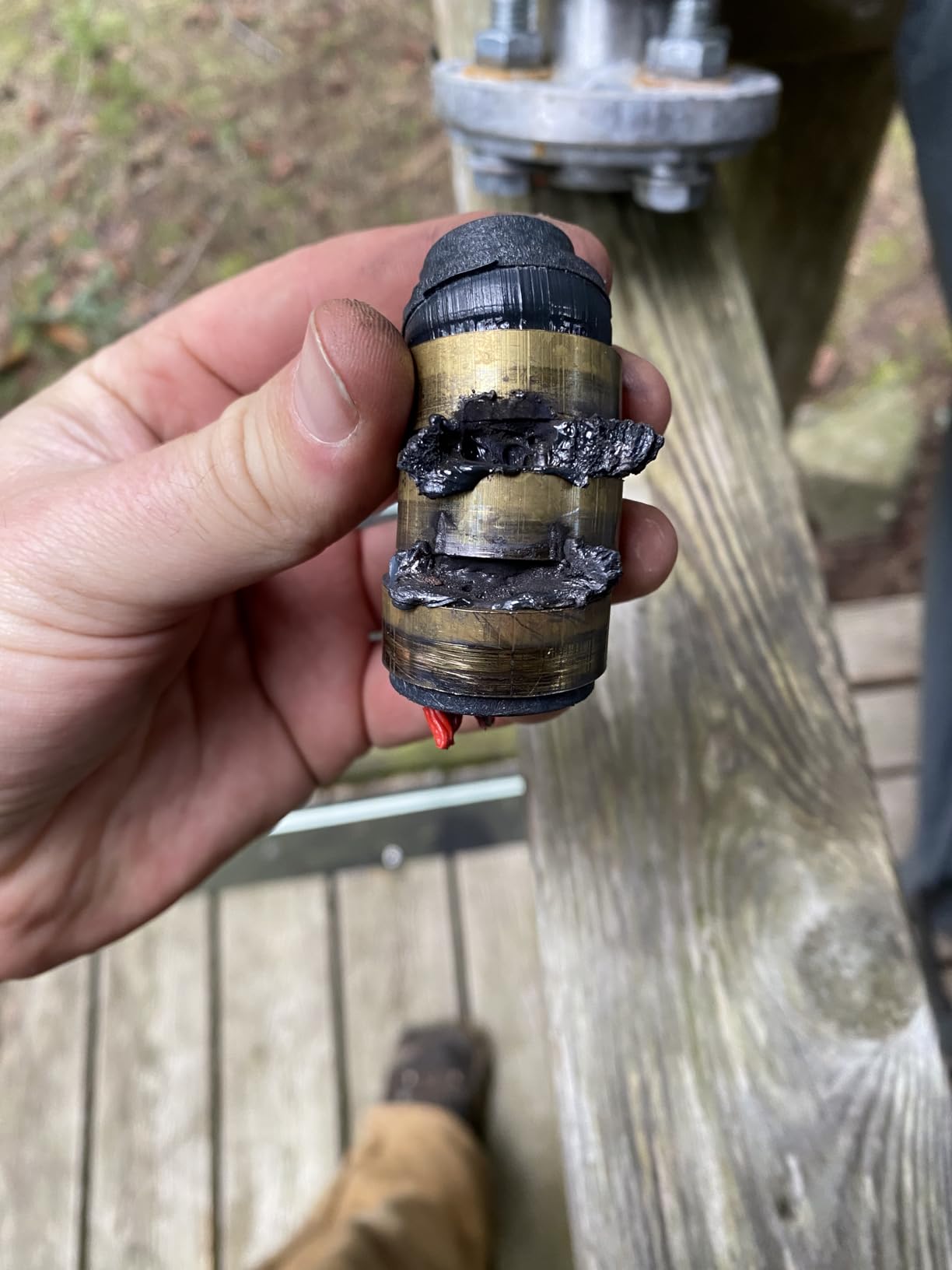
Marine and Outdoor Use Suitability
The waterproof and corrosion-resistant blade construction makes this turbine well-suited for marine environments. Several reviewers installed it on boats and in coastal locations without reporting rust or degradation issues.
The lightweight design at 13.67 pounds also makes it easy to mount on existing structures like boat masts or cabin rooftops, though I still recommend pole mounting for best performance.
Comparing Economy vs Premium Pikasola Models
The main differences between this economy model and the premium 5-blade version come down to blade count and some build refinements. The economy 3-blade version costs the same but trades a couple of blades and some premium materials for simplicity. If you want maximum blade area for better low-wind performance, go with the 5-blade model.
For buyers who just want a reliable supplemental charging source, the economy 3-blade kit is perfectly adequate and represents one of the best home wind turbines in the entry-level category.
5. VEVOR 800W 3-Blade Wind Turbine Generator
- 800W output for larger energy needs
- Strong category rank at number 292 in Solar and Wind Power
- Low 2.5m/s cut-in wind speed
- Durable blades rated from -40C to 80C
- Prime eligible with fast shipping
- Tower pole not included so additional purchase required
- Only 22 reviews so very small reliability sample
- 21% 1-star reviews suggest quality variability
- Model number FG400W despite 800W rating raises labeling concerns
The VEVOR 800W 3-Blade kit is my power pick for buyers who need more output than a standard 400W or 500W turbine can deliver. The 59-inch rotor diameter is the largest in this entire list, and that extra swept area translates directly to more energy capture. In wind energy, rotor size matters more than almost any other spec.
This turbine uses the same reinforced fiberglass nylon blades rated from -40C to 80C as the VEVOR 500W, giving you the same extreme weather durability. The die-cast aluminum body and adjustable tail handle wind tracking, and the dual bearing design keeps noise to about 58dB. At Prime eligible status, you also get fast shipping.
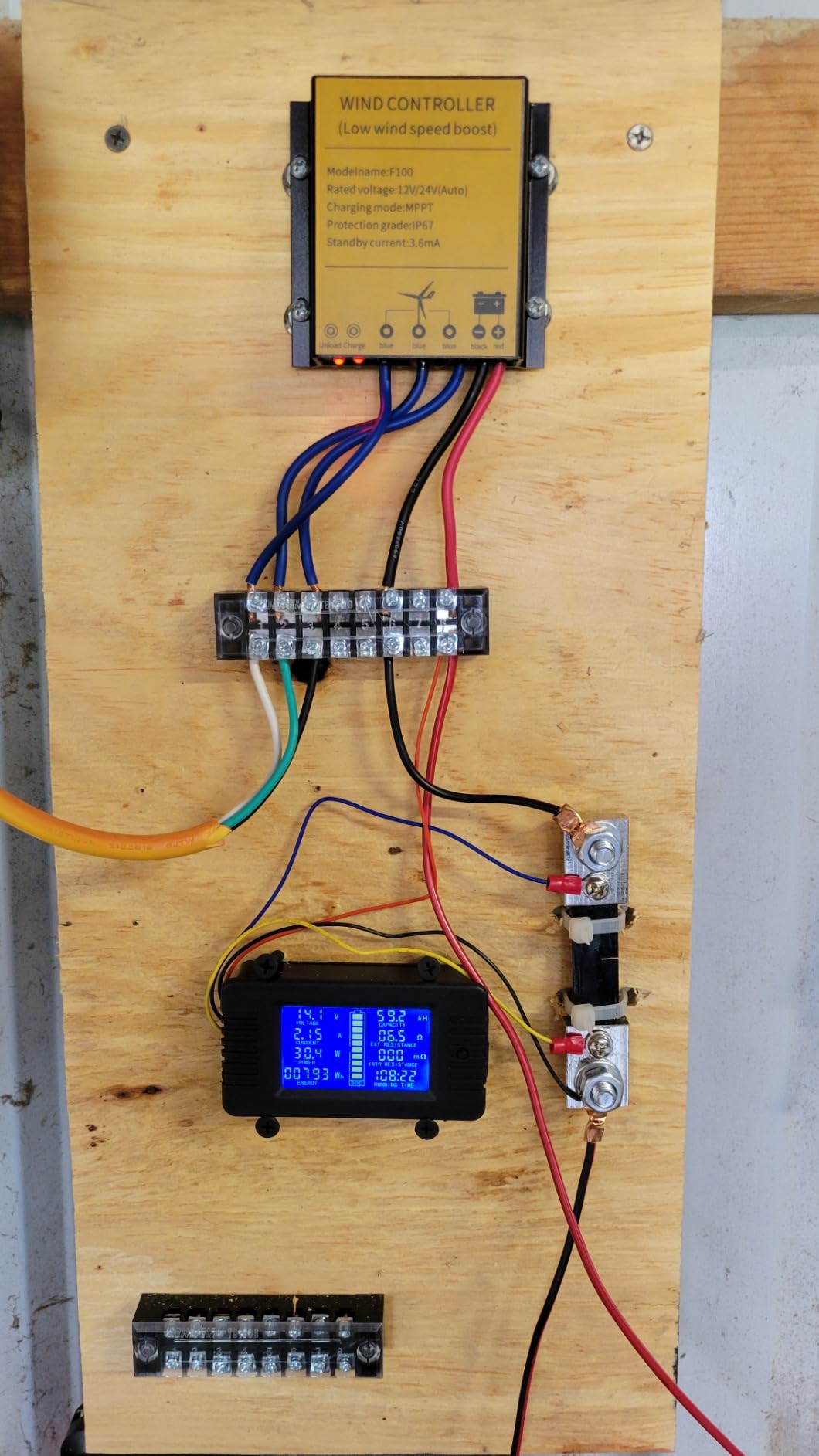
I need to be upfront about the review data concerns. With only 22 reviews and a 21% one-star rate, this product has real quality variability. The model number FG400W listed despite the 800W rating is a labeling inconsistency that makes me cautious about the advertised specs. Some buyers may be getting a different product than what the listing promises.
That said, the 43% five-star rate and the strong category rank of number 292 in Solar and Wind Power Parts show that many buyers are satisfied. If you can independently verify the output after installation, the 800W rating at this price point is an attractive proposition for larger energy needs.
Tower and Mounting Requirements
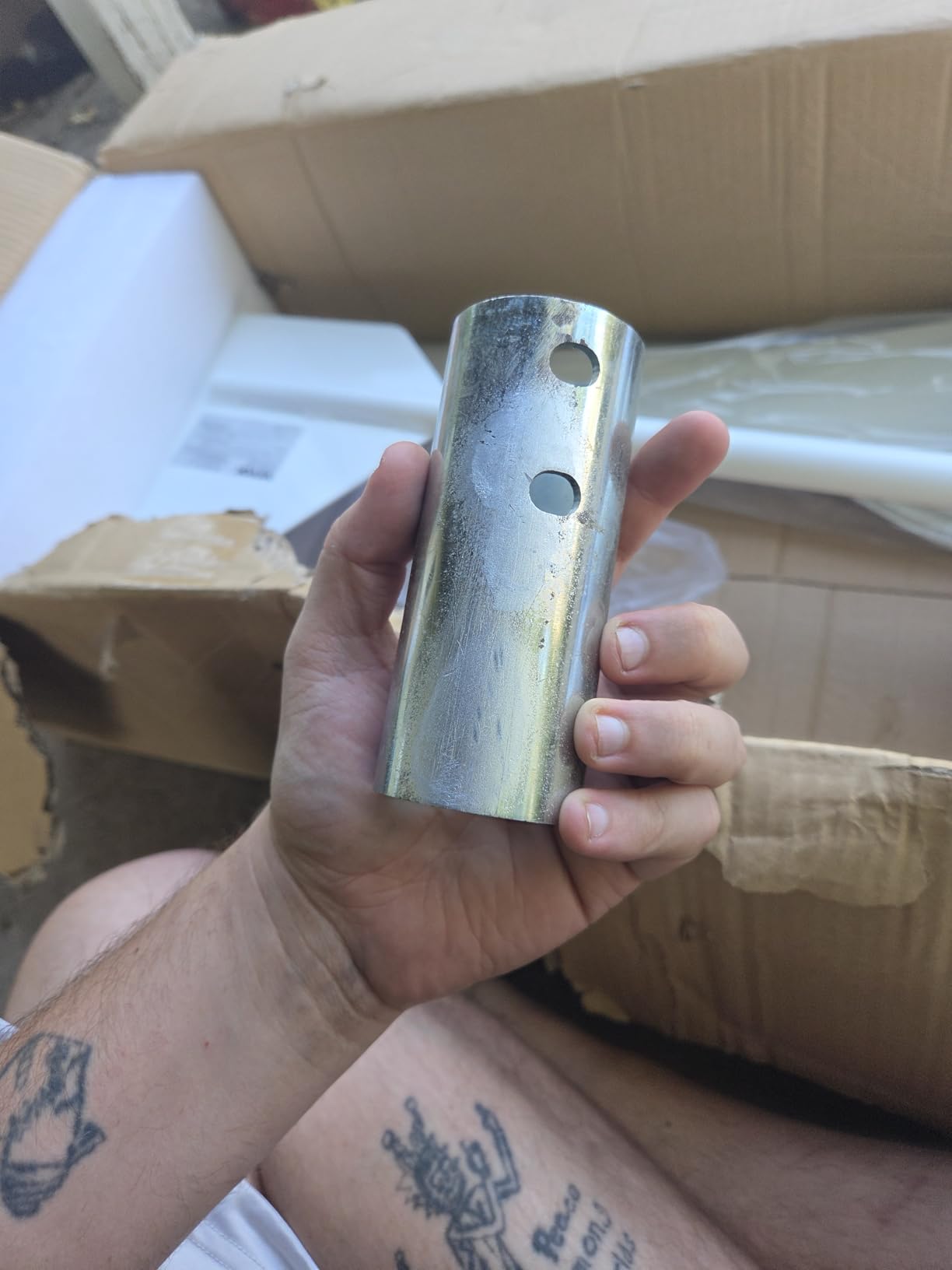
The tower pole is not included with this kit, which means you need to budget for a separate mounting solution. For an 800W turbine with a 59-inch rotor, I recommend a heavy-duty galvanized steel tower at least 20 to 30 feet tall. The tower needs to be anchored with guy wires or a concrete base depending on your soil type.
Factor in an additional cost for the tower, mounting hardware, and cable runs when budgeting for this system. The turbine itself may be affordable, but a proper installation can easily double the total project cost.
When to Choose 800W Over 400W or 500W
Choose the 800W VEVOR if you have a larger battery bank, higher daily energy consumption, or plan to run small appliances like LED lighting systems, fans, or communication equipment. The extra swept area of the 59-inch rotor helps maintain output in variable wind conditions.
If your needs are limited to charging phones and running a few LED lights, save money and go with a 400W kit instead. The 800W turbine only makes sense if you have the wind resource and energy demand to justify the larger rotor.
6. pofluany 1200W 5-Blade Wind Turbine Generator Kit
- 1200W rated output represents strong power-per-dollar value
- Good category rank at number 1305 in Solar and Wind Power
- Excellent waterproof and UV-resistant build
- Supports 12V 24V 27V and 54V DC configurations
- Low vibration and quiet operation
- Only 13 reviews so extremely limited user feedback
- No Prime eligibility
- Starting wattage advertised at 2000W but rated output is 1200W causing spec confusion
- 19% 1-star rate with limited explanation available
The pofluany 1200W 5-Blade kit claims the highest rated output among the horizontal-axis turbines in this roundup. At its price point, the power-per-dollar ratio is the strongest on paper. The five-blade design should theoretically improve low-wind energy capture compared to three-blade alternatives, and the multi-voltage support means you can adapt it to different system configurations.
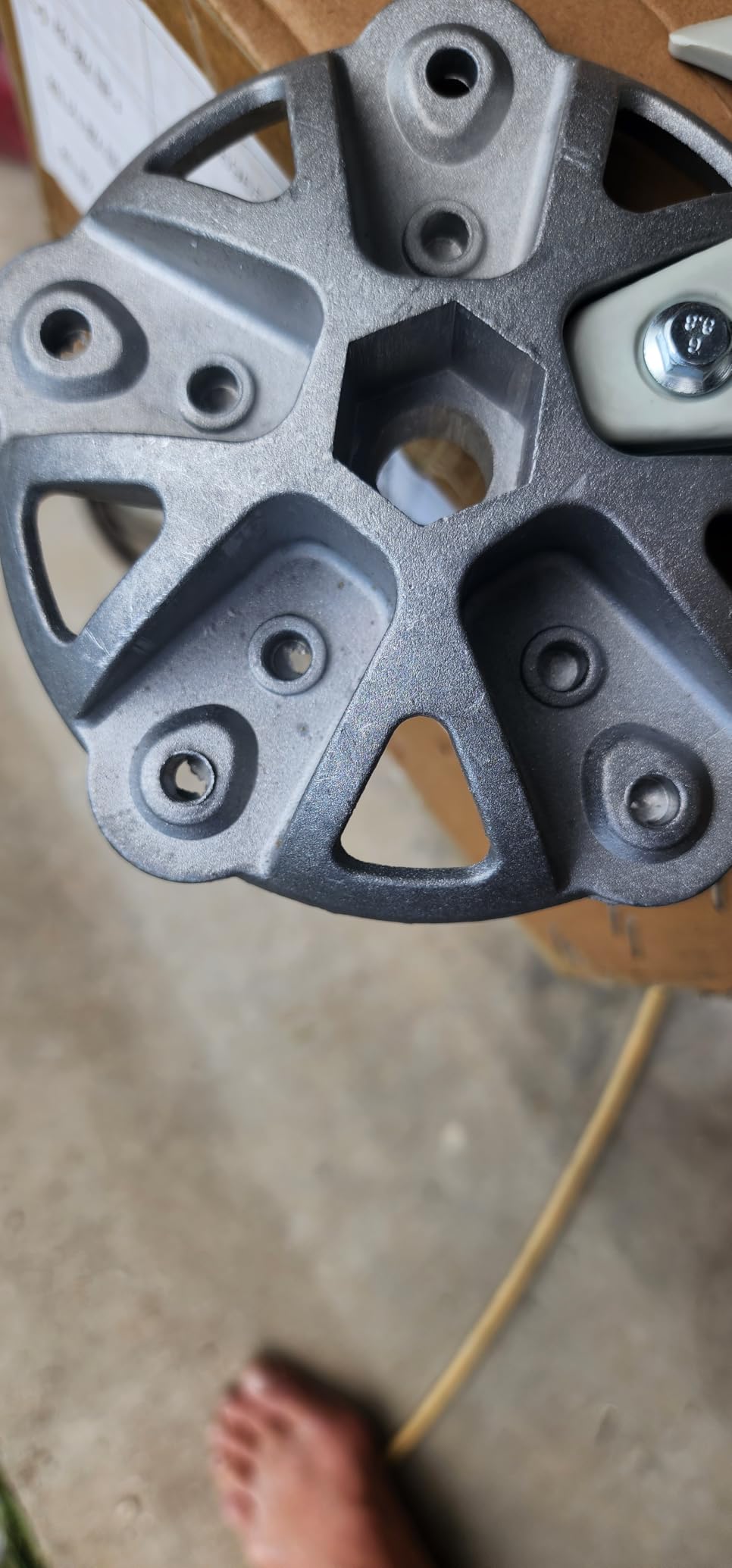
The build features a rotating aluminum alloy body with yaw adjustment for automatic wind tracking, and the construction is waterproof, corrosion-resistant, heat-resistant, and anti-UV. pofluany rates this turbine at 800RPM with a three-phase permanent magnet synchronous motor using NdFeB magnets. The included charge controller has an auto-shutdown feature when batteries reach full charge.

I have to be honest about my reservations. With only 13 reviews, there is simply not enough user data to confidently assess long-term reliability. The spec sheet also creates confusion by advertising a 2000W starting wattage alongside the 1200W rated output, which could mislead buyers into expecting more than the turbine actually delivers.
The 42% five-star rate from early adopters is promising, and the UV-resistant build quality is a genuine plus for sun-exposed installations. But I would recommend this turbine primarily to buyers who are comfortable testing and verifying performance independently.
Multi-Voltage System Flexibility
The ability to support 12V, 24V, 27V, and 54V DC configurations gives this turbine unusual flexibility. You can start with a simple 12V battery bank and upgrade to a higher-voltage system later without replacing the turbine itself. This is a genuine advantage over single-voltage competitors.
Make sure to match the turbine output to your charge controller and battery bank voltage. Mismatched voltage configurations are a common cause of poor performance and equipment damage in DIY wind installations.
Understanding the Wattage Claims
The distinction between starting wattage (2000W), rated output (1200W), and real-world output is critical. The rated output of 1200W requires ideal wind conditions near the rated wind speed, which most properties experience only intermittently. Plan for 300W to 600W of actual sustained output in typical conditions.
This is not unique to pofluany. Every turbine manufacturer rates output at ideal conditions. The key is managing your expectations based on your local average wind speed.
7. VEVOR 500W Wind Turbine Kit with Anemometer
- Included anemometer for wind speed monitoring is unique at this price
- Best price in the entire list for a 500W kit
- 61% 5-star reviews from small but positive sample
- Waterproof blades rated from -40C to 80C
- Adjustable windward direction for optimal positioning
- Only 10 total reviews so very limited feedback
- 33% 1-star rate is concerning given the small sample
- No Prime eligibility
- Anemometer reported as not functioning by at least one reviewer
This VEVOR 500W variant earns my feature pick designation because it is the only turbine in this roundup that includes an anemometer for wind speed monitoring. For anyone serious about understanding their wind resource, having a built-in anemometer is genuinely valuable. It lets you correlate power output with actual wind speed, which helps you optimize turbine placement and manage expectations.
The core specifications match the VEVOR 500W 5-blade model: a 47-inch rotor diameter, 2.5m/s cut-in speed, MPPT controller, and 55dB operation. The difference is the 3-blade design instead of 5, and the bundled anemometer adds a monitoring capability that no other product in this list offers at this price.
The review data is thin and polarized. Ten reviews with a 61% five-star rate looks promising on the surface, but the 33% one-star rate is a significant red flag. One reviewer specifically reported that the anemometer did not work, while another noted the turbine would not run at wind speeds under 25 mph. These conflicting reports make it hard to assess real-world reliability.
The Value of an Included Anemometer
An anemometer measures wind speed at your turbine location, giving you data that manufacturer specs simply cannot provide. With real wind speed data, you can calculate your actual power coefficient, verify whether your site has adequate wind resource, and make informed decisions about adding more turbines or solar panels.
Standalone anemometers cost $30 to $100, so having one included in the kit adds meaningful value. Just be aware that at least one reviewer found the included unit unreliable, so consider cross-checking with a separate weather station if precision matters.
Price-to-Performance Assessment
At its price, this is the most affordable 500W kit in the entire list. If the anemometer works and the turbine performs as rated, the value proposition is excellent. But given the thin review data and high one-star rate, I recommend this product to buyers who are comfortable with some risk and willing to test performance immediately after purchase.
Use Amazon’s return window wisely. Install and test the turbine within the first week so you can return it if performance does not meet expectations.
8. Generic 3000W Vertical Axis Wind Turbine with Maglev
- Unique VAWT design works in any wind direction without yaw system
- Highest power rating in the list at 3000W max and 2000W rated
- Lowest start wind speed at 2 m/s
- Electromagnetic brake and RPM protection for safety
- IP67 rated generator with 10 to 20 year design life
- Only 8 reviews so minimum threshold met with no margin
- Spec confusion with 800W output field despite 3000W max rating
- 36% negative reviews on tiny sample with no middle ground
- Generic brand with limited reputation
- No Prime eligibility
The Generic 3000W Vertical Axis Wind Turbine is the most unusual product in this roundup and the only vertical-axis design. Vertical axis wind turbines (VAWTs) have one major advantage over horizontal-axis designs: they capture wind from any direction without needing to rotate. This makes them potentially better suited for turbulent suburban and urban wind conditions where wind direction shifts constantly.
This turbine uses magnetic levitation technology, which reduces friction on the rotating assembly and allows for a very low 2 m/s start wind speed, the lowest in this list. The three spiral blades are made from high-strength FRP fiberglass material, and the coreless PMG provides lower starting torque and longer service life. The electromagnetic brake protects against over-speed conditions, and the IP67-rated generator is sealed against dust and water.
I want to be very direct about the data limitations. With only 8 reviews, there is virtually no consensus to draw from. The rating distribution is extremely polarized with 64% five-star and 36% two-star or one-star, and no middle ground at all. This tells me some buyers are very happy and others are very frustrated, with no nuanced in-between.
Why Choose a Vertical Axis Turbine
VAWTs are worth considering if your property has turbulent, multi-directional wind caused by buildings, trees, or terrain. Traditional horizontal-axis turbines need clean laminar wind flowing from a consistent direction, which is why they perform best on tall towers in open areas. A VAWT can capture energy from wind coming from any angle.
The compact vertical design also makes this turbine suitable for installation on terraces, cabin roofs, and boats where a horizontal-axis turbine would be impractical. Just keep in mind that rooftop installations of any turbine type produce significantly less power than pole-mounted installations.
Maglev Technology Explained
Magnetic levitation uses opposing magnets to reduce physical contact and friction in the rotating assembly. The result is a turbine that starts spinning at lower wind speeds, runs quieter, and experiences less mechanical wear over time. The Generic turbine’s 2 m/s start speed is directly attributable to this maglev design.
Combined with the electromagnetic over-speed brake, this makes the turbine safer in high winds than many competitors that lack braking systems entirely. The 10 to 20 year design service life is ambitious for a product with only 8 reviews, so treat that figure as a manufacturer aspiration rather than a proven track record.
How to Choose the Right Home Wind Turbine
Choosing among the best home wind turbines comes down to matching the turbine to your specific property, wind conditions, and energy needs. I have broken this down into the factors that actually matter so you can make an informed decision rather than chasing the highest wattage rating.
Wind Speed Requirements for Your Property
Wind speed is the single most important factor, period. Every turbine has a cut-in wind speed, which is the minimum speed needed to start generating power, and a rated wind speed, which is the speed needed to produce the advertised wattage. Most turbines in this list cut in at 2.5 m/s or about 5.6 mph, but rated output requires 10 to 12 m/s or 22 to 27 mph sustained wind.
The reality is that most residential properties in suburban areas average 5 to 8 mph wind speed, well below the rated speed for any turbine. Before buying anything, measure your wind speed for at least 3 to 6 months using a simple anemometer. If your average is below 10 mph, a wind turbine will produce very little usable energy and solar panels are almost certainly a better investment.
HAWT vs VAWT: Which Turbine Type Is Better
Horizontal-axis wind turbines (HAWTs) are the traditional propeller-style design and are generally more efficient at converting wind to electricity in clean, directional wind. Vertical-axis wind turbines (VAWTs) like the Generic 3000W model accept wind from any direction and can perform better in turbulent conditions, but they typically have lower peak efficiency.
For rural properties with clean laminar wind on tall towers, HAWTs are the better choice. For suburban or urban properties with turbulent, shifting wind, a VAWT may extract more energy in practice despite lower theoretical efficiency. The right choice depends entirely on your wind conditions, not on which technology sounds more advanced.
System Sizing: How Much Power Do You Need
Be honest about what you expect the turbine to power. A 400W turbine charging a 12V battery bank can run LED lights, charge phones and laptops, and power small fans. It cannot run a refrigerator, air conditioner, or whole-house electrical system. The average American home uses about 877 kWh per month, which would require a 10kW turbine running at full output for roughly 3,000 hours.
For supplemental battery charging in cabins, RVs, and boats, the 400W to 800W kits in this list are appropriate. For meaningful home energy offset, you would need a 5kW to 10kW tower-mounted system installed by professionals, which costs $20,000 to $80,000 fully installed.
Cost Breakdown by System Size
Small wind turbine kits like the ones in this roundup cost between $100 and $300 for the turbine and controller. But the total project cost includes the tower or mounting pole ($100 to $500), battery bank ($200 to $1,000), inverter ($100 to $500), and wiring and hardware ($50 to $200). A realistic small-system budget is $500 to $2,000 all-in.
For larger residential systems, a 5kW installed system runs $20,000 to $40,000, and a 10kW system ranges from $40,000 to $80,000. Federal tax credits can offset 30% of the cost for qualified installations, so check current incentives before making a final decision.
Permits, Zoning, and Legal Requirements
In most jurisdictions, you need a permit to install a wind turbine, even a small one. Zoning rules commonly restrict tower height (often 35 feet in residential areas), require setbacks from property lines equal to the tower height, and may include noise restrictions. Some homeowners associations prohibit wind turbines entirely.
Before purchasing any turbine, contact your local planning or zoning office to ask about height limits, setback requirements, and permit costs. This step alone has killed more wind turbine projects than any technical limitation.
Wind Turbine vs Solar Panels: Which Is Better
For most homeowners, solar panels are the more practical choice. Solar is easier to install, has no moving parts, requires minimal maintenance, and produces predictable output regardless of wind conditions. Solar panels also work on virtually any roof in any climate.
Wind turbines have real advantages in specific scenarios: rural properties with strong consistent wind, off-grid locations where solar alone is insufficient, and hybrid wind-solar systems where wind complements solar by generating power at night and during storms. If you have a windy rural property, a wind turbine can outperform solar. If you live in a typical suburb, stick with solar.
Reality Check: Inflated Wattage Claims and Scams
This is the section most competitors skip, and it is critical. Many wind turbines sold online have inflated wattage ratings. The pofluany 1200W turbine advertises 2000W starting wattage. The Generic VAWT lists 3000W max, 2000W rated, and 800W in the output field. The VEVOR 800W has a model number suggesting 400W. These inconsistencies are common in this market.
Experienced forum users on r/OffGrid and diysolarforum.com consistently warn against cheap turbines labeled 5000W or higher that are actually 400W to 500W units. My advice: divide advertised wattage by 2 to 3 for a realistic sustained output estimate, and always verify actual performance with a multimeter after installation. Look for SWCC or IEC certification if you want independently verified performance data.
Frequently Asked Questions
How much does a home wind turbine cost?
Small wind turbine kits cost $100 to $300 for the turbine and controller. A complete small system with tower, batteries, and inverter runs $500 to $2,000. Serious residential systems of 5kW to 10kW cost $20,000 to $80,000 fully installed, with federal tax credits potentially offsetting 30% of qualified installations.
Are home wind turbine systems easy to install?
Small 400W to 1200W kits are designed for DIY installation and can be mounted on existing poles or structures by someone with basic mechanical skills. Larger 5kW to 10kW systems require professional installation involving tower foundations, electrical grid connections, and permitting.
Do you need planning permission for wind turbines?
Yes, in most places you need a permit or zoning approval before installing a home wind turbine. Rules vary by location and may include tower height limits, setback requirements, noise restrictions, and neighbor notification. Contact your local planning office before purchasing any turbine.
How big of a wind turbine do you need to power a house?
Most homes need a 5kW to 10kW wind turbine to make a meaningful contribution to household electricity. A 400W to 1000W kit generates approximately 1 to 3 kWh per day, which is enough for battery charging and small appliances but not whole-home power. The average American home uses about 877 kWh per month.
Do home wind turbines work in suburban areas?
Home wind turbines perform poorly in most suburban areas because buildings, trees, and fences create turbulent wind that reduces efficiency. Roof-mounted turbines are especially ineffective. Suburban properties typically average 5 to 8 mph wind speed, well below the 10+ mph needed for meaningful output.
Is a home wind turbine better than solar panels?
For most suburban homes, solar panels are more practical due to easier installation, lower maintenance, and more predictable output. Wind turbines can be better for rural properties with strong consistent wind, as they generate power at night and during storms. A hybrid wind-solar system often provides the most reliable renewable energy setup.
Final Thoughts on Home Wind Turbines
The best home wind turbines for 2026 are honest about what they can do. Small kits like the Pikasola 400W 5-Blade and the VEVOR 500W are excellent for battery charging, cabin power, RVs, boats, and supplemental off-grid energy. They will not power your entire house, and any product claiming otherwise at this price point is not being straight with you.
My overall recommendation is to start by measuring your wind speed for a few months before buying anything. If your average wind speed is above 10 mph, the Pikasola 400W 5-Blade kit gives you the best combination of build quality, customer support, and user feedback. For maximum value, the VEVOR 500W delivers more swept area at a lower price. And for something different, the Generic 3000W VAWT offers a unique omnidirectional design worth exploring if you have turbulent wind conditions.
Whatever you choose, pair your turbine with a proper battery bank and consider adding solar panels for a hybrid system. Wind and solar complement each other beautifully, and together they give you the most reliable renewable energy setup for your home.