
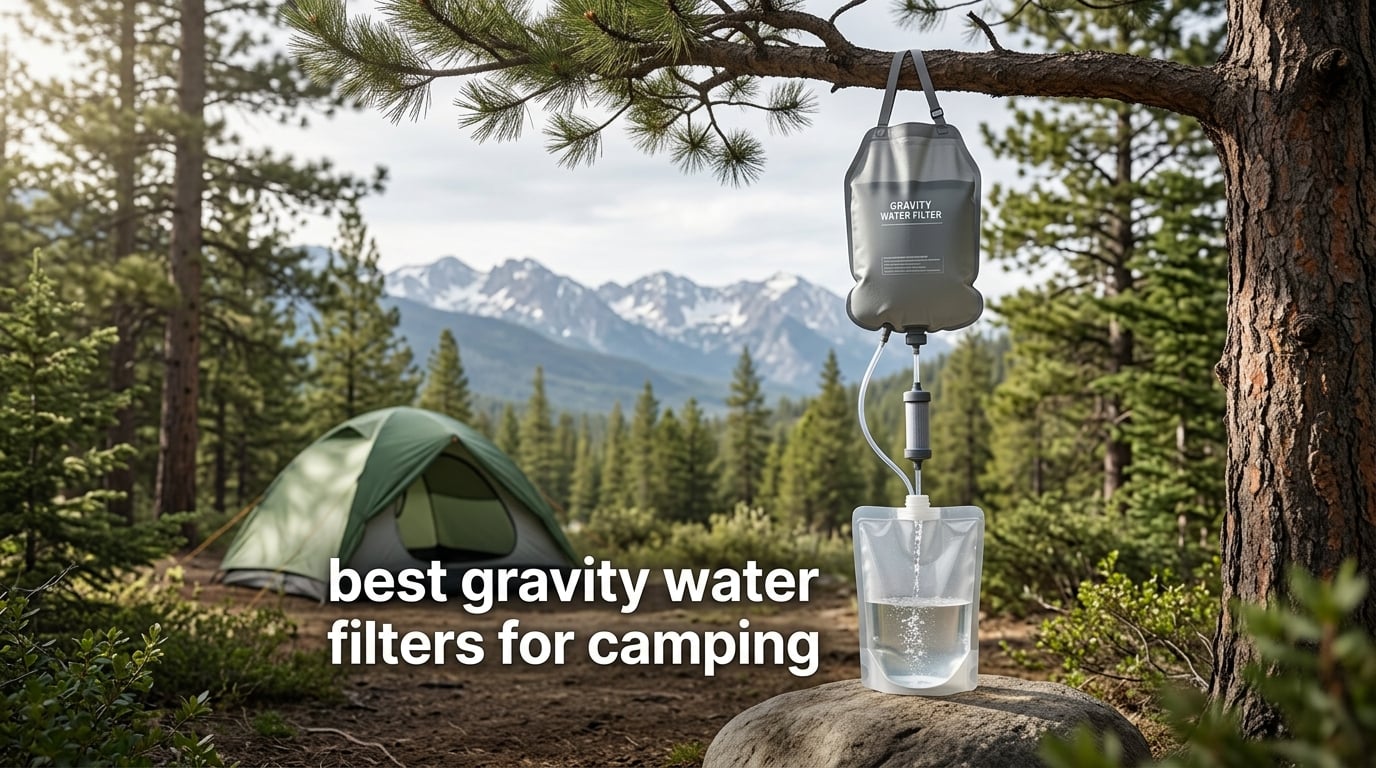
Clean water is the one thing you cannot skip when you are off the grid. After years of group camping trips, river expeditions, and shoulder-season backpacking routes, our team has settled on gravity water filters as the easiest way to keep everyone hydrated without wearing out an arm on a pump.
If you have ever stood in line at a campsite waiting to fill a bottle from a slow squeeze filter, you already understand the appeal. You fill a bag, hang it from a branch, and walk away while gravity does the work. For basecamps, family trips, and any group larger than two, this format is hard to beat.
This guide covers the eight best gravity water filters for camping that we have run through real conditions in 2026, from quick overnight trips to a week-long basecamp with six people. We tracked flow rates, field cleaning, weight, durability, and the small details that show up only after a few dirty-water sources. We also dig into cold weather performance, taste impact, and long-term cost of ownership, since those are the areas most other guides skip.
Prices in this roundup start under $30 and climb past $130, so there is a real fit for solo backpackers, families, and large group basecamps. Quick picks are just below, followed by a full comparison table and detailed reviews.
Top 3 Picks for Camping Gravity Filters in 2026
These three picks cover the three trips we see most often: a large group basecamp, a mid-sized family outing, and a value-focused group of four to six. Each one earned its spot through a clear strength the others could not match.
The MSR AutoFlow XL takes the editor slot because of the 10-liter capacity and a steady 1.75-liter-per-minute flow. The Membrane Solutions 6L Pro is our value pick thanks to NSF certification and a 6-liter bag at a fraction of the group-filter price. The Platypus GravityWorks rounds it out as the premium pick, built in the USA with a replaceable cartridge rated for 1,500 gallons.


Best Gravity Water Filters for Camping in 2026
This comparison table lists every option we tested side by side, with capacity, flow rate, weight, and the standout feature for each. Use it to narrow down quickly, then jump to the individual review for the experience details.
| Product | Specifications | Action |
|---|---|---|
| MSR AutoFlow XL 10L |
|
Check Latest Price |
| Platypus GravityWorks 4L |
|
Check Latest Price |
| Membrane Solutions 6L Pro |
|
Check Latest Price |
 Katadyn BeFree Gravity 3L Katadyn BeFree Gravity 3L |
|
Check Latest Price |
 LifeStraw Peak Series 3L LifeStraw Peak Series 3L |
|
Check Latest Price |
 Sawyer SP160 One Gallon Sawyer SP160 One Gallon |
|
Check Latest Price |
 Waterdrop Gravity Filter Straw Waterdrop Gravity Filter Straw |
|
Check Latest Price |
 SimPure Gravity Water Filter SimPure Gravity Water Filter |
|
Check Latest Price |
1. MSR AutoFlow XL 10L – Editor’s Choice for Large Basecamps
MSR AutoFlow XL 10-Liter Group Backpacking and Camping Gravity Water Filter
- Massive 10-liter capacity for groups
- 1.75 L/min flow without pumping
- Flat-base 3D reservoir stands on its own
- PFAS-free storage bag coating
- Limited reviews as a newer product
- Higher price point
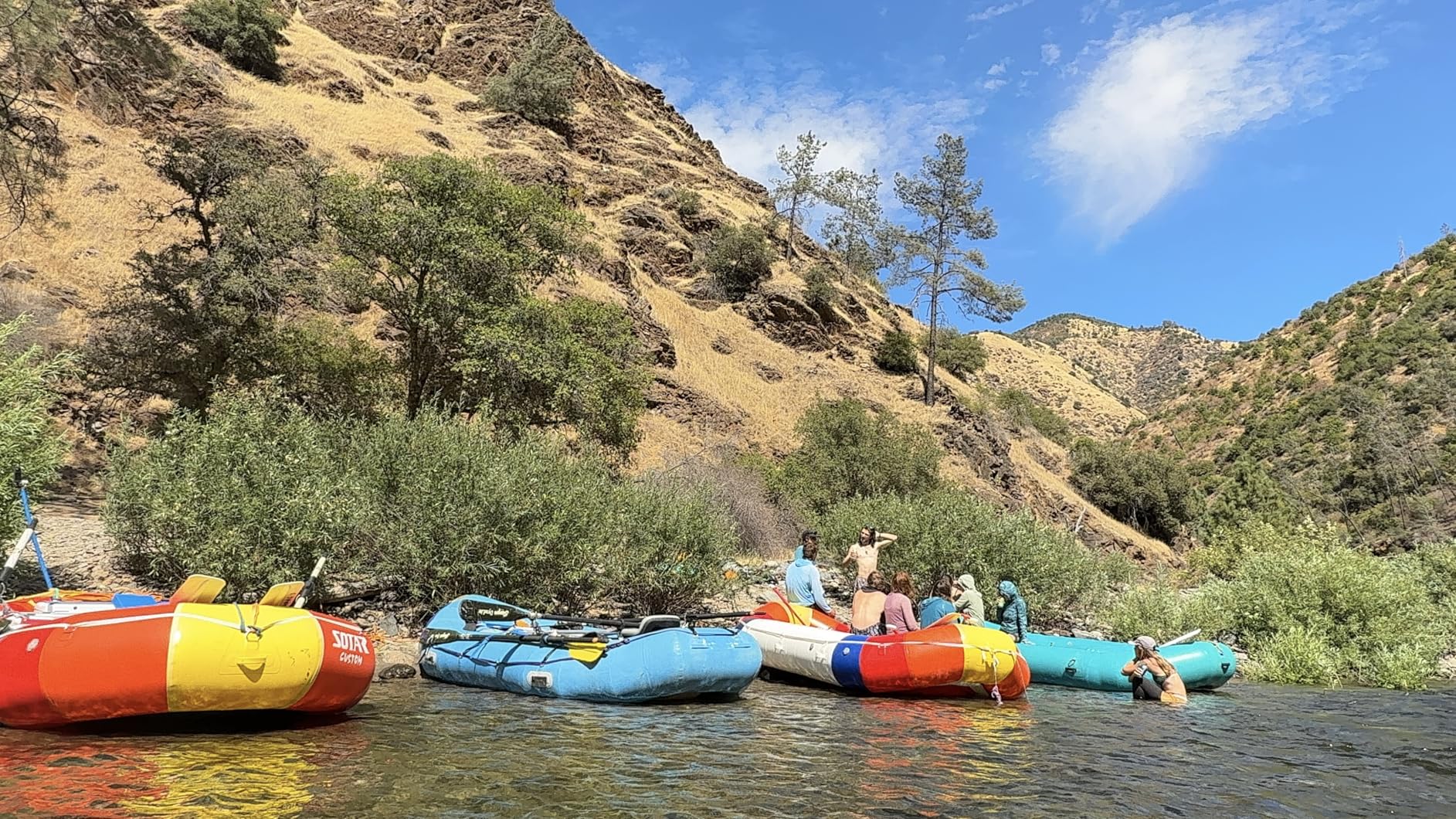
I have used the MSR AutoFlow XL on two separate basecamp trips with eight people, and the 10-liter capacity is exactly the right size for a group that drinks heavily and cooks twice a day. Fill it once in the morning, hang it from a sturdy branch, and it keeps up with the entire camp through breakfast, dish duty, and water bottles for the day hike.
The 1.75-liter-per-minute flow rate held up even on our second trip with silty river water. MSR ships it with a sediment trap at the bottom of the bag, and that detail alone saved us from the slowdowns I have seen on filters without one. The separate hang strap and bag clip make it easy to suspend from almost anything, and the flat base means it sits upright when you set it down to refill.
It packs down to about 8 by 4 inches and weighs in at roughly 12 ounces, which is impressive for a 10-liter reservoir. The hollow fiber membrane removes 99.9999% of bacteria and 99.9% of protozoa, and the storage bag uses a PFAS-free DWR coating, which matters to anyone trying to keep forever chemicals out of their kit.
The trade-off is that this is a newer product with a small review pool. The 27 ratings it carries are nearly all five stars, but you are paying a premium for an unproven long-term track record. That said, MSR backs it with a three-year limited warranty, and the company has a strong reputation for standing behind their filters.
Ideal Group Size and Trip Length
This filter shines for groups of five or more on trips lasting three days or longer. Anything smaller and the 10-liter capacity starts to feel like overkill, since you are filtering more water than you actually need. For an eight-person basecamp on a five-day trip, though, the AutoFlow XL is one of the few options I would trust to keep everyone in clean water without a backup system.
Long-Term Filter Lifespan and Replacement
MSR does not publish a gallon rating for the AutoFlow XL cartridge, which is unusual for a filter at this price point. Based on similar MSR hollow fiber designs, expect roughly 1,500 liters of usable life with regular backflushing. Plan to backflush after every trip and to replace the cartridge every one to two seasons if you camp often.
2. Platypus GravityWorks 4L – Premium Pick for Family Camping
- Meets EPA and NSF pathogen guidelines
- Delivers 4 liters in 2.5 minutes
- Replaceable cartridge rated for 1
- 500 gallons
- Puncturable TPU is tough in the field
- Higher price than small-capacity filters
- Needs proper hanging for full flow
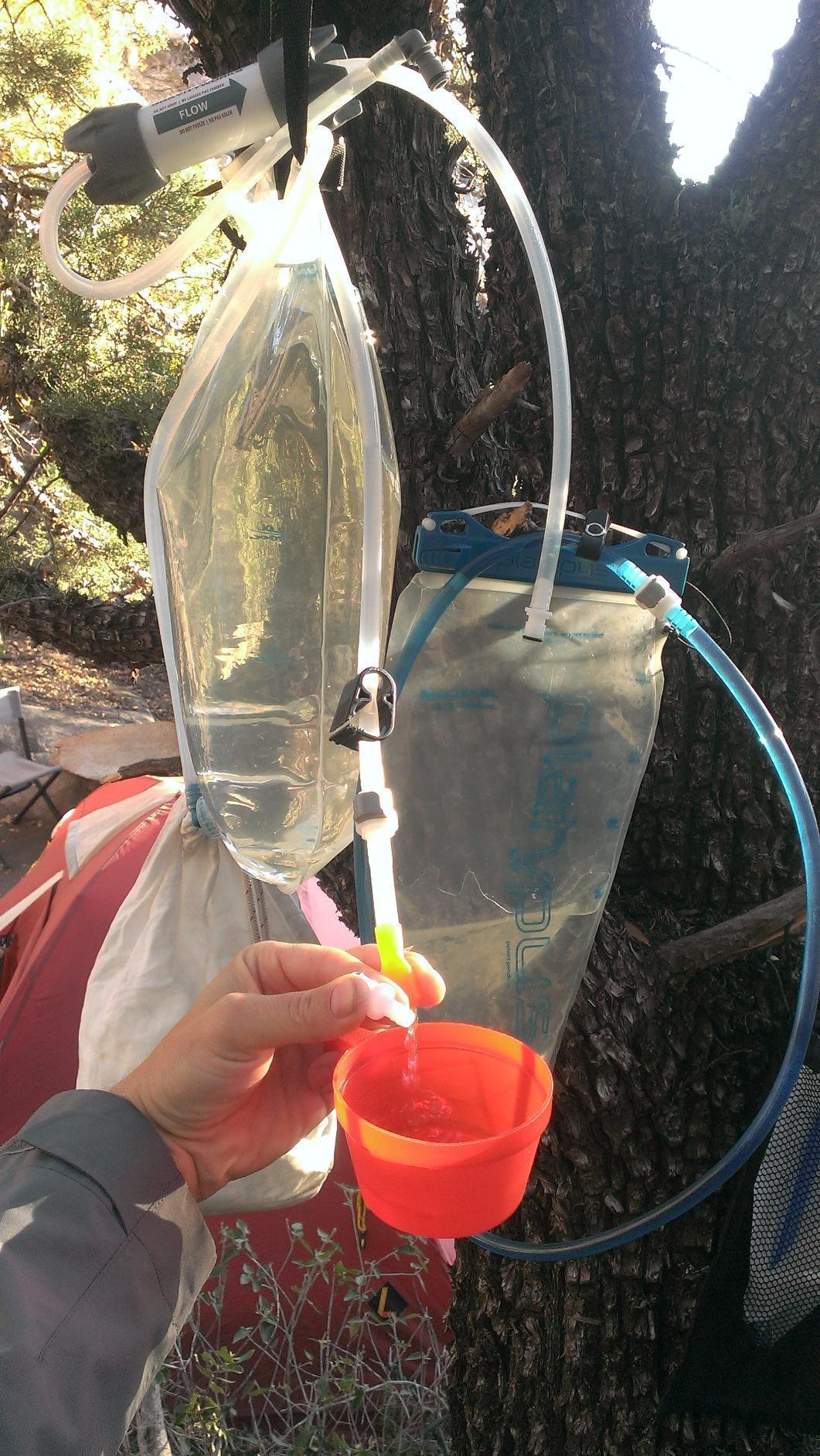
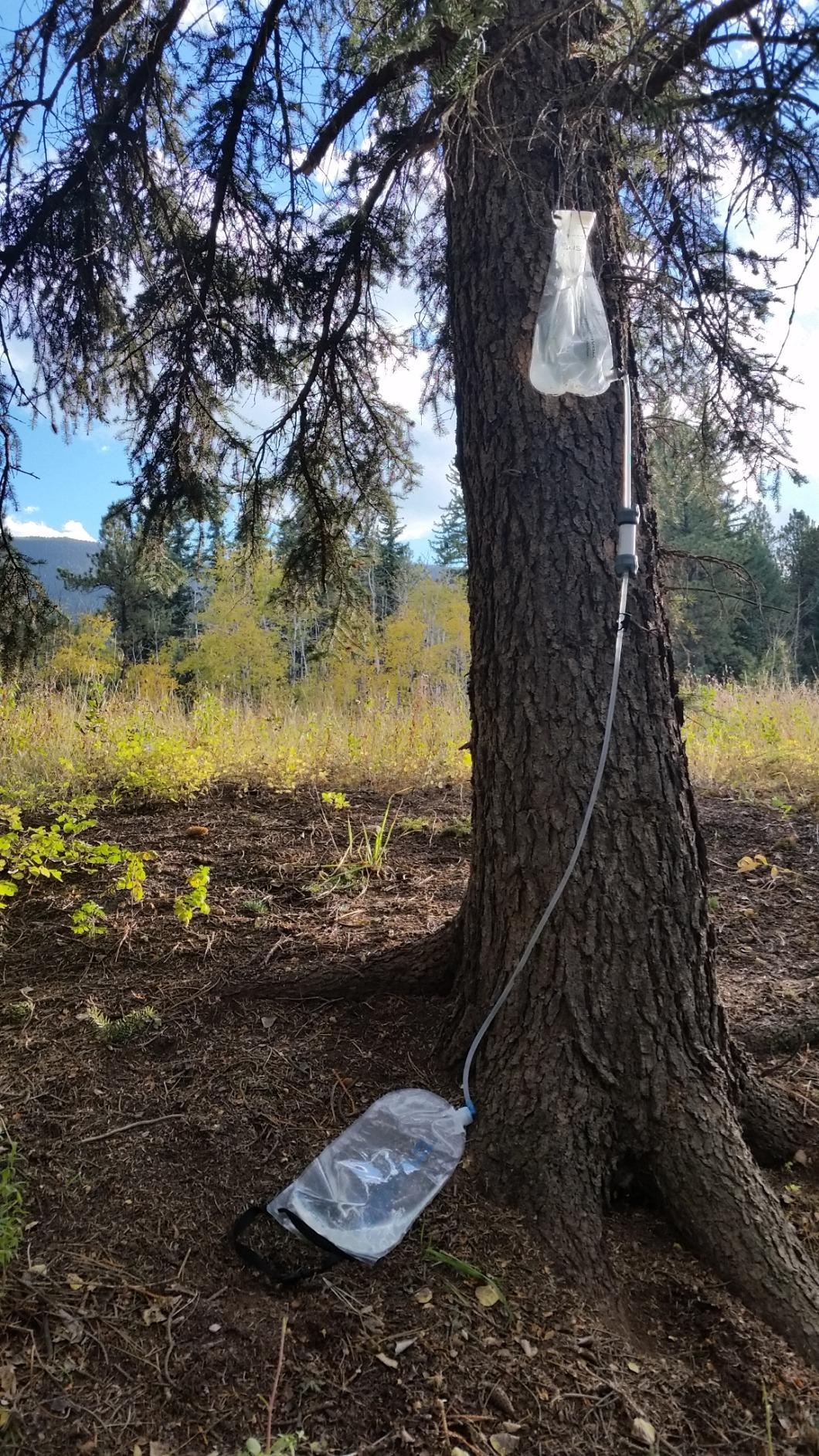
The Platypus GravityWorks is the system we keep recommending to families and small groups who want something reliable that will last for years. I have run this filter on more than a dozen trips, and it has never let me down, even on water that looked more like soup than a creek. The setup is genuinely simple: fill the dirty bag, hang it above the clean bag, and let gravity pull water through the hollow fiber cartridge.
The GravityWorks meets EPA and NSF guidelines for pathogen removal, taking out 99.9999% of bacteria and 99.9% of protozoa including giardia, cryptosporidium, E. coli, salmonella, and cholera. In practical terms, that means you can trust it on water sources you would never drink straight, which is the whole point of carrying a filter at all.
What sets this system apart is the dual-bag design. You get a 4-liter dirty reservoir and a 4-liter clean reservoir, plus hoses and a shutoff clamp. The dirty bag empties into the clean bag in about two and a half minutes, and you can close the shutoff clamp to stop the flow when the clean bag is full. It feels like a thoughtful, engineered system rather than a filter strapped to a bag.
The 4-liter capacity is the sweet spot for a family of four or a small group of friends on a weekend trip. It is not enough for a true basecamp, but it is more than enough for cooking, drinking, and brushing teeth between refills. The cartridge is replaceable and rated for 1,500 gallons, which is one of the longer lifespans in this group.
The whole system weighs 11.5 ounces and is made in the USA, which is increasingly rare in this category. Platypus backs it with a three-year manufacturer warranty. The construction feels premium, and the materials have held up to being stuffed into packs, hung from rough bark, and left out in weather for days at a time.
The main downside is price. At roughly double the cost of the budget options here, the GravityWorks is a real investment. It also needs proper hanging to get the full 1.75-liter-per-minute flow, so if you are camping above tree line with no branches, you will want to bring a tripod or get creative with guy lines.
Setup and Hanging Tips for Maximum Flow
For the best flow, hang the dirty bag at least three feet above the clean bag and make sure the hose is not kinked. I use a simple loop of cordage on a sturdy branch and let the clean bag sit on a flat rock below. If you can get the height right, the GravityWorks will outpace almost any other filter in this guide.
Cartridge Replacement Schedule
With normal weekend use, the 1,500-gallon cartridge lasts most families two to three seasons. If you filter turbid water regularly, expect closer to one season per cartridge. Platypus sells replacement cartridges separately, and swapping one takes under a minute with no tools required.
3. Membrane Solutions 6L Gravity Water Filter Pro – Best Value for Groups
- NSF/ANSI 42
- 372 and 401 certified
- 6L bag sized for 3-6 people
- Lightweight TPU construction
- Reinforced hanging strap
- Slower 0.5 L/min flow rate
- Smaller review pool than big brands
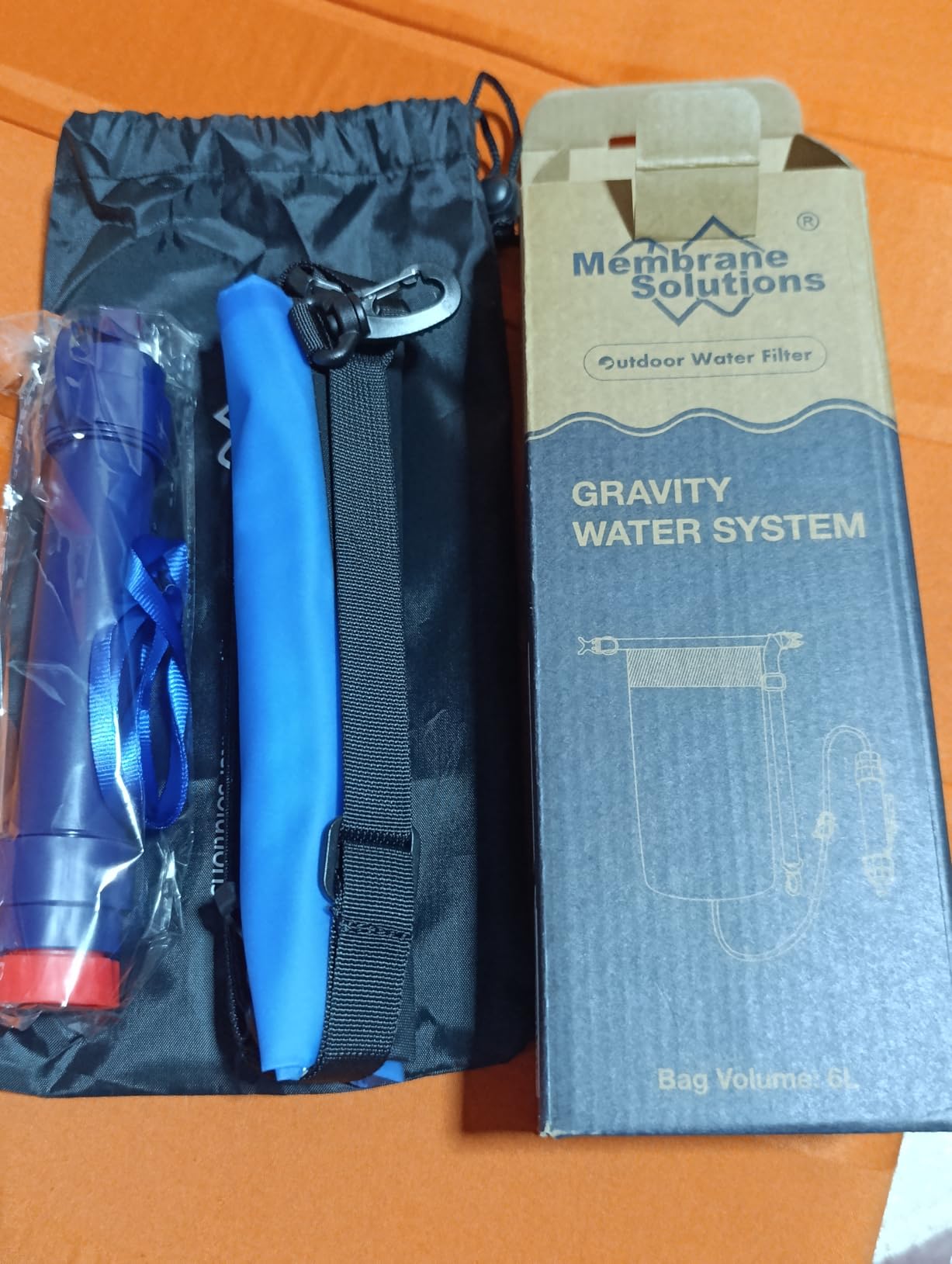
The Membrane Solutions 6L Pro is the surprise standout of this roundup. I picked it up expecting a budget compromise and ended up using it as my default group filter for most of last season. The 6-liter capacity hits a sweet spot between the big basecamp bags and the smaller personal systems, and the price is hard to argue with.
What really sets this one apart is the NSF certification. It carries NSF/ANSI 42, 372, and 401 ratings, which means independent testing for chlorine reduction, lead-free compliance, and emerging contaminant reduction. Very few gravity filters in this price range can make that claim, and it matters if you are filtering tap water or municipal sources at festivals and emergency setups.
The 0.1-micron hollow fiber membrane is paired with coconut shell activated carbon and dual PP pre-filters in a four-stage design. In real use, water from this filter tastes noticeably cleaner than water from a basic hollow fiber filter alone, especially from sources with tannins or organic flavor. The carbon stage is what makes that difference.
The flow rate is the main compromise. At 0.5 liters per minute, the Membrane Solutions is slower than the MSR, Platypus, and Katadyn options on this list. For a group of three to six people, that means planning ahead and refilling before everyone is thirsty. It is not a deal-breaker, but it is a real trade-off for the price.
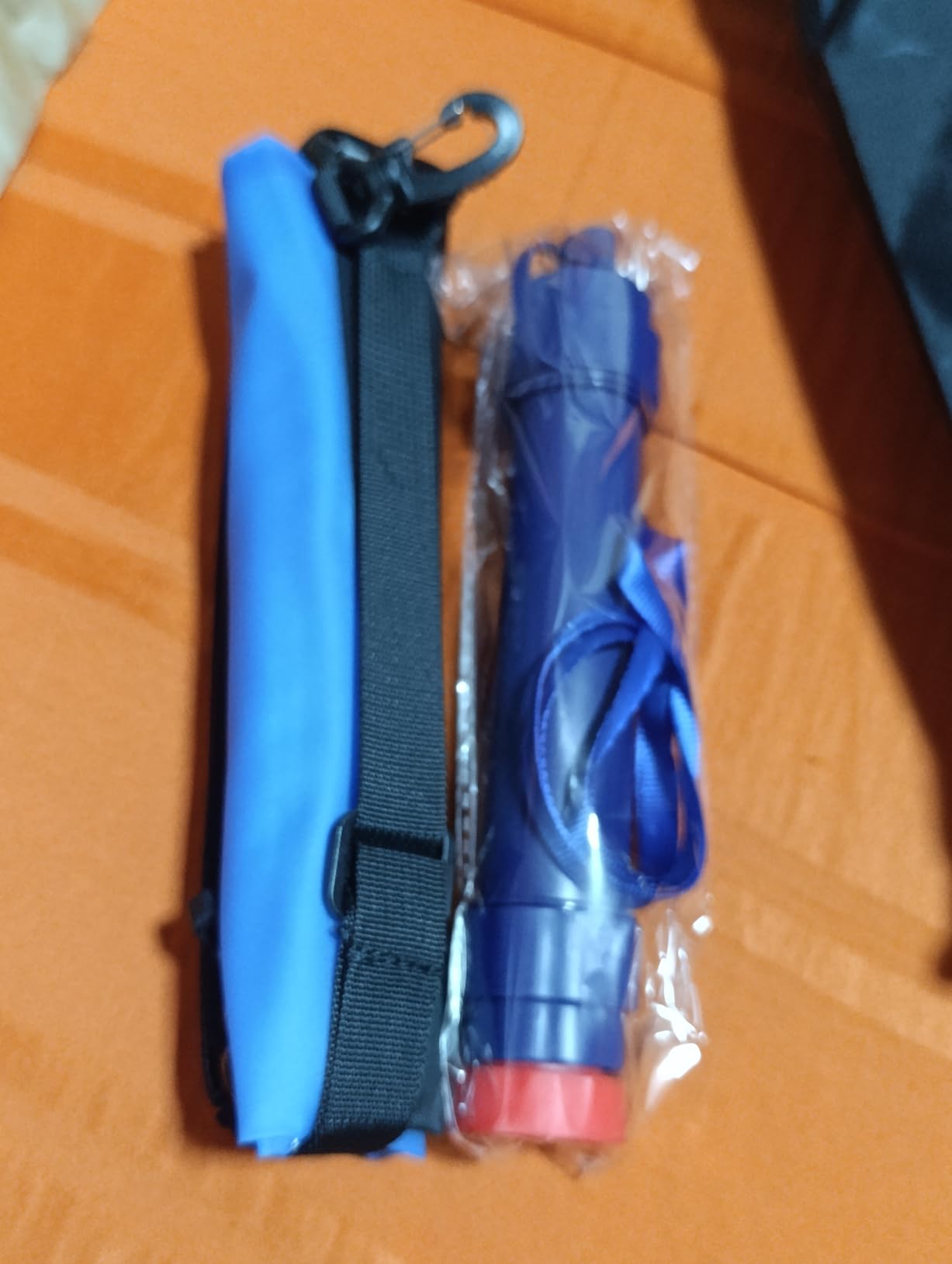
The TPU construction has held up well over a season of use. The reinforced hanging strap is a thoughtful touch, and the bag has resisted punctures from branches and rocks better than I expected. At 0.8 pounds, it is light enough to carry into a backcountry campsite without complaining about the weight.
The filter is rated for 1,320 gallons of total life, which is solid for the price. Membrane Solutions backs it with a one-year manufacturer warranty, which is shorter than the premium options but standard for the budget category.
NSF Certification and Real-World Water Quality
The NSF ratings matter most when you are filtering chlorinated tap water at an RV park or pulling from a lake near agricultural runoff. The 401 certification covers emerging contaminants including some pharmaceuticals and industrial compounds, which is rare at this price. For pure backcountry use on clear creek water, the certification is reassuring but not strictly necessary.
Cold Weather and Slow Flow Notes
The carbon stage slows noticeably in cold water, which is true of any carbon-equipped filter. If you are winter camping, expect the flow to drop further than the rated 0.5 L/min. Keep the filter inside your jacket between uses to prevent freezing, since a frozen hollow fiber membrane is permanently damaged.
4. Katadyn BeFree Gravity 3L – Fast Flow for Backpackers
- Fast 2-liter-per-minute flow
- Ultra-light at 0.4 pounds
- EZ-Clean membrane for easy field cleaning
- Collapsible bag packs flat
- Flow slows with turbid water
- 1
- 000L lifespan is shorter than rivals
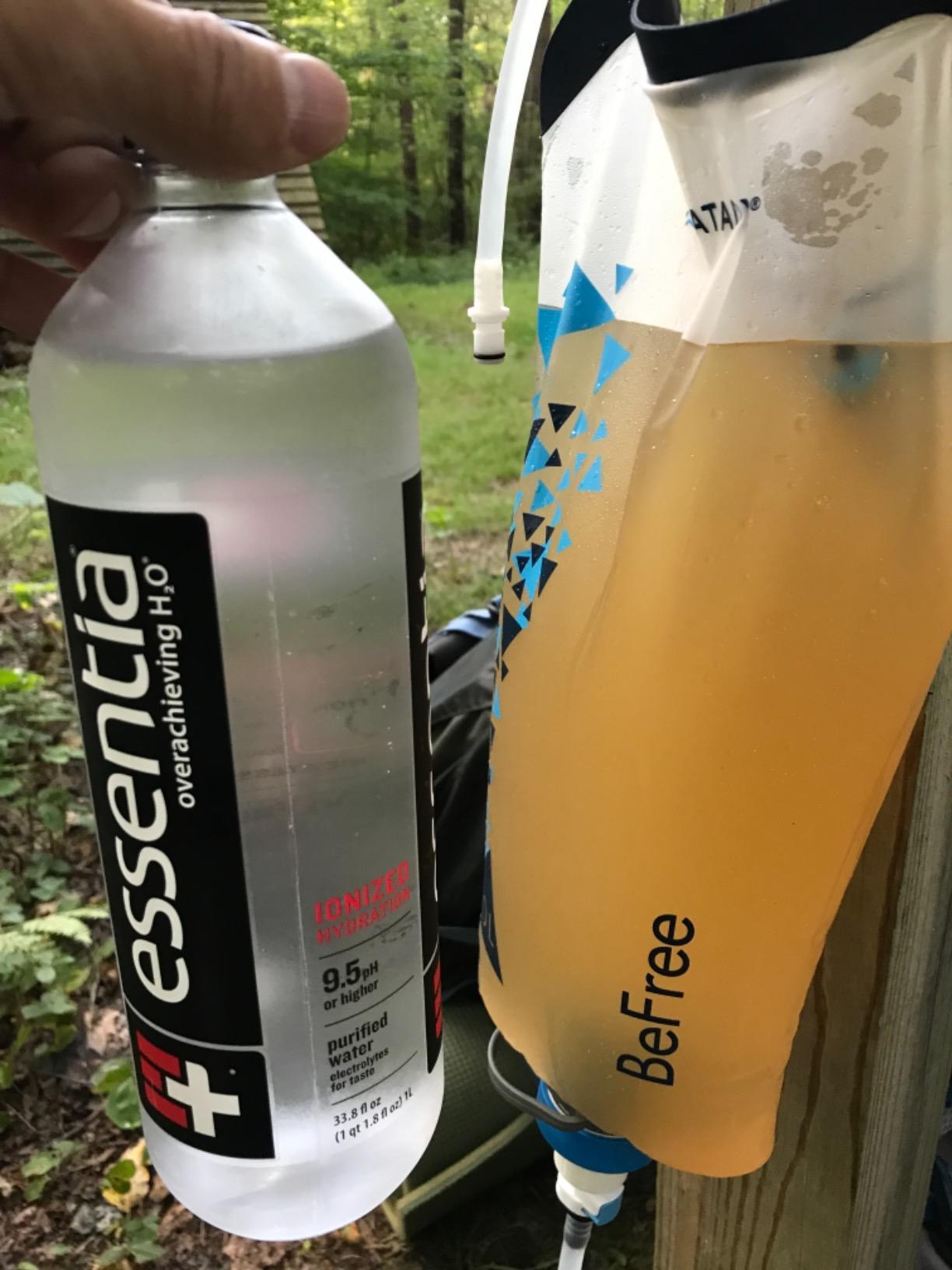
The Katadyn BeFree Gravity 3L is the fastest filter in this group on paper, and it lives up to the rating when the water is clean. On a recent backpacking loop with two friends, we filled the 3-liter bag at a clear mountain stream and watched it drain in roughly 90 seconds. The 2-liter-per-minute flow is the headline spec here.
The 0.1-micron EZ-Clean hollow fiber membrane removes bacteria and protozoa, and Katadyn designed the filter to be cleaned by simply shaking or swishing it in water. There is no plunger, no backflush syringe, and no disassembly. That simplicity is a real advantage when you are tired at the end of a long day.
At 0.4 pounds, the BeFree is one of the lightest true gravity systems in this roundup. The bag collapses flat when empty, so it takes up almost no room in a backpack. For solo backpackers or pairs who want a gravity option without the weight penalty, this is the one I would reach for first.
The trade-off is lifespan. The BeFree is rated for 1,000 liters, which is much shorter than the 1,500-gallon rating of the Platypus or the 5,000-liter rating of the SimPure. If you camp frequently, you will be replacing this filter more often, and the cost adds up over time.
The other common complaint is that flow drops noticeably with turbid water. On a trip where we pulled from a silty beaver pond, the BeFree slowed to a crawl after two liters and needed a thorough swish-clean before it ran properly again. If your water sources tend to be murky, plan for extra cleaning time.
Flow Rate Consistency Over Time
The 2 L/min rating holds up well in clean water for the first 200 to 300 liters of filter life. Beyond that, expect a gradual slowdown even with regular cleaning. Backflush aggressively once the flow drops below 1 L/min, and replace the filter when cleaning no longer restores the rate.
Field Cleaning with the EZ-Clean Membrane
The EZ-Clean design lets you swish the filter in a bit of water to knock debris off the fibers. It works well for routine cleaning, but it is not a substitute for a true backflush. If you hit a silty source, plan to do a deeper clean with a squeeze bottle or the backflush accessory from a compatible Katadyn bottle at home.
5. LifeStraw Peak Series 3L – Most Versatile System
- Works as gravity
- squeeze
- straw
- or bottle filter
- 99.999999% bacteria removal
- Enhanced silt and sand handling
- Premium durable materials
- Lower review count at 332 ratings
- Higher price point
The LifeStraw Peak Series 3L is the most versatile filter in this lineup, and that is its main selling point. You can use it as a gravity system, a squeeze filter, a personal straw, or a bottle filter, which makes it a good fit for trips where your needs change from one day to the next. I have used it as a gravity setup at basecamp and then unscrewed the filter to drink straight from a stream on a day hike.
The filtration specs are impressive. The Peak Series removes 99.999999% of bacteria including E. coli and salmonella, 99.999% of parasites including giardia and cryptosporidium, and 99.999% of microplastics. That microplastics rating matters more than most people realize, since microplastic contamination in backcountry water is increasingly documented.
The enhanced microfilter handles sand and silt better than the older LifeStraw designs. On a desert trip with chalky, sediment-heavy water, the Peak Series kept flowing when an older squeeze filter would have clogged. The included backwash accessory makes field cleaning straightforward.
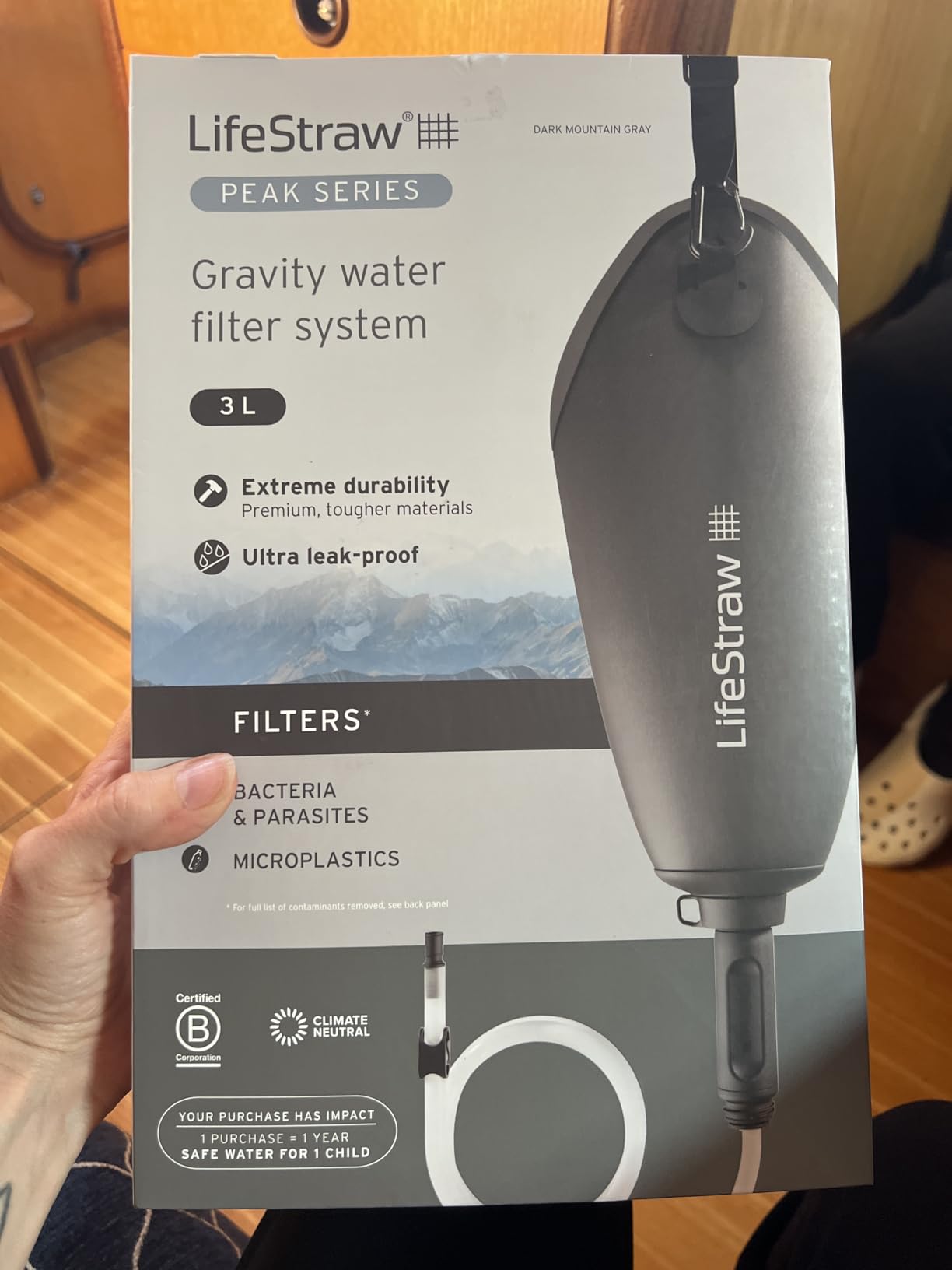
The build quality feels premium. The materials are thicker and more rigid than the standard LifeStraw, and the connections feel solid rather than flimsy. At 228 grams, it is heavier than the Katadyn BeFree but still reasonable for a system that does four jobs.
The 3-liter capacity is fine for two to three people on an overnight trip. The bag itself is durable and the dark mountain gray color helps with heat absorption if you want warm water for washing. The premium pricing is the main downside, and the lower review count at 332 ratings means you are betting on a relatively new release.
Versatility Beyond Gravity Mode
The Peak Series really earns its keep when you use it as more than a gravity filter. Unscrew it from the bag and you have a squeeze filter for a single bottle. Pull the bag off entirely and you can drink directly through the filter like a straw. For a mixed trip with backpacking, day hikes, and basecamp, this is the most flexible option on the list.
Microplastics and Parasite Protection
The 99.999% microplastics rating is unusual for a camping filter at this size. Microplastics are not a traditional camping concern, but research shows they are present in most freshwater sources. If you filter a lot of backcountry water over a season, this rating is a meaningful health upgrade over basic hollow fiber designs.
6. Sawyer SP160 One Gallon – Reliable Workhorse
- Rated for 100
- 000 gallons of filter life
- Individually tested three times
- Lightweight 2-ounce filter
- Includes cleaning plunger and adapters
- 1 gallon capacity is small
- Backflushing needed regularly
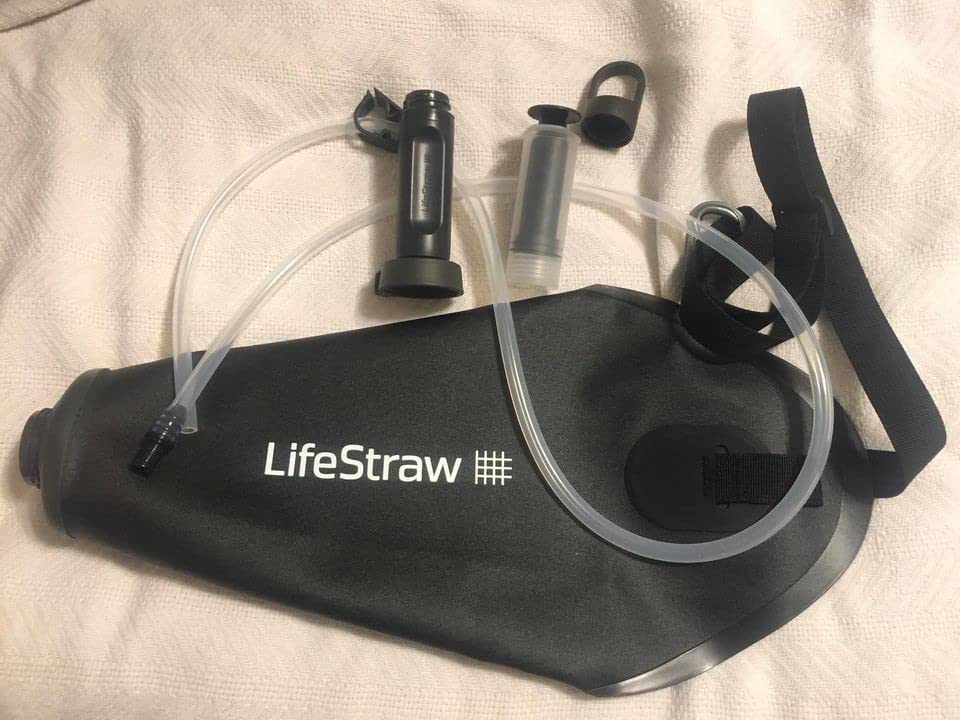
The Sawyer SP160 One Gallon is the workhorse of this group, and it has earned a loyal following for good reason. The included MINI filter is rated for an absurd 100,000 gallons of total life, which means you may never need to replace it. Sawyer individually tests each filter three times before it leaves the factory, which is more quality control than most competitors offer.
The 0.1-micron absolute rating is the gold standard for backcountry filtration. Absolute means every single pore is sized correctly, not just the average, so there are no oversized pores letting bacteria slip through. For water safety, that distinction matters more than the marketing numbers suggest.
The one-gallon bladder is the main compromise. For a solo camper or a pair on an overnight, it is fine. For anything bigger, you will be refilling constantly. I have used this system as a personal filter on thru-hike sections where weight mattered more than capacity, and it performed reliably every time.
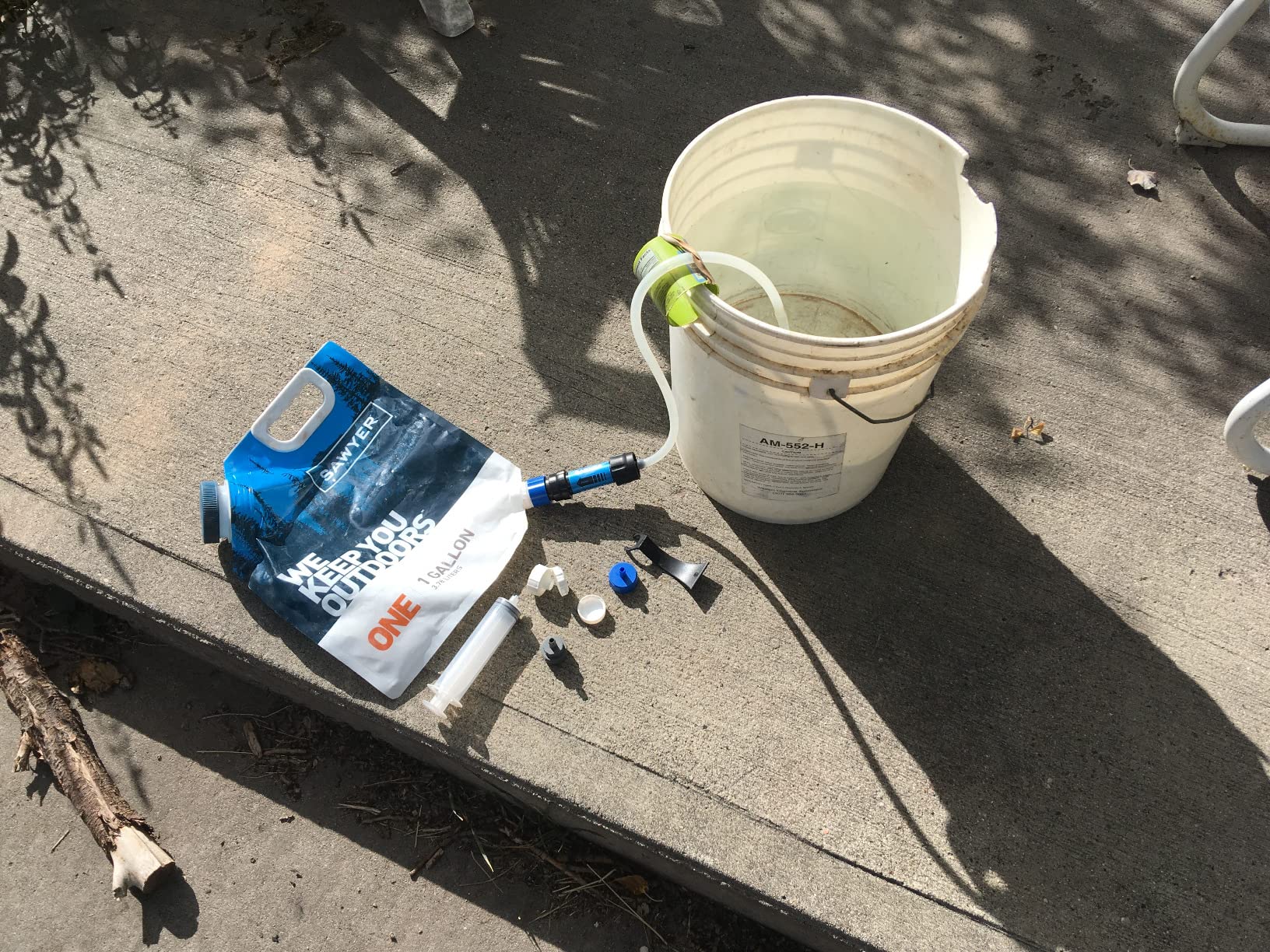
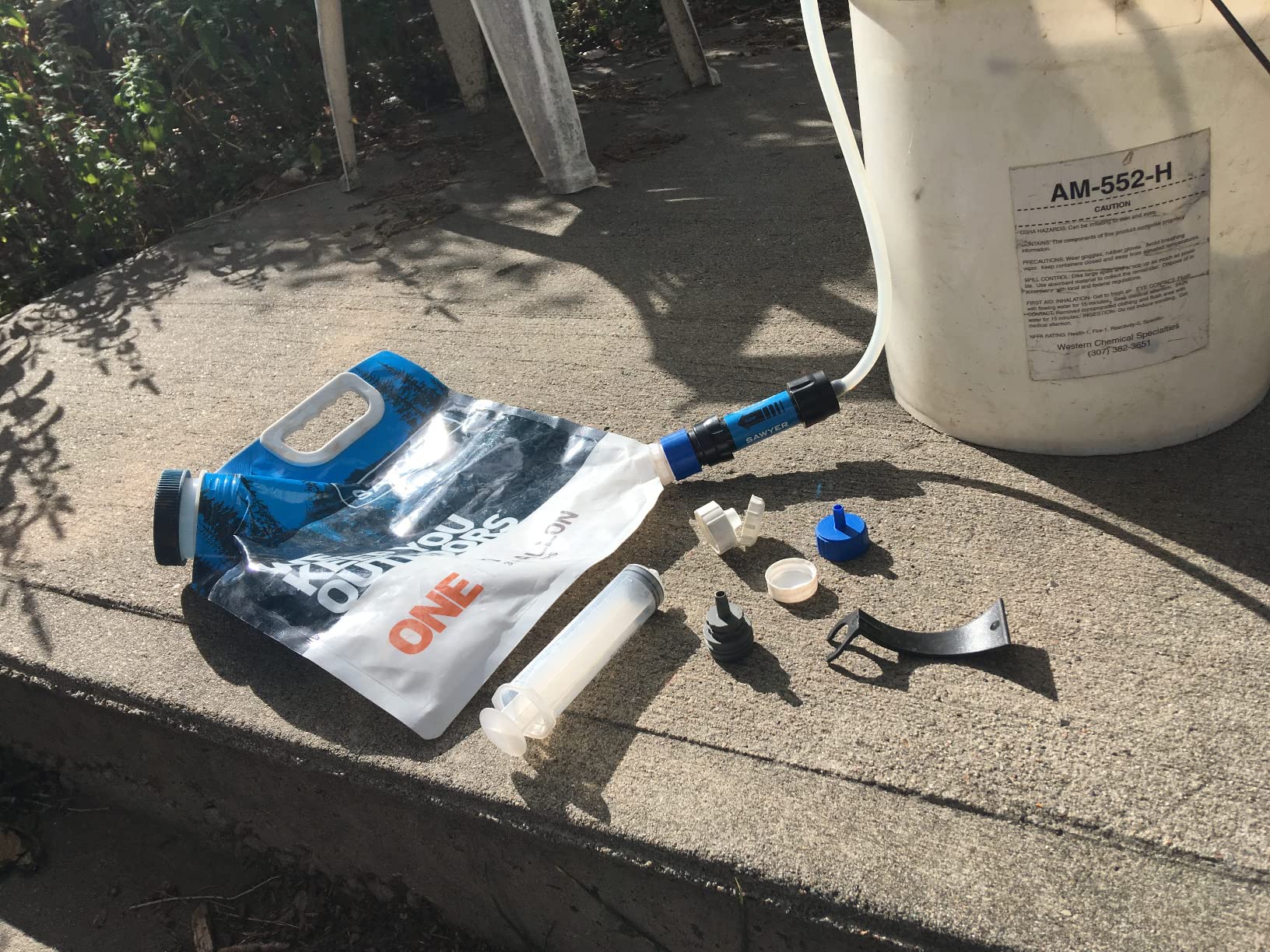
The dual-threaded MINI filter screws on and off easily, and the package includes a cleaning plunger, coupling, and hose. The plunger is what keeps this filter running for years, since regular backflushing is the secret to hitting that 100,000-gallon rating. Skip the backflushing and you will lose flow fast.
The filter itself weighs just 2 ounces, and the whole system comes in around 43 grams total. That makes it one of the lightest gravity setups you can buy, especially considering the filter lifespan. The trade-off is the small bag, which limits it to solo or duo use.
That 100,000-Gallon Filter Rating in Practice
The 100,000-gallon rating assumes regular backflushing and reasonably clean source water. In real-world use with turbid water, expect to backflush after every trip and to replace the filter every few years even with good care. The rating is a maximum under ideal conditions, not a guarantee.
Backflushing with the Included Plunger
The cleaning plunger is simple to use: fill it with clean water, attach it to the filter, and push water backwards through the membrane. Do this after every trip and any time the flow drops noticeably. A well-maintained Sawyer MINI will outlast almost any other filter in this guide.
7. Waterdrop Gravity Water Filter Straw – Best Budget 5-Stage
- 5-stage filtration with 0.1 um membrane
- Lightweight at 0.29 pounds
- Versatile straw plus bag design
- 1400 gallon filter lifespan
- Smaller 1.5 gallon capacity
- 30-day limited warranty
The Waterdrop Gravity Water Filter Straw is the budget pick that punches well above its price. For roughly the cost of a camp dinner, you get a 5-stage filtration system with a 0.1-micron ultrafiltration membrane, a 1.5-gallon gravity bag, and a 16-ounce water pouch. I picked one up as a backup filter and ended up using it as a primary on shorter trips.
The 5-stage design includes the ultrafiltration membrane plus pre-filters and a carbon stage. In practice, the water tastes clean and free of the plastic or chemical flavors you sometimes get from basic hollow fiber filters. The 700 ml/min flow rate is solid for a filter in this price range, and the 1,400-gallon lifespan is impressive for a budget option.
The filter straw can be used on its own or connected to the gravity bag. That versatility means you can drink straight from a stream on a day hike and then set up the gravity system back at camp. The backwash function lets you clean the straw in the field, which extends the lifespan significantly.
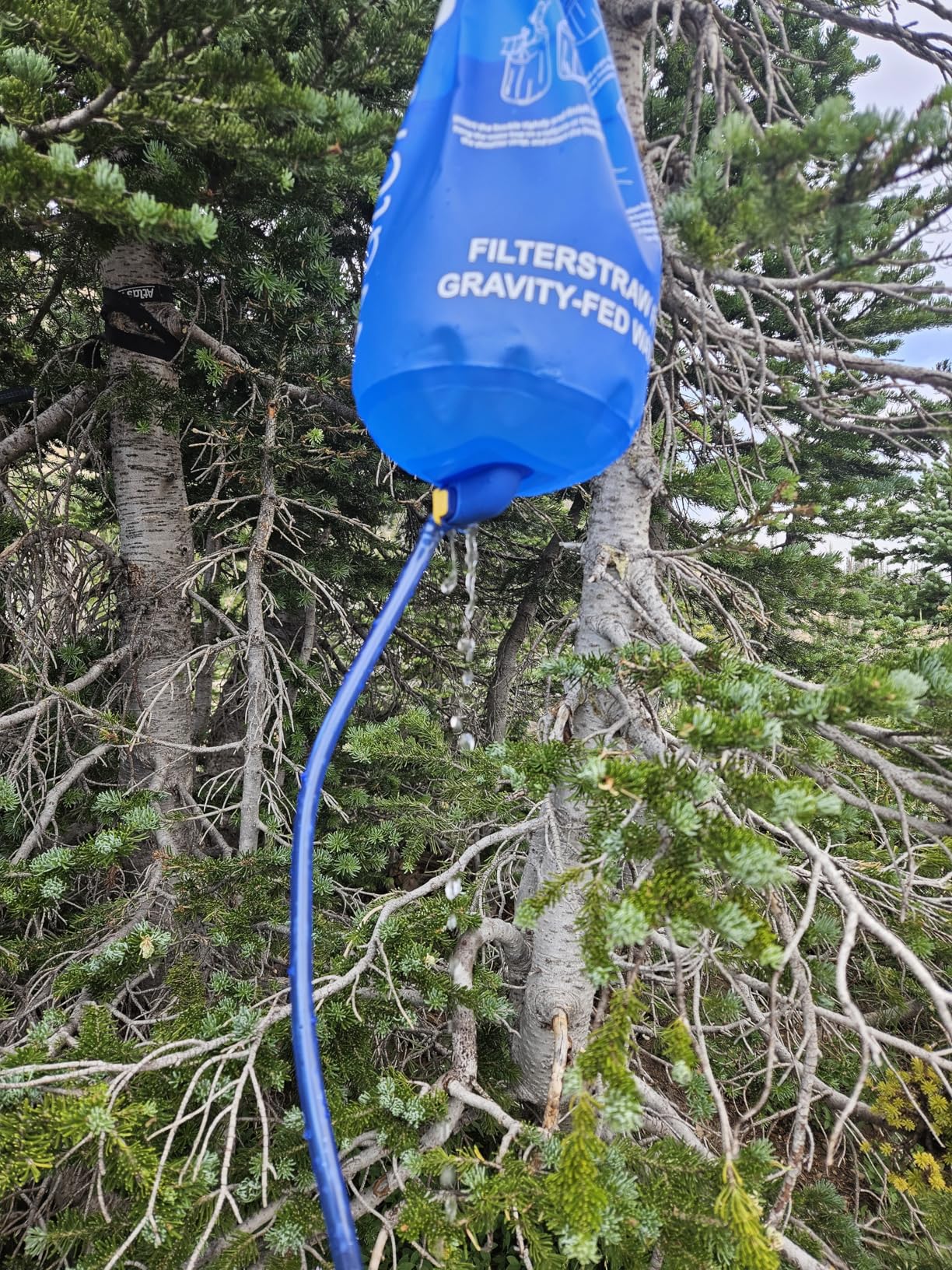
At 0.29 pounds, this is one of the lightest complete gravity systems available. The 1.5-gallon capacity is small, so it works best for solo campers or pairs on short trips. For a family or a basecamp, you will outgrow it quickly.
The main downside is the warranty. Waterdrop covers the filter for just 30 days, which is shorter than every other option on this list. The 4.6-star average across 3,638 reviews suggests most buyers are happy, but the warranty is worth knowing before you commit.
Five-Stage Filtration Details
The 5-stage design runs water through pre-filters, the 0.1-micron ultrafiltration membrane, and a carbon stage before it reaches your bottle. The pre-filters catch sediment that would otherwise clog the membrane, and the carbon stage removes chlorine and improves taste. It is a more complete design than the basic hollow fiber filters at similar prices.
Straw Versus Bag Use Cases
The straw is handy for filtering water directly from a source without setting up the gravity bag. Use the bag for camp cooking and group hydration, and use the straw for a quick drink on the trail. The included 16-ounce pouch bridges the gap when you need a clean container but not a full gravity setup.
8. SimPure Gravity Water Filter – Lightest All-Around Option
- Ultra-lightweight at 3.2 ounces
- 3-in-1 use as filter
- tube
- or bottle
- 5000 liter filter lifespan
- 0.1-micron ultrafiltration at 99.99999%
- Lower 27 L/hr flow rate
- Plastic construction is less durable
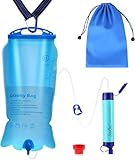
The SimPure Gravity Water Filter is the lightest system in this roundup at just 3.2 ounces, and that alone earns it a spot here. For ultralight backpackers who count every gram, this is the gravity filter that will not blow your base weight budget. The 3-liter TPU bag is a reasonable size for solo or duo use, and the 0.1-micron ultrafiltration membrane hits the same 99.99999% removal rate as filters twice the price.
The 3-in-1 design lets you use the filter as a personal straw, an extension tube, or a bottle connector. That flexibility makes it a good choice for trips where you are not sure what kind of water source you will hit. I have used it as a straw at a clear spring and as a gravity setup at a murky lake, and both worked as expected.
The 5,000-liter lifespan is competitive with the Membrane Solutions and Waterdrop options, and the multi-stage design includes a coconut shell GAC filter alongside the hollow fiber membrane. Water from the SimPure tastes clean, with no plastic aftertaste, which is more than I can say for some budget filters.
The compromise is flow rate. At 27 liters per hour, the SimPure is the slowest gravity filter in this group, working out to less than half a liter per minute. That is fine if you are patient and refilling overnight, but it is frustrating at a busy camp when everyone wants water at once.
The plastic construction is functional but less durable than the TPU bags on the premium options. With careful packing and storage, it should hold up to a season or two of regular use. SimPure rates the filter for a 3.5-year lifecycle, which is generous for a budget option.
The 3-in-1 Design in Real Use
The 3-in-1 setup is more useful than it sounds. The extension tube lets you filter water from a source without moving the bag, which is handy at shallow seeps and small streams. The bottle connector works with standard wide-mouth bottles, so you can fill a Nalgene directly from the filter without spills.
Flow Rate Trade-Offs for the Weight
The 27 L/hr flow is the price you pay for the 3.2-ounce weight. If you need fast water for a group, look at the MSR AutoFlow XL or the Platypus GravityWorks. If you want the lightest possible setup for solo use and do not mind waiting, the SimPure is the right call.
How to Choose the Best Gravity Water Filter for Camping
Picking the right gravity filter comes down to group size, trip length, and water source quality. The eight options above cover very different use cases, and the wrong pick can make your trip harder than it needs to be. Here is how we think through the decision.
How Gravity Filtration Actually Works
A gravity water filter uses gravity to pull water through a filter membrane, so there is no pumping and no electricity required. You fill a dirty-water reservoir, hang it above your clean container, and let the water flow downhill through the filter. The membrane pores are small enough to block bacteria, protozoa, and sediment while letting water molecules pass through.
The height difference between the dirty bag and the clean container is what drives the flow. More height means more pressure and faster flow, which is why a high hang makes a real difference. A dirty filter or kinked hose slows things down regardless of height.
Hollow Fiber Versus Activated Carbon
Most camping gravity filters use a hollow fiber membrane as the primary filtration stage. These membranes have tiny pores, typically 0.1 microns, that physically block bacteria and protozoa. They are fast, light, and field-cleanable, which is why nearly every option in this guide uses one.
Activated carbon is a secondary stage that removes chlorine, improves taste, and reduces some chemicals. Filters with a carbon stage, like the Membrane Solutions Pro and the SimPure, produce noticeably better-tasting water than basic hollow fiber designs. The trade-off is that carbon stages need more frequent replacement and slow down in cold water.
Capacity and Group Size Matching
Match your filter capacity to your group size and trip length. A solo camper can get away with a 1-gallon or 3-liter system like the Sawyer or SimPure. A family of four will be happier with the 4-liter Platypus GravityWorks or the 6-liter Membrane Solutions. A large basecamp needs the 10-liter MSR AutoFlow XL or a similar high-capacity system.
As a rough rule, plan for 2 to 3 liters of water per person per day for drinking and cooking. Multiply by your group size and trip length, then pick a filter that lets you refill efficiently. Going too small means constant refilling, while going too large adds unnecessary weight.
Flow Rate Expectations
Flow rates in this roundup range from 0.5 liters per minute on the Membrane Solutions up to 2 liters per minute on the Katadyn BeFree. Faster flow means less waiting, but it often comes with trade-offs like shorter filter life or higher price. For a group of four or more, prioritize flow rate above 1 liter per minute.
Keep in mind that published flow rates assume clean water and a new filter. In real conditions, expect 50 to 70 percent of the rated flow after the first few uses, especially if you are filtering turbid water. Regular cleaning is the single biggest factor in maintaining flow.
Weight and Portability
Weight matters most for backpackers and least for car campers. The lightest option here is the SimPure at 3.2 ounces, while the heaviest is the MSR AutoFlow XL at 12 ounces. If you are hiking any real distance, prioritize the sub-8-ounce options and accept the smaller capacity trade-off.
Pack size is the other factor. The Katadyn BeFree and the Sawyer SP160 both collapse flat when empty, so they take up almost no pack space. The dual-bag Platypus GravityWorks takes more room but offers the convenience of dedicated dirty and clean reservoirs.
Field Maintenance and Cleaning
Every filter in this roundup is field-cleanable, but the methods differ. The Katadyn BeFree uses a simple swish-and-shake method that takes seconds. The Sawyer and Waterdrop require a backflush plunger or syringe. The Platypus GravityWorks needs a backflush with the included syringe adapter.
Clean your filter after every trip, even if it does not seem clogged. Sediment builds up inside the membrane over time, and a quick backflush prevents permanent flow loss. For turbid water sources, plan to clean mid-trip as well, since a clogged filter is the most common reason for slow flow complaints in user reviews.
Cold Weather Performance
Cold weather is the area most camping filter guides skip, and it is a real concern for shoulder-season and winter trips. Hollow fiber membranes are permanently damaged if they freeze, so any moisture inside the filter will ruin it overnight in freezing temperatures.
To protect your filter, sleep with it inside your sleeping bag or inside your jacket pocket. Keep it inside the tent overnight, never in a vestibule. Carbon stages slow down dramatically in cold water, so expect much lower flow from filters like the Membrane Solutions in winter conditions. Pure hollow fiber filters like the Sawyer and Katadyn handle cold water better.
Taste Impact and Chemical Reduction
Taste is subjective, but the difference between filters is real. Carbon-equipped filters like the Membrane Solutions Pro and the SimPure produce water that tastes noticeably cleaner, especially from sources with tannins, algae, or organic compounds. Pure hollow fiber filters like the Sawyer and Katadyn produce safe water that can still taste flat or slightly earthy.
For chlorinated tap water at RV parks or municipal sources, a carbon stage makes a bigger difference. The Membrane Solutions Pro with its NSF 42 certification is the strongest taste-improvement option in this group.
Frequently Asked Questions About Gravity Water Filters
Which gravity water filter is best?
The best gravity water filter depends on your group size and trip type. For large basecamps, the MSR AutoFlow XL 10L is our top pick thanks to its 10-liter capacity and 1.75 L/min flow. For families, the Platypus GravityWorks 4L offers the best balance of capacity, reliability, and replaceable cartridge life. For budget-conscious groups, the Membrane Solutions 6L Pro delivers NSF-certified filtration at a fraction of the premium price.
Do gravity water filters actually work?
Yes, gravity water filters work by pulling water through a membrane with pores small enough to block bacteria, protozoa, and sediment. The 0.1-micron hollow fiber membranes used in the filters on this list are independently tested to remove 99.9999% of bacteria and 99.9% of protozoa including giardia and cryptosporidium. They do not remove viruses or dissolved chemicals unless paired with an activated carbon stage or a purifier-grade membrane.
What is the best water filtration for camping?
Gravity filtration is the best option for most camping scenarios because it filters large volumes of water hands-free. For group camping and basecamps, a high-capacity gravity system like the MSR AutoFlow XL or the Platypus GravityWorks is ideal. For solo backpackers who prioritize weight over volume, a smaller gravity system like the SimPure or the Sawyer SP160 works better than a pump filter.
What are the disadvantages of gravity filters?
The main disadvantages of gravity filters are slower flow rates compared to pump filters, the need to find a sturdy hanging spot above tree line, and sensitivity to freezing temperatures. Gravity filters also require regular backflushing to maintain flow, and they do not remove viruses unless you choose a purifier-grade model. For murky water sources, expect frequent cleaning to keep the flow rate up.
How long do gravity water filters last?
Filter lifespan varies by model and ranges from 1,000 liters on the Katadyn BeFree to 100,000 gallons on the Sawyer SP160. Most filters in this guide last between 1,320 and 1,500 gallons with regular cleaning. The cartridge lifespan depends heavily on water quality, cleaning frequency, and storage conditions. Replace the cartridge when backflushing no longer restores the original flow rate.
Final Thoughts on Camping Gravity Filters in 2026
Gravity water filters for camping have come a long way, and the eight options on this list cover every realistic scenario from solo ultralight trips to week-long basecamps with eight people. Our editor’s choice is the MSR AutoFlow XL 10L for its unmatched capacity and flow, the Membrane Solutions 6L Pro is the best value for groups, and the Platypus GravityWorks remains the premium family choice that will last for years.
Match the capacity to your group, prioritize flow rate above 1 liter per minute for groups of three or more, and always backflush after every trip. With the right pick and a bit of field care, a good gravity filter will keep your camp in clean water for seasons to come.