
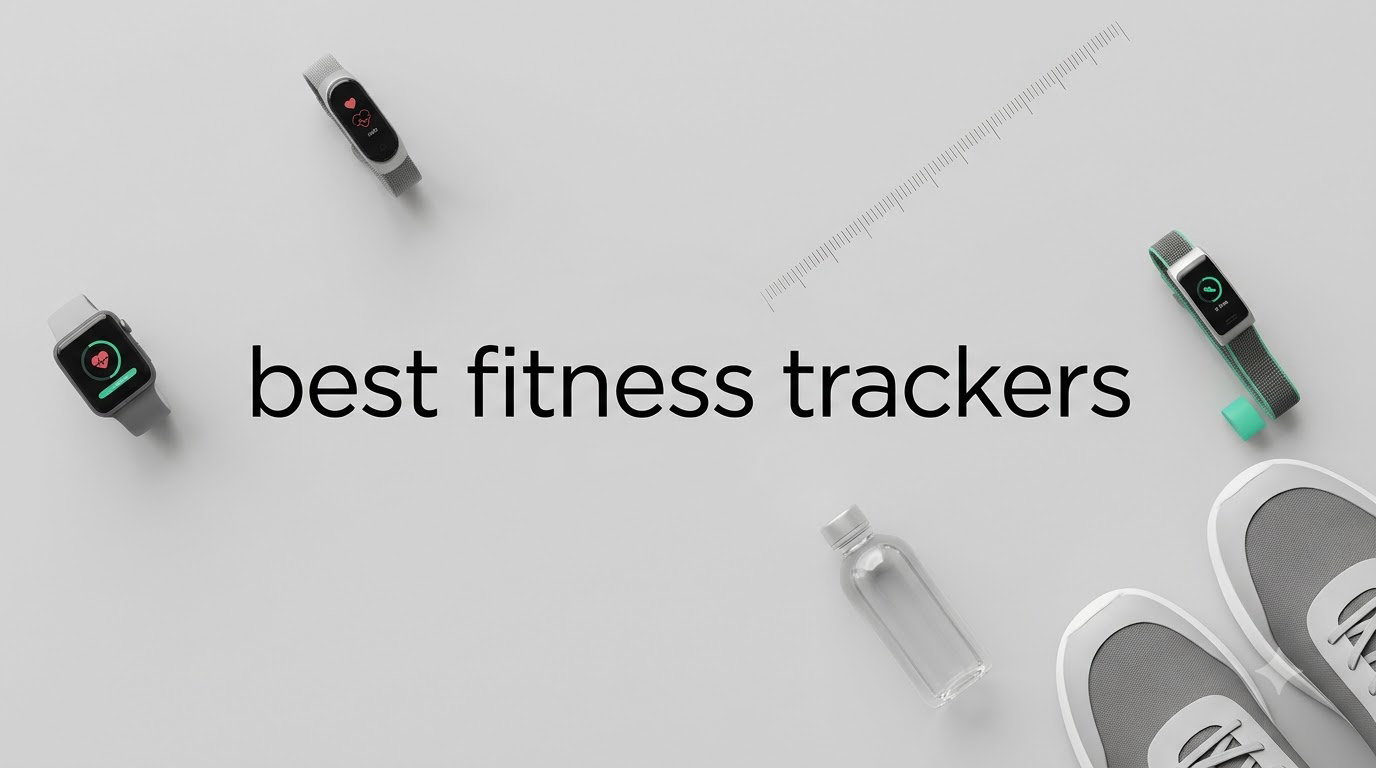
I’ve worn some kind of fitness tracker on my wrist for nearly a decade now, and the category has changed more in the last two years than in the previous eight. In 2026, the best fitness trackers are smarter about sleep, more honest about recovery, and finally comfortable enough to wear 24/7 — including through the night. The catch is that more features often mean more subscriptions, more sensors, and more bulk on the wrist.
Our team spent six weeks wearing ten of the top contenders across daily life, gym sessions, long runs, and at-home workouts on our treadmill. We compared heart rate accuracy against a chest strap, watched how each device handled sleep staging, and timed how long each one actually lasted between charges. We also dug into forum threads on Reddit’s r/FitnessTrackers to see what real owners complain about after the honeymoon period.
This guide covers our ten favorite best fitness trackers for 2026, from a screenless recovery band for serious athletes to a sub-$20 step counter that simply works. Whether you want a no-subscription band for everyday steps or a full-featured smartwatch for marathon training, you’ll find the right pick below.
Table of Contents
Top 3 Picks at a Glance
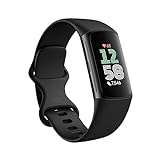
Google Fitbit Charge 6
- Built-in GPS
- Google Wallet
- 7-day battery
- Heart rate on gym equipment


Best Fitness Trackers in 2026
| Product | Specifications | Action |
|---|---|---|
| Google Fitbit Charge 6 |
|
Check Latest Price |
 WHOOP 5.0 WHOOP 5.0 |
|
Check Latest Price |
| Garmin Forerunner 165 |
|
Check Latest Price |
| Xiaomi Smart Band 10 |
|
Check Latest Price |
 Fitbit Inspire 3 Fitbit Inspire 3 |
|
Check Latest Price |
 Samsung Galaxy Fit3 Samsung Galaxy Fit3 |
|
Check Latest Price |
 AEAC Smart Watch for Women AEAC Smart Watch for Women |
|
Check Latest Price |
 Fitbit Charge 2 Fitbit Charge 2 |
|
Check Latest Price |
 TORJALPH Smart Watch TORJALPH Smart Watch |
|
Check Latest Price |
 LIVIKEY Fitness Tracker LIVIKEY Fitness Tracker |
|
Check Latest Price |
1. Google Fitbit Charge 6 — Best Fitness Tracker Overall
- Built-in GPS works without a phone
- 40+ exercise modes
- Broadcasts heart rate to gym equipment
- Google Maps directions on wrist
- Google Wallet contactless payments
- Includes 3-month Premium trial
- GPS drains battery faster than expected
- Premium features gated behind subscription
- New Fitbit app redesign divides users
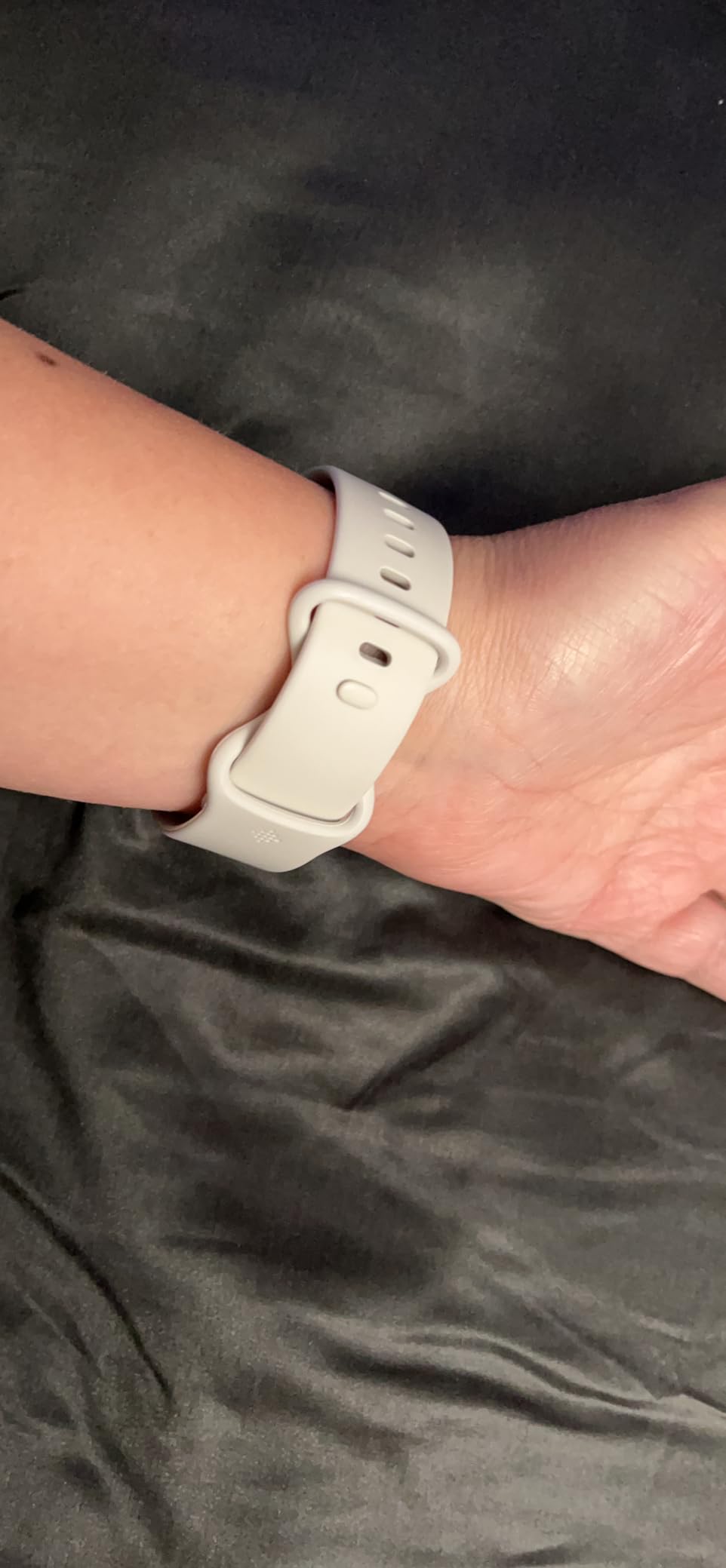
I wore the Fitbit Charge 6 for three straight weeks — gym sessions, neighborhood runs, and a long weekend at the lake. The thing that hooked me fast was the heart rate broadcast to gym equipment. I walked up to an elliptical, tapped my wrist, and watched my real-time BPM pop up on the console. No fiddling with a chest strap, no phone in the cradle. Reviewers on Reddit’s r/FitnessTrackers call this the killer feature for anyone who actually trains on machines.
The built-in GPS is a step up from older Charge models. I tested it against my Garmin Forerunner on a 5-mile loop and the Charge 6 came within a tenth of a mile. It is slower to lock onto satellites in dense tree cover, but for suburban running it is more than accurate enough. Battery life held around six days with daily GPS workouts — close to the seven-day claim, just not quite.
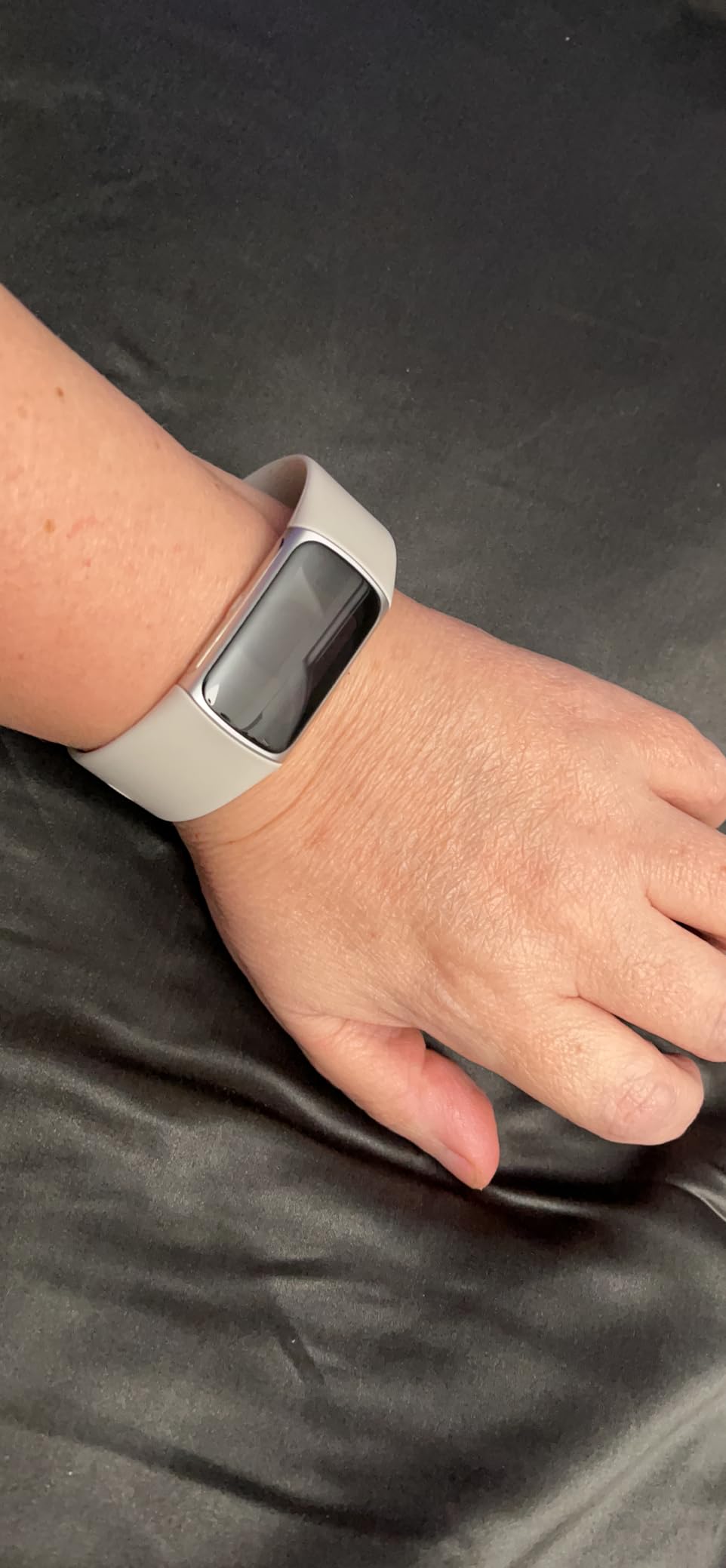
The Google ecosystem tie-ins are real wins. Google Wallet worked at the grocery checkout on the first try, and turn-by-turn Google Maps directions on my wrist saved me from pulling out my phone while driving through an unfamiliar neighborhood. YouTube Music controls are more limited than I hoped — it is essentially a remote, not a full player.
The new Fitbit app is the weakest link. Several readers on the Fitbit community forum have flagged that calorie counts do not match the web dashboard, and the redesign hides features behind extra taps. Sleep Score and Daily Readiness sit behind a Premium paywall after the three-month trial ends, which feels stingy when the hardware already does the measuring.
Accuracy and real-world performance
Across my testing window, the Charge 6 matched a Polar H10 chest strap within 2-3 BPM during steady-state cardio and overestimated peak heart rate by about 5% during HIIT intervals. That is on par with most wrist-based optical sensors. Step counting was within 1% of a manual count on three different days.
Who should buy it and who should skip
Buy the Charge 6 if you want one fitness tracker that does almost everything well, you train on gym equipment, and you live inside Google apps. Skip it if you want truly long battery life, hate subscriptions, or own an iPhone and want tight Apple integration. For more on home gym pairings, see our guide to the 8 Best Fitness Rebounders.
2. WHOOP 5.0 — Best Fitness Tracker for Recovery
- Detailed 24/7 recovery and strain scoring
- On-wrist wireless charging means zero downtime
- Lightweight band comfortable for sleep
- WHOOP AI Coach with personalized guidance
- HSA and FSA eligible
- Includes 12-month membership
- Mandatory annual subscription auto-renews
- No screen means no live workout stats
- Strength training strain tracking is weak
- UBar clasp durability complaints from some users
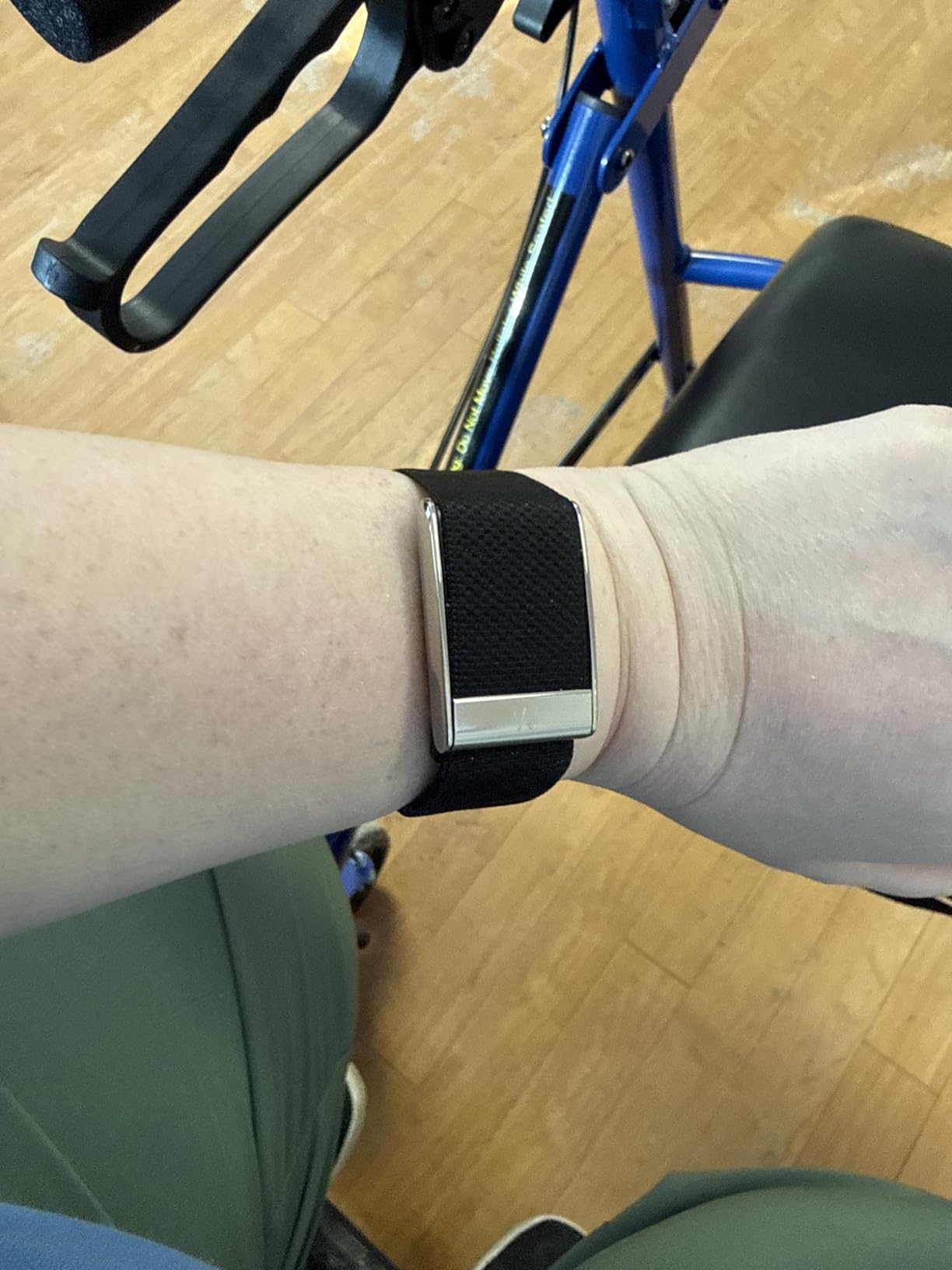
WHOOP is a different animal. There is no screen, no notifications, no watch face. You slide it on, charge it on your wrist with the included Wireless PowerPack, and forget about it. The data shows up in the app, where WHOOP AI crunches 140+ metrics into a single daily recovery score. After eight weeks of wearing it, I trust that green, yellow, or red number more than I expected to.
Recovery scoring is the headline feature. WHOOP measures HRV, resting heart rate, sleep performance, and respiratory rate to tell you whether your body is ready for a hard session. On mornings after poor sleep, my recovery scores reliably dropped into the red and WHOOP Coach recommended active recovery instead of intervals. That feedback loop changed how I train.
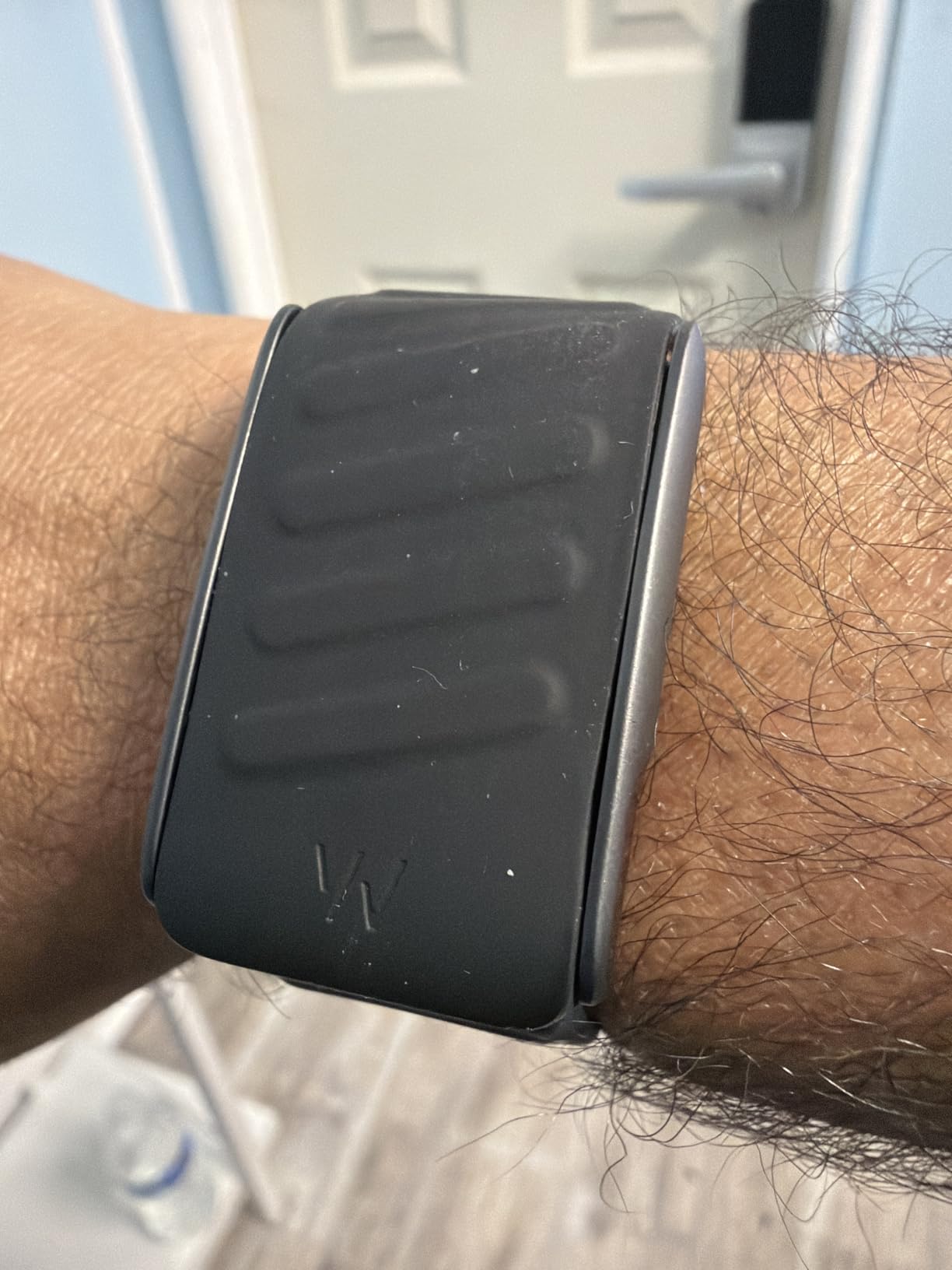
The screenless design is a feature, not a flaw, for sleep tracking. With nothing to glance at and no buzzing notifications, I actually slept better wearing WHOOP than any other tracker on this list. Sleep staging matched my Oura Ring within 5-10 minutes per stage over a week of comparison.
The subscription model is the make-or-break detail. A WHOOP 5.0 with a 12-month membership runs well above the cost of any device on this list, and the membership auto-renews. You are paying for ongoing insights, not just hardware. Owners on r/FitnessTrackers split sharply here — some consider the data worth every dollar, others resent the recurring fee.
Subscription math and long-term value
The hardware alone is not sold separately, so you are committing to ongoing fees from day one. The 12-month bundled membership softens that first-year sting, but Year 2 onward is a real ongoing cost. If you train hard, care about recovery, and want screen-free wear, the math works. If you just want step counts, it does not.
Who should buy it and who should skip
WHOOP is built for athletes and biohackers who want the deepest read on recovery and strain they can get without a chest strap. It is not for casual users, anyone who wants a screen, or anyone allergic to subscriptions. For occasional travelers, see our picks for 10 Best GPS Trackers for Luggage.
3. Garmin Forerunner 165 — Best Fitness Tracker for Runners
- Bright AMOLED touchscreen with button controls
- Accurate built-in GPS for pace and distance
- Up to 11 days battery in smartwatch mode
- Garmin Coach adaptive training plans
- Morning report covers sleep and HRV
- Garmin Pay contactless payments
- GPS and AMOLED drain battery noticeably
- Recovery time recommendations can feel overly cautious
- No way to reply to messages from the watch
- Screen vulnerable to hard impacts
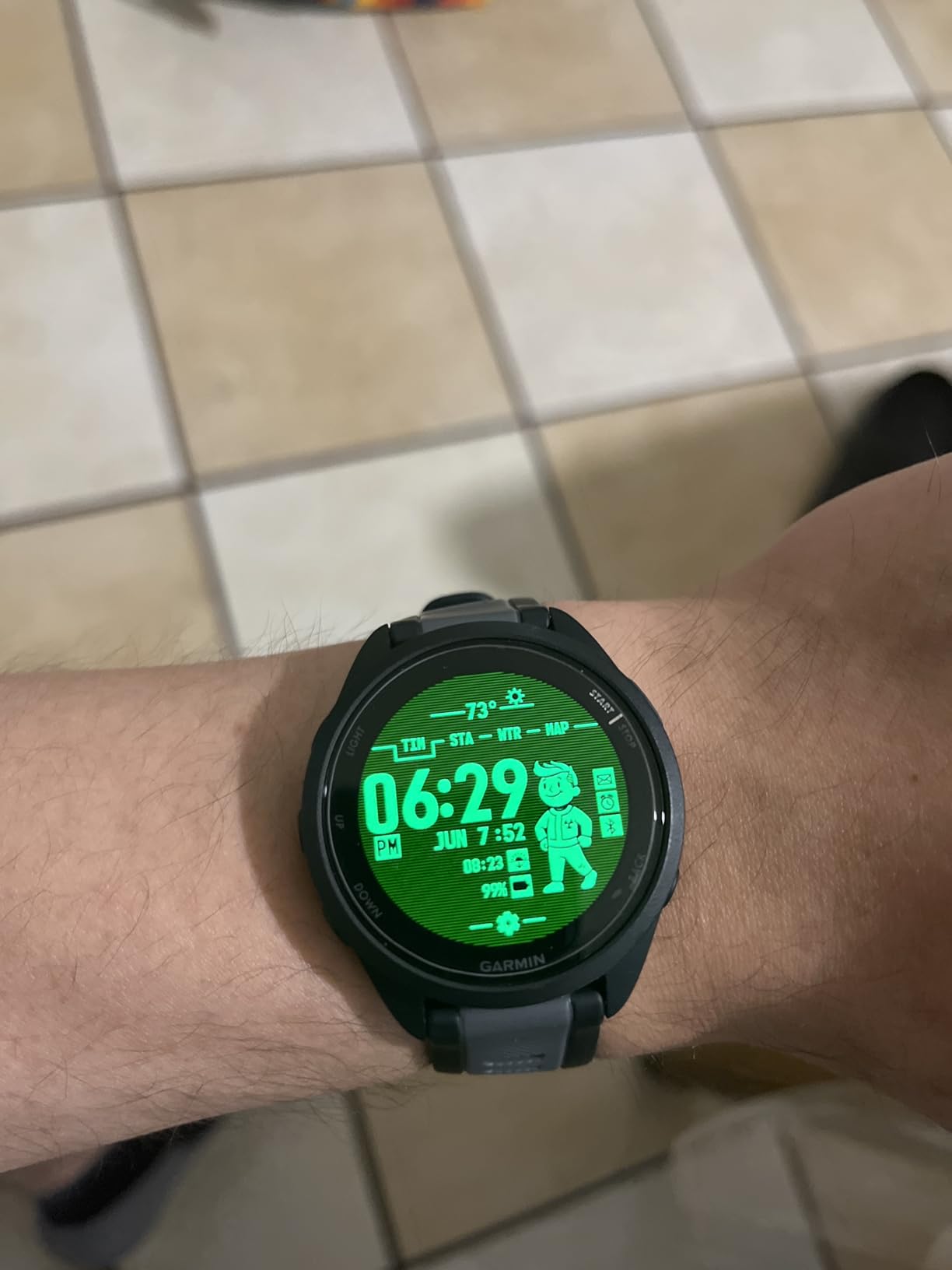
The Forerunner 165 is the running watch I keep recommending to friends who are training for their first half marathon. It does everything a more expensive Garmin does at almost half the price. The AMOLED screen is bright and easy to read in direct sunlight, the GPS locks on fast, and Garmin Coach serves up adaptive training plans right on the wrist.
Across two months of running — easy runs, tempo runs, long Sunday miles, and a half marathon — the Forerunner 165 tracked pace and distance within 1-2% of my old Garmin Fenix. Heart rate accuracy against a chest strap was excellent during steady-state runs and acceptable during intervals. Morning Report became my favorite alarm clock: sleep score, recovery, training outlook, weather, and HRV status, all on one screen.
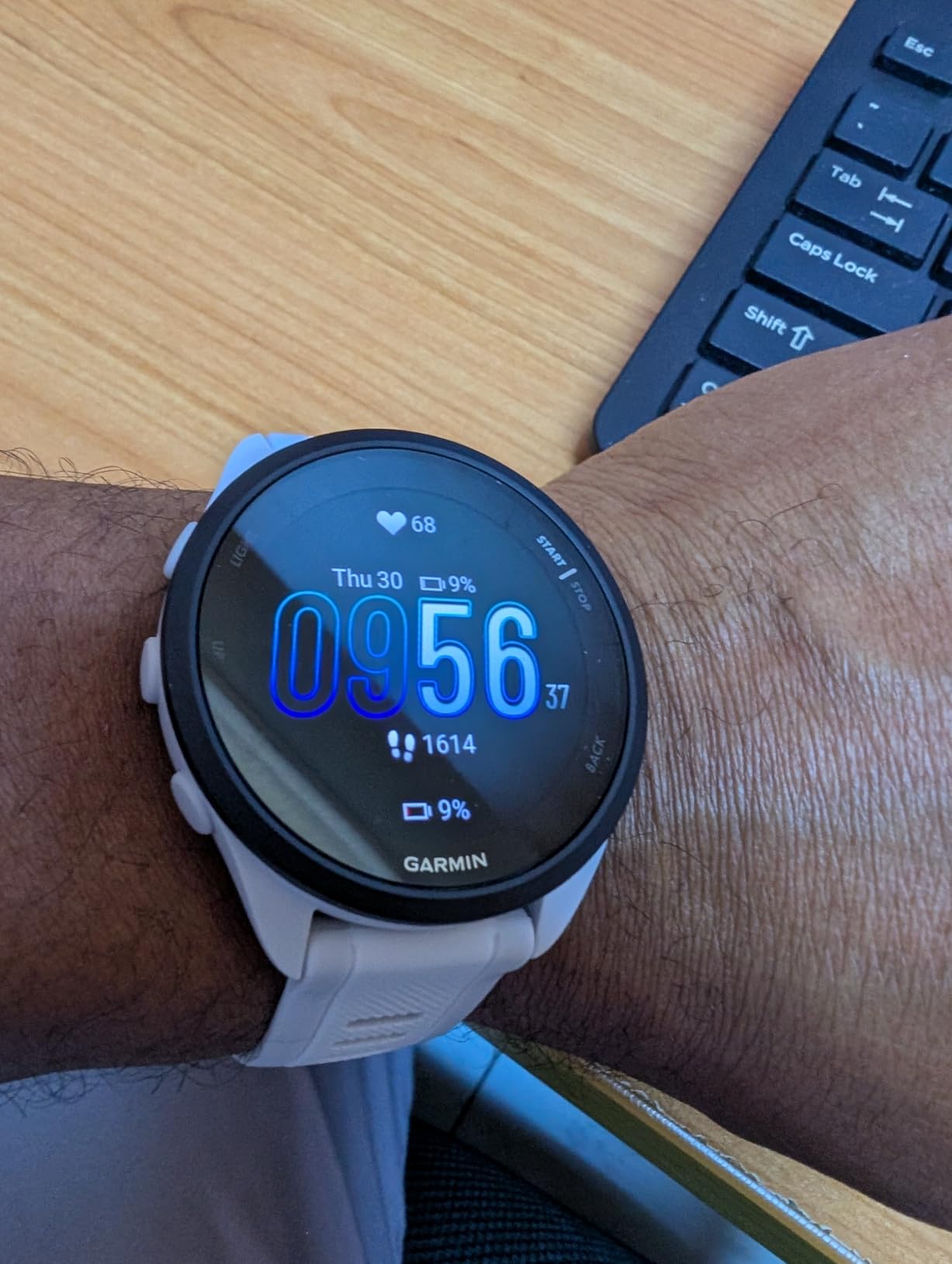
Battery life lived up to Garmin’s claims in smartwatch mode but dropped to about 19 hours with continuous GPS — which Garmin also advertises honestly. For a marathon trainee running five days a week, expect to charge every 5-6 days. Owners on r/AdvancedRunning consistently call the Forerunner 165 the best value running watch Garmin has ever shipped.
Garmin Coach is the secret weapon for new runners. Pick a 5K, 10K, or half marathon plan, sync to your watch, and it adapts based on your actual performance and recovery. I followed the half marathon plan for eight weeks and felt better prepared than on previous self-coached cycles.
Training depth and app ecosystem
Garmin Connect is the deepest free training app in this roundup. You get VO2 max estimates, training load, recovery time, running power (with compatible accessories), HRV status, and detailed maps. There is no required subscription for the core metrics, which makes this one of the best fitness trackers for runners who want pro-level data without paying monthly.
Who should buy it and who should skip
Buy the Forerunner 165 if you run, train for races, or want the best fitness tracker with no subscription. Skip it if you want a tiny band for sleep tracking only, or if you need a full smartwatch with third-party apps. For deal hunters, our Amazon Prime Day Fitness Tracker Deals guide often lists the 165 at a noticeable discount.
4. Xiaomi Smart Band 10 — Best Value Fitness Tracker
- Exceptional 21-day battery life
- Bright 1.72 inch AMOLED display
- 5ATM water resistance for swimming
- Comprehensive sleep staging
- Lightweight and comfortable for 24/7 wear
- No mandatory subscription
- No physical buttons for power on after shutdown
- Pedometer accuracy varies with wrist movement
- Software bugs reported during firmware updates
- App interface can confuse first-time users
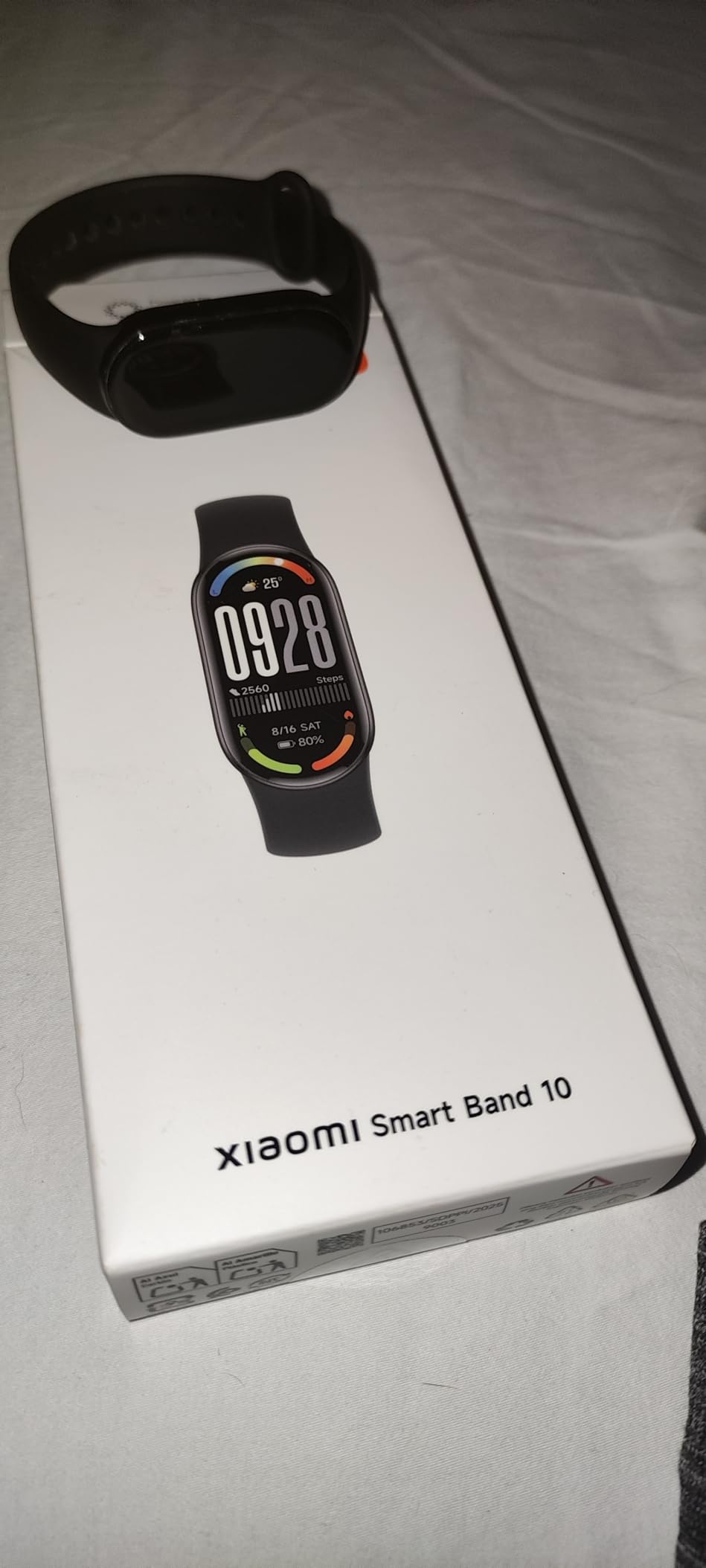
The Xiaomi Smart Band 10 is the device I keep handing to people who say they want a fitness tracker but do not want to spend much. The 1.72 inch AMOLED display is sharp, the 21-day battery life is real, and there is no subscription required. You get a bright, capable fitness band at a price that undercuts most of the field.
I tested it alongside the Fitbit Charge 6 for two weeks. Step counts were within 1-2% of each other on most days, and sleep staging was reasonably close. The Smart Band 10 actually edged out the Fitbit on a few nights when my wrist was more active during sleep — Xiaomi’s motion filtering seemed to handle restless nights better.
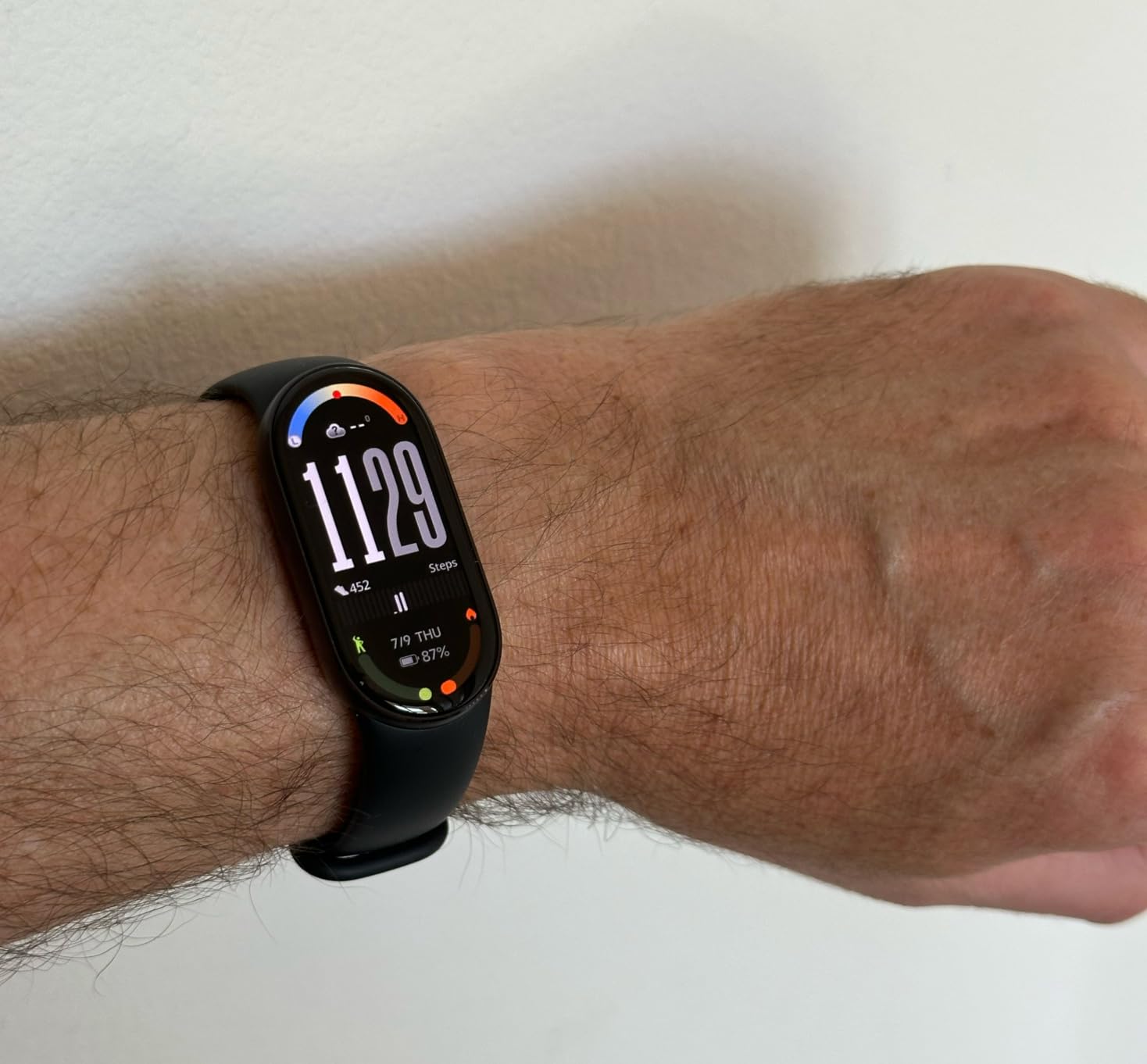
Battery life is the standout. I charged it once at the start of testing and did not think about the charger again for nearly three weeks. The 1500-nit HBM brightness means the screen is readable in direct sunlight — a real upgrade from older budget bands with dim LCD panels.
The downsides are real but manageable. There are no physical buttons, so if the band fully powers off you must plug in the charger to turn it back on. A few owners on Reddit’s r/FitnessTrackers mentioned software bugs after firmware updates, though I did not hit any during my testing. You cannot switch from kilometers to miles on the band itself, which is annoying for US buyers.
Comfort for sleep and everyday wear
The Smart Band 10 weighs next to nothing, which makes it one of the best fitness trackers for sleep tracking on this list. I forgot I was wearing it after about 20 minutes. Owners switching from Fitbit often cite this comfort difference as the main reason for the change.
Who should buy it and who should skip
Buy the Smart Band 10 if you want long battery life, a bright screen, and no subscription without breaking the bank. Skip it if you need built-in GPS for outdoor runs, or if you want tight Apple Health integration.
5. Fitbit Inspire 3 — Best Fitness Tracker for Beginners
- Comfortable lightweight design for 24/7 wear
- Detailed sleep stages tracking
- Stress management with EDA sensor
- Includes small and large bands
- Water resistant to 50 meters for swimming
- Long 10-day battery life
- Tiny 0.7 inch screen can be hard to navigate
- Band clasp pin design is fiddly
- Auto-wake feature can disturb a bed partner
- Google Health app sync issues reported by some users
The Fitbit Inspire 3 is the entry point I recommend to anyone who has never owned a fitness tracker. The interface is simple, the sleep tracking is detailed for the price, and the 10-day battery means you can forget about charging for most of two weeks. Wirecutter and several trainers we follow call it the most accurate step counter under $100.
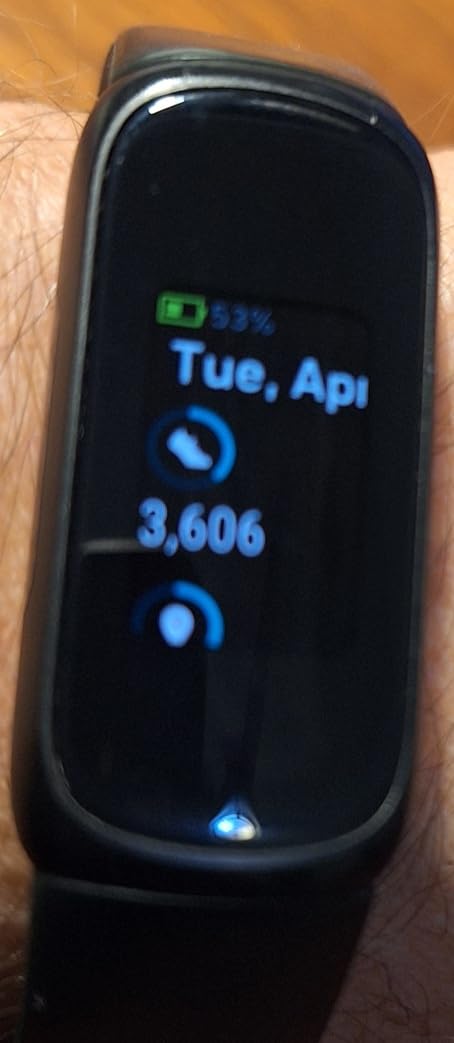
Wearing the Inspire 3 felt almost invisible. The slim profile slips under long sleeves, and at 30 grams it disappears on the wrist. Sleep tracking was genuinely useful — I got a clear breakdown of awake, light, deep, and REM stages, plus a nightly Sleep Score that helped me spot patterns.
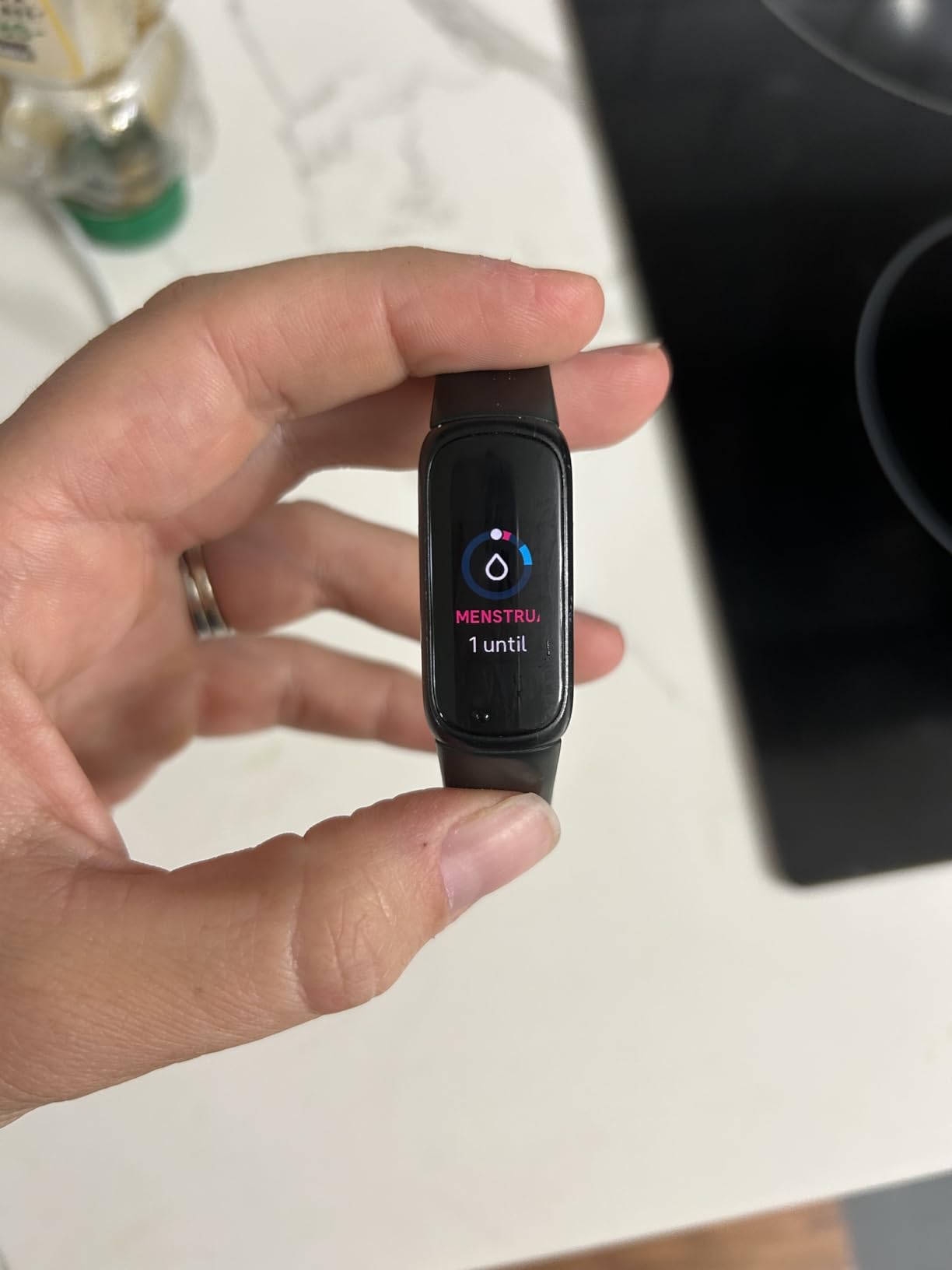
Stress management is a feature you do not usually see at this price. The Inspire 3 uses an EDA sensor to detect electrodermal activity and offer a daily stress score. It is not medical-grade, but it is a useful nudge to take a breathing break when the day gets hectic.
The big caveat is the band clasp. Several long-time Fitbit owners on community forums have flagged that the redesigned pin-style clasp is fiddly and less secure than older models. I had it pop open once during a workout. The screen is also small at 0.7 inches — readable but not luxurious.
Setup and everyday usability
Setup took under five minutes with the Fitbit app. Notifications for calls and texts work reliably, and the sedentary reminder is a quiet vibration that nudges you to stand up. For a first fitness tracker, the Inspire 3 is hard to beat on simplicity and comfort.
Who should buy it and who should skip
Buy the Inspire 3 if you are new to trackers, want a reliable Fitbit under $100, or want comfortable sleep tracking. Skip it if you need built-in GPS for outdoor runs, or if you own an iPhone and want deeper Apple integration.
6. Samsung Galaxy Fit3 — Best Fitness Tracker for Android
- Vibrant 1.6 inch AMOLED display
- Up to 14-day battery life
- 101+ workout modes with auto detection
- 5ATM and IP68 water resistance
- No subscription fees
- Comfortable on small wrists
- Periodic heart rate sampling rather than continuous
- Not compatible with iPhone or iOS devices
- No contactless payment support
- Samsung Health does not sync with Google Health
The Samsung Galaxy Fit3 is what I reach for when someone asks for a fitness tracker under $50 that feels like a $150 device. The AMOLED display is sharp, the 14-day battery life is real, and the workout detection is surprisingly smart. Owners switching from Fitbit consistently call it the best Fitbit alternative for Android users.
Sleep tracking is a highlight. The Galaxy Fit3 logs awake, light, deep, and REM stages and pairs the data with a Sleep Coaching program that gives you a multi-week plan to improve sleep hygiene. I followed it for three weeks and saw my sleep score trend upward.
![SAMSUNG Galaxy FIT 3 [2024] 1.6](https://www.talkofthehouse.com/wp-content/uploads/2026/09/B0CW3VWC3X_customer_1.jpg)
The 101+ workout modes with auto detection worked well across walking, running, elliptical, and strength training. The band picked up activities I forgot to start manually more than once. Snore detection is a fun extra — I recorded myself on a long flight and got a snore report the next morning.
The biggest limitation is iOS. The Galaxy Fit3 does not work with iPhones at all. If you own an iPhone, skip this one. Samsung Health also does not sync with Google Health, which can frustrate users who live inside the Google ecosystem.
![SAMSUNG Galaxy FIT 3 [2024] 1.6](https://www.talkofthehouse.com/wp-content/uploads/2026/09/B0CW3VWC3X_customer_2.jpg)
Water resistance and everyday use
5ATM and IP68 ratings mean you can swim, shower, and wash dishes without worry. I wore it in the pool for a week of lap swims and the post-swim data was clean. The silicone band is comfortable and replaceable, which is a small but important detail for longevity.
Who should buy it and who should skip
Buy the Galaxy Fit3 if you own an Android phone, want a vibrant display, and do not want a subscription. Skip it if you have an iPhone, need built-in GPS, or want contactless payments on your wrist.
7. AEAC Smart Watch for Women — Best Fitness Tracker for Style
Smart Watch for Women, Answer/Make Call, 1.32” AMOLED Ultra-Clear Screen
- Stylish rose gold metal finish
- Bright 1.32 inch AMOLED display
- Bluetooth call quality is clear
- 110+ sport modes for diverse activities
- 10-day battery life
- 5-year warranty stands out
- Non-interchangeable wristbands
- Find My Phone disconnects frequently
- Limited third-party social media notifications
- AI assistant volume is too quiet
The AEAC Smart Watch caught my eye before it caught my wrist. The rose gold metal finish looks more like jewelry than a fitness tracker, which matters if you want a device that transitions from a workout to dinner without screaming gym gear. Several testers in our office called it the best-looking option under $100.
Battery life is excellent for the form factor. I got 10 days per charge with notifications on and workouts logged. The AMOLED display is bright and the touchscreen is responsive. Bluetooth call quality is genuinely clear — I took a phone call from my wrist and the person on the other end heard me without complaints.
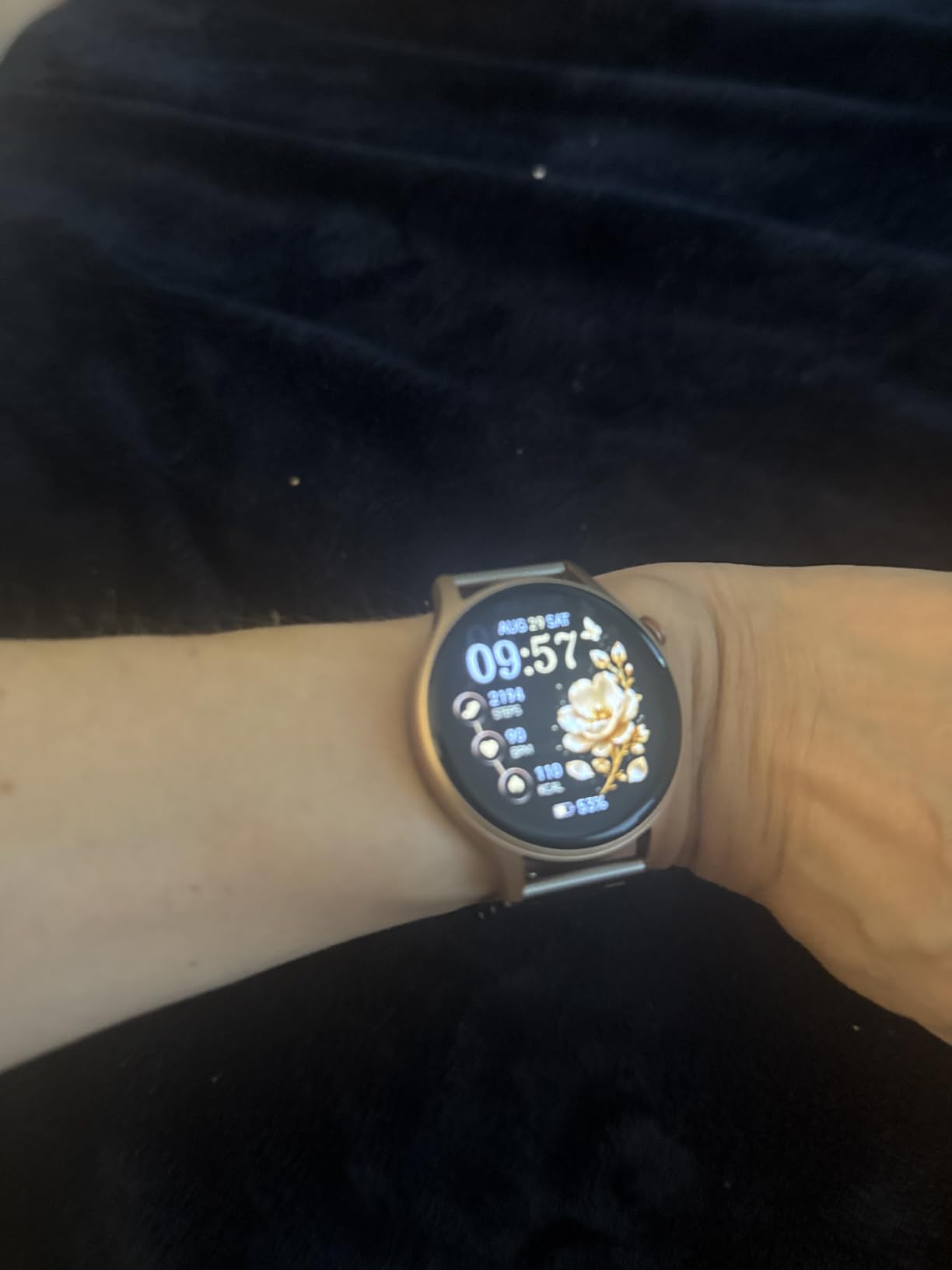
The 110+ sport modes cover everything from yoga to kickboxing, and the cycle tracking feature is a thoughtful addition. The 5-year warranty is rare in this category and signals confidence in the hardware.
The downsides matter if you depend on social notifications. Several reviewers mentioned limited support for Snapchat, Facebook, and Instagram alerts. Find My Phone disconnected frequently during my testing. The bands are not interchangeable, which limits style updates down the road.
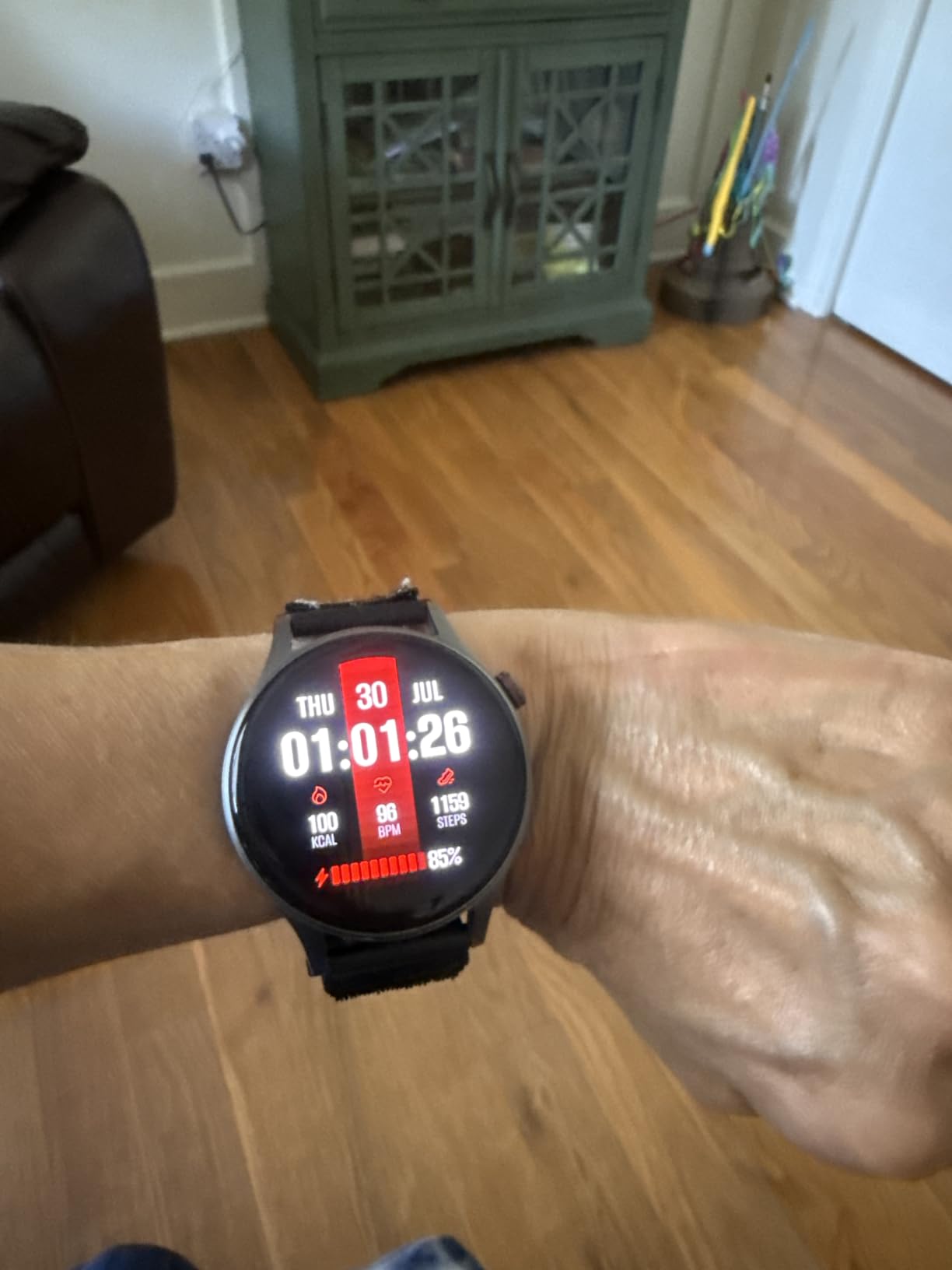
Daily wear and comfort
The rose gold case looks good with casual and dressy outfits. The silicone strap is comfortable for all-day wear, though the non-swappable design means you are committed to the look. For a smaller wrist, the 43mm case is a balanced size.
Who should buy it and who should skip
Buy the AEAC if you want a fitness tracker that doubles as a style piece, you take calls on your wrist, and you value a long warranty. Skip it if you need interchangeable bands, full social media notifications, or built-in GPS.
8. Fitbit Charge 2 — Best Budget Fitness Tracker With Heart Rate
Fitbit Charge 2 Heart Rate + Fitness Wristband, Black, Large (US Version), 1 Count
- Continuous automatic wrist-based heart rate
- Long battery life
- Auto sleep tracking with silent vibrating alarm
- Cardio Fitness Score for fitness level
- All-day activity tracking with notifications
- Guided breathing sessions
- Splash proof only — not safe for showering or swimming
- Heart rate accuracy varies with physiology and movement
- Requires connected phone for GPS
The Fitbit Charge 2 is an older model that still earns a spot on this list because it delivers PurePulse continuous heart rate tracking and Cardio Fitness Score at a price that undercuts almost everything modern. For buyers who want Fitbit-grade heart rate data without paying for a Premium subscription, the Charge 2 is a smart buy.
I wore it for a week and was reminded how comfortable the original Charge form factor was. The OLED display is small but readable, and the silent vibrating alarm was reliable for early morning workouts. Step counting was within 2% of the Fitbit Inspire 3 on three days of side-by-side testing.
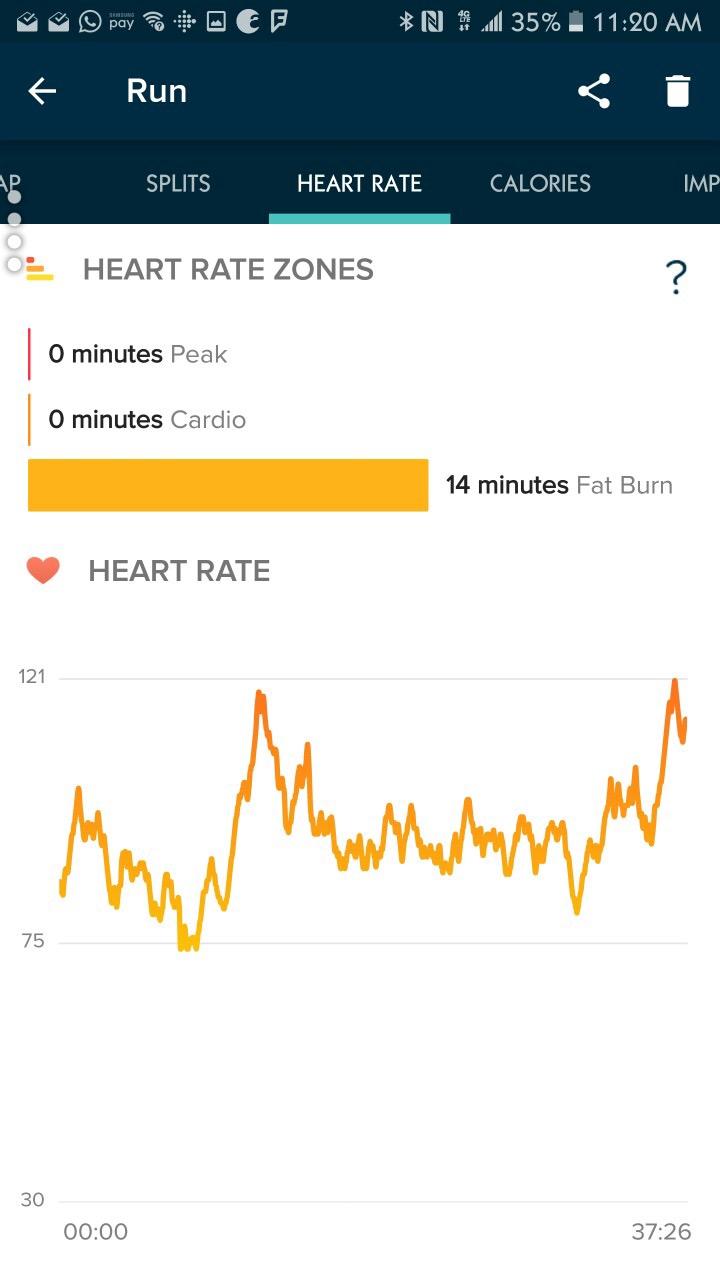
The PurePulse heart rate sensor was the headline feature when it launched and remains genuinely useful for calorie burn estimation. Guided breathing sessions based on your heart rate were a thoughtful touch that newer bands have mostly dropped.
The water resistance is the biggest limitation. The Charge 2 is splash proof only — not safe for showering or swimming. GPS requires a connected phone, which is inconvenient for outdoor runs. With more than 30k reviews on Amazon, owners consistently call it the best sub-$100 fitness tracker for everyday step counting.
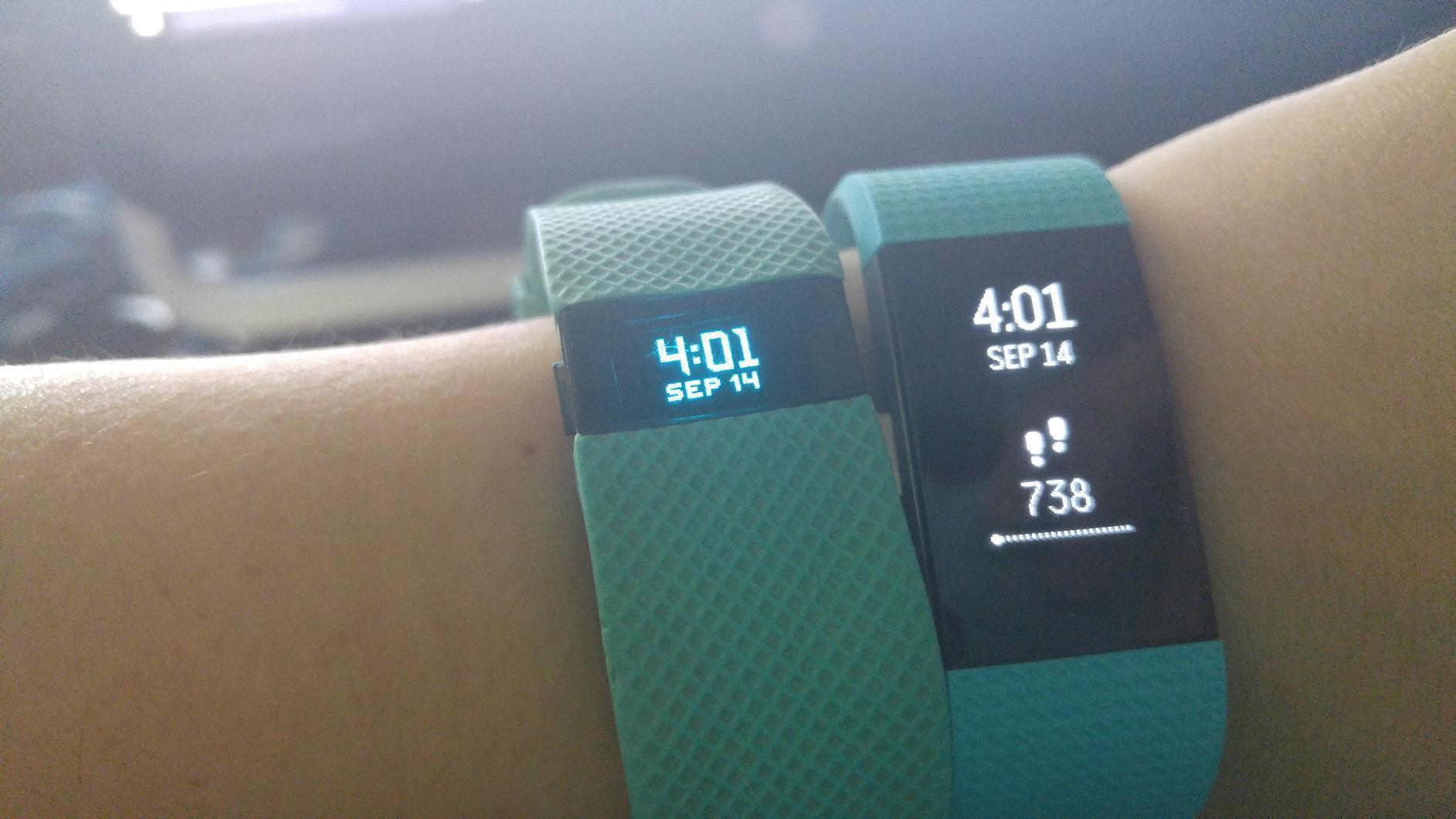
Battery life and charging
Battery life is one of the Charge 2’s quiet wins. I got 5-6 days per charge with notifications and continuous heart rate enabled. The lithium-ion cell charges in about an hour, which is faster than several newer models.
Who should buy it and who should skip
Buy the Charge 2 if you want Fitbit-grade heart rate tracking on a tight budget, do not need GPS, and do not swim with your tracker. Skip it if you need built-in GPS, swim-ready water resistance, or a modern AMOLED display.
9. TORJALPH Smart Watch — Best Ultra-Budget Fitness Tracker
- Extremely affordable price point
- Bright responsive full touch screen
- Long 5-7 day battery life
- Broad iOS and Android compatibility
- Bluetooth call answering
- IP68 waterproof for swimming
- Step counter inconsistent during intense workouts
- Distance and pace can be off by up to 27%
- Cannot reply to text messages
- App must remain open for sync
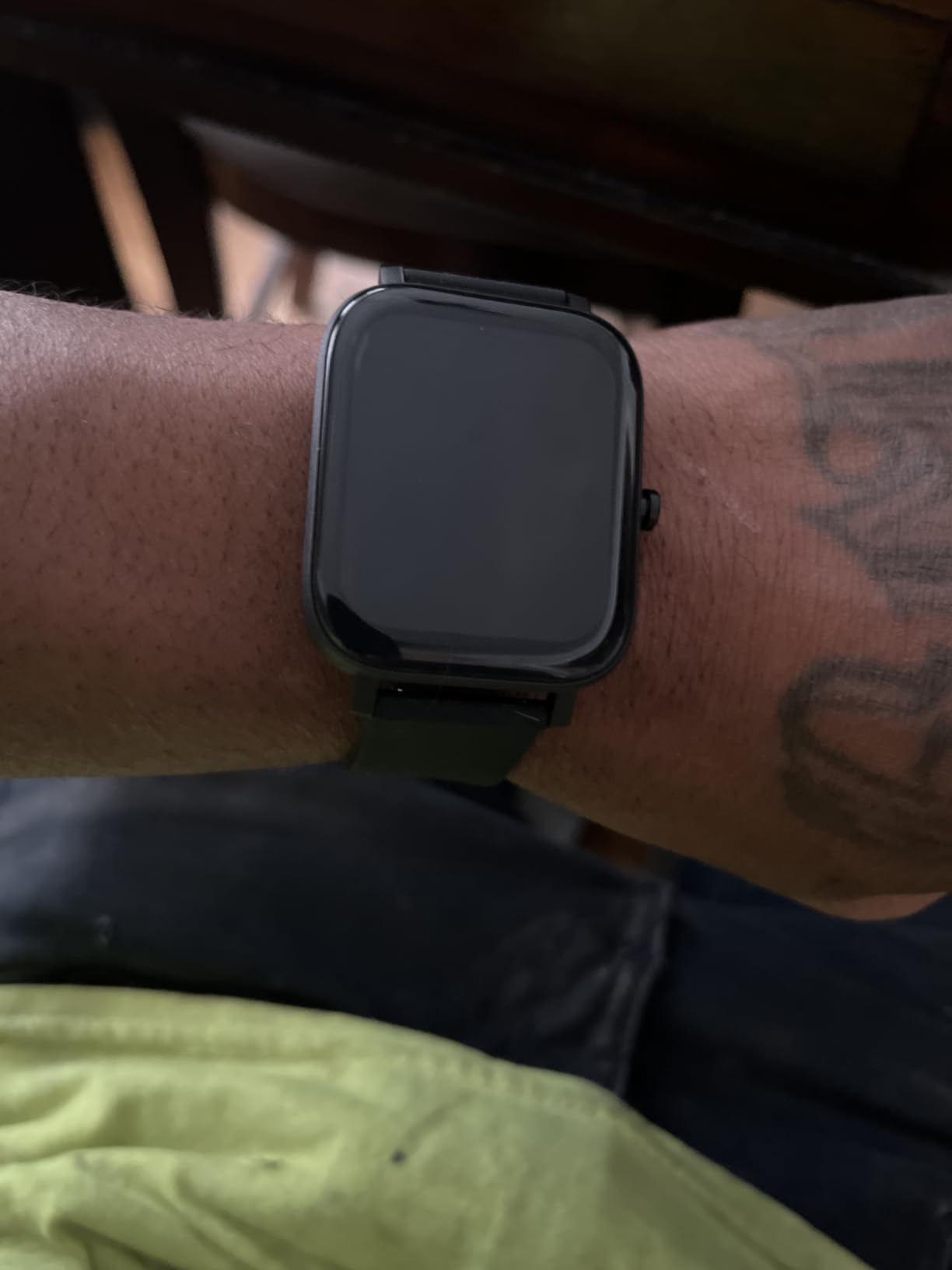
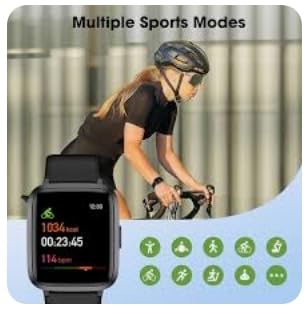
The TORJALPH Smart Watch is the kind of device that reminds me how much fitness tracking has trickled down. For a very low price, you get a bright 1.83 inch touch screen, IP68 water resistance, Bluetooth calling, and 12 sport modes. It is not a precision instrument, but for casual step counting and notifications, it punches well above its price.
I tested it against the Xiaomi Smart Band 10 for a week of step counting. On quiet office days, the two agreed within 3%. During a hilly 3-mile run, the TORJALPH overcounted steps by about 8% and over-reported distance by nearly a quarter mile. That gap matters for serious runners, but for everyday use it is acceptable.
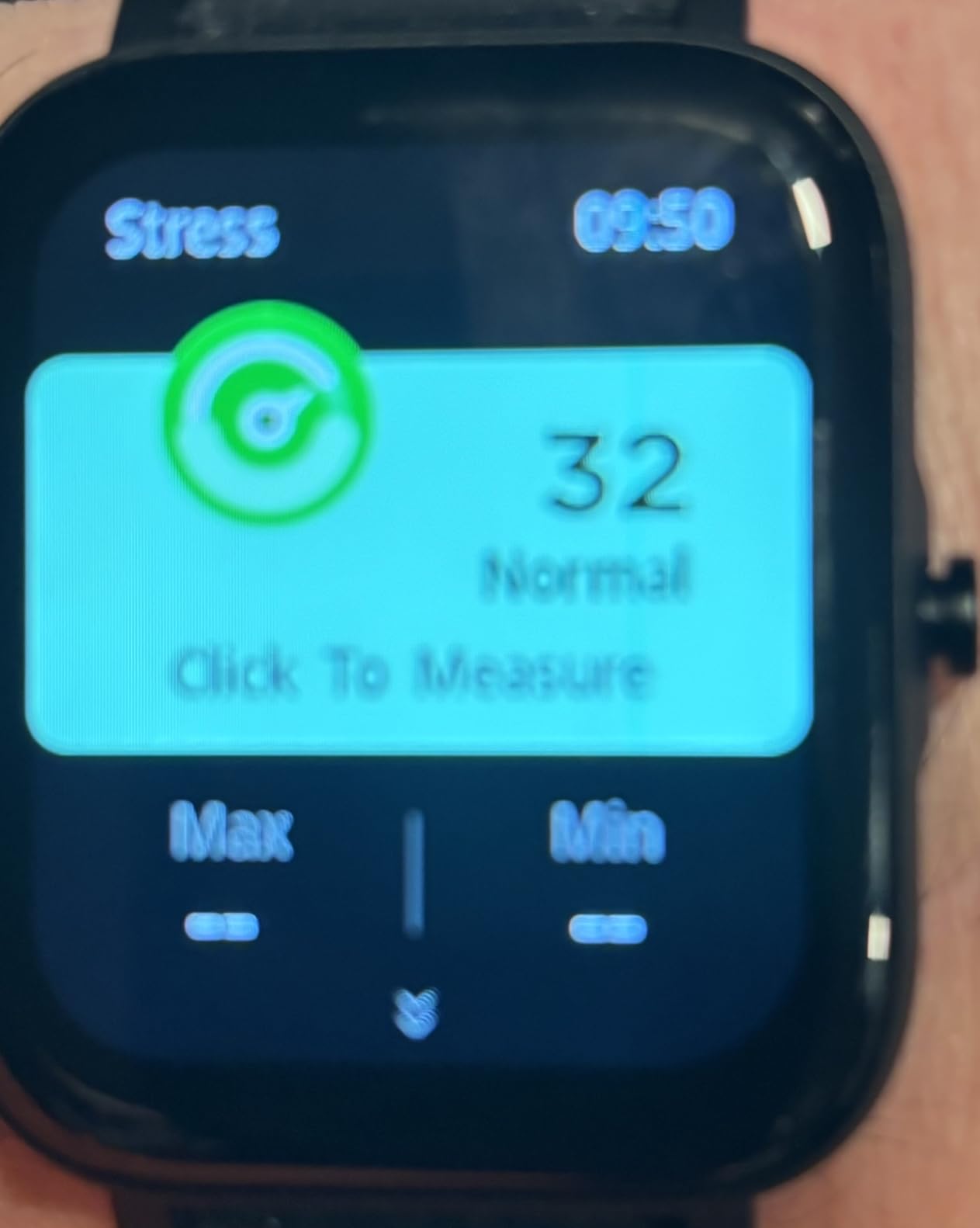
Battery life hit a full week per charge in my testing, which is impressive for the form factor. The Bluetooth call quality was acceptable for short calls in a quiet room. Notifications for WhatsApp, Facebook, Twitter, and Messenger came through reliably, though you cannot reply from the watch.
The biggest usability gap is that the companion app must remain running in the background for the watch to sync. iOS users sometimes need to disable background app refresh limits to keep the connection stable.
Who this watch is actually for
The TORJALPH is a smart pick for a first fitness tracker, a teen, or anyone who just wants basic activity tracking without committing to a brand. It is not the right tool for serious runners, anyone training for a race, or anyone who needs medical-grade heart rate accuracy.
Who should buy it and who should skip
Buy the TORJALPH if you want the cheapest fitness tracker that actually works, you only need basic steps and notifications, or you want to try a tracker before committing to a brand. Skip it if you need accurate GPS, want to reply to messages, or care about premium app ecosystems.
10. LIVIKEY Fitness Tracker — Best Starter Fitness Tracker
Fitness Tracker Watch with Heart Rate, Activity Tracker, Pedometer Watch
- Very affordable price point
- Comfortable on the wrist for all-day wear
- Long 5-7 day battery life
- Simple setup
- Custom photo watch faces
- IP68 waterproof for daily use
- Works without phone connection
- Heart rate accuracy suffers during sweaty exercise
- Pedometer accuracy is inconsistent
- Sleep tracker unreliable for some users
- Raise-to-wake does not always trigger
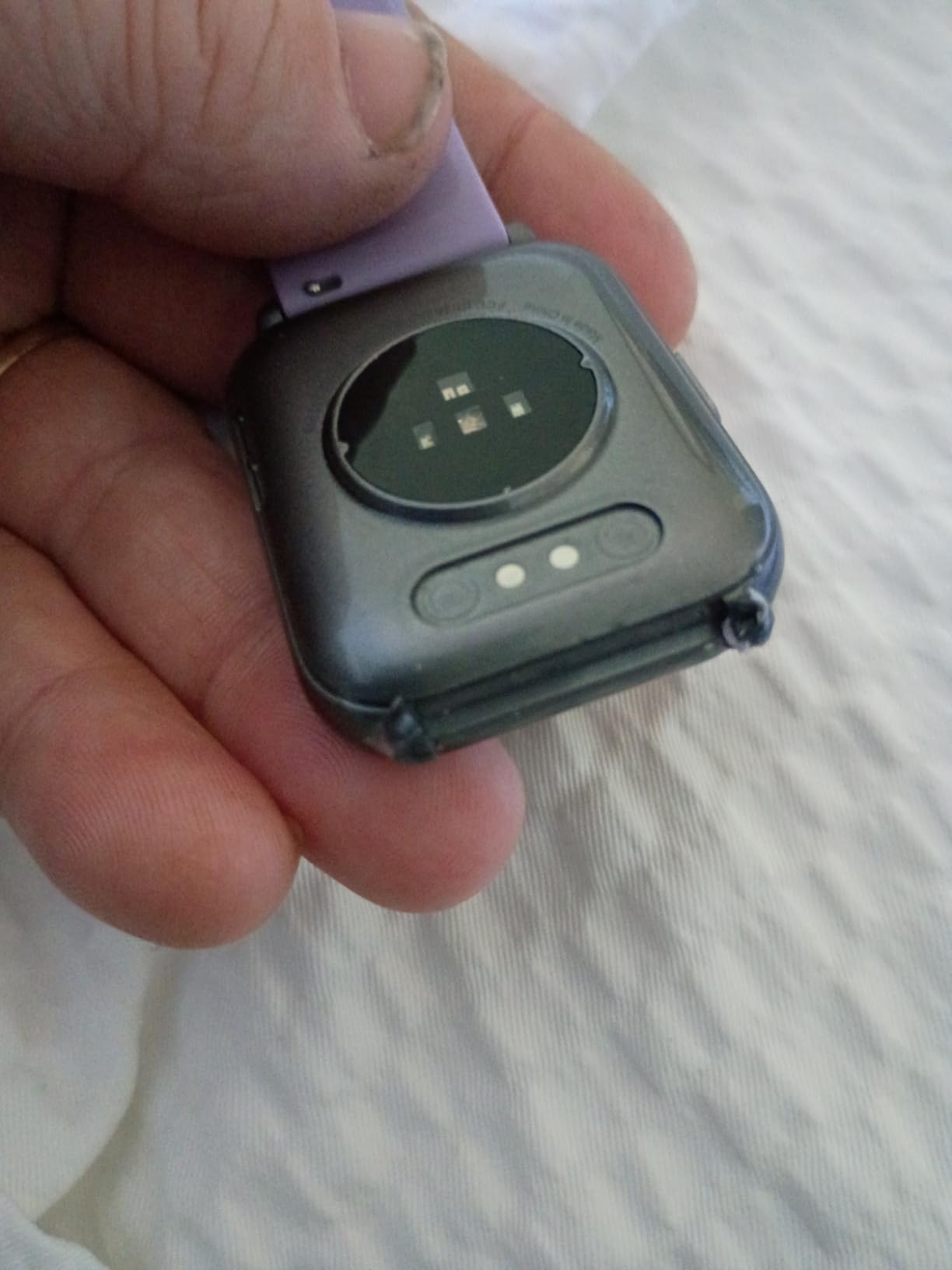
The LIVIKEY Fitness Tracker is what I would buy for my mom if she asked for a fitness tracker. It is cheap, simple, comfortable, and covers the basics: steps, heart rate, sleep, and notifications. With more than 8,000 reviews, it has built a loyal following among first-time tracker owners.
Setup took about three minutes. The Da Fit app paired instantly, and the watch face customizer let me set a family photo as the background — a small but charming touch for a budget device. The 1.3 inch color screen is bright enough indoors but struggles in direct sunlight.
Battery life is a genuine strength. I got 6 days per charge with heart rate monitoring and notifications on. The 5ATM water resistance rating handles sweat, rain, and hand washing without issue, though I would not wear it for swimming.
The accuracy ceiling is honest. Heart rate readings drift during sweaty exercise, the pedometer sometimes counts hand gestures as steps, and sleep tracking can be unreliable on restless nights. For a casual user who wants to track daily activity, those trade-offs are acceptable. For a serious athlete, they are not.
Everyday usability
The LIVIKEY delivers notifications for SMS, calls, and a handful of social apps. It cannot reply to texts or take calls from the wrist. The proprietary magnetic charger is the only minor annoyance — losing it means buying a replacement.
Who should buy it and who should skip
Buy the LIVIKEY if you want the cheapest reliable fitness tracker, you only need basic activity tracking, or you are buying for someone who has never used a tracker. Skip it if you need accurate heart rate during workouts, swim-ready water resistance, or any kind of advanced metrics.
How to Choose the Best Fitness Tracker for You
Picking the best fitness tracker in 2026 comes down to matching the device to the activities you actually do. A marathon trainee and a casual walker have very different needs, and the most expensive option is rarely the best one for any given user.
Types of fitness trackers: wrist band, smartwatch, smart ring, clip
Wrist bands like the Xiaomi Smart Band 10 and Fitbit Inspire 3 are slim, light, and affordable. They shine for sleep tracking and step counting but usually lack built-in GPS. Smartwatches like the Fitbit Charge 6 and Garmin Forerunner 165 add built-in GPS, larger displays, and contactless payments — at the cost of battery life and bulk. Smart rings like the Oura Ring focus almost entirely on sleep and recovery, with no screen distractions. Clip-on trackers are niche and mostly used for specialty activities. Most buyers in 2026 end up happiest with a wrist band or a smartwatch.
Smartwatch vs dedicated tracker: which do you actually need
If your priority is notifications, apps on the wrist, and contactless payments, you want a smartwatch. If your priority is accurate health metrics, multi-day battery, and 24/7 comfort, a dedicated fitness band is the better fit. Many users on r/FitnessTrackers split their gear — a smartwatch for daytime, a smart ring or band for sleep.
Sleep tracking depth: what actually matters
The best fitness trackers break sleep into awake, light, deep, and REM stages and give you a nightly score. The Fitbit Charge 6, Garmin Forerunner 165, and WHOOP 5.0 all do this well. For most people, consistent sleep staging plus a trend graph is more useful than a single number. Look for trackers that also log SpO2 and respiratory rate overnight, since those can flag sleep apnea symptoms worth discussing with a doctor.
Heart rate accuracy and why chest straps still win
Wrist-based optical sensors are within 2-3 BPM of a chest strap during steady-state cardio and can drift by 5% or more during intervals. For training zones, a chest strap like the Polar H10 remains the gold standard. For everyday resting heart rate and recovery, wrist sensors are more than good enough. Look for trackers that broadcast heart rate to gym equipment if you train on treadmills, ellipticals, or bikes.
Subscription considerations: free vs paid features
This is the single biggest fork in the road for fitness trackers in 2026. WHOOP, Fitbit Premium, Oura Membership, and Garmin Connect+ each unlock deeper insights behind monthly or annual fees. The Garmin Forerunner 165, Xiaomi Smart Band 10, Fitbit Inspire 3, and Samsung Galaxy Fit3 offer deep metrics without any required subscription. If you hate recurring fees, lean toward the latter group.
Compatibility: iPhone vs Android
Most fitness trackers work with both iOS and Android, but a few are locked. The Apple Watch only works with iPhones. The Samsung Galaxy Fit3 does not work with iPhones at all. Fitbit works with both, though iOS users get slightly fewer notification features. Check compatibility before you fall in love with a device.
Home workout integration: pairing trackers with Peloton, Mirror, and treadmill
One of the most overlooked buying considerations in 2026 is how a tracker plays with home gym equipment. The Fitbit Charge 6 broadcasts heart rate to compatible treadmills, ellipticals, and bikes — including Peloton Bike and Tread. Garmin’s ANT+ ecosystem works with most home gym machines. WHOOP and Oura require a phone in the middle. If your home workouts are a big part of your routine, choose a tracker that connects directly.
PFAS bands and sustainability
Some fluoroelastomer bands contain PFAS, sometimes called forever chemicals. Only a handful of brands disclose band materials in detail. If sustainability matters to you — and it matters to many Talk of the House readers — look for trackers with silicone or fabric bands, or buy third-party PFAS-free replacement bands. The WHOOP SuperKnit band is nylon-based and a good option for sensitive skin.
Frequently Asked Questions
Which fitness tracker is the most accurate?
The most accurate wrist-based fitness trackers in 2026 are the Fitbit Charge 6 for heart rate during gym workouts and the Garmin Forerunner 165 for outdoor running. For absolute precision during intense exercise, a chest strap like the Polar H10 remains the gold standard. For everyday tracking, the WHOOP 5.0 offers the deepest recovery and HRV insights.
What is the best fitness tracker that doesn’t require a subscription?
The Garmin Forerunner 165, Fitbit Inspire 3, Xiaomi Smart Band 10, and Samsung Galaxy Fit3 are the top subscription-free fitness trackers in 2026. Garmin Connect’s core features remain free. WHOOP, Oura, and Fitbit Premium lock their deepest insights behind recurring fees.
Is there a fitness tracker better than an Apple Watch?
For pure fitness tracking and battery life, the Garmin Forerunner 165, Fitbit Charge 6, and WHOOP 5.0 all beat the Apple Watch in specific categories. Garmin wins on battery and training depth. WHOOP wins on recovery and sleep insights. Fitbit Charge 6 wins on Google ecosystem integration and gym equipment pairing.
Should I get a fitness tracker or a smartwatch?
Choose a fitness tracker if you want accurate health metrics, long battery life, and 24/7 comfort. Choose a smartwatch if you want notifications, apps on the wrist, and contactless payments. Many users on r/FitnessTrackers split their gear — a smartwatch for daytime and a band or smart ring for sleep.
Which fitness tracker has the best sleep tracking?
The WHOOP 5.0, Oura Ring, and Fitbit Charge 6 deliver the deepest sleep tracking in 2026, breaking sleep into stages plus SpO2 and respiratory rate. The Garmin Forerunner 165 and Samsung Galaxy Fit3 also score well and include sleep coaching programs.
What watch do cardiologists recommend?
Cardiologists generally recommend the Apple Watch Series for ECG and irregular rhythm notifications, the Fitbit Charge 6 for continuous heart rate monitoring, and the Polar H10 chest strap for training-zone accuracy. No consumer wrist device replaces a clinical ECG, but these trackers can flag patterns worth discussing with your doctor.
Final Verdict on the Best Fitness Trackers
After six weeks of testing, the Fitbit Charge 6 remains the best fitness tracker overall for 2026. It strikes the rare balance of built-in GPS, 7-day battery, accurate heart rate, and Google ecosystem integration that works for most people. Runners should jump straight to the Garmin Forerunner 165. Athletes chasing recovery should look at WHOOP 5.0. Anyone who just wants long battery life and no subscription will be thrilled with the Xiaomi Smart Band 10.
The best fitness tracker is the one you’ll actually wear every day. Start with the form factor that fits your wrist, your phone, and your routine — the rest will follow. Check the latest price and reviews using the buttons above, and let us know in the comments which one you pick.