
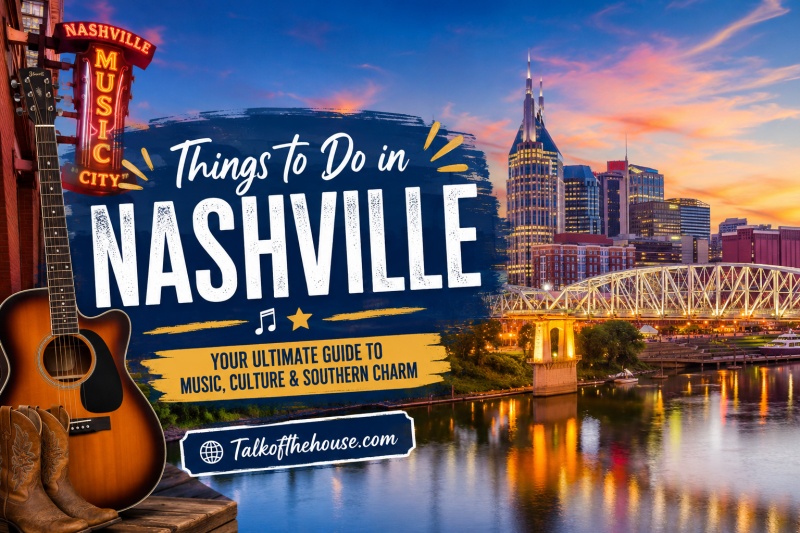
Nashville has a way of surprising first-time visitors. You arrive expecting cowboy boots and country music at every turn, and you find that too, but you also discover a city with a sophisticated design scene, restaurants that could hold their own in any major metropolis, and neighborhoods each with their own distinct personality. I spent a long weekend exploring Music City with my husband last spring, and we left with a car full of vintage finds, memories of incredible meals, and a new appreciation for a city that honors its roots while constantly reinventing itself.
This guide covers everything you need to know about things to do in Nashville, from the must-see music landmarks to the hidden design shops that most tourists miss. Whether you are planning a girls’ weekend, a romantic getaway, or a family vacation, Nashville delivers experiences that feel both authentically Southern and surprisingly contemporary.
Most travelers find that three days gives you enough time to hit the major attractions without rushing. That said, you could easily fill a week exploring the different neighborhoods, taking day trips to nearby Franklin or the Arrington vineyards, and simply soaking up the live music that spills out of doorways up and down Lower Broadway every evening.
Table of Contents
Nashville at a Glance: 10 Experiences You Cannot Miss
Before we dive into the details, here is a quick summary of the essential Nashville experiences. These are the activities and attractions that belong on every first-time visitor’s itinerary.
- Music Heritage: Catch a show at the Ryman Auditorium, tour the Country Music Hall of Fame, and spend at least one evening hopping between honky-tonks on Lower Broadway. The Bluebird Cafe offers the most intimate songwriter experience, though you will need reservations weeks in advance.
- Food and Dining: Eat hot chicken at least once, try a traditional meat and three meal, and make time for brunch at one of Nashville’s beloved biscuit spots. The food scene here rivals any in the South.
- Design and Shopping: Browse the home decor boutiques in L&L Market, pick up letterpress art at Hatch Show Print, and explore the vintage shops along 12 South. Nashville’s design community is thriving, and you will find unique pieces that work beautifully in any home.
- Outdoor Spaces: Walk through Centennial Park to see the Parthenon, spend a morning at Cheekwood Estate and Gardens, and take your camera to the John Seigenthaler Pedestrian Bridge for the best skyline photos.
- Neighborhood Exploration: Each district offers something different. The Gulch brings upscale dining and boutiques, 12 South delivers walkable shopping and Instagram-worthy murals, and East Nashville provides the most authentic local dining scene.
Music Heritage: The Soul of Music City
You cannot visit Nashville without experiencing the music that made the city famous. The good news is that music here is not confined to concert halls and ticketed shows. It pours out of open windows, fills hotel lobbies, and keeps the sidewalks vibrating along Lower Broadway from mid-morning until last call.
Ryman Auditorium
The Mother Church of Country Music deserves its reputation as one of the world’s greatest music venues. Built in 1892 as a tabernacle, the Ryman became the home of the Grand Ole Opry from 1943 to 1974 and continues to host performances across every genre today.
The self-guided tour lets you stand on the famous stage, view costumes and instruments from country music legends, and learn about the building’s fascinating history. Even visitors who do not consider themselves country music fans find themselves moved by the acoustics and the sense of history in this space. The backstage tour adds access to dressing rooms and stories you will not hear on the standard walkthrough.
Evening shows at the Ryman feel electric. The pews creak, the stained glass windows glow, and every note seems to hang in the air a moment longer than it would anywhere else. Check the schedule before your trip and grab tickets if anyone you enjoy is playing.
Grand Ole Opry
The Opry represents the heart of country music tradition. This live radio show has broadcast from Nashville since 1925, making it the longest-running radio program in American history. Shows happen Tuesday, Friday, and Saturday nights at the Grand Ole Opry House in Music Valley.
A backstage tour lets you see the famous wooden circle cut from the Ryman stage floor that sits center stage at the Opry House. You will visit the artists’ entrance, dressing rooms, and even step onto the stage itself. The Opry draws tourists, yes, but it also draws serious country music fans who treat the experience with reverence.
Getting back to downtown after an Opry show can be challenging. Rideshare pickup is organized but crowded, and waits can stretch to thirty minutes or more. Consider booking a shuttle or staying in the Music Valley area if you are attending a weekend show.
Country Music Hall of Fame
This massive museum anchors downtown Nashville with its striking architecture and comprehensive collection. The Hall of Fame traces country music from its folk roots through its contemporary pop-influenced era, and the exhibits impress even visitors who do not know Hank Williams from Hank Williams Jr.
The collection includes Elvis Presley’s solid gold Cadillac, costumes worn by every major star, and instruments that shaped American music history. Interactive exhibits let you try songwriting and recording techniques. Plan for at least two hours here, and consider the audio tour for additional context.
The museum also operates RCA Studio B, the recording studio where Elvis, Dolly Parton, and countless others cut classic tracks. The Studio B tour departs from the Hall of Fame and requires separate tickets, but it offers an intimate glimpse into the recording process that shaped the Nashville sound.
Bluebird Cafe
The Bluebird Cafe represents Nashville at its most authentic. This small club in a nondescript strip mall hosts songwriter rounds where performers sit in the round and share the stories behind their songs. Some of these writers have penned number-one hits for major stars. Others are hoping for their big break. All of them bring genuine talent and vulnerability to the small stage.
Seats fill fast. The Bluebird opens reservations online one week in advance for most shows, and popular slots disappear within minutes. The club also holds a limited number of seats for walk-ins, but you will need to arrive at least an hour early and wait in line. The experience is worth the effort. There is something magical about hearing a hit song performed by the person who wrote it, stripped down to just vocals and guitar in a room that holds fewer than one hundred people.
Lower Broadway and Honky Tonk Highway
Lower Broadway defines Nashville’s tourist experience, for better and for worse. The stretch of Broadway from the river to Fifth Avenue packs dozens of bars, restaurants, and shops into a few loud, crowded blocks. Live music starts before noon at many venues and continues until the early morning hours.
Tootsies Orchid Lounge stands as the most famous honky-tonk, with its purple exterior and walls covered in photos of the legends who played there. Robert’s Western World offers a more traditional experience with better musicianship than many of the tourist-focused spots. Layla’s specializes in rockabilly and vintage country. Acme Feed and Seed brings upscale dining and rooftop views to the mix.
The crowds can overwhelm, especially on weekends and during bachelorette party season. Visit on a weekday afternoon for a more manageable experience, or embrace the chaos and enjoy the people-watching. The music is genuinely good at most spots, with working musicians playing for tips and hoping to be discovered.
Neighborhood Guide: Where to Explore
Nashville rewards visitors who venture beyond the tourist corridor. Each neighborhood offers a distinct experience, from the upscale boutiques of The Gulch to the hipster energy of East Nashville. Here is what to expect in the city’s most walkable districts.
The Gulch
The Gulch transformed from industrial wasteland to Nashville’s most upscale neighborhood in just over a decade. Today it offers the city’s best concentration of boutiques, restaurants with Instagram-worthy interiors, and the famous What Lifts You wings mural that draws a constant stream of photo-seekers.
Shopping here tends toward the higher end. Draper James, Reese Witherspoon’s Southern-inspired lifestyle brand, anchors the district with its blue-and-white striped awnings and preppy merchandise. Lizard’s Thicket offers curated home goods and gifts. Kittenish brings Jessie James Decker’s fashion line to brick-and-mortar retail.
Dining in The Gulch satisfies every craving. Biscuit Love serves breakfast all day with a side of inevitable waits. The Stillery offers craft cocktails and rooftop seating. Pub 5 brings casual fare to a converted shipping container structure. The neighborhood feels designed for visitors, which makes it convenient but slightly lacking in the authentic local character you find elsewhere.
12 South
12 South stretches along Twelfth Avenue South south of downtown, offering Nashville’s most pleasant walking shopping district. The street mixes local boutiques, national brands, restaurants, and the famous I Believe in Nashville mural that appears on thousands of Instagram feeds.
This neighborhood excels for home decor enthusiasts. White’s Mercantile offers curated vintage and new home goods in a general store format. Ember Vintage brings carefully selected furniture and accessories. Fern brings plants and botanical gifts. Draper James also has a location here in a converted house with a picture-perfect porch.
Food options range from casual to upscale. Edley’s Bar-B-Que serves the city’s best brisket and sides. Frothy Monkey roasts excellent coffee in a converted Victorian home. The Sutler brings craft cocktails and live music to a historic space. Plan to spend a full morning or afternoon wandering this walkable stretch.
East Nashville
East Nashville sits across the Cumberland River from downtown, connected by several bridges and a quick rideshare trip. This neighborhood houses the city’s most interesting local restaurant scene, with independent spots that would never survive the rent on Lower Broadway.
Five Points serves as the neighborhood’s commercial heart. Mas Tacos serves excellent Mexican food from a converted gas station. The Pharmacy brings burgers and house-made sodas to a beer garden setting. Party Fowl specializes in hot chicken and cocktails. The dining scene here rewards exploration, with new spots opening constantly.
Shopping in East Nashville leans vintage and quirky. Fanny’s House of Music sells instruments and offers lessons in a space that celebrates women in music. Flora brings botanical gifts and home decor. The Wild Cow serves vegetarian fare that satisfies even dedicated meat-eaters. The neighborhood feels authentically local in a way that downtown cannot match.
Germantown
Germantown sits just north of downtown, offering Nashville’s most architecturally significant historic neighborhood. Victorian homes line brick sidewalks, and the area has emerged as a dining destination with several of the city’s most acclaimed restaurants.
The neighborhood takes its name from the European immigrants who settled here in the mid-1800s. Today it offers a quieter alternative to the chaos of Lower Broadway while remaining walkable to downtown attractions. The Nashville Farmers Market sits at the neighborhood’s edge, offering local produce, crafts, and prepared foods in a covered pavilion.
Restaurants here tend toward the upscale. Butchertown Hall brings Texas-style barbecue and an impressive whiskey selection. Rolf and Daughters has earned national acclaim for its pasta and small plates. City House offers Italian-influenced Southern cuisine in a historic building. The area also hosts several design shops and antique stores worth browsing.
Downtown Core
Downtown Nashville packs the major attractions into a compact, walkable area. The Country Music Hall of Fame, Ryman Auditorium, Johnny Cash Museum, and Patsy Cline Museum all sit within blocks of each other. The Cumberland River waterfront offers walking paths and the Ascend Amphitheater for outdoor concerts.
Printer’s Alley, a narrow street running between Third and Fourth Avenues, offers a historic nightlife district with jazz clubs and speakeasies that feel removed from the honky-tonk chaos of Broadway. The District along Second Avenue provides additional dining and entertainment options.
Parking downtown challenges every visitor. Garages fill quickly on weekends and during events. Expect to pay premium rates for convenient spots. Many visitors find it easier to park once and explore on foot, or stay in a hotel within walking distance of the main attractions.
Nashville’s Food Scene: From Hot Chicken to Fine Dining
Nashville has emerged as a serious food destination, with chefs earning James Beard Awards and restaurants drawing national attention. The city’s culinary identity centers on a few iconic dishes, but the overall scene reaches far beyond Southern comfort food.
The Hot Chicken Trinity
Hot chicken defines Nashville’s food culture more than any other dish. This fiery fried chicken, tossed in a cayenne-based spice paste after frying, brings heat levels that range from mild to truly punishing. Three spots stand above the rest for authentic hot chicken.
Prince’s Hot Chicken Shack holds the title of originator. The Thornton family developed the recipe in the 1930s, and their current locations carry on the tradition. The original location on Ewing Drive offers the most authentic experience, though the wait can stretch to an hour during peak times. Order the medium heat for your first experience. The hot level brings serious fire, and the extra hot level challenges even dedicated spice lovers.
Hattie B’s has expanded to multiple locations and become the most accessible entry point for hot chicken newcomers. The Melrose location offers the original vibe, while the Midtown and downtown spots serve tourists and locals alike. Their heat levels are clearly marked, and the sides, particularly the pimento mac and cheese, hold their own against the chicken. Expect a line at every location. The wait moves quickly, and the chicken rewards patience.
Bolton’s Spicy Chicken and Fish brings a different style, with a drier spice application and fish options alongside the chicken. Their East Nashville location offers a more local experience than the tourist-heavy Hattie B’s downtown spot. The spice here builds slowly, so do not be fooled by the first few bites.
Meat and Three Traditions
The meat and three tradition represents classic Southern cafeteria dining. You choose one meat and three sides from a daily selection, served quickly at reasonable prices. The format sounds simple, but execution varies enormously between spots.
Monell’s Dining and Gathering Place brings the meat and three experience to a historic Germantown mansion. The family-style seating at long tables means you will make friends with strangers over platters of fried chicken, meatloaf, and sides served passed-plate style. The experience feels like a Sunday dinner at a Southern grandmother’s house, complete with the expectation that you will eat everything on your plate.
Arnold’s Country Kitchen has earned James Beard recognition for its authentic approach. The line stretches down the block during lunch hours, and the cafeteria-style service moves efficiently. The roast beef brings particular acclaim, and the banana pudding deserves its legendary status. Arnold’s closes at 2:30 PM and does not open weekends, so plan accordingly.
Other worthy meat and three spots include Swett’s, which has served the Nashville community for decades, and the Picnic Cafe for a slightly more upscale take on the tradition. These restaurants offer an affordable entry into Nashville’s food culture that every visitor should experience at least once.
Brunch Spots Worth the Wait
Nashville takes brunch seriously, and the best spots draw crowds that test your patience. A few destinations have earned their reputation for long lines and satisfied customers.
Pancake Pantry holds iconic status as Nashville’s longest-running pancake destination. The line forms before the restaurant opens at 6 AM, and waits routinely stretch past an hour on weekends. The sweet potato pancakes justify the wait for many visitors, though locals debate whether the experience still matches the hype. Go on a weekday if possible, or arrive before 8 AM on weekends.
Biscuit Love brings Southern breakfast to The Gulch with a side of inevitable waits. The East Nasty biscuit, topped with fried chicken and gravy, satisfies completely. The Princess, a biscuit with sugar-cured bacon and maple syrup, balances sweet and savory perfectly. The restaurant takes names for the waitlist and texts when your table is ready, so you can browse nearby shops while waiting.
The Loveless Cafe sits southwest of the city, offering a destination dining experience that draws visitors from around the world. The biscuits here have earned national fame, and the cafe serves breakfast all day alongside country ham, fried chicken, and other Southern classics. The drive takes twenty minutes from downtown, but the experience feels authentically Nashville in a way that downtown spots cannot match.
Rooftop Dining and Bars
Nashville’s skyline and mild weather make rooftop dining an essential experience. Several spots combine excellent views with quality food and drinks.
White Limozeen, Dolly Parton’s bar and restaurant, sits atop the Graduate Hotel in The Gulch. The pink-themed rooftop offers the best skyline views in the city, with Dolly’s music playing constantly and a menu that celebrates her East Tennessee roots. The drinks are pricey, but the view and atmosphere justify the splurge for a sunset visit.
Pinewood Social offers a unique concept with bowling lanes, a restaurant, and outdoor seating along the river. The food surprises visitors expecting a bowling alley menu, and the outdoor space works perfectly for afternoon drinks. The crowd mixes tourists with locals in a way that feels genuinely Nashville.
Acme Feed and Seed on Lower Broadway combines live music with rooftop views of the river and downtown. The first floor hosts constant bands, while the upper levels offer breathing room and a more relaxed atmosphere. This spot works well for visitors who want the Broadway experience without the overwhelming crowds at street level.
Home Decor and Design Shopping: Nashville’s Hidden Strength
Here is where this guide diverges from standard Nashville travel advice. While other visitors hunt for cowboy boots and souvenir t-shirts, design-conscious travelers can fill their suitcases with exceptional home decor, vintage furniture, and artisan-made pieces that reflect Nashville’s creative energy. This city has developed a sophisticated design community that rivals much larger markets.
The L&L Market
The L&L Market transformed a former steam plant and meat processing facility into Nashville’s premier design destination. This collective of vendors occupies a massive industrial space on Charlotte Avenue, with each seller curating their own corner of the market.
HomeGoods By Joan brings carefully selected vintage and new home accessories, furniture, and gifts. Her eye for mixing styles and periods makes this booth essential browsing for anyone decorating a home. Garden Variety offers plants and botanical accessories in a light-filled space. Southern Spaaaah brings Nashville-made bath and body products that work beautifully as gifts or personal treats.
The market’s industrial architecture adds to the experience. Exposed brick, high ceilings, and natural light create the perfect backdrop for the merchandise. Plan to spend at least an hour here, and bring measurements for any furniture pieces that catch your eye. Many vendors offer shipping for larger items.
Hatch Show Print
Hatch Show Print has created letterpress posters for Nashville’s music industry since 1879. The shop’s distinctive style, with bold type and vibrant colors, has defined the visual aesthetic of country music for generations. Today the operation continues in the museum district downtown, offering both historical exhibits and current print production.
The retail shop sells posters from the archives along with new designs created using the same vintage presses. These pieces work beautifully as art in homes, adding color and musical heritage to any room. The shop also offers custom printing for events, weddings, and special projects. Even visitors who do not make a purchase enjoy watching the presses in action through the shop windows.
The historic posters on display tell the story of American music through the artists who played Nashville’s stages. Patsy Cline, Johnny Cash, Elvis Presley, and contemporary stars all appear in the collection. The shop represents a living piece of Nashville history that continues creating new work while honoring its heritage.
Draper James
Reese Witherspoon brought her Southern-inspired lifestyle brand to Nashville with locations in both The Gulch and 12 South. The 12 South location occupies a restored Victorian house with a picture-perfect blue-and-white striped porch that has become an Instagram destination in its own right.
The merchandise blends preppy style with Southern charm. Clothing, accessories, and home goods all carry the brand’s cheerful aesthetic. The home section offers entertaining pieces, including acrylic drinkware, monogrammed napkins, and decorative items that work beautifully for hostess gifts or personal use. The Nashville locations carry exclusive items not available online.
Even shoppers who do not connect with the Draper James style should visit the 12 South location for the building itself. The porch invites lingering, and the staff welcomes browsers without pressure. The store represents how Nashville has become a destination for lifestyle brands seeking authentic Southern connection.
Local Artisans and Makers
Nashville’s creative community extends far beyond music. The city supports a thriving ecosystem of artisans making everything from hand-poured candles to custom furniture. Several shops curate these local makers and offer visitors the chance to bring home authentic Nashville craftsmanship.
Paddywax has operated a candle studio in Nashville for years, creating soy candles in reusable containers that have earned a devoted following. Their flagship store offers the full range of scents along with candle-making workshops for visitors who want a hands-on experience. The library-inspired designs work beautifully as home decor even when unlit.
Clark & Co. Designs creates leather goods, accessories, and home items in their Nashville workshop. Their retail location offers the chance to see the making process while shopping for items that improve with age. The leather goods make particularly good gifts for men who are difficult to shop for.
Several shops throughout 12 South and East Nashville curate local makers. White’s Mercantile mixes vintage finds with new goods from regional artisans. Ember Vintage focuses on furniture and larger home pieces. Shopping these spots supports the local creative economy while finding pieces you will not see in mass retail anywhere else.
Garden and Floral Destinations
Cheekwood Estate and Gardens ranks among Nashville’s most beautiful attractions. This fifty-five-acre estate features formal gardens, a Japanese garden, a color garden, and rotating sculpture exhibitions. The mansion itself houses an art museum with rotating exhibitions. The estate hosts seasonal events including holiday lights and spring blooms that draw visitors from across the region.
Beyond Cheekwood, Nashville offers several garden destinations worth exploring. The Nashville Farmers Market includes vendors selling plants and cut flowers alongside produce and prepared foods. Several specialty nurseries in the Berry Hill area offer unusual plants and garden accessories. Gardeners will find the climate supports a wide range of plantings, and local shops reflect this botanical enthusiasm.
Flora in East Nashville brings together plants, gifts, and home accessories in a carefully curated space. Their selection focuses on houseplants and botanical-themed gifts that travel well. The staff offers genuine expertise for visitors hoping to keep their purchases alive after returning home.
Museums and Landmarks
Nashville balances its music heritage with museums covering art, history, and culture. These attractions provide welcome indoor options during rainy weather or hot summer afternoons.
The Parthenon at Centennial Park
The Parthenon stands as Nashville’s most unexpected landmark. This full-scale replica of the ancient Greek temple was built for the 1897 Tennessee Centennial Exposition and reconstructed permanently in the 1920s. Today it anchors Centennial Park and houses an art museum.
The exterior impresses with its massive columns and detailed reproduction of the original Athens structure. Inside, a forty-two-foot statue of Athena dominates the main hall, gilded and painted as the original would have appeared. The art museum features rotating exhibitions alongside a permanent collection of American art. The building represents Nashville’s historical aspiration to be the Athens of the South, a reference to the city’s educational institutions.
Centennial Park surrounding the Parthenon offers walking paths, a lake with paddle boats, and green space for picnics. The park fills with locals on pleasant weekends and provides a peaceful counterpoint to the energy of downtown. Entry to the park is free. The museum charges a modest admission fee.
Frist Art Museum
The Frist occupies a stunning Art Deco building that once served as Nashville’s main post office. The architecture alone justifies a visit, with its grand lobby, marble finishes, and elegant lines preserved from the 1930s construction.
The museum focuses on rotating exhibitions rather than a permanent collection, meaning each visit offers something new. Past exhibitions have ranged from medieval art to contemporary photography to fashion retrospectives. The quality consistently impresses, and the museum has earned recognition as a major cultural institution despite Nashville’s relatively small size.
The Martin ArtQuest space on the upper level offers hands-on creative activities for children and families. Adults without children enjoy the space too, with opportunities to experiment with printmaking, sculpture, and digital art. The Frist remains free for visitors eighteen and under, making it an excellent value for families.
Johnny Cash Museum
The Johnny Cash Museum claims the title of world’s largest collection of Johnny Cash artifacts. Fans of the Man in Black find costumes, instruments, handwritten lyrics, and personal items that trace his career from Sun Records through his final recordings with Rick Rubin.
The museum sits just off Lower Broadway, making it convenient to combine with honky-tonk exploration. Even visitors with only casual interest in Cash find the collection impressive, and the audio guide adds depth to the artifacts on display. The museum tells a compelling story of American music history through one artist’s remarkable journey.
The attached Patsy Cline Museum occupies the same building on the upper floors. Visitors can purchase combination tickets for both museums. The Cline collection includes costumes, recordings, and personal items from her brief but influential career. Together these museums offer a comprehensive introduction to two of country music’s most important voices.
Tennessee State Museum
The Tennessee State Museum offers comprehensive state history in a modern facility at the north end of the Bicentennial Capitol Mall. Best of all, admission is completely free, making this an excellent value for budget-conscious visitors or families.
The exhibits trace Tennessee history from prehistoric times through the present, with particular depth on the Civil War era and the civil rights movement. The museum does not shy away from difficult history, presenting a nuanced view of the state’s complex past. Interactive elements engage children while adults appreciate the depth of information.
The adjacent Bicentennial Capitol Mall State Park offers outdoor space with monuments representing Tennessee’s history and geography. The park leads directly to the State Capitol building, and the Nashville Farmers Market sits at the mall’s northern end. This area makes an excellent half-day exploration on foot.
Belle Meade Plantation
Belle Meade offers a different perspective on Tennessee history through the lens of a prosperous plantation. The Greek Revival mansion dates to the mid-1800s, and tours explore both the lives of the wealthy Harding family and the enslaved people who made their prosperity possible.
The grounds include original outbuildings, a carriage house with an impressive collection of vintage vehicles, and modern winery facilities. Belle Meade’s on-site winery produces wines that visitors can sample after touring the property. The site acknowledges the painful history of slavery while preserving an important architectural landmark.
Tours require advance booking, especially on weekends. The full experience including the mansion tour, grounds exploration, and wine tasting takes approximately two hours. The location southwest of downtown requires a car or rideshare, though some city tours include Belle Meade as a stop.
Parks and Outdoor Spaces
Nashville’s mild climate and green surroundings offer plenty of opportunities for outdoor activity. These parks and natural spaces provide relief from the urban energy and showcase Tennessee’s natural beauty.
Centennial Park
Centennial Park surrounds the Parthenon with 132 acres of landscaped grounds. The park includes a small lake with paddle boat rentals, walking paths, a band shell for summer concerts, and plenty of open green space for picnics and relaxation.
The park attracts a diverse crowd of locals and visitors. Families gather at the playground areas. Dog walkers loop the paths. Fitness groups meet for outdoor workouts. The lake draws photographers and couples seeking quiet moments. On summer evenings, the band shell hosts free concerts that bring the community together.
Centennial Park works well as a break between museum visits or shopping expeditions. The location between downtown and the Vanderbilt area makes it convenient to most visitor itineraries. Bring a picnic or grab food from nearby spots and enjoy an hour of peaceful outdoor time.
Cheekwood Estate and Gardens
Cheekwood occupies fifty-five acres of gardens and forest on the west side of Nashville. The estate began as the home of the Cheek family, who made their fortune in Maxwell House coffee. Today it operates as a public garden and art museum with rotating exhibitions.
The gardens showcase different styles and plantings. The Japanese garden offers tranquility and careful design. The color garden explodes with coordinated blooms through the growing season. The mansion itself houses art exhibitions and preserves the 1930s interior design. Seasonal events draw visitors year-round, from spring tulip displays to holiday light installations.
Plan for at least two hours to explore the grounds properly. The estate is spread across a hillside, so comfortable shoes help. The on-site restaurant offers decent food with garden views, though many visitors prefer to eat before arriving or bring picnic supplies.
Bicentennial Capitol Mall
The Bicentennial Capitol Mall State Park stretches nineteen blocks north from the Tennessee State Capitol. The park commemorates Tennessee’s history with monuments, fountains, and a massive granite map of the state embedded in the pavement.
The fountains draw children and overheated visitors during summer months. The monuments represent different aspects of state history, from the Civil War to musical heritage. The park’s linear design makes it ideal for a walking tour that ends at the Nashville Farmers Market, where vendors sell local produce, crafts, and prepared foods.
The mall connects directly to the Tennessee State Museum, making it easy to combine indoor and outdoor exploration. The walk from the capitol to the farmers market takes approximately twenty minutes at a leisurely pace. The flat terrain works for all fitness levels.
Radnor Lake
Radnor Lake State Park offers Nashville’s best urban wilderness experience. This 1,368-acre park protects a lake and surrounding forest just south of downtown, with hiking trails that feel miles removed from the city despite their proximity.
The trails range from easy lakeside walks to more challenging hillside climbs. Wildlife sightings are common, including deer, owls, and waterfowl. The park limits activities to hiking and wildlife observation, meaning no bikes, no running, and no dogs on the main trails. These restrictions preserve the peaceful atmosphere that makes Radnor special.
Locals treasure Radnor as an escape from urban life. The trails fill with serious hikers, families with children, and photographers hoping for wildlife shots. Morning visits offer the best chance for animal sightings and the most pleasant temperatures during summer months. The park opens at sunrise and closes at sunset daily.
Hidden Gems and Local Favorites
Beyond the famous attractions, Nashville offers experiences that locals treasure and savvy visitors seek out. These spots provide alternatives to the crowded tourist areas and reveal the city’s authentic character.
The Patterson House introduced Nashville to serious craft cocktails in a speakeasy setting. The unmarked entrance on Division Street leads to a dimly lit bar where bartenders create elaborate drinks with house-made ingredients. The experience feels special without being pretentious, and the drinks justify the premium prices.
Puckett’s Grocery and Restaurant in downtown offers live music with its Southern comfort food. The original location in Leiper’s Fork, a small village south of Nashville, brings the most authentic experience in a historic setting. The downtown location satisfies visitors who cannot make the drive but want the combination of good food and local music.
Grimey’s New and Preloved Music serves as Nashville’s essential record store. The shop stocks new and vintage vinyl alongside CDs and local music. In-store performances draw crowds, and the knowledgeable staff helps visitors discover Nashville artists beyond the mainstream country industry.
Parnassus Books, co-owned by author Ann Patchett, brings literary credibility to Nashville’s retail scene. The shop hosts regular author events and maintains a carefully curated selection that emphasizes literary fiction and Southern writers. Book lovers find this shop worth a special trip.
Pinewood Social combines multiple concepts into one unique space. The restaurant and bar offer solid food and drinks, but the bowling lanes, outdoor seating, and indoor nooks create an atmosphere that works for any mood. Locals gather here for working lunches, afternoon drinks, or evening socializing.
Fannie Mae Dees Park, known locally as Dragon Park, centers on a massive mosaic sea serpent sculpture that children climb and adults photograph. The small park offers a quirky alternative to Nashville’s more formal green spaces, with community art installations and a relaxed neighborhood vibe.
Planning Your Nashville Visit
Smart planning helps you avoid common frustrations and make the most of your Nashville experience. These practical tips address the questions every visitor asks.
How Many Days Do You Need?
Three days provides the ideal Nashville introduction. This gives you time to explore the major music attractions, sample the food scene, and venture into at least two neighborhoods beyond downtown. A weekend trip works, but you will leave wanting more.
Two days forces tough choices. You can hit the Ryman, Grand Ole Opry, and Lower Broadway, but you will miss the neighborhoods that give Nashville its character. One day works only for the most focused visitors with specific priorities.
Four or five days allows you to add day trips to Franklin, Arrington Vineyards, or Lynchburg for the Jack Daniel’s Distillery tour. You can also explore more neighborhoods, catch multiple shows, and simply relax into the Nashville rhythm.
One Day in Nashville: A Perfect Itinerary
If you have only one day, focus on downtown and make every hour count. Start early with breakfast at Biscuit Love in The Gulch. Arrive when they open at 7 AM to beat the crowds.
Walk to the Gulch murals for photos, then head to the Country Music Hall of Fame for a 9 AM opening. Spend two hours exploring the exhibits before the crowds arrive. Walk to the Ryman Auditorium for the 11 AM backstage tour.
Grab lunch at Acme Feed and Seed on Lower Broadway, choosing a table with river views if possible. Spend the afternoon exploring the honky-tonks, stopping into Robert’s Western World for traditional country and Tootsies for the historic atmosphere.
Take a late afternoon break at Pinewood Social for drinks and relaxation. Head to dinner in The Gulch or Germantown, then catch an evening show at the Ryman, the Opry, or back on Broadway. End the night with a nightcap at a Printer’s Alley jazz club.
Where to Stay
Downtown puts you within walking distance of most major attractions. Hotels near the Ryman and Broadway offer convenience at a premium price. You will pay more for location, but you save on rideshares and parking.
The Gulch provides a slightly more refined experience with excellent dining and shopping outside your hotel door. The neighborhood feels safer and less chaotic than Lower Broadway, with better hotel options for design-conscious travelers.
East Nashville offers the most authentic local experience with lower prices and better restaurants. You will need rideshares to reach downtown attractions, but you escape the tourist bubble entirely.
Germantown works well for visitors who want historic charm and excellent dining. The neighborhood sits within walking distance of downtown while offering quieter evenings.
Areas to avoid for lodging include the industrial districts south of downtown and some sections of North Nashville. Research your specific hotel location rather than assuming all Nashville addresses offer the same experience.
Getting Around
Nashville challenges visitors with limited public transportation. The WeGo bus system exists but does not serve tourists efficiently. Most visitors rely on rideshares, walking, and occasional scooters.
Downtown attractions cluster closely enough for walking. You can reach the Ryman, Country Music Hall of Fame, Lower Broadway, and many restaurants on foot. Wear comfortable shoes. The brick sidewalks and hills make high heels impractical.
Rideshares work well between neighborhoods but surge pricing applies during major events, weekend nights, and after Opry shows. Plan accordingly and expect waits after big concerts or sporting events.
Parking downtown frustrates every visitor. Garages fill quickly on weekends. Street parking requires attention to time limits and meter payment through apps. Many visitors find the parking expense worth staying at a hotel within walking distance of attractions.
Scooters from Bird, Lime, and other companies clutter sidewalks throughout downtown. They offer quick transportation but create safety hazards for pedestrians. Local opinion on scooters remains divided, but tourists find them useful for short trips.
Best Time to Visit
Spring and fall offer Nashville’s most pleasant weather. April and May bring blooming flowers and moderate temperatures, though occasional thunderstorms interrupt outdoor plans. September and October offer crisp air and fall colors at Cheekwood and surrounding areas.
Summer brings heat and humidity that can feel oppressive. Outdoor activities require early morning or evening timing. The air conditioning in museums and music venues feels particularly welcome during July and August.
Winter remains relatively mild, though January and February can bring cold snaps. The holiday season brings special events at Cheekwood, the Opryland Hotel, and throughout downtown. Lower Broadway crowds thin significantly in winter, making this an underrated season for visitors who do not mind cooler temperatures.
Nashville hosts major events throughout the year that affect hotel availability and prices. The CMA Fest in June brings massive crowds and premium rates. The NFL season fills hotels when the Titans play home games. Check the event calendar before booking and expect higher prices during major festivals.
Frequently Asked Questions About Visiting Nashville
What should I not miss in Nashville?
The essential Nashville experiences include catching a show at the Ryman Auditorium, touring the Country Music Hall of Fame, eating hot chicken at Prince’s or Hattie B’s, walking the John Seigenthaler Pedestrian Bridge for skyline views, and spending at least one evening on Lower Broadway experiencing the honky-tonks. These activities capture the music heritage, food culture, and unique energy that define Music City.
What is the 3 foot rule in Nashville?
The 3 foot rule refers to Nashville’s sidewalk etiquette and unofficial social norm. It suggests giving pedestrians at least three feet of space when passing, which matters in crowded tourist areas like Lower Broadway. Some locals also reference it regarding street performers and buskers, respecting their performance space. The rule reflects the city’s Southern hospitality culture of being considerate to others in public spaces.
What is the must do for one day in Nashville?
With one day in Nashville, start at Biscuit Love for breakfast, tour the Country Music Hall of Fame, take the Ryman Auditorium backstage tour, have lunch at Acme Feed and Seed, explore the honky-tonks on Lower Broadway, visit the Johnny Cash Museum, and end with dinner in The Gulch or Germantown. This itinerary hits the essential music heritage, food, and atmosphere that define Nashville.
What is the unwritten rule in Nashville?
Nashville’s unwritten rules reflect Southern hospitality and respect for the city’s music culture. Always tip musicians at honky-tonks, even if just a few dollars. Do not request non-country songs from bands in traditional venues. Respect queue lines at hot chicken spots. Be friendly and conversational with locals. Avoid loud, disruptive behavior in residential neighborhoods, particularly in East Nashville and Germantown. Support local businesses over chains when possible.
Where to avoid staying in Nashville?
Avoid staying in industrial areas south of downtown near the freight yards, as they offer little in terms of attractions or dining and can feel isolated at night. Some sections of North Nashville and the area immediately east of the interstate near the fairgrounds also lack tourist infrastructure. Instead, choose downtown, The Gulch, 12 South, East Nashville, or Germantown for better access to attractions and a safer experience.
What is Taylor Swift’s favorite place in Nashville?
Taylor Swift has mentioned several Nashville spots over the years. She filmed the Fifteen music video at the Bluebird Cafe early in her career. She has been spotted at Pinewood Social and various locations in The Gulch area. The Nashville Predators hockey games at Bridgestone Arena drew her attendance when she lived in the city. However, Swift maintains residences in multiple cities now and visits Nashville less frequently than during her early career years.
How many days is enough to visit Nashville?
Three days provides the ideal Nashville visit, allowing time for major music attractions, exploring multiple neighborhoods, and experiencing the food scene without rushing. Two days works for a focused trip hitting only essential spots. One day severely limits what you can experience. Four to five days enables day trips to Franklin, Arrington Vineyards, or distillery tours plus a relaxed pace exploring the city thoroughly.
Start Planning Your Nashville Adventure
Nashville surprised me in the best possible way. I expected the music and the fried chicken, both of which delivered, but I did not expect to find design shops that rivaled New York showrooms or neighborhoods with distinct personalities worth exploring on foot. The city balances tourism infrastructure with authentic local culture in a way that few destinations manage.
This guide covers things to do in Nashville from a lifestyle perspective, emphasizing the home decor finds, restaurant atmospheres, and design inspiration that fit the Talk of the House approach to travel. Whether you visit for a weekend or a week, Nashville offers enough variety to fill your days and enough Southern hospitality to make you want to return.
Start planning your 2026 Nashville trip by booking that Bluebird Cafe reservation weeks in advance, choosing your hot chicken heat level, and leaving room in your suitcase for the letterpress art and vintage finds you will inevitably discover. Music City awaits.