
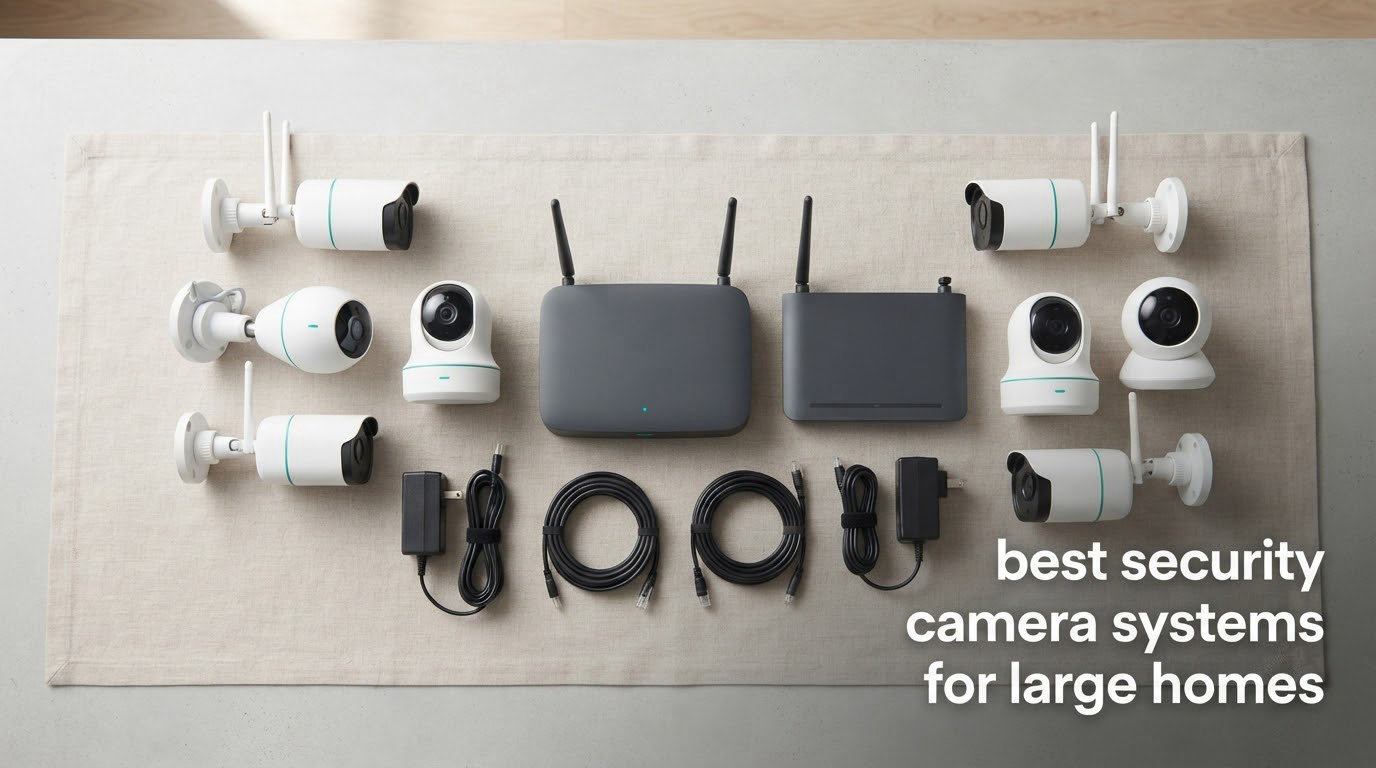
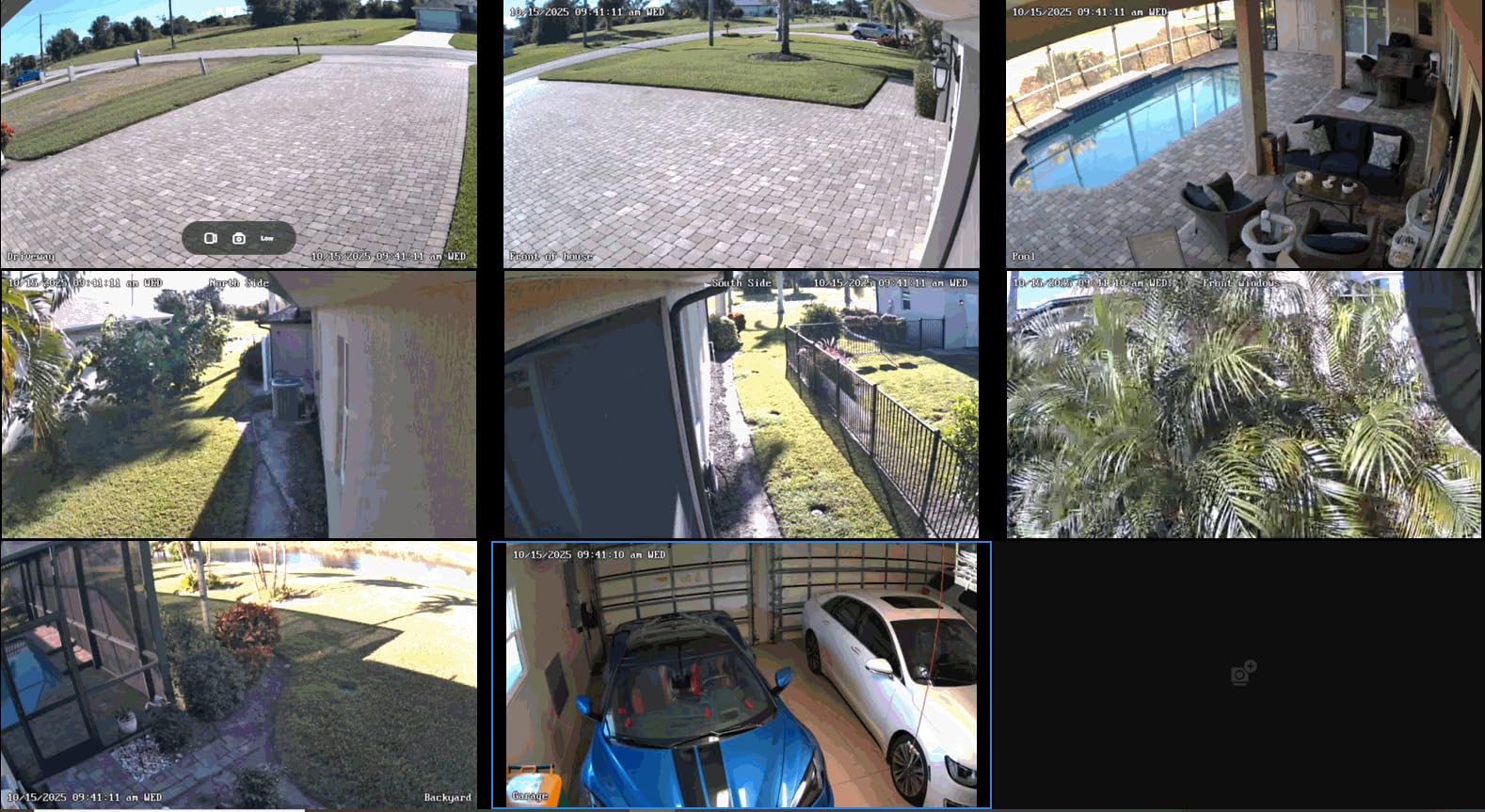
Most people buying a security camera for a large home make the same mistake: they buy one good camera instead of one good system. A single camera covers a doorway. A large home needs a doorway, a driveway, a back patio, a garage, a side entrance, a pool area and often a gate or an outbuilding, and each of those positions needs its own view.
That is why the best security camera systems for large homes are whole-system packages rather than single units. We looked at twelve multi-camera kits built around a network video recorder or a local base station, and every one of them records 24/7 to storage you own. None of them requires a monthly subscription to record.
Our team spent six weeks working through the specs, the box contents, the channel counts and the owner complaints across Reolink, ANNKE, eufy Security, aosu and Hiseeu systems, plus a ZOSI kit that packages unusually well for installers. The categories that separated good systems from frustrating ones were night vision range, channel headroom for future cameras, and how many false alerts the motion detection generates over a full night.
Table of Contents
What Is the Best Security Camera System for a Large Home?
The best security camera system for a large home is a multi-camera kit with 8 or 16 NVR channels, a pre-installed hard drive of 2TB or more, and 5MP to 8MP cameras that record 24/7 locally with no monthly fee. The ANNKE 3K Lite 8-camera DVR is our top pick, while the Reolink RLK16 is the choice for 16-camera properties.
Top 3 Picks for Large Homes in 2026
Quick Picks by Job
- ANNKE 3K Lite 8-Cam DVR — best overall, eight cameras and eight channels in one box with a 1TB drive already fitted.
- Reolink RLK16-800B8 — best for very large properties, sixteen channels and eight 4K/8MP cameras on a 4TB drive.
- aosu D1 Classic 4-Cam Solar — best for renters and finished homes, solar panels and a base station with no wiring.
- eufy SoloCam E42 6-Cam Kit — best for readable licence plates, true 4K capture with plates legible to 33 ft.
- Reolink RLK8-520D4-5MP — best 5MP starter kit, four PoE turrets on an 8-channel NVR with a 2TB drive.
- ANNKE 16-Channel 5MP PoE — best for two-way talk, recorded voice warnings and a 123-degree view.
- Hiseeu 4K PoE 121-Degree Kit — best wide angle, the 2.8mm lens covers roughly 1.5x the ground of a standard lens.
- Hiseeu 4K 8-Cam WiFi Pro — best corded cameras without Ethernet, dual-band video to 100 ft with a 3TB drive.
- aosu 2K Solar 6-Cam Kit — best six-position solar coverage with cross-camera tracking.
- Reolink RLK8-800B6 — best balanced 4K kit, six 4K cameras and a 2TB drive expandable to 16TB.
- ZOSI C220 8-Cam PoE — best for installers, includes mounting templates and warning stickers in the box.
- Hiseeu 16-Channel 5MP WiFi Kit — best expandable budget NVR, eight cameras on a 3TB drive with 16-channel headroom.
All 12 Systems Compared in 2026
| Product | Specifications | Action |
|---|---|---|
 ANNKE 3K Lite 8-Cam DVR Kit ANNKE 3K Lite 8-Cam DVR Kit |
|
Check Latest Price |
 aosu D1 Classic 4-Cam Solar Kit aosu D1 Classic 4-Cam Solar Kit |
|
Check Latest Price |
 Reolink RLK8 5MP PoE System Reolink RLK8 5MP PoE System |
|
Check Latest Price |
 Hiseeu 16-Channel 5MP WiFi Kit Hiseeu 16-Channel 5MP WiFi Kit |
|
Check Latest Price |
 aosu 2K Solar 6-Cam Kit aosu 2K Solar 6-Cam Kit |
|
Check Latest Price |
 eufy SoloCam E42 6-Cam 4K Kit eufy SoloCam E42 6-Cam 4K Kit |
|
Check Latest Price |
 Reolink RLK16 4K 16-Channel System Reolink RLK16 4K 16-Channel System |
|
Check Latest Price |
 Reolink RLK8 4K 6-Cam System Reolink RLK8 4K 6-Cam System |
|
Check Latest Price |
 ANNKE 16-Channel 5MP PoE Kit ANNKE 16-Channel 5MP PoE Kit |
|
Check Latest Price |
 Hiseeu 4K 8-Cam WiFi Camera Kit Hiseeu 4K 8-Cam WiFi Camera Kit |
|
Check Latest Price |
 Hiseeu 4K PoE 121-Degree Kit Hiseeu 4K PoE 121-Degree Kit |
|
Check Latest Price |
 ZOSI C220 8-Channel PoE System ZOSI C220 8-Channel PoE System |
|
Check Latest Price |
1. ANNKE 3K Lite 8-Camera DVR System — Best Overall for Large Homes
ANNKE 3K Lite Wired Security Camera System Outdoor, 8X 2MP Cameras, 1TB HDD
- Eight cameras and eight channels in one box
- AI human and vehicle detection with flexible zones
- H.265+ compression stretches recording length
- Dual-light colour night vision to 66ft
- IP67 housings for all-weather outdoor use
- Cameras are 2MP 1080p rather than true 3K
- Analog BNC cabling must reach every camera position
This is the kit we kept coming back to. Eight cameras, an eight-channel DVR and a 1TB drive already installed, all in one carton. For a home with a front entry, side door, garage and backyard, that is the whole job covered before you add anything.
It is also the most reviewed system in this group, with more than four thousand ratings on record, and that history matters for a large property. A system you will run for a decade is not the place to gamble on an untested box.
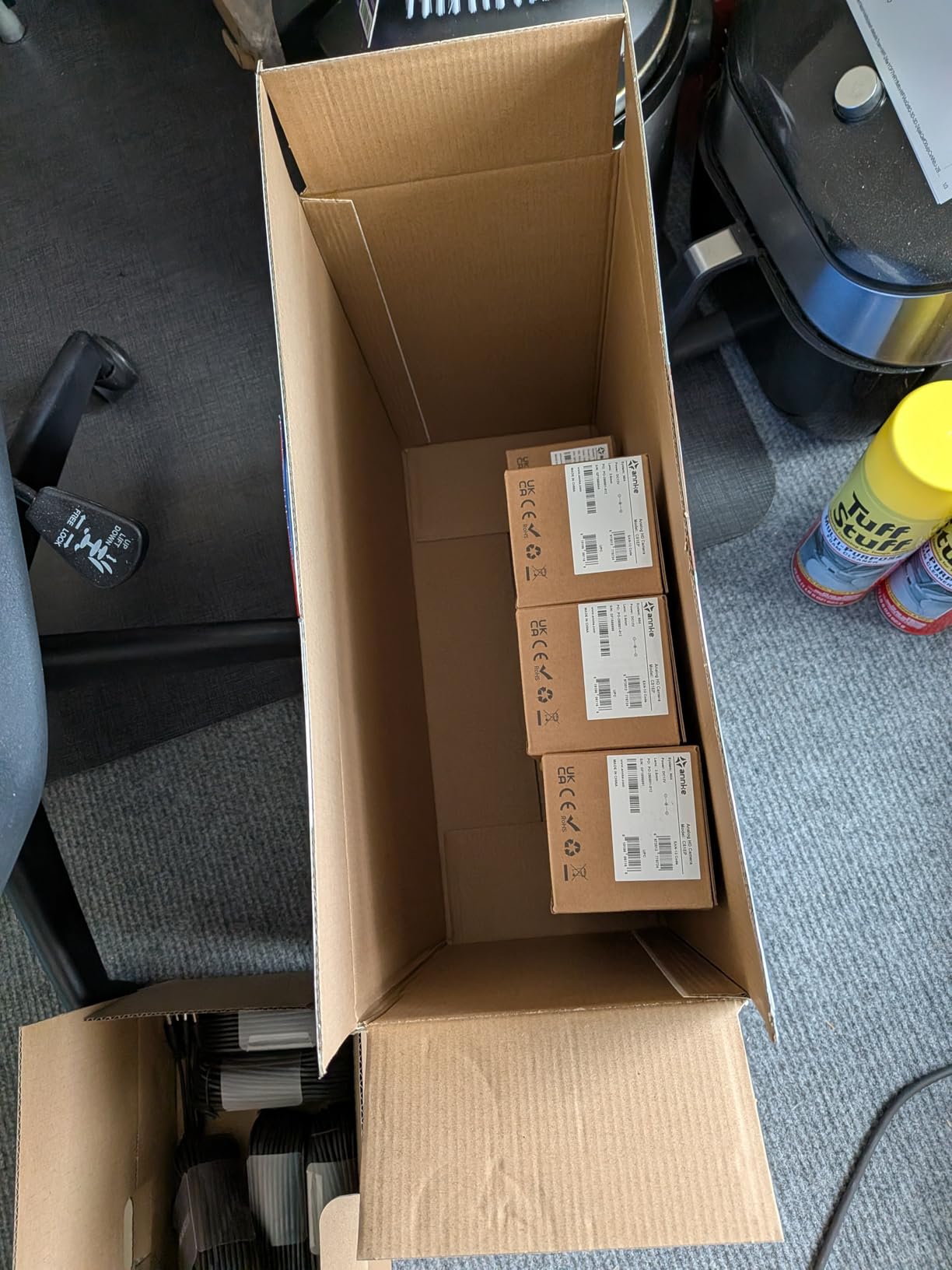
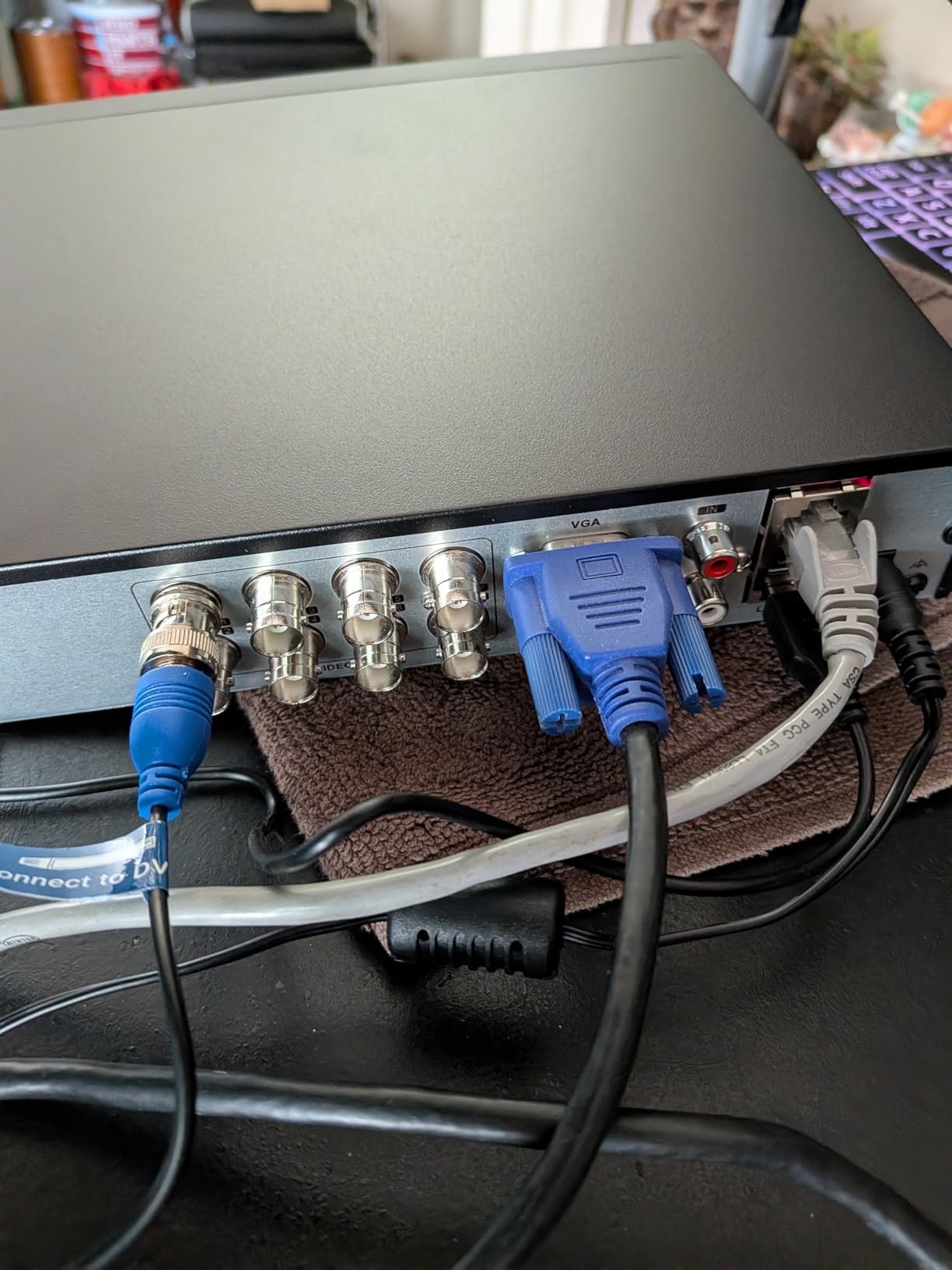
The DVR is a 3K-lite unit with H.265+ compression, which matters more than it sounds on a big property. Compression is the difference between keeping 10TB of footage on one drive and needing a second chassis. The SATA interface supports larger drives as you add cameras.
AI Motion Detection 2.0 recognises humans and vehicles and lets you draw the areas that matter, so a tree line does not generate a hundred alerts a night. The dual-light cameras hold colour night vision to about 66ft and switch to infrared out to 100ft.
What makes it work across a whole property
Two things. The DVR accepts TVI, AHD, CVI, CVBS and IP cameras, so if you later want to add a different brand at one position you can. And the eight included 60ft BNC cables are long enough to run from one side of a house to the other without a splice.
The 82.2-degree viewing angle is wide but not distorted, so one camera can watch a whole corner of a yard without the fisheye bending that a 2.8mm lens produces.
Where it falls short
The sensors are 2MP. If your real goal is reading a licence plate or a face across a 150ft driveway, the 5MP and 8MP kits below will get you there and this one will not. Recording also runs at 15fps, which is fine for static scenes and thin for fast movement.
Then there is the wiring. This is analog BNC video plus power splitters, which means an electrician-quality cable run to all eight positions. Budget for that, or choose a wireless kit if the house is already finished.
2. aosu D1 Classic 4-Camera Solar Kit — Best Value, No Wiring
aosu D1 Classic 4-Cam Kit, Security Cameras Wireless Outdoor, Solar Powered
- No subscription for core recording
- 32GB base holds about four months of loop video
- Solar panel needs about three hours of daily sun
- 360 pan and tilt removes fixed-view blind spots
- Works with Alexa Google Assistant and SmartThings
- Motion sensing has a 1-2 second recording delay
- PTZ resets after the 360-degree point
- Base has no memory card slot for expansion
For a large home that was built and finished decades ago, drilling through eight walls is the part that stops people. This aosu kit sidesteps that entirely: four screw-in cameras, solar panels on the back of each housing, and a base station that sits on a shelf.
Recording happens on 32GB of built-in storage in the aosuBase with no subscription required, which is roughly four months of loop recording before it wraps. That is the single thing owners mention most often in reviews, and it is the reason this kit earns the value slot.
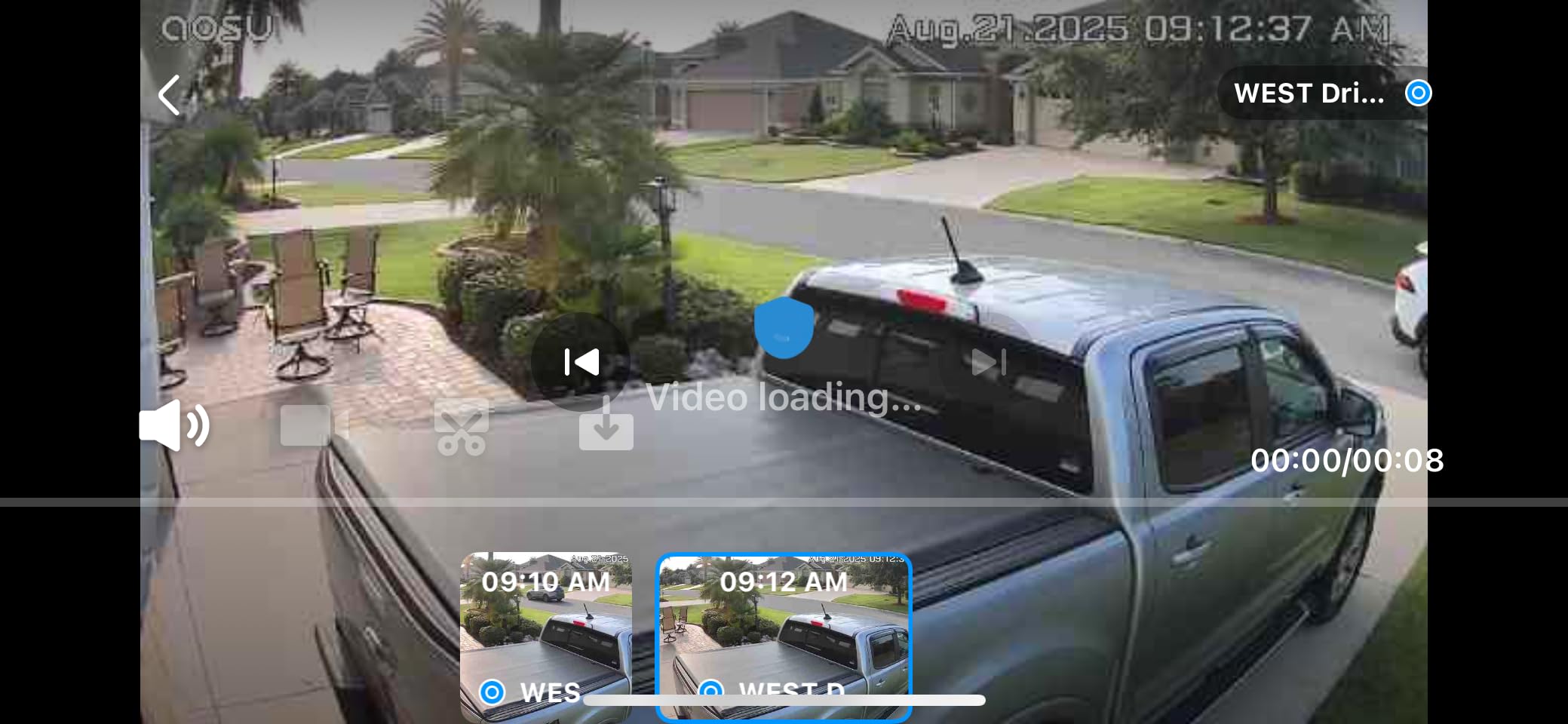
The 360-degree pan and tilt with automatic tracking is unusual at this level. Instead of a fixed cone of view, the camera follows a person across the yard and hands the event off to the next camera, so you review one movement rather than four separate clips.
Resolution is 3MP stills with 2K video, and the 4-LED night lighting doubles the light source over typical two-LED designs, which is what allows colour night vision at 33ft.
Where solar actually makes sense
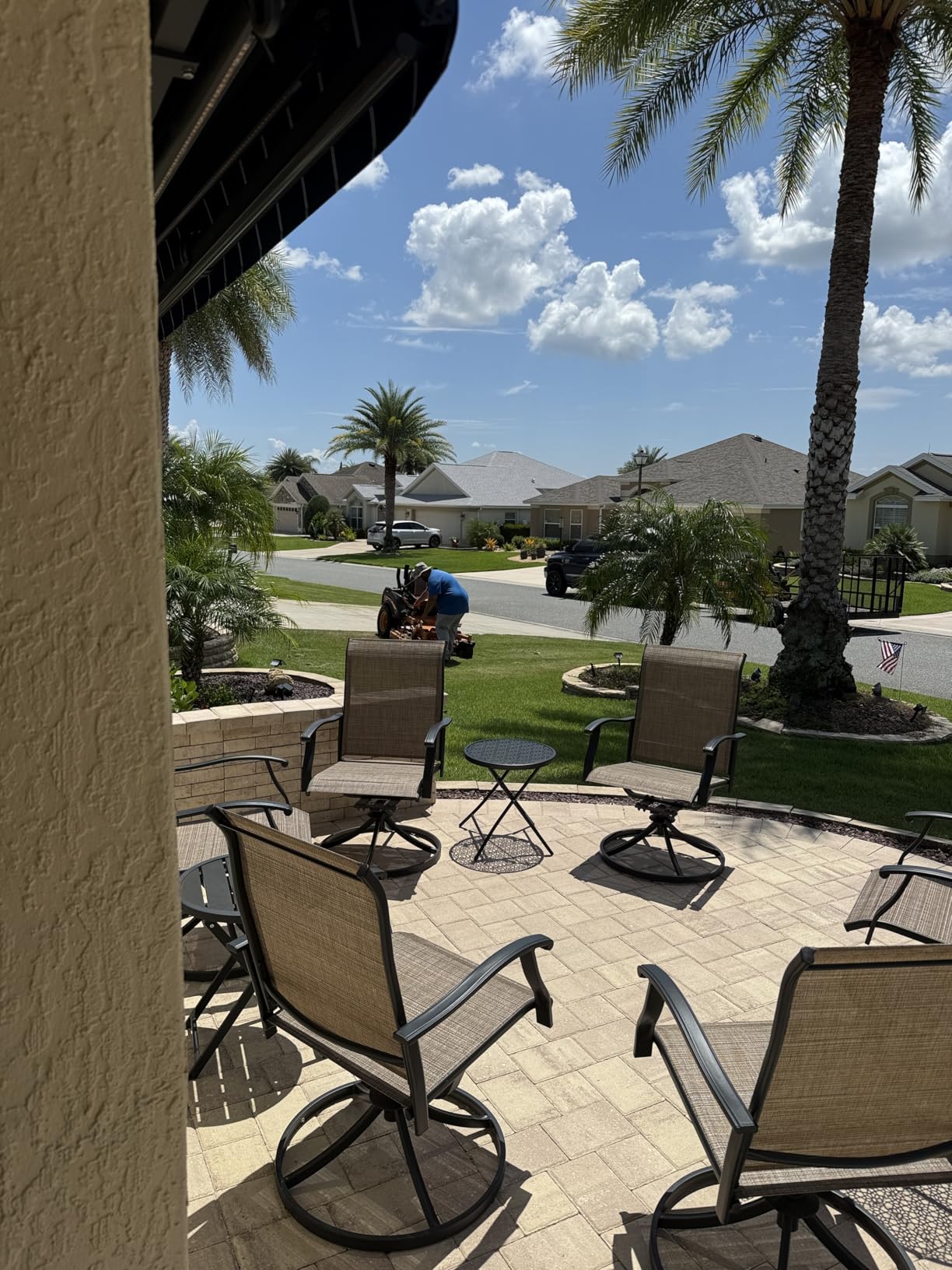
Backyard corners, side gates, a pool house, a detached garage. Anywhere a cable run would be the most expensive part of the job. Two to three hours of direct sun keeps the panel charged, and the fixed panel needs a clear southern aspect in the northern hemisphere.
Four cameras is enough for a medium property. If you need six or eight positions, the 6-camera aosu kit below covers the same ground for less per position.
Where it falls short
There is a 1-2 second delay between the sensor detecting movement and recording starting, so anything moving quickly across the frame can arrive partially out of shot. The pan and tilt head also stops tracking at the full 360-degree point and returns to its default position after about 30 seconds.
Most importantly, four channels is four channels. There is no NVR expansion path here, so this is a complete small system rather than a foundation you grow from.
3. Reolink RLK8 5MP PoE System — Best Premium 5MP Starter Kit
REOLINK 5MP 8CH Home Security Camera System with 2TB HDD RLK8-520D4-5MP
- 5MP detail well beyond 1080p for distant subjects
- Smart person vehicle and animal detection
- PoE switch built into the NVR so no injectors needed
- 2TB drive with e-SATA expansion to 8TB more
- 18m CAT6 runs included
- Stable app across iOS Android Windows and Mac
- Pixel motion detection causes false alerts from shadows and branches
- PoE-only so every camera needs an Ethernet run
- NVRs and apps do not interoperate with other brands
Reolink systems come up constantly in homeowner forums, and this is the configuration those threads recommend most often for a house rather than a shop. Four 5MP PoE turrets, an eight-channel NVR with the PoE switch already built in, and a 2TB drive fitted at the factory.
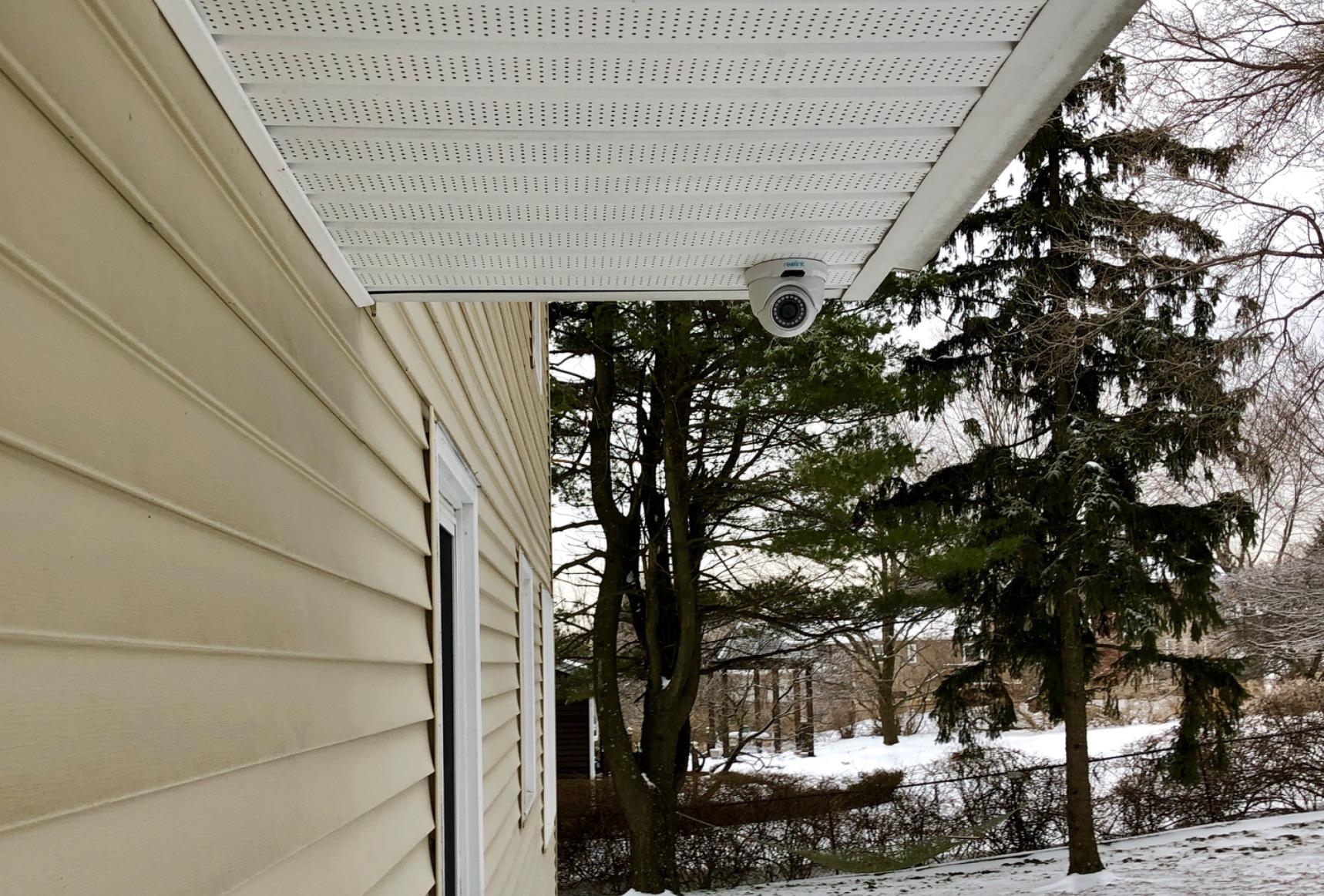
Because the PoE switch is inside the NVR, there are no injectors, no separate PoE box and no power adapters at the camera ends. One Ethernet cable per camera does both jobs, and the four 18m runs in the box are long enough to reach across a large house.
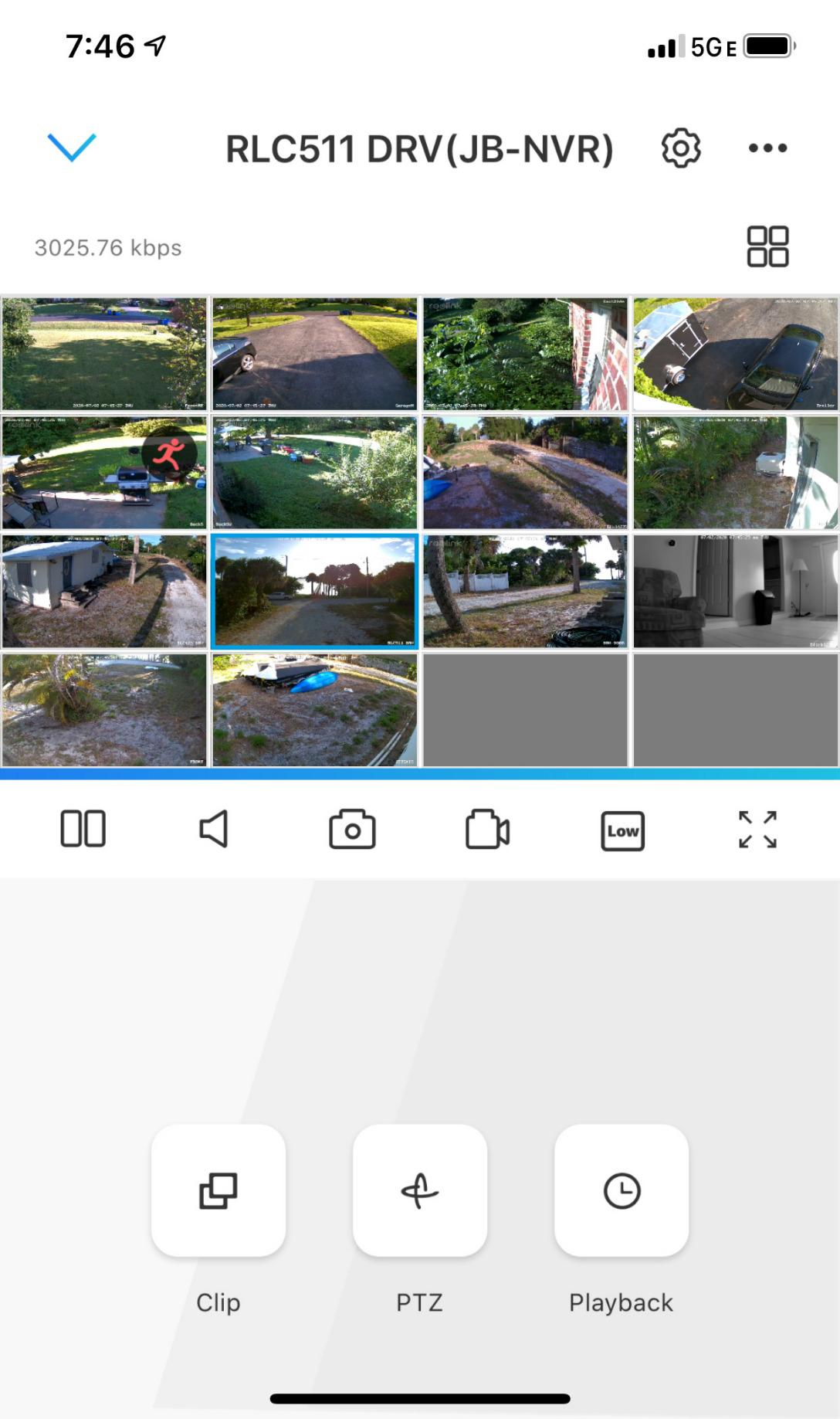
Long-term owners report systems that power up and keep running for years without rebooting, and the app is consistent across iOS, Android, Windows and Mac, which matters if you view footage from a desktop in an office as well as a phone.
Smart detection covers people, vehicles and animals, so a fox or a moving branch generates far fewer notifications than a plain pixel-change trigger would.
Why 5MP matters on a big lot
Resolution is the whole argument for large properties. A 5MP sensor holds usable detail when you digitally zoom into the far end of a driveway, where a 1080p sensor turns to mush. The 80-degree viewing angle and 4.0mm lens are a sensible compromise between coverage and detail.
The 2TB drive plus e-SATA expansion to another 8TB gives a comfortable buffer for a busy property without buying a second recorder.
Where it falls short
Motion detection is pixel-based, and that is the recurring complaint. Shadows, wind-blown vegetation and sunlight moving across a driveway all trigger events until you tune each camera. Expect a weekend of adjusting sensitivity and masking zones before it settles.
The cameras are PoE-only, and the ecosystem is closed: these NVRs do not accept other manufacturers’ cameras, and the app cannot reorder cameras. Technical support is email-only as well, so hardware problems take longer to resolve than they would with a brand that answers a phone.
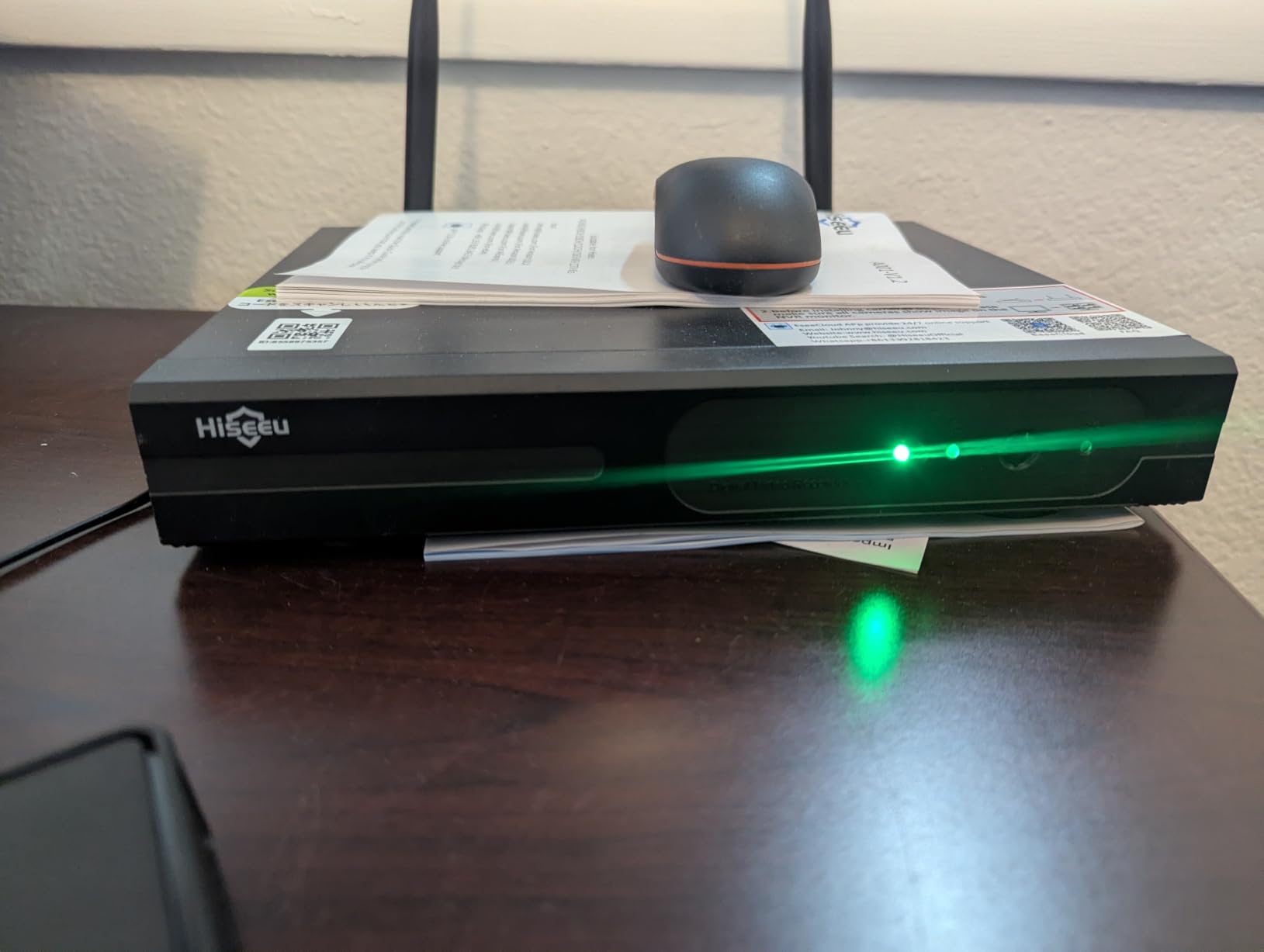
4. Hiseeu 16-Channel 5MP WiFi Kit — Best Expandable Budget NVR
- Corded power means no batteries to service
- 3TB drive holds 45+ days of continuous recording
- Dual-band 2.4GHz and 5GHz video to 100ft
- IP66 housings rated -13F to 122F
- Expands to 16 channels
- Motion detection produces heavy false-alarm volume
- App crashes occasionally and cameras lack ball joints
This kit solves a specific large-home problem: the cameras take power from a cord but send video over dual-band WiFi, so you need an outlet at each position but not a cable run back to the house. For a garage wall, a pool house and a garden wall that are already near power, that is a big saving in labour.
The NVR expands to 16 channels, and the 3TB drive covers more than 45 days of continuous recording with no cloud fee. H.265+ compression roughly halves the bandwidth versus H.264, which is what makes eight 5MP cameras realistic on one drive.
AI human detection filters pets and shadows to some degree, and the IP66 housings are rated from minus 13F to 122F, so the cameras hold up through a northern winter as well as summer heat.
Recording modes cover event, schedule and continuous, which lets you run 24/7 on the driveway and motion-only on an area that does not need it.
Where WiFi video earns its place
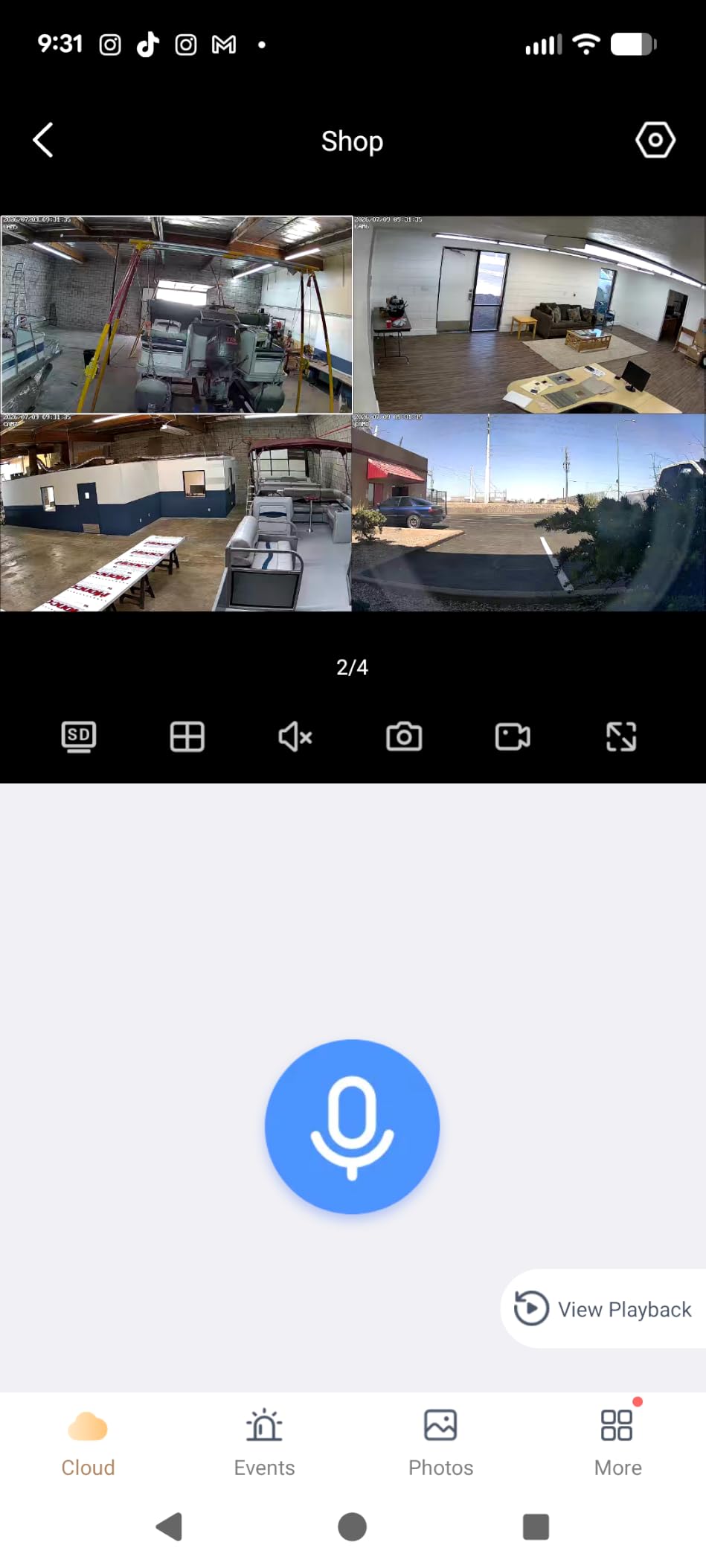
The dual-band link reaches up to 100ft from the NVR, so one recorder in a main house can serve cameras in a nearby garage or annexe without a switch. That is the configuration most homeowners in forums describe wanting and most kits do not offer.
Because the cameras are corded, you also avoid the battery maintenance that makes solar kits frustrating after three or four winters.
Where it falls short
Reliability is the concern. Owners report heavy false-alarm volume from motion detection, occasional app crashes, and cameras that drop off and need a power cycle to reconnect. Support responses are described as rare or absent, which is a real cost when a camera dies in month fourteen.
With 211 reviews on record the long-term data is thinner than for the established kits here. The 65ft night vision range is also the shortest in this group, so plan lighting for anything past a small garden.
5. aosu 2K Solar 6-Camera Kit — Best for Six-Point Coverage
aosu 2K Solar Security Cameras Wireless Outdoor System, 6-Cam-Kit
- Split solar panel lets the panel sit in real sun
- 32GB local storage expandable to 1TB via microSD
- PIR plus AI human detection cuts animal alerts
- Cross-camera tracking merges one person into a single timeline
- Spotlight siren and colour night vision
- Solar charging shuts down in cold climates with 2-3 weeks of battery left
- Event video deletion fails often and needs retrying
- 32GB fills quickly at activation
Six cameras is the number most large homes actually land on: front entry, driveway, side door, garage, back patio and pool. This aosu kit covers all six with solar power and a base station, which makes it the natural companion to the four-camera model above.
The split panel design separates the solar panel from the camera body, so the panel can sit in direct sun while the camera points wherever the coverage needs. The 32GB base storage expands to 1TB through a microSD card, and no subscription is required to record.
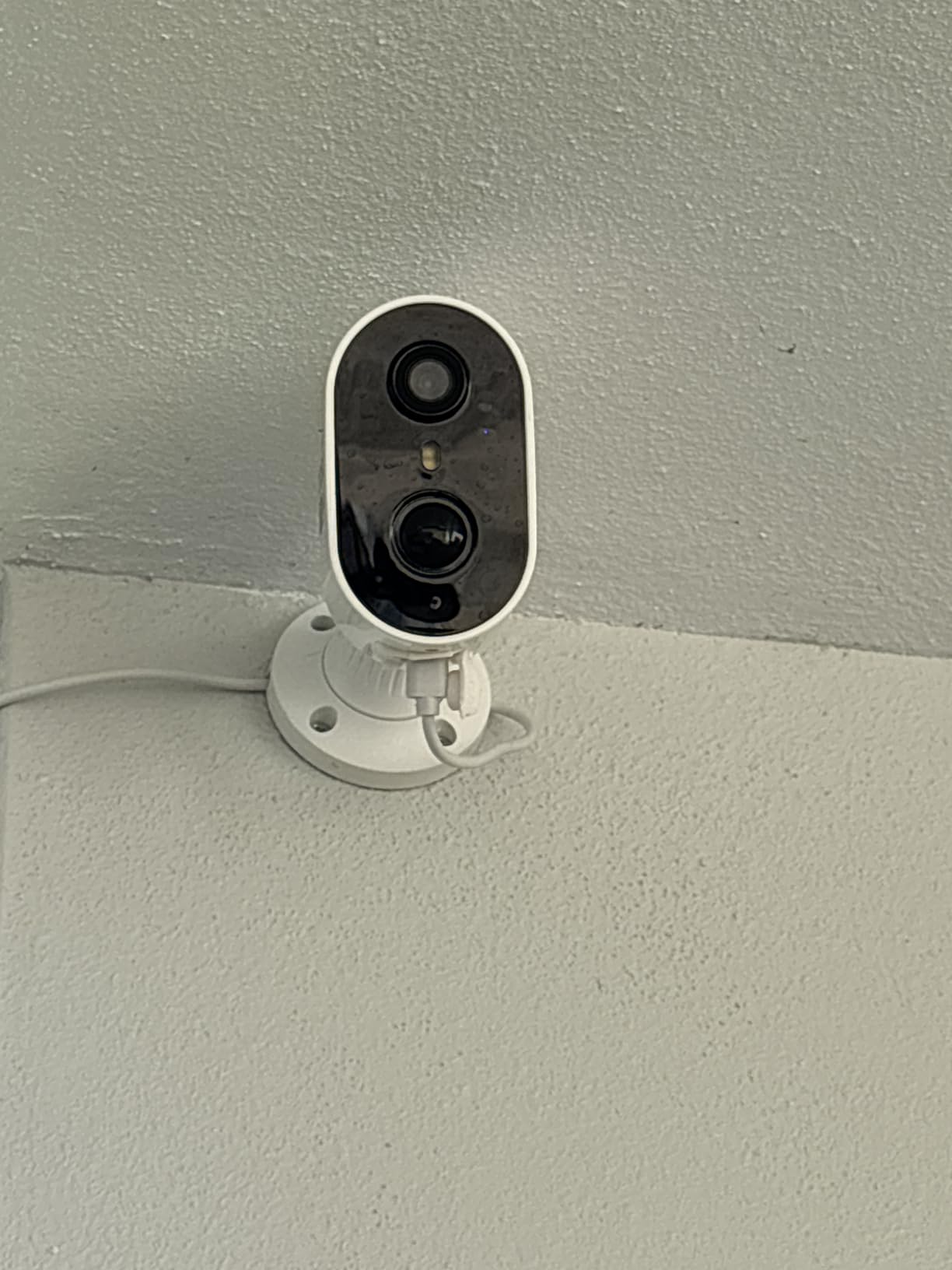
PIR combined with AI human detection is the improvement over plain motion sensing, and camera-to-camera tracking groups the same person across multiple views into one timeline. Colour night vision comes from a spotlight, backed by a siren for active deterrence.
Two-way voice, instant notifications and the IP65 rating round out a kit that is genuinely weatherproof for rain, snow and harsh outdoor conditions.
Choosing between the 4-camera and 6-camera aosu kits
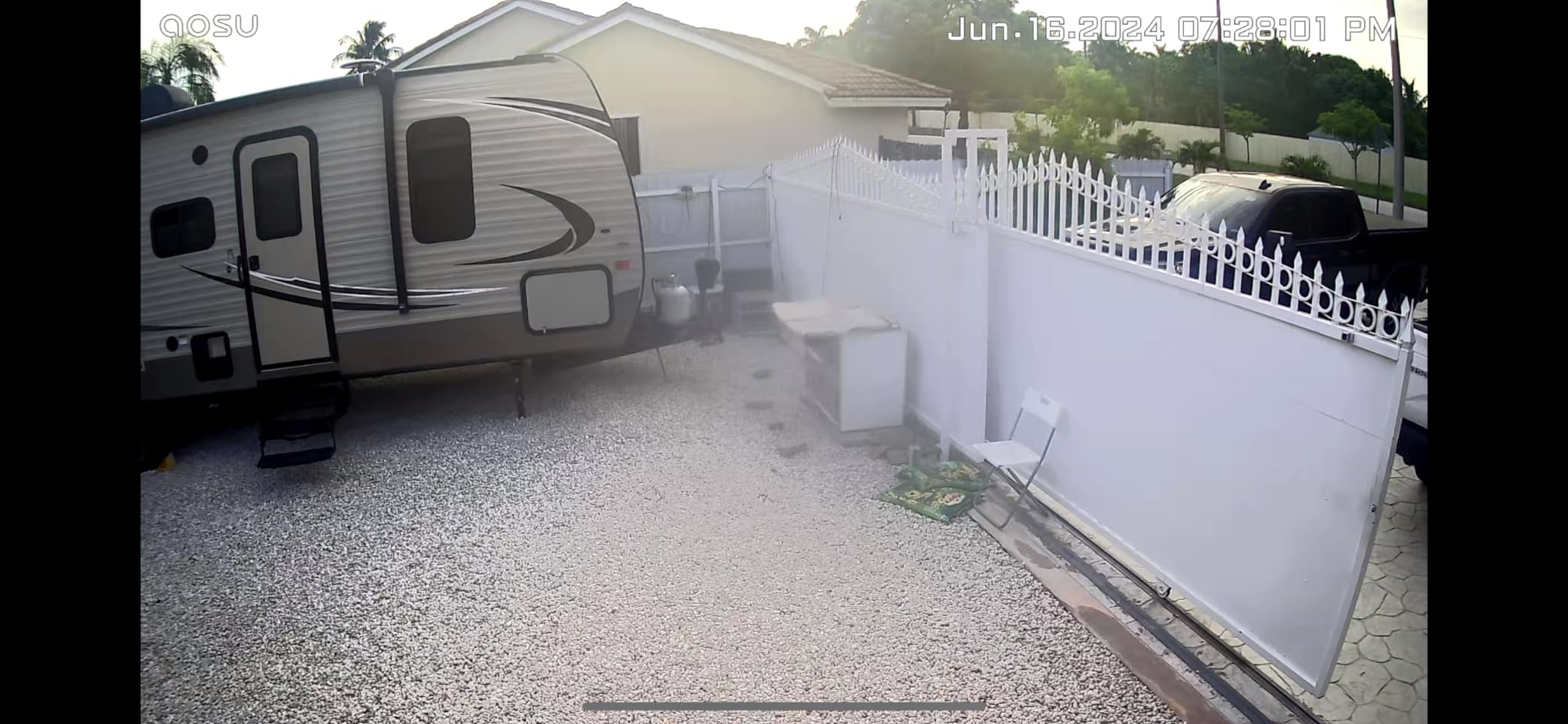
The six-camera version is 2K QHD with 6x zoom rather than 3MP, and it adds PIR sensing, a spotlight and a siren. If you have six positions and want active deterrence at night, this is the better kit. If you want slightly higher still-image resolution on four positions, the D1 Classic has it.
Both use the same base-station concept, so the deciding factor is coverage count, not storage.
Where it falls short
Cold weather. Solar charging shuts down at around 3-5C, which in a northern climate leaves roughly two to three weeks of stored battery. That is the main reason homeowners in colder regions end up wishing they had run cable.
Motion sensitivity is also inconsistent, with some owners reporting leaf movement triggering alerts while vehicles are missed, and event video deletion frequently fails with an error that must be retried. It is the lowest-rated kit here at 4.1, and the 13% of one-star reviews reflect that.
6. eufy SoloCam E42 6-Camera 4K Kit — Best for Licence Plate Detail
eufy Security SoloCam E42, 6-Cam Kit, 4K Solar Security Camera
- True 4K UHD with plate recognition up to 33ft
- Solar Panel 2.0 needs about two hours of sun daily
- HomeBase 3 has 16GB built in and expands to 16TB
- Keeps recording through network outages
- MicroSD up to 128GB per camera
- No monthly subscription
- Cameras and HomeBase arrive in separate boxes
- microSD card not included
- Wireless-only install depends on WiFi at each position
Identification range is the one criterion no other system in this roundup matches cleanly. The SoloCam E42 captures true 4K UHD and reads licence plates at up to 33ft, which is a different category from a camera that merely shows a car.
It ships with the HomeBase 3, which carries 16GB of built-in storage and expands to 16TB. The base also records through network outages, so an internet cut at the street does not leave your property unmonitored.
Solar Panel 2.0 needs about two hours of direct sun to keep six cameras running, and each camera also accepts a microSD card of up to 128GB for private local storage that bypasses the base entirely.
AI motion detection tracks people and vehicles automatically, and a motion-activated strobe light plus siren give you an active deterrent rather than a passive recording.
When true 4K changes the outcome
At a gate, a long driveway or a roadside entrance, 4K is the difference between a shape and an identifiable person. The 360-degree pan and tilt also lets one camera cover a whole corner of a yard, so six units can hold a large property without stacking overlapping fixed views.
Because storage scales to 16TB on the HomeBase, six cameras at 4K is workable for a couple of weeks of continuous recording, and the per-camera microSD option adds a second copy at the point of capture.
Where it falls short
This is a premium-priced kit and the extra spend is real, particularly next to simpler wired alternatives. The install is wireless-only, so every camera position needs good WiFi coverage, which is exactly what a large property often lacks at the far end of a driveway.
Two practical frictions: the cameras and the HomeBase arrive in separate boxes and may not turn up together, and no microSD card is included. The cameras also need HomeBase 3 firmware V3.6.9.0 or later and app version V5.0.80 or later, so update before mounting.
7. Reolink RLK16 4K 16-Channel System — Best for 16-Camera Properties
REOLINK 16CH 4K Security Bullet Camera System with 4TB HDD RLK16-800B8
- 16-channel NVR with 4TB covers large homes with headroom
- PoE single-cable runs reach up to 330ft
- All storage stays on site and recording survives internet outages
- 4TB expands to 16TB
- Weatherproof cable connectors included
- Person vehicle and animal detection
- Pixel motion detection trips on wind-blown branches
- Remote access setup needs a connected monitor
- App playback has no fast-forward or rewind inside a clip
Everything else in this roundup is an eight-channel system or smaller. This one is the answer to a genuine large-home constraint: if you are covering a main house, a garage, a pool house, a gate, a driveway and a workshop, you can run out of channels on anything else.
Eight 4K/8MP bullet cameras come in the box, the 16-channel NVR arrives with a 4TB drive, and storage expands to 16TB. Long-run PoE reaches 330ft on a single network cable, which is usually the difference between a system you can install and one you cannot.
Installers consistently praise the image clarity, the all-in-one PoE design and the fact that the recorder keeps running for years. Recording continues through internet outages because nothing is being uploaded anywhere.
At 8MP the 4K detail is roughly four times a 1080p sensor, and that extra resolution is what survives digital zoom at the back of a long property.
What 16 channels actually buys you
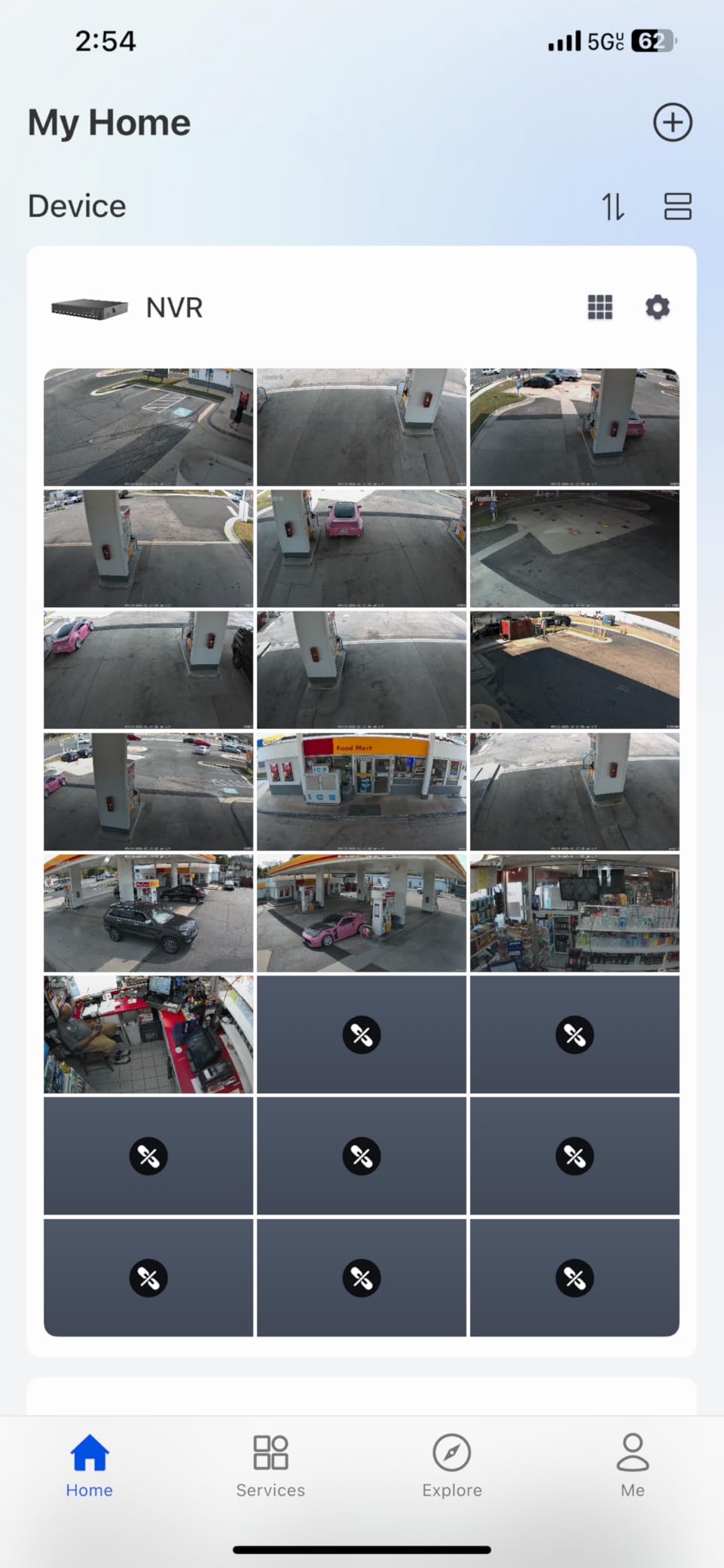
Headroom. A large property rarely gets covered in one afternoon, and owners keep adding a camera at the side gate or the workshop every season. An eight-channel box means replacing the recorder to grow; a 16-channel box means plugging in a cable.
The 4TB drive is also sized for 24/7 recording across eight 4K streams, which is where smaller drives fall over within weeks.
Where it falls short
Motion detection is pixel-based and needs careful per-camera sensitivity tuning, and it still trips on wind-blown branches. Setting up remote access requires a monitor connected to the NVR first, which is a step installers miss and owners find frustrating.
App playback has no fast-forward or rewind within a clip, so hunting through an event can mean scanning hour by hour. Camera ordering set on the monitor does not carry to the mobile apps, and owners report the night vision is effective to roughly 25ft with visible IR glow at close range. The included mounting screws are also weak and can snap during tightening.
8. Reolink RLK8 4K 6-Camera System — Best Balanced 4K Starter Kit
REOLINK 8CH 4K/8MP Security Camera System with 2TB HDD RLK8-800B6
- 4K and 8MP makes plates and small details readable at range
- PoE system runs standalone with internet only needed for the app
- Single-cable install with no separate power wiring
- 2TB HDD expands to 16TB with a second 8TB drive
- Multiple systems can share one app
- Pixel motion detection picks up shadows branches and spider webs
- IR focuses centrally so angled-down coverage is weak
- Digital zoom degrades image quality
This is the middle path between an eight-camera DVR kit and a premium 4K system. Six 4K/8MP PoE bullets on an eight-channel NVR with a 2TB drive gives you true 4K on every camera and still leaves two channels free.
The PoE design means the system is a fully standalone unit on your network. Internet is only needed for the app, not for recording, and the video signal is lossless rather than compressed across WiFi.
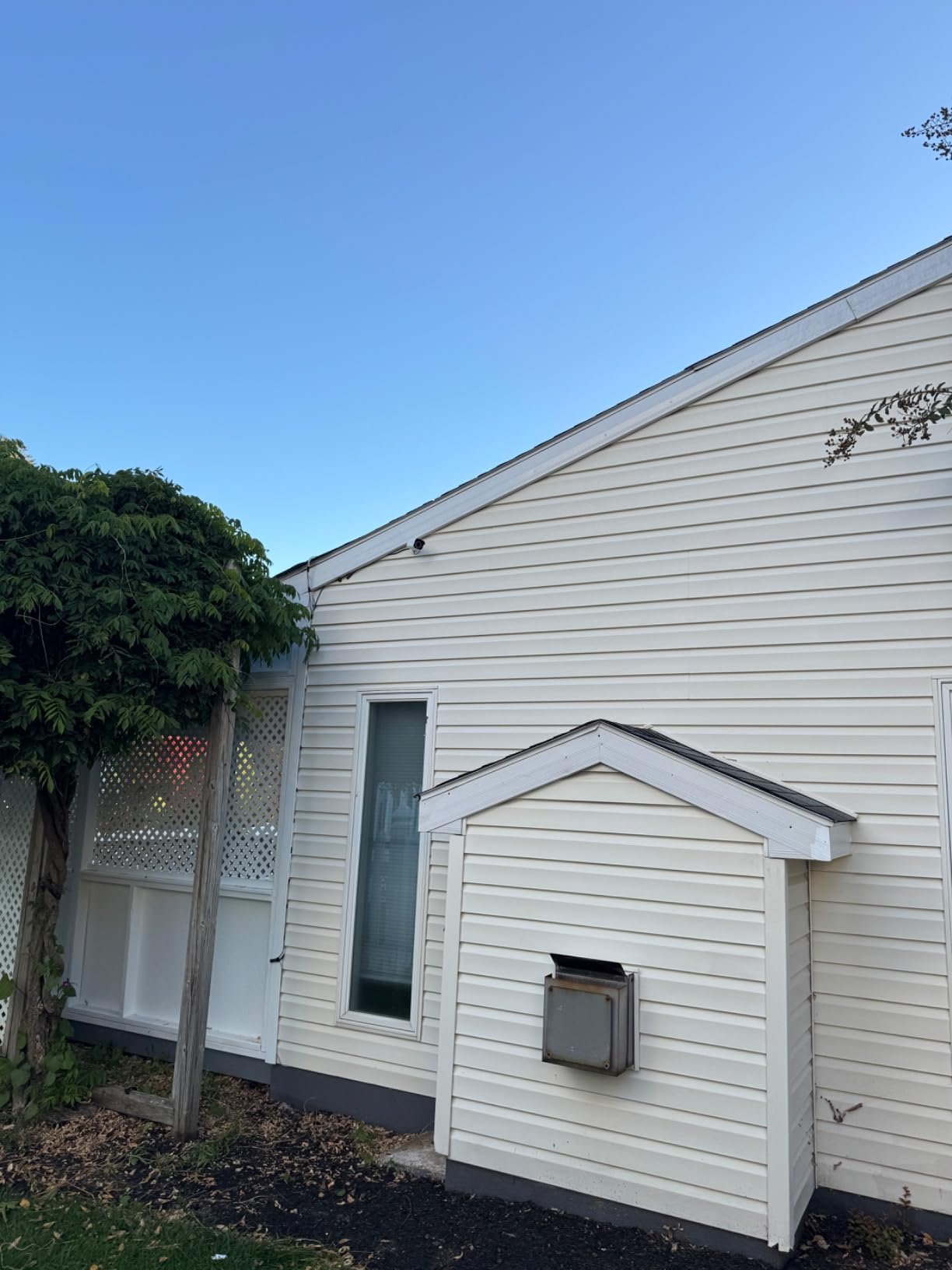
Owners report six-plus years of continuous operation and strong satisfaction with both clarity and app reliability. If you already run one Reolink system, additional units can be added to the same app and are recognised instantly by QR scan, so this scales as a house grows.
Eighteen IR LEDs per camera with 3D-DNR noise reduction is a solid night specification, and the 100ft stated range is among the stronger figures here.
Why six cameras is a comfortable number
Six covers the perimeter of a large home with nothing spare: front entry, driveway, garage, side door, backyard and patio. Two channels remain for a gate, a pool house or a future addition, and the drive can double to 16TB with a second 8TB drive.
PoE runs reach 300ft, so a camera at the end of a long drive or at a detached workshop is within spec of a single run.
Where it falls short
The same pixel-based motion detection issue as the other Reolink kits, and owners here are blunt that many eventually disable some alerts because spider webs and shadows trigger them. Night vision focuses light centrally, so peripheral and angled-down coverage is weak.
Two more that matter for identification work: licence plates reflect infrared light and cannot be read at night, and zoom is digital so quality degrades as you zoom. If plates at night are a requirement, the eufy SoloCam is the pick for that. Initial NVR setup also uses a mouse-driven on-screen keyboard, which is genuinely awkward.
9. ANNKE 16-Channel 5MP PoE Kit — Best for Two-Way Talk Deterrence
ANNKE 16 Channel Security Camera System 5MP PoE, Two-Way Audio, 2TB HDD
- 3K 3072x1728 detail on a 16:9 frame that fits modern monitors
- 16 channels with 8 cameras leaves expansion room
- Custom recorded voice warning plays at intruders
- Built-in mic and speaker give true two-way talk
- 120dB WDR handles bright and dark contrast
- 2.8mm lens gives a very wide 123-degree view with edge distortion
- Fixed 20fps frame rate limits motion detail
- Heaviest kit here at 26.5 pounds
- Only a 1-year manufacturer warranty
Nobody else in this roundup lets you record your own voice and play it at someone standing in your driveway. That custom voice warning, plus a siren and deterrent LEDs, is a real behavioural deterrent rather than a passive recording.
The cameras carry built-in microphones and speakers, so two-way talk works properly from the ANNKE Vision app. It is the practical choice if you want to direct a courier, tell a contractor the gate code, or simply tell someone you are calling the police.
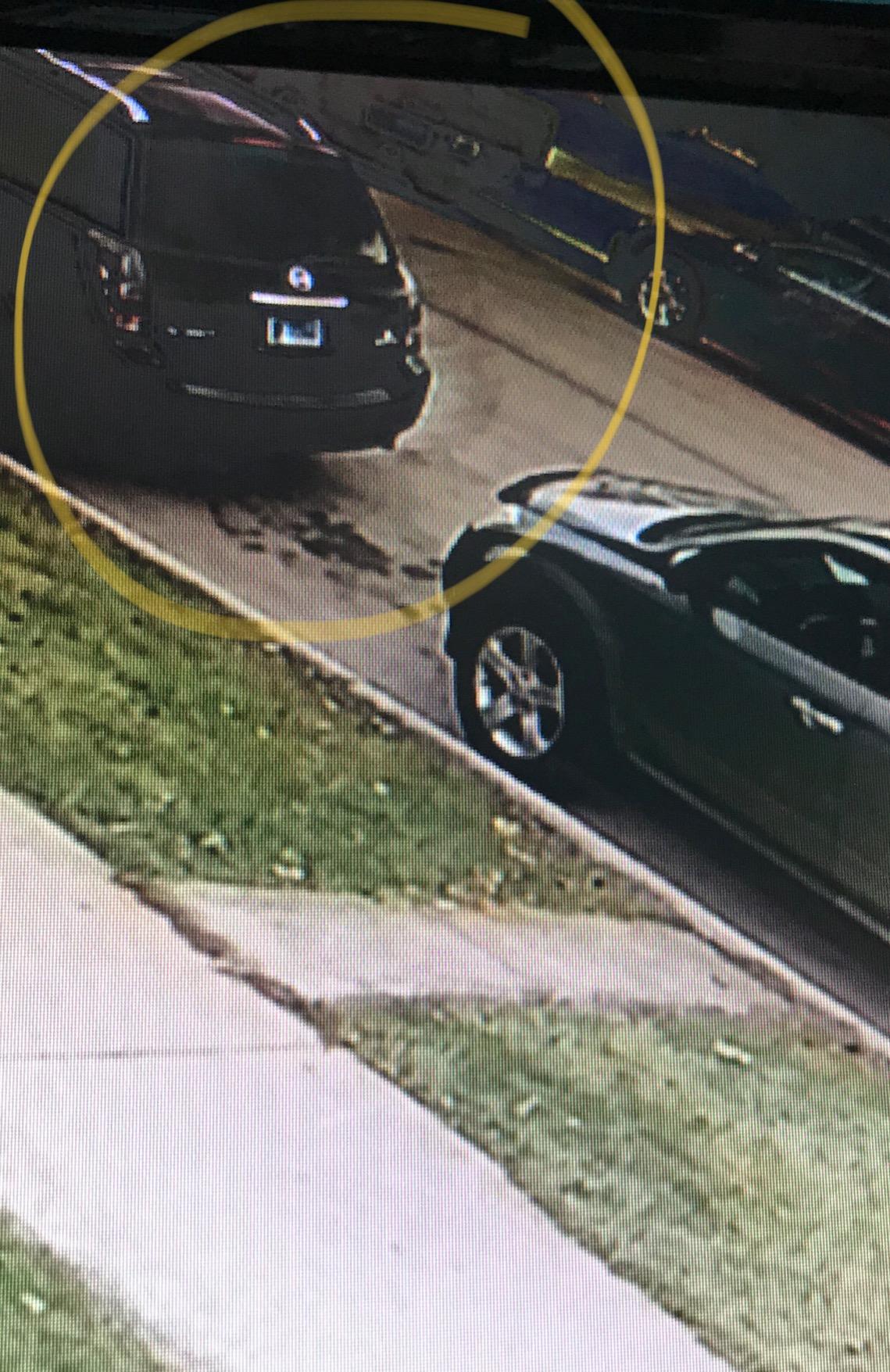
The 2.8mm lens produces a 123-degree field of view, wider than anything else here, which means fewer cameras to cover the same ground if you are willing to accept some distortion at the edges. 120dB WDR handles a front door at sunset better than most cameras at this level.
Recording is 3K at 3072×1728 on a 16:9 frame, which matches modern widescreen monitors without letterboxing, and the 2TB drive sits behind a 16-channel NVR.
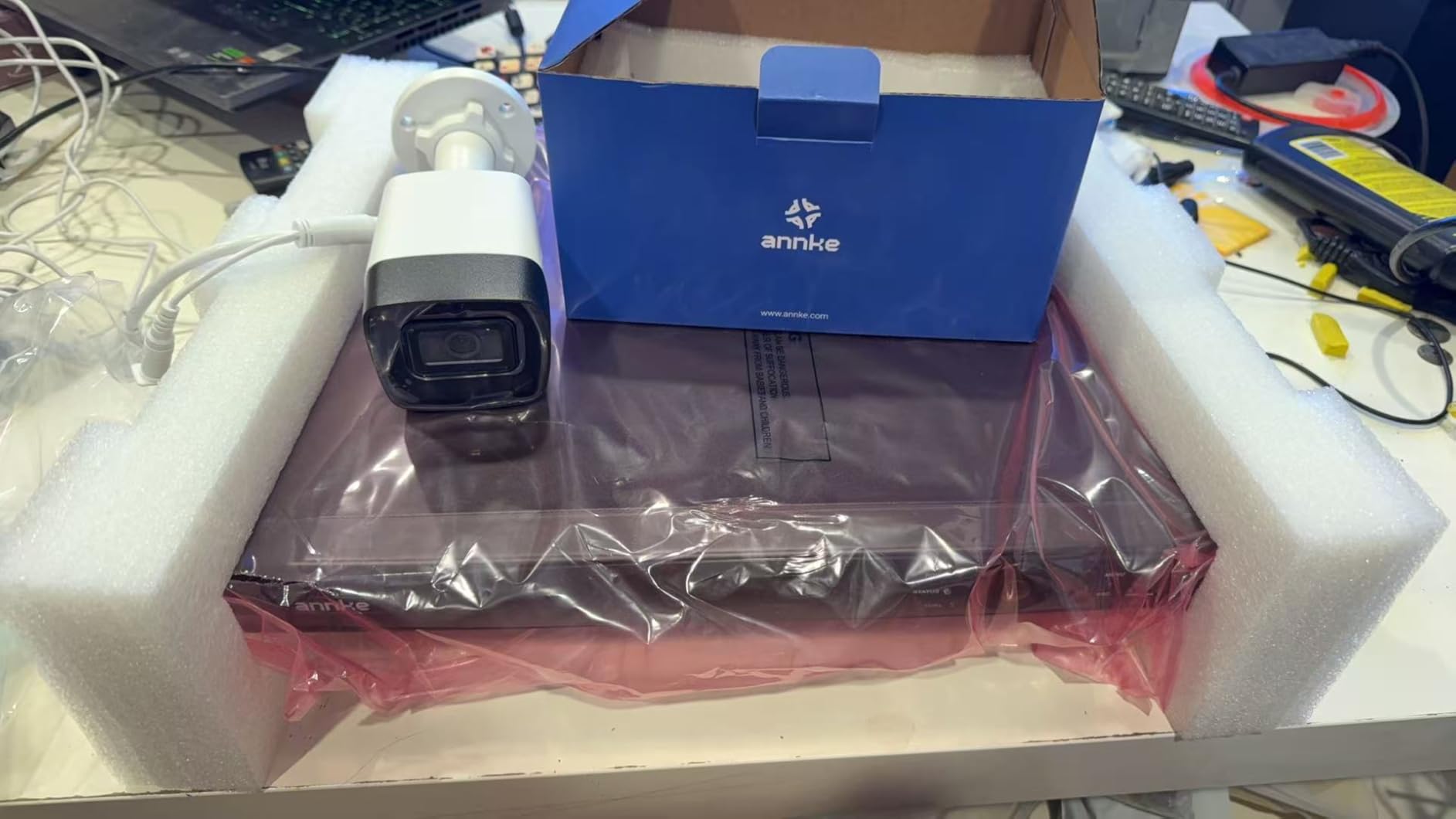
Who benefits from an ultra-wide view
Long driveways, wide front lawns, open patios and the approach to a gate. At 123 degrees a single camera can see a car arriving rather than the empty road in front of it, which cuts the camera count on an open property.
The operating range of -22F to 140F and the IP67 rating make these the most cold-tolerant cameras in the group, which matters if your property sits in a northern climate.
Where it falls short
That very wide angle distorts at close range, so a camera covering a narrow walkway will bow the edges of the frame. The 20fps cap also limits motion detail compared with higher-frame-rate cameras, which shows up on anything moving quickly across the frame.
At 26.5 pounds it is the heaviest kit in the group, which simply reflects a large NVR chassis. The listed manufacturer warranty is one year, the shortest here, so factor that into a long-term purchase.
10. Hiseeu 4K 8-Cam WiFi System — Best Corded Cameras Without Ethernet
- 8MP cameras on a 4K NVR at a mid-range system price
- Corded power avoids battery maintenance and dropouts
- 3TB drive covers 45+ days with no subscription
- Dual-band WiFi Pro to 100ft without Ethernet
- IP66 rated -13F to 122F
- Two-way audio plus siren and light alarm
- Listed dimensions appear inconsistent with an 8-camera kit
- App stability and motion detection trail the wired Reolink systems
This is the corded-power answer for anyone who wants 8MP detail without a cable run back to the house. Cameras take power from a cord and send video over dual-band 2.4GHz and 5GHz WiFi up to 100ft from the NVR.
Eight 8MP cameras feed a 4K NVR that expands to 16 channels, with a 3TB drive covering more than 45 days of continuous recording and no cloud fee. H.265+ cuts bandwidth by roughly half versus H.264, which is what makes eight 8MP streams workable on one drive.
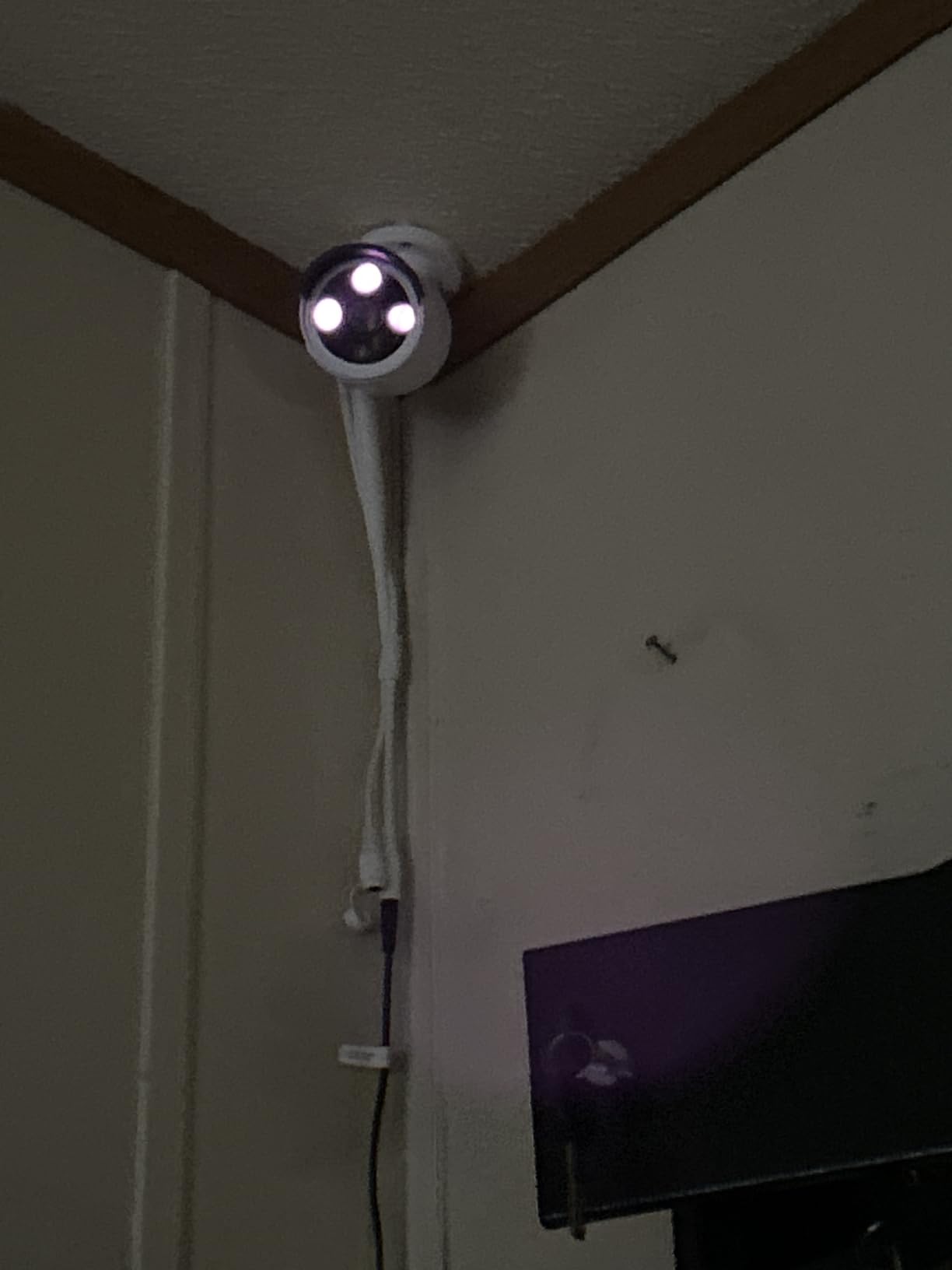
Colour night vision, two-way audio, a siren and light alarm give you deterrence as well as recording, and AI human detection trims the alert list. The IP66 housings are rated from minus 13F to 122F for heavy snow, wind and sub-zero temperatures.
Recording modes cover 24/7, motion-triggered or customised schedules, so you can run continuous coverage on the approach and motion-only on a side path.
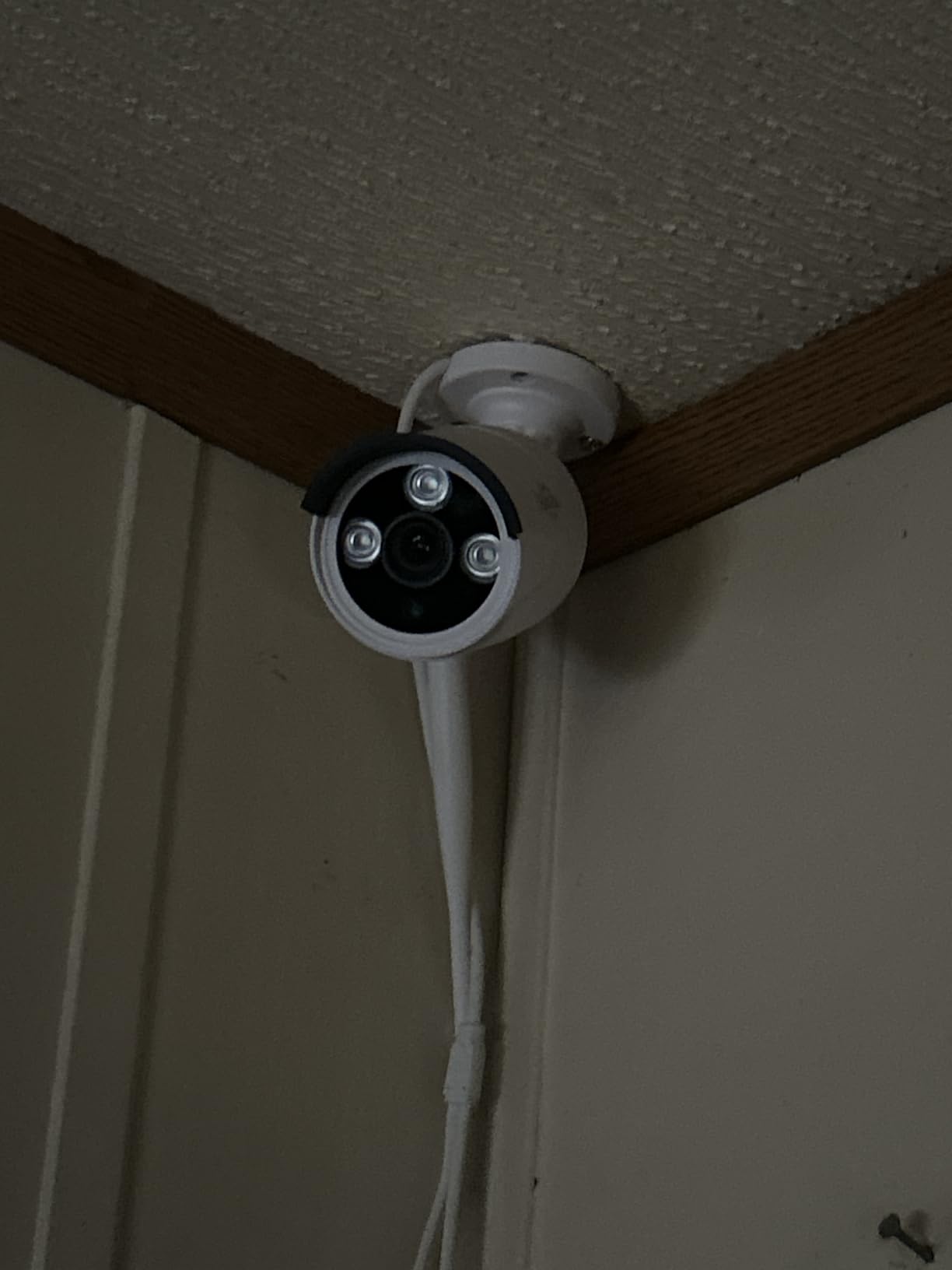
The compromise to understand before buying
Corded power plus wireless video is a hybrid. It removes the expensive part of the install, the cable run, while keeping batteries out of the picture entirely. What it does not remove is the need for reliable WiFi at each camera position, and a large property is exactly where WiFi falls over.
Put the NVR centrally, or add an access point, and test signal strength at every planned position before you mount anything.
Where it falls short
With 186 reviews on record, the long-term reliability picture is thinner than for the established kits, and owners describe motion detection and app stability as less consistent than the wired systems in this range. The listed product dimensions also appear inconsistent with an eight-camera kit, so confirm the physical footprint of the NVR before planning a shelf.
At 10 pounds the package is manageable, but check where the recorder will live before you commit to wall mounting.
11. Hiseeu 4K PoE 121-Degree Kit — Best Widest Field of View
【121°Wide View】 Hiseeu 4K PoE Security Camera System, 8 Pcs 5MP IP Cameras
- 121-degree lens covers about 1.5x the ground of a 3.6mm lens
- Eight PoE cameras plus a 16-channel NVR give expansion headroom
- Real-time two-way audio and audio recording
- Motion alarm lights with free app push alerts
- Works with or without internet for offline TV monitoring
- Only 60ft night vision range
- 1TB is the smallest drive here and fills quickly at 5MP
- Synchronous playback limited to four cameras
The 2.8mm lens is the story here. At 121 degrees it covers roughly one and a half times the ground of a standard 3.6mm lens, which means a large property can be covered with fewer camera bodies and fewer cable runs.
Eight 5MP PoE cameras come with a 4K eight-port NVR that expands to 16 channels, so the count you start with and the count you can grow to are both generous. Colour night vision is backed by motion-activated alarm lights.
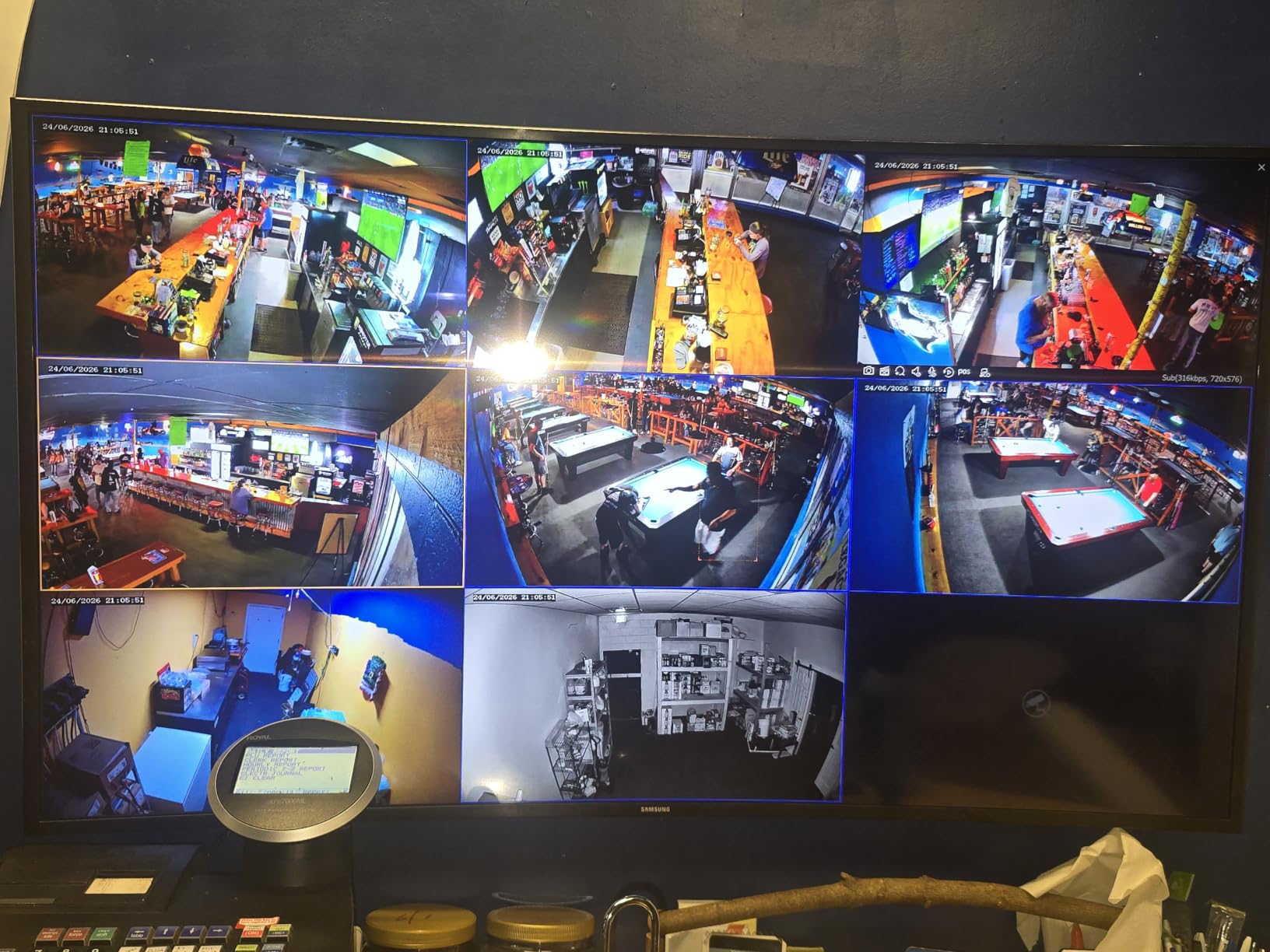
Two-way audio and audio recording work in real time, which is useful for directing couriers and tradespeople at a gate. Human and vehicle detection with free app push alerts means no monthly fee for basic AI detection.
Importantly, the system works with or without an internet connection and supports offline local TV monitoring, so a cut internet line does not take your recording offline.
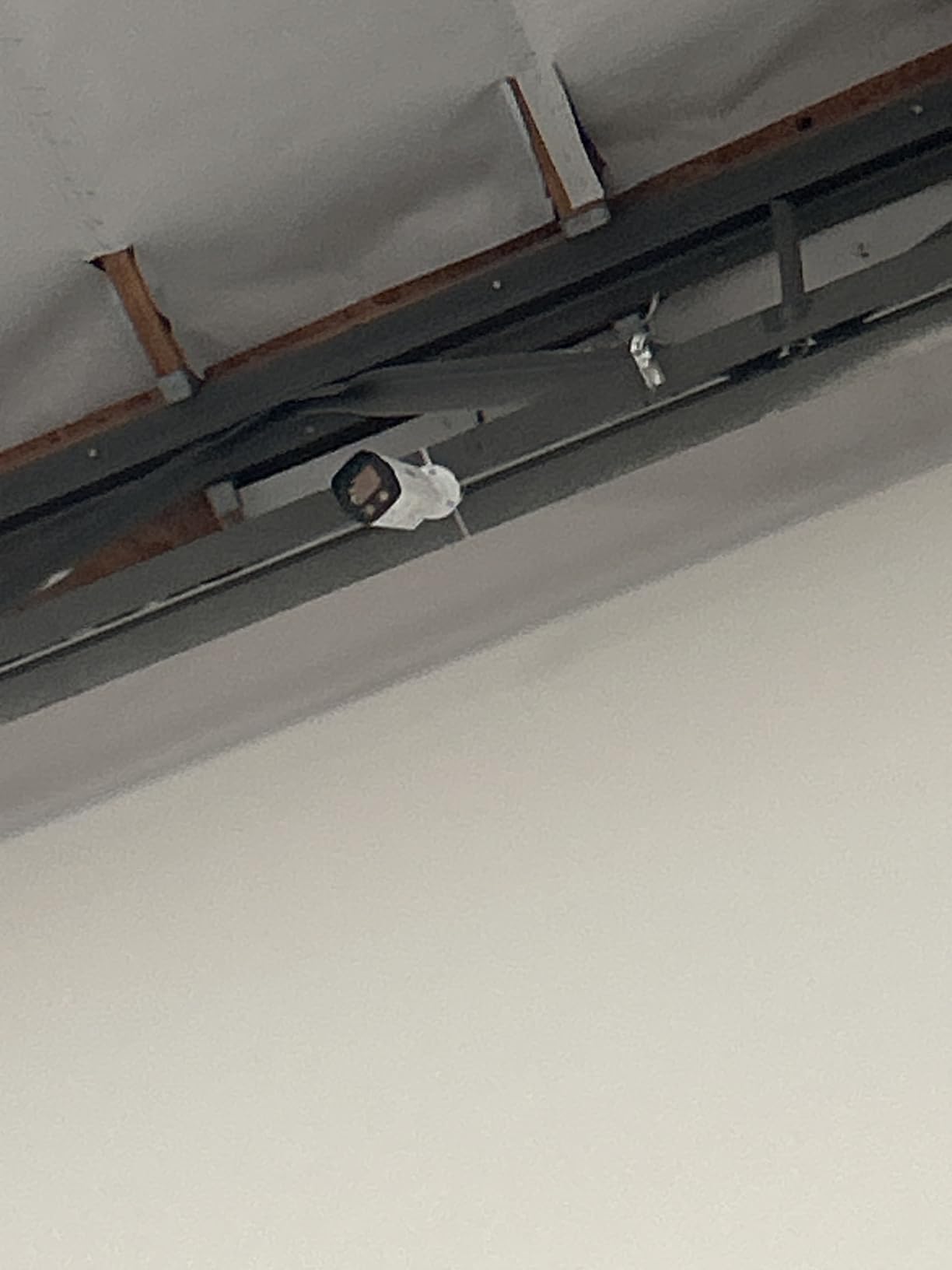
How to use a wide lens well
Ultra-wide lenses earn their keep on open approaches: a long driveway, a front lawn, a courtyard, a wide gate. Mount them high and aim them down the approach rather than across it, and the distortion largely disappears because nothing is close to the lens.
Because each camera covers more, four positions can replace six on open ground, which is where this kit saves real money on a big property.
Where it falls short
Night vision is 60ft, the shortest in this group, so anything beyond a small garden needs its own lighting. The 1TB drive is also the smallest here and fills quickly at 5MP with continuous recording, so plan to add a drive or run motion-only recording on some channels.
Synchronous playback is limited to four cameras at a time, which is mildly annoying when you want to rewind eight feeds together. The warranty is one year plus lifetime technical support.
12. ZOSI C220 8-Channel PoE System — Best Packaged for Installers
ZOSI C220 8CH 5MP NVR with 8 x 4MP Audio PoE CCTV Camera System, 2TB HDD
- One Ethernet cable carries power and 4MP video
- Pre-installed 2TB with H.265+ compression
- AI human and vehicle detection with privacy masks
- Built-in mic and speaker for two-way talk
- Mounting templates and warning stickers included
- Two-year warranty with a 90-day money-back guarantee
- Some owners report moisture failure despite the IP66 rating
- 4MP sensors sit below the 5MP and 8MP competitors
- App sometimes needs resetting for connectivity
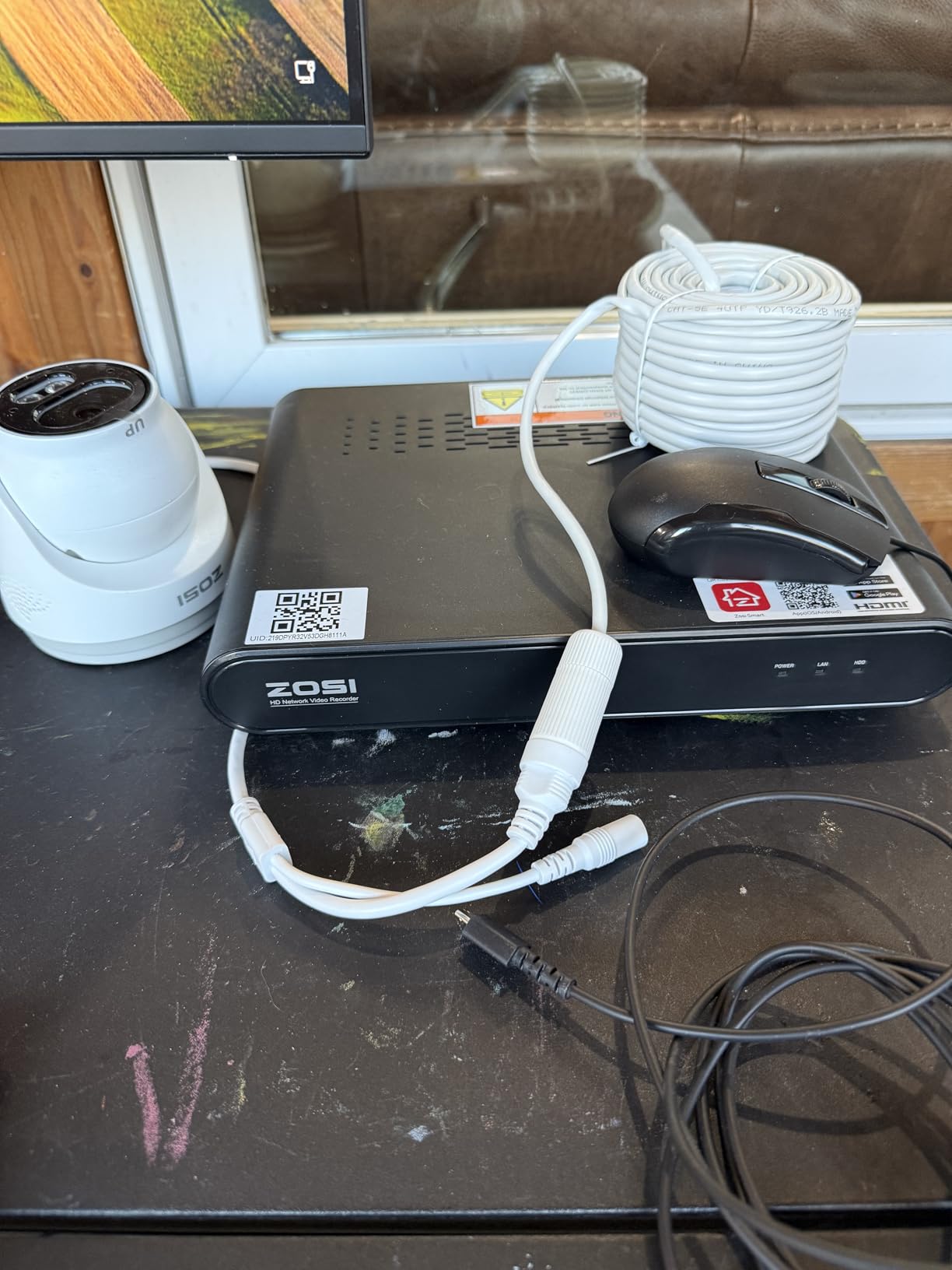
The ZOSI C220 is the kit a professional installer would be happy to unbox. Eight dome cameras, a 5MP eight-channel NVR with a 2TB drive, and a full set of mounting templates, screw bags and warning stickers in the carton.
Each dome is a single-cable PoE camera with a built-in microphone and speaker, so you get 100ft IR night vision and two-way talk from the ZOSI Smart app with no separate adapters or outlets at the camera ends.
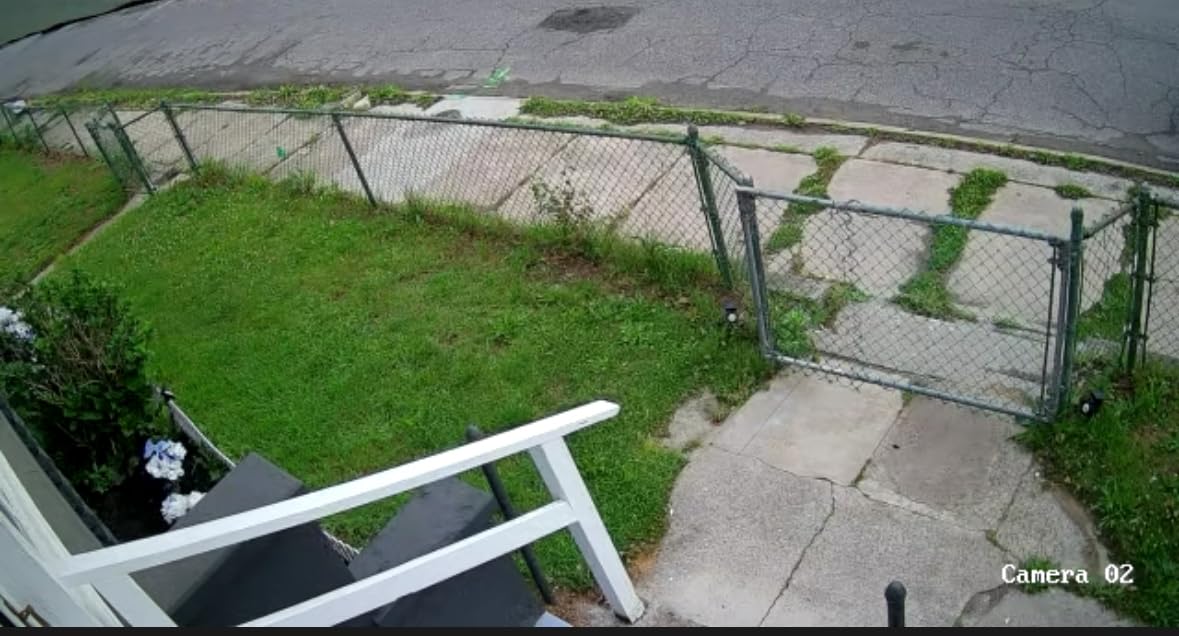
AI detection covers humans and vehicles with customisable detection zones, and the event search jumps straight to person, vehicle or motion events rather than making you scrub a timeline. Privacy masks block sensitive areas such as a neighbour’s window.
H.265+ compression roughly halves the recording time impact versus H.264, and the 90-degree viewing angle is a sensible middle ground between a standard lens and the ultra-wide kits above.
What makes the packaging worth noting
Mounting templates, screw bags and warning stickers are small things that save real time on an eight-camera job, and installers in the reviews cite repeat business as a result. The two-year warranty with lifetime support and a 90-day money-back guarantee is also the strongest terms in this group.
Because the cameras are domes rather than bullets, they are harder to see from the street, which is a reasonable first layer of deterrence before lighting and signage.
Where it falls short
Moisture. Several owners report cameras failing from water ingress despite the IP66 indoor and outdoor rating, with repeat replacements inside the first year. On a large property where cameras sit in rain and irrigation spray, that is the complaint to weigh most heavily.
Resolution is 4MP, below the 5MP and 8MP sensors offered by competitors in the same bracket, and the app needs resetting occasionally for connectivity issues. With 123 reviews on record, the long-term data is the thinnest here.
How Many Cameras and Channels a Large Home Needs
Here is the arithmetic nobody in the major roundups does for you. Start from the property’s zones rather than from a camera count, because every zone has a different job and a different mounting height.
- Front entry and porch — one camera at 8ft or higher covering the door, the path and any package drop point. Face identification matters here, so 4K or 5MP is worth it.
- Driveway and street approach — one to two cameras. This is the long-range zone, and a face or plate 100ft away needs real resolution rather than a wide lens.
- Garage and side door — one camera each if they are separate approaches. Battery-free wired cameras are better here because these positions are usually close to power.
- Back patio, pool and pool house — two cameras. Pool areas need lighting, because water reflections destroy night detail.
- Gate, workshop, ADU or barn — one camera per structure, and these are the positions most likely to sit outside WiFi coverage.
That lands most large homes between six and eight cameras. Add the open approaches and you can reach ten or twelve. An eight-channel NVR covers the smaller end; anything above eight positions, and anything you expect to grow into, needs a 16-channel recorder like the Reolink RLK16 or either 16-channel Hiseeu kit.
On storage, budget roughly 4Mbps per 4K stream for continuous recording, or 2Mbps per 5MP stream. Eight 4K cameras at 24/7 lands near 1.4TB per week, so a 4TB drive gives you about three weeks and a 2TB drive about a fortnight. If you want a month in reserve, start at 4TB.
We also wrote about the systems that complement this layer of the stack: our guide to DIY home security systems covers the sensors and panels that cameras plug into, and professionally monitored systems covers what happens when you want someone else to call the authorities.
Wired vs Wireless Cameras for Large Homes
For a large home, wired wins on reliability and wireless wins on installation. The honest answer is that the deciding factor is the size of the property and whether it is already finished, not the camera brand.
PoE is the system to prefer wherever you can manage it. One Ethernet cable per camera carries both power and video, runs reach 300ft to 330ft on the Reolink kits, and the signal never touches your WiFi network. Battery-free cameras also mean no winter swap schedule across eight positions, which is the maintenance burden that pushes people off wireless.
Wireless solar kits make sense on finished homes, detached structures and open ground where trenching is impractical. The costs are real: solar charging stops working in cold weather on the aosu kits, night vision is typically shorter, and every position depends on WiFi that a large house may not deliver at the far end of a driveway.
The downsides of wired systems are honest ones. Installation needs either real skill or a paid installer, running and concealing cabling through siding and attics is the biggest single cost in the project, and the cameras are locked to their brand’s ecosystem. The upside is that you install once and it runs for years, which several Reolink owners here confirm with multi-year uptime reports.
For a middle path, the Hiseeu kits pair corded camera power with dual-band WiFi video up to 100ft, so you get mains power without a trench.
Local NVR Storage vs Cloud Subscriptions
Every system in this roundup records to storage you own. None of them requires a monthly fee to record, and that is the single most common request we saw from owners.
Local storage means footage sits on a hard drive in your house and continues recording when the internet drops. Cloud storage means the video leaves your property, is available from anywhere without a local recorder, and costs a monthly plan that scales per camera. Over five years, a per-camera subscription on a ten-camera system becomes a figure that dwarfs the hardware.
Local is not automatically better, though. If someone steals the NVR, they take the drive with it. Cloud copies survive that, and they are what police or an insurer will ask for after a break-in. The practical answer is to record locally and treat remote access as the thing you pay for, if you pay for anything at all.
Check two things before buying: whether AI detection works without a subscription, and whether the recorder keeps recording through an internet outage. The eufy HomeBase 3 explicitly does both. Several systems also push optional cloud tiers during activation, so decline them if you are storing locally.
Privacy, Hacking and Long-Range Identification
Homeowners ask which camera is least likely to be hacked, and the answer is less about the brand than about four settings. Turn on two-factor authentication. Use a long unique account password, not one you reuse. Put camera VLANs or at minimum a guest network on your router so the cameras cannot reach your computers. And keep firmware current, because the NVR and camera are the devices most exposed to the internet.
Systems that record entirely to a local drive with no cloud account are the least exposed by design, since there is nothing to breach in someone else’s servers. If you do use a cloud account, check whether end-to-end encryption is offered and whether the brand shares footage with law enforcement without a warrant.
On range, the practical answers here are honest about limits. The eufy SoloCam E42 reads licence plates at up to 33ft in true 4K. The 4K and 5MP Reolink kits hold usable detail when you zoom, but plates reflect infrared light and cannot be read at night. The ANNKE and Hiseeu wide lenses cover a lot of ground quickly but trade identification for coverage. Most kits state 100ft night vision, and owners testing that figure report useful results closer to 25ft to 40ft in real conditions.
For deterrence, the systems with an audible element change behaviour most: the ANNKE 16-channel kit plays a custom recorded voice warning, and the eufy and aosu kits add sirens and motion-activated lights. Visible cameras at the entry, good lighting and a floodlight covering the driveway do more to deter an approach than any model choice.
If you are still deciding between layers, our picks for security doors and the rest of the perimeter matter as much as the cameras, and we keep a separate guide to home pest control systems for the other thing large properties tend to attract.
How We Picked These Systems
We assembled a list of twelve multi-camera packages that meet three criteria: they cover at least four camera positions, they record 24/7 without a mandatory monthly fee, and they have enough owner feedback to judge long-term behaviour.
From there we weighted the things that actually break on a large property. Channel count and expansion headroom came first, because a home that grows past eight positions should not need a new recorder. Storage capacity and expandability came second. Resolution and stated night range came third, with heavy weighting on customer reports of what they could actually identify at distance rather than the printed figure.
We also read the negative reviews closely, because that is where the pattern lives. Pixel-based motion detection, cold-weather solar shutdown, central-focus infrared and moisture failures all showed up repeatedly and directly shaped the rankings.
Where review counts were thin, we said so rather than treating a small sample as a verdict. Every specification quoted comes from the manufacturer listing, and every performance observation comes from owner feedback.
Frequently Asked Questions
What is the best security camera system for a large property?
A multi-camera kit with 8 or 16 NVR channels, a pre-installed 2TB or larger hard drive, and 5MP to 8MP cameras that record 24/7 to local storage with no monthly fee. The ANNKE 3K Lite 8-camera DVR is our top pick for most large homes, and the Reolink RLK16 is the choice when you need 16 channels and true 4K coverage.
How many security cameras does a large house need?
Most large homes need six to eight cameras. A sensible layout is one at the front entry, one or two covering the driveway approach, one at the garage, one at the side door, two across the backyard and pool area, and one per outbuilding such as a gate, workshop or ADU. Open approaches and detached structures are what push a property past eight positions and into a 16-channel recorder.
Is it better to have wired security cameras or wireless?
For a large home, wired PoE is more reliable because one Ethernet cable carries power and video, runs reach 300ft or more, and the signal never depends on your WiFi coverage. Wireless solar kits are easier to install in a finished home and avoid cable runs, but they need good WiFi at every position, have shorter night vision, and can lose charging capacity in cold weather. Choose wired wherever trenching or attic routing is practical.
What are the downsides of using wired CCTV cameras?
The main downsides are installation effort and cost. Running and concealing Ethernet through siding, attics and exterior walls needs real skill or a paid installer, and it is the single largest cost in a large-property camera project. Wired cameras are also locked to one manufacturer’s ecosystem, so mixing brands is difficult, and a fault in one run can take a camera offline until someone traces the cable.
What is the best security camera without a subscription?
Every system in this roundup records without a monthly fee, which is unusual in this category. The strongest options are the Reolink kits, which record entirely to a local NVR drive and continue through internet outages, and the eufy SoloCam E42 with the HomeBase 3, which offers 16GB built in and expansion to 16TB. Decline any optional cloud tier offered during activation.
What is the best NVR PoE camera system?
The Reolink RLK8 5MP system is our best balance for most large homes: four 5MP PoE cameras on an 8-channel NVR with the PoE switch built in, a pre-installed 2TB drive and e-SATA expansion. If you need more than eight positions or true 4K, the Reolink RLK16 steps up to 16 channels, eight 8MP bullets, a 4TB drive and PoE runs of up to 330ft.
Which security camera is least likely to be hacked?
A system that records only to a local drive with no cloud account is the least exposed, because there is no remote server to breach. For any system, turn on two-factor authentication, use a long unique password, place cameras on a separate VLAN or guest network, and keep NVR and camera firmware updated. A separate alarm system and secure doors add protection that does not depend on your network at all.
What security camera system do burglars avoid?
Visible deterrence matters more than any single model. Cameras at the front entry, motion-activated floodlights covering the driveway and an audible warning change behaviour fastest. The ANNKE 16-channel kit lets you record your own voice warning and play it at an intruder, and the eufy and aosu solar kits add sirens and strobe lights on top of recording, which is what deters an approach.
Which Security Camera System Fits Your Home
For most large homes, the ANNKE 3K Lite 8-camera DVR is the pick: eight cameras, eight channels and a 1TB drive in one box, backed by the most owner history in this group. If you want 5MP detail and a cleaner app, the Reolink RLK8 5MP kit is the step up.
Go to 16 channels and true 4K when the property genuinely has more than eight positions, and pick the eufy SoloCam E42 when reading a licence plate is the point. For finished homes and outbuildings with no cable route, the aosu solar kits remove the installation problem entirely, provided your winters are mild.
Whichever you choose, size the channel count and the drive to the property rather than to the box, and count the cable runs before you order. Updated for 2026, and re-checked as these kits change.