
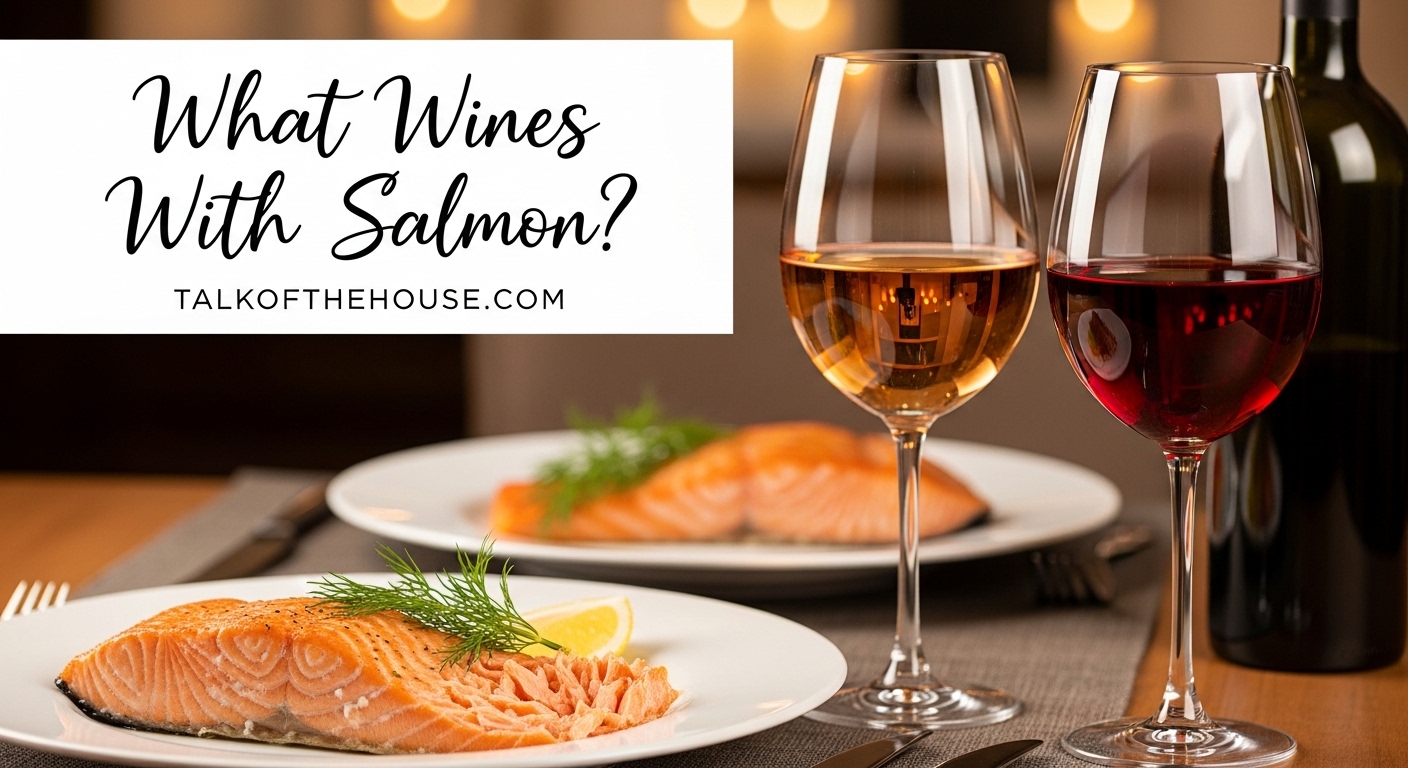
The best wines for salmon are Pinot Noir, Chardonnay, and dry Rosé, with the ideal choice depending on how the salmon is prepared. Salmon’s rich, oily texture and distinctive flavor profile make it one of the most wine-friendly fish, pairing beautifully with both light-bodied reds and full-bodied whites. Whether you are hosting an elegant dinner party or preparing a weeknight meal, understanding these pairings will elevate your salmon experience from good to memorable.
I remember the first time I successfully paired wine with salmon for a dinner gathering. The anxiety of choosing the wrong bottle gave way to confidence once I understood a simple principle: match the wine’s intensity and acidity to the salmon’s preparation method. This guide shares everything our team has learned about creating perfect salmon and wine combinations for any occasion.
Table of Contents
Quick Pairing Guide
Before diving into the details, here is a quick reference table matching salmon preparations to their ideal wine partners. Save this for your next shopping trip or dinner party planning session.
| Salmon Preparation | Best Wine Pairings | Why It Works |
|---|---|---|
| Grilled Salmon | Pinot Noir, Dry Rosé, Light Pinot Gris | Smoke and char match earthy reds; crisp whites balance the sear |
| Baked Salmon | Oaked Chardonnay, White Burgundy, Viognier | Full-bodied whites complement the gentle cooking method |
| Pan-Seared Salmon | Pinot Noir, Chardonnay, Grüner Veltliner | Crispy skin and caramelization pair with medium-bodied wines |
| Smoked Salmon | Champagne, Sparkling Rosé, Dry Riesling | Bubbles cleanse the palate from smoke and salt |
| Salmon with Cream Sauce | Oaked Chardonnay, White Rioja, Marsanne | Rich wines match rich sauces without competing |
| Lemon-Herb Salmon | Sauvignon Blanc, Albariño, Pinot Grigio | High acidity in wine mirrors citrus flavors |
| Blackened/Spicy Salmon | Off-Dry Riesling, Gewürztraminer, Rosé | Touch of sweetness tames the heat |
Red or White Wine with Salmon?
The age-old question of whether salmon goes better with white or red wine has a simple answer: both work wonderfully, depending on how you cook the fish and what you serve with it. This flexibility makes salmon one of the most versatile proteins for wine pairing.
White wines have traditionally dominated salmon pairings, and for good reason. The fish’s natural oils and rich texture respond beautifully to white wines with bright acidity and full body. An oak-aged Chardonnay can stand up to the fattiest salmon fillet, while a crisp Sauvignon Blanc cuts through the richness like a squeeze of lemon.
However, red wines deserve equal consideration, particularly lighter-bodied varieties with low tannins. Heavy, tannic reds like Cabernet Sauvignon can create an unpleasant metallic aftertaste with fish, but Pinot Noir’s gentle tannins and bright acidity complement salmon perfectly. Our team has served Pinot Noir with grilled salmon at numerous dinner parties, and guests consistently remark on how well the pairing works.
Pinot Noir: The Go-To Red for Salmon
Pinot Noir stands as the undisputed champion of red wines for salmon pairing. Its light to medium body, low tannin content, and bright acidity create a harmonious balance with salmon’s rich texture without overwhelming the delicate fish flavors.
The magic of Pinot Noir lies in its versatility across preparation methods. I particularly love it with grilled salmon, where the wine’s earthy, mushroom-like undertones echo the smoky char from the grill. The cherry and red berry flavors provide a beautiful contrast to the savory, caramelized exterior of a perfectly seared fillet.
When selecting a Pinot Noir for salmon, look for bottles from cooler climate regions. Oregon’s Willamette Valley produces exceptional examples with the bright acidity needed for fish. French Burgundy offers more earthy, complex profiles that shine with simply prepared salmon. Even New Zealand Pinot Noir, with its riper fruit character, works beautifully for casual weeknight dinners.
One of our team’s favorite discoveries came from a forum discussion where a home cook recommended trying Cabernet Franc with grilled salmon. We tested this unexpected pairing and found it delightful. The herbal, slightly peppery notes of Cabernet Franc complement the char of grilled salmon in ways that surprise and please the palate. This demonstrates that while Pinot Noir remains the safe, classic choice, adventurous wine lovers can find excellent alternatives.
Best Pinot Noir Food Pairings for Salmon
Pinot Noir reaches its full potential with specific salmon preparations. Grilled salmon with crispy skin represents the ultimate expression of this pairing. The caramelized, smoky flavors from the grill find their match in the wine’s earthy undertones.
Pan-seared salmon with a light pan sauce also works magnificently. The fond (those delicious browned bits stuck to the pan) creates a bridge between the wine’s savory notes and the fish’s richness. Even smoked salmon, traditionally paired with white wines or Champagne, finds a surprising companion in lighter, fruit-forward Pinot Noir styles.
Chardonnay: The Classic White Choice
Chardonnay earns its reputation as the classic salmon pairing through sheer reliability and widespread appeal. This full-bodied white wine possesses the weight and texture to stand up to salmon’s natural oils while offering enough acidity to keep the palate refreshed.
The key to successful Chardonnay pairing lies in understanding oak influence. Oak-aged Chardonnays develop buttery, vanilla, and sometimes toasty notes that complement richer salmon preparations beautifully. A Napa Valley Chardonnay with moderate oak aging can transform a simple baked salmon with herbs into an elegant dining experience.
However, not all salmon preparations call for heavily oaked styles. Unoaked or lightly oaked Chardonnays, sometimes labeled as “Chablis-style,” offer cleaner citrus and green apple flavors that work better with lighter preparations. I keep both styles on hand when entertaining, allowing me to match the wine precisely to how I plan to cook the salmon.
Chardonnay and Cream Sauces
When salmon meets cream sauce, Chardonnay becomes practically mandatory. The wine’s full body and often creamy mouthfeel mirror the sauce’s texture, creating a seamless pairing experience. White Burgundy from the Mâconnais region offers exceptional value for this pairing, delivering complexity without the premium price of better-known Burgundy villages.
Our team tested various Chardonnays with a classic salmon in dill cream sauce. The wines that performed best had seen some oak aging but maintained bright acidity. California Chardonnays from cooler coastal regions outperformed their inland counterparts, demonstrating how crucial acidity remains even when matching rich foods with rich wines.
Sauvignon Blanc: Bright and Citrusy
Sauvignon Blanc brings a different approach to salmon pairing, emphasizing contrast over congruence. Where Chardonnay embraces salmon’s richness, Sauvignon Blanc cuts through it with laser-like acidity and citrus flavors that refresh the palate between bites.
This high-acid white variety excels with lighter salmon preparations. Lemon-herb salmon, salmon salads with vinaigrette, and simply poached fillets all benefit from Sauvignon Blanc’s zesty character. The wine’s herbal notes, often described as grassy or gooseberry-like, create flavor bridges with herb-crusted preparations.
Forum discussions consistently validate specific Sauvignon Blanc producers for salmon pairing. Cloudy Bay from New Zealand has earned a devoted following for its consistent quality and vibrant citrus profile. Dogpoint and Whitehaven represent other New Zealand producers that deliver the crisp, clean style ideal for salmon. These specific recommendations give you confidence when facing a restaurant wine list or store shelf.
Sauvignon Blanc with Asian-Influenced Salmon
When salmon receives Asian flavor treatments like ginger, soy, or sesame, Sauvignon Blanc proves particularly effective. The wine’s citrus notes harmonize with the sweet-savory balance of teriyaki glazes. Its acidity provides structure against the umami richness of miso-marinated salmon.
I discovered this pairing accidentally when serving a New Zealand Sauvignon Blanc with salmon teriyaki at a casual gathering. Guests commented on how the wine seemed to make the salmon taste fresher. The high acidity essentially performed the same function as the traditional pickled ginger served alongside Japanese dishes, cleansing the palate and preparing it for the next bite.
Dry Rosé: The Versatile Middle Ground
Dry Rosé occupies the perfect middle ground between red and white wine, combining the refreshing acidity of white wines with some of the fruit character and structure of light reds. This versatility makes Rosé one of the safest choices when you are unsure about your salmon preparation or serving multiple salmon dishes.
The summer entertaining season practically demands Rosé with grilled salmon. Whether you are hosting a backyard barbecue or an elegant patio dinner, a chilled Provence Rosé elevates grilled salmon without pretension. The pale, dry style from southern France offers subtle strawberry and citrus notes that complement rather than compete.
Our team has found that guests unfamiliar with wine pairing often respond most positively to Rosé with salmon. It avoids the intimidation factor some feel about selecting “the right” red or white. For large dinner parties where you want one wine to serve throughout the meal, dry Rosé provides the flexibility to handle various preparations and sauces.
Sparkling Rosé for Special Occasions
For celebratory meals featuring salmon, sparkling Rosé adds festive elegance without sacrificing pairing integrity. The bubbles cleanse the palate, while the pink wine’s subtle red fruit character complements salmon’s richness. This pairing works particularly well with smoked salmon appetizers or as the wine for a salmon-centric brunch.
Riesling: Off-Dry Elegance
Riesling deserves more attention as a salmon pairing than it typically receives, particularly the off-dry styles that can handle sweet or spicy preparations. The forum insights we gathered consistently mentioned Alsace Riesling and German Mosel Kabinett as excellent salmon companions.
The slight sweetness in off-dry Riesling creates a fascinating interplay with salmon’s savory character. This style, sometimes labeled “feinherb” in Germany, offers enough sweetness to tame spicy preparations without becoming cloying. Blackened salmon, with its aggressive spice crust, finds an ideal partner in off-dry Riesling from Alsace.
For glazed salmon preparations, whether teriyaki, maple, or honey-based, Riesling’s touch of sweetness echoes the glaze while its acidity maintains balance. Our team has served Alsace Riesling with maple-glazed salmon at autumn dinner parties to great acclaim. The wine’s stone fruit and floral notes create a sophisticated flavor experience that impresses guests.
Dry Riesling for Smoked Salmon
Dry Riesling, particularly from cooler regions like Germany’s Rheingau or Australia’s Clare Valley, pairs beautifully with smoked salmon. The wine’s high acidity and mineral character cut through the smoke and salt, while its citrus flavors brighten the rich fish. This combination works wonderfully for brunch service or as an appetizer wine.
Sparkling Wine and Champagne
Sparkling wines bring something unique to salmon pairing: effervescence that literally scrubs the palate clean between bites. This makes them particularly effective with smoked salmon, where the persistent flavors can fatigue the palate without a refreshing interlude.
Champagne and high-quality sparkling wines deserve consideration beyond their celebratory role. The toasty, brioche-like notes in aged Champagne complement the nutty, smoky character of cold-smoked salmon. For brunch gatherings featuring smoked salmon on bagels or canapés, Champagne elevates the occasion while pairing perfectly with the food.
Our entertaining tip: serve sparkling wine as the opening pour for any salmon-focused dinner party. It pairs well with most salmon appetizers, sets a festive mood, and gives you flexibility if guests arrive while you are still finishing the main course preparation.
Why These Pairings Work: The Science
Understanding why certain wines work with salmon helps you make confident pairing decisions even when facing unfamiliar wines or preparations. Three key principles guide successful salmon wine pairing: acidity balance, tannin management, and intensity matching.
Acidity serves as the primary tool for balancing salmon’s natural richness. Fatty fish like salmon coat the palate with pleasant oils, but without acidity to cut through, the experience becomes heavy. Wines with bright acidity, whether white or red, refresh the palate and prepare it for the next bite. This explains why crisp whites and lighter reds outperform their heavier counterparts with salmon.
Tannins present the biggest challenge for red wine pairing with fish. These compounds, found in grape skins and seeds, create drying sensations in the mouth. With meat proteins, tannins bind and soften. With fish, particularly oily fish like salmon, high tannins can create metallic or bitter aftertastes. Pinot Noir succeeds because its naturally low tannin levels avoid this reaction while still providing structure.
Congruent vs Complementary Pairing
Wine pairing theory offers two approaches: congruent and complementary. Congruent pairing matches similar flavors and textures. A buttery Chardonnay with cream sauce salmon exemplifies this approach. Complementary pairing contrasts elements, like a crisp Sauvignon Blanc cutting through rich salmon.
Both approaches work with salmon, giving you tremendous flexibility. When planning your menu, decide whether you want to emphasize harmony (congruent) or contrast (complementary). Neither approach is superior; they simply create different dining experiences.
Pairing by Preparation Method
How you cook salmon matters as much as the wine you select. The preparation method transforms the fish’s texture, flavor intensity, and dominant taste elements. This section provides specific guidance for each common cooking technique.
Grilled Salmon
Grilled salmon develops char, caramelization, and sometimes smoky notes from the cooking process. These elements call for wines that can match this intensity. Pinot Noir leads the recommendations here, with its earthy undertones and red fruit flavors creating harmony with the grill’s contribution.
Dry Rosé provides an excellent alternative, especially for summer entertaining when you want a chilled wine. The wine’s versatility handles the varying doneness levels that inevitably occur when grilling for a crowd. Some guests prefer their salmon more well-done, others medium; Rosé accommodates both.
Baked Salmon
Baked salmon, particularly when cooked with butter or oil, maintains its moisture while developing a gentler flavor profile than grilled. This preparation suits full-bodied white wines perfectly. Oaked Chardonnay stands as the classic choice, though White Burgundy and even rich Viognier offer interesting variations.
When baking salmon with herbs, consider the herb selection in your wine choice. Dill and parsley work beautifully with Sauvignon Blanc or Pinot Grigio. Tarragon and thyme lean toward Chardonnay or even a light Pinot Noir.
Pan-Seared Salmon
The crispy skin achieved through pan-searing adds textural interest that influences wine pairing. Pinot Noir handles this beautifully, with its acidity cutting through any richness while its earthy notes complement the caramelized skin. Chardonnay also works well, particularly with pan sauces that incorporate wine, butter, or cream.
For pan-seared salmon with crispy skin served simply, with just lemon, our team prefers Sauvignon Blanc or Albariño. These wines’ citrus elements mirror the lemon squeeze while their minerality complements the clean flavors.
Smoked Salmon
Smoked salmon presents unique pairing challenges due to its intense, persistent flavor and salt content. The smoke and salt demand wines with enough character to stand up to them without being overwhelmed. Sparkling wine leads the recommendations, with Champagne and quality sparkling wines offering palate-cleansing bubbles.
Dry Riesling provides an excellent still wine alternative, particularly German or Alsatian styles with pronounced mineral character. For cold-smoked salmon served as an appetizer, these wines prepare the palate for the courses to follow without filling it.
Salmon with Cream Sauces
Cream sauces transform salmon into a rich, luxurious dish requiring equally substantial wines. This is the domain of full-bodied whites with oak influence. Chardonnay, particularly from California or Burgundy, matches the sauce’s weight while contributing complementary flavors of vanilla and toast.
White Rioja, made from Viura grapes with oak aging, offers an interesting alternative that guests rarely expect. Marsanne and Roussanne blends from France’s Rhône Valley provide another path, bringing floral and nutty notes that work beautifully with cream-based preparations.
Blackened or Spicy Salmon
Blackened salmon, with its aggressive spice crust, demands wines that can handle heat and intense seasoning. Off-dry Riesling excels here, with its touch of sweetness taming the spice while its acidity maintains freshness. Gewürztraminer, with its lychee and rose petal aromatics, offers another excellent choice for highly seasoned preparations.
Rosé proves surprisingly effective with spicy salmon as well. Its fruit character soothes the palate between bites of heat, while its dryness prevents the pairing from becoming cloying. This makes Rosé an ideal choice when serving salmon with varying spice levels to guests with different heat tolerances.
Entertaining Tips for Serving Wine with Salmon
Hosting a dinner party featuring salmon requires more than just selecting the right wine. Temperature, timing, glassware, and service all contribute to the experience. Our team’s experience entertaining with salmon has taught us several valuable lessons.
Serving temperature matters enormously. White wines should be chilled but not ice-cold; overly cold temperatures mute flavors and aromas. Remove white wines from the refrigerator 15-20 minutes before serving. Red wines for salmon, particularly Pinot Noir, benefit from slight chilling as well. 15 minutes in the refrigerator before opening improves their refreshing quality with fish.
Glassware selection influences the experience. For white wines and Rosé, standard white wine glasses work perfectly. For Pinot Noir, use Burgundy-style glasses with larger bowls that collect the delicate aromatics. If you are serving multiple wines throughout the meal, ensure enough glasses for each guest to have two, preventing flavor contamination between white and red.
Our make-ahead tips for entertaining apply equally to salmon dinners. Prepare components in advance so you can socialize with guests rather than fussing in the kitchen. This includes chilling wines to the proper temperature before guests arrive.
Handling Multiple Salmon Preparations
When entertaining with multiple salmon preparations, wine selection becomes more complex. If serving both grilled and cream sauce salmon, consider offering two wines. Start with a fuller white like Chardonnay for the cream sauce preparation, then transition to Pinot Noir for the grilled portion.
Alternatively, choose one versatile wine that bridges both styles. Dry Rosé handles this task admirably, providing enough body for richer preparations while maintaining refreshing acidity for lighter ones. For large gatherings where serving multiple wines creates logistical challenges, Rosé becomes your secret weapon.
Consider exploring our perfect wine and food pairings for additional entertaining inspiration. The principles that guide successful chili and dessert pairing apply equally to salmon dinners.
What Wines to Avoid with Salmon
Understanding what not to serve proves as valuable as knowing the best pairings. Certain wine styles clash with salmon’s delicate nature, creating unpleasant dining experiences that could be easily avoided.
High-tannin red wines top the avoid list. Cabernet Sauvignon, heavy Malbec, and young Barolo contain tannin levels that create metallic, bitter reactions with salmon’s oils. The classic “red wine with fish” prohibition exists for good reason when applied to these heavy reds. Save your prized Cabernet for steak night.
Overly oaky wines present another pitfall. While moderate oak aging enhances many salmon pairings, excessively oaky Chardonnays or heavily wooded reds can overwhelm the fish. Look for balance in oak influence rather than dominance.
Sweet wines with savory salmon preparations rarely succeed unless the dish itself contains sweet elements. A dessert wine served with a savory herb-crusted salmon creates confusion on the palate. Reserve sweet wines for dessert courses or specifically sweet salmon preparations like maple-glazed fillets.
Frequently Asked Questions
What kind of wine goes well with salmon?
The best wines for salmon include Pinot Noir, Chardonnay, Sauvignon Blanc, dry Rosé, and off-dry Riesling. The ideal choice depends on preparation method: grilled salmon pairs beautifully with Pinot Noir, baked salmon with oaked Chardonnay, and lighter preparations with Sauvignon Blanc.
Is Pinot Noir or Cabernet Sauvignon better with salmon?
Pinot Noir is significantly better with salmon than Cabernet Sauvignon. Pinot Noir’s low tannins and bright acidity complement salmon’s rich texture without creating metallic aftertastes. Cabernet Sauvignon’s high tannin content clashes with salmon’s oils, making it a poor choice for fish.
Does salmon go better with white or red wine?
Salmon pairs well with both white and red wine, depending on the preparation. White wines like Chardonnay and Sauvignon Blanc work beautifully, especially with lighter preparations and cream sauces. Light-bodied reds like Pinot Noir excel with grilled and pan-seared salmon. The cooking method matters more than the color of the wine.
What drink goes best with salmon?
Wine remains the classic pairing, with Pinot Noir, Chardonnay, and dry Rosé being top choices. For non-alcoholic options, sparkling water with lemon, unsweetened iced tea, or cucumber water complement salmon well. Beer lovers might try a crisp pilsner or wheat beer with grilled salmon.
What wine do Reddit users recommend with salmon?
Reddit wine communities consistently recommend specific bottles for salmon: Alsace Riesling or Mosel Kabinett for off-dry elegance, Cloudy Bay Sauvignon Blanc from New Zealand for crisp citrus pairing, and Oregon or Burgundy Pinot Noir for red wine options. Some users also suggest surprising pairings like Cabernet Franc with grilled salmon.
What is the best wine for grilled salmon?
Pinot Noir stands as the best wine for grilled salmon, with its earthy undertones complementing the smoke and char from grilling. Dry Rosé and light-bodied reds like Gamay also work excellently. For white wine options, oaked Chardonnay or Viognier can handle the caramelized flavors from the grill.
Can you drink red wine with salmon?
Yes, you can absolutely drink red wine with salmon, provided you choose the right style. Light-bodied, low-tannin reds like Pinot Noir, Gamay, and Cabernet Franc pair beautifully with salmon. Avoid heavy, tannic reds like Cabernet Sauvignon or young Barolo, which can create unpleasant metallic flavors with fish.
Final Thoughts
Pairing wine with salmon does not require sommelier training or an extensive cellar. The principles are simple: match intensity to intensity, use acidity to balance richness, and avoid heavy tannins. With Pinot Noir, Chardonnay, and dry Rosé in your repertoire, you can confidently handle any salmon preparation 2026 brings your way.
Our team’s favorite piece of advice: start with what you enjoy. If you love Sauvignon Blanc, serve it with salmon and do not worry about whether it is the “perfect” pairing. Your enthusiasm for the wine matters more than theoretical correctness. Wine pairing should enhance the meal, not create stress.
For your next salmon dinner, whether a casual weeknight meal or an elaborate entertaining event, use this guide as your foundation. Experiment with different combinations. Keep notes on what works for your palate. And most importantly, enjoy the process of discovering what wine goes with salmon in ways that delight you and your guests.