
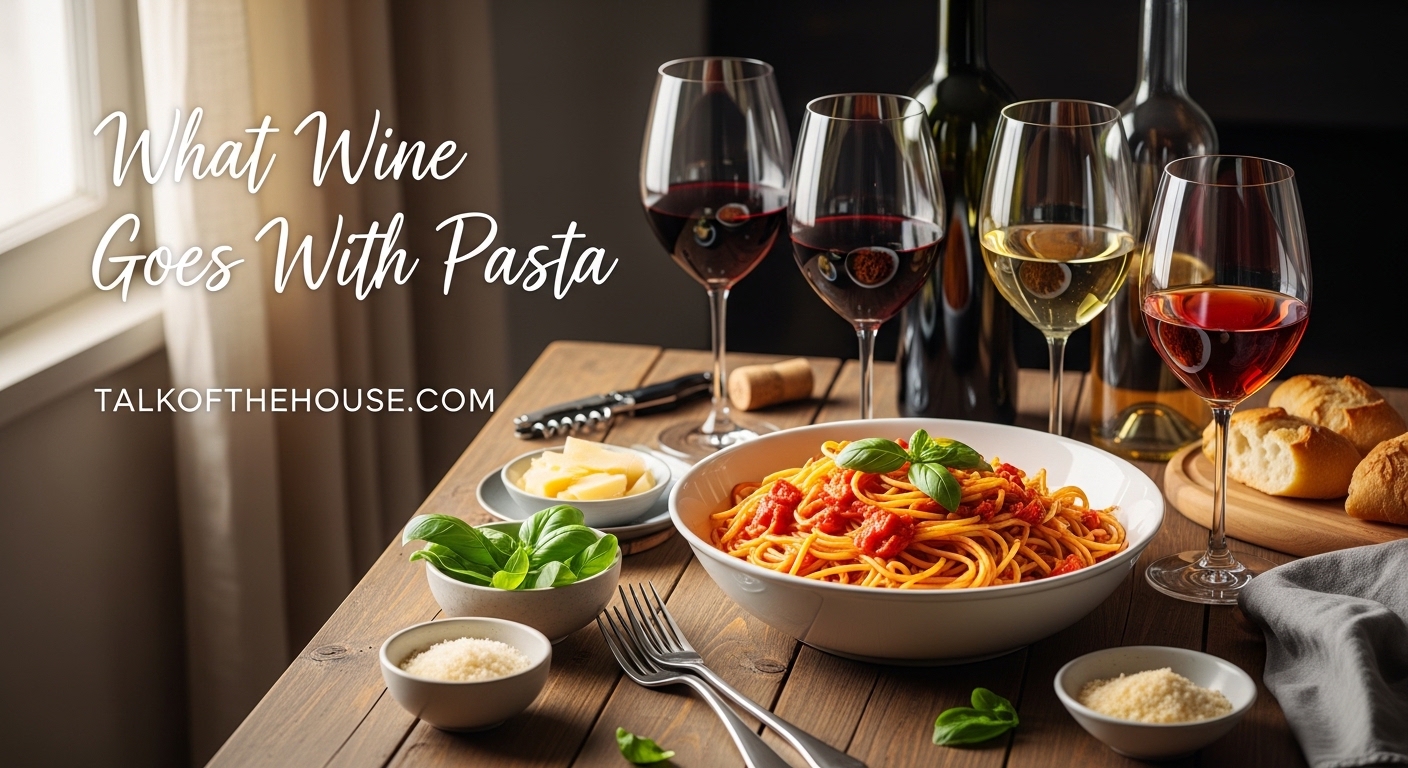
When I first started hosting Italian dinner parties, I made the same mistake everyone does. I would spend hours perfecting my Bolognese sauce, hand-rolling fresh pasta, and then panic at the wine store staring at hundreds of bottles with no idea what wine goes with pasta. After fifteen years of trial and error (and some memorable pairing disasters), I have learned that choosing wine for pasta is actually straightforward once you understand one simple rule.
The sauce matters more than the pasta. Pasta itself is essentially neutral, a canvas that carries the flavors of whatever you toss it with. The tomatoes, cream, meat, or herbs in your sauce are what interact with the wine in your glass. Match your wine to your sauce, and you will create harmony on the palate. Match it wrong, and either the wine or the dish will taste flat.
In this guide, I will walk you through every major pasta sauce category and the wines that make them shine. You will find specific varietal recommendations, budget-friendly options under $25, and the pairing principles I use when planning my own dinner parties. Whether you are serving a simple weeknight spaghetti or an elaborate multi-course Italian feast, these guidelines will help you pour with confidence.
Table of Contents
The Sauce-First Rule: Why the Sauce Matters More Than the Pasta
Pasta comes in hundreds of shapes, from delicate angel hair to chunky rigatoni. While shape matters for sauce adherence and texture, it has almost no bearing on wine selection. The flavors in your sauce drive the pairing decision.
Think of pasta as a delivery vehicle. A bowl of plain cooked pasta tastes like almost nothing, just starch and water. The magic happens when you add marinara, Alfredo, pesto, or Bolognese. Those ingredients, tomatoes with their bright acidity, cream with its rich fat, basil with its herbal punch, are what need to find their match in the wine glass.
There are three key principles that guide every successful pasta wine pairing. First, match the body of the wine to the body of the dish. Light, delicate sauces need light wines. Rich, heavy sauces need full-bodied wines. Second, match acidity levels. High-acid foods like tomato sauce need high-acid wines to avoid tasting dull. Third, consider congruent or complementary flavors. A herbal pesto sings with an herbaceous Sauvignon Blanc. A meaty ragu loves an earthy Sangiovese.
Tomato-Based Sauces: High-Acid Red Wines Are Your Best Friend
Tomato sauce is the most popular pasta pairing in the world, and it demands wines with matching acidity. Tomatoes are naturally high in acid, and if you pair them with a low-acid wine, the wine will taste flat and the tomatoes will taste metallic.
Italian reds from regions where tomatoes grow are your safest bet. I reach for Chianti Classico more than any other wine for tomato-based pasta. Made from Sangiovese grapes in Tuscany, Chianti has bright red fruit flavors, firm acidity, and earthy undertones that complement tomato sauce without competing. A good Chianti Classico runs $18-28 and delivers reliably every time.
For heartier tomato sauces with meat or lots of garlic, Primitivo from Puglia is my go-to. This grape is genetically identical to California Zinfandel but tends to show more restraint and earthiness. It has enough body to stand up to rich meat sauces while maintaining the acidity tomato needs. Look for Primitivo di Manduria for about $15-22.
Montepulciano d’Abruzzo is the budget hero everyone should know. This ruby-red wine from central Italy is consistently under $15, sometimes under $12, yet delivers plum and cherry flavors with enough acid to handle marinara beautifully. When I am serving a crowd and need multiple bottles, this is what I buy.
If you want to splurge on a special dinner, Brunello di Montalcino is the ultimate tomato sauce pairing. This 100% Sangiovese wine from a specific Tuscan hillside has more structure and complexity than basic Chianti. At $40-60, it is a treat, but the way it elevates a simple pasta pomodoro is remarkable. I save this for birthdays and anniversaries.
Cream-Based Sauces: Rich White Wines That Match the Body
Cream sauces like Alfredo, carbonara (which uses egg and cheese rather than cream but behaves similarly), and cacio e pepe create a completely different pairing challenge than tomato. The fat in cream coats your palate, and you need a wine with enough body and acidity to cut through that richness.
Oaked Chardonnay is the classic choice for a reason. Wines from California or the warmer parts of Australia have enough weight and buttery texture to match cream sauces while their acidity keeps the combination from feeling heavy. I look for Chardonnays aged in oak that show vanilla and toast notes alongside apple and citrus. These run $15-30 for quality examples.
If you prefer a lighter approach, Pinot Grigio from Italy’s Alto Adige region offers a wonderful middle ground. Unlike the watery Pinot Grigio from bulk producers, Alto Adige versions have real texture, minerality, and enough acid to handle cream without disappearing. They taste of green apple, white flowers, and crushed stone. Expect to pay $16-24 for these northern Italian gems.
For something unexpected, try a white Rhône blend. Wines labeled Côtes du Rhône Blanc or from specific villages like Condrieu (made from Viognier) have body, floral aromatics, and a silky texture that loves cream. These tend toward the fuller side, $18-30, but they bring something special to the table.
Avoid unoaked, super-crisp whites like Sauvignon Blanc or Albarino with heavy cream sauces. Their high acid and light body get overwhelmed by the fat, making both the wine and the pasta taste thin.
Meat-Based Sauces: Bold Reds for Bolognese and Ragu
When your pasta contains beef, pork, or a slow-cooked meat sauce, you need a wine with enough tannins and body to stand up to all that protein and fat. Light wines get completely lost here.
Barbera d’Asti or Barbera d’Alba from Piedmont is my top recommendation for meat sauces. Barbera has high acidity (which helps with the tomatoes in Bolognese) but also enough dark fruit and body to handle meat. It is more approachable and fruit-forward than Nebbiolo, Piedmont’s other famous grape, and typically costs $15-25. The combination of Barbera with a proper ragù is one of Italy’s greatest food experiences.
For purely meat-based sauces without tomato, like a wild boar ragu or a pork shoulder sugo, Nero d’Avola from Sicily brings dark plum, chocolate, and spice that amplifies savory meat flavors. This grape has become Sicily’s signature red, offering Cabernet-like richness at a fraction of the price. Most bottles run $12-20.
If you are cooking American-style spaghetti and meatballs with a sweet, thick sauce, a California Cabernet Sauvignon or Merlot actually works better than Italian wines. The new-world fruit and softer tannins complement the richness and sweetness of American-Italian meat sauces. These range widely from $12-40 depending on producer.
One wine to avoid with meat sauces is light, low-tannin reds like Beaujolais or simple Valpolicella. They lack the structure to balance the protein and will taste watery against the meat.
Seafood Pasta: Crisp, Mineral-Driven Whites
Seafood pasta demands wines that are light, crisp, and mineral. Heavy reds obliterate delicate fish flavors. Oaked whites can clash with brininess. You want wines that feel like a squeeze of lemon over your seafood.
Pinot Grigio from Italy’s northern regions, specifically Trentino or Friuli, is the workhorse here. These are not the bland Pinot Grigios that fill supermarket shelves. True northern Italian versions have real character, with notes of pear, almond, and crushed oyster shell. They are dry, crisp, and refreshing alongside linguine with clams or shrimp scampi. Budget $14-20.
Vermentino from Sardinia or Liguria is Italy’s hidden gem for seafood. This grape produces wines with citrus, green apple, and a distinctive saline minerality that makes it seem like it was grown specifically for seafood pasta. I discovered Vermentino during a trip to Cinque Terre and now keep several bottles on hand for seafood nights. Expect $15-24.
For something with more aromatic punch, Albariño from Spain’s Rías Baixas region brings white peach, citrus zest, and a slight herbal note that works beautifully with seafood dressed in garlic and olive oil. It has become my go-to for Spanish-style seafood pasta like fideos or simply dressed prawns with pasta.
Austrian Grüner Veltliner is another excellent choice, especially for seafood pasta with green vegetables like asparagus or peas. Its signature white pepper note and high acidity cut through richness while complementing vegetal flavors. Most quality Grüner falls in the $16-25 range.
Pesto and Herbal Sauces: Wines with Herbaceous Notes
Basil pesto, with its intense herbal, garlic, and nutty flavors, needs a wine that can either match or contrast those herbal qualities. The wrong wine will taste bitter or dull against all that green intensity.
Sauvignon Blanc from the Loire Valley, specifically Sancerre or Pouilly-Fumé, is the classic pesto pairing. These wines have overt herbal, grassy, and sometimes flinty notes that mirror the basil and garlic in pesto. The high acidity cuts through the richness of pine nuts and Parmesan. A good Loire Sauvignon runs $20-35, though you can find simpler Touraine versions for $15-18.
New Zealand Sauvignon Blanc offers a fruitier, more tropical alternative. With passion fruit, grapefruit, and cut grass notes, these wines provide a bright, zesty contrast to pesto. They are less subtle than French versions but highly enjoyable and widely available for $12-18.
Vermentino shows up again here because of its herbal, slightly bitter almond character that works surprisingly well with pesto. I discovered this pairing accidentally when I had leftover wine from a seafood dinner and a pesto pasta craving. It has become one of my favorite combinations.
For red wine lovers, a light, chillable red like Schiava from Alto Adige or Frappato from Sicily can work with pesto if served slightly cool. These are low-tannin, fruity reds with herbal undertones that do not fight the basil.
Iconic Pasta Dishes and Their Perfect Wine Matches
Some pasta dishes are so iconic they deserve specific pairing guidance. Here are the dishes I get asked about most often, and what I pour with each.
Carbonara
This Roman classic of egg, Pecorino Romano, guanciale, and black pepper creates a creamy, salty, peppery dish that divides wine lovers. Traditionalists insist on white wine, specifically a crisp Italian white like Frascati or a quality Pinot Grigio. The acid cuts the richness of the egg and cheese.
However, many Romans actually drink light red wine with carbonara. A young, chillable Sangiovese or even a Lambrusco (slightly fizzy red from Emilia-Romagna) works beautifully. The slight bitterness and red fruit complement the pork and pepper.
My compromise solution, and what I personally prefer, is a skin-contact white wine, sometimes called orange wine. These have the body and some tannins of red wine but the acidity and temperature of white. Look for Pinot Grigio Ramato from Friuli, $20-30.
Cacio e Pepe
This simple Roman dish of Pecorino Romano and black pepper demands a wine that can handle salt and spice without adding heaviness. I serve it with Frascati, a white wine from the hills outside Rome made from Malvasia and Trebbiano. It is crisp, slightly floral, and feels like it belongs with this dish. Most Frascati is inexpensive, $10-16.
Some Italian wine experts recommend a light red like Cesanese del Piglio, a little-known grape from near Rome. It has enough peppery spice to echo the black pepper in the dish. This is harder to find but worth seeking out for about $18-25.
Spaghetti all’Amatriciana
This sauce of tomato, guanciale, Pecorino, and chili flakes needs high acid for the tomatoes, but enough body for the pork fat. Sangiovese-based wines are perfect. I pour Rosso di Montalcino, the younger sibling of Brunello, which offers cherry, tomato leaf, and bright acid. It is $25-35, more affordable than Brunello, and made for this dish.
Aggressive, rustic Sangiovese from lesser-known DOCs like Rosso di Montepulciano (not to be confused with Montepulciano d’Abruzzo) or Morellino di Scansano are even more affordable at $15-22 and traditional in Tuscany.
Penne all’Arrabbiata
The chili heat in this tomato-based sauce makes pairing tricky. High alcohol wines amplify spice, so stay under 13.5% alcohol. Primitivo from Puglia works well because the ripe fruit soothes the heat while the acid handles the tomato. A Dolcetto from Piedmont, with its low tannins and juicy fruit, is another good choice for about $15-20.
Pasta alla Puttanesca
This punchy sauce of olives, capers, anchovies, and tomatoes is bold and briny. You need a wine with character to stand up to all those strong flavors. Nero d’Avola from Sicily has the dark fruit and body to match. Alternatively, a Côtes du Rhône Villages with its garrigue herbs and pepper can work beautifully. Budget $15-22 for either.
Quick Reference: Pasta Sauce Wine Pairing Chart
| Sauce Type | Primary Wine Choice | Budget Alternative | Special Occasion |
|---|---|---|---|
| Marinara/Pomodoro | Chianti Classico | Montepulciano d’Abruzzo ($12-15) | Brunello di Montalcino |
| Meat Sauce/Bolognese | Barbera d’Asti | Nero d’Avola ($12-18) | Barolo |
| Alfredo/Cream | Oaked Chardonnay | Pinot Grigio Alto Adige ($14-18) | White Burgundy |
| Carbonara | Pinot Grigio Ramato | Frascati ($10-14) | Etna Bianco |
| Pesto | Sancerre Sauvignon Blanc | New Zealand Sauvignon Blanc ($12-16) | Vermentino di Gallura |
| Seafood/Clams | Vermentino | Spanish Albariño ($13-17) | Chablis Premier Cru |
| Cacio e Pepe | Frascati | Pinot Grigio ($10-14) | Cesanese del Piglio |
| Amatriciana | Sangiovese/Rosso di Montalcino | Montepulciano d’Abruzzo ($12-15) | Brunello di Montalcino |
| Arrabbiata (spicy) | Primitivo | Dolcetto ($14-18) | Etna Rosso |
| Puttanesca | Nero d’Avola | Côtes du Rhône ($12-16) | Southern Rhône Grenache blend |
Wines to Avoid: Common Pairing Mistakes
Knowing what not to pour is just as important as knowing what to pour. Here are the pairings that consistently disappoint in my experience.
Sweet wines with savory pasta sauces create a jarring clash. Moscato, Riesling with residual sugar, or off-dry Gewürztraminer taste strange against tomato, garlic, and herbs. The sweetness amplifies the salt and can make tomatoes taste metallic. Stick to dry wines for savory pasta.
Very oaky, high-alcohol wines with light pasta dishes overwhelm the food. A big, buttery California Chardonnay at 14.5% alcohol will obliterate a delicate seafood linguine. A massive Napa Cabernet will make pesto taste like nothing. Match intensity levels carefully.
Highly tannic wines with light tomato sauces create an astringent, drying sensation. Young Cabernet Sauvignon or Nebbiolo with simple marinara will taste bitter and unpleasant. Save those wines for meat or age them properly.
Sparkling wine, while festive, rarely enhances pasta. The bubbles and high acidity can clash with starch and make the wine taste sour. Prosecco is better saved for aperitivo time before the meal, not served with the pasta course.
Entertaining Tips: Serving Wine with Pasta at Dinner Parties
When I host Italian dinners, I follow a few practical guidelines that make the evening flow smoothly. Temperature matters more than you might think. Serve white wines at true cellar temperature, around 50-55°F, not ice-cold from the refrigerator. Cold whites lose their aromatics and taste dull. Red wines for pasta should be slightly cool, around 60-65°F, not room temperature. This is especially important for lighter reds like Chianti.
Consider timing when planning your menu. If you are serving multiple courses, plan about five ounces of wine per person per course. A standard bottle contains five servings. For a pasta dinner with six guests, I buy two bottles of the chosen pairing wine, which allows for modest refills.
Glassware does not need to be expensive, but it should be appropriate. Use white wine glasses for whites and lighter reds. The smaller bowl concentrates aromas. For big, bold reds with meat sauces, larger Bordeaux-style glasses allow the wine to breathe.
If you are serving lasagna as your pasta course, do not forget to pair your lasagna with the perfect salad to complete your Italian dinner. A crisp green salad with acidic dressing actually prepares the palate for the wine and pasta combination.
When serving multiple pasta dishes, choose a versatile wine that works across courses. A medium-bodied Sangiovese can handle both tomato and meat sauces acceptably, even if it is not the perfect match for either. Alternatively, switch wines with each course, which is traditional in Italy but more work for the host.
Frequently Asked Questions
Do Italians drink red or white wine with pasta?
Italians drink both red and white wine with pasta depending entirely on the sauce. Tomato-based and meat-based sauces typically pair with red wines, while seafood, cream, and pesto sauces usually pair with whites. There is no universal Italian preference, it depends on what is on the plate.
Is white or red wine better for pasta?
Neither is universally better. The best choice depends on your sauce. Tomato and meat sauces favor red wines with acidity and body. Cream, seafood, and pesto sauces favor white wines with crispness and aromatics. Match the wine to the sauce intensity and flavor profile.
What alcohol do you drink with pasta?
Wine is the traditional and best alcohol to drink with pasta. Beer can work with some meaty tomato sauces, but wine’s acidity complements pasta sauces better than most beers. Spirits are generally too strong and should be saved for after the meal.
What wine goes with pasta carbonara?
Carbonara pairs beautifully with crisp Italian whites like Frascati or Pinot Grigio Alto Adige. Some Romans prefer light, chillable reds like young Sangiovese or Lambrusco. For a unique pairing, try Pinot Grigio Ramato (skin-contact white) which bridges red and white characteristics.
Can I drink Pinot Grigio with tomato sauce pasta?
Standard Pinot Grigio is generally too light and neutral for tomato sauce, and the acidity mismatch can make both taste flat. If you prefer white wine with tomato pasta, choose a fuller-bodied white like Fiano or Greco di Tufo from Southern Italy, or a skin-contact white with more structure.
Final Thoughts: Trust Your Palate
After all these guidelines and specific recommendations, the most important rule is to drink what you enjoy. If you love Cabernet Sauvignon and want to drink it with your spaghetti, you should. The best wine pairing is one that makes you happy.
That said, following these principles will elevate your pasta nights. Match high-acid wines with tomato sauces. Choose full-bodied whites for cream. Reach for bold reds with meat. Keep seafood pasta light and crisp. Remember that the sauce drives the decision, not the pasta shape.
I have hosted dozens of Italian dinners using these guidelines, and the feedback is consistently positive. Guests notice when the wine and pasta work together. The tomatoes taste brighter. The cream feels richer. The whole meal feels intentional and satisfying.
If you enjoyed this guide, explore our other food pairing guides for more entertaining inspiration. Whether you are planning a casual Tuesday night dinner or an elaborate Sunday feast, the right wine in your glass makes every pasta dish taste better.