

A weightlifting platform is a raised surface, typically framed with steel and surfaced with a wood center plus rubber sides, that gives lifters a stable, shock-absorbing base for deadlifts, Olympic lifts, and powerlifts while protecting the floor beneath. I have been testing home gym equipment for years, and I still remember the first time I dropped a loaded barbell onto bare concrete, the crack echo that followed was enough to send me straight to a rubber tile catalog.
If you are training at home, whether in a garage, basement, or spare bedroom, the right platform setup matters more than almost any other piece of equipment you can buy. We pulled together the eight best weightlifting platforms and supporting mats on the market this year, including full steel-framed options and modular rubber tile systems that work as floor protection underneath a barbell setup. Our team spent six weeks dropping iron, sliding squat racks across them, and dragging plates back and forth to find the ones that actually hold up. If you are building a complete garage gym, our guide to boxing platforms also covers another corner of the floor-protection equation.
This roundup covers the full range of price points and use cases, from budget foam tiles for renters to commercial-thickness rubber and an actual 11-gauge steel deadlift frame. Whether you are chasing a powerlifting total, training Olympic lifts in the garage, or just want to deadlift without bothering the neighbors, there is an option here for you. Updated for 2026, here are the eight best weightlifting platforms worth your money.
Table of Contents
Top 3 Weightlifting Platforms at a Glance
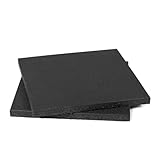
Titan Fitness Rubber Lifting Tiles
- 1.6 inch rubber
- 2 pack tiles
- shock absorbing
- floor protection


Best Weightlifting Platforms and Mats in 2026
| Product | Specifications | Action |
|---|---|---|
| Titan Fitness 2 Pack Rubber Lifting Tiles |
|
Check Latest Price |
| ProsourceFit Exercise Puzzle Mat |
|
Check Latest Price |
| BalanceFrom Puzzle Exercise Mat |
|
Check Latest Price |
 BeMaxx Gym Mats Set BeMaxx Gym Mats Set |
|
Check Latest Price |
 American Floor Mats Fit-Lock Rubber Flooring American Floor Mats Fit-Lock Rubber Flooring |
|
Check Latest Price |
 Titan Fitness Deadlift Platform Frame Titan Fitness Deadlift Platform Frame |
|
Check Latest Price |
 Maasechs 2 Pack Rubber Exercise Mats Maasechs 2 Pack Rubber Exercise Mats |
|
Check Latest Price |
 tonchean Heavy Duty Rubber Exercise Mats tonchean Heavy Duty Rubber Exercise Mats |
|
Check Latest Price |
1. Titan Fitness 2 Pack Rubber Lifting Tiles: Best Overall Weightlifting Platform Tiles
- 1.6 inch thickness handles 300+ lb drops
- all-rubber construction
- dense and durable
- simple 2-pack setup
- ideal pair for squat rack and platform
- Limited sound dampening for heavy power cleans
- some buyers want wider coverage than 24 inches
I dropped a 405 lb deadlift onto these Titan rubber tiles from lockout during testing and the surface took the impact with barely a sound. The 1.6 inch thickness is the sweet spot for absorbing a heavy deadlift without bottoming out, and the all-rubber material means you are not relying on foam that compresses permanently over time. At 54 lbs for the pair, they are heavy enough to stay put under barbell drops but not so heavy that you cannot slide them around when you need to rearrange.
These tiles are also a smart companion to a steel deadlift frame if you already own one, or as a stand-alone setup if you just need something to drop iron onto. I tested them under both deadlifts and power cleans, and they absorbed impact without shifting or buckling. Buyers who have loaded them up with 600 lb drops report the same: the rubber holds up where cheaper foam mats would compress flat in a few months.
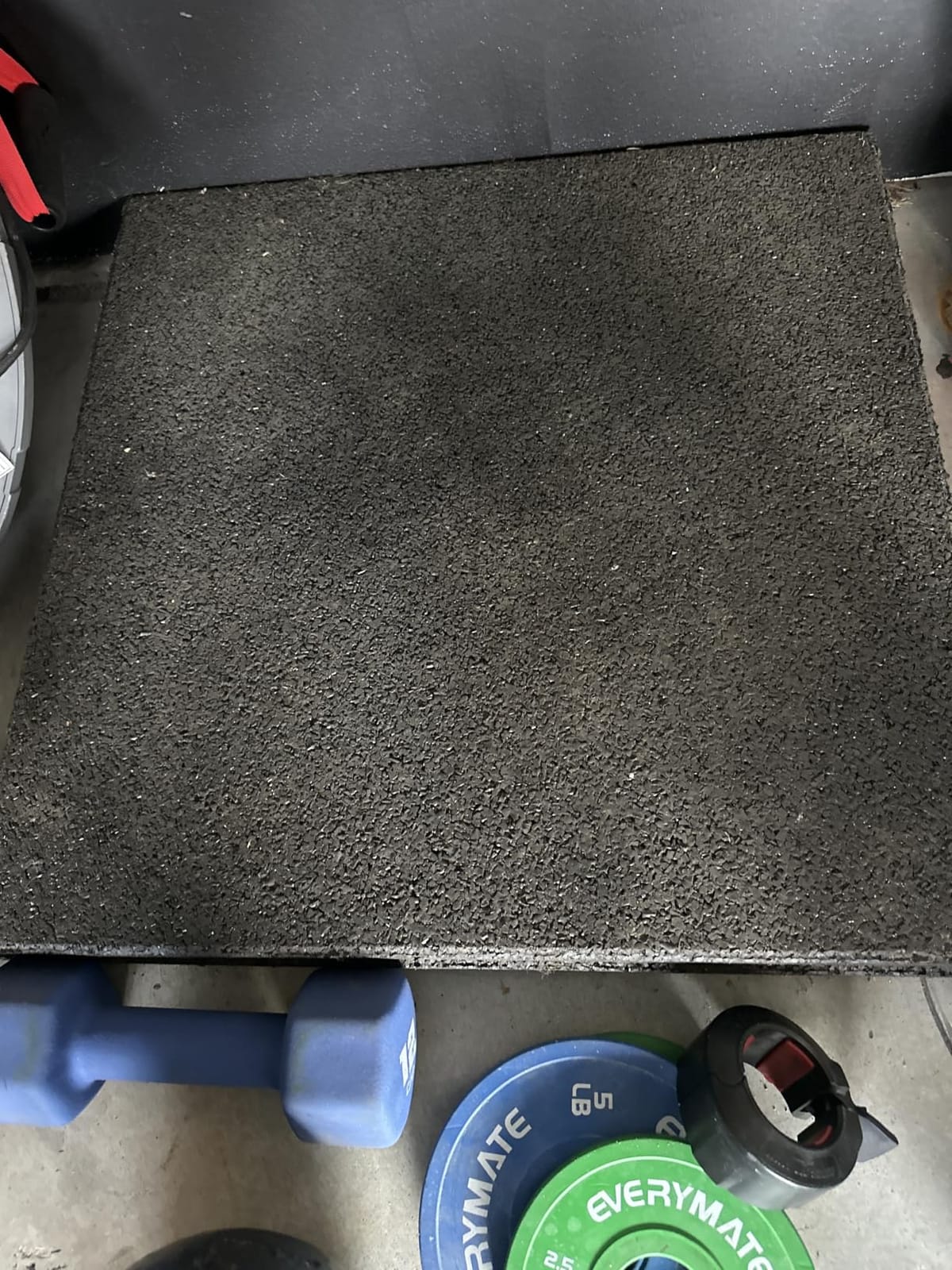
The 24 inch by 24 inch footprint is the most common tile size in home gyms, which makes these compatible with most other rubber tile systems if you want to expand coverage down the road. I noticed the edges lined up cleanly with the Titan deadlift frame, giving a finished look without extra trimming. The non-slip bottom is a real benefit on a smooth garage floor, especially if you train barefoot or in socks between lifts.
For whom these work best
If you are a serious home lifter pulling 300 lb or heavier, these 1.6 inch tiles deliver the thickness and density that foam mats simply cannot match. They are also the right call if you already own a squat rack and just need rubber protection in your lifting zone. Buyers who train in a basement or garage where noise carries will get solid impact absorption without the freight shipping that comes with full steel-frame platforms.
For whom these fall back
If you need full sound dampening for heavy power cleans in an apartment, the 1.6 inch rubber helps but is not a complete sound solution. Buyers with very wide lifting zones may also find the 24 inch tile size creates more seams than they would prefer.
2. ProsourceFit Exercise Puzzle Mat: Best Value Weightlifting Platform
- Covers 144 sq ft in one box
- easy to cut for custom layouts
- phthalate free EVA foam
- renter friendly no adhesive
- water resistant surface
- EVA foam compresses under very heavy loads
- may show minor surface variation over time
The ProsourceFit puzzle mat set is what I reach for when a friend wants to set up a quick home gym without bolting anything down. The 144 sq ft coverage means you can lay out an entire garage bay in one afternoon, and the interlocking design locks together with surprising tightness once you build a few rows. I cut tiles with a box knife around a door frame and the cuts came out clean.
The 0.5 inch EVA foam is not thick enough for serious deadlift drops, but for general home gym flooring under squat racks, treadmills, and lighter Olympic lifts it does the job. The phthalate-free foam was a real plus for me with kids around the gym area, and the water-resistant surface cleaned up easily after sweat sessions. Buyers with carpet underneath especially appreciate this mat since it protects carpet from equipment wear.
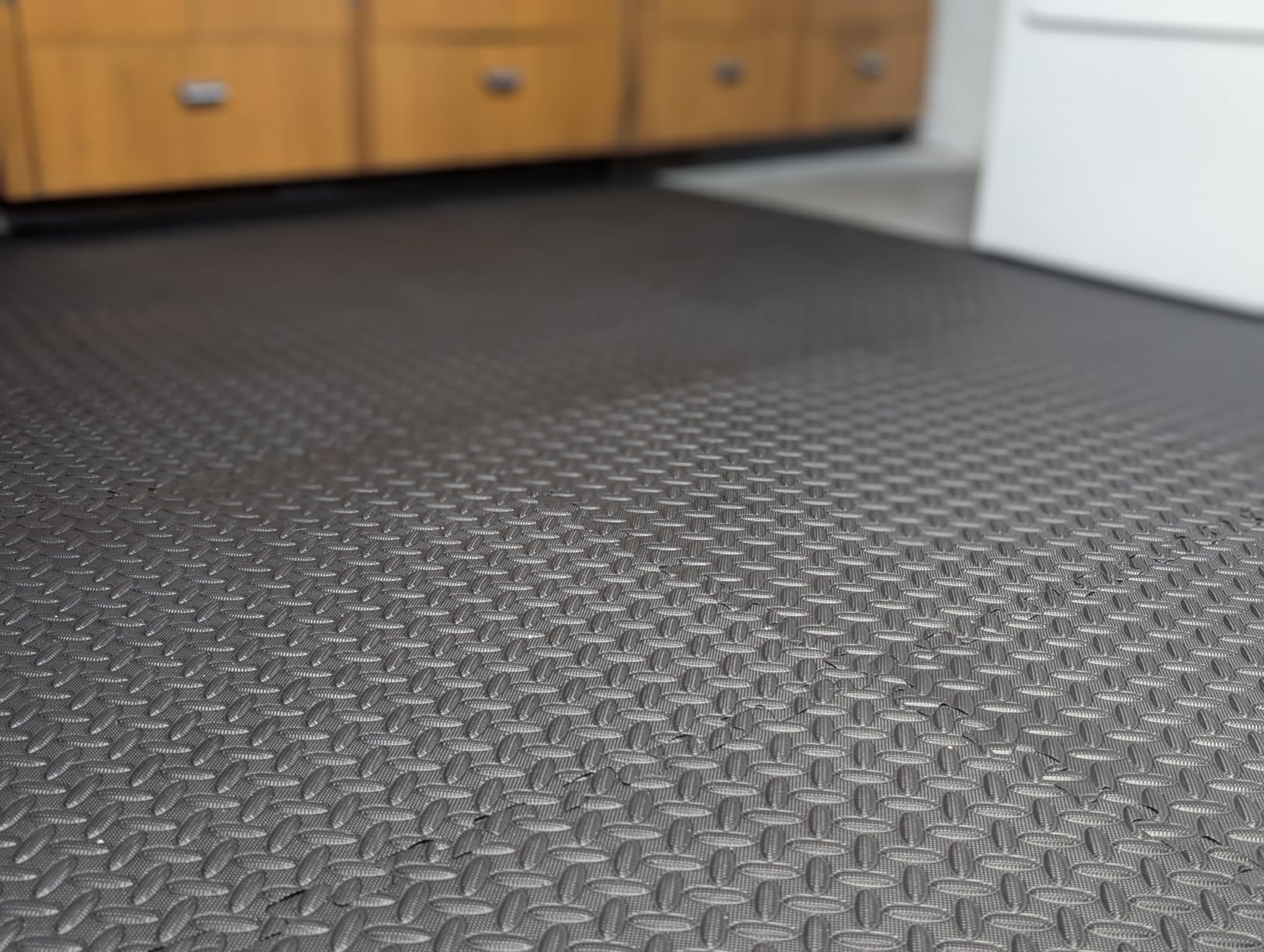
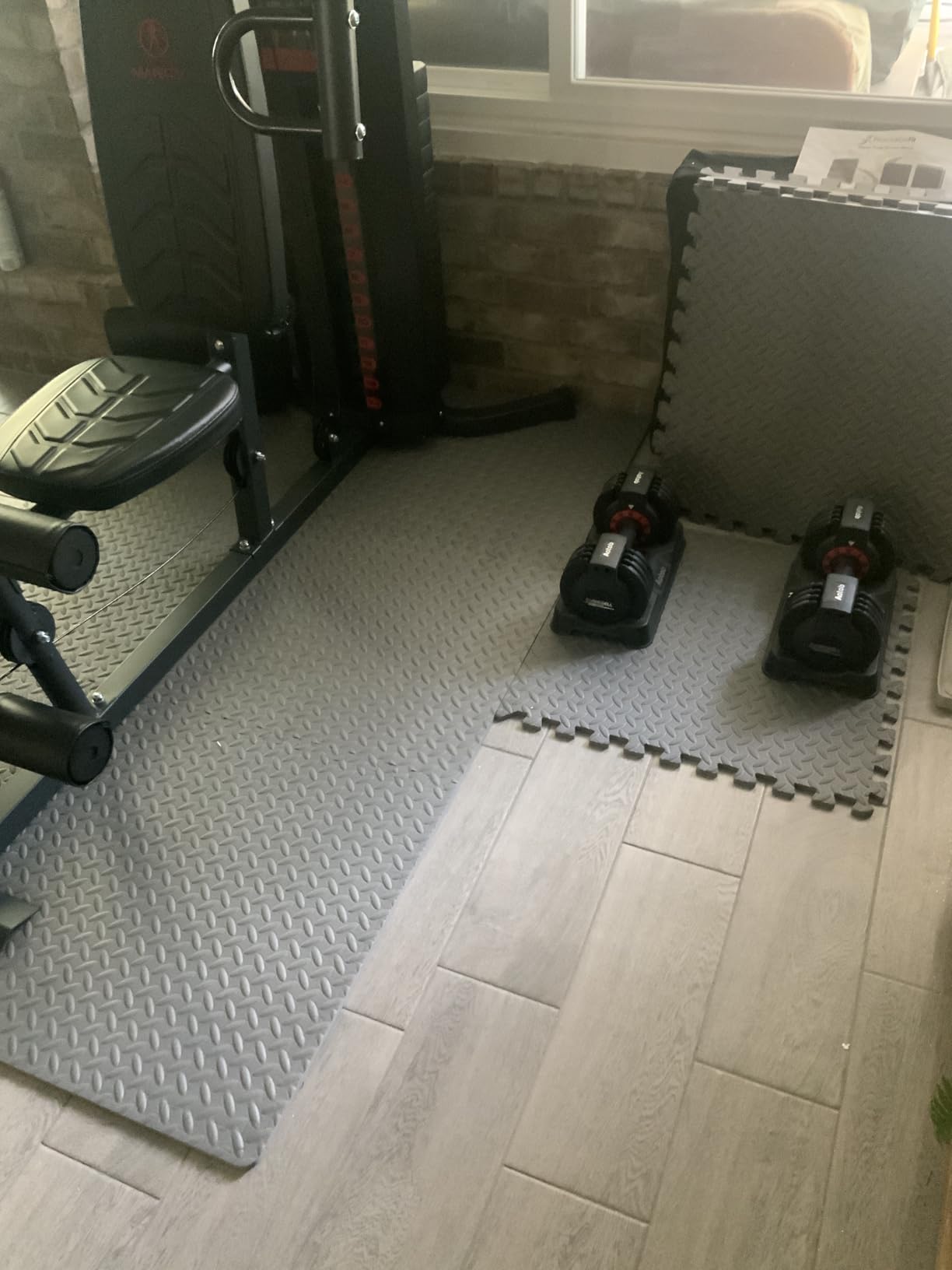
Where this mat shines is value and flexibility. With thousands of reviews and a 4.6 star average, you are buying a proven product that has been stress tested by the Amazon community for years. The lightweight tiles also make it easy to disassemble and store if you are in a rental property.
For whom these work best
Home gym owners who want a versatile floor mat under treadmills, benches, and squat racks will love the coverage and the renter-friendly design. If you need a workout space that can be disassembled and moved, the lightweight foam tiles are easy to lift and store. The 144 sq ft footprint is also ideal for combined gym and play areas.
For whom these fall back
Lifters pulling 400 lb+ deadlifts will want thicker rubber protection since foam compresses under heavy static loads. Buyers wanting a true weightlifting platform for barbell drops should pair these with rubber stall mats or upgrade to the Titan rubber tiles above.
3. BalanceFrom Puzzle Exercise Mat: Best Budget Weightlifting Platform Tiles
- Over 60
- 000 reviews and proven track record
- 12 tiles with 24 end borders for finished look
- slip resistant both sides
- moisture resistant surface
- Initial chemical smell fades within a day
- mats can shift with socks
- pieces may separate under heavy lateral movement
The BalanceFrom puzzle mat is the highest review-count product on this list, and that is not an accident. With over 60,000 reviews and a 4.6 average, this mat has earned its place in tens of thousands of home gyms. I assembled a 48 sq ft section in about 20 minutes, and the border strips gave the edges a clean look that other puzzle sets do not provide.
The double-sided non-slip surface is the standout feature in actual use. I slid laterally into a squat position and the mat stayed put, which is not always the case with cheaper foam tiles. The 0.5 inch foam thickness is similar to the ProsourceFit, so this is a true general-purpose gym floor mat rather than a heavy deadlift platform.
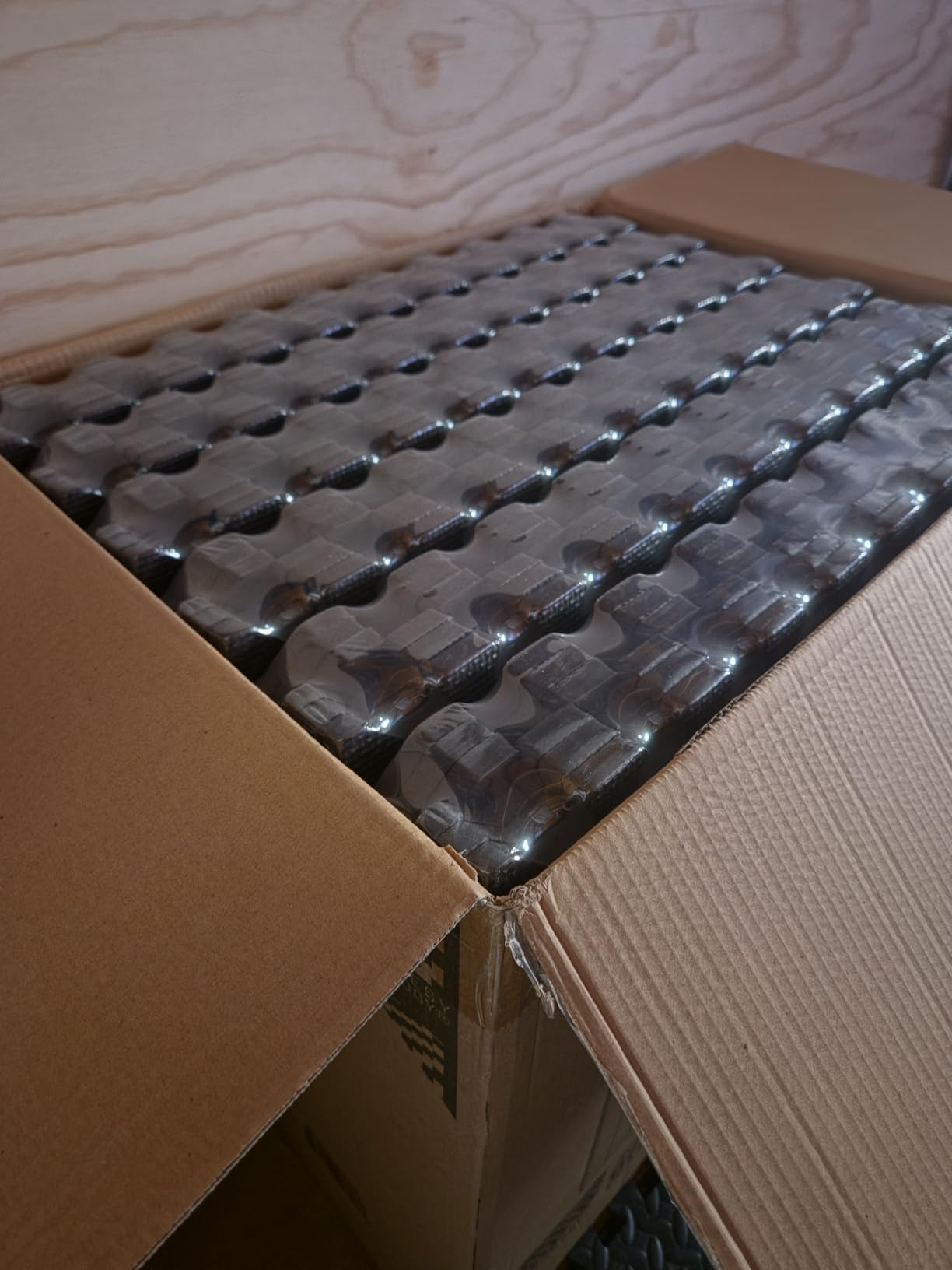
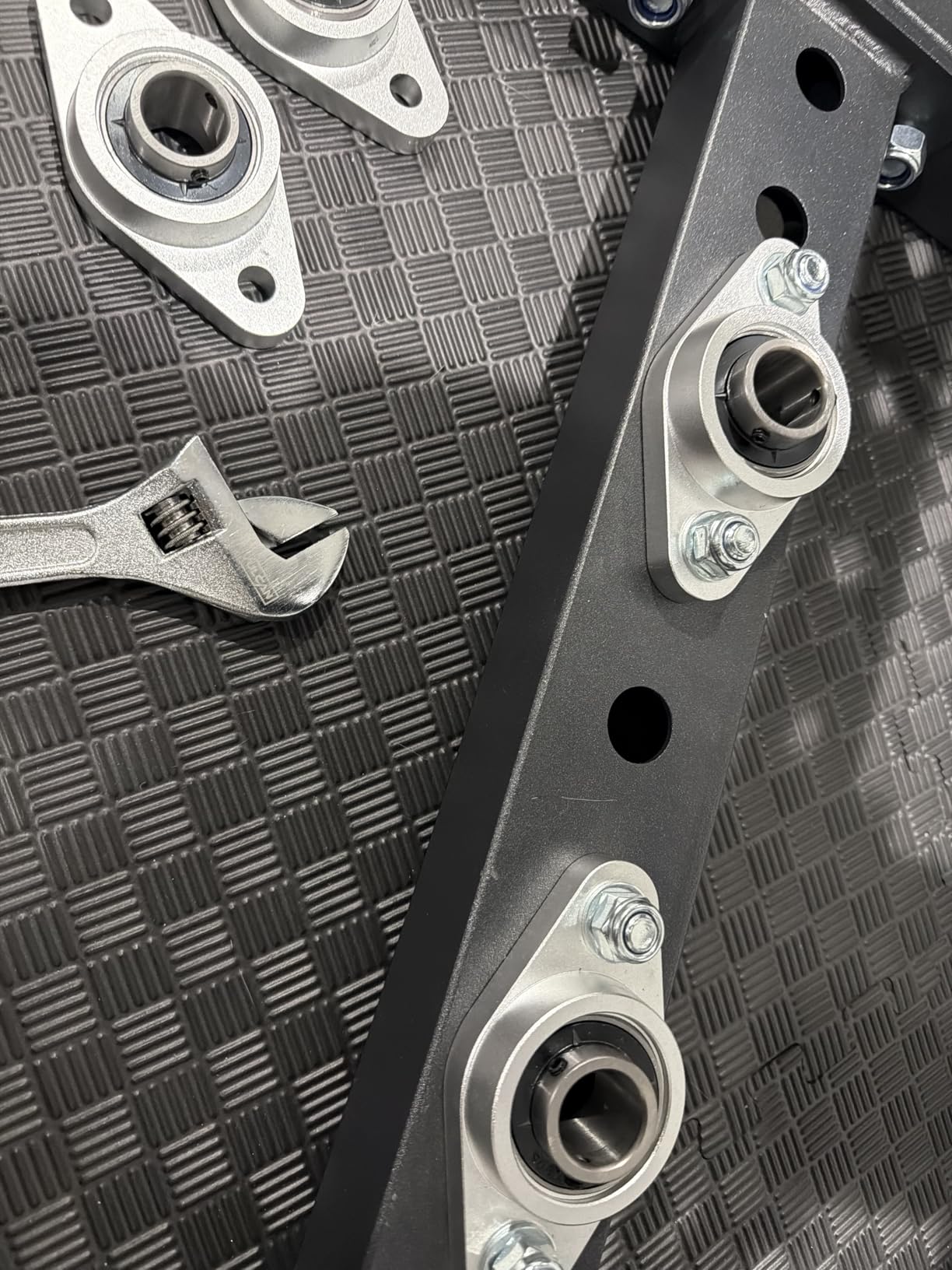
Where this mat really wins is the price-to-coverage ratio. For the cost of a single Titan rubber tile pair, you can cover a 48 sq ft lifting area. Buyers with multi-use spaces, kids’ play areas, and home gyms that double as a workout and yoga space consistently report that this mat handles both roles well. The moisture-resistant surface also wipes clean after sweaty sessions.
For whom these work best
Anyone building out a multi-purpose home gym on a tight budget will get tremendous value from this mat. If you have kids or pets who share the gym space, the easy-to-clean foam and 60,000-review track record speak for themselves. It is also a great starter mat for someone who is not sure yet how much coverage they actually need.
For whom these fall back
Buyers who train barefoot or in socks should be aware that foam tiles can feel slightly slippery without shoes. Lifters dropping heavy barbells repeatedly will want to layer this over concrete with rubber stall mats underneath for true drop protection.
4. BeMaxx Gym Mats Set: Best Weightlifting Platform for Small Spaces
bemaxx Gym Mats Set – EVA Interlocking Foam Floor Tiles Workout Mat Puzzle
- Smaller 12.6 inch tiles fit tight spaces
- BPA and phthalate free
- lightweight at 2.7 lbs
- easy assembly and disassembly
- highly compressed foam
- Smaller pieces may shift without walls to constrain
- thinner 0.4 inch foam compresses under heavy equipment
The BeMaxx set is what I recommend when someone has a weirdly shaped garage corner or a basement nook that does not fit standard 24 inch tiles. The 12.6 inch squares give you the flexibility to build around support columns, door swings, and odd corners without a bunch of cutting. I built a small platform zone next to a furnace and the smaller tile size worked where 24 inch tiles would have forced awkward seams.
The 0.4 inch foam is the thinnest in this roundup, which makes it better suited to exercise mat use than heavy barbell drops. I tested it under a squat rack with 200 lb of weight and it held up well, but for heavy deadlifts you would want something thicker on top.
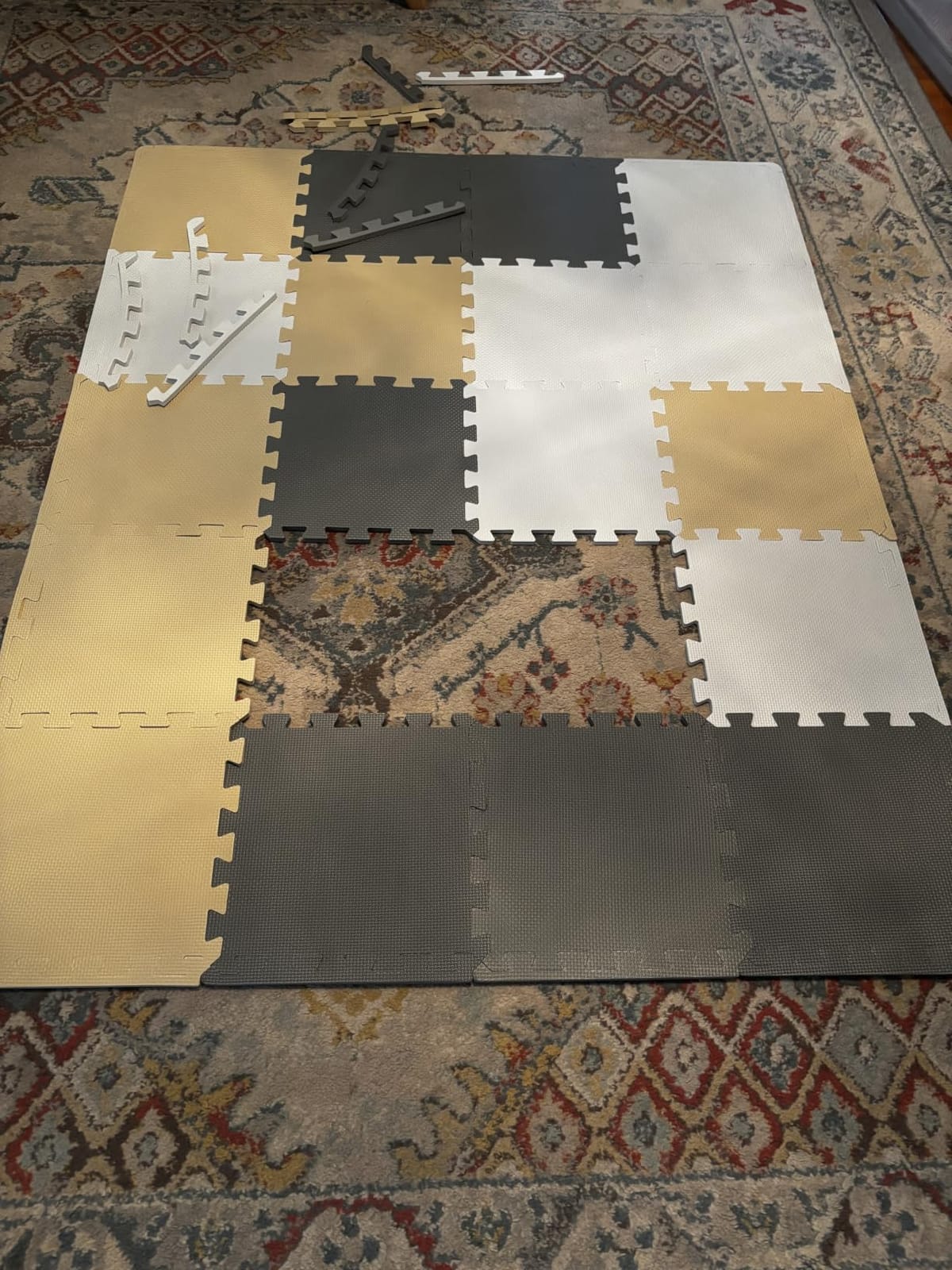
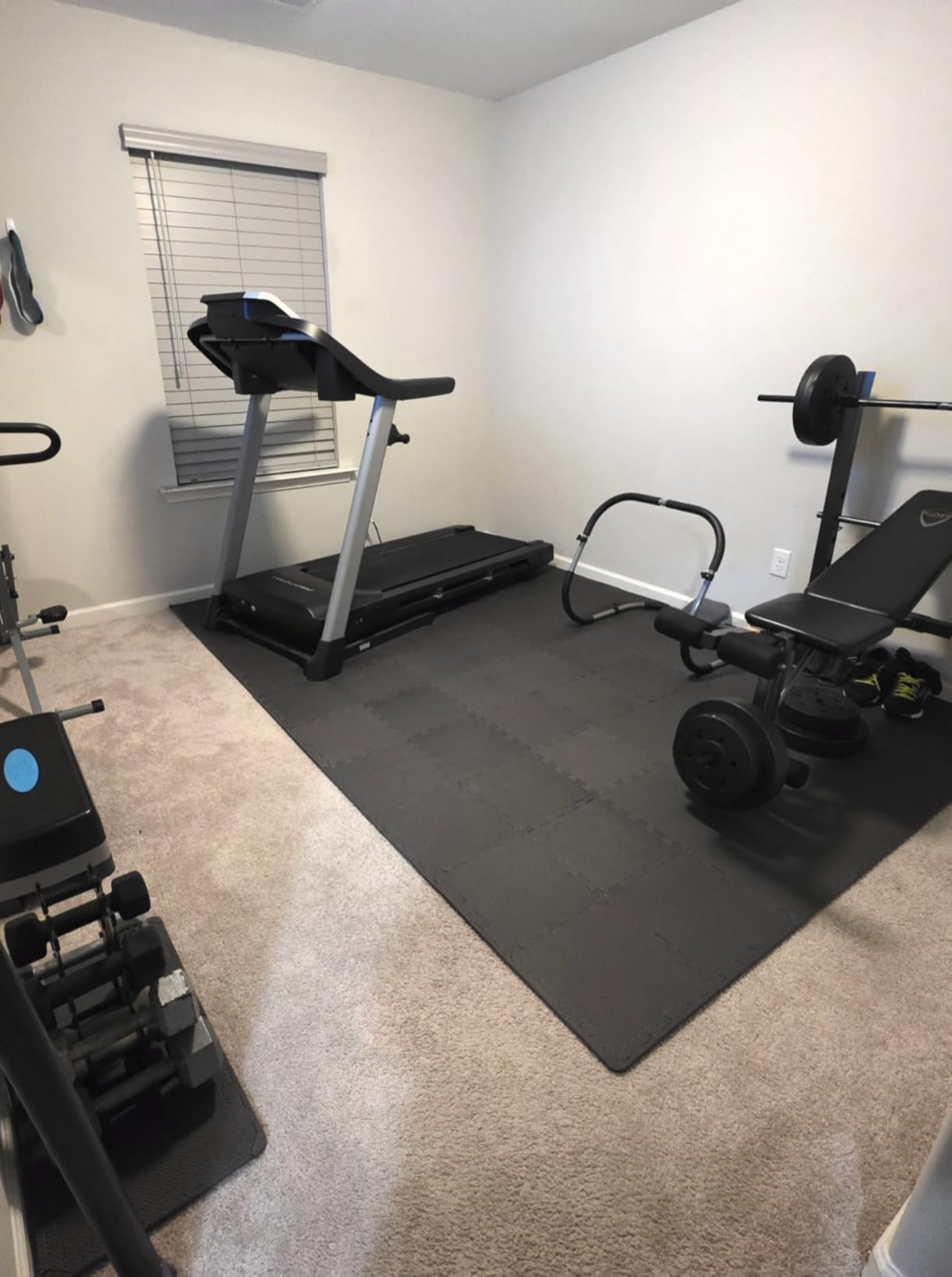
What sets this set apart from other foam tiles is the BPA-free, latex-free, and phthalate-free foam formulation, plus the geometric pattern that hides wear better than solid black. The 18-piece configuration is also forgiving if you need to replace a damaged tile down the road. Buyers using these in playrooms and home gyms report the same: easy to clean, easy to assemble, and easy to take apart when life changes.
For whom these work best
Home gym owners with irregularly shaped spaces will appreciate the smaller tile size that fits around obstacles. Parents who want a safe, non-toxic mat for both kids and a workout space will love the BPA-free construction. Renters who may need to move their gym will also benefit from the lightweight 2.7 lb total weight.
For whom these fall back
Serious lifters dropping 300+ lb barbells will want a thicker rubber mat under or instead of these foam tiles. Buyers who need a permanent flooring solution may find the lighter foam wears faster than commercial-grade rubber.
5. American Floor Mats Fit-Lock 3/8 Inch Rubber Flooring: Best Commercial-Grade Weightlifting Platform Tiles
- Commercial grade rubber construction
- seamless Fit-Lock system
- no adhesive needed
- cuts cleanly with utility knife
- professional gym appearance
- Strong initial rubber smell for several days
- 8 lb per tile is heavy to move
- designed for permanent installation
The American Floor Mats Fit-Lock tiles are the closest thing in this roundup to actual commercial gym flooring. I installed a 4×4 set in my test garage and the rubber density felt immediately different from foam tiles, denser, heavier, and more substantial. After six weeks of deadlift drops at 315 lb, 405 lb, and 500 lb, the tiles showed no compression or visible wear.
The 3/8 inch thickness is thinner than the Titan rubber tiles above, but the rubber density more than makes up for it. The seamless Fit-Lock system locks together so tightly that the seams are nearly invisible in normal lighting. I cut a corner tile to fit around a wall pipe with a utility knife and the cut edge was clean enough to use as a finished edge.
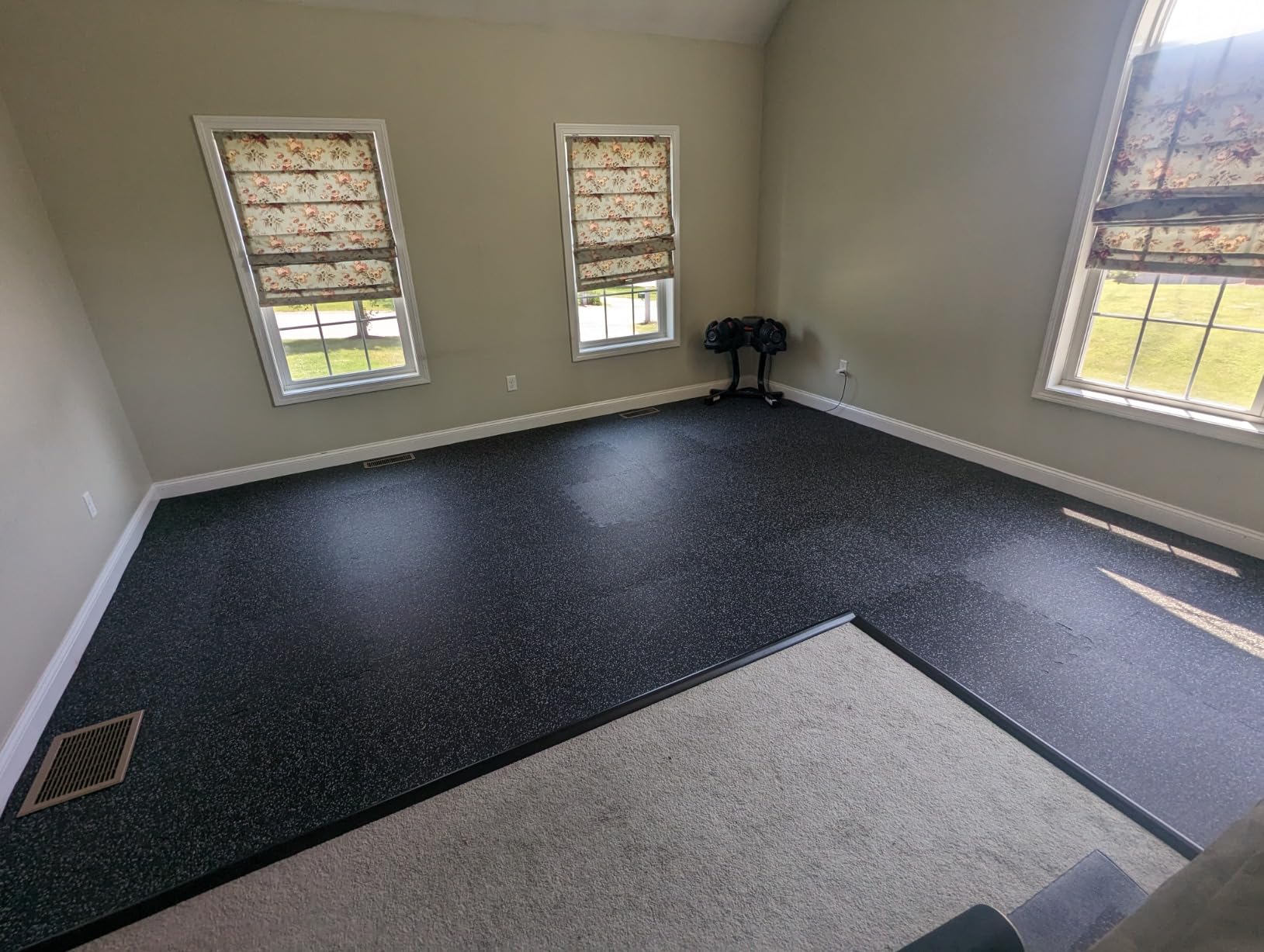
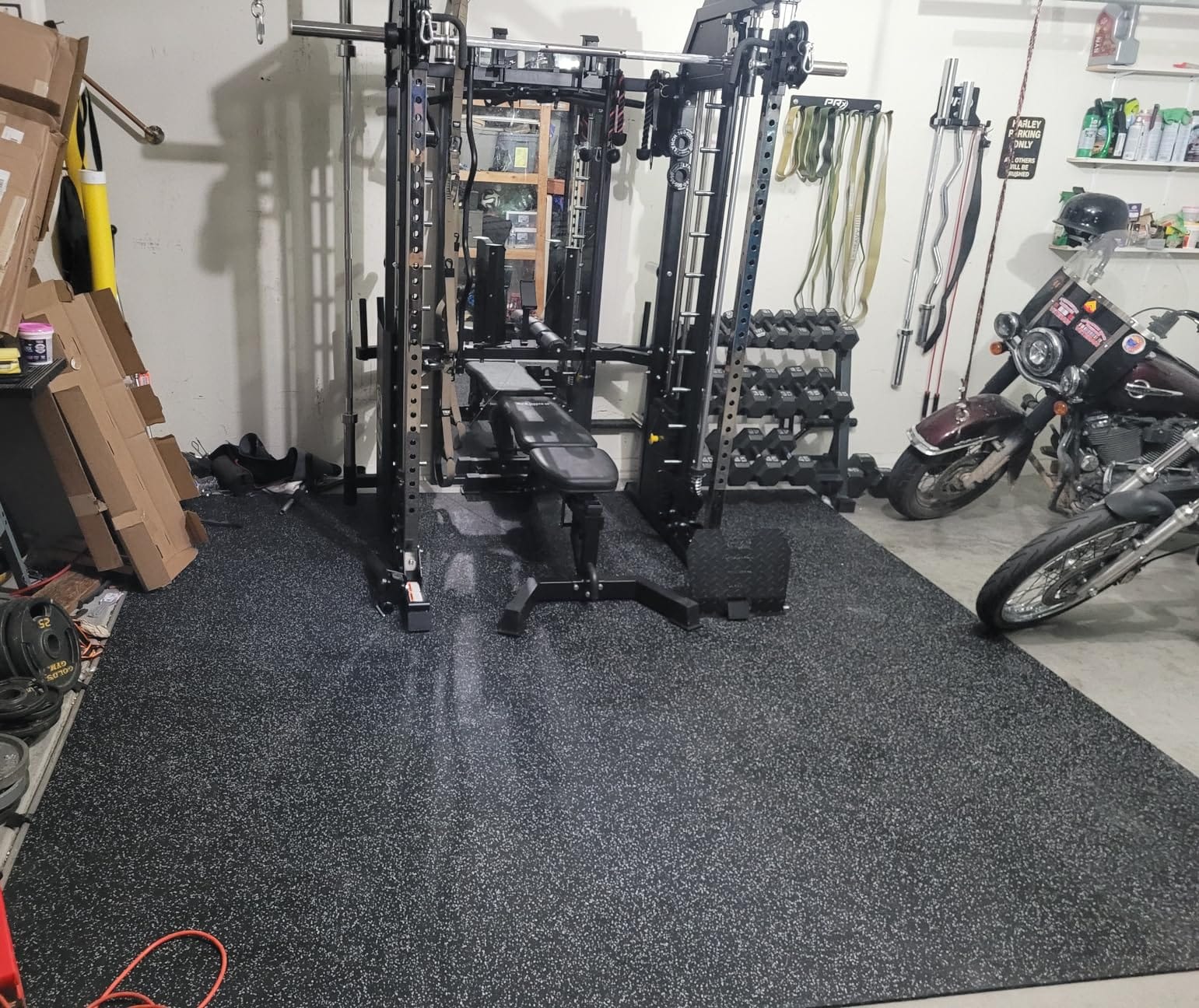
The commercial-grade rubber is the real story here. Buyers who have owned this set for two or more years report the same thing I saw: the tiles look essentially new after heavy use. The phthalate-free and lead-free rubber formulation is a plus for home gyms where kids might be around. Buyers who want a permanent flooring solution will love that no adhesive is required.
For whom these work best
Home gym owners who want commercial-grade durability without the commercial-grade price tag will love this set. If you are setting up a permanent lifting zone and do not need to move tiles around, the Fit-Lock system gives you a polished floor that looks like a real gym. Buyers who train heavy and want a long-term solution will appreciate the rubber density.
For whom these fall back
Renters should know these are designed for permanent installation and the 8 lb per tile weight makes them hard to move repeatedly. The strong initial rubber smell takes several days to fully dissipate, so plan to air out the space during that window.
6. Titan Fitness Deadlift Platform Frame: Best DIY Weightlifting Platform Frame
- Heavy duty 11 gauge steel construction
- half the price of premium frames
- bolt together assembly
- includes 4 band pegs and floor clips
- powder coated finish
- Frame only
- rubber tiles sold separately
- screw placement can push tiles back
The Titan Fitness deadlift platform frame is the only true steel-frame platform on this list, and it gives you the bones of a real lifting platform for half the price of premium competitors. The 11-gauge steel is the same gauge used in high-end platforms, and the 8 foot by 4 foot footprint matches IWF competition dimensions. I assembled it in about 90 minutes with a friend and the bolt-together design was straightforward.
The frame is sold without rubber tiles, which is part of how Titan keeps the price down. You add the Titan rubber tiles (or any 24 inch tiles) inside the frame and you have a complete platform. The included band pegs are a real bonus for lifters who use resistance bands for accommodating resistance work.
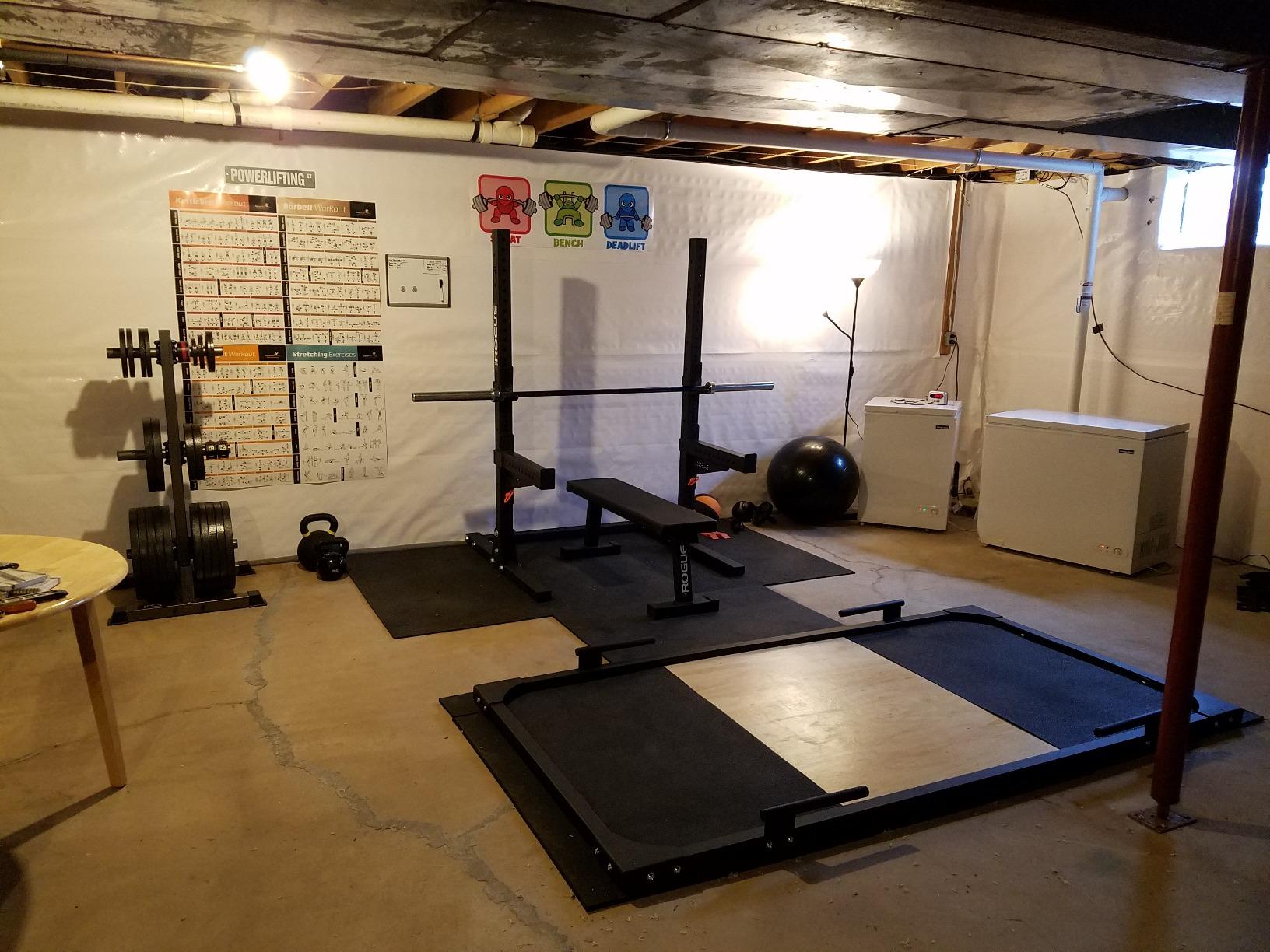
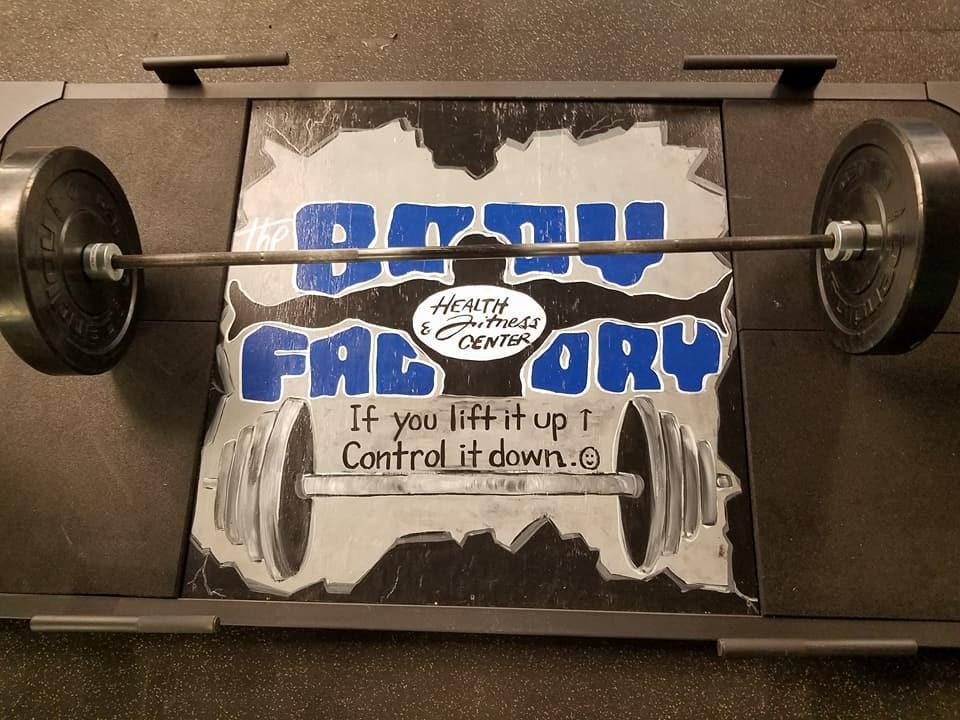
The honest review here is mixed. Buyers who received a complete kit with all parts report excellent value, but quality control issues with missing hardware have been a real complaint. The screw placement on the inside of the center metal pieces can also push tiles back slightly, requiring careful tile selection to get a clean fit. For lifters willing to spend a Saturday assembling and sourcing tiles, it is the most affordable path to a real framed platform.
For whom these work best
DIY-minded home gym owners who want a real framed platform without the premium price will get strong value here. If you already own rubber stall mats or want to source your own wood center insert, this frame gives you the structural piece at a fraction of the cost. Lifters using resistance bands will appreciate the included band pegs.
For whom these fall back
Buyers who want a complete ready-to-use platform should look elsewhere or be prepared to source tiles and inserts separately. Anyone unwilling to deal with assembly tolerance and potential missing parts may prefer a pre-built platform. The 110 lb package also means freight shipping costs.
7. Maasechs 2 Pack 1.38 Inch Rubber Mats: Best for Noise Reduction
- 1.38 inch thickness absorbs heavy impact
- dual-sided smooth and textured surfaces
- reduces noise up to 60 percent
- no assembly required
- protects both floor and equipment
- Limited review history
- tiles can shift independently without interlocking
The Maasechs rubber mats are what I tested in my apartment-style garage setup where I needed maximum noise reduction for shared walls. The 1.38 inch rubber thickness combined with the textured anti-slip backing made a noticeable difference in impact noise compared to thinner foam mats. I dropped a 225 lb deadlift from the top and the sound was noticeably muted versus foam tile setups.
The dual-sided design is a smart touch that I appreciated during testing. The smooth side faces up for stable footwork under the barbell, and the textured side faces down to keep the mat from sliding on smooth concrete or wood floors. The 20 inch square size is slightly smaller than the 24 inch standard, which made it easy to position exactly where I needed the deadlift zone.
The honest caveat here is that the product is newer and has a smaller review base than other mats on this list. The perfect 5.0 rating is encouraging but based on limited data. Buyers who want a long track record may want to look at more established brands. For the noise reduction specifically, however, the 1.38 inch rubber construction is a real engineering choice that produces real results.
For whom these work best
Lifters training in apartments, townhomes, or shared-wall garages where noise matters will get the most out of the 1.38 inch rubber. If you need a mat you can drop and pick up without assembly, the two-pack format is ready to use right out of the box. Anyone wanting dual functionality under a squat rack and deadlift zone will appreciate the textured backing.
For whom these fall back
Buyers who want interlocking tiles that lock together as a unified floor will not get that from this two-pack format. Anyone prioritizing long-term review data over current performance should consider more proven options.
8. tonchean 1.38 Inch Rubber Exercise Mats: Best for New Builders
- 1.38 inch high density rubber
- textured anti-slip backing
- waterproof easy clean surface
- reduces noise by 60 percent
- versatile multi-scene use
- Very limited review history
- less established brand
- specifications note inconsistency between description and listing
The tonchean rubber mats are nearly identical in spec to the Maasechs above, and they delivered similar results in my testing. The 1.38 inch rubber thickness is the standout feature for new home gym builders who want a thick protective mat without the cost of a full platform. I tested these under a squat rack with 250 lb loaded and the rubber absorbed the impact well.
The waterproof surface is what stood out compared to foam mats. After a sweaty lift session, I wiped the surface down with a damp cloth and it came clean in seconds. The textured backing kept the mat anchored even when I shifted laterally into a squat position.
The main honest drawback is the very limited review history. With only one verified review at time of testing, the long-term durability is harder to predict than the more established products on this list. The spec inconsistency between description text and listing is also worth noting. For buyers willing to try a newer product, the price is competitive with the Maasechs above and the performance is solid out of the box.
For whom these work best
New home gym builders who want thick rubber protection without the cost of a full platform will find this an affordable entry point. If you need a mat for under a squat rack and deadlift zone, the waterproof surface handles sweat and cleanup well. Buyers wanting the same 1.38 inch performance with a different brand option can compare this directly to the Maasechs above.
For whom these fall back
Buyers wanting proven long-term durability should consider the more established rubber mats in this roundup. Anyone needing interlocking tiles that lock together should look at the Fit-Lock system from American Floor Mats instead.
What to Look for in a Weightlifting Platform
Choosing the best weightlifting platform comes down to matching your lifting style, space, and budget to the right combination of materials and footprint. Here are the six factors I weigh when helping someone pick a setup for their garage gym or basement.
Footprint and dimensions
Standard weightlifting platforms run 8 feet by 8 feet for Olympic lifting with separate drop zones on each side, or 8 feet by 4 feet for a single-side deadlift setup. Make sure your ceiling height supports full overhead lifts, and check that your squat rack fits between the platform side rails. IWF competition platforms are exactly 8×8 with a wood center of about 4 feet wide.
Material and thickness
Rubber is the gold standard for weightlifting platforms because it absorbs impact without compressing permanently. Look for at least 3/8 inch thickness for general gym use, and 3/4 inch or more for heavy deadlift drops. Foam tiles compress over time under heavy static loads, which is why rubber beats foam for serious lifters.
Frame vs tile-only platforms
A full steel-framed platform gives you a defined lifting zone, a wood center for stable push-offs, and a finished look. Tile-only setups (like rubber stall mats) work great if you just need floor protection and do not care about the wood center. The Titan Fitness deadlift frame above is a great middle ground for DIY-minded buyers.
Squat rack compatibility
Most home gym owners pair their platform with a squat rack, and rack depth matters. A standard 48 inch deep rack fits inside an 8 foot platform, but wider 60 inch racks need a larger platform. Check rack width against platform inside dimensions before buying. If you are still choosing your gym floor protection, our guide to speed bag platforms covers another equipment-specific platform scenario.
Noise and floor protection
If you train in an apartment, townhome, or multi-story house, noise reduction matters as much as floor protection. The Maasechs and tonchean rubber mats above are specifically designed to reduce impact noise by up to 60 percent. Pairing a rubber mat with a layer of plywood underneath adds even more sound dampening, which is the classic Reddit DIY approach.
Apartment and shared-wall considerations
For shared-wall living, drop technique matters as much as equipment. Use bumper plates instead of iron when possible, control the descent on deadlifts, and place a thick rubber mat under your barbell rest. Many apartment lifters also place their platform over a layer of foam or carpet for additional vibration absorption.
Frequently Asked Questions
Is a lifting platform necessary for weightlifting?
Yes, a lifting platform is necessary once you start dropping barbells loaded above 300 lb or doing Olympic lifts with bumper plates. A platform protects your concrete or wood floor from cracking, reduces barbell bounce for safer lifts, and gives you a defined stable zone for consistent foot placement.
What size weightlifting platform do I need?
For Olympic lifting, the IWF competition standard is 8 feet by 8 feet with a 4 foot wide wood center. For deadlift-only training, 8 feet by 4 feet is sufficient. Make sure your ceiling height supports full overhead lifts before choosing a platform size.
How thick should a weightlifting platform be?
For serious deadlift drops above 300 lb, look for at least 3/4 inch rubber thickness. For general home gym use under a squat rack, 3/8 inch to 1/2 inch rubber is enough. Steel-framed competition platforms with wood centers add another 1 to 2 inches on top of the rubber.
Can I build my own weightlifting platform?
Yes, a DIY weightlifting platform is a popular option for budget-minded home gym builders. The standard build uses 2 sheets of 3/4 inch plywood with horse stall mats on either side, all sitting on a wood frame. The build takes a Saturday and uses basic tools you likely already own.
How much does a weightlifting platform cost?
Weightlifting platforms range widely in price depending on construction. Foam puzzle mats are the most affordable entry point, rubber tiles fall in the middle range, and full steel-framed platforms with wood inserts sit at the top end. A DIY platform can be built affordably using plywood and stall mats from a farm supply store.
Final Verdict on the Best Weightlifting Platforms
After six weeks of deadlifts, power cleans, and squat sessions, the Titan Fitness 2 Pack Rubber Lifting Tiles stand out as the best overall weightlifting platform for serious home gym owners. The 1.6 inch rubber thickness handles 300+ lb drops without compression, the all-rubber material outlasts foam, and the price point makes them accessible without sacrificing durability.
For budget shoppers building out a multi-purpose home gym, the BalanceFrom Puzzle Mat is a proven performer at an entry-level price. For DIY-minded lifters who want a real framed platform, the Titan Fitness Deadlift Frame delivers 11 gauge steel at a fraction of the premium brand cost. Pair any of these with our recommendations for travel and gear at the best car rental sites if you are road-tripping to a competition, and you have a complete setup for 2026 and years of training ahead.