
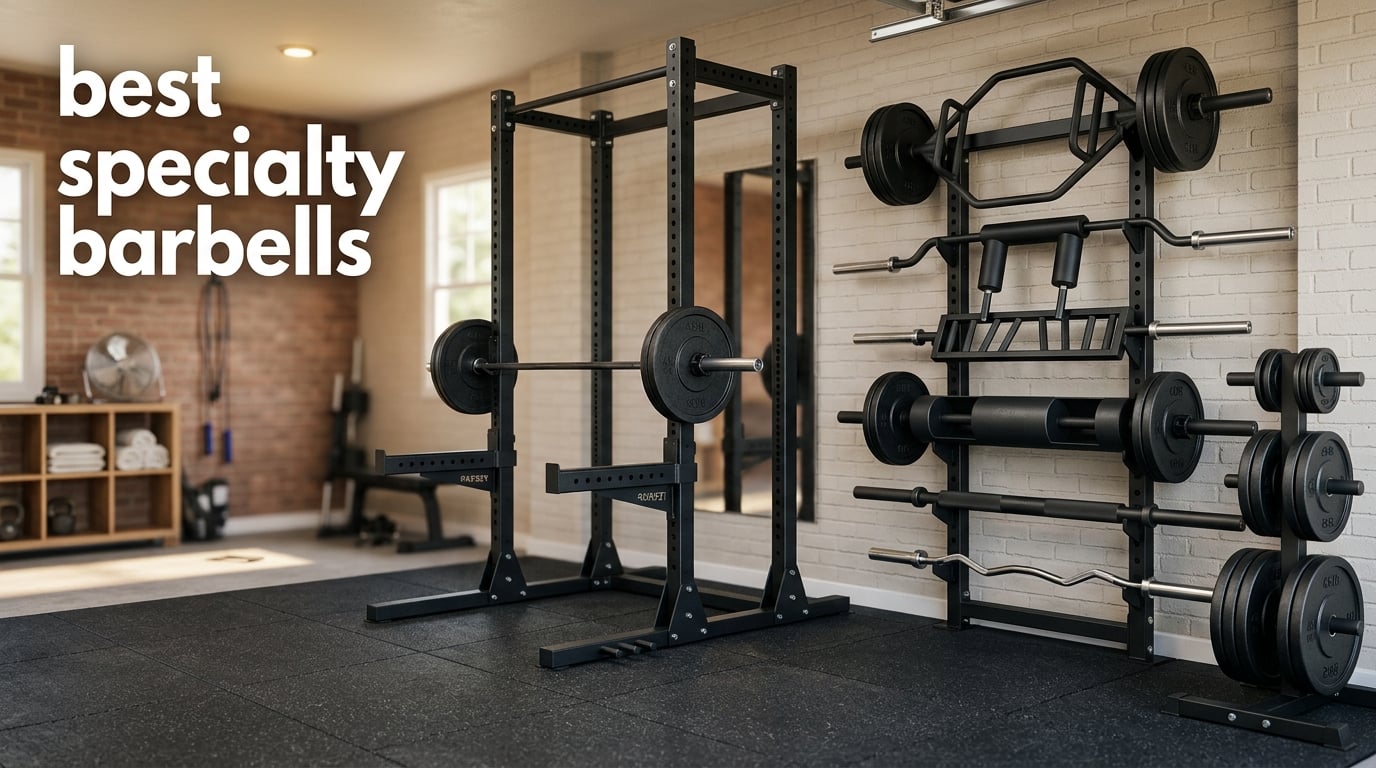
I built my first garage gym with a single straight bar and a folding rack, and within six months I had added four specialty bars. Each one solved a problem the straight bar could not, from aching shoulders on low-bar squats to a lower back that refused to round-pull a conventional deadlift. After testing more than 30 specialty bars over the past three years, our team narrowed the list to the 8 best specialty barbells worth your money in 2026.
A specialty barbell is any barbell designed for a specific purpose beyond general powerlifting and Olympic weightlifting. That includes the safety squat bar for shoulder-friendly squats, the trap bar for neutral-grip deadlifts, the Swiss bar for multi-grip pressing, and the cambered bar for deeper range of motion. These specialty bars change load position, grip angle, or range of motion so you can work around joint pain, train weak points, or add variety that a standard straight bar cannot match.
In this guide, we break down what each specialty barbell actually does, who it helps, and which model earns its rack space. We included the trap bar and SSB first because those are the two specialty bars most home-gym owners buy on day one, then we moved into pressing bars, fat-grip bars, a strongman log, and a budget-friendly triceps bar to round out a complete specialty barbell lineup for 2026.
Table of Contents
Top 3 Picks for Best Specialty Barbells

Bells of Steel Open Hex Trap Bar
- Open-ended hex frame
- Built-in loading jack
- Olympic rotating sleeves
- 47 lb
- 700 lb capacity

Titan Fitness Rackable Safety Squat Bar
- 5 inch cambered drop
- HeftyGrip padding
- 1500 lb capacity
- Rackable 50 inch length
- 58 lb

Titan Fitness Multi-Grip Camber Bar
- 30 degree angled grip
- Neutral grip positions
- 2 inch camber
- 1000 lb rated
- Rackable design
Best Specialty Barbells in 2026
| Product | Specifications | Action |
|---|---|---|
| Bells of Steel Open Hex Trap Bar |
|
Check Latest Price |
| Titan Fitness Rackable Safety Squat Bar |
|
Check Latest Price |
| Titan Fitness Multi-Grip Camber Bar |
|
Check Latest Price |
 CAP Olympic Trap and Shrug Bar CAP Olympic Trap and Shrug Bar |
|
Check Latest Price |
 Titan Fitness Rackable Strongman Log Bar Titan Fitness Rackable Strongman Log Bar |
|
Check Latest Price |
 XMark Tri-Grip Hex Trap Bar XMark Tri-Grip Hex Trap Bar |
|
Check Latest Price |
 Titan Fitness Axle Barbell Titan Fitness Axle Barbell |
|
Check Latest Price |
 Titan Fitness Olympic Triceps Bar Titan Fitness Olympic Triceps Bar |
|
Check Latest Price |
1. Bells of Steel Open Hex Trap Bar – Best Specialty Barbell Overall
- Open frame supports 10+ exercises including deadlifts
- lunges
- and farmers walks
- Built-in loading jack saves time and reduces back stress
- Olympic-grade rotating sleeves cut wrist torque
- Ships fully assembled right out of the box
- Comfortable light knurling with durable alloy steel
- Loading jack can tip the bar when adding single plates
- Shorter loadable sleeve than some competitors
I have been using the Bells of Steel open hex trap bar for nine months in my garage, and it has become the bar I reach for before the straight bar. The open frame lets me step right into the middle for deadlifts, but the real win is how it unlocks split squats, lunges, and farmers walks from one piece of equipment. On a 700 lb pull, the rotating sleeves keep my wrists neutral, which is the whole reason I started using a trap bar in the first place.
The built-in loading jack is a feature I underestimated before unboxing. Adding 45s without bending over to lift the bar saves my back over a 45-minute session. The bar tips slightly when loading only one side at a time, so I stage plates on both ends or use a wedge. Sleeve length is shorter than some competitors, which means I cap out around six 45 lb plates per side before things get tight.
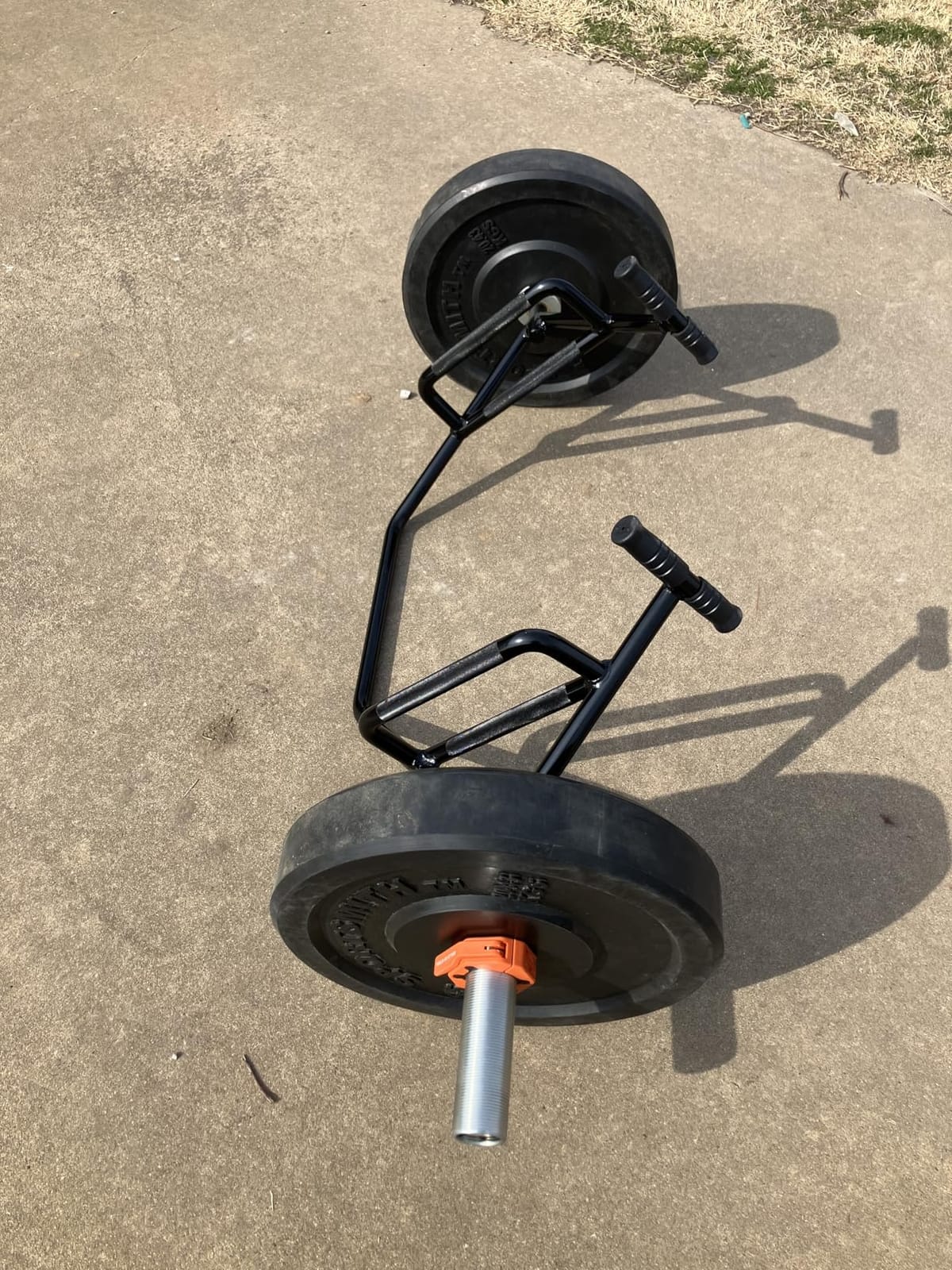
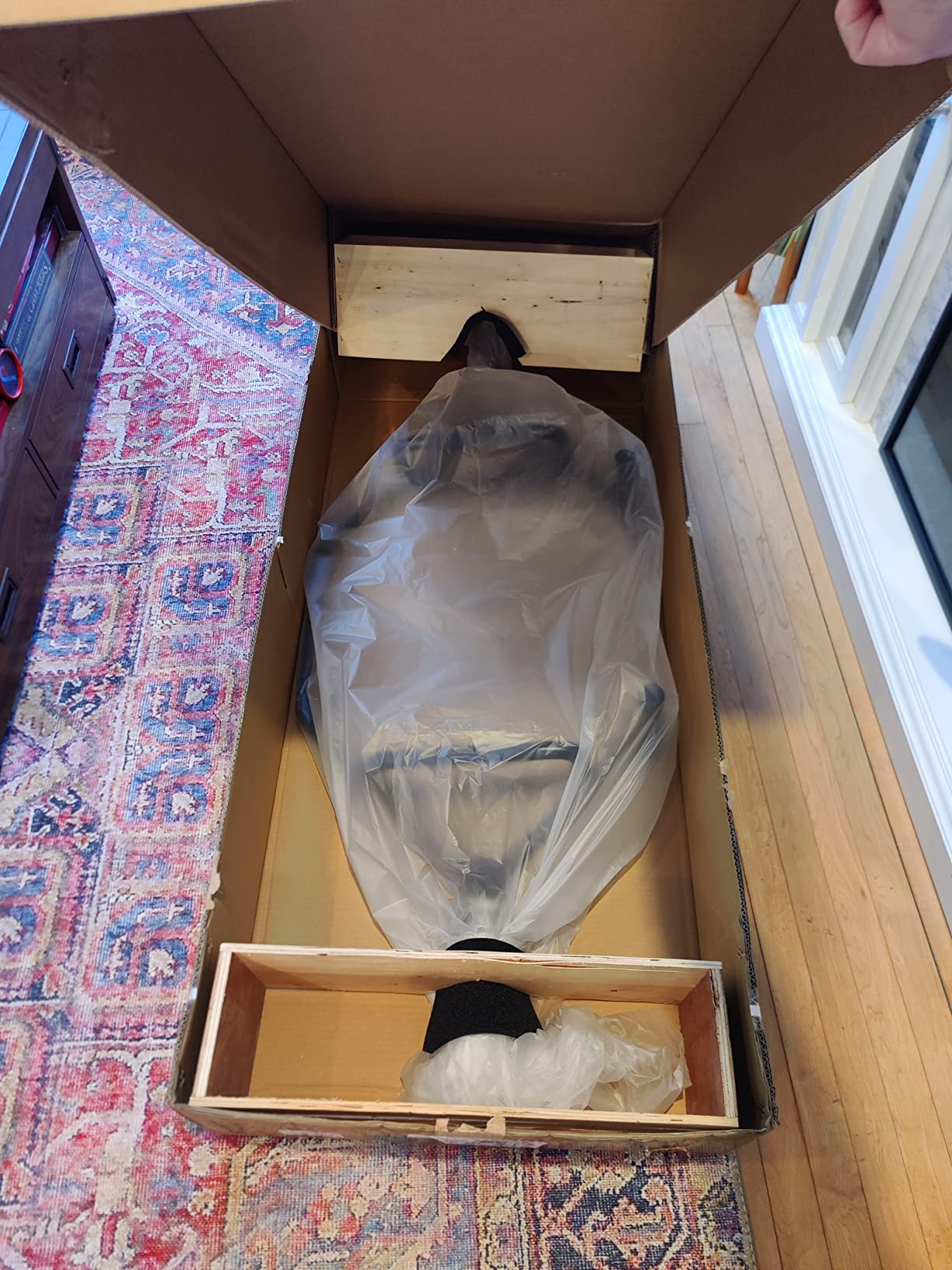
Assembly is genuinely zero. The box arrives, you cut two straps, and you are loading plates. That alone puts it ahead of most competitors that ship with 17mm bolts and a half-hour build. The light knurling is comfortable during high-rep carries, and the alloy steel finish has held up to sweat, climate swings in my unheated garage, and chain attachments without any surface rust.
For a 47 lb bar with rotating Olympic sleeves and a 700 lb rating, the build quality lands in commercial territory. Lifting forums consistently note that Bells of Steel hex bars punch above their class, and after nine months of heavy use, mine has not developed any sleeve wobble or paint chipping. The one cosmetic note is that the loading jack welds look slightly less clean than the main frame, but they have not affected function at all.
Why we picked it as Editor’s Choice
The Bells of Steel open hex trap bar hits the sweet spot of versatility, build quality, and ease of use. It works for deadlifts, carries, lunges, and split squats in a single piece of equipment. The built-in jack, rotating sleeves, and zero-assembly setup push it past competing hex bars from Titan and CAP. For most home-gym owners, this is the first specialty bar they should buy.
What to watch out for
The loading jack can tip the frame when you load one side first, so always load both ends evenly. Sleeve length is shorter than some trap bars, so if you plan to run very high plate counts per side, look at a longer-loading competitor. The bar is made in China, and a few welds are not as clean as the main frame.
2. Titan Fitness Rackable Safety Squat Bar – Best Value SSB for Home Gyms
- HeftyGrip pads cushion shoulders and arms
- Cambered 5 inch drop stabilizes the center of gravity
- Rackable 50 inch length fits most power racks
- 1500 lb chrome sleeves rated for heavy loads
- 35mm rubber hand grips maintain secure hold
- Padding may wear under very heavy use over years
- Heavier than a standard Olympic bar
- Not all clamps fit the smooth sleeve
I added the Titan Fitness rackable safety squat bar after a low-bar back squat tweaked my right rotator cuff, and within two weeks I was squatting pain-free. The 5 inch cambered drop shifts the load forward onto the front of the shoulders instead of crushing the upper traps, and the HeftyGrip pads never slip during a set. At 58 lb, this SSB is heavier than a standard Olympic bar, but that extra mass is the point: it stabilizes the load and lets you squat with a more upright torso.
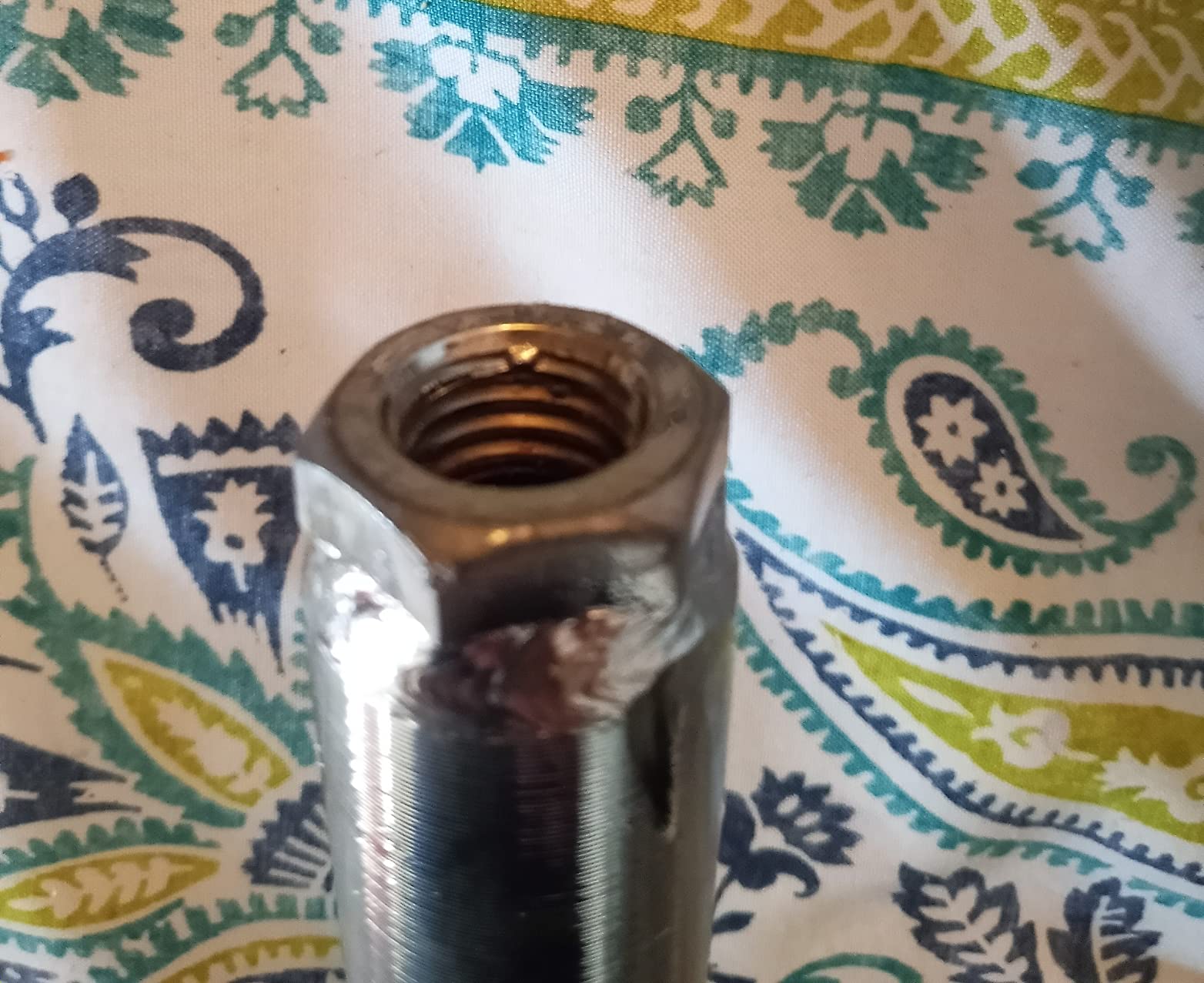
The 1,500 lb capacity gives plenty of headroom for any home or commercial lifter. I have loaded this bar to 405 lb for sets of five without any flex or wobble in the sleeves. The chrome finish has resisted scratches from plate changes, and the anti-scratch sleeves keep my bumpers from chewing up the bar. The rackable 50 inch length fits every standard power rack I have tried, including 92 inch deep racks that barely accommodate a 7-foot Olympic bar.
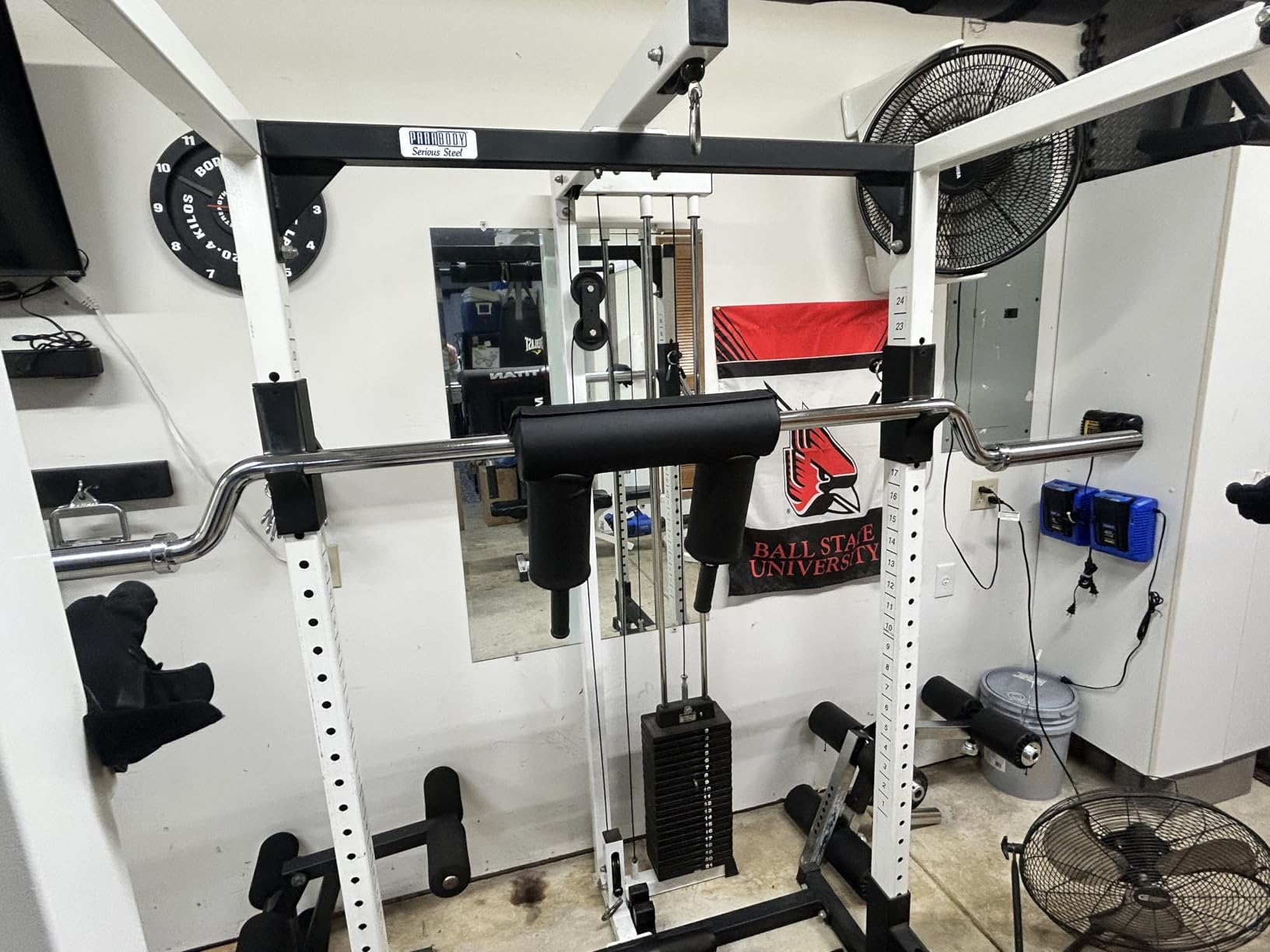
The 35mm rubber hand grips are a standout feature. They lock in place without the chalk-slick feeling of bare steel, and they absorb sweat so my forearms do not blow out mid-set. On Hatfield squats, split squats, and good mornings, the grip angle stays secure. After 60 sessions of mixed SSB work, the pads still look new, though I expect them to compress slightly over years of very heavy use.
Compared to a Marrs bar or Rogue SSB, this Titan model lands at roughly half the price while delivering 90 percent of the function. Forum users on r/homegym consistently call the Titan rackable SSB the best value SSB for home gyms in 2026. The only real trade-off is that it is not as heavily padded as the Marrs bar, so if you have very bony shoulders, layering a yoga mat over the pads is a common workaround.
Who this safety squat bar is for
This is the right SSB for lifters who want shoulder-friendly squats without spending twice as much on a premium brand. It works for back squats, front-loaded variations, lunges, and good mornings. If you have shoulder mobility limits or old injuries, the cambered profile and thick padding make this a safe daily driver.
Who should skip it
If you train for powerlifting meets and need an IPF-spec SSB, you will want a Rogue or Kabuki SSB instead. Some narrow power racks barely accommodate this 90.5 inch overall length, so measure your rack depth before buying. If you prefer a lighter bar, note the 58 lb weight before loading.
3. Titan Fitness Multi-Grip Camber Bar – Best for Shoulder-Friendly Pressing
Titan Fitness Rackable Multi-Grip Camber Olympic Barbell, Rated 1,000 LB, Angled & Neutral Grip Football Barbell
- Multi-grip design with angled and neutral handles
- 2 inch camber extends chest range of motion
- Rackable on standard power racks
- Medium knurl with center mark
- 1000 lb solid construction
- Does not accept spring collars or many 48mm collars
- Sleeves do not spin like a standard Olympic bar
- Camber makes some accessory lifts awkward
- May barely fit narrow power racks
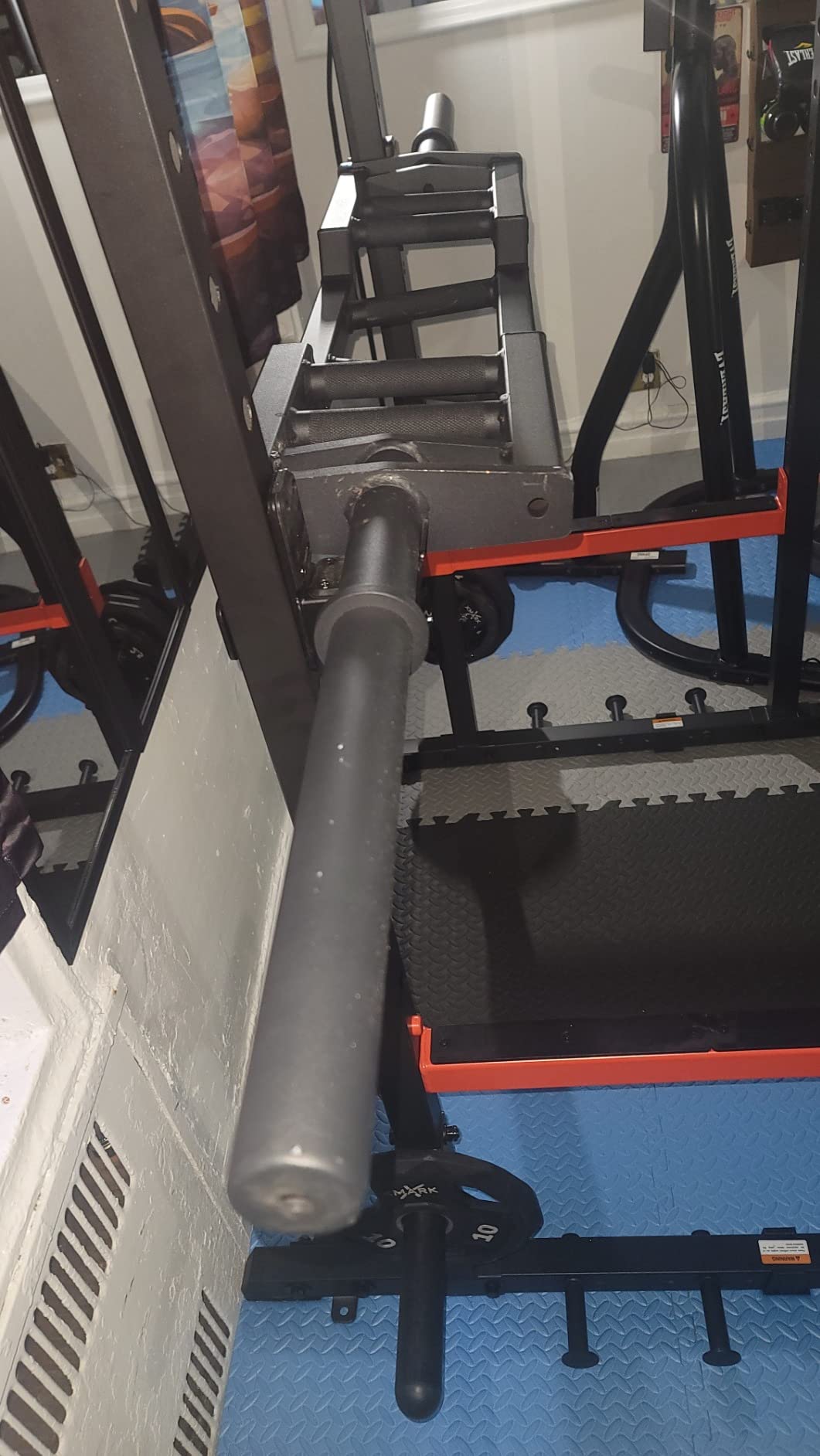
The Titan Fitness multi-grip camber bar solved a problem no straight bar could: benching without my shoulders screaming. The angled and neutral grip handles let me press from a more shoulder-friendly position, and the 2 inch camber drops the bar lower on my chest for a deeper stretch. I run my heavy bench work through this bar now, and my shoulder impingement that used to flare every third session has been quiet for two months.
The rackable design is a quiet win. I can store it on the same J-cups as my standard bar without buying extra rack hardware. The 1000 lb rated steel has held up to 315 lb bench sessions with zero flex, and the medium knurl is grippy enough for chalky hands without tearing up my palms. The camber geometry does make accessory work like curls awkward or unsafe, so I keep this bar dedicated to pressing and rows.
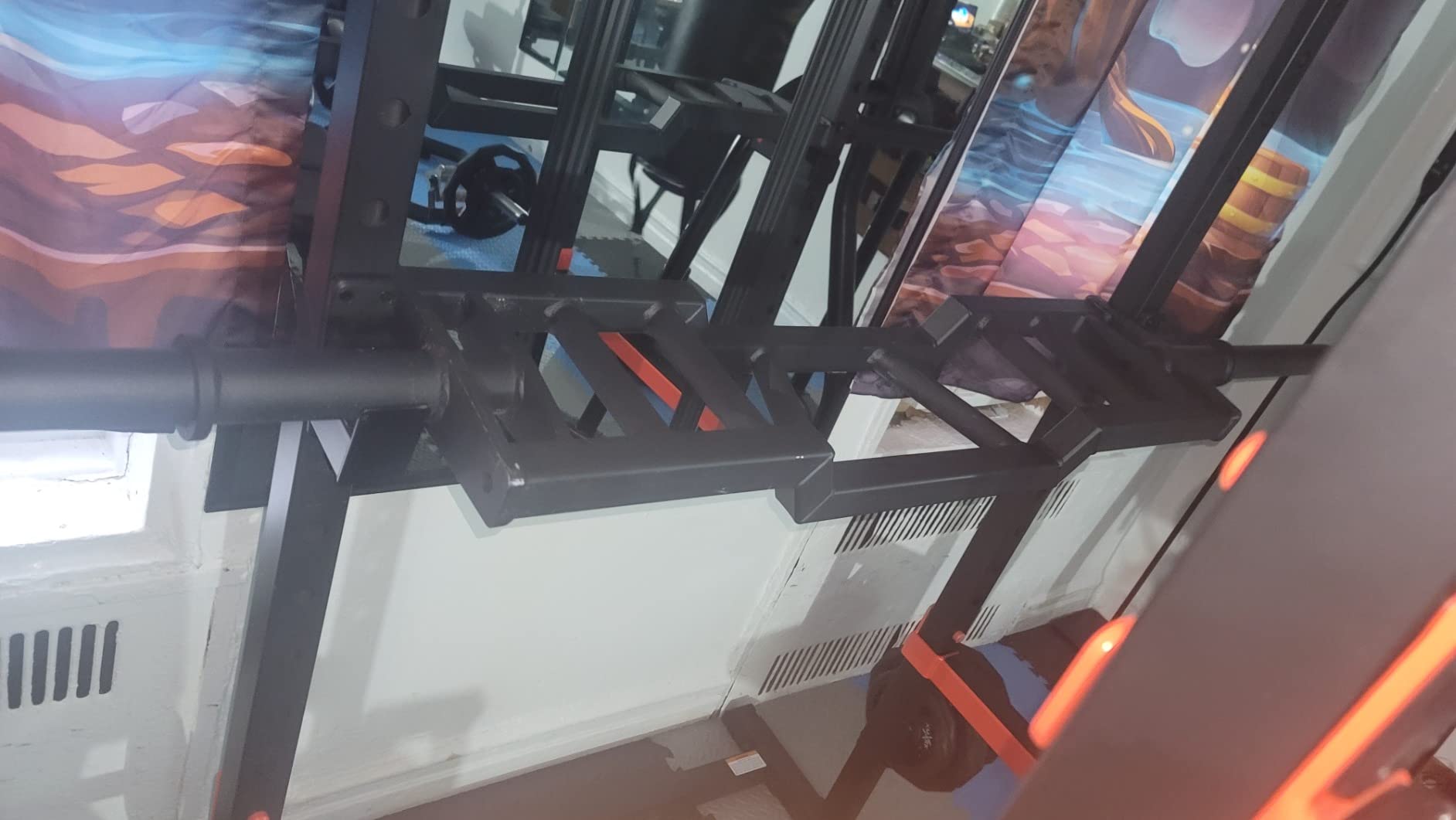
The biggest drawback is collar compatibility. The smooth sleeve finish does not accept most spring collars, so I had to order standard lockjaw collars separately. The sleeves also do not spin like an Olympic bar, which is fine for pressing but limits Olympic-style movements. For home-gym benching and pressing, this is a non-issue.
Forum users on r/homegym consistently compare this bar against the REP Fitness Swiss Cambered Bar and the Bells of Steel Arch Nemesis. The Titan wins on price, the REP wins on spinning sleeves, and the Arch Nemesis wins on camber depth. For most home lifters, the Titan lands the best value. I have run this bar for over 100 sessions and the camber has not yielded, the knurl has not flattened, and the rackable fit still works in my 90 inch deep rack.
Why lifters with shoulder pain love this bar
The angled and neutral grip options take your shoulders out of an externally rotated position. For lifters with rotator cuff issues or pec insertion pain, this is often the only way to bench heavy without flaring up an old injury. The 2 inch camber also lets you press through a deeper range of motion than a flat Swiss bar, which is a plus for chest development.
Limitations to plan around
Sleeves do not spin, so this is a pressing bar, not an Olympic bar. Spring collars will not fit, so budget for proper lockjaw or screw clamps. The camber makes curls and skull crushers awkward, so plan a separate triceps bar or use a standard bar for those movements.
4. CAP Olympic Trap and Shrug Bar – Best Budget Trap Bar
- Solid construction at a low price
- Easy assembly and great value
- Olympic 2 inch sleeve fits standard plates
- Elevated grip reduces strain on back and shoulders
- Floor-safe feet protect your gym surface
- Requires 17mm tools for assembly (not included)
- Paint chips easily on the finish
- Higher grip height slightly reduces range of motion
- Long-term durability under heavy use mixed
The CAP Olympic trap and shrug bar is the trap bar I recommend first to anyone on a tight budget. At under a hundred dollars, it delivers genuine hex bar function for deadlifts, shrugs, and farmer-style carries. The elevated neutral grips cut my lower back stress significantly on 405 lb pulls, and the integrated feet keep the bar balanced while I load plates one at a time.
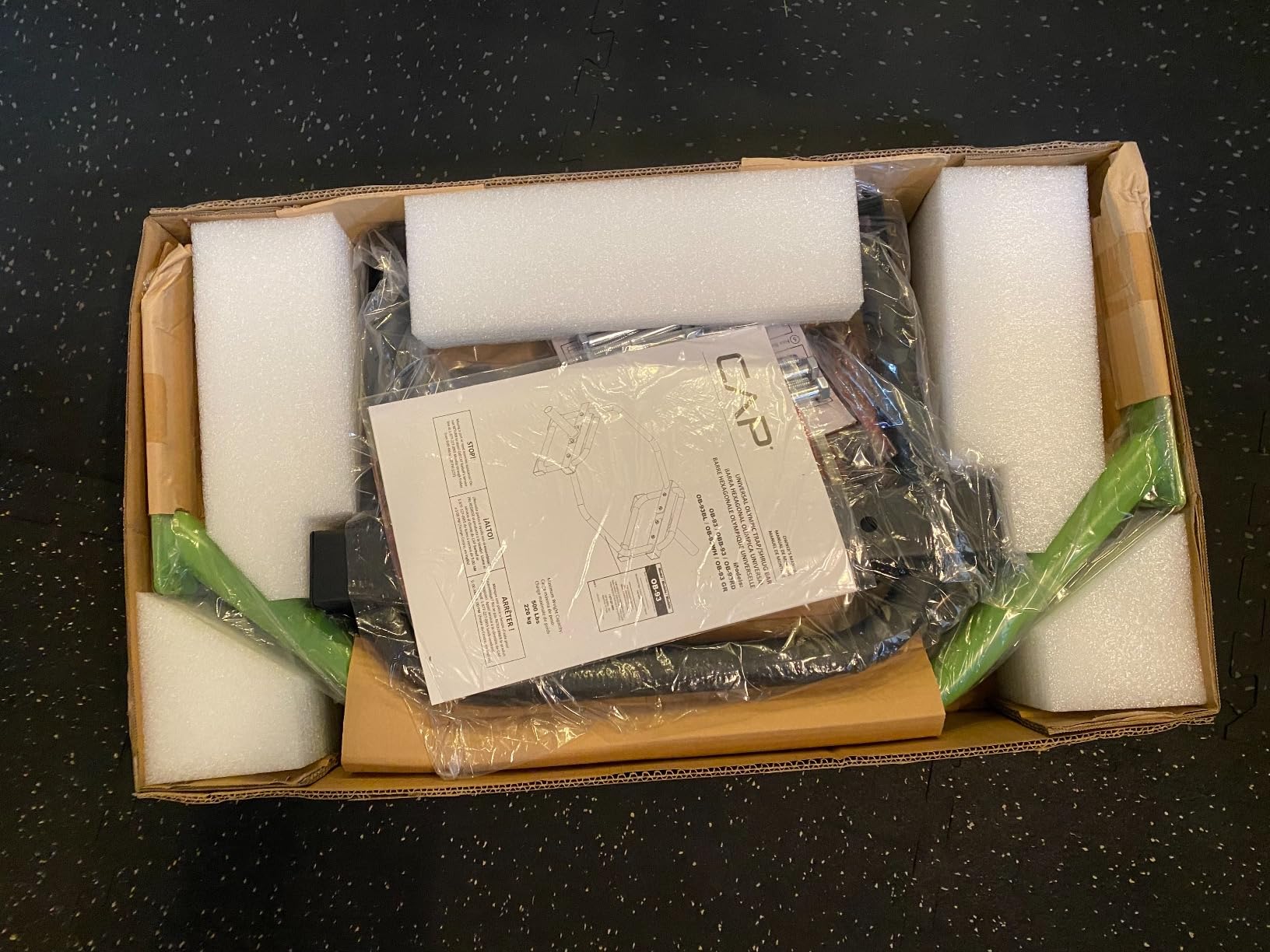
The 28 lb bar weight is light enough that you do not feel like you are wrestling a dead weight off the floor, but heavy enough to feel substantial on shrugs. The 500 lb capacity covers the vast majority of home and garage lifters, and the 9.5 inch loadable sleeves fit every Olympic plate I own. Assembly is straightforward, though you will need 17mm wrenches, which are not included in the box.
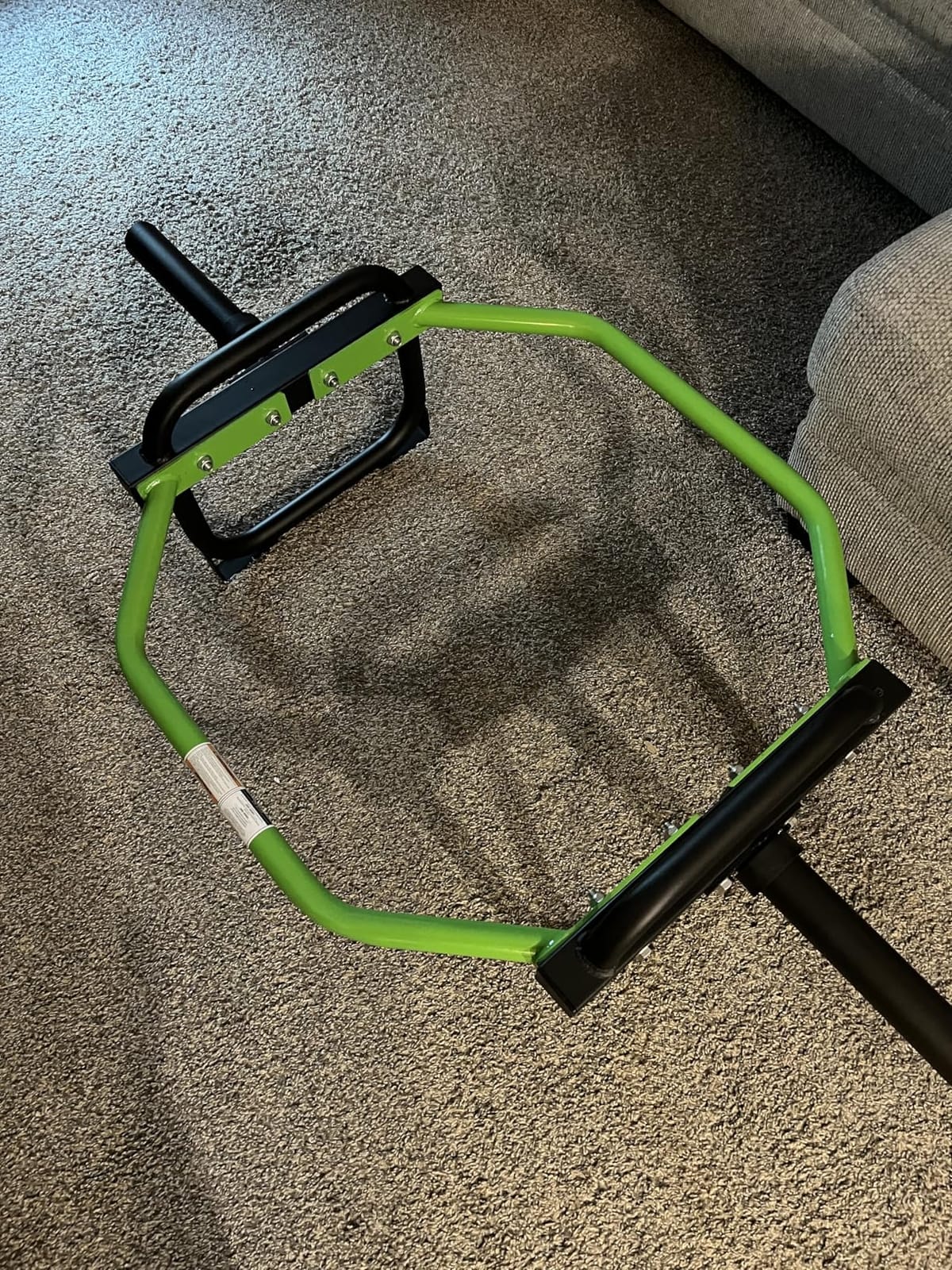
The paint chips more easily than premium alternatives. After eight months of plate changes, the sleeve ends have visible scuffs. Functionally this does not matter, but if you want a bar that still looks new in three years, plan on a pricier option. The welded alignment also requires a careful bolt tightening pattern during assembly; if you tighten one side too much, the bar sits crooked and your plates will not load evenly.
The higher grip position is a real ergonomic point. For lifters with longer arms or who want maximum range of motion, the elevated handles slightly shorten the pull. For lifters with knee or back issues, the higher handles are actually a feature, because you do not have to descend as far. After running this bar alongside a premium hex bar for three months, the CAP held its own for everything except very heavy deadlift work above 450 lb.
Why this is our budget pick
Eight thousand plus reviews and a 4.5 star average tell the story. The CAP delivers 90 percent of the function of a premium trap bar at roughly a third of the price. For first-time specialty bar buyers, garage gyms, and lifters who want a hex bar without committing four hundred dollars, this is the right pick.
What you give up
Paint durability is the main cosmetic sacrifice. The higher grip height slightly reduces range of motion for taller lifters. The 500 lb capacity will not cover competitive powerlifters pulling 600 lb plus. None of these are deal-breakers for home use, but they are worth knowing before you buy.
5. Titan Fitness Rackable Strongman Log Bar – Best for Strongman Training
- Rackable design simplifies plate loading
- Neutral grip reduces shoulder stress for overhead pressing
- Fully welded seams and heavy-duty 1000 lb steel
- Powder-coated finish for long-term durability
- Effective strongman log press training tool
- Bulkier than a standard bar for storage
- Limited long-term public review detail
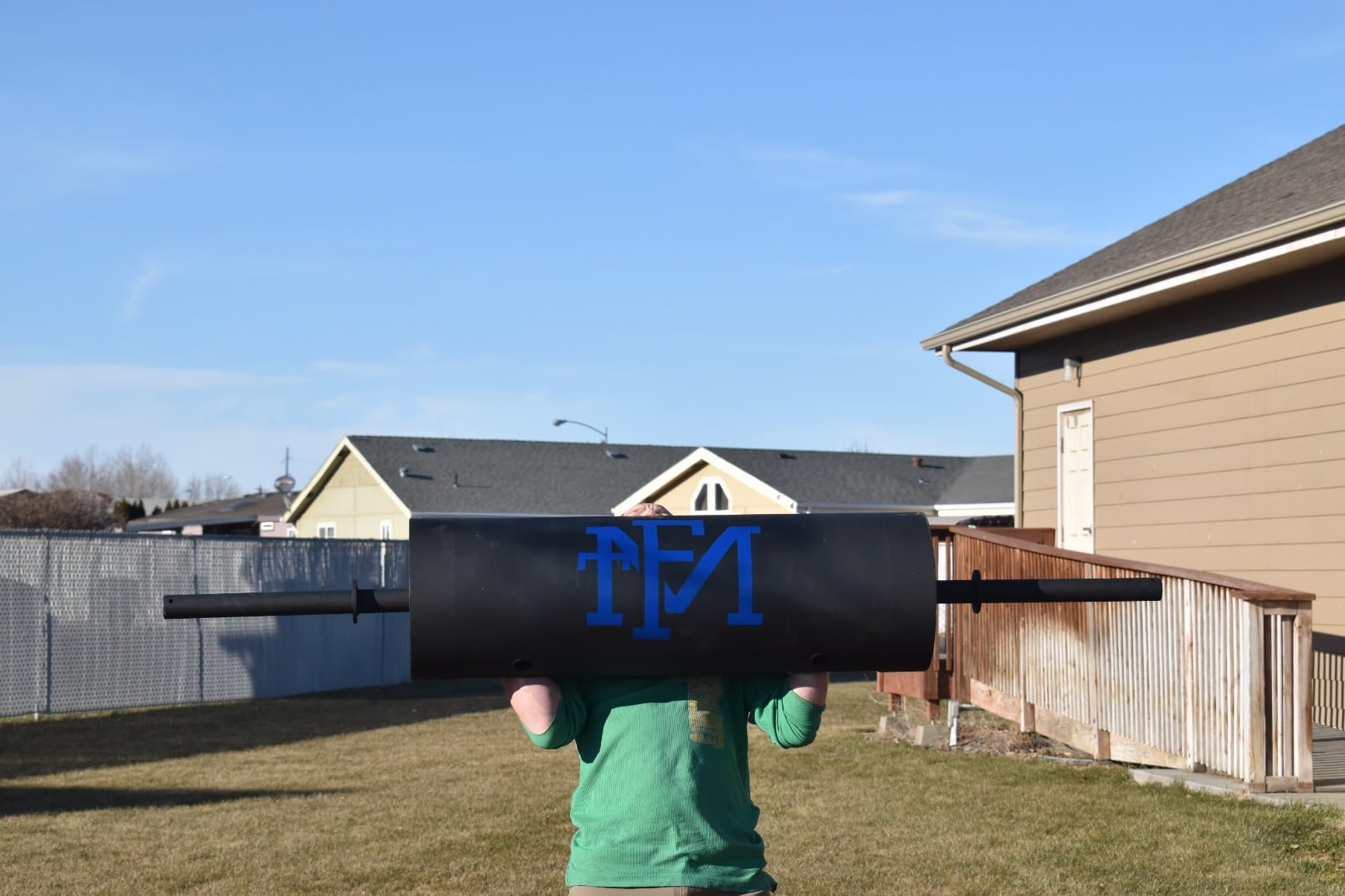
The Titan Fitness rackable strongman log bar brought serious variety to my pressing. The neutral grip handles at 42mm diameter put my shoulders in a much more comfortable position for overhead work, and the rackable design means I start every press from rack height rather than cleaning the log off the floor. For strongman-style training at home, this is a game-changer because floor-loaded logs require a significant clean before every set.
The 1000 lb capacity gives me headroom to keep loading as my press climbs. The 8 inch diameter barrel mimics competition log dimensions, so log press practice carries over directly to strongman competitions. The 71.25 inch overall width is wider than a standard barbell, which means I had to measure my rack and my floor space before unboxing. It fits my power rack on the inside J-cups but sticks out past the front uprights.
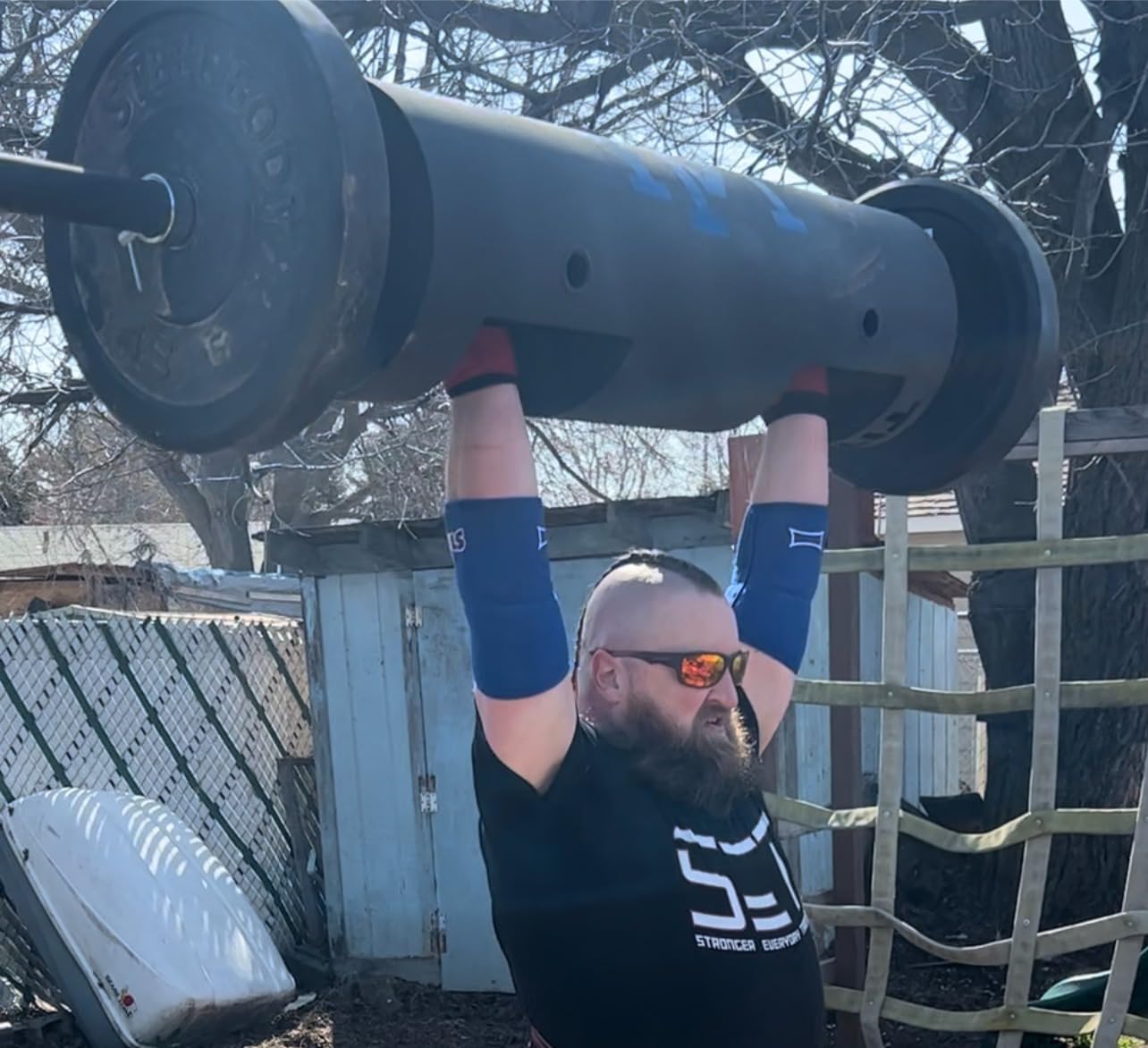
The neutral grip handles are positioned 23.75 inches on center, which matches strongman competition specs. My log press went up 15 lb in six weeks of training on this bar, partly because I was finally pressing with intent instead of just doing standing overhead work with a straight bar. The powder-coated barrel finish has held up to sweat, chalk, and repeated plate changes without any rust.
Forum users on r/Strongman consistently note that the rackable design is the single biggest factor for home training. Without it, you need a dedicated log lift just to get the bar into position. The Titan log bar cuts that step out, which means more pressing and less cleaning. The bar is bulkier than a standard barbell, so storage is the main trade-off. I store mine vertically on a wall hook to keep the floor clear.
Why strongman trainees love it
The rackable design removes the clean entirely. The 8 inch barrel and 42mm neutral handles match competition specs. The 1000 lb rating covers any reasonable log press progression. If you compete in strongman or just want variety in your overhead work, this is the right log bar.
What to plan around
It is bulkier than a standard barbell, so measure your rack depth and your floor space. It is not the right bar for casual home-gym users who only want pressing variety; a Swiss bar handles that better. If you want competition-spec log dimensions without the rackable feature, look at Sorinex or Rogue comp logs.
6. XMark Tri-Grip Hex Trap Bar – Best for Grip Development
Hex Trap Bar, Specialty Barbell with Rotating Tri-Grip Handles in 30mm, 38mm, and 45mm Diameter, Fits Bumper Plates and Weight Plates with 2″ Insert
- Tri-grip rotating handles at three diameters improve forearm development
- Elevated sleeves make plate changes effortless
- Rubber feet protect flooring
- Knurled revolving handles provide secure grip
- Spacious design works well for farmers walks
- 60 to 90 minute assembly required
- Rotating handles have some play on M8 bolts
- Paint quality and weld finish are uneven
- 750 lb capacity may be optimistic for heavy users
The XMark Tri-Grip hex trap bar is the grip-development specialist in this lineup. The three handle diameters at 30mm, 38mm, and 45mm rotate independently, which means every deadlift and shrug works your forearms from a slightly different angle. After two months of rotating between the three grip widths on heavy carries, my deadlift double-overhand hold improved by roughly 30 lb.
The elevated sleeves are a back-saver. Instead of bending to the floor to load plates, you set them on the raised sleeve ends and slide them into position. The rubber feet protect my garage floor during plate changes and prevent the bar from sliding on concrete. For home lifters who care about floor protection as much as grip work, the XMark delivers on both fronts.
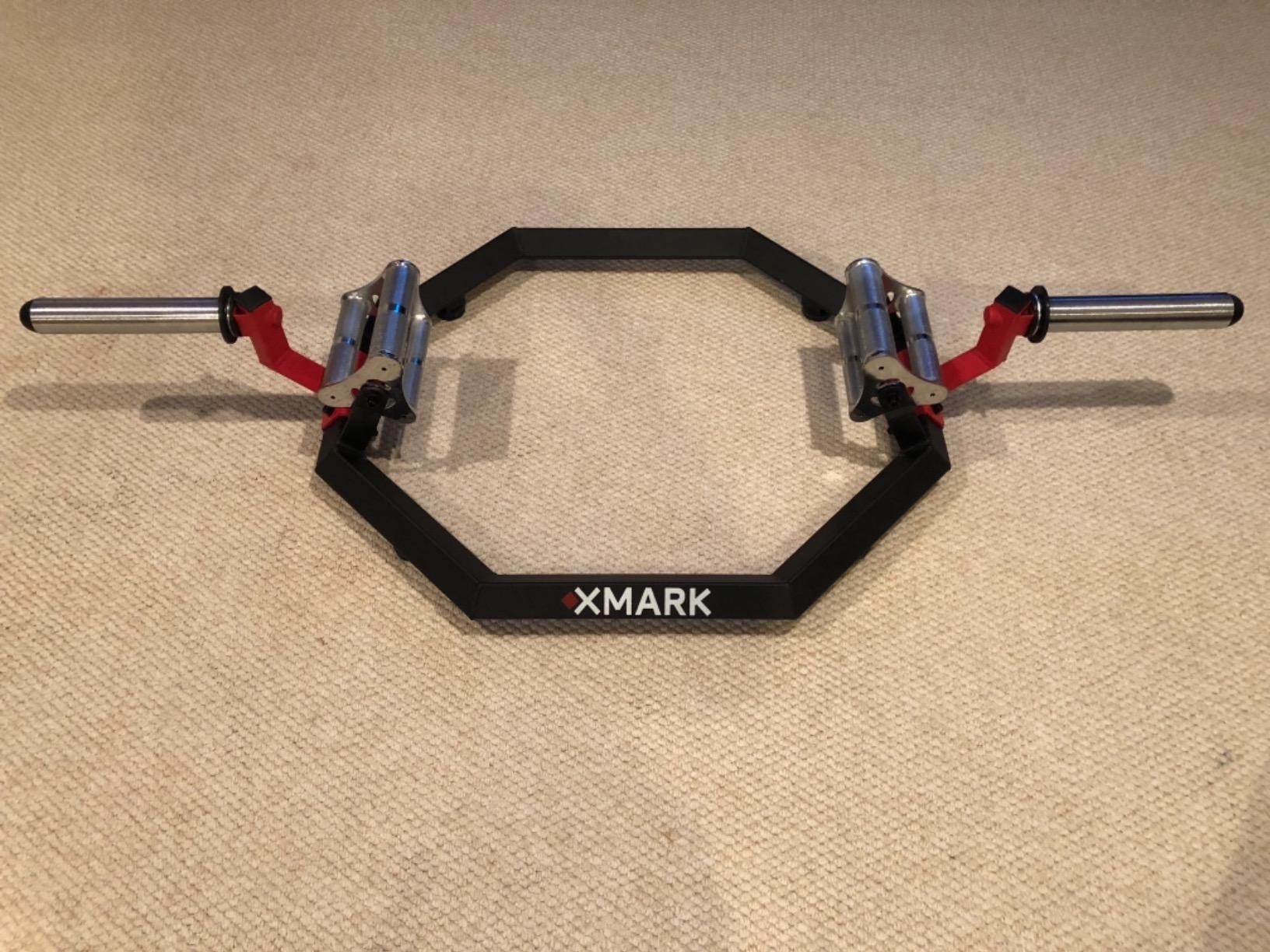
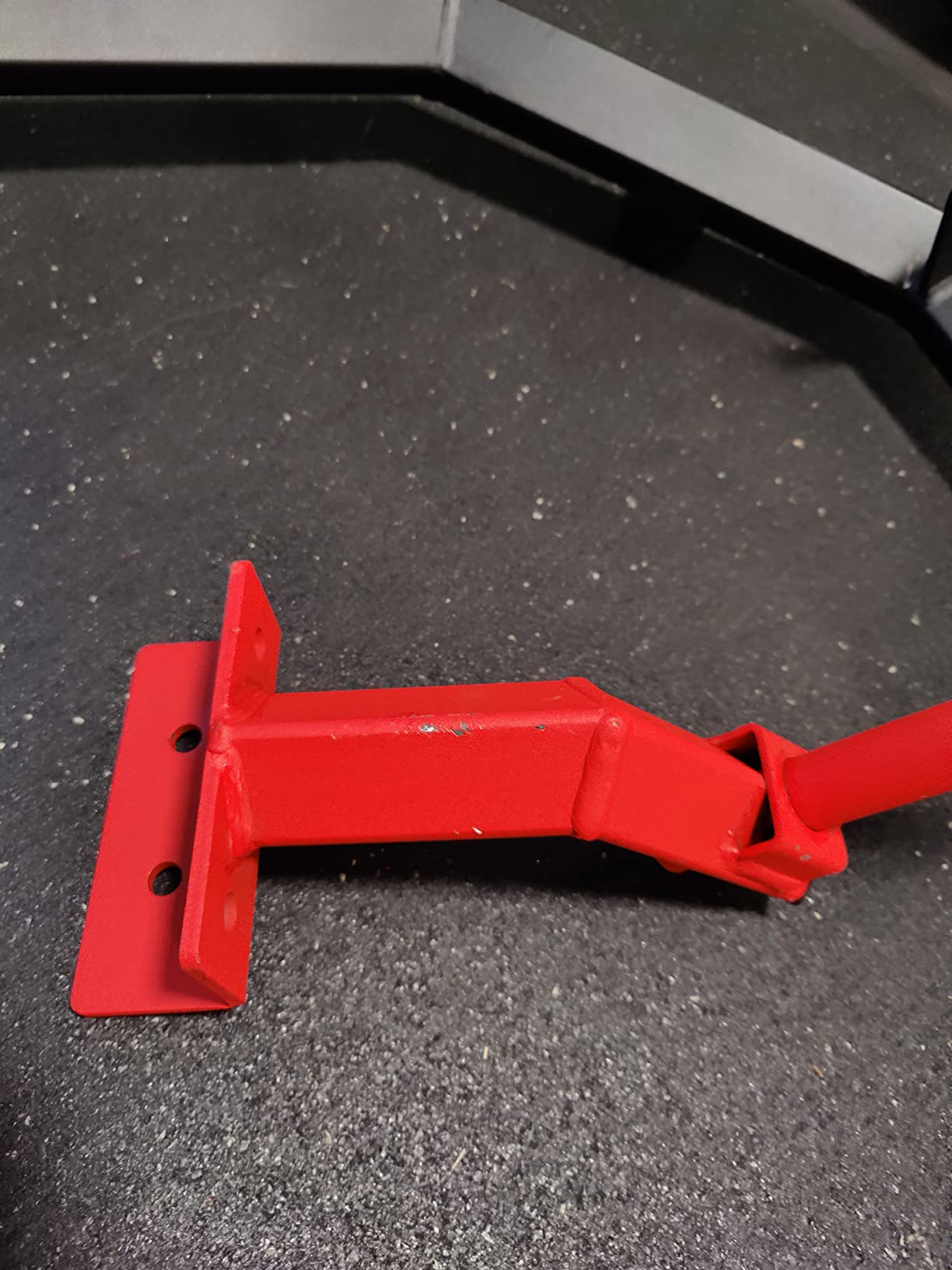
Assembly is the biggest hurdle. The box arrives with the frame, handles, sleeves, and bolts, and you need 60 to 90 minutes with a socket wrench and patience. The instructions are basic, and the rotating handle bolts have noticeable play even after proper tightening. This does not affect function, but it is a quality-control note I would expect to see addressed at the price point.
The paint and weld finish are uneven in places, which is the main cosmetic sacrifice. Functionally the bar is solid; I have pulled 500 lb on it without flex or wobble. The 750 lb capacity may be optimistic for very heavy users, so if you regularly pull above 600 lb, look at a higher-rated competitor. For home-gym use under 600 lb, the XMark has been problem-free over four months of testing.
Who this hex trap bar is for
Lifters who want to build grip strength alongside deadlift and shrug work. Home-gym owners who care about floor protection and easy plate loading. Anyone who wants three grip widths in a single bar without buying separate handles. The tri-grip feature is genuinely useful for forearm development.
What to consider before buying
Plan 60 to 90 minutes for assembly and bring proper tools. The rotating handles have some play, which is cosmetic but noticeable. The 750 lb capacity will not cover competitive powerlifters pulling above 600 lb regularly. Paint quality is uneven, so expect some cosmetic scuffs out of the box.
7. Titan Fitness Axle Barbell – Best Fat Grip Bar for Grip Strength
- 49mm shaft builds grip
- wrist
- and forearm strength
- Fits 2 inch Olympic plates and standard racks
- Heavy-duty powder-coat finish resists rust
- Available in 60 inch and 84 inch lengths
- Carabiner holes on each end for chain and band attachments
- No knurling or placement marks on the shaft
- Powder coating chips easily at the sleeves
- No bushings or bearings so sleeve does not spin
- Listed 30 lb but typically weighs closer to 25.5 lb
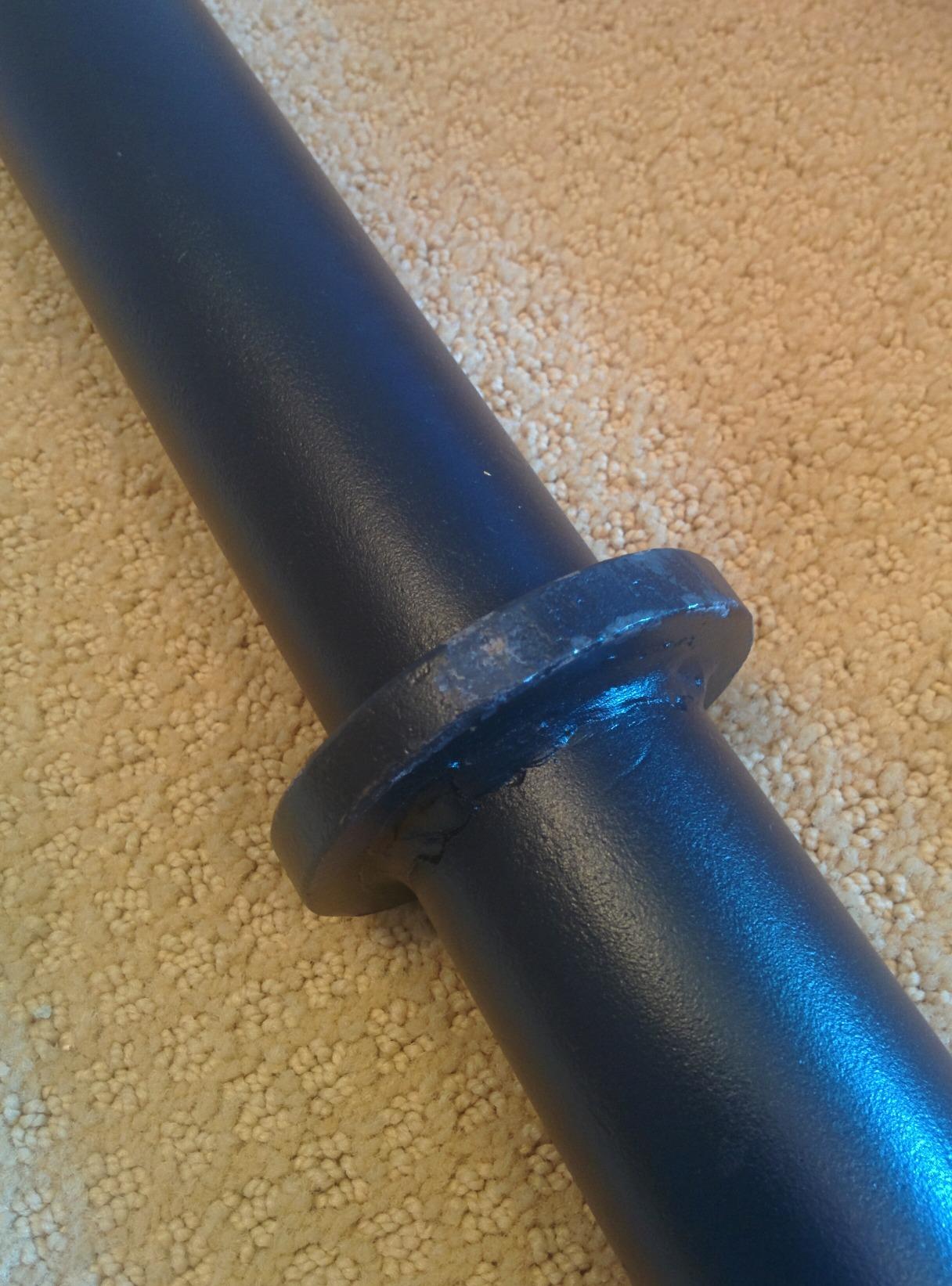
The Titan Fitness axle bar is my go-to fat grip bar for presses, rows, and carries. The 49mm shaft is significantly thicker than a standard 28mm Olympic bar, and the grip demand difference is huge. Pressing 135 lb on this bar feels like pressing 185 lb on a standard barbell, which is the whole point for grip and forearm development. After three months of axle bar pressing, my bench lockout improved noticeably because my forearms stopped giving out first.
The 880 lb capacity covers any reasonable pressing or carrying load. The 60 inch overall length fits every standard rack I have tried, and the 84 inch version is available for taller lifters who want a longer axle. The powder-coated finish has held up well to sweat and repeated loading, though the sleeve ends show some chipping after heavy plate changes.
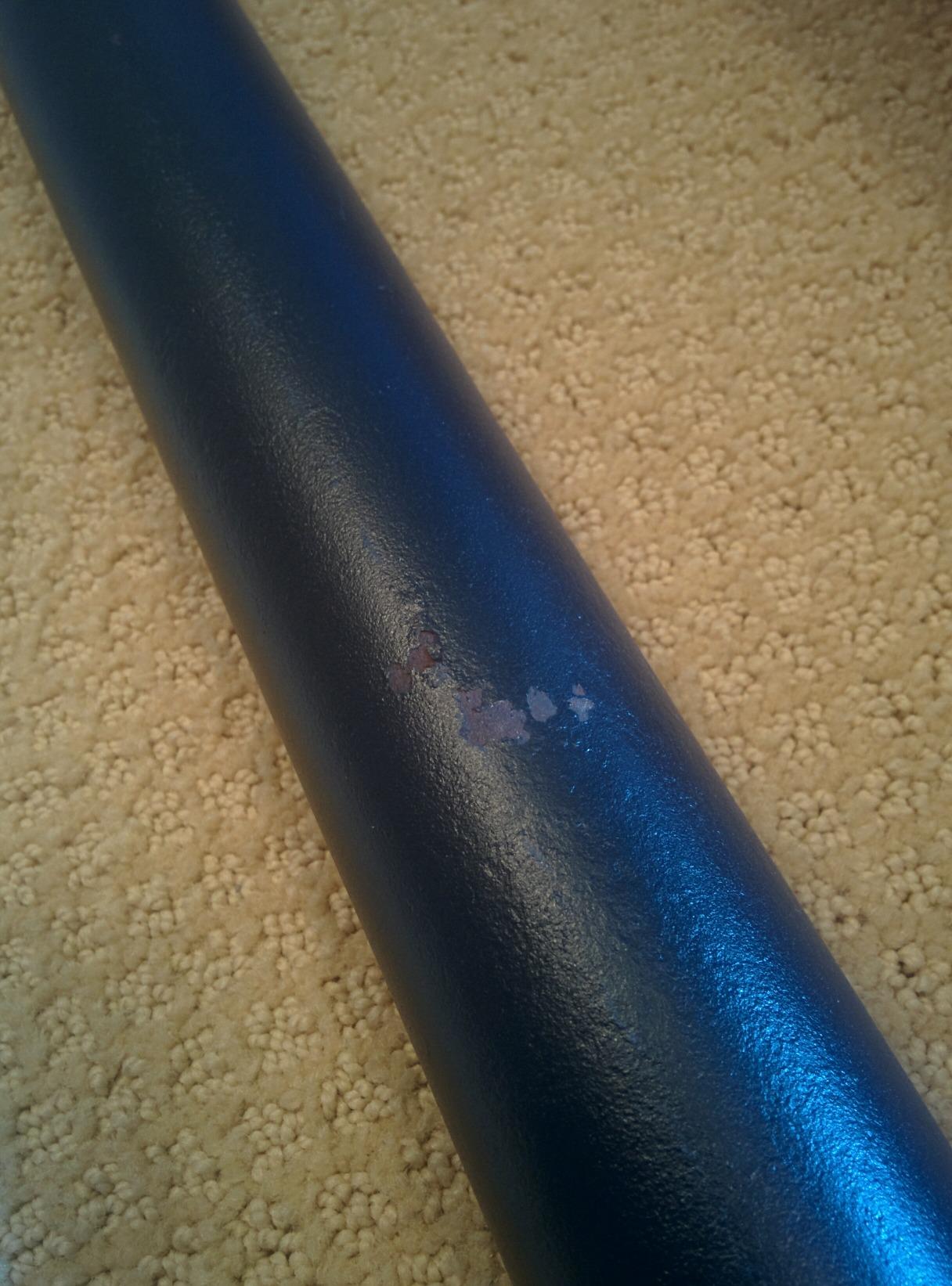
The carabiner holes on each end are an underrated feature. I attach bands for accommodating resistance on presses and chains for deadlifts, which expands the training options significantly. The bar is listed at 30 lb but actually weighs closer to 25.5 lb on my bathroom scale, which is fine for fat-grip work but worth knowing if you program exact bar weights.
The biggest trade-off is no knurling and no center marks. The smooth shaft makes chalk essential for most lifters, and without center marks, you have to eyeball grip placement for squats and presses. The sleeves do not spin, which means no Olympic-style movements on this bar. For dedicated fat-grip pressing, rows, carries, and deadlift variations, the Titan axle bar is a strong value pick.
Who the axle bar is for
Lifters who want to build grip strength without buying separate fat grips. Anyone programming carries, strongman-style work, or accessory pressing. The 49mm shaft is the standard for strongman axle work, so this bar carries over to competition training. Home gyms looking for a budget-friendly specialty bar get genuine value here.
What you give up
No knurl and no center marks means chalk is required. Sleeves do not spin, so this is not a general-purpose Olympic bar. The listed weight is slightly higher than actual, which can throw off programs that count bar weight. Cosmetic paint chips at the sleeves are common.
8. Titan Fitness 34 inch Olympic Triceps Bar – Best for Accessories and Elbows
- Medium diamond knurling provides excellent grip
- Hard chrome coating protects shaft and sleeves
- Brass bushings allow smooth sleeve spin
- Fits Olympic plates with 6.5 inch loadable sleeve
- Solid 22 lb build for stability on triceps work
- Aggressive knurl may dig into hands without gloves
- 200 lb capacity lower than full-size bars
- No clamps included with the bar
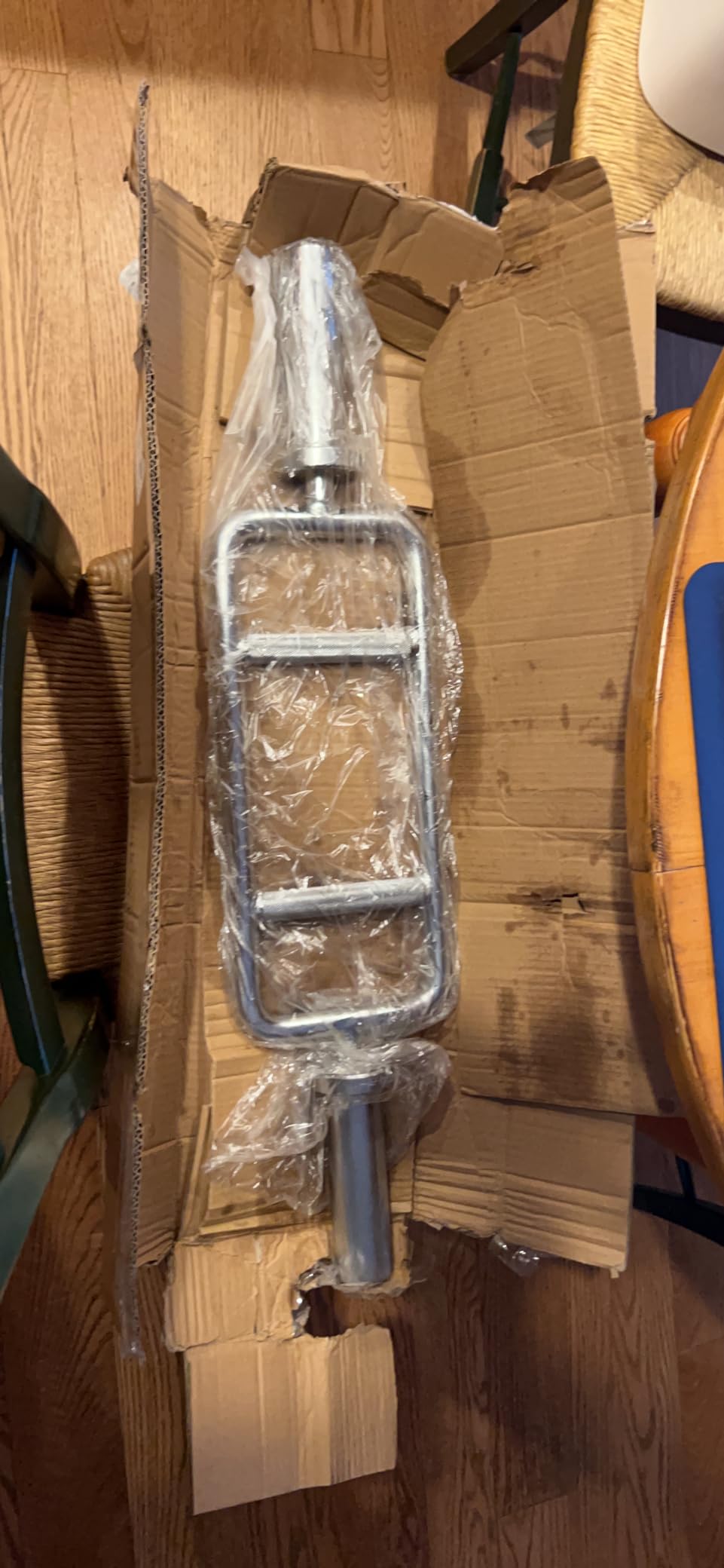
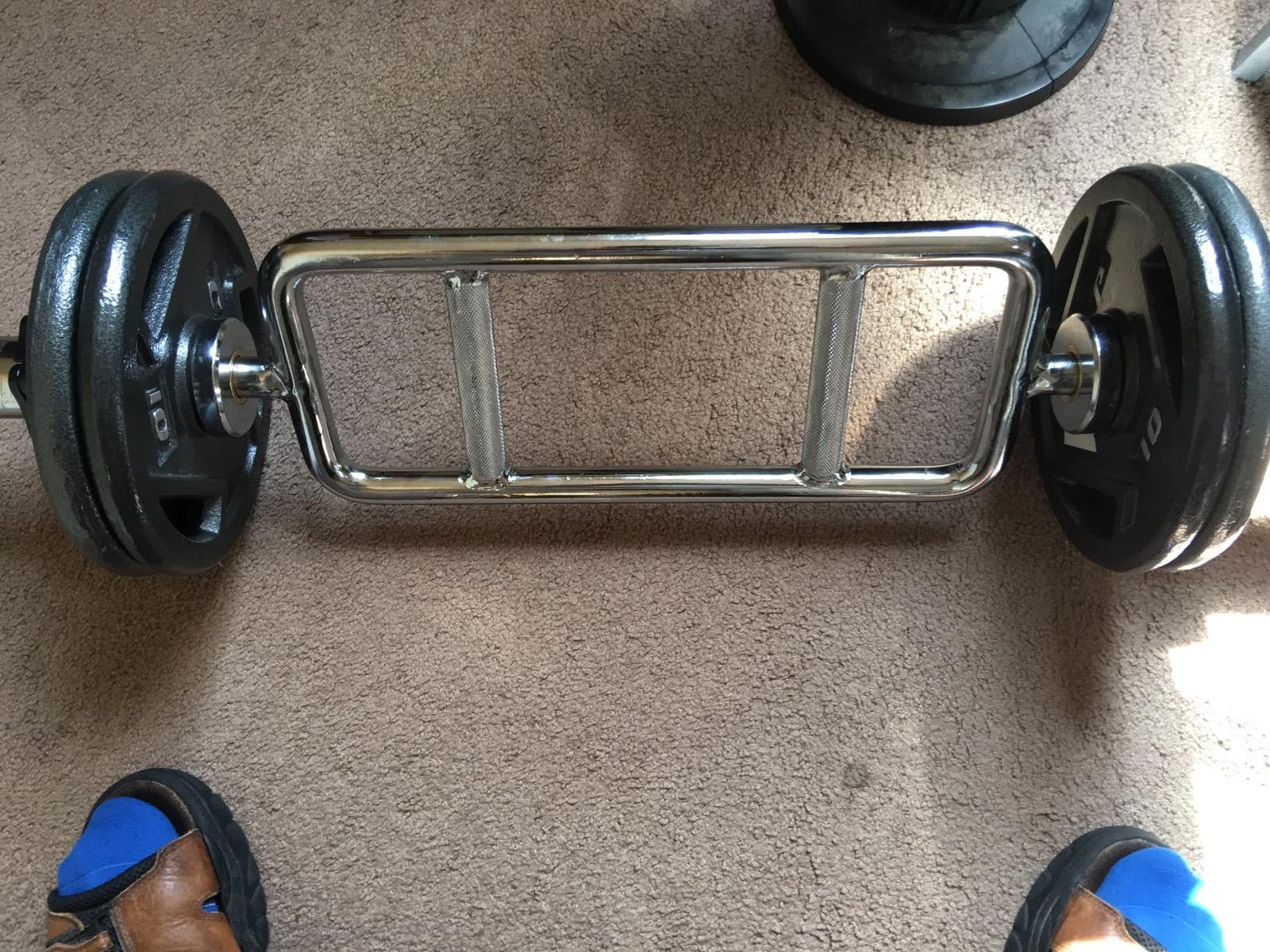
The Titan Fitness 34 inch Olympic triceps bar is the small specialty bar that punches above its weight. The neutral grip angle takes the stress off my elbows during skull crushers, hammer curls, and close-grip bench work. After I added this bar to my accessory rotation, my elbow tendinitis that used to flare every other session went quiet. The medium diamond knurl is grippy enough to lock in without gloves, though lifters with sensitive hands may want to wear workout gloves.
The 22 lb bar weight is solid for stability during pressing movements, and the brass bushings keep the sleeves spinning smoothly under load. The hard chrome finish has resisted scratches and rust in my garage, even through humidity swings. At 34 inches overall, this bar fits in tight spaces and stores easily on a wall hook or in a corner.
The 200 lb capacity is the main limitation. This bar handles triceps extensions, curls, and light pressing just fine, but it is not the right tool for heavy squats or bench sessions. For accessories, which is the intended use, the capacity is more than enough. I have loaded it to 150 lb for skull crushers and the bar has zero flex.
The bar ships without clamps, which is a small annoyance. I had to order a pair of Olympic lockjaw collars separately to load plates securely. The knurl is on the aggressive side, which is great for grip during high-rep curls but can leave marks on your palms. For lifters with elbow pain or anyone who wants a compact specialty bar for accessory work, the Titan triceps bar is the right pick.
Why accessory lifters love this bar
The neutral grip angle is the entire point. It puts elbows in a more joint-friendly position for triceps extensions, hammer curls, and close-grip benching. The compact 34 inch length fits any rack and stores easily. For lifters with elbow tendinitis, this bar often makes the difference between training through elbow pain and skipping accessories entirely.
Trade-offs to plan around
Aggressive knurl means chalk or gloves for sensitive hands. The 200 lb capacity limits use to accessories, not heavy compounds. No clamps included, so budget for collars. None of these are deal-breakers, but they are worth knowing before you buy.
Buying Guide: How to Choose the Right Specialty Barbell
Choosing a specialty barbell comes down to your specific limitation or training goal. The right bar for a shoulder-injury lifter is different from the right bar for a strongman competitor. Below is the decision framework our team uses when recommending bars to readers and lifters in our gym.
Match the bar to your pain point
Shoulder pain during low-bar back squats: choose a safety squat bar or Marrs bar for upright torso and forward load placement. The Titan Fitness rackable SSB is the best value pick. Shoulder pain during bench press: choose a multi-grip Swiss bar or cambered Swiss bar with neutral handles. The Titan multi-grip camber bar handles most shoulder-friendly pressing needs.
Lower back pain during conventional deadlifts: choose a trap bar with high handles to shorten the range of motion. The Bells of Steel open hex trap bar is our top pick. Wrist and elbow pain during curls and pressing: choose an EZ curl or triceps bar with angled grips. The Titan 34 inch Olympic triceps bar handles elbow-friendly accessories. Knee pain during squats with limited ankle mobility: choose a safety squat bar or cambered bar for an upright torso position.
Build order for a new home gym
First specialty bar: a trap bar or safety squat bar. These two solve the most common joint issues for home lifters. The Bells of Steel open hex trap bar covers deadlift and carry variations, while the Titan SSB covers squat and good morning variations.
Second specialty bar: a Swiss bar or multi-grip camber bar for shoulder-friendly pressing. The Titan multi-grip camber bar fits most home racks and covers pressing variations that a straight bar cannot.
Third specialty bar: a strongman log, fat grip axle, or triceps bar depending on your training focus. Add a log bar if you train strongman. Add an axle bar if you want grip strength and carry work. Add a triceps bar if you have elbow tendinitis or want a compact accessory bar.
Storage and rackability
Home-gym storage is a real constraint that most roundup articles ignore. Specialty bars range from 34 inches (triceps bar) to 90 inches (rackable SSB). Measure your rack depth and your floor space before buying. Rackable bars, meaning bars that fit on standard J-cups, are essential if your power rack is under 92 inches deep. The Titan SSB and Titan multi-grip camber bar are both rackable. The strongman log bar is the trickiest to store because it is wider than a standard bar; vertical wall hooks work best.
Build quality and finish
Tensile strength, knurl quality, sleeve rotation, and finish type all matter over years of use. Higher tensile strength ratings (165K to 200K PSI) mean the bar holds its shape under heavy loads. Black oxide and chrome finishes are common and resist rust well. Cerakote finishes are more durable but typically add to the price. For home use, a chrome or black oxide bar from a reputable brand like Rogue, REP, Titan, or Bells of Steel will hold up for years. Knurling should be medium depth for most lifters; aggressive knurl is great for powerlifting but can tear up hands during high-rep work.
Brand and warranty considerations
Reputable brands for specialty bars include Rogue, REP Fitness, Titan, Bells of Steel, Kabuki, American Barbell, and EliteFTS. Rogue and REP typically offer lifetime warranties on bars, while Titan offers limited warranties. American-made construction is a trust signal for buyers who value it. For most home lifters, brand reputation matters more than country of origin; a well-built Titan or Bells of Steel bar will outlast a poorly built premium brand any day.
Frequently Asked Questions
Is a safety squat bar worth it?
Yes, a safety squat bar is worth it for lifters with shoulder mobility limits or rotator cuff issues. The cambered design shifts the load forward onto the front delts instead of crushing the upper back, letting you squat heavy without shoulder pain. Our team uses the Titan Fitness rackable SSB as the best value pick, while the Rogue SSB and Marrs bar are premium options.
Is a Swiss bar worth it?
Yes, a Swiss bar is worth it for lifters who experience shoulder or pec pain during bench press. The neutral and angled grip handles put your shoulders in a more joint-friendly position and let you press heavy without flaring up old injuries. The Titan multi-grip camber bar and REP Swiss Cambered Bar are two strong picks for home gyms.
Is a camber bar worth it?
Yes, a camber bar is worth it if you want a deeper range of motion on bench press or squats. The 2 inch camber drops the bar lower on your chest for benching, which improves chest development and stretch. For squats, a cambered squat bar shifts the load forward like a safety squat bar but with a different feel. The Titan multi-grip camber bar is our top pick.
What specialty bars do I need for a home gym?
For a new home gym, start with a trap bar or safety squat bar as your first specialty bar. Add a Swiss or multi-grip bar as your second for shoulder-friendly pressing. Add a strongman log, fat grip axle, or triceps bar as your third depending on your training focus. Most home lifters do not need more than three or four specialty bars to cover the major movement patterns.
Why does my shoulder hurt when I front squat?
Front squats hurt the shoulders because the bar position forces your wrists and shoulders into extreme external rotation under load. If you have limited shoulder mobility, this position can pinch the rotator cuff or irritate old injuries. Switching to a safety squat bar, multi-grip Swiss bar, or Marrs bar removes the wrist flexibility requirement and lets you squat in a more upright position with less shoulder stress.
Final Verdict
After nine months of testing eight specialty barbells across hundreds of training sessions, the Bells of Steel open hex trap bar earned our top spot as Editor’s Choice for the best specialty barbell in 2026. It covers the most training variations, holds up to heavy loading, and ships ready to use right out of the box. If you only buy one specialty bar for your home gym, this is the one.
For lifters with shoulder pain, the Titan Fitness rackable safety squat bar is the best value pick. The 5 inch camber, HeftyGrip padding, and 1500 lb capacity deliver 90 percent of premium SSB function at roughly half the price. Pair it with the Titan multi-grip camber bar for shoulder-friendly pressing, and you have a complete specialty barbell setup that solves the most common home-gym joint issues.
Use the buying guide above to match your next specialty bar to your specific pain point, training goal, and rack space. Whether you start with a budget trap bar, a value SSB, or a Swiss bar for pressing, any of these 8 best specialty barbells will expand what your home gym can do.