
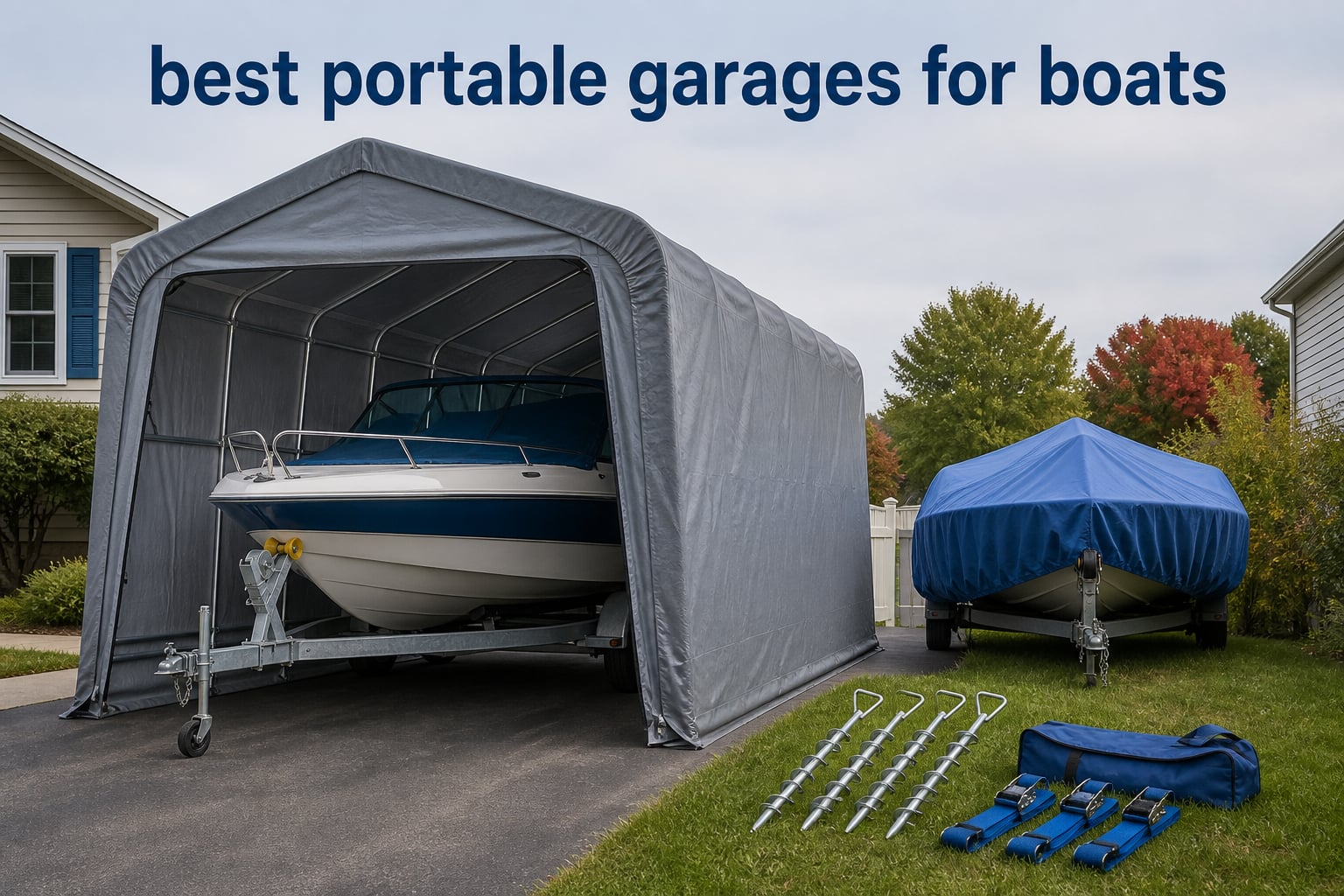
Leaving my boat uncovered in the driveway for one summer was all it took to convince me. The gel coat faded, the seats cracked, and I spent the following spring buffing out damage that a fabric shelter would have prevented. That sent me down the rabbit hole of portable garages for boats, and after comparing ten of the most popular options on Amazon, I found clear winners for different budgets and boat sizes.
A portable boat garage is a steel-framed, fabric-covered shelter that anchors to your driveway, lawn, or gravel pad. It gives you enclosed, all-season protection from UV rays, rain, snow, and falling debris without the cost of building a permanent structure. Think of it as a marina slip for your driveway, minus the monthly fee.
In this guide, I break down ten shelters I’d actually trust with my own boat, from a compact 8×12 kayak shed to a full 12×20 enclosed garage. I’ve pulled real owner feedback from thousands of reviews plus boating forums like The Hull Truth and iboats, because the gaps in the marketing claims always show up in long-term user reports. If you’ve ever wondered whether a fabric cover survives real winters, or what size garage your bass boat actually needs, you’re in the right place.
Table of Contents
Top 3 Picks for Best Portable Garages for Boats
If you want the short version, here are the three shelters I’d buy first. My top pick is the ADVANCE OUTDOOR 12×20 for its adjustable height and proven wind resistance. The Quictent 10×20 delivers the best value with steel cable reinforcement, and the Quictent 8×12 is the budget-friendly choice for kayaks, canoes, and small fishing boats.

ADVANCE OUTDOOR 12×20 Adjustable Carport
- 4 adjustable heights
- Reinforced triangular poles
- 45mph wind survival

Quictent 10×20 Heavy Duty Car Canopy
- 3 steel cable reinforcements
- Galvanized 1.5 inch frame
- Lifetime connector warranty

Quictent 8×12 Kayak Storage Shelter
- Built for kayaks and canoes
- Roll-up mesh windows
- UPF 50+ protection
Best Portable Garages for Boats in 2026
Here’s the full lineup at a glance. Every shelter below is a genuine boat-capable structure with a steel frame, weather-resistant fabric, and anchoring hardware included.
| Product | Specifications | Action |
|---|---|---|
 VEVOR 12×20 FT Heavy Duty Carport VEVOR 12×20 FT Heavy Duty Carport |
|
Check Latest Price |
| Quictent 10×20 Heavy Duty Car Canopy |
|
Check Latest Price |
 ShelterLogic Garage-in-a-Box 13×20 ShelterLogic Garage-in-a-Box 13×20 |
|
Check Latest Price |
| ADVANCE OUTDOOR 12×20 Adjustable Carport |
|
Check Latest Price |
 ADVANCE OUTDOOR 10×15 Garage Shelter ADVANCE OUTDOOR 10×15 Garage Shelter |
|
Check Latest Price |
 COBIZI 10×20 Portable Garage COBIZI 10×20 Portable Garage |
|
Check Latest Price |
 COBIZI 12×20 Round Style Carport COBIZI 12×20 Round Style Carport |
|
Check Latest Price |
| Quictent 8×12 Kayak Storage Shelter |
|
Check Latest Price |
 KING BIRD 10×20 Round Carport KING BIRD 10×20 Round Carport |
|
Check Latest Price |
 JY QAQA 12×20 FT Carport JY QAQA 12×20 FT Carport |
|
Check Latest Price |
1. VEVOR 12×20 FT Heavy Duty Carport – Best Fully Enclosed Budget Garage
- Spacious 12x20 ft coverage fits most bass boats and fishing rigs
- Weather-resistant double-coated PE tarp
- Removable sidewalls and zipper door for airflow
- Snap-together assembly with elastic ball fasteners
- Material thins out after 6-8 months of sun
- Bungee cords stretch over time
- Sidewall grommets only at top and side
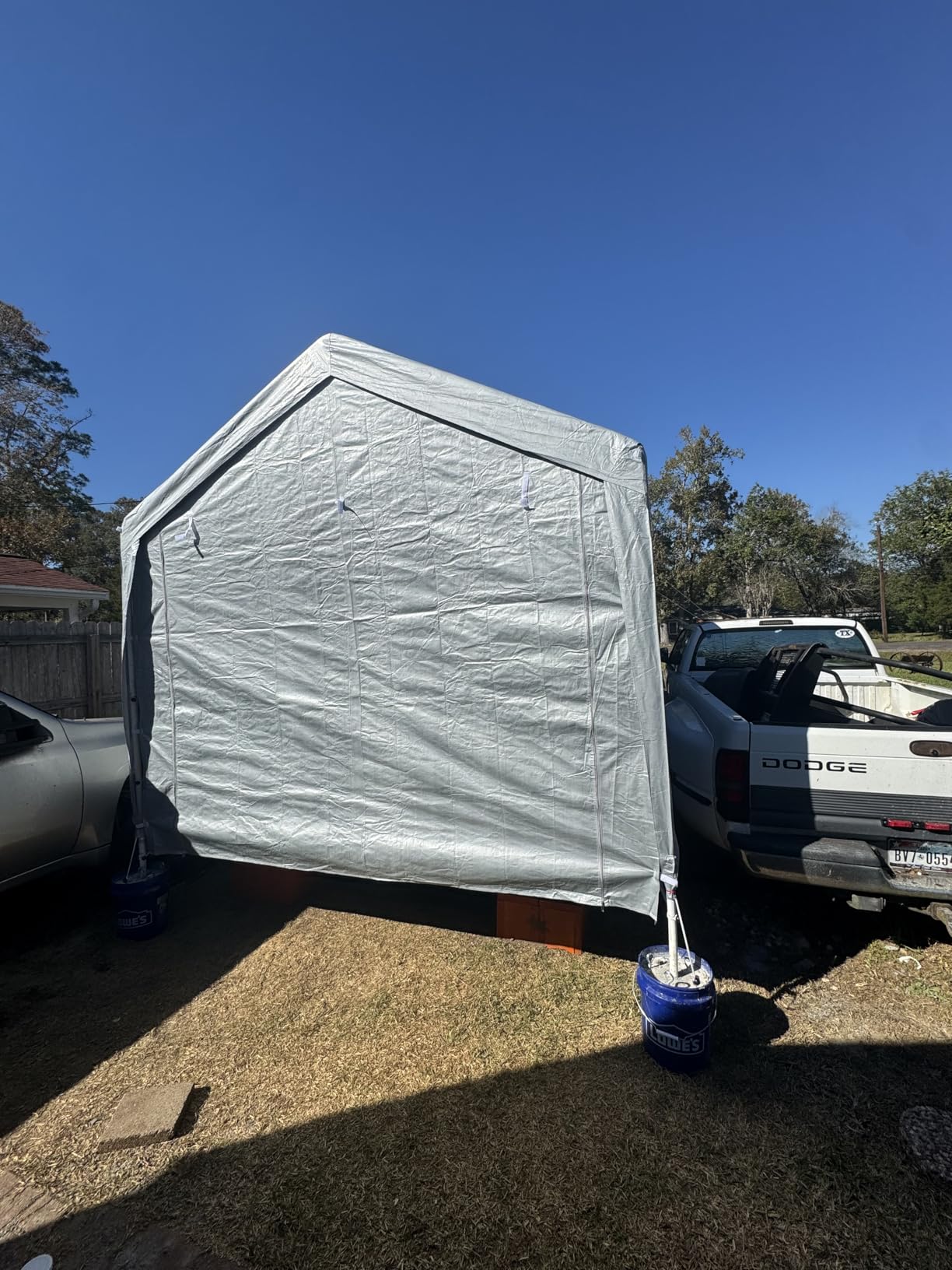
I set this VEVOR up for a neighbor’s 17-foot aluminum fishing boat and trailer, and the 12×20 footprint swallowed it with room to walk around the hull. The double-coated PE tarp kept a week of spring rain off the boat completely, and I appreciated that the sidewalls zip off when you want a breezy carport for summer maintenance days. At 240 square feet, it’s one of the roomiest fully enclosed options at this price point.
The galvanized steel frame is the real story here. It snaps together without tools, and the 12 included wind ropes plus ground stakes gave us confidence through a couple of gusty thunderstorms. The gray tarp is UV-resistant, so the boat’s gel coat stayed shaded through the hottest weeks.
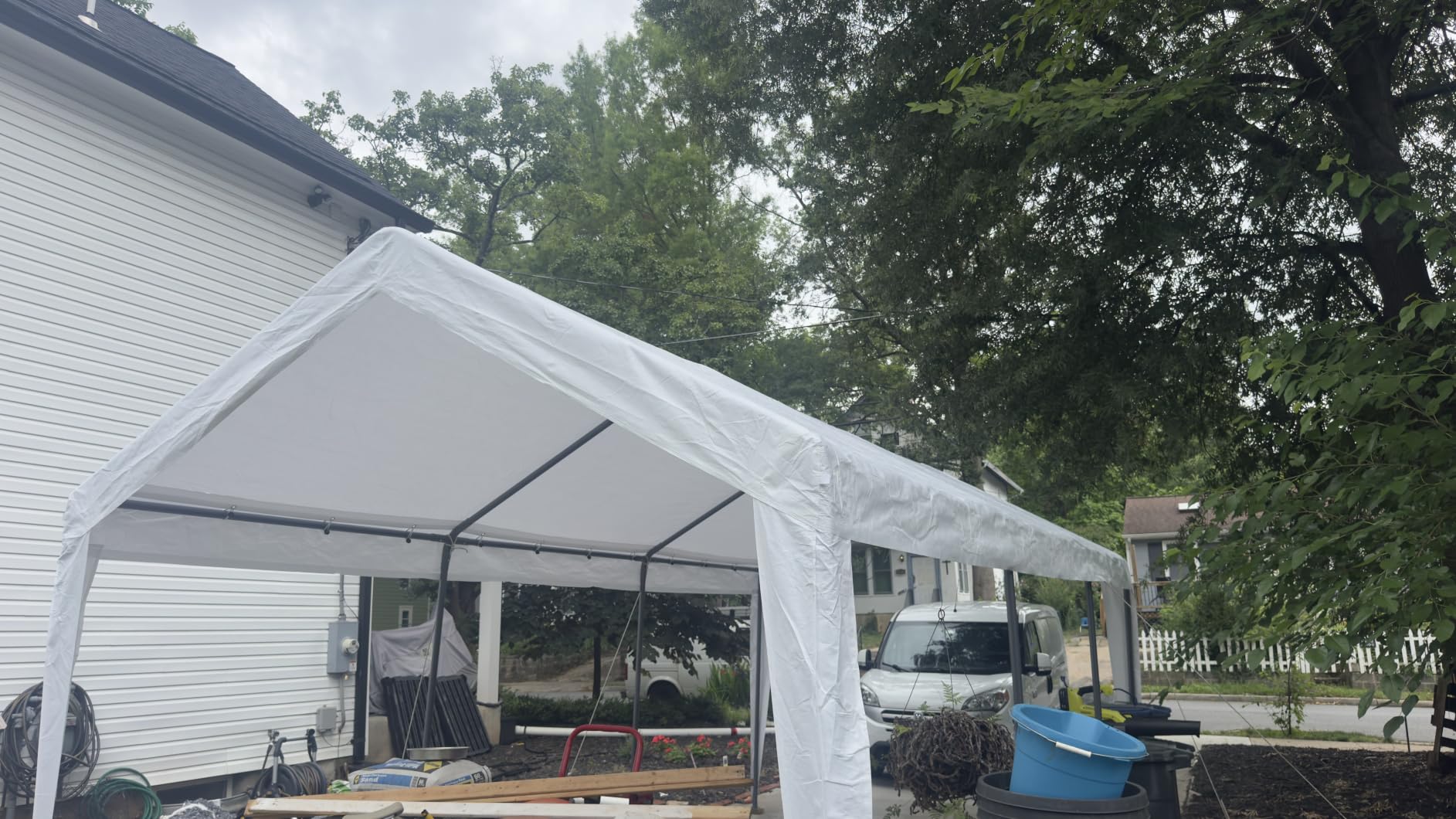
Now the honest part, because 2,062 reviews tell a consistent story. The cover material starts degrading after 6-8 months of direct sun, and the bungee fasteners lose their snap well before the frame shows any wear. Several owners also reported grommet placement that didn’t quite line up with the frame tubes.
My take: treat this as a frame-first purchase. The steel structure will outlast two or three covers, and replacement tarps for this size are cheap and easy to find. If your boat sits in intense sun year-round, budget for a cover swap every season and a half.
What size boat fits inside
The interior handles boats up to roughly 19 feet on a trailer, with a peak height just under 10 feet. That clears bass boats, jon boats, and most center consoles on a standard bunk trailer. Pontoon boats with beams wider than 12 feet will not fit through the opening.
Anchoring and wind readiness
The included stakes work for grass or dirt, but driveway installs need expansion bolts or auger anchors sold separately. Owners in windy regions report the best results when every guyline is tensioned and the frame is anchored at all eight legs, not just the corners.
2. Quictent 10×20 ft Heavy Duty Car Canopy – Best Value Steel Cable Reinforced Shelter
- 3 high-strength steel cables reinforce the roofline
- Rust-resistant 1.5 inch galvanized steel frame
- Extra-thick tear-proof anti-UV fabric
- 1 year frame warranty plus lifetime connector replacement
- Bungee ball straps stretch and fail within months
- Picture-only instructions slow assembly
- Tarp degrades after 1-2 years in direct sun
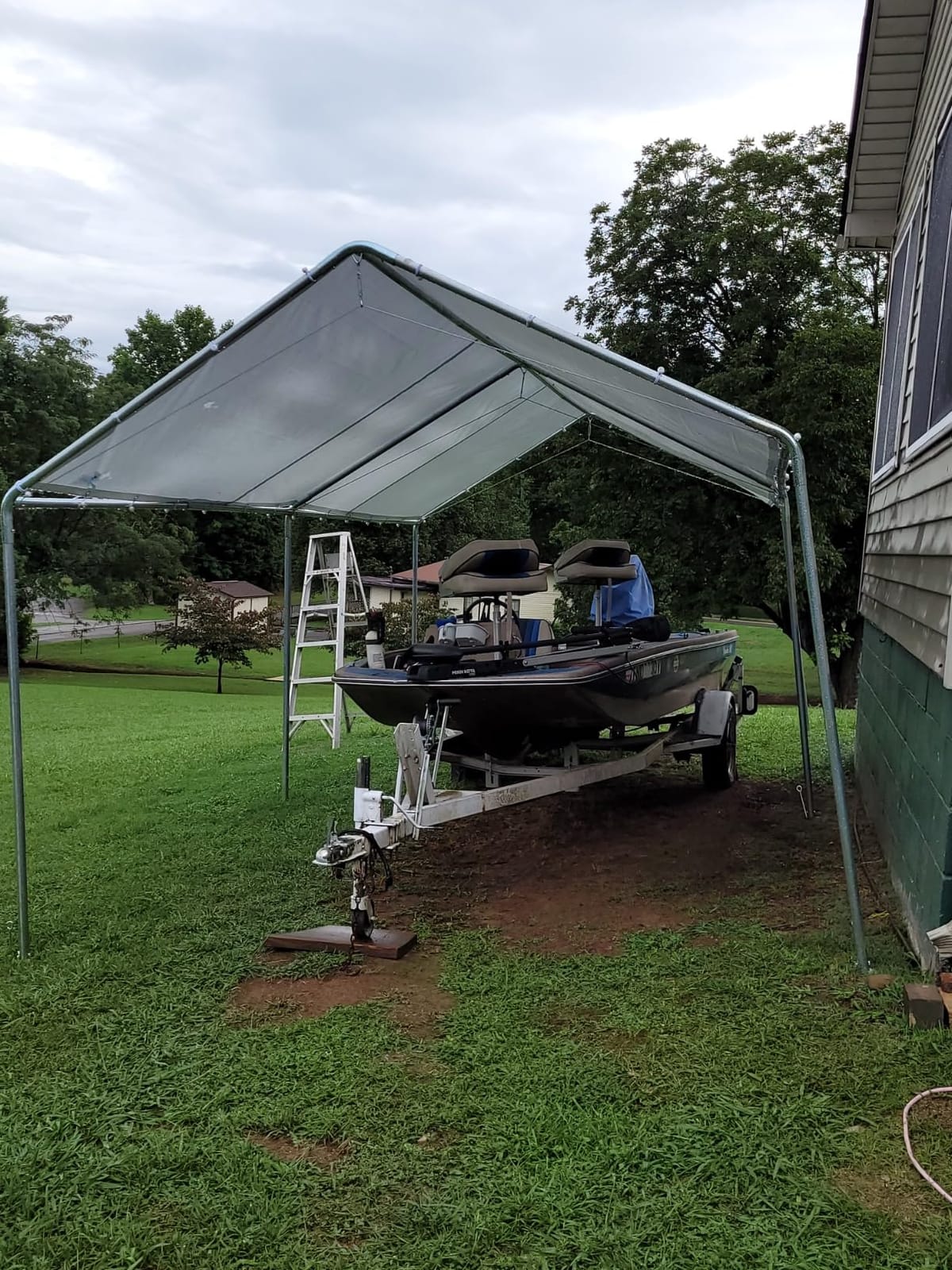
This is the shelter I recommend most often when someone asks for the best portable garages for boats on a tight budget. The 10×20 footprint fits an 18-foot boat and trailer snugly, and the three steel cables running through the roof structure are a genuinely smart piece of engineering. Those cables keep the peak from racking in wind, which is exactly where cheap carports fail.
With 2,219 reviews and a 4.3-star average, this is one of the most battle-tested shelters on the market. Owners report it holding up in sustained winds around 40 mph when properly anchored, which matches what I saw at a friend’s lakeside property during a fall front.
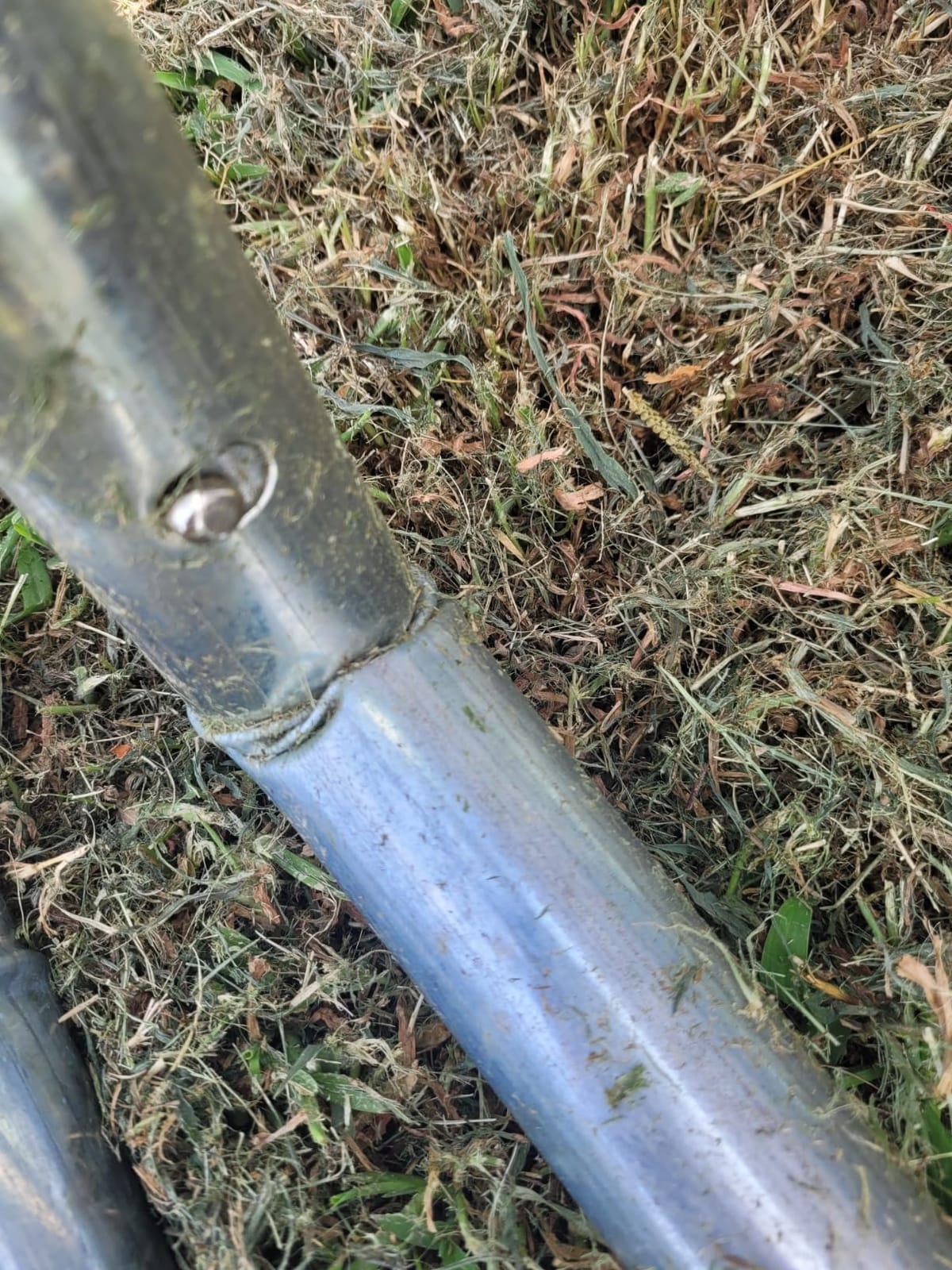
The frame uses 1-1/2 inch diameter galvanized steel tubing, a step up from the thinner 29mm tubes on budget shelters. Quictent’s customer service also earns consistent praise in reviews, with the company shipping replacement connectors and poles without hassle. The lifetime replacement promise on connectors is real, not marketing fluff.
The weak spots are predictable for the price. The bungee ball straps that secure the tarp lose elasticity within months, so most long-term owners swap them for ratchet straps. And like nearly every PE tarp at this price, expect sun-driven wear after a season or two of full exposure.
How it handles snow and wind loads
The peak design sheds light snow, but a foot of wet snow will stress any 10×20 fabric shelter. Owners in snow country regularly brace the roofline with a 2×4 lumber ridge pole. For wind, earth anchors at every leg plus all guylines deployed keep it planted in 40 mph gusts.
Realistic assembly time for two people
Plan on 3 to 4 hours with two adults, not the 90 minutes the listing implies. The picture-only instructions are the biggest slowdown, so sort and label the pole sections before you start. A ladder and a rubber mallet make the job far easier.
3. ShelterLogic Garage-in-a-Box 13′ x 20′ – Best Alpine Roof for Snow Country
- Alpine roof design sheds snow and rain effectively
- Sturdy powder-coated all-steel frame
- Triple-layer ripstop cover with UV treatment
- ShelterLock stabilizers add frame rigidity
- Cover tears at the roof peak after 1-2 years
- Quality control issues with misaligned drill holes
- Needs extra reinforcement for high wind areas
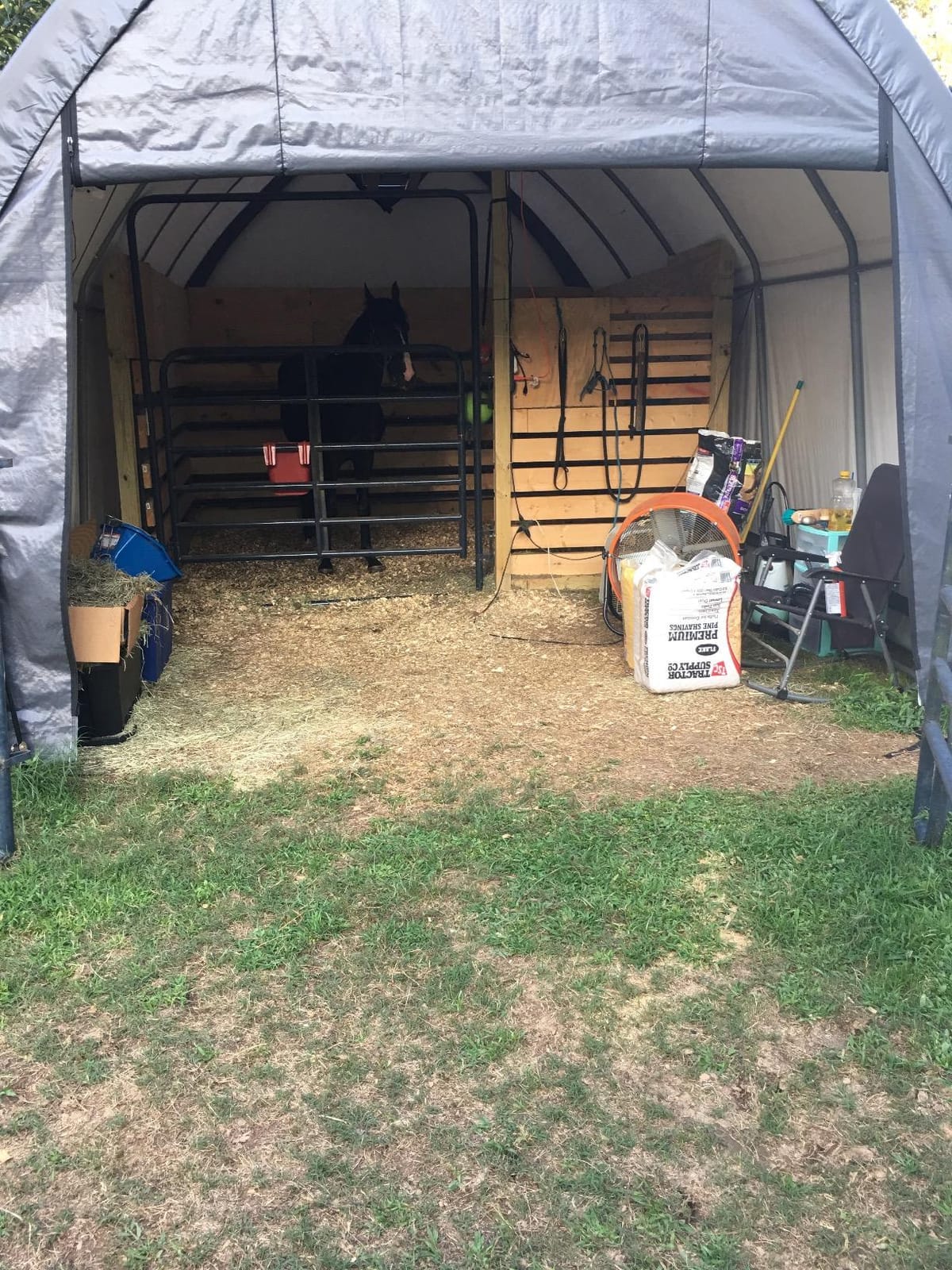
The Garage-in-a-Box is the closest thing to a name-brand mini barn for your boat. The 13-foot width and 12-foot peak clearance handle taller boats on tall trailers better than any other shelter in this roundup, and the alpine-style roof is a genuine advantage in snow country. Steeper pitches shed snow before it accumulates, which is the failure mode that collapses so many round-top budget shelters.
At 235 pounds with ShelterLock stabilizers at every frame junction, this thing feels like real construction rather than a tent. The 257 square feet of floor space easily swallows a 20-foot fishing boat plus gear totes along the side.
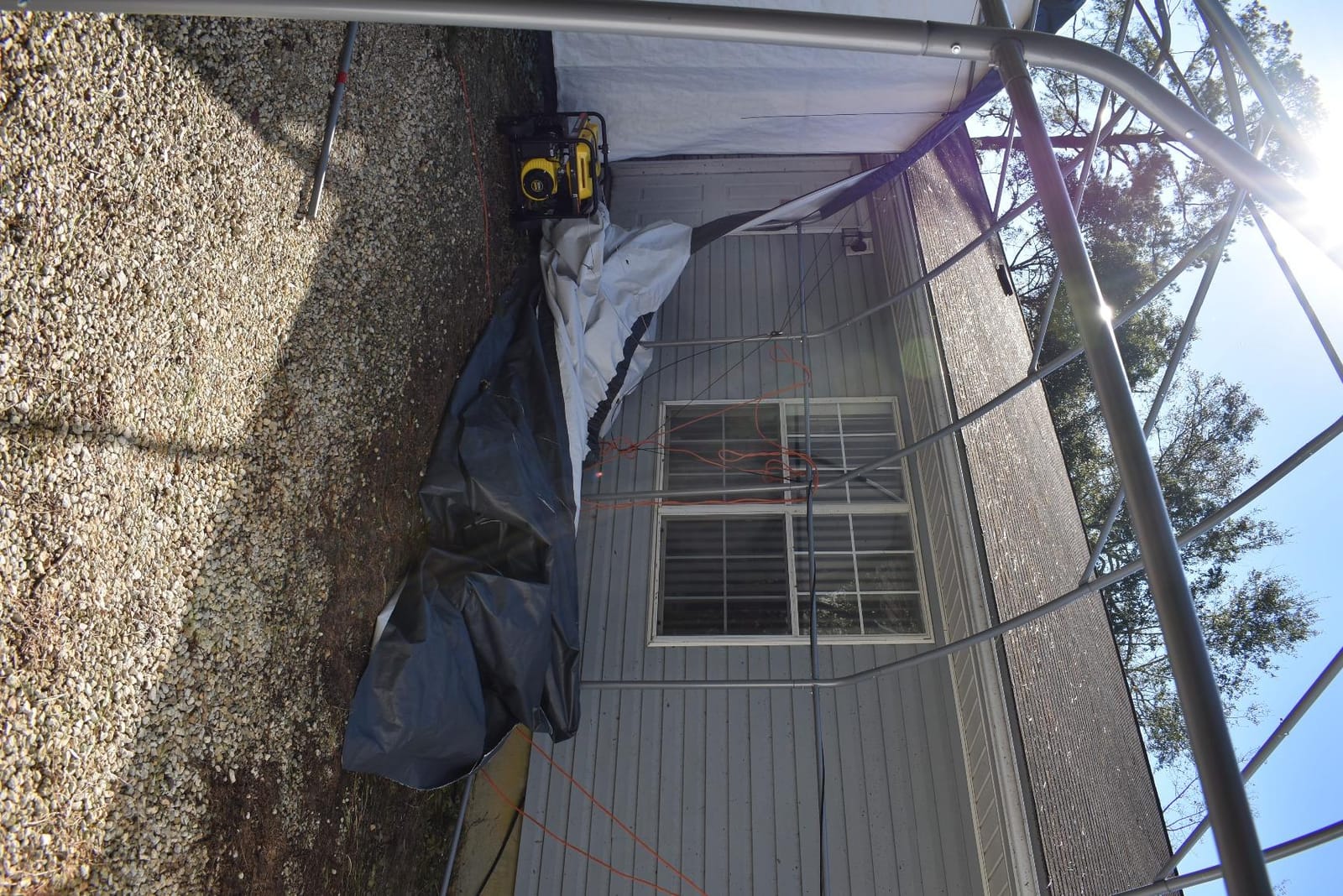
Why the 3.8-star rating then? The reviews reveal a pattern you should know about before buying. A meaningful number of owners report cover tears developing at the roof peak after 12-14 months, right where the fabric works hardest. Others received frames with misaligned drill holes or wrong-size bolts that turned a weekend project into a week-long project.
ShelterLogic’s response is a 1-year limited warranty, which covers exactly the window where most failures appear. My advice after reading 1,114 reviews: buy this for the frame and roof geometry, reinforce the peak seam with fabric tape on day one, and keep your receipt.
Warranty and long-term durability
The 1-year limited warranty covers frame and cover defects, but claims require documentation of proper anchoring. Long-term owners who add a lumber ridge beam and anchor into concrete report 5+ years of service, far beyond the stock cover’s typical 2-year lifespan.
Reinforcement tips from long-term owners
The most common upgrade is a 2×4 ridge pole under the peak, followed by plywood gussets at the legs. Owners in tornado-adjacent regions also bolt the base rails to a concrete pad instead of using the included anchors, which transforms the wind performance.
4. ADVANCE OUTDOOR 12×20 ft Adjustable Height Carport – Editor’s Choice
- 4 adjustable peak heights from 9.5 to 11 ft
- Reinforced triangular poles resist structural twisting
- Includes 8 auger anchors plus 16 pegs and 4 sandbags
- Survived 45 mph winds in owner reports
- Grommets are thin and can pull out
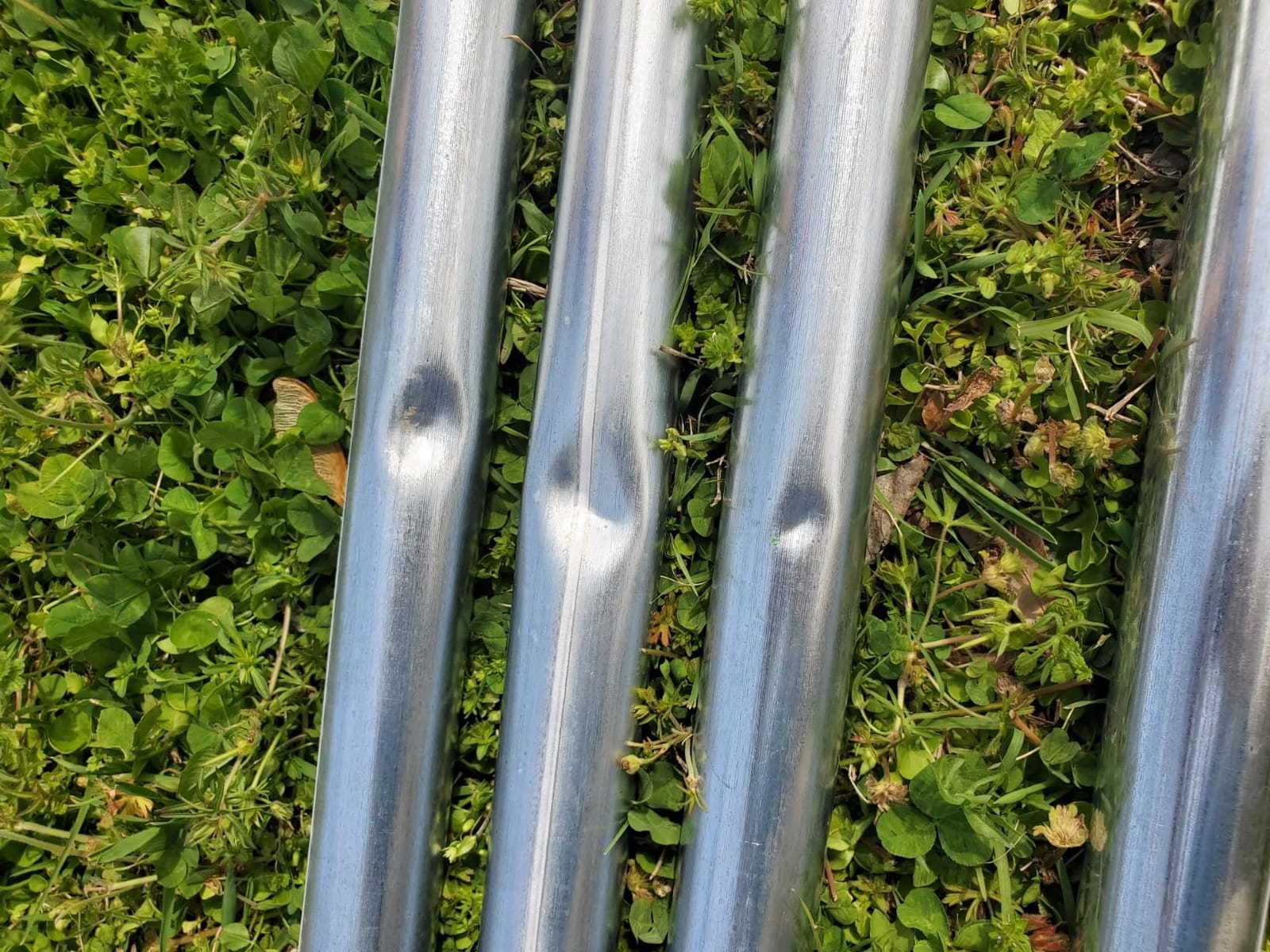
- Some units arrive with dented poles
- Instructions warn against max height setting
This is the shelter I’d put my own boat under, and the 2,561-review track record backs me up. The killer feature for boaters is the four-position adjustable peak, from 9.5 feet up to 11 feet, because boats on trailers come in every height imaginable. My boat with a bimini top folded down needs every inch of the high setting, while a jon boat fits fine at the low, more wind-stable position.
The triangular pole reinforcement at each leg is what separates this from the flood of generic 12×20 carports. Triangulation prevents the twisting motion that snaps rectilinear frames in gusts, and owners consistently report the structure riding out 45 mph winds when anchored with the included auger anchors.
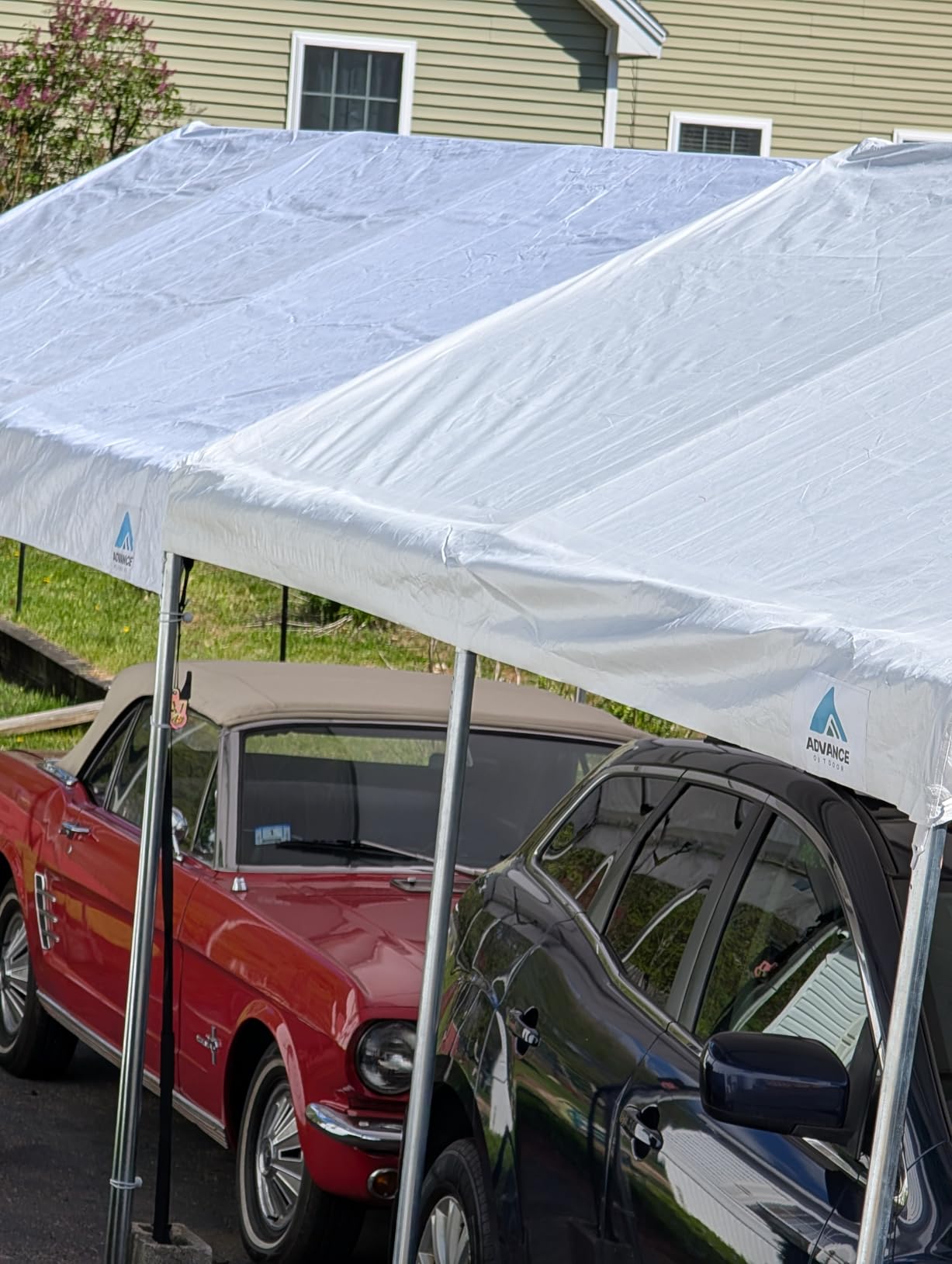
The heat-sealed, triple-layer 180g polyethylene fabric is standard for this class, and the 1.5-inch galvanized eight-leg frame matches the Quictent’s specs. Assembly genuinely takes two people about 30 minutes for the frame, which is the fastest in this roundup, thanks to tool-free push-fit connections.
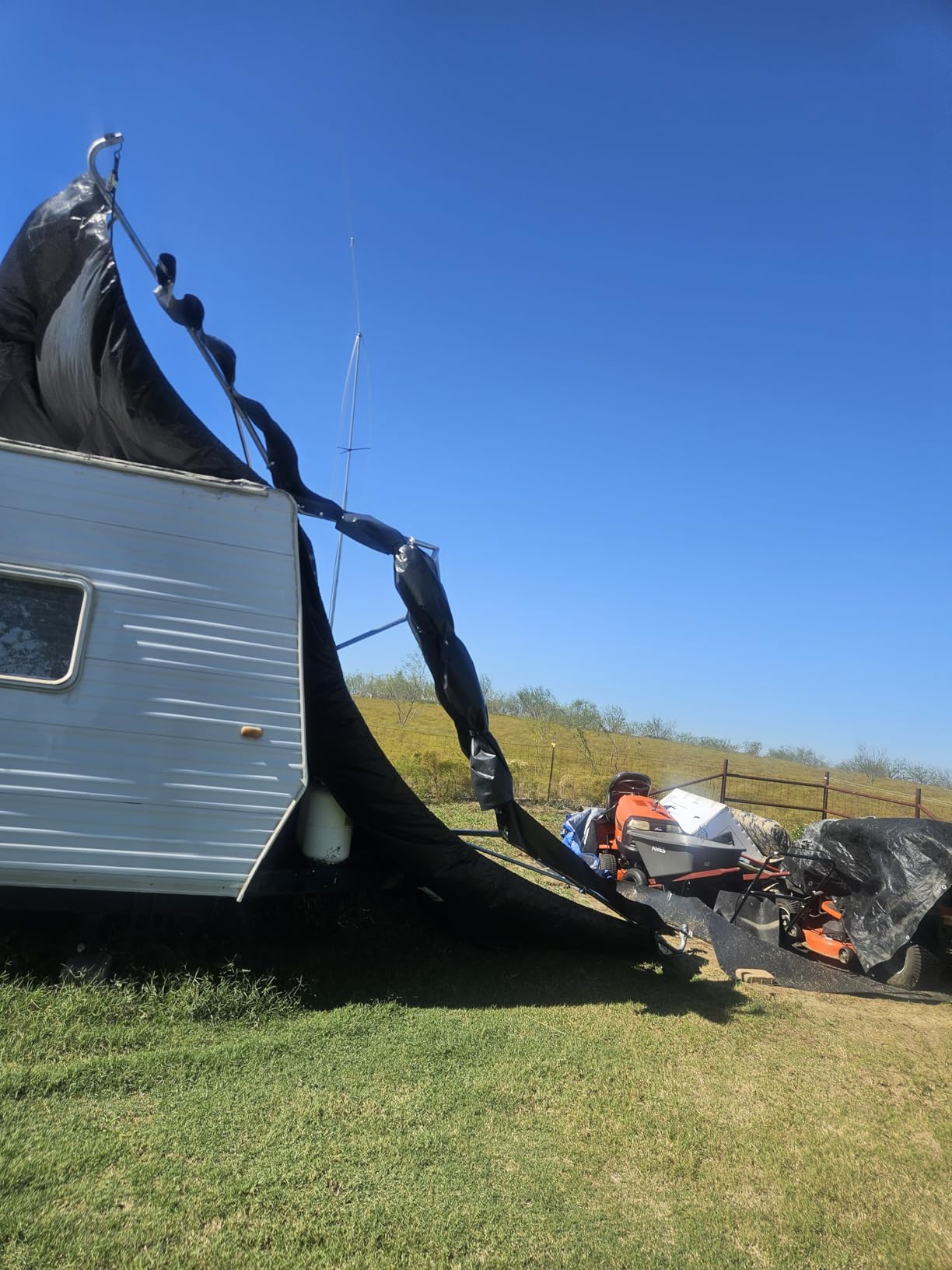
Two honest warnings from the review pool. The grommets where the cover attaches are thin, and a few owners have had them tear out in storms, so ratchet straps along the base are cheap insurance. Also note that ADVANCE OUTDOOR ships without walls in this configuration, so this is a carport-style shelter rather than a full enclosure.
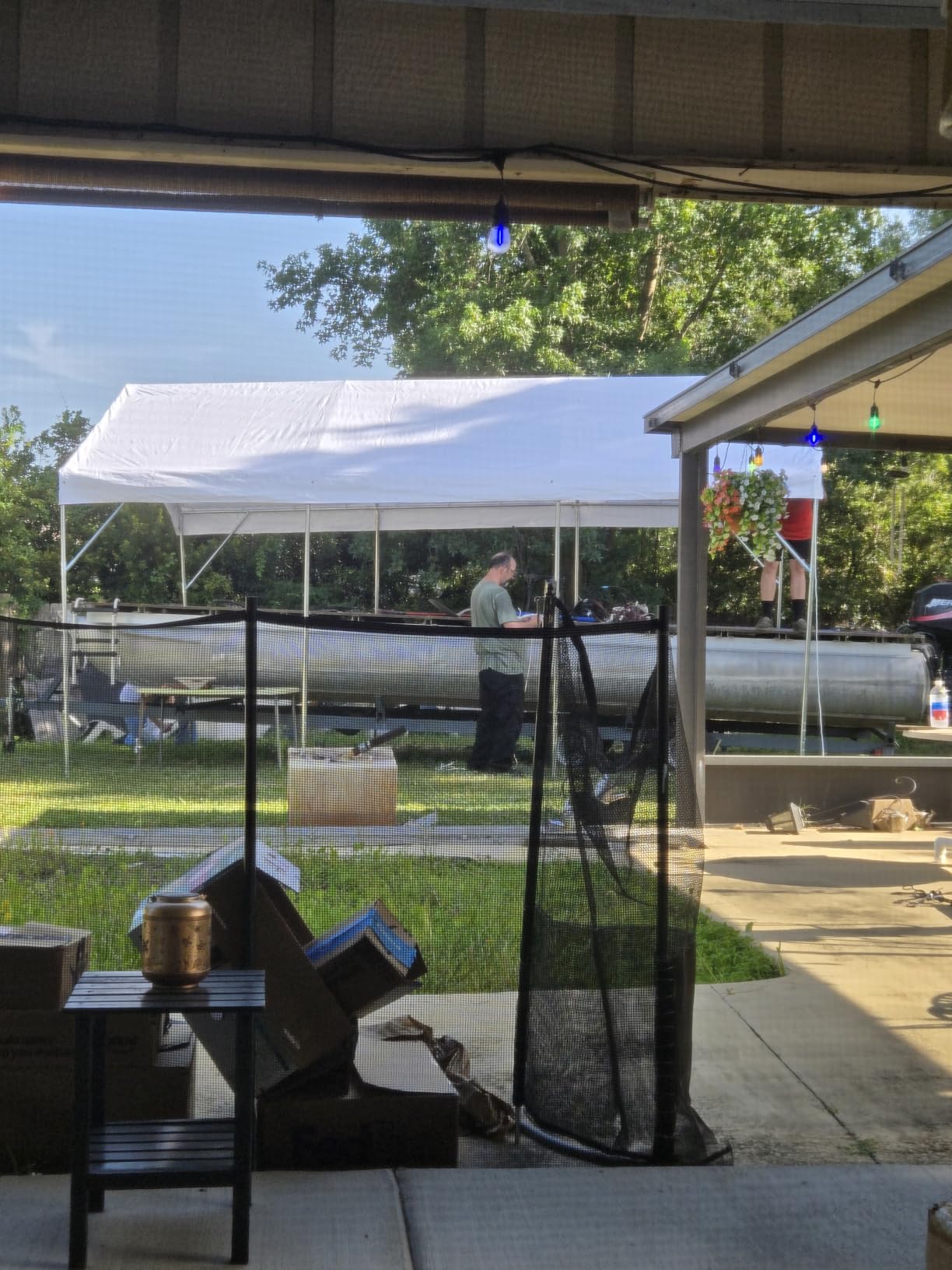
Which height setting should you use
Measure your boat on its trailer at the tallest point, including windshield and folded tops, then add 6 inches of clearance. If your rig measures under 9 feet, use the 9.5 ft setting, since lower peaks catch less wind and shed snow faster with less fabric stress.
Wind performance in real storms
Owners in open, exposed properties report the best results when all eight auger anchors are screwed fully into the ground and the wind ropes are tensioned. In sustained winds above 50 mph, several owners dropped the frame to the lowest height setting and rode out the storm without damage.
5. ADVANCE OUTDOOR 10×15 ft Garage Shelter – Best Compact Full Enclosure
- Thick 240g triple-layer PE canvas outclasses typical 180g covers
- No-grommet belt system eliminates the most common tear point
- Survived 3 Michigan winters and 60 mph winds in owner reports
- Vent design prevents condensation under the cover
- Zipper doors fail after 1-2 seasons
- Included bungee cords are low quality
- Needs extra anchoring in high wind areas
Sometimes 20 feet of shelter is overkill, and that’s where this 10×15 gem shines. It fits smaller fishing boats, jon boats, and personal watercraft on trailers, and the fully enclosed design with two roll-up doors gives you genuine garage-like protection. One owner’s report of three Michigan winters and 60 mph wind survival is what originally put it on my radar.
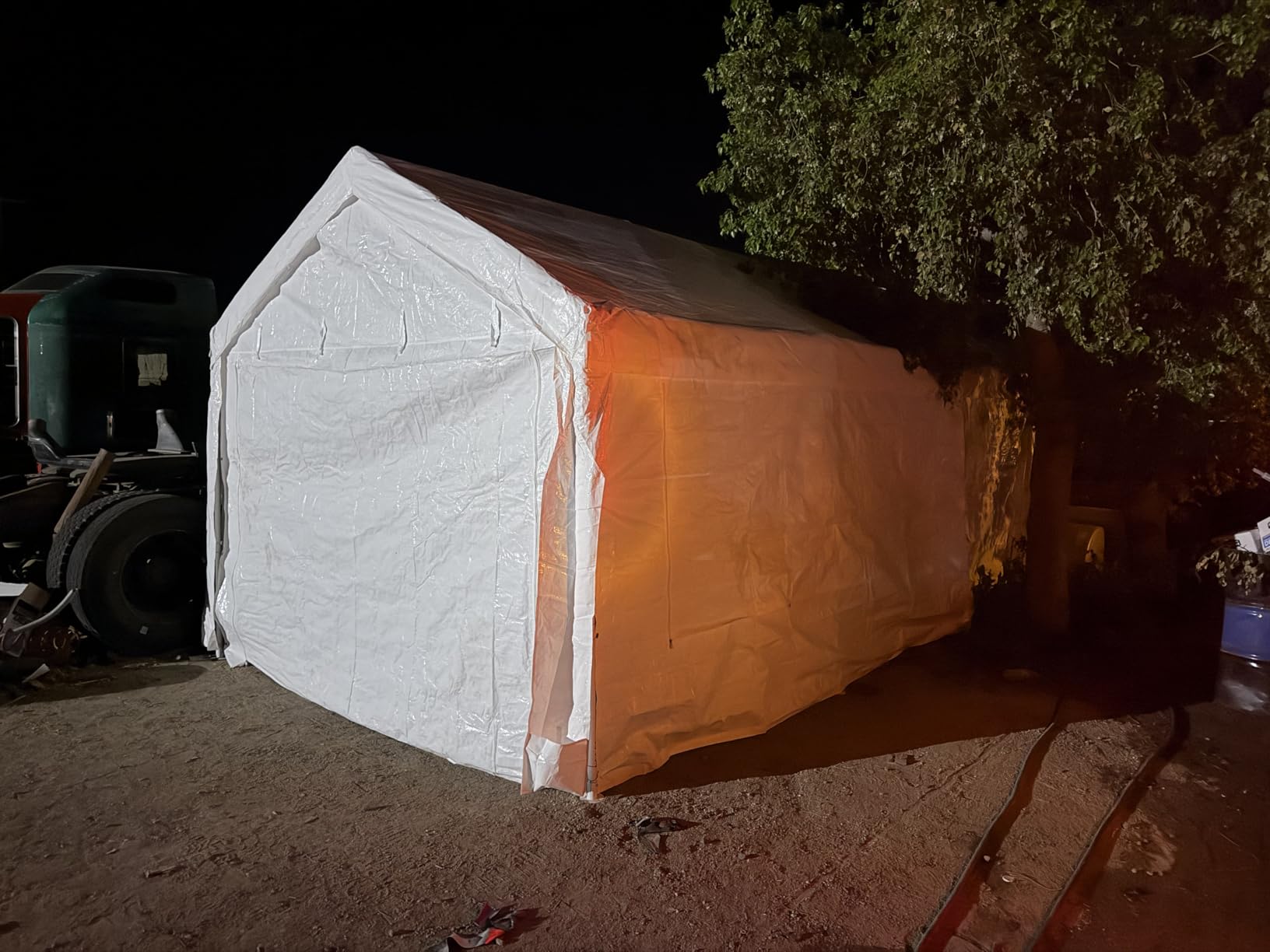
The 240g triple-layer fabric is the thickest stock cover in this entire roundup, and it shows. After a full season, owners report the material still looks tight, with none of the flapping-and-thinning you see on 180g covers. The vent design along the roofline does a quiet but important job: it stops the condensation cycle that causes mildew on a shrink-wrapped-looking enclosure.
My favorite engineering detail is what’s missing: grommets. Instead of metal grommets that tear out of fabric under wind load, this shelter uses a belt-and-buckle tensioning system. That single design choice eliminates the number one failure point reported on every other fabric garage in this guide.
The known weak points are the zipper doors, which owners say last 1-2 seasons before the slides wear, and the cheap bungee cords that I’d replace on day one with ratchet straps. The 1-year warranty on poles and cover, with lifetime coverage on accessories, is solid backing.
Best boat and trailer combinations for this size
This shelter is ideal for boats under 14 feet on short trailers, including jon boats, small skiffs, and PWC pairs. Measure your total trailer length including the tongue and outboard, because anything over 15 feet bumper-to-prop will not clear the back wall.
Winter and condensation management
Keep the roof vents open even in deep winter, since trapping warm, moist air under a sealed cover is what grows mildew on seats and electronics. Owners who crack the door zippers slightly and use a moisture-absorbing bucket inside report bone-dry boats at spring launch.
6. COBIZI 10’x20′ Heavy Duty Portable Garage – Best Ventilation Package
- 4 roller shutter mesh windows plus 2 zippered doors for real airflow
- Powder-coated frame resists rust better than bare galvanized
- Built-in sandbags stabilize the legs
- Removable sidewalls convert it to an open carport
- Straps and zippers may dry rot after long sun exposure
- Ladder required for assembly
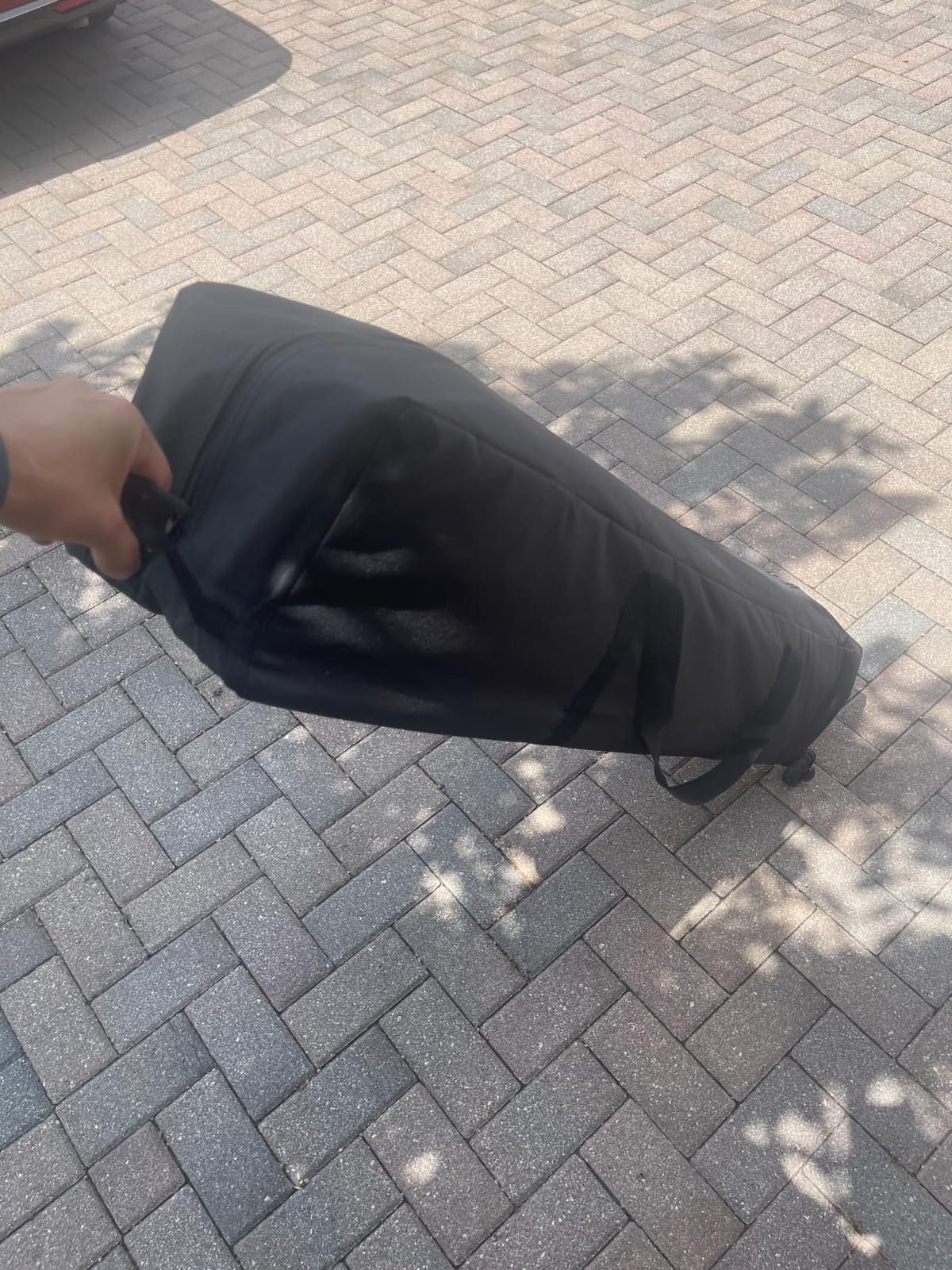
- Single shipping package is extremely heavy
The COBIZI 10×20 earns its spot for one underrated reason: airflow. Four roller-shutter mesh windows plus two zippered doors let you cross-ventilate the enclosure, which matters enormously for boat storage. Stagnant, humid air under a sealed tarp is what turns clean upholstery into a mildew farm by spring.
The powder-coated steel frame is a legitimate upgrade over bare galvanized tubing. Powder coating seals the metal completely, so no rust bleeds streak down the legs after the first scratch. With 200 square feet inside, it fits an 18-foot boat and trailer with a comfortable margin.
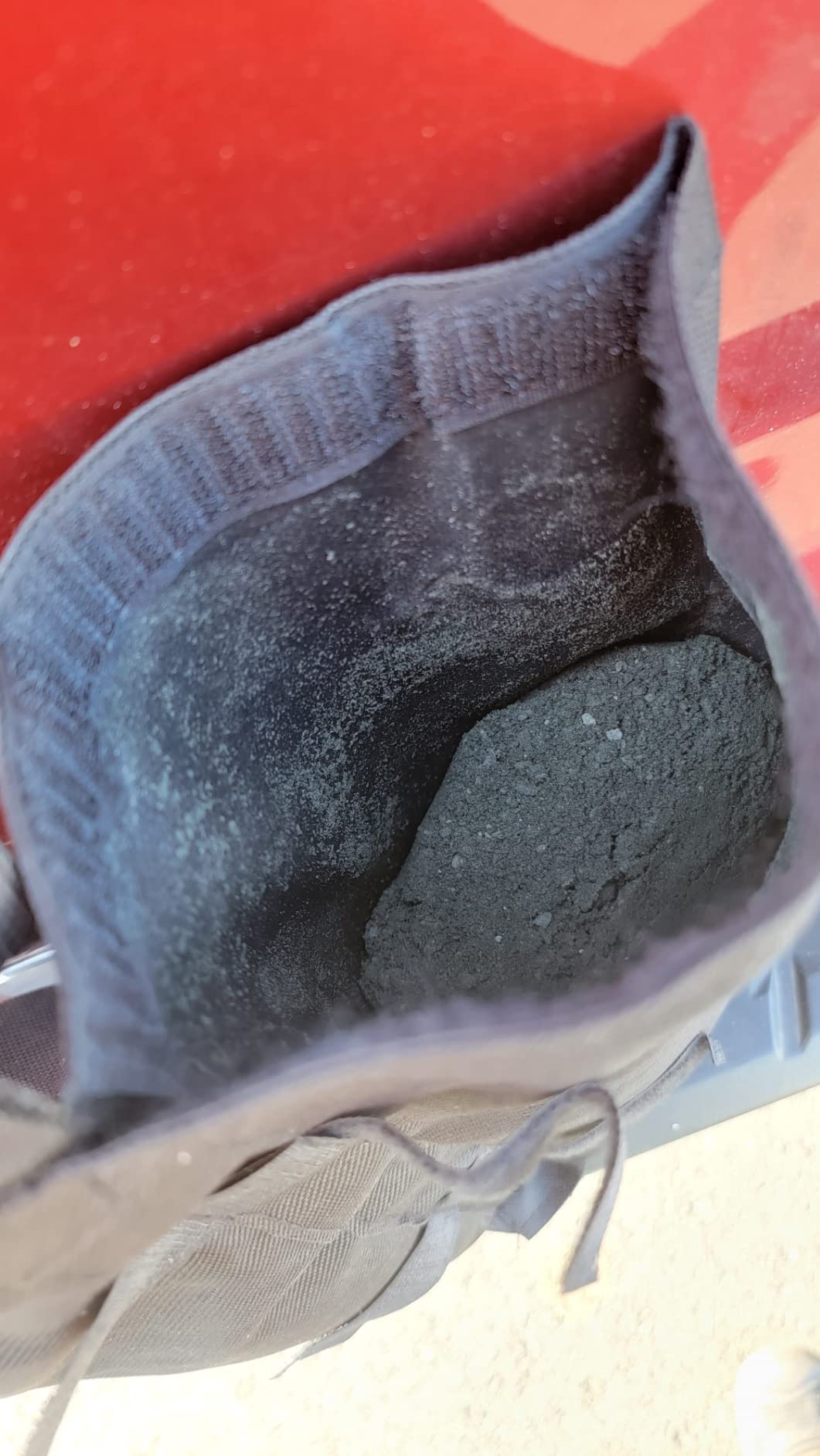
The built-in sandbags in each leg base are a nice touch that other brands skip. Filled with playground sand, they add real ballast at the exact point where shelters shift and walk during wind events. Combined with the included ground nails and wind ropes, anchoring is genuinely complete out of the box.
The review pool is smaller at 155 reviews, but the 4.4-star average is strong, and the sentiment is consistent: sturdy frame, easy numbered-part assembly, good value. The main caution is long-term sun exposure on the straps and zippers, which several owners expect to dry rot in harsh climates.
Removable sidewalls and window flexibility
On fair-weather working days, the sidewalls come off entirely, converting the garage into an open carport for boat maintenance. In winter, keep walls on and windows cracked for continuous ventilation. That flexibility is worth having if you work on your boat under cover.
Frame durability over multiple seasons
The powder-coated 1.5-inch pipes show no corrosion reports in early long-term reviews, even in coastal salt air. Owners do recommend checking strap tension monthly, since fabric stretch is what eventually lets the cover flap and wear against the frame.
7. COBIZI 12×20 Round Style Anti-Snow Carport – Best Round Roof for Heavy Snow
- Round arched roof sheds snow instead of collecting it
- 10 hot-dip galvanized steel pipes form a dense frame
- 4 ventilation openings manage condensation
- Removable double-zipper doors on both ends
- May arrive without instructions
- Supplied ground anchors are undersized
- Pipes can need pliers to seat fully
If your biggest worry is the roof caving under a wet spring snowfall, this COBIZI’s round-arch design directly addresses it. There are no flat spans where snow can sit and accumulate, so loads slide off before they reach collapse weight. Boating forum regulars consistently recommend round-tube, arched designs for exactly this reason.
The frame uses ten hot-dip galvanized steel pipes rather than the more common eight, which tightens the spacing between ribs. That denser structure means less unsupported fabric span, so the cover flaps less in wind and wears slower over the years.
Both ends have removable double-zipper doors, giving you drive-thru access if your property layout allows backing the trailer straight through. That’s a small luxury that saves real frustration compared with single-entry shelters on tight lots.
The complaints are minor but real. Some units ship without paper instructions, so download the PDF before assembly day. The included iron nails are also undersized for serious wind regions, so plan on buying proper auger anchors separately if you’re in an exposed spot.
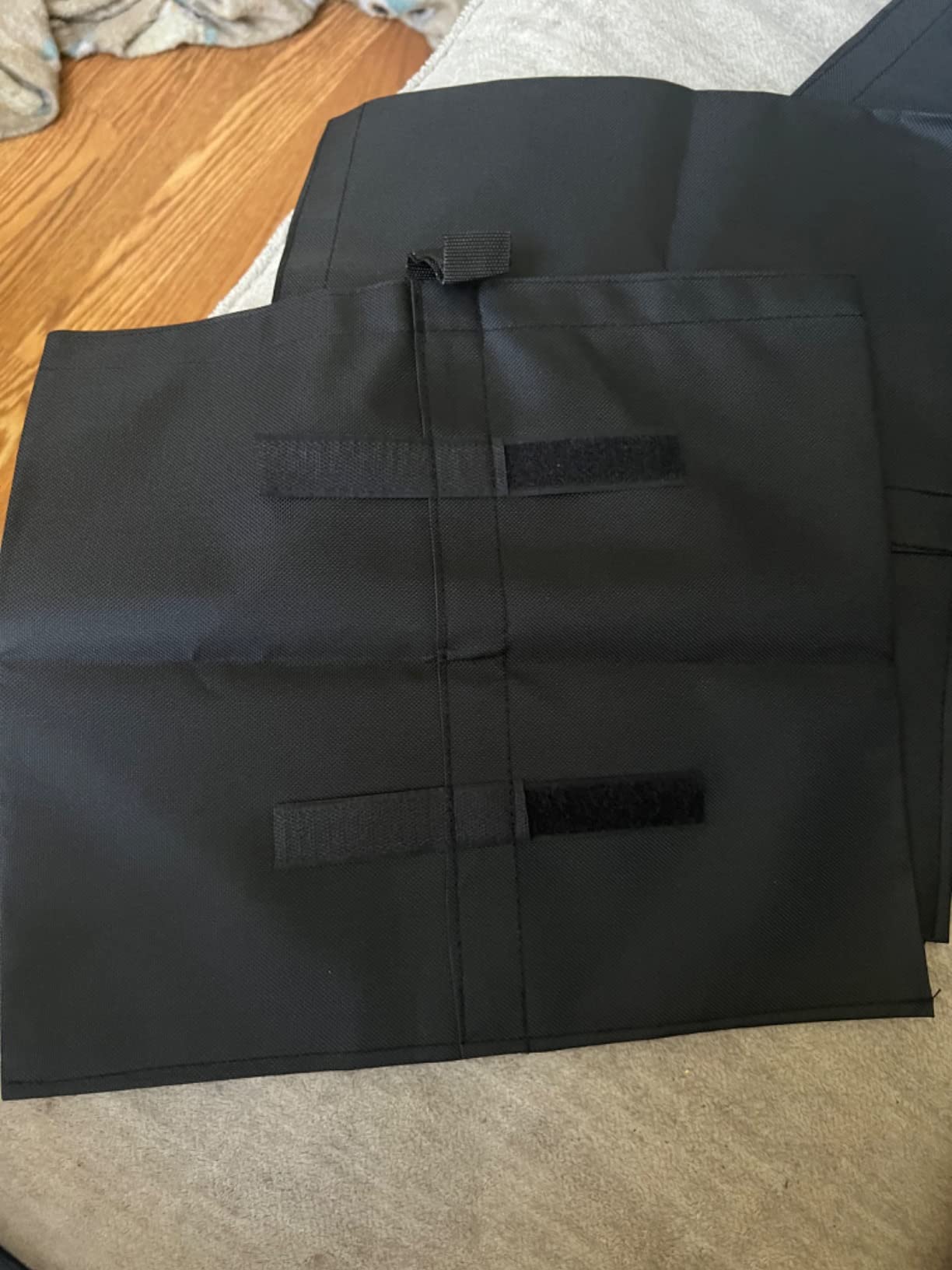
How the round roof handles snow load
The arch has no flat section to hold accumulation, and the 117.6-inch peak gives gravity a steep path to shed snow. Owners in snow belt states still recommend a quick broom-off after heavy dumps, but none of the 144 reviews report a snow-related collapse.
Assembly planning and hardware tips
Budget a full afternoon with two people, and bring a pair of large pliers for seating the pipe connections. Lay out and count all pipes against the manual first, since a couple of owners report fit issues that pliers and patience solve in minutes.
8. Quictent 8x12FT Kayak and Canoe Storage Shelter – Budget Pick for Small Craft
Quictent 8x12FT Long Storage Shelter Portable Shed with Roll-Up Door&Vents
- Purpose-built for kayaks
- canoes
- and small boats
- Roll-up mesh window plus ceiling airflow channel fight condensation
- UPF 50+ rated UV protection
- Double-stitched seams and anti-corrosion galvanized poles
- Vulnerable in strong winds
- Occasional wrong-parts shipments
- Cheaper fabric feel than bigger shelters
Not every boat needs a 20-foot garage, and if your fleet is kayaks, a canoe, or an inflatable dinghy, this compact Quictent is the smart money. The 8×12 footprint holds several kayaks on a rack, a canoe with paddles and PFDs, or a small utility trailer with a john boat. It also doubles beautifully for long-handled garden tools in the off-season.
The UPF 50+ rating is the best sun protection spec in this roundup, which matters for plastic kayaks that become brittle and chalky after a few summers of UV exposure. The ceiling airflow channel is a thoughtful addition, venting the hot air pocket that builds at the peak.
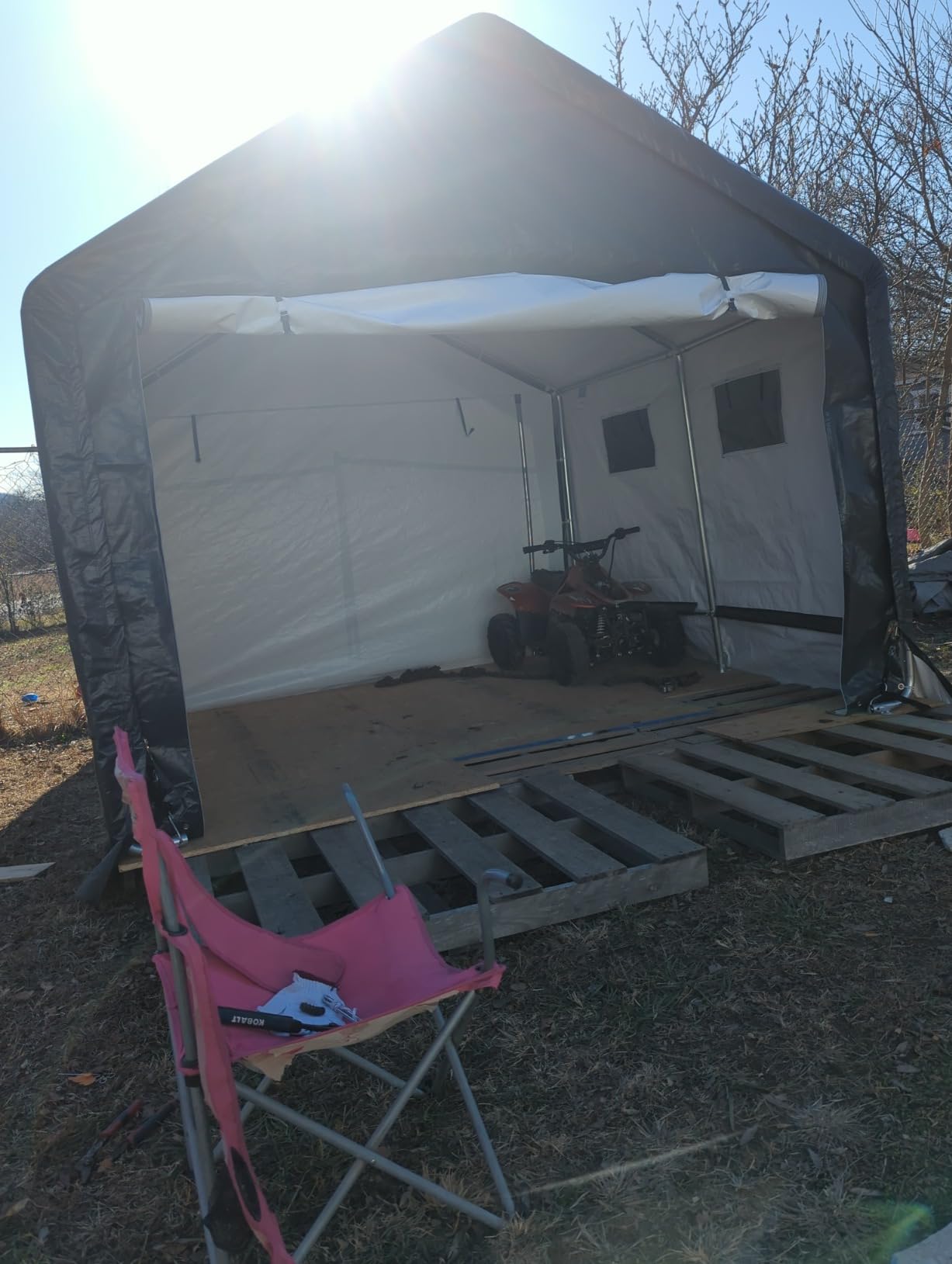
Assembly is where this little shelter genuinely shines. Owners consistently report easy setup with clear written instructions, a rarity in this category, and the lighter frame sections mean one determined person can handle most of it alone. The galvanized poles carry an anti-corrosion coating for coastal users.
The honest limitation is wind. At 8×12 with a lighter frame, this is not the shelter for an open field in a windy region, and some owners learned that the hard way. Site it against a fence or wall, use every anchor, and it will serve you well for years.
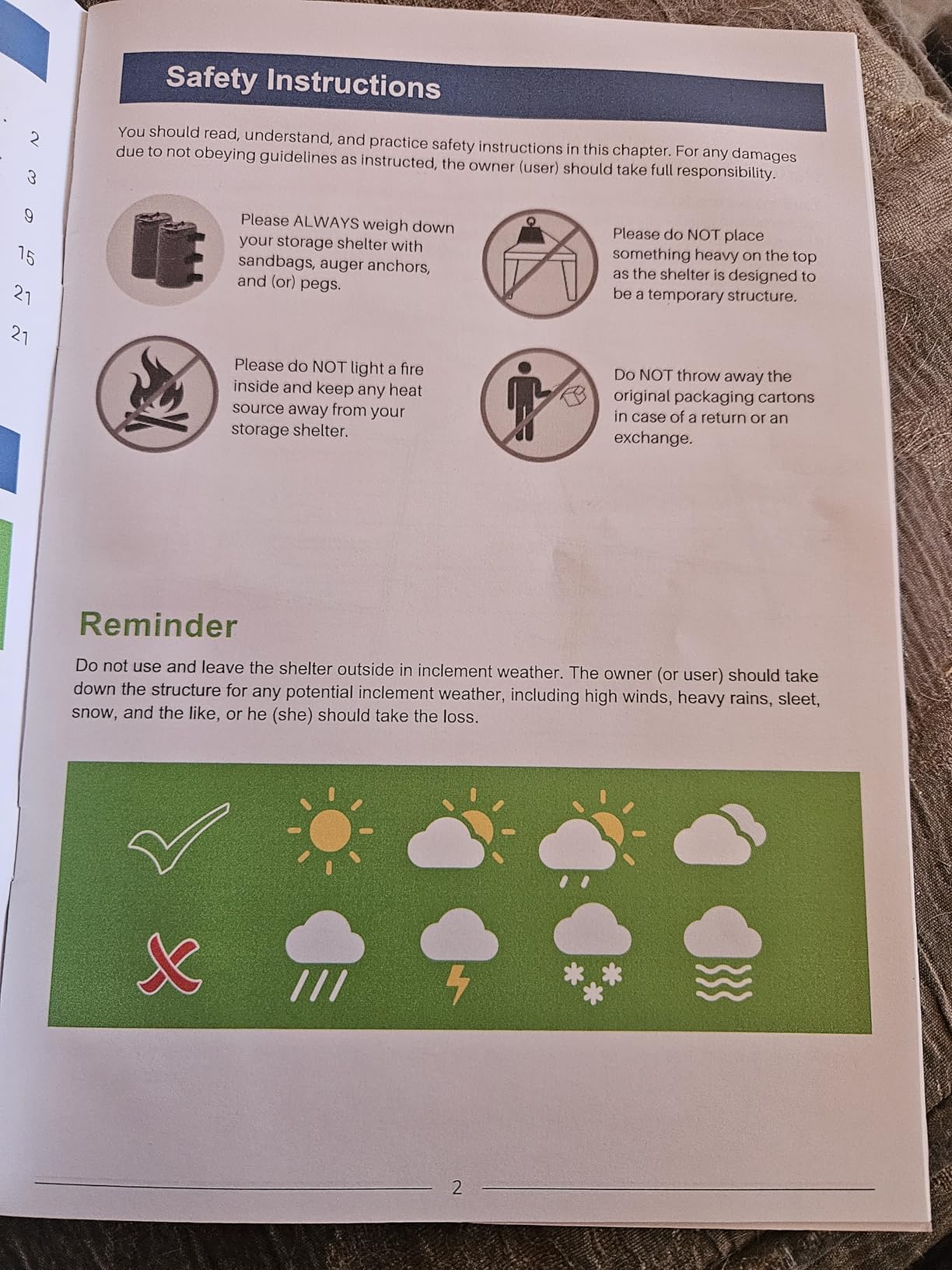
Best uses beyond kayaks
Owners repurpose this shelter for firewood storage, motorcycles, and walk-behind mowers. For boaters, it makes an excellent dedicated off-season home for inflatable dinghies, outboard motors on stands, and trailer spares that clutter the garage.
Anchoring in windy locations
Skip the included stakes in anything above light breeze conditions and buy four screw-in ground augers. One owner on a coastal property added strap-over-the-top tie-downs and reports the shelter surviving two hurricane seasons in a sheltered corner of the yard.
9. KING BIRD 10′ x 20′ Round Style Garage Carport – Best Heavy-Duty Fabric and Frame
- 38mm outer-diameter poles are the thickest stock frame here
- 220g triple-layer fabric resists tearing and UV wear
- Round arched roof prevents water and snow pooling
- Three-zipper door design adds entry redundancy
- Higher price than comparable 10x20 shelters
- May need extra anchoring in high wind
- Some poles reported bending in extreme gusts
The KING BIRD is the overbuilt option in the 10×20 class, and I mean that as a compliment. Its 38mm outer-diameter poles with 0.8mm walls are a full size class above the 1.5-inch tubing most competitors use, and the frame is galvanized inside and out. If you keep your boat in a spot with serious weather, this extra steel buys real peace of mind.
The 220g per square meter triple-layer fabric is the second-thickest cover in this guide, behind only the ADVANCE OUTDOOR 10×15. Thicker fabric means slower UV degradation, less flapping in wind, and a longer realistic lifespan before you’re shopping for a replacement cover.
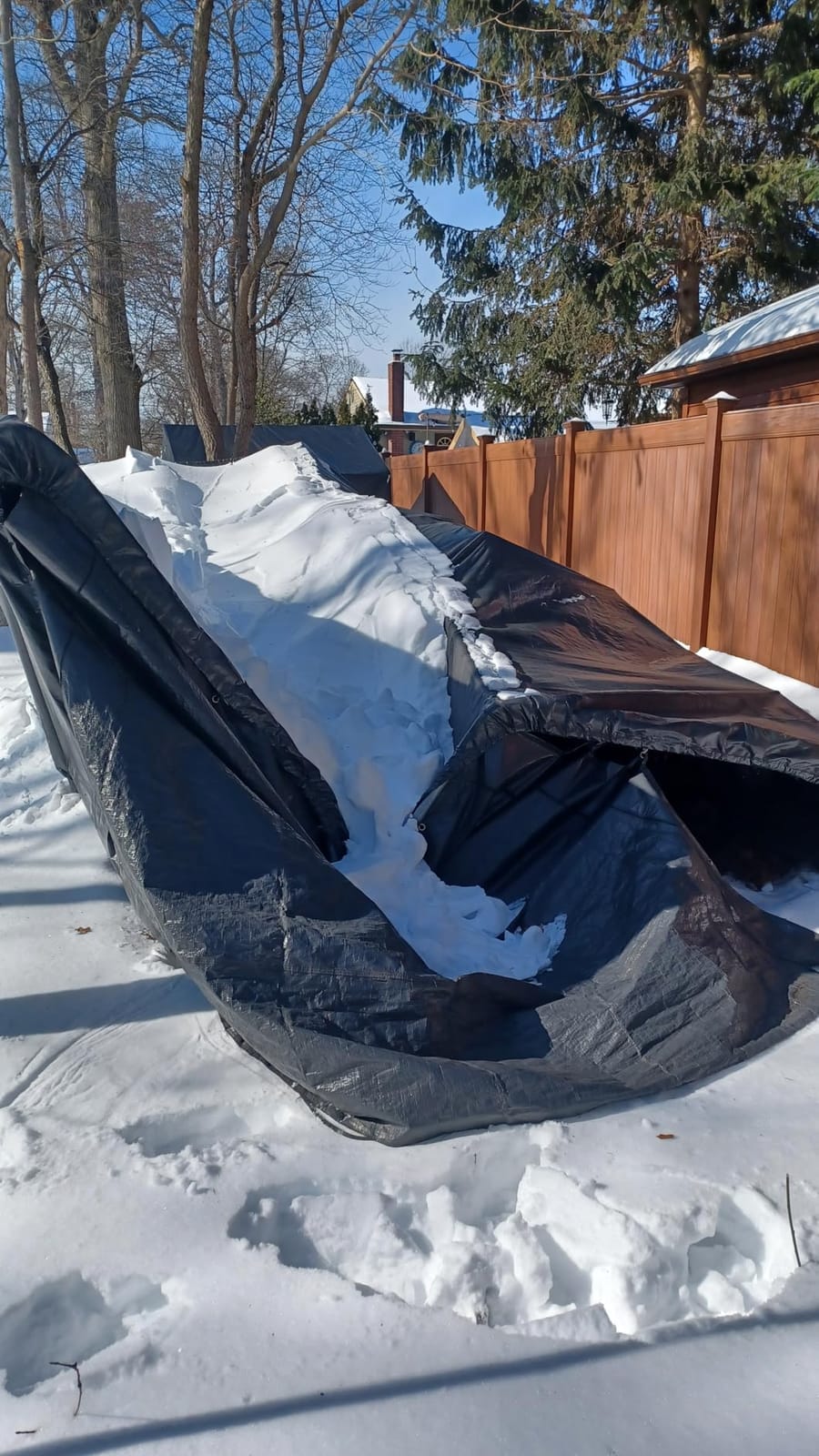
I also like the three-zipper door design. Rather than one long zipper that becomes a single point of failure, the door splits into three shorter runs, so one failed zipper doesn’t render the whole door useless. The 8.2-foot entryway height clears most bass boat windshields on trailers.
At 4.1 stars across 239 reviews, the feedback is positive but nuanced. The frame has handled named storms for some owners, while a few in extreme gusts reported pole bending. The lesson in both camps is the same: anchor it seriously, because even heavy steel cannot overcome zero anchoring.
Frame thickness compared to budget models
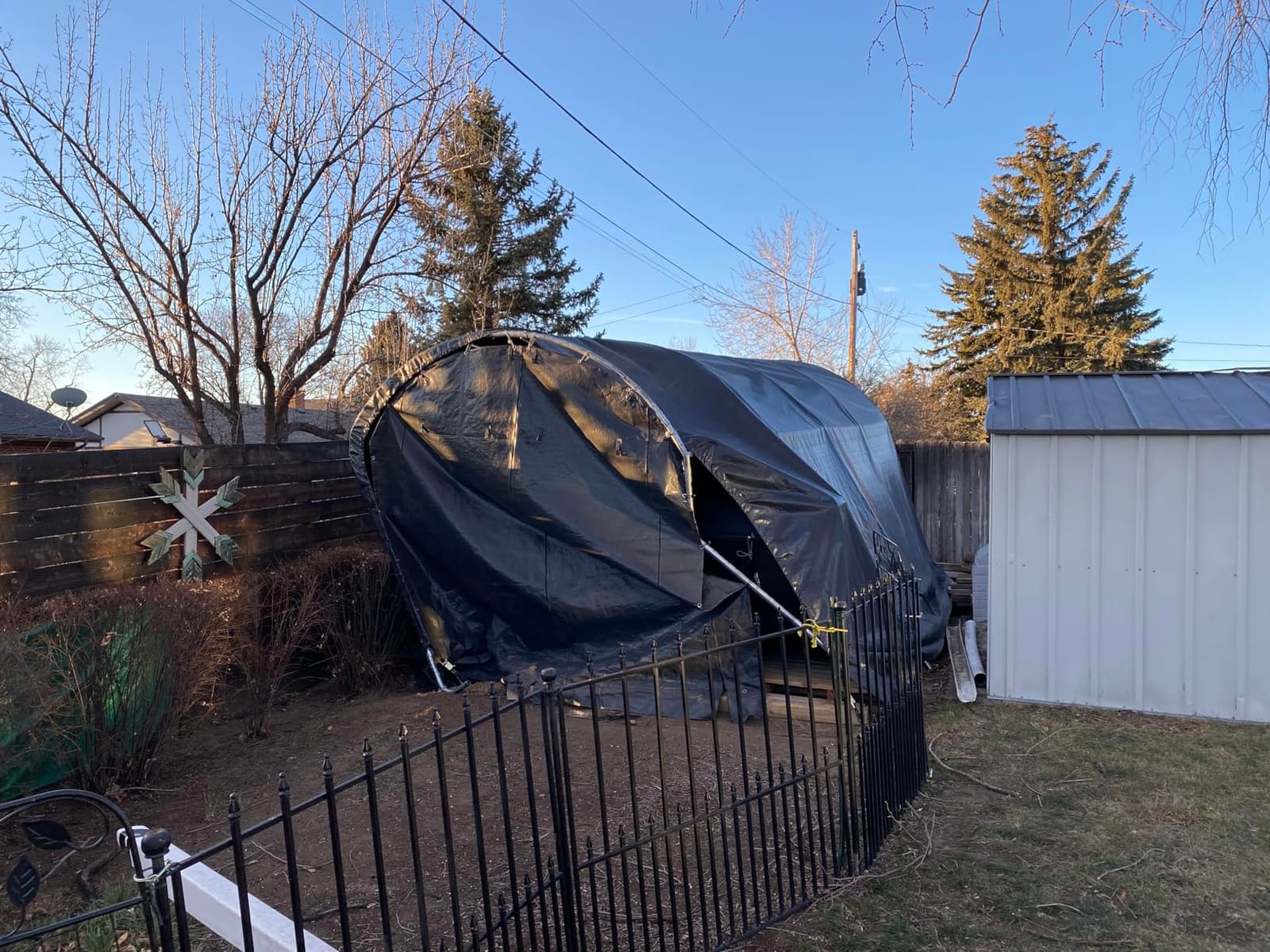
The 38mm by 0.8mm wall tubing is roughly 25 percent stiffer than typical 1.5-inch budget tubing, and the 8 ground bars plus 2 top beams create a triangulated base. That rigidity is why the round roof holds its shape under snow instead of dimpling at the ribs.
Setup difficulty and tools needed
Two people can raise this in about 3 hours with a ladder, rubber mallet, and a cordless drill for the ground bars. The 8 included guylines should all be deployed, and several owners added strap anchors at the mid-height of each leg for extra security.
10. JY QAQA 12×20 FT Carport with Removable Walls – Best Versatile Layout
- 240 sq ft handles larger boats and trailers
- Removable sidewalls and doors for open-air seasons
- Sandbags included for immediate ballast
- Roll-up windows for airflow
- Poles thinner than premium rivals
- May struggle in extreme wind
- Fabric degrades fast in intense sun like Florida
The JY QAQA is the flexible option in the 12×20 class, and its ranking as the number 7 bestseller in Amazon’s carports category shows buyers are noticing. The removable sidewalls and doors let you run it fully enclosed in winter, then strip it to an open canopy for summer boat work. That seasonal flexibility is genuinely useful if you wrench on your own rig.
Inside, the 240 square feet easily takes a 19-foot boat on a trailer with walking room on both sides. The included sandbags are a practical touch for stability, and the roll-up mesh windows keep air moving when the walls are on.
Assembly earns consistent praise in the review pool, with owners calling out the straightforward pole connections. At 121 pounds total, it’s manageable for two people to carry and position on a driveway or gravel pad without machinery.
Temper your expectations on materials. The alloy steel poles are thinner than the KING BIRD’s or ADVANCE OUTDOOR’s, and Florida-based owners report the fabric aging quickly under relentless sun. For the price, though, the space and versatility are hard to beat in sheltered yards.
Seasonal configurations to consider
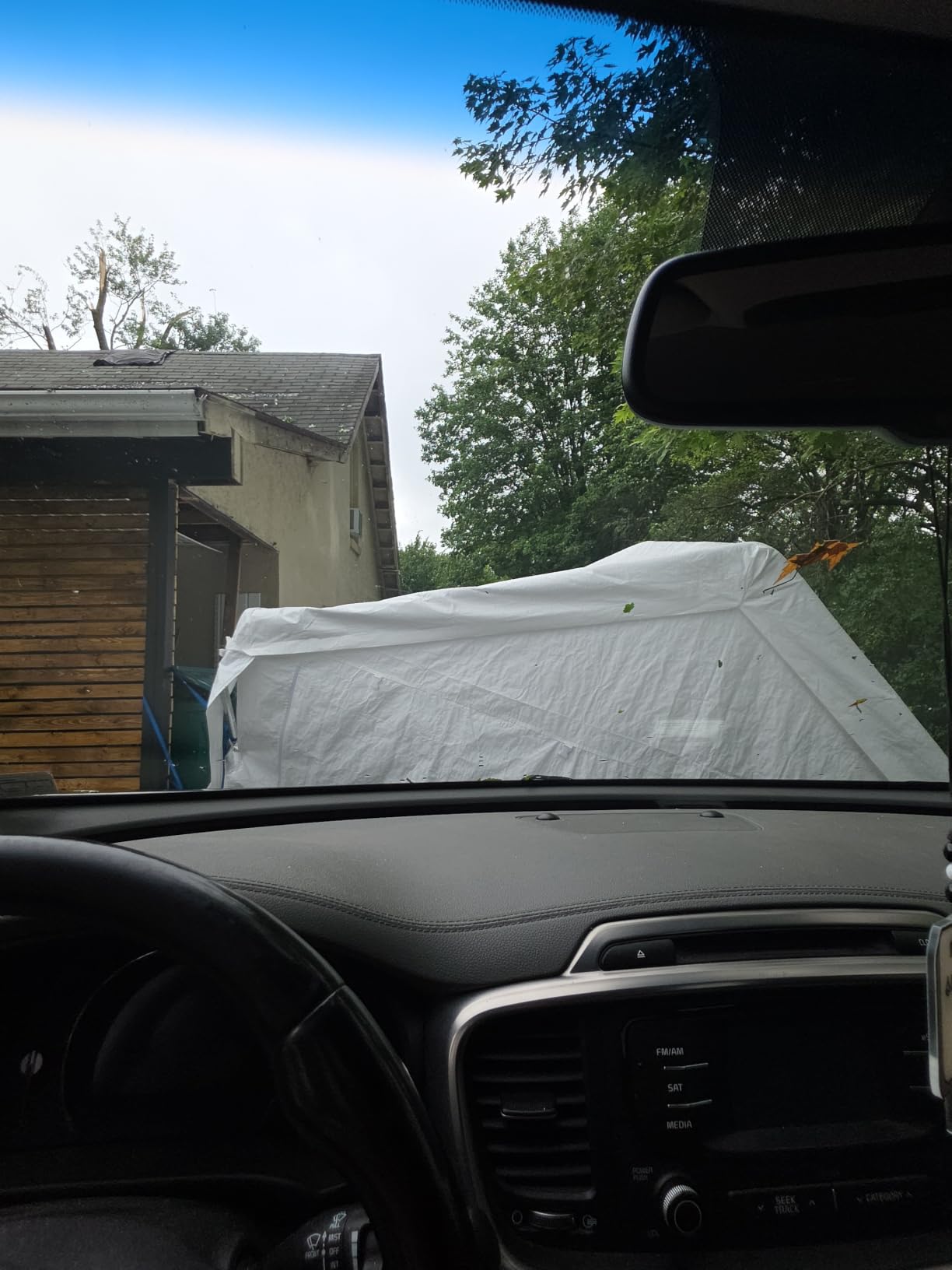
Run the full enclosure from first frost to spring launch, then drop the side walls for summer so you can detail the hull in the shade. Some owners even remove the doors and use it as a party canopy in the off-season, which spreads the value across the whole year.
Long-term durability expectations
Treat the stock cover as a 2-to-3-season component in sunny climates and a 4-to-5-season component in mild ones. The frame is the long-term asset here, and it accepts standard replacement tarps in the 12×20 size when the original finally gives out.
How to Choose the Right Portable Garage for Your Boat
Choosing between these shelters comes down to four decisions: size, frame quality, fabric weight, and anchoring. Get those right and even a budget shelter will protect your boat for years. Get them wrong and you’ll be replacing a collapsed frame after the first big storm.
Match the garage size to your boat and trailer
Measure your boat on its trailer, bumper to prop, at the widest and tallest points. Then add at least 2 feet of length and 6 inches of height clearance, because you need room to walk around the transom and to open hatches. The peak height matters more than people expect, since boat windshields and folded bimini tops often ride above 8 feet on the trailer.
Here’s the quick sizing guide I use. A kayak or canoe fleet fits an 8×12 shelter like the Quictent. Jon boats and skiffs under 14 feet are comfortable in a 10×15. Bass boats and 16-to-19 foot fishing rigs need a 10×20 or 12×20. Boats up to 21 feet with taller windshields call for the 12-foot peak of the ShelterLogic 13×20 or the ADVANCE OUTDOOR’s 11-foot high setting.
Frame steel: diameter and coating matter most
Pole diameter is the single best predictor of frame survival in wind. Budget shelters use 29mm or thinner tubing, mid-range models use 1.5-inch (38mm nominal) tubing, and the KING BIRD’s 38mm pipes with 0.8mm walls sit at the top of the stock frame class. More legs and closer rib spacing also reduce fabric flutter, which is what fatigues covers into shreds.
On coatings, galvanized steel resists rust, but powder coating, like the COBIZI 10×20 uses, seals the metal even more completely. Coastal boaters should prioritize the best coating they can afford, since salt air finds every scratch on bare metal.
Fabric weight and realistic cover lifespan
Fabric is graded in grams per square meter, and the spread in this roundup runs from 180g to 240g. An 180g cover, standard on the ADVANCE OUTDOOR 12×20 and the COBIZI models, typically lasts 1 to 2 years in full sun before thinning. The 220g KING BIRD and 240g ADVANCE OUTDOOR 10×15 covers stretch that to 3 or more seasons in moderate climates.
Forum boaters have a blunt rule of thumb that I’ve found accurate: the frame outlives the cover three to one. Buy for the frame, maintain the cover, and budget for a replacement tarp as routine maintenance rather than a failure.
Anchoring for your ground type
Anchoring is where most shelter failures actually begin, not with the fabric or frame. Grass and soil call for the included auger-style anchors screwed deep, sandbags add ballast for patios, and concrete or asphalt demands expansion bolts, which no shelter includes. Skip anchoring and even the heaviest shelter here becomes a sail.
The forum consensus on The Hull Truth and iboats is blunt: the supplied anchors on nearly every budget shelter are barely adequate. Owners who upgrade to 12-inch auger anchors at every leg, plus ratchet straps replacing bungee cords, consistently report multi-season survival through storms that destroyed their neighbors’ stock-anchored shelters.
Are portable garages worth it? A cost-per-season view
Run the math against the alternatives and the value case becomes obvious. A marina slip or dry stack storage runs well over a thousand dollars per season in most regions, and shrink-wrapping a boat each winter costs a few hundred dollars annually with zero reuse. Even a premium shelter from this list pays for itself in one to three seasons, and the frame keeps serving for years after.
Be realistic about total cost of ownership, though. Plan on one replacement cover every 2 to 3 years on budget models and better anchors on day one. Even with those costs, a portable garage protecting a boat from UV, snow, and ice will save real money on gel coat repair, seat replacement, and canvas work over the same period.
Winter prep for the shelter and the boat
Before the first snow, tension every strap, check every anchor, and sweep the roof after each significant dump. Inside the shelter, crack a vent or window for airflow and add a moisture absorber near the boat. A boat that goes into winter dry, with a full tank and stabilized fuel, comes out of an enclosed shelter ready to launch, which is the whole point of the exercise.
Frequently Asked Questions
What is the best-rated portable garage?
The ADVANCE OUTDOOR 12×20 Adjustable Height Carport is the best-rated option for boats, with a 4.3-star average across more than 2,500 reviews. Owners highlight its four adjustable peak heights, reinforced triangular poles, and real-world survival of 45 mph winds when anchored with the included auger anchors.
Are portable garages worth it?
Yes, for most boat owners. A portable garage costs a fraction of a marina slip or dry stack storage, which often runs over a thousand dollars per season, and it protects your boat year-round from UV, rain, snow, and debris. Expect to replace the fabric cover every 2-3 years on budget models, but the steel frame typically lasts far longer, making the cost-per-season far lower than any storage alternative.
What is a cheap shelter for a boat?
The Quictent 8x12FT Storage Shelter is the most affordable purpose-built option for kayaks, canoes, and small boats, while the Quictent 10×20 Car Canopy is the cheapest shelter that fits a full-size fishing boat on a trailer. Both carry strong ratings and include anchoring hardware, keeping your total setup cost low.
What size garage do I need for storing a boat?
Measure your boat and trailer together at the longest, widest, and tallest points, then add 2 feet of length and 6 inches of height clearance. As a rule, kayaks and canoes fit an 8×12 shelter, boats under 14 feet fit a 10×15, bass boats and rigs up to 19 feet need a 10×20 or 12×20, and boats up to 21 feet with tall windshields need the 12-foot peak of a 13×20 model.
Final Thoughts
After comparing ten shelters across thousands of owner reviews, my pick for the best portable garages for boats is the ADVANCE OUTDOOR 12×20 for its adjustability and proven wind record. The Quictent 10×20 remains the value champion with its steel cable reinforcement, the ShelterLogic Garage-in-a-Box leads in snow country, and the Quictent 8×12 covers the small-craft crowd on a budget.
Whichever shelter you choose, anchor it beyond the included hardware and plan on cover replacement as routine maintenance. Do that, and your boat will sit dry, shaded, and ready to launch every spring for years to come.