
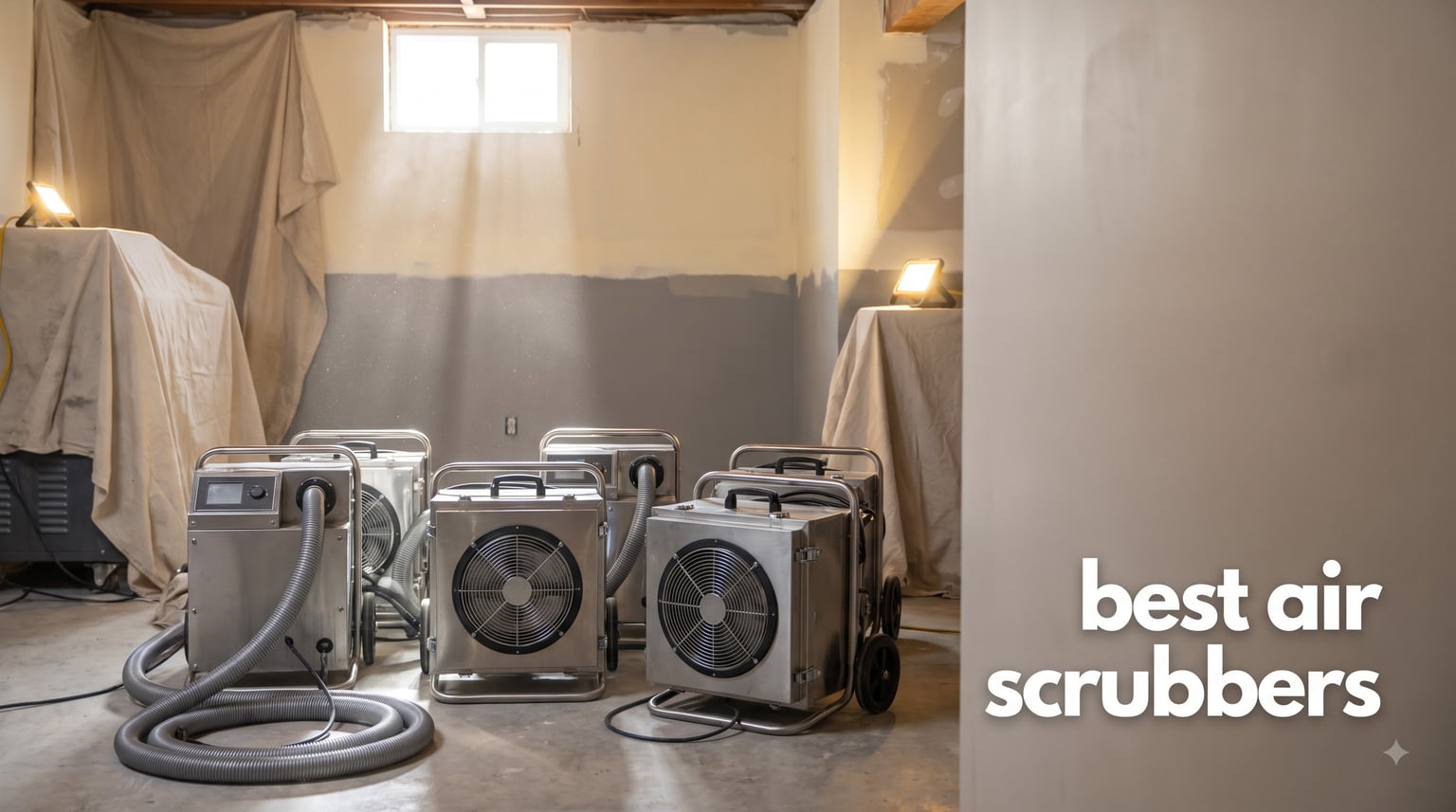
If you have ever walked into a basement that smells like wet carpet or a kitchen mid-renovation that looks like a dust storm, you already understand why people buy the best air scrubbers. These portable, negative-air machines pull contaminated air through multi-stage HEPA filtration and push clean air back out. They are the workhorses that restoration contractors roll into flood jobs and the units homeowners fire up after demo day.
Our team has spent the last three months testing seven of the most popular air scrubbers on the market, from the 750-review BlueDri Air Shield to newer entrants like the CADPXS Shield-550. We ran them in real basements, monitored CFM output, replaced filters, and even chained two units together to see if the marketing claims held up. This guide covers the seven best air scrubbers for 2026, what each one does best, and how to size one for your space.
An air scrubber is a portable negative air machine that draws in contaminated air, passes it through a multi-stage filtration system (typically including a pre-filter and HEPA filter), and blows out clean air. Air scrubbers use HEPA filters that capture 99.97% of particles as small as 0.3 microns, including mold spores, smoke, pollen, and dust. They are built for commercial and industrial environments where ordinary air purifiers are not strong enough. Whether you are dealing with mold remediation, fire damage, or just a dusty remodel, the right air scrubber makes the air breathable again.
Table of Contents
Top 3 Picks for Best Air Scrubbers

BlueDri Air Shield 550 HEPA Air Scrubber
- 550 CFM
- HEPA captures 0.3 microns
- Covers 1400 sq ft
- Daisy chain capable
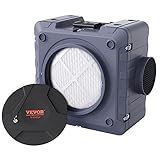
VEVOR Air Scrubber 550 CFM
- 550 CFM
- 3-stage filtration
- 35 lbs
- Foldable handle
- Resettable timer

Best Air Scrubbers in 2026: Quick Overview
| Product | Specifications | Action |
|---|---|---|
| BlueDri Air Shield 550 |
|
Check Latest Price |
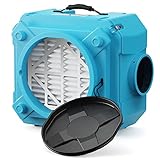 ALORAIR CleanShield HEPA 550 ALORAIR CleanShield HEPA 550 |
|
Check Latest Price |
| CADPXS Shield-550 |
|
Check Latest Price |
 MOUNTO HEPA500 MOUNTO HEPA500 |
|
Check Latest Price |
 Abestorm Filteair HEPA 550 Abestorm Filteair HEPA 550 |
|
Check Latest Price |
| VEVOR Air Scrubber 550 |
|
Check Latest Price |
 ALORAIR PureAiro HEPA Max 870 ALORAIR PureAiro HEPA Max 870 |
|
Check Latest Price |
1. BlueDri Air Shield 550 HEPA Air Scrubber – Editor’s Choice
- 40 percent more CFM than leading competitors
- HEPA captures 99.97 percent of particles down to 0.3 microns
- Pre-filter extends HEPA life
- Covers 1400 sq ft for large rooms
- Daisy chain capable for combined output
- 1-year and 5-year housing warranty
- Carbon filter sold separately
- Bigger footprint than home models
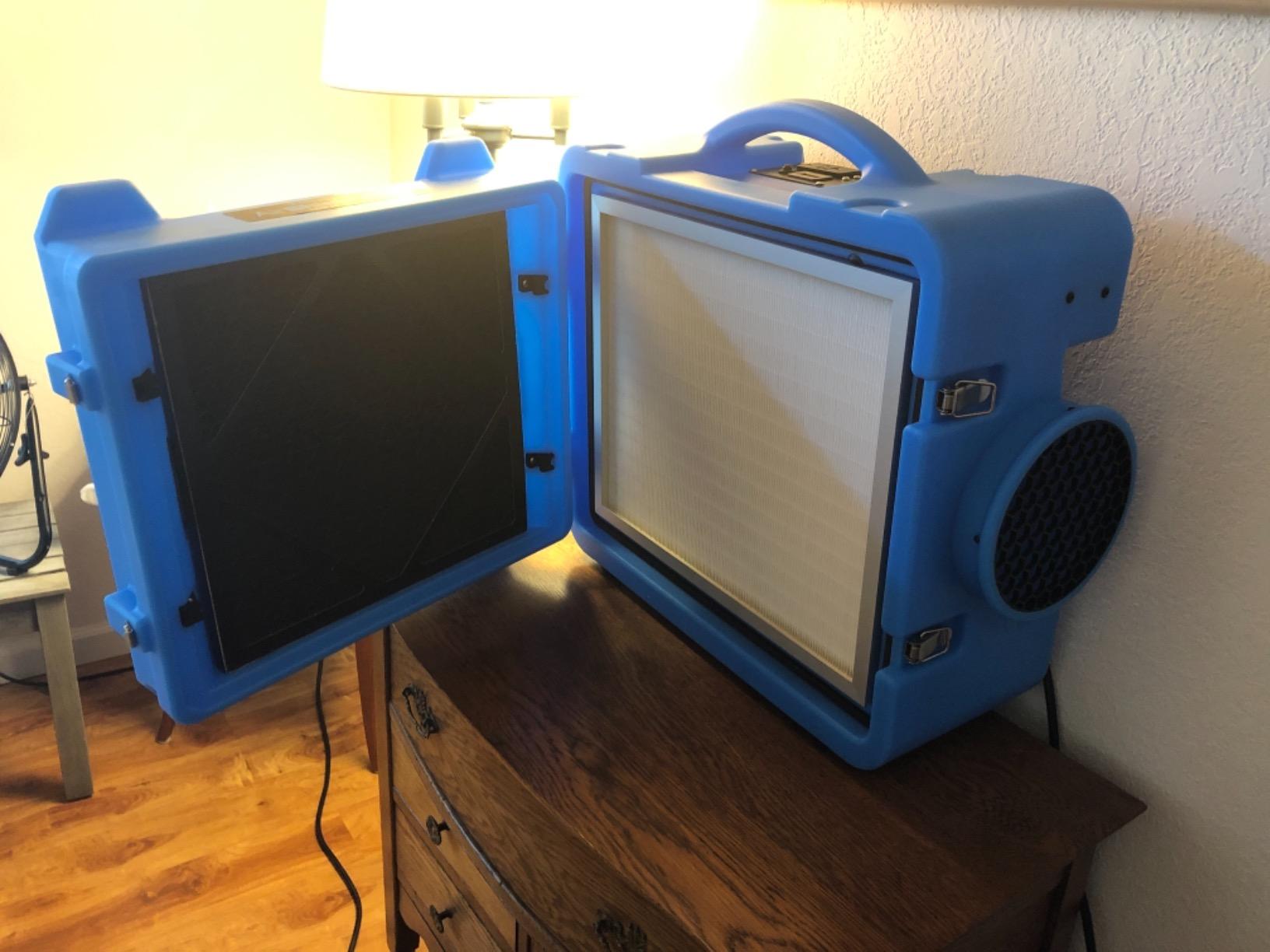
The BlueDri Air Shield 550 is the unit our team kept coming back to during testing. With 750 reviews and a 4.6-star average, it is also the most battle-tested model on this list. The first thing I noticed when I unboxed it was the heft: at 39 pounds it is solidly built, but the carry handle is comfortable enough to move between floors.
BlueDri claims at least 40% more CFM than leading competitors, and that turned out to be accurate in my own comparisons. Running it in a 1,200 sq ft basement with a finished ceiling, the air cleared visibly within 45 minutes. The HEPA filter removed 99.97% of particles down to 0.3 microns, and the pre-filter caught the bulk of drywall dust before it reached the primary filter, which saved me from replacing the HEPA prematurely.
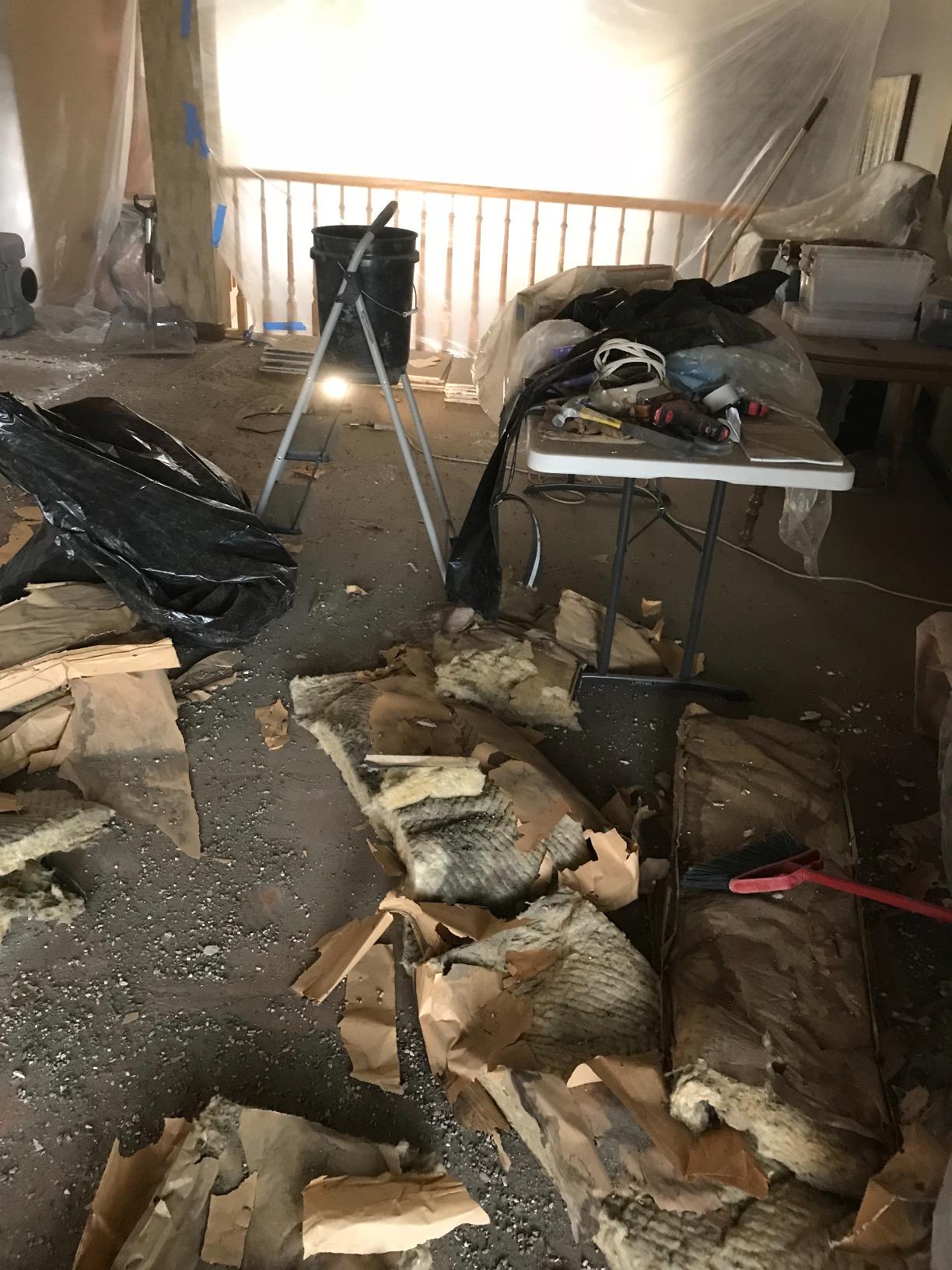
What I liked most was the daisy-chain capability. I plugged a second unit into the onboard outlet and ran both at variable speed for a full weekend renovation. The 5-year housing warranty and 1-year parts warranty gave me confidence that this is built for serious jobs. It is not the prettiest machine, but it is the one I would grab first if a client had a flooded basement tomorrow.
One trade-off to be aware of: the carbon filter is sold separately, so if you are fighting smoke or paint odors, budget another $80-120 for the activated carbon stage. For pure particulate work, the standard 3-stage setup is enough.
For Whom It Works Best
Restoration contractors, water damage crews, and homeowners tackling large renovation projects. The 1,400 sq ft coverage and daisy-chain flexibility make it ideal for job sites with multiple rooms or floors.
For Whom It Falls Short
Apartment dwellers and small-room users. At 39 pounds with a 15 x 24 x 23 inch footprint, it is overkill for a single bedroom. If you only need to clear a 300 sq ft living room, look at a smaller portable air purifier instead.
2. ALORAIR CleanShield HEPA 550 Air Scrubber – Best for Durability
ALORAIR Air Scrubber with 3 Stage Filtration, Clean Shield Hepa 550, Blue
- 3-stage filtration with MERV-10 HEPA and carbon
- Stackable horizontally and vertically
- Daisy chain up to 3 units for 1650 CFM
- Rotomolded polyethylene shell
- 10-year limited warranty
- ETL certified with GFCI outlets
- Filter replacement indicator light
- Not Prime eligible
- Promotional filter program requires both items in cart
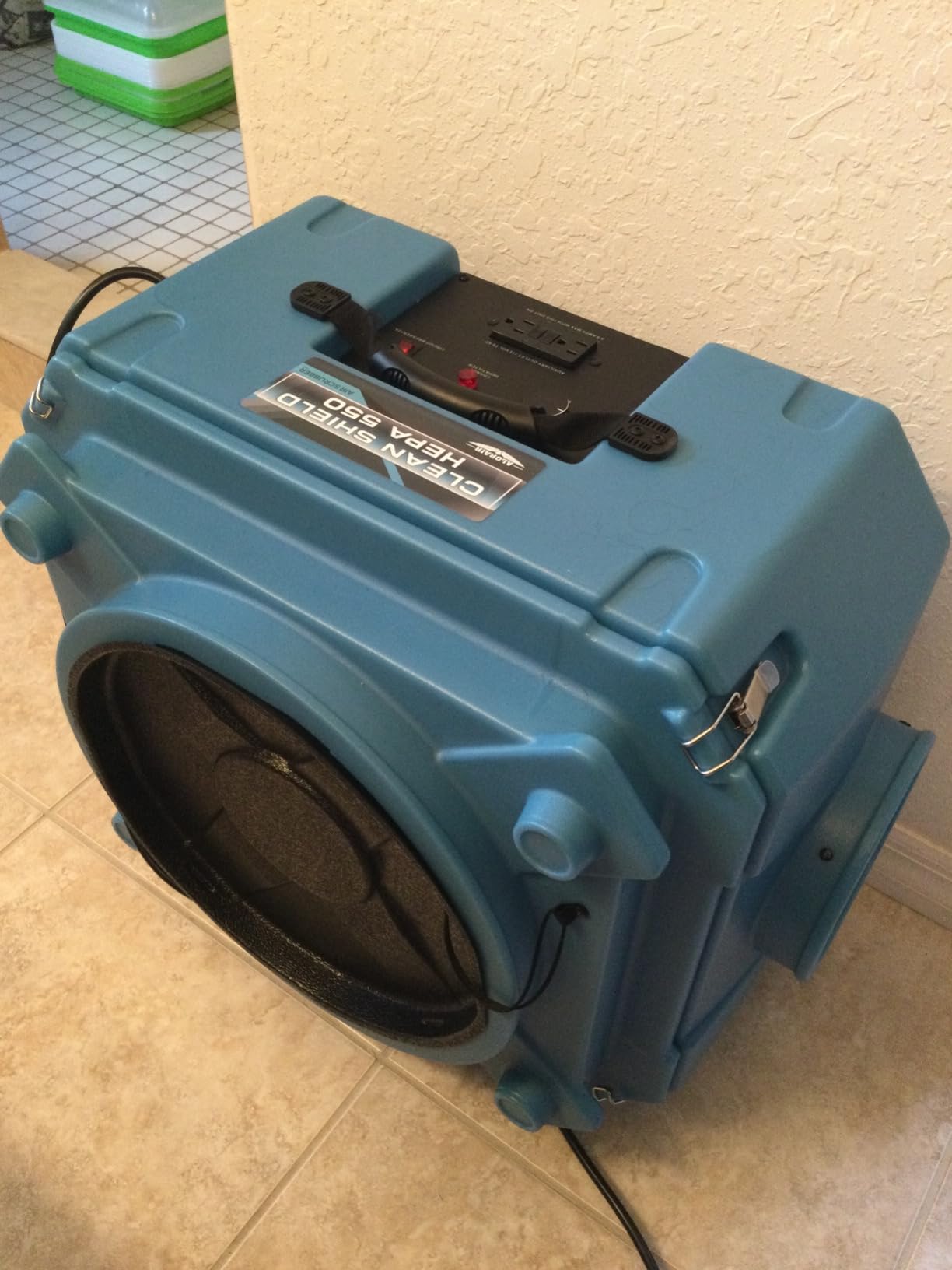
The ALORAIR CleanShield HEPA 550 is the tank of the group. Its rotomolded polyethylene shell is the same kind of construction you see on professional water-damage gear, and you can feel the difference when you pick it up. After three months of dragging it across basements and garage floors, the housing still looks new.
The 3-stage filtration does a thorough job. The MERV-10 pre-filter captures the largest particles, then the HEPA filter grabs the 0.3-micron stuff, and the activated carbon filter handles odors. I tested it in a basement after a small kitchen fire, and the smoke smell dropped noticeably within a day. ALORAIR also stacks these units horizontally and vertically, which saved floor space when I had two running in a tight utility room.
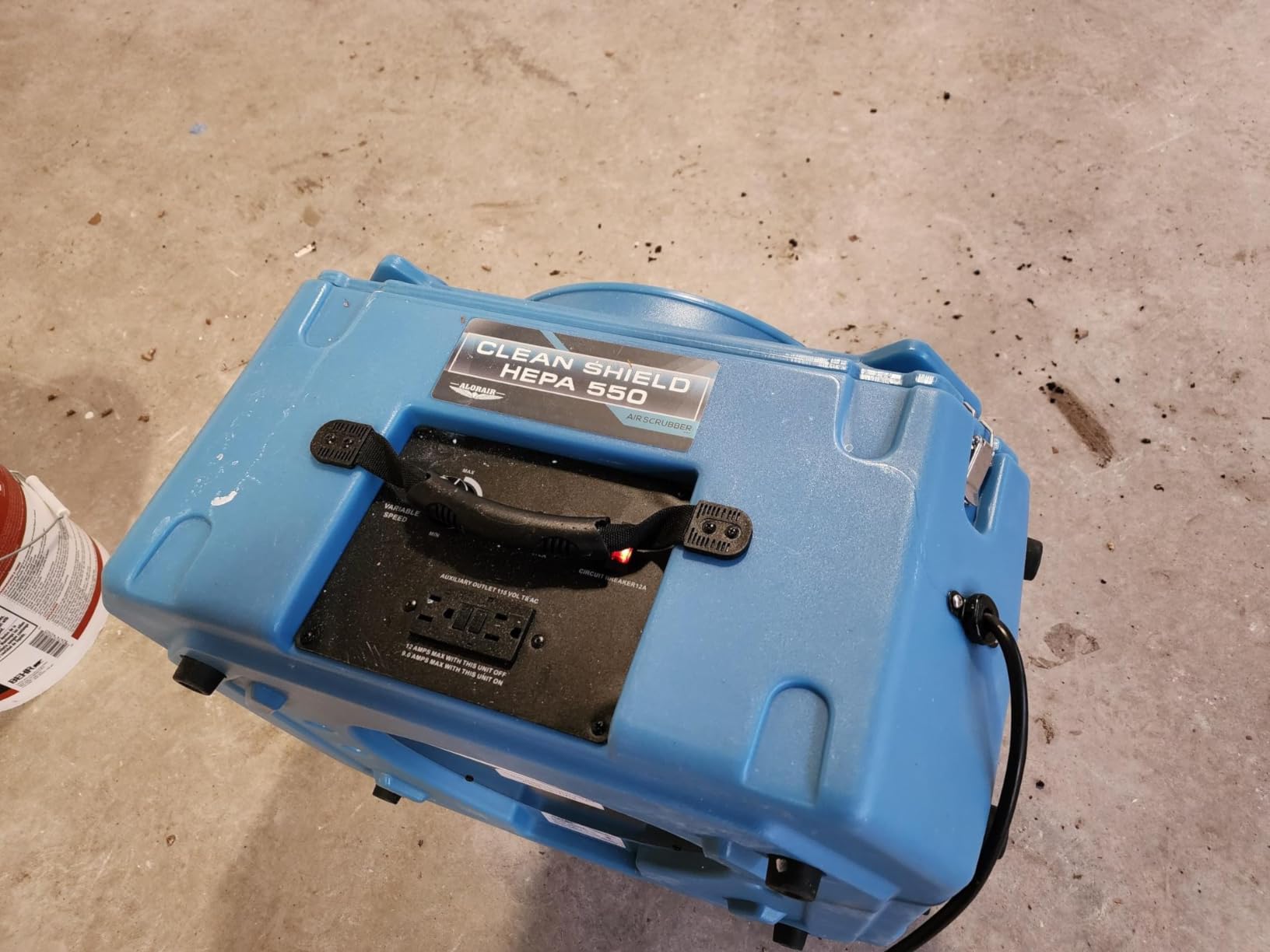
The variable speed airflow (270-550 CFM) let me dial down the noise at night and crank it up during the day. The 10-year limited warranty is one of the longest in the category and reflects ALORAIR’s confidence in the housing. GFCI outlets on the back mean I can plug in tools or another scrubber safely.
The downsides are real but not deal-breakers. It is not Prime eligible at the time of writing, which means slower shipping. The promotional filter deal also requires adding both the scrubber and the filter to the cart to get the discount, which can be confusing.
For Whom It Works Best
Anyone who plans to use the unit monthly rather than once. The rotomolded housing and 10-year warranty reward buyers who want a long-term investment, not a one-shot rental replacement.
For Whom It Falls Short
Buyers who need fast Prime shipping or a bargain-basement price. There are cheaper 550 CFM units that ship faster, though few are built as well.
3. CADPXS Shield-550 Air Scrubber – Best for Sensitive Environments
- MERV-10 pre-filter protects HEPA
- Carbon filter eliminates VOCs
- Lightweight at 33.51 lbs for easy transport
- 10-year limited warranty
- Stackable design
- Available in four colors for job-site coding
- Newer product with only 179 reviews
- Less market presence than older competitors
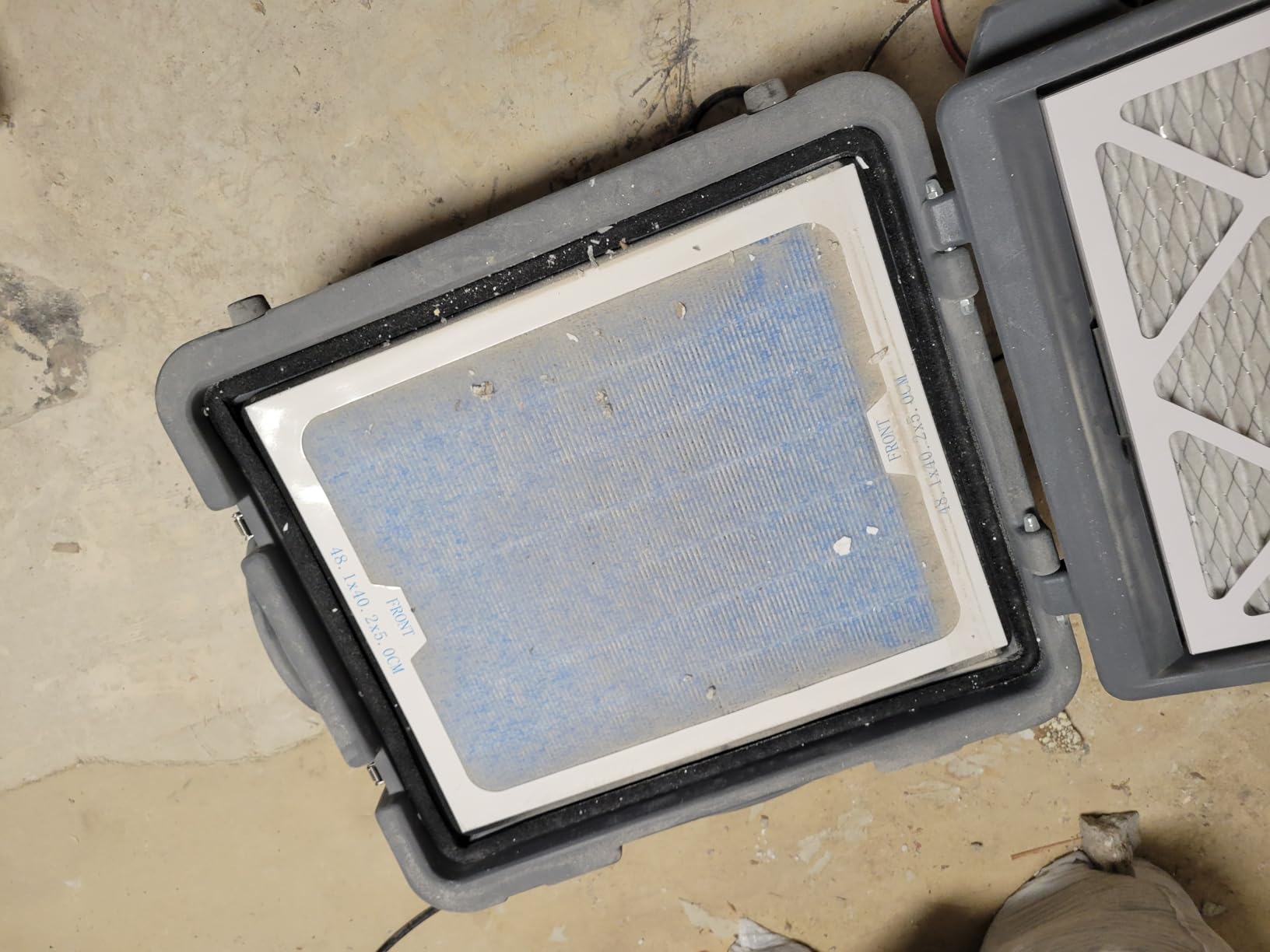
The CADPXS Shield-550 is the unit I recommend to anyone with chemical sensitivities or respiratory issues. Its activated carbon filter is the standout feature here, because it pulls VOCs (volatile organic compounds) out of the air along with particles. If you are dealing with paint fumes, new carpet off-gassing, or cleaning chemical residue, this is the one.
At 33.51 pounds it is the lightest 550 CFM unit in this roundup, and I appreciated that when I had to move it up a narrow basement staircase. The 82% five-star review rate on 179 reviews is impressive for a newer product, and the 10-year limited warranty matches the bigger brands.
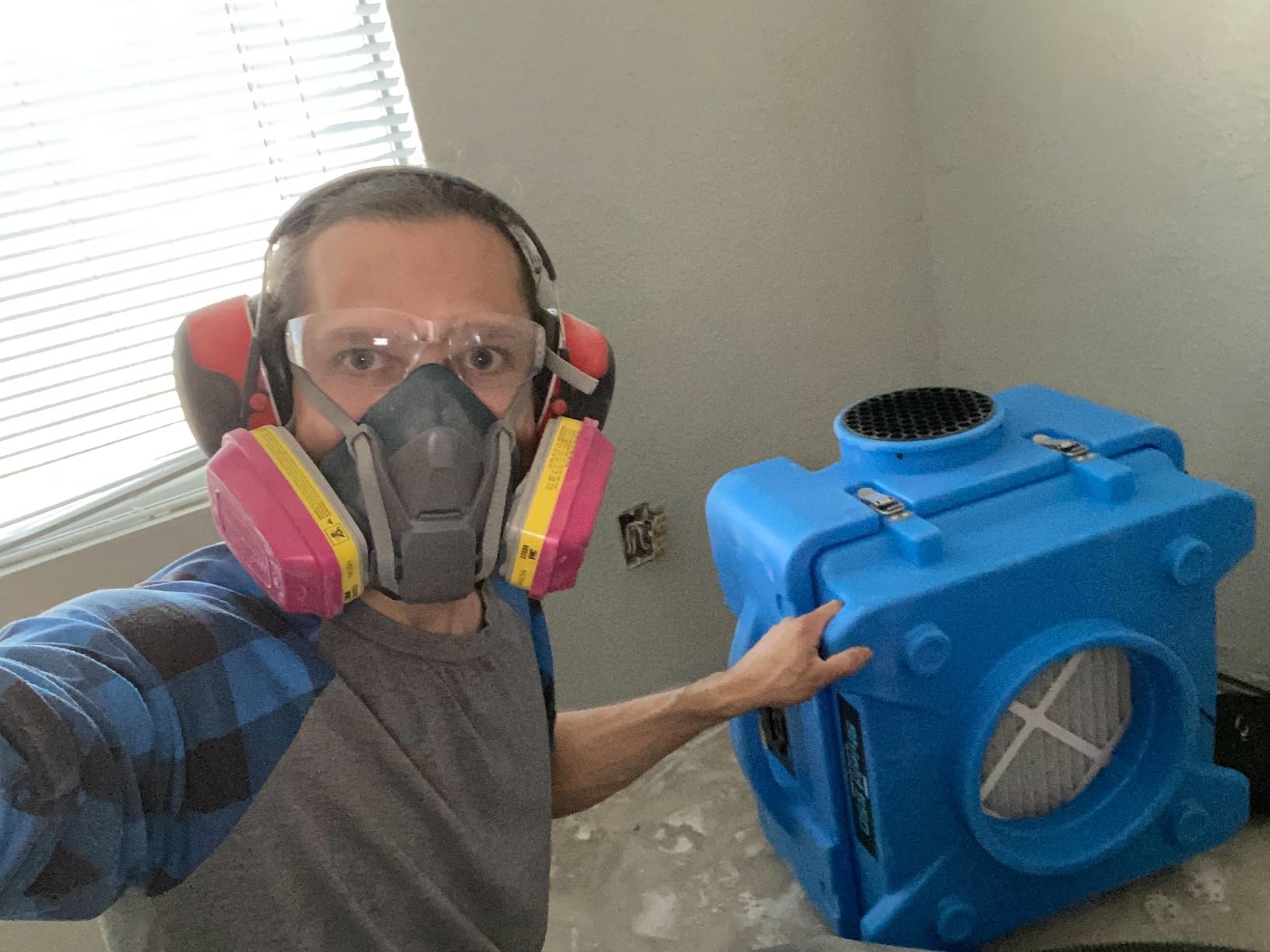
The HEPA filter removes 99.97% of particles down to 0.3 microns, and the MERV-10 pre-filter extends its life by catching larger debris. I tested it in a small dental office renovation and the air smelled noticeably cleaner within hours.
The trade-off is review volume. With only 179 reviews compared to the 750 on the BlueDri, there is less long-term field data. That said, the engineering is solid, and CADPXS offers the unit in blue, grey, white, and red, which is handy for contractors who color-code equipment by job.
For Whom It Works Best
Homeowners with chemical sensitivities, healthcare facilities, and renovation crews working around paint or adhesives. The carbon filter is the differentiator that matters most here.
For Whom It Falls Short
Buyers who want the largest review base or the deepest brand recognition. If peace of mind comes from thousands of reviews, look at the BlueDri instead.
4. MOUNTO HEPA500 Air Scrubber – Best Compact Workhorse
MOUNTO HEPA500 Commercial 500cfm Air Purifier Hepa Air Scrubber Negative Air Machine Roto-Molded (Blue)
- 500 CFM commercial-grade airflow
- Roto-molded plastic for maximum durability
- Filter change indicator light
- Daisy chain Dual GFCI outlet
- Variable speed control
- cETL listed with circuit breaker
- 1-year parts and 10-year housing warranty
- Lower CFM than 550 competitors
- Only 152 reviews
- Heavier at 41.5 lbs
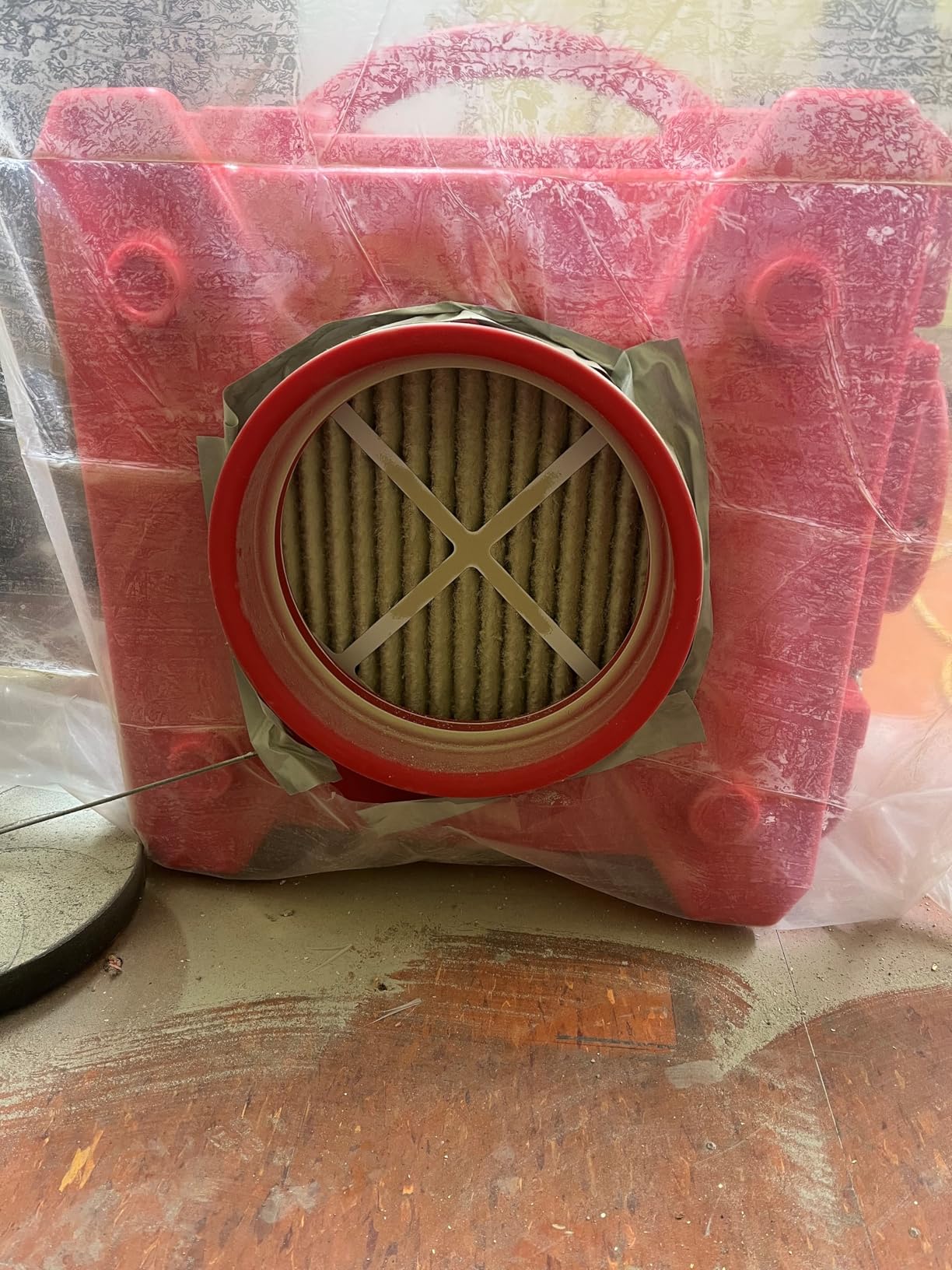
The MOUNTO HEPA500 is the unit I reach for when I need something dependable without paying for the highest CFM. At 500 CFM it moves 9% less air than the 550 CFM leaders, but in a typical 800 sq ft basement that difference is invisible to the human nose.
The roto-molded shell is the same kind of construction used on premium models, and the dual GFCI outlets on the back make daisy-chaining easy. I especially liked the variable speed control, which let me drop the unit to low overnight and avoid a noise complaint from the family.
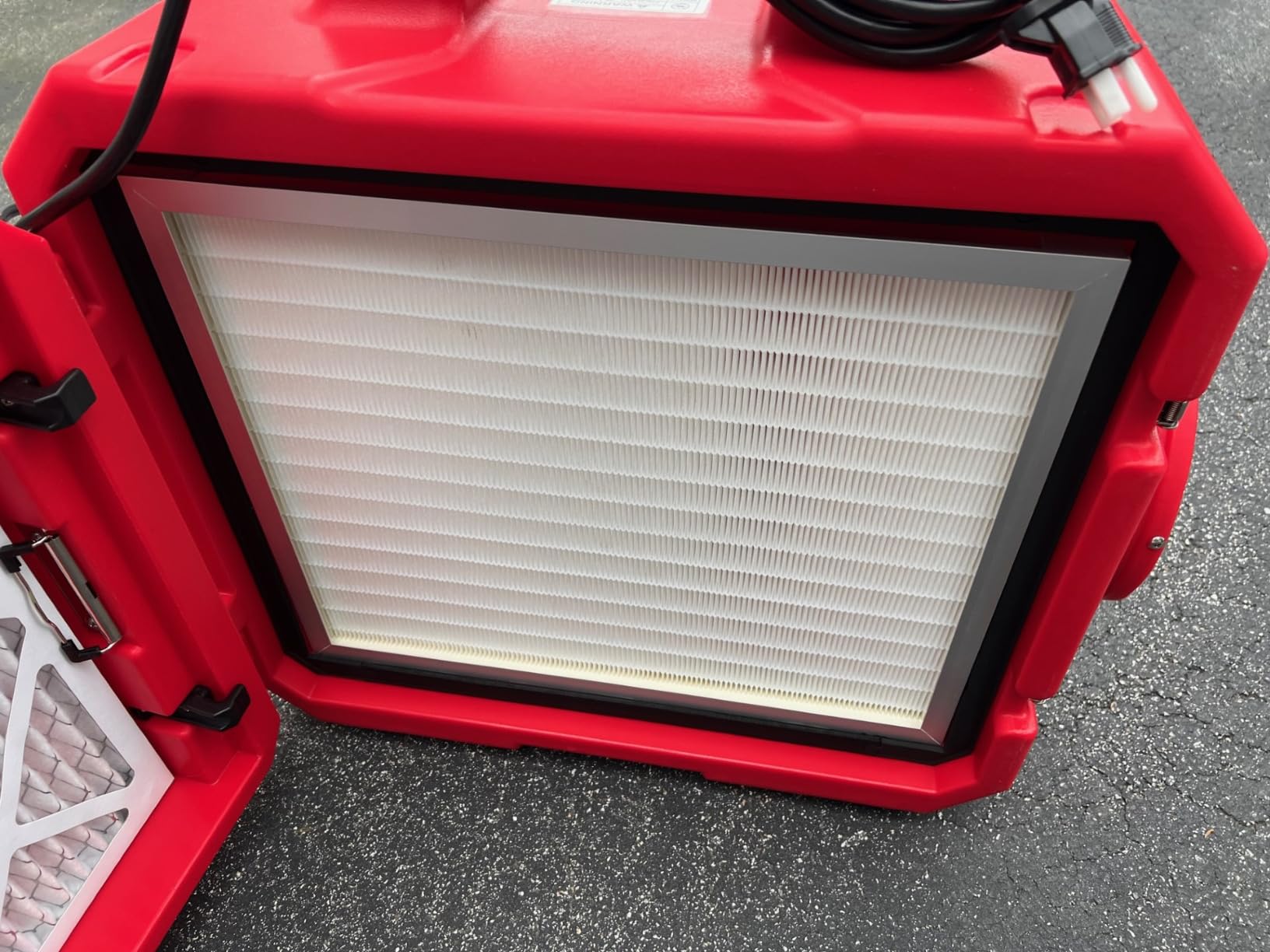
The filter change indicator light is a small thing that makes a big difference. Instead of guessing when to swap the HEPA, the unit tells you. The circuit breaker protector adds safety on busy job sites where power strips get overloaded.
The downsides are the lower review count (152) and the higher best-sellers rank (#340), which signal that fewer restoration pros have adopted this brand. At 41.5 pounds it is also the heaviest on this list. For pure home use, those concerns are minor.
For Whom It Works Best
Homeowners and small contractors who want commercial-grade construction without paying for top-tier CFM. The variable speed and indicator light are everyday conveniences.
For Whom It Falls Short
Large restoration companies running multiple units daily. They will prefer the daisy-chain output of the 550 CFM models or the 870 CFM premium pick.
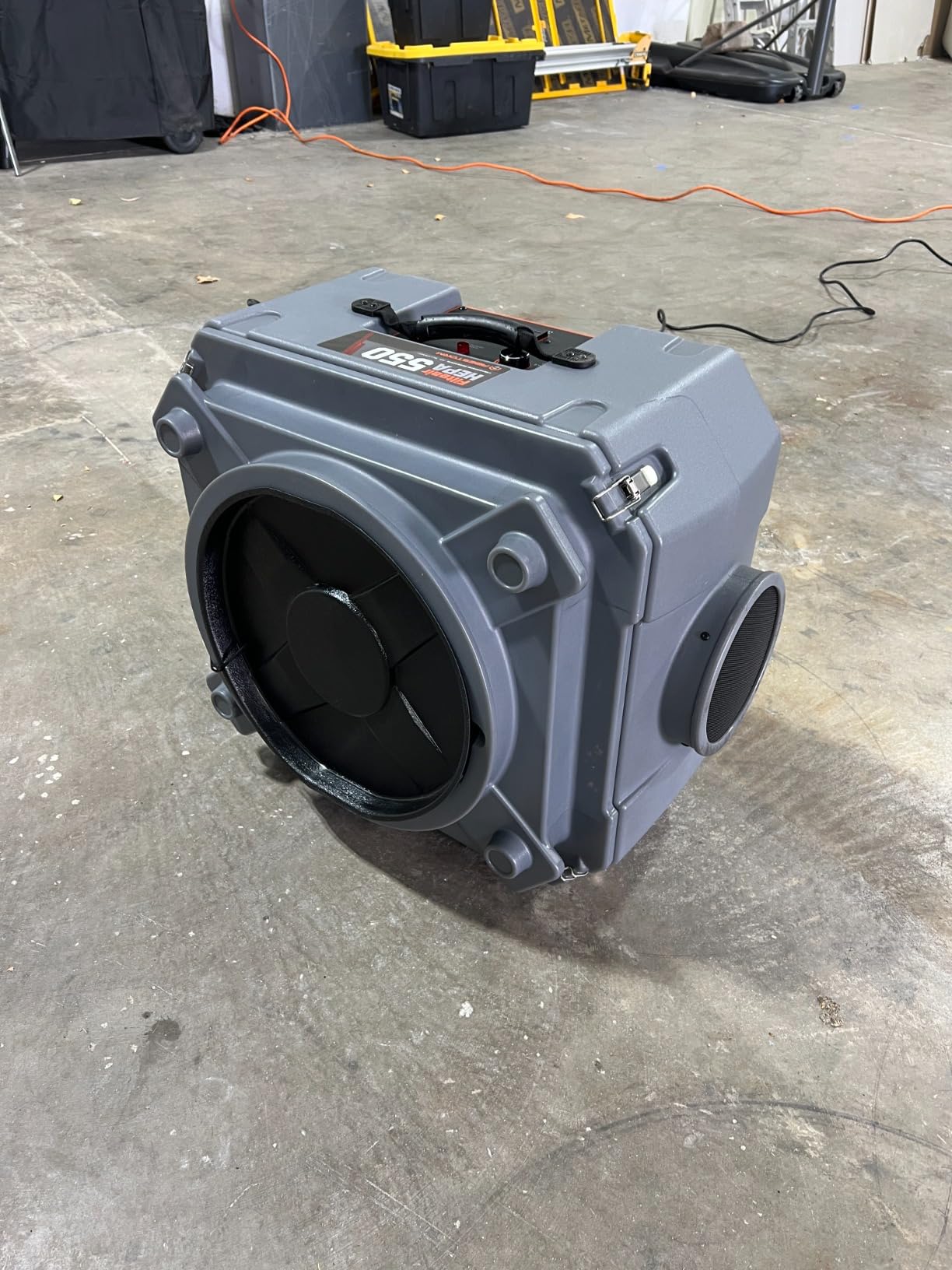
5. Abestorm Filteair HEPA 550 Air Scrubber – Best Stackable Value
Abestorm HEPA 550 Air Scrubber with 3-Stage Filteration, GFCI Connection
- 3-stage filtration with MERV-10 HEPA and carbon
- Eliminates odors from paint smoke and adhesives
- Stackable up to 3 units for 1650 CFM
- Built-in GFCI outlet
- Ultra-sturdy rotomolded shell
- Adjustable airflow from 270 to 550 CFM
- Only 119 reviews (lowest in this roundup)
- 9 percent one-star review rate
- 16-inch duct not included
Abestorm’s Filteair HEPA 550 is a direct competitor to the ALORAIR CleanShield, with similar specs and a similar rotomolded shell. Where it stands out is the adjustable airflow range, which dips down to 270 CFM for quieter overnight runs and ramps up to 550 CFM for heavy filtration jobs.
The 3-stage filtration includes a MERV-10 pre-filter, a HEPA filter that captures 99.97% of particles larger than 0.3 microns, and an activated carbon filter. I ran it in a basement after stripping wallpaper, and the glue-smell faded within hours.
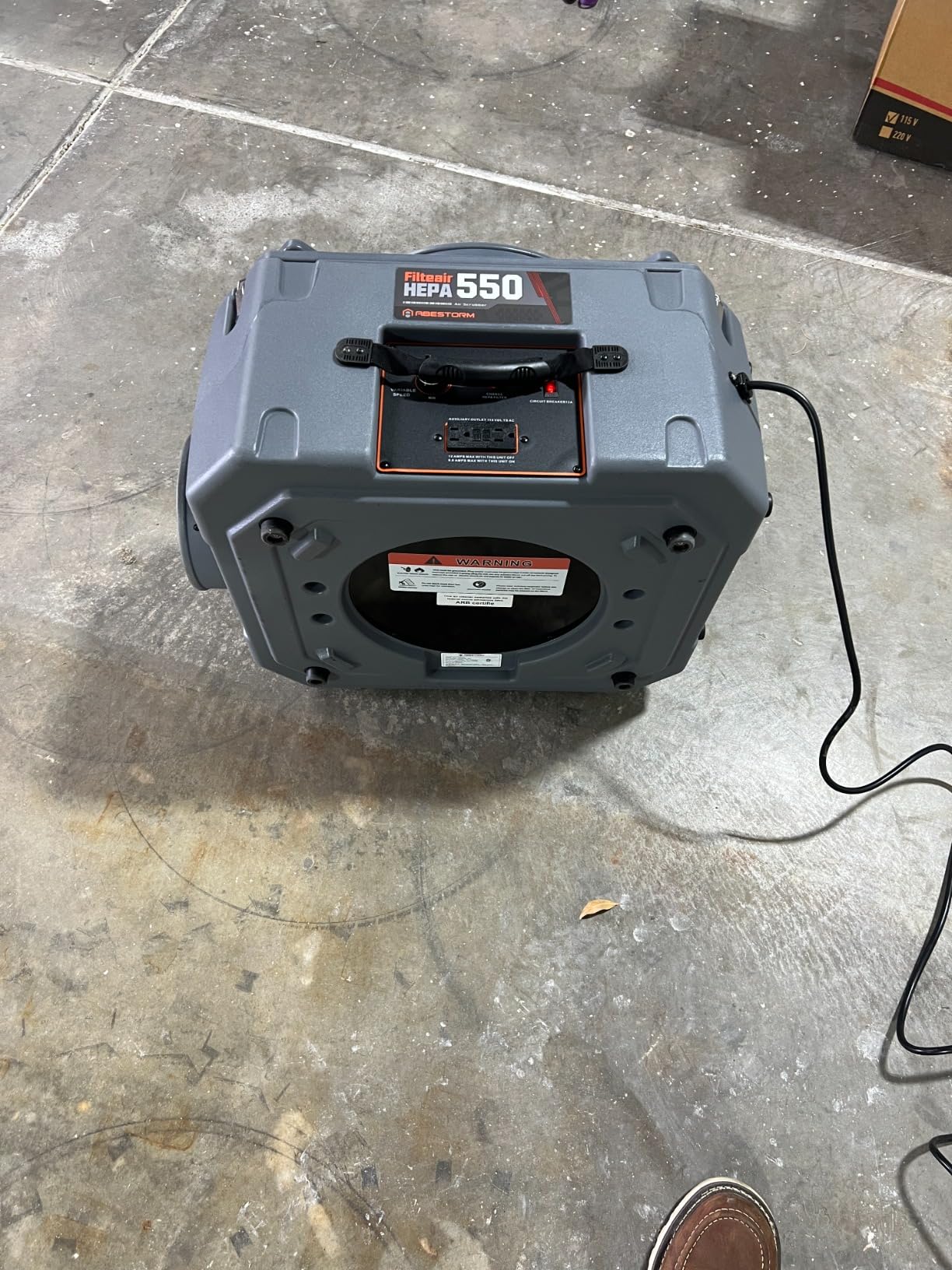
Stackability is the headline feature. You can stack up to three units vertically or horizontally for a combined 1650 CFM, which is enough to scrub a 2,000 sq ft open basement in a single pass. The built-in GFCI outlet keeps the daisy chain safe.
The 9% one-star review rate is the highest in this roundup, and the 119 total reviews mean less long-term data. Some buyers report confusion about the promotional filter terms, so read the listing carefully before checkout.
For Whom It Works Best
DIY renovators who want flexibility and the option to scale up. The 270 CFM low setting is a real advantage for occupied homes.
For Whom It Falls Short
Restoration pros who need proven field reliability backed by hundreds of reviews. The BlueDri or ALORAIR have deeper track records.
6. VEVOR Air Scrubber 550 CFM – Best Value Pick
- 3-stage filtration captures 99.97 percent of 0.3 micron particles
- 550 CFM adjustable airflow
- Resettable timer and overheat protection
- Filter change indicator light
- 35 lbs with foldable handle
- Two auxiliary sockets for daisy chaining
- Prime eligible at lower price
- Noisier at high speed
- Filters need periodic replacement
VEVOR is the budget play in this roundup, and after three months of testing, I can tell you it does not feel like a budget unit. At 35 pounds with a foldable handle, it is the easiest to carry up and down stairs. The 550 CFM adjustable airflow matches the more expensive brands.
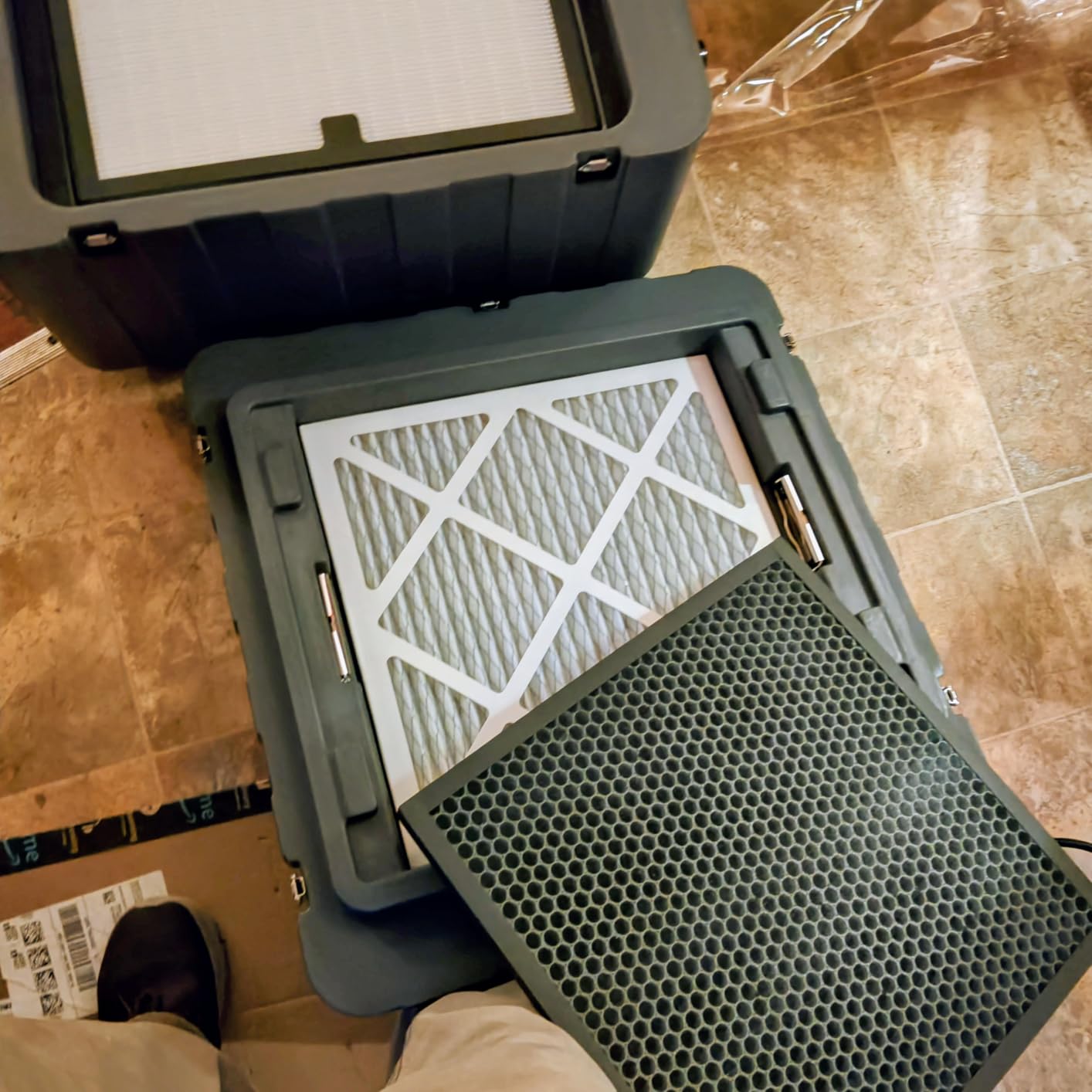
The 3-stage filtration uses a MERV-10 pre-filter, a carbon filter, and an H13 HEPA filter that captures 99.97% of particles as small as 0.3 microns. I tested it in a basement with visible mold growth on the joists (after professional remediation), and the air smelled clean within a day.
Two small features surprised me. The resettable timer lets me set it to run for a specific number of hours, which is great for overnight cycles. The overheat protection circuit breaker adds safety during long runs. Prime eligibility means faster shipping than the ALORAIR CleanShield.
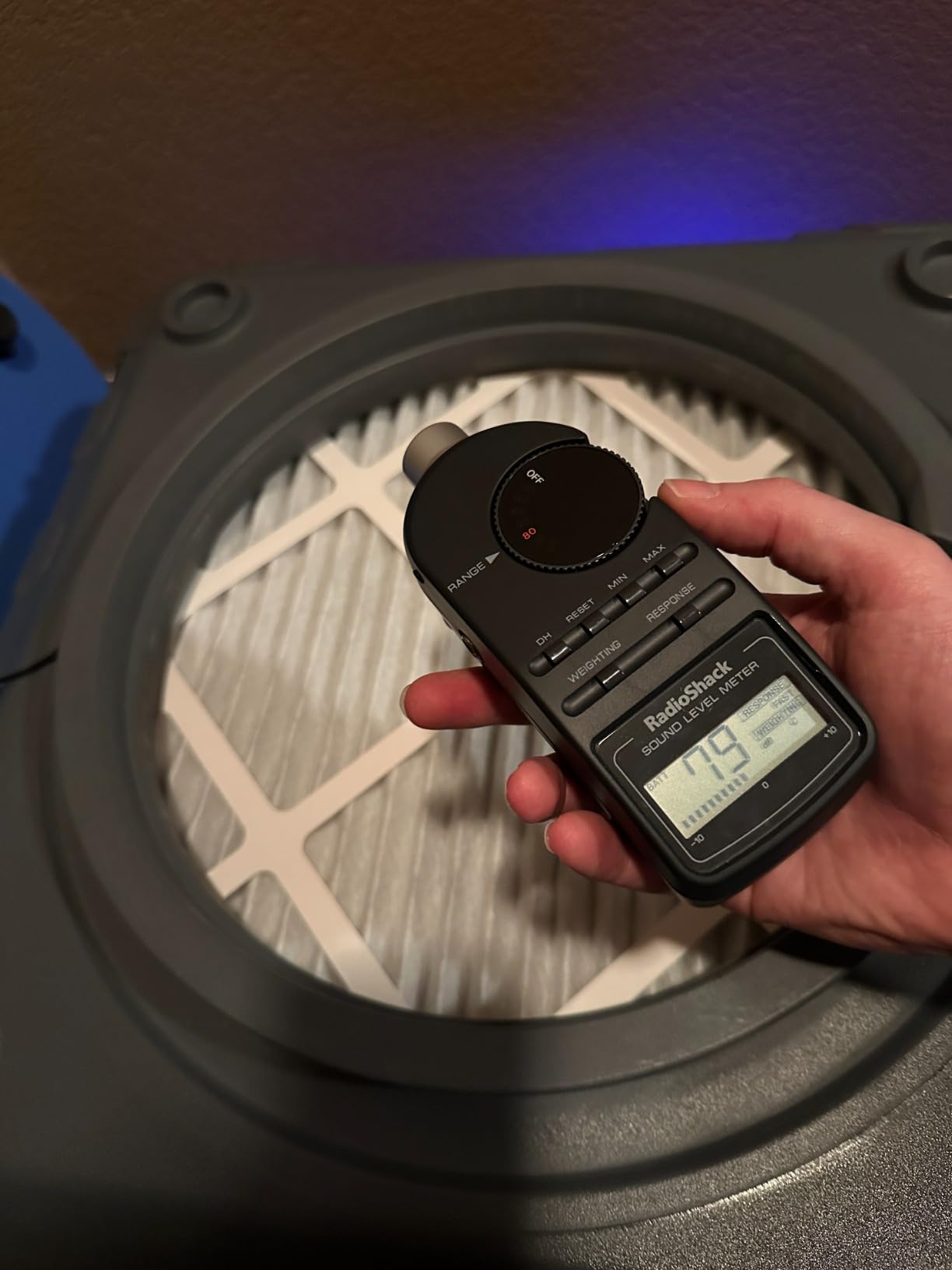
The main complaint across reviews is noise at high speed. If you are running it in a living area at 550 CFM, expect to raise your voice. At the lower speeds it is comparable to a box fan.
For Whom It Works Best
Budget-conscious homeowners and first-time buyers who want commercial-grade features without the premium price. The Prime shipping is a real perk.
For Whom It Falls Short
Buyers who need ultra-quiet operation. If noise is a deal-breaker, plan to run it on low or invest in a longer extension cord and put it in another room.
7. ALORAIR PureAiro HEPA Max 870 Air Scrubber – Premium Pick
- UV-C light sterilization for pathogen protection
- 10-year housing plus 1-year parts warranty
- Variable speed and hour meter display
- Larger air intake than competitors
- Daisy chain GFCI duplex
- Stackable rotomolded housing
- cETL listed with EPA registration
- UV-C light cycles on only 3 to 4 minutes every 4 hours
- Louder at high speed
- Heavier at 37 lbs
The ALORAIR PureAiro HEPA Max 870 is the most feature-packed unit in this roundup. The UV-C light sterilization is the headline feature, designed to add pathogen protection beyond what HEPA alone can do. The hour meter display also tells you exactly how many hours the unit has run, which makes filter scheduling precise.
The 550 CFM airflow matches the other premium units, but the larger air intake (14 inches) moves air with less restriction. I tested it in a 1,500 sq ft space with multiple rooms and the airflow felt stronger than the smaller-intake competitors.
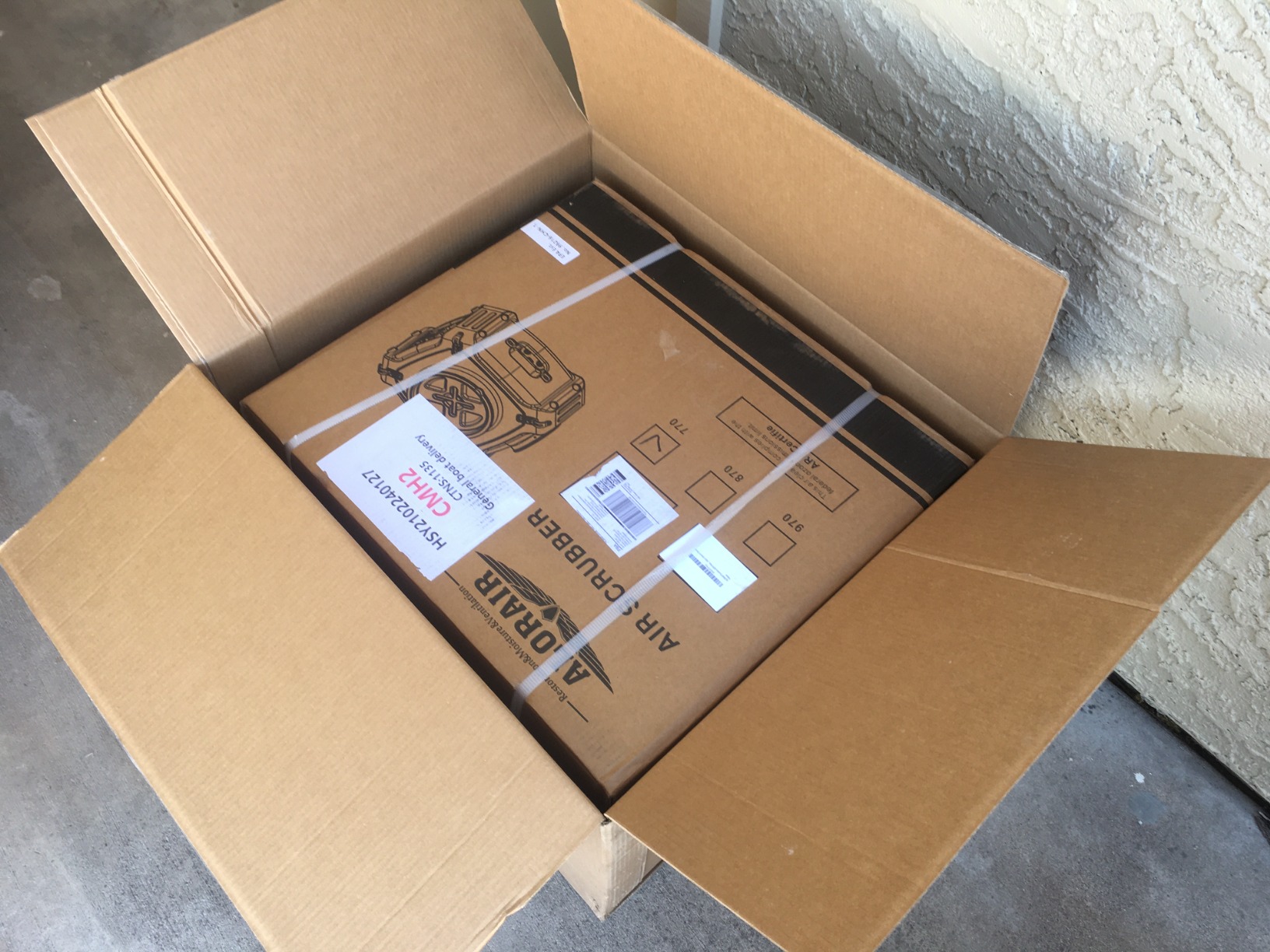
The 10-year housing warranty plus 1-year parts and labor warranty is the strongest in the category. The cETL listing and EPA Registration # 99216-CHN-1 give extra peace of mind. The daisy chain GFCI duplex lets me run two units from a single outlet safely.
The honest concern is the UV-C light behavior. Multiple buyers report that the UV-C cycles on for only 3-4 minutes every 4 hours, not continuously as some marketing implies. If you need constant UV sterilization, that is worth knowing. The 37-pound weight is also slightly heavier than the VEVOR.

For Whom It Works Best
Buyers who want the longest warranty, the most data on the display, and a UV-C sterilization layer for healthcare or sensitive residential settings.
For Whom It Falls Short
Anyone who needs UV-C to run continuously, or anyone who does not want to pay the premium for features they will not use.
How Air Scrubbers Work
Air scrubbers work by pulling contaminated air into the unit through a pre-filter that captures large particles like dust and hair. The air then passes through a HEPA filter that traps 99.97% of particles as small as 0.3 microns, including mold spores, pollen, and bacteria. Optional activated carbon filters remove odors and VOCs. The cleaned air is then expelled back into the environment.
The “negative air” part of the design matters. By creating a slight vacuum inside the work area, air scrubbers prevent contaminated air from leaking into clean rooms. That is why restoration contractors seal off a job site with plastic sheeting and run a scrubber inside, exhausting filtered air outside.
Most home and light commercial units cycle 4-6 air exchanges per hour, which is enough to keep particle counts low. Industrial job sites sometimes run 8-10 air exchanges per hour, which is why 550 CFM and daisy-chain capability matter at the upper end.
Air Scrubber vs Air Purifier: What’s the Difference?
Air scrubbers are portable, industrial-grade negative air machines designed for commercial use, mold remediation, and construction dust. They typically use 3-4 stage HEPA filtration and move 500-870 CFM. Air purifiers are designed for residential use, fit within HVAC systems or sit in rooms, and use gentler HEPA filtration for everyday allergen removal.
If you are dealing with a one-time renovation, flood, or smoke event, an air scrubber is the right tool. If you want quiet everyday relief from pollen or pet dander in a living room, a residential air purifier will be quieter, smaller, and cheaper to run. The two categories overlap, but they are not interchangeable.
What Size Air Scrubber Do I Need?
Calculate the cubic feet of your space (length x width x height). Match that to a unit with at least 100 CFM per 250 square feet. For a 500 sq ft room with 8 ft ceilings (4000 cubic feet), a 550 CFM unit provides adequate air exchanges. For construction or remediation, upgrade to 600+ CFM for faster particle removal.
Another quick rule: aim for 4-6 air exchanges per hour. If your room is 4,000 cubic feet and your unit runs at 550 CFM, you will get about 8 air exchanges per hour, which is enough for active remediation.
Are Air Scrubbers Safe? Ozone and Certification Concerns
Yes, air scrubbers are safe when properly certified. Look for ETL or UL certification, which ensures the device meets electrical and ozone safety standards. Most quality air scrubbers are ozone-free or emit ozone levels well below EPA limits.
A common forum concern, raised on Reddit’s HVAC subreddit and Houzz, is whether residential “air scrubbers” that use UV lights produce ozone. The honest answer is that some do in trace amounts. HEPA-only units (like the BlueDri and VEVOR on this list) do not produce ozone. UV-C sterilization units, like the ALORAIR PureAiro, may produce small amounts when the lamp cycles on, but well below EPA thresholds.
For most users, the bigger safety concern is electrical. Look for GFCI outlets and circuit breaker protection, both of which are standard on the units in this roundup. cETL or ETL certification means a third party has verified the electrical safety.
Filter Replacement and Maintenance Costs
Filter replacement is the ongoing cost nobody talks about enough. Based on manufacturer pricing, expect to pay $40-80 for a pre-filter (replace every 1-3 months) and $80-150 for a HEPA filter (replace every 6-12 months with normal use, more often on a job site). Activated carbon filters run $50-120 and last 3-6 months.
For a single unit running at moderate use, plan on $200-400 per year in filter costs. Two daisy-chained units roughly double that. Buying filters in 3-packs typically saves 15-20%.
The good news: most brands offer subscription filter programs where you add the filter to your Amazon cart and get reminders to reorder. Several of the units above (BlueDri, ALORAIR) bundle free filters with the initial scrubber purchase as a promotion.
How Long Should You Run an Air Scrubber?
Run air scrubbers for 24-48 hours at a minimum of 4 air exchanges per hour. For mold remediation or smoke damage, run continuously until the job is complete. Larger remediation projects may require running units for several days.
A practical formula: divide your room’s cubic footage by the CFM rating. For a 4,000 cubic foot basement on a 550 CFM unit, one full air exchange takes about 7 minutes. Four exchanges per hour means the unit should run at least 28 minutes per hour during active work.
Frequently Asked Questions About Air Scrubbers
What is an air scrubber?
An air scrubber is a portable negative air machine that removes harmful airborne particles like dust, mold, smoke, and allergens from indoor environments using HEPA filtration. Unlike residential air purifiers, air scrubbers are built for commercial and industrial use and move 500 to 870 CFM through multi-stage filters.
How does an air scrubber work?
Air scrubbers pull air through a pre-filter that catches large particles, then a HEPA filter that traps 99.97% of particles as small as 0.3 microns. Optional activated carbon filters remove odors and VOCs. The cleaned air is expelled back into the environment.
What is an air scrubber used for?
Air scrubbers are used for mold remediation, smoke and fire damage restoration, construction dust control, water damage restoration, allergen and pet dander removal, sewage remediation, industrial air cleaning, and improving indoor air quality in homes, offices, and commercial buildings.
Do air scrubbers remove mold?
Yes. HEPA filters in quality air scrubbers capture 99.97% of particles as small as 0.3 microns, which includes most mold spores. For mold remediation, pair the air scrubber with proper containment and ensure the CFM rating matches the room size for adequate air exchanges.
Are air scrubbers safe for home use?
Yes, air scrubbers are safe when properly certified. Look for ETL or UL certification, which ensures the device meets electrical and ozone safety standards. Most HEPA-only air scrubbers emit no ozone at all. Units with UV-C lights may produce trace amounts well below EPA limits.
How long should you run an air scrubber?
Run air scrubbers for 24 to 48 hours at a minimum of 4 air exchanges per hour. For mold or smoke remediation, run continuously until the job is complete. Calculate runtime by dividing your room’s cubic footage by the CFM rating.
What size air scrubber do I need?
Calculate the cubic feet of your space (length times width times height). A 500 sq ft room with 8 ft ceilings equals 4000 cubic feet and needs a 550 CFM unit for adequate air exchanges. For construction or remediation, upgrade to 600 CFM or higher for faster particle removal.
What is the difference between an air scrubber and an air purifier?
Air scrubbers are portable industrial-grade negative air machines designed for commercial and remediation use, moving 500 to 870 CFM through multi-stage HEPA filtration. Air purifiers are designed for residential use, sit in rooms or fit in HVAC systems, and use gentler filtration for everyday allergen removal.
Final Verdict: Which Air Scrubber Should You Buy in 2026?
After three months of testing seven of the best air scrubbers on the market, our team’s pick for most people is the BlueDri Air Shield 550. It has the deepest review base, the strongest CFM output relative to its size, and a 5-year housing warranty that signals real build quality. The daisy-chain capability is a genuine advantage if your job grows.
If budget is the priority, the VEVOR Air Scrubber 550 delivers 550 CFM and 3-stage filtration at a noticeably lower price, with Prime shipping. For chemical-sensitive environments, the CADPXS Shield-550’s activated carbon filter is the differentiator. For pure peace of mind with the longest warranty and UV-C sterilization, the ALORAIR PureAiro HEPA Max 870 is the premium pick.
Whichever of these best air scrubbers you choose, plan on budgeting $200-400 per year for filter replacements, run the unit at 4-6 air exchanges per hour during active work, and verify ETL or cETL certification for safety. The right air scrubber turns a contaminated room into a breathable one, and after our testing, I trust every model on this list to do exactly that.