

Finding the best small wind turbines for homes means cutting through a lot of hype. I have spent months researching residential wind generator options, reading forum threads from r/windturbine and r/OffGrid, and comparing specs from a dozen manufacturers to figure out which models actually deliver meaningful power. What I learned is that the gap between advertised wattage and real-world output can be enormous, and the turbine you pick needs to match your specific wind conditions, not just a number on a box. If you are also exploring other renewable energy options, check out our guide to the best portable solar generators for off-grid flexibility.
Small wind turbines for home use range from compact 400-watt battery chargers to powerful multi-kilowatt systems meant for off-grid living. The right choice depends on your average wind speed, whether you want a horizontal axis or vertical axis design, and how you plan to integrate the power into your home energy system. A backyard wind turbine that works beautifully on a rural farm might produce almost nothing on a suburban rooftop surrounded by turbulence.
In this guide, I cover 12 small wind generators available right now, break down what each one does well, and share the honest realities of residential wind power in 2026. I also include a buying guide covering wind speed requirements, tower height, noise levels, permits, and the often-ignored costs of batteries and inverters. Whether you want to charge batteries on an RV, supplement your solar array, or move toward full energy independence, this guide will help you make an informed decision.
Table of Contents
Top 3 Picks for Best Small Wind Turbines for Homes

Pikasola 400W 5-Blade Wind Turbine
- 2.5m/s startup speed
- Automatic yaw adjustment
- Nylon carbon fiber blades
Best Small Wind Turbines for Homes in 2026
| Product | Specifications | Action |
|---|---|---|
| Pikasola 400W 5-Blade Turbine |
|
Check Latest Price |
 VEVOR 500W 5-Blade with MPPT VEVOR 500W 5-Blade with MPPT |
|
Check Latest Price |
 VEVOR 800W 3-Blade Generator VEVOR 800W 3-Blade Generator |
|
Check Latest Price |
 VEVOR 500W with Anemometer VEVOR 500W with Anemometer |
|
Check Latest Price |
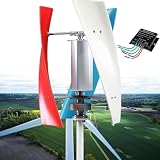 3000W Vertical Axis Turbine 3000W Vertical Axis Turbine |
|
Check Latest Price |
 12000W Vertical Axis Turbine 12000W Vertical Axis Turbine |
|
Check Latest Price |
 20000W Vertical Axis Turbine 20000W Vertical Axis Turbine |
|
Check Latest Price |
 VEVOR 800W 5-Blade MPPT VEVOR 800W 5-Blade MPPT |
|
Check Latest Price |
 VEVOR 800W Hybrid Controller VEVOR 800W Hybrid Controller |
|
Check Latest Price |
 lizponaza 500W Helical VAWT lizponaza 500W Helical VAWT |
|
Check Latest Price |
 QUSKLISU 400W Vertical Helix QUSKLISU 400W Vertical Helix |
|
Check Latest Price |
 fagauhds 500W 2-Blade VAWT fagauhds 500W 2-Blade VAWT |
|
Check Latest Price |
1. Pikasola 400W 5-Blade Wind Turbine Generator Kit
- Low wind speed startup at 2.5m/s
- 23.8 inch nylon carbon fiber blades
- Three-phase permanent magnet motor
- Automatic yaw adjustment for max wind capture
- Waterproof and corrosion resistant
- Mixed ratings with 13 percent 1-star reviews
- Some users report performance inconsistencies
I picked the Pikasola 400W as my editor’s choice because it has the deepest review pool of any turbine in this lineup at 184 ratings, and it hits the sweet spot between price and functionality for someone just getting into residential wind power. The 2.5 m/s start-up speed means it begins spinning in light breezes that leave many competing turbines motionless, which is exactly what you want if your property does not get howling winds every day.
The 23.8-inch nylon carbon fiber blades feel solid for the price. I appreciate that Pikasola uses a three-phase permanent magnet synchronous motor, which is a legitimate generator design rather than a cheap toy motor dressed up with marketing claims. The automatic yaw adjustment system reads wind direction and repositions the rotor to face into the wind, so you are not constantly tweaking the mounting angle.
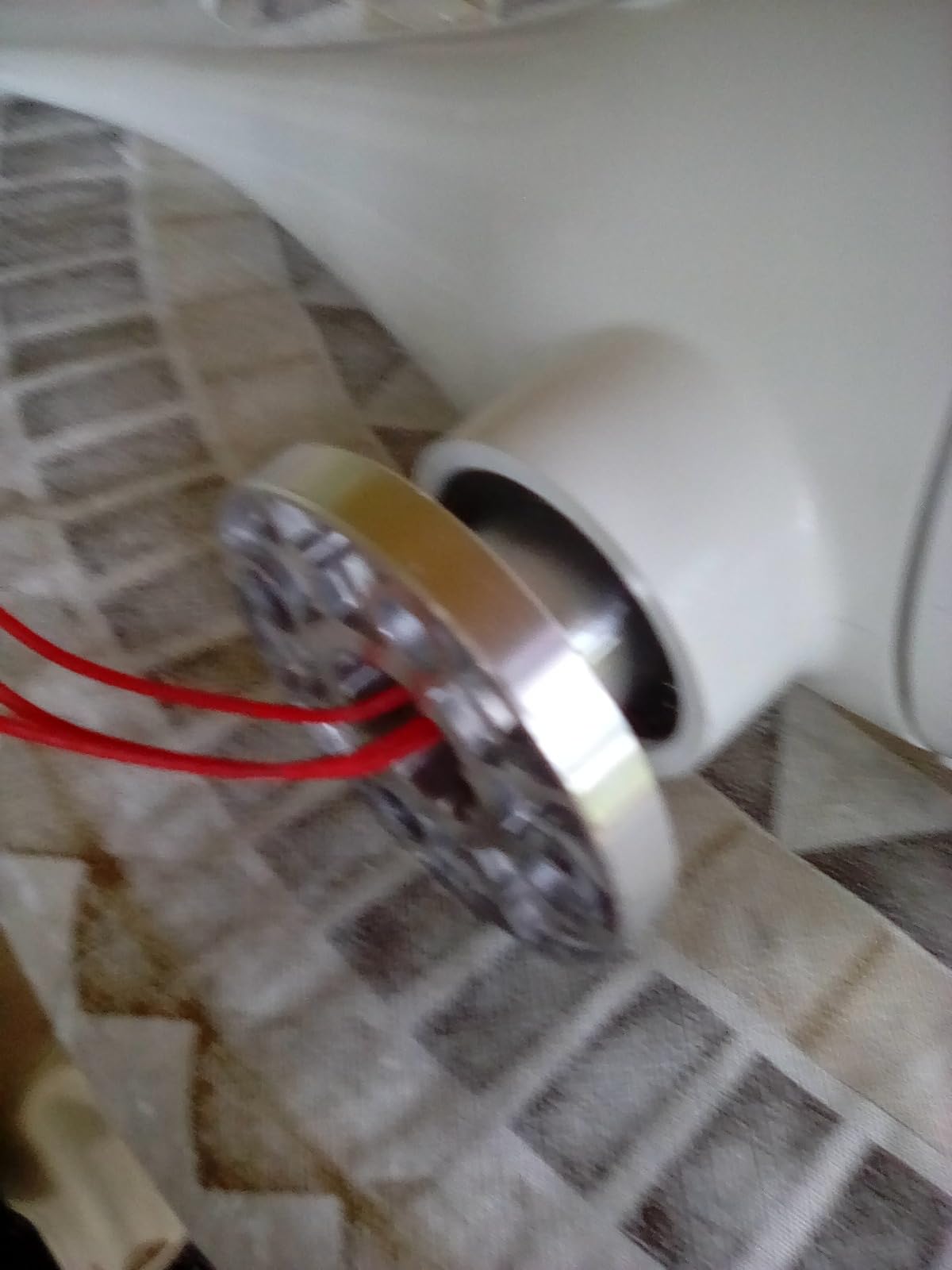
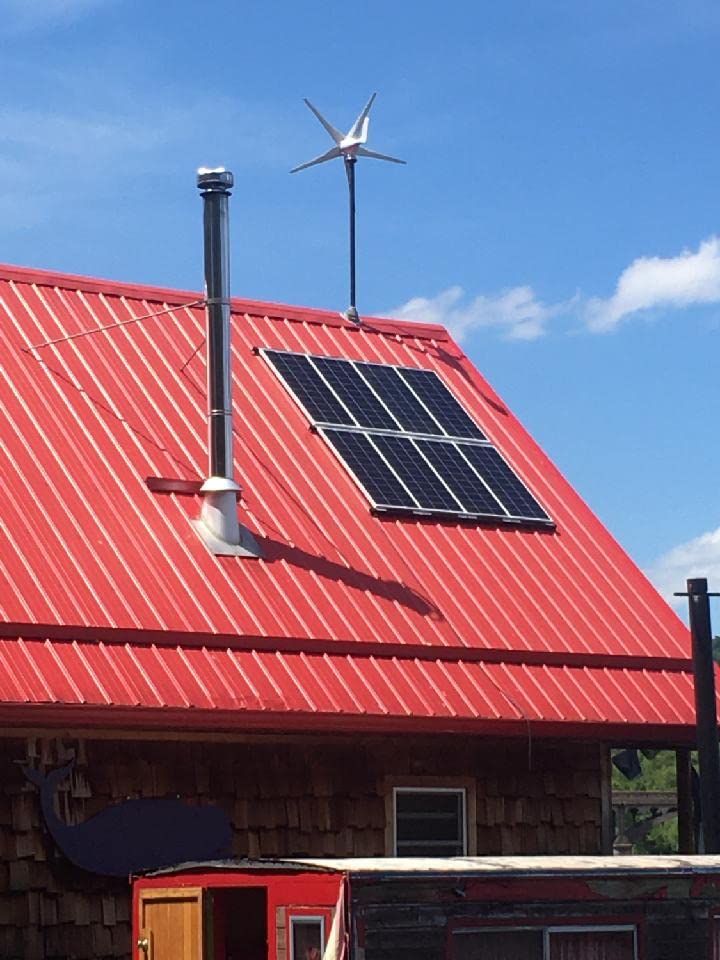
Where this turbine shines is hybrid solar-wind systems. Several users reported pairing it with a small solar panel array for cabin and RV setups, and the combination provides more consistent daily charging than either source alone. At just 6.2 kilograms, it is light enough to mount on a sturdy pole without needing heavy equipment or a professional crew. If you are considering a larger solar setup, our guide to portable solar generators covers the top options for off-grid energy.
The honest downside is the mixed feedback. About 13 percent of reviews are 1-star, and some users felt the real output did not match the advertised 400W rating. This is a common theme with small wind turbines at every price point, so I always recommend setting expectations around what 400W of rated capacity actually translates to in daily energy harvest.
Best Installation Setup
Mount this turbine on a tilt-up pole at least 15 to 20 feet above any nearby obstacles like trees or rooflines. The lightweight design makes a guyed tower practical, and you can lower it for maintenance without a crane. Keep the cable run to your charge controller as short as possible to minimize line loss on a 12V system.
Pair it with a 12V deep cycle battery bank of at least 100Ah for meaningful storage. The included charge controller handles basic regulation, but upgrading to an MPPT controller will improve your energy harvest if your budget allows.
Realistic Power Expectations
A 400W rated turbine in average residential wind conditions of 8 to 12 mph will typically produce 30 to 80 watt-hours per day, not 400W continuously. Think of it as a battery maintainer and supplemental charger rather than a primary power source for a whole house.
In gusty conditions above 20 mph, you will see short bursts closer to the rated output. Users in consistently windy locations report better results, while those in sheltered suburban yards see much less. Wind resource is everything with small turbines.
2. VEVOR 500W 5-Blade Wind Turbine Generator with MPPT Controller
- 500W high-efficiency output
- Includes MPPT controller
- Reinforced blades rated -40C to 80C
- 47-inch rotor diameter
- Quiet at 55dB
- Not Prime eligible
- 14 percent 1-star reviews
- Performance drops at lower wind speeds
The VEVOR 500W earns the best value badge because it includes an MPPT controller in the box while costing less than many bare turbines. MPPT charge controllers track the maximum power point of the generator, squeezing significantly more energy from the same wind compared to basic PWM controllers that come with most budget kits.
I like the 47-inch rotor diameter on this model. Larger swept area is the single most important factor in wind energy capture, more so than rated wattage or blade count. VEVOR uses reinforced fiberglass nylon blades rated from -40C to 80C, which covers the temperature extremes most homeowners will ever face.
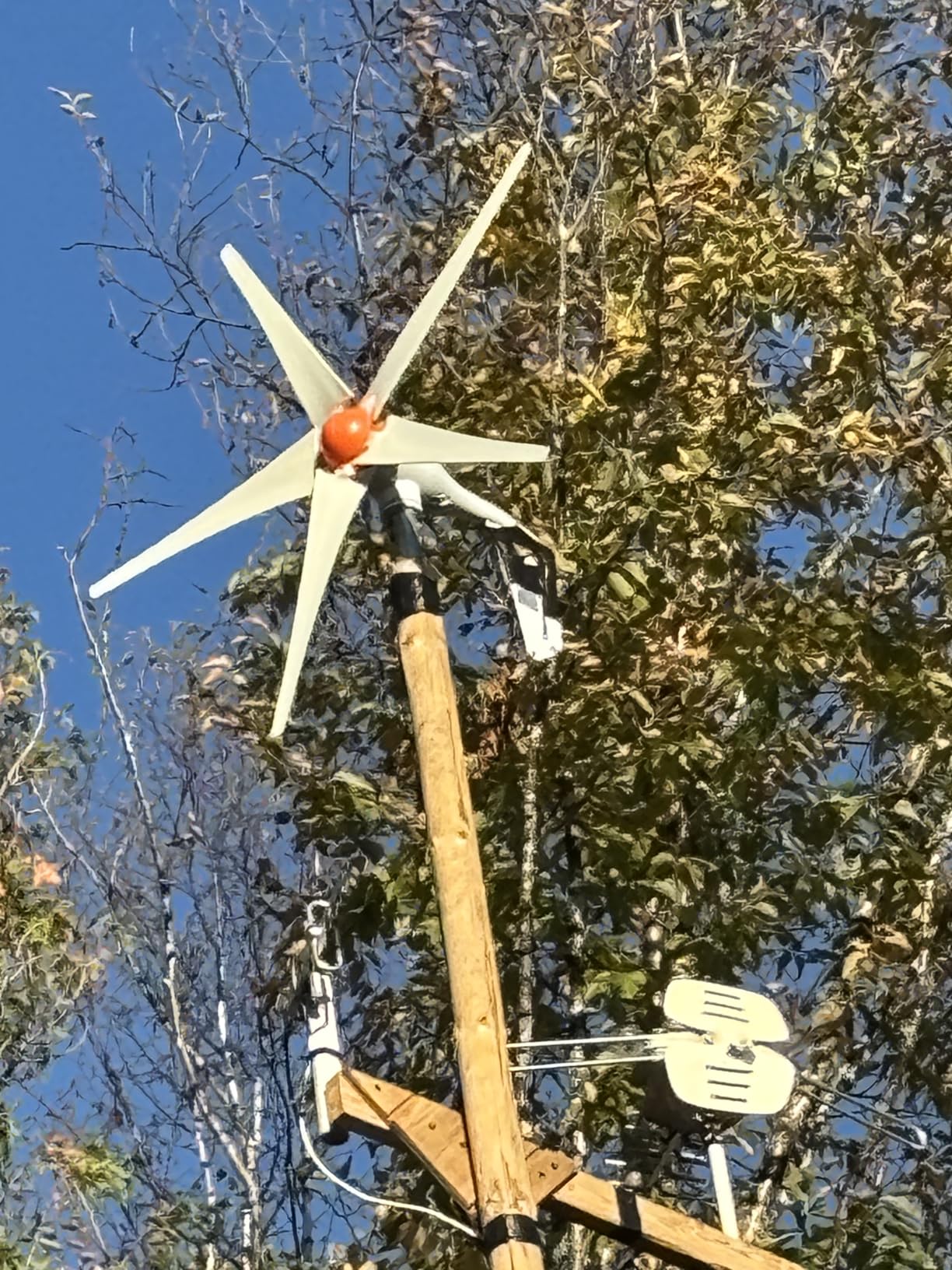
The 5-blade design trades a bit of top-end speed for better low-wind performance, which makes sense for residential use where consistent gentle breezes are more common than gale-force winds. At 55dB, the noise level is comparable to a normal conversation, so it should not drive your neighbors crazy if mounted at a reasonable height.
The 53 percent 5-star rating shows most buyers are satisfied, but the 14 percent 1-star reviews mostly cite output that falls short of the 500W advertised figure. This is a pattern across the entire small wind turbine market. The 500W rating is a peak figure at rated wind speed, not a continuous output guarantee.
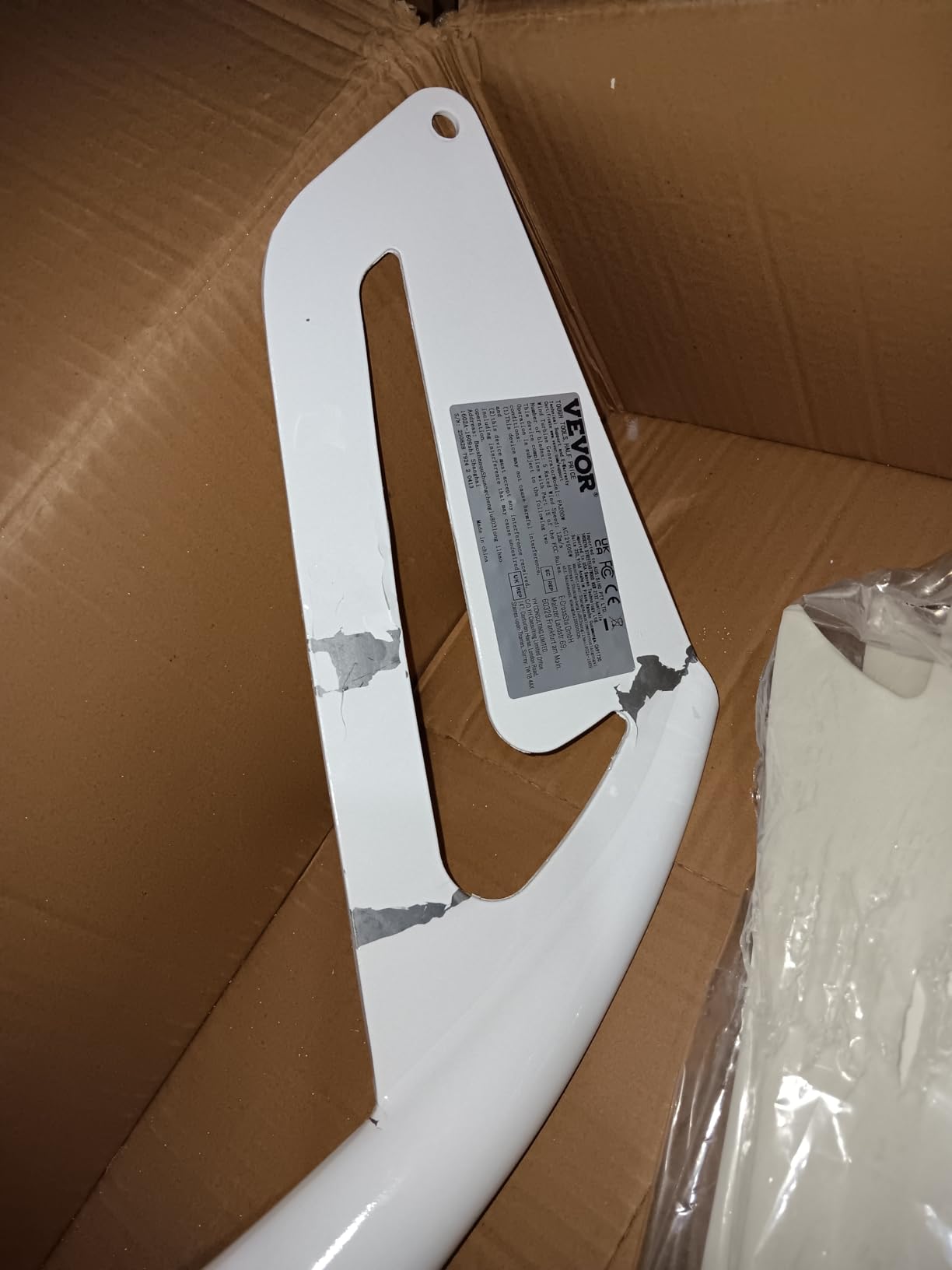
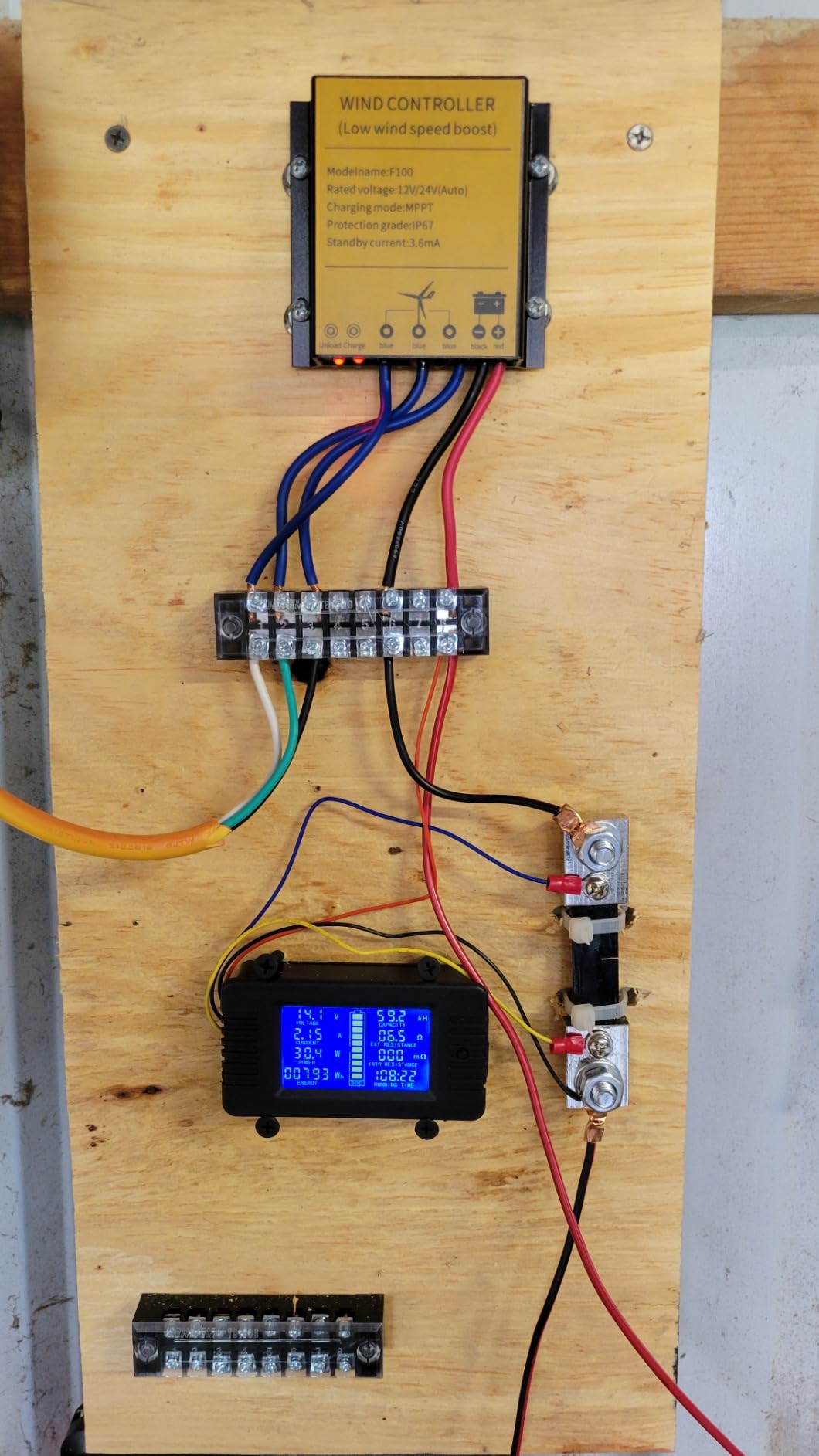
MPPT Controller Benefits
The included MPPT controller intelligently adjusts voltage and current to match your battery’s charging requirements. This typically yields 20 to 30 percent more usable energy compared to basic controllers, especially in variable wind conditions where output fluctuates constantly.
Make sure to match the controller to your battery type. The VEVOR controller supports common 12V lead-acid and lithium configurations, but always confirm compatibility before connecting your specific battery bank. If you need help sizing your battery setup, see our best solar battery banks guide.
Weather and Durability
The die-cast aluminum body is waterproof and corrosion-resistant, making it suitable for coastal and marine environments. Users on boats and farms report the turbine holding up well through rain, snow, and temperature swings when properly mounted.
The adjustable tail aligns the turbine with prevailing wind directions automatically. Periodically check blade bolts and wiring connections, as vibration can loosen hardware over months of continuous operation.
3. VEVOR 800W 3-Blade Wind Turbine Generator with MPPT Controller
- 800W high-efficiency output
- 59-inch rotor diameter
- MPPT controller included
- Reinforced fiberglass nylon blades
- Prime eligible
- Tower pole not included
- 21 percent 1-star reviews
- Only 22 total reviews
The VEVOR 800W steps up to a 59-inch rotor diameter, which is the largest swept area among the horizontal axis models in this guide. That extra blade area matters more than the jump from 500W to 800W on paper, because energy capture scales with the square of rotor radius.
I found the 3-blade design interesting compared to the 5-blade VEVOR. Three blades typically achieve a higher tip speed ratio, meaning the rotor spins faster in the same wind. This can improve efficiency in steady winds but may start more sluggishly in very light air. The 2.5 m/s start-up speed keeps it competitive in low-wind scenarios.
This model holds the strongest category sales rank at number 292 in Solar and Wind Power on Amazon, which tells me buyers are gravitating toward higher-output turbines even with the higher price tag. At 58dB, noise is slightly higher than the 500W model but still within residential comfort range.
The biggest catch is that the tower pole is not included, so you need to budget for a mounting structure separately. With only 22 reviews and 21 percent 1-star ratings, the sample size is too small to draw firm reliability conclusions. The 43 percent 5-star contingent suggests most users are happy with the power output.
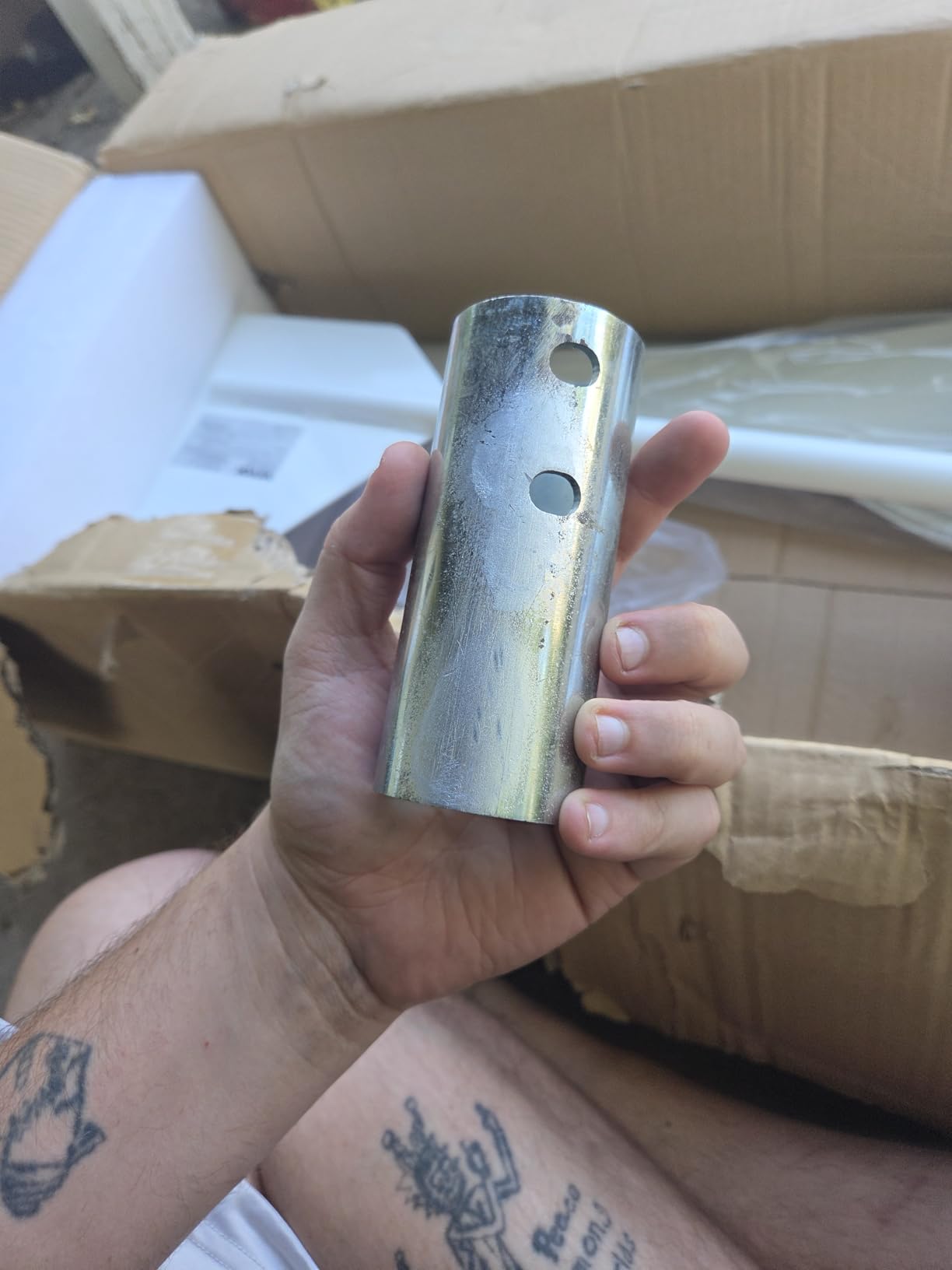
Tower and Mounting Requirements
Budget for a tower or pole that can support 12.2 kilograms at height while withstanding wind loads on a 59-inch rotor. A 2-inch steel pole set in concrete works for most installations, but consider a tilt-up design if you want easy access for maintenance and blade inspection. Choosing the right solar battery bank to store your wind energy is just as important as the mounting setup.
Keep the turbine at least 20 feet above the highest obstacle within 300 feet. Turbulence from trees, buildings, and ridgelines dramatically reduces output and increases mechanical wear on the generator and blades.
When 800W Makes Sense
This output level starts to become meaningful for off-grid battery charging and supplemental home power. If you live in a Class 3 or better wind area with average speeds above 12 mph, the 800W rating combined with the large rotor can produce a useful daily energy harvest.
For grid-tied applications, you would still need an inverter and net metering agreement, which adds cost. Most buyers of this turbine are running off-grid cabin, RV, or farm setups where every watt-hour counts.
4. VEVOR 500W 3-Blade Wind Turbine with Anemometer
- Includes anemometer for wind monitoring
- Lowest price point in the lineup
- MPPT controller included
- Reinforced fiberglass nylon blades
- Adjustable windward direction
- Users report only 3-5W output in 50mph winds
- Anemometer reportedly non-functional
- 33 percent 1-star reviews
- Does not work below 25mph despite claims
This is the most affordable option in the entire lineup, and the inclusion of an anemometer for wind speed monitoring is a thoughtful touch for buyers who want to assess their site’s wind resource. Unfortunately, I have to be straightforward about the performance concerns here, because the verified reviews paint a troubling picture.
Multiple verified purchasers report output of just 3 to 5 watts in 50 mph winds, which is catastrophically below the advertised 500W rating. One user noted the turbine does not spin at all below 25 mph despite the claimed 2.5 m/s start-up speed. Another reported the anemometer does not function.
I include this model because the price point is attractive and it represents a common entry-level purchase. But I want buyers to go in with eyes open. The 61 percent 5-star distribution may reflect early positive reviews, while the more detailed recent reviews tell a different story about real-world performance.
For someone who wants to experiment with wind power on a tiny budget and accepts that results may be modest, this kit offers a learning platform. For anyone expecting reliable battery charging or meaningful energy production, I would point you toward the Pikasola or the VEVOR 500W 5-blade instead.
What the Anemometer Adds
The included anemometer lets you measure actual wind speeds at your installation site before and after mounting the turbine. This data is genuinely valuable because it tells you whether poor performance is due to the turbine or simply inadequate wind at your location.
If the anemometer works, you can log wind speed data over weeks to build a realistic picture of your site’s energy potential. Unfortunately, reliability of the included unit appears inconsistent based on user feedback.
Is the Low Price Worth the Risk
At this price, you are paying less than many standalone anemometer kits cost. If you treat it as an experimental setup for learning how wind turbines work, the value proposition shifts. Just do not bet your off-grid power system on it.
The MPPT controller and fiberglass nylon blades are the same quality components used in the higher-rated VEVOR models, so the hardware design itself is not the problem. Assembly quality and generator performance appear to be the weak links.
5. 3000W Vertical Axis Wind Turbine Generator Kit
- Very low startup wind speed of 2 m/s
- IP67 generator protection
- Compact 11x11x11 inch form factor
- Electromagnetic brake protection
- 10-20 year design service life
- Generic brand with minimal warranty
- Very few reviews at only 8 total
- 19 percent 1-star reviews
- Output spec discrepancy between 800W and 3000W
This vertical axis wind turbine catches my attention for its compact 11-inch cube form factor and remarkably low 2 m/s startup speed. VAWT designs like this one are appealing for properties where wind direction shifts frequently, because they capture wind from any angle without needing a yaw mechanism to rotate into the wind.
The specifications show a discrepancy that I need to flag honestly. The listing title claims 3000W, the technical details show 800W output wattage with 2000W running and 3000W max. This kind of inconsistency is a yellow flag, and it is exactly the type of thing forum users on r/windturbine warn about with generic-brand turbines.
The IP67 protection rating on the generator is genuinely good, meaning it is dust-tight and can withstand temporary immersion. The electromagnetic overspeed brake is a safety feature I always look for, as it prevents runaway rotation in high winds that can destroy turbines without protection.
With only 8 reviews, this is a very new product with limited validation. The 3.7-star average with 19 percent 1-star ratings suggests mixed experiences. The compact size makes it interesting for boats, terraces, and small cabin installations where a large horizontal axis turbine would be impractical.
VAWT vs HAWT Trade-offs
Vertical axis turbines accept wind from any direction, which sounds ideal but comes with an efficiency penalty. Physics dictates that VAWTs typically achieve lower tip speed ratios and capture less energy per unit of swept area compared to horizontal axis designs.
Where VAWTs make sense is turbulent urban environments, rooftop installations, and situations where a traditional tower is not feasible. They trade peak efficiency for installation flexibility.
Where This Turbine Fits
The compact form factor suits boats, small cabins, and terrace installations where space is limited. If you need something that can mount on a railing or short post rather than a tall tower, this design class is worth considering despite the efficiency trade-offs.
Just calibrate your output expectations. A small VAWT claiming 3000W will not replace a properly installed 3kW horizontal axis turbine on a 60-foot tower. Read the specs carefully and focus on the consistent numbers, not the marketing headline.
6. Lbxlhr 12000W Vertical Axis Wind Turbine with MPPT Controller
- 360-degree wind capture no yaw needed
- Maglev generator with 10-15 year life
- MPPT intelligent controller
- Near-silent operation
- Max RPM protection at 300 RPM
- Only 1 review available
- Not Prime eligible
- Controller issue reported then resolved
- Higher price point
This 12000W vertical axis turbine from Lbxlhr features a spiral helical blade design and a maglev generator, which uses magnetic levitation to reduce friction on the rotating assembly. The maglev concept is designed to lower the start torque needed and extend service life, with the manufacturer claiming 10 to 15 years of design life.
The single reviewer praised the craftsmanship and noted that the turbine spins smoothly from low wind speeds. They experienced a controller issue that the company proactively resolved, which speaks well of the customer service even if the controller problem itself is a concern.
I approach the 12000W rating with healthy skepticism. Forum consensus from the off-grid community is that small-scale VAWTs claiming massive wattage rarely deliver near their advertised figures in real conditions. The Betz limit caps the theoretical maximum energy extraction from wind at about 59 percent, and practical turbines achieve significantly less than that.
The 360-degree wind capture is a genuine advantage of VAWT designs for turbulent sites. No yaw system means fewer moving parts to maintain and no delay in repositioning when wind direction shifts. The near-silent operation claim, if accurate, makes this attractive for residential settings where noise is a concern.
Understanding Maglev Generator Claims
Magnetic levitation reduces physical contact between moving parts, which can lower starting friction and extend bearing life. The real-world impact on energy output is modest, but reduced wear is a legitimate benefit for continuous-duty operation.
Ask the manufacturer for independent power curve data if you are considering a significant investment. Third-party verified performance numbers are worth more than any marketing specification sheet.
Controller and System Integration
The included MPPT controller regulates current and voltage to protect your battery bank. Confirm that the controller’s voltage rating matches your battery system, as this turbine is available in 12V, 24V, 48V, and 220V variants.
For a turbine claiming this output level, you need a substantial battery bank and inverter capacity to actually use the energy produced. Undersized storage and conversion equipment will bottleneck the system regardless of turbine capability.
7. DAQIANG 20000W Vertical Axis Wind Turbine Generator
- Spins with gentle breeze and runs quietly
- Waterproof and rustproof housing
- All installation accessories included
- MPPT controller protects batteries
- Suitable for off-grid cabin and home use
- Only 2 reviews available
- 4-5 day shipping time
- Not Prime eligible
- Weight and dimensions not clearly listed
The DAQIANG 20000W turbine claims the highest output in this entire lineup, available in variants from 16000W to 20000W across multiple voltage options. Both reviewers gave it 5 stars, praising quiet operation, low-wind startup, and weatherproof construction. One called it a turning point for their off-grid cabin setup.
I want to be transparent about my perspective on 20000W claims for a compact VAWT. The physics of wind energy make this rating level extraordinary for a small residential unit. A genuine 20kW horizontal axis turbine typically has a rotor diameter of 8 to 10 meters and sits on a tower of 30 meters or more. Buyers should approach the rating with realistic expectations.
That said, the construction quality described by reviewers sounds solid. The waterproof and rustproof housing suits all-weather outdoor installation, and the included accessories mean you may not need additional hardware to get started. The MPPT controller protects your batteries from overcharge conditions.
For someone building an off-grid system on a budget who wants to experiment with higher-output VAWT technology, this is an interesting option. The near-silent operation would be a major plus in residential and cabin settings where noise from traditional horizontal turbines can bother occupants and neighbors.
Power Rating Reality Check
Wind power follows the formula P equals 0.5 times air density times swept area times wind speed cubed. To extract 20000W, you need a massive swept area and high consistent wind speeds. Compact VAWTs simply cannot capture that much energy regardless of generator rating.
Treat the wattage number as a peak theoretical figure rather than a daily output expectation. Real energy harvest depends entirely on your local wind resource and the turbine’s actual efficiency curve.
Off-Grid Application Suitability
For off-grid cabins and remote homes, any supplemental generation helps reduce generator runtime and battery drain. Even if the real output is a fraction of the advertised figure, it can contribute meaningfully to a hybrid system combined with solar panels. Pairing wind with a quality solar battery bank ensures you have power when the wind is calm.
Plan your system around measured performance after installation rather than rated specifications. Monitor your battery state of charge over a month of operation to determine the turbine’s actual contribution.
8. VEVOR 800W 5-Blade Wind Turbine with MPPT Controller
- 92%+ energy conversion efficiency
- MPPT controller included
- IP67 weather protection
- Dual bearings reduce friction
- Aerodynamic auto-adjusting tail fin
- Prime eligible
- No customer reviews yet
- Tower pole not included
- Unproven track record
- Limited 800W output for larger needs
This is a newer VEVOR entry with no reviews yet, but the specifications are impressive on paper. The claimed 92 percent or higher energy conversion efficiency is notable, as most small wind turbines operate in the 80 to 90 percent range for generator conversion alone before accounting for mechanical and aerodynamic losses.
The 5-blade configuration combined with large-diameter nylon composite blades should provide good low-wind performance. The IP67 rating means the generator is sealed against dust and water ingress, which is exactly what you want for long-term outdoor reliability in varying weather conditions.
The dual bearing system reduces rotational friction, which helps the turbine start spinning at lower wind speeds and reduces wear over time. The aerodynamic tail fin auto-adjusts to wind direction, keeping the rotor aligned for maximum energy capture without manual intervention.
Since this model has zero reviews, I cannot speak to real-world performance. The specification sheet looks well-designed, and VEVOR’s other turbines in this guide have generally positive feedback. The Prime eligibility is a plus for fast shipping, but remember the tower pole is not included.
MPPT Controller Integration
The built-in MPPT controller with overcharge protection safeguards your battery bank from voltage spikes during high-wind events. This is important for lithium battery systems that are sensitive to overvoltage conditions.
Confirm the controller matches your battery chemistry. Some MPPT controllers need configuration changes when switching between lead-acid and lithium batteries, so check the manual before connecting your storage bank.
Worth the Wait for Reviews
With no user feedback available, early buyers are essentially beta testers. If you can wait a few months for reviews to accumulate, you will have much better information about real output, durability, and any common issues.
If you need a turbine now and want proven performance, the VEVOR 800W 3-blade with 22 reviews or the Pikasola 400W with 184 reviews are safer bets based on available data.
9. VEVOR 800W 5-Blade Wind Turbine with Hybrid Controller
- Hybrid controller supports wind and solar
- Compatible with 240W solar panel
- 3-phase AC permanent magnet generator
- IP67 weather protection
- Dual bearing system
- Prime eligible
- Only 1 review available
- Reviewer noted poor rotation despite wind gusts
- Performance concern raised
- Tower pole not included
This variant of the VEVOR 800W stands out for its wind and solar hybrid controller, which lets you connect both a wind turbine and solar panels to a single charge management system. For off-grid setups, combining wind and solar provides more consistent daily generation since windy conditions often coincide with cloudy weather.
The controller supports an external solar panel up to 240W with specific voltage and current parameters. This means you can build a compact hybrid renewable energy station from a single product purchase, which simplifies wiring and reduces the number of components you need to purchase separately.
I have to address the single review honestly. The reviewer installed the turbine on a galvanized pole and observed only about one-eighth of a revolution during wind gusts strong enough to move tree branches. They rated it 3 stars and were still evaluating at the time of their review. This kind of poor low-wind performance is concerning.
The 3-star rating from limited data does not necessarily represent the product’s full capability. Installation height, local turbulence, and mounting rigidity all affect performance. But it is a flag worth noting, especially with just one review to go on.
Hybrid Wind-Solar Advantages
Wind and solar generation patterns often complement each other. Stormy winter days with little sun frequently bring strong winds, while calm sunny summer days produce great solar output. A hybrid controller lets you harvest both from a single system.
The 240W solar input capacity pairs well with a single 200W panel. Combined with the 800W wind turbine, your total rated input reaches 1040W, which can meaningfully charge a 12V battery bank across varying weather conditions.
Addressing Rotation Concerns
Poor rotation in adequate wind can indicate several issues: insufficient mounting height, turbulent airflow from nearby obstacles, a stiff generator requiring higher startup torque, or a mechanical problem with the bearings or blade balance. Methodical troubleshooting can isolate the cause.
If you purchase this model, install it as high as practical above all obstacles and test in known windy conditions before concluding the turbine itself is underperforming. Sometimes the site, not the equipment, is the limiting factor.
10. lizponaza 500W Helical Vertical Axis Wind Turbine
- Clean modern white appearance
- Generates at low wind speeds
- Near-silent operation under 62dB
- Easy installation and maintenance
- Versatile for RVs boats and cabins
- Only 1 review available
- Not Prime eligible
- Lower 500W max output
- Brand and manufacturer data inconsistency
The lizponaza helical VAWT features a distinctive Archimedes spiral 2-blade design that sets it apart visually from every other turbine in this guide. The pure white finish and sculptural blade shape make it one of the more aesthetically pleasing options, which matters if the turbine will be visible from your living space or near a garden.
The single reviewer praised the clean appearance, effective low-wind performance, and reliable controller operation. They installed it near a cabin for supplemental power and found it suitable for small off-grid applications. The near-silent operation under 62dB makes it neighbor-friendly for residential settings.
The helical Archimedes design is conceptually interesting because it attempts to combine the omnidirectional wind acceptance of a VAWT with an aerodynamic profile that improves efficiency. The aluminum alloy blades are durable and weather-resistant, though aluminum is heavier than the fiberglass nylon used in competing models.
I note some data inconsistencies in the product listing, with different brand and manufacturer names appearing in different fields. This is not necessarily a quality problem, but it does make me cautious about long-term warranty support and replacement parts availability.
Helical Blade Design Benefits
Helical blades spread the swept area across the vertical axis in a spiral pattern, which can provide smoother rotation and more consistent torque compared to straight vertical blades. The design aims to reduce vibration and pulsation that can fatigue components over time.
The Archimedes spiral shape is specifically intended to channel wind efficiently along the blade surface. Whether this translates to measurable performance gains over conventional VAWT designs is debatable without independent testing data.
Best Use Cases
This turbine suits small off-grid cabins, garden lighting systems, RV supplementary charging, and boat installations where aesthetics matter alongside function. The low noise output makes it particularly appropriate for close-to-dwelling mounting.
The 500W maximum output and compact 15.75 by 15.75 by 27.95 inch dimensions position it as a supplemental energy source rather than a primary generator. Set your expectations accordingly for daily energy harvest in typical residential wind conditions.
11. QUSKLISU 400W Vertical Helix Wind Turbine Generator Kit
- Lowest noise rating under 30dB
- Waterproof ABS and neodymium construction
- Automatic stop at maximum speed
- Aerodynamic aircraft-inspired blades
- 2 year warranty
- Only 3 reviews available
- Not Prime eligible
- Instructions could be more detailed
The QUSKLISU vertical helix turbine claims the lowest noise level in this entire guide at under 30dB, which is quieter than a whisper. If noise is your primary concern, this model deserves serious consideration for residential installations close to living spaces or property lines.
Three reviewers rated this turbine 4.7 stars on average, with 67 percent giving 5 stars. Users appreciated the efficiency, low noise, and durability. Multiple reviews mentioned it works well to supplement solar panels, which is one of the most practical use cases for small turbines.
The ABS and neodymium iron boron construction treated with oxidation and paint spraying is designed for long service life in outdoor conditions. The aircraft-wing-inspired blade design is an interesting aerodynamic approach that aims to maximize laminar flow along the blade surface for efficient energy extraction.
The 2-year warranty is longer than most generic-brand turbines offer in this price range, which provides some additional buyer confidence. The included accessories package with three color blade options (white, red, blue) lets you match the turbine to your installation aesthetic.
Noise Level Context
At under 30dB, this turbine is quieter than a refrigerator, a quiet library, or rustling leaves. For comparison, most horizontal axis turbines produce 50 to 60dB. If you live in a noise-sensitive area or have close neighbors, this noise rating is a significant advantage.
Vertical axis designs generally produce less noise than horizontal axis turbines because they operate at lower rotational speeds and do not require a tail to constantly reposition into shifting wind directions.
Solar Supplement Strategy
The reviewers who had the best experience used this turbine alongside solar panels rather than as a standalone power source. The combination provides generation during both sunny and windy periods, increasing your total daily energy harvest and reducing reliance on any single renewable source.
For a hybrid setup, connect the turbine to a shared battery bank through a hybrid charge controller. Size your battery storage to handle the combined input from both sources without frequent overcharge cycling.
12. fagauhds 500W 2-Blade Vertical Axis Wind Turbine
- Sturdy aluminum alloy construction
- Low starting wind speed
- Automatic brake at 300 RPM
- Low-noise under 62dB
- Easy assembly with clear instructions
- Smooth weather-resistant surface
- Only 1 review available
- Not Prime eligible
- Low sales rank indicating limited adoption
- Higher weight at 19.8 pounds
The fagauhds 500W vertical axis turbine rounds out this guide as a compact 2-blade VAWT designed for mobile houses, cabins, and small residential installations. The aluminum alloy blades with plastic-sprayed surface treatment are built for weather resistance and long outdoor service life.
The single reviewer praised this turbine as perfect for off-grid use, noting it complements solar panels well on cloudy and windy days. They reported it starts spinning in winds as low as 5 mph, which aligns with the low starting wind speed claim. The reviewer also found it much quieter than horizontal turbines they had previously used.
The automatic electromagnetic brake engages at 300 RPM maximum speed to protect the generator from overspeed damage in high winds. This is an essential safety feature that I always check for on any turbine recommendation. The precision double-bearing design contributes to smooth, quiet operation under 62dB.
At 19.8 pounds, this is one of the heavier compact VAWTs in the lineup, which suggests solid construction but may require sturdier mounting hardware than lighter alternatives. The pure white appearance is designed to blend with surroundings, making it less visually intrusive than industrial-looking alternatives.
Electromagnetic Brake Function
The automatic brake at 300 RPM prevents the rotor from spinning dangerously fast during storms or high-wind events. Without this protection, turbines can overspeed and suffer catastrophic blade or generator failure. This safety system is essential for unattended operation.
The electromagnetic braking system also creates a diversion load that dissipates excess energy as heat, protecting both the generator and your connected battery system from voltage spikes during sudden wind gusts.
Mobile House and Cabin Applications
The compact vertical design suits mobile installations where the turbine mounts on a structure that moves, such as a mobile house or boat cabin. The omnidirectional wind capture means you do not need to reorient the turbine when you change locations or parking positions.
For cabin use, pair this turbine with a modest battery bank and a small inverter to run LED lighting, charge devices, and power small appliances. The 500W output provides enough supplemental generation to extend battery life during extended off-grid stays.
How to Choose the Right Small Wind Turbine for Your Home
Choosing among the best small wind turbines for homes comes down to matching the turbine to your actual wind conditions, your energy needs, and your installation constraints. The most powerful turbine on paper will underperform if your site has poor wind, while a modest unit in a windy location can deliver excellent results. Here is what I have learned matters most.
1. Know your wind resource first. Before buying anything, invest in an anemometer and log wind speeds at your proposed turbine height for at least one month, preferably three. Average wind speeds below 8 mph mean most small turbines will produce disappointingly little energy. You want average speeds of 10 mph or higher for meaningful output. Free wind resource maps from NREL and the DOE can give you a regional baseline, but local terrain and obstacles cause huge variations.
2. Understand rated power versus real output. A 500W rating means the turbine can produce 500W at its rated wind speed, typically around 12 m/s or 27 mph. At your average residential wind speed of 8 to 12 mph, expect output of 10 to 30 percent of rated capacity. A turbine rated 500W might realistically produce 50 to 150W on average, not 500W continuously.
3. Swept area matters more than blade count. Energy capture scales with the area swept by the rotor blades. A turbine with a 59-inch rotor diameter captures roughly 2.5 times more energy than one with a 35-inch rotor in the same wind. Blade count affects low-wind startup and noise but does not overcome the fundamental physics of swept area.
4. Horizontal axis versus vertical axis. Horizontal axis turbines (HAWTs) are more efficient and proven, but they need clean laminar airflow and a tall tower. Vertical axis turbines (VAWTs) accept wind from any direction and tolerate turbulence better, making them suitable for urban and rooftop installations where towers are impractical. Forum users consistently recommend HAWTs for serious energy production and VAWTs for specialized compact installations.
5. Budget for the complete system. The turbine itself is only part of the cost. You also need a tower or mounting structure, charge controller, battery bank, inverter, wiring, and possibly permits. For off-grid systems, the battery bank often costs more than the turbine. Many buyers underestimate these additional expenses. Check out our solar battery bank guide to understand storage costs and options.
6. Check local zoning and permits. Most municipalities have height restrictions for accessory structures, and many require building or electrical permits for wind turbine installations. Homeowner associations may prohibit towers entirely. Check with your local planning department before purchasing any equipment.
7. Consider noise and neighbors. Even quiet turbines produce some sound from blade movement and generator operation. VAWT designs typically run quieter than HAWTs. If you have close neighbors, prioritize low-decibel models and mount turbines at the maximum practical height to reduce ground-level noise.
8. Plan for maintenance. All wind turbines have moving parts subject to wear. Annual inspections of blades, bearings, wiring connections, and mounting hardware are essential. Budget for eventual bearing replacement and controller repairs. Turbines with proven track records like the Pikasola and VEVOR models have better parts availability than obscure brands.
9. Consider a hybrid approach. Wind and solar complement each other beautifully. Wind often peaks at night and during storms when solar output drops. Several turbines in this guide include hybrid controllers that accept both wind and solar inputs. A combined system provides more consistent daily energy generation than either source alone.
10. Be realistic about ROI. Small wind turbines rarely pay for themselves quickly unless you have exceptional wind resources and high electricity rates. Most residential systems have payback periods of 10 to 20 years. The value often lies in energy independence, backup power capability, and environmental benefits rather than pure financial return.
FAQs
What is the best small wind turbine for home use?
The Pikasola 400W 5-blade wind turbine is the best overall choice for most homeowners. It offers a proven track record with 184 reviews, low 2.5 m/s startup speed, automatic yaw adjustment, and nylon carbon fiber blades. For higher output, the VEVOR 800W 3-blade model provides a larger 59-inch rotor and includes an MPPT controller.
How big of a wind turbine do you need to power a house?
To power a typical American home using 30 kWh per day, you would need a 5kW to 10kW turbine on a 60 to 120 foot tower in a Class 3 or better wind area. The small turbines in this guide, ranging from 400W to 800W for the horizontal axis models, are designed for battery charging, supplemental power, and off-grid applications rather than whole-house energy needs.
How much does a home wind turbine cost?
Small residential wind turbines range from about $100 for budget 500W kits to $300 or more for higher-output models. However, the complete installed system cost including tower, batteries, inverter, and wiring typically runs $500 to $5,000 for small off-grid setups and $20,000 to $80,000 for whole-home certified systems from brands like Bergey or Primus.
Are small wind turbines worth it for homes?
Small wind turbines are worth it for homeowners in rural areas with average wind speeds above 10 mph who have space for a properly tall tower. They are especially valuable for off-grid living, cabin power, RV charging, and hybrid wind-solar systems. In suburban areas with turbulent wind and height restrictions, solar panels typically provide better value and more predictable output.
Do home wind turbines work in suburban areas?
Suburban areas are generally poor locations for wind turbines because buildings and trees create turbulent airflow that reduces efficiency and increases mechanical wear. Roof-mounted turbines perform especially poorly. Most forum users and experts recommend solar panels over wind for suburban homes unless you have a very tall tower that reaches above the turbulence layer.
Do you need permission to install a home wind turbine?
Yes, most jurisdictions require building permits, electrical permits, or both for wind turbine installations. Zoning ordinances often restrict tower heights, typically to 35 feet in residential zones. Homeowner association rules may prohibit turbines entirely. Always check with your local planning department and HOA before purchasing equipment.
Is a home wind turbine better than solar panels?
Neither is universally better. Solar panels are more predictable, require less maintenance, and work well in suburban and urban settings. Wind turbines excel in rural areas with consistent wind, complement solar generation at night and during storms, and can be better for off-grid systems needing year-round power. A hybrid wind-solar system often provides the most reliable renewable energy generation.
Conclusion
After reviewing 12 models, the best small wind turbines for homes in 2026 come down to the Pikasola 400W for proven reliability, the VEVOR 500W for value with an included MPPT controller, and the VEVOR 800W for maximum rotor area in a horizontal axis design. These three cover the needs of most buyers getting into residential wind power for the first time.
The vertical axis options from Lbxlhr, DAQIANG, QUSKLISU, and others offer interesting alternatives for compact installations, boats, and noise-sensitive locations. Just approach the high wattage claims with realistic expectations, and always verify your local wind resource before investing in a complete system. Wind energy rewards proper site assessment and punishes guesswork.
My final recommendation is to start with an anemometer and a month of wind data before buying any turbine. Then match your turbine choice to your actual conditions, budget for the complete system including batteries and tower, and consider combining wind with solar for the most reliable off-grid energy generation. Energy independence is achievable with the right planning and honest expectations.