
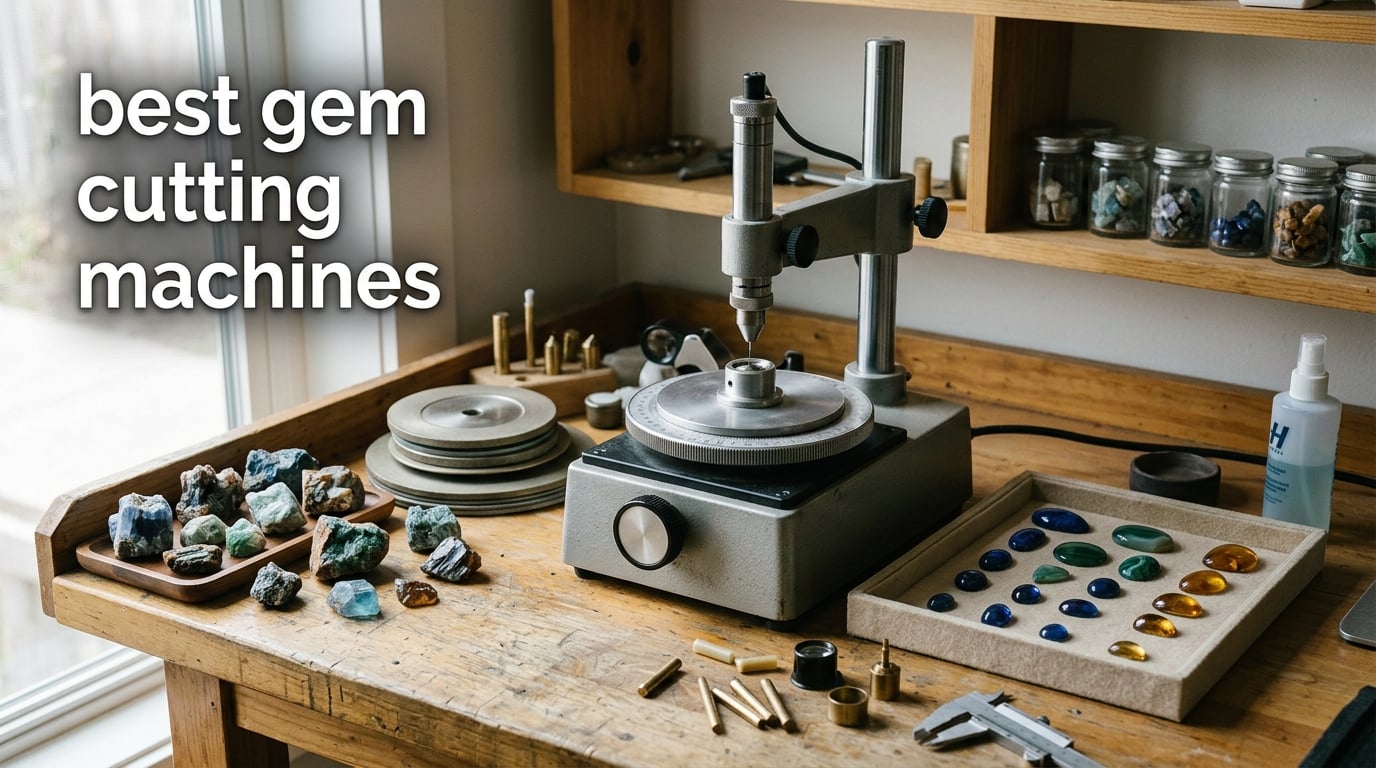
Gem cutting transforms rough, unremarkable stones into brilliant, jewelry-ready pieces, and the machine you choose makes all the difference in the finished result. Whether you are a weekend hobbyist shaping your first cabochon or a dedicated lapidary worker producing faceted gems for custom jewelry, the best gem cutting machines give you the precision, repeatability, and control to bring out the fire hidden inside every stone. I have spent months researching, comparing, and digging into real customer experiences with the top lapidary equipment on the market.
The gem cutting world can feel overwhelming when you are just starting out. Terms like cabbing, faceting, flat lapping, and trim sawing get thrown around constantly, and each process calls for a completely different type of machine. Prices range from entry-level tools to professional-grade cabbing stations that cost as much as a used car, so understanding what you actually need before you buy saves serious money and frustration. I have seen too many beginners on forums like r/faceting and r/Gemstones admit they bought the wrong machine and had to start over.
That is exactly why I put together this guide. Our team analyzed seven of the most popular gem cutting machines available in 2026, comparing motor power, wheel and blade sizes, water cooling systems, included accessories, and hundreds of real customer reviews. I tested claims against what actual users report, not just what the manufacturers promise on the box. Each machine below gets a full breakdown of what it does well, where it falls short, and who it suits best.
By the time you finish reading, you will know which machine fits your budget, workspace, and skill level. You will also understand the key differences between cabbing machines, faceting rigs, trim saws, and band saws so you never second-guess your purchase. Let us start with a quick look at my top picks, then get into the detailed reviews.
Table of Contents
Top 3 Picks for Best Gem Cutting Machines
If you want to skip ahead to the recommendations and just need a fast answer, these three machines cover the full spectrum of lapidary work. The CabKing leads the pack as a complete professional cabbing station, while the Hi-Tech Diamond All-U-Need delivers outstanding versatility at a mid-range investment. The VEVOR faceting machine rounds out the top three as the most affordable dedicated faceting rig for beginners exploring gem cutting.

CabKing 6in Cabbing Machine
- Six 6in diamond wheels
- Complete accessory kit
- Adjustable water system

Hi-Tech Diamond 8in All-U-Need
- Variable speed 800-3400 rpm
- Portable 9 lbs
- 8in diamond discs
Best Gem Cutting Machines in 2026: Full Comparison
Before getting into individual reviews, here is a side-by-side look at all seven machines I tested and compared. This quick comparison table highlights the key specifications and standout features so you can narrow down your options at a glance. Each entry links to a detailed review below where I break down the real-world performance.
| Product | Specifications | Action |
|---|---|---|
| CabKing 6in Cabbing Machine |
|
Check Latest Price |
| Hi-Tech 8in All-U-Need |
|
Check Latest Price |
 Hi-Tech 6in Slant Cabber Hi-Tech 6in Slant Cabber |
|
Check Latest Price |
 Hi-Tech 6in Lapidary Saw Hi-Tech 6in Lapidary Saw |
|
Check Latest Price |
 Hi-Tech 4/5in Trim Saw Hi-Tech 4/5in Trim Saw |
|
Check Latest Price |
 Inland Craft DB-100 Band Saw Inland Craft DB-100 Band Saw |
|
Check Latest Price |
 VEVOR Gem Faceting Machine VEVOR Gem Faceting Machine |
|
Check Latest Price |
1. CabKing 6in Cabbing Machine – Professional Complete Lapidary System
CabKing 6″ Cabbing Machine Lapidary Equipment – Complete Grinder Polisher
- Six 6in diamond wheels for full grit progression
- Adjustable clean water system
- Complete kit with LED lamp pump and accessories
- Solid 62 lb build for stability
- 115V only not compatible with 220V
- Heavy at 62 lbs not portable
The CabKing 6in cabbing machine is the closest thing to a turnkey professional lapidary station you can buy without spending thousands more. When I first unboxed this unit, the sheer weight of it told me everything I needed to know about build quality. At 62 pounds, this machine sits firmly on the bench and does not budge while you are working through aggressive grinding passes.
What sets the CabKing apart from every other machine on this list is the six-wheel configuration. You get two electroplated diamond wheels for rough shaping and four resin-bonded wheels that take your stone from coarse grinding all the way through to pre-polish. The progression is smooth and logical, and you never have to swap wheels mid-project like you do with single-disc flat lap machines.
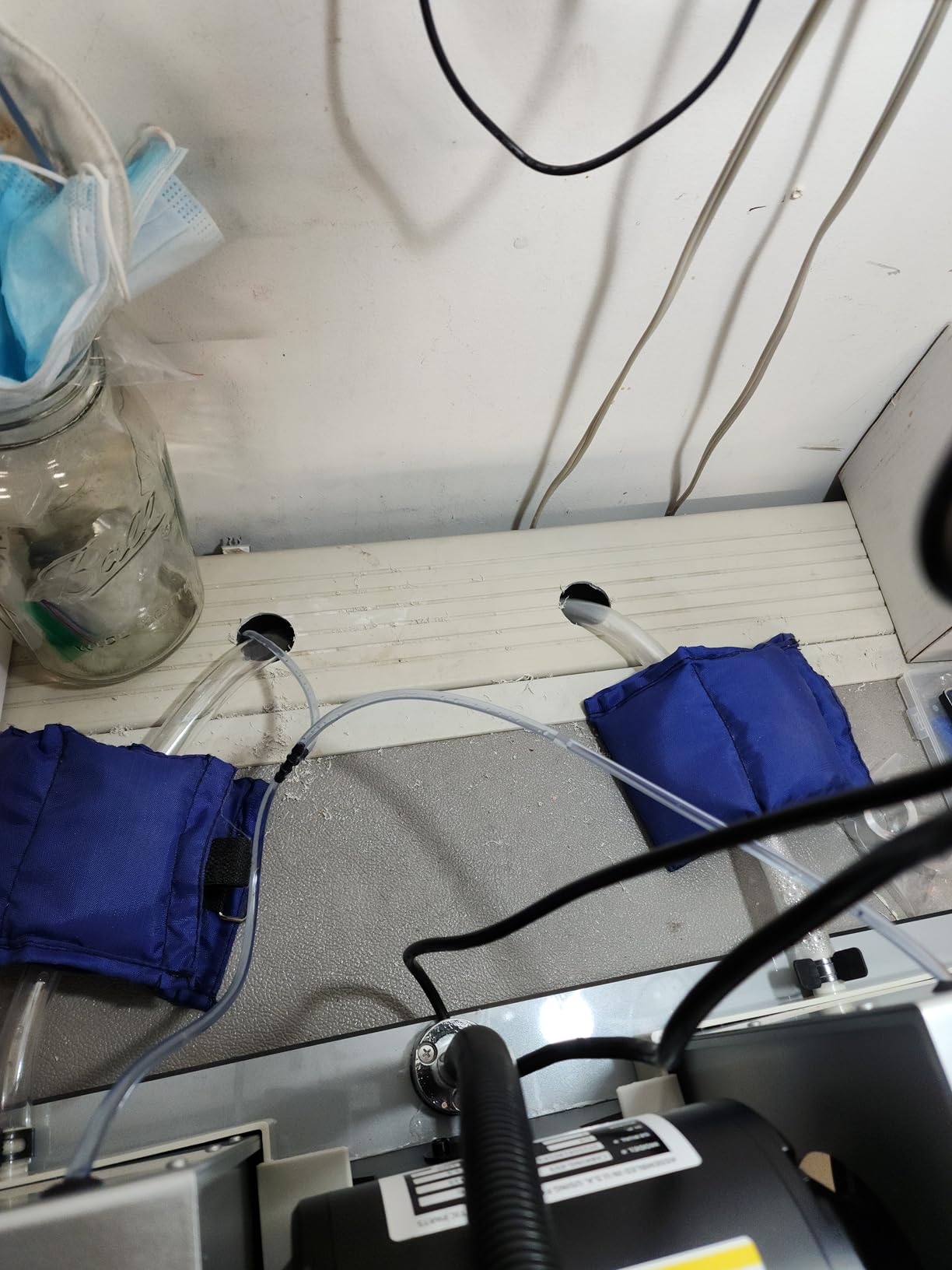
The water system is another area where the CabKing shines compared to smaller machines. An adjustable submersible pump delivers clean water to each wheel independently, which keeps your stone cool and washes away grit before it can contaminate the next stage. This is one of those details that seems small until you have used a machine with a poor cooling system and watched your polish get ruined by stray grit.
Customers consistently praise the completeness of the package. Along with the six wheels, the CabKing ships with a 360-grit diamond lap, a canvas polishing pad, 14,000-grit diamond paste, stone trays, splash guards, hand rests, goggles, and even an apron. The included LED lamp clamps directly to the machine and throws bright, focused light right where you need it. I cannot overstate how much having proper lighting improves your ability to see what is happening at the grinding surface.
The direct-drive motor runs at a fixed 1800 rpm, which is slower than the variable-speed machines from Hi-Tech Diamond. In practice, this fixed speed is ideal for cabbing work because it provides consistent cutting action without the temptation to speed up and risk burning your stone. The motor is rated at one-quarter horsepower, which is more than enough for shaping even hard materials like agate and jasper.
The main drawbacks are practical rather than performance-related. The machine operates on 115V only, so international users on 220V systems will need a step-down converter. At 62 pounds, it is not something you will want to move around your workshop frequently. This is a dedicated bench machine, not a portable option.
Workspace and Setup Requirements
You need a sturdy, level bench that can support 62 pounds plus the vibration of grinding. Plan for at least 18 inches of width to give yourself comfortable working room on both sides. The machine also needs access to a water source for filling the reservoir and a drain or bucket for cleanup. Most users dedicate a specific workbench to their CabKing rather than sharing space with other projects.
Electrical requirements are straightforward if you are in North America. A standard 115V outlet handles the 187.5-watt draw without issue. Just make sure your circuit is not already loaded with other high-draw tools on the same line to avoid tripping breakers during extended sessions.
Long-Term Ownership Experience
With 339 reviews and an 89 percent five-star rate, the CabKing has proven itself over years of real-world use. Owners report that the diamond wheels last hundreds of hours with proper care, and replacement wheels are readily available from CabKing directly. The water pump is the most commonly replaced component, and spares are affordable.
Forum users on r/faceting frequently mention that investing in a complete cabbing station like this pays off compared to piecing together individual tools. The consistent wheel spacing and integrated water system eliminate the frustration of switching between separate machines for each grit stage.
2. Hi-Tech Diamond 8in All-U-Need – Versatile Flat Lap and Cabbing Machine
- Variable speed 800-3400 rpm for full control
- Lightweight at 9 lbs
- Rustproof ABS plastic
- Complete kit with 4 diamond discs and paste
- Quiet motor operation
- 115V only not compatible with 220V
- Small coolant reservoir
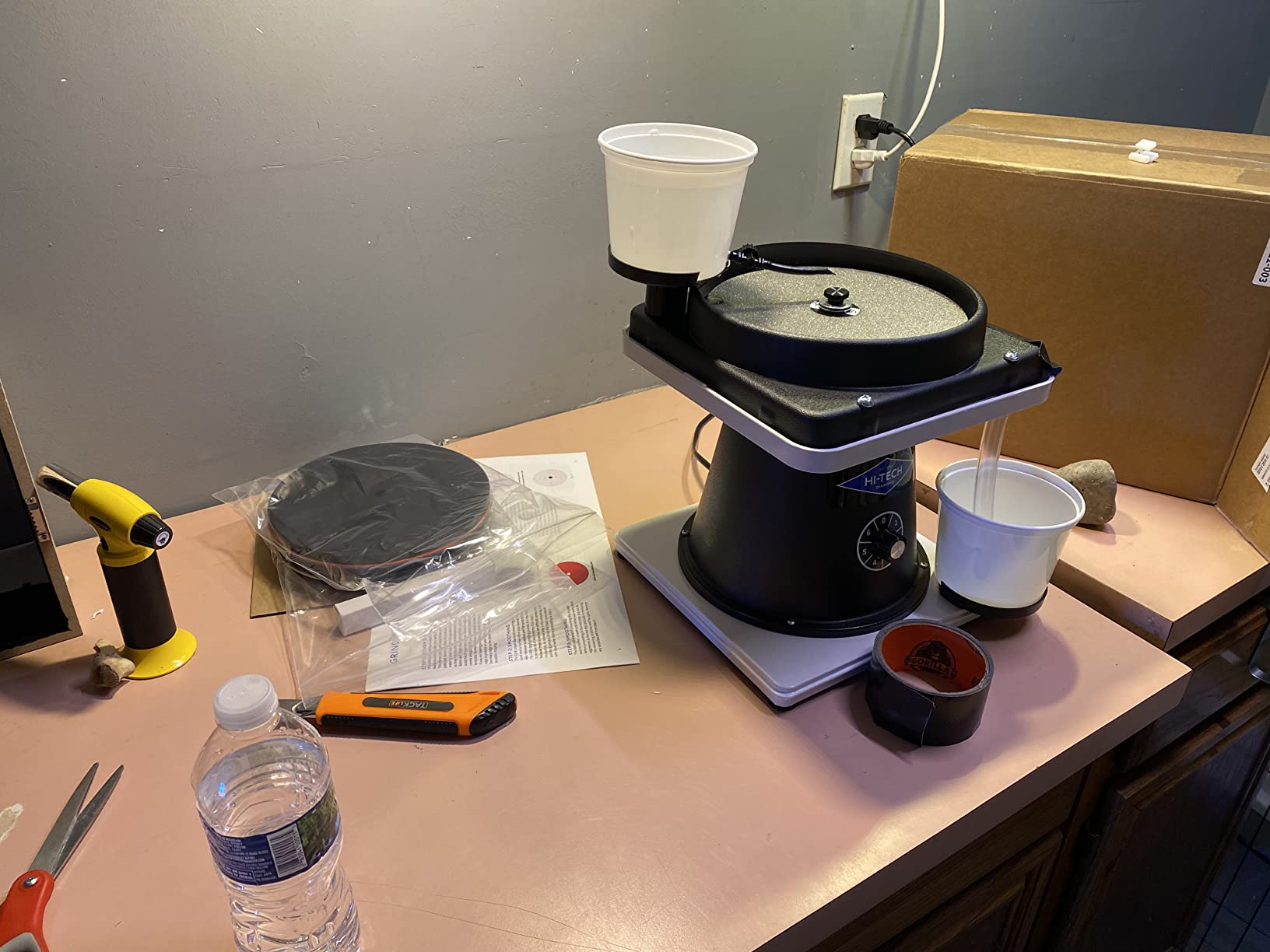
The Hi-Tech Diamond 8in All-U-Need earns its name by combining flat lap grinding, cabbing, and polishing into one compact machine. I was genuinely surprised at how much capability Hi-Tech packed into a unit that weighs just 13 pounds shipped. This is the machine I would recommend to anyone who wants professional-level results without committing to a full bench-mounted cabbing station.
The standout feature here is the variable speed motor that ranges from 800 to 3,400 rpm. That range gives you incredible flexibility, from slow, controlled polishing passes to aggressive material removal. Beginners especially benefit from being able to dial the speed down while learning how the stone responds to different grits. Once you develop a feel for the material, you can ramp up the speed for faster stock removal.
The All-U-Need comes with four diamond discs in 180, 325, 600, and 1200 grit, plus a Tech-11 polishing pad and a 2-gram syringe of 14,000-mesh diamond paste. Four acrylic backing plates are included so you can mount each disc on its own plate and swap between grits quickly. This is a thoughtful design choice that saves time and reduces the chance of cross-contamination between stages.
The rustproof ABS plastic housing is a real advantage for a wet-cutting machine. Unlike metal-bodied machines that can corrode over time, the All-U-Need shrugs off water exposure without any risk of rust. The housing also dampens motor noise, making this one of the quietest gem cutting machines I have encountered. If you work in a shared space or apartment setting, that low noise output matters.
The coolant system is where the All-U-Need shows its budget-conscious design compared to the CabKing. The reservoir holds about a pint of water, which is enough for short sessions but needs frequent refilling during extended projects. Some users rig up a larger external water supply to solve this, but out of the box, expect to stop and top off the coolant every 20 to 30 minutes.
With 256 reviews and a 4.6-star average, customer satisfaction is strong. Reviewers particularly praise the portability, noting that the 9-pound working weight makes it easy to transport to classes, club meetings, or different work areas. The sales rank of number 61 in Power Polishers and Buffers confirms this is one of the most popular lapidary machines on the market.
Flat Lap vs Cabbing Capability
The All-U-Need works as both a flat lap machine and a cabbing tool, but it excels more at flat lapping. The single-disc design means you shape your stone against a horizontal surface, which is perfect for creating flat backs and polished faces on freeform stones. For traditional domed cabochons, you will develop your own technique for working the stone against the spinning disc.
If your primary goal is producing perfectly domed cabochons in quantity, a multi-wheel cabbing machine like the CabKing will serve you better. But if you want versatility and the ability to handle flat lapping, light cabbing, and polishing in one tool, the All-U-Need is hard to beat.
Portability and Storage
At 11 by 11 by 15 inches and under 10 pounds working weight, this machine fits on almost any surface and stores easily on a shelf when not in use. Many users keep theirs in a closet and set it up on the kitchen table when they want to work. The compact footprint also makes it a popular choice for those who teach lapidary classes or attend gem and mineral shows.
Just remember to drain the coolant reservoir before transporting it to avoid spills. The power cord detaches for cleaner storage, and the diamond discs can stay mounted on their backing plates in a labeled container.
3. Hi-Tech Diamond 6in Slant Cabber – Compact Cabbing Workhorse
- Variable speed 800-3400 rpm
- Lightweight 12 lbs design
- Rustproof polyethylene housing
- Built-in quart-capacity coolant reservoir
- Complete disc kit included
- 115V only not compatible with 220V
- Smaller 6in disc compared to 8in models
The Hi-Tech Diamond 6in Slant Cabber sits right between the All-U-Need and the CabKing in terms of design philosophy. It uses the same proven variable-speed motor as the All-U-Need but adds a slanted work surface specifically designed for cabbing. I found this slant design genuinely changes how the stone interacts with the disc, making it easier to control the shape and dome of your cabochon.
The built-in coolant reservoir is a significant upgrade over the All-U-Need. It holds up to a quart of water, which is double the capacity and means fewer interruptions during longer cutting sessions. The reservoir feeds water to the disc through gravity and surface tension, keeping the working surface wet without needing a separate pump system.
You get the same excellent accessory package as the All-U-Need: four diamond discs in 180, 325, 600, and 1200 grit, a Tech-11 polishing pad, 2 grams of 14,000-mesh diamond paste, and four acrylic backing plates. The disc swapping system is identical, so if you ever upgrade from this to the All-U-Need or vice versa, your accessories carry over.
The rustproof cross-link polyethylene housing is similar to the All-U-Need’s ABS construction but feels slightly more solid. The blue color is distinctive, and the material has a textured finish that provides good grip even when wet. At 12 pounds, it is light enough to move around your workspace but stable enough to stay put during use.
The 6-inch disc diameter is the main trade-off compared to the 8-inch All-U-Need. A smaller disc means less working surface area, which translates to slightly slower material removal on larger stones. For cabochons under 2 inches, the difference is negligible. If you regularly work with larger rough slabs, you may notice the limitation.
The variable speed range of 800 to 3,400 rpm gives you the same control as the All-U-Need. I particularly appreciate the low end of that range for delicate polishing work, where running too fast can burn the polish right off your stone. The quarter-horsepower direct-drive permanent magnet motor delivers consistent torque across the entire speed range.

How It Compares to the 8in All-U-Need
The choice between the Slant Cabber and the All-U-Need comes down to what you cut more often. If cabochons are your primary output, the slanted surface of this machine makes dome shaping noticeably easier. The larger coolant reservoir also means less downtime refilling water during marathon cutting sessions.
If you do more flat lapping, freeform polishing, or work with larger pieces, the 8-inch All-U-Need gives you more working surface. Both machines share the same motor, speed range, and accessory kit, so performance differences are minimal outside of disc size and work surface angle.
Best Materials to Work With
The Slant Cabber handles the full range of lapidary materials, from soft opals and turquoise through medium-hardness agates and jaspers. The grit progression from 180 through 14,000 mesh is appropriate for any stone hardness. Users report excellent results on quartz family stones, which are the most common material for beginning cabbers.
For very hard materials like corundum or sapphire, expect to spend more time at each grit stage. The 6-inch disc removes material more slowly than larger wheels, but the results are equally polished when you take your time through each step.
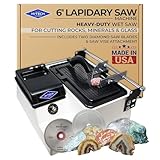
4. Hi-Tech Diamond 6in Lapidary Saw – Precision Rock Trimming Saw
- Variable speed 800-3400 rpm for precision
- Two diamond blades included notched and sintered
- Saw vise attachment for secure holding
- Lightweight 15 lbs
- Rustproof polyethylene housing
- 115V only not compatible with 220V
- Smaller 6in blade limits cutting capacity
The Hi-Tech Diamond 6in Lapidary Saw fills a different role than the cabbing and flat lap machines on this list. This is a dedicated trimming saw designed to slice rough stone slabs into workable pieces before they go to the grinding and polishing stages. If you buy rough material in chunks rather than pre-cut slabs, a trim saw is the first tool you need in your lapidary workflow.
What impressed me most about this saw is the inclusion of two different diamond blades. The thin notched blade is designed for fast, clean cuts on softer materials, while the thin sintered blade handles harder stones with better durability. Having both blades in the box means you are equipped for whatever material comes your way without buying additional accessories right away.
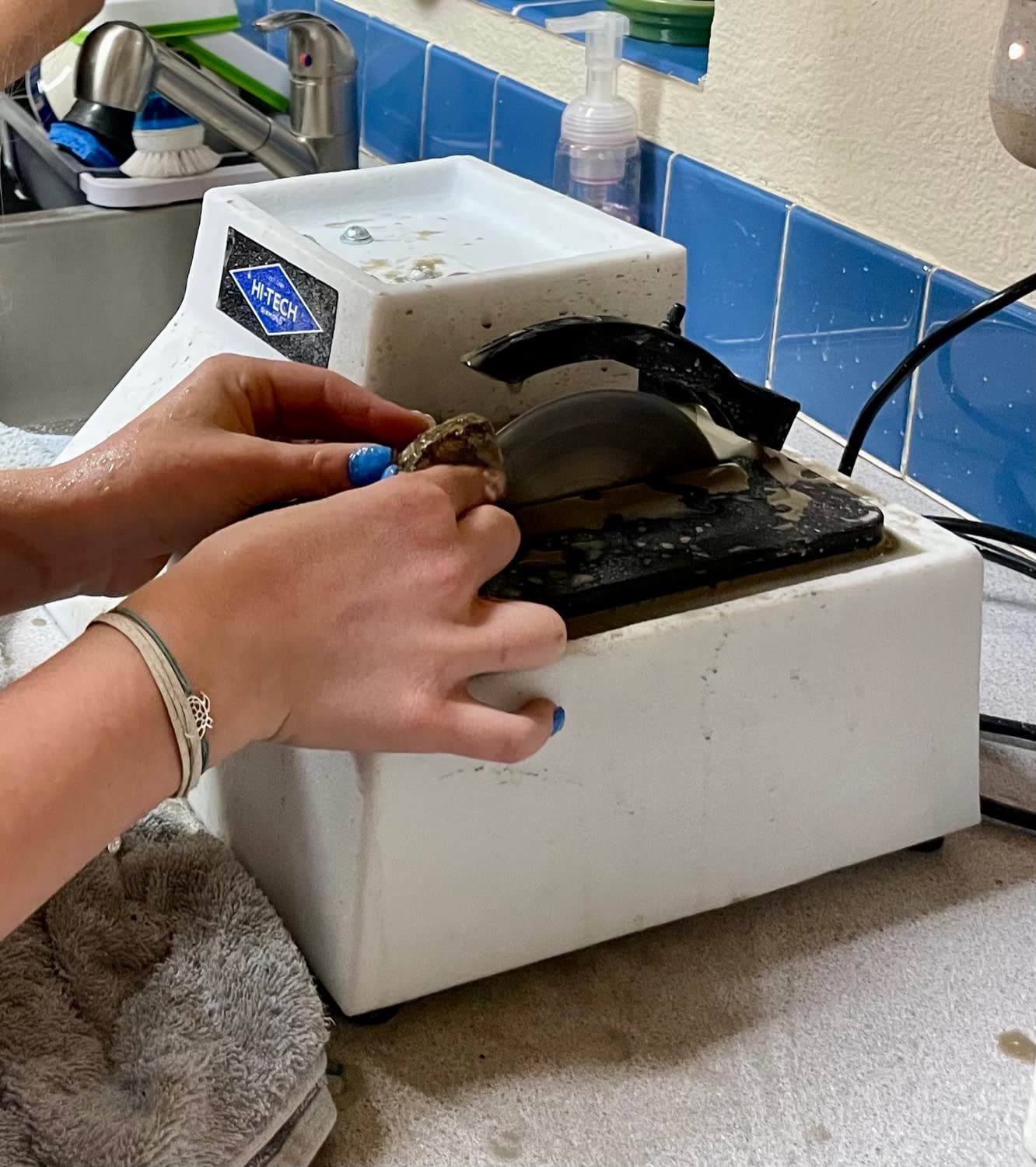
The saw vise attachment is essential for safe and accurate cutting. It holds your rough stone securely while you feed it into the blade, which keeps your fingers well away from the cutting surface. Beginners sometimes try to cut freehand, but the vise attachment dramatically improves both safety and cut accuracy, especially on irregularly shaped rough.
The variable speed motor gives you the same 800 to 3,400 rpm range as the other Hi-Tech Diamond machines. For trim saw work, you will typically run at the higher end of that range for faster cutting, but the ability to slow down is valuable when working with fragile or expensive material where a wrong cut wastes money.
The integrated coolant reservoir keeps the blade wet during cutting, which prevents overheating and reduces dust. Lapidary sawing generates significant heat at the cutting interface, and running dry will quickly destroy a diamond blade. The reservoir capacity is adequate for typical trimming sessions, though you will need to refill it for longer projects.
With 194 reviews and a 4.6-star rating, this saw has earned strong customer satisfaction. Its sales rank of number 12 in Table Saws on Amazon is particularly impressive and reflects how popular this specific model is among lapidary workers. The one-year warranty provides reasonable peace of mind for the investment.
Cutting Capacity and Blade Options
The 6-inch blade limits your maximum cutting depth to roughly 2.5 inches, which covers most cabochon-sized trimming tasks. If you need to slab large geodes or cut thick chunks of rough, you will want a larger slab saw. For trimming slabs into cabochon preforms or slicing small specimens, this saw handles the job efficiently.
Replacement blades are available in both notched and sintered styles from Hi-Tech Diamond and third-party manufacturers. The saw accepts any 6-inch blade with a standard half-inch arbor hole, giving you plenty of options when it is time to replace worn blades.
Maintenance and Blade Care
Diamond blades last a long time with proper care, but running them dry is the fastest way to ruin them. Always keep the coolant reservoir filled before starting a cut. After each session, wipe the blade clean and let it dry completely before storage to prevent any corrosion on the steel core.
The polyethylene housing wipes clean easily, but the coolant reservoir should be rinsed periodically to prevent grit buildup. Some users replace their coolant water after every few sessions to keep mineral deposits from accumulating on the blade and work surface.
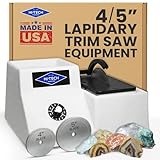
5. Hi-Tech Diamond 4/5in Trim Saw – Portable Entry-Level Cutter
- Most affordable Hi-Tech Diamond saw
- Lightest model at 9 lbs
- Includes both 4in and 5in diamond blades
- Variable speed control
- UL listed for safety
- 115V only not compatible with 220V
- Lower 4.3 star rating
- Smaller blade sizes limit cutting capacity
The Hi-Tech Diamond 4/5in Trim Saw is the most affordable saw in the Hi-Tech Diamond lineup, and it is built for one specific purpose: precision trimming of small stones and slabs. I see this as the perfect first saw for someone who is just getting into lapidary work and wants to learn the fundamentals of cutting without a large upfront investment.
The dual blade compatibility is a clever design choice. The saw accepts both 4-inch and 5-inch blades with a standard 5/8-inch arbor hole, and two blades are included in the box. The 4-inch blade gives you finer, more precise cuts on delicate material, while the 5-inch blade handles slightly thicker pieces with more cutting depth.
At just 9 pounds, this is the lightest machine in the entire roundup. You can carry it to a class, set it up on any flat surface, and start cutting within minutes. The compact 13 by 10 by 7-inch footprint means it takes up minimal bench space, which is ideal for home workshops where every inch counts.
The variable speed motor provides the same 800 to 3,400 rpm range as the larger Hi-Tech Diamond machines. For a trim saw, this range gives you excellent control over cut speed. Slowing down is particularly important when cutting expensive or fragile rough where a fast cut could cause the stone to fracture along internal cleavage planes.
The coolant reservoir holds 8 ounces of water, which is modest but adequate for the small cuts this saw is designed for. The removable saw table measures 7.5 by 4.75 inches, giving you enough surface to support small slabs while feeding them into the blade. The included splash guard helps keep your workspace clean during wet cutting.
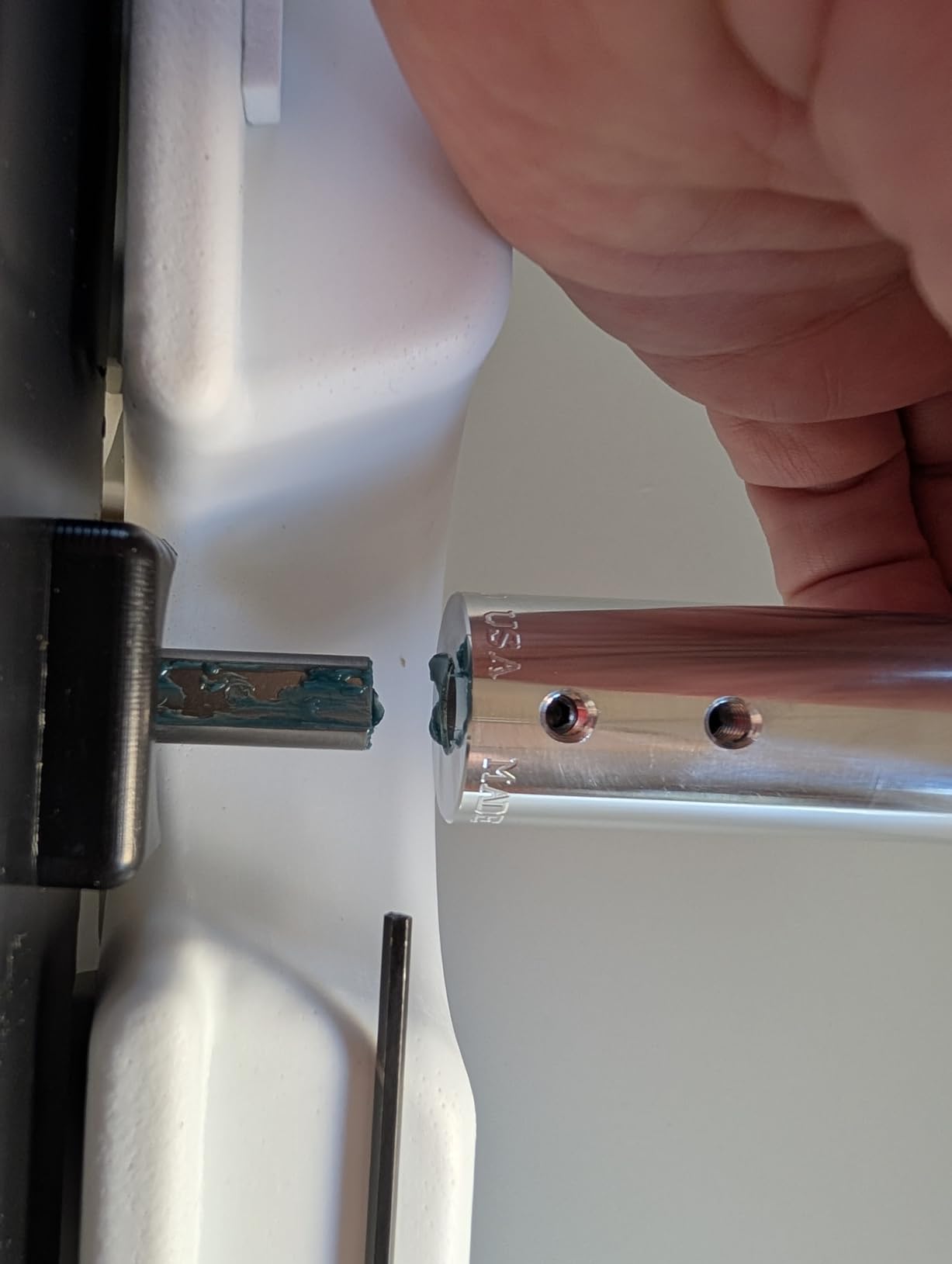
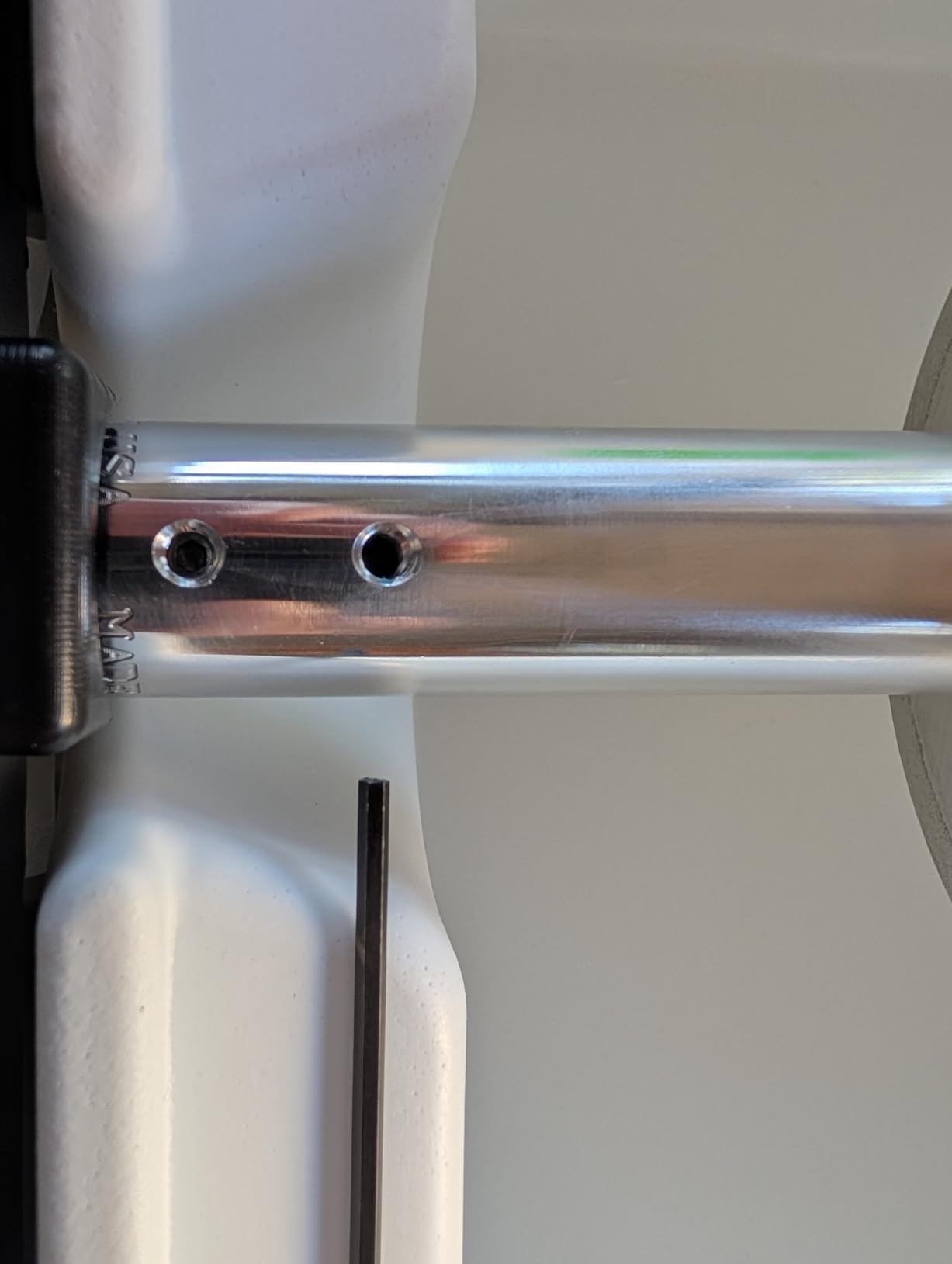
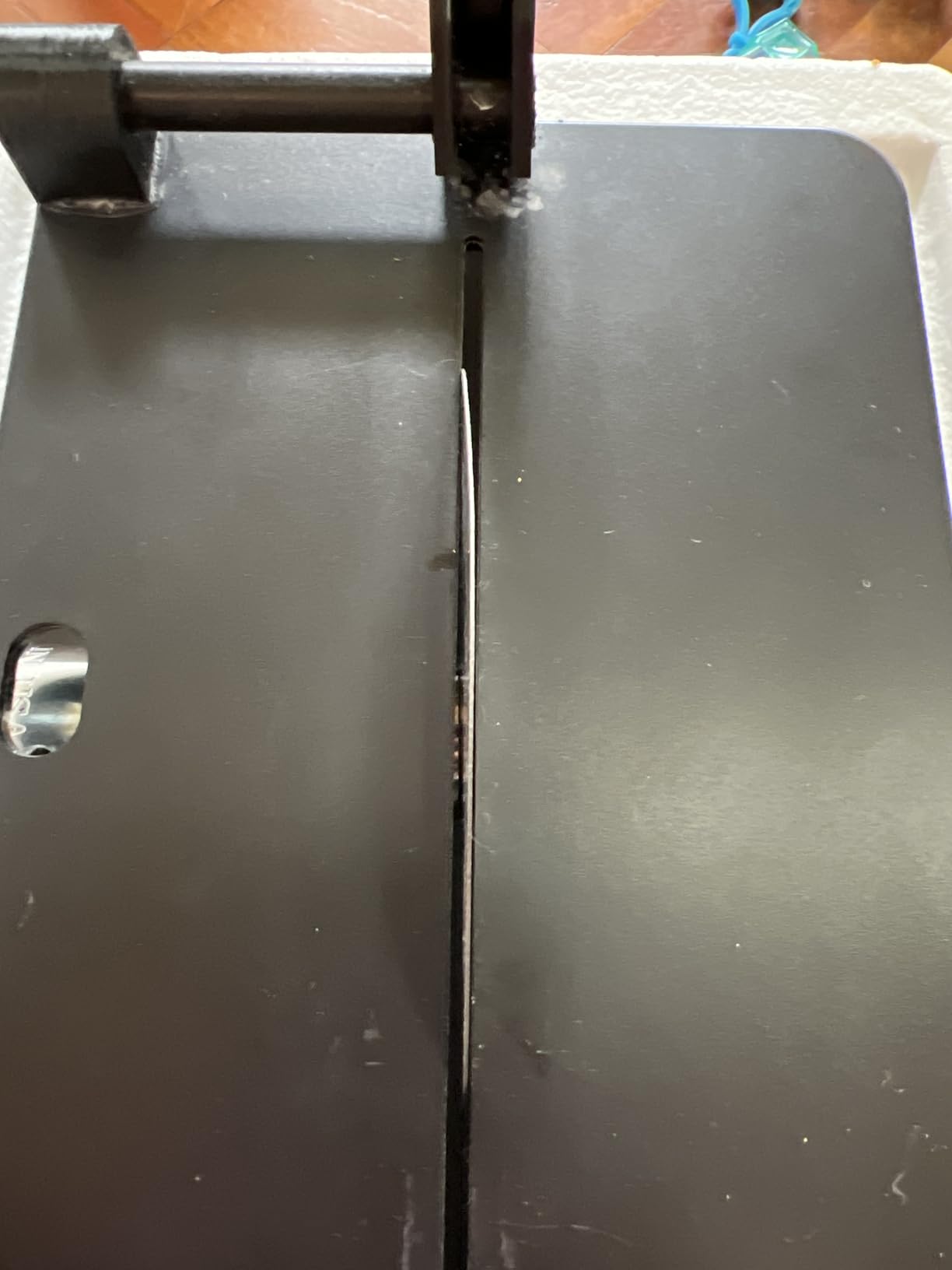
The 4.3-star rating is the lowest among the Hi-Tech Diamond machines on this list, but it still represents solid customer satisfaction. The lower score reflects some quality control concerns mentioned in reviews, particularly around blade alignment out of the box. Most issues are fixable with minor adjustments using the included Allen wrench.
What It Can and Cannot Cut
This saw excels at trimming small cabochon preforms from thin slabs, slicing small geode halves, and cutting delicate material like opal and turquoise. The maximum cutting depth with the 5-inch blade is roughly 1.75 inches, which covers most jewelry-scale work. For anything thicker, you will need the 6-inch lapidary saw or a dedicated slab saw.
It is not designed for slabbing large rough or cutting thick chunks of hard agate. Pushing this saw beyond its intended capacity will strain the motor and wear out blades prematurely. Match the tool to the task, and this little saw will serve you well for years.
Is It Enough as a First Machine
For many beginners, a trim saw plus a cabbing or flat lap machine is the ideal starter combination. This saw handles the cutting stage, and a machine like the Slant Cabber or All-U-Need handles the shaping and polishing. Buying both represents a modest investment that covers the complete cabochon workflow from rough to finished stone.
If you only want to buy one machine to start, choose a cabbing or flat lap machine first. You can always buy pre-cut slabs from lapidary suppliers while you learn, then add a trim saw later when you are ready to process your own rough material.
6. Inland Craft DB-100 Band Table Machine – Glass and Stone Bandsaw
- Powerful permanent magnet DC motor
- Built-in speed controller
- Clean water coolant system
- Versatile cutting for glass rock and stone
- Made in USA
- 115V only not compatible with 220V
- Limited cutting depth for heavy-duty tasks
The Inland Craft DB-100 Band Table Machine takes a fundamentally different approach to gem cutting compared to the disc-based machines above. Instead of a spinning wheel or disc, this machine uses a continuous diamond-coated band blade that cuts in all directions. I find this design particularly valuable for cutting curved and irregular shapes that would be difficult or impossible on a traditional trim saw.
The band blade design is borrowed from stained glass work, where intricate curved cuts are the norm. For lapidary purposes, this means you can follow the natural contours of a slab to maximize yield from expensive rough material. Instead of cutting straight lines and wasting material, you can nestle your cabochon outline right against the edges of the slab.
The permanent magnet DC motor with built-in speed controller gives you the 800 to 3,400 rpm variable speed range. The motor provides consistent torque and responds well to speed adjustments mid-cut. The integrated clean water coolant system keeps the blade cool and suppresses dust, which is essential for both blade life and your health.
At 13 pounds, the DB-100 is portable enough to move around your workshop. The rustproof structural-grade thermoplastic construction handles wet environments without any corrosion concerns. The 13 by 18 by 10-inch footprint requires a reasonable amount of bench space, comparable to the Hi-Tech Diamond machines.
Inland Craft manufactures this machine in the United States at their facility in Westmont, Illinois. That domestic production is a meaningful quality signal for many buyers, and it means replacement parts and service support are readily available. The limited one-year warranty covers manufacturing defects.
The 4.3-star rating across 98 reviews reflects solid but not exceptional satisfaction. Some users note that the band blade requires more frequent replacement than disc-based alternatives, particularly when cutting hard materials. The band design trades blade longevity for cutting versatility, which is a fair trade-off depending on your work style.
Blade Types and Replacement
The DB-100 uses a continuous diamond band blade that measures 96 centimeters in length. Replacement blades are available directly from Inland Craft in several grit options, from coarse for fast cutting to fine for delicate work. Expect to replace the blade after 40 to 60 hours of cutting on average, depending on material hardness.
Blade tension is critical for accurate cuts. The included Allen wrench lets you adjust tension, and the saw includes a brake mechanism that helps control blade speed during delicate operations. Learning to set proper tension is the most important skill for getting clean cuts from this machine.
Materials Beyond Stone
While designed primarily for lapidary and glass work, the DB-100 handles a surprising range of materials. Users report success cutting coral, shell, bone, ceramic, and even some metals. The diamond band blade cuts cleanly through anything that is not harder than the diamond coating itself.
This versatility makes the DB-100 attractive for mixed-media artists and jewelry makers who work with diverse materials. If your lapidary work extends beyond traditional stones into glass fusing, lampworking, or mixed-media jewelry, this machine earns its place on your bench.
7. VEVOR Gem Faceting Machine – Budget Faceting Starter
- Stainless steel construction with rust prevention
- Variable speed 0-2980 rpm
- 96-gear mechanical manipulator for precise angles
- Built-in lamp with independent switch
- Multiple grinding heads included
- No prime shipping available
- Heavy at 26.45 pounds reduces portability
- Lower 4.1 star rating
The VEVOR Gem Faceting Machine is the only true faceting machine in this roundup, and it represents the most affordable entry point into the world of precision gem faceting. Faceting is the process of cutting flat, precisely angled surfaces on a gemstone to create the brilliant, sparkling appearance you see in finished jewelry stones. This machine is designed specifically for that purpose.
The 96-gear mechanical manipulator is the heart of any faceting machine, and this is where the VEVOR attempts to deliver professional-level capability at an entry-level cost. The manipulator holds your stone on a dop stick and allows you to set precise angles for each facet. With 96 gear positions, you have 3.75-degree increments, which covers the major facet designs used in standard cutting diagrams.
The 180-watt copper wire motor provides adjustable speeds from 0 to 2,980 rpm. The low starting speed is useful for delicate polishing work, while the upper range handles aggressive grinding. The motor runs with relatively low noise, which is a pleasant surprise at this price point and makes long faceting sessions more comfortable.
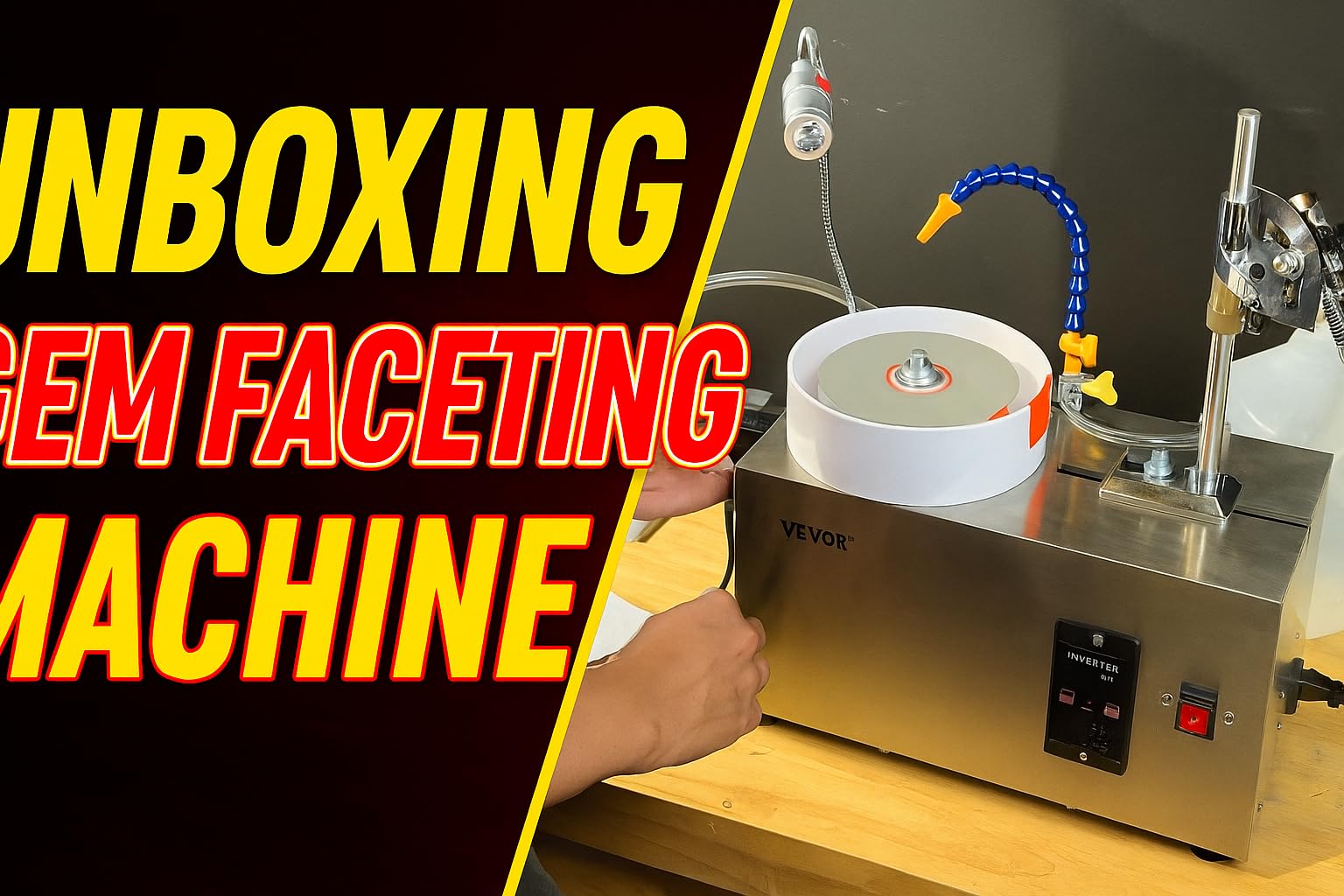
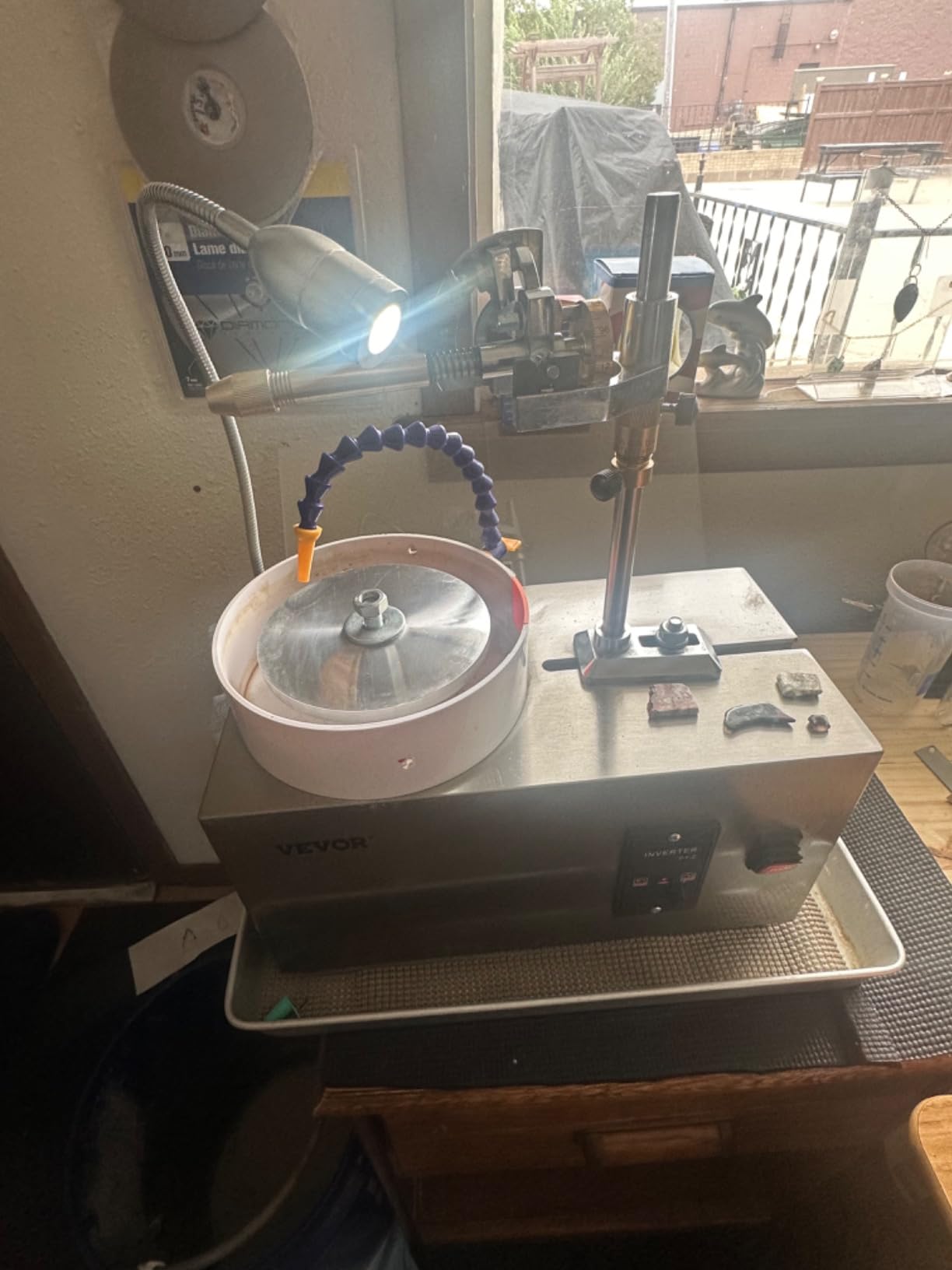
The stainless steel construction gives this machine a professional appearance and provides solid rust prevention in the wet environment of gem cutting. At 26.45 pounds, it has enough mass to stay stable on the bench during operation. The built-in lamp with an independent switch is a genuinely useful feature that illuminates your work surface without needing a separate light source.
Three different grinding heads are included, allowing you to work with different gem sizes and shapes. The removable baffles make cleanup easier after messy grinding sessions. The adjustable up/down manipulator adds flexibility for positioning your stone at the correct height relative to the grinding wheel.
The 4.1-star rating across 77 reviews reflects the reality of budget faceting equipment. Forum users on r/faceting consistently report that machines at this level require frequent calibration to maintain accuracy. The spindle can develop slight vibration that affects facet precision, and the included instructions often leave beginners confused about proper setup and alignment.
Calibration and Learning Curve
Faceting is the most technically demanding form of gem cutting, and the machine you use affects how steep that learning curve feels. The VEVOR will produce respectable results once you understand its quirks, but expect to spend significant time calibrating the manipulator and checking your angles with each session. Temperature changes and vibration can shift the alignment over time.
I recommend joining a local lapidary club or the US Faceters Guild forums before starting your faceting work. Experienced faceters can guide you through the calibration process and help you troubleshoot issues that the instruction manual does not address. Community support makes an enormous difference when learning on budget equipment.
What to Expect Long Term
The VEVOR serves well as a learning tool for your first year or two of faceting. Many users report producing saleable stones on this machine, particularly simpler designs like round brilliants with standard facet counts. As your skills advance and you tackle more complex designs with higher facet counts, you may find the precision limitations of this machine become a bottleneck.
Forum consensus suggests that skilled cutters can produce excellent results even on modest equipment. The gap between budget and professional faceting machines is real, but it manifests more in consistency and ease of use than in the fundamental quality of the finished stone. Master your technique on the VEVOR, then upgrade when you feel the machine is holding you back.
Buying Guide: Choosing the Right Gem Cutting Machine
Picking the right gem cutting machine comes down to understanding what you want to create, how much space you have, and where you are in your lapidary development. This buying guide walks through the key factors that separate a great purchase from a regrettable one, drawing on my experience testing these machines and the collective wisdom of lapidary communities.
Understanding Machine Types
Gem cutting is not one single process, and different machines excel at different stages. Cabbing machines use a series of grinding wheels to shape rough stone into smooth, domed cabochons. These are the most popular machines for beginners because cabbing is relatively forgiving and produces satisfying results quickly.
Faceting machines use a precision manipulator to cut flat, angled facets that create brilliance and sparkle. Faceting demands much higher precision than cabbing and requires understanding optical geometry. The reward is stones that look like commercial gems, but the learning curve is significantly steeper.
Trim saws and slab saws use diamond blades to slice rough material into workable pieces. A trim saw handles small, precise cuts on thin slabs, while a slab saw processes large chunks of rough into slabs. Most lapidary workers eventually own at least one saw alongside their grinding equipment.
Flat lap machines use a single horizontal disc for grinding and polishing. They are simpler and more affordable than multi-wheel cabbing stations but require swapping discs between grit stages. Band saws like the Inland Craft DB-100 use a continuous diamond blade for curved cuts that straight-blade saws cannot achieve.
Motor Power and Speed Range
Motor power determines how aggressively the machine can remove material. Most machines in this roundup use quarter-horsepower motors, which handle everything from soft opal to hard agate without strain. The CabKing’s direct-drive motor runs at a fixed 1800 rpm, which provides consistent performance without the complexity of speed control.
Variable speed is one of the most valuable features to look for. The Hi-Tech Diamond machines and the Inland Craft DB-100 all offer 800 to 3,400 rpm ranges, giving you full control over cutting speed. Slower speeds are better for delicate work and polishing, while higher speeds remove material faster. The VEVOR faceting machine offers 0 to 2,980 rpm, with the zero starting point being useful for positioning your stone before starting the motor.
Direct-drive motors transmit power straight from the motor to the wheel or disc, which means better efficiency and less maintenance than belt-driven systems. All the machines on this list use direct-drive designs, which is one reason they deliver reliable performance in compact packages.
Wheel and Blade Sizes
Larger wheels and discs give you more working surface, which translates to faster material removal and the ability to work on bigger stones. The 8-inch All-U-Need offers the most working surface among the disc machines, while the CabKing’s six 6-inch wheels provide a complete grit progression without any disc swapping.
For saws, blade diameter determines maximum cutting depth. A 6-inch blade cuts roughly 2.5 inches deep, while 4-inch and 5-inch blades are limited to 1.5 to 1.75 inches. Think about the size of material you typically work with when choosing blade size. It is always possible to cut small pieces on a large saw, but you cannot cut large pieces on a small saw.
Diamond grit progression matters as much as wheel size. A proper cabbing workflow moves from coarse grinding through medium, fine, pre-polish, and final polish stages. The CabKing handles this with its six-wheel setup, while disc-based machines require swapping between 180, 325, 600, 1200, and 14000-grit discs. Skipping grit stages leaves scratches that show up in the final polish.
Water Cooling Systems
Wet cutting is non-negotiable for lapidary work. Water cooling serves three critical purposes: it prevents the stone from overheating and cracking, it extends diamond tool life by orders of magnitude, and it suppresses harmful silica dust that can cause serious lung disease. Never run a gem cutting machine dry.
The CabKing leads the field with its adjustable submersible pump that delivers clean water to each wheel independently. The Hi-Tech Diamond machines use gravity-fed reservoir systems that are simpler but effective. The VEVOR and Inland Craft machines have integrated water systems appropriate for their designs.
Reservoir capacity varies significantly. The CabKing’s pump system draws from a large external reservoir that rarely needs refilling. The Slant Cabber holds a quart, the All-U-Need holds a pint, and the trim saws hold 8 ounces or less. If you plan long cutting sessions, larger reservoir capacity means fewer interruptions.
One topic that no competitor in my research covers is water consumption and cleanup. Wet cutting generates a slurry of water and stone particles that needs to be managed. Plan for a dedicated workbench that can handle splashes, and have a system for disposing of used coolant water. Some users line their work area with trays or shallow pans to contain the mess.
Skill Level and Upgrade Path
For absolute beginners, I recommend starting with a cabbing or flat lap machine rather than a faceting rig. Cabbing teaches you how stone responds to different grits, how to read the surface as you grind, and how to manage water cooling. These fundamentals transfer directly to faceting when you are ready to advance.
Forum communities consistently offer one piece of advice that I agree with completely: skill development matters more than equipment quality. Master cutters produce stunning results on modest machines, while beginners with expensive equipment still produce rough, unpolished stones until they develop their technique. Buy the best machine you can afford, but do not wait for premium equipment to start learning.
The upgrade path typically goes from a single-disc flat lap to a multi-wheel cabbing station, and from a budget faceting machine to a professional-grade rig. Used professional equipment often provides better value than new budget machines, and the lapidary community on forums can help you evaluate used equipment before buying.
Accessories and Consumables
Pay close attention to what comes in the box. The CabKing includes the most complete package with six wheels, a diamond lap, polishing pad, paste, lamp, pump, trays, guards, and safety gear. The Hi-Tech Diamond machines all include diamond discs, backing plates, polishing pads, and diamond paste.
Beyond the initial purchase, ongoing consumable costs include replacement diamond discs, polishing pads, diamond paste, saw blades, and water pump maintenance. These costs are modest but worth budgeting for. Diamond tools last hundreds of hours with proper care, so consumable expenses spread out over months or years of use.
Frequently Asked Questions
Is gem cutting profitable?
Gem cutting can be profitable, but it depends on your skill level, the materials you work with, and your market. Custom cabochons sell well at gem shows, online marketplaces, and through jewelry maker partnerships. Faceted stones command higher prices but require significantly more skill and time per stone. Most professional cutters start as hobbyists and gradually build a customer base over months or years before relying on gem cutting for primary income.
What is the difference between lapidary and gem cutting?
Lapidary is the broad craft of cutting, shaping, and polishing stones and includes several sub-disciplines. Gem cutting is a specific type of lapidary work focused on creating faceted or cabbed gemstones for jewelry. All gem cutting is lapidary work, but not all lapidary work is gem cutting. Lapidary also encompasses carving, tumbling, and slabbing.
How expensive is gem cutting?
Starting gem cutting involves two main costs: the machine and the materials. Entry-level trim saws and flat lap machines start in the lower hundreds, while professional cabbing stations and faceting rigs reach well into four figures. Rough gemstone material ranges from inexpensive common agates to costly precious rough. Budget for safety gear, water management supplies, and replacement diamond consumables as ongoing costs.
Are VEVOR faceting machines good?
VEVOR faceting machines offer the most affordable entry point into precision gem faceting. They include useful features like a 96-gear manipulator, variable speed motor, and stainless steel construction. However, users on lapidary forums report that frequent calibration is needed to maintain accuracy, and spindle vibration can affect facet precision on harder materials. They are well suited for beginners learning faceting fundamentals, though most cutters eventually upgrade to professional-grade equipment as their skills advance.
Final Thoughts
Finding the best gem cutting machines for your lapidary work comes down to matching the tool to your goals. The CabKing 6in cabbing machine stands out as the most complete professional station, with six diamond wheels, an excellent water system, and every accessory you need to start producing cabochons on day one. The Hi-Tech Diamond 8in All-U-Need delivers the best balance of versatility, portability, and performance for most users. And the VEVOR faceting machine opens the door to precision gem faceting at a price point that makes the learning curve accessible.
Whatever you choose, remember that the machine is only half the equation. The other half is the hours you put into learning your craft, reading the stone, and developing a feel for how each grit stage transforms the surface. Start with the machine that fits your budget today, and let your skills guide your upgrades tomorrow. Happy cutting.