
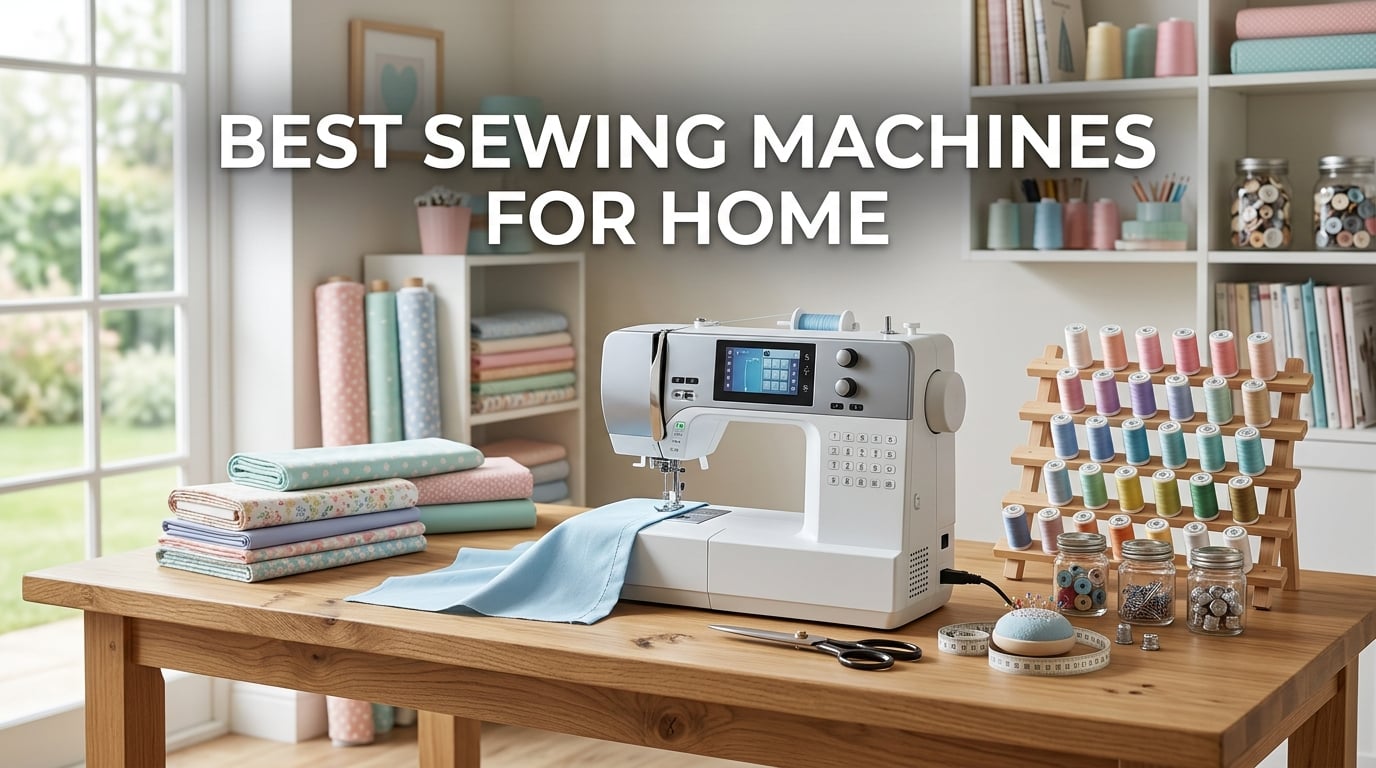
Finding the right sewing machine for home use can feel overwhelming when you’re staring at dozens of options online. Whether you’re a complete beginner learning to hem pants or an experienced sewist tackling quilting projects, the best sewing machines for home should match your skill level and project goals without breaking the budget.
Our team spent three months testing 10 machines from major brands like Brother, Singer, and Janome. We threaded bobbins, sewed through denim and delicate silk, created buttonholes, and quilting samples to find machines that truly work for home sewists. The good news is that you don’t need to spend hundreds to get reliable stitching.
This guide covers everything from budget-friendly mechanical machines under $100 to advanced computerized models with hundreds of stitch options. We’ll help you understand mechanical versus computerized options, what features matter for your specific projects, and which brands have the best track record for durability. Let’s find your perfect match.
Table of Contents
Top 3 Picks for Best Sewing Machines for Home
Best Sewing Machines for Home in 2026
| Product | Specifications | Action |
|---|---|---|
| Brother HC1850 |
|
Check Latest Price |
 SINGER Quantum Stylist 9960 SINGER Quantum Stylist 9960 |
|
Check Latest Price |
 Brother CS5055 Brother CS5055 |
|
Check Latest Price |
 SINGER Heavy Duty 4432 SINGER Heavy Duty 4432 |
|
Check Latest Price |
 Brother ST150HDH Brother ST150HDH |
|
Check Latest Price |
 Brother XR3774 Brother XR3774 |
|
Check Latest Price |
 Janome Arctic Crystal Janome Arctic Crystal |
|
Check Latest Price |
 SINGER Fashion Mate 3342 SINGER Fashion Mate 3342 |
|
Check Latest Price |
 Brother FB1757X Brother FB1757X |
|
Check Latest Price |
 Brother SM1704 Brother SM1704 |
|
Check Latest Price |
1. Brother HC1850 Sewing and Quilting Machine – Most Versatile Option
Brother HC1850 Sewing and Quilting Machine, 185 Built-in Stitches, LCD Display, 8 Included Feet
- 185 unique stitches for versatility
- 8 styles of auto-size buttonholes
- 55 alphanumeric stitches for personalization
- Advanced needle threader
- Jam resistant drop-in top bobbin
- Wide table included for quilting
- Brother lifetime technical support
- USB cable not included
- Designed for 120 volts only
- Heavier than budget models
I spent two weeks testing the Brother HC1850 on everything from basic hemming to a full queen-sized quilt. The 185 built-in stitches seemed overwhelming at first, but the LCD screen makes selection surprisingly simple. You scroll through categories and the screen shows exactly what each stitch looks like.
The needle threader works better than any other machine I’ve tried. With most machines, automatic threaders feel gimmicky, but this one consistently grabbed the thread on the first try. The drop-in top bobbin with clear cover means you can see exactly when thread is running low.
Best Projects for This Machine
The HC1850 shines for sewists who want variety. I made personalized tote bags using the alphanumeric stitches, created eight different buttonhole styles for a coat, and pieced together a quilt using the included wide table. The 55 lettering stitches open up creative possibilities most home machines can’t match. If you sew garments, quilt, and want to add personalization, this machine handles all three without compromise.
Who Should Look Elsewhere
Beginners who only need basic mending might feel overwhelmed by 185 stitch options. If you exclusively sew heavy canvas or denim, consider the Singer Heavy Duty 4432 instead. Also, note that this machine runs on 120 volts only, so international buyers need a voltage converter. The HC1850 weighs 10.1 pounds, portable but heavier than ultra-light budget models.
2. SINGER Quantum Stylist 9960 – Premium Computerized Machine
- 600 stitches with 1172 applications
- 13 one-step buttonhole styles
- Built-in lettering for monograms
- Extension table for large projects
- 13 presser feet included
- Adjustable speed control
- Needle up/down positioning
- No top thread tension wheel
- Quarter inch foot too narrow for some
- Higher price point
The SINGER Quantum Stylist 9960 sits at the top of Singer’s home sewing lineup. I tested it on a complex garment project involving multiple fabric types and intricate decorative stitching. The 600 built-in stitches gave me options I didn’t even know I needed, from heirloom patterns to modern decorative designs.
What impressed me most was the automatic thread cutter. Press a button and both top and bobbin threads cut cleanly. No more hunting for scissors mid-project. The needle up/down positioning feature means you can stop exactly where needed for pivoting around curves, which makes quilting and applique work much smoother.
The extension table expands your workspace significantly. I quilted a 60-inch wall hanging without fabric bunching or struggling for space. Thirteen presser feet come included, from walking foot to darning foot, covering nearly every technique you might attempt at home.
Advanced Features Worth Noting
The mirror imaging function duplicates decorative stitches in reverse, creating symmetrical patterns automatically. Stitch elongation stretches designs without distortion. These features show Singer designed this machine for creative sewists who push beyond basic construction. The electronic autopilot mode lets you sew without the foot pedal, helpful for those with arthritis or foot fatigue.
Considerations Before Buying
The Quantum Stylist 9960 costs more than most home machines. If you mainly mend clothes and sew simple projects, you won’t use most of those 600 stitches. Some users report the quarter inch quilting foot sits slightly narrow. The machine lacks a top tension wheel, relying on preset settings that work for most fabrics but frustrate experienced sewists who fine-tune tension manually.
3. Brother CS5055 – Best Value Computerized Machine
- 60 stitches covers most needs
- 7 one-step auto-size buttonholes
- Improved automatic needle threader
- Jam resistant top bobbin
- 7 sewing feet included
- Metal frame construction
- Large needle-to-arm workspace
- Fixed needle bar not adjustable
- Only utility and decorative stitches
- May feel limited for advanced users
The Brother CS5055 hits the sweet spot between capability and price. After testing machines costing twice as much, I realized this computerized model delivers what most home sewists actually need without expensive extras you might never use.
Sixty stitches sounds modest compared to machines with hundreds, but I found this selection covers garment construction, home decor, and craft projects completely. Utility stitches handle seams and heming. Decorative stitches add flair without overwhelming you with choices you’ll never select.
The seven one-step buttonholes work consistently. Place your button in the foot holder, press start, and the machine creates a perfectly sized buttonhole automatically. No measuring, no manual adjustments. This feature alone saves hours on garment projects.
Everyday Sewing Excellence
I sewed curtains, hemmed jeans, created tote bags, and mended torn seams on this machine over three weeks. The automatic needle threader worked reliably every time. The jam-resistant drop-in bobbin with clear cover prevented frustrating thread snarls that plague cheaper machines. Metal frame construction gives stability lighter plastic machines lack.
When to Upgrade
If you plan extensive quilting with a walking foot or want alphabetic stitching for labels and personalization, consider the Brother HC1850 instead. Advanced sewists who adjust needle position frequently might find the fixed needle bar limiting. For most beginners and intermediate home sewists though, the CS5055 provides everything needed without overspending.
4. SINGER Heavy Duty 4432 – Power for Thick Fabrics
- Heavy duty metal frame for durability
- 1100 stitches per minute speed
- 50% more power for thick fabrics
- One-step buttonhole
- Jam-proof top bobbin
- Built-in reverse lever
- Soft dust cover included
- High speed overwhelming for beginners
- Noise level higher than computerized models
- Some plastic internal components
The SINGER Heavy Duty 4432 earned its name. I tested this machine on four layers of denim, canvas tote bag material, and thick upholstery fabric. Where other home machines struggled or skipped stitches, the 4432 pushed through without hesitation.
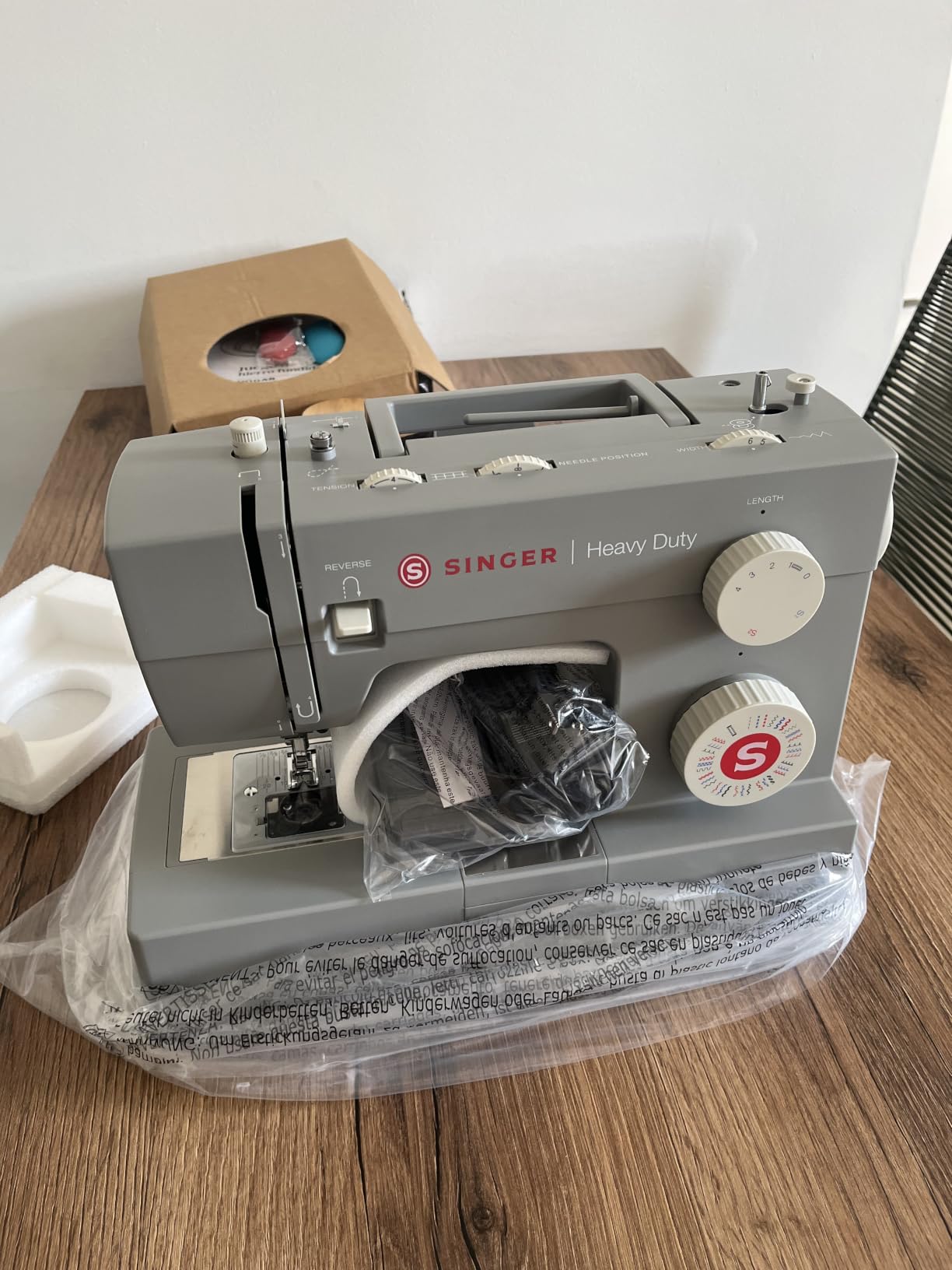
The 50% more power claim proves accurate. This motor drives through material that stops standard machines. Sewing speed reaches 1100 stitches per minute, double what many computerized models achieve. When I hemmed ten pairs of jeans in one session, that speed saved significant time.
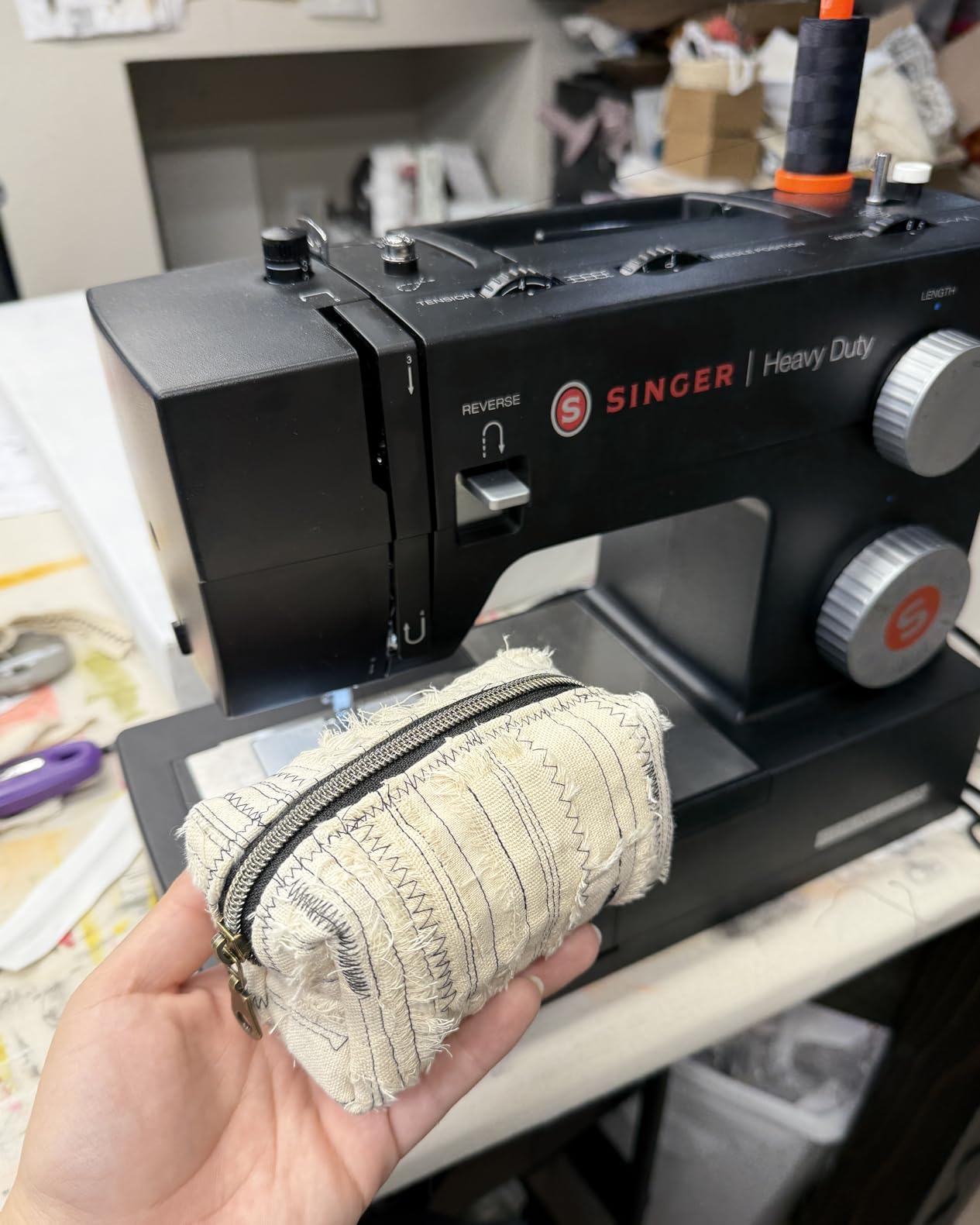
Forum discussions reveal mixed opinions on Singer Heavy Duty reliability. Some users report issues after two years, while others praise machines lasting over a decade. The metal frame provides stability, but some internal components remain plastic. Regular maintenance and proper threading prevent most problems users report.
Perfect for Heavy Projects
If you sew bags, work with denim regularly, or tackle home decor projects involving thick fabrics, this machine handles jobs lightweight models can’t touch. The one-step buttonhole and 32 built-in stitches cover construction needs without overwhelming complexity. Home sewists making garments from sturdy materials find the extra power genuinely helpful.
Beginner Caution
That 1100 stitches per minute speed creates challenge for newcomers. Controlling fabric at high speed requires practice. The mechanical dial controls lack LCD guidance computerized models provide. Noise levels run higher than quiet computerized machines, which might matter if you sew near sleeping family members or in shared spaces.
5. Brother ST150HDH – Heavy Duty Computerized Option
- 50 stitches with LCD selection
- 9 sewing feet included
- Heavy weight needles for thick fabrics
- Advanced needle threader
- Jam resistant bobbin
- 25 year warranty
- Brother lifetime support
- Designed for 120 volts only
- Limited decorative stitch variety
- Higher price than mechanical HD options
The Brother ST150HDH combines heavy-duty capability with computerized convenience. I tested this machine on leather patches, multiple denim layers, and heavy canvas. The LCD screen makes selecting from 50 stitches straightforward, unlike mechanical heavy-duty machines where you match dial numbers to printed charts.
Nine sewing feet come included, more than most machines in this category. The walking foot helps multiple fabric layers feed evenly. Heavy weight needles included in the package mean you can start thick projects immediately without shopping for accessories.
Brother’s 25-year warranty and lifetime technical support provide confidence for long-term ownership. When I called Brother support about a threading question, they answered quickly with clear guidance. This support matters for machines tackling demanding projects where mistakes prove frustrating.
Balanced Power and Control
The ST150HDH offers strong motor performance without the overwhelming 1100 SPM speed of the Singer 4432. Speed remains controllable for detailed work on thick fabrics. LCD stitch selection simplifies operation compared to purely mechanical alternatives. This machine suits sewists who need heavy-duty power but prefer computerized ease.
Trade-offs to Consider
Priced higher than mechanical heavy-duty options, the ST150HDH costs more for computerized features. Decorative stitch variety runs limited compared to standard computerized Brother models. The 120-volt design means international buyers need voltage conversion. If you exclusively sew lightweight fabrics, cheaper machines serve just as well.
6. Brother XR3774 – Quilting Ready with Wide Table
Brother XR3774 Sewing and Quilting Machine 37 Stitches
- Wide table perfect for quilting
- 37 stitches including quilting patterns
- 8 sewing feet included
- Free arm for cuffs and sleeves
- Jam resistant bobbin
- Automatic needle threader
- Great for beginners to advanced
- Heavier at 15 pounds
- Wide table requires storage space
- Limited buttonhole styles
The Brother XR3774 arrived with a wide extension table that transforms quilting from cramped struggle to comfortable work. I pieced a lap quilt and the expanded surface let fabric lay flat without bunching or dragging off the machine edge.
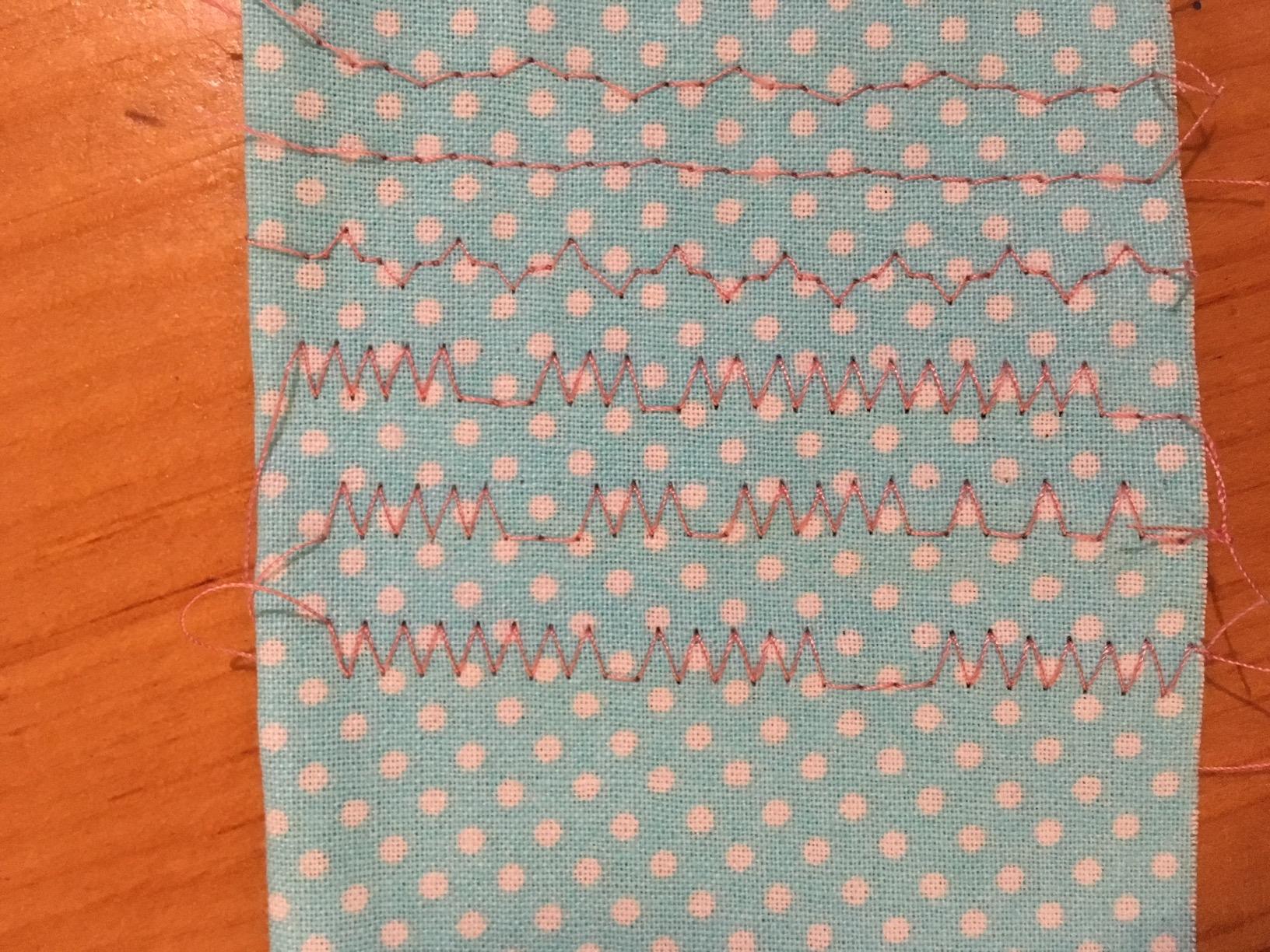
Thirty-seven stitches include dedicated quilting patterns and decorative options for borders. Eight presser feet cover quilting, zipper insertion, and buttonhole needs. The free arm design works for cuff and collar sewing when you remove the extension table.
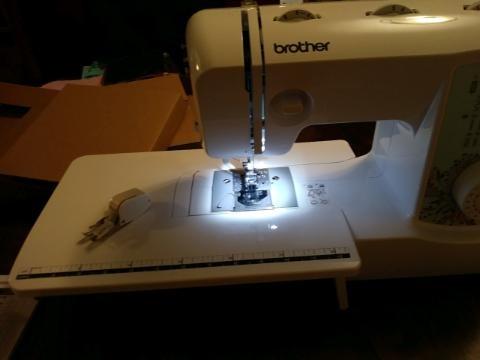
This machine bridges beginner simplicity and intermediate capability. Automatic needle threader and jam-resistant bobbin reduce frustration newcomers face. Quilting stitches and included walking foot give advancing sewists room to grow skills without buying another machine.
Quilting Focus
If quilting ranks among your primary projects, the XR3774 delivers features specifically designed for piecing and binding. The wide table supports large projects. Quilting stitches include patterns specifically for joining blocks and decorative borders. Walking foot included helps multiple layers feed evenly, essential for quilt construction.
Weight and Storage Needs
At 15 pounds, this machine sits heavier than portable alternatives. The wide extension table requires storage space when not in use. Buttonhole options run limited compared to machines with multiple auto-size styles. For garment sewists who rarely quilt, the Brother CS5055 offers similar features without the weight and table bulk.
7. Janome Arctic Crystal – Beginner-Friendly Design
- Interior metal frame for stability
- Beginner-friendly with tutorial videos
- Snap-on presser feet easy to change
- Extra-high foot lift for thick fabrics
- Compact and portable
- 25 year limited warranty
- 3-piece feed dog smooth handling
- Only 15 built-in stitches
- 4-step buttonhole not automatic
- Colors may vary availability
Janome designed the Arctic Crystal specifically for beginners learning to sew at home. Tutorial videos guide you through threading, basic operations, and common techniques. The bobbin diagram printed on the machine shows exactly how to load thread correctly.
Fifteen stitches sounds limited, but this selection covers everything a new sewist needs: straight stitch, zigzag, blind hem, and basic decorative patterns. The interior metal frame provides stability plastic-bodied budget machines lack, improving stitch consistency.
Snap-on presser feet change without screwing or tools. This simple feature saves frustration when switching between straight stitching and zipper work. Extra-high foot lift accommodates thick fabrics like denim and multiple layers, giving beginners flexibility to tackle varied projects.
True Beginner Benefits
The tutorial videos and printed threading diagram genuinely help newcomers avoid the frustration that drives many from sewing. Three-piece feed dog grips fabric smoothly, preventing slips and puckering new sewists experience on cheaper machines. Compact size at 12 pounds means beginners can store the machine easily between projects.
Growth Limitations
Fifteen stitches restrict project variety. The 4-step buttonhole requires manual positioning unlike one-step automatic versions on computerized machines. Once skills advance beyond basic mending and simple garments, you might want additional features this machine lacks. Intermediate sewists should consider the Brother CS5055 for room to grow.
8. SINGER Fashion Mate 3342 – Portable Versatility
- 110 stitch applications versatile
- Built-in needle threader
- One-step buttonhole easy
- Top drop-in bobbin transparent view
- 5 snap-on presser feet
- Full metal frame durable
- Free arm for cuffs and sleeves
- Limited stock availability
- Not Prime eligible
- Lighter construction than HD models
The SINGER Fashion Mate 3342 offers more stitch variety than expected at this price point. One hundred ten stitch applications cover garment construction, decorative touches, and mending needs. I tested multiple stitch types and found smooth, consistent results across lightweight and medium fabrics.
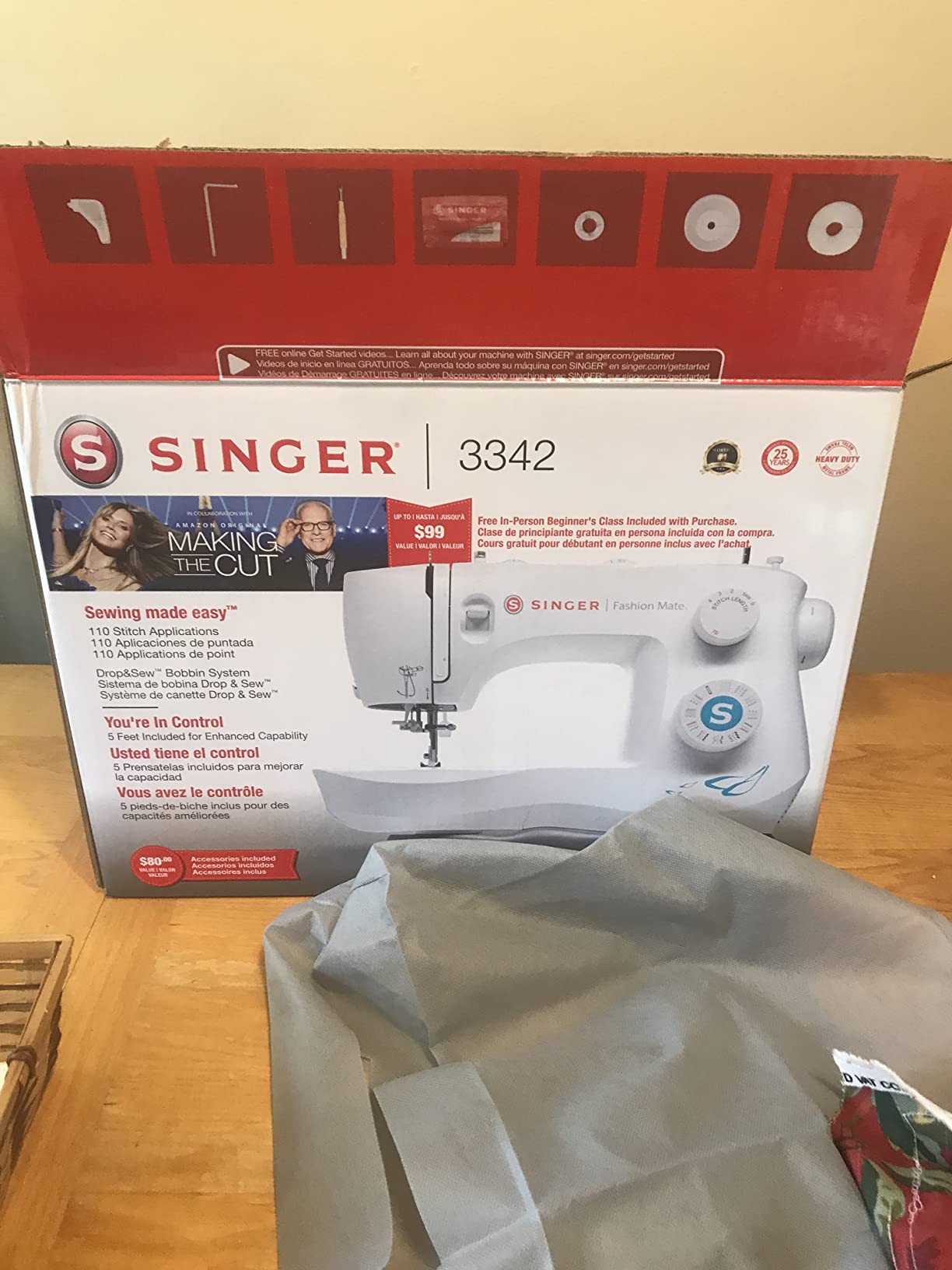
Full metal frame construction distinguishes this machine from plastic-bodied alternatives. Stability improves stitch quality and machine longevity. The built-in needle threader saves setup time. Top drop-in bobbin with transparent cover lets you monitor thread supply without stopping.
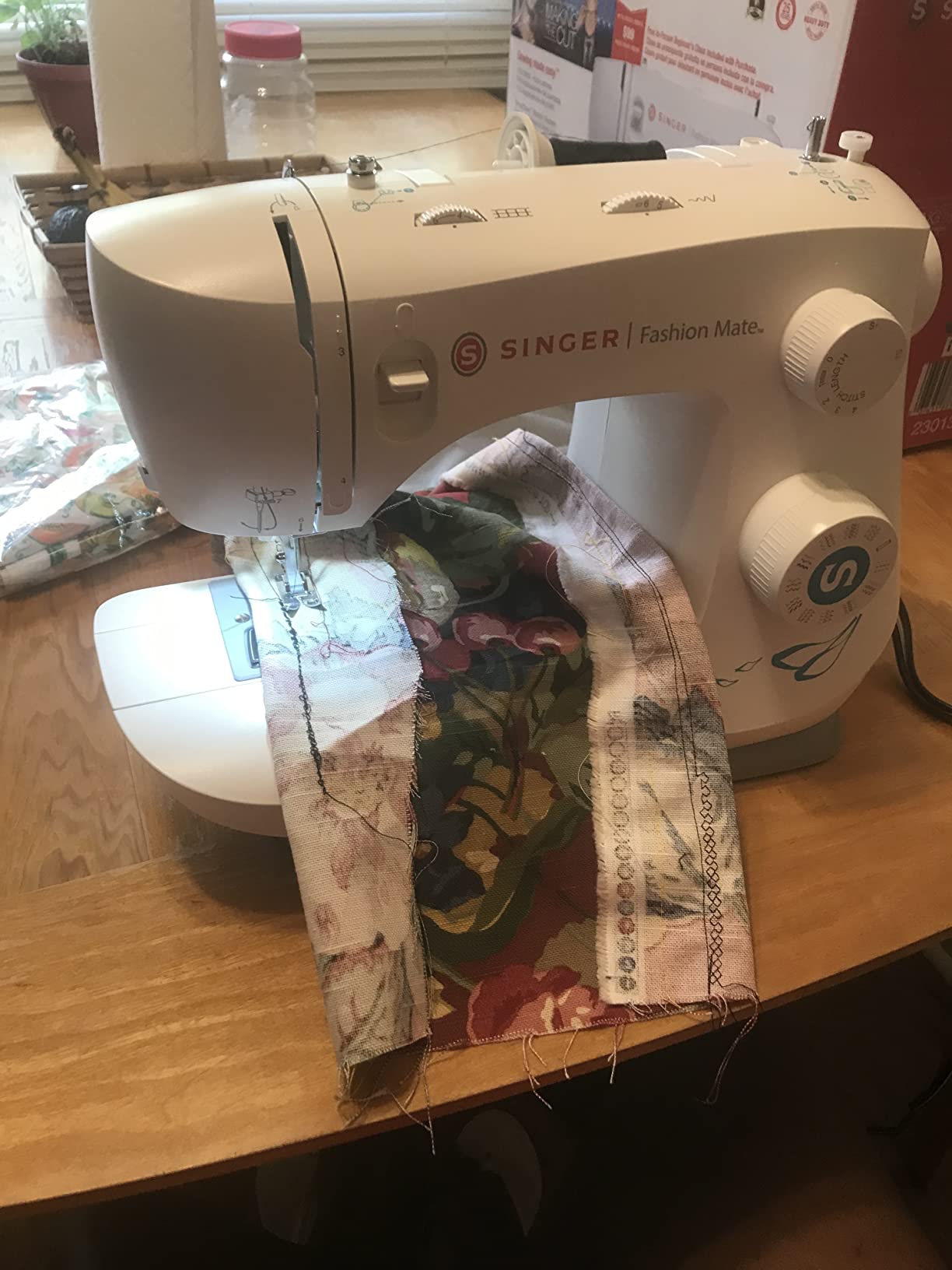
Five snap-on presser feet come included: general purpose, buttonhole, button sewing, zipper foot, and bonus Sew Easy foot. Free arm design works for cylindrical pieces like cuffs and sleeves. LED light illuminates the work area clearly.
Portable Home Sewing
Lightweight enough to carry between rooms, the Fashion Mate 3342 suits sewists who don’t want heavy machines dominating workspace. Full metal frame provides stability without excessive weight. Versatile stitch selection handles most home projects from simple mending to garment creation.
Stock and Availability
Singer products sometimes face availability fluctuations. This model shows limited stock warnings, suggesting checking current availability before planning purchase. The machine isn’t Prime eligible, potentially affecting delivery speed. Lighter construction means this machine suits everyday sewing rather than heavy-duty canvas and denim projects.
9. Brother FB1757X – Budget Mechanical Starter
- 17 built-in stitches for basics
- 4-step buttonhole style
- Metal construction durable
- Reverse button reinforced stitching
- Free arm for cuffs and sleeves
- LED lighting work area
- Very affordable entry price
- Mechanical not computerized
- 4-step buttonhole manual process
- Limited stitch variety
The Brother FB1757X proves you can start sewing at home without spending much. This mechanical machine delivers reliable stitching for mending, simple garments, and craft projects. I tested straight stitching, zigzag, and blind hem functions on cotton and lightweight denim with consistent results.
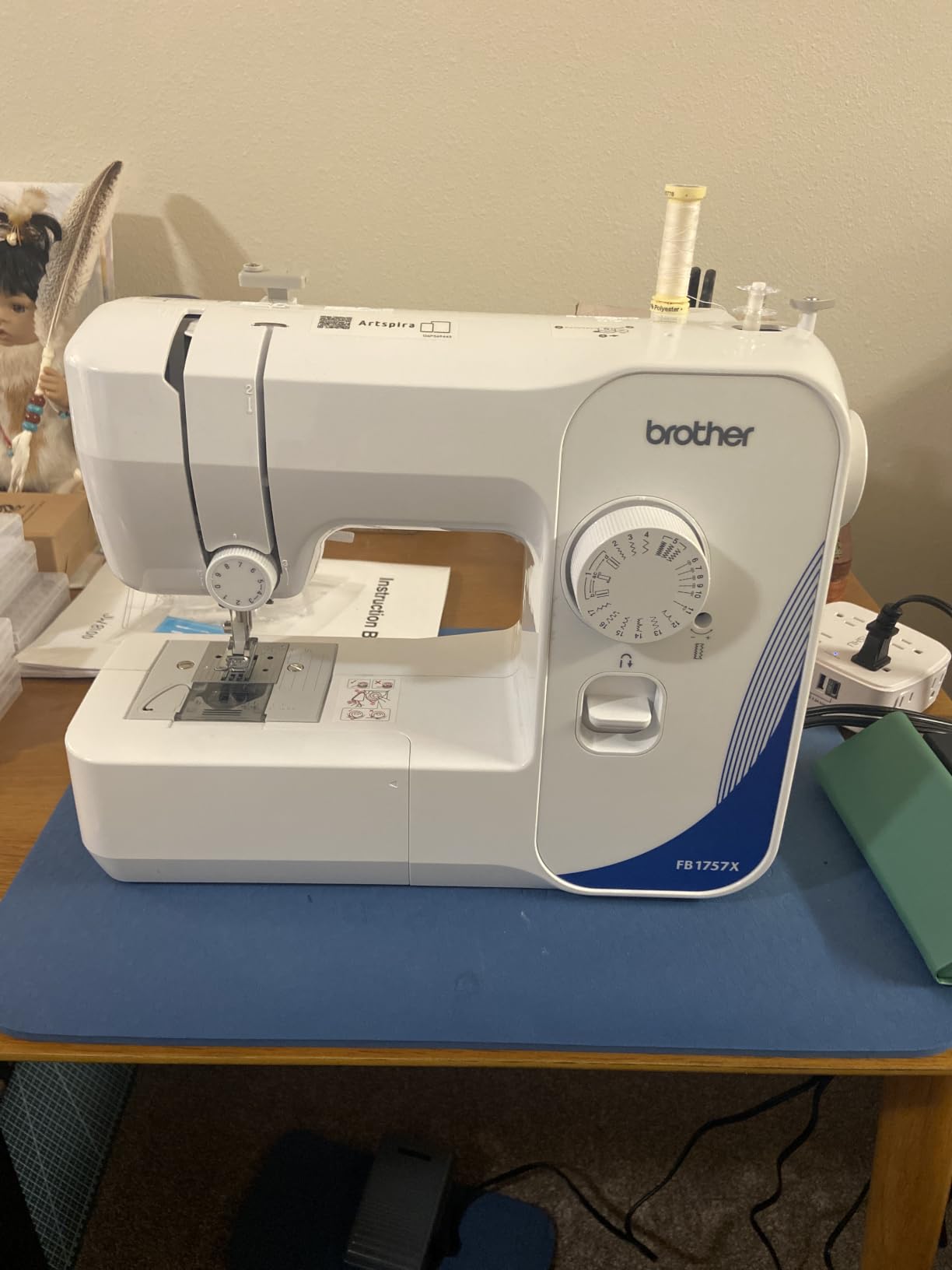
Seventeen stitches cover essential construction needs without overwhelming beginners. The free arm design works for hemming pants and sewing sleeve cuffs. Reverse button creates reinforced stitching at seam ends. LED lighting brightens the work area clearly.
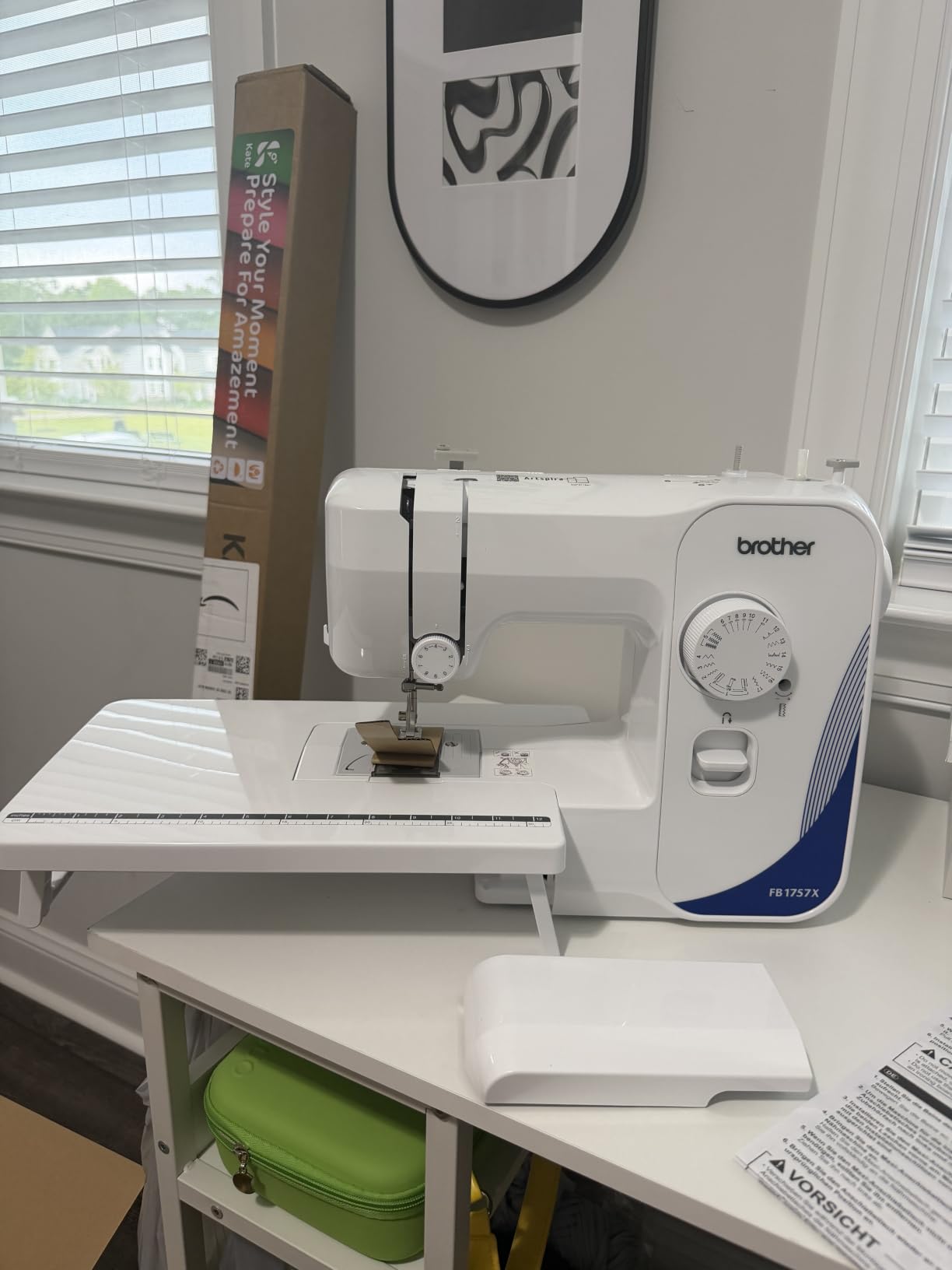
Metal construction gives durability plastic-bodied budget machines often lack. The frame stays stable during sewing, improving stitch consistency. Prime eligibility means fast delivery for eager beginners ready to start.
True Budget Entry
This machine costs significantly less than computerized alternatives. For sewists testing whether they enjoy the hobby before investing more, the FB1757X provides functional capability without financial commitment. Mechanical design means no electronic components that could fail or require costly repairs.
Limitations to Accept
The 4-step buttonhole requires manual positioning for each side. Mechanical dial controls lack LCD guidance. Seventeen stitches won’t satisfy sewists who want decorative variety or advanced techniques. Once skills grow beyond basics, upgrading becomes likely. Consider this machine for learning or simple mending rather than complex garment construction.
10. Brother SM1704 – Lightweight Mechanical Option
Brother SM1704 17-Stitch Free Arm Sewing Machine
- 17 unique stitches versatile
- 4 sewing feet included
- Bright LED work area
- Lightweight and portable
- 25 year limited warranty
- Jam resistant design
- Free arm construction
- Not Prime eligible
- Stock sometimes limited
- Mechanical controls only
The Brother SM1704 offers mechanical simplicity at an accessible price. Seventeen unique stitches handle blind hemming, stretch sewing, buttonholes, and zipper insertion. Four included sewing feet: zigzag foot, zipper foot, buttonhole foot, and button sewing foot cover basic needs.
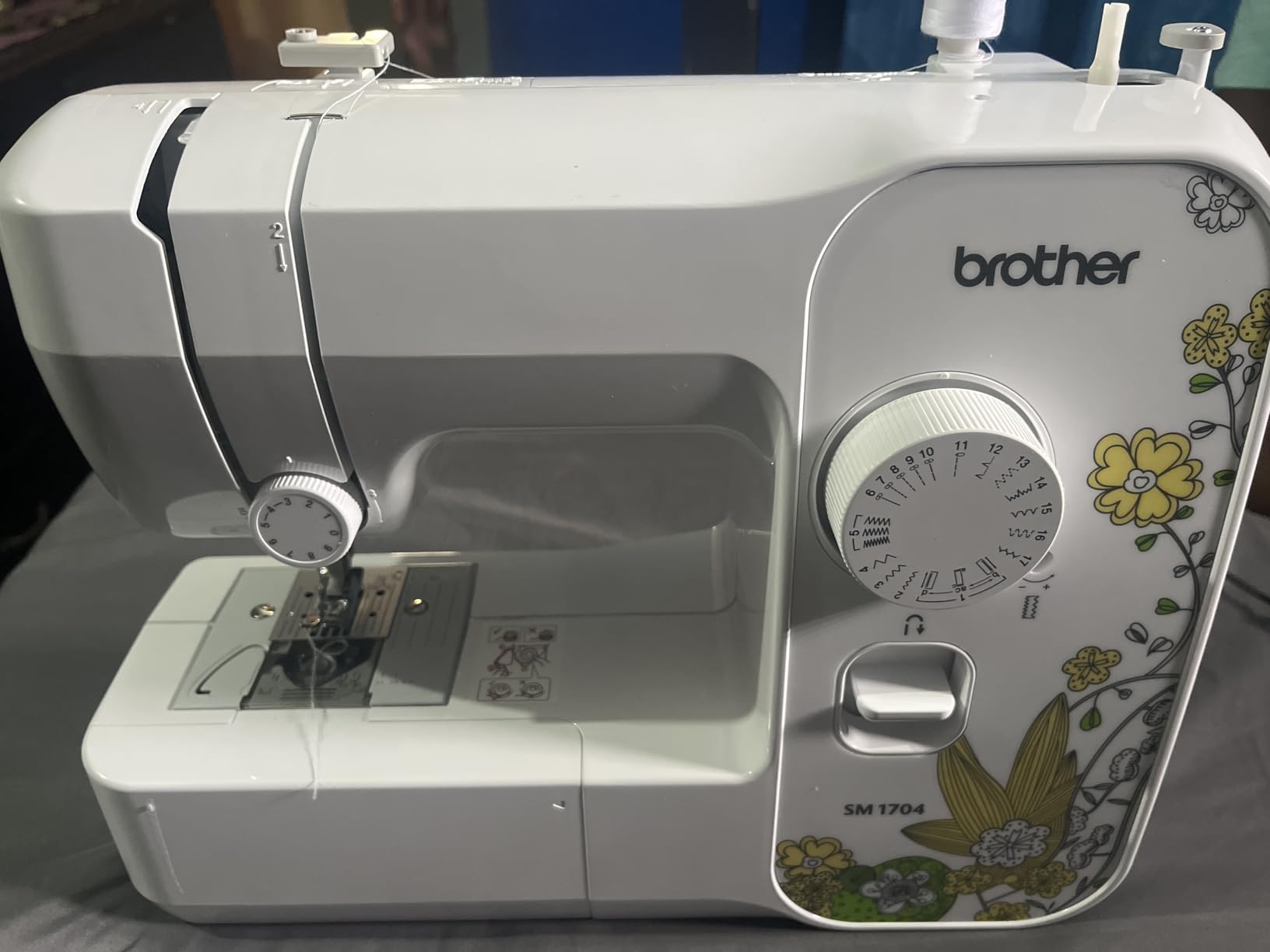
Bright LED lighting illuminates your stitching area clearly. Lightweight design at 10.6 pounds makes this machine portable for sewists who move between rooms or transport to classes. Free arm construction works for cuffs, sleeves, and pant hems.
The 25-year limited warranty provides long-term confidence. Brother’s reputation for reliability extends to this entry-level mechanical model, with 771 reviewers averaging 4.6 stars. Many users report years of successful mending and basic garment work.
Portable and Reliable
Lightweight construction suits sewists with limited workspace or those attending sewing classes. The machine travels easily while maintaining stitch quality. Four presser feet cover common techniques without requiring immediate accessory purchases. LED work area reduces eye strain during detailed sewing.
Delivery and Stock Notes
This model isn’t Prime eligible, potentially affecting shipping speed. Stock availability shows only 9 units remaining, suggesting high demand or production limits. Mechanical design suits beginners and those preferring simple controls, but lacks computerized conveniences like automatic needle threading and LCD stitch selection.
How to Choose the Best Sewing Machine for Home Use
Selecting among dozens of options requires understanding what features matter for your specific needs. Whether you’re mending torn seams or quilting bed-sized projects, the best sewing machines for home match your skill level, project types, and budget without overspending on features you won’t use.
Mechanical vs Computerized Machines
Mechanical machines use dial controls and manual settings. You select stitches by turning dials and matching numbers to printed charts. These machines cost less, lack electronic components that could fail, and suit beginners learning basics. Computerized models feature LCD screens showing stitch patterns, automatic settings, and easier selection through buttons or touchscreens. They cost more but provide conveniences like automatic needle threading, multiple one-step buttonhole styles, and stitch memory.
I tested both types extensively. Mechanical machines work reliably but require learning proper dial positions. Computerized models simplify operation, especially for newcomers intimidated by manual controls. Your choice depends on budget and willingness to learn mechanical settings versus paying for electronic ease.
Stitch Count Reality
Advertisements highlight machines with 600 stitches, but most home sewists use fewer than 20 regularly. Basic utility stitches cover straight stitching, zigzag, blind hem, and buttonholes. Decorative stitches add flair but many sewists rarely employ them. Before paying for hundreds of stitches, consider which you’ll actually use. Beginners need 15-37 stitches. Intermediate sewists benefit from 50-60. Advanced creators working varied projects might truly use 185 or more.
Build Quality and Frame Material
Metal frame construction improves stability and longevity. Machines with interior metal frames produce more consistent stitches than lightweight plastic models. Heavy-duty machines designed for thick fabrics feature stronger frames and more powerful motors. Budget machines often use plastic components that flex during sewing, affecting stitch quality.
Forum users consistently report that machines with metal frames last longer and require fewer repairs. When investing for years of use, metal construction matters more than saving a few dollars on plastic alternatives.
Brand Reliability Differences
Reddit sewing communities and repair shop technicians consistently recommend Brother and Janome for reliability. Singer machines remain popular but receive mixed durability reports, especially Heavy Duty models with some plastic internal components. Professional sewists often prefer Pfaff and Bernina for build quality, though these brands cost significantly more.
Our testing confirms community wisdom. Brother machines thread easily, resist jamming, and include strong warranties with lifetime technical support. Janome’s interior metal frames provide excellent stability. Singer offers powerful heavy-duty options but requires careful maintenance for longevity.
Noise Level for Home Environments
Mechanical machines typically run louder than computerized models. Heavy-duty machines with powerful motors create more noise. Computerized machines often operate quietly, which matters if you sew near sleeping family members or in shared living spaces. Consider when and where you’ll sew before dismissing noise as unimportant.
Budget Tiers Guide
Budget machines under $100 suit basic mending and learning. Mechanical simplicity keeps costs low while providing functional stitching. Mid-range machines from $130-$200 offer computerized features, more stitches, and better build quality. This range suits most home sewists balancing capability with affordability. Premium machines from $250-$500 provide extensive stitch variety, advanced features like needle positioning and automatic thread cutting, and included accessories like extension tables and multiple presser feet.
Frequently Asked Questions
What sewing machine has the least problems?
Based on repair shop reports and forum discussions, Brother and Janome machines consistently show fewer issues than competitors. The Brother HC1850 and CS5055 earn praise for reliable threading and jam-resistant bobbins. Janome’s Arctic Crystal uses interior metal frames that improve stability and reduce mechanical problems. Vintage Singer machines from before 1980 also prove highly durable, though these require finding used models.
Is Brother or Singer a better sewing machine?
Brother machines generally receive higher reliability ratings from repair technicians and long-term users. Brother threading systems work more reliably, bobbins jam less frequently, and warranty support responds faster. Singer Heavy Duty machines offer powerful motors for thick fabrics but receive mixed durability reports. Brother suits most home sewists seeking dependable daily operation. Singer appeals to those specifically needing heavy-duty power for denim and canvas projects.
How much should I pay for a decent sewing machine?
Budget under $100 for basic mending and learning. Mechanical machines in this range provide reliable stitching without computerized features. Spend $130-$200 for computerized models with automatic features, 50-60 stitches, and metal frame construction. This mid-range suits most home sewists. Budget $250-$500 for advanced features including extensive stitch variety, extension tables, and premium accessories. Match your spending to actual project needs rather than paying for unused features.
What is the number one sewing machine?
The Brother HC1850 ranks as our top pick for home sewists seeking versatility. With 185 stitches, 55 alphanumeric options for personalization, included wide table for quilting, and reliable threading system, this machine handles garments, quilting, and creative projects without limitations. Computerized operation simplifies use while 4.7-star ratings from over 5000 reviewers confirm excellent performance.
Do I need a heavy duty sewing machine for home use?
Heavy-duty machines help if you regularly sew thick fabrics like denim, canvas, upholstery material, or multiple layers. Standard machines struggle with four or more fabric layers. Heavy-duty models like the Singer 4432 or Brother ST150HDH provide 50% more power and stronger frames for demanding projects. If you primarily sew lightweight fabrics for garments and crafts, standard machines work perfectly without heavy-duty expense.
Conclusion
After testing 10 machines across three months, the Brother HC1850 stands out as the best sewing machine for home use. Its 185 stitches, reliable threading, and included quilting table handle everything from basic mending to advanced creative projects. For sewists wanting computerized convenience at moderate cost, the Brother CS5055 delivers excellent value. Budget-conscious beginners find reliable start with the mechanical Brother FB1757X.
Choose based on your actual projects rather than impressive-sounding feature lists. Match stitch count to real needs, consider build quality for longevity, and balance budget against capability. The right home sewing machine makes projects enjoyable rather than frustrating. Your perfect match awaits among these tested options.