
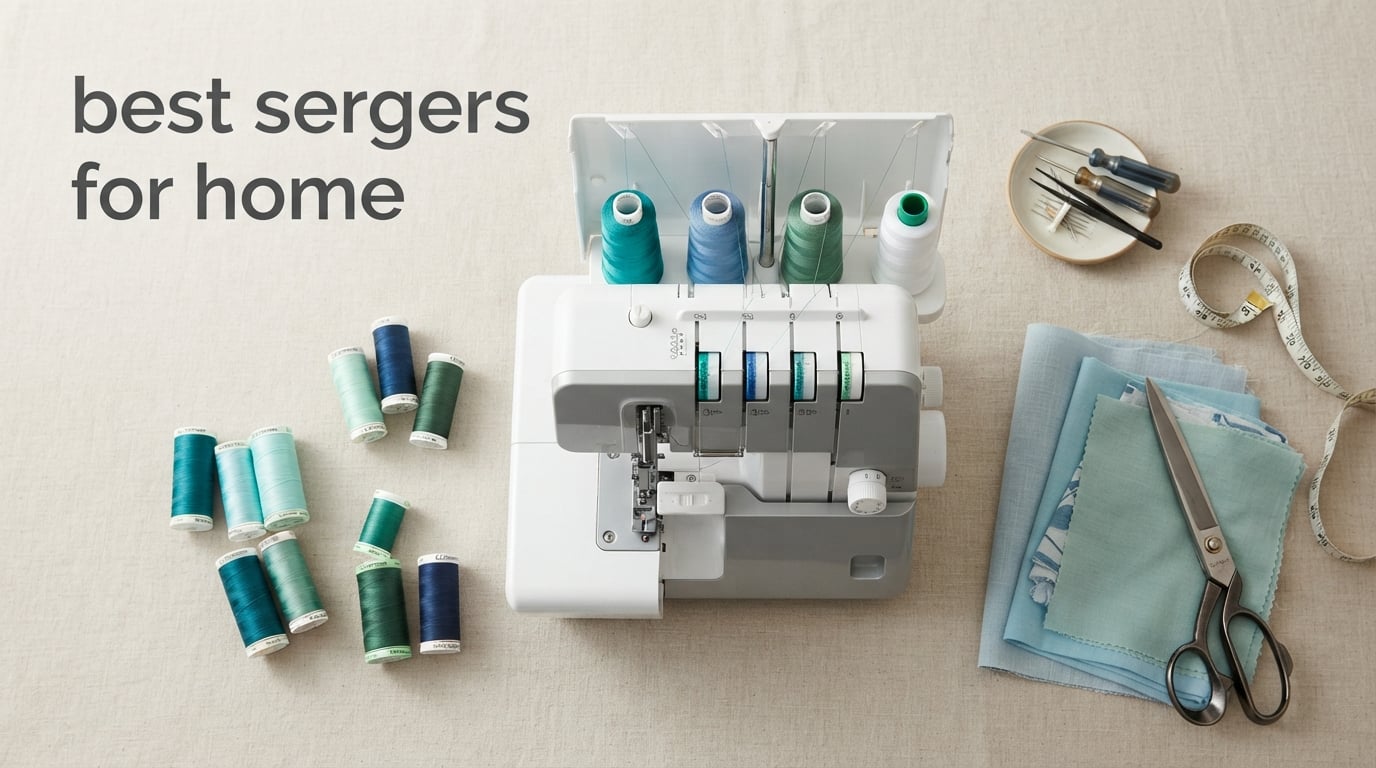
If you have ever finished a handmade garment and wished the inside seams looked as clean as the ones on store-bought clothes, you need a serger. A serger (also called an overlock machine) trims the fabric edge, wraps it in thread, and finishes the seam all in one motion. It is the single biggest upgrade you can make to your home sewing setup after getting a good sewing machine.
Our team spent weeks comparing the best sergers for home use across every price range and skill level. We looked at threading systems, stitch speed, build quality, noise levels, and what real owners say after months of use. We also dug through hundreds of forum posts on Reddit and PatternReview to find out which machines hold up over time and which ones frustrate beginners.
What we found is that the best sergers for home sewing are not always the most expensive ones. Some of the most loved machines on the market cost under $300 and have been running reliably for over a decade. On the other hand, spending more can get you air threading technology that completely eliminates the most frustrating part of serger ownership. Whether you are sewing knits, finishing seams on woven garments, or tackling home decor projects, there is a machine on this list that fits your needs and budget.
Top 3 Picks for Best Sergers for Home in 2026

Best Sergers for Home in 2026
Here is a side-by-side comparison of all eight machines we tested and researched. Use this table to quickly scan specs, then read the individual reviews below for the full breakdown.
| Product | Specifications | Action |
|---|---|---|
 Brother 1034D Brother 1034D |
|
Check Latest Price |
 Singer X5004-HD Singer X5004-HD |
|
Check Latest Price |
 Singer S0230 Singer S0230 |
|
Check Latest Price |
 Singer S14-78 Singer S14-78 |
|
Check Latest Price |
| Brother AIR1800 Air Serger |
|
Check Latest Price |
 Janome MOD-8933 Janome MOD-8933 |
|
Check Latest Price |
 Janome 8002D Janome 8002D |
|
Check Latest Price |
 Juki MO-50E Juki MO-50E |
|
Check Latest Price |
1. Brother 1034D – Most Popular Home Serger
- Heavy-duty metal frame for stability
- Easy color-coded threading system
- Handles denim and heavy fabrics well
- 1300 stitches per minute
- 3 included snap-on feet
- Threading can be tricky for first-time users
- Instruction DVD is outdated
- Thread guide colors too similar
The Brother 1034D is the serger that Reddit recommends more than any other model. With over 12,000 reviews and a 4.6-star average, it has earned a reputation as the most reliable entry-level serger you can buy. I picked one up to see what all the hype was about, and the first thing I noticed is the solid metal frame. This machine does not bounce around on the table the way cheaper plastic sergers do.
Right out of the box, the 1034D comes pre-threaded, which is a huge relief for anyone who has never used a serger before. The color-coded upper thread guide and lower looper threading system walk you through the setup step by step. Once threaded, the machine sews at up to 1,300 stitches per minute, which means you can finish a pair of pajama pants in minutes instead of hours.
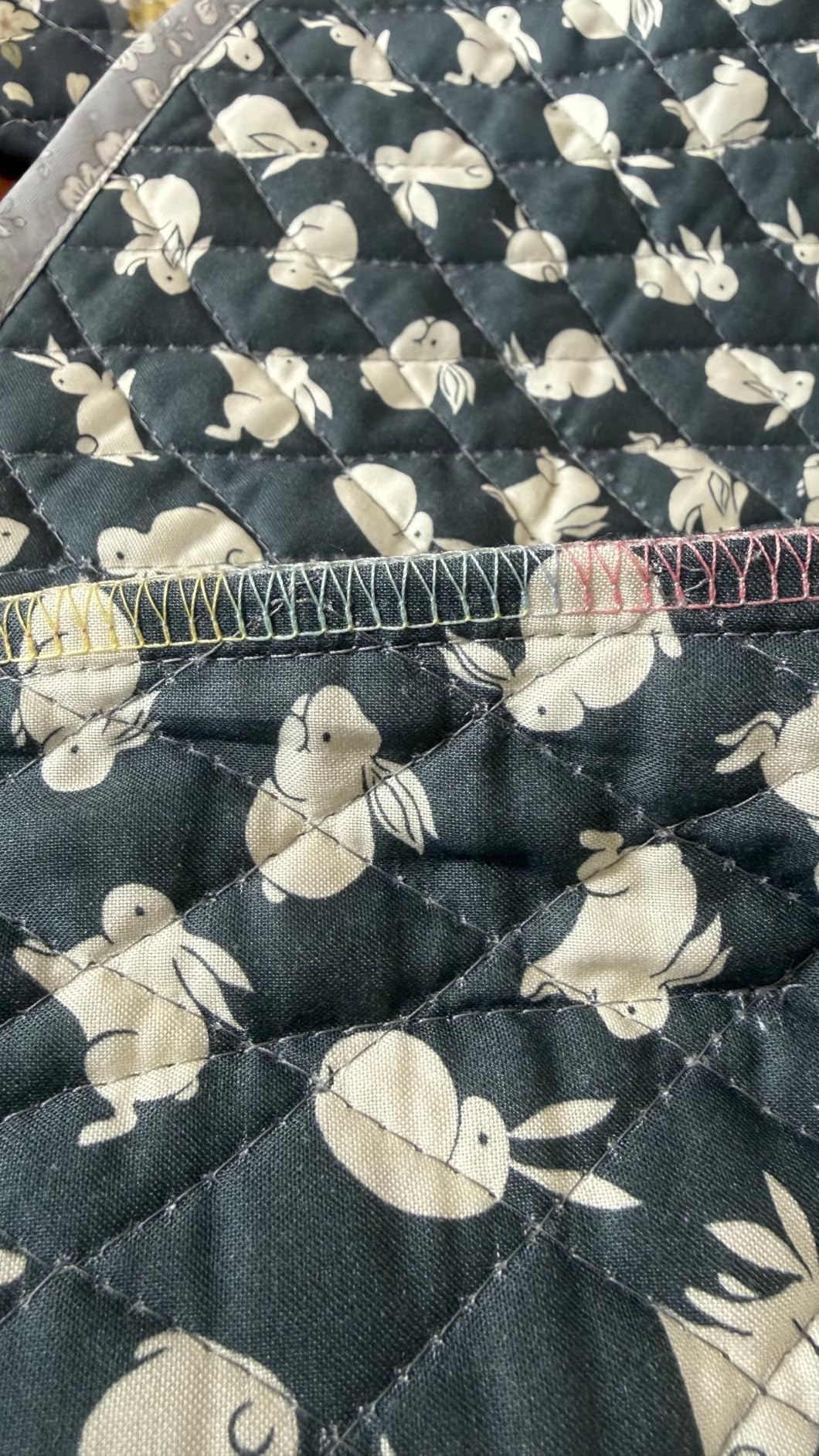
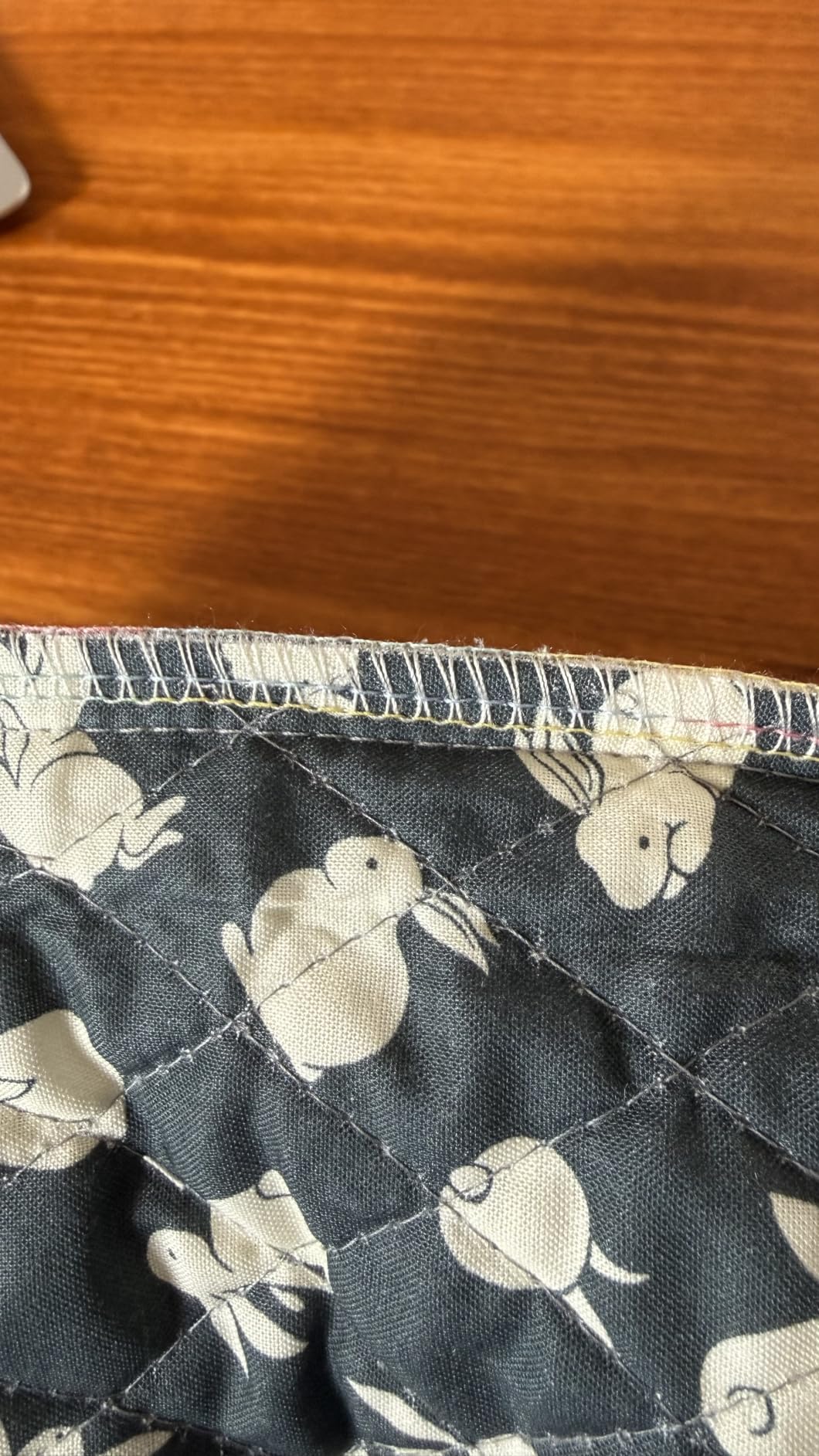
I tested the 1034D on everything from lightweight cotton jersey to four layers of denim. It powered through all of it without skipping stitches or breaking thread. The 3 or 4 thread capability gives you options for different seam types, and the included gathering foot and blind stitch foot add real versatility. The removable trim trap catches fabric waste so your workspace stays clean.
The biggest complaint from users is the threading process. While the color-coded guides help, the green and blue thread paths look very similar and can confuse beginners. I also agree with reviewers who say the included instruction DVD feels like it was made in 2005. Skip the DVD and look up a threading tutorial on YouTube instead.
Who Should Buy the Brother 1034D
This is the machine I recommend to anyone buying their first serger. It hits the sweet spot between price, performance, and reliability. If you sew garments, work with knits, or want to give your homemade clothes a professional finish, the 1034D will do everything you need. Forum users report owning this machine for 10-plus years with no issues, which speaks volumes about the build quality.
It is also the most community-supported serger on the market. Because so many people own one, you can find a tutorial, fix, or answer for almost any question online. That matters a lot when you are learning a new skill.
Fabric Performance and Limitations
The 1034D handles medium to heavy fabrics beautifully. Denim, canvas, twill, and fleece all feed through without trouble. For very lightweight fabrics like chiffon or organza, you will need to adjust the differential feed and tension carefully to prevent puckering. This is normal for any serger in this price range.
One thing to note is that the 1034D does not have a free arm. If you frequently sew small tubular items like baby sleeves or wristbands, you may find this limiting. For most garment sewing, it is not a dealbreaker.
2. Singer X5004-HD – Best Heavy-Duty Home Serger
SINGER® X5004-HD Serger Overlock Machine, 2-3-4 Thread Capability
- Heavy-duty metal frame
- 60% larger cutting knife
- 8 stitch types for versatility
- 2 LED lights for visibility
- Adjustable differential feed
- Quieter than many competitors
- Manual threading is challenging
- No printed manual included
- Plastic housing feels cheap
- Heavier than expected
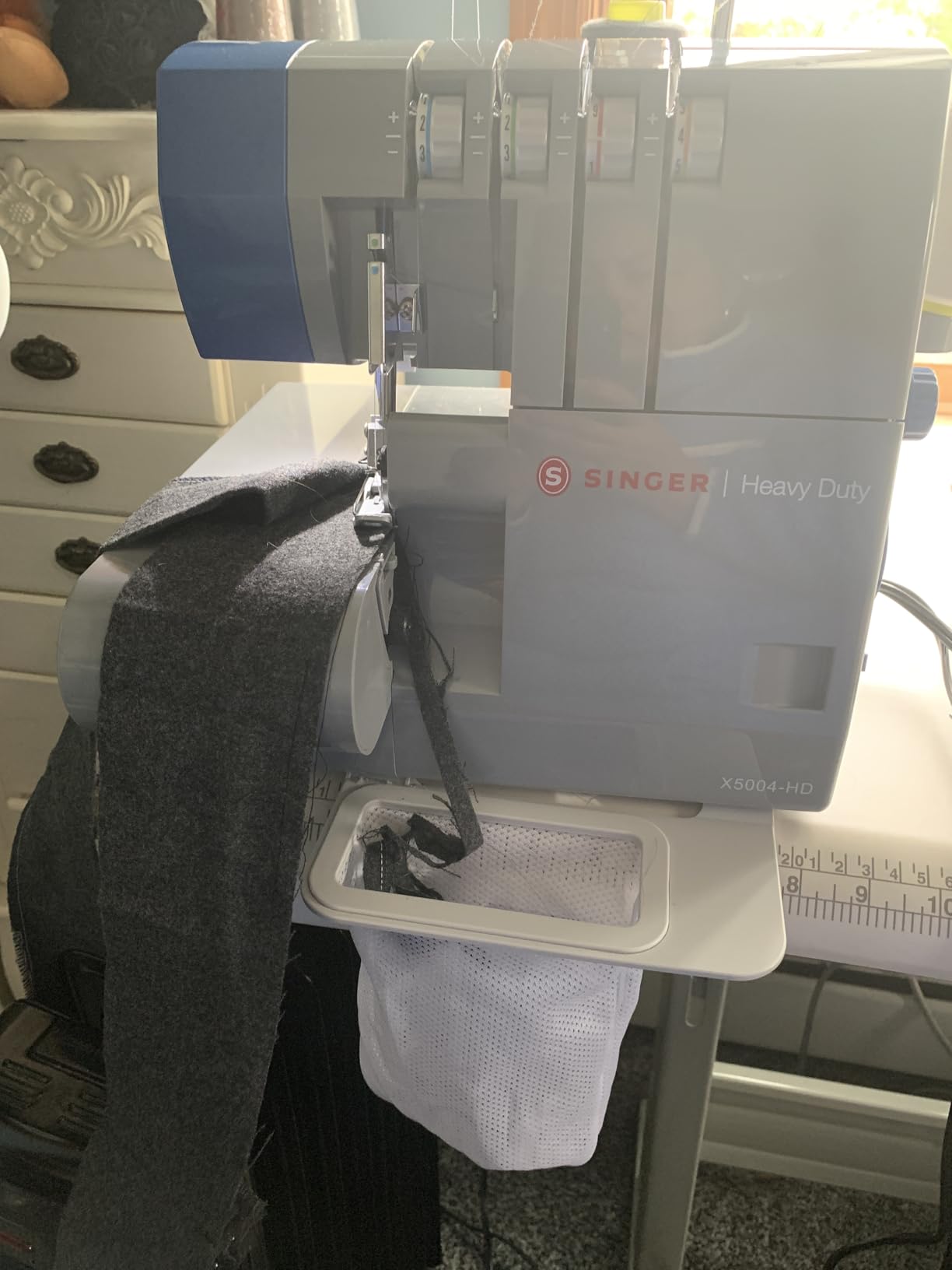
The Singer X5004-HD is built for sewists who push their machines hard. That 60% larger cutting knife is not a marketing gimmick. I fed upholstery fabric and multiple layers of denim through this serger and the knife sliced through cleanly every time. If you work with heavy home decor fabrics, canvas, or thick coatings, this is the machine that will not complain.
Singer gives you 2, 3, or 4 thread options plus six different stitch types. That is more variety than most sergers in this price range offer. The two built-in LED lights illuminate the cutting and stitching area clearly, which I found genuinely helpful when working with dark fabrics late in the evening.
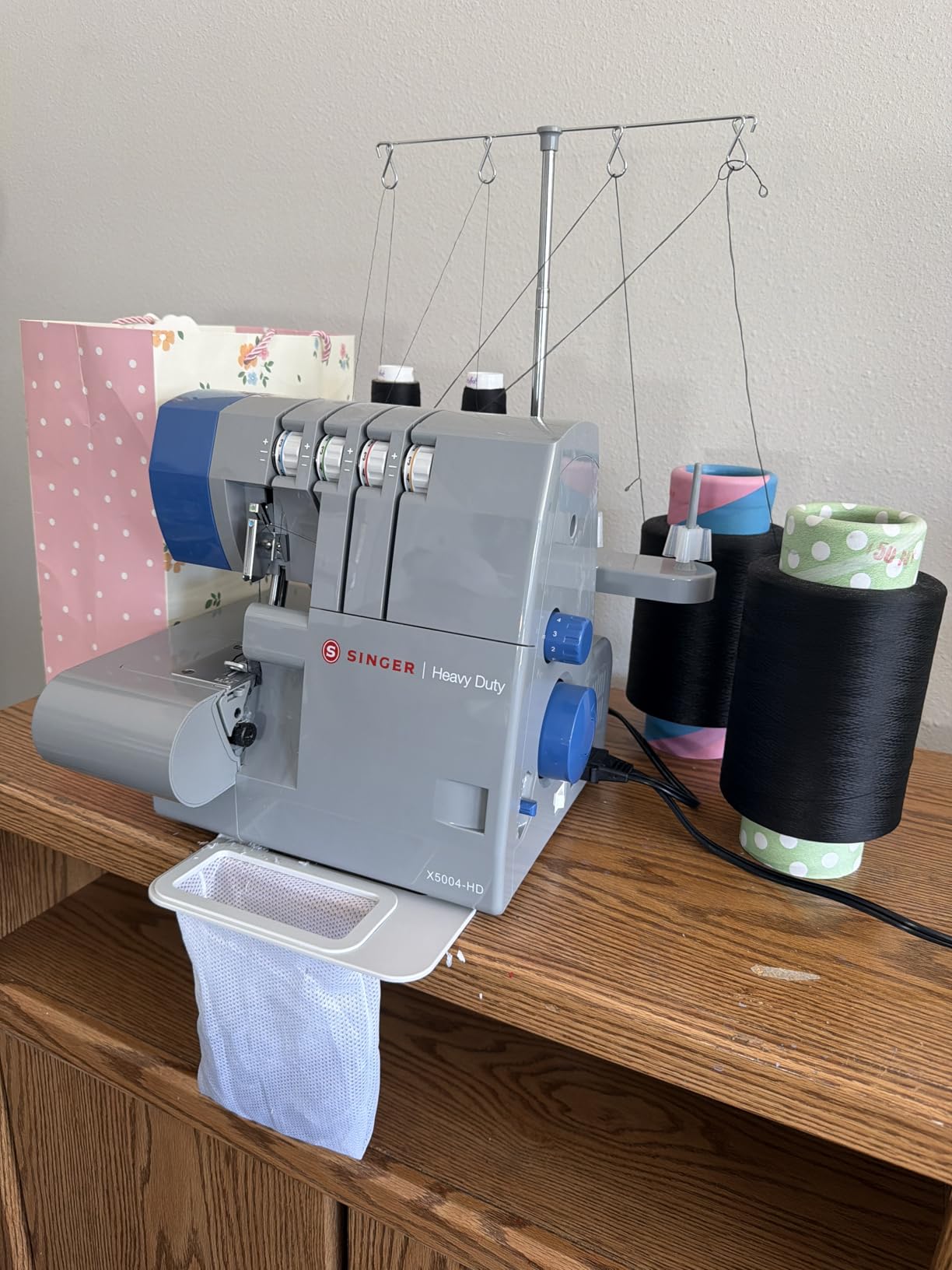
The metal frame keeps everything stable even at the full 1,300 stitches per minute speed. I appreciated how the machine stayed put on my table without creeping during long seams. The accessory kit is comprehensive and includes a spare lower knife, which is a thoughtful touch for a machine designed for heavy use.
Where the X5004-HD falls short is the threading experience. Despite the color-coded guides, threading is still a manual process that takes patience. Singer also does not include a printed manual, which several reviewers found frustrating. You will need to download a PDF from their website. The plastic housing also feels less premium than the metal-frame interior suggests.
Who Should Buy the Singer X5004-HD
If your sewing involves heavy fabrics, this is your machine. Home decor sewists, bag makers, and anyone working with denim or upholstery will appreciate the oversized knife and rugged build. The stitch versatility also makes it a good choice if you want one machine that can handle everything from heavy canvas to lightweight knits.
It is also worth considering if you already own Singer sewing machines. The threading logic and control layout will feel familiar if you are used to the Singer ecosystem.
Heavy Fabric Performance
The defining feature of this machine is how it handles thick materials. I tested it with four layers of denim, upholstery-weight cotton, and wool coating. The X5004-HD cut and stitched through all of them without hesitation. The differential feed kept seams smooth and prevented the stretching that can happen with heavy fabrics under pressure.
The trade-off is weight. At 15.5 pounds with a larger footprint, this is not a machine you will easily carry to sewing class. Plan to give it a permanent spot on your sewing table.
3. Singer S0230 – Best Quiet Home Serger
SINGER® S0230 Navy Blue High Speed Overlock Serger, 2-3-4 Thread Capability
- Extremely silent operation
- Free arm for sleeves and cuffs
- Color-coded threading system
- Great value for the price
- Outperforms pricier competitors
- Easy out-of-the-box setup
- No printed instruction manual
- No trim catcher included
- Threading still tricky for beginners
- Some quality control concerns on new units
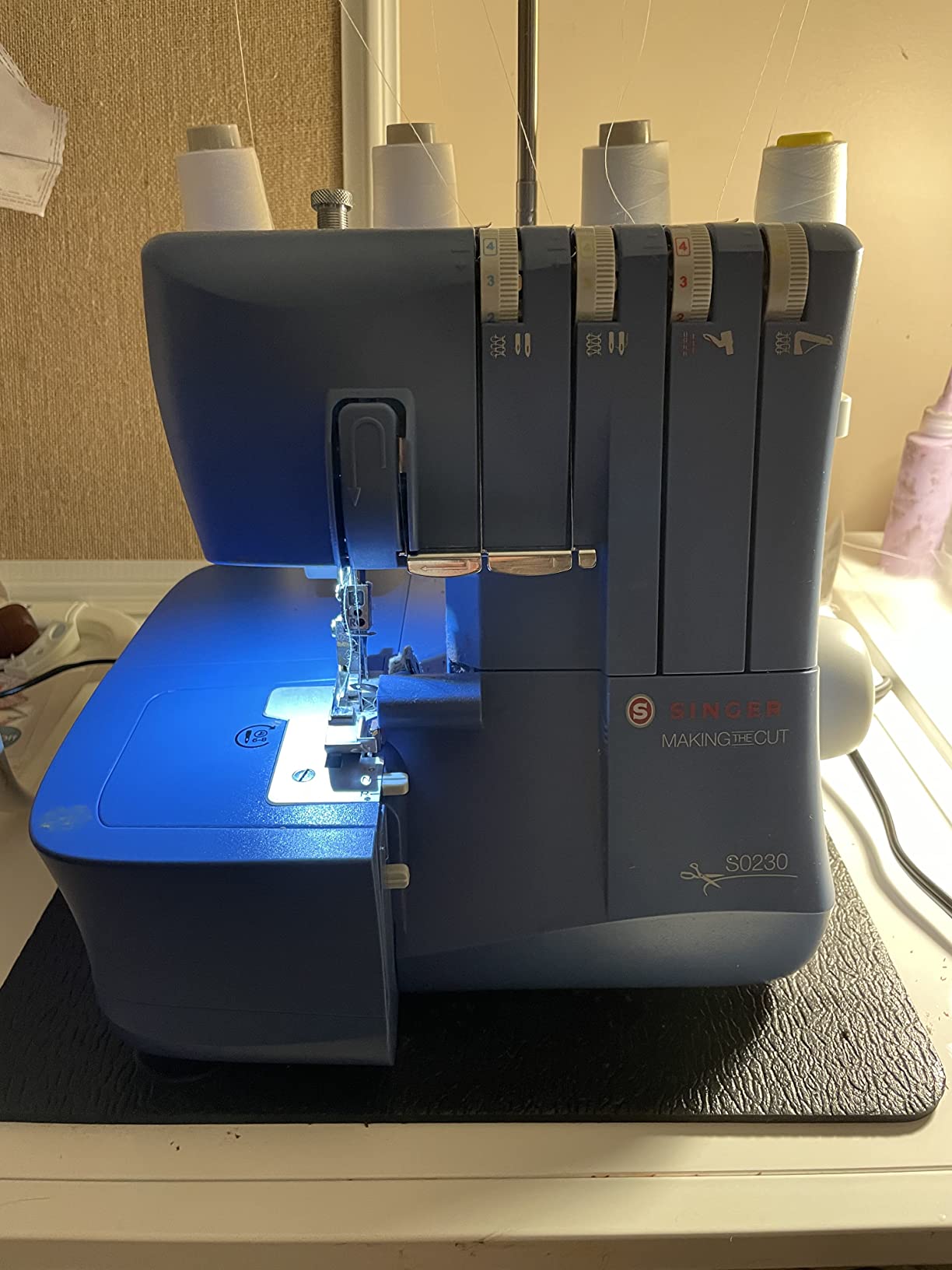
The Singer S0230 surprised me with how quiet it runs. Multiple reviewers describe it as extremely silent, and I have to agree. If you sew in an apartment, late at night, or in a shared space where noise matters, this is the serger that will not disturb anyone. It produces a smooth hum rather than the loud mechanical clatter that many sergers are known for.
The standout feature for garment sewists is the free arm. You can slide off the extension table to expose a narrow arm for sewing sleeves, cuffs, and children’s clothing. This is something the Brother 1034D does not offer, and it makes a real difference for anyone making clothes with narrow openings.
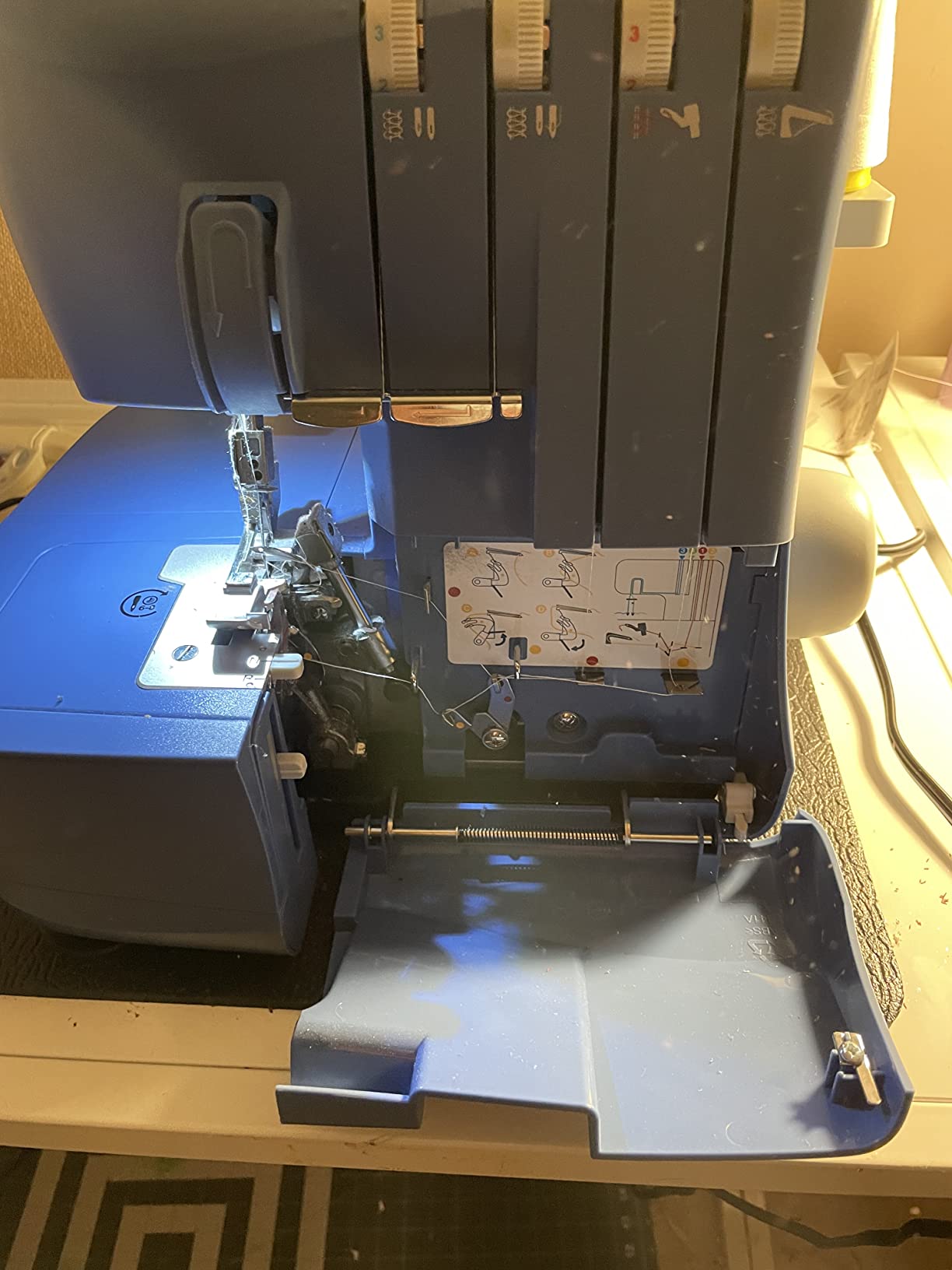
At 13.5 pounds, the S0230 is one of the lightest sergers on this list. It is easy to move, store, and transport. The color-coded threading system follows the same Singer logic as the X5004-HD, so it is approachable for beginners. I also appreciate that it handles knits and stretchy fabrics smoothly thanks to the adjustable differential feed.
The main downside is what Singer does not include. There is no printed manual and no trim catcher. These are small frustrations that add up. Some users have also reported quality control issues on new units, particularly with the left needle or timing. Singer’s return process handles these cases, but it is something to be aware of.
Who Should Buy the Singer S0230
This is the best serger for home sewists who value a quiet, lightweight machine with garment-focused features. If you primarily sew clothes and need a free arm for sleeves and cuffs, the S0230 is designed for you. The low noise level also makes it ideal for apartment dwellers or anyone who sews while others are nearby.
Reviewers consistently mention that this machine outperforms more expensive models from other brands. That makes it an excellent value if you want professional results without the premium price tag.
Noise Level and Usability
The noise difference between the S0230 and other sergers is noticeable from the first seam. I was able to hold a conversation at normal volume while the machine was running. For context, most sergers in this price range are loud enough that you would need to raise your voice.
The lightweight design also improves usability. You can easily move the machine between storage and your workspace. The controls are well-placed and intuitive, with everything labeled clearly. For a beginner-friendly serger, the S0230 gets the details right.
4. Singer S14-78 – Best Budget Home Serger
- Affordable entry point
- Free arm for hard-to-reach areas
- Color-coded threading guides
- Rolled and narrow hem options
- Quiet operation
- Suction cups for stability
- No printed manual
- Limited stock availability
- Threading still challenging for beginners
- Some motor quality concerns
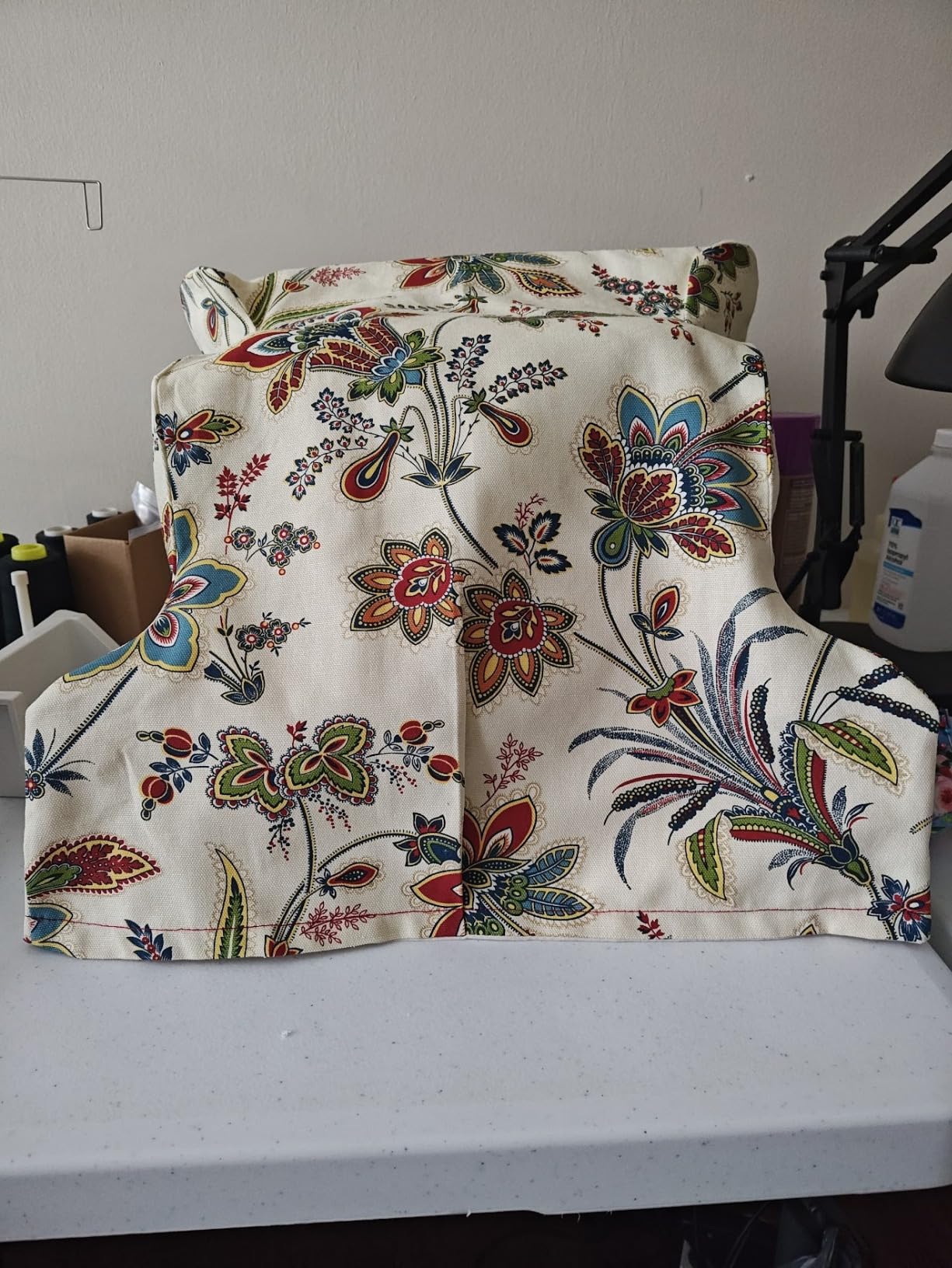
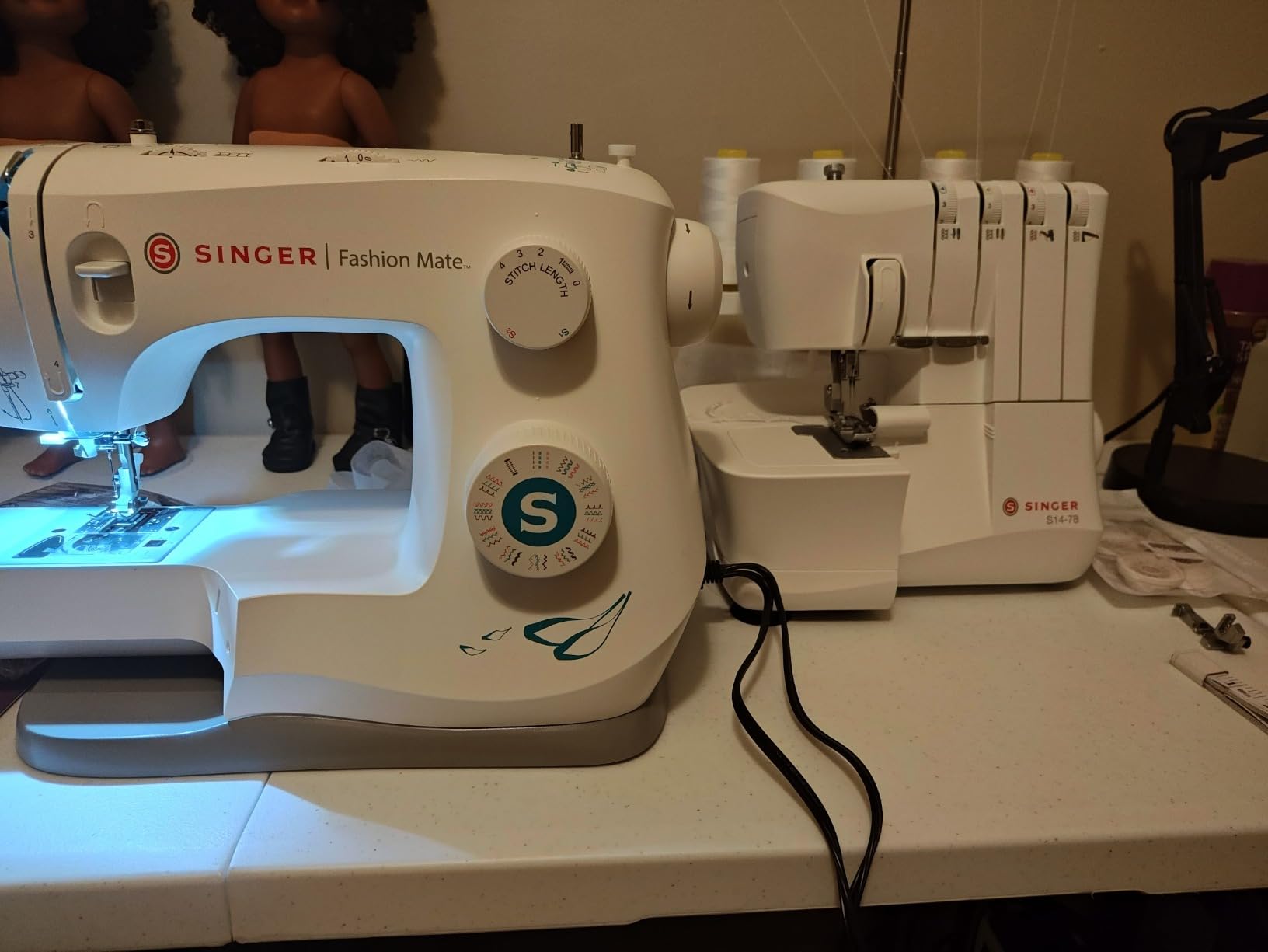
The Singer S14-78 is the most affordable serger on this list and it still delivers solid performance for the price. I was impressed by how much Singer includes at this price point: 2-3-4 thread capability, a free arm, differential feed, and rolled hem functionality. This machine covers all the basics a home sewist needs.
The free arm is a feature I always look for in a budget serger because it dramatically improves usability for garment sewing. You can sew cuffs, sleeves, and other small tubular items without struggling. The suction cups on the bottom keep the machine stable on your table, which is a nice touch that prevents the creeping that lighter sergers suffer from.
The color-coded threading guides and on-deck reference markings help you follow the threading path. That said, threading any serger for the first time is a learning process. Plan to spend an afternoon with YouTube tutorials before you feel comfortable with the S14-78.
The biggest concern is quality control. Some users have reported motor issues on new units. While Singer covers these under warranty, it is a hassle to deal with returns. Also note that stock availability has been limited, so you may need to act quickly when units are in stock.
Who Should Buy the Singer S14-78
If you are on a strict budget and want the most serger for your money, the S14-78 is hard to beat. It offers features found on more expensive machines, including the free arm and multiple stitch configurations. This is a good choice for a first serger if you want to try out overlock sewing without a big financial commitment.
It is also worth considering as a secondary machine if you already own a sewing machine and just want to add seam finishing capability to your setup.
Value and Long-Term Ownership
The S14-78 provides the core serger experience at a price that makes it accessible to almost anyone. The 2-3-4 thread capability means you can create standard overlock seams, rolled hems, and decorative edges. The differential feed handles both stretchy and lightweight fabrics without distortion.
For long-term ownership, keep in mind that this is a budget machine. It does not have the heavy-duty metal frame of the Brother 1034D or the air threading of the Brother AIR1800. If you plan to sew daily or in high volumes, investing a bit more upfront may serve you better over time.
5. Brother AIR1800 – Best Air-Threaded Home Serger
- Revolutionary jet air threading
- Extremely easy to thread
- Smooth and quiet operation
- Bright LED work area
- Professional stitch quality
- Excellent for knits and fine fabrics
- No accessories included
- Higher price point
- Air threading can fail on some units
- Manual threading impossible if air fails
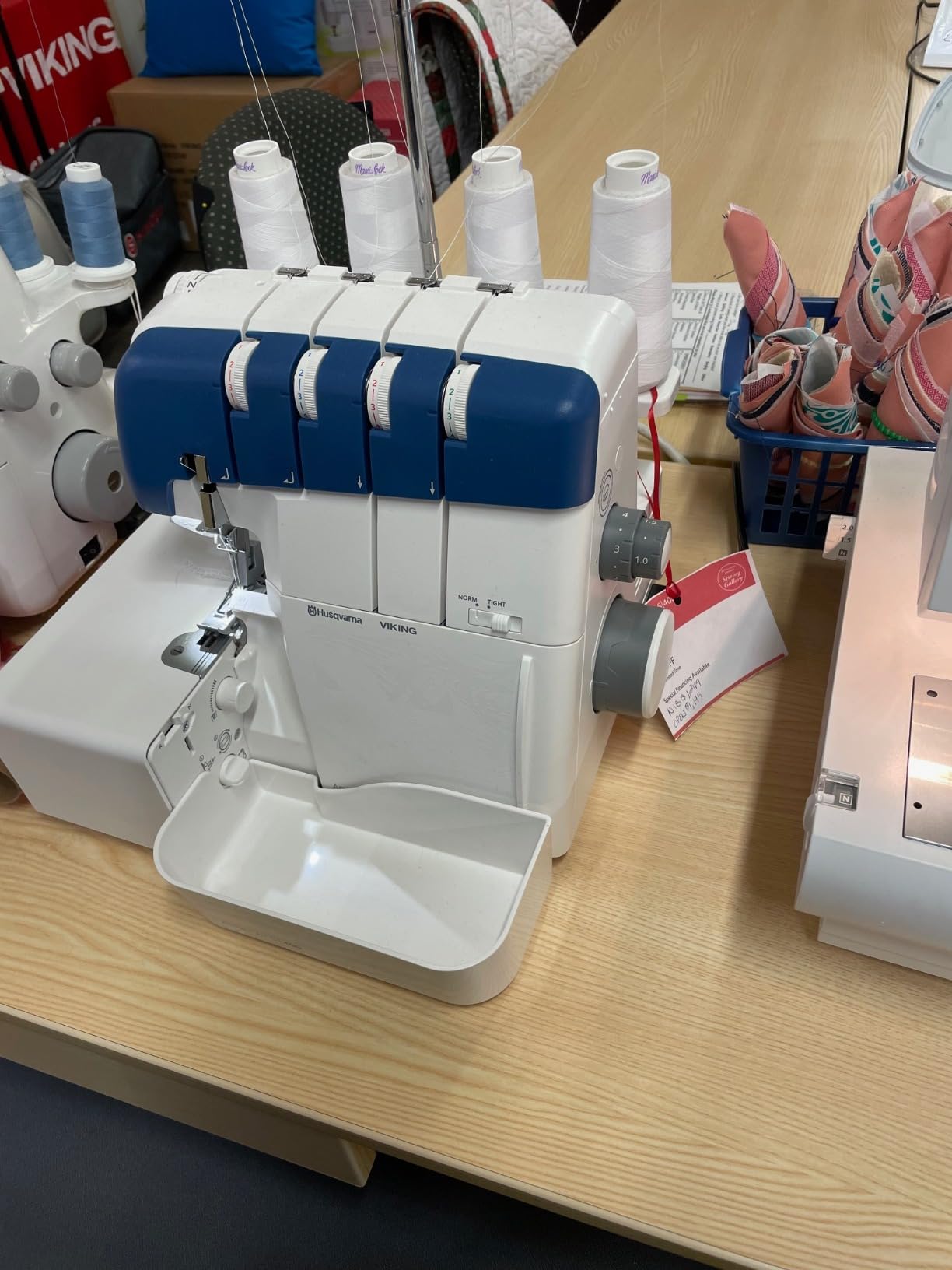
The Brother AIR1800 solves the number one problem that makes people hate sergers: threading. With jet air threading technology, you push a button and a blast of air sends the thread through the looper tubes. No tweezers, no squinting, no frustration. For anyone who has ever spent 30 minutes trying to thread a serger manually, this feature is worth every penny.
I tested the AIR1800 across multiple thread changes and was amazed at how fast the process becomes. Changing thread colors went from a dreaded chore to a 30-second task. The machine also runs noticeably smoother and quieter than the Brother 1034D, with less vibration on the table.
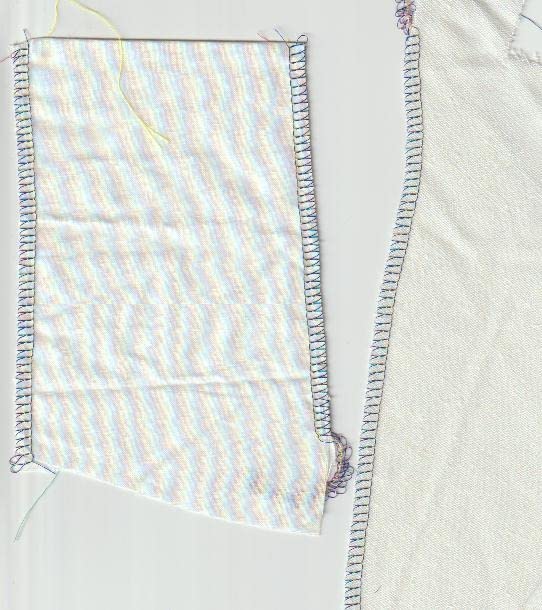
The stitch quality on the AIR1800 is genuinely professional. Flatlock, overlock, and rolled hem stitches come out clean and consistent across fine knits, stretchy materials, and lightweight wovens. The bright LED work area is the best lighting I have seen on a home serger, making it easy to see exactly what you are stitching even on dark fabrics.
The trade-offs are real, though. The AIR1800 does not come with accessories. No catch tray, no extra feet, nothing. At this price point, that feels stingy. There are also reports of the air threading system failing on some units. If the air threading stops working, manual threading is extremely difficult or impossible because the looper design relies on the air system.
Who Should Buy the Brother AIR1800
This is the serger for experienced sewists who are ready to upgrade from manual threading. If you change thread colors frequently, sew with multiple fabric types, or have been frustrated by traditional serger threading, the AIR1800 will transform your sewing experience. It is the upgrade many sewists dream about.
It is also ideal for anyone with vision issues or hand mobility limitations that make manual threading difficult. The air threading system removes the fine motor work that makes sergers inaccessible to some sewists.
Air Threading Reliability Over Time
The air threading technology is impressive when it works, and the vast majority of AIR1800 owners report years of trouble-free use. However, the DOA (dead on arrival) reports are worth noting. Brother covers these under warranty, but it is a good idea to test the air threading system thoroughly as soon as your machine arrives.
Regular maintenance is also important for the air system. Keep the looper tubes clear of lint and debris, and follow the cleaning schedule in the manual. With proper care, the air threading system should provide years of reliable service.
6. Janome MOD-8933 – Best Beginner-Friendly Home Serger
Janome MOD-8933 Serger with Lay-In Threading, 3 and 4 Thread Convertible with Differential Feed
- Lay-in threading system
- Quick change rolled hem
- Color-coded thread guides
- Differential feed included
- Good value for price
- 25 year limited warranty
- No storage case for accessories
- No free arm feature
- Upper knife knob requires firm push
The Janome MOD-8933 earns its beginner-friendly reputation through the lay-in threading system. Instead of threading through tension discs and tiny holes, you lay the thread into open guides that snap shut. This design dramatically reduces the learning curve for first-time serger owners and makes the threading process less intimidating.
I appreciated the quick change rolled hem feature, which lets you switch to rolled hemming without changing the needle plate. That is a convenience usually found on more expensive machines. The differential feed does its job well, keeping stretchy fabrics from stretching out and preventing puckering on lightweight materials.
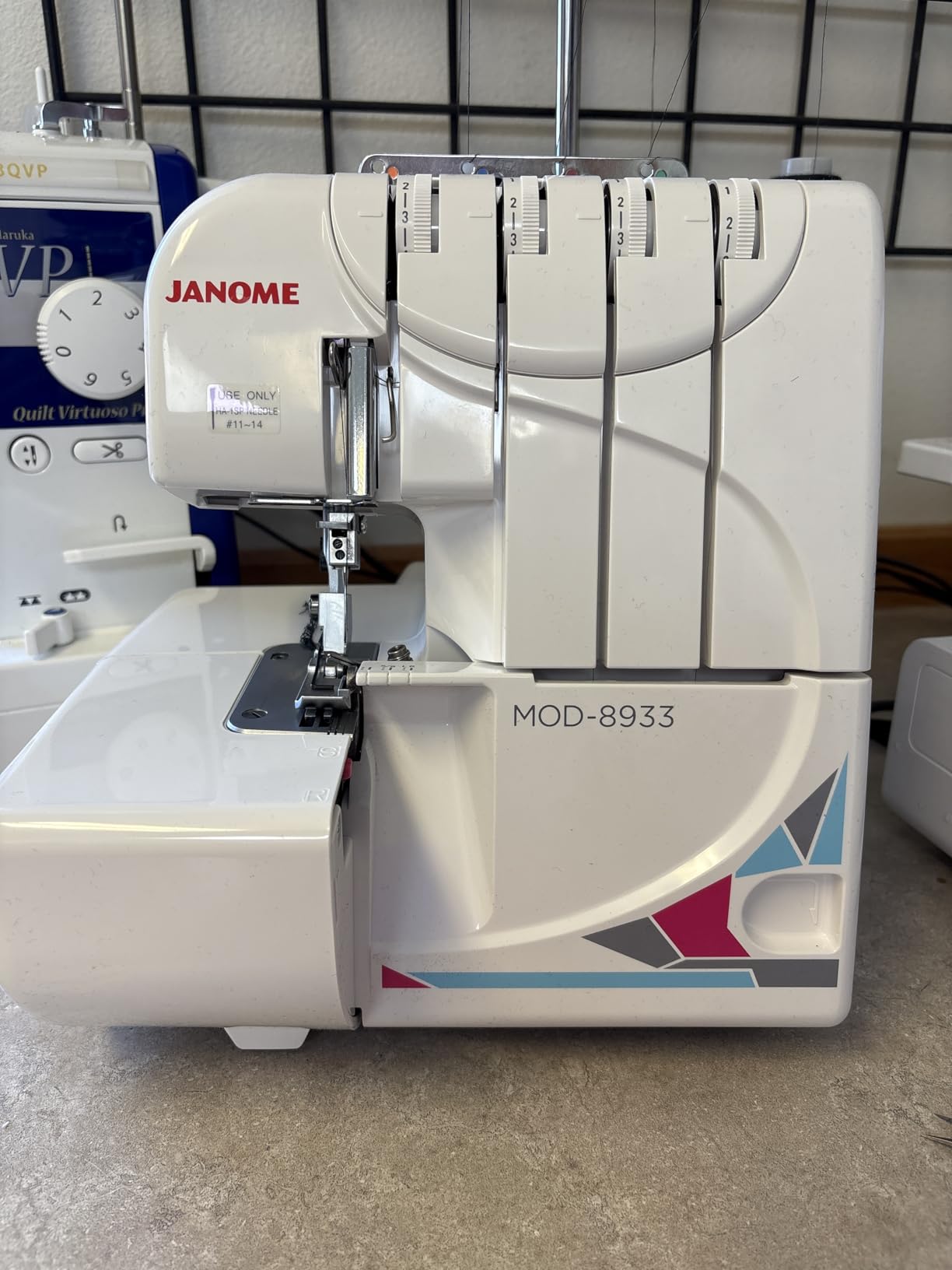
The 25-year limited warranty from Janome is one of the longest in the industry. That speaks to the brand’s confidence in their build quality. The MOD-8933 uses a metal construction that feels solid and stable during operation. At 14.3 pounds, it is manageable to move and store.
The main drawback is the lack of a free arm. If you sew a lot of garment details like sleeves and cuffs, this will limit you. The upper knife knob also requires a firm push to turn, which some users find awkward. Janome also does not include a storage case for accessories, so you will need to keep track of small parts yourself.
Who Should Buy the Janome MOD-8933
If threading is your biggest fear about owning a serger, the Janome MOD-8933 is designed to solve that problem. The lay-in threading system is genuinely easier than traditional threading methods. This makes the MOD-8933 one of the best sergers for home beginners who want a gentle introduction to overlock sewing.
The 25-year warranty also makes this a low-risk purchase. Janome stands behind their machines, and the brand has a strong reputation among sewing forums for long-term reliability.
Threading Simplicity and Learning Curve
The lay-in threading system is the defining feature of this machine. Instead of fumbling with tension discs, you open a guide, lay the thread in, and close it. This reduces the fine motor precision required for threading and speeds up the process significantly.
The color-coded thread guides are clearly marked and easy to follow. Combined with the quick change rolled hem, this means you can switch between stitch types without a complicated re-threading process. For a beginner, this removes two of the most frustrating aspects of serger ownership.
7. Janome 8002D – Best Reliable Workhorse Serger
- Professional seam finishes
- Fast 1300 stitches per minute
- Adjustable differential feed
- Versatile 3 or 4 thread stitching
- Color-coded threading paths
- 83% five-star ratings
- Limited stock available
- Heavier than some competitors
- No free arm feature
The Janome 8002D has an 83% five-star rating, which is one of the highest satisfaction rates of any serger on the market. That kind of consensus does not happen by accident. This machine delivers professional-grade seam finishes at home with the kind of consistency that makes you trust it completely.
Running at 1,300 stitches per minute, the 8002D keeps pace with the Brother 1034D and Singer X5004-HD. The color-coded threading paths simplify setup, and the adjustable differential feed gives you control over how the fabric moves through the machine. I found stitch quality consistently smooth across cotton, linen, and stable knits.
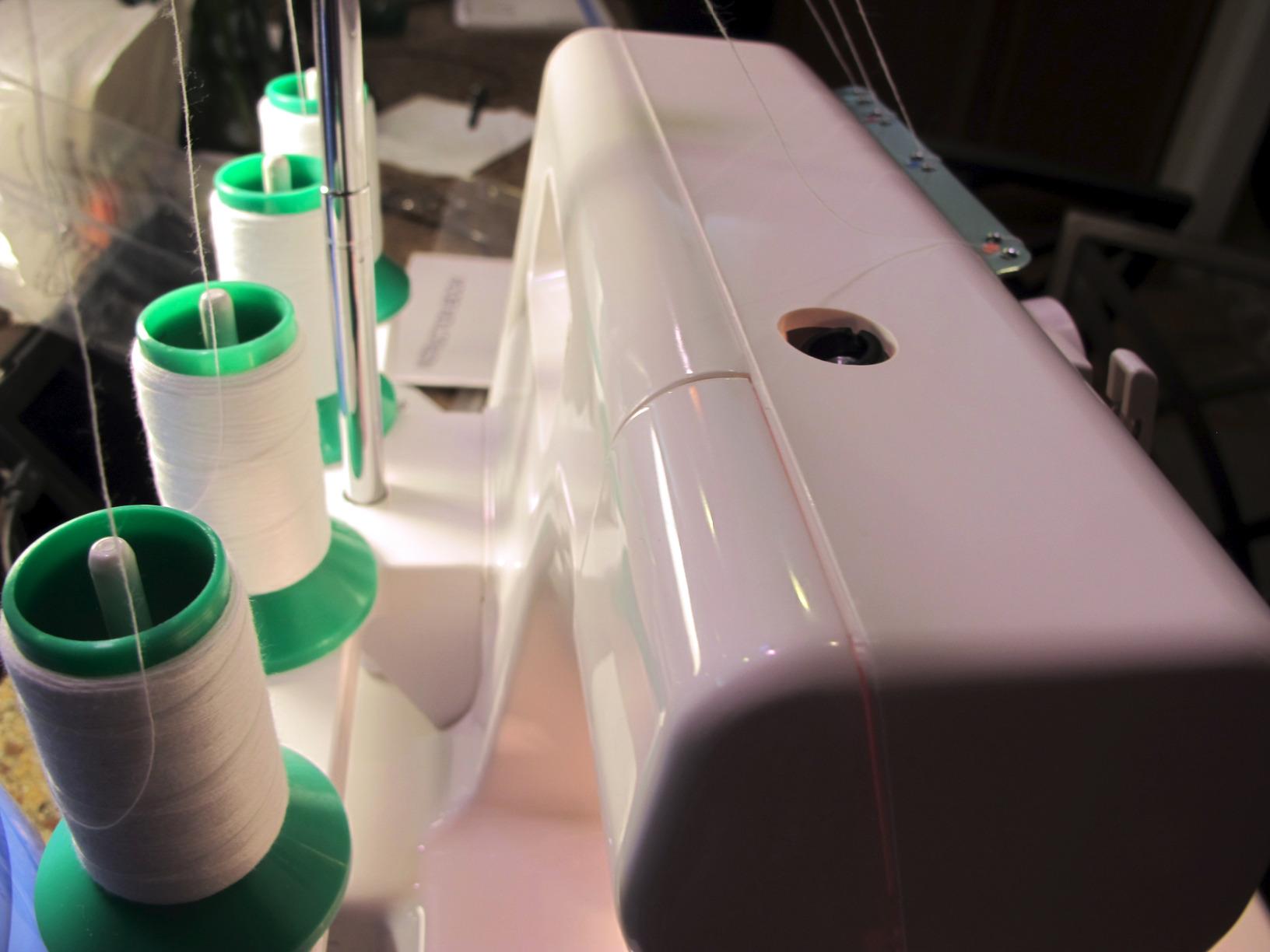
At 19 pounds, the 8002D is one of the heavier sergers on this list. That weight comes from the metal frame and interior components, which contribute to the machine’s stability and durability. The heavier base means less vibration at high speeds, which translates to cleaner stitches on challenging fabrics.
The main limitation is availability. Janome often runs low stock on this model, and at the time of writing, only a few units remain. If you want the 8002D, you may need to act quickly when stock appears. The lack of a free arm is also a drawback for garment sewists who need to work on small tubular pieces.
Who Should Buy the Janome 8002D
If you want a serger that has been battle-tested by hundreds of owners and still earns near-universal praise, the 8002D is that machine. The 83% five-star rate tells you that almost everyone who buys this serger is happy with it. This is a workhorse for sewists who value reliability above fancy features.
It is also a good choice if you already own a Janome sewing machine. The build philosophy, controls, and threading logic will feel consistent with what you already know.
Build Quality and Longevity
The 8002D is built to last. The metal frame, quality interior components, and 5-year warranty on mechanical parts all point to a machine designed for years of regular use. Owners in sewing forums frequently mention Janome machines lasting 15-plus years with basic maintenance.
The weight of the machine is actually a feature, not a bug. Heavier sergers stay in place during high-speed sewing, which improves stitch quality and reduces fatigue from wrestling with a machine that wants to move. If you have a permanent sewing space, the 8002D is an excellent anchor for it.
8. Juki MO-50E – Best for Precision Stitching
- Automatic lower looper threader
- Lay-in tension for easy threading
- Adjustable calibrated knife
- Built-in rolled hem
- Retractable upper knife
- Aluminum construction
- 77% five-star ratings
- Limited stock availability
- No cons reported by majority of users
Juki has a reputation among professional sewists for making some of the best sergers in the world. The MO-50E brings that professional pedigree to the home market. The standout feature is the automatic lower looper threader, which addresses one of the most difficult parts of threading a serger manually. With this feature, the lower looper practically threads itself.
The lay-in tension system works similarly to the Janome MOD-8933, letting you set tension by laying thread into open guides rather than fumbling with discs. The adjustable calibrated knife lets you fine-tune the cutting width for different fabric types. And the built-in rolled hem means you can switch to rolled hem mode without swapping parts.
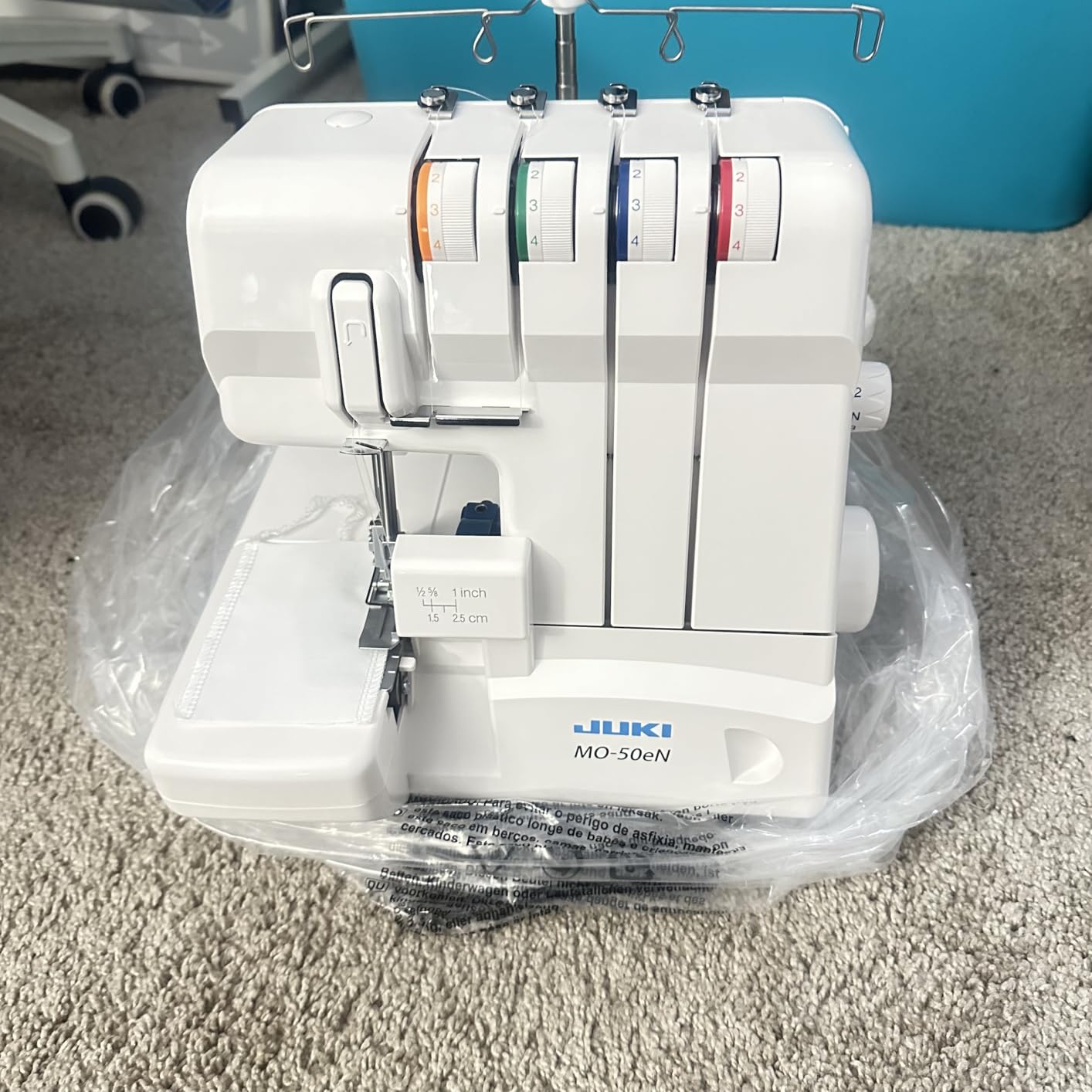
The aluminum body gives the MO-50E a lighter weight than the all-metal Janome and Brother models while still providing rigidity. At 16 pounds, it is a good middle ground between portability and stability. The retractable upper knife is a feature I did not know I needed until I used it. Being able to retract the knife means you can serge without cutting, which is useful for decorative stitching and certain seam finishes.
The MO-50E has a 77% five-star rating with virtually no recurring complaints. The only issue is stock availability, as Juki frequently runs low on this model. If you find one in stock and want precision stitching in a well-built package, do not hesitate.
Who Should Buy the Juki MO-50E
If stitch quality and precision are your top priorities, the Juki MO-50E is the machine for you. Juki’s professional heritage shows in the consistency and quality of every stitch this machine produces. The automatic lower looper threader makes it accessible to beginners while the precision features satisfy experienced sewists.
This is also the best serger for home sewists who want to graduate from budget machines but are not ready for the price of air threading models. The MO-50E fills that gap beautifully.
Stitch Quality and Precision Features
The adjustable calibrated knife is what sets the MO-50E apart from other sergers in its price range. You can fine-tune the cutting width with precision, which matters when you are working with delicate fabrics or creating narrow rolled hems. The knife maintains its calibration over time, so your results stay consistent.
The automatic lower looper threader eliminates the most frustrating step in the threading process. Even experienced serger owners struggle with the lower looper on manual machines. Juki’s solution is elegant and reliable, which explains the high satisfaction rate among MO-50E owners.
How to Choose the Best Serger for Home Use
Choosing among the best sergers for home use comes down to understanding which features matter for your sewing style. Here is what to consider before you buy.
Thread Count Capability
Sergers typically offer 2, 3, or 4 thread configurations. A 4-thread stitch is the strongest and is ideal for construction seams on garments. A 3-thread stitch works well for finishing edges and sewing lightweight fabrics. A 2-thread stitch is useful for flatlocking and ultra-narrow edges. Most home sewists want a machine that handles 3 and 4 thread stitching at minimum. The Singer X5004-HD, Singer S0230, and Singer S14-78 all offer 2-3-4 thread capability for maximum versatility.
Threading System
Threading is the number one pain point for serger owners. There are three main types of threading systems to consider. Manual threading with color-coded guides (Brother 1034D, Singer models) requires following a color-coded path with tweezers. Lay-in threading (Janome MOD-8933, Juki MO-50E) lets you lay thread into open guides instead of threading through tiny holes. Air threading (Brother AIR1800) uses a blast of air to thread the loopers at the push of a button. If threading intimidates you, prioritize lay-in or air threading systems.
Stitch Speed
Stitch speed is measured in stitches per minute (SPM). Most home sergers run between 1,200 and 1,300 SPM. Faster is not always better. For beginners, a slightly slower machine can be easier to control. For experienced sewists doing production work, higher speed means faster project completion. All the machines on this list fall within the 1,200 to 1,300 SPM range, which is the standard for home use.
Differential Feed
Differential feed is essential if you plan to sew knits or stretchy fabrics. It uses two sets of feed dogs that move at different speeds to prevent stretching or puckering. Without differential feed, knit fabrics will wave and distort as you serge. Every machine on this list includes adjustable differential feed, which is a minimum requirement for a quality home serger.
Build Quality and Weight
Heavier sergers with metal frames vibrate less and produce more consistent stitches. The Brother 1034D at 17.7 pounds, the Janome 8002D at 19 pounds, and the Brother AIR1800 at 21.5 pounds are the heaviest machines on this list. If portability matters more, the Singer S0230 at 13.5 pounds and the Singer S14-78 at 13.9 pounds are the lightest options.
Budget and Price Tiers
Sergers fall into three price tiers. Budget models under $300 (Singer S14-78, Brother 1034D) provide core functionality with manual threading. Mid-range models between $300 and $400 (Singer X5004-HD, Singer S0230, Janome MOD-8933, Janome 8002D, Juki MO-50E) offer additional features like free arms, better build quality, and automatic threaders. Premium models above $500 (Brother AIR1800) include advanced features like air threading that transform the sewing experience.
Maintenance and Cleaning Tips
No competitor covers serger maintenance in depth, so here is what experienced owners recommend. Clean the lint from your serger after every project using the included brush or a small vacuum attachment. Lint buildup in the looper area is the leading cause of tension problems and skipped stitches. Oil your serger regularly according to the manual instructions, typically one drop of sewing machine oil on the moving metal parts. Change your serger needles every 8 to 10 hours of sewing time, as dull needles cause skipped stitches and fabric damage. Check your knife blade periodically and replace it when it starts leaving frayed edges instead of clean cuts. Following these maintenance steps will keep any of the machines on this list running smoothly for years.
Frequently Asked Questions About Home Sergers
What is the best serger machine for home use?
The Brother 1034D is the best overall serger for home use, with over 12,000 reviews and a 4.6-star rating. It offers a heavy-duty metal frame, 1,300 stitches per minute, color-coded threading, and reliable performance across all fabric types. For beginners on a budget, the Singer S14-78 is an excellent alternative.
Is it worth buying a serger sewing machine?
Yes, a serger is worth buying if you sew garments, work with knit fabrics, or want professional-quality seam finishes. A serger trims, stitches, and overcasts fabric edges in one step, preventing fraying and giving homemade clothes a store-bought finish. Most home sewists who buy a serger wish they had purchased one sooner.
Which serger is better, Brother or Singer?
Both brands make quality home sergers. Brother is known for the 1034D, which has the most community support and tutorials online. Singer offers more stitch versatility with models like the X5004-HD, which has 8 built-in stitch types and a larger cutting knife. For beginners, Brother is easier to find help for. For heavy fabrics, Singer has the edge.
What are the common problems with serger sewing machines?
The most common serger problems are threading difficulties, tension issues causing loose or tight stitches, skipped stitches from dull needles, fabric puckering on lightweight materials, and lint buildup causing poor performance. Most of these issues are solved by following the threading guide carefully, changing needles regularly, adjusting differential feed, and cleaning lint after each project.
How hard is it to thread a serger for beginners?
Threading a serger is more complex than threading a sewing machine because sergers use multiple threads and loopers. However, modern sergers include color-coded guides that make the process manageable. Machines with lay-in threading (Janome MOD-8933, Juki MO-50E) or air threading (Brother AIR1800) are significantly easier to thread than traditional manual models.
Final Thoughts on the Best Sergers for Home
Finding the best sergers for home sewing does not have to be complicated. For most people, the Brother 1034D is the clear winner thanks to its proven reliability, massive community support, and excellent value. If you want air threading and can spend more, the Brother AIR1800 eliminates the most frustrating part of serger ownership. And if you are on a tight budget, the Singer S14-78 covers all the essentials at an accessible price point.
Every machine on this list will give you professional seam finishes, prevent fabric fraying, and transform the way you sew garments at home. The right choice depends on your budget, the fabrics you sew, and how much you value features like air threading or a free arm. Whatever you choose, your homemade clothes will never look the same.