
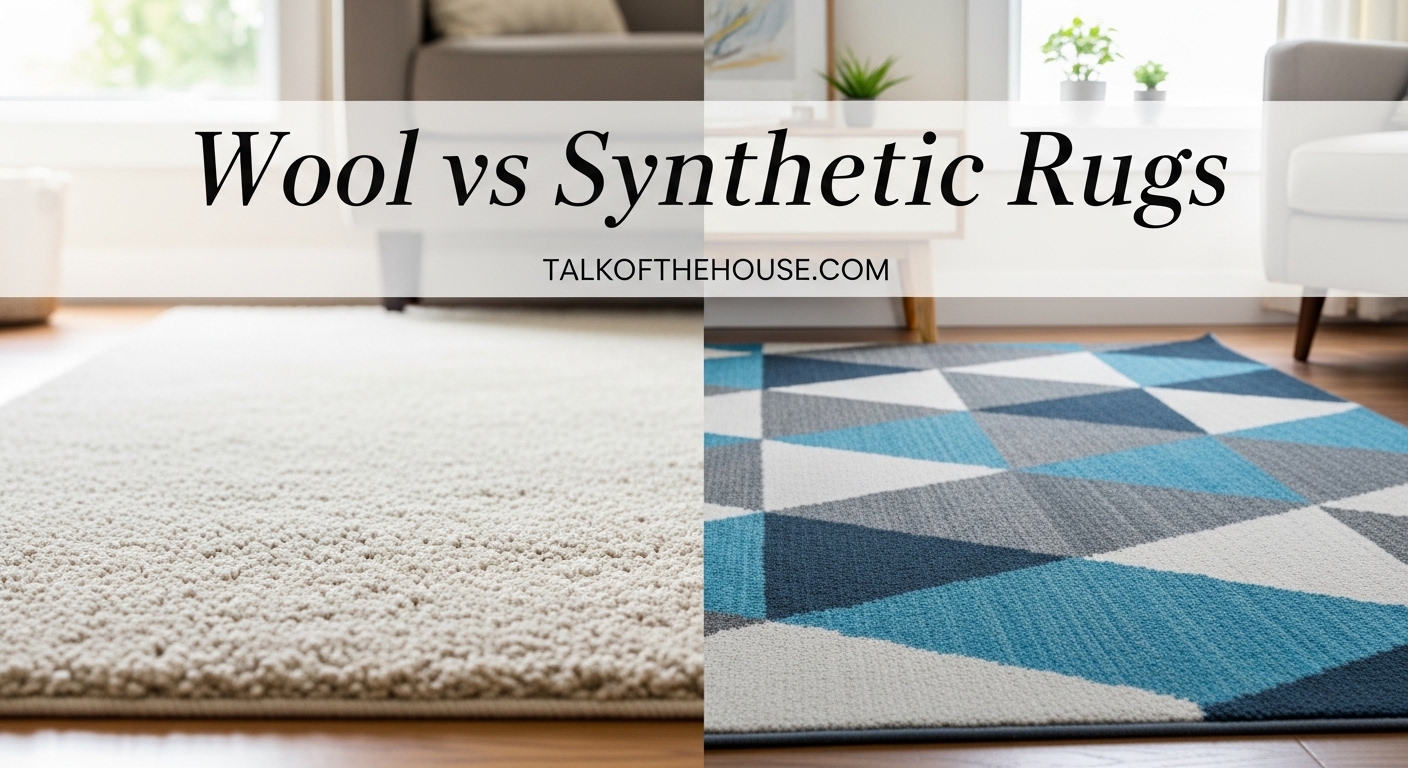
Choosing between wool and synthetic rugs feels like one of those home decisions that should be simple, but somehow becomes overwhelming once you start researching. I spent weeks comparing options when we redecorated our living room last year, and I quickly discovered that the internet is full of conflicting advice. Some sources swear wool is the only choice for quality. Others claim modern synthetics outperform natural fibers in every way that matters. The truth, as I learned, sits somewhere in the middle and depends entirely on your specific situation.
Both wool and synthetic rugs have legitimate advantages and real drawbacks. The best choice for a busy family with pets and young children differs significantly from what works in a formal living room that sees occasional use. Understanding wool vs synthetic rugs pros and cons helps you invest wisely in flooring that serves your needs for years rather than months.
In this guide, I will walk you through everything I learned during my own rug selection process. We will examine what makes each material unique, compare their performance across key categories, and identify which option suits different rooms and lifestyles. By the end, you will have a clear framework for making this decision confidently.
Table of Contents
Wool vs Synthetic Rugs at a Glance
Neither wool nor synthetic rugs are universally superior. Wool excels in durability, comfort, and environmental sustainability but costs more upfront and requires careful maintenance. Synthetic rugs offer affordability, superior stain resistance, and easy cleaning but typically wear faster and lack the luxurious feel of natural fibers.
Your priorities determine the winner. Choose wool if you value longevity, natural materials, and luxury underfoot. Choose synthetic if you need budget-friendly options that withstand heavy use, moisture exposure, and frequent cleaning.
Understanding Wool Rugs: Natural Luxury
Wool rugs come from sheep fleece, typically sourced from New Zealand or the United Kingdom where wool quality remains exceptionally high. These natural fiber rugs contain lanolin, a waxy oil coating that gives wool inherent stain resistance and softness. The fibers are porous and can absorb up to thirty percent of their weight in moisture without feeling damp, which helps regulate room humidity.
The construction methods for wool rugs range from hand-knotted heirlooms that take months to create, to machine-tufted options that make wool more accessible. Regardless of construction, wool maintains certain characteristics that synthetic fibers struggle to replicate fully.
Benefits of Wool Rugs
Wool rugs offer several compelling advantages that explain their enduring popularity despite higher costs. After living with a wool rug in our bedroom for eight months, I noticed these benefits firsthand.
Exceptional Durability and Crush Resistance
Wool fibers possess natural elasticity that allows them to compress under furniture and foot traffic, then spring back to their original shape. This crush resistance means wool rugs maintain their appearance for fifteen to twenty years with proper care, often outlasting synthetic alternatives by a decade or more.
Natural Temperature Regulation
Wool acts as a natural insulator, keeping rooms warmer in winter and cooler in summer. The porous fiber structure traps air, creating a barrier that improves energy efficiency while keeping the rug comfortable underfoot year-round.
Inherent Stain Resistance
The lanolin coating on wool fibers naturally repels water-based spills, giving you precious seconds to blot stains before they set. This property makes wool surprisingly practical for dining rooms where occasional spills occur, despite the common misconception that wool is high-maintenance.
Superior Comfort and Acoustics
Nothing quite matches the soft, cushiony feel of a quality wool rug under bare feet. Wool also absorbs sound better than synthetic materials, reducing echo and noise transfer between floors in multi-level homes.
Environmental Sustainability
Wool is renewable, biodegradable, and produced without petroleum. At the end of its long life, a wool rug decomposes naturally rather than sitting in a landfill for centuries. For environmentally conscious homeowners, this represents a significant advantage over synthetic alternatives.
Drawbacks of Wool Rugs
Despite their advantages, wool rugs present genuine challenges that make them unsuitable for certain situations. Understanding these limitations prevents expensive mistakes.
Significant Upfront Cost
Quality wool rugs typically cost two to three times more than comparable synthetic options. Hand-knotted wool rugs can run into thousands of dollars depending on size and knot density. This investment pays off over time through longevity, but the initial expense puts wool out of reach for many budgets.
Shedding During Break-In Period
New wool rugs shed loose fibers for several weeks to months after purchase. This shedding is normal and decreases over time, but it requires frequent vacuuming initially and can concern buyers who mistake it for poor quality. Our wool rug shed noticeably for about six weeks before settling down.
Moisture Sensitivity and Mold Risk
While wool handles humidity well, prolonged moisture exposure creates problems. Spills left unattended, high-humidity basements, or damp cleaning methods can lead to mold or mildew growth. Wool requires prompt attention to wet conditions that synthetic rugs handle more forgivingly.
Moth and Pest Vulnerability
Wool contains protein fibers that attract clothes moths and carpet beetles. Without proper prevention measures including regular cleaning and moth deterrents, infestations can destroy expensive rugs. One forum user reported their wool carpet was chewed to destruction by moths within five years, while their polypropylene rug remained intact after a decade.
Professional Cleaning Requirements
Wool rugs need professional cleaning every twelve to eighteen months to maintain their appearance and prevent fiber damage. DIY cleaning attempts using harsh chemicals or excessive water often ruin wool rugs. This ongoing maintenance cost adds to the total cost of ownership.
Understanding Synthetic Rugs: Engineered Performance
Synthetic rugs are manufactured from man-made fibers derived primarily from petroleum products. The most common materials include polypropylene (also called olefin), polyester, and nylon. Each fiber type offers distinct characteristics that manufacturers engineer for specific performance goals.
Modern synthetic rugs have come a long way from the scratchy, plastic-feeling carpets of decades past. Advances in fiber technology and manufacturing techniques allow synthetic rugs to mimic the appearance and some performance characteristics of natural fibers at significantly lower prices.
Benefits of Synthetic Rugs
Synthetic rugs dominate the market for good reason. They solve real problems for busy households and challenging environments where wool struggles.
Affordable Pricing
Synthetic rugs cost significantly less than wool, making quality floor coverings accessible to more homeowners. You can purchase a large synthetic area rug for the price of a small wool accent rug, allowing for more frequent style updates or multiple room coverage within limited budgets.
Superior Stain Resistance
Unlike wool’s natural but limited stain resistance, synthetic fibers can be engineered to be virtually stain-proof. Solution-dyed fibers resist color penetration from spills, making synthetic rugs ideal for dining areas, children’s playrooms, and homes with pets where accidents happen regularly.
Water and Moisture Resistance
Most synthetic fibers are nonporous and do not absorb water. This makes them perfect for basements, outdoor spaces, kitchens, and bathrooms where moisture exposure would damage wool. Spills sit on the surface rather than penetrating fibers, allowing easy cleanup.
Fade Resistance for Sunny Spaces
UV-stabilized synthetic fibers resist sun fading better than wool, which can yellow or fade with prolonged sun exposure. For rooms with large windows or outdoor areas, synthetic rugs maintain their color longer without special window treatments.
Wide Variety of Styles and Colors
Manufacturing control over synthetic fibers enables virtually unlimited color options, patterns, and textures. Finding a specific shade or design is easier with synthetics, and the consistency between production batches ensures matching colors for coordinated spaces.
Drawbacks of Synthetic Rugs
The trade-offs for synthetic affordability and convenience become apparent over time. These limitations matter for long-term satisfaction.
Shorter Lifespan and Crushing
Synthetic fibers lack wool’s natural elasticity. High-traffic areas show crushing and matting within two to five years, and the fibers do not recover their shape with cleaning. While synthetic rugs cost less initially, replacement costs accumulate over a fifteen-year period.
Vacuuming Difficulties
A significant but rarely discussed issue emerged from forum research: many synthetic rugs allow dust and debris to pass through to the pad beneath, making thorough vacuuming nearly impossible. Reddit users reported their synthetic rugs acted like filters that trapped dirt below the surface, creating hygiene concerns.
Static Electricity Buildup
Synthetic fibers generate static electricity, especially in dry winter months. This creates uncomfortable shocks when touching the rug and attracts dust particles. Wool’s natural humidity regulation prevents this problem entirely.
Environmental Concerns
Synthetic rugs come from non-renewable petroleum resources and do not biodegrade. At the end of their shorter lifespan, they contribute to landfill waste. Manufacturing processes also typically involve more chemical treatments and higher carbon footprints than wool production.
Inferior Comfort Underfoot
Even high-quality synthetic rugs cannot fully replicate the soft, cushiony feel of wool. For bedrooms and spaces where barefoot comfort matters, this difference is noticeable and significant.
Side-by-Side Comparison: Wool vs Synthetic
This comparison table summarizes the key differences to help with quick decision-making:
| Factor | Wool Rugs | Synthetic Rugs |
|---|---|---|
| Lifespan | 15-20+ years | 3-10 years |
| Initial Cost | High ($$$) | Low to Moderate ($-$$) |
| Stain Resistance | Good (natural lanolin) | Excellent (engineered) |
| Cleaning Difficulty | Requires professional care | Easy DIY cleaning |
| Moisture Handling | Absorbs, can mold if wet | Repels, highly resistant |
| Comfort | Soft, luxurious | Firm, practical |
| Best For | Living rooms, bedrooms, low-moisture areas | High traffic, pets, kids, basements, outdoors |
| Environmental Impact | Biodegradable, renewable | Petroleum-based, non-biodegradable |
| Crush Resistance | Excellent (bounces back) | Poor (permanent matting) |
| Static | None | Common in dry conditions |
Not All Synthetic Rugs Are Equal: Fiber Type Matters
One of the biggest gaps I found in competitor content was the lack of detail about different synthetic fiber types. Not all synthetics perform identically, and understanding these differences helps you choose wisely within the synthetic category.
Polypropylene (Olefin)
Polypropylene is the most common and affordable synthetic rug fiber. It offers excellent stain and moisture resistance, making it ideal for outdoor rugs, basements, and dining areas. However, it has the lowest heat tolerance and can flatten permanently under heavy furniture. For budget-conscious buyers prioritizing spill protection, polypropylene works well.
Polyester
Polyester fibers create rugs with excellent color clarity and softness that approaches wool more closely than other synthetics. Polyester resists water-based stains effectively but struggles with oil-based stains. It offers better fade resistance than polypropylene and maintains appearance longer in sunny rooms.
Nylon
Nylon represents the premium synthetic option, offering the best durability and crush resistance among man-made fibers. It costs more than polypropylene or polyester but outperforms them in high-traffic areas. Many commercial installations use nylon for this reason. For residential use, nylon strikes a balance between wool’s durability and synthetic convenience.
Best Rug Material by Room
Room function and conditions should drive your material choice. Here are my specific recommendations based on usage patterns and environmental factors:
Living Room
Choose wool for formal living rooms where comfort and appearance matter most. Choose synthetic for family rooms with heavy use, pets, or frequent snacking. Consider a wool-nylon blend for the best of both worlds in busy living spaces.
Bedroom
Wool excels in bedrooms where you want softness underfoot when getting out of bed. The temperature regulation helps maintain comfortable sleeping conditions. Check our bedroom rug styling ideas for placement inspiration.
Dining Room
Synthetic rugs handle food spills better, but wool’s natural stain resistance works surprisingly well here too. If you host frequent dinner parties with wine and sauce-heavy dishes, synthetic offers easier cleanup. For occasional formal dining, wool’s elegance may be worth the extra care.
Kitchen
Synthetic rugs are the clear winner for kitchens due to moisture exposure, food spills, and frequent cleaning needs. Choose low-pile polypropylene options that clean easily and dry quickly.
Entryway and Hallways
High-traffic entryways benefit from wool’s crush resistance and durability, but synthetic rugs handle tracked-in moisture and mud better. For covered entries, wool works well. For exposed or high-moisture entries, choose synthetic.
Basement
Never use wool in basements unless humidity is carefully controlled. Synthetic rugs resist the damp conditions common in below-grade spaces. Look for moisture-resistant pads underneath to prevent mildew issues.
Home Office or Workroom
Wool provides comfort for standing desks and reduces noise from rolling chairs. See our workroom rug placement ideas for additional guidance on rug sizing and positioning in functional spaces.
Outdoor Spaces
Only synthetic rugs designed for outdoor use can withstand sun exposure, rain, and temperature extremes. Polypropylene specifically engineered for outdoor use will last several seasons with proper care.
Cleaning and Maintenance: What You Need to Know
Maintenance requirements differ significantly between wool and synthetic rugs, affecting long-term satisfaction and total cost of ownership.
Wool Rug Maintenance
Vacuum wool rugs regularly using a suction-only setting without beater bars, which can damage fibers. Rotate rugs every six months to ensure even wear. Address spills immediately by blotting with clean white cloths. Never use hot water or harsh chemicals on wool. Professional cleaning every twelve to eighteen months maintains appearance and extends life significantly.
Many people wonder about DIY cleaning solutions. While mild detergent solutions work for spot cleaning, avoid using Dawn dish soap or other harsh cleaners on wool rugs. These can strip the natural lanolin oils that give wool its protective properties and cause irreversible damage to the fibers.
Synthetic Rug Maintenance
Synthetic rugs tolerate more aggressive cleaning methods. Regular vacuuming with standard settings works fine. Most synthetic rugs can be hosed off outdoors for deep cleaning and air-dried quickly due to their moisture resistance. Spot clean with mild detergent solutions without worrying about damaging the fibers. This ease of cleaning makes synthetics practical for busy households.
Health and Allergy Considerations
Rug material affects indoor air quality and allergy symptoms in ways that matter for sensitive individuals.
Dust Mites and Allergens
Wool’s natural resistance to dust mites surprises many people. The microscopic scales on wool fibers and the fiber’s ability to absorb and release moisture create an environment inhospitable to dust mites. Contrary to some misconceptions, dust mites do not thrive in wool rugs. However, wool can trap other allergens like pollen and pet dander, requiring regular cleaning.
Synthetic rugs do not naturally resist dust mites, but their nonporous structure makes thorough vacuuming easier when proper technique is used. The concern with synthetic rugs is the filtration effect where dust passes through to the pad, potentially creating allergen reservoirs beneath the surface.
Chemical Sensitivities
New synthetic rugs may off-gas volatile organic compounds (VOCs) from manufacturing processes and backing materials. This off-gassing typically diminishes within weeks but can affect sensitive individuals initially. Wool has minimal VOC content naturally, though some treatments and dyes may introduce chemicals. For chemical sensitivities, untreated wool offers the safest option.
Pet Considerations
Homes with pets benefit from synthetic rugs’ stain resistance and easy cleaning. However, pet claws can snag and damage some synthetic constructions. Wool’s resilience handles pet traffic well but requires immediate attention to accidents to prevent staining and odor absorption. For homes with pets prone to accidents, synthetic may be the more practical choice despite wool’s other advantages.
Environmental Impact: The Full Picture
Sustainability considerations increasingly influence rug purchases, and the environmental comparison between wool and synthetic is more nuanced than it first appears.
Wool’s Environmental Profile
Wool comes from a renewable resource that regrows annually. Sheep produce new fleece each year without depleting resources. At the end of its long useful life, wool biodegrades completely within months to years, returning nutrients to the soil. The manufacturing of wool rugs requires less energy than synthetic production, and wool’s carbon footprint is generally lower. However, wool production does require significant land use and water resources for sheep farming.
Synthetic’s Environmental Profile
Synthetic rugs rely on petroleum extraction, a non-renewable resource with significant environmental impacts. Manufacturing consumes considerable energy and creates emissions. The short lifespan of many synthetic rugs means more frequent replacement and disposal. While some synthetic rugs can be recycled, facilities are limited and most end up in landfills where they persist for centuries. On the positive side, some manufacturers now use recycled plastic bottles to create polyester rugs, offering a second life for waste materials.
Frequently Asked Questions
Is a synthetic rug better than a wool rug?
Neither is universally better. Synthetic rugs excel in stain resistance, moisture handling, and affordability, making them ideal for busy families, pet owners, and high-traffic areas. Wool rugs offer superior durability, comfort, and environmental sustainability but require higher investment and more careful maintenance. Your specific needs determine the better choice.
Can I use Dawn dish soap on a wool rug?
No, you should not use Dawn dish soap or other harsh detergents on wool rugs. These cleaners strip the natural lanolin oils that give wool its stain resistance and protective properties. Instead, use cleaning products specifically formulated for wool, or blot spills with plain water and mild wool-safe cleaners. Professional cleaning is recommended for significant soiling.
Do dust mites live in wool rugs?
Dust mites do not thrive in wool rugs. Wool’s natural fiber structure and moisture-regulating properties create an environment that is inhospitable to dust mites. The microscopic scales on wool fibers also help resist mite colonization. This makes wool a good choice for allergy sufferers concerned about dust mite allergens, though regular cleaning remains important for other allergens like pollen and pet dander.
What is the disadvantage of 100% wool carpet?
The main disadvantages of 100% wool carpet include high upfront cost, shedding during the initial break-in period, sensitivity to moisture and potential mold issues, vulnerability to moth damage without proper prevention, and the need for professional cleaning rather than DIY methods. These factors make wool less suitable for damp environments like basements and for households wanting low-maintenance flooring.
Is it better to get wool or synthetic carpet?
Choose wool carpet if you prioritize longevity, natural materials, comfort underfoot, and environmental sustainability, and if your budget allows for the higher upfront cost and ongoing professional maintenance. Choose synthetic carpet if you need affordable options, have pets or young children, require easy cleaning, or need moisture-resistant flooring for basements or high-spill areas. Your lifestyle and priorities should drive the decision.
Making Your Decision
After weighing wool vs synthetic rugs pros and cons, the decision ultimately comes down to your priorities and circumstances. Both materials serve valuable purposes in different situations.
Choose wool if you value long-term investment over upfront savings, prioritize natural materials and environmental sustainability, want the softest most luxurious feel underfoot, and can commit to proper maintenance including professional cleaning. Wool rewards this commitment with decades of beauty and performance.
Choose synthetic if you need affordable options that work within tighter budgets, have active households with pets, children, or frequent spills, require moisture resistance for challenging environments like basements or outdoor spaces, and prefer easy cleaning without professional service calls.
Whichever material you choose in 2026, invest in the best quality your budget allows within that category. A high-quality synthetic rug outperforms a cheaply made wool rug, and vice versa. Take time to feel samples in person, consider your specific room conditions, and make the choice that aligns with how you actually live rather than how you wish you lived.