
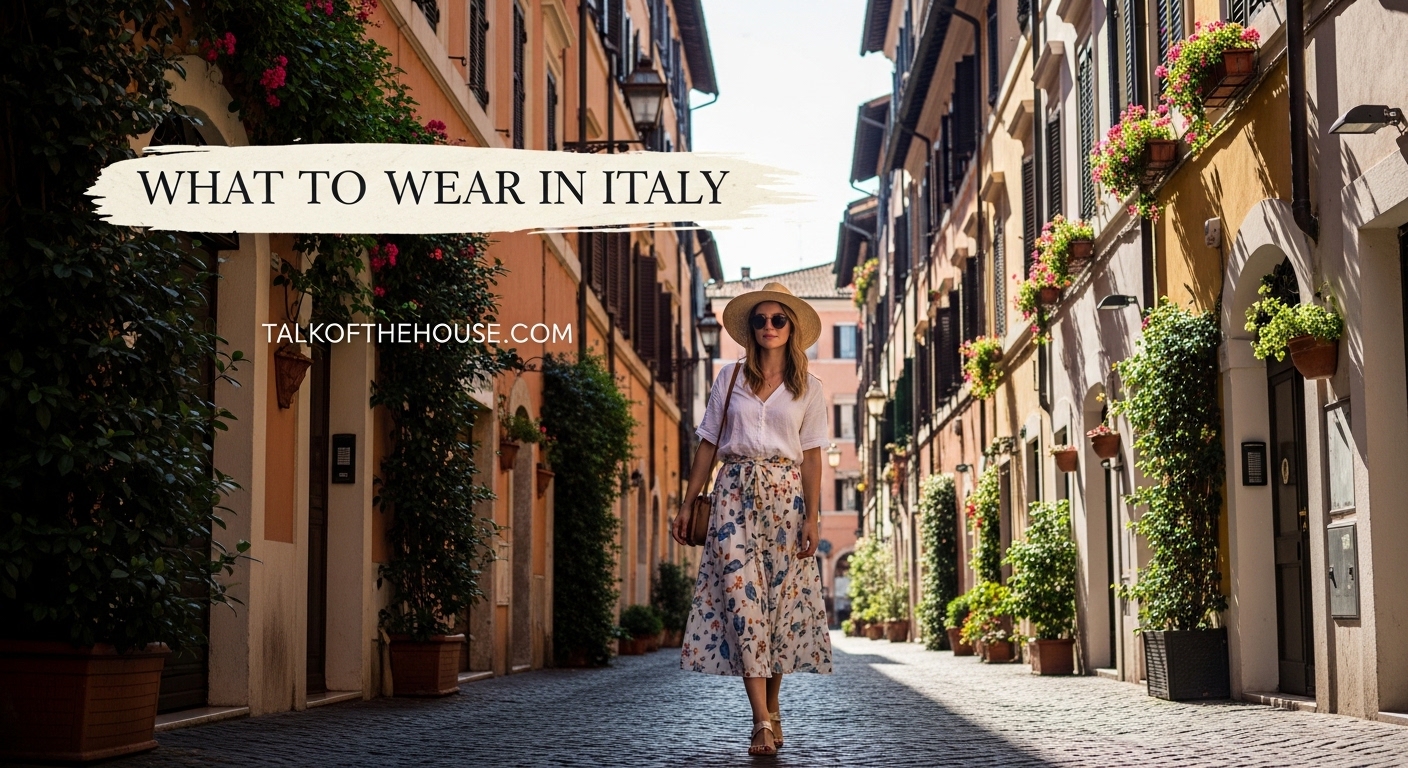
I still remember standing in my Milan hotel room on my first morning in Italy, staring at my suitcase with complete panic. I had packed all the wrong things. My athletic shorts and running shoes that felt so practical back home suddenly looked embarrassingly out of place on the stylish Milanese streets below.
That trip taught me everything I needed to know about what to wear in Italy. After three more visits spanning every season, countless hours walking cobblestone streets, and plenty of trial and error, I have put together the guide I wish I had found before my first trip.
This is not about transforming yourself into an Italian fashion icon overnight. It is about packing smart, respecting local customs, and feeling confident whether you are exploring ancient ruins in Rome or sipping wine in Tuscany. Let me walk you through everything you need to know.
Table of Contents
The 3-3-3 Rule for Packing Light and Looking Italian
If there is one packing strategy that will save your sanity and your suitcase space, it is the 3-3-3 rule. This simple formula helps you build a complete Italy wardrobe with just nine essential pieces that mix and match effortlessly.
Here is how it works: pack three tops, three bottoms, and three pairs of shoes. That is it. The magic happens when you choose items in coordinating neutral colors that work together in any combination. A white linen shirt pairs with navy trousers, beige chinos, or a midi skirt. Your comfortable walking sandals work with every outfit.
I used this approach for a two-week trip from Venice to Sicily last fall. With nine well-chosen pieces plus a few accessories, I never felt like I was wearing the same outfit twice. The key is selecting high-quality, versatile items that travel well and look polished even after a long day of sightseeing.
Understanding Italian Style: The Foundation
Italian fashion is not about following every trend or wearing expensive designer labels. It is about looking put-together and respecting the occasion. The concept Italians call “la bella figura” means presenting your best self to the world, and this philosophy extends to daily dressing.
The foundation of Italian style starts with a neutral color palette. Think black, white, navy, beige, olive green, and cream. These colors work together seamlessly and never look out of place. Bright neon colors and busy patterns immediately mark you as a tourist.
Tailored fit matters enormously. Italians prefer clothing that fits well rather than oversized or baggy pieces. Your clothes do not need to be tight, but they should follow your natural shape. A well-fitted pair of chinos looks infinitely more Italian than baggy cargo shorts.
Modesty is another key principle, especially when visiting churches and religious sites. Italians generally dress more conservatively than Americans, with less skin showing in everyday settings. This is practical too, as it protects you from the strong Mediterranean sun.
The Smart-Casual Standard
Most situations in Italy call for what Italians call “elegante sportivo” or smart-casual. This means avoiding athletic wear, flip-flops, and anything that looks like you just came from the gym. Even casual outings to grab coffee or stroll through a market merit a polished appearance.
For women, this typically means tailored pants or skirts paired with nice tops, perhaps with a light cardigan or jacket. For men, dark wash jeans or chinos with a button-down shirt or polo works perfectly. The goal is looking intentional, not like you rolled out of bed and grabbed whatever was closest.
What to Wear in Italy by Season
Italy’s climate varies dramatically from the snowy Alps in the north to the sunny Mediterranean coast in the south. Understanding seasonal weather patterns helps you pack appropriately and avoid common mistakes like bringing the wrong jacket or fabric type.
The table below breaks down the key considerations for each season. Use this as your starting point when planning your Italy wardrobe.
| Season | Temperature Range | Key Fabrics | Essential Items | What to Avoid |
|---|---|---|---|---|
| Spring (Mar-May) | 50-70°F (10-21°C) | Cotton, lightweight wool, breathable blends | Layering pieces, light jacket, comfortable jeans, ankle boots, scarf | Heavy winter coats, summer dresses alone |
| Summer (Jun-Aug) | 75-95°F (24-35°C) | Linen, cotton, silk, breathable natural fibers | Flowy dresses, linen pants, sandals, sun hat, light shawl for churches | Synthetic fabrics, dark colors that absorb heat, heavy denim |
| Fall (Sep-Nov) | 55-75°F (13-24°C) | Cotton, light wool, corduroy, leather | Light sweaters, transitional jacket, closed-toe shoes, layers | Summer sandals alone, heavy winter boots too early |
| Winter (Dec-Feb) | 35-55°F (2-13°C) | Wool, cashmere, thermal layers, down | Warm coat, boots, thermal underlayers, warm scarf, gloves | Light jackets, open-toe shoes, insufficient layering |
Spring in Italy: The Art of Layering
Spring weather in Italy is gloriously unpredictable. One morning might be crisp and cool, while the afternoon turns warm and sunny. Rain showers appear without warning, especially in April. This is why mastering the art of layering is essential for spring travel.
Start with a breathable base layer like a cotton t-shirt or lightweight blouse. Add a versatile middle layer such as a cardigan or light sweater. Top it off with a stylish jacket that can handle light rain, like a trench coat or water-resistant blazer. Each piece should look good on its own since you will be adding and removing layers throughout the day.
I recommend bringing a lightweight scarf in spring. It adds warmth when needed, serves as a cover-up for church visits, and adds a touch of Italian style to any outfit. Choose wool or cotton blends rather than heavy winter scarves.
Footwear in spring requires careful thought. While the weather might tempt you toward sandals, April showers make closed-toe shoes more practical. Comfortable ankle boots or stylish sneakers work perfectly and keep your feet dry during unexpected rain.
Summer in Italy: Staying Cool and Respectful
Italian summers are hot, humid, and unforgiving, especially in cities like Rome and Florence where heat radiates off ancient stone. The challenge is staying cool while still dressing appropriately for churches and restaurants that require modest attire.
Linen becomes your best friend in summer. It breathes beautifully, looks effortlessly Italian, and actually gets softer and more comfortable with each wash. Pack linen pants, skirts, and shirts in neutral colors. Yes, linen wrinkles, but in Italy that slightly rumpled look is actually considered charming and authentic.
For women, midi dresses and skirts are the perfect summer solution. They keep you cool, meet church dress codes, and look fantastic for evening dinners. Look for cotton or linen blends with breathable lining. Avoid anything too short or revealing unless you are exclusively at beach resorts.
Men should focus on lightweight cotton or linen button-down shirts rather than t-shirts. Short-sleeved options are perfectly acceptable in summer. Pair them with lightweight chinos or tailored shorts that hit at or just above the knee. Longer shorts look more European than short athletic styles.
Never underestimate the Italian sun. A stylish hat, quality sunglasses, and a light shawl or cardigan for shoulder coverage are essential summer accessories. That shawl will save you when you spontaneously decide to visit a cathedral during a hot afternoon.
Fall in Italy: Transitional Elegance
Autumn might be my favorite season in Italy. The crowds thin out, the weather cools to comfortable temperatures, and the countryside turns golden. Fall fashion in Italy embraces rich earth tones, luxurious textures, and sophisticated layering.
September can still feel like summer in southern regions, so check your specific destinations before packing. By October, you will want long sleeves, light sweaters, and a proper jacket for evening coolness. November brings real chill, especially in the north, requiring warmer layers.
This is the season for beautiful Italian outerwear. Italians invest in quality coats and wear them proudly. A well-cut wool coat or stylish leather jacket elevates any outfit and keeps you warm during evening passeggiata strolls.
Fall colors shift toward burgundy, olive, camel, and chocolate brown. These richer tones feel appropriately autumnal while remaining versatile. A cashmere or merino wool sweater in one of these shades becomes a workhorse piece that works with everything in your suitcase.
Footwear transitions to closed-toe shoes and ankle boots. Make sure whatever you bring has good tread for wet cobblestones, which become slippery after autumn rain. Leather soles can be treacherous on Italian streets when damp.
Winter in Italy: Warmth Without the Bulk
Italian winters vary significantly by region. Milan and Turin get genuinely cold with occasional snow, while Rome and southern areas remain relatively mild. Coastal areas experience damp chill that cuts through lighter jackets.
The Italian approach to winter dressing prioritizes style alongside warmth. You will see beautifully tailored wool coats, elegant scarves artfully wrapped, and quality leather boots everywhere. Bulky puffer jackets mark you immediately as a tourist, though they are acceptable for ski trips in the Alps.
Invest in quality thermal layers that provide warmth without adding bulk. Merino wool base layers work wonders and do not look like long underwear. Smartwool and Icebreaker make excellent options that look like normal clothing if glimpsed at your collar or cuffs.
Winter accessories matter enormously. A large wool scarf wrapped properly keeps you warmer than a heavy coat with no neck coverage. Leather gloves, a quality wool coat, and waterproof boots with good tread complete the winter Italian look.
For city exploring in winter, prioritize shoes with excellent grip. Italian streets can be slick, especially marble floors in museums and churches. Rubber soles with tread patterns beat fashionable leather soles for practical winter walking.
Regional Differences: Dressing for Where You Are Going
Italy is not one uniform fashion culture. The style in sophisticated Milan differs dramatically from relaxed coastal towns. Understanding these regional variations helps you pack appropriately and blend in better wherever you travel.
Northern cities like Milan, Turin, and Venice lean more formal and fashion-forward. People dress up for everyday activities, and you will see more designer labels and tailored pieces. Dark colors dominate, especially in winter. If you are visiting Milan, step up your style game slightly.
Central Italy including Rome and Florence strikes a balance between northern sophistication and southern ease. The dress code remains smart-casual, but with slightly more color and relaxed attitude. This is the most forgiving region for tourists who want to look good without being fashion plates.
Southern Italy and the islands embrace a more casual Mediterranean style. Coastal towns like Positano, Amalfi, and Sicily feel more relaxed about dress codes. Light colors, flowing fabrics, and resort-wear become more acceptable. However, churches and religious sites still require modest dress regardless of region.
The Tuscan countryside has its own practical aesthetic. People dress for the activity, whether that means wine tasting, hiking between hill towns, or farm visits. Comfort matters more here, but Italians still maintain polish even in casual settings. Think nice jeans with a quality sweater rather than athletic wear.
The Ultimate Footwear Guide for Cobblestones
Nothing ruins an Italian vacation faster than painful feet. Italian cities are walkable treasures, but those charming cobblestone streets are unforgiving on unsuitable shoes. After walking countless miles across Italy, I have learned exactly what works and what does not.
Cobblestones are essentially small, uneven stones that create an irregular walking surface. They look romantic in photos but challenge your ankles, knees, and feet with every step. High heels catch between stones. Thin soles provide no cushioning. Poor traction leads to slips and falls.
Shoe Types That Work
Comfortable walking shoes with cushioned soles and good arch support are essential. Brands like Ecco, Cole Haan, and Clarks make stylish options that do not scream “tourist.” Look for rubber soles with some tread pattern for grip on slippery stones.
Stylish sneakers have become increasingly acceptable in Italian cities. White leather or canvas sneakers from brands like Common Projects, Veja, or even clean Converse work well for daytime exploring. Keep them spotlessly clean, as Italians notice dirty shoes immediately.
Ankle boots with low heels and good tread work beautifully for fall, winter, and spring. Look for block heels under two inches or flat styles with cushioned insoles. Leather ankle boots in black or brown coordinate with everything and handle cobblestones gracefully.
For summer, fisherman sandals and quality leather slide sandals work if they have substantial soles and secure straps. Avoid thin, flimsy sandals that offer no support. The key is finding styles that look intentional rather than beach afterthoughts.
Shoes to Leave at Home
Flip-flops are never appropriate in Italian cities except at the beach. They offer zero support, look sloppy, and mark you immediately as an unprepared tourist. The same applies to shower shoes and slides meant purely for poolside lounging.
Athletic running shoes signal American tourist louder than almost anything else. While they are comfortable, they clash with Italian style sensibilities. If you need serious arch support, look for walking shoes that resemble casual leather footwear rather than bright neon trainers.
High heels over two inches become dangerous on cobblestones. The narrow heels catch between stones, wobble on uneven surfaces, and make walking miserable. If you want height for evening dinners, choose wedge heels or chunky block styles that distribute weight better.
Brand new shoes of any type will destroy your feet. Italian walking demands broken-in footwear. Bring shoes you have already walked several miles in, or plan to wear new pairs around your neighborhood for a week before departure.
Church-Friendly Footwear
Some churches and religious sites have specific footwear requirements, though this varies by location. The Vatican has been known to turn away visitors in inappropriate shoes. To be safe, ensure your daytime shoes cover your feet adequately.
sandals with toe coverage usually pass inspection. Open-toe styles might raise eyebrows at strict locations like St. Peter’s Basilica. When in doubt, carry a pair of lightweight foldable flats in your bag for church visits.
Church and Religious Site Etiquette
Italy’s churches are not just religious sites; they are museums housing some of the world’s greatest art and architecture. Understanding proper dress etiquette ensures you can enter any church you encounter without embarrassment or refusal.
The universal rule is simple: cover your shoulders and knees. This applies to both men and women. Sleeveless tops, tank tops, shorts above the knee, and short skirts will get you turned away at major sites like the Vatican, the Duomo in Florence, and St. Mark’s Basilica in Venice.
Enforcement varies by location. Smaller neighborhood churches might be more relaxed, while major tourist destinations have staff specifically checking attire. The Vatican is notoriously strict, with guards turning away hundreds of visitors daily during peak season.
Practical Solutions
A large scarf or pashmina is your secret weapon for church visits. Women can wrap one around their shoulders before entering, then remove it once outside. Men can tie one around their waist if wearing shorts, effectively creating a long skirt for the visit.
For summer travel, consider packing a lightweight cardigan or button-down shirt specifically for church layering. Even if you are wearing a tank top for hot weather sightseeing, throwing on a cover-up takes seconds and solves the modesty requirement.
Convertible pants that zip off into shorts are popular with travelers but problematic for churches. If you love them for versatility, bring that scarf to cover your legs when needed. Alternatively, choose lightweight travel pants that work for all situations.
The dress code applies to children too. If you are traveling with kids, ensure they have appropriate clothing for church visits. Teenage girls especially need coverage for shoulders and knees, as enforcement staff are strict with everyone regardless of age.
What NOT to Wear in Italy
Sometimes knowing what to avoid is more helpful than knowing what to pack. Certain items immediately identify you as a tourist and mark you as someone who did not research Italian customs. Here is what to leave behind.
Athletic wear outside of actual sports activities is the biggest giveaway. Sweatpants, yoga pants, hoodies, and team jerseys look completely out of place in Italian cities. Italians dress for the occasion, and gym clothes belong at the gym. This includes performance fabrics that look obviously technical.
Fanny packs or money belts worn visibly scream unprepared tourist. While security is important, there are more elegant solutions. A crossbody bag with a secure zipper keeps your belongings safe without the tourist stigma. Many Italian women carry small leather crossbody bags for everyday use.
Bright white athletic sneakers with neon accents clash with Italian aesthetic sensibilities. If you need comfortable walking shoes, choose leather styles in neutral colors. White leather sneakers can work if they are clean and stylish, but running shoes never look right.
Flip-flops are strictly for beaches and pool areas. Wearing them in cities is considered sloppy and inappropriate. The same applies to shower shoes, slides, and any footwear that looks like it belongs in a locker room.
Distressed or ripped denim reads differently in Italy than in America. While fashion-forward Italians might wear artfully distressed designer jeans, obvious rips and tears look messy. Stick to clean, dark wash denim in good condition.
Clothing with large logos, brand names, or graphic prints stands out as tourist merchandise. Italians prefer subtle, quality pieces without obvious branding. Leave the souvenir t-shirts for sleeping in at the hotel, not for daytime exploring.
Budget-Friendly Alternatives That Still Look Italian
You do not need a designer budget to dress well in Italy. Many travelers panic thinking they need expensive clothes to fit in, but Italians respect style and fit more than brand names. Here is how to look polished without spending a fortune.
Fast fashion brands available throughout Europe offer affordable pieces that work perfectly for travel. Zara, H&M, and Mango have Italian-style clothing at reasonable prices. The key is choosing simple, well-fitted pieces in quality fabrics rather than trendy items that look dated quickly.
Uniqlo has become my secret weapon for Italy travel. Their linen shirts, lightweight merino sweaters, and well-cut chinos look expensive but cost a fraction of designer alternatives. The quality holds up well for travel and everyday wear.
Mix high and low pieces strategically. Invest in one quality item like a well-made jacket or comfortable walking shoes, then fill out your wardrobe with affordable basics. A beautiful coat elevates an entire outfit regardless of what is underneath.
Thrift shopping in Italy can yield incredible finds. Italian women regularly donate quality clothing to consignment shops. Cities like Milan, Florence, and Rome have excellent secondhand stores where you can pick up authentic Italian pieces for less than fast fashion prices.
Accessories transform basic outfits. A nice scarf, quality sunglasses, and simple jewelry make inexpensive clothing look intentional and stylish. Focus your budget on these finishing touches rather than overpriced souvenir clothing.
What Teens and Kids Should Wear in Italy
Traveling with teenagers presents unique challenges. They want to wear comfortable clothes like leggings and hoodies, but these clash with Italian norms. Finding the balance between their preferences and appropriate dress requires some compromise.
For teenage girls, leggings can work if styled correctly. Pair them with longer tunics or short dresses that cover the hips and rear. Add a denim jacket or cardigan for a pulled-together look. Avoid tight leggings with short tops, which looks too casual for Italian cities.
Comfortable pants that look presentable include wide-leg trousers, relaxed chinos, and linen pants. These feel as comfortable as leggings but meet Italian style standards. Let teens choose the colors and styles so they feel ownership over the decision.
Teenage boys should avoid athletic shorts and basketball jerseys. Instead, suggest tailored shorts that hit at the knee, paired with polo shirts or button-downs. Clean sneakers work for footwear, but avoid obviously technical running shoes.
Children under twelve have more flexibility, but church dress codes still apply. Pack a nice outfit for each child specifically for religious site visits. Girls need dresses or skirts with covered shoulders, while boys need long pants and shirts with sleeves.
Let teens help pack their own suitcases with guidance. Explain the cultural reasons behind dress codes rather than issuing commands. When they understand that inappropriate clothing means missing out on seeing incredible churches and museums, they become more cooperative.
Consider giving teens a small shopping budget for one Italian piece they choose themselves. Having something they picked out in Rome or Florence makes them more enthusiastic about dressing appropriately during the trip.
Your Complete Italy Capsule Wardrobe Packing List
After years of Italy travel, I have refined the perfect packing list that works for most trips. Adjust quantities based on your trip length, but this formula covers everything you need for a week to ten days in Italy.
- Tops: Three short-sleeve or three-quarter sleeve shirts in neutral colors. Two long-sleeve shirts for layering and church coverage. One lightweight sweater or cardigan. One dressy top for nice dinners.
- Bottoms: Two pairs of comfortable pants like chinos or tailored trousers in neutral colors. One pair of dark wash jeans without distressing. For women, one midi skirt or dress that works for both daytime and evening. Men might add one pair of tailored shorts for summer.
- Shoes: One pair of comfortable walking shoes with good tread. One pair of stylish sandals or ankle boots depending on season. One pair of slightly dressier shoes for evening if you plan nice dinners.
- Outerwear: One versatile jacket appropriate for the season. A trench coat works for spring and fall. A light blazer or cardigan serves summer air conditioning. Winter demands a warm wool coat.
- Accessories: Two scarves in coordinating colors. Quality sunglasses. A crossbody bag with secure closure. A sun hat for summer. Minimal jewelry that works with everything.
With these pieces, you can create dozens of combinations. Add a few pairs of underwear, socks, and sleepwear, and you are ready for Italy. Pack travel-sized laundry detergent for washing items in your hotel sink to extend your wardrobe even further.
Frequently Asked Questions
What should a woman wear in Italy?
Women should focus on modest, well-fitted clothing in neutral colors. Pack tailored pants or midi skirts, blouses or nice tops with sleeves, a lightweight cardigan for church coverage, and comfortable walking shoes. Flowy dresses in linen or cotton work beautifully for summer. Avoid shorts, mini skirts, tank tops, and anything too revealing for church visits. Italian women favor elegant simplicity over flashy trends.
What is the 3-3-3 rule for clothing?
The 3-3-3 rule is a minimalist packing strategy where you bring three tops, three bottoms, and three pairs of shoes, creating nine pieces that mix and match into multiple outfits. This approach keeps luggage light while ensuring you have appropriate clothing for any situation. Choose items in coordinating neutral colors for maximum versatility. Add accessories to vary your look without adding bulk to your suitcase.
What not to pack for a trip to Italy?
Leave athletic wear including yoga pants, hoodies, and team jerseys at home. Avoid flip-flops for city walking, fanny packs worn visibly, distressed or ripped denim, and clothing with large logos or graphics. Do not pack high heels over two inches due to cobblestone streets. Leave neon-colored athletic sneakers and any beachwear unless exclusively visiting coastal resorts.
Can you wear jeans in Italy?
Yes, you can absolutely wear jeans in Italy. The key is choosing dark wash denim without distressing or rips. Italians wear jeans frequently, but they pair them with nice tops, blazers, or sweaters rather than t-shirts. Ensure your jeans fit well rather than being baggy or overly tight. Clean, well-maintained dark jeans work for almost any casual situation in Italy.
Do I need to cover my shoulders in Italian churches?
Yes, Italian churches require shoulders and knees to be covered for both men and women. This applies to major tourist sites like the Vatican, Florence Cathedral, and St. Mark’s Basilica, as well as smaller local churches. Pack a lightweight scarf or pashmina to cover your shoulders when needed. Some churches provide disposable cover-ups, but bringing your own ensures you are always prepared.
Final Thoughts on What to Wear in Italy
Dressing well in Italy is not about pretending to be someone you are not. It is about showing respect for a culture that values presentation, preparing appropriately for cobblestone streets and church visits, and feeling confident as you explore one of the world’s most beautiful countries.
Remember that Italians appreciate effort more than perfection. You do not need designer clothes or perfect Italian fashion sense. You simply need clean, well-fitted clothing in neutral colors, comfortable shoes for walking, and a scarf to cover your shoulders when entering churches.
The advice in this guide comes from my own experiences, mistakes, and lessons learned across multiple trips to Italy. Whether you are visiting for a week or a month, in summer or winter, this approach to what to wear in Italy will serve you well in 2026 and beyond. Pack smart, dress respectfully, and enjoy la dolce vita.