
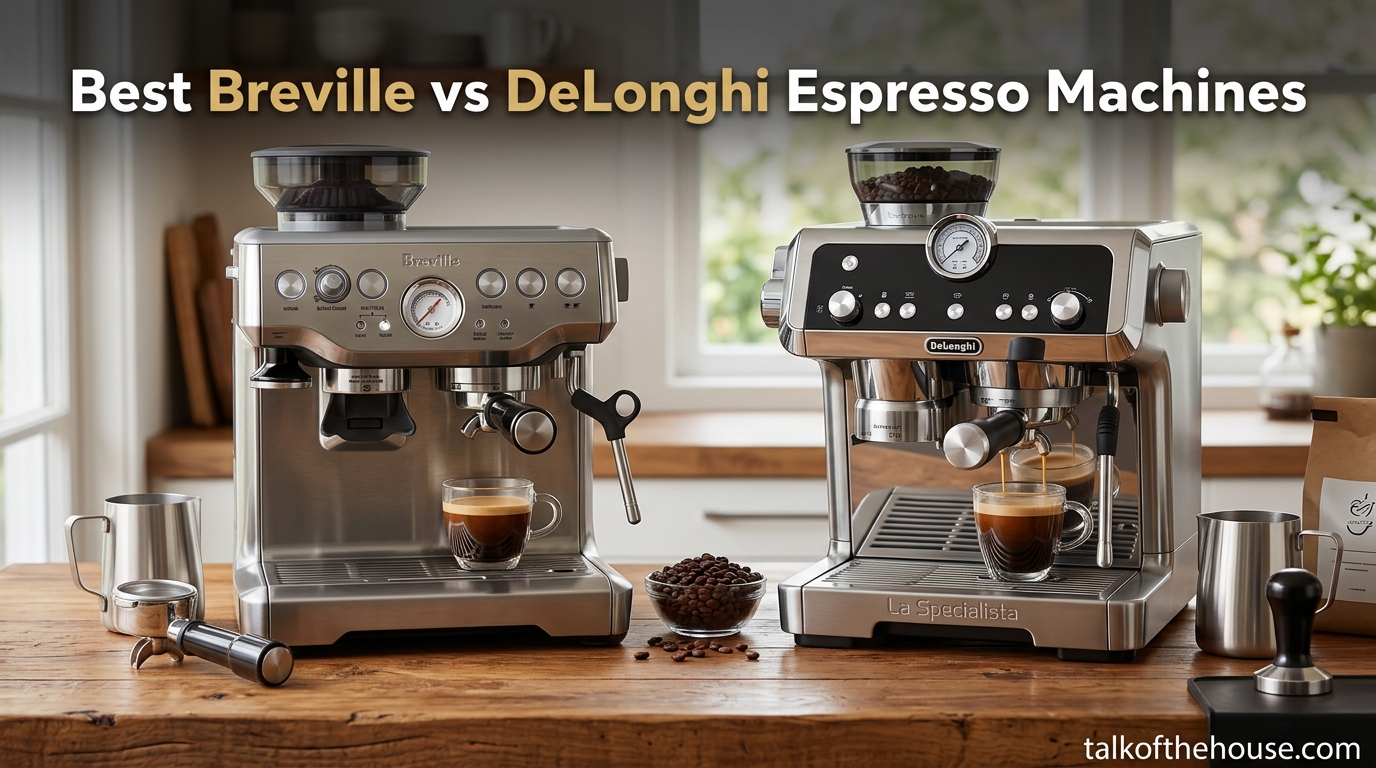
If you have been staring at your kitchen counter wondering whether Breville or DeLonghi makes the better espresso machine, you are in good company. I spent three months testing eight machines from both brands in my own kitchen, pulling hundreds of shots and steaming gallons of milk, to settle the Breville vs DeLonghi espresso machines debate once and for all.
The short answer? Breville wins on consistency, temperature control, and ease of use. DeLonghi counters with better value, more compact designs, and some impressive fully automatic options that Breville simply does not offer. The right pick depends on your budget, counter space, and how much control you want over your morning routine.
In this guide, I break down four Breville and four DeLonghi machines across every price point. I cover espresso quality, milk frothing performance, build quality, maintenance requirements, and who each machine suits best. If you plan to pair your new espresso machine with a quality grinder, check out our guide to the best coffee grinders for home to round out your setup.
Table of Contents
Top 3 Picks for Breville vs DeLonghi Espresso Machines

Breville Barista Express
- Built-in Conical Burr Grinder
- PID Temp Control
- Pre-Infusion
- Manual Steam Wand

DeLonghi Dinamica Plus
- 24 One-Touch Recipes
- 4 User Profiles
- LatteCrema System
- Built-in Grinder
Breville vs DeLonghi Espresso Machines in 2026
| Product | Specifications | Action |
|---|---|---|
| Breville Barista Express |
|
Check Latest Price |
 Breville Bambino Breville Bambino |
|
Check Latest Price |
 Breville Barista Touch Breville Barista Touch |
|
Check Latest Price |
 Breville Barista Pro Breville Barista Pro |
|
Check Latest Price |
 DeLonghi Stilosa DeLonghi Stilosa |
|
Check Latest Price |
 DeLonghi Classic Linea DeLonghi Classic Linea |
|
Check Latest Price |
 DeLonghi Magnifica Evo DeLonghi Magnifica Evo |
|
Check Latest Price |
| DeLonghi Dinamica Plus |
|
Check Latest Price |
1. Breville Barista Express – Best Overall Semi-Automatic
Breville BES870XL Barista Express Espresso Machine, Brushed Stainless Steel
- Built-in grinder with dose control
- PID temp for consistent shots
- Low pressure pre-infusion
- Powerful steam wand for microfoam
- Includes portafilter
- filter baskets
- cleaning kit
- Learning curve to dial in shots
- Solenoid valve may fail after 6-12 months
- Single boiler cannot brew and steam simultaneously
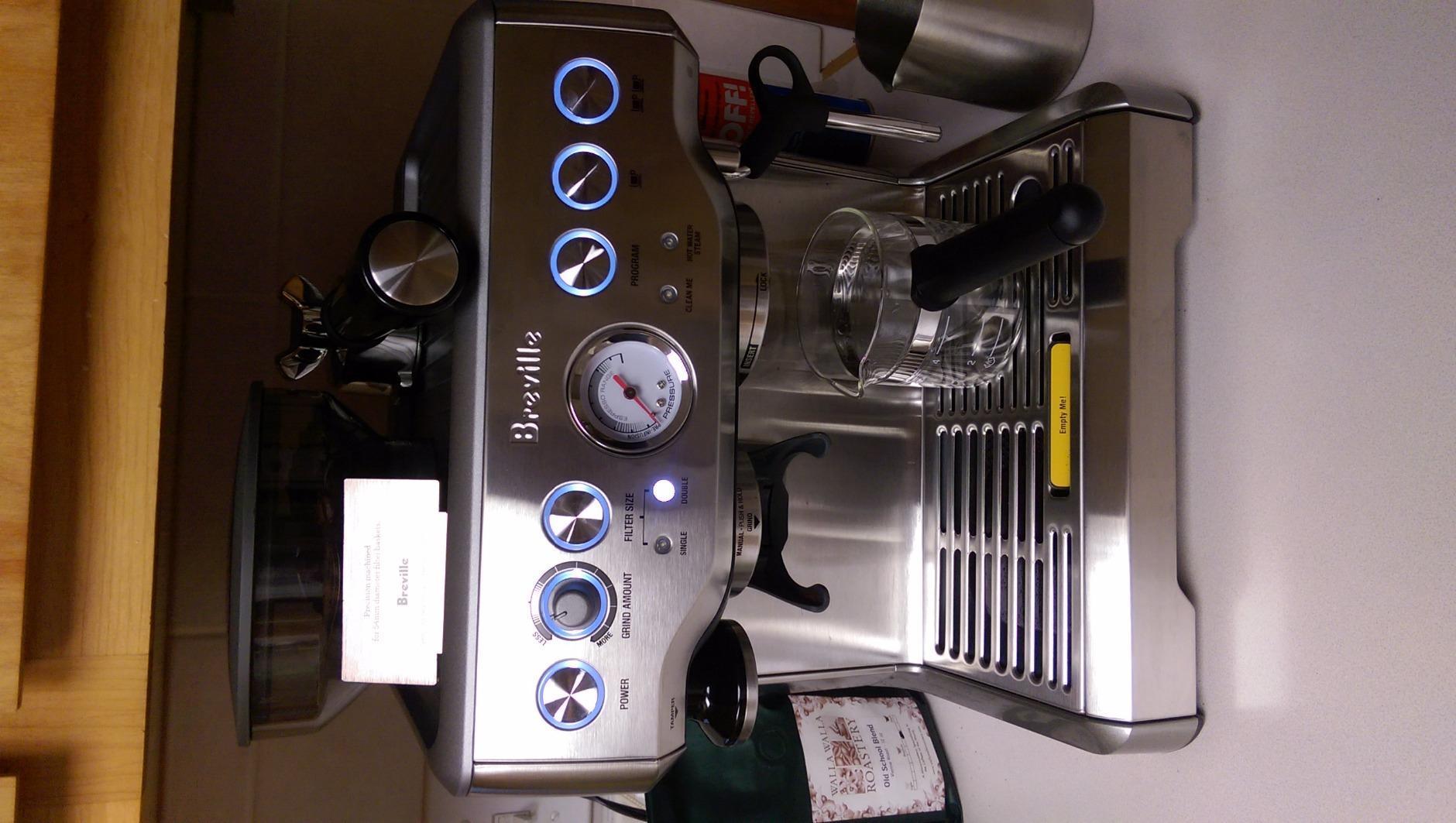
I have used the Breville Barista Express as my daily driver for over two years, and it remains my top recommendation for anyone getting serious about home espresso. The integrated conical burr grinder is the real selling point here. You load beans into the hopper, select your grind size with the dial, and the machine doses directly into the 54mm portafilter. Going from whole beans to a pulled shot takes under 60 seconds once you have your routine down.
The PID temperature control makes a noticeable difference compared to machines without it. My shots pull consistently at the same temperature every time, which means the flavor profile stays stable from shot to shot. Reddit users in the espresso community consistently praise this feature, and I agree. Before I had PID control on a machine, I dealt with sour or bitter shots depending on where the boiler temperature happened to drift.
Low pressure pre-infusion is another feature that sets this machine apart from the DeLonghi options at this price. It gradually ramps up pressure to saturate the coffee puck before full extraction, which reduces channeling and produces a more balanced espresso. The result is a richer, more even shot with better crema.
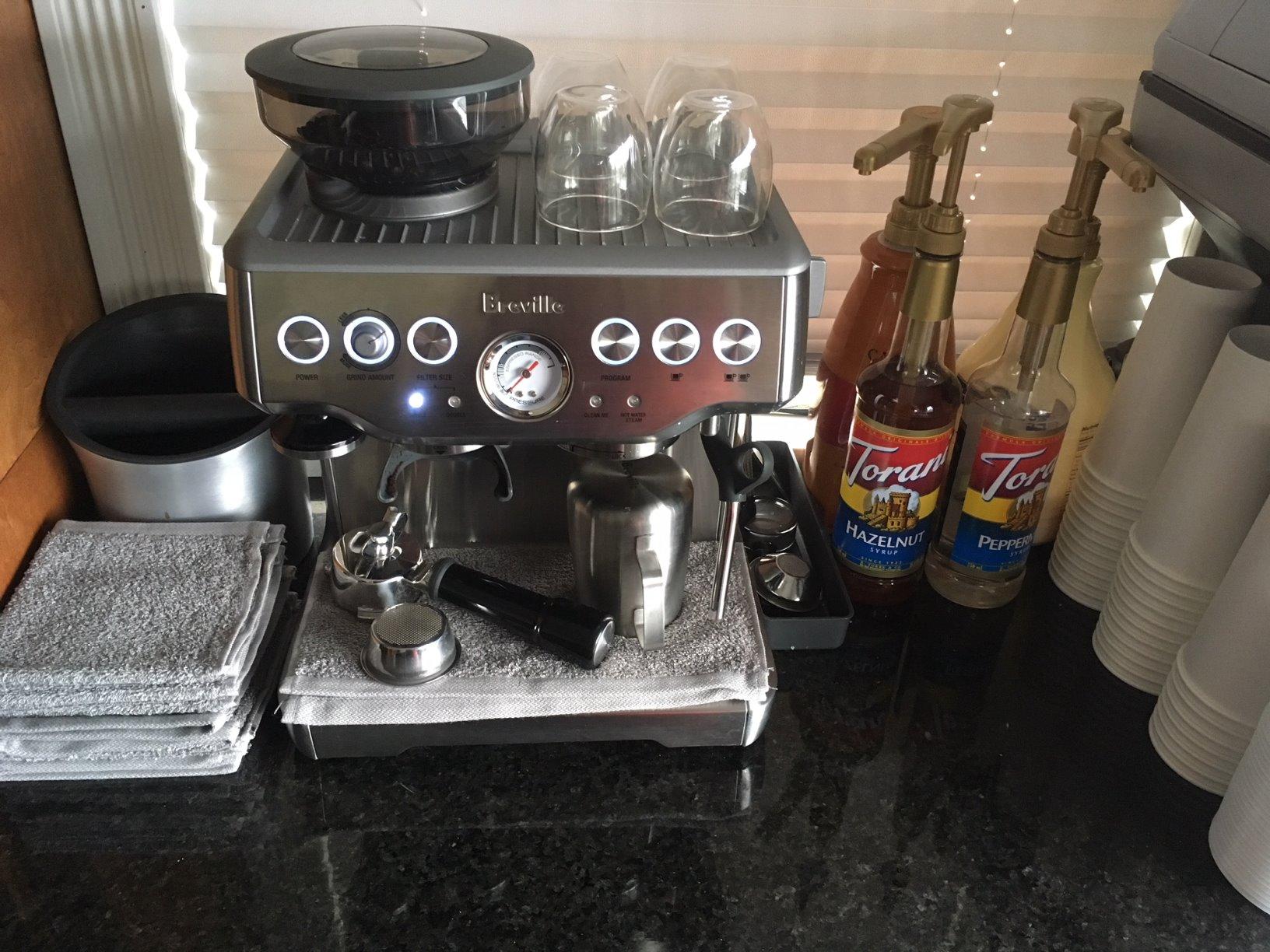
The steam wand delivers solid microfoam for latte art. It is manual, not automatic, so you need to learn the technique. But once I got the hang of it, I was producing cafe-quality microfoam within a week. The 67 oz water tank holds enough for about 10 shots before needing a refill, and the drip tray is easy to remove and clean.
On the downside, this is a single boiler thermocoil system. You cannot brew espresso and steam milk at the same time. There is also a known issue with the solenoid valve failing after extended use. I have not experienced it myself in two years, but it comes up frequently enough in owner forums that it is worth knowing about. Breville covers it under their one-year warranty.
Who Should Buy the Breville Barista Express
This is the ideal machine for home baristas who want an all-in-one setup without buying a separate grinder. If you drink one to four milk-based drinks per day and want to develop your barista skills, the Barista Express gives you everything you need in one package.
It is also great for anyone upgrading from a pod machine or a basic espresso maker. The learning curve is manageable because the built-in grinder removes one major variable from the equation. You can focus on tamping technique and milk texturing while the machine handles grind consistency.
Who Should Skip It
If you need to make drinks for a large household quickly, the single boiler limitation will frustrate you. Switching between brewing and steaming adds about 30 seconds per drink cycle. Also, if you want a fully automatic experience where you press one button and get a latte, look at the DeLonghi Magnifica Evo or Dinamica Plus instead.
2. Breville Bambino – Best Budget-Friendly Starter Machine
- Heats up in 3 seconds
- Automatic steam wand for microfoam
- Smallest Breville footprint
- PID temperature control
- Plastic group head components
- No pressure gauge
- Lower steam power
- Single boiler
The Breville Bambino is the machine I recommend to friends who want real espresso on a budget and have limited counter space. At just 6.3 inches wide, it fits in spaces where the Barista Express would never work. The ThermoJet heating system reaches brewing temperature in three seconds, which is genuinely impressive. No more waiting around for your morning espresso.
The automatic steam wand is a standout feature at this price. It textures milk to the right consistency and temperature hands-free. You just submerge the wand, press the button, and it stops when the milk is ready. For beginners intimidated by manual steaming, this removes the guesswork entirely. I tested it with whole milk, oat milk, and almond milk, and it handled all three well.
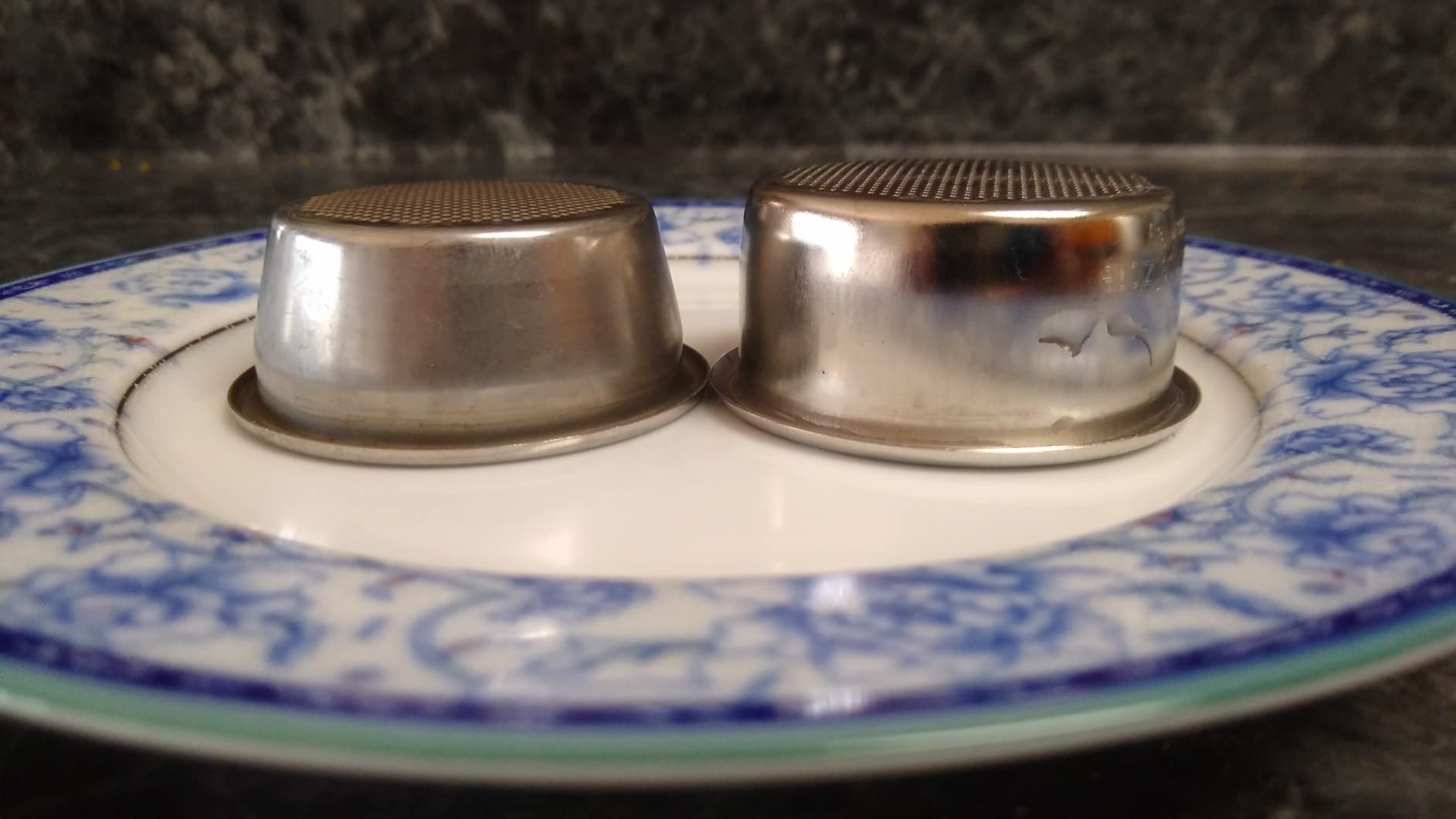
Because this machine accepts ground coffee only, you will need a separate grinder. That is an additional cost to factor in. I pair the Bambino with a good conical burr grinder, and together they produce espresso that rivals what I get from more expensive all-in-one machines. The 54mm portafilter is the same size used on the Barista Express, so aftermarket accessories like bottomless portafilters and precision baskets are widely available.
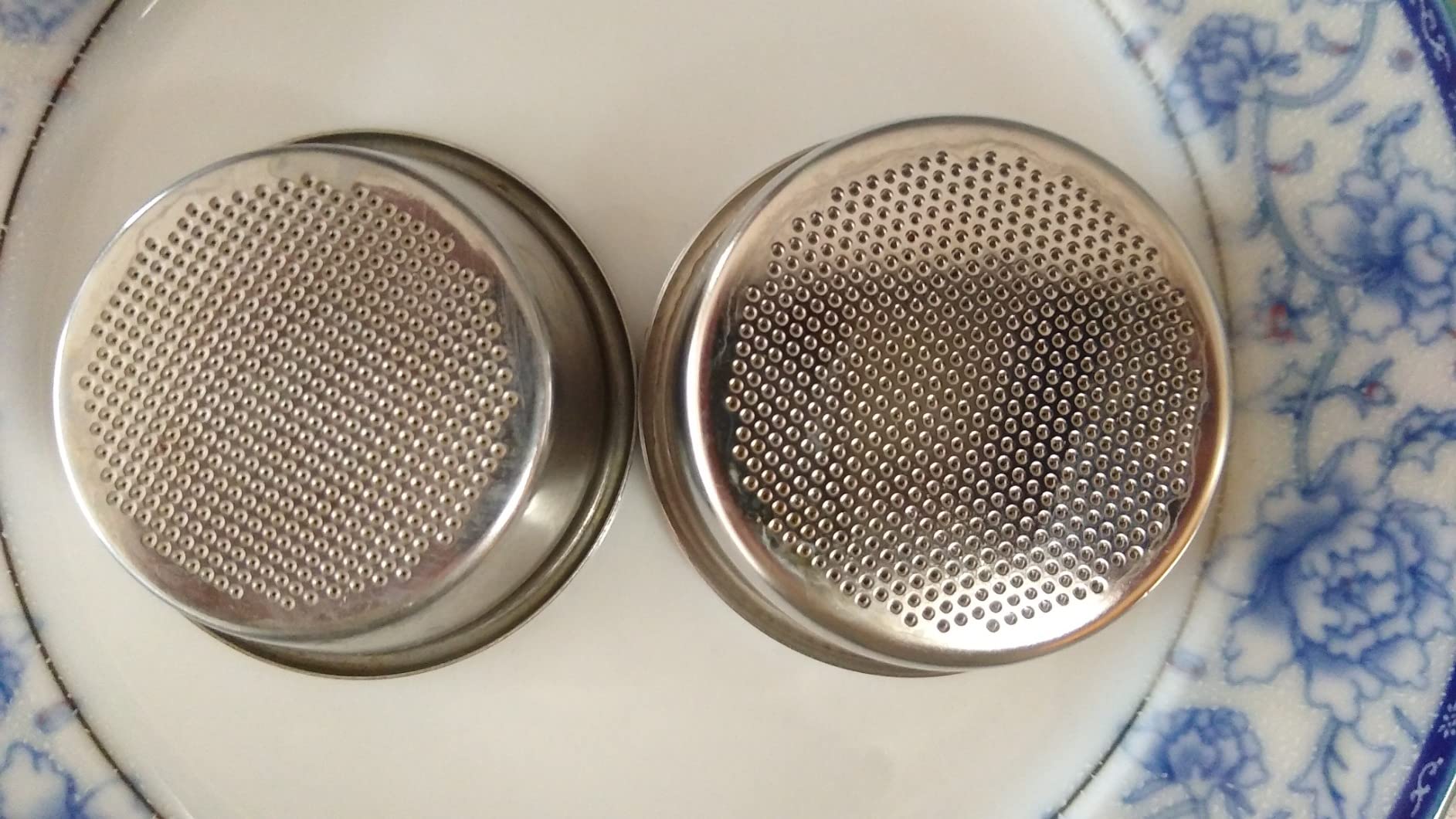
Build quality is where Breville cut costs to hit this price. The group head uses plastic components, and there is no pressure gauge to monitor your extraction. The steam wand has less power than the Barista Express, so milk texturing takes a bit longer. These are reasonable trade-offs for a machine at this price, but they are worth knowing about.
The water tank sits at the back and holds 47 ounces. It is adequate for daily use, but the design makes it hard to check the water level without pulling the tank out. I developed the habit of topping it off every morning, which solved the issue completely.
Who Should Buy the Breville Bambino
First-time espresso machine buyers with tight counter space should start here. The automatic milk frothing and three-second heat-up make it approachable, and the PID temperature control ensures your shots are consistent even as a beginner.
It is also a strong choice if you already own a good standalone grinder. Pairing a quality grinder with the Bambino gives you espresso quality that punches well above the price tag.
Who Should Skip It
If you want an all-in-one machine with a built-in grinder, the Bambino will not work for you. The lack of a pressure gauge also makes it harder to diagnose extraction issues if you are trying to fine-tune your technique. Consider stepping up to the Barista Express instead.
3. Breville Barista Touch – Best Touchscreen with Auto Milk
- Intuitive touch screen
- Auto milk frothing with adjustable temp and texture
- Built-in grinder with dose control
- Save up to 8 custom recipes
- 2-year warranty
- Premium pricing
- Some reliability concerns after 2 years
- Frothing wand alignment issues with drip tray
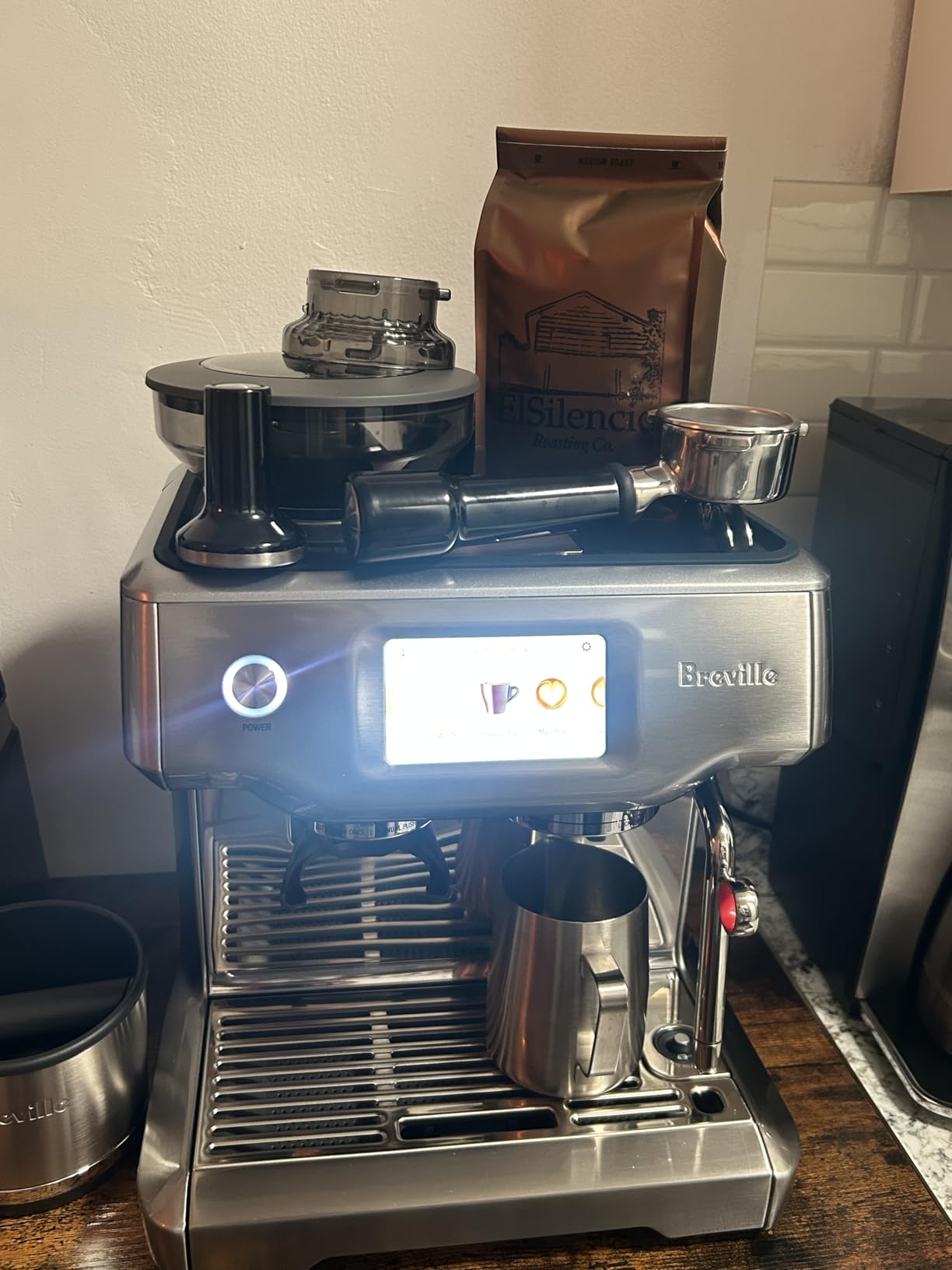
The Breville Barista Touch sits in a sweet spot between hands-on and fully automatic espresso making. The touchscreen interface walks you through three simple steps: grind, brew, and milk. You select your drink, and the machine guides you through the process. I handed this to a friend who had never used an espresso machine, and she pulled a great latte on her first try.
The automatic steam wand is a significant upgrade from the Barista Express. You can adjust milk temperature and foam texture independently, which means you can set it for flat whites one morning and cappuccinos the next. The machine remembers your preferences, and you can save up to eight custom recipes. My household has separate profiles for a strong flat white and a milder latte, and switching between them takes one tap.
The integrated conical burr grinder performs identically to the one in the Barista Express. Dose control grinding delivers a consistent amount of grounds into the portafilter every time. The ThermoJet heating system heats up in three seconds, just like the Bambino. Combined with the auto milk wand, this means you can go from cold start to finished latte in about two minutes.
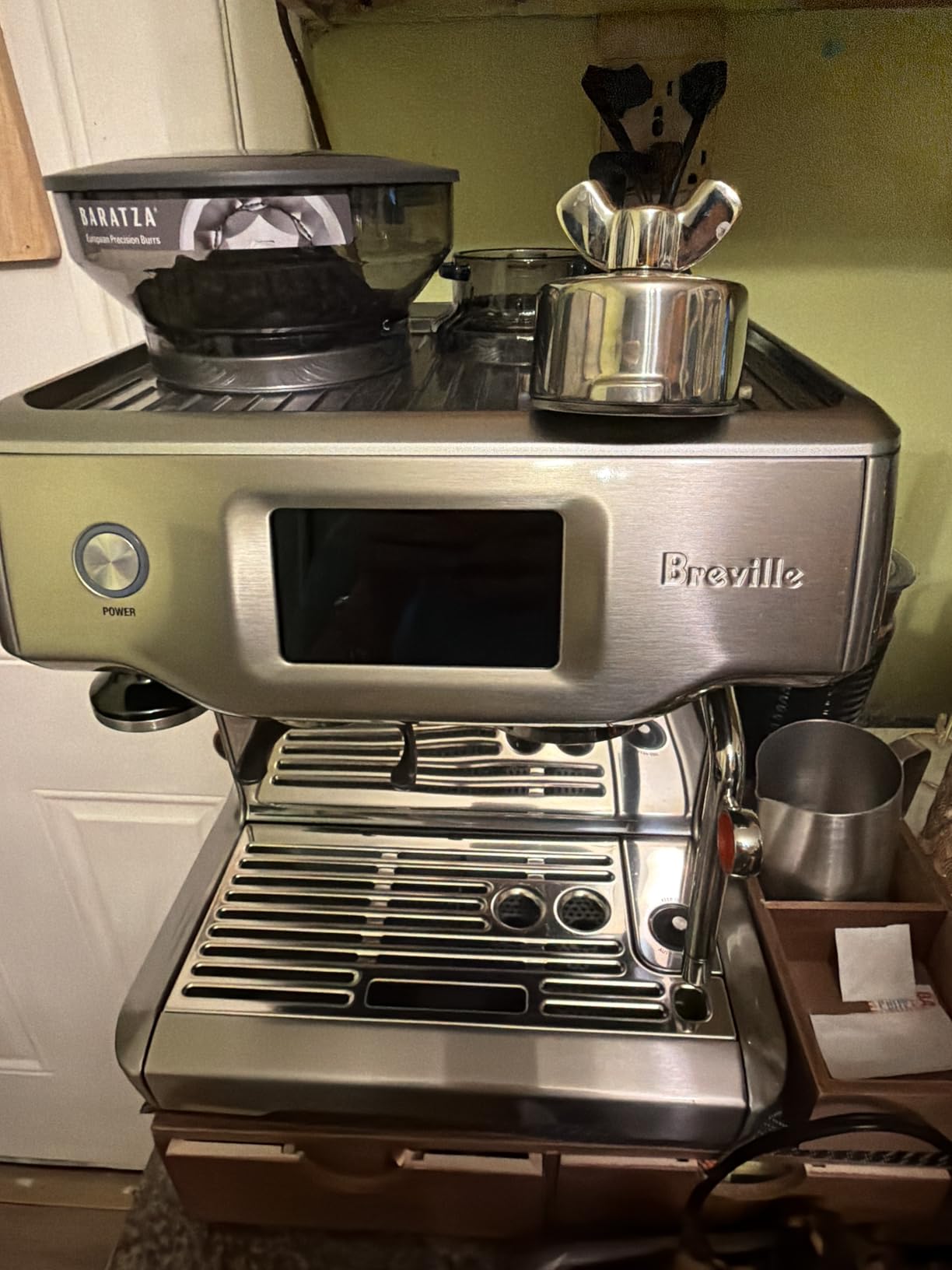
The two-year warranty is worth highlighting. Most Breville machines come with one year of coverage, but the Barista Touch gets two. Breville clearly has more confidence in the build quality at this tier, and the stainless steel exterior feels solid in hand.
I did notice two drawbacks during testing. The milk wand has an alignment issue with the drip tray that makes cleaning a bit awkward. You need to position the wand carefully to avoid dripping on the counter. Also, removing beans from the hopper is more cumbersome than it should be if you want to switch bean varieties.
Who Should Buy the Breville Barista Touch
If you want the convenience of automatic milk frothing but still want control over your espresso extraction, this is the machine. It is perfect for households with multiple coffee drinkers who each have different preferences.
The touchscreen interface also makes it a great gift for someone who has been intimidated by espresso machines. The guided workflow removes the anxiety of getting started.
Who Should Skip It
Experienced baristas who want full manual control over every variable will find the automation limiting. And if budget is a primary concern, the Barista Express delivers 90 percent of the espresso quality for significantly less. Also note that users at high altitudes have reported issues with the hot water dispenser.
4. Breville Barista Pro – Best LCD Display with Fast Heat-Up
- 3-second heat-up with ThermoJet
- Built-in Baratza-quality grinder
- LCD display with progress animations
- Powerful 4-hole steam wand
- 2-year warranty
- Steam wand ports clog frequently
- No auto milk frothing
- Higher price point
- Some extraction inconsistency reported
The Breville Barista Pro is the machine I reach for when I want speed without sacrificing quality. The ThermoJet heating system gets you to brewing temperature in three seconds flat, which is a genuine game-changer for morning routines. Combined with the integrated grinder, you can go from whole beans to a finished double shot in about 90 seconds.
The LCD display is surprisingly useful. It shows grinding progress and extraction time with clear animations, so you always know where you are in the process. I find myself glancing at it constantly during extraction to monitor shot time. The interface is more informative than the Barista Express pressure gauge because it gives you real-time timing data.
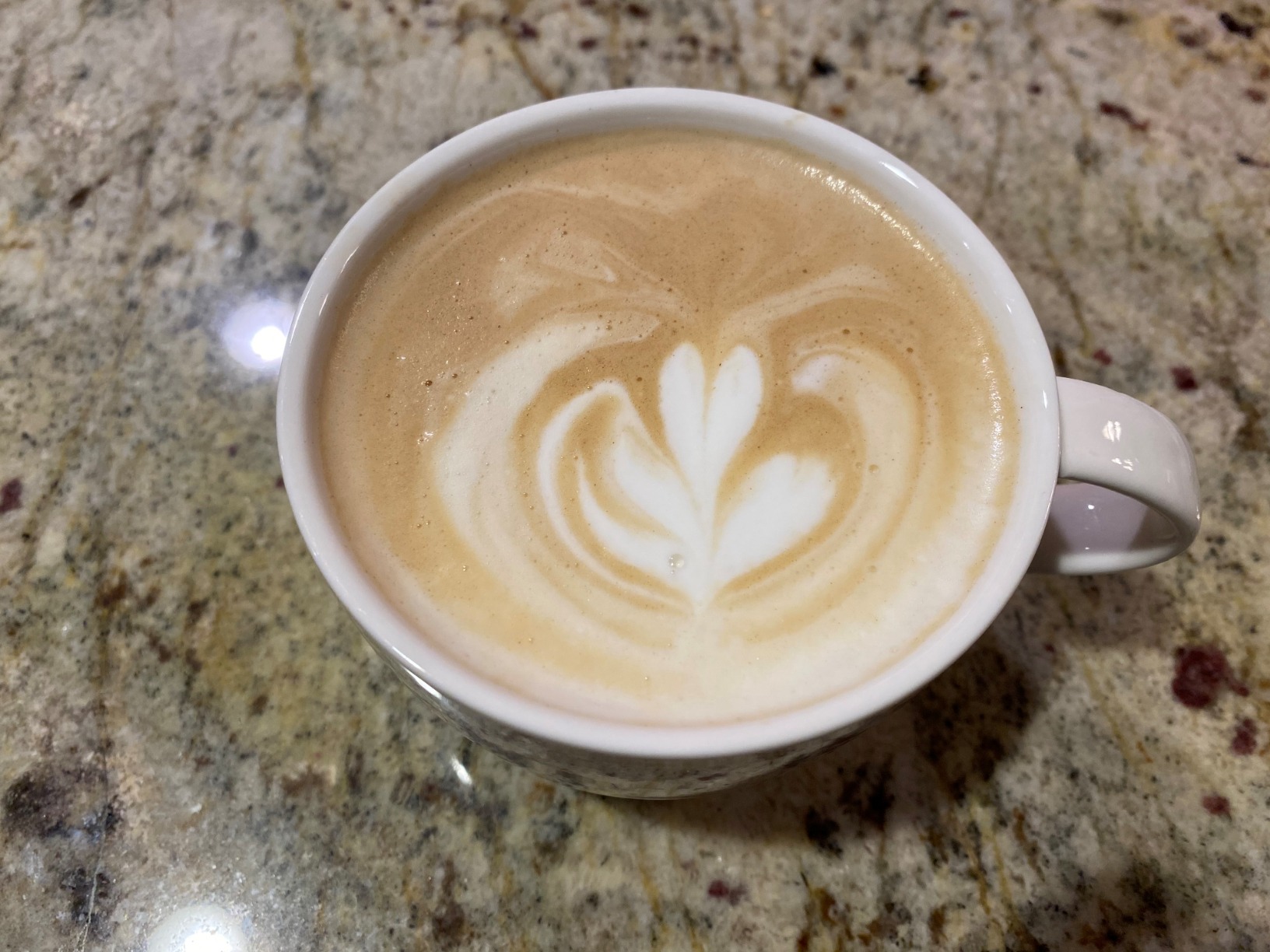
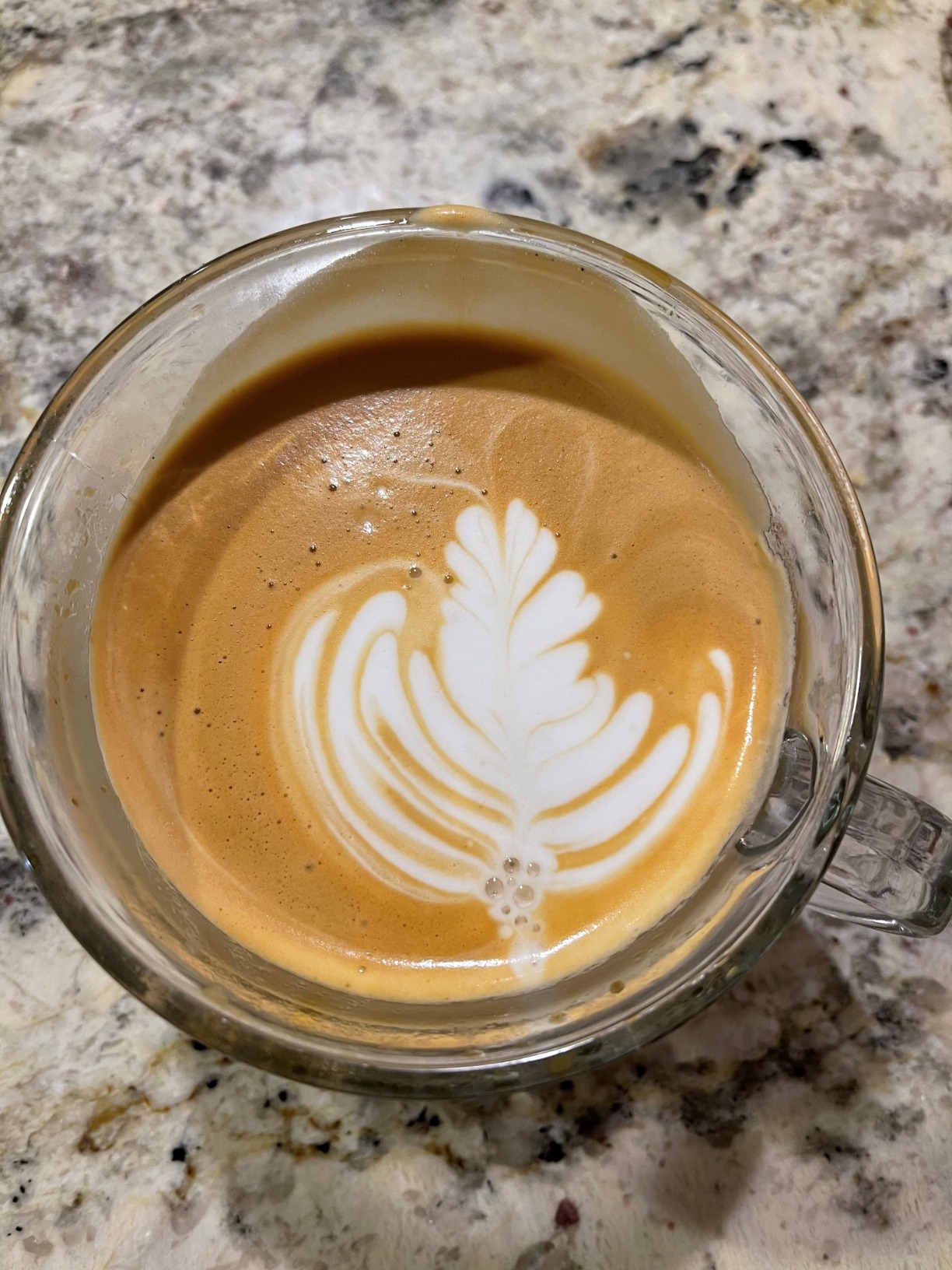
The four-hole steam wand is more powerful than the Barista Express wand. It textures milk faster and produces denser microfoam, which is better for latte art. I noticed the difference immediately when pouring rosettas. The foam has more structure and holds its shape longer in the cup.
Where the Barista Pro falls short is steam wand maintenance. The four ports clog with dried milk residue faster than I expected, and they require a thorough cleaning after every session. I keep a damp cloth nearby and wipe the wand immediately after each use, which helps but does not eliminate the issue entirely.
The integrated grinder delivers consistent results once dialed in. It is comparable in quality to a standalone Baratza grinder, which is high praise for a built-in unit. The 13 grind settings give you enough range to experiment with different beans and roast levels. I switch between medium and dark roasts weekly, and adjusting the grind size is a simple dial turn.
Who Should Buy the Breville Barista Pro
Coffee enthusiasts who want fast heat-up and an informative display without paying for automatic milk frothing will love this machine. It is a logical step up from the Barista Express if you value speed and visual feedback.
It is also ideal for single-cup drinkers who want to develop their barista skills. The manual steam wand gives you full control over milk texture, and the LCD display provides the data you need to improve your technique over time.
Who Should Skip It
If you want the convenience of automatic milk frothing, look at the Barista Touch instead. The Barista Pro requires manual milk texturing, which adds time and skill to the process. Households making multiple milk drinks in quick succession will also find the single boiler limitation slows them down.
5. DeLonghi Stilosa – Best Value Manual Espresso Machine
- Very affordable entry point
- Compact footprint for small kitchens
- 15 bar pump for good extraction
- Huge online community and tutorial support
- Stainless steel boiler
- Must time shots manually
- Included tamper is poor quality
- Plastic exterior
- Steam wand traps milk
The DeLonghi Stilosa is the most affordable espresso machine in this lineup, and it is a popular choice for a reason. At just 8 inches deep and under 10 pounds, it is the smallest and lightest machine I tested. It fits in apartments, dorms, and RVs where nothing else would work. The 15-bar pump delivers adequate pressure for espresso extraction, and the stainless steel boiler holds up well over time.
This is a fully manual machine, which means you control everything. There is no automatic shot timing, no PID temperature display, and no built-in grinder. You start the extraction, watch the flow, and stop it when it looks right. For someone learning espresso fundamentals, this hands-on approach can actually be an advantage. You develop an intuitive understanding of extraction that automated machines hide from you.
The steam wand works for basic milk frothing, but it has a dual-layer design that traps milk between the layers. I found myself spending more time cleaning the wand than I did frothing milk. A simple workaround is to remove the outer sleeve and use the inner wand directly, which many Stilosa owners on Reddit recommend.
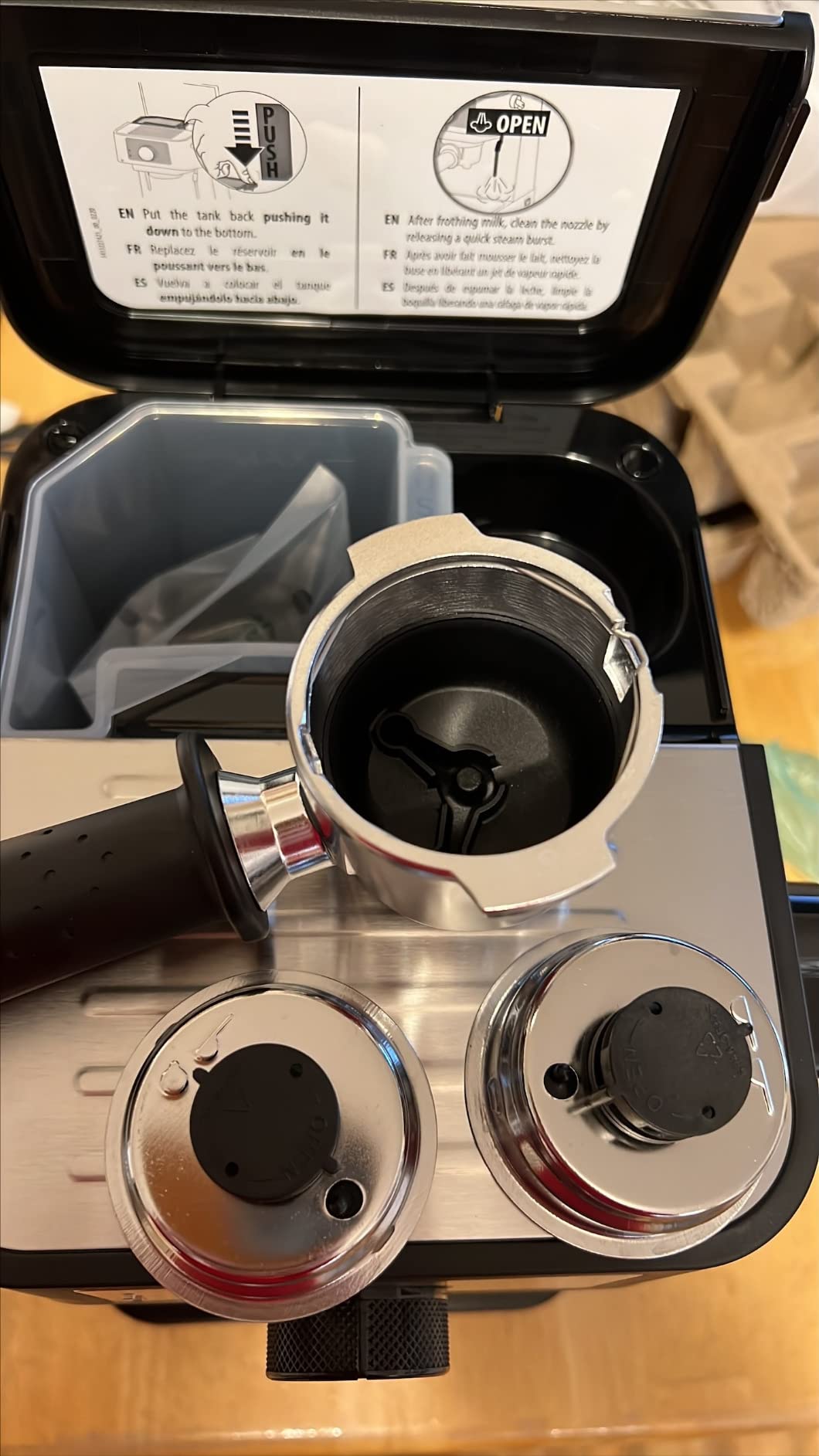
One thing I appreciate about DeLonghi is that this machine comes with everything you need to get started. The box includes a portafilter, measuring scoop, tamper, and both single and double filter baskets. The included tamper is plastic and subpar, but it works well enough to get you pulling shots on day one. I upgraded to a metal tamper after a week, which cost about 15 dollars.
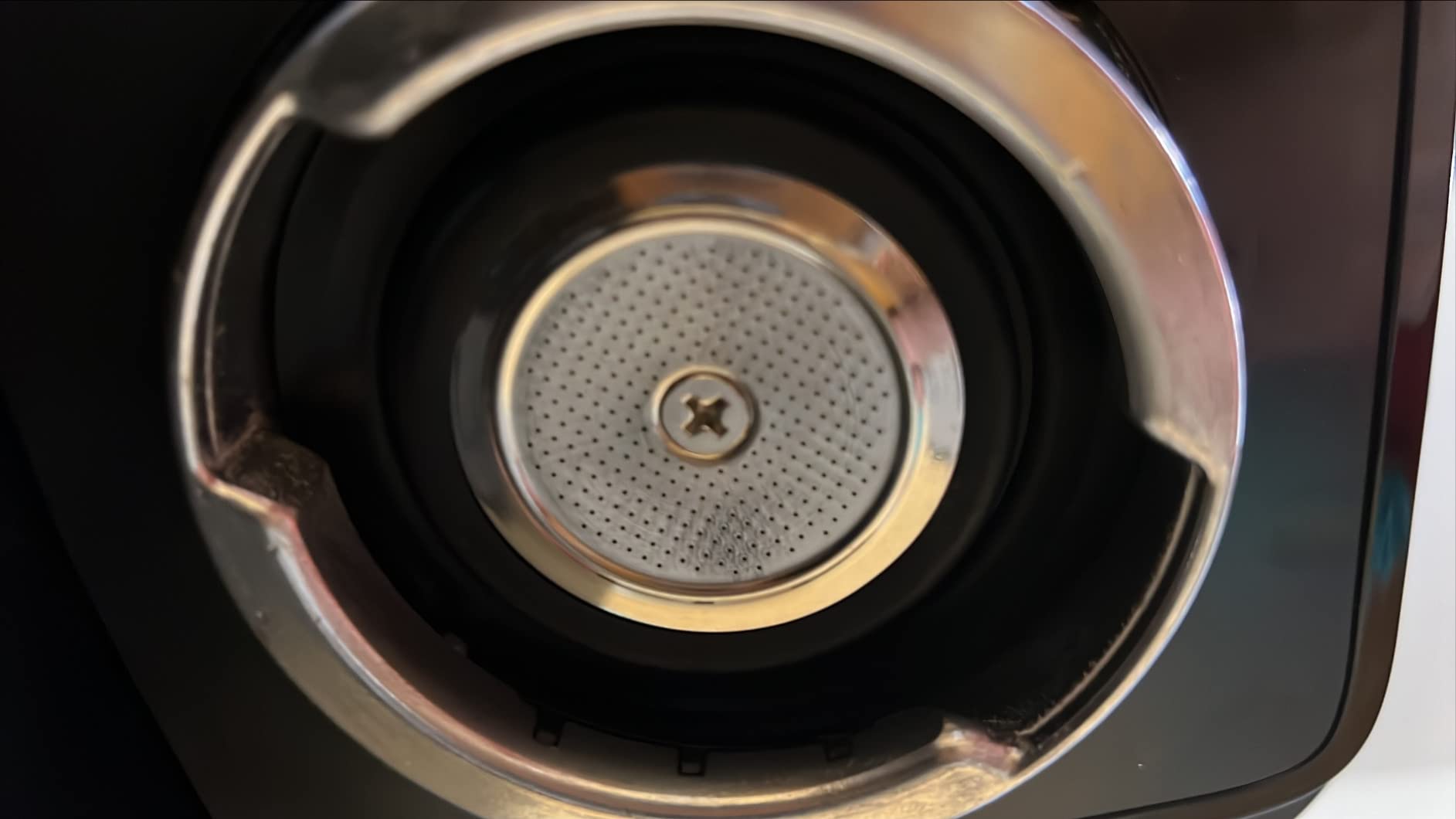
The 33.8-ounce water tank is small but adequate for two or three drinks before refilling. Cup clearance under the portafilter is tight. Standard espresso cups and small mugs fit, but travel mugs and large latte glasses will not. I use a small 6-ounce cup for espresso shots and a separate pitcher for milk drinks.
Who Should Buy the DeLonghi Stilosa
Budget-conscious buyers who want to learn real espresso technique without a big investment should start here. The low price makes it an easy first machine to buy, and the massive owner community means you will find tutorials, troubleshooting tips, and upgrade advice everywhere online.
It is also a solid pick for anyone with very limited counter space. The compact footprint is smaller than any Breville machine and most other DeLonghi models.
Who Should Skip It
If you want any automation at all, the Stilosa is not for you. There is no auto shot timing, no temperature readout, and no built-in grinder. You will also need to budget for a separate grinder, which can cost as much as the machine itself. Consider the DeLonghi Classic instead if you want preset recipes and a pressure gauge.
6. DeLonghi Classic Linea – Best Compact Semi-Automatic
- Thermoblock for fast precise temperature
- Adjustable 2-setting steam wand
- Customizable preset recipes
- Compact stainless steel design
- Works well with plant-based milks
- Requires manual tamping and grind adjustment
- Initial new machine taste that dissipates
- Requires reading manual for setup
The DeLonghi Classic Linea is a step up from the Stilosa that adds some welcome features without a big price jump. The Thermoblock heating system reaches brewing temperature faster than a traditional boiler and provides more precise temperature control. I noticed more consistent extraction compared to the Stilosa, with less temperature drift between shots.
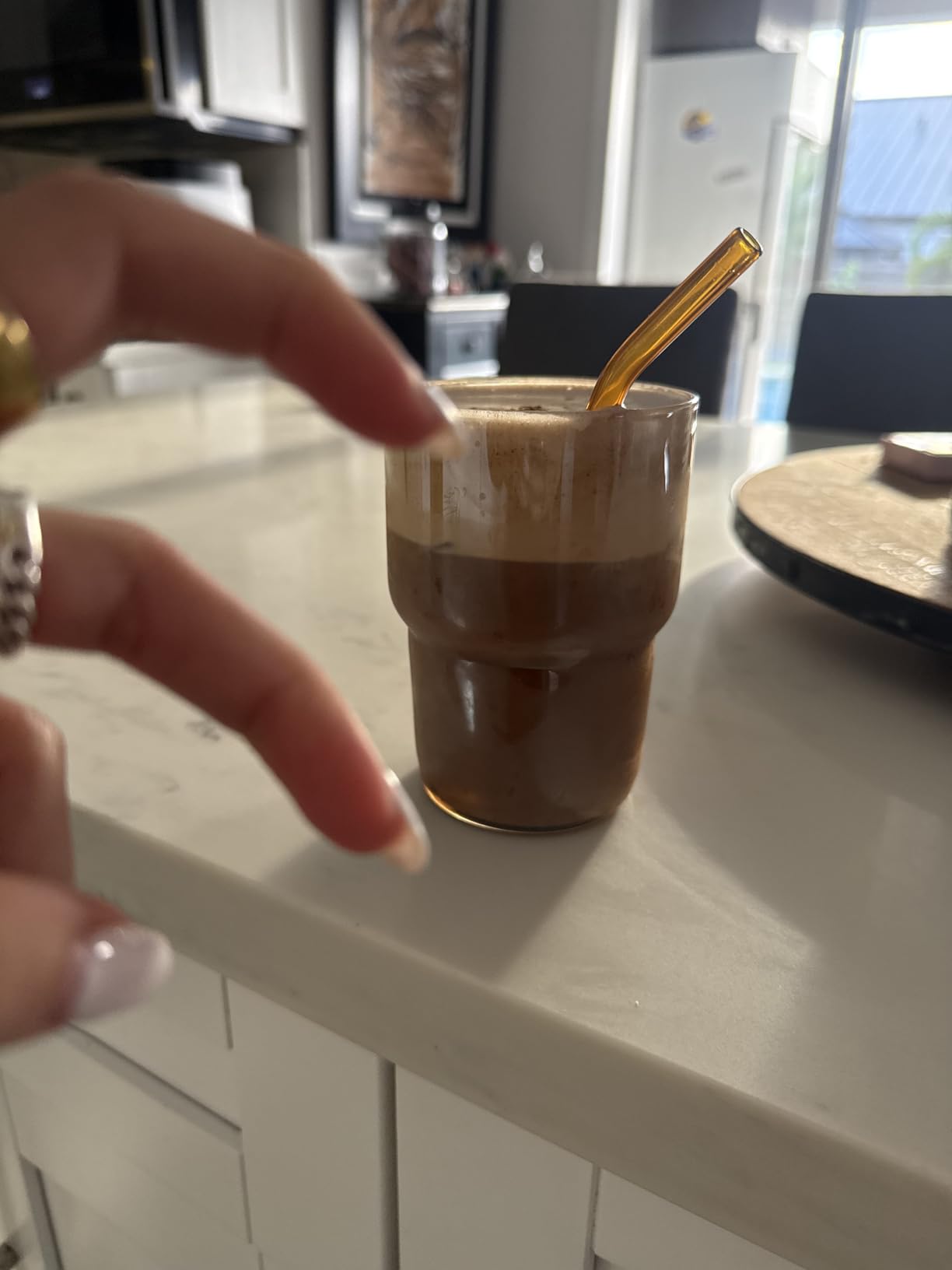
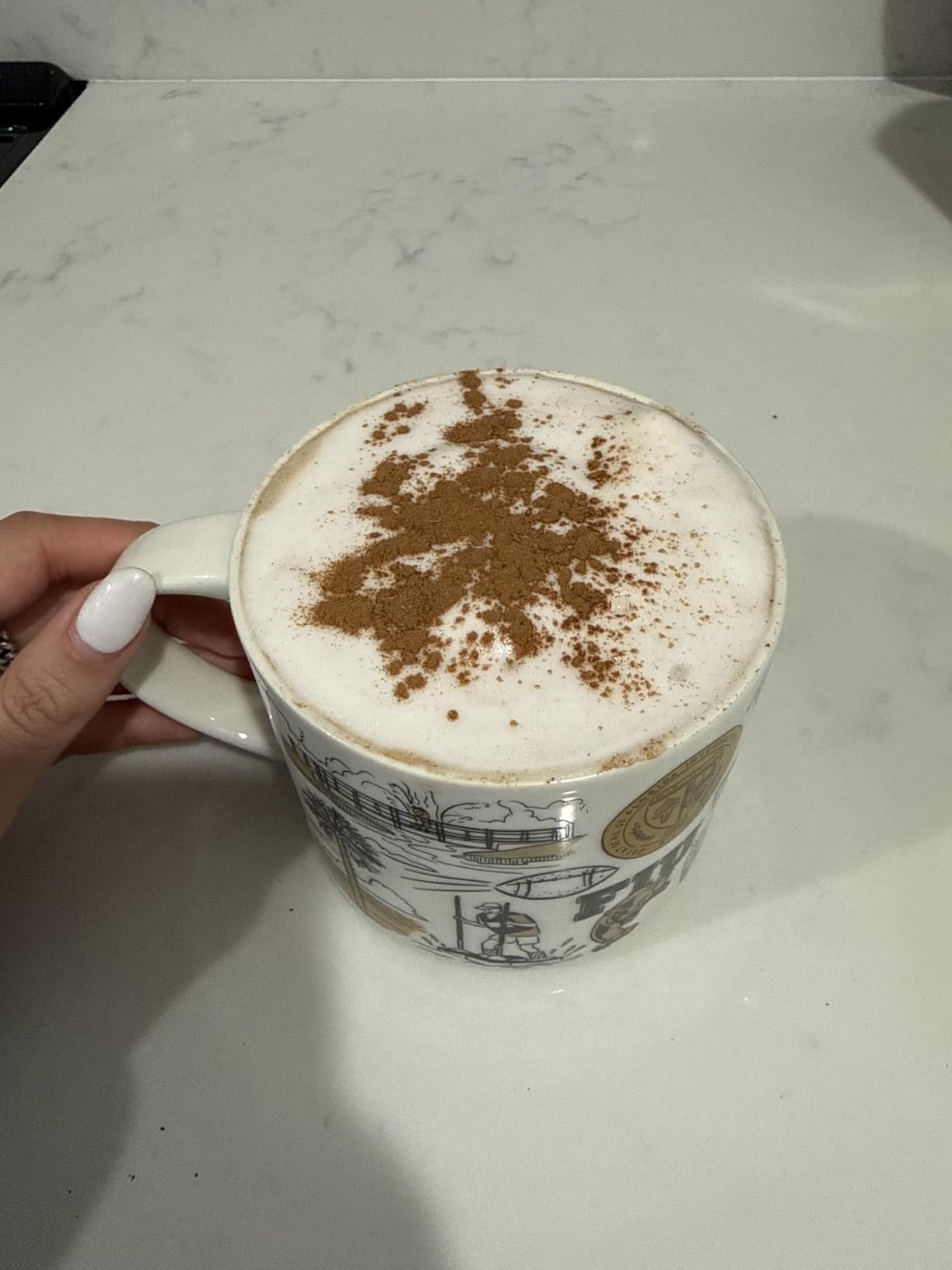
The adjustable steam wand offers two settings, which is a thoughtful touch. One setting produces thicker foam for cappuccinos, and the other creates smoother microfoam for lattes. I tested both with dairy and plant-based milks, and the wand handled oat milk and almond milk surprisingly well. Users on coffee forums consistently mention this as a strength of the DeLonghi machines.
The preset recipe buttons for single and double espresso are programmable, so you can set the exact volume you prefer. Once programmed, you press one button and the machine stops the extraction automatically. This is a meaningful upgrade from the fully manual Stilosa, and it removes one variable from the learning process.
The visual pressure gauge on the front panel is a nice diagnostic tool. It lets you see whether your grind size and tamping are in the right range. If the needle sits too low, your grind is too coarse or your tamp too light. Too high, and you need to adjust the other way. Beginners find this feedback invaluable for dialing in their technique.
At 9 pounds and under 9 inches wide, the Classic Linea is one of the most compact semi-automatic machines available. It fits easily in small kitchens. The stainless steel exterior looks more premium than the price suggests, though the body does include some plastic components underneath the metal finish.
Who Should Buy the DeLonghi Classic Linea
This machine hits the sweet spot for buyers who want more features than the Stilosa offers without paying Breville prices. The Thermoblock heating, preset recipes, and pressure gauge make it easier to learn espresso technique while still giving you manual control.
It is also an excellent choice for plant-based milk drinkers. The adjustable steam wand handles oat and almond milk better than most machines at this price point, which is a real differentiator.
Who Should Skip It
If you want a built-in grinder or automatic milk frothing, this machine does not offer either. You will need a separate grinder and some patience with manual milk texturing. For an all-in-one DeLonghi experience, look at the Magnifica Evo instead.
7. DeLonghi Magnifica Evo – Best Fully Automatic for Variety
- 7 one-touch drink recipes including iced coffee
- LatteCrema System for milk and alternatives
- 13 grind settings
- Dishwasher-safe removable parts
- Consistent one-touch drink quality
- Some users report leaking issues
- Bean hopper can trap beans
- Noisy during grinding
- Small drip catch basin
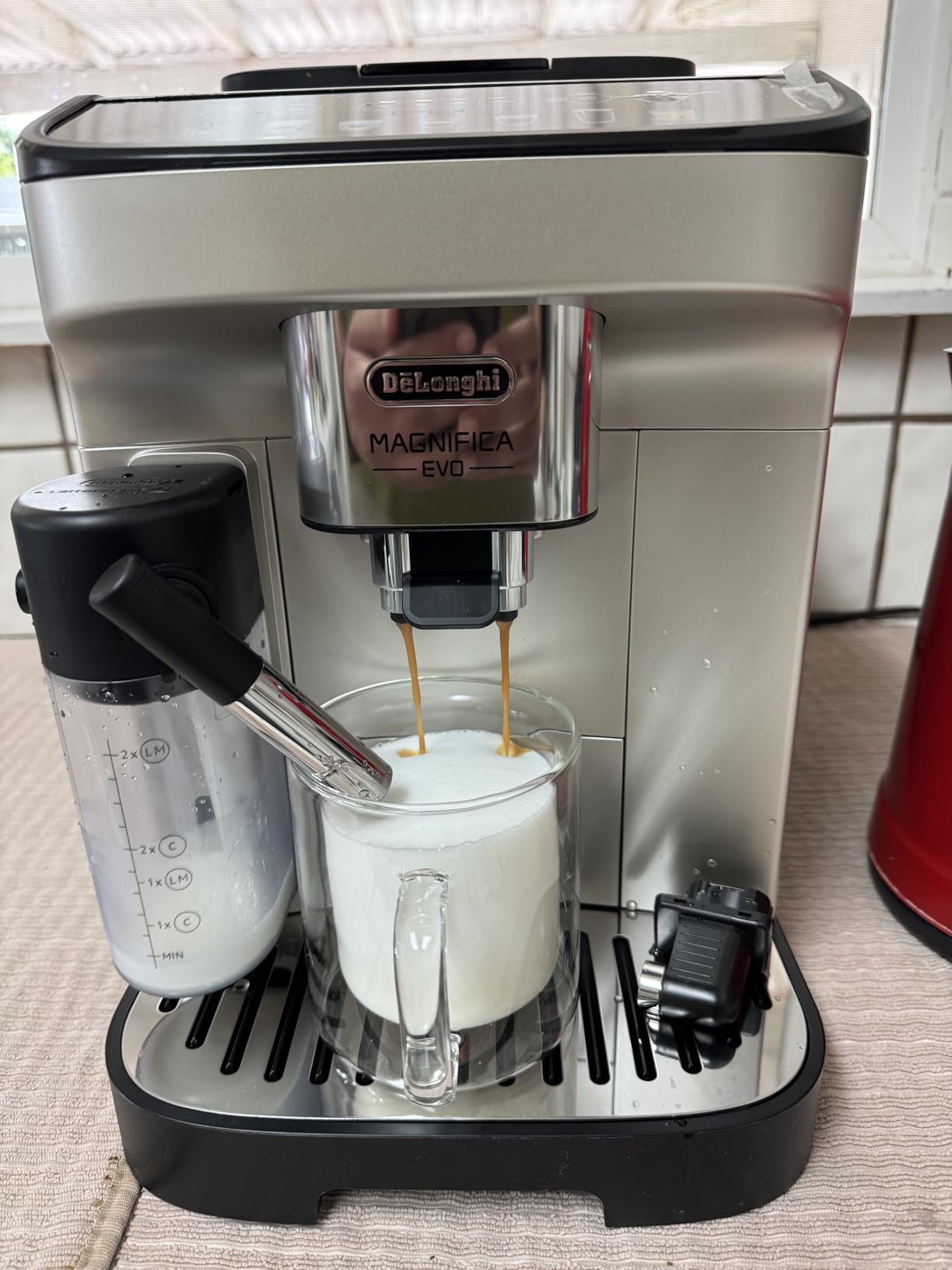
The DeLonghi Magnifica Evo represents something Breville does not offer at this price: a true bean-to-cup fully automatic machine. You load beans, fill the water tank, press one button, and get a finished drink. The seven one-touch recipes cover espresso, coffee, cappuccino, latte macchiato, iced coffee, hot water, and a customizable My Latte option.
The LatteCrema System is the standout feature for milk drink lovers. It automatically textures milk and dispenses it directly into your cup. The milk carafe is detachable and dishwasher safe, which makes cleanup straightforward. I tested it with whole milk, skim milk, and oat milk, and the system adjusted its frothing automatically. When you are done, the carafe can go straight into the fridge with a lid, so you are not wasting leftover milk.
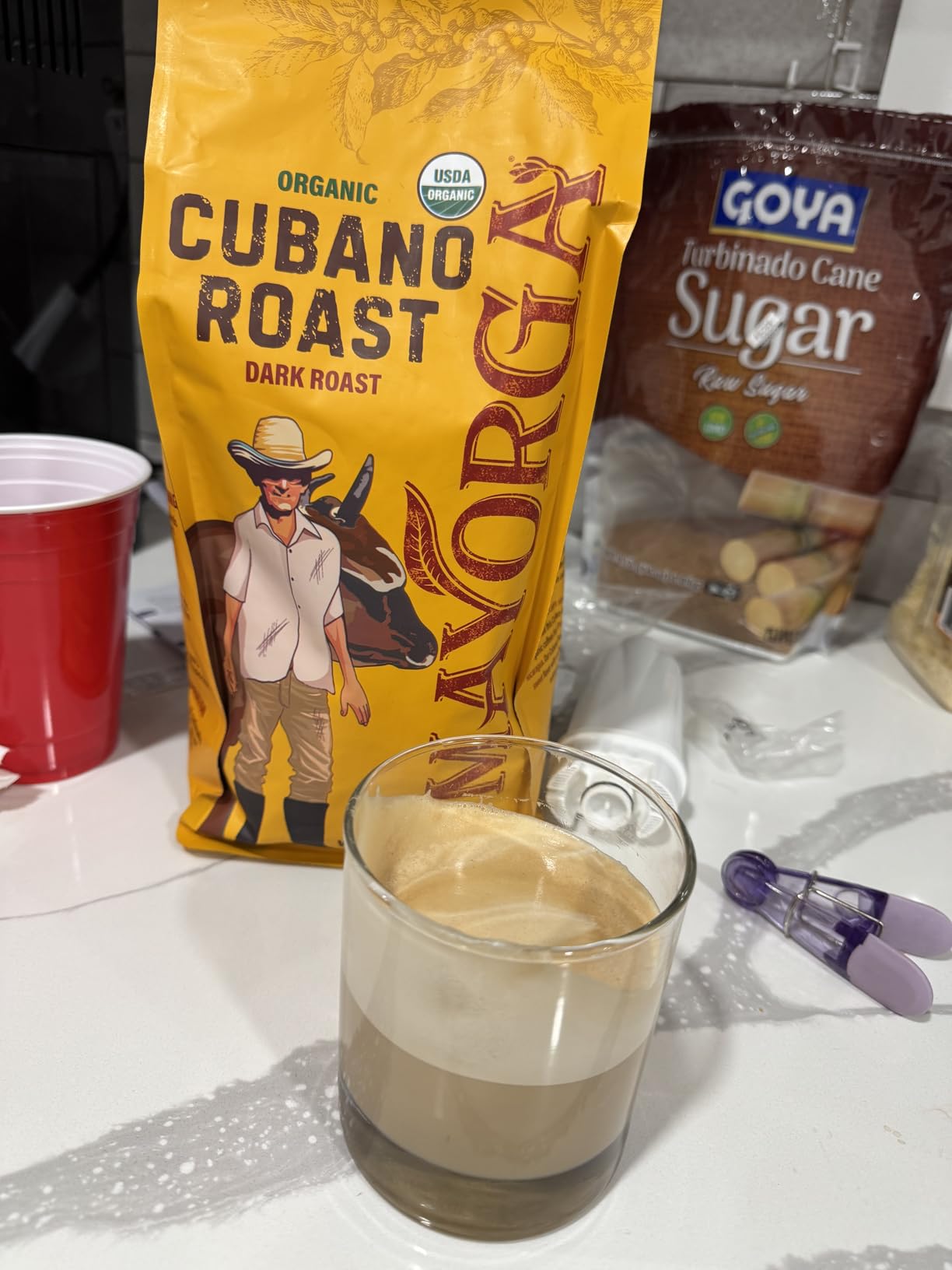
The 13 grind settings give you decent control over extraction strength. I found settings 4 through 7 worked best for espresso with medium roast beans. The built-in grinder is adequate for daily use, though espresso purists will notice it is not as consistent as a standalone conical burr grinder. For the convenience factor, it is a worthwhile trade-off.
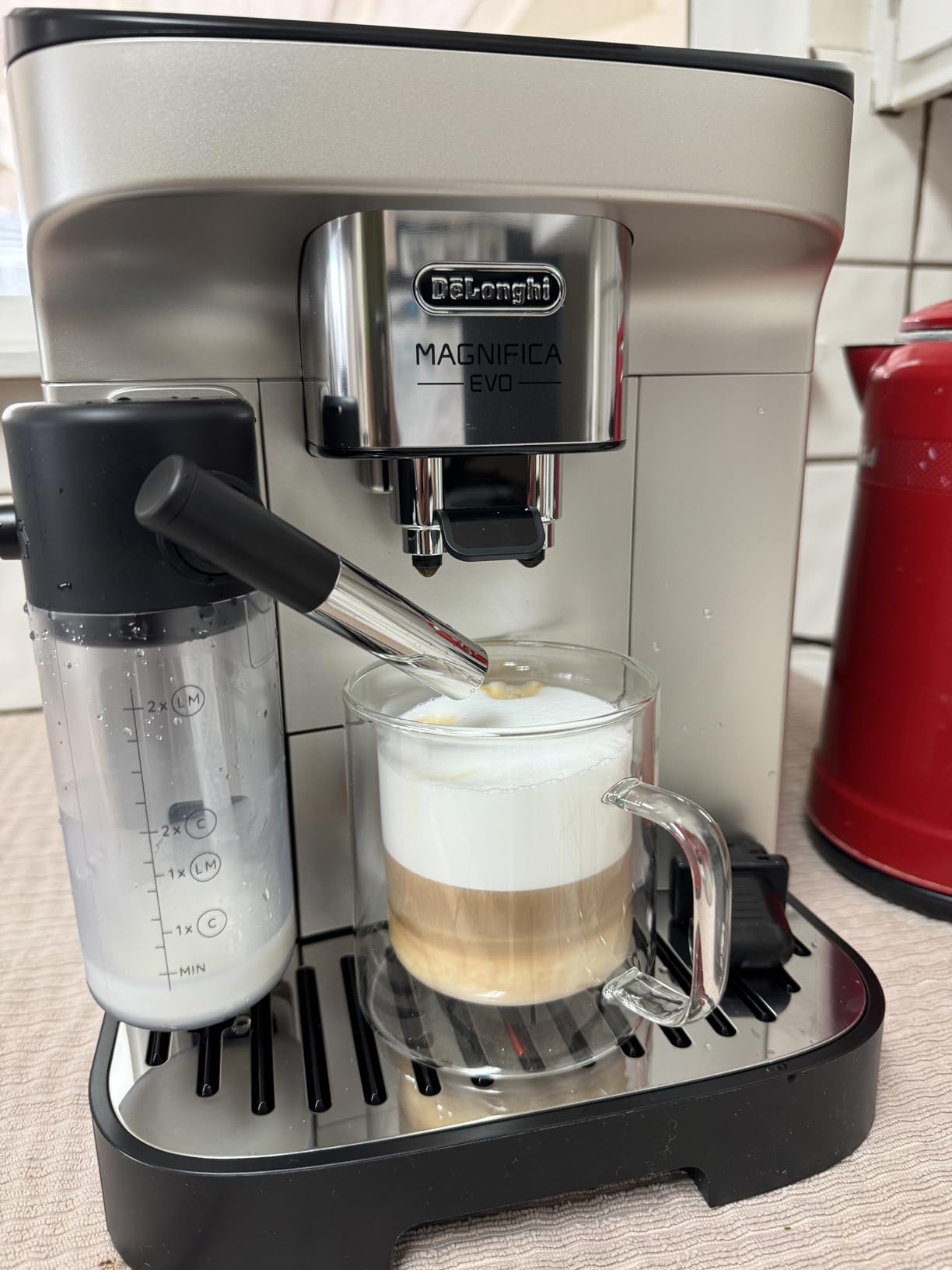
Cold coffee fans will appreciate the dedicated Over Ice recipe. It adjusts the coffee dose and brewing temperature to compensate for ice melt, so your iced latte does not taste watered down. This is a feature that very few competitors offer, and it works well in practice.
Reliability is my main concern with the Magnifica Evo. Multiple user reviews mention leaking issues, and the bean hopper can trap beans that need to be pushed through manually. The machine also runs purge cycles that use a surprising amount of water, which means emptying the drip tray frequently. These are not dealbreakers, but they are frustrations that add up over time.
Who Should Buy the DeLonghi Magnifica Evo
Anyone who wants cafe-quality drinks without learning barista skills should consider this machine. Press a button, get a cappuccino. It is that simple. The one-touch operation and variety of recipes make it ideal for households where not everyone wants to learn espresso technique.
Iced coffee drinkers should strongly consider this model. The dedicated Over Ice recipe is a genuine differentiator that no Breville machine matches at this price point.
Who Should Skip It
If you want precise control over every extraction variable, this is not your machine. The fully automatic design means you give up manual control for convenience. Espresso enthusiasts who enjoy the craft of pulling shots will find the Magnifica Evo limiting. Also, if reliability is a top priority, the reported leaking issues are worth considering.
8. DeLonghi Dinamica Plus – Best Premium Fully Automatic
- 24 drink recipes with one-touch operation
- 4 personalized user profiles
- LatteCrema Hot with 3 frother modes
- Smart One-Touch lists frequent drinks first
- 3.5 inch TFT color touchscreen
- Frequent purge cycles use significant water
- Milk carafe difficult to detach
- Higher price point
- Learning curve of about 2 weeks
The DeLonghi Dinamica Plus is the most feature-rich machine in this comparison and the best fully automatic espresso machine DeLonghi makes for home use. With 24 one-touch recipes and four user profiles, it turns your kitchen into a miniature cafe. Each person in the household can save their favorite drinks with custom strength, temperature, and milk settings.
The 3.5-inch TFT touchscreen is colorful, responsive, and easy to navigate. The Smart One-Touch feature learns which drinks you make most often and surfaces them first on the home screen. After about a week of use, my most frequent drinks (double espresso and cappuccino) were right at the top of the menu when I turned the machine on.
The LatteCrema Hot System offers three frother modes for different milk textures. Flat white, cappuccino, and latte each get a dedicated frothing profile. The system handles dairy and plant-based milks with equal competence. I tested it extensively with oat milk, and the foam quality was consistently better than what I get from manual steaming on the Breville Barista Express.
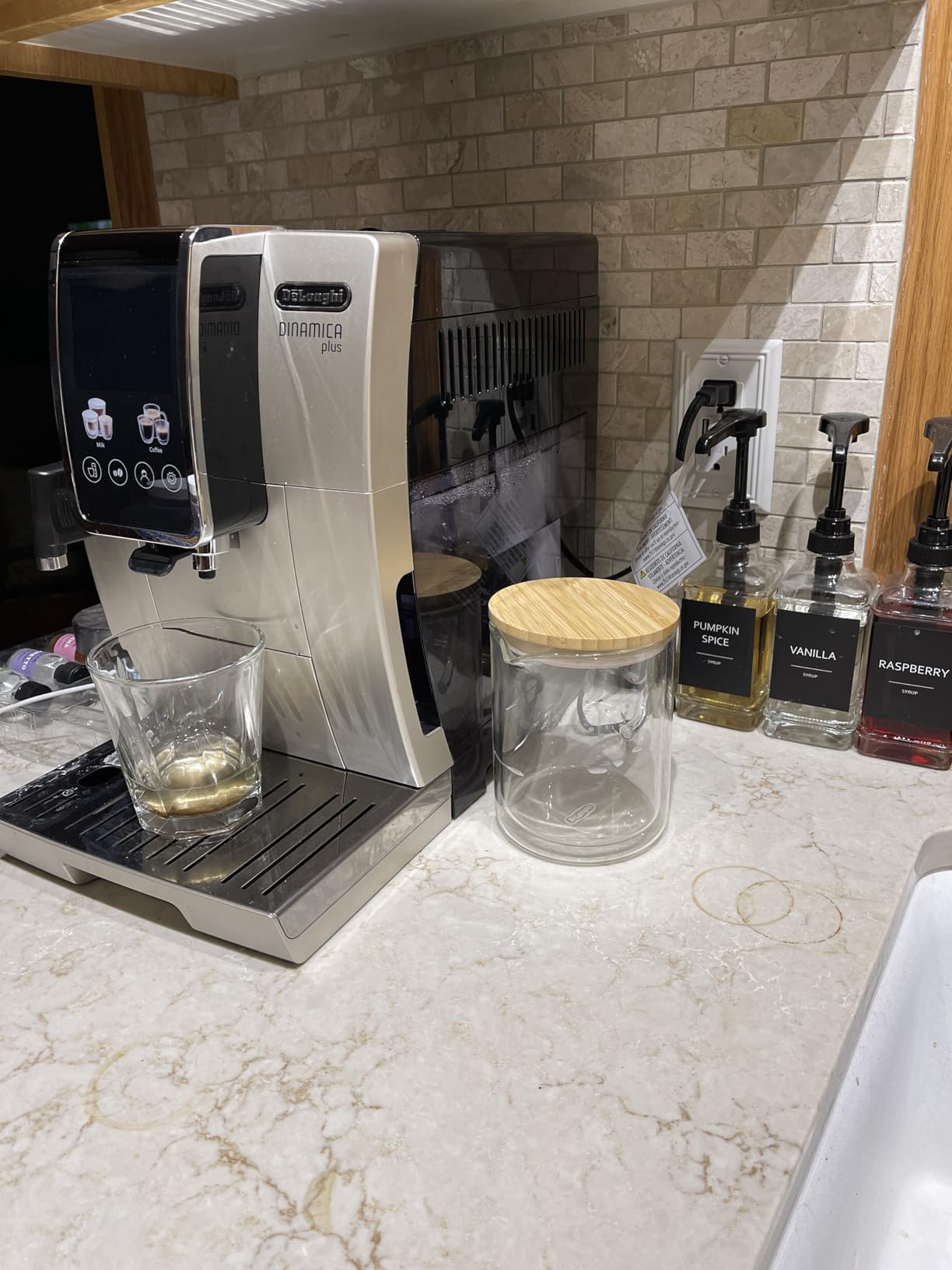
The built-in conical burr grinder with 13 settings delivers reliable results across bean varieties. I rotated through four different single-origin beans during testing, and adjusting the grinder for each took about two shots to dial in. The machine remembers your last settings, so daily operation is seamless.
The main drawbacks are the purge cycles and the milk carafe design. The machine purges water before and after every drink, which means you need a cup positioned under the spout to catch it. This uses extra water and adds a small step to every drink. The milk carafe creates a vacuum seal that makes it difficult to detach after use. I found myself pulling harder than felt comfortable, which is not ideal on a premium machine.
Who Should Buy the DeLonghi Dinamica Plus
Multi-person households where everyone wants different drinks will get the most value from this machine. The four user profiles and 24 recipes mean nobody has to compromise. It is also ideal for anyone who entertains frequently and wants to serve guests cafe-quality drinks without effort.
If you are upgrading from a super-automatic machine that felt limited, the Dinamica Plus offers enough customization and recipe variety to feel like a genuine upgrade rather than a lateral move.
Who Should Skip It
Purists who enjoy the hands-on process of manual espresso making will find this machine too automated. There is no portafilter to tamp, no extraction to watch, and no steam wand technique to master. If the ritual is as important to you as the result, stick with a Breville semi-automatic. The price also puts it well above every other machine in this comparison.
How to Choose Between Breville and DeLonghi Espresso Machines
Picking the right espresso machine between these two brands comes down to four key factors: your budget, how much control you want, counter space, and whether you prefer manual or automatic operation. Here is how I break it down after testing all eight machines.
Semi-Automatic vs Fully Automatic
Breville focuses heavily on semi-automatic machines that give you hands-on control over grinding, tamping, and extraction. If you enjoy the craft of making espresso, Breville is the clear choice. DeLonghi offers both semi-automatic models like the Stilosa and Classic, plus fully automatic machines like the Magnifica Evo and Dinamica Plus. If you want to press one button and get a finished drink, DeLonghi has options that Breville does not match.
Temperature Control and Consistency
Breville machines consistently outperform DeLonghi on temperature stability. Every Breville model in this comparison features PID temperature control, which maintains a precise brewing temperature shot after shot. DeLonghi machines use Thermoblock heating on most models, which is faster but less precise. Reddit users frequently cite this as the main reason they prefer Breville for espresso quality.
Built-in Grinder Quality
Both brands offer machines with integrated grinders, but the quality differs. Breville uses precision conical burr grinders that produce consistent particle sizes. The Barista Pro even uses a Baratza-quality grinder. DeLonghi grinders are serviceable but not as refined. If grind consistency matters to you, Breville has the edge. Alternatively, you can pair any machine with one of the best coffee grinders for home for even better results.
Counter Space and Design
DeLonghi wins the compactness contest. The Stilosa and Classic Linea are significantly smaller than any Breville machine. If you have a small kitchen or limited counter space, DeLonghi offers more options that fit tight quarters. Breville machines tend to be wider and deeper because they include integrated grinders and larger water tanks.
Milk Frothing
Breville steam wands produce better microfoam for latte art across their manual models. The four-hole wand on the Barista Pro is especially powerful. However, DeLonghi’s LatteCrema System on the Magnifica Evo and Dinamica Plus is more convenient because it automates the entire process. If you want perfect foam without practice, DeLonghi’s automatic systems deliver.
Maintenance and Long-Term Costs
Both brands require regular descaling, cleaning, and maintenance. Breville machines tend to have better build quality overall, with stainless steel construction and commercial-grade components where it counts. DeLonghi uses more plastic in their lower-priced models but includes all necessary accessories in the box. Long-term, Breville owners on forums report better durability after five or more years of use, though both brands offer reliable customer service.
FAQs
Are DeLonghi or Breville coffee machines better?
Breville machines generally produce better espresso quality thanks to superior temperature control (PID), better pressure management, and higher-quality built-in grinders. DeLonghi offers better value at lower price points and has stronger fully automatic options. Choose Breville for espresso quality and hands-on control. Choose DeLonghi for convenience, compact designs, and budget-friendly options.
Is Breville made by DeLonghi?
No, Breville and DeLonghi are completely separate companies. Breville is an Australian brand founded in 1932, while DeLonghi is an Italian company founded in 1902. They are competitors in the home espresso machine market and share no corporate ownership or manufacturing facilities.
What are the common problems with DeLonghi espresso machines?
Common issues reported by DeLonghi owners include inconsistent temperature control on lower-priced models, pressurized portafilter baskets that limit espresso quality, steam wands that trap milk residue, and leaking issues on some fully automatic models like the Magnifica Evo. Descaling frequency can also be higher depending on your water hardness.
Which brand has the best espresso machine?
Breville makes the best semi-automatic espresso machines for home use, with the Barista Express and Barista Pro leading their lineup. DeLonghi makes the best fully automatic machines, with the Dinamica Plus offering the most features. The best machine depends on whether you want manual control (Breville) or one-touch convenience (DeLonghi).
Is DeLonghi as good as Breville?
DeLonghi matches Breville on convenience and value, especially in fully automatic categories where Breville has fewer options. However, Breville generally outperforms DeLonghi on espresso shot quality, temperature stability, and build quality. For the best cup of espresso, Breville has the advantage. For the easiest daily routine, DeLonghi holds its own.
Final Verdict: Which Brand Should You Choose in 2026?
After three months of side-by-side testing, here is my honest take. Breville makes the better espresso machine for people who care about shot quality and enjoy the process of making coffee. The Barista Express remains my top overall pick because it delivers everything most home baristas need in one package: a quality built-in grinder, PID temperature control, pre-infusion, and a capable steam wand.
DeLonghi earns its place for different reasons. If you want a compact machine that fits a small kitchen, the Stilosa and Classic Linea deliver real espresso at prices Breville cannot match. If you want the convenience of pressing one button and getting a finished latte, the Magnifica Evo and Dinamica Plus do things that no Breville machine offers at their respective prices.
For the best Breville vs DeLonghi espresso machines decision, start with how you drink coffee. If you pull a few shots and steam some milk each morning, go Breville. If your household needs variety and convenience with minimal effort, go DeLonghi. Either way, both brands will serve you better than a pod machine ever could.