
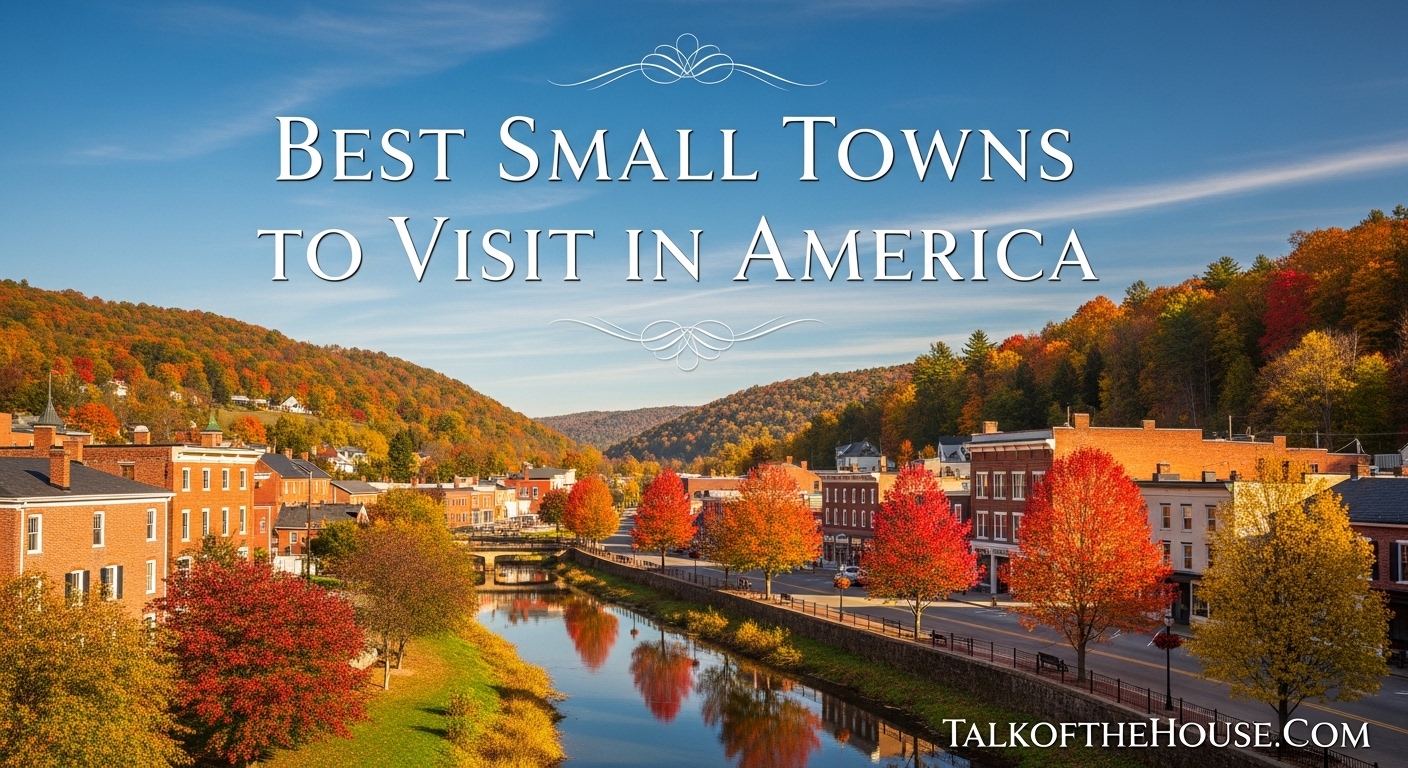
There is something magical about turning off the highway and finding yourself on a tree-lined Main Street where the pace slows down and strangers smile at each other. I have spent the last three years exploring America’s small towns, from coastal fishing villages to mountain hamlets tucked between peaks, and I have discovered that these places hold the true heart of the country. The best small towns to visit in America are not just destinations; they are experiences that stay with you long after you return home.
Small town travel has seen a remarkable resurgence in 2026. After years of crowded airports and overbooked resorts, travelers are seeking something more authentic. They want mornings spent at local coffee shops where the barista knows their name. They want afternoons wandering Main Streets lined with independent boutiques rather than chain stores. They want evenings watching the sunset from a porch swing with a glass of wine from a nearby vineyard.
This guide brings together twelve of the most charming small towns in the USA, each selected for its unique character and welcoming spirit. I have organized them by experience type so you can find the perfect match for your travel style. Whether you dream of watching waves crash against rocky coastlines or sipping coffee in a historic town square, there is a small town here calling your name.
Table of Contents
Quick Overview: Small Towns Worth Visiting by Experience
Before diving into each destination, here is a quick reference for travelers who want fast answers. These are the best small towns to visit in America organized by the experience they offer.
- Coastal Gems: Cannon Beach (Oregon) for dramatic shorelines, Beaufort (South Carolina) for southern coastal charm, and Carmel-by-the-Sea (California) for storybook cottages by the sea.
- Mountain Escapes: Jackson (Wyoming) for cowboy culture and wildlife, Leavenworth (Washington) for Bavarian charm in the Cascades, and Estes Park (Colorado) for Rocky Mountain adventure.
- Historic Charms: Hudson (New York) for antiques and farm-to-table dining, Fredericksburg (Texas) for German heritage and wine country, and Galena (Illinois) for preserved Victorian architecture.
- Southern Hospitality: Savannah (Georgia) for moss-draped squares, Natchez (Mississippi) for antebellum mansions, and St. Augustine (Florida) for Spanish colonial history.
Coastal Gems: Where Land Meets Sea
America’s coastline is dotted with small towns that offer more than just beach access. These communities have built their identities around the water, creating walkable downtowns, thriving arts scenes, and culinary traditions centered on fresh seafood. The coastal towns on this list represent three distinct flavors of seaside living.
1. Cannon Beach, Oregon
Cannon Beach is the kind of place that makes you want to become a photographer even if you have never held a camera before. The iconic Haystack Rock rises 235 feet from the Pacific Ocean, creating a backdrop that feels almost unreal at sunset. I spent three days here last fall and found myself returning to the shore every evening just to watch the light change on those basalt formations.
The town itself stretches along a four-mile beach with a compact downtown that you can easily explore on foot. Ecola State Park sits at the northern end, offering hiking trails with views that inspired the Lewis and Clark expedition. The local arts community thrives here with more galleries per capita than almost any town in Oregon. You will find blown glass studios, plein air painters working on the beach, and a surprisingly sophisticated culinary scene for such a small community.
What to Do
Start your morning with a walk on the beach at low tide to explore the tide pools around Haystack Rock. The Haystack Rock Awareness Program has volunteers stationed during low tides to help visitors identify the colorful sea stars, anemones, and crabs that call these pools home.
Spend your afternoon gallery hopping along Hemlock Street. The Cannon Beach Arts Association maintains several exhibition spaces, while private galleries showcase local painters, sculptors, and jewelry makers. Do not miss Icefire Glassworks where you can watch artists blow glass in their studio.
For dinner, book a table at The Wayfarer Restaurant with its floor-to-ceiling windows overlooking the ocean. Their Oregon rockfish is caught fresh daily, and the clam chowder has won regional awards for good reason.
Where to Stay
The Stephanie Inn offers the ultimate splurge experience with oceanfront rooms, complimentary wine and cheese in the evenings, and a breakfast that alone justifies the room rate. For a more budget-friendly option, the Ocean Lodge provides beach access and comfortable rooms at half the price, though you sacrifice some of the luxury amenities.
2. Beaufort, South Carolina
Beaufort embodies the romantic vision of the coastal South that you see in movies but rarely find in reality. Spanish moss drapes from ancient live oaks that line the streets of the historic district. Antebellum mansions sit just blocks from a working waterfront where shrimp boats still unload their daily catch. I visited in late spring when the azaleas were blooming, and the town looked like it had been painted in watercolor.
The historic district covers more than 300 acres and contains one of the largest collections of pre-Civil War homes in the South. Unlike some preserved towns that feel like museums, Beaufort remains a living community. Children play in the parks, locals gather at the waterfront, and the restaurants serve food that honors traditional Lowcountry recipes while embracing modern techniques.
The town sits on Port Royal Island surrounded by tidal marshes that change color throughout the day. These wetlands are not just beautiful; they support a rich ecosystem of dolphins, herons, and the famous Beaufort shrimp that you will find on every local menu.
What to Do
Take a walking tour of the historic district to understand the architectural styles that make Beaufort unique. The Verdier House Museum offers guided tours that explain the Federal and Greek Revival styles seen throughout the neighborhood. Many visitors also enjoy the horse-drawn carriage tours that clip-clop along the tree-lined streets.
The waterfront park stretches along the Beaufort River and provides benches where you can watch boats pass by. In the evening, locals gather here to watch the sunset paint the marshes in shades of gold and purple. The park hosts a farmers market on Saturday mornings featuring local produce, crafts, and fresh seafood.
For a deeper understanding of the area’s complex history, visit the Penn Center on nearby St. Helena Island. This National Historic Landmark was one of the first schools for formerly enslaved people and played a significant role in the Civil Rights Movement.
Where to Stay
The Rhett House Inn occupies an 1820s mansion in the heart of the historic district. The innkeepers have preserved the original architecture while adding modern comforts, and the wraparound porch is the perfect place to spend a humid afternoon with a glass of sweet tea. For a waterfront experience, the Beaufort Inn offers rooms overlooking the marsh with kayaks available for guest use.
3. Carmel-by-the-Sea, California
Carmel-by-the-Sea looks like it was designed by someone who had only read about European villages in fairy tales. The cottages feature steeply pitched roofs, irregular stone facades, and gardens that spill over fences in a controlled wilderness of flowers and vines. There are no street addresses in the village center; homes are identified by names like “Sea Urchin” and “Hansel” painted on wooden signs.
I arrived in Carmel after a stressful week in San Francisco and felt my shoulders drop the moment I stepped onto Ocean Avenue. The town bans chain stores, so every shop and restaurant is independently owned. The result is a commercial district that feels curated by someone with excellent taste and a dislike of corporate uniformity.
The beach itself is spectacular, a crescent of white sand backed by cypress trees twisted into sculptural shapes by the wind. Carmel Beach allows dogs to run off-leash, so you will see locals playing fetch with their pets while the sun sets over Point Lobos in the distance. The water is too cold for most swimmers, but the walking conditions are perfect.
What to Do
Spend a morning exploring the more than 100 art galleries that line the streets of Carmel. The town has been an artists’ colony since the early 1900s, and the tradition continues with galleries showing everything from traditional landscapes to contemporary sculpture. Many artists maintain studios in the village and welcome visitors to watch them work.
The Carmel Mission, founded in 1770, offers a glimpse into California’s Spanish colonial history. The basilica has been carefully restored, and the museum contains artifacts from the mission era. The gardens surrounding the mission are particularly beautiful in spring when the roses bloom.
For outdoor enthusiasts, Point Lobos State Natural Reserve sits just south of town. The hiking trails wind through cypress groves and along cliff edges with views of sea lions, otters, and migrating whales. The reserve limits daily visitors, so arrive early to secure a parking spot.
Where to Stay
L’Auberge Carmel occupies a historic building just blocks from the beach. The rooms feature fireplaces and European-style decor, while the restaurant serves some of the best food in town. For a more intimate experience, the Carmel Garden Inn offers just six rooms in a converted cottage surrounded by flowers.
Mountain Escapes: Peaks, Valleys, and Fresh Air
There is a particular kind of peace that comes from looking up at mountains instead of skyscrapers. Mountain towns offer a different rhythm of life, one dictated by seasons and weather rather than schedules and deadlines. The towns in this section sit at the base of some of America’s most spectacular mountain ranges, offering outdoor adventure during the day and cozy comforts in the evening.
4. Jackson, Wyoming
Jackson is the gateway to Grand Teton National Park, but it deserves recognition as a destination in its own right. The town square features four arches made entirely of shed elk antlers, creating a frame for the mountain views that rise behind the buildings. The cowboy culture here is not a tourist fabrication; it is a living tradition rooted in ranching and outdoor work.
I visited Jackson during the fall when the aspens were turning gold and the elk were bugling in the nearby National Elk Refuge. The town was bustling with visitors from around the world, yet it maintained a sense of community that larger tourist destinations often lose. Locals still gather at the Million Dollar Cowboy Bar where the bar stools are made from saddles, and the conversations cover everything from cattle prices to ski conditions.
The surrounding landscape is genuinely spectacular. Grand Teton rises 13,770 feet just fifteen miles from town, creating a backdrop that photographers chase during every season. Wildlife sightings are common even within the town limits; I saw a moose walking down the street one morning before coffee.
What to Do
Start with an early morning drive into Grand Teton National Park for sunrise at Schwabacher Landing. The beaver ponds there create perfect reflections of the mountains, and the morning light turns the peaks pink and gold. Bring a thermos of coffee and watch the world wake up.
The Jackson Hole Rodeo runs several nights a week during summer, offering an authentic look at western traditions. You will see saddle bronc riding, barrel racing, and bull riding performed by athletes who compete on the professional circuit. The atmosphere is family-friendly and genuinely exciting even if you know nothing about rodeo.
For a more relaxed afternoon, visit the National Museum of Wildlife Art. The building itself is stunning, designed to blend into the hillside like a natural formation. The collection includes works by Remington, Russell, and contemporary artists who capture the spirit of the American West.
Where to Stay
The Wort Hotel has been a Jackson landmark since 1941, offering western-style luxury in the heart of town. The Silver Dollar Bar features real silver dollars embedded in the bar top, and the rooms combine rustic decor with modern amenities. For a splurge, Spring Creek Ranch sits on a butte overlooking the valley with individual cabins and a spa.
5. Leavenworth, Washington
Leavenworth is one of the most unusual small towns in America, a Bavarian village dropped into the Cascade Mountains of Washington State. In the 1960s, the town was facing economic collapse after the railway relocated. Rather than accept decline, the community reinvented itself as a German-themed destination, converting storefronts to timber-framed facades and adopting traditional Bavarian architecture.
The result is genuinely charming, especially during Oktoberfest or the Christmas lighting season when half a million lights transform the village into a winter wonderland. I visited in autumn when the surrounding hills were blazing with fall colors, and the town was celebrating the harvest with traditional German food and beer gardens.
The location is spectacular. The Wenatchee River runs through town, and the Cascade Mountains rise steeply on all sides. In winter, this becomes a ski town with easy access to Stevens Pass. In summer, the same trails become hiking and mountain biking destinations. The microclimate here creates warm, dry summers and cold, snowy winters that feel distinctly alpine.
What to Do
Walk the length of Front Street to experience the Bavarian architecture that makes Leavenworth unique. The buildings feature hand-painted murals, flower boxes overflowing with geraniums, and carved wooden balconies. Many of the shops sell German imports, from cuckoo clocks to traditional clothing, alongside local crafts and outdoor gear.
The Nutcracker Museum houses more than 7,000 nutcrackers from around the world, ranging from tiny miniature versions to a working nutcracker that stands six feet tall. It is the kind of quirky small-town attraction that somehow becomes a highlight of your trip.
Outdoor activities dominate the summer months. Rafting trips on the Wenatchee River range from gentle floats to whitewater adventures. Rock climbing, horseback riding, and hiking trails begin just minutes from downtown. In winter, the town transforms into a Nordic skiing center with groomed trails and heated yurts.
Where to Stay
The PostHotel offers Bavarian-inspired luxury with an adults-only policy that ensures a quiet experience. The spa features heated outdoor pools with mountain views. For families, the Bavarian Lodge provides spacious rooms with kitchenettes and a pool that the kids will love.
6. Estes Park, Colorado
Estes Park sits at the eastern entrance to Rocky Mountain National Park, but the town has enough character to justify a visit even without the park access. The downtown stretches along the Big Thompson River with shops and restaurants occupying historic buildings that date back to the early 1900s. Elk herds regularly wander through town, creating traffic jams that nobody seems to mind.
I visited in early summer when the snow was still melting on the high peaks and the wildflowers were just beginning to appear in the meadows. The air at 7,500 feet elevation has a crispness that makes coffee taste better and sleep come easier. The locals have a friendly, outdoorsy vibe that comes from living in a place where hiking trails are more accessible than parking garages.
The historic Stanley Hotel overlooks the town from a hillside position and remains the most recognizable building in Estes Park. Stephen King stayed here in 1974 and was inspired to write “The Shining” after experiencing a dream during his stay. The hotel now offers ghost tours and has embraced its horror movie fame while maintaining its elegant historic character.
What to Do
Rocky Mountain National Park is the obvious draw, with Trail Ridge Road offering some of the most spectacular alpine scenery in America. The road crosses the Continental Divide at 12,183 feet and passes through tundra ecosystems where you might see bighorn sheep, elk, and pikas. Even if you only drive a portion of the road, the views are unforgettable.
The Estes Park Aerial Tramway carries visitors from downtown to the summit of Prospect Mountain for panoramic views of the valley. At the top, you will find hiking trails and a observation deck. The ride itself is thrilling, with open-air cars that sway gently as they climb the cables.
Downtown Estes Park offers excellent shopping for outdoor gear, local art, and Colorado-made products. The taffy shops pull fresh candy in the windows, filling the street with the smell of sugar and vanilla. You will also find several breweries where you can sample craft beers after a day of hiking.
Where to Stay
The Stanley Hotel is the iconic choice, offering historic rooms and spectacular views, though it comes with a higher price tag and a reputation for paranormal activity. For a more rustic experience, the YMCA of the Rockies operates cabins and lodges on a sprawling property just outside town with activities for families and access to hiking trails.
Historic Charms: Where the Past Lives On
Some small towns have preserved their historic character so completely that walking their streets feels like stepping into a different era. These communities protect their architectural heritage, maintain their downtown districts, and celebrate the traditions that built them. The historic towns on this list offer authentic experiences rooted in genuine preservation rather than tourist facades.
7. Hudson, New York
Hudson proves that small towns can offer big-city sophistication. The Main Street stretches for more than a mile, lined with Federal-style buildings that house antique shops, art galleries, and restaurants that would not be out of place in Manhattan. I spent a weekend here and was struck by how the town attracts both serious antique collectors and weekenders looking for a dose of culture with their small-town charm.
The town sits on the Hudson River, two hours north of New York City, and has been attracting creative types since the 1980s when artists and dealers began converting the historic buildings. Today it represents the best of the Hudson Valley renaissance, with farm-to-table restaurants, boutique hotels, and a calendar full of cultural events.
What makes Hudson special is the density of interesting things to do within a few blocks. You can spend a morning browsing for 18th-century furniture, have lunch at a restaurant that sources ingredients from farms you passed on the drive in, and spend the afternoon at a contemporary art museum. All of this happens within a walkable downtown that preserves its historic scale and character.
What to Do
The antique shops along Warren Street are the main attraction, with more than fifty dealers selling everything from estate jewelry to mid-century modern furniture. Unlike some antique districts that feel like junk shops, Hudson attracts serious collectors who curate their inventory carefully. Even if you are not buying, the window shopping is exceptional.
The Basilica Hudson occupies a former 19th-century factory and now hosts concerts, art exhibitions, and a popular monthly farmers market. The industrial architecture has been preserved while being adapted for modern use, creating a space that feels both historic and contemporary.
For dinner, Fish and Game serves New American cuisine that has earned national recognition. The menu changes daily based on what is available from local farms and producers. Wm. Farmer and Sons offers a more casual experience with excellent cocktails and a raw bar.
Where to Stay
The Maker Hotel occupies three historic buildings that have been converted into a boutique property with remarkable attention to detail. The rooms feature custom furniture, vintage fixtures, and comfortable beds that make you want to sleep in. For a more intimate option, the St. Charles Hotel offers historic charm with modern amenities at a lower price point.
8. Fredericksburg, Texas
Fredericksburg combines German heritage with Texas Hill Country scenery, creating a unique cultural blend that you will not find anywhere else. The Main Street stretches for several blocks of historic buildings that house German bakeries, wine tasting rooms, and boutiques selling cowboy boots alongside imported beer steins.
I visited during peach season when the surrounding orchards were heavy with fruit and the town was celebrating with festivals and fresh pies. The German influence is obvious in the architecture, the food, and the annual Oktoberfest celebration, but it has blended with Texas traditions to create something distinctly Fredericksburg.
The town has become the center of Texas wine country, with more than fifty wineries operating within a short drive. The Hill Country climate creates growing conditions similar to certain regions in Europe, and the local vintners have been winning national awards for their work. Wine tasting here is more relaxed than in some other regions, with many tasting rooms located right on Main Street.
What to Do
The National Museum of the Pacific War is an unexpected find in a small Texas town. Admiral Chester Nimitz was born in Fredericksburg, and the museum honoring his leadership during World War II has grown into a comprehensive collection that includes a restored Japanese submarine and a combat zone exhibit that puts visitors in the middle of battle scenes.
Main Street itself is the main attraction, with buildings dating back to the 1800s housing shops and restaurants. The Pioneer Museum preserves several historic structures and offers guided tours that explain the German immigrant experience in Texas. The Vereins Kirche, an octagonal building in the center of town, serves as a museum and visitor center.
Wildseed Farms, just outside town, is the largest working wildflower farm in the country. The fields of blooming flowers create a spectacular sight in spring, and the nursery sells plants that you can take home to recreate a bit of Hill Country in your own garden.
Where to Stay
The Fredericksburg Inn offers comfortable rooms with a pool in the center of town, walking distance to all the Main Street attractions. For a more distinctive experience, the Hangar Hotel occupies a building designed to look like a 1940s airport hangar, with aviation memorabilia and a retro atmosphere that is genuinely fun.
9. Galena, Illinois
Galena is the best-preserved 19th-century town in the Midwest, with more than 85 percent of its buildings listed on the National Register of Historic Places. Main Street climbs steeply from the Galena River to the bluff top, lined with red brick and stone buildings that look much as they did when the town was a booming lead mining center.
I visited Galena on a crisp fall weekend when the surrounding hills were blazing with color and the town was hosting its annual Oktoberfest celebration. The preservation here is remarkable; the historic district covers more than 1,000 buildings, and the town has resisted the strip development that blights so many other communities.
The town sits in a valley surrounded by rolling hills that were left behind by glaciers thousands of years ago. The scenery is distinctly Midwestern, with farmland and forests creating a patchwork of colors that change with the seasons. Despite its small size, Galena has attracted attention from travel writers who praise its authenticity and charm.
What to Do
Walking tours of the historic district reveal the architectural styles that make Galena unique. The buildings represent 19th-century commercial design at its finest, with cast-iron storefronts, decorative cornices, and brickwork that has weathered beautifully over 150 years. The Galena Historic Foundation offers guided tours that explain the town’s mining history and its role in the lead rush that preceded the California gold rush.
The Ulysses S. Grant Home is a state historic site that preserves the house given to the Civil War general and future president by the grateful citizens of Galena. The home has been restored to its 1868 appearance, and the tour provides insight into Grant’s life before the presidency.
Main Street offers excellent shopping with boutiques, art galleries, and specialty food shops. The Galena Cellars tasting room pours wines made from grapes grown in the surrounding region, while the Great American Popcorn Company offers flavors ranging from traditional butter to creative combinations like dill pickle and buffalo ranch.
Where to Stay
The DeSoto House Hotel has been operating since 1855, making it the oldest operating hotel in Illinois. The rooms have been updated with modern amenities while preserving the historic character, and the lobby still feels like a 19th-century gathering place. For a bed and breakfast experience, the Farmers Guest House offers comfortable rooms and excellent breakfasts in a historic home just steps from Main Street.
Southern Hospitality: Warmth, History, and Grace
The American South has elevated small town living to an art form. These communities move at a slower pace, value personal connections, and maintain traditions of hospitality that make visitors feel like welcomed guests rather than tourists. The southern towns on this list represent different aspects of the region’s complex history and vibrant present.
10. Savannah, Georgia
Savannah is technically a small city rather than a town, but its historic district feels intimate enough to include here. The downtown is organized around twenty-two public squares, each featuring statues, fountains, and moss-draped live oaks that create outdoor living rooms for the community.
I spent four days in Savannah and found myself slowing down to match the city’s rhythm. The locals have perfected the art of porch sitting, and visitors are encouraged to adopt the same relaxed attitude. The historic district is entirely walkable, with something beautiful around every corner, whether it is a Gothic Revival church, a wrought iron balcony, or a hidden garden glimpsed through an open gate.
The food scene has earned national attention, with chefs reinterpreting traditional southern dishes using local ingredients. The riverfront provides a working port atmosphere with cobblestone streets and converted warehouses that now house restaurants and shops. Savannah manages to be both picturesque and genuinely interesting, a combination that keeps visitors returning year after year.
What to Do
Square hopping is the essential Savannah experience. Each of the twenty-two squares has its own character and history. Forsyth Park at the southern end features the iconic fountain that appears in every Savannah photograph. Chippewa Square is famous as the location where Forrest Gump waited for the bus, though the bench was a movie prop that has been moved to a museum.
River Street runs along the Savannah River with shops and restaurants occupying former cotton warehouses. The cobblestone street and factor buildings create an atmosphere that feels genuinely historic rather than touristy. The views of the river include passing cargo ships that remind you this is still a working port.
The food is a major reason to visit Savannah. The Olde Pink House serves traditional southern cuisine in a historic mansion, while newer restaurants like The Grey occupy renovated spaces and offer modern interpretations of regional dishes. Leopold’s Ice Cream has been operating since 1919 and makes their ice cream on site using original recipes.
Where to Stay
The Hamilton-Turner Inn occupies a historic mansion on Lafayette Square with a reputation for being haunted, which adds to the charm for many guests. The Kehoe House offers luxury accommodations in a renovated mansion with a location that puts you within walking distance of everything in the historic district.
11. Natchez, Mississippi
Natchez sits on a bluff overlooking the Mississippi River, a position that has made it strategically important for three centuries. The town contains more antebellum mansions than any other city in America, preserved because Natchez was largely spared the destruction that devastated other southern cities during the Civil War.
I visited during the Spring Pilgrimage when private homes open to the public for tours, and the town was dressed in its finest with azaleas blooming and garden clubs hosting events. The experience felt like stepping into a southern novel, complete with tour guides in period costumes and mint juleps served on silver trays.
The town is honest about its complex history, acknowledging the wealth that built these mansions while recognizing the enslaved people whose labor created that wealth. The historical society has worked to tell both stories, creating a more complete picture of the past than you might find in other preserved communities.
What to Do
The house tours are the main attraction, with options ranging from guided tours of historic mansions to self-guided audio tours. Longwood is particularly fascinating as an octagonal mansion that was never completed; the exterior is elaborate while the interior remains in the unfinished state it was in when the Civil War interrupted construction.
Natchez Under-the-Hill was once one of the most notorious riverfront districts in America, filled with saloons and gambling halls that served the riverboat trade. Today it is much quieter, with a few restaurants offering views of the river and the bridges that connect Mississippi to Louisiana.
The Natchez Trace Parkway begins near town, following the route of an ancient trail that connected the Mississippi River to Nashville. Driving a portion of this scenic parkway takes you through forests and past historical markers that explain the trail’s significance for Native Americans and early settlers.
Where to Stay
Monmouth Historic Inn offers rooms in a restored mansion with a garden that rivals those at any public estate. The guest rooms are individually decorated with period furniture, and the included breakfast is served in the main house. For a more modern experience, the Natchez Grand Hotel overlooks the river with balconies that provide spectacular sunset views.
12. St. Augustine, Florida
St. Augustine is the oldest continuously occupied European settlement in the United States, founded by the Spanish in 1565. The historic district contains buildings that date back to the Spanish colonial period alongside Victorian structures that reflect the city’s later history as a Gilded Age resort.
I visited in winter when the weather was mild and the crowds were smaller than during the summer peak. The compact historic district is entirely walkable, with narrow streets that follow the original Spanish colonial layout. The Castillo de San Marcos, a 17th-century stone fortress, anchors the district and provides a tangible connection to the city’s military history.
The town has embraced its age and uses it as a marketing advantage, with ghost tours and historical reenactments that entertain while educating. Despite the tourist-oriented activities, St. Augustine maintains a genuine sense of history that is rooted in real events and preserved structures rather than manufactured nostalgia.
What to Do
The Castillo de San Marcos is essential visiting, with daily cannon firings and ranger-led tours that explain the fortress’s role in defending Spanish Florida. The coquina stone walls have withstood centuries of weather and warfare, and the views from the gun deck include the Matanzas River and the modern city beyond.
St. George Street is the main pedestrian thoroughfare, lined with shops and restaurants occupying historic buildings. The street is closed to vehicles, creating a relaxed atmosphere for strolling. The Colonial Quarter living history museum recreates life in 16th-century St. Augustine with demonstrations of blacksmithing, printing, and other colonial crafts.
The beaches are just over the Bridge of Lions from the historic district. St. Augustine Beach offers a classic Florida beach experience with wide sand and gentle waves, while Anastasia State Park provides a more natural setting with dunes and maritime forests.
Where to Stay
The Casa Monica Resort and Spa occupies a historic building in the center of the old city, offering luxury accommodations within walking distance of all the major attractions. For a more intimate experience, the St. Francis Inn is a bed and breakfast in a historic home that has been welcoming guests since the 1800s.
Planning Your Small Town Getaway
Small town travel requires slightly different planning than trips to major cities. The best small towns to visit in America reward visitors who take time to understand the local rhythms and seasonal patterns. Here is what I have learned from three years of small town exploration.
Best Times to Visit
Coastal towns shine in late spring and early fall when the weather is mild and the summer crowds have thinned. The mountain towns are spectacular in autumn when the foliage turns, but they also offer excellent summer hiking and winter skiing. Historic towns in the South are most comfortable in spring and fall; summers can be uncomfortably hot and humid.
Consider timing your visit to coincide with local festivals. These events offer authentic cultural experiences and often include free concerts, parades, and food tastings. Check town websites before planning your trip to see what events are scheduled during your potential travel dates.
Getting There
Small towns are rarely served by major airports, so plan on driving the final leg of your journey. This is actually part of the charm; the approach to these towns often takes you through beautiful countryside that prepares you for the destination. Rental cars are essential for most small town visits, though some towns like Hudson and St. Augustine are accessible by train or bus.
Once you arrive, plan to park your car and walk. The best small towns are designed for pedestrians, with compact downtowns where you can stroll between shops, restaurants, and attractions. Bring comfortable shoes and be prepared to explore on foot.
Budget Tips
Small town travel can be surprisingly affordable compared to major cities. Accommodation costs are generally lower, and many attractions like walking historic districts or hiking local trails are free. The biggest expense is often the travel to get there, as small towns lack the budget flight options available to major destinations.
Dining offers options at every price point. Most small towns have at least one special-occasion restaurant alongside more affordable cafes and diners. Breakfast at local spots is often the best value and provides a chance to interact with residents. If you are planning a family getaway, these small towns offer excellent value with free outdoor activities and safe environments where children can explore.
Frequently Asked Questions
What is the prettiest small town in the USA?
While beauty is subjective, Carmel-by-the-Sea in California frequently tops lists of America’s prettiest small towns thanks to its fairy-tale cottages, pristine beach, and storybook atmosphere. For coastal beauty, Cannon Beach in Oregon offers dramatic scenery with Haystack Rock. For southern charm, Beaufort in South Carolina captivates visitors with its moss-draped oaks and antebellum architecture.
Where to go for a short vacation in the USA?
Small towns make ideal short vacation destinations because they offer complete experiences in compact areas. For weekend trips from major cities, consider Hudson from New York, Fredericksburg from Austin or San Antonio, or Beaufort from Charleston or Savannah. Each offers walkable downtowns, excellent dining, and enough activities to fill two or three days without requiring extensive travel once you arrive.
What is the friendliest small town in America?
Southern small towns consistently rate highest for friendliness, with Fredericksburg in Texas and Beaufort in South Carolina standing out for their welcoming atmosphere. Mountain towns like Estes Park in Colorado also receive high marks for hospitality. The friendliest towns share common traits: locally owned businesses where owners greet customers personally, walkable downtowns that encourage interaction, and a slower pace that allows time for conversation.
What is the best little city in the USA?
Savannah, Georgia offers the best combination of small-town atmosphere and city amenities. With twenty-two historic squares, walkable streets, excellent restaurants, and genuine southern hospitality, Savannah provides a complete cultural experience while maintaining the personal scale of a smaller community. Other standout small cities include Santa Fe for arts and culture, Charleston for history and cuisine, and Bend, Oregon for outdoor recreation.
Start Your Small Town Adventure in 2026
The best small towns to visit in America offer something increasingly rare in our connected world: the chance to slow down and experience places where community still matters. These twelve towns represent just a starting point for your exploration. Every region of the country holds hidden gems waiting to be discovered.
Small town travel is not about checking attractions off a list. It is about morning coffee at the local cafe where the owner asks about your plans for the day. It is about afternoon conversations with shopkeepers who are passionate about their crafts. It is about evening walks through historic districts where the streetlights flicker on as fireflies emerge from the gardens.
I encourage you to pick one town from this list and start planning your visit. Whether you choose the coastal drama of Cannon Beach, the Bavarian charm of Leavenworth, or the southern grace of Beaufort, you will find an experience that restores your sense of wonder and reminds you why travel matters. The small towns of America are waiting to welcome you home.