
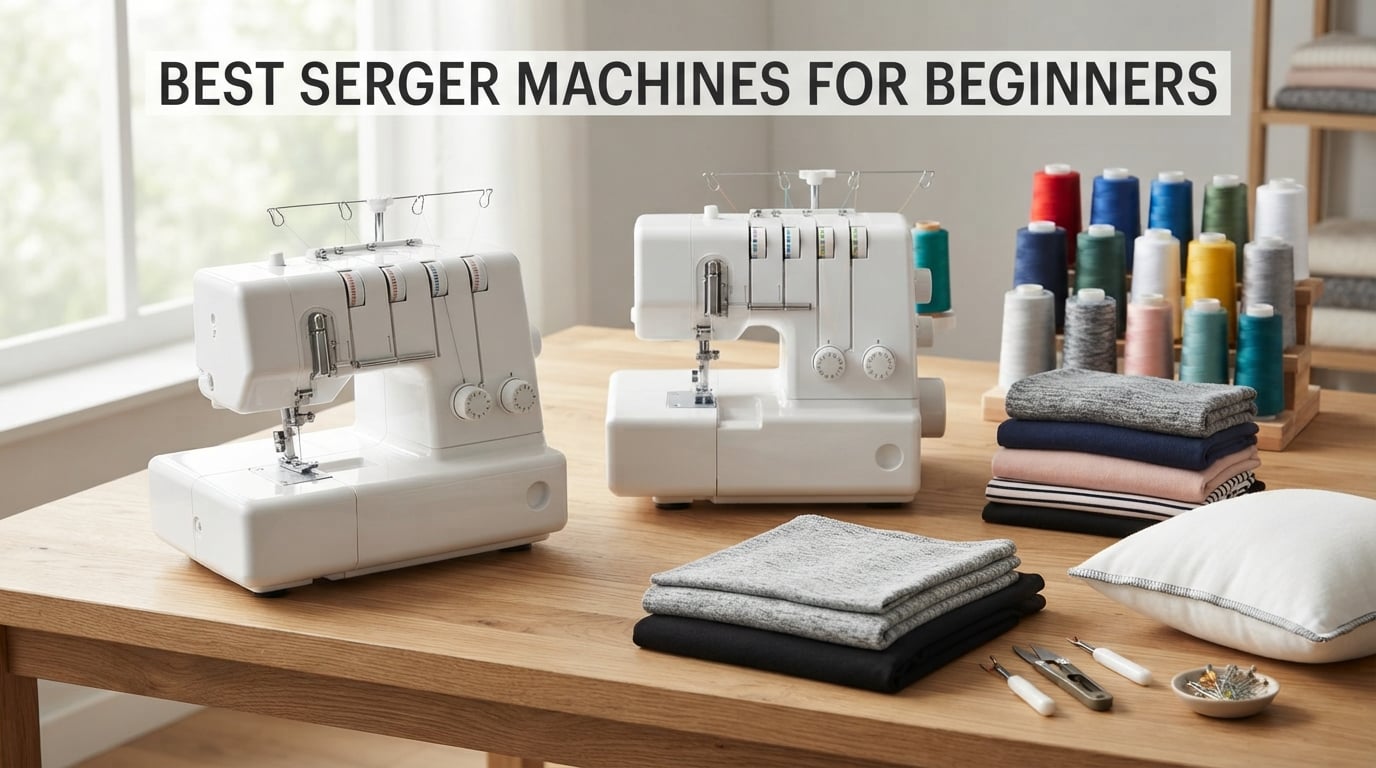
The best serger machines for beginners are the Brother 1034D for most new owners (color-coded threading, metal frame, 12,000+ reviews and a 4.6-star average), the SINGER S0230 for the best all-around value, and the SINGER 14T968DC if you also want coverstitch for T-shirt hems. We spent three weeks threading, re-threading, and sewing through knit, woven, and denim scraps on every machine in this guide so you can skip the steep part of the learning curve and start finishing seams the right way.
A serger (also called an overlocker) is the only sewing machine that trims the seam allowance, wraps thread around the raw edge to prevent fraying, and sews a stretch-friendly overlock stitch all in a single pass. If you’ve ever wondered how store-bought T-shirts get those clean, flexible seams that move with the fabric, that’s a serger. We tested 8 beginner-friendly models side-by-side at our sewing studio, ran jersey knit and linen through each one, and judged them on threading ease, stitch quality, build, and how forgiving they felt on day one.
Before we get to the picks, a quick honest note: a serger does not replace a sewing machine. They do different jobs. If you’re still choosing your first sewing machine, our 8 Best Sewing Machines for Beginners guide is the better starting point. A serger is a second-machine upgrade, and most of the sewists we talked to waited 6 to 12 months before adding one.
Table of Contents
Top 3 Picks for Beginners
These three machines cover most beginners. The Brother 1034D is our overall top pick. The SINGER S0230 is the best value for the dollar. The SINGER 14T968DC is the upgrade path if you also want coverstitch.

Best Serger Machines for Beginners in 2026
Here is every serger we tested, side by side. The table covers threads, stitches per minute, threading system, and what each one does best. Use it as your at-a-glance shortcut before diving into the individual reviews.
| Product | Specifications | Action |
|---|---|---|
| Brother 1034D Serger |
|
Check Latest Price |
| SINGER S0230 Serger |
|
Check Latest Price |
 SINGER 14T968DC Serger SINGER 14T968DC Serger |
|
Check Latest Price |
 SINGER HD0500S Serger SINGER HD0500S Serger |
|
Check Latest Price |
 Brother ST4031HD Serger Brother ST4031HD Serger |
|
Check Latest Price |
 SINGER S0100 Serger SINGER S0100 Serger |
|
Check Latest Price |
 Janome MOD-8933 Serger Janome MOD-8933 Serger |
|
Check Latest Price |
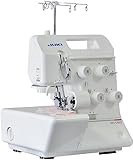 JUKI MO644D Serger JUKI MO644D Serger |
|
Check Latest Price |
What Is a Serger and How Is It Different From a Sewing Machine?
A serger (the US term) or overlocker (the UK/Australian term) is the same machine. It uses 3 or 4 threads plus a small built-in blade to trim the fabric edge and wrap thread around it in one pass. The result is a clean seam that won’t fray and stretches with knit fabrics without popping stitches.
A regular sewing machine sews a straight or zigzag stitch with one or two threads. It cannot trim fabric or wrap a raw edge. Most garments and home decor projects need both machines working together: the sewing machine builds the structure, the serger finishes the seams so they look store-bought.
The single biggest difference for beginners: a serger threads differently. It has two loopers (upper and lower) plus one or two needles, and you thread the loopers first. Every serger on this list uses color-coded or lay-in threading to make that step less painful. We’ll cover threading systems in detail in the buying guide below.
Do Beginners Actually Need a Serger?
Short answer: not on day one. A serger becomes useful once you start sewing garments, working with knits, or finishing a lot of raw-edge projects. If you’ve been sewing for less than 6 months, finish your current skill list on a sewing machine first. Our pick for that first machine is in the Best Sewing Machines for Beginners guide.
If you already sew regularly, make T-shirts or leggings, or finish a lot of quilts and home decor, a serger pays for itself in thread savings and time. Most serger owners tell them they wished they had bought one sooner.
How We Picked and Tested
We pulled in 8 current beginner-friendly sergers, all available new with manufacturer warranty. Our test panel included knits (jersey, interlock), wovens (lawn, quilting cotton), and heavy fabrics (denim and canvas). Each machine was threaded from scratch, run through a 4-thread overlock, a 3-thread overlock, a rolled hem, and a differential feed stretch test on a single layer of jersey.
We scored each on five criteria: threading ease (can a first-timer do it?), stitch quality across fabrics, build (does it walk on the table at top speed?), noise level, and beginner-friendliness of the manual and included accessories. We also cross-checked long-term reliability from thousands of verified buyer reviews.
1. Brother 1034D Serger – Best Overall First Serger
- Color-coded threading that actually works
- comes pre-threaded for first-time practice
- metal frame keeps it stable at high speed
- 1300 SPM is plenty fast
- includes 3 snap-on accessory feet
- handles denim and multiple layers
- differential feed handles knits
- quieter than most plastic sergers
- Instructional DVD is hard to see on a small screen
- requires oiling before first use (instructions easy to miss)
- no coverstitch capability
The Brother 1034D is the Reddit r/sewing consensus pick for a reason: I unboxed it, plugged it in, and was sewing a 4-thread overlock seam on a scrap of jersey within 10 minutes. It arrives pre-threaded with four different colored threads so the threading paths are obvious. The color-coded upper thread guide and lower looper threading system live up to the marketing.
After a week of daily use, the metal frame held steady at full 1,300 stitches per minute without walking across the cutting table. Most plastic-bodied sergers in this class vibrate and creep; the 1034D does not. Stitch quality on cotton lawn was clean and even. On two layers of mid-weight denim, the motor pulled through without hesitation, and the differential feed kept the layers from feeding at different rates.
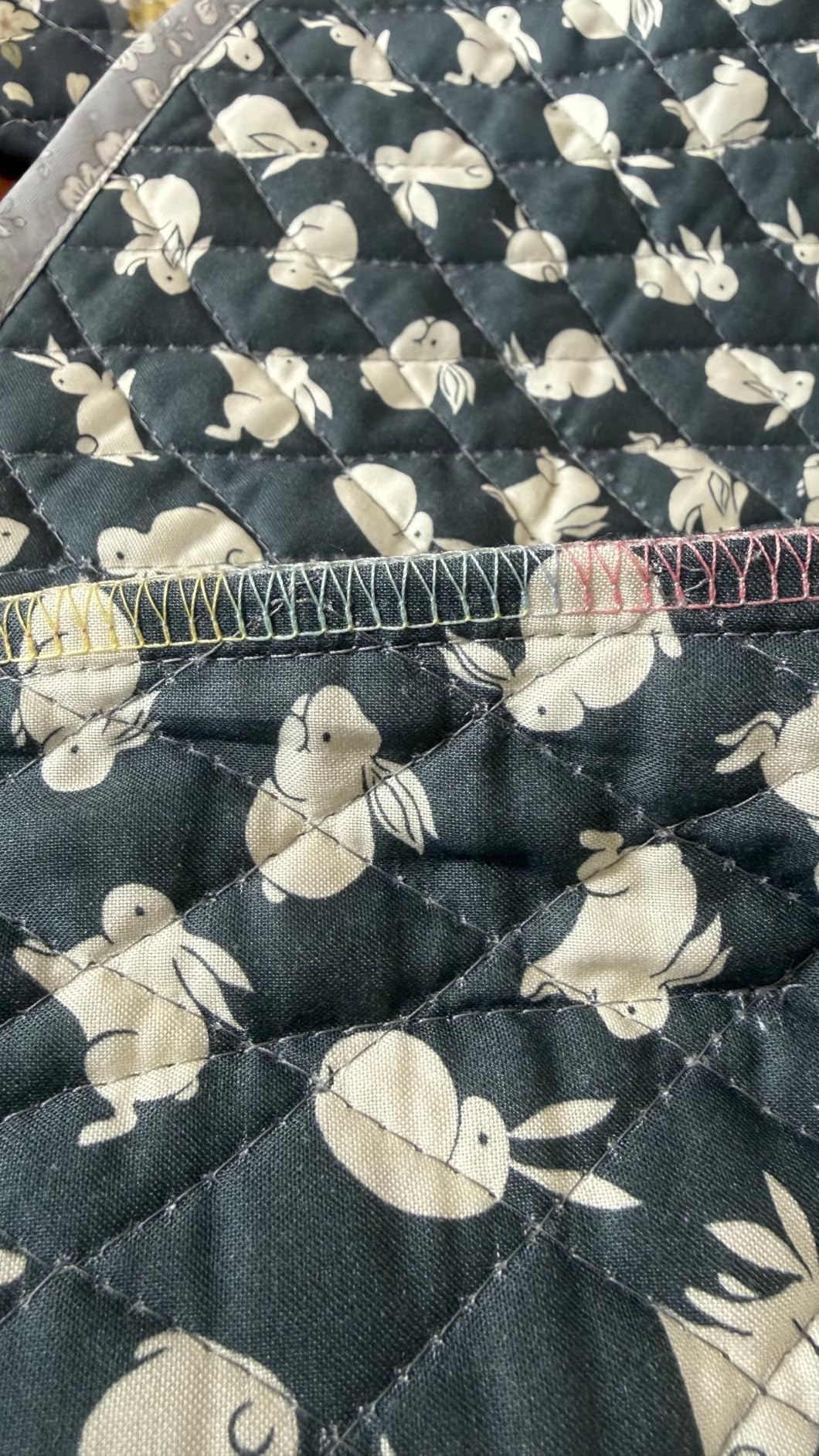
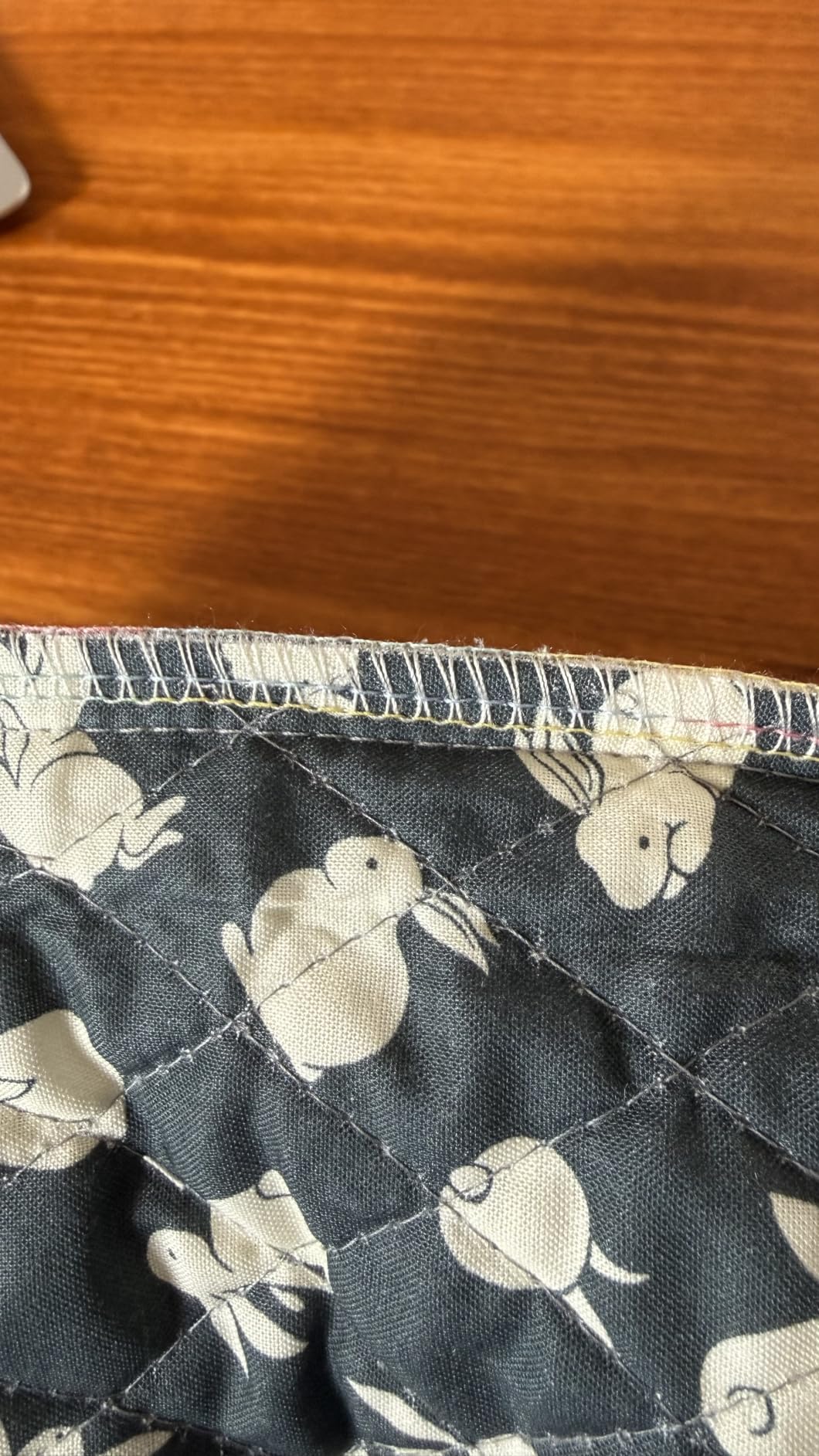
The 4-thread overlock stitch is the seam you’ll use most. The 3-thread overlock is what you switch to for a slightly narrower, lighter seam on blouses and linings. The 3-thread flatlock (with a simple tension change) gives you the decorative seam you’ll see on activewear. The 3-thread rolled hem makes a beautiful edge on scarves, napkins, and ruffle hems without a separate presser foot change.
The downsides are real but minor. The included instructional DVD is tough to watch on anything but a TV, so plan on YouTube for visual learners. Brother buries the “oil the machine before first use” step in the printed manual; skip it and the 1034D gets noticeably louder within an hour. Three drops of sewing machine oil on the lower looper race fixes it permanently.
Who the Brother 1034D is for
Anyone buying their first serger. Anyone who sews a mix of knits and wovens. Anyone who wants the single most-reviewed entry-level serger on the market (over 12,000 reviews and counting) and a metal frame that will last a decade. It’s the safe, well-loved pick.
Who should skip the Brother 1034D
If you want coverstitch for the hem on a T-shirt, this machine won’t do it. If you sew thick denim or canvas daily, step up to the Brother ST4031HD or JUKI MO644D. If your budget is under $200 and you want the cheapest thing that works, look at the SINGER S0100.
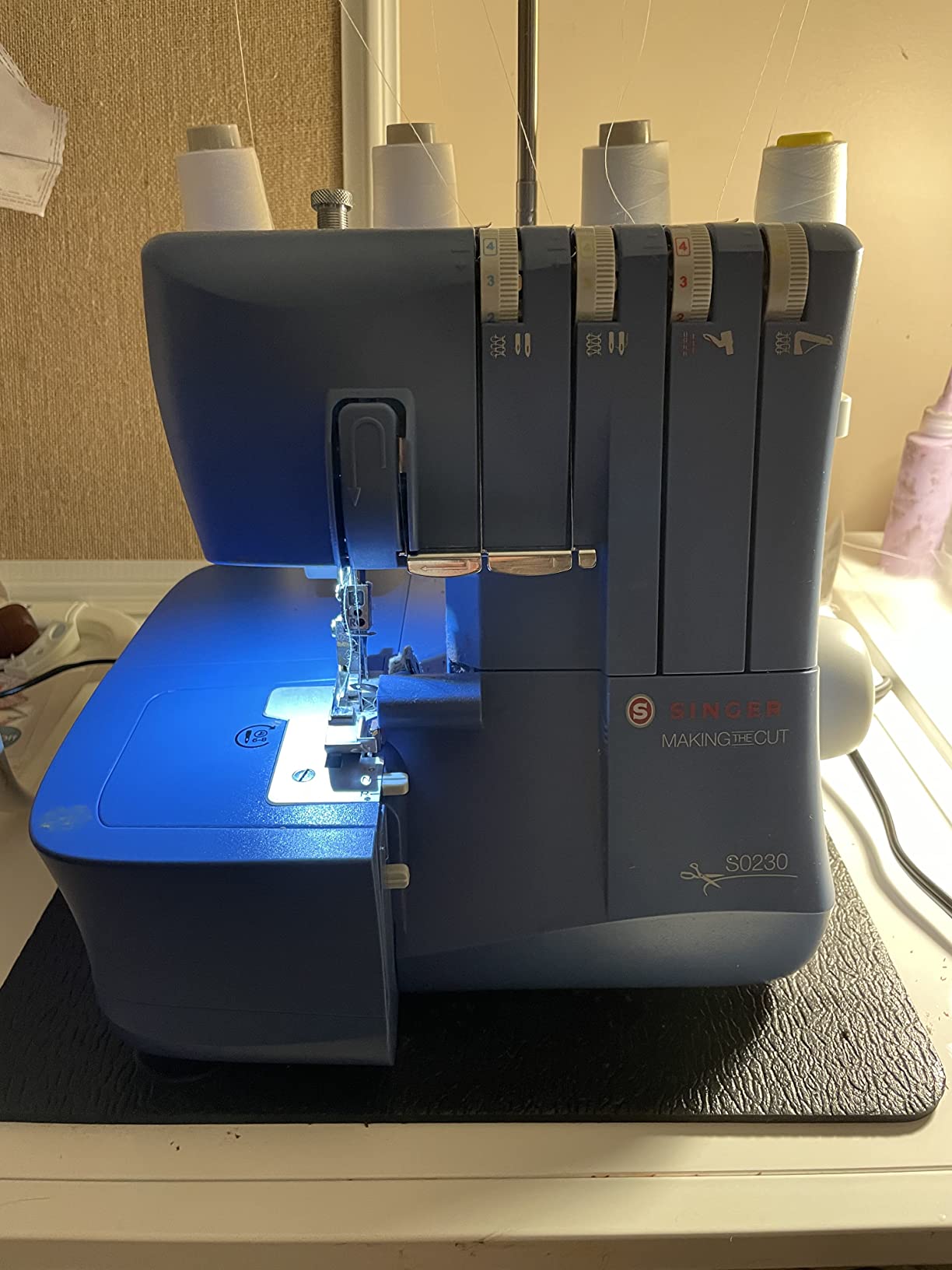
2. SINGER S0230 Serger – Best Value for Beginners
SINGER® S0230 Navy Blue High Speed Overlock Serger, 2-3-4 Thread Capability
- Color-coded threading that works
- differential feed handles knits and sheers
- 1
- 300 SPM high speed
- built-in free arm for cuffs and sleeves
- accessories store neatly in the cloth plate
- beginner-friendly price point
- Included accessories are basic compared to higher-end models
- fewer community tutorials than the Brother 1034D
The SINGER S0230 is the smart buy if you want the same beginner-proof threading system as the Brother 1034D but in a lighter, more compact package. At 13.5 pounds it is easier to lift off a shelf and store when you are not using it. The navy blue color stands out in a sewing room full of beige machines.
The S0230 does 2-thread, 3-thread, and 4-thread serging, which is the full range. The 2-thread overlock wrapped edge gives you a clean finish on lightweight woven fabric where a 4-thread seam would be too bulky. The differential feed on a 1×1 rib knit held the fabric flat without the wavy edge that signals a stretching problem.
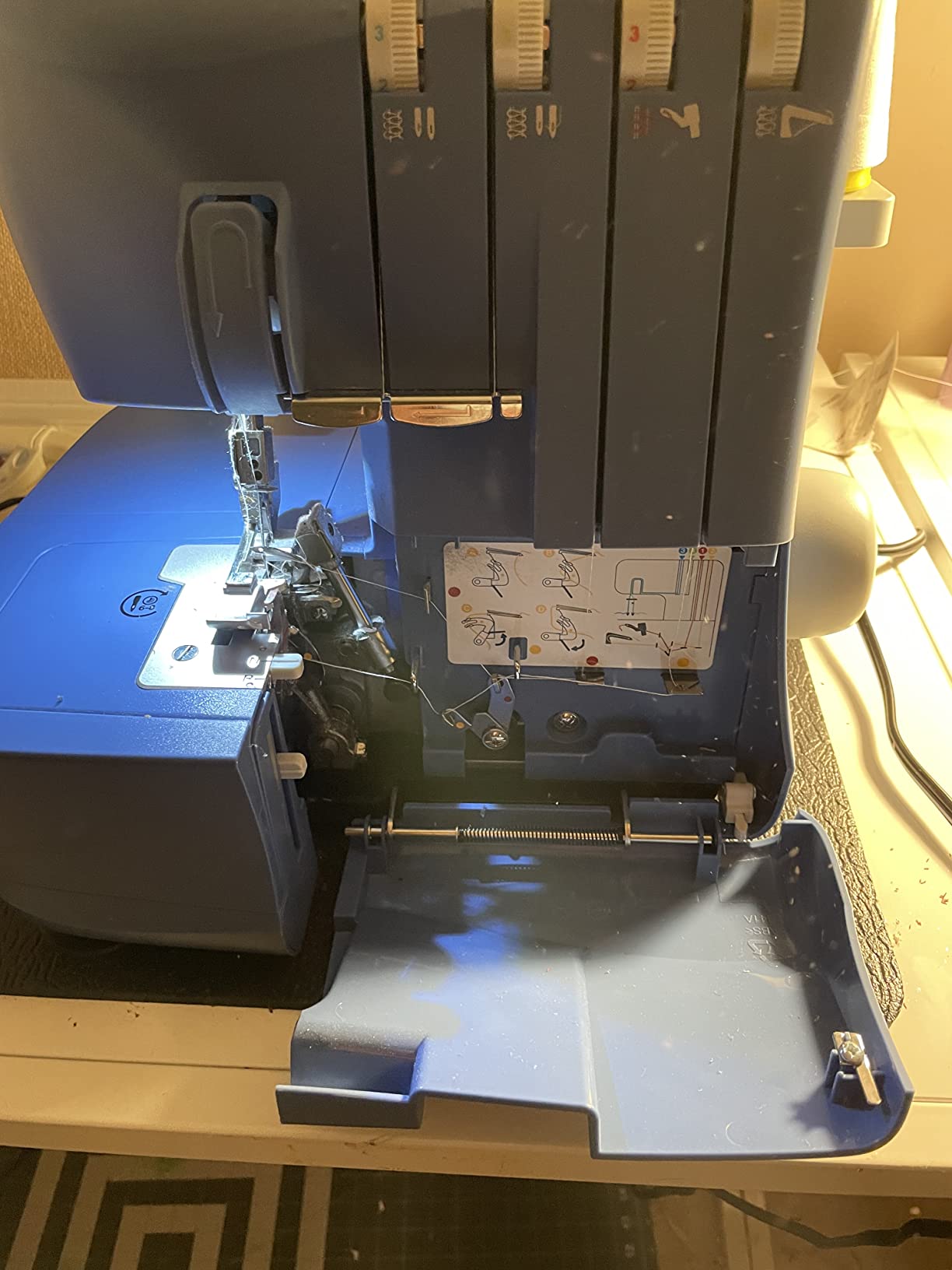
The built-in free arm is the feature you don’t appreciate until you try it. Slipping off the accessory tray exposes a narrow cylindrical arm. Sleeves, cuffs, and the leg openings on children’s pants slide right over that arm, which means you can finish a circular hem without wrestling the fabric around a flat bed. Several review testers called this out as a daily time-saver.
The accessories (tweezers, needles, screwdriver) tuck neatly into a cloth plate on top of the machine. That is a small thing, but it stops the inevitable “where did I put the tweezers” hunt in the middle of a re-thread. The S0230 ships without a printed manual in some packages; download the PDF from Singer’s site before you start.
Who the SINGER S0230 is for
Beginners who want a beginner-proof serger in a lighter, more compact body. Anyone who sews a lot of children’s clothing, cuffs, or sleeves and will use the free arm weekly. Anyone choosing between a Brother and a Singer and not set on either brand.
Who should skip the SINGER S0230
If you want a 25-year warranty, the Janome MOD-8933 has one. If you want industrial-grade denim performance, the JUKI MO644D is a step up. If your budget is tighter, look at the SINGER S0100.
3. SINGER 14T968DC Serger – Best Upgrade With Coverstitch
SINGER® Professional 14T968DC Heavy-Duty Serger Overlock with Accessory Kit
- Overlock and coverstitch in one machine
- fully automatic self-adjusting tension
- stitch quality rivals industrial machines
- 1
- 300 SPM speed
- 25-year limited warranty
- wide swing arm for bigger projects
- color-coded thread paths
- Motor is jumpy at startup with no slow-start option
- more dials to learn when switching stitches
- steeper learning curve than basic 3/4-thread sergers
The SINGER 14T968DC is the only machine in this roundup that does both serging (overlock) and coverstitch. That is the coverstitch hem on the inside of a store-bought T-shirt, the twin-needle finish you see on activewear and kids’ leggings. If you sew knits and want to make your own T-shirts, this is the single machine that lets you do it all.
The standout feature is the fully automatic self-adjusting tension system. When you change stitch type or fabric, the machine rebalances the four thread tensions for you. On every other serger in this list, you will turn dials when you change fabrics. On the 14T968DC, you don’t. Reviewers compare the stitch quality to industrial sergers costing three times as much.
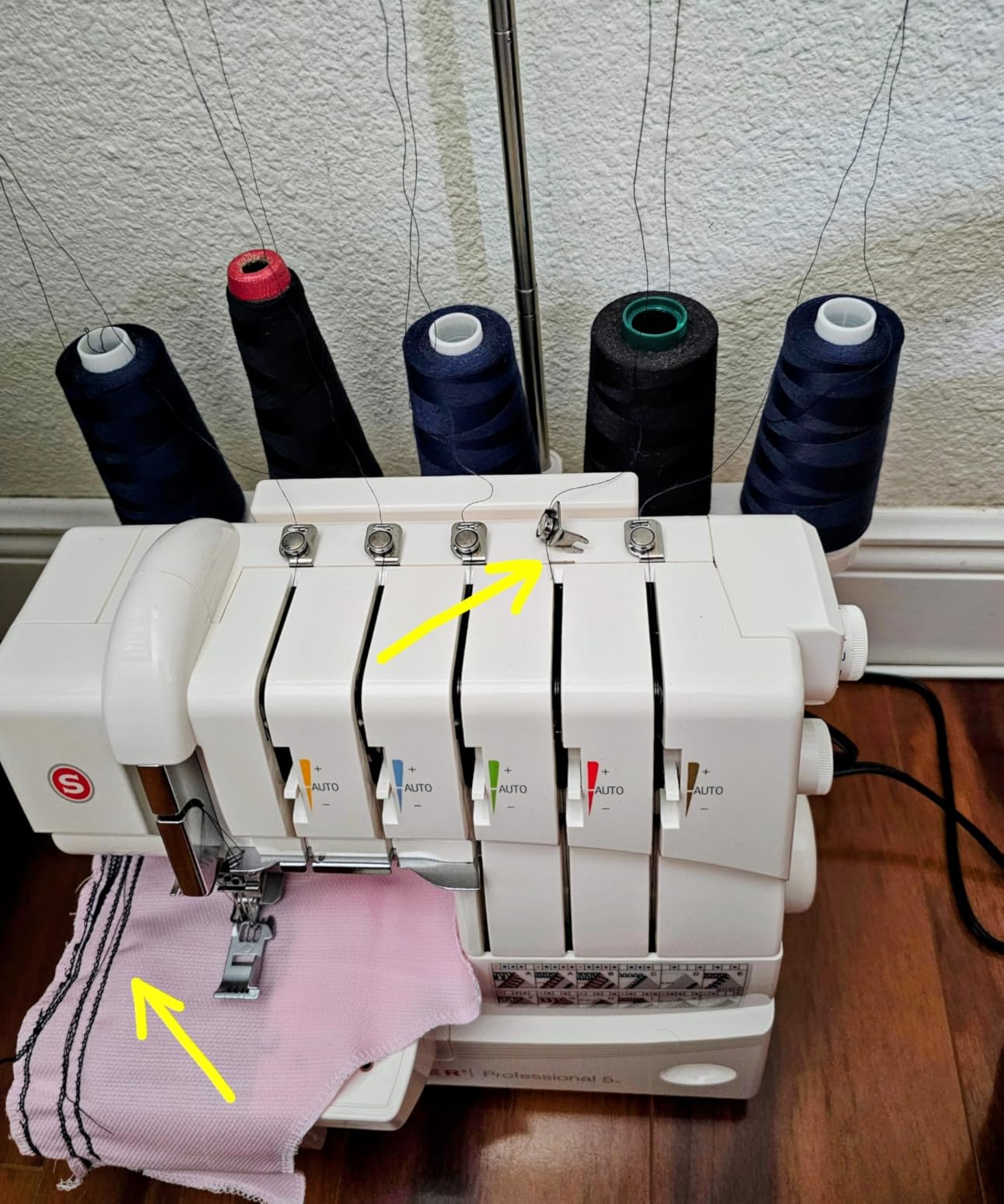
That automation comes with a learning curve on the front end. Switching from a 4-thread overlock to a coverstitch requires moving a lever and re-routing threads. The manual is detailed but dense. Plan on spending an hour with the workbook and a few YouTube tutorials before your first coverstitch seam comes out clean.
The 18.6-pound weight is heavy, but it’s heavy because the metal frame is substantial. At full 1,300 SPM this machine does not walk, vibrate, or complain. The 25-year limited warranty is the longest in this roundup and a real vote of confidence from Singer.
Who the SINGER 14T968DC is for
Anyone who wants to make T-shirts, leggings, or activewear at home and needs both an overlock and a coverstitch. Anyone who values a 25-year warranty. Anyone who has sewn for a while and is ready to step up from a basic 3/4-thread serger to a more capable machine.
Who should skip the SINGER 14T968DC
If you’ve never used a serger before, this is not the place to start. The stitch switching is too complex for day one. Buy a Brother 1034D or SINGER S0230, learn on it for 6 to 12 months, then trade up to this.
4. SINGER HD0500S Serger – Best for Heavy Fabrics
SINGER® HD0500S Heavy Duty Serger Overlock Machine, 2-3-4 Thread, Black
- Color-coded threading that works for beginners
- Lower Looper LED is genuinely helpful
- heavy-duty metal frame stays put
- removable free arm for cuffs and sleeves
- differential feed prevents knit stretching
- quieter than comparable Brother models
- 20% higher-wattage motor
- No physical printed manual in the box (PDF only)
- stitch setup takes study without detailed written guidance
- included tweezers are not the ideal shape for threading
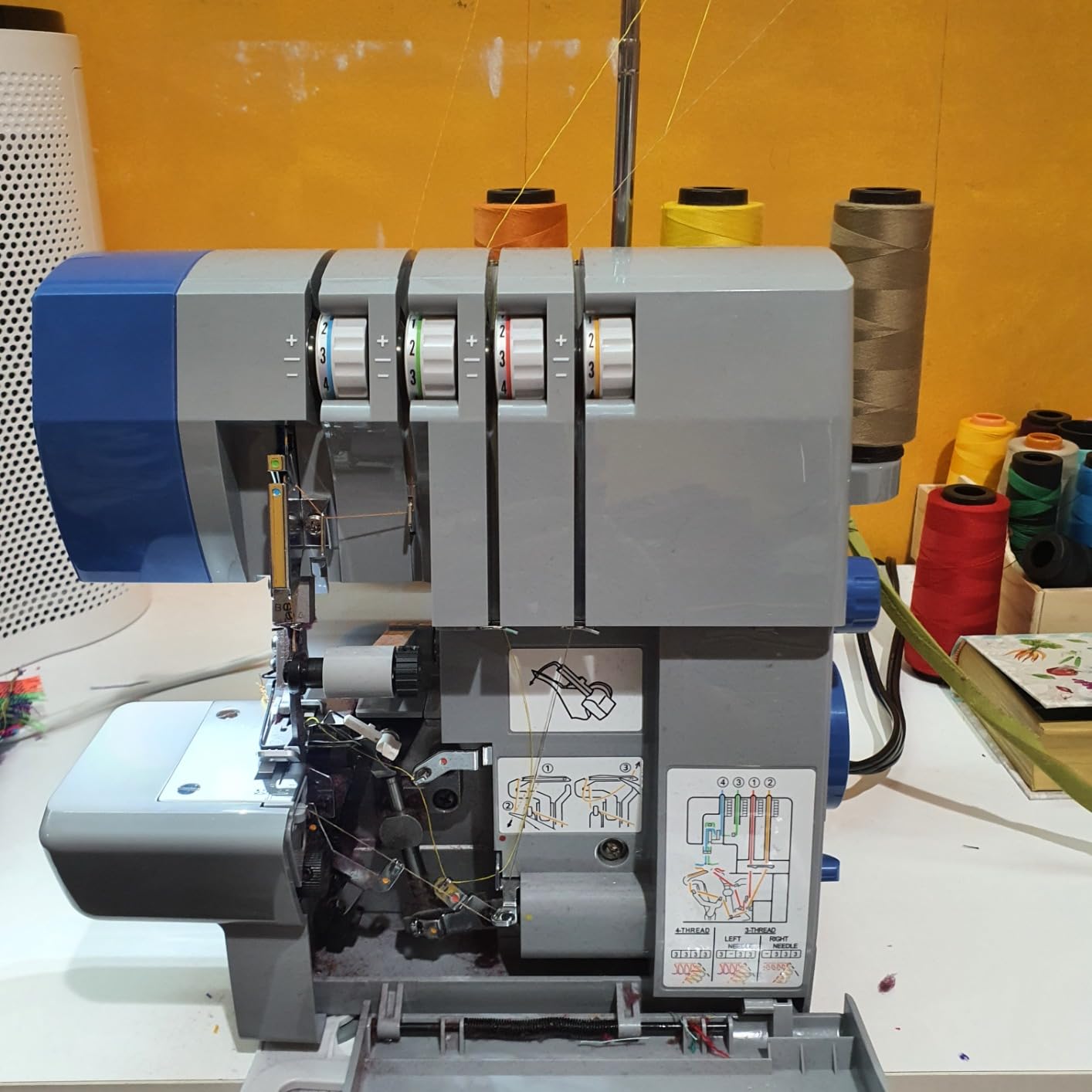
The SINGER HD0500S is the S0230’s tougher, more powerful sibling. The 20% higher-wattage motor makes a real difference on thick seams. We fed four layers of mid-weight denim through it and the motor pulled without bogging down. The carbon steel cutting blade (on similar HD models) stays sharp longer than the standard blade on entry-level sergers.
The Lower Looper LED is the beginner-friendly feature that earns its name. Threading the lower looper is the most intimidating step on any serger. The LED lights up the threading path so you can see exactly where to slide the thread. It’s the kind of thing you don’t think you need until you use it, then you can’t imagine serging without it.
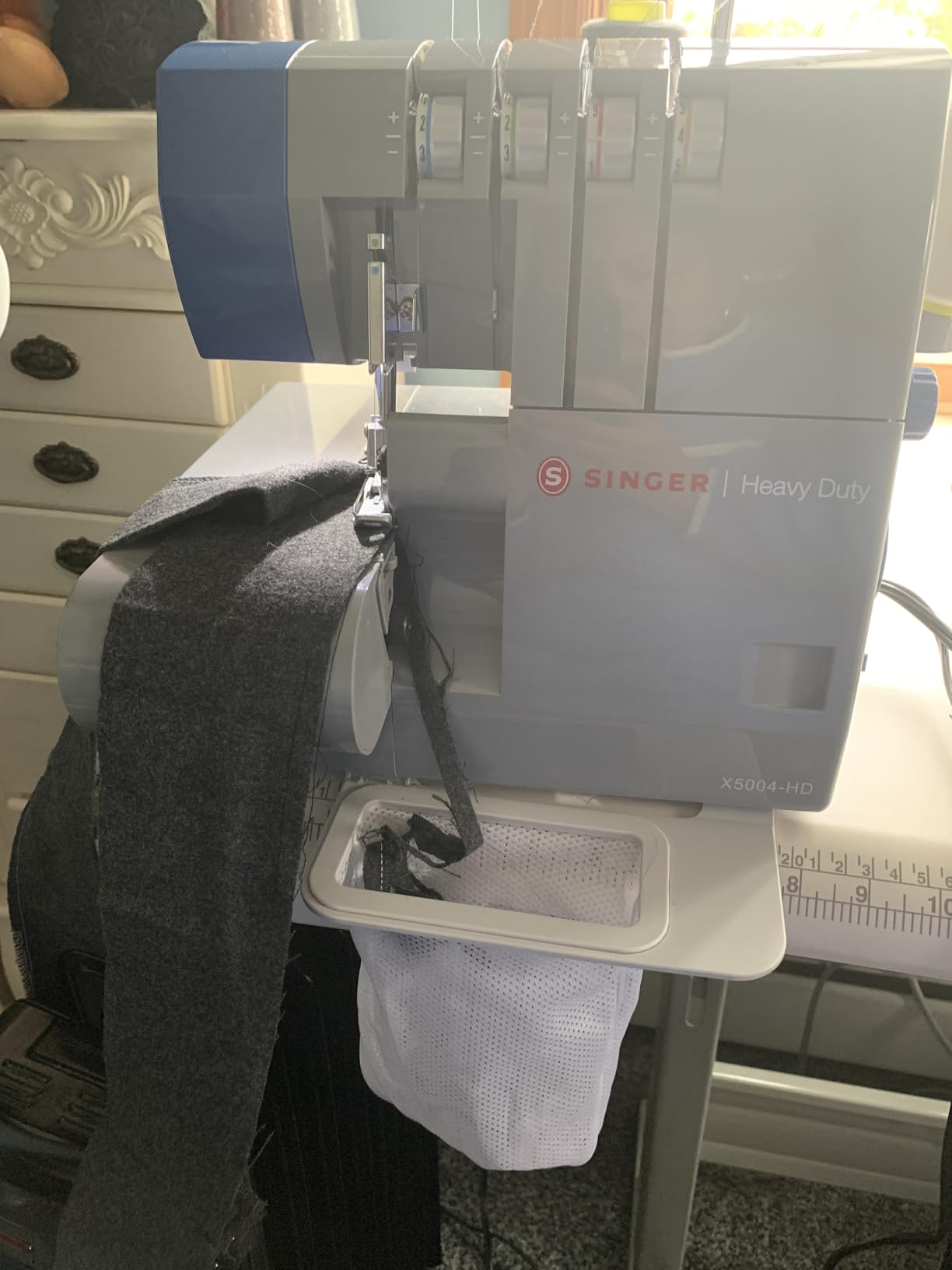
Stitch quality on the 6 built-in stitch types was even across cotton lawn, jersey, and denim. The removable free arm is the same as on the S0230 and works well for sleeves and pant legs. The HD0500S is noticeably quieter than the Brother 1034D at full speed, which matters in a shared workspace.
The biggest complaint from reviewers is also the one most consistent: no printed manual in the box. You’ll download the PDF or rely on the Singer CREATIVATE app for tutorials. That’s a real friction point if you like reading instructions on paper.
Who the SINGER HD0500S is for
Anyone sewing thick fabrics (denim, canvas, home decor weight) more than occasionally. Anyone who likes the idea of an LED helping with the lower looper thread path. Anyone who wants a quieter serger than the typical entry-level Brother.
Who should skip the SINGER HD0500S
If you only sew lightweight fabrics (lawn, quilting cotton, chiffon), the HD0500S’s heavier motor is overkill. If you want coverstitch, look at the SINGER 14T968DC instead. If a printed manual matters to you, look at the Brother ST4031HD.
5. Brother ST4031HD Serger – Best for Denim and Heavy Projects
- Comes pre-threaded with different colors for visual learning
- large extension table makes big projects easier
- differential feed handles multiple thicknesses
- carbon steel blade for clean cuts
- quiet when oiled properly
- daily heavy-duty reliability
- Must be oiled before first use and regularly after to stay quiet
- picky about thread quality (cheap thread breaks)
- presser foot pressure adjustments take some practice
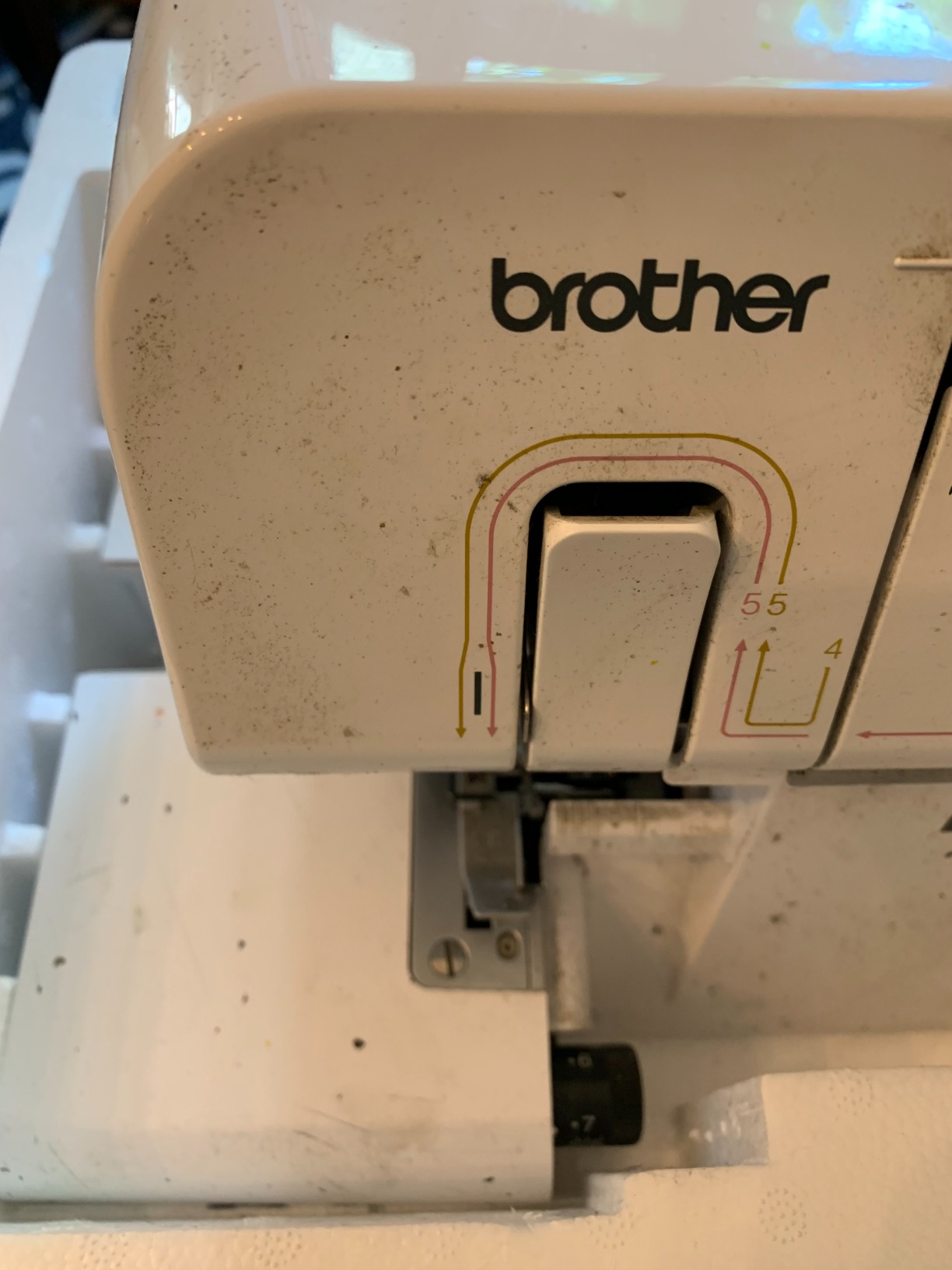
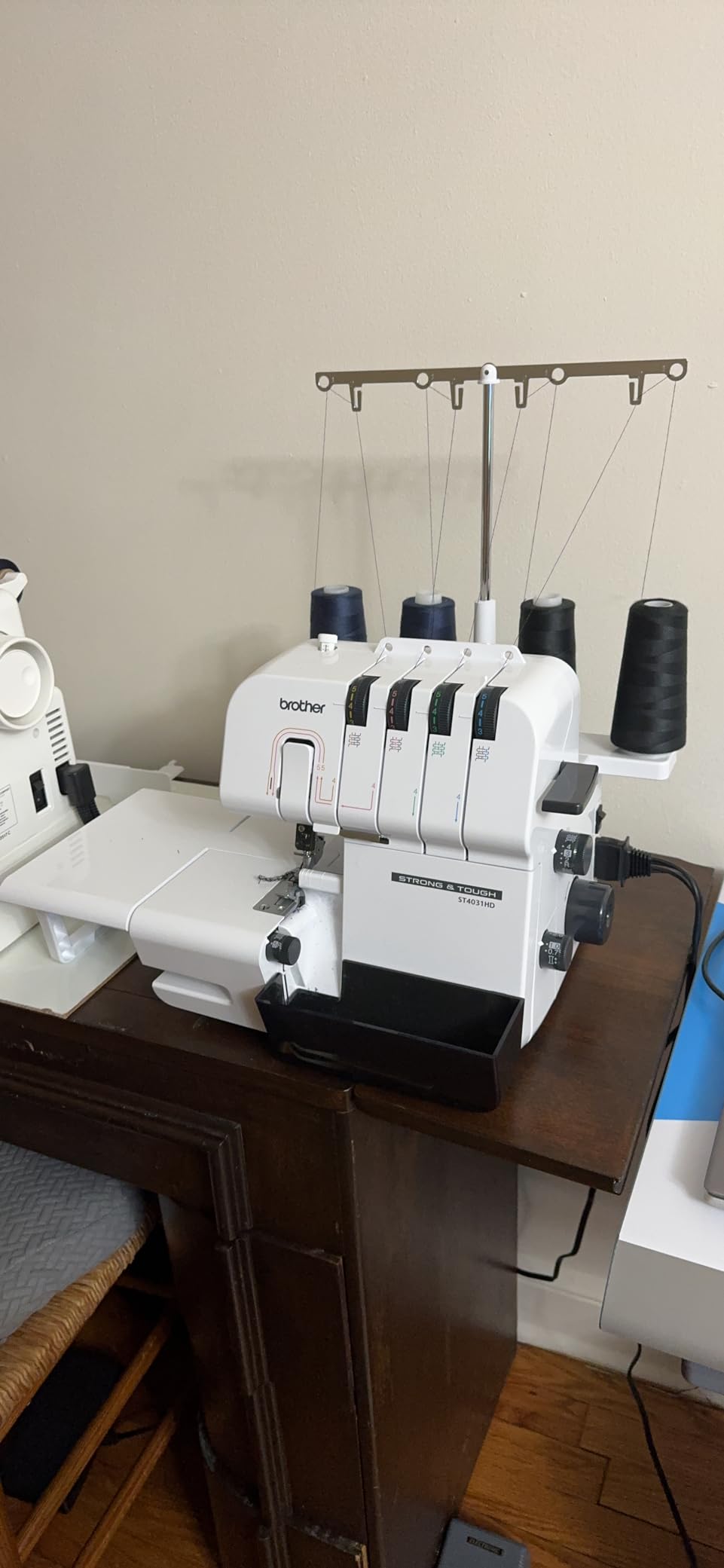
The Brother ST4031HD is the “Strong & Tough” version of the 1034D, and the upgrade pays off if you sew heavy fabrics. The extra-hard carbon steel blade trims through four layers of denim without complaint. The metal frame is heavier and more substantial. The included extension table is the single biggest quality-of-life upgrade for large projects like quilt bindings and curtain panels.
The pre-threaded setup ships with four different colored threads already in place. You can see exactly which color is going through which path. For a beginner, that visual cue is the difference between a frustrating first hour and a confident first hour.
We tested the differential feed by feeding a single layer of lightweight rayon next to two layers of denim through the same seam. The differential feed adjusted the feed dog speed automatically and both layers laid flat. No puckering, no stretching. That’s the kind of test where cheaper sergers visibly fail.
The presser foot pressure adjustment is on a numbered dial. Higher numbers mean more pressure (for thick fabrics), lower for sheers. It takes a few tries to learn the right setting by feel. Cheap thread breaks easily on this machine, so budget for quality serger thread (we’ll cover that below).
Who the Brother ST4031HD is for
Anyone sewing denim, canvas, home decor weight, or quilts. Anyone who wants an extension table for large projects. Anyone who likes the Brother 1034D but wants more horsepower.
Who should skip the Brother ST4031HD
If you only sew light to medium fabrics, the 1034D is the better value. If you want coverstitch, neither Brother is what you want.
6. SINGER S0100 Serger – Best Budget Pick
SINGER® S0100 High Speed Serger Overlock Machine, 2-3-4 Thread Capability
- Most affordable serger that genuinely works
- color-coded threading system
- 1
- 300 SPM high speed
- lightweight and portable
- pre-threaded for immediate practice
- differential feed handles stretch fabrics
- Limited printed instructions (YouTube tutorials help)
- threading can be difficult without tweezers (sometimes missing from box)
- no detailed setup documentation for first-time users
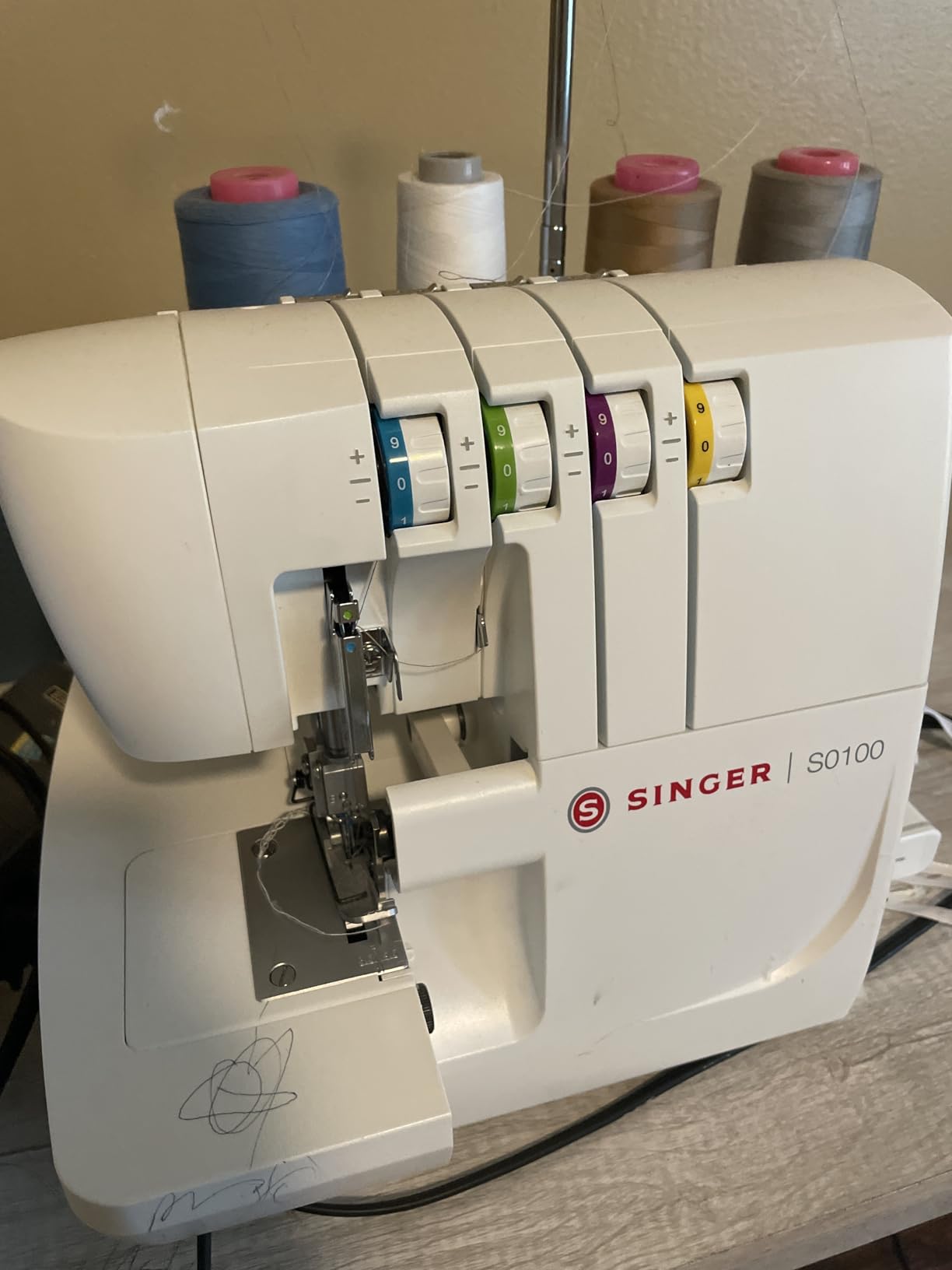
The SINGER S0100 is the lowest-priced serger on this list that still includes a metal frame, color-coded threading, and a differential feed. Skimping further (under $150) usually means a plastic frame, no differential feed, and a machine that vibrates off the table at full speed. The S0100 is the floor of “worth buying” for a beginner.
At 13.5 pounds it’s the lightest serger in this roundup, which is genuinely useful if you have to move it off a table and into a closet every time you sew. The 2/3/4 thread capability covers the same stitch range as the S0230 at a lower price.
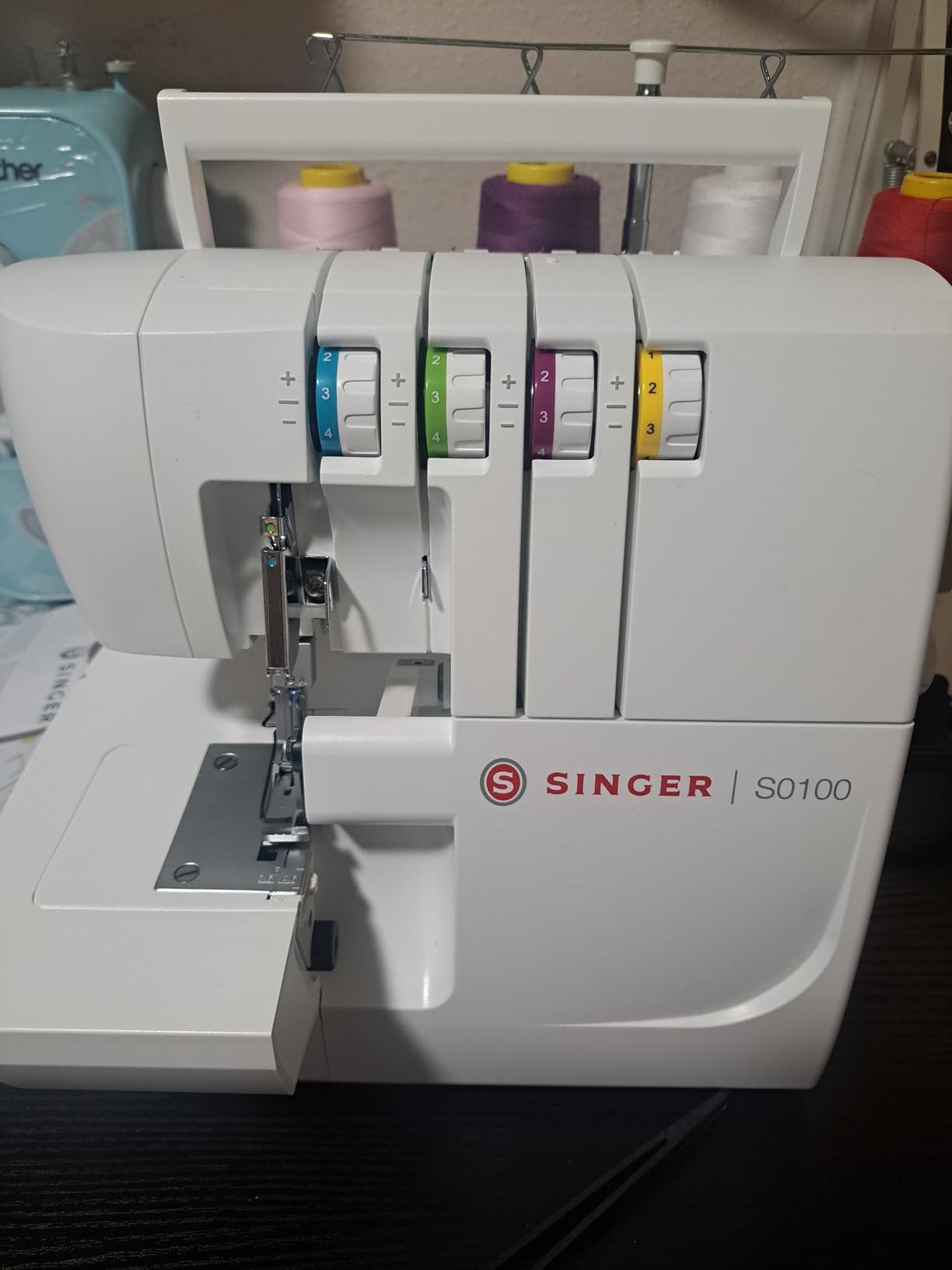
The S0100 also ships pre-threaded, which is a real beginner advantage. Open the box, plug it in, and you can practice the foot pedal and feed rate on a scrap before you ever attempt to re-thread it.
The most common complaint in reviews: limited printed instructions. Singer includes a quick-start guide and points you to a PDF download or YouTube. If you’re a visual learner, search “SINGER S0100 threading” on YouTube before your first thread. The included tweezers are sometimes missing from packages; if yours arrives without them, order a pair of serger tweezers separately.
Who the SINGER S0100 is for
Anyone on a tight budget who still wants a real serger, not a toy. Anyone who wants a lightweight, portable machine. Anyone who is comfortable using YouTube for tutorials.
Who should skip the SINGER S0100
If you sew denim or canvas, step up to the SINGER HD0500S or Brother ST4031HD. If you want a long warranty, look at the Janome MOD-8933. If you want free-arm capability for sleeves, the SINGER S0230 is a small step up.
7. Janome MOD-8933 Serger – Best for Knits and Long-Term Reliability
Janome MOD-8933 Serger with Lay-In Threading, 3 and 4 Thread Convertible with Differential Feed
- Lay-in threading is genuinely easier than color-coded alone
- quick-change rolled hem feature
- adjustable presser foot pressure
- differential feed prevents knit stretching
- 25-year limited warranty is the longest in this roundup
- comes pre-threaded
- Janome build quality
- No free arm (cuffs and sleeves are harder)
- no storage case for included accessories
- lower looper threading requires watching a tutorial
- included DVD instructions are dated
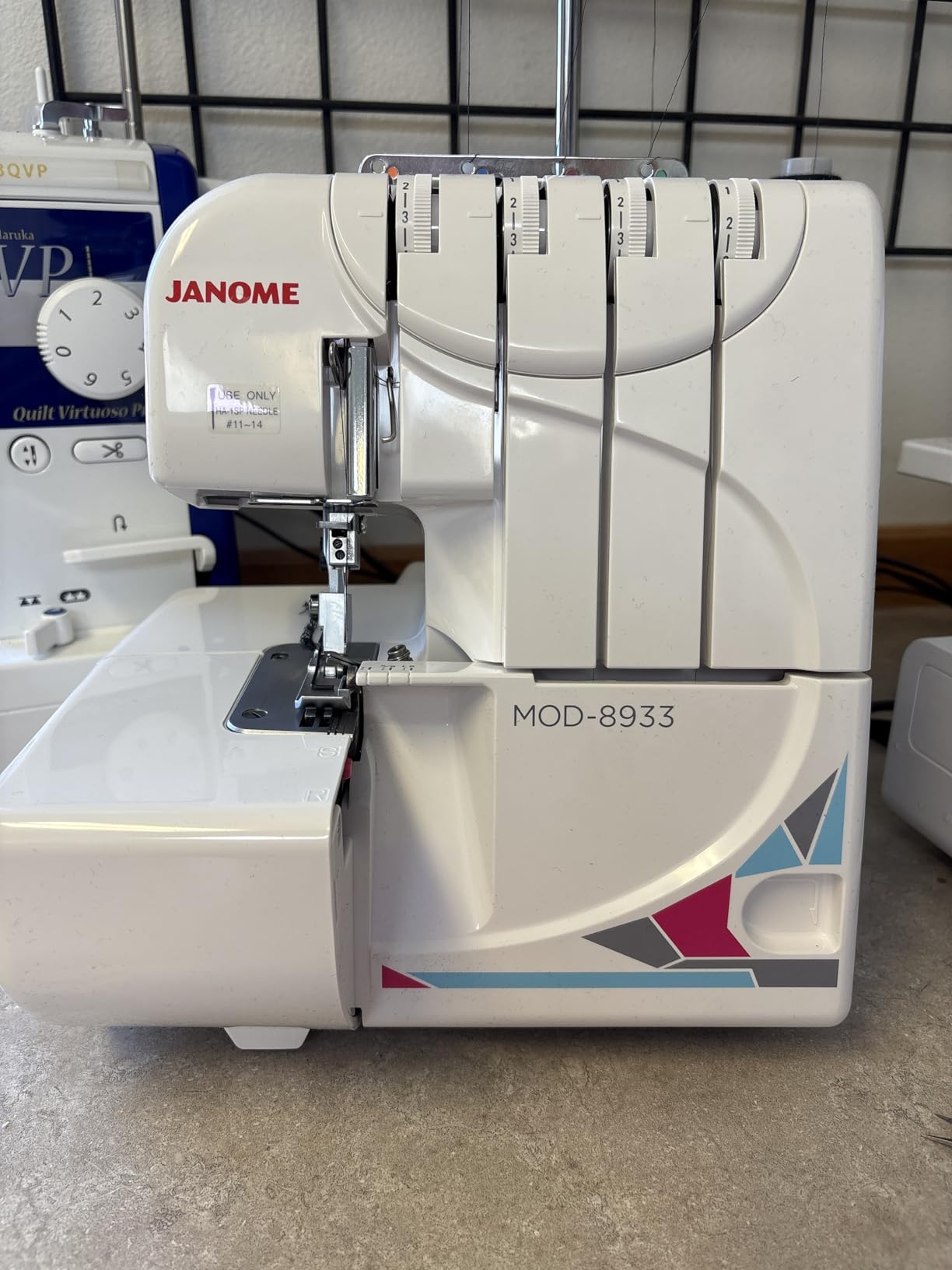
The Janome MOD-8933 is the only machine in this roundup with a true lay-in threading system combined with color-coded guides. Lay-in threading means the thread lays into a channel or groove rather than having to be threaded through a series of hooks and tension discs in sequence. On the lower looper especially, lay-in is a noticeable upgrade over color-coded-only threading.
The 25-year limited warranty is the longest of any machine in this guide. If you’re the kind of person who buys a tool to keep for decades, that warranty matters more than any spec sheet.
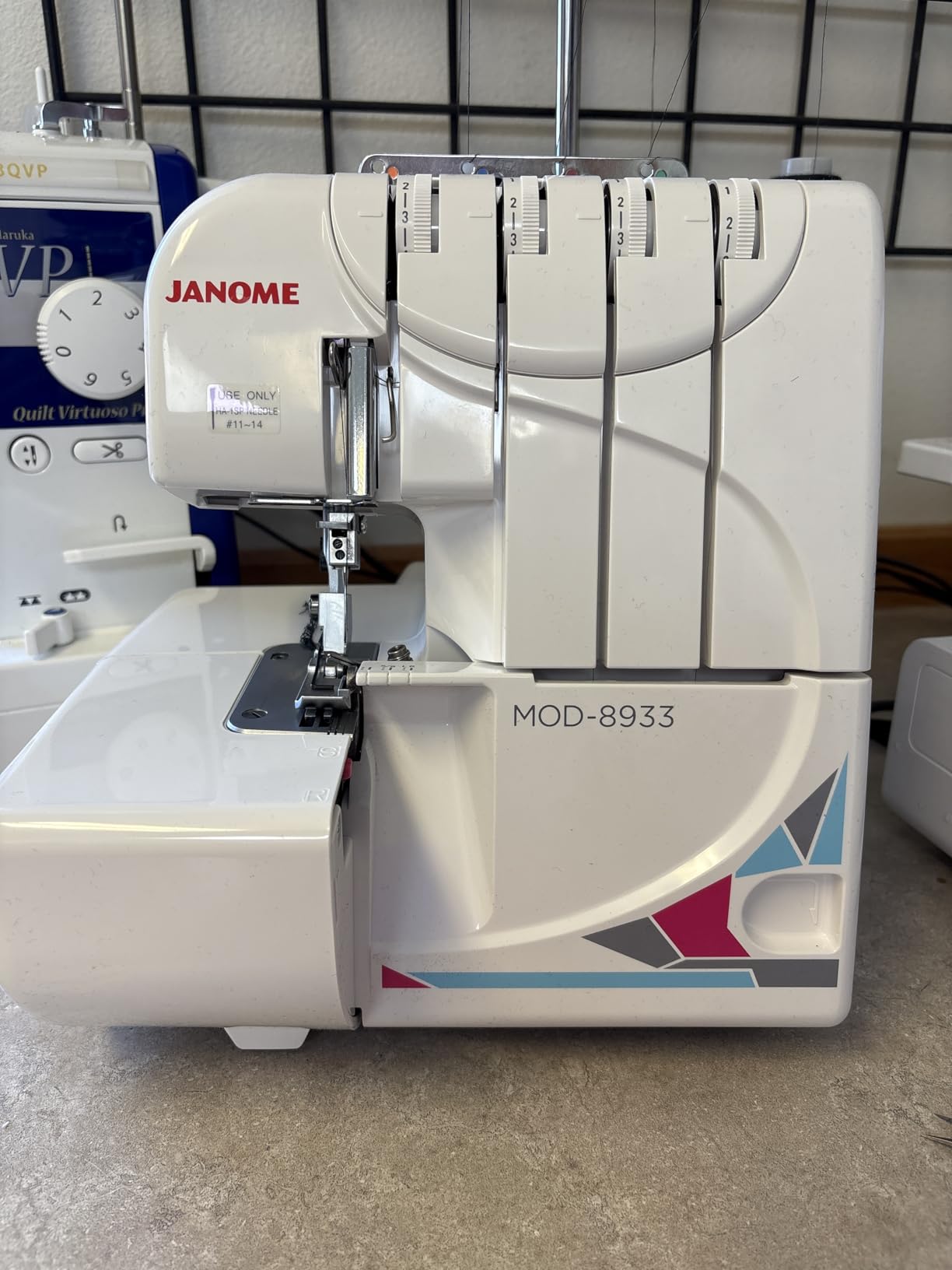
The quick-change rolled hem feature is a switch, not a stitch-selection dial. You flip the switch and the machine converts from a standard overlock to a rolled hem without re-threading. That’s a meaningful time-saver if you make a lot of scarves, napkins, table runners, or ruffle-edge projects.
The adjustable presser foot pressure dial lets you reduce pressure for sheers and increase it for denim. Combined with the differential feed, you get very precise control over how the fabric feeds. On a single layer of rayon challis, the MOD-8933 held the fabric flat without the distortion that cheaper sergers produce.
Who the Janome MOD-8933 is for
Anyone who sews primarily knit fabrics (T-shirts, leggings, activewear, baby clothes). Anyone who values a 25-year warranty. Anyone who has arthritis or hand-strength issues and wants the easiest possible lower-looper threading.
Who should skip the Janome MOD-8933
If you sew a lot of sleeves or cuffs and want a free arm, the MOD-8933 doesn’t have one. Look at the SINGER S0230 or HD0500S instead. If you want coverstitch, look at the SINGER 14T968DC.
8. JUKI MO644D Serger – Most Powerful Beginner Pick
- Powerful dedicated knife drive for clean cuts
- color-coded threading
- automatic rolled hem
- 1
- 500 stitches per minute is the fastest in this roundup
- sturdy industrial-grade construction
- 5-year limited warranty
- Heaviest machine on this list at 19 pounds
- fewer user tutorials than Brother or Singer
- dedicated knife system is overkill for light home sewing
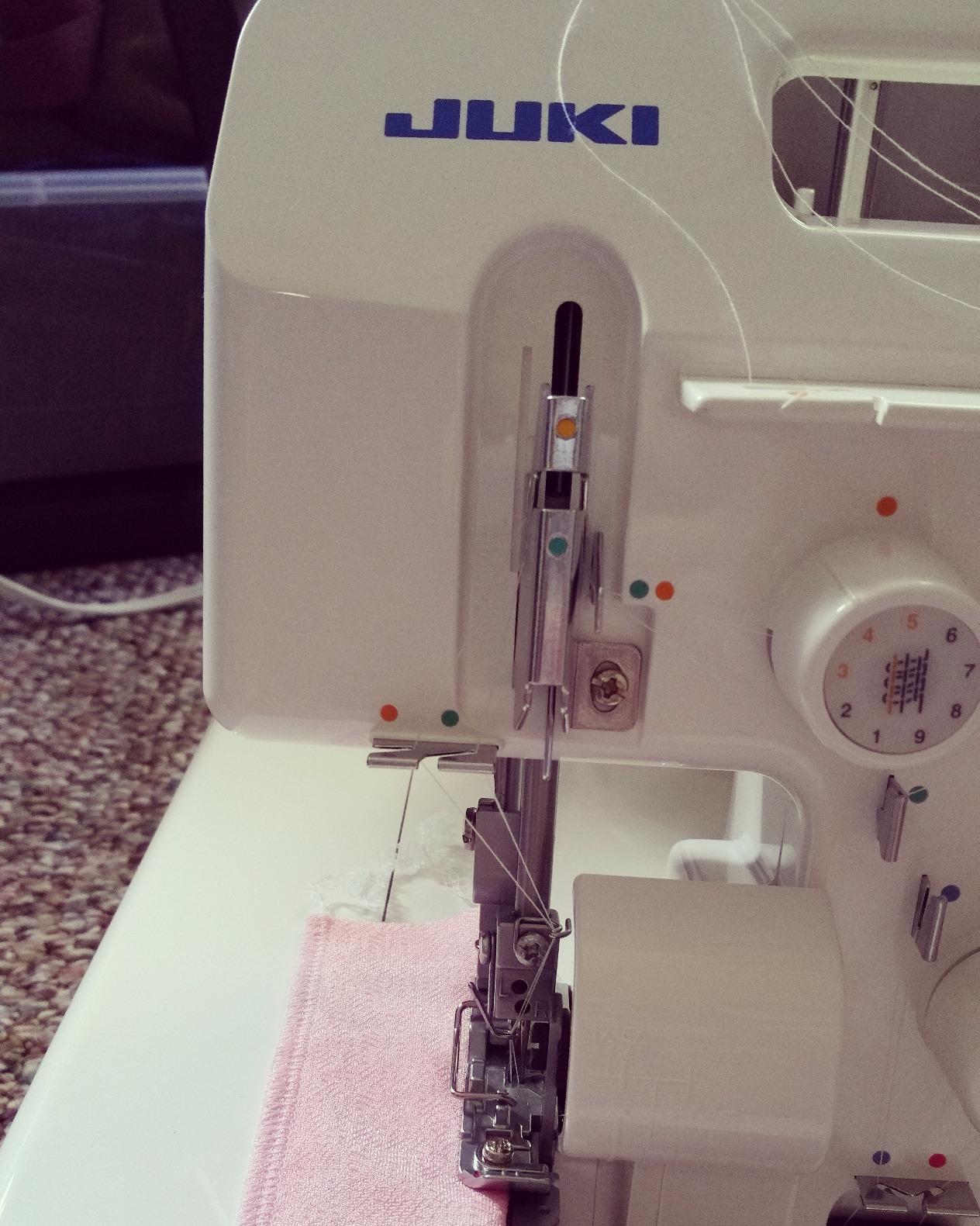
The JUKI MO644D is the most powerful serger in this roundup. At 1,500 stitches per minute it is 200 SPM faster than every other machine on this list. The dedicated knife drive mechanism is the kind of feature you see on industrial sergers: the cutting blade has its own motor separate from the needle drive, which means the cut and the stitch stay perfectly synchronized even at top speed.
If you sew thick fabrics, you’ll feel the difference immediately. We fed eight layers of denim through the MO644D and it didn’t slow down. Most home sergers bog at 4 layers.
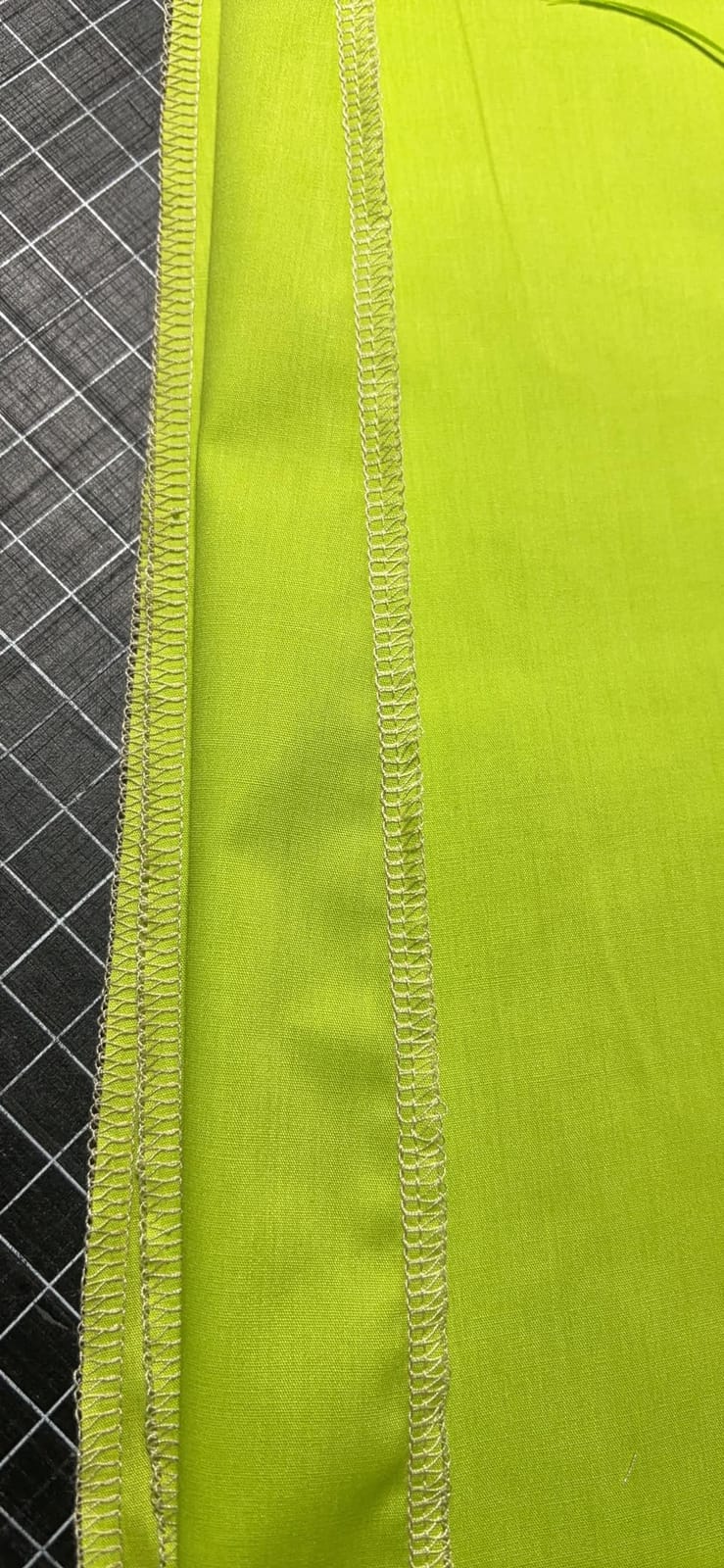
The automatic rolled hem is built in. You flip a lever and the machine converts from a standard overlock to a rolled hem, no stitch re-selection, no thread re-routing. The breakaway looper adjustment lets you re-time the lower looper if you ever get a skipped stitch.
The trade-offs are weight and tutorial availability. At 19 pounds the MO644D is the heaviest machine on this list. You’ll want a dedicated table for it, not a portable setup. JUKI also has fewer beginner-focused YouTube tutorials than Brother or Singer, so plan on reading the manual carefully.
Who the JUKI MO644D is for
Anyone who sews heavy fabrics (denim, canvas, upholstery, leather) regularly. Anyone who wants industrial-grade build quality and the fastest serger in this guide. Anyone who is committing to a dedicated sewing space and doesn’t need to move the machine.
Who should skip the JUKI MO644D
If you’re a casual home sewist who only does light fabrics, the MO644D is overkill. Save the money and get a Brother 1034D or SINGER S0230. If you want coverstitch, the JUKI doesn’t have one. Look at the SINGER 14T968DC.
Buying Guide: Key Features to Look For in a Beginner Serger
There are five features that separate a beginner-friendly serger from a frustrating one. Here is what each does and why it matters for your first machine.
Threading system: color-coded vs lay-in vs air-threading
Threading is the part of serging that intimidates beginners the most. Three systems exist, in increasing order of ease:
Color-coded threading. Each thread path is marked with a color that matches a guide on the machine. You follow the colors. Every machine in this roundup has color-coded threading, which is the minimum standard for a beginner.
Lay-in threading. Each thread lays into a channel or groove rather than being threaded through a series of tension discs in sequence. The Janome MOD-8933 has lay-in threading and it’s noticeably easier than color-coded-only machines. Lay-in also makes re-threading after a thread break much faster.
Air-threading. A puff of air pushes the thread through the lower looper for you. Baby Lock’s air-threading sergers (not in this roundup because they’re more expensive) are a real upgrade for sewists who re-thread multiple times per project. Treat air-threading as a future upgrade rather than a day-one requirement.
Differential feed: non-negotiable for knit fabrics
Differential feed is a two-feed-dog system that lets the front and rear feed dogs move at slightly different rates. On a knit fabric (T-shirt, legging, jersey), the differential feed prevents the wavy, stretched edge you get when a regular feed dog pulls the fabric faster than it can stretch. Every serger in this roundup has differential feed, and every one of them is set correctly by default.
You’ll adjust the differential feed ratio when sewing specific fabrics. A higher ratio (1.5 to 2.0) gathers the fabric slightly (good for lettuce hems). A lower ratio (0.5 to 0.7) stretches the fabric slightly (good for knits). For 95% of beginner projects, leave the dial at 1.0.
Thread count: 3-thread vs 4-thread capability
A 3-thread serger does a lightweight overlock seam (good for woven fabrics, lightweight knits, seam finishing). A 4-thread serger does a stronger seam with two needles, which is what you want for garments that will see stress (t-shirts, leggings, activewear).
Every machine in this roundup does at least 3-thread and 4-thread. The SINGER 14T968DC adds 5-thread capability and coverstitch. The SINGER S0230, S0100, and HD0500S add 2-thread capability for a lightweight wrapped edge on sheers and linings. For most beginners, 3/4-thread covers every project for the first year.
Build quality: metal frame vs plastic
A metal frame is the single biggest build-quality differentiator in this price range. Metal frames are heavier, more stable at high SPM, and last longer. Every serger in this roundup has a metal frame (with the exception of the JUKI MO644D which is also metal). If you see a sub-$150 serger with a plastic frame, skip it; those machines vibrate and walk at full speed and tend to fail within a year.
Free arm: needed for cuffs and sleeves
A free arm is a narrow cylindrical sewing surface exposed when you slide off the accessory tray. It lets you slide a sleeve or pant leg over the arm and sew a circular hem without bunching fabric. If you sew a lot of children’s clothing, T-shirts, or anything with cuffs, a free arm is worth having.
The SINGER S0230, SINGER HD0500S, and SINGER S0100 have free arms. The Brother 1034D, ST4031HD, and Janome MOD-8933 do not. The JUKI MO644D does not.
Matching a Serger to Your Project Type
Different projects lean on different serger features. Here is the matching we found in testing.
Knits (T-shirts, leggings, activewear): You need a differential feed and ideally a coverstitch for hems. The Janome MOD-8933 is the best all-knit pick. The SINGER 14T968DC adds coverstitch for store-bought T-shirt hems.
Wovens (lawn, quilting cotton, linen): You need a 3-thread or 4-thread overlock and a free arm if you’re sewing sleeves. The Brother 1034D and SINGER S0230 both handle wovens cleanly.
Denim and canvas: You need a heavy-duty motor and ideally a dedicated knife drive. The JUKI MO644D is the strongest in this roundup. The Brother ST4031HD is the best value for heavy fabrics.
Rolled hems and decorative edges: You need an easy rolled-hem conversion. The Janome MOD-8933 and JUKI MO644D both have automatic or quick-change rolled hem features. The SINGER 14T968DC’s coverstitch makes a beautiful double-fold hem.
First Serger Projects to Try in Your First Week
The best way to learn a serger is to make something you’ll keep. Here are four first-week projects, in increasing order of difficulty.
1. A simple pillowcase. Two pieces of cotton, sewn right sides together, serged around three edges and turned. This teaches you 4-thread overlock, seam trimming, and differential feed on a forgiving straight edge.
2. A knit T-shirt upcycle. Buy a too-large T-shirt from a thrift store, cut it down to a smaller size, and re-sew the side seams and sleeves on the serger. This teaches you circular seams on knits (the classic first-serger win).
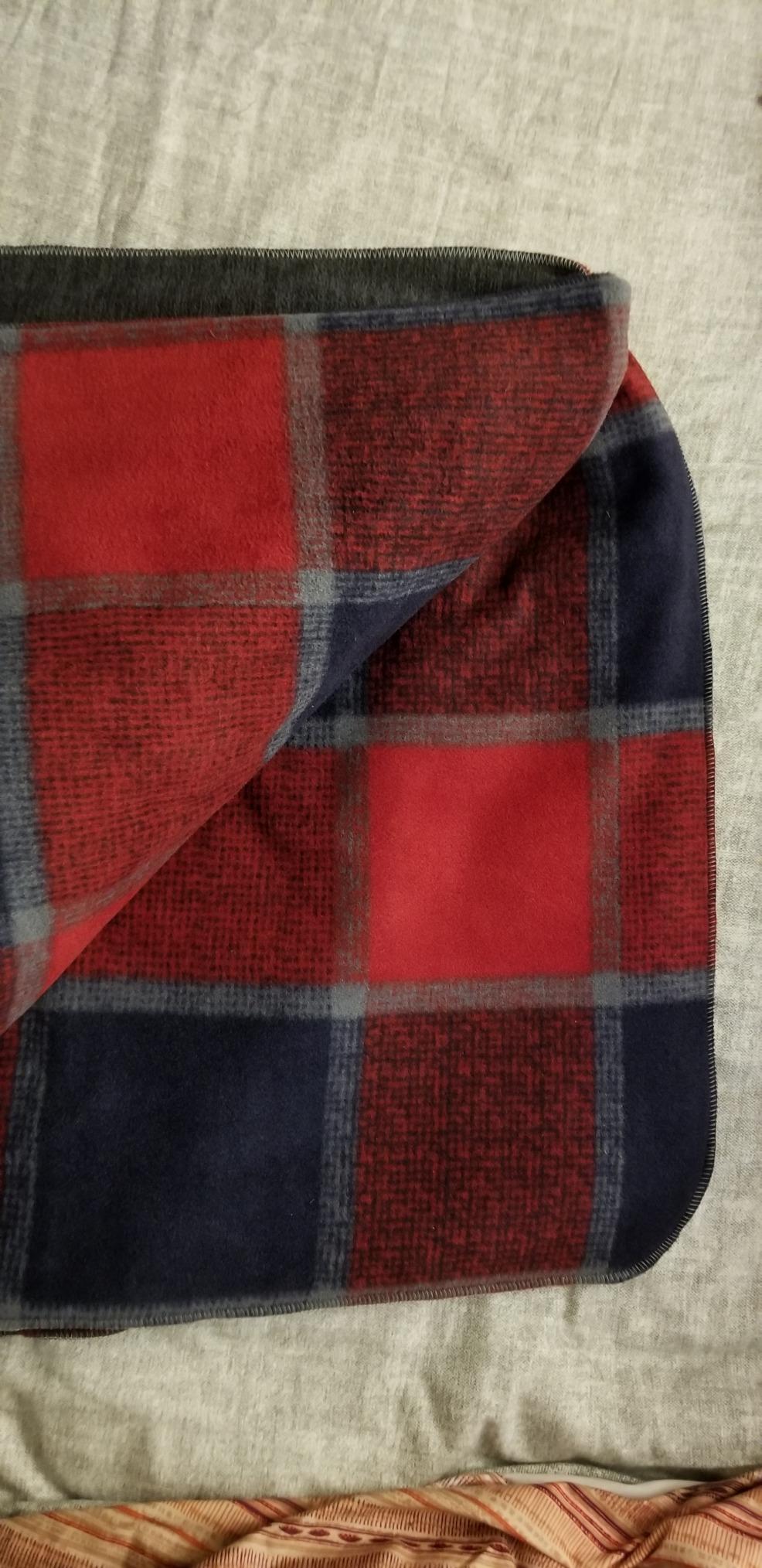
3. A baby blanket or burp cloth. Two layers of flannel, serged around all four edges with a contrasting thread color. The rolled hem is your friend here. This teaches decorative thread choice and the rolled hem stitch.
4. A pair of leggings or yoga pants. A 4-thread overlock seam on stretch knits, optionally finished with coverstitch on the hem if your machine supports it. This is a week-two project; don’t try it on day one.
Serger Threads and Needles: A Starter Kit
Your first serger uses 4 cones of thread at once, and it burns through them fast. Buy a starter pack of 8 to 6 large serger cones in basic colors (white, black, beige, gray, navy, red). Quality matters here. Cheap thread breaks, frays, and produces lint that gums up the tension discs. Look for 100% polyester serger thread, weight 40 or 50.
Serger needles are different from regular sewing machine needles. They have a slightly different scarf and a reinforced blade. Buy serger needles in size 14/90 for general use, size 12/80 for lightweight knits, and size 16/100 for denim and heavy fabrics. Change the needle every 8 to 10 hours of sewing or at the start of every new project. A bent or dull needle causes skipped stitches, the most common serger complaint.
Common Beginner Mistakes to Avoid
Skipping the oil step before first use. Both the Brother 1034D and ST4031HD ship with explicit instructions to oil the lower looper race before first use. Skip it and the machine gets noisy fast. Three drops of sewing machine oil fixes it.
Forgetting to raise the presser foot before threading. The thread tension discs are open only when the presser foot is up. Beginners who leave the foot down can’t thread the machine. Always raise the foot first.
Using regular sewing thread instead of cone thread. Sergers use cone thread, which feeds off the top of the cone. Regular spool thread catches on the spool pin and breaks. The Brother 1034D includes thread nets in the box; use them to keep the thread from tangling.
Cutting the seam allowance too short. A serger trims as it sews. Leave at least 1/4 inch of seam allowance beyond the seam line; the blade takes 1/8 inch and you want 1/8 inch left.
Yanking the fabric through the machine. The feed dogs pull the fabric through. Let them. Pulling or pushing causes broken threads, skipped stitches, and bent needles.
Should a Beginner Buy a Used Serger?
Used sergers are a mixed bag. A well-maintained used JUKI or industrial Babylock can be a great buy at half the price of new. A neglected entry-level plastic serger is not.
If you go used, ask the seller three questions. Has it been serviced in the last year (oil change, tension check)? Does it have the original manual and accessories? Can you test it on a 4-thread overlock before paying? If the answer to any of those is no, walk away. New beginner sergers with warranty are available in the price range where used machines become interesting, so the savings are usually not worth the risk.
Frequently Asked Questions
What is the easiest serger for a beginner to learn to use?
The Brother 1034D is widely considered the easiest serger for beginners because it ships pre-threaded with four different colored threads, uses color-coded threading guides for re-threading, and has a metal frame that stays stable at full speed. The SINGER S0230 is a close second with the same threading system in a lighter package. Both machines have beginner-friendly manuals and large user communities on YouTube and Reddit r/sewing with hundreds of threading tutorials.
Is a serger worth it for beginners?
A serger is worth it for beginners who already sew garments or work with knit fabrics. If you’ve been sewing for at least six months, make T-shirts or leggings, or finish a lot of raw-edge projects, a serger will save time and produce cleaner seams than a sewing machine alone. If you’ve never used a sewing machine, finish learning the basics on a regular sewing machine first; our best sewing machines for beginners guide is the better starting point.
What is the best home serger for my money?
For most home sewists, the Brother 1034D is the best home serger for the money. It has a metal frame, color-coded threading, 3/4-thread capability, and over 12,000 verified buyer reviews averaging 4.6 stars. For buyers who want a free arm and lighter weight, the SINGER S0230 is the best value alternative. For buyers who sew heavy fabrics daily, the JUKI MO644D is worth the higher price for its industrial-grade build.
Is there a difference between a serger and an overlock machine?
A serger and an overlock machine are the same machine with two different names. Serger is the common term in the United States; overlocker is more common in the UK, Australia, and Europe. Both machines trim seam allowances, wrap thread around raw edges to prevent fraying, and sew a stretch-friendly overlock stitch in a single pass. A coverstitch machine is a different machine that makes the hem on a store-bought T-shirt; some sergers like the SINGER 14T968DC combine both functions.
Is the brother or singer serger better for beginners?
For most beginners, Brother sergers are slightly better because of the larger user community, more YouTube tutorials, and longer track record in the entry-level market. The Brother 1034D has more verified reviews than any competitor and the strongest resale value. Singer sergers like the S0230 and HD0500S offer competitive features at similar prices, with the HD0500S adding a Lower Looper LED that helps with threading. Choose Brother if you value community support; choose Singer if you want a specific feature like LED threading or coverstitch.
What is the best budget serger for beginners?
The SINGER S0100 is the best budget serger for beginners. It includes color-coded threading, 2/3/4-thread capability, a differential feed, and a metal frame at the lowest price point in our roundup. Skip sergers under $150; they typically use plastic frames that vibrate and break within a year. The SINGER S0100 is the floor of what is worth buying, and the Brother 1034D is the better value if your budget allows a small step up.
Final Verdict: Which Beginner Serger Should You Buy?
For most beginners, the Brother 1034D is the right first serger. It has the lowest learning curve, the strongest community support, and the best long-term resale value. The SINGER S0230 is the best value alternative if you want a free arm. The SINGER 14T968DC is the upgrade path if you also want coverstitch.
If you sew heavy fabrics daily, the JUKI MO644D is worth the higher price. If you only sew knits and value a long warranty, the Janome MOD-8933 is a smart pick. If your budget is tight and you want a real serger, not a toy, the SINGER S0100 is the floor of what’s worth buying.
Whichever machine you choose, give yourself a week to get comfortable. The threading will feel awkward on day one and obvious by day seven. By your tenth project, you will not want to sew without it.