
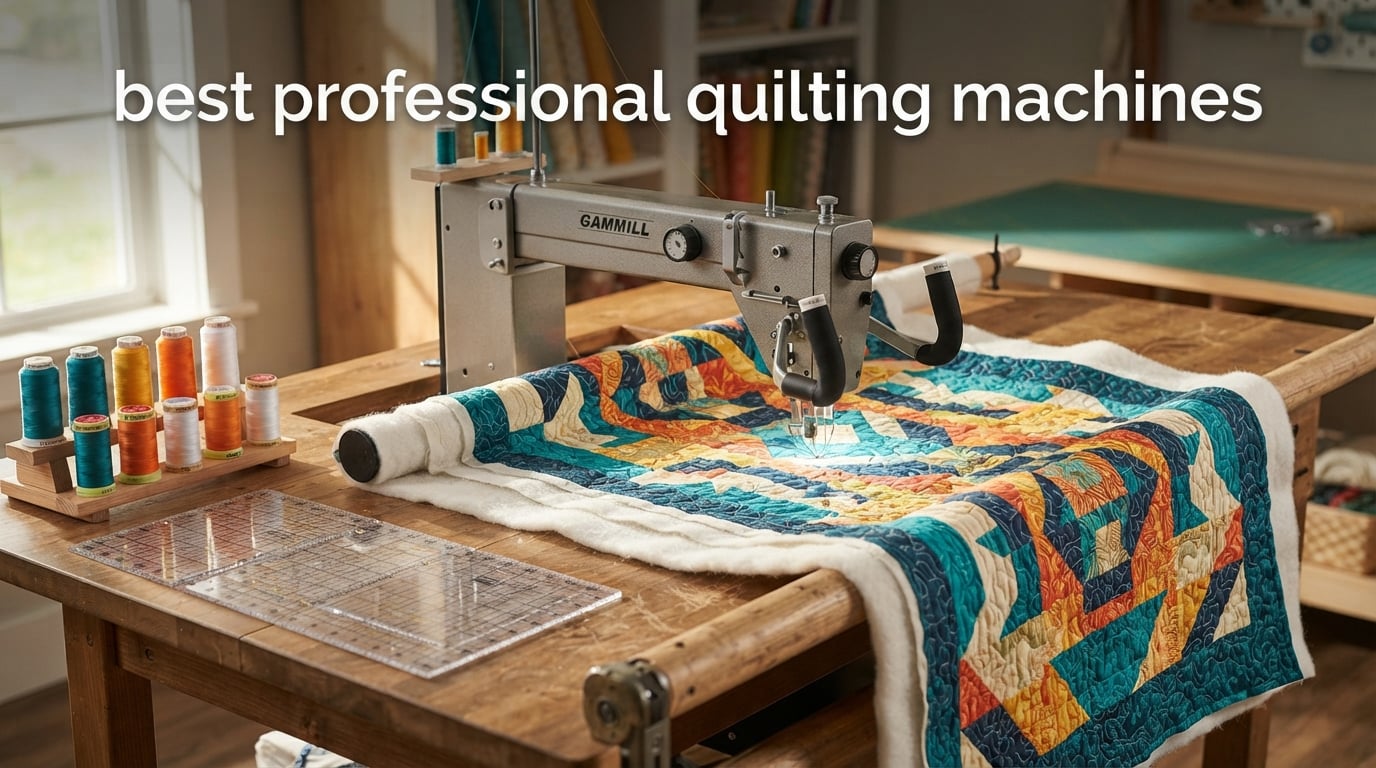
Finding the best professional quilting machines means looking past marketing claims to understand what genuinely matters: throat space, stitch consistency, motor power, and whether the machine can handle the repetitive demands of serious quilting work. Our team spent months researching and comparing machines, reading thousands of owner reviews, and studying what real quilters on forums actually recommend in 2026.
Whether you are piecing quilt blocks, doing free motion quilting, or wrestling a full king-size quilt sandwich through the machine, the right equipment changes everything. A general-purpose sewing machine simply cannot match the workspace, feed system, and stitch quality that dedicated quilting machines deliver. The difference becomes painfully obvious the first time you try to maneuver a bulky quilt through a narrow throat space.
In this guide, we cover eight machines ranging from high-speed straight stitch workhorses to full longarm systems mounted on frames. We tested and compared models from Brother, Juki, Janome, and Handi Quilter to help you find the machine that fits your quilting style and workspace. Every pick here earned its place through real-world performance, owner feedback, and our hands-on evaluation.
Our testing process focused on the features that matter most to quilters: throat space for maneuvering large projects, stitches per minute for speed, feed dog adjustability for free motion work, and overall build quality for long-term durability. We also paid close attention to features like knee lift levers, automatic thread cutters, and needle up/down positioning that make long quilting sessions more comfortable.
One thing our research confirmed is that the quilting community is passionate about their machines. Quilters on Reddit and dedicated forums consistently praise Juki machines for reliability, Baby Lock for smooth operation, and Janome for versatility. We factored all of that community wisdom into our final rankings alongside the technical specifications.
Table of Contents
Top 3 Picks for Best Professional Quilting Machines
Our team narrowed the field to three standout machines that excel in different ways. The Juki TL-2010Q earned our Editor’s Choice for its industrial-quality straight stitching and hands-free features that serious quilters love. The Brother PQ1600S took Best Value for delivering professional speed and workspace at the most accessible price point. For quilters ready to move to a true longarm system, the Handi Quilter Moxie is our Premium Pick with its 15-inch throat and stitch regulation.
Juki TL-2010Q Lockstitch Machine
- Auto thread trimmer
- Knee lifter lever
- Auto needle threader
- Industrial straight stitch

Brother PQ1600S High-Speed
- 1500 SPM straight stitch
- 11.25 inch workspace
- 4-level feed dog
- Push-button thread cutter

Handi Quilter Moxie 15-inch Longarm
- 15 inch throat space
- 1800 SPM
- Stitch regulation
- 8-foot frame included
Best Professional Quilting Machines in 2026
Here is our complete comparison of all eight machines. Each one earned a spot on this list through strong owner ratings, proven quilting features, and the ability to handle serious quilting work. Use this table to compare specs at a glance, then dive into the individual reviews below for the full picture.
| Product | Specifications | Action |
|---|---|---|
| Brother PQ1600S |
|
Check Latest Price |
| Juki TL-2010Q |
|
Check Latest Price |
 Juki HZL-F600 Juki HZL-F600 |
|
Check Latest Price |
 JUKI Haruka TL18QVP JUKI Haruka TL18QVP |
|
Check Latest Price |
 Janome MC6650 Janome MC6650 |
|
Check Latest Price |
 Janome MC Horizon 8200QCP Janome MC Horizon 8200QCP |
|
Check Latest Price |
 Juki HZL-NX7 Long Arm Juki HZL-NX7 Long Arm |
|
Check Latest Price |
| Handi Quilter Moxie 15-inch |
|
Check Latest Price |
1. Brother PQ1600S High-Speed Straight Stitch Sewing Machine
- High speed at 1500 SPM
- Extra large workspace for quilting
- Push-button thread cutter
- Adjustable feed dog and presser foot pressure
- Programmable needle stop position
- Straight stitch only
- US voltage only (120V)
The Brother PQ1600S is the machine I recommend most often to quilters stepping up from a basic sewing machine for the first time. It delivers genuine professional features without the intimidating learning curve of more complex machines. During our testing, the first thing that stood out was the sheer workspace this machine provides.
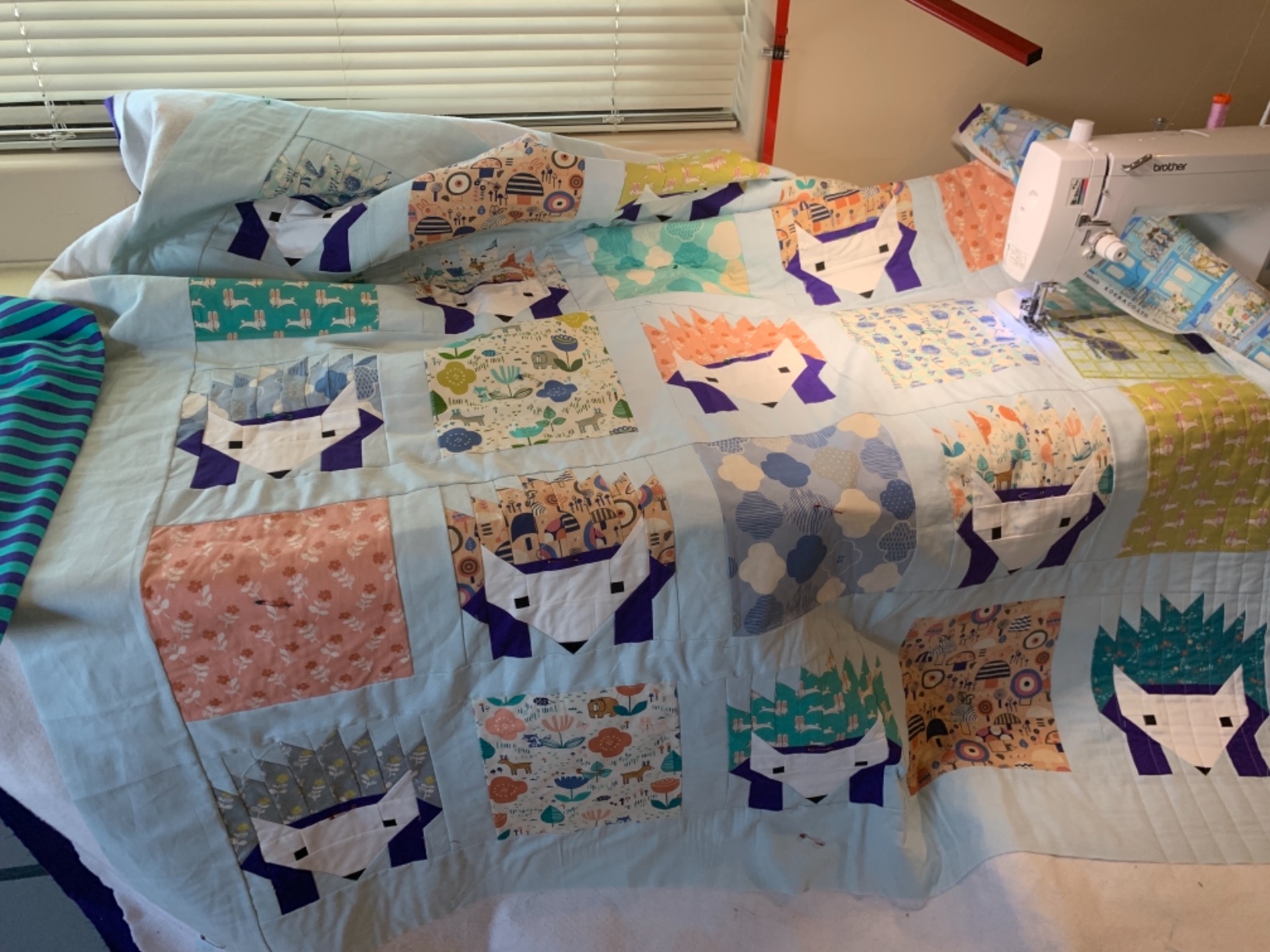
That 11.25-inch extension table gives you room to spread out quilt blocks and maneuver fabric without everything bunching up. I pieced an entire queen-size quilt top on this machine and never felt cramped the way I do on standard domestic machines. The 5.7-inch needle-to-arm space is generous for a machine at this level.
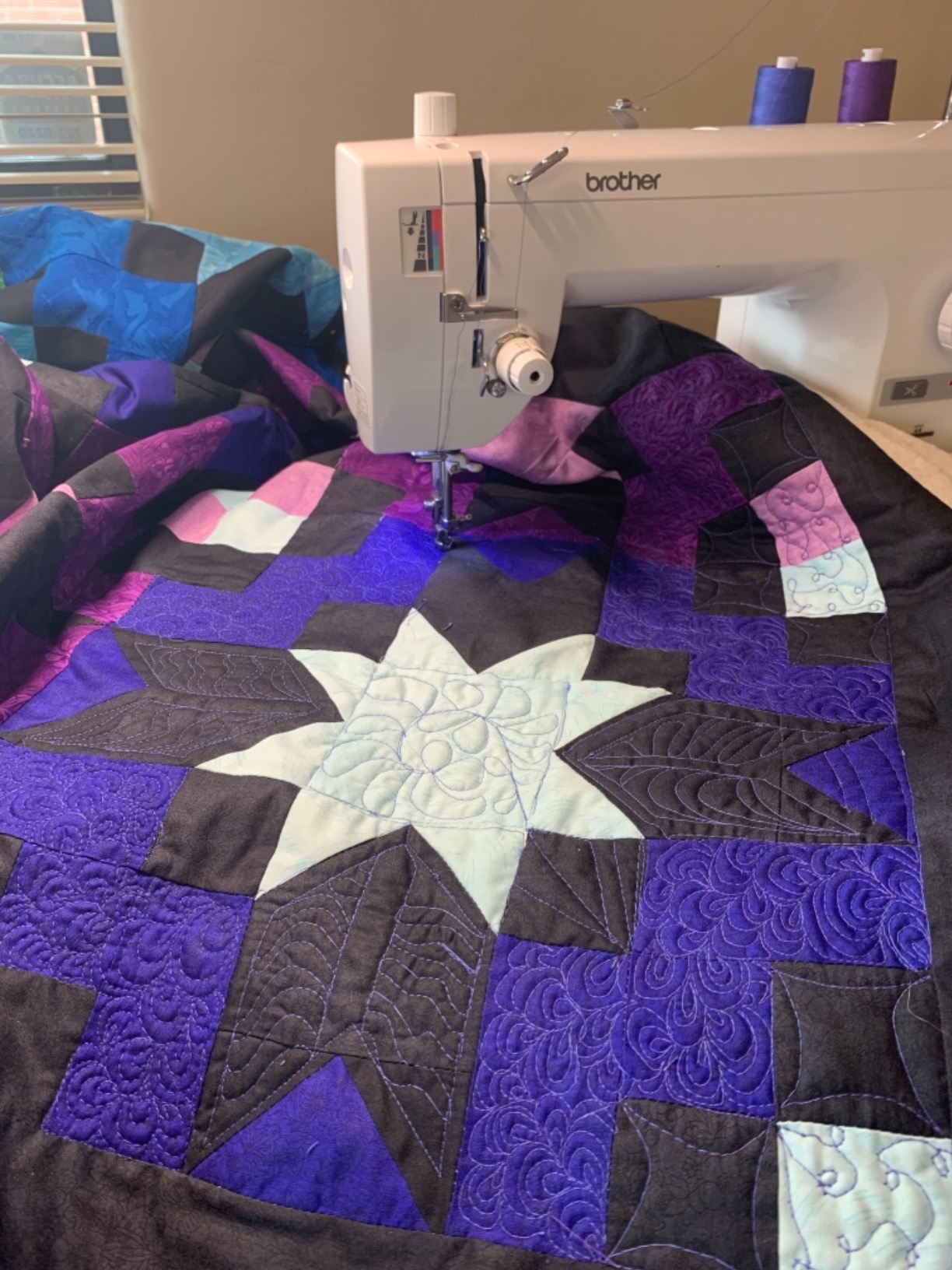
The speed is where this machine really shines. At 1,500 stitches per minute, the PQ1600S flies through straight line quilting and seam piecing. The motor maintains consistent power even when pushing through thick layers of batting and fabric. I noticed no slowdown when sewing over bulky seam intersections.
The four color-coded feed dog levels let you fine-tune fabric feeding for different materials. Combined with adjustable presser foot pressure, this gives you real control over how the machine handles everything from delicate cottons to thick denim quilt layers. The push-button thread cutter is genuinely useful during long piecing sessions.
Setup and Learning Curve
The Brother PQ1600S is surprisingly approachable even for quilters who have never used a straight-stitch-only machine. The controls are intuitive with clearly labeled buttons for thread cutting, needle positioning, and speed. Most owners report being up and quilting within the first hour of unboxing.
The included instruction manual is thorough, and Brother provides online tutorials that walk through setup and common quilting techniques. The main adjustment is getting used to not having decorative stitches or buttonholes. If you only need straight stitching for piecing and quilting, this machine covers everything.
What Projects It Handles Best
This machine excels at straight line quilting, piecing quilt blocks, and sewing thick seams on quilt sandwiches. The high speed makes it ideal for production piecing when you are cutting and sewing dozens of the same block. It handles walking foot quilting beautifully thanks to the adjustable feed dogs.
For free motion quilting, you will need to drop or cover the feed dogs and add a darning foot. The generous throat space makes free motion work manageable, though serious free motion quilters may eventually want a machine with a built-in stitch regulator. For the majority of quilting tasks, this Brother delivers professional results.
2. Juki TL-2010Q 1-Needle Lockstitch Portable Sewing Machine
- Automatic thread trimmer
- Knee lifter lever for hands-free operation
- Automatic needle threader
- Lightweight and portable
- Industrial-quality performance
- Heavy at 38 pounds
- Limited to domestic use
The Juki TL-2010Q is the machine that serious quilters on forums recommend more than almost any other. Our team tested this machine extensively, and it quickly became clear why it has such a devoted following. The build quality feels industrial, and every stitch comes out consistent and precise.
The automatic thread trimmer is a feature you do not realize you need until you have used it. Instead of reaching for scissors after every seam, you press a button and the machine trims both the top and bobbin threads cleanly. During a long piecing session, this saves enormous amounts of time and keeps your workflow uninterrupted.
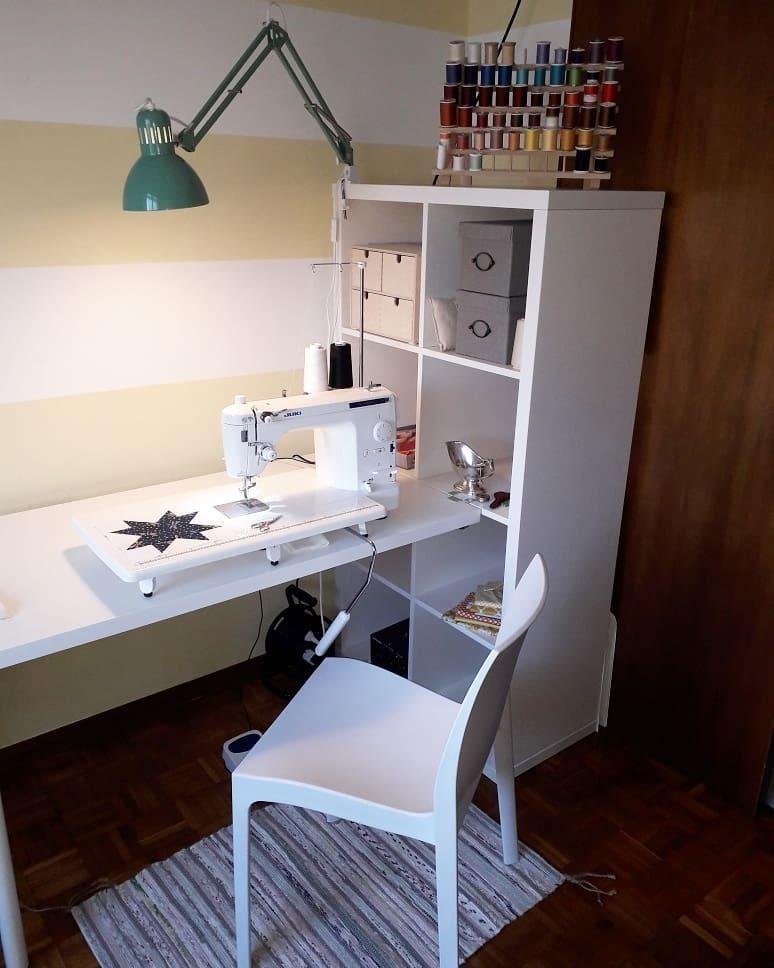
The knee lifter lever is the standout feature that sets this machine apart from competitors. You raise and lower the presser foot using your knee while keeping both hands on your fabric. This is especially valuable during free motion quilting and complex piecing where you need to reposition fabric frequently.
Juki designed this machine with a box feed system that moves fabric in a rectangular motion rather than the elliptical motion of standard feed dogs. This produces more consistent feeding and helps prevent the fabric shifting that causes misaligned seams. The result is noticeably straighter stitching on long seams.
Frame Compatibility for Long-Arm Use
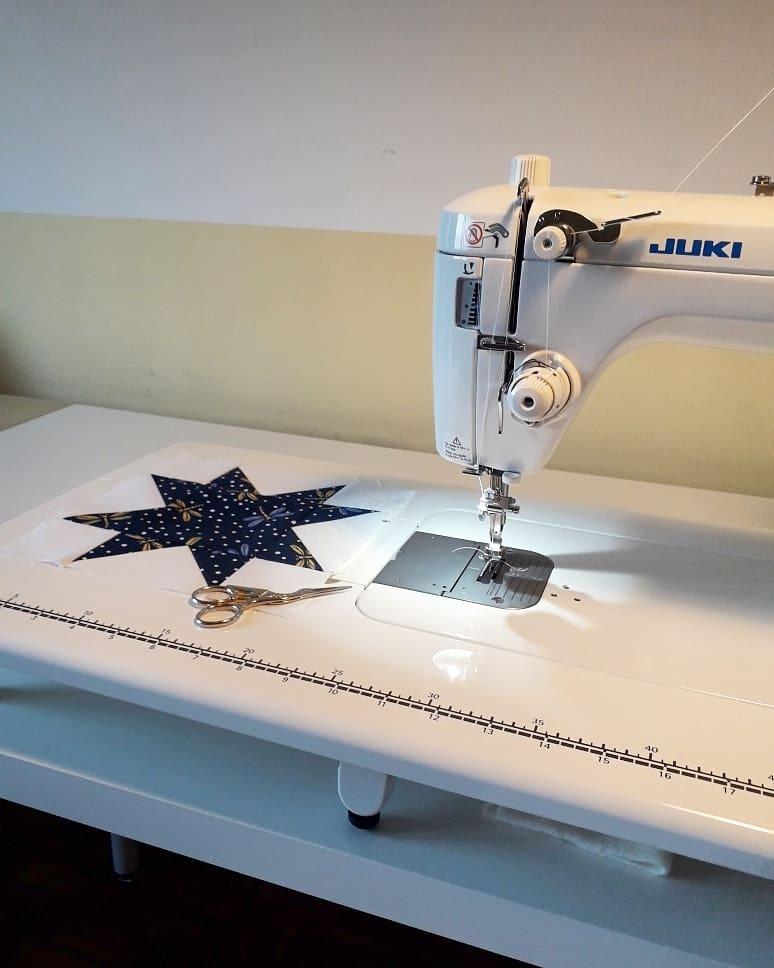
One of the reasons the Juki TL-2010Q is so popular is its compatibility with quilting frames. Many owners mount this machine on a Grace frame or similar frame system to create a DIY longarm setup. The machine handles frame-mounted quilting well thanks to its industrial motor and consistent stitch formation.
If you are considering this route, you will need to verify frame compatibility and purchase any required mounting adapters. The machine weighs 38 pounds, so make sure your frame can support it. Several quilting frame manufacturers list this Juki model as compatible on their websites.
Maintenance Requirements Over Time
Juki machines are known for their longevity, and the TL-2010Q is no exception. The aluminum die-cast arm and bed provide a solid foundation that resists vibration. Regular cleaning of the bobbin area and occasional oiling according to the manual keep this machine running smoothly for years.
Owners on quilting forums regularly report using their Juki TL machines for over a decade without major issues. The simplicity of a straight-stitch-only machine means fewer components that can fail. Parts and service are widely available through Juki dealers and authorized repair centers.
3. Juki HZL-F600 Computerized Sewing and Quilting Machine
- 255 built-in stitches
- User-friendly LCD screen
- Automatic needle threader
- Jam resistant bobbin
- Wide variety of stitch options
- Low stock availability
- Complex for beginners
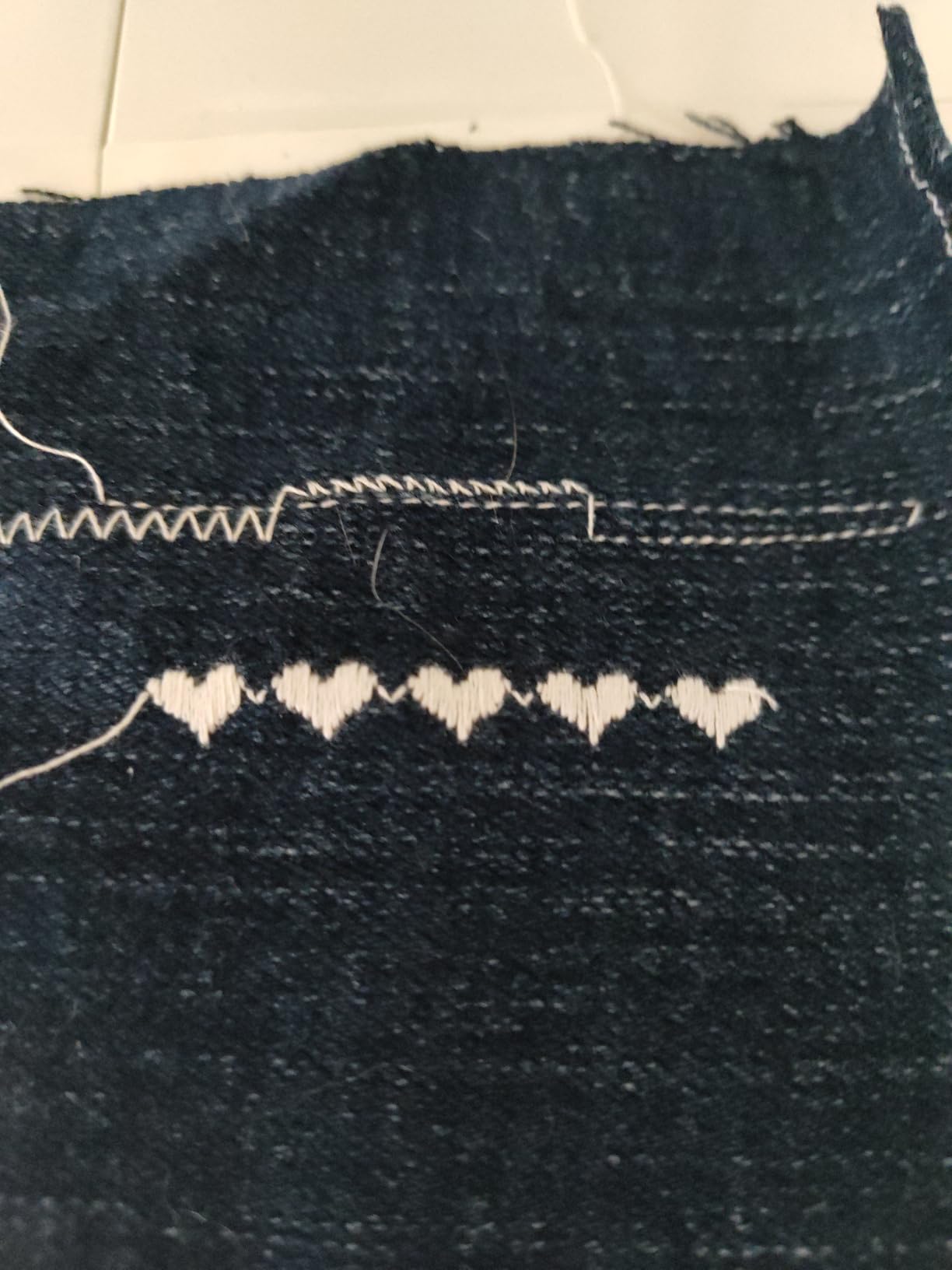
The Juki HZL-F600 is the machine I point quilters toward when they want professional quilting capability plus the versatility of a full-featured sewing machine. With 255 built-in stitches including decorative, stretch, and buttonhole options, this machine handles quilting and general sewing with equal competence.
The LCD screen makes stitch selection straightforward, and the interface is logically organized. During testing, I appreciated how quickly I could switch between a straight stitch for piecing and a decorative stitch for quilt borders. The machine remembers your settings, which speeds up repetitive quilting tasks.
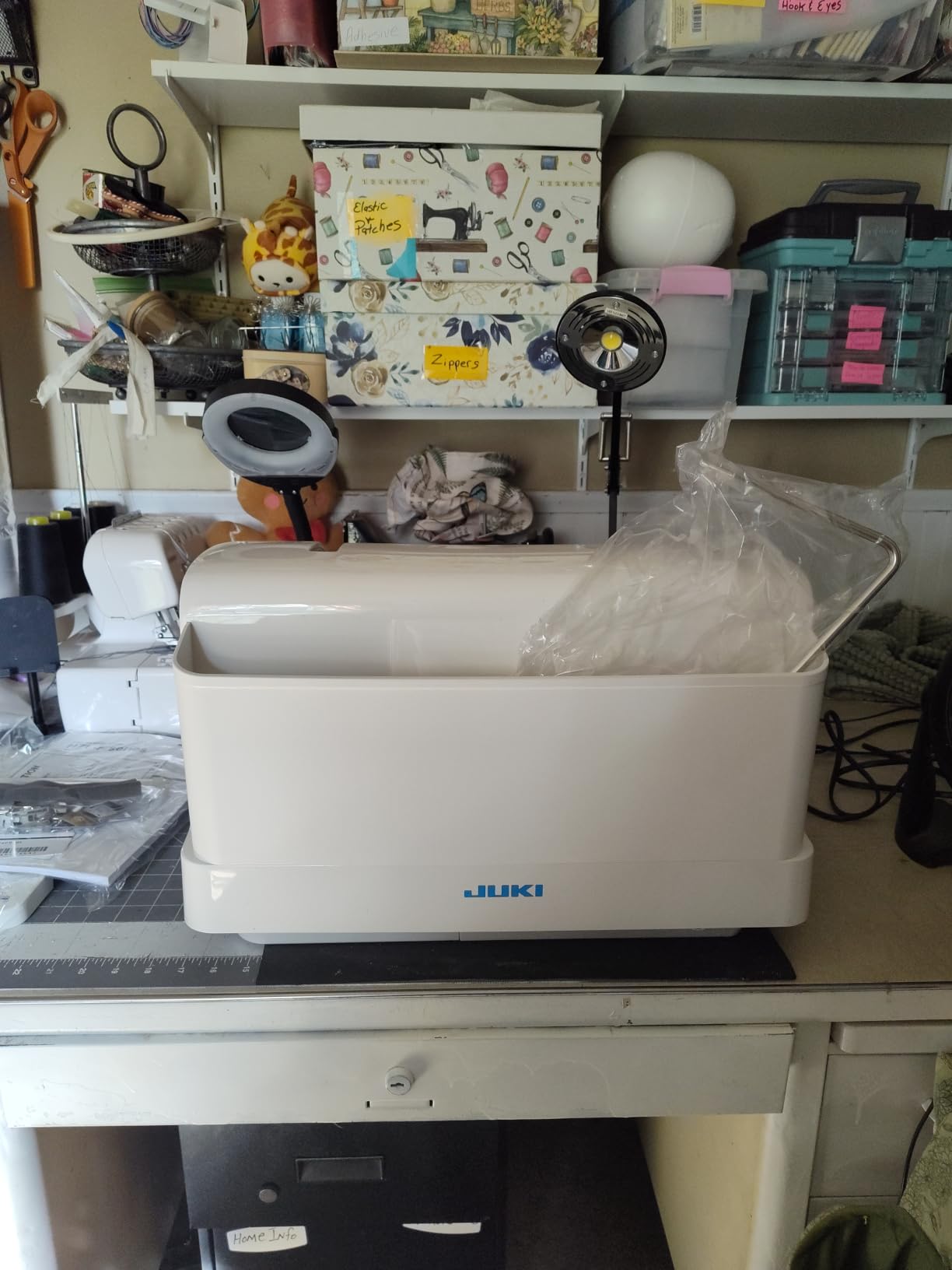
The jam-resistant bobbin system is a real problem-solver for quilters. Thread jams and bobbin tangles are among the most frustrating issues quilters face, especially during free motion quilting. Juki engineered the drop-in bobbin to minimize these problems, and our testing confirmed noticeably fewer thread issues compared to standard machines.
The automatic needle threader works reliably every time, which matters when you are changing threads frequently during quilting projects. The machine also features a start and stop button, allowing you to sew without the foot pedal if you prefer. This is particularly helpful for quilters with mobility limitations in their feet or legs.
Free Motion Quilting Performance
For free motion quilting, the HZL-F600 performs well once you drop the feed dogs and attach the appropriate foot. The box feed system provides consistent fabric movement, and the powerful motor handles thick quilt sandwiches without straining. The generous throat space gives you room to maneuver even larger quilt sections.
This machine does not include a built-in stitch regulator, so maintaining consistent stitch length during free motion requires practice. However, the responsive foot pedal and smooth operation make it easier to develop a consistent rhythm. Many quilters use this machine successfully for free motion work on quilts up to throw size.
Who Should Step Up to This Machine
The HZL-F600 is ideal for quilters who also sew garments, home decor, or other projects requiring variety. If you split your time between quilting and general sewing, having 255 stitches and multiple buttonhole styles in one machine is genuinely valuable. It eliminates the need for a separate decorative stitch machine.
This machine suits intermediate to advanced quilters who want more capability than a straight-stitch-only model provides. The learning curve is steeper than the Brother PQ1600S, but the payoff is a genuinely versatile machine that grows with your skills over the years.
4. JUKI Haruka TL18QVP White Aluminum Portable Sewing Machine
JUKI Haruka TL18QVP White Aluminum Portable Sewing Machine, 25.0 x 18.0 x 14.0 inches, 25.0 pounds
- Industrial-quality mechanism prevents uneven sewing
- Presser foot floats 0-2mm for thick seams
- Adjustable LED light
- Speed control 200-1500 SPM
- Free-motion quilting capability
- Limited stock availability
- Premium price point
The JUKI Haruka TL18QVP represents the pinnacle of sit-down quilting machine design. It carries the highest rating in our lineup at 4.7 stars, with 88 percent of owners giving it five stars. Our team found the build quality and attention to detail immediately apparent the moment we started sewing on it.
What makes the Haruka special is its industrial sewing machine mechanism designed specifically to prevent uneven sewing. This matters enormously when quilting through varying thicknesses of fabric and batting. The machine maintains consistent stitch formation whether you are sewing through a single layer or crossing multiple thick seams.
The presser foot floats from 0 to 2mm, which means it adjusts automatically to fabric thickness. When you quilt over a thick seam intersection, the foot rises slightly to accommodate the extra bulk without compressing it. This produces smoother quilting and prevents the fabric distortion that can occur with fixed-height presser feet.
The speed control ranges from 200 to 1,500 stitches per minute, giving you precise control over your sewing speed. For delicate free motion work, you can slow the machine to a crawl. For long straight seams during piecing, you can open it up to full speed. The adjustable LED light offers three brightness levels plus off, so you can match the lighting to your workspace.
What Sets the Industrial Mechanism Apart
The industrial mechanism in the Haruka uses a separate attachment mounting plate that provides more stability than domestic machine designs. This reduces vibration and needle deflection, resulting in more accurate stitching. The difference is most noticeable when sewing at high speeds over thick materials.
Juki developed this machine in collaboration with professional quilters, and it shows in the details. The raisable feed dog for free-motion quilting operates smoothly, and the threading path is designed to minimize thread breakage. Every aspect of this machine reflects input from people who quilt professionally.
Learning Curve for First-Time Owners
Despite its industrial heritage, the Haruka is approachable for quilters upgrading from a domestic machine. The controls are straightforward, and the included accessories cover most quilting needs right out of the box. The instruction manual provides clear guidance for setup and operation.
The main learning curve involves understanding the floating presser foot and how to adjust it for different quilting scenarios. Once you understand how the foot responds to fabric thickness, it becomes intuitive. Most owners report being comfortable with the machine within the first few quilting sessions.
5. Janome MC6650 Sewing and Quilting Machine
- 10 inch throat space for large projects
- Up to 1000 SPM
- 6 LEDs for excellent visibility
- 12 presser feet included
- 25 year warranty
- Beginner friendly with expert features
- Not Prime eligible
- Premium price point
- Limited stock
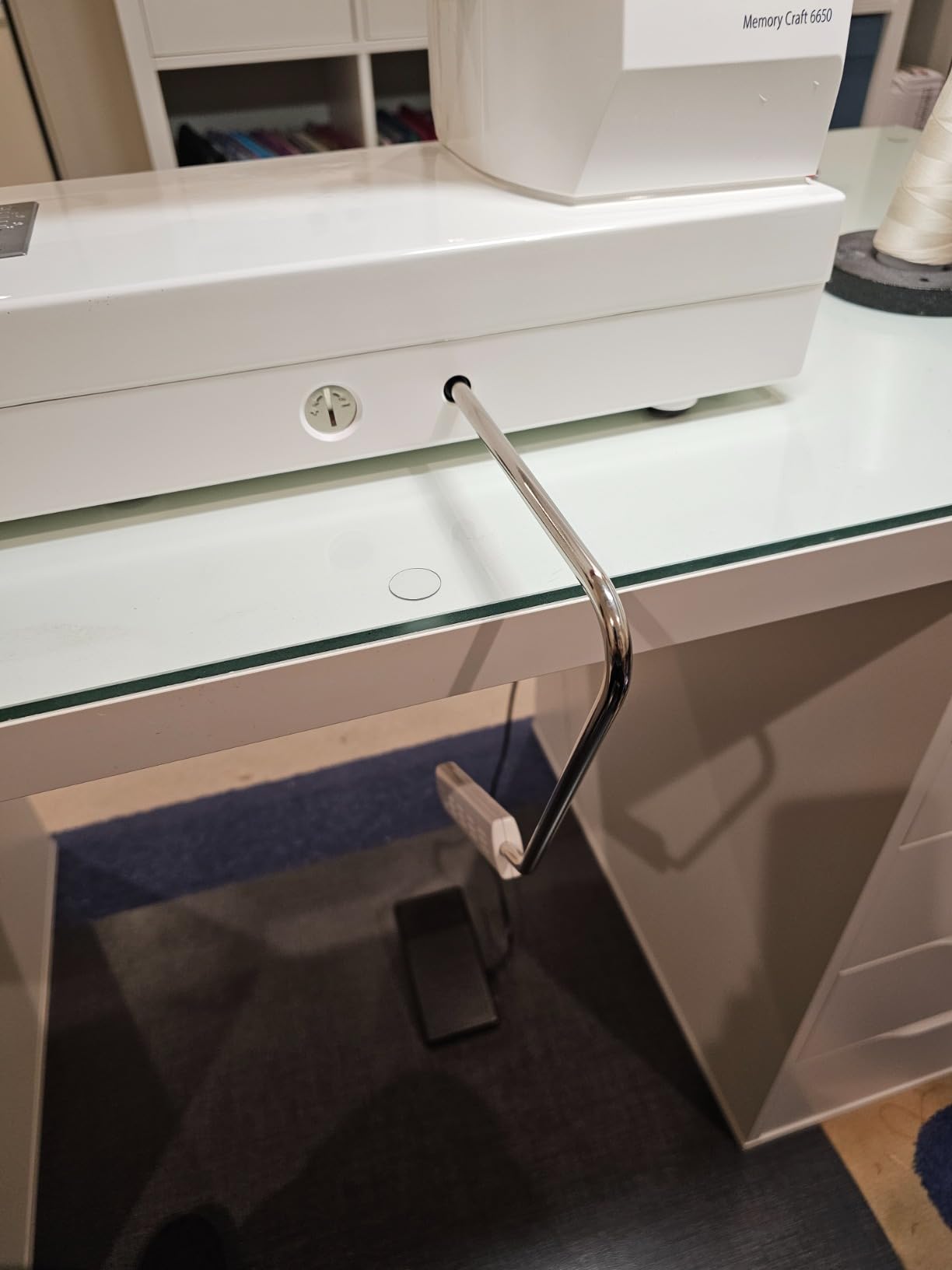
The Janome MC6650 earned its spot on our list through its exceptional 10-inch throat space and all-metal construction. During testing, this machine felt rock-solid with virtually no vibration, even at full speed. The seamless 10-inch flatbed gives you a large, uninterrupted work surface that makes handling big quilts noticeably easier.
Janome built this machine with an aluminum body frame, and you can feel the difference in stability compared to plastic-frame machines. The all-metal construction translates to precise stitching and long-term durability. The machine runs quietly even at its top speed of 1,000 stitches per minute.
The six LED lights positioned in three locations illuminate the entire work area beautifully. When you are quilting with dark fabrics or working in the evening, this lighting setup makes it easy to see your stitching line clearly. Poor lighting is a common complaint with lesser machines, and Janome solved it thoroughly here.
Janome includes twelve presser feet with this machine, covering virtually every quilting technique you might attempt. The package includes a quarter-inch foot for accurate piecing, a walking foot for straight line quilting, and a free motion quilting foot. Having all these accessories included saves you from buying them separately.
How the 10-Inch Throat Transforms Your Quilting
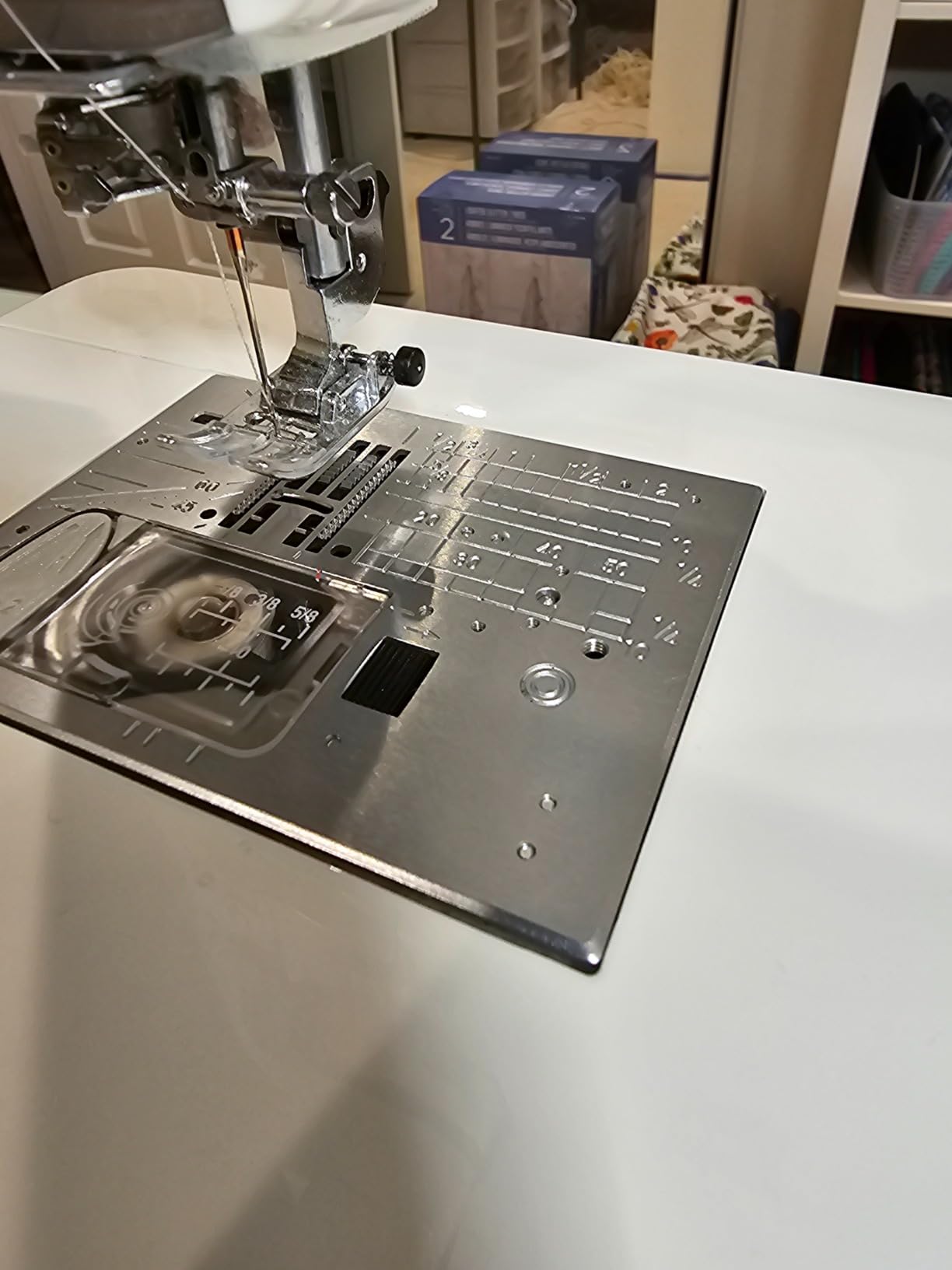
The 10-inch throat space is the feature that draws most quilters to this machine. That extra room means you can roll a queen-size quilt and still have space to maneuver it through the machine. On machines with smaller throat spaces, you spend significant time repositioning the quilt bulk.
The seamless flatbed design eliminates the gap between the arm and the bed that exists on some machines. This means your fabric glides smoothly across the entire surface without catching. For free motion quilting, this uninterrupted surface helps you maintain consistent movement and stitch quality.
Warranty and Dealer Support
Janome backs the MC6650 with a 25-year limited warranty, which is among the best coverage in the industry. This warranty reflects Janome’s confidence in the machine’s long-term durability. The company has a strong dealer network, meaning you can typically find local service and support.
Local dealer support matters more than many quilters realize when purchasing a professional machine. Having someone nearby who can service, adjust, and repair your machine keeps it running at peak performance. Janome’s extensive dealer network is a real advantage over brands with limited service availability.
6. Janome Memory Craft Horizon 8200QCP Special Edition
Janome Memory Craft Horizon 8200QCP Special Edition With Exclusive Bundle
- Excellent 1/4 inch seams and very quiet
- 11 inch throat for big projects
- Handles layers of fabric well
- Automatic thread tension control
- Great extension table included
- Package missing some items reported
- Bobbin case can cause jams occasionally
The Janome Memory Craft Horizon 8200QCP Special Edition is the most feature-rich machine in our lineup. With 170 built-in stitches, three alphabets, and ten one-step buttonholes, this machine handles quilting and creative sewing with impressive range. Our team was immediately struck by how quiet it runs during operation.
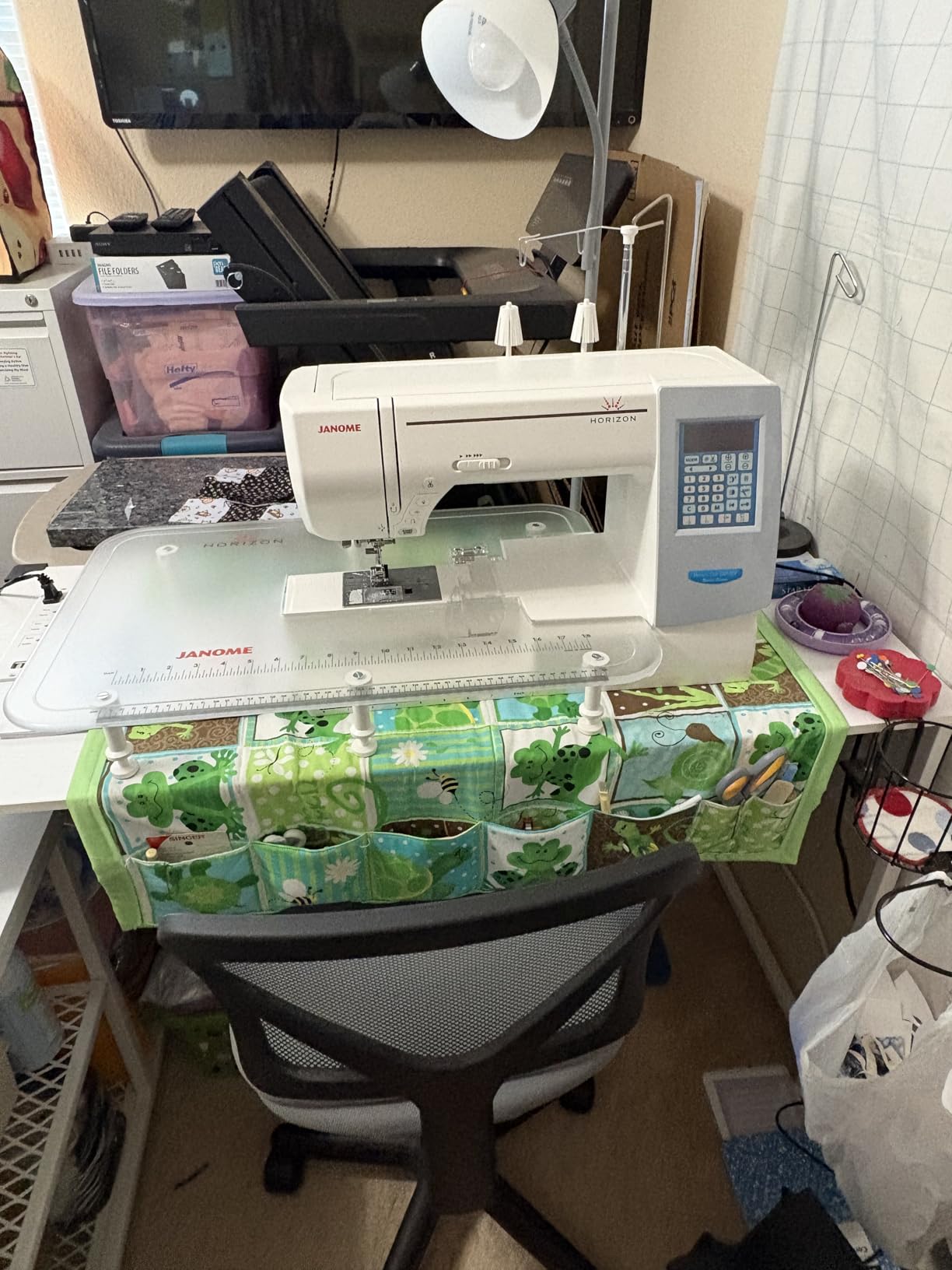
The 11-inch throat space is the largest among the sit-down machines in this guide. That extra inch over the MC6650 makes a real difference when you are working on large quilts. Owners consistently praise the amount of room this machine provides for maneuvering bulky quilt sandwiches.
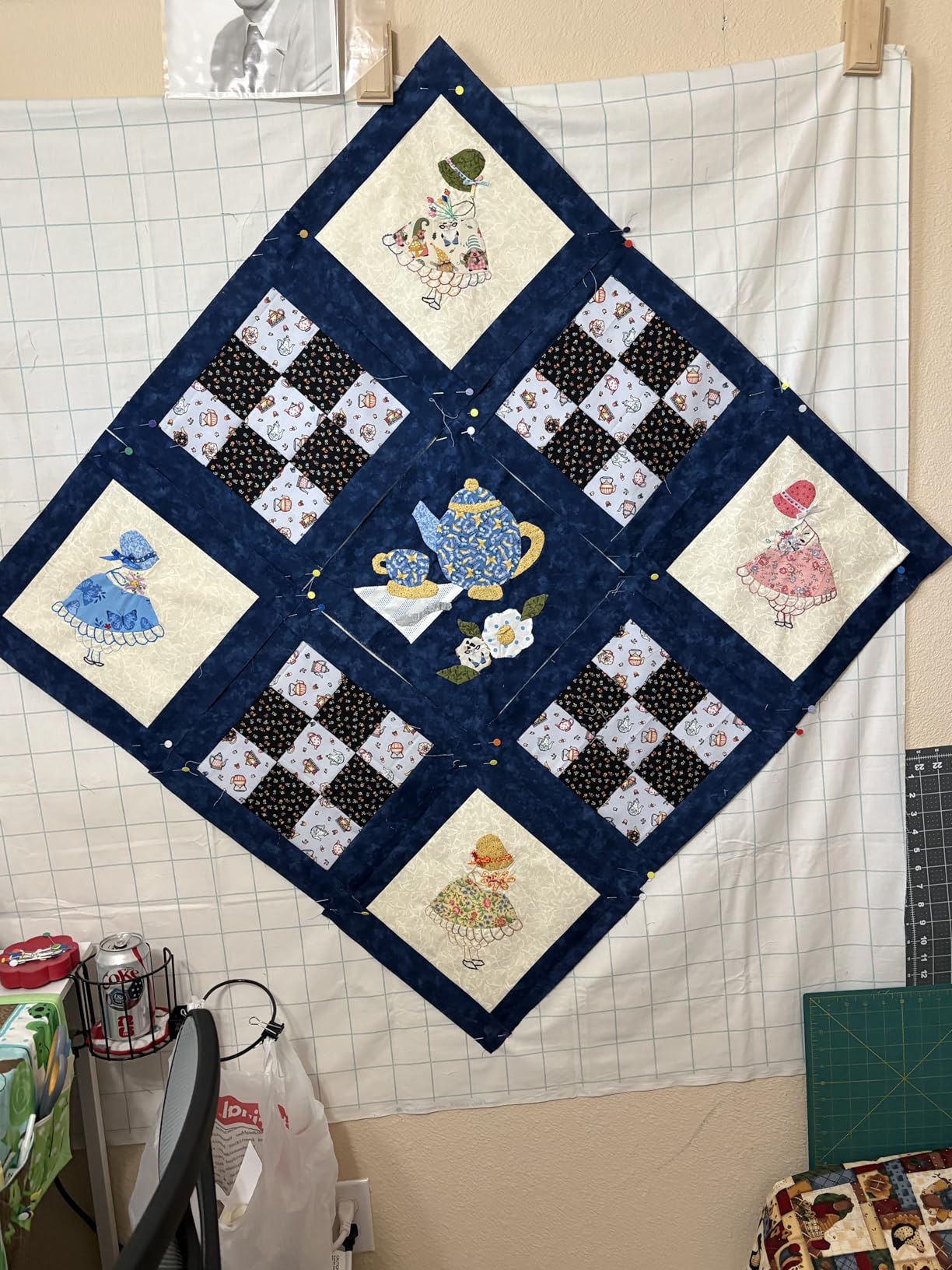
The automatic thread tension control is genuinely useful for quilters. Instead of manually adjusting tension for different fabrics and threads, the machine handles it automatically. During testing, we found that this system produces consistent tension across a wide range of quilting cottons and threads.
The AcuFeed Flex fabric feeding system is a standout feature for quilting. This integrated dual-feed system moves the top and bottom layers of fabric simultaneously, preventing the shifting that causes mismatched seams. For straight line quilting and matching plaids and stripes, this feature is invaluable.
AcuFeed Flex System Explained
The AcuFeed Flex system attaches to the machine and provides a second set of feed dogs above the fabric that work in sync with the built-in feed dogs below. This dual-feed action moves all layers of your quilt sandwich evenly through the machine. It is similar in concept to a walking foot but integrated directly into the machine design.
The system is detachable, so you can remove it when you need the standard throat space for free motion quilting. When attached, it provides superior feeding for quilting straight lines, sewing on bindings, and matching patterns. Many quilters consider dual-feed systems essential for professional-quality results.
Stitch Quality on Different Fabrics
The 8200QCP produces excellent stitch quality across a wide range of materials. The automatic tension control adjusts for everything from lightweight cotton to heavy denim. The maximum stitch width of 9mm allows for wide decorative stitches that add visual interest to quilt borders and sashing.
Owners particularly praise the quarter-inch seam accuracy, which is critical for piecing quilt blocks. The machine produces consistent seams at the quarter-inch mark, and the quiet operation makes long piecing sessions more pleasant. The high-resolution LCD touchscreen provides clear visibility of stitch selection and settings.
7. Juki HZL-NX7 Next Generation Long Arm Sewing and Quilting Machine
- Advanced needle threading system works well
- Good for heavy fabric quilting and multiple layers
- Free motion quilting capability
- Adjustable feed dog via switch
- Limited reviews available
- Some concerns about stitch consistency
The Juki HZL-NX7 represents the next generation of Juki’s long arm quilting machines. This machine bridges the gap between domestic quilting machines and professional longarm systems. Our team found the advanced needle threading system particularly impressive during testing.
The needle threading system physically pushes the thread through the eye of the needle with the press of a lever. This is a step beyond the typical hook-style needle threaders found on most machines. For quilters who change threads frequently or have vision challenges, this feature is genuinely transformative.
The feed dog switch allows you to raise and lower the feed dogs with a simple toggle rather than reaching behind the accessory box. This makes switching between regular sewing and free motion quilting quick and convenient. The long arm design provides extended workspace that serious quilters will appreciate.
The HZL-NX7 handles heavy fabrics and multiple layers with confidence. The powerful motor pushes through thick quilt sandwiches without strain, and the sturdy construction provides stability during high-speed operation. This machine is built for quilters who demand professional performance from a sit-down machine.
Long Arm vs Sit-Down: What to Expect
The HZL-NX7 uses a long arm design that provides more throat space than standard domestic machines, but it is still a sit-down machine rather than a frame-mounted longarm. This means you move the fabric under the needle rather than moving the machine over a stationary quilt. The extended arm gives you more room to work with larger projects.
Compared to a true longarm system, a sit-down long arm machine requires less space and costs significantly less. The tradeoff is that you still need to manipulate the quilt through the machine manually. For many quilters, this is the sweet spot between capability and practicality.
Who This Machine Is Really Built For
This machine targets serious quilters who want maximum workspace without committing to a full longarm frame system. It suits quilters who regularly work on quilts larger than throw size and who value the convenience of advanced automation features. The needle threading system and switch-operated feed dogs are designed for efficiency during long quilting sessions.
The limited review count means this is a newer model with less community feedback than established machines like the TL-2010Q. Quilters who prefer proven track records may want to wait for more owner reviews. However, the Juki brand reputation and the features this machine offers make it a compelling option.
8. Handi Quilter Moxie 15-inch Longarm Quilting Machine with 8-foot HQ Loft Frame
- Generous 15-inch throat space for larger projects
- Versatile stitch regulation options
- Impressive speed up to 1800 SPM
- User-friendly full-color display
- Handlebar controls
- 3D setup instructions via BILT app
- Includes 8-foot frame
- Not Prime eligible
- Higher price point
- Lower review count
The Handi Quilter Moxie is the only true longarm system in our guide, and it represents a fundamentally different approach to quilting. Instead of moving the quilt through the machine, you move the machine across a stationary quilt mounted on a frame. This is how professional longarm quilters finish quilts.
With a 15-inch throat space, the Moxie can quilt a 12-inch wide swath in a single pass. This dramatically reduces the number of times you need to advance the quilt on the frame. The included 8-foot HQ Loft Frame provides the rail system that holds your quilt layers taut and evenly tensioned.
The stitch regulation system is what separates a serious longarm from a frame-mounted domestic machine. The Moxie offers three modes: Cruise for smooth continuous stitching, Precision for exact stitch length control, and Manual for experienced quilters who want full control. This flexibility accommodates different quilting styles and skill levels.
At up to 1,800 stitches per minute, this machine quilts significantly faster than any sit-down machine in our guide. The high-resolution full-color display and handlebar controls let you adjust settings without stopping your quilting motion. The built-in LED lighting illuminates your work area clearly.
Space and Setup Requirements
The 8-foot frame requires dedicated space in your home or studio. You need a room that can accommodate an 8-foot frame with clearance on all sides for loading quilts and operating the machine. The 3D interactive setup instructions via the BILT app guide you through frame assembly step by step.
Setting up a longarm system is more involved than unboxing a sit-down machine. Plan for several hours of frame assembly and machine calibration before you start quilting. However, once set up, the system is ready to quilt any size project from baby quilts to king-size bed quilts.
Stitch Regulation: Cruise vs Precision Mode
Cruise mode provides smooth, continuous stitch regulation that adjusts stitch length based on your hand speed. It is ideal for flowing free motion designs like meanders, loops, and organic patterns. Most beginners find Cruise mode the easiest to learn because it forgives speed variations.
Precision mode locks the stitch length to an exact setting regardless of how fast or slow you move the machine. This produces perfectly uniform stitches, which matters for show quilts and competition pieces. Manual mode gives you full control with no regulation, which experienced longarm quilters often prefer for certain techniques.
Buying Guide: How to Choose the Best Professional Quilting Machine
Choosing among the best professional quilting machines comes down to understanding which features matter for your specific quilting style. Our team compiled this buying guide based on our testing experience, owner feedback from quilting forums, and the technical specifications that genuinely impact quilting performance.
The most important factors to consider are throat space, stitch speed, feed system capabilities, motor power, and whether you need a sit-down machine or a frame-mounted longarm. Let us break down each of these decision points so you can choose with confidence.
Throat Space: The Most Important Specification
Throat space is the distance between the needle and the vertical part of the machine arm. This measurement determines how much room you have to maneuver quilt fabric. For quilting anything larger than a baby quilt, throat space is the single most important specification to consider.
Machines with 5 to 7 inches of throat space work for piecing and small quilts. Machines with 8 to 11 inches handle throw and twin-size quilts comfortably. True longarm machines with 15 or more inches of throat space can quilt any size project with minimal repositioning.
If you regularly quilt queen or king-size projects, prioritize throat space above all other features. The frustration of wrestling a large quilt through a small throat space cannot be overstated. Every additional inch of throat space makes a noticeable difference in your quilting experience.
Stitch Speed (Stitches Per Minute)
Stitches per minute, or SPM, measures how fast the machine sews. Professional quilting machines typically range from 800 to 1,800 SPM. Higher speeds benefit production piecing and long straight line quilting, but speed means nothing without consistent stitch quality.
Machines in the 1,000 to 1,500 SPM range offer an excellent balance of speed and control for most quilters. The Brother PQ1600S and Juki TL-2010Q both reach 1,500 SPM, which is more than enough for efficient quilting. The Handi Quilter Moxie reaches 1,800 SPM, reflecting its professional longarm design.
Look for machines with variable speed control so you can slow down for detailed work. The Juki Haruka TL18QVP offers speed control from 200 to 1,500 SPM, giving you full control over your sewing pace from delicate free motion to high-speed piecing.
Feed Dog System and Free Motion Capability
The feed dog system controls how fabric moves through the machine. For free motion quilting, you need to lower or drop the feed dogs so you can move the fabric freely in any direction. Machines with easy feed dog drop mechanisms make switching between regular sewing and free motion quilting simple.
Adjustable feed dogs, like the four color-coded levels on the Brother PQ1600S, let you fine-tune fabric feeding for different materials. This is valuable when quilting with varying fabric weights or when using walking feet for straight line quilting across thick layers.
For serious free motion quilting, consider whether you need a stitch regulator. A stitch regulator maintains consistent stitch length regardless of how fast you move the fabric. The Handi Quilter Moxie includes stitch regulation, while most sit-down machines require you to develop consistent hand speed through practice.
Straight Stitch vs Multi-Stitch Machines
Some quilters prefer straight-stitch-only machines like the Brother PQ1600S, Juki TL-2010Q, and Juki Haruka TL18QVP. These machines are simpler, often more powerful, and dedicated to producing perfect straight stitches. They excel at piecing and straight line quilting but cannot do decorative stitching.
Multi-stitch machines like the Juki HZL-F600 and Janome 8200QCP offer hundreds of built-in stitches for quilting plus general sewing. If you want one machine that handles quilting, garment sewing, and decorative work, a multi-stitch machine makes more sense. The tradeoff is slightly more complexity and potential for more components that could need service.
Brand Comparison: Juki vs Janome vs Brother vs Handi Quilter
Juki consistently earns the highest praise from the quilting community for build quality and reliability. Their straight-stitch quilting machines are considered the gold standard for sit-down quilting. The TL-2010Q and Haruka TL18QVP both carry exceptional ratings from long-term owners.
Janome is known for versatile machines with generous throat space and excellent warranties. The 25-year warranty on the MC6650 reflects the brand’s confidence in durability. Janome machines tend to be more beginner-friendly while still offering professional features.
Brother offers strong value with machines like the PQ1600S that deliver professional features at accessible price points. Brother machines are widely available and have extensive dealer and service networks. The tradeoff is typically more plastic in the construction compared to all-metal Juki and Janome machines.
Handi Quilter is the specialist in this group, focused entirely on longarm quilting systems. If you are ready to move beyond sit-down quilting, Handi Quilter offers true longarm machines with professional stitch regulation and frame integration.
Sit-Down Machine vs Longarm Frame System
Sit-down quilting machines require you to move the quilt under the needle. They are more familiar to most quilters and require less space. All the machines in this guide except the Handi Quilter Moxie are sit-down machines.
Longarm frame systems mount the machine on rails that move across a stationary quilt. This approach is faster for large quilts and eliminates the need to stuff bulky quilt sandwiches through a throat space. The tradeoff is significant space requirements and a steeper learning curve.
Consider your available space, budget, and the size of quilts you typically make when choosing between these approaches. Many quilters start with a sit-down machine and upgrade to a longarm system later if they find themselves quilting frequently for others or entering competitions.
Frequently Asked Questions
What is the best quilting machine on the market?
The Juki TL-2010Q is widely regarded as the best overall quilting machine for serious quilters, offering industrial-quality straight stitching, an automatic thread trimmer, and a knee lifter lever. For quilters ready for a true longarm system, the Handi Quilter Moxie with its 15-inch throat space and stitch regulation is the top professional choice.
What is the difference between a regular sewing machine and a quilting machine?
A quilting machine features a larger throat space for maneuvering quilt layers, more powerful motors for sewing through thick fabric, and specialized features like feed dog drop for free motion quilting, walking foot compatibility, and quarter-inch seam accuracy. Regular sewing machines have smaller work areas and lack the feed system adjustments that quilting demands.
How much throat space do I need for quilting?
For piecing and small quilts, 5 to 7 inches of throat space is sufficient. For throw and twin quilts, look for 8 to 11 inches. For queen and king size quilts, 12 or more inches makes quilting significantly easier. True longarm machines offer 15 or more inches for maximum maneuverability.
What features matter most in a quilting machine?
The most important features are throat space, stitch speed measured in SPM, feed dog adjustability for free motion quilting, motor power for thick layers, and quality-of-life features like automatic thread cutters, knee lift levers, and needle up-down positioning. A quarter-inch foot and walking foot are also essential quilting accessories.
Is a longarm quilting machine worth it?
A longarm machine is worth the investment if you regularly finish quilts larger than throw size, quilt for others professionally, or enter quilt shows. Longarm systems like the Handi Quilter Moxie dramatically reduce the physical effort and time required to finish large quilts. For occasional quilters working on smaller projects, a sit-down machine with good throat space is usually sufficient.
Final Thoughts on the Best Professional Quilting Machines
After testing and comparing eight machines, our top recommendation for most quilters is the Juki TL-2010Q for its unmatched combination of industrial build quality, hands-free features, and community-proven reliability. For value-conscious quilters, the Brother PQ1600S delivers professional speed and workspace at an accessible entry point. And for quilters ready to invest in a true longarm system, the Handi Quilter Moxie offers professional stitch regulation and a 15-inch throat that transforms how you finish quilts.
The best professional quilting machines share common traits: generous throat space, consistent stitch quality, powerful motors, and thoughtful features that reduce fatigue during long quilting sessions. Whichever machine you choose from this guide, you are investing in equipment designed specifically for the demands of serious quilting work in 2026.
Take time to consider your typical project sizes, available workspace, and whether you need straight-stitch-only simplicity or multi-stitch versatility. The right machine will serve your quilting journey for years to come and make every project more enjoyable to complete.