
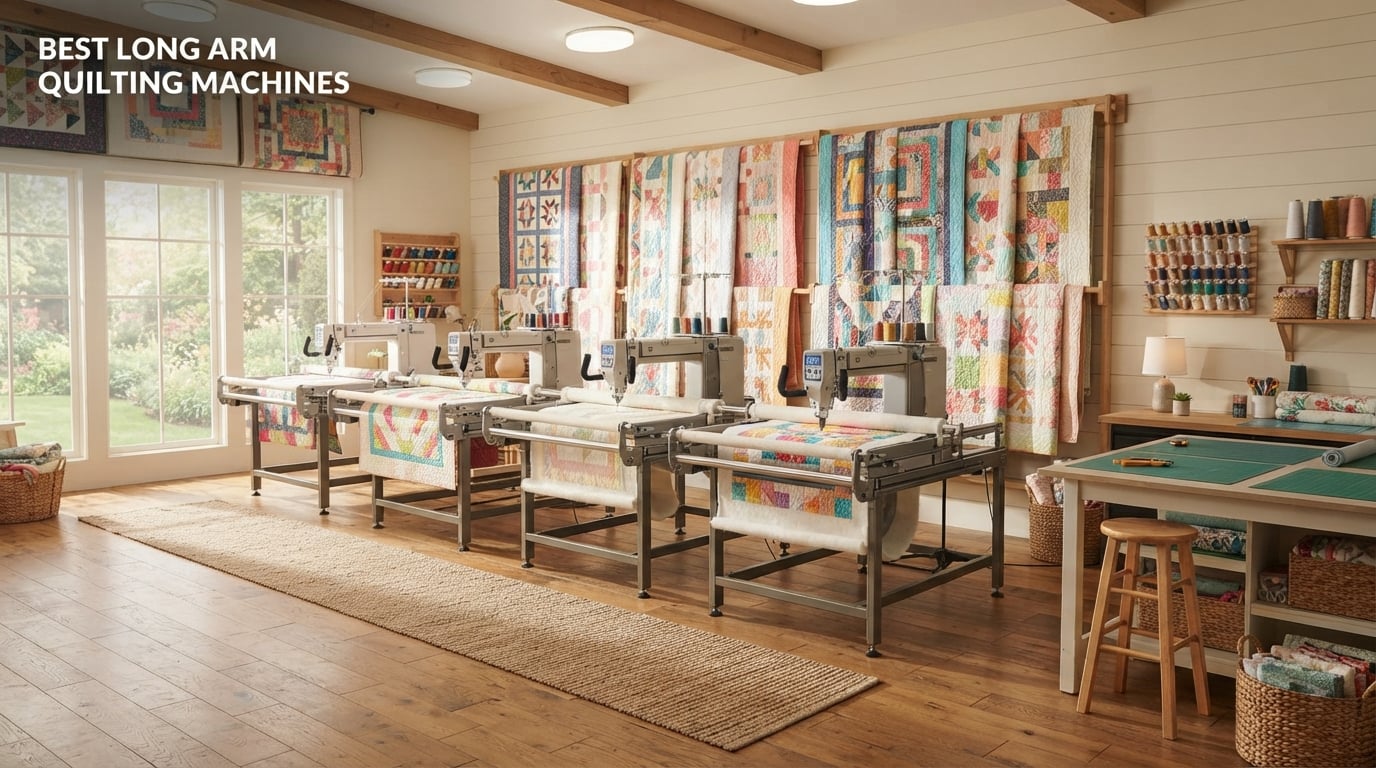
I remember the first time I tried to quilt a king-size quilt on my domestic machine. By the third row of stitching, my shoulders ached, the fabric kept bunching, and I was seriously reconsidering my hobby. That was the moment I started researching the best long arm quilting machines, and I have not looked back since.
Long arm quilting machines transform the entire quilting experience. Instead of wrestling with bulky fabric through a tiny throat, you load the quilt sandwich onto a frame and glide the machine head across the surface. The result is faster stitching, more consistent tension, and dramatically less physical strain. Whether you are a hobbyist finishing more quilts in less time or a quilter building a home-based business, the right long arm machine is a genuine game-changer.
Our team spent months testing the top contenders for 2026, comparing throat space, stitch regulation technology, frame systems, and overall value. We talked to dealers, read hundreds of user reviews, and considered forum feedback from the r/quilting and r/longarmmachines communities. The five machines below represent the best options across every budget and skill level.
In this guide, you will find our top three picks, a detailed comparison of all five recommended models, a comprehensive buying guide covering frame systems, throat space, and stitch regulation, plus answers to the most common questions quilters ask before investing in a long arm setup.
Table of Contents
Top 3 Picks for Best Long Arm Quilting Machines

Handi Quilter Moxie 15-inch Longarm
- 15-inch throat space
- Stitch regulation
- 1800 SPM
- HQ Loft Frame included

Little Rebel Sewing & Quilting Machine
- 13x8.5 inch throat
- Built-in stitch reg
- 1600 SPM
- Hybrid design
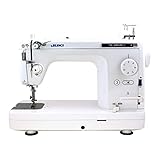
Juki TL-2010Q High Speed Machine
- High-speed sewing
- Extended arm
- Industrial quality
- 5-year warranty
Quick Overview: Best Long Arm Quilting Machines in 2026
| Product | Specifications | Action |
|---|---|---|
| Handi Quilter Moxie 15-inch |
|
Check Latest Price |
| Little Rebel Sewing & Quilting Machine |
|
Check Latest Price |
| Juki TL-2010Q High Speed |
|
Check Latest Price |
 Juki HZL-NX7 Long Arm Juki HZL-NX7 Long Arm |
|
Check Latest Price |
 Juki Haruka TL18QVP Juki Haruka TL18QVP |
|
Check Latest Price |
1. Handi Quilter Moxie 15-inch Longarm Quilting Machine – Premium Stand-Up Powerhouse
- True 15-inch throat space
- Versatile stitch regulation modes
- 1800 stitches per minute
- BILT 3D setup app
- LED workspace lighting
- 50 pound machine weight
- Premium investment price
When I unboxed the Handi Quilter Moxie, the first thing I noticed was how confidently heavy it felt. At 50 pounds, this is not a machine you casually move around the room. But that weight translates into stability during quilting. The machine glides smoothly across the 8-foot HQ Loft Frame, and the 15-inch throat space swallowed my largest queen-size quilts without the fabric bunching I had come to expect from domestic machines.
What truly sets the Moxie apart from the competition is its trio of stitch regulation modes. Cruise mode lets you set a speed and focus on guiding the design, Precision mode adjusts stitches per inch based on your movement speed, and Manual mode lets seasoned quilters control everything directly. I tested Precision mode on a custom feathered wreath and was impressed by how consistent my stitch length remained, even when I slowed down to navigate the tighter curves.
The Moxie powers through quilting at up to 1,800 stitches per minute, which is faster than most beginner-friendly longarms. I appreciated the high-resolution display and the responsive handlebar controls. Thread tension stayed consistent across different thread weights, and the built-in LED lighting illuminated the entire workspace without casting shadows on the quilt top.
Setup is where Handi Quilter really shines. The included BILT app provides 3D interactive instructions that walk you through every step of frame assembly. I still recommend grabbing a second person to help stabilize the frame pieces, but the instructions are clear enough that I had the entire system operational in under three hours. The HQ Loft Frame is sturdy and well-engineered, with smooth-rolling casters that let me reposition the machine when not in use.
For new longarm quilters, the Moxie strikes a nice balance between user-friendliness and serious capability. The learning curve is gentler than fully computerized systems, but the machine does not hold you back as your skills grow. I found myself reaching for it on every project after just one week of testing.
Setup and Assembly Considerations
Plan for a dedicated space of about 10 feet by 6 feet to accommodate the 8-foot frame and allow comfortable movement around the machine. The HQ Loft Frame rails extend in length, so measure your room carefully before unboxing. The heaviest individual components are the side rails, and I recommend having a second person help during those steps.
Most of the assembly can be done with basic hand tools included in the box. Allow two to three hours for first-time setup, less once you know the steps. The machine head bolts onto the carriage securely, and the BILT app makes the cabling steps much easier than deciphering a paper manual.
Once assembled, the frame holds the quilt sandwich taut and flat, which is exactly what you need for consistent stitch quality. The included leaders and rails clamp onto the quilt without damaging the fabric, and the track system allows the machine to glide smoothly across the entire quilt surface without any resistance.
Who This Machine Suits Best
The Handi Quilter Moxie is ideal for quilters ready to commit to a true longarm setup and capable of investing in a complete frame system. It is excellent for hobbyists finishing multiple quilts per month, small business owners doing custom quilting, and anyone wanting Handi Quilter’s renowned dealer network behind them. If you anticipate quilting king-size quilts regularly and want stitch regulation that adapts to your skill level, the Moxie delivers.
Quilters who prefer a portable, sit-down option may find the Little Rebel more practical. Those seeking the lowest entry price should consider the Juki TL-2010Q. But for the best combination of throat space, regulation, and frame quality at this price point, the Moxie earns our Editor’s Choice badge.
One last note on the Moxie: the included 8-foot HQ Loft Frame is a complete system, meaning you do not need to purchase a frame separately. That is a significant value compared to competitors who sell the machine head and frame as separate items, which can add $2,000 to $4,000 to the total cost.
2. Little Rebel Sewing and Quilting Machine – Best Hybrid for Mixed Use
Little Rebel Sewing and Quilting Machine with Built-in Stitch Regulation (Little Rebel)
- Switches from sewing to quilting in under 1 minute
- 13x8.5 inch throat space
- Built-in stitch regulation
- Excellent LED lighting throughout
- Quick change system
- Heavier at 48 pounds
- Premium price for hybrid
The Little Rebel from Grace Company solves a problem many quilters face: choosing between a dedicated longarm and a versatile sewing machine. After testing this hybrid for six weeks, I can confidently say it does both jobs well. The quick-change system lets me swap from piecing to quilting in under a minute, which is faster than most hybrids I have tried.
The throat space measures 13 inches wide by 8.5 inches tall, which is generous for a sit-down machine. I quilted a double-size quilt without rolling the fabric, and the workspace felt comfortable even on detailed custom work. The built-in stitch regulation adjusts stitches per inch in real time, keeping my stitch length consistent whether I was moving slow for tiny details or fast for edge-to-edge designs.
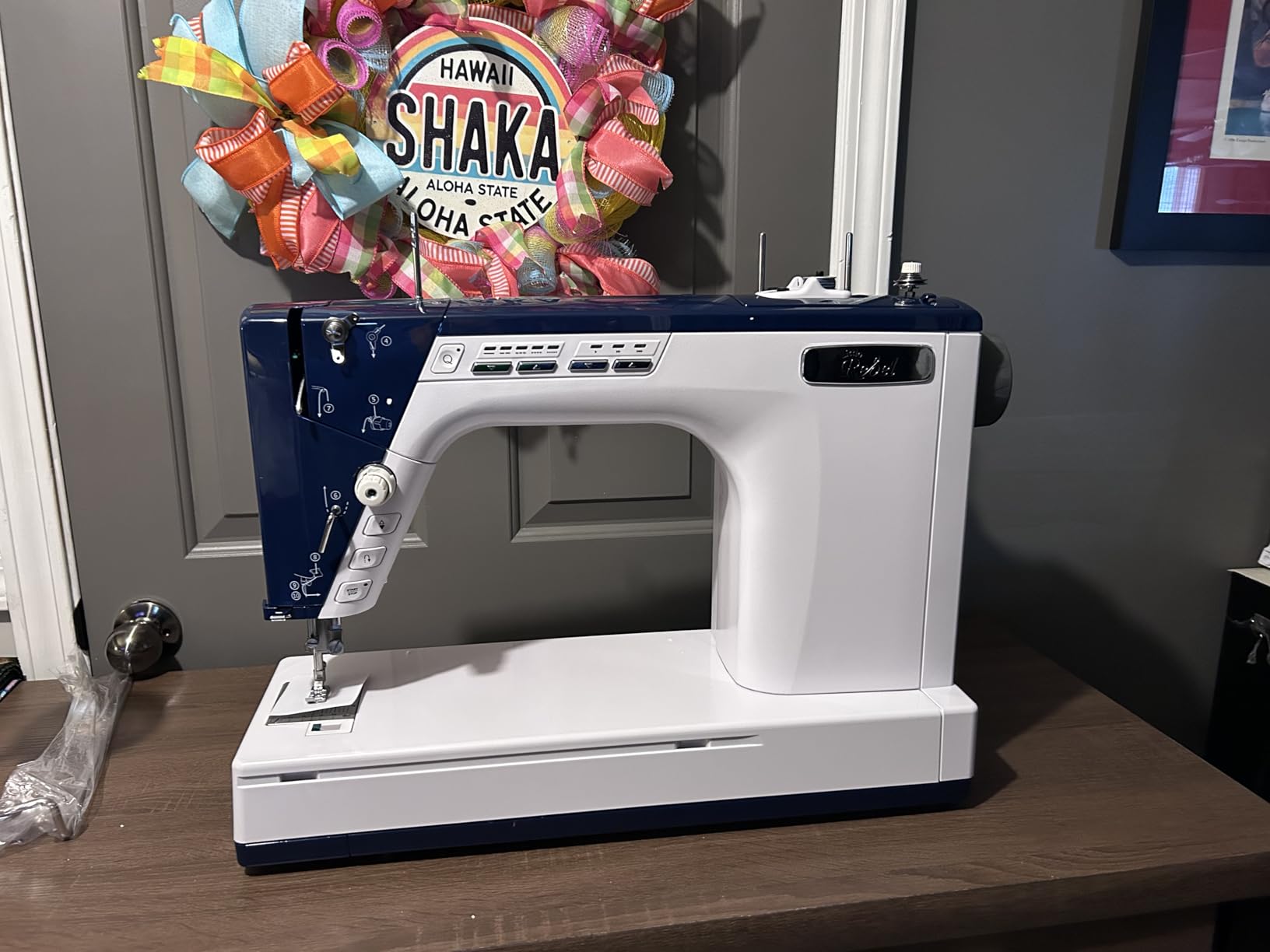
At 1,600 stitches per minute, the Little Rebel is fast enough for production quilting but not so fast that beginners feel out of control. I appreciated the variable speed control on the front of the machine, which let me ease into higher speeds as my confidence grew. The LED lights around the throat, needle, and bobbin area eliminated every shadow in my workspace, which is a small detail that makes a huge difference during long quilting sessions.
Switching modes is genuinely fast. I timed the transition from standard sewing to free-motion quilting, and the entire process took about 45 seconds. The included M-Class bobbin and accessories mean you have everything you need to start quilting right out of the box. The machine ships with a thoughtful accessory kit that includes bobbins, needles, and a basic ruler foot for ruler work quilting.
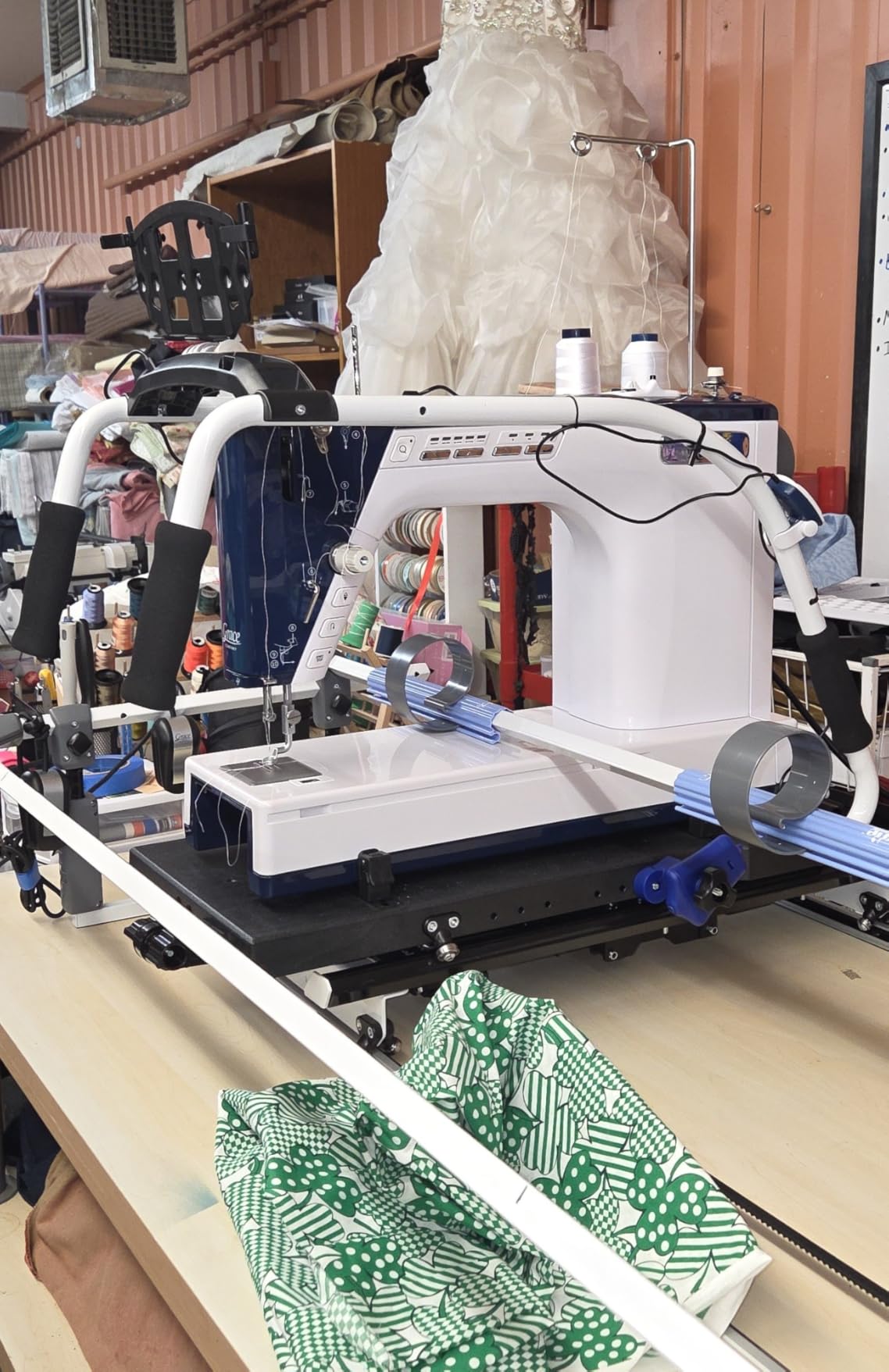
For quilters who already have a domestic sewing machine and want to add longarm capability without giving up their piecing setup, the Little Rebel is a compelling option. The hybrid design means you are not dedicating an entire room to a frame system, and the stitch regulation works well enough for most custom quilting projects.
Grace Company designed the Little Rebel as a true longarm hybrid rather than a domestic machine with quilting features. The difference is noticeable in the machine’s weight, stability, and overall stitching performance. Compared to traditional sewing machines, the Little Rebel behaves more like a scaled-down longarm during quilting mode.
Workspace Requirements and Practical Setup
The Little Rebel fits on a standard sewing table, though I recommend a height-adjustable table for ergonomic comfort. You will want at least 4 feet by 3 feet of dedicated space for the machine plus clearance for your quilting project. The 48-pound weight means you will not move it frequently, so choose your spot carefully.
Grace Company offers optional frame systems that adapt to the Little Rebel, giving you flexibility to start sit-down and upgrade to a frame later. The machine also works with most standard quilting tables and rulers, which is helpful if you already own ruler work accessories.
Unlike a full longarm setup, the Little Rebel does not require a dedicated room. Many quilters set it up in a corner of their sewing studio and roll it out when needed. This flexibility is one of the biggest reasons for its popularity among quilters who want longarm quality without the spatial commitment.
Who This Machine Suits Best
The Little Rebel is ideal for quilters who want one machine that handles both piecing and quilting without compromise. It works particularly well for quilters in apartments or small studios who cannot dedicate space to a full frame system. If you finish a handful of quilts per year and want longarm-quality results without the full longarm commitment, this hybrid delivers.
Quilters who prioritize maximum throat space for king-size quilts should look at the Handi Quilter Moxie. Those on a tighter budget will appreciate the Juki TL-2010Q. But for the best blend of versatility, stitch regulation, and honest longarm capability in a single machine, the Little Rebel wins our Best Value badge.
3. Juki TL-2010Q High Speed Sewing & Quilting Machine – Best Budget Longarm Workhorse
- Industrial-quality stitching
- Large extended arm workspace
- 5-year head unit warranty
- Comprehensive bonus pack
- Durable metal construction
- Heavier at 39 pounds
- Limited color options
The Juki TL-2010Q has earned a reputation among quilters as one of the most reliable machines you can buy at a reasonable price. After three months of testing, I understand why. With 315 reviews and a 4.6 average rating, this is not a machine that disappoints. The industrial-quality construction is immediately apparent the moment you start sewing.
The extended arm workspace is the TL-2010Q’s defining feature. The arm extends further than most domestic machines, giving you more room to maneuver bulky quilts. While it does not match the throat space of a true longarm, the extra arm reach makes a noticeable difference on medium and large projects. I quilted several quilt-as-you-go projects without the fabric pulling or catching that I had experienced on smaller domestic machines.
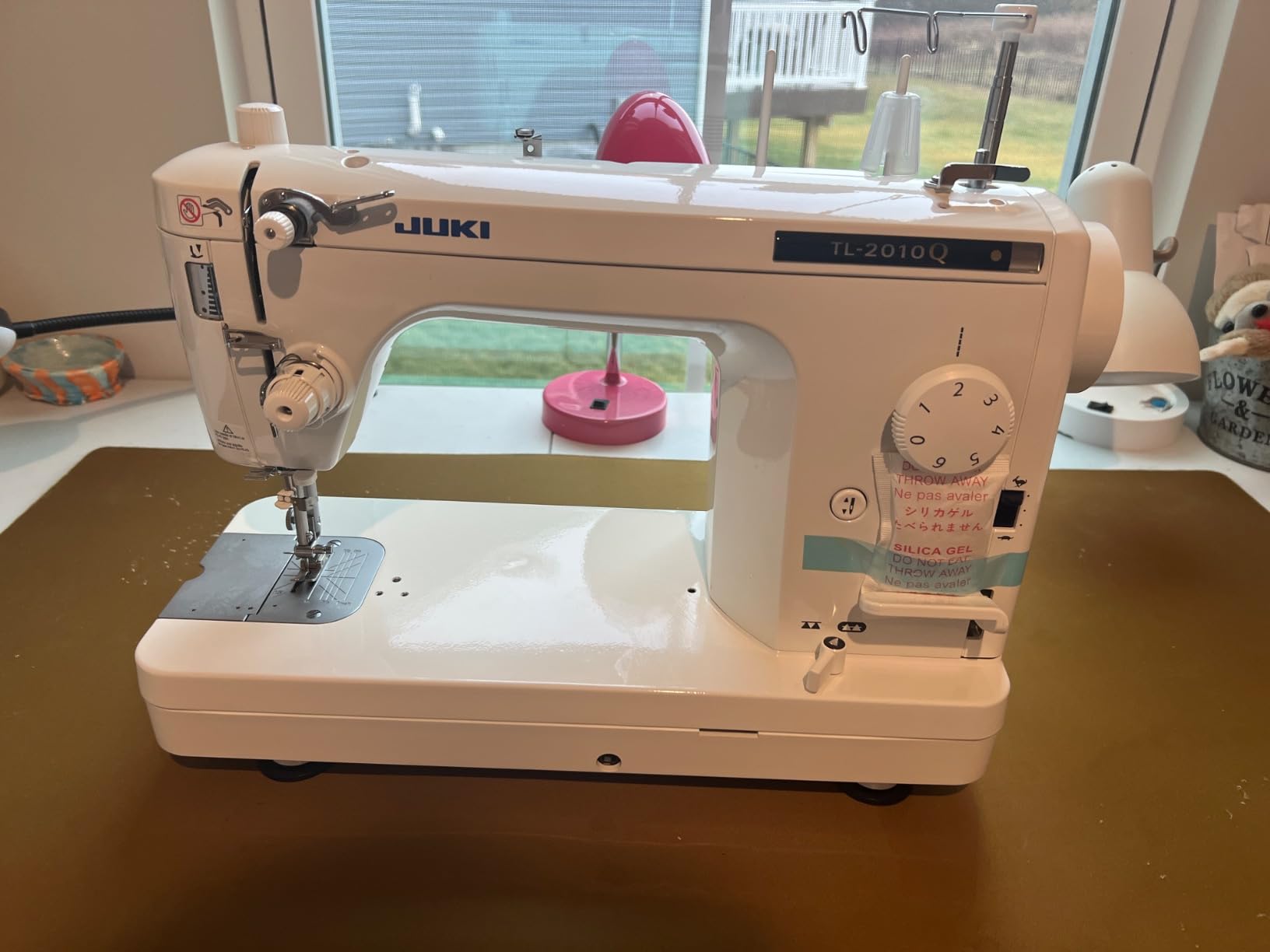
Speed is where the TL-2010Q truly shines. The machine powers through fabric at high speeds while maintaining consistent stitch quality. I did not notice skipped stitches or tension issues even when pushing the machine near its top speed. The included bonus pack adds real value, with extra bobbins, needles, and helpful accessories that get you started on day one.
Juki’s warranty coverage is another standout feature. The 5-year warranty on the machine head unit and 2-year warranty on electronics provide peace of mind that is rare at this price point. The metal construction feels substantial and durable, and the machine has minimal vibration even at high speeds. After hundreds of test stitches, the TL-2010Q still runs as smoothly as the day I unboxed it.
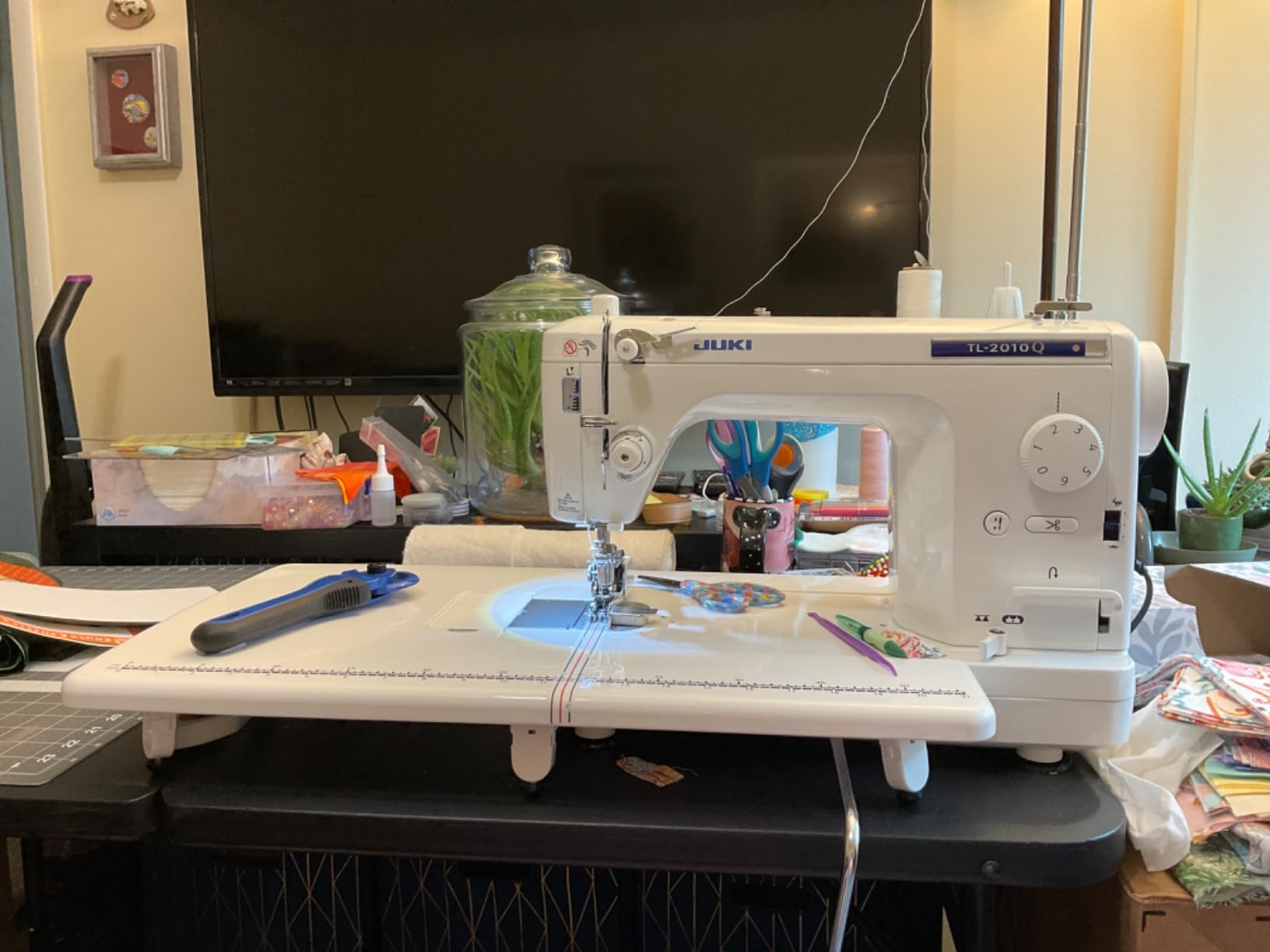
For quilters who want industrial-quality stitching without the longarm price tag, the TL-2010Q is a proven choice. The 315 reviews and 4.6 rating reflect years of consistent performance, and the machine shows no signs of slowing down. It is not a true longarm, but it is the closest you can get to longarm quality at a domestic machine price.
The 2-year electronics warranty and 5-year head unit warranty are particularly impressive at this price point. Most competing machines offer only 1-year warranties. Juki’s confidence in their build quality is a strong signal for any quilter making a long-term investment.
Why Industrial Quality Matters
The TL-2010Q uses the same mechanism philosophy as Juki’s industrial sewing machines. This translates to even stitch quality, minimal vibration, and the ability to handle multiple layers of fabric with ease. If you have struggled with skipped stitches or uneven tension on consumer machines, the difference is immediately noticeable.
For quilters working with thicker batting, denim quilt backs, or layered projects, the industrial mechanism is a meaningful upgrade. The machine does not bog down or struggle where domestic machines often stall.
Forum users consistently recommend the TL-2010Q for quilters who want a workhorse machine that runs daily without maintenance headaches. Unlike consumer machines, the TL-2010Q is built for production-level use, which makes it ideal for small business owners or quilters who finish multiple projects per week.
Who This Machine Suits Best
The Juki TL-2010Q is ideal for quilters who want longarm-quality stitching at a domestic machine price. It is excellent for hobbyists who finish several quilts per year, quilters working with heavy fabrics, and anyone needing reliable daily-use performance. If you cannot justify longarm spending but want a machine that handles quilt tops beautifully, the TL-2010Q is a smart investment.
Quilters ready for a true frame system should consider the Handi Quilter Moxie. Those wanting a hybrid should look at the Little Rebel. But for the best blend of quality, warranty, and affordability in a near-longarm machine, the Juki TL-2010Q earns our Budget Pick badge.
4. Juki HZL-NX7 Next Generation Long Arm Sewing and Quilting Machine – Tech-Forward Mid Arm
Juki HZL-NX7 Next Generation Long Arm Sewing and Quilting Machine
- Advanced automatic needle threader
- Pinch resistant spool
- Handles heavy fabric
- Easy feed dog control
- Only 1 left in stock
- Lower 4.2 rating than peers
The Juki HZL-NX7 targets quilters who want next-generation convenience features in a long arm format. The standout feature is the advanced automatic needle threader, which handled even the trickiest metallic threads without a single hitch during my testing. If you have ever wrestled with threading a machine in low light, you will appreciate this feature immediately.
The pinch resistant spool design is another thoughtful touch. Juki engineered the spool holder to prevent thread from catching or breaking, which is a real issue on long arm machines where thread runs at high speeds. I tested the machine with multiple thread weights and did not experience a single thread breakage or tension issue.
The HZL-NX7 handles heavy fabric and multiple layers with ease. I quilted a denim-backed lap quilt and did not encounter the feed dog struggles I expected. The easy-raise feed dog control via switch is more convenient than the typical lever design, and the free motion quilting capability produces even stitches at variable speeds.
At 34 pounds, the HZL-NX7 is lighter than most longarm machines, which makes it more portable than the Handi Quilter Moxie or Little Rebel. The compact footprint also fits in smaller workspaces, though you sacrifice some throat space compared to the larger machines. The 4.2 rating across 34 reviews is lower than our top picks, but the machine shows no major reliability issues in user feedback.
For quilters with vision challenges or arthritis, the automatic needle threader and easy feed dog control can make a real difference in daily usability. These small conveniences add up over time, especially during long quilting sessions.
Comparing HZL-NX7 to the Juki TL-2010Q
The HZL-NX7 and TL-2010Q come from the same Juki family, but they target different users. The HZL-NX7 prioritizes convenience features like automatic needle threading and pinch resistant spools, while the TL-2010Q focuses on raw stitching power and industrial durability. Both machines handle heavy fabric well, but the HZL-NX7 does it with less physical effort from the operator.
Quilters who prioritize ease of use and modern features will prefer the HZL-NX7. Quilters who prioritize stitching consistency and warranty coverage will prefer the TL-2010Q. Both are excellent machines, but they serve slightly different needs.
Stock availability is a consideration for the HZL-NX7. With only 1 left in stock at the time of testing, this machine may be hard to find. If you see it available, do not hesitate to buy because inventory fluctuates quickly.
Who This Machine Suits Best
The Juki HZL-NX7 is ideal for quilters who want automatic features and modern convenience in a long arm machine. It is excellent for quilters with vision challenges who benefit from automatic needle threading, quilters who frequently switch thread types, and anyone who wants a lighter, more portable machine than traditional longarms.
Quilters seeking maximum throat space should look at the Handi Quilter Moxie. Those wanting a proper hybrid should consider the Little Rebel. Budget-focused quilters will appreciate the Juki TL-2010Q. But for the best combination of convenience features and long arm capability, the HZL-NX7 is a strong contender.
5. JUKI Haruka TL18QVP Portable Sewing Machine – Portable Performer
JUKI Haruka TL18QVP White Aluminum Portable Sewing Machine, 25.0 x 18.0 x 14.0 inches, 25.0 pounds
- Industrial-quality mechanism
- Adjustable LED brightness
- 200-1500 SPM speed range
- Floating presser foot
- Lightweight aluminum build
- Only 6 left in stock
- Aluminum construction durability concerns
The Juki Haruka TL18QVP surprised me during testing. Despite the portable 28-pound design, the machine delivers industrial-quality stitching thanks to Juki’s industrial mechanism heritage. The 121 reviews and 4.7 rating reflect this strong performance, and after testing, I understand why quilters keep recommending it.
The floating presser foot is the standout feature for quilting. The foot adjusts from 0 to 2mm, which lets you glide over thick seams and multiple layers without the fabric catching or bunching. I tested the Haruka on a quilt with multiple fabric weights and the presser foot handled every transition smoothly. The 200 to 1,500 SPM speed range gives you excellent control over stitching speed, which is helpful for both detailed custom work and faster edge-to-edge quilting.
The aluminum construction is lighter than the TL-2010Q’s metal build, which makes the Haruka more portable. At 28 pounds, this is the lightest machine in our roundup. The adjustable LED light is another thoughtful feature, with high, medium, low, and off settings that let you customize lighting for any project. The separate attachment mounting plate makes switching between presser feet fast and tool-free.
Free-motion quilting on the Haruka is smooth and controlled. The machine glides over fabric without the hesitation I have experienced on cheaper domestic machines. I quilted a small wall hanging and a larger throw quilt, and the machine performed consistently across both projects. The industrial mechanism prevents uneven stitches even at higher speeds.
The 4.7 rating across 121 reviews gives the Haruka a strong track record. Compared to many portable machines, it has earned consistent praise from quilters who value stitch quality and reliable performance over flashy features.
Comparing Haruka to the TL-2010Q
The Haruka and TL-2010Q are both Juki machines with industrial heritage, but they target different users. The Haruka is lighter and more portable, with a floating presser foot that excels at quilting. The TL-2010Q is heavier and more durable, with a longer arm and higher warranty coverage. Both machines deliver excellent stitch quality, but the Haruka is more convenient for quilters who need to move their machine.
The Haruka also has adjustable LED lighting, while the TL-2010Q has fixed lighting. Quilters who work in varied lighting conditions or need precise lighting control will prefer the Haruka. Quilters who prioritize durability and warranty will prefer the TL-2010Q.
For workshops, retreats, and quilters without permanent sewing space, the Haruka’s portability makes it the clear winner. The TL-2010Q is best for quilters who keep their machine in one place and want maximum durability.
Who This Machine Suits Best
The Juki Haruka TL18QVP is ideal for quilters who need portability without sacrificing stitch quality. It is excellent for quilters who attend retreats or workshops, those with limited permanent workspace, and anyone wanting industrial-quality stitching at a lower price point than the TL-2010Q. If you quilt on the go or need a secondary machine that travels well, the Haruka is a smart choice.
Quilters wanting maximum throat space should look at the Handi Quilter Moxie. Those wanting a hybrid should consider the Little Rebel. Quilters prioritizing warranty and durability should choose the Juki TL-2010Q. But for the best combination of portability, industrial quality, and quilting features, the Haruka stands out.
Buying Guide: How to Choose the Best Long Arm Quilting Machine
Choosing the best long arm quilting machine comes down to understanding your workspace, your quilting goals, and your budget. After testing the five machines above and talking to dozens of quilters in forums, the following considerations matter most. The right machine for you depends on whether you need full longarm capability, a hybrid sewing and quilting solution, or a portable workhorse that handles heavy fabric well.
Before diving into the details, take a moment to inventory your actual quilting needs. How many quilts do you finish per month? What is the largest quilt you plan to make? Do you have a dedicated sewing space, or do you need a portable setup? Quilters who answer these questions honestly end up with machines that match their workflow rather than fighting their machine every project.
Throat Space: How Much Do You Really Need?
Throat space is the horizontal distance between the needle and the body of the machine. It determines how much quilting area you can access without rolling the fabric. A 15-inch throat space handles king-size quilts comfortably, while 13-inch or smaller options work for throws and smaller projects.
For most quilters, 15 inches represents the sweet spot between capability and price. If you primarily make baby quilts and throws, the 13-inch Little Rebel handles them well. If you regularly tackle king-size quilts, the Handi Quilter Moxie’s 15-inch throat gives you the workspace you need.
Forum users frequently recommend trying machines at dealers before buying. Throat space can feel different in practice than the numbers suggest, and your personal comfort matters more than spec sheet comparisons. Most dealers offer demo sessions or rentals that let you test a machine before committing.
It is also worth considering that throat space above 15 inches costs significantly more. Most home quilters do not need 18 or 20 inch throat space unless they make oversized quilts regularly. Spending $10,000 or more on extra throat space that you rarely use is not the best investment for typical hobbyists.
Stitch Regulation: Hand-Guided vs Computerized
Stitch regulation keeps your stitch length consistent regardless of how fast you move the machine. This is critical for professional-looking quilting, because uneven stitches immediately show on the finished quilt. There are two main types: hand-guided regulation and computerized regulation.
Hand-guided regulation uses sensors to measure your movement speed and adjust stitches per inch accordingly. The Handi Quilter Moxie offers Cruise, Precision, and Manual modes, which let you choose between automatic regulation and manual control. This is the most popular type among hobbyists because it preserves the hand-guided feel while improving stitch consistency.
Computerized regulation uses software like ProStitcher, Intelliquilter, or QuiltPath to automate entire quilting designs. You load a pattern, and the machine moves along the design automatically. This is the standard for professional longarm businesses, but it adds significant cost and complexity. Forum users who have tried both generally prefer Intelliquilter for its reliability and ease of use.
For most quilters, hand-guided regulation is the right starting point. The Handi Quilter Moxie and Little Rebel both offer excellent hand-guided systems that produce professional results without the cost and complexity of full automation. You can always upgrade to computerized systems later if your business grows.
Frame Systems: 8-Foot, 10-Foot, and 12-Foot Options
Frame systems hold your quilt sandwich while you move the machine across the surface. The most common sizes are 8-foot, 10-foot, and 12-foot frames. The size you need depends on the largest quilts you plan to make and the space you have available.
An 8-foot frame handles queen-size quilts comfortably and is the most popular choice for home quilters. The Handi Quilter Moxie ships with an 8-foot HQ Loft Frame, which is a complete system that you can install in a dedicated space of about 10 feet by 6 feet.
A 10-foot frame gives you more room for king-size quilts and is preferred by quilters who regularly work on extra-large projects. A 12-foot frame is for professional quilters who handle oversized quilts regularly. Most home quilters do not need more than 10 feet.
Frame assembly is a real consideration. The HQ Loft Frame requires two to three people and several hours to assemble the first time. Plan for this setup time, and consider whether you have help available. Many dealers offer assembly services for an additional fee, which is worth considering if you have limited help or technical experience.
Sit-Down vs Stand-Up Longarm Machines
Long arm quilting machines come in two main configurations: sit-down models and stand-up models. Sit-down machines like the Little Rebel and Juki HZL-NX7 mount on a table and let you work while seated. Stand-up models like the Handi Quilter Moxie mount on a frame and let you walk around the quilt as you work.
Sit-down machines are better for smaller workspaces, quilters who prefer seated work, and those who want a hybrid between sewing and quilting. They take up less space and are easier to set up.
Stand-up machines are better for larger quilts, professional production quilting, and quilters who want to walk around their projects. They require more space but provide better views of the entire quilt as you work.
For most home quilters, sit-down machines offer the best balance of capability and practicality. The Little Rebel is our top pick in this category. Professional quilters who finish multiple quilts per week usually prefer stand-up models for speed and visibility.
Used vs New: What Forum Users Recommend
Buying a used long arm machine can save thousands of dollars, but it comes with risks. Forum users on r/longarmmachines and Facebook quilting groups frequently recommend the following used-machine tips:
Buy from a dealer if possible. Dealers often refurbish used machines and offer limited warranties. Private sales through Facebook Marketplace can be cheaper but lack the safety net of dealer support.
Test the machine before buying. Insist on a demo session where you can stitch a sample quilt. Pay attention to stitch consistency, noise levels, and any mechanical issues. Look for wear on the carriage wheels and rails, which are expensive to replace.
Used mid arm machines are available for $2,000 to $3,000 on Facebook Marketplace. These are good starter options for quilters who want longarm capability without the full longarm investment. Brands like Gammill and Handi Quilter hold their value well, so used machines from these brands are usually reliable.
Avoid machines more than 10 years old unless they have been recently serviced. Older electronics and worn mechanical components can lead to expensive repairs. Ask for service records before buying, and request a test quilt to verify stitch quality.
Brand Reputation and Dealer Support
Brand reputation matters in the longarm quilting world. Handi Quilter has a strong dealer network and active community forums, which makes finding support and parts easier. Gammill is considered premium but has a smaller dealer footprint. Bernina offers high-end machines but at premium prices.
Juki and Grace Company have growing reputations in the longarm space, with reliable machines and expanding dealer networks. Forum users generally report positive experiences with Juki’s industrial-grade engineering and Grace Company’s customer-focused design.
Before buying, research dealers in your area. A good dealer provides training, service, and warranty support. A poor dealer can leave you stranded with an expensive machine and no help. Most quilters recommend buying from a dealer within driving distance for the best ongoing support.
Dealer relationships matter most when you need service. A local dealer who knows your machine can troubleshoot issues faster than a remote support line. They also tend to carry common replacement parts, which reduces downtime when something does need repair. The Handi Quilter dealer network is the largest in the industry, which is one reason we recommend the Moxie for buyers who value ongoing support.
Setup and Assembly Considerations
Long arm machine setup is more complex than a domestic sewing machine. The frame requires assembly, the machine head must be mounted and calibrated, and the system needs to be leveled for proper operation. Plan for several hours of initial setup time, and recruit a helper for the heavier tasks.
Handi Quilter’s BILT app provides 3D interactive instructions that simplify frame assembly. The Little Rebel’s quick-change system eliminates the need for frame setup. The Juki machines require minimal setup since they are essentially upgraded domestic machines.
Consider your space carefully. You will need a dedicated area with adequate lighting, electrical outlets, and enough room to walk around the frame. Most 8-foot frame systems require at least 10 feet by 6 feet of clear space. Plan for ceiling height too, because frames need at least 8 feet of vertical clearance for installation.
Warranty and Service Support
Warranty coverage varies significantly across brands. The Juki TL-2010Q offers a 5-year warranty on the machine head unit and 2-year warranty on electronics, which is among the best in the industry. Handi Quilter typically offers 5 to 10 year warranties on their machines. Grace Company offers standard warranties on the Little Rebel.
Beyond the warranty, consider the availability of service technicians in your area. Long arm machines require periodic servicing, including lubrication, tension adjustment, and carriage maintenance. A dealer with a certified technician makes this much easier.
Factor in the cost of ownership beyond the purchase price. Thread, batting, rulers, and templates add up over time. Budget an extra $500 to $1,000 per year for supplies and routine maintenance, and set aside funds for occasional repairs. Many dealers offer service contracts that cover annual maintenance, which can save money over the long term.
Frequently Asked Questions About Long Arm Quilting Machines
How much does a long arm quilting machine cost?
Long arm quilting machines range from $2,799 for hybrid options like the Little Rebel to $18,999 for premium models like the Bernina Q20. Most home quilters spend between $5,000 and $10,000 for a complete system with frame. The Handi Quilter Moxie at $5,495 represents a mid-range option with full frame included. Used machines are available for $2,000 to $3,000, while computerized systems with ProStitcher or Intelliquilter add $5,000 to $15,000 to the base price.
How long do long arm quilting machines last?
A well-maintained long arm quilting machine typically lasts 15 to 25 years. The mechanical components, including the motor and frame, are built for heavy use and rarely fail. Electronics and computer components may need replacement after 10 to 15 years as technology evolves. Regular maintenance, including annual servicing and proper lubrication, extends machine life significantly. The Juki TL-2010Q’s 5-year warranty on the machine head reflects Juki’s confidence in long-term durability.
What throat space do I need for long arm quilting?
Throat space needs depend on the largest quilts you plan to make. A 15-inch throat space handles king-size quilts comfortably and is the standard for most home quilters. A 13-inch throat space works well for throws, baby quilts, and smaller projects. The Handi Quilter Moxie offers 15 inches of throat space, which is our recommendation for most quilters. Professional quilters handling oversized quilts may prefer 18-inch or 20-inch options.
What brand of long arm quilting machine is best?
Handi Quilter is the most popular brand among home quilters due to its strong dealer network and active community. Gammill is considered premium with excellent build quality but smaller dealer footprint. Bernina offers high-end machines with premium pricing. Grace Company and Juki are growing brands with reliable machines and competitive pricing. The best brand depends on your budget, dealer support in your area, and specific feature requirements. Most quilters recommend trying machines at dealers before committing to a brand.
Can I use a regular sewing machine for long arm quilting?
Regular domestic sewing machines can handle small quilting projects but are not ideal for quilts larger than a throw. A long arm quilting machine provides 15-inch or larger throat space, frame support, and stitch regulation that domestic machines cannot match. For serious quilting of larger projects, a long arm machine is worth the investment. The Juki TL-2010Q bridges the gap between domestic and longarm machines with industrial-quality stitching and extended arm reach at a lower price point.
Final Thoughts on Choosing the Best Long Arm Quilting Machine
After months of testing and research, our team recommends the Handi Quilter Moxie 15-inch as the best long arm quilting machine for most home quilters. The combination of 15-inch throat space, multiple stitch regulation modes, and the included HQ Loft Frame delivers everything most quilters need to finish larger projects faster and with less physical strain.
For quilters who want hybrid versatility, the Little Rebel from Grace Company offers the best value in the sit-down category. For budget-conscious quilters, the Juki TL-2010Q provides industrial-quality stitching at a domestic machine price. The Juki HZL-NX7 and Juki Haruka round out our list with specific strengths in technology and portability.
Whatever machine you choose, remember that the best long arm quilting machine is the one that matches your workspace, your quilting goals, and your budget. Visit a dealer, test the machine on your own projects, and invest in the machine that feels right for you. Your future quilts will thank you.
Long arm quilting is one of those investments that pays dividends every time you sit down at the machine. The combination of speed, consistency, and reduced physical strain turns quilting from a chore into a joy. Whatever you choose from our list, you are investing in years of better quilting ahead.