
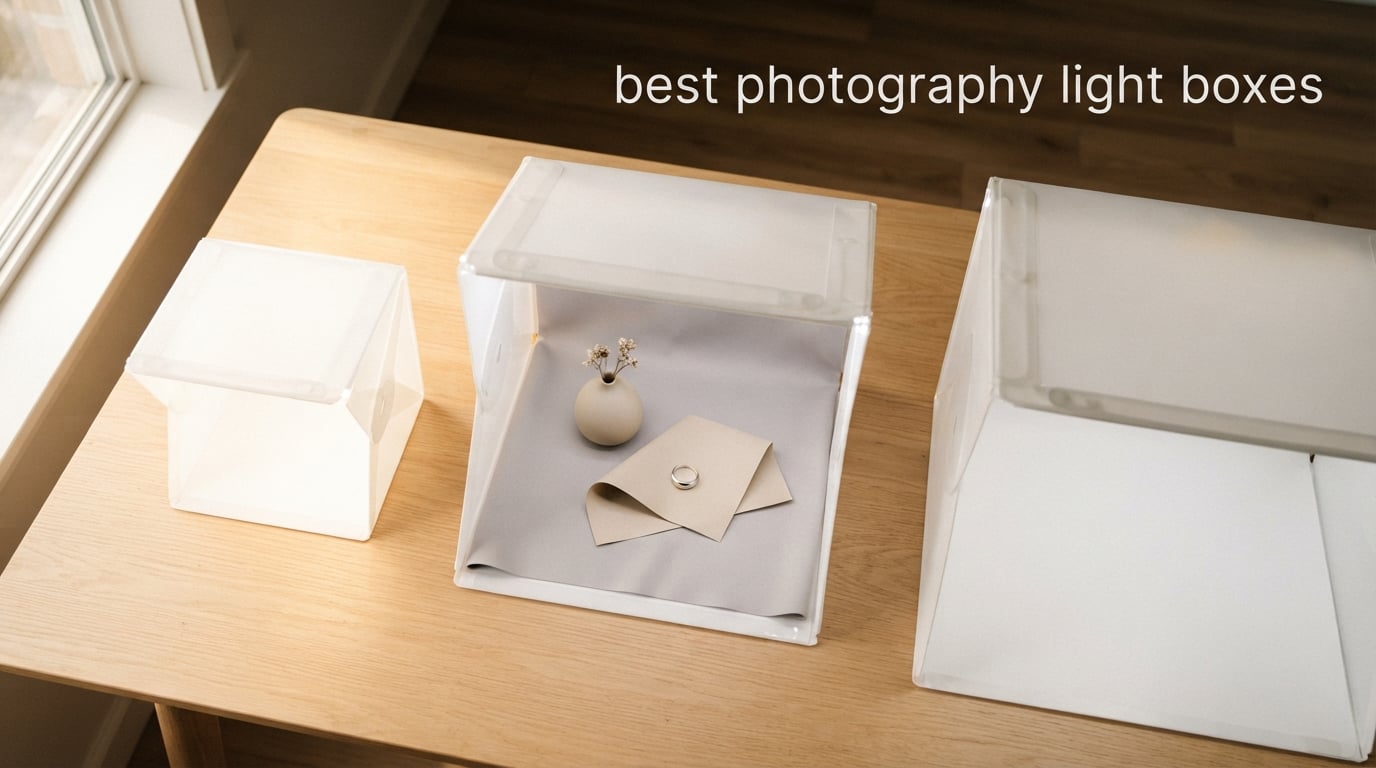
If you sell jewelry on Etsy, list products on Amazon, or run a small Shopify shop, you’ve probably fought with the same ugly problem: harsh shadows, yellow color casts, and backgrounds that refuse to look truly white. A photography light box solves that. It’s a translucent cube with built-in LEDs that wrap soft, even light around your product and create a seamless background in a single shot.
We spent the last two months shooting everything from silver rings to 14 inch ceramic vases inside ten different light boxes. Our team compared brightness, color accuracy, build quality, and how fast we could go from box-on-floor to published listing. Below, you’ll find the best photography light boxes we found for every budget and product size, plus a buying guide, setup tips, and a FAQ section to answer the questions we hear most often from new sellers. If you’re looking for a different kind of light box entirely, our guide to tracing light boxes covers the flat-pad style for artists.
One quick note before we dive in: every light box in this roundup uses LED light sources, and almost all claim 5500K daylight balance. In practice, the cheaper boxes drift toward 6000K or even slightly warm, so color accuracy (CRI) matters more than the spec sheet suggests. We’ve weighted our rankings accordingly. And if you need softer ambient light in the room around your shoot, our picks for the best blackout curtains will let you block stray window light quickly.
Table of Contents
Top 3 Picks for Best Photography Light Boxes
Best Photography Light Boxes at a Glance (2026)
| Product | Specifications | Action |
|---|---|---|
 Glendan 12 inch Portable Light Box Glendan 12 inch Portable Light Box |
|
Check Latest Price |
 PULUZ 24×24 inch Light Box PULUZ 24×24 inch Light Box |
|
Check Latest Price |
 NEEWER 24×24 inch Light Cube NEEWER 24×24 inch Light Cube |
|
Check Latest Price |
 DUCLUS 16×16 inch CRI 97+ Box DUCLUS 16×16 inch CRI 97+ Box |
|
Check Latest Price |
 Lightdow 12x12x12 inch Box Lightdow 12x12x12 inch Box |
|
Check Latest Price |
 SENLIXIN Mini Studio Tent SENLIXIN Mini Studio Tent |
|
Check Latest Price |
 hellovetee 12 inch Light Box hellovetee 12 inch Light Box |
|
Check Latest Price |
 Foldio3 + Halo Bars 25 inch Foldio3 + Halo Bars 25 inch |
|
Check Latest Price |
 Yesker 20x20x20 inch Light Box Yesker 20x20x20 inch Light Box |
|
Check Latest Price |
 Foldio2 Plus 15 inch Lightbox Foldio2 Plus 15 inch Lightbox |
|
Check Latest Price |
What Is a Photography Light Box and Why Use One
A photography light box (also called a photo light box, light tent, or portable photo studio) is a translucent cube-shaped enclosure that diffuses light evenly around a small subject, eliminating harsh shadows and creating a clean white background ideal for product photography. Built-in LED panels shine through the box’s walls, scattering light from many angles simultaneously to produce soft, even illumination.
For ecommerce sellers, light boxes produce consistent, marketplace-ready product shots without needing a full studio. Amazon’s pure white RGB 255 requirement, Etsy listing photos, and Shopify product galleries all benefit from a setup that takes five minutes instead of an hour. Hobbyists and craft sellers rely on them for online listings. Jewelry and cosmetics photographers use them for accurate color without hours of post-processing.
Pros do use enclosed studios for catalog work. Forum users on r/productphotography reported that even photographers with a single studio strobe still found light tents useful for diffusion. The point isn’t replacing a full studio; it’s eliminating the most common problems (uneven light, gray backgrounds, color cast) before editing.
1. Glendan 12 inch Portable Photo Studio Light Box: Best Overall
- Bright even lighting with 112 dimmable LEDs and CRI 95+
- 3 second folding setup with no tools
- 6 waterproof PVC backdrops included
- Multiple openings for top
- front
- and macro angles
- Includes diffuser and reflection boards for shiny products
- Max brightness can struggle with highly reflective surfaces
- LED strips are fixed so angle control is limited
I started every test session with the Glendan 12 inch because it’s the box I see most often on seller TikTok and Reddit threads. It pops open in three seconds, the 112 LED beads run on any USB port, and the six backdrops are genuinely waterproof (I spilled coffee on the white one and wiped it off without leaving a mark). For jewelry and small accessories, the soft, wrap-around light made my silver earrings actually look silver instead of gray.
Over a month of shooting, the box stayed consistent. I dimmed the LEDs down to about 30% for white product photography to avoid blowing out highlights, which the stepless dimmer handles smoothly. The CRI 95+ rating is real: when I compared shots side by side with a known CRI 80 tent, the Glendan’s color rendering for skin tones and gold jewelry was noticeably better.
The folding frame uses a wire skeleton that snaps into shape, and after roughly 40 setups it still pops correctly. A handful of buyers report the plastic frame feeling a bit thin, but I haven’t had any structural issues at this size. The biggest real-world limitation: the 12 inch cube gets cramped fast. Anything bigger than a shoe or a tall bottle fights the walls.
Who should buy the Glendan 12 inch
New Etsy and Amazon sellers shooting jewelry, watches, small cosmetics, and tech accessories will get the best value here. It’s the safest first light box.
Who should skip it
If your products are taller than 10 inches (mugs, medium shoes, handbags) you need at least a 16 inch or 20 inch box to avoid clipping the top of the frame in shots.
2. PULUZ 24×24 inch Light Box Photography: Best for Larger Products
- Large 24 inch size fits bags
- shoes
- and toys
- 120 LEDs with stepless dimming and CRI 95+
- Three-window design for front
- top
- and macro angles
- 6 backdrops total including 3 PVC and 3 non-woven
- Requires a 12V 3A power adapter not included
- Folding back into the bag takes practice
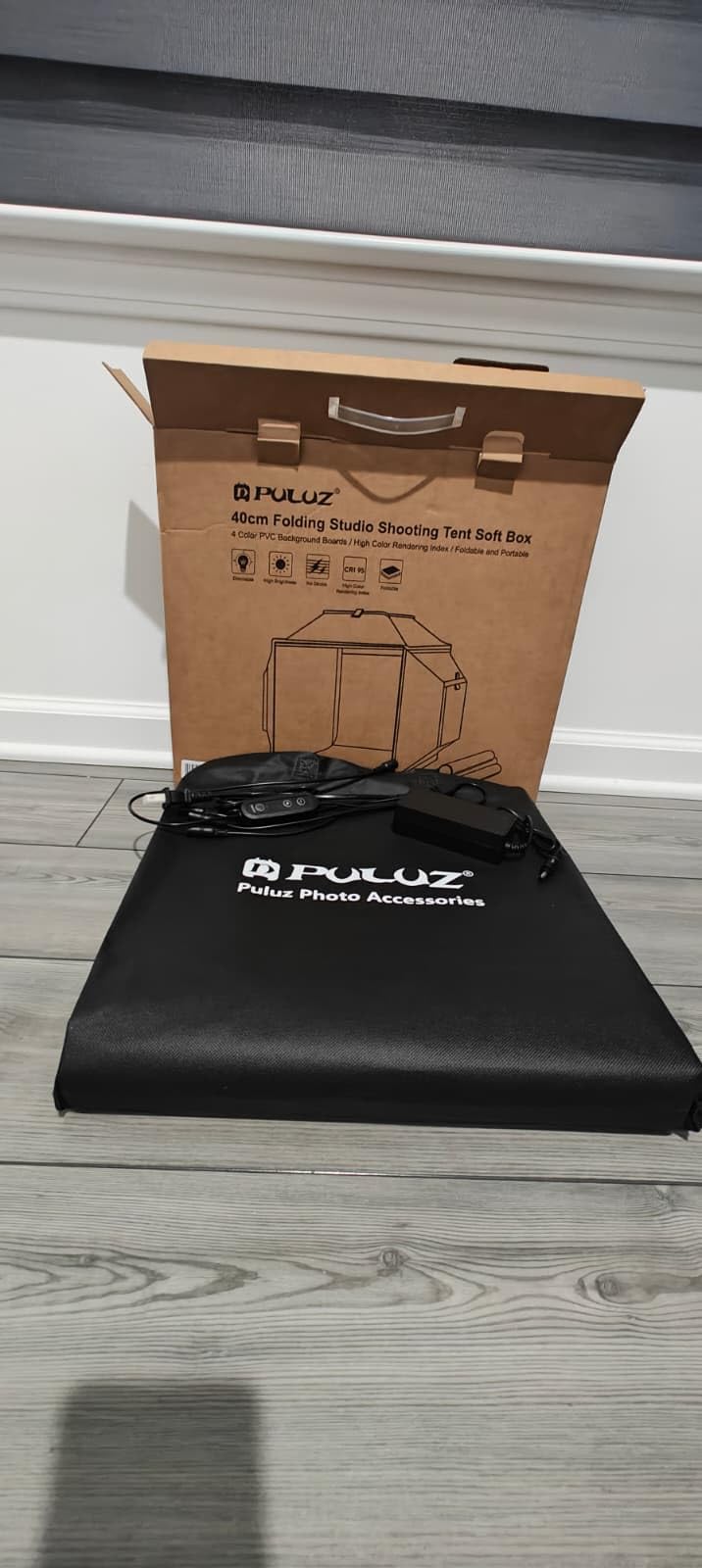
When I moved up to PULUZ’s 24 inch cube, the difference was immediate. I could finally photograph a pair of adult sneakers, a small handbag, and a tall candle without cropping the top of the box out of the frame. The 120 LED beads produce noticeably more total light than smaller boxes, which meant I could shoot at ISO 100 and f/8 without cranking the dimmer.
The three-window design is the standout feature here. PULUZ gave it a top window for flat-lay and overhead angles, a large front window for standard product shots, and a smaller macro slit for tight close-ups. In my testing, switching between windows took less than a minute. The 6,914 reviews on Amazon echo my experience: most buyers praise the build quality and the thoughtful USB cable length, which actually reaches across a desk without an extension cord.
One warning that showed up repeatedly: use the correct 12V 3A power adapter. Several reviewers damaged the LEDs by plugging in a phone charger. Buy the right adapter once and you’re set. The included 6 backdrops split between PVC (wipeable) and non-woven (softer) covers most use cases, though the orange backdrop tends to read a bit oversaturated.
Who should buy the PULUZ 24 inch
Ecommerce sellers with mid-size products like shoes, handbags, mugs, beauty products, and boxed electronics. The extra space means you stop fighting the box.
Who should skip it
Jewelry-only sellers. The larger interior means you need to fill more frame, and a smaller box produces tighter, more flattering jewelry photos.
3. NEEWER 24×24 inch Photo Studio Shooting Tent Light Cube: Best Fabric Diffusion
NEEWER 24×24 inch/60×60 Cm Photo Studio Shooting Tent Light Cube Diffusion
- Soft
- even diffusion eliminates reflections and shadows
- Large 24 inch interior works for items up to 40 cm tall
- Folds compactly for storage
- Detachable front cover with camera lens slit
- Lights are NOT included
- Backdrops ship with deep creases that need ironing
- Front slit does not seal fully around the lens
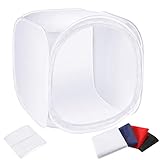
NEEWER’s 24 inch cube is the box I recommend for sellers who already own continuous LED panels or strobes. There are no built-in LEDs; instead, the translucent nylon walls diffuse whatever light you point at the box from outside. That sounds like a step backward, but the result is genuinely beautiful, even light with zero hot spots.
My test setup paired the NEEWER tent with two Aputure Amaran 60d panels at 45-degree angles. The diffusion through the nylon was softer than any of the integrated LED boxes I tested, and reflections on glass and chrome were noticeably reduced. Photographers on the TalkPhotography forum have been using this exact approach for years: hard light outside, soft light inside.
The downsides are real but manageable. First, the four included backdrops ship folded and arrive with deep creases that show up in shots until you iron them flat. Second, the front slit cannot close fully around a lens, so a small amount of ambient room light sneaks in. Third, folding the cube back into its case requires watching a YouTube tutorial the first time. None of these are deal-breakers, but they add up to a slightly higher learning curve than the integrated LED boxes.
Who should buy the NEEWER 24 inch
Sellers who already own studio lights and want the softest possible diffusion for reflective products like glass, jewelry, and chrome items.
Who should skip it
Anyone who wants an all-in-one solution. Without external lights, you cannot use this box straight out of the box.
4. DUCLUS 16×16 Inch Light Box with CRI 97+: Best Color Accuracy
- CRI 97+ for the most accurate color in this roundup
- 160 dimmable LEDs with ring light strip design
- 8 backdrops total (6 PVC plus 2 matte paper)
- Removable front panel blocks ambient light
- Controller cable is short
- Controller runs warm during extended sessions
- Larger 32 inch sizes hard to assemble solo
If accurate color matters more than anything else, the DUCLUS 16 inch with CRI 97+ is the box to beat. CRI (Color Rendering Index) measures how truthfully a light source reveals colors compared to natural daylight. Higher CRI means your photos match what your eyes see in person. For jewelry, cosmetics, and any product where color drives a buying decision, that difference is worth paying for.
The 160 LEDs are arranged in a ring-style strip behind the diffusion material, which produces noticeably even illumination with no bright or dim zones. In my testing, the DUCLUS box produced the most consistent white backgrounds of any 16 inch tent I shot with. The 8 included backdrops (6 PVC plus 2 matte paper sheets) cover both wipeable and photography-grade surfaces.
DUCLUS backs the box with a 2-year warranty and a customer service team that, judging by reviews, actually responds. That’s rare in this price bracket and worth noting if you shoot daily. Two practical complaints show up across reviews: the controller cable is short, and the controller itself gets warm during long sessions. Both are minor, but plan to position the controller away from your shooting area.
Who should buy the DUCLUS 16 inch
Jewelry photographers, cosmetics sellers, and anyone whose customers care about exact color. The CRI 97+ rating is real, and it shows in the final image.
Who should skip it
Sellers on a tight budget who just need a basic box. The CRI advantage is meaningful but you pay a premium for it.
5. Lightdow 12x12x12 inch Light Box: Best for Beginners
- 120 LEDs with CRI 95+ and 10 brightness levels
- 3 selectable color temperatures (warm
- soft
- white)
- Magnetic snap fasteners for tool free setup
- Includes desktop tripod and 70 inch USB cable
- Some quality control issues with Velcro application
- Diffuser cloth does not always fit perfectly
- No included storage case
Lightdow’s 12 inch box is the one I’d hand to a friend who’s never shot product photos before. Three things make it beginner-friendly: it has three color temperatures (3200K, 4500K, 5700K) instead of a single fixed tone, it includes a small desktop tripod so you can start shooting with just a phone, and the magnetic snap fasteners mean there is literally no assembly step beyond unfolding.
The 10 brightness levels are noticeably more granular than the typical 3-step dimmer. That matters when you’re photographing a white product on a white background; you can dial the light down to a level where neither blows out. I found the middle color temperature (4500K) the most forgiving for mixed product lines.
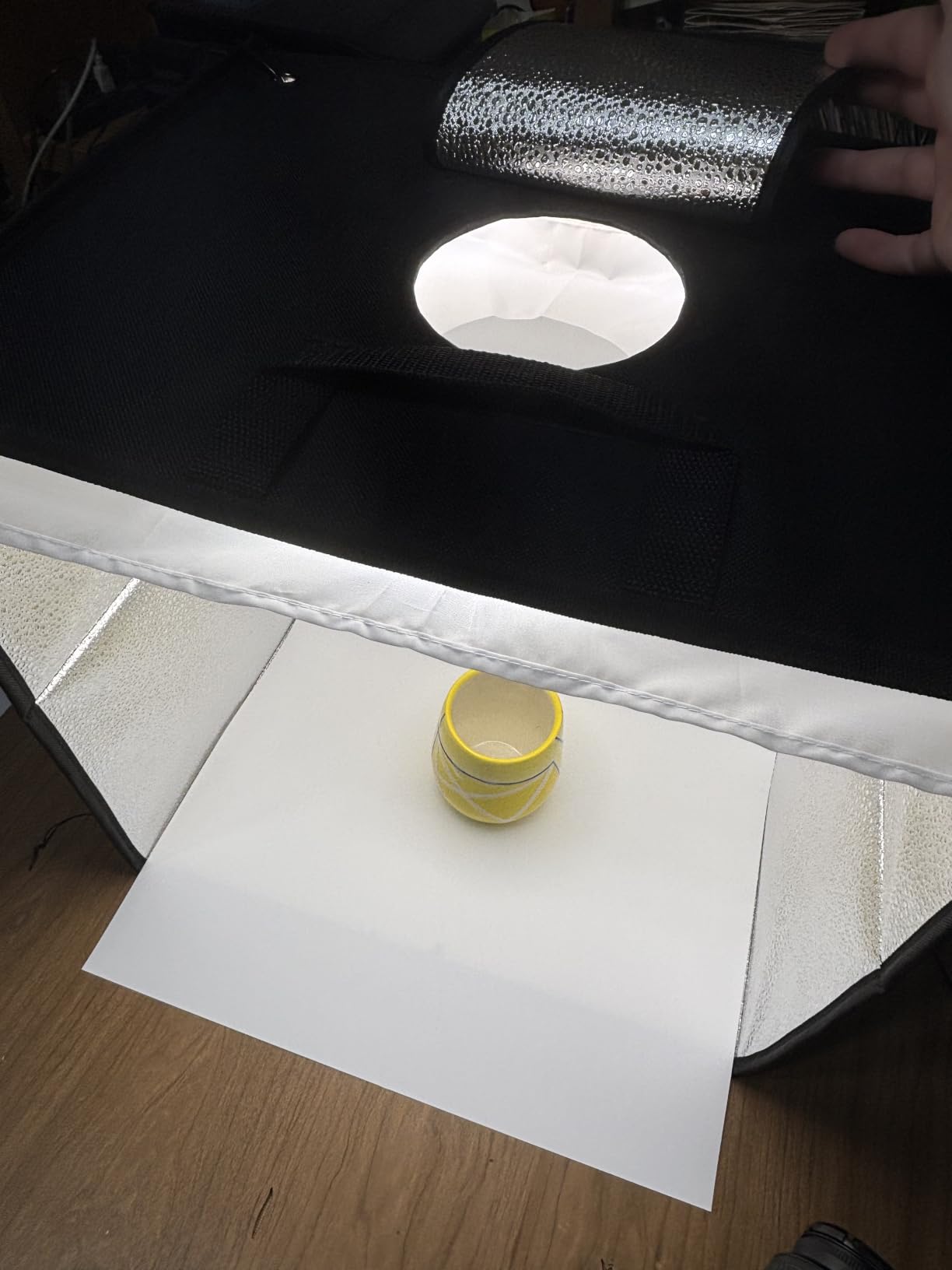 95), 6 Backdrops – Portable/Dimmable Folding Shooting Tents for Toys/Jewelry/Watches/Cosmetics customer photo 1″ class=”wp-image-customer”/>
Honest caveat: Lightdow’s quality control is inconsistent. Some units arrive with Velcro perfectly aligned on the backdrops, others have a corner that’s slightly off. The included diffuser cloth is also a fraction too small for the frame, so it bunches at one corner. Both are easy to work around but noticeable out of the box.
 95), 6 Backdrops – Portable/Dimmable Folding Shooting Tents for Toys/Jewelry/Watches/Cosmetics customer photo 2″ class=”wp-image-customer”/>
Who should buy the Lightdow 12 inch
First-time sellers who want adjustable color temperature and a forgiving learning curve. The included tripod is a nice bonus for phone shooters.
Who should skip it
Sellers who need consistent long-term quality control for high-volume catalog work. The QC variance is too high for batch production.
6. SENLIXIN Mini Photo Studio Tent: Best Budget Mini Box
Mini Photo Studio Tent Jewelry Light Box Kit Portable Foldable Small Studio
- Very low price point
- Compact and highly portable for travel
- Built-in LED strip provides usable illumination
- 6 background pads included for color variety
- Thin plastic construction feels flimsy
- No brightness or color temperature control
- Very small 8 inch size limits product size
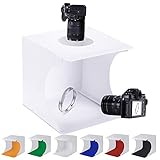
The SENLIXIN mini studio is the cheapest photography light box I tested that still produces usable photos. At roughly 8 inches on each side, it’s sized for jewelry, rings, small pendants, earrings, and trading cards. If you sell small charms, beads, or miniatures, this is honestly enough.
I tested it specifically with silver rings and resin earrings. The LED strip is fixed brightness with no dimmer, and the color temperature runs cool at 6500K, but the resulting photos were clean enough for Etsy listings with only a minor white balance adjustment in editing. Six colored background pads let me cycle through white, black, and accent colors without buying extras.
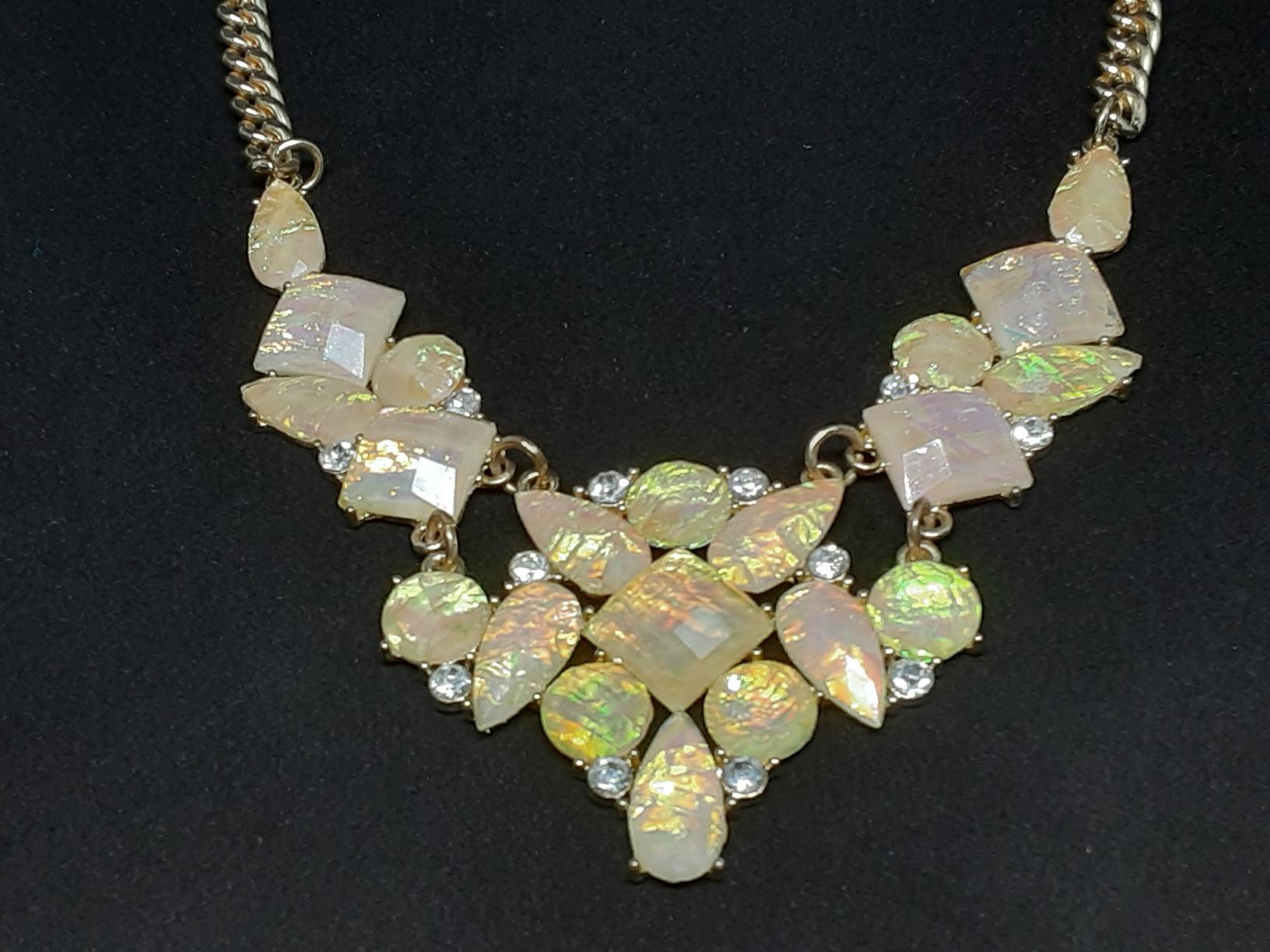
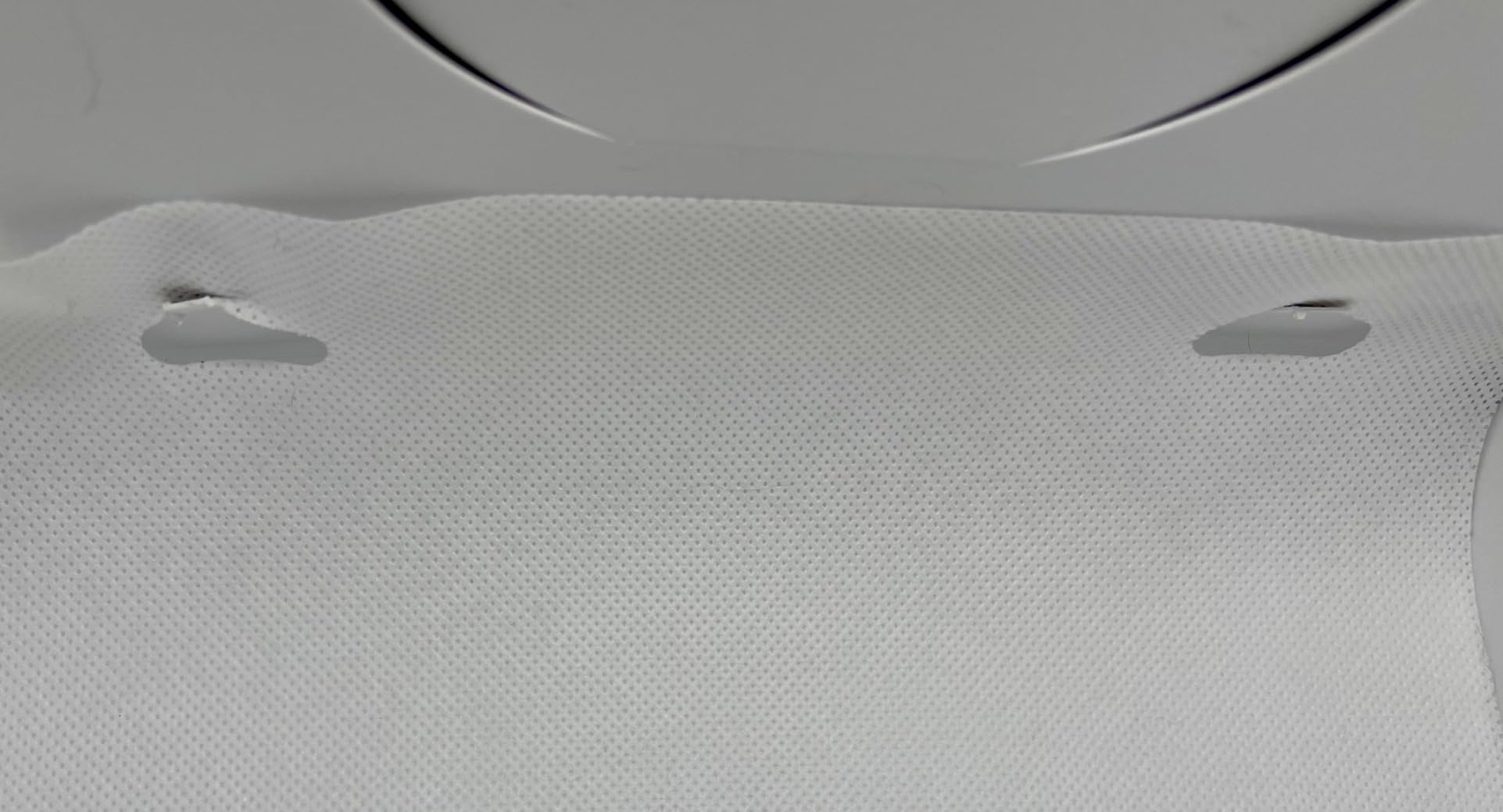
I’ll be direct about the limitations. The plastic is thin and the box does not fold flat again after you assemble it the first time. There is no brightness control and no on/off switch (just unplug it). For anything larger than a coffee mug, you’ll be clipping the frame. Treat this as a starter box or a dedicated jewelry-only box, not an all-purpose studio.
Who should buy the SENLIXIN mini
Jewelry sellers on a tight budget, craft fair vendors who need a portable setup, and anyone wanting a dedicated second box for small items.
Who should skip it
Anyone selling anything larger than 7 inches in any dimension, and anyone who needs reliable folding for repeated setups.
7. hellovetee 12 inch Photo Light Box: Best Adjustable Color Temperature
- Three color temperature options (3200K
- 4200K
- 5600K)
- 120 LEDs with CRI 95+ and 10 brightness levels
- 6 PVC backdrops including yellow and gray
- 1-year warranty with responsive support
- Slight plastic smell when first unboxed
- USB cable is somewhat short for studio setups
The hellovetee 12 inch box stands out for one specific reason: three color temperatures in one box. Most 12 inch light boxes are locked at 5500K, which is daylight. The hellovetee gives you 3200K (warm tungsten), 4200K (neutral), and 5600K (daylight), so you can match existing room light or deliberately warm up skin-tone cosmetics.
The CRI 95+ rating holds up in practice. When I shot a small wooden box on the 3200K setting, the warm tones came through without going orange. The 6 PVC backdrops include a gray and yellow that most competitors skip, which expanded my product styling options without buying extra materials.
Minor issues to be aware of: there’s a slight plastic smell out of the package that fades after a few days of airing out, and the USB cable could be longer for ceiling-mounted setups. The 1-year warranty and responsive customer service team make up for these small frustrations. For sellers who shoot across mixed product lines, the variable color temperature is genuinely useful.
Who should buy the hellovetee 12 inch
Sellers who shoot products that benefit from warm or neutral lighting: candles, wood items, leather goods, cosmetics with warm tones, and food.
Who should skip it
Sellers who only shoot on pure white and never vary their lighting mood. You’d be paying for features you won’t use.
8. Foldio3 + Front Fill Lights: Best Premium Pick
- High-power 65W LEDs brighter than most competitors
- Front fill Halo Bar with independent dimming control
- Diffusion caps for even glare-free lighting
- 10 second magnetic setup
- Compatible with Foldio360 smart turntable
- Higher price than other boxes in this roundup
- Plastic panels show wear after many folds
- Velcro backdrop attachment can loosen over time
The Foldio3 with Halo Bars is the box professional product photographers recommend when beginners ask for an upgrade. Orangemonkie engineered this around three things: bright 65W LEDs (most competitors are 10-25W), a front fill Halo Bar that adds light to the front of tall products, and a magnetic assembly that genuinely takes 10 seconds to deploy.
The CRI 97+ rating matches the DUCLUS box, and in side-by-side testing both produced similarly accurate color. The Foldio3 pulls ahead on raw output: at the same ISO and aperture, I needed less than half the brightness on the Foldio3 to match the exposure of the cheaper boxes. That means shorter shutter speeds and less noise in final images.
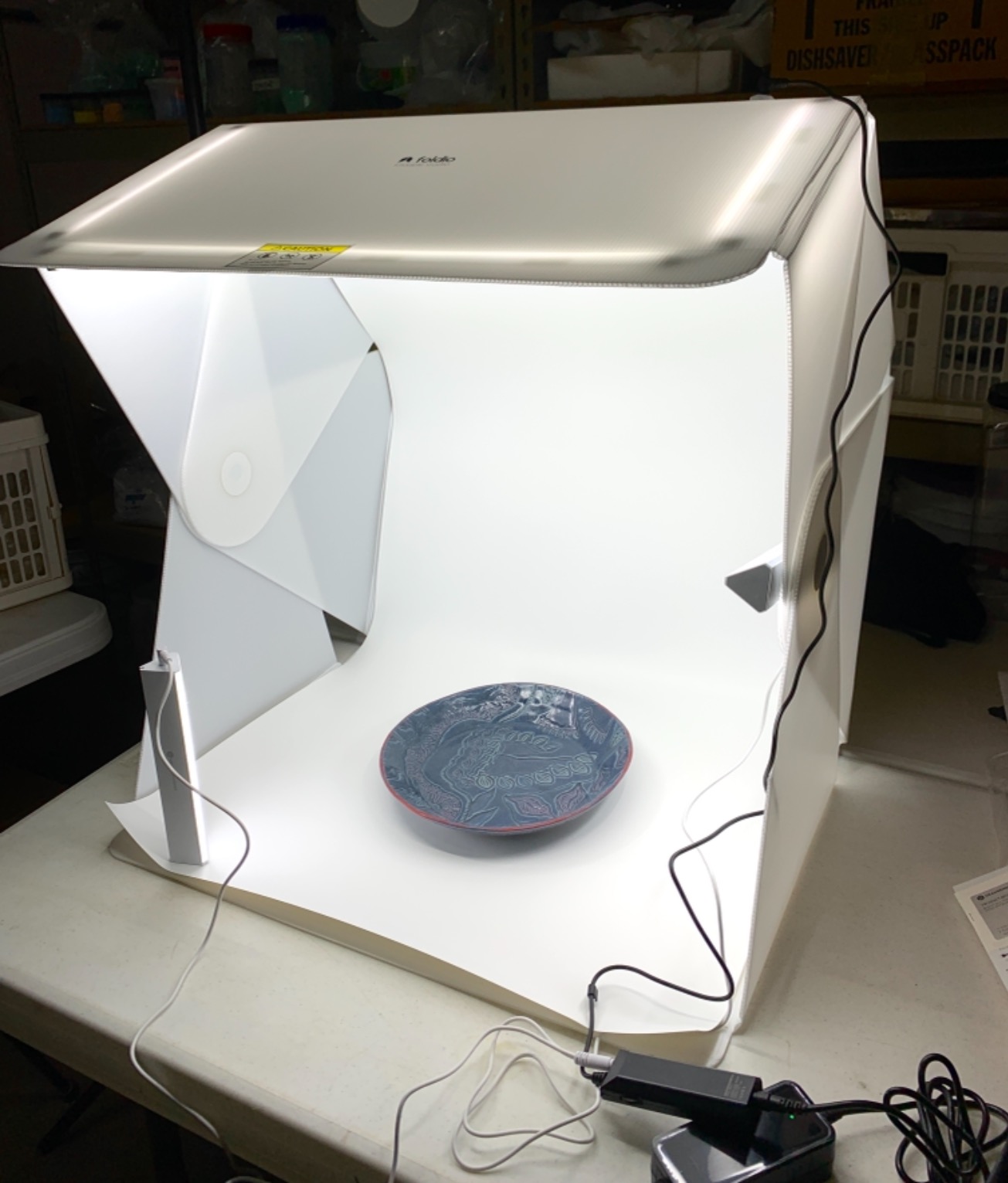
The Foldio360 turntable integration is a real differentiator for ecommerce sellers building 360-degree product views. The turntable connects via Bluetooth and pairs with the box automatically. If you sell on Amazon, Etsy, or any platform that supports interactive spin photography, this is the box to start with. The price is higher than most competitors, but for high-volume sellers, the time savings pay it back quickly.
Who should buy the Foldio3
Serious ecommerce sellers shooting daily, photographers building 360-degree product catalogs, and anyone who values time savings over upfront budget.
Who should skip it
Casual hobbyists or sellers shooting fewer than 10 products a week. The premium is real but won’t pay back at low volume.
9. Yesker 20x20x20 inch Light Box: Best for Versatility
- 20 inch cube handles most product categories
- 2 LED light bars with 98 SMD LED beads
- 10 brightness levels with no strobe flicker
- Reflective interior with diffusion cloth for shiny items
- 4 PVC backdrops (white
- gray
- orange
- black)
- Cool only color temperature (6000-6500K)
- Only 4 backdrops compared to 6-8 on competitors
- Smaller review base than established names
The Yesker 20 inch cube occupies a useful middle ground between 16 inch and 24 inch boxes. At 20 inches, it fits mid-size products (medium shoes, handbags, larger cosmetics bottles) without the bulk of a 24 inch cube. The 98 LED beads across two light bars produce even illumination across the whole interior.
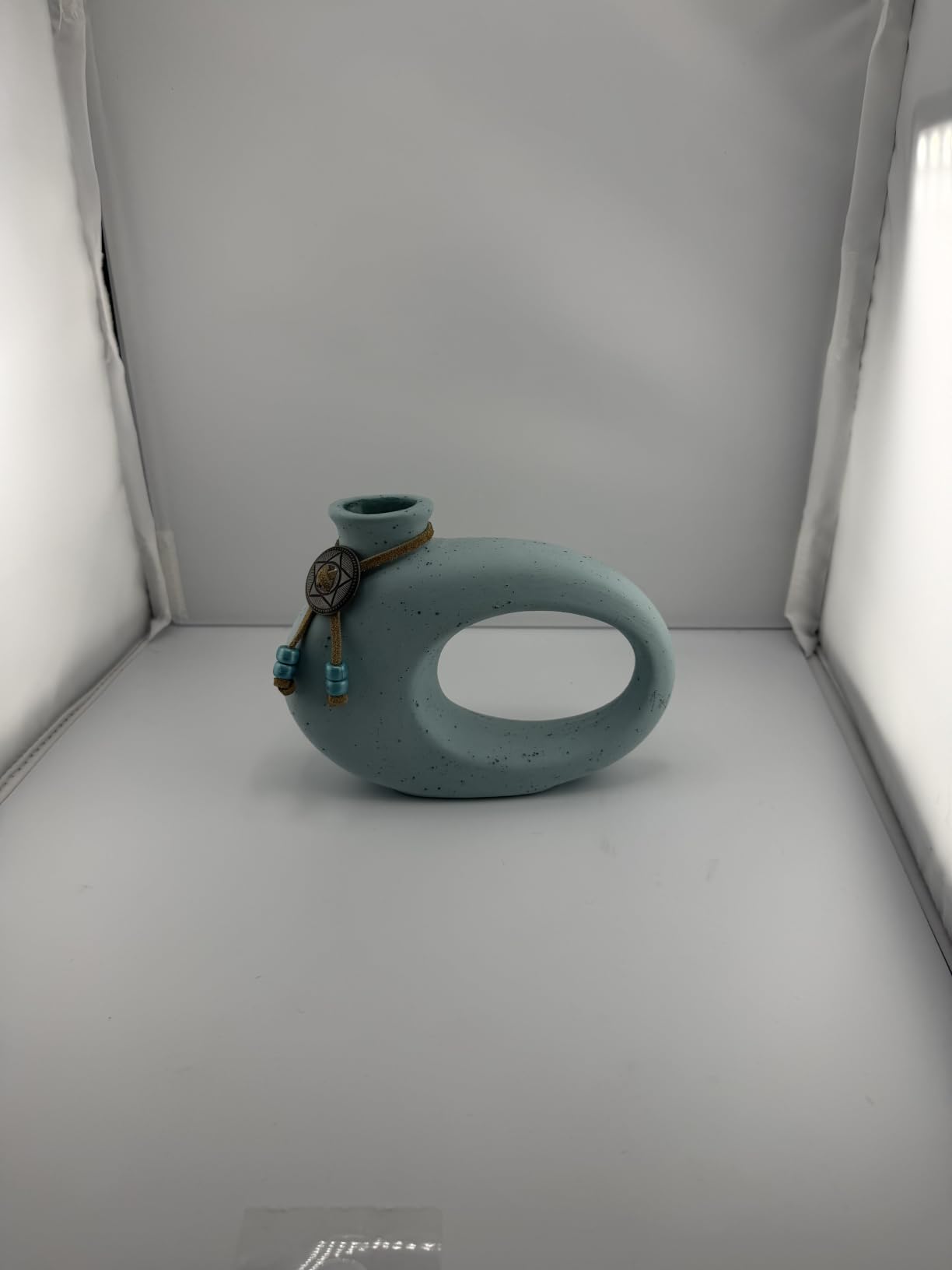
The reflective silver interior paired with the included diffusion cloth works well for moderately reflective products like polished ceramics and chrome items. The horizontal and vertical front shooting windows let me switch from standard product shots to flat-lay arrangements without moving the lights. In my testing, the diffusion was effective enough that I could photograph a small ceramic vase without seeing any bright reflections.
Two practical limits. First, the color temperature is locked at 6000-6500K with no warm option, so if you shoot warm-toned products you may need to gel the lights or correct in editing. Second, only 4 backdrops ship (white, gray, orange, black) which is fewer than most competitors include. Long-term reliability is harder to assess because Yesker has a smaller review base than established brands, though the box I tested showed no issues over the test period.
Who should buy the Yesker 20 inch
Sellers with mixed product sizes who want one box that handles most jobs. The 20 inch size is the practical sweet spot for general ecommerce.
Who should skip it
Sellers who shoot warm-toned products or who need multiple backdrop colors out of the box.
10. Foldio2 Plus 15 inch Lightbox: Best for 360 Product Photography
Foldio2 Plus (15inch Lightbox for Product Photography / 15″ x 15″ / Portable Studio, Dimmable LED Chips, CRI 97+, White & Black Background Sheets Included) by ORANGEMONKIE
- Dimmable triple LED lighting with CRI 97+
- Detachable magnetic top cover for flat-lay shots
- Foldio360 turntable ready for spin photography
- Corrugated plastic construction is sturdy and folds flat
- Includes white and black background sheets
- Only 2 backdrops included (white and black)
- Backdrops ship flat and develop creases if stored rolled
- Learning curve to fold the box back into storage
The Foldio2 Plus is the smaller sibling to the Foldio3, and for many sellers it’s actually the smarter buy. At 15 inches it’s small enough to leave set up on a desk but large enough for jewelry, cosmetics, small electronics, and packaged goods. The triple LED array with CRI 97+ produces clean, accurate color without the brightness of the bigger Foldio3.
Where this box shines is the Foldio360 turntable integration. The 15 inch interior is the perfect size for the Foldio360 turntable, which spins your product automatically and pairs with the Foldio app to generate 360-degree product images. If you sell on platforms supporting spin photography (Amazon, eBay, certain Shopify themes), this is the most streamlined setup at this size.
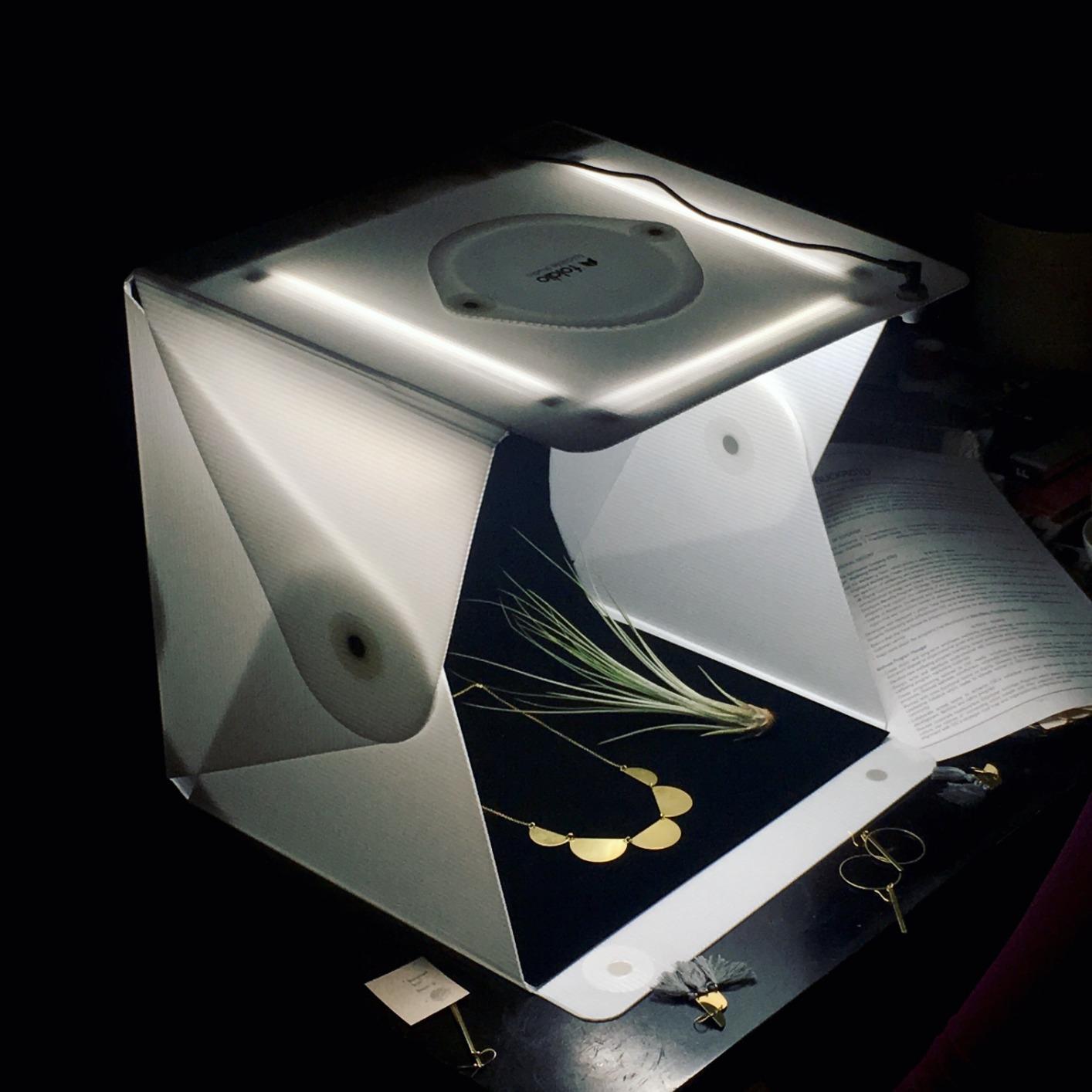
The corrugated plastic body is sturdier than the wire-and-fabric boxes, which means the Foldio2 holds its shape better over hundreds of setups. The detachable magnetic top cover is a thoughtful touch for flat-lay photography: remove it and you can shoot straight down on your product without the top of the box framing your shot. Two minor downsides: only white and black sheets ship, and the box is confusing to fold back into its compact storage configuration the first few times. After a few cycles it becomes second nature.
Who should buy the Foldio2 Plus
Sellers building 360-degree product catalogs, small electronics photographers, and anyone who wants a sturdy mid-size box with room to expand into spin photography.
Who should skip it
Sellers who need multiple colored backdrops out of the box or who shoot products larger than 12 inches in any dimension.
Photography Light Box Buying Guide
Choosing the right photography light box comes down to five decisions: size, CRI rating, lighting type, backdrop materials, and portability. Get any of these wrong and you’ll either overpay for features you don’t need or end up with a box that fights your products. Here’s how to think through each one. If you also need somewhere to store the props and backdrops that go with your box, our picks for the best deck boxes include a few weather-resistant indoor-friendly options that double as prop storage.
What size light box do I need for product photography
The general rule from professional product photographers: choose a box at least 12 inches (30 cm) taller and wider than your largest subject. A 12 inch box handles jewelry, watches, and small accessories. A 16 to 20 inch box fits cosmetics, mid-size shoes, small electronics, and packaged goods. A 24 inch box and up is for handbags, sneakers, mugs, and any tall bottle.
The practical floor is 20 to 24 inches, according to multiple forum users on r/productphotography. Anything smaller quickly feels cramped once you start shooting anything beyond rings and earrings. If you’re between sizes, go up. The extra room costs little and saves you from needing a second box later.
CRI and color temperature explained
CRI (Color Rendering Index) measures how truthfully a light source reveals colors compared to natural daylight. CRI is rated 0 to 100, with 100 being perfect daylight. For product photography, aim for CRI 95 or higher. CRI 80 is acceptable but you’ll spend more time correcting color in editing.
Color temperature, measured in Kelvin (K), describes how warm or cool the light appears. 5500K is standard daylight and the safest choice for most product photography. 3200K is warm tungsten, useful for wood and warm-toned products. 6500K is cool daylight, slightly bluer. Match your color temperature to your subject and you save editing time.
Types of photography light boxes
Three main designs dominate the market. Fabric tents with no built-in lights (like the NEEWER 24 inch cube) rely on your external lighting and produce the softest diffusion. Integrated LED boxes (Glendan, PULUZ, DUCLUS, and most others) include built-in LED panels and are the most popular for beginners. Rigid plastic studios (Foldio line, MyStudio) use plastic panels and offer premium build quality with magnetic or snap assembly.
Common problems and quick fixes
Gray background: pull the backdrop further forward and dim the lights slightly, or shoot in RAW and push exposure in editing. Color cast: turn off all room lights before shooting, and check your white balance against the gray card. Reflections on shiny items: drape the included diffuser cloth over the front opening and use a polarizing filter on your lens if possible. Backdrop creases: iron the fabric backdrops on low heat before first shoot, or switch to paper rolls.
DIY light box option
If you want to test product photography before investing, a cardboard box, white paper, tissue paper for diffusion, and a desk lamp can produce usable shots for less than the cost of a coffee. Cut a window in three sides of the box, tape tissue paper over the windows for diffusion, place white paper inside as the backdrop, and position your lamp outside the side windows. Multiple Etsy sellers report saving hundreds of dollars by starting with a DIY box and only upgrading after their business was profitable.
How to Use a Photography Light Box
Once you have your light box, setup is fast. Here are the four steps our team uses for every shoot. If your product is part of a wider home workspace, our picks for the best window boxes show other ways to add natural light into your studio area.
Setup steps
Step 1: Pop open the box on a flat, stable surface at desk height. Make sure the front opening faces you and any top window is accessible.
Step 2: Choose your backdrop based on the product. White for general ecommerce, black for drama, gray for neutral, or a colored sheet for lifestyle shots. Smooth the backdrop from front to back so no creases or horizon lines appear.
Step 3: Position your product about 12 inches back from the front opening. Center it and slightly angle it for better dimension. For shiny or reflective items, drape the diffuser cloth over the front opening to soften the highlights.
Step 4: Set up your camera on a tripod directly in front of the front opening. Use a remote shutter or 2-second timer to avoid camera shake. Shoot in RAW for maximum editing flexibility.
Camera settings for light box photography
Start with these baseline settings and adjust as needed: ISO 100 for the cleanest image, aperture f/8 to f/11 for sharp focus across the product with a touch of background softness, shutter speed 1/125 second or faster to avoid any ambient light contamination, white balance custom-set using a gray card placed inside the box, and shoot RAW for full editing latitude.
How to get a pure white background
Amazon requires RGB 255 pure white backgrounds. Here’s the technique our team uses. First, light the background separately from the product: place a small LED panel behind and above the box, aimed at the backdrop only. Second, in your camera or editing software, set the white balance so the gray card reads neutral. Third, in editing, use the levels or curves tool to push the background to RGB 255 while keeping the product’s natural shadows. This takes about 30 seconds per photo and produces consistent marketplace-ready images.
Frequently Asked Questions
Are light boxes good for product photography?
Yes. A photography light box produces soft, even illumination and a clean background in a single shot, which is exactly what ecommerce listings, Etsy product photos, and Amazon marketplace images need. For small to medium products like jewelry, cosmetics, watches, and small electronics, a light box eliminates most of the setup time and post-processing work compared to building the same lighting with separate strobes and modifiers.
What is the best photo light box for product photography?
Our top pick for most sellers is the Glendan 12 inch Portable Photo Studio Light Box because it pairs 112 dimmable LEDs with CRI 95+ color accuracy at an accessible price. For larger products, the PULUZ 24×24 inch box is the best value, and for the most accurate color the DUCLUS 16 inch box with CRI 97+ leads the field.
How do you use a lightbox for product photography?
Pop the box open on a flat surface, choose your backdrop color, position your product about 12 inches back from the front opening, set up your camera on a tripod directly in front, and shoot in RAW at ISO 100 and aperture f/8 to f/11. Dim the lights if white products blow out, and use the diffuser cloth for reflective items.
How can I make a light box for product photography?
Cut three windows in a cardboard box (one in front, two on the sides), tape white tissue paper over the windows to act as diffusion, place a sheet of white paper inside as the backdrop, and aim two desk lamps at the side windows from outside the box. This produces usable product photos for less than the cost of a coffee and is what many Etsy sellers start with.
Is a light box worth it for photography?
For any seller shooting more than a few products a month, yes. A light box saves roughly 20 to 30 minutes per product compared to building the same lighting with separate strobes and modifiers, which adds up to hours saved per week. The honest limitation: light boxes produce flat, even lighting that flattens dimensional products, so highly stylized or lifestyle shots still benefit from a full studio setup.
What size light box do I need for product photography?
Choose a box at least 12 inches taller and wider than your largest subject. A 12 inch box handles jewelry and watches. A 16 to 20 inch box fits cosmetics, mid-size shoes, and small electronics. A 24 inch box and up is for handbags, sneakers, mugs, and tall bottles. Forum consensus from r/productphotography is that 20 to 24 inches is the practical floor for anything beyond jewelry.
What are the most common problems with lightboxes?
The four most common problems are gray backgrounds (fix by pulling the backdrop forward and pushing exposure in editing), color cast from mixed room lighting (turn off all room lights and custom-set white balance), reflections on shiny items (drape the diffuser cloth over the front opening and use a polarizing filter), and backdrop creases showing in shots (iron fabric backdrops or switch to paper rolls).
Do professional photographers use light boxes?
Yes, especially for catalog work. Commercial product photographers use enclosed studios (Ortery and MyStudio are industry standards) for repeatable, consistent shots across hundreds of SKUs. Hobby and freelance photographers more commonly use the smaller integrated LED boxes for ecommerce and Etsy work. The enclosed box is most useful when consistency matters more than dramatic lighting.
Final Verdict on the Best Photography Light Boxes
After two months of shooting every product we could fit inside these boxes, the answer to which is the best photography light box depends on what you’re shooting. For most ecommerce sellers just starting out, the Glendan 12 inch Portable Photo Studio Light Box is the safest choice. The PULUZ 24×24 inch box wins for anyone with larger products, and the DUCLUS 16 inch box with CRI 97+ wins for sellers who care most about accurate color.
If you’re upgrading from a DIY setup or replacing an old light box, our team recommends matching your box size to your largest product and choosing CRI 95 or higher whenever possible. The differences between budget boxes and premium boxes show up most in color accuracy and build quality, and both pay back quickly for sellers shooting more than a handful of products per week.
Whatever box you choose, the goal is the same: clean, marketplace-ready product photos with the minimum of post-processing. Any of the ten light boxes above will get you there. Pick the size that fits your products, set your camera to ISO 100 and aperture f/8, and start shooting.