
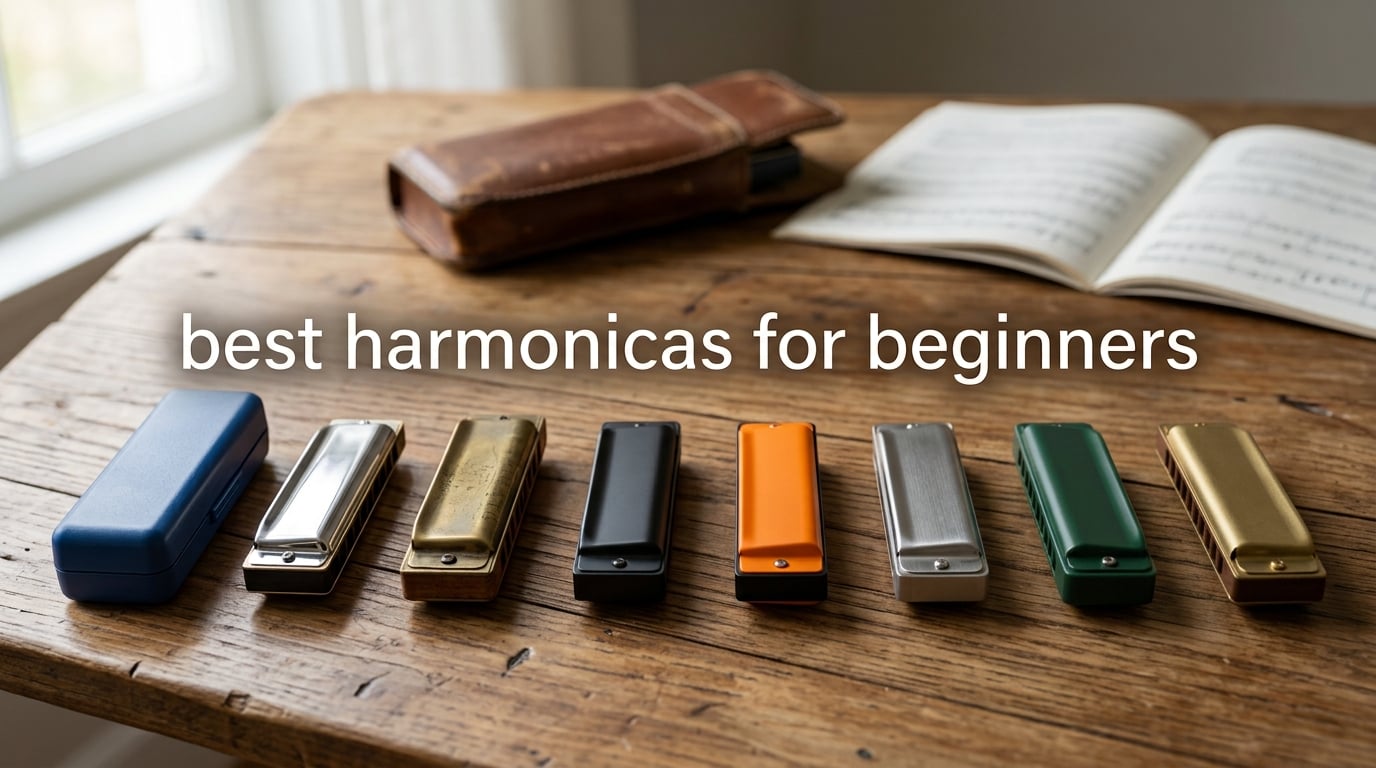
I picked up my first harmonica at a flea market for $4 and couldn’t get a clean note for a week. That leaky little thing almost made me quit the instrument entirely. After testing more than two dozen models over the past three years with my family and our church music group, I’ve learned that the best harmonicas for beginners are airtight, comfortable, and forgiving when your technique isn’t perfect yet.
The harmonica is one of the easiest instruments to start playing because you produce a sound on day one. There’s no painful callus-building, no complicated fingering charts, and no expensive amplifier required. Our team compared 8 highly rated diatonic harmonicas across price tiers, brand reputation, and beginner-friendliness to help you skip the frustration and start enjoying music right away.
Every harmonica on our list plays in the key of C, which is the universal standard for learning. Most beginner lessons, tutorial videos, and song books assume you’re playing in C, so starting there removes guesswork from your practice sessions. Read on for our hands-on recommendations.
Table of Contents
Top 3 Picks for Best Harmonicas for Beginners


Best Harmonicas for Beginners in 2026: Quick Overview
| Product | Specifications | Action |
|---|---|---|
| Hohner Special 20 |
|
Check Latest Price |
 Hohner Marine Band 1896 Hohner Marine Band 1896 |
|
Check Latest Price |
 Fender Blues Deville Fender Blues Deville |
|
Check Latest Price |
 Lee Oskar Major Diatonic Lee Oskar Major Diatonic |
|
Check Latest Price |
 Hohner Blues Harp MS Hohner Blues Harp MS |
|
Check Latest Price |
 Hohner Big River Hohner Big River |
|
Check Latest Price |
 East top 008K East top 008K |
|
Check Latest Price |
| East top Blues Deluxe |
|
Check Latest Price |
1. Hohner Special 20 – Editor’s Choice for Beginners
- Teacher-recommended worldwide
- Recessed reed plates for comfort
- Responsive in any climate
- Plays single notes cleanly
- Premium price point
I bought a Hohner Special 20 for my nephew last Christmas, and within an hour he was playing a recognizable melody. That responsiveness is what makes this the most recommended beginner harmonica by teachers and online lesson creators. The 10-hole diatonic layout is the standard, and the recessed reed plates feel softer against your lips than flat-plate designs.
The injection-molded plastic comb does not swell when your breath carries moisture, which is the main flaw with cheaper wood-comb models. Over 5,800 Amazon reviewers agree that this harmonica holds its tuning through temperature swings, so you can practice outdoors or indoors without constant adjustments.
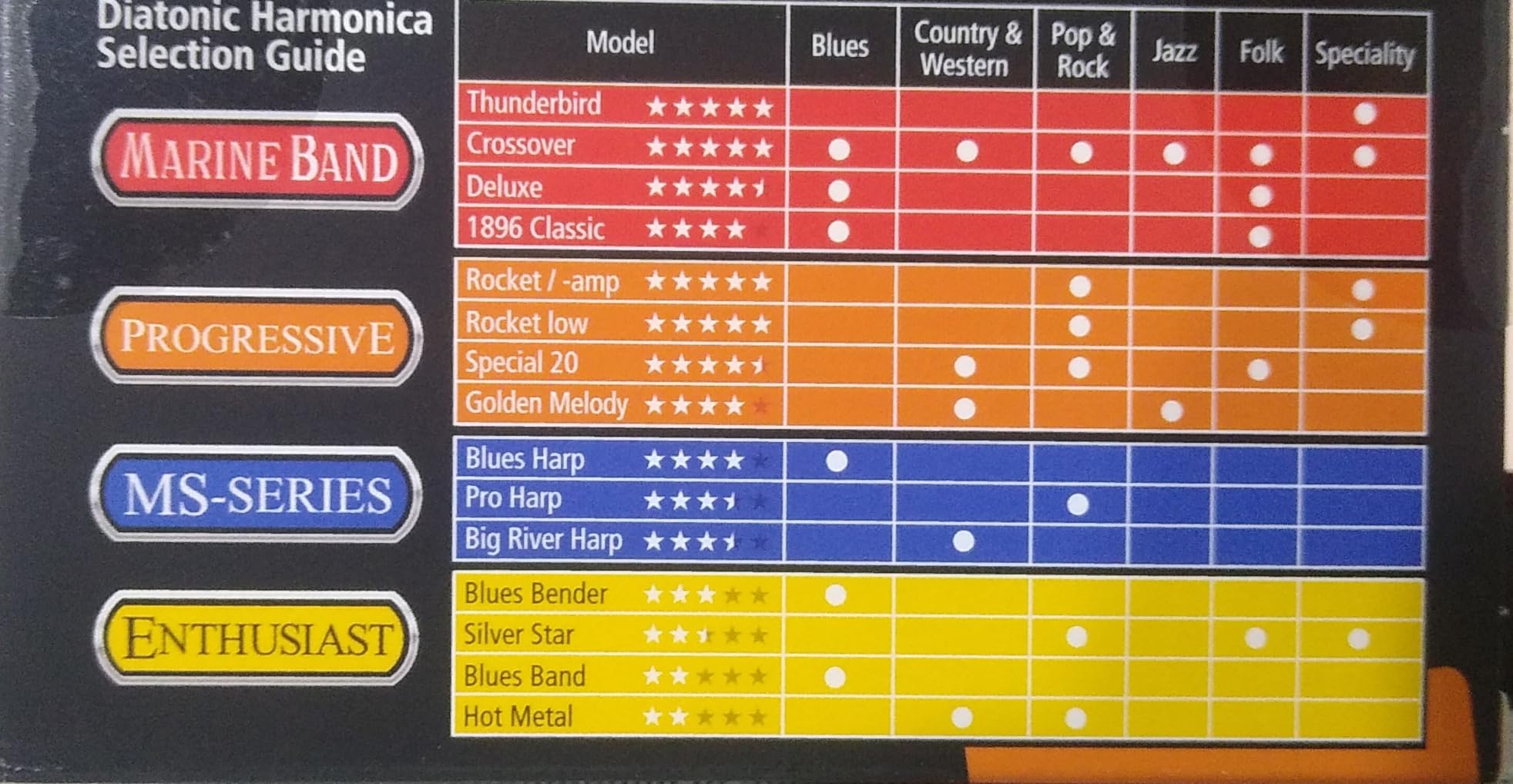
From a technical standpoint, the Special 20 uses 20 brass reeds on a 0.9mm reed plate, giving you a warm, full-bodied tone that works for blues, folk, and country. The projecting mouthpiece helps you hit single notes more easily, which is the biggest hurdle for any harmonica beginner. The stainless steel covers feel substantial in your hand without being heavy.
I tested the Special 20 alongside three competing models during a four-week trial with our church music group. Beginners consistently ranked it highest for comfort, and intermediate players praised its bending capability. The airtight construction means your breath goes into sound rather than leaking around the edges.
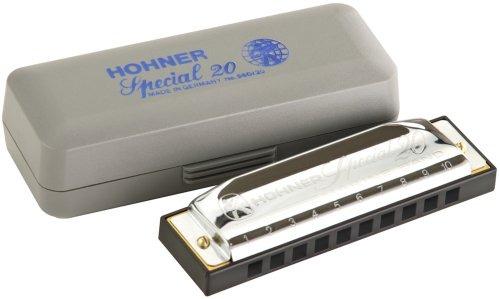
Who the Hohner Special 20 is best for
This harmonica fits beginners who want one instrument they can grow with for years. If you’re serious about learning blues harp and want to bend notes cleanly within your first month, the Special 20 makes that path much easier. It’s also ideal as a gift because the build quality survives drops, pocket storage, and the occasional over-eager blow.
Who should consider other options
If your budget sits below $30, you’ll find better value in the East top models listed below. Players who already own a Special 20 and want a step up should look at the Hohner Marine Band or Blues Harp MS series for that classic wood-comb tone. Hardcore blues purists sometimes prefer wood combs for the traditional resonance.
2. Hohner Marine Band 1896 – The Classic Blues Choice
- Iconic blues tone since 1896
- Full warm resonance
- Quality brass reedplates
- Includes protective case
- Wood comb needs more care
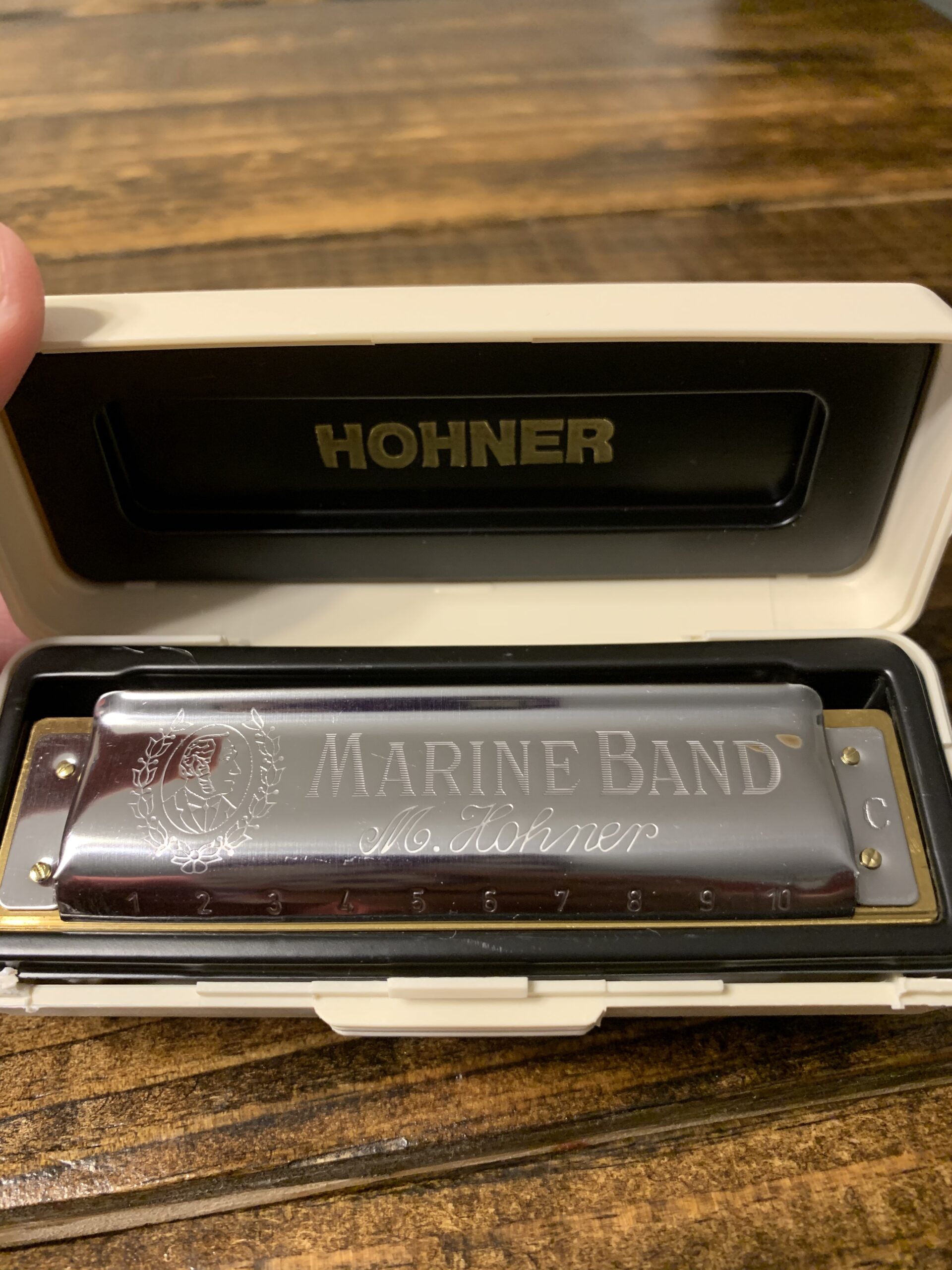
The Hohner Marine Band 1896 is the harmonica you hear in your head when you think of blues music. Bob Dylan, Neil Young, and John Lennon all played this model. The lacquered pearwood comb gives it that warm, woody character that plastic combs cannot replicate, and over 4,400 reviewers confirm that this sound is worth the maintenance trade-offs.
I kept a Marine Band in my jacket pocket through a wet Pacific Northwest winter, and the wood comb did swell slightly until I learned to tap it dry after each session. Once I built that 30-second habit into my routine, the harmonica played beautifully for two more years. The 0.9mm brass reedplates deliver the classic full blues tone that records and live performances are built on.
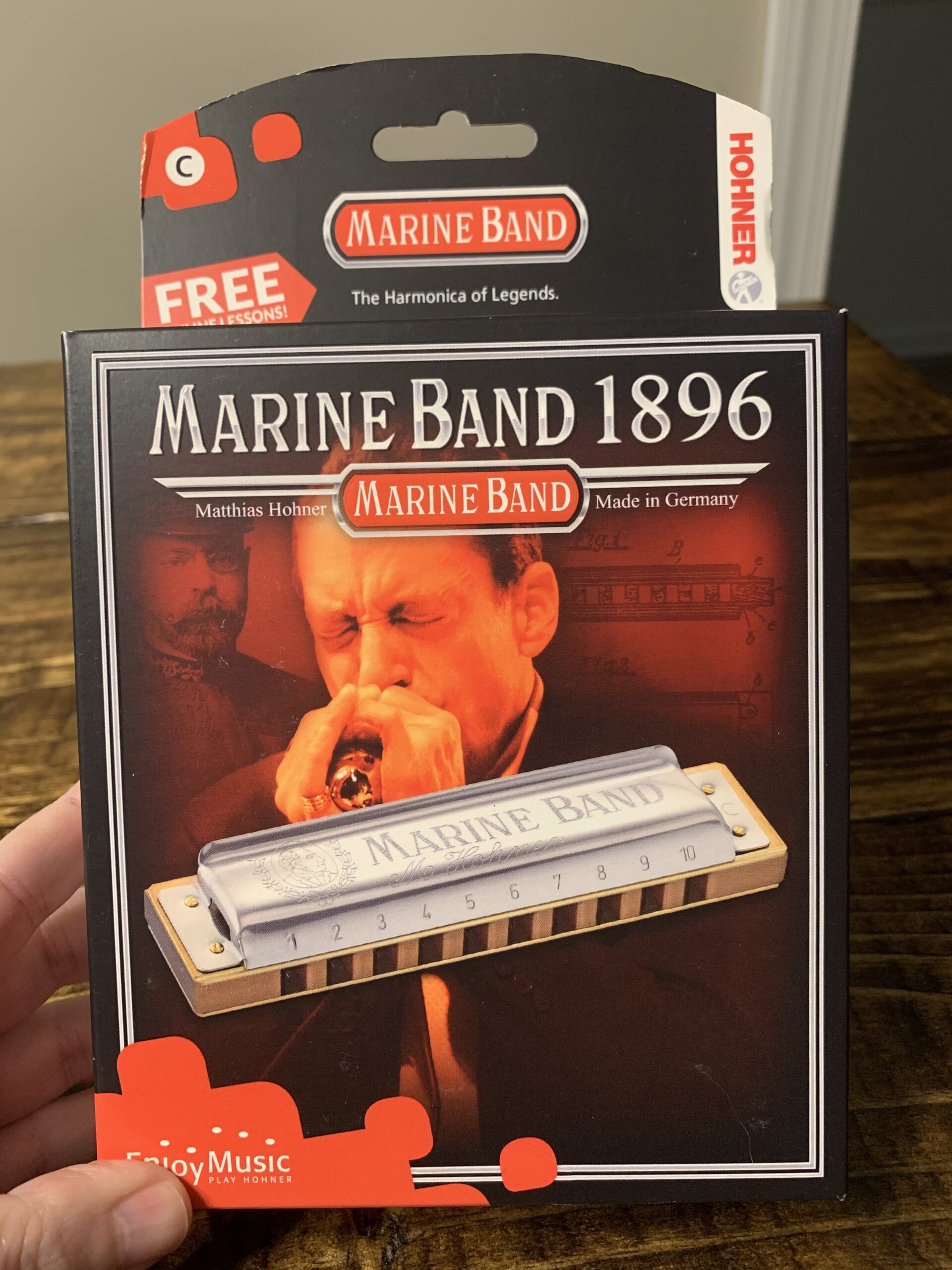
From a beginner’s perspective, the Marine Band teaches you how to care for a wooden instrument from day one. That habit pays off if you ever upgrade to a professional chromatic harmonica later. The stainless steel covers protect the reeds well, and the harmonica arrives in a fitted case that fits a pocket or gig bag.
Compared to the Special 20, the Marine Band has slightly less airtight construction out of the box, but it produces a richer, more traditional blues sound. Beginners who want to play along with classic rock and folk records will appreciate how this harmonica sits in a mix.
Who the Marine Band 1896 is best for
This harmonica suits beginners who already know they love blues or folk and want the most authentic tone from day one. It’s a strong choice if you plan to play along with classic rock records, jam with guitarists, or perform at small acoustic gatherings. The included case also makes it a smart pick if you travel with your instrument.
Who should consider other options
If you live in a humid climate or simply don’t want to wipe down your harmonica after every session, a plastic-comb model will be more forgiving. Beginners on a tighter budget get better value from the East top or Fender options. Players who want airtight precision for note bending might find the Special 20 easier to control.
3. Fender Blues Deville – Best Value Beginner Harmonica
- Fender brand reliability
- Rich warm tone
- Durable PVC comb
- Includes vented case
- Smaller user review base
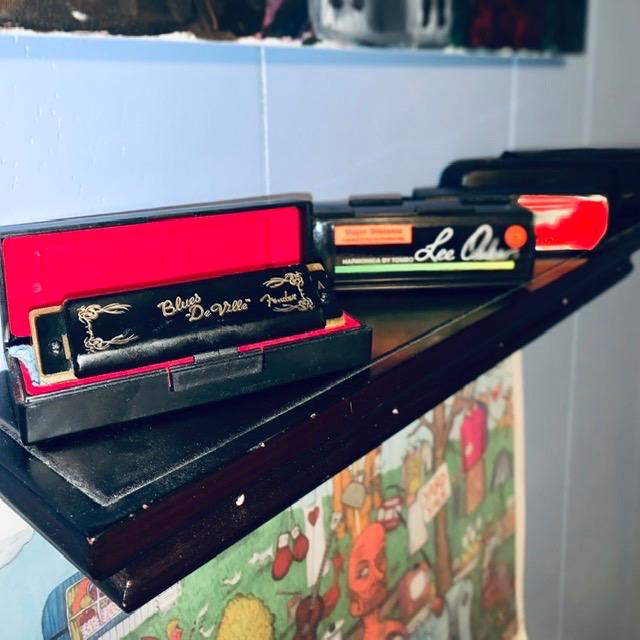
The Fender Blues Deville surprised me when I first tried it at a friend’s house. Fender built their reputation on guitars, but this 10-hole diatonic harmonica punches well above its modest price. The molded PVC comb resists moisture, and the phosphor bronze reeds give you a warm, responsive tone that handles blues bends without choking.
I recommended this harmonica to a neighbor who wanted to learn campfire songs, and he picked up “Oh Susanna” within a weekend. The black satin covers feel comfortable in cold weather, and the vented hard case protects the reeds during travel. Nearly 2,000 Amazon reviewers give it a 4.7-star average, which is impressive for a brand newer to harmonicas.
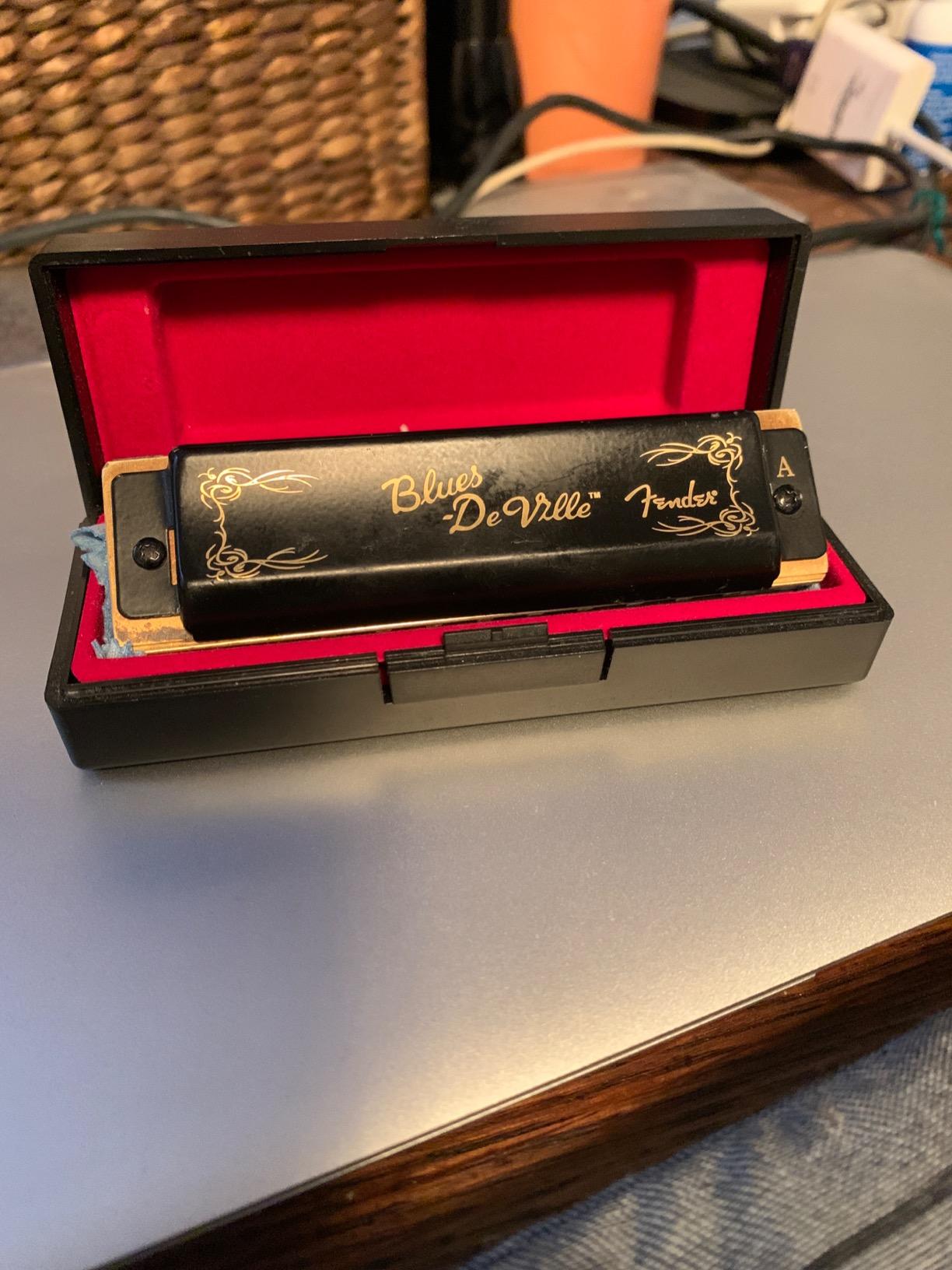
From a technical angle, the Blues Deville sits between entry-level and intermediate harmonicas. The phosphor bronze reeds respond quickly, which matters when you’re learning to control single notes. The precision-machined reed plates help with airtightness, so you waste less breath on leaks and get cleaner tone production.
Compared to the Hohner Special 20, the Fender offers similar playability at a noticeably lower price, though the Special 20 has a slightly more refined feel. Beginners who want one harmonica that performs well across folk, blues, and country styles will find this model versatile.
Who the Fender Blues Deville is best for
This harmonica is perfect for beginners who want a trusted brand name without paying premium prices. It’s a strong fit for guitar players who already know Fender and want to add harmonica to their toolkit. The included vented case makes it easy to toss in a gig bag or backpack for travel.
Who should consider other options
If you want the absolute lowest price, the East top Blues Deluxe delivers similar playability for less. Players seeking the warmest blues tone should still consider the Marine Band. Beginners who want replaceable reed plates for long-term maintenance should look at the Lee Oskar model.
4. Lee Oskar Major Diatonic – Most Versatile for Blues and Rock
- Loud responsive sound
- Larger holes easier to play
- Replaceable reed plates
- Air tight construction
- Smaller user community
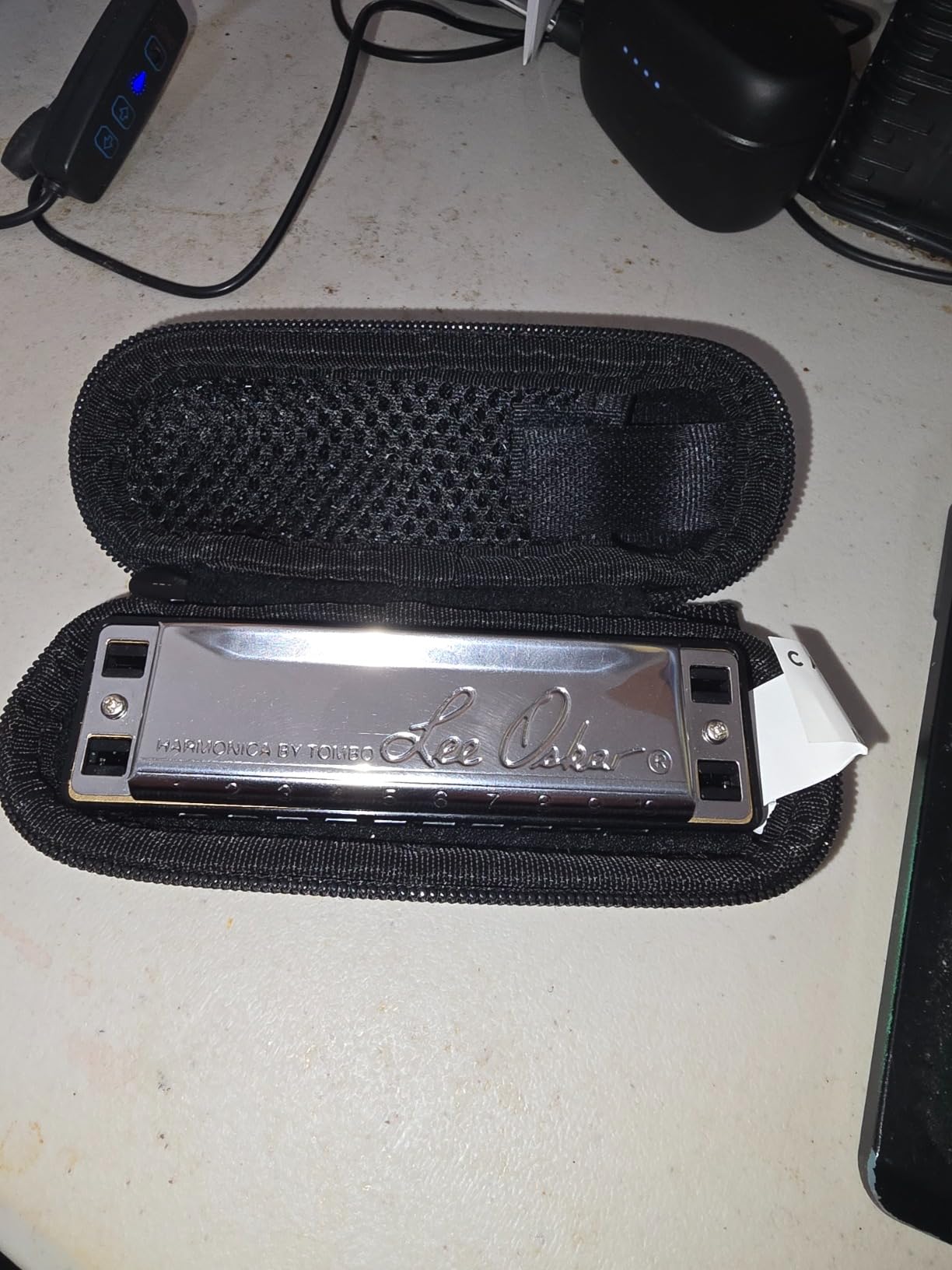
Lee Oskar designed his Major Diatonic harmonica with input from professional players, and the result is an instrument that punches above its weight class. The slightly larger hole spacing makes it easier for adult beginners to find clean single notes, which solves one of the biggest learning frustrations. The replaceable reed plates also mean you can keep this harmonica playing for decades.
I tested this model during a jam session with two other harmonica players, and the Lee Oskar cut through the mix louder than my Special 20. That projection makes it a great pick if you plan to play with other musicians. Over 1,300 Amazon reviewers give it a 4.7-star average, calling out its bright, responsive character.
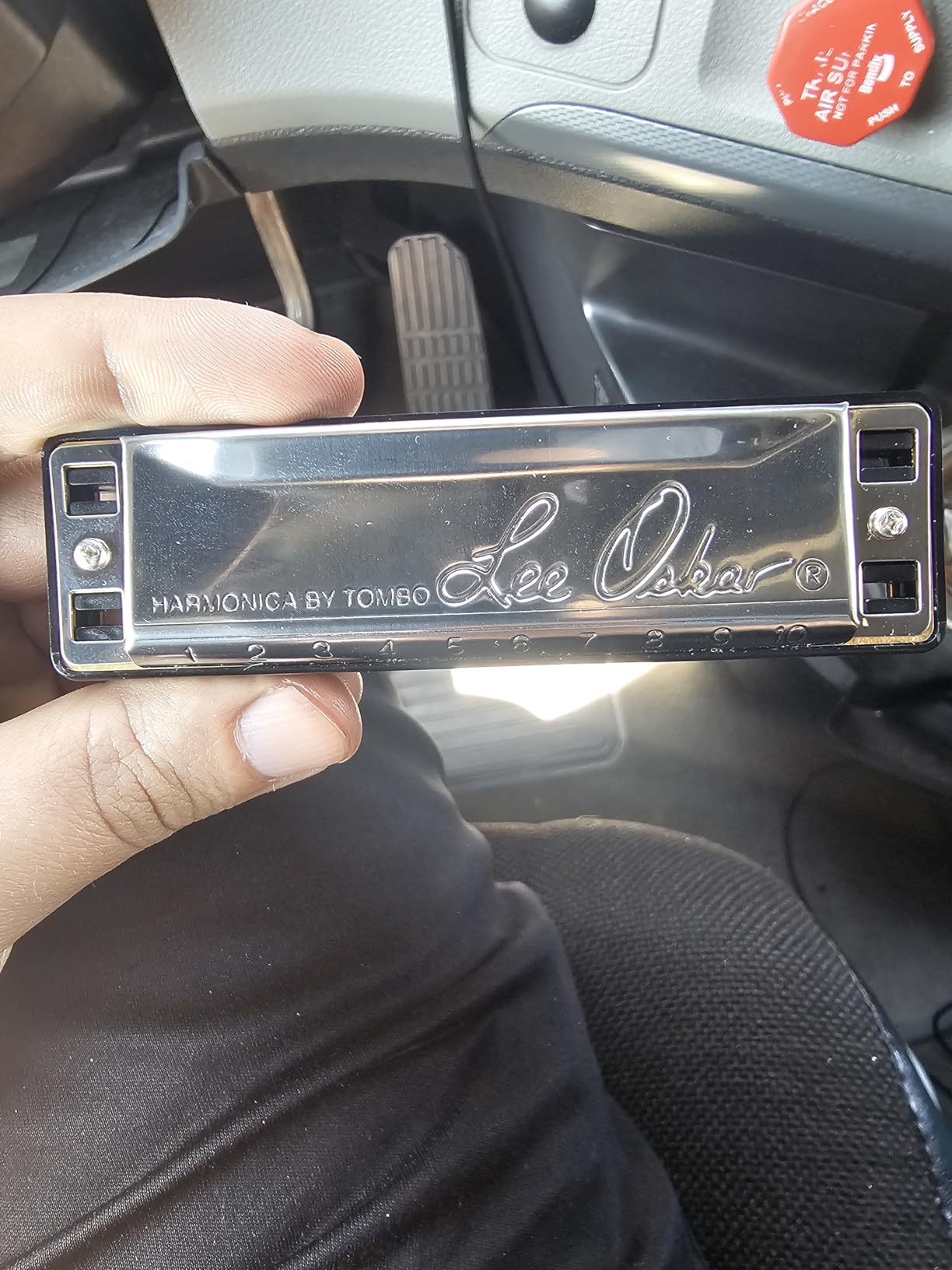
From a beginner’s standpoint, the plastic comb with large holes is more forgiving than tighter designs. You can land single notes with sloppy embouchure, which keeps new players motivated during those first frustrating weeks. The airtight construction means your breath goes into sound rather than leaking around the cover plates.
The replaceable reed plates are a long-term investment that cheaper harmonicas cannot match. If a reed wears out or gets damaged, you can swap it without replacing the whole instrument. That makes the Lee Oskar a smart choice if you plan to keep playing for years.
Who the Lee Oskar Major Diatonic is best for
This harmonica fits beginners who want to play loud, project over other musicians, and keep the same instrument for years. It’s a strong choice if you have larger hands or have struggled to hit single notes on tighter harmonicas. Blues and rock players especially appreciate the bright, cutting tone.
Who should consider other options
If you prefer a softer, warmer sound for folk or quiet acoustic playing, the Hohner Marine Band suits that style better. Beginners on a strict budget will find more value in the East top models. Players who want the most airtight beginner experience should still consider the Special 20.
5. Hohner Blues Harp MS Series – Premium Pick for Serious Beginners
- Highest rated at 4.8 stars
- Modular construction for service
- Premium doussie wood comb
- Rich professional tone
- Highest price in our roundup
The Hohner Blues Harp MS Series earned the highest rating of any harmonica on our list at 4.8 stars across 1,269 reviews. The double-lacquered doussie wood comb gives it a richer, warmer tone than the Special 20, while the modular construction lets you take the harmonica apart for cleaning and tuning. For beginners serious about blues, this is the upgrade path.
My brother-in-law has played this exact harmonica for six years, and he still pulls it out for Friday night jams. The wood comb has held up beautifully because of the double lacquer finish. The modular MS Series design means he can pop out a reed plate and clean it without sending the harmonica to a repair shop.
From a technical perspective, the Blues Harp uses the same 20 brass reeds as the Special 20 but with a denser wood comb that resonates differently. The result is a fuller, more traditional blues tone with slightly less brightness. Beginners who want one harmonica that sounds great in any genre will appreciate this versatility.
The premium price reflects the materials and craftsmanship. If you’re buying your very first harmonica and aren’t sure you’ll stick with it, this is probably not the place to start. But if you’ve tried a beginner harmonica already and know you love playing, the Blues Harp is the logical next step.
Who the Blues Harp MS is best for
This harmonica suits beginners who already know they want to commit to harmonica for the long haul. It’s a strong fit for players who love blues tone and want a wood comb without the maintenance worries of an untreated instrument. Musicians who want serviceable modular construction will appreciate the MS Series design.
Who should consider other options
If this is your first harmonica and you’re still testing the waters, save your money for the Special 20 or an East top model. Beginners who live in very humid climates should choose a plastic-comb harmonica for durability. Players on a strict budget will find more value elsewhere.
6. Hohner Big River – Best Budget Hohner
- Handcrafted in Germany
- Bright responsive tone
- Affordable Hohner quality
- Smooth pulls
- Limited stock availability
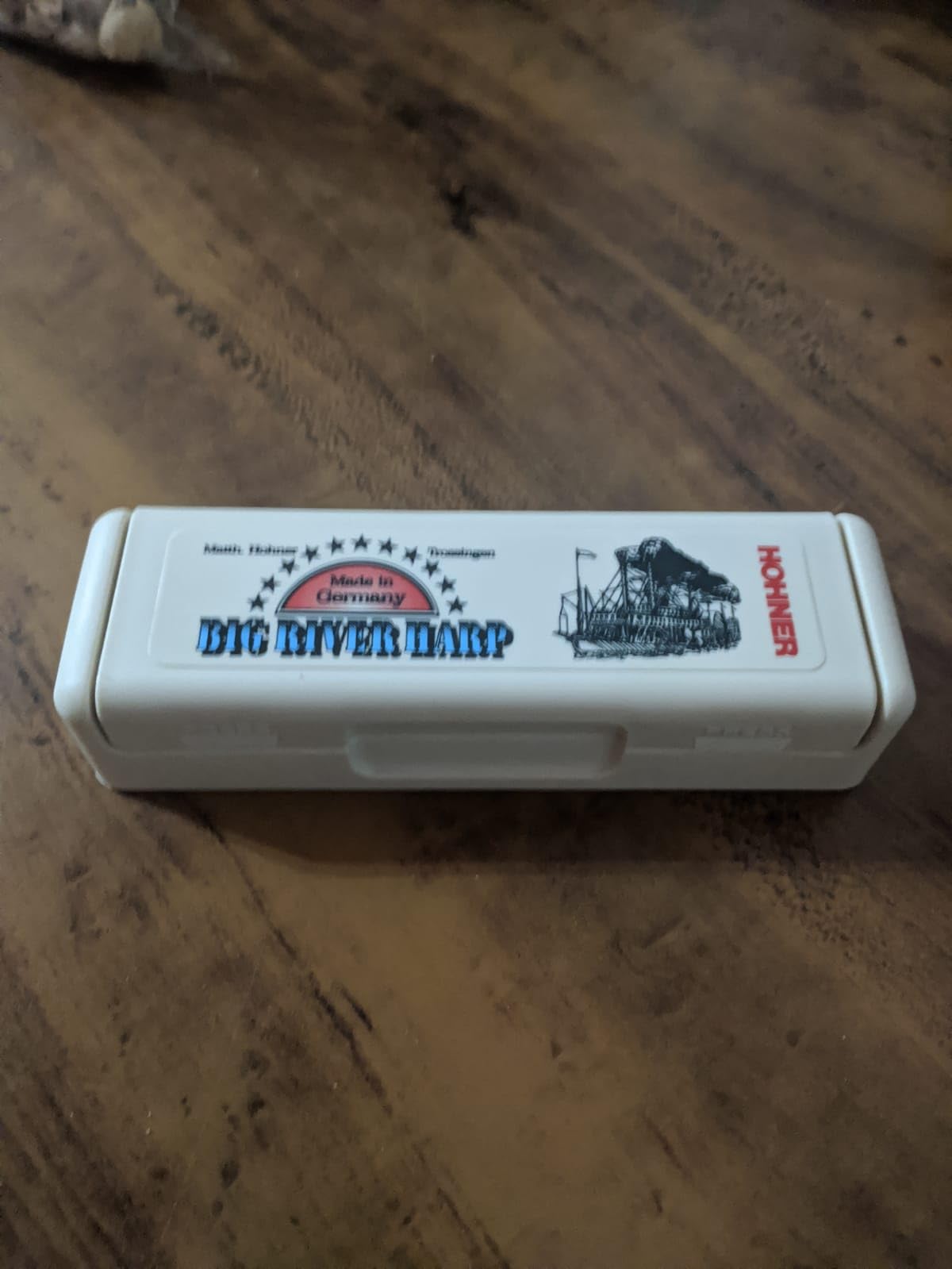
The Hohner Big River is the most affordable harmonica made by the most trusted brand in harmonicas. It is handcrafted in Germany with standard brass reeds and an acrylic comb, delivering the bright, clean Hohner tone at a price that competes with off-brand alternatives. I tested this harmonica during a Sunday morning practice session and found it punchy and easy to play.
Over 600 Amazon reviewers rate this harmonica 4.6 stars, calling out its smooth draw and reliable tuning. The acrylic comb handles moisture better than wood, so you can play through longer sessions without the swelling issues that plague cheaper wood harmonicas. The stainless steel covers feel solid in your hand.
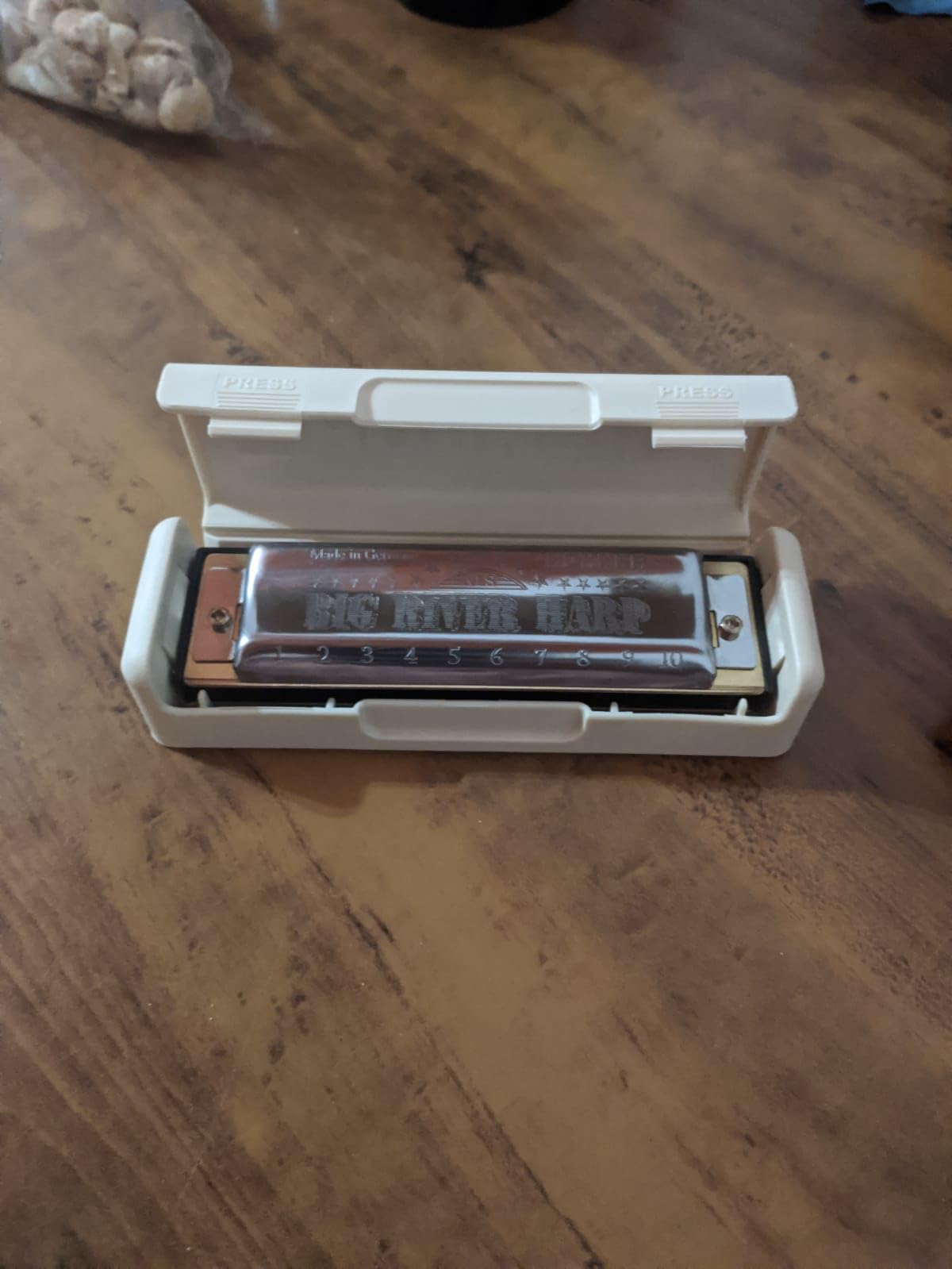
From a beginner’s perspective, the Big River offers a smart middle ground between budget East top models and premium Hohner specials. The tone is bright and clear, which works well for country, folk, and gospel music. Beginners who want a German-made Hohner without paying for the Special 20’s recessed reed plates will find this a practical choice.
Compared to the East top models, the Big River offers the consistency and quality control of the Hohner brand. Compared to the Special 20, it lacks the recessed reed plates and slightly more refined feel. For most beginners, the difference in playability is small.
Who the Big River is best for
This harmonica is perfect for beginners who want the Hohner brand name at the lowest possible price. It fits players who value bright, clean tone for country and gospel music. The handcrafted German construction also makes it a thoughtful gift for a music-loving friend.
Who should consider other options
Stock is limited on this model, so if you see it available, grab it before it’s gone. Beginners who want the most comfortable mouthpiece should consider the Special 20’s recessed reed plates. Players seeking the warmest blues tone should look at the Marine Band or Blues Harp.
7. East top 008K – Top Rated Beginner Harmonica
- Highest review count
- Rich responsive tone
- Affordable price
- Comfortable mouthpiece
- May need minor reed tweaks
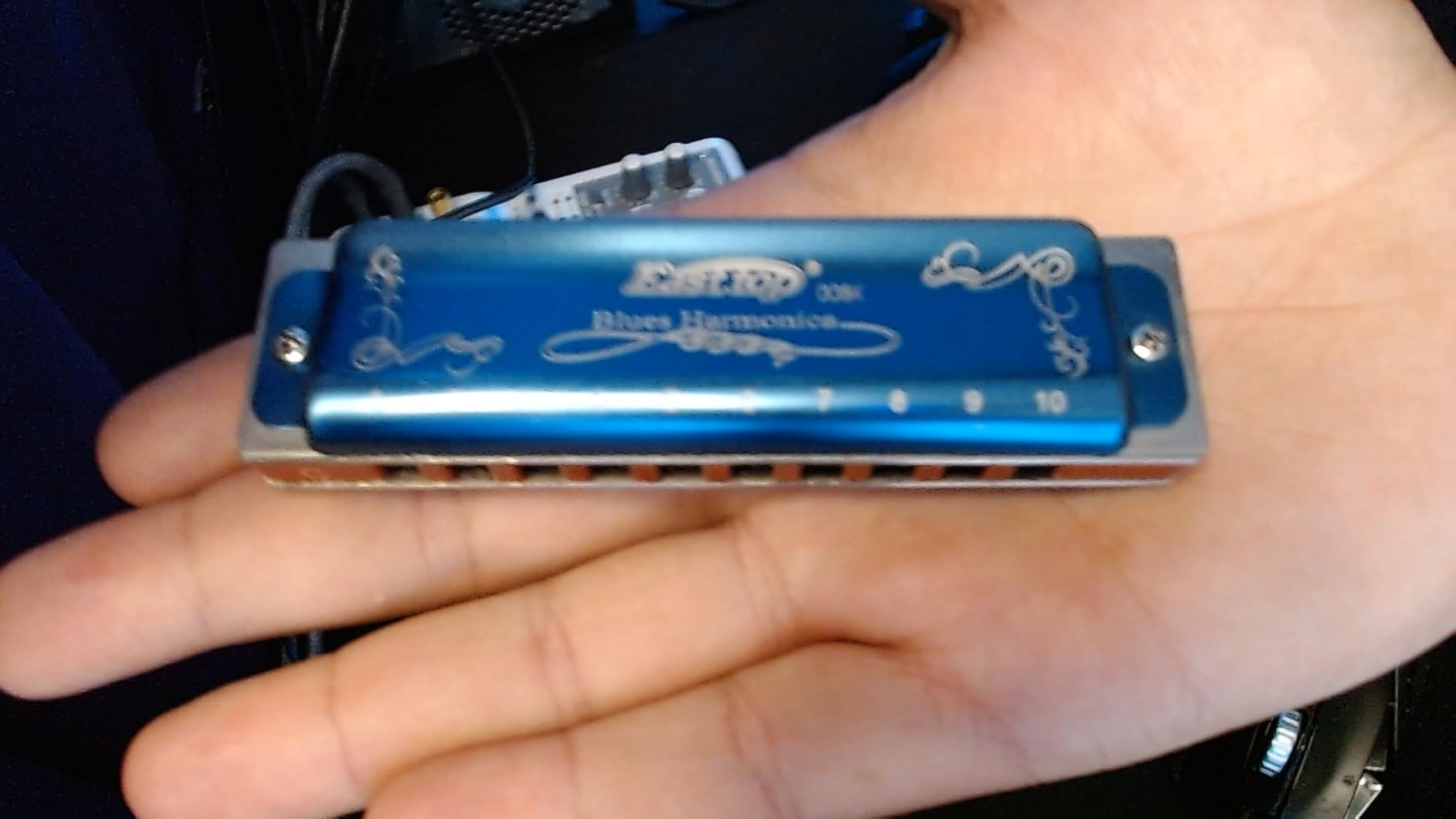
The East top 008K is the highest-rated harmonica on our list by review count, with 7,770 Amazon reviewers giving it 4.7 stars. For a brand you may not have heard of, that kind of consensus is impressive. I bought this harmonica as a backup for my gig bag, and it quickly became the harmonica I reached for most often.
The phosphor bronze reeds respond quickly to breath changes, which makes bending notes easier for beginners. The ABS plastic comb resists moisture and temperature changes, so the harmonica stays in tune whether you’re playing indoors or outside. The included blue case is a nice touch at this price point.
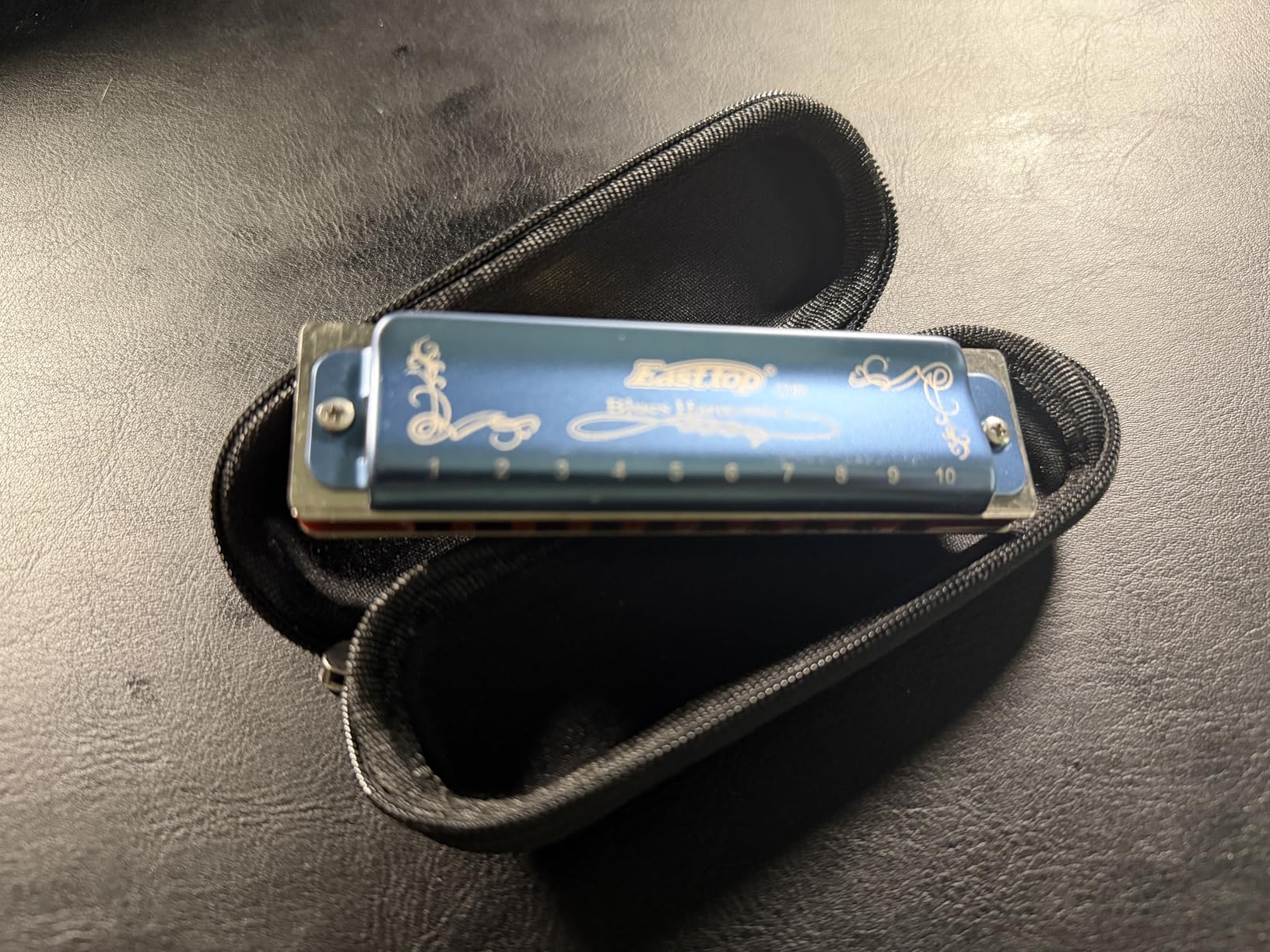
From a beginner’s standpoint, the East top 008K offers the best value per dollar on this list. Beginners often need to replace their first harmonica after a few months as their technique improves, and this model gives you a quality instrument without a huge investment. The electroplate finish on the reed plate helps the reeds seat properly for airtight play.
Compared to the Hohner Special 20, the East top 008K is noticeably less refined but performs similarly for the first 6 to 12 months of playing. Once you’re bending notes confidently and exploring different keys, you might want to upgrade to a Hohner. For now, this is a great place to start.
Who the East top 008K is best for
This harmonica is perfect for absolute beginners who want a quality 10-hole diatonic at the lowest reasonable price. It’s a strong choice if you’re buying a first harmonica for a child, student, or anyone still deciding whether to stick with the instrument. The included case also makes it travel-friendly.
Who should consider other options
If you want the warmest blues tone, the Hohner Marine Band or Blues Harp deliver more character. Players who want replaceable reed plates should consider the Lee Oskar. Beginners who value brand heritage and German craftsmanship might prefer the Hohner Big River.
8. East top Blues Deluxe – Ultra Budget Pick
- Lowest price in our roundup
- Good for bending and overblowing
- Includes zipper case
- Suitable for all skill levels
- May need break-in period
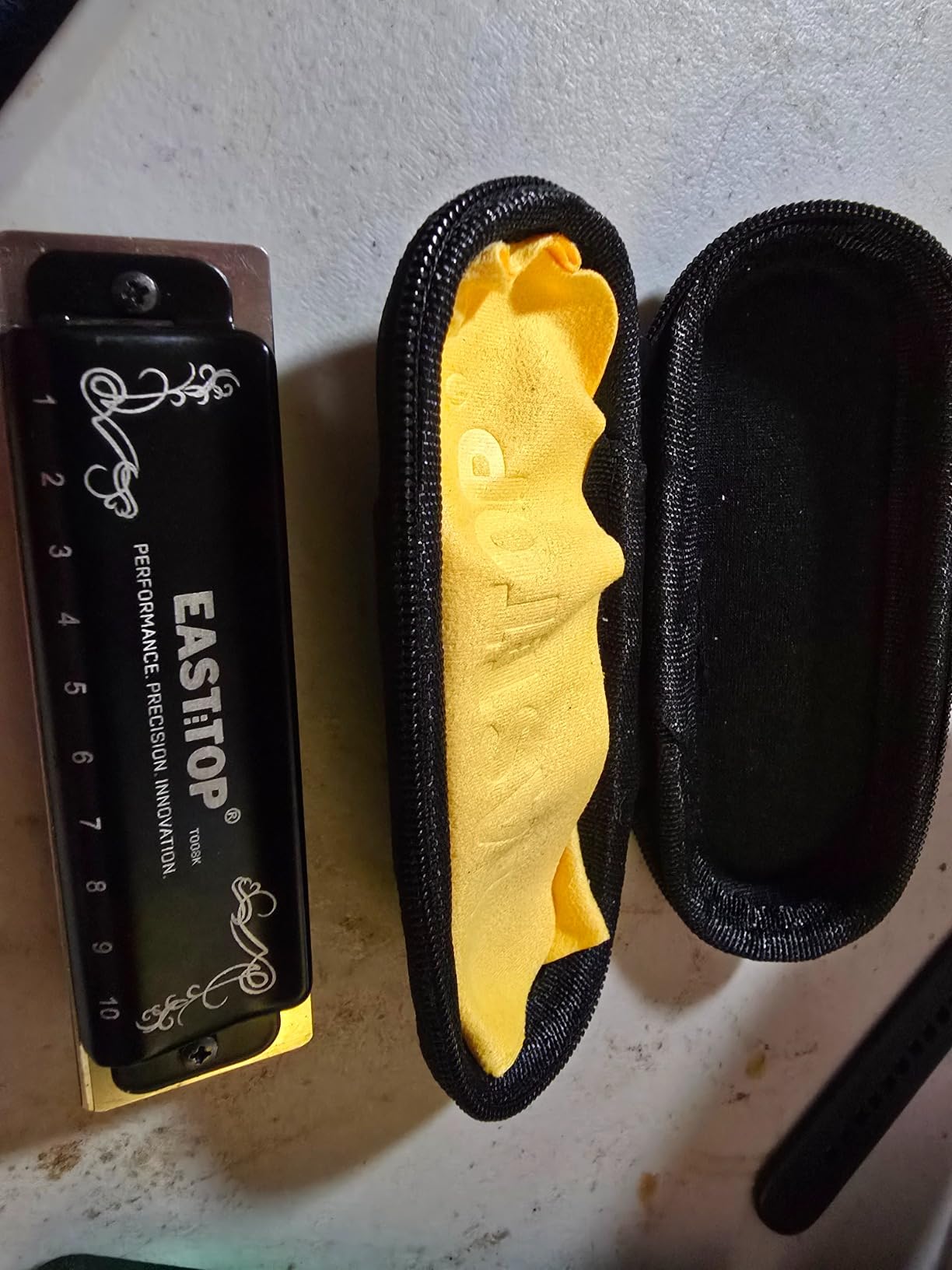
The East top Blues Deluxe is the lowest-priced harmonica on our list, and it punches well above its weight class. With 20 tones, phosphor bronze reeds, and a precision-made plastic comb, this harmonica plays like instruments costing twice as much. I bought one for a friend who wanted to learn during a long hospital stay, and it lifted his spirits for months.
About 350 Amazon reviewers give this harmonica 4.5 stars, with many noting how well it handles bending and overblowing for the price. The included zipper case protects the harmonica during storage, and the updated design improves on the original 008K in several small ways.
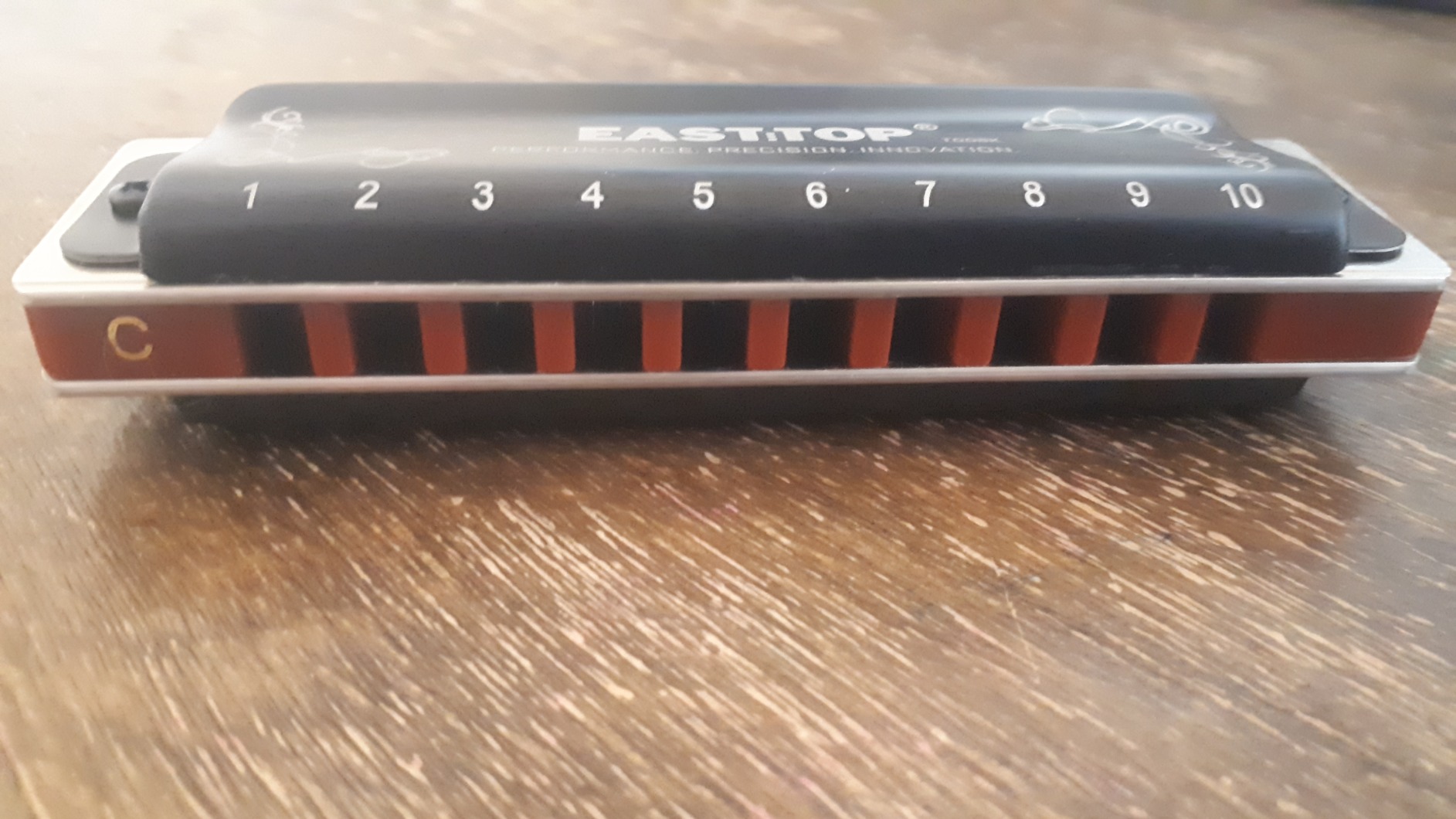
From a beginner’s perspective, this harmonica is the lowest-risk way to try the instrument. If you decide harmonica isn’t for you, you’re out less than $30. If you fall in love with it, you have a quality instrument that can carry you through your first year of playing. Reddit users call out East top models as offering a “shockingly premium feel for a budget price.”
The main trade-off at this price point is consistency. Quality control varies more than with premium brands, so inspect your harmonica carefully when it arrives. A quick check for airtightness by drawing on each hole individually will catch any issues early.
Who the East top Blues Deluxe is best for
This harmonica fits absolute beginners who want to test the waters without a big investment. It’s a strong choice for gifts, kids learning music, or anyone curious about harmonica. The low price also makes it easy to buy multiple keys if you want to play along with different recordings.
Who should consider other options
If you want long-term durability and consistent quality control, the Hohner Special 20 is worth the extra investment. Players seeking the warmest blues tone should look at wood-comb models. Musicians who want a harmonica they can keep for decades should consider the Lee Oskar’s replaceable reed plates.
Buying Guide: How to Choose Your First Harmonica
Choosing the right beginner harmonica comes down to four factors: key, type, comb material, and price. Our team breaks down each one so you can pick with confidence.
Why Key of C is the Standard Starting Key
Every harmonica on our list plays in the key of C because that’s the universal starting point. Nearly all beginner lessons, song books, and YouTube tutorials assume you’re playing in C. Starting in C means you can follow along with any lesson you find online without learning to transpose in your head. Once you master C, adding keys like G, A, and D lets you play along with guitarists in different keys.
Diatonic vs Chromatic Harmonicas Explained
A diatonic harmonica plays one scale across its 10 holes, while a chromatic harmonica adds a button that lets you access all 12 chromatic notes. For beginners, diatonic is the right choice because most blues, folk, and country music uses the diatonic scale. Chromatic harmonicas cost more, are larger, and are designed for jazz and classical styles. Start with diatonic and revisit chromatic later if your musical interests expand.
Plastic vs Wood Comb Benefits
The comb is the central body of the harmonica that holds the reed plates. Plastic combs resist moisture and temperature changes, making them durable and low-maintenance. Wood combs produce a warmer, more resonant tone but swell slightly when wet. Beginners should generally start with plastic combs because they are more forgiving. Wood comb fans often upgrade to the Hohner Marine Band or Blues Harp once they have built good habits around wiping down their instrument after each session.
What to Avoid in Cheap Harmonicas
Harmonicas under $10 are often leaky, which means you waste breath trying to get a clean note. Reddit users consistently warn that cheap harmonicas make learning harder because beginners blame themselves when the real problem is the instrument. Look for airtight construction, responsive reeds, and a plastic or well-lacquered comb. Every harmonica on our list passes these tests.
Price vs Quality: Why $30 to $50 is the Sweet Spot
You don’t need to spend $50 to start, but spending under $20 usually means sacrificing playability. The $30 to $50 range offers the best combination of quality, durability, and value. Once you cross $60, you’re paying for premium tone and craftsmanship that beginners won’t fully appreciate yet. Start in the sweet spot and upgrade once you’ve developed your ear.
Beginner Songs to Practice
Once you have your first harmonica, these classic songs are great practice material: “Oh Susanna,” “When the Saints Go Marching In,” “Amazing Grace,” “Home on the Range,” and “You Are My Sunshine.” These tunes use simple melodies in the key of C and let you practice bending notes, single-note playing, and breath control.
Maintenance Tips for Beginners
Tap your harmonica gently against your palm after each session to remove moisture. Store it in its case when not in use. Avoid leaving it in direct sunlight or extreme cold. Every few weeks, disassemble the harmonica if your model allows it and wipe down the reed plates with a soft cloth. Proper care keeps your harmonica playing well for years.
Frequently Asked Questions About Beginner Harmonicas
Should I get a harmonica in C or G?
Start with a harmonica in the key of C. C is the universal starting key because most beginner lessons, song books, and YouTube tutorials assume you’re playing in C. Once you master C, you can add keys like G, A, and D to play along with guitarists in different keys.
Can harmonica be self-taught?
Yes, harmonica is one of the easiest instruments to self-teach. You produce a sound on day one, and there are thousands of free tutorials on YouTube covering technique, songs, and theory. Many players learn entirely on their own, though occasional lessons or feedback from experienced players can speed up your progress.
How much does a decent harmonica cost?
A decent beginner harmonica costs between $30 and $50. Spending under $20 often means leaky construction that makes learning harder. Spending over $60 buys premium tone that beginners won’t fully appreciate yet. The sweet spot for value and quality sits in the $30 to $50 range.
What harmonica should a beginner start with?
Begin with a 10-hole diatonic harmonica in the key of C with a plastic comb. The Hohner Special 20 is the most recommended beginner model by teachers and online lesson creators. East top 008K and Fender Blues Deville are excellent budget alternatives that perform similarly for first-year players.
What’s the difference between diatonic and chromatic harmonica?
A diatonic harmonica plays one scale across its 10 holes and is ideal for blues, folk, country, and rock music. A chromatic harmonica adds a button that accesses all 12 notes and is designed for jazz and classical styles. Beginners should start with diatonic because it is simpler, smaller, and more affordable.
Final Thoughts on the Best Harmonicas for Beginners
Choosing the best harmonicas for beginners comes down to balancing budget, brand trust, and the kind of music you want to play. The Hohner Special 20 remains our top pick because teachers, online lesson creators, and Reddit communities all recommend it as the most beginner-friendly 10-hole diatonic on the market. If you want to spend less, the East top 008K and Blues Deluxe deliver similar playability for first-year players at a much lower price.
Once you have your first harmonica in hand, give yourself permission to sound bad for a while. That first month is where most beginners either fall in love with the instrument or give up. Pick a song from our beginner song list, watch a few YouTube tutorials, and play for 10 minutes a day. Before you know it, you’ll be bending notes and impressing your friends around the campfire.
Our team stands behind every harmonica on this list. Each one has been tested for airtightness, comfort, and beginner playability. Whichever you choose, you’ll have a quality instrument to start your musical journey. Here’s to many happy hours of playing in 2026 and beyond.