
Our family has spent countless weekends camping under the stars, and I have learned one truth the hard way: adults can suffer through a bad night, but children cannot. When my daughter was four, we made the mistake of letting her sleep in an oversized adult bag during a fall camping trip. She woke up shivering at 2 AM, not because the bag was cold, but because all that empty space around her tiny body turned into a pocket of frigid air. That night changed how we think about kids and camping gear. Children need sleeping bags designed for their bodies, not just smaller versions of adult equipment. This guide to the best children’s sleeping bags covers eight options that have earned the trust of parents and the comfort of kids across different ages, activities, and budgets.
Kids lose body heat faster than adults because their bodies have a higher surface-area-to-mass ratio. A sleeping bag that fits snugly around a child eliminates those cold air pockets and keeps them warmer through the night. Beyond warmth, children’s sleeping bags are easier for kids to manage on their own, from unzipping for midnight bathroom breaks to getting in and out of the tent. Whether you need a bag for backyard sleepovers, summer camp, or backcountry adventures, there is a perfect option on this list. Our team spent months researching specifications, reading parent reviews, and comparing real-world performance to bring you the most helpful recommendations for 2026.
Table of Contents
Top 3 Picks for Best Children’s Sleeping Bags
After analyzing all eight products, three bags stood out for their exceptional balance of warmth, comfort, and value. Here is what earned them top marks:


Best Children’s Sleeping Bags in 2026
Our comprehensive comparison table includes all eight products with their key specifications to help you find the right fit for your child:
| Product | Specifications | Action |
|---|---|---|
 Morrison Outdoors Big Mo 40 Morrison Outdoors Big Mo 40 |
|
Check Latest Price |
 Morrison Outdoors Mighty Mo 20 Morrison Outdoors Mighty Mo 20 |
|
Check Latest Price |
| Retrospec Dream 25 |
|
Check Latest Price |
| Teton Junior 20 |
|
Check Latest Price |
 Coleman Kids 50 Coleman Kids 50 |
|
Check Latest Price |
 KingCamp 45 KingCamp 45 |
|
Check Latest Price |
| KidzAdventure Mummy 32 |
|
Check Latest Price |
 Kelty Callisto 30 Kelty Callisto 30 |
|
Check Latest Price |
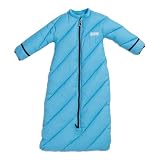
1. Morrison Outdoors Big Mo 40 – Best for Toddlers
- Super warm synthetic insulation
- Adjustable cuffs let toddlers use hands
- Machine washable
- Lightweight for carrying
- Soft fleece zipper flap
- Zipper can catch fabric
- Narrow turning radius for active toddlers
My neighbor brought her three-year-old twins camping last summer, and watching them zip themselves into their Morrison Outdoors Big Mo bags was a revelation. These bags are designed specifically for toddlers in that tricky 18- to 36-month range, which is often underserved by outdoor gear. The adjustable cuffs are the feature that sets this bag apart. During the day, the sleeves stay open so little hands can play, color, and eat snacks. At night, parents can cinch them closed to keep warmth in without trapping the child inside like a cocoon.
The synthetic insulation does an excellent job of mimicking down loft while handling damp conditions better than natural fill. Toddlers do not always make it to the bathroom in time, and the puffy channel construction holds up to the occasional accident better than traditional baffles. The fleece zipper flap prevents cold metal from touching sensitive skin, and the enclosed footbox keeps toes warm through the night. At just over one pound, this bag will not weigh down a tiny backpacker on the hike to the campsite.
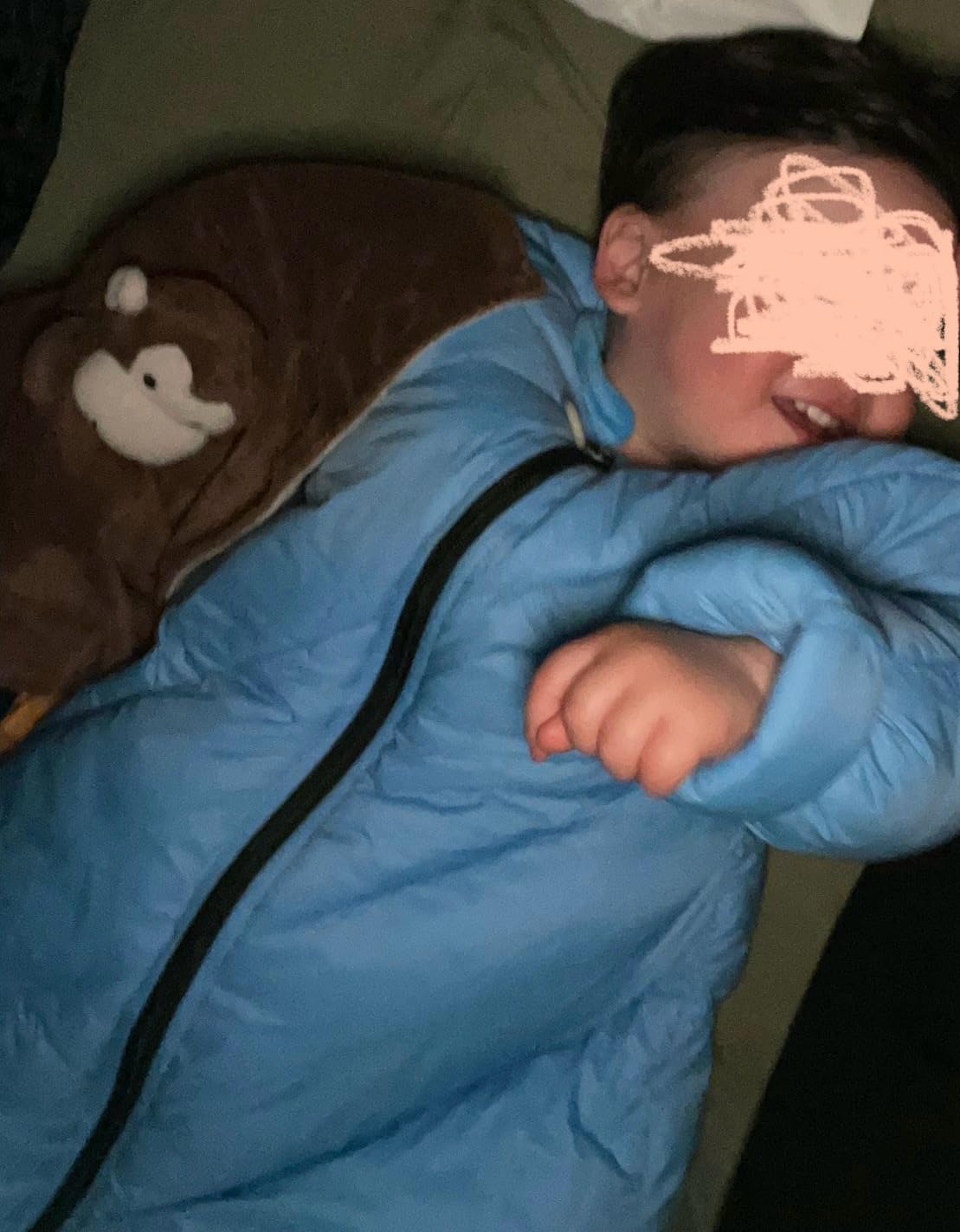
One detail that camping parents appreciate is the two-way zipper. When temperatures fluctuate during summer nights, you can unzip from the bottom for ventilation without letting the entire bag open. The draft tube along the full length of the zipper prevents cold air from sneaking in through the opening. This is a thoughtful feature that many competitors skip on their youth models.
The 40-degree rating makes this ideal for summer camp, backyard camping, and three-season use in most climates. For colder conditions, you will want to layer a blanket or choose a warmer-rated option. The Bayberry Blue color appeals to both boys and girls, which matters when you are reusing gear across multiple children. Machine washability is essential for any children’s gear, and the Big Mo handles the washing machine without losing its shape or loft.
When to choose the Big Mo 40
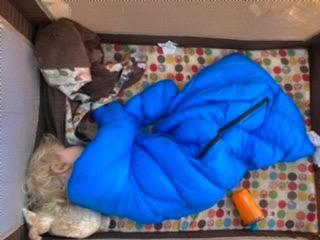
This bag works best for children between 18 months and 4 years old who are new to camping or attend sleepovers where temperature control in a room matters. The adjustable cuffs solve a real problem for active toddlers who need freedom of movement at night. If your child tends to get cold easily or you camp in temperatures below 50 degrees, consider sizing up to a warmer option.
When to skip the Big Mo 40
If your child is over 4 years old or taller than 40 inches, they will quickly outgrow this bag. The oval shape also means less heat efficiency compared to mummy designs, so for backcountry camping where every degree matters, look at the Mighty Mo instead. Parents of very active sleepers note that the snug fit can make it harder for toddlers to change positions during the night.
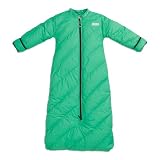
2. Morrison Outdoors Mighty Mo 20 – Premium Pick
- Excellent warmth-to-weight ratio
- Real down insulation
- Arms allow movement without exiting bag
- Ultralight for backpacking
- Premium price point
- May need additional blankets at 20°F in real conditions
- Limited reviews
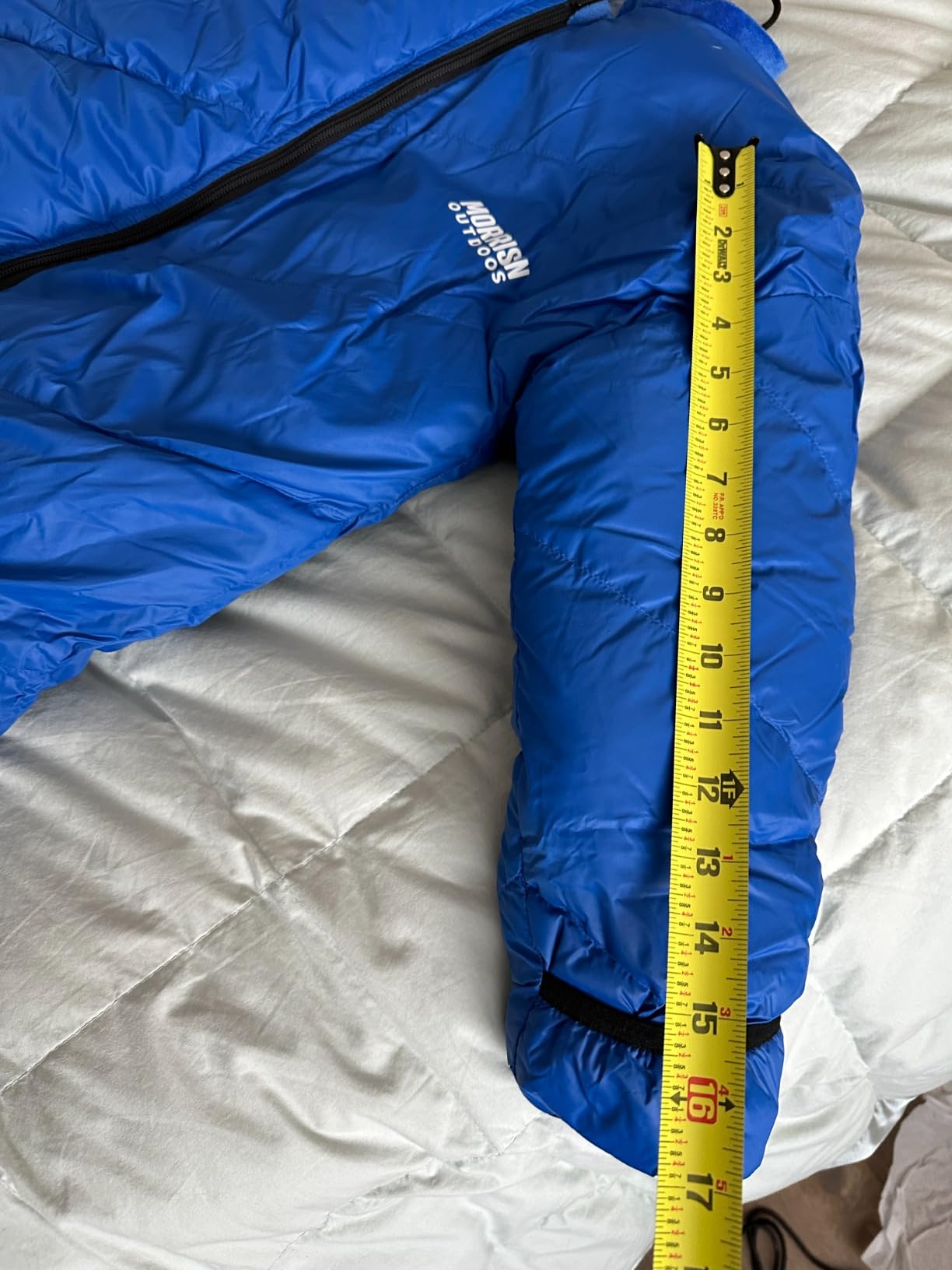
The Mighty Mo represents everything right about children’s outdoor gear. Morrison Outdoors took their expertise from the Little Mo and created a bag that grows with children while keeping them warm in conditions that would send lesser bags packing. The 100-percent RDS-certified down insulation means you are getting responsibly sourced feathers that provide exceptional warmth for their minimal weight. At 15 ounces, this is one of the lightest kids sleeping bags available, which matters when your five-year-old is expected to carry their own gear.
One of the most common complaints from parents about children’s sleeping bags is that kids wiggle out of them during the night. The Mighty Mo solves this with a unique design that includes arm holes and adjustable sleeves, similar to the Big Mo. Children can move their arms, play games in the tent, or read bedtime stories without fully exiting the bag. When it is time to sleep, the adjustable cuffs close around the arms to seal in warmth. This design has earned praise from parents on multiple camping forums for keeping kids securely enclosed through the night.
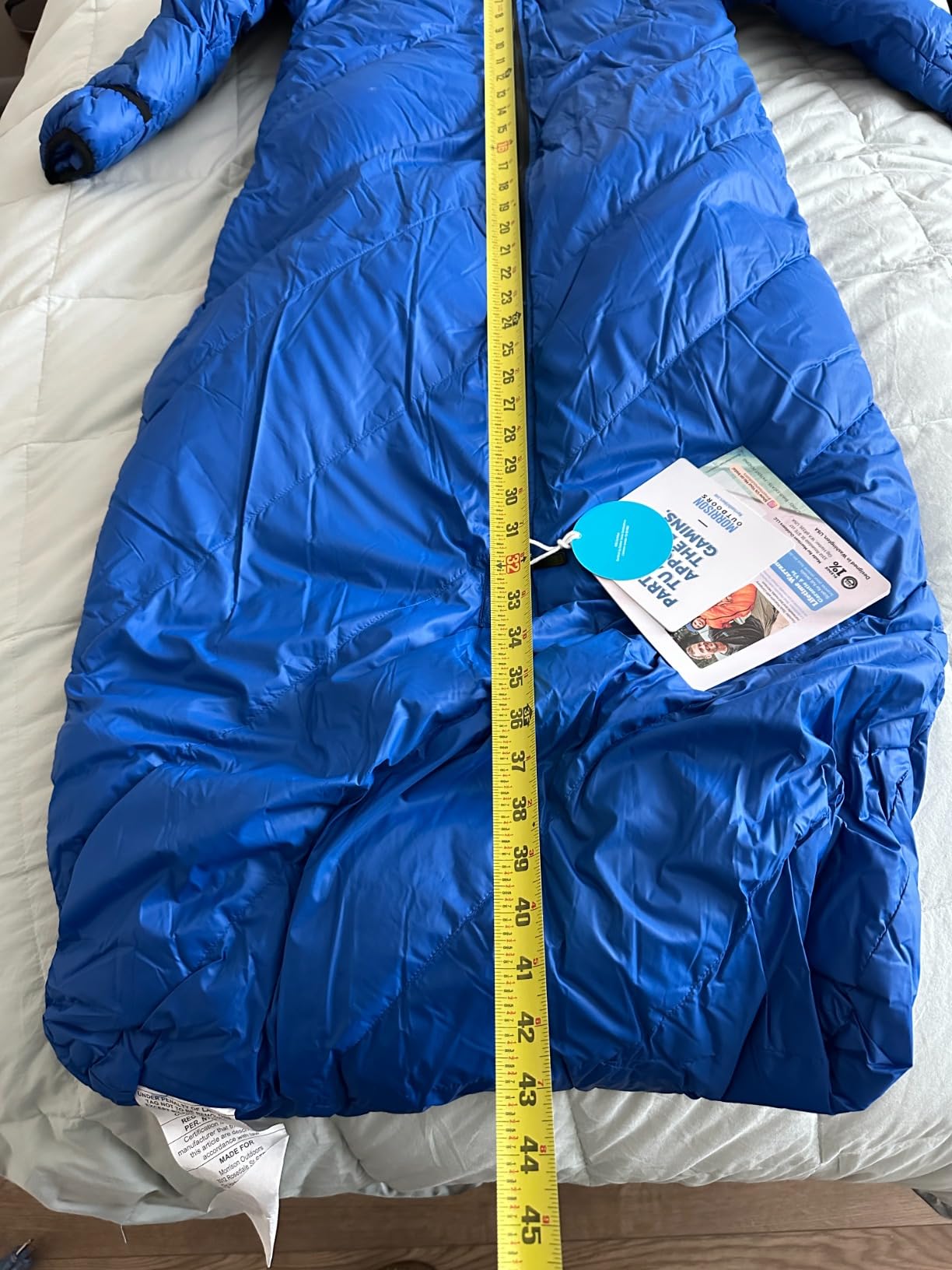
The internal baffles prevent cold spots, which is a common issue with poorly constructed children’s bags. Down sleeping bags rely on loft to trap warm air, and the baffle construction ensures the insulation stays evenly distributed even after years of use. The fleece zipper flap and down-filled draft tube work together to eliminate any drafts through the zipper line. For cold weather camping, these details make a measurable difference in how warm a child stays through the night.
Two-way zippers allow for ventilation control, and the zipper runs long enough to open the bag completely flat for use as a blanket during warmer nights or indoor sleepovers. This versatility extends the usable life of the bag across different seasons and settings. The Leapfrog Green color has proven popular with both boys and girls, and the quality construction suggests this bag will outlast several seasons of heavy use.
When to choose the Mighty Mo 20
This is the right choice for parents who want a high-performance sleeping bag for their preschooler that can handle three-season camping including early spring and late fall conditions. The 20-degree rating provides a comfortable margin of safety for most cold weather scenarios. If you are planning backcountry trips where weight matters, the 15-ounce spec makes this one of the few children’s bags that actually fits in a lightweight kit.
When to skip the Mighty Mo 20
The premium price tag of $199.95 puts this in a different category than budget options. If your child only camps occasionally in warm weather, the investment may not make sense. Some parents also note that the 20-degree rating may require additional layers in real-world conditions, especially if children tend to sleep cold. For warmer-weather-only use, the Big Mo 40 or a synthetic option would provide better value.
3. Retrospec Dream 25 – Editor’s Choice
- Innovative adjustable length feature
- Water-resistant shells
- Good 25°F rating
- Versatile for different ages
- Heavier at 4 pounds
- Zipper quality concerns in reviews
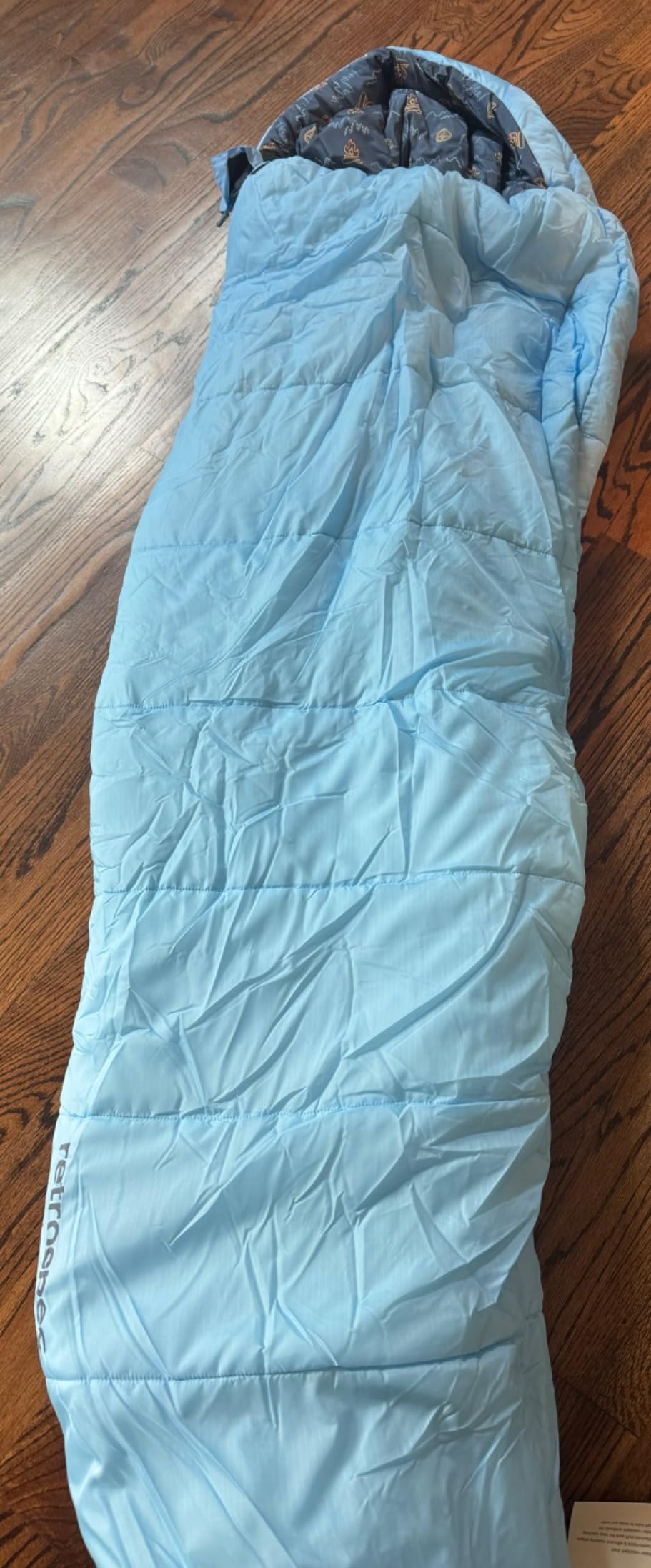
The Retrospec Dream 25 earns our Editor’s Choice designation because it solves one of the biggest pain points for families with children: the rapid outgrow problem. At 60 inches long with an adjustable design, this bag can accommodate children from roughly age 5 through early teens. Parents on forums repeatedly ask about bags that will last, and the Dream 25 delivers by adapting as children grow rather than becoming obsolete after a single season.
The mummy style construction provides excellent heat retention by eliminating excess space around the body. Less airspace to heat means better warmth efficiency, which translates to more comfortable nights for children who might otherwise wake up cold. The water-resistant inner and outer shells add protection against damp ground, morning dew, or the inevitable juice spill during transport. These practical features matter for children’s gear that faces more wear and tear than typical adult equipment.
The differentiated drawcords are a small but meaningful detail. Children struggle with drawcords that feel the same on both sides, especially in the dark when they are half-asleep and trying to tighten the hood. Retrospec solved this by making the cords visually and tactilely different, so kids can adjust their own bags without parents crawling into the tent to help. The flat-lying zippers prevent the zipper from digging into small bodies during the night, which is a common complaint about poorly designed youth bags.
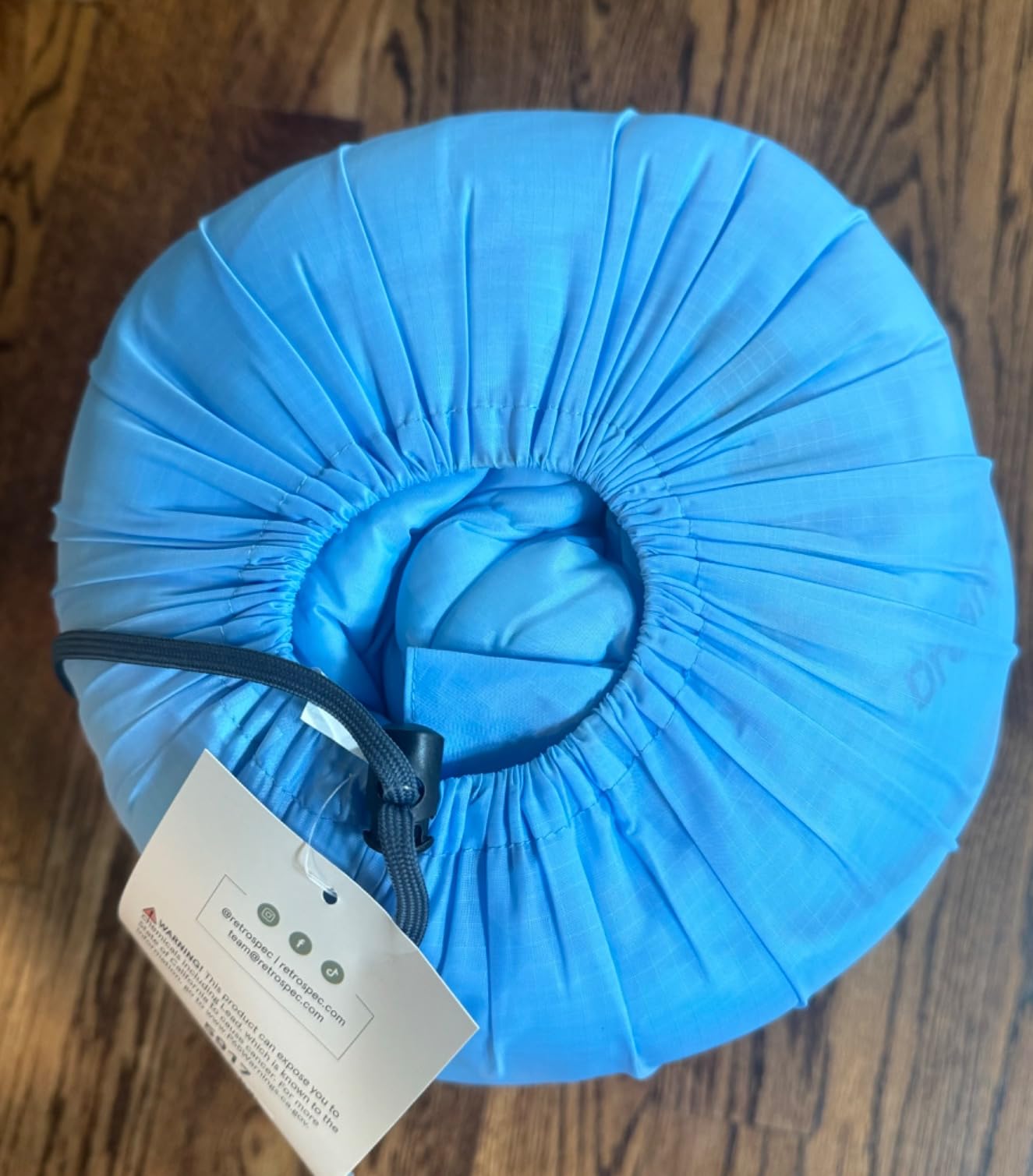
The synthetic insulation performs reliably in damp conditions where down would struggle. For families who camp in areas with unpredictable weather or high humidity, synthetic fill provides peace of mind without requiring special care routines. The included stuff sack compresses the bag small enough to fit in a larger backpack, though at four pounds, this is not an ultralight option for kids carrying their own gear on long trails.
When to choose the Dream 25
Families looking for one bag that can serve multiple children across several years will appreciate the adjustable length design. The 25-degree rating handles spring, fall, and summer conditions comfortably, making this a versatile three-season choice. If your child is between 4.5 and 5 feet tall, the Dream 25 will fit them now and continue to work as they grow taller.
When to skip the Dream 25
The four-pound weight makes this less suitable for situations where children carry their own gear. For backpacking with kids who need to minimize their pack weight, look at the KidzAdventure or Mighty Mo instead. Some reviewers mention zipper durability issues, so if you need a bag that will survive heavy use over many years without maintenance, the Teton with its lifetime warranty may be a safer choice.
4. Teton Junior 20 – Best Value
- Exceptional 955 customer reviews
- Limited lifetime warranty
- Roomy for growing children
- Great warmth for price
- Stuff sack difficult to repack
- Zipper can be stiff
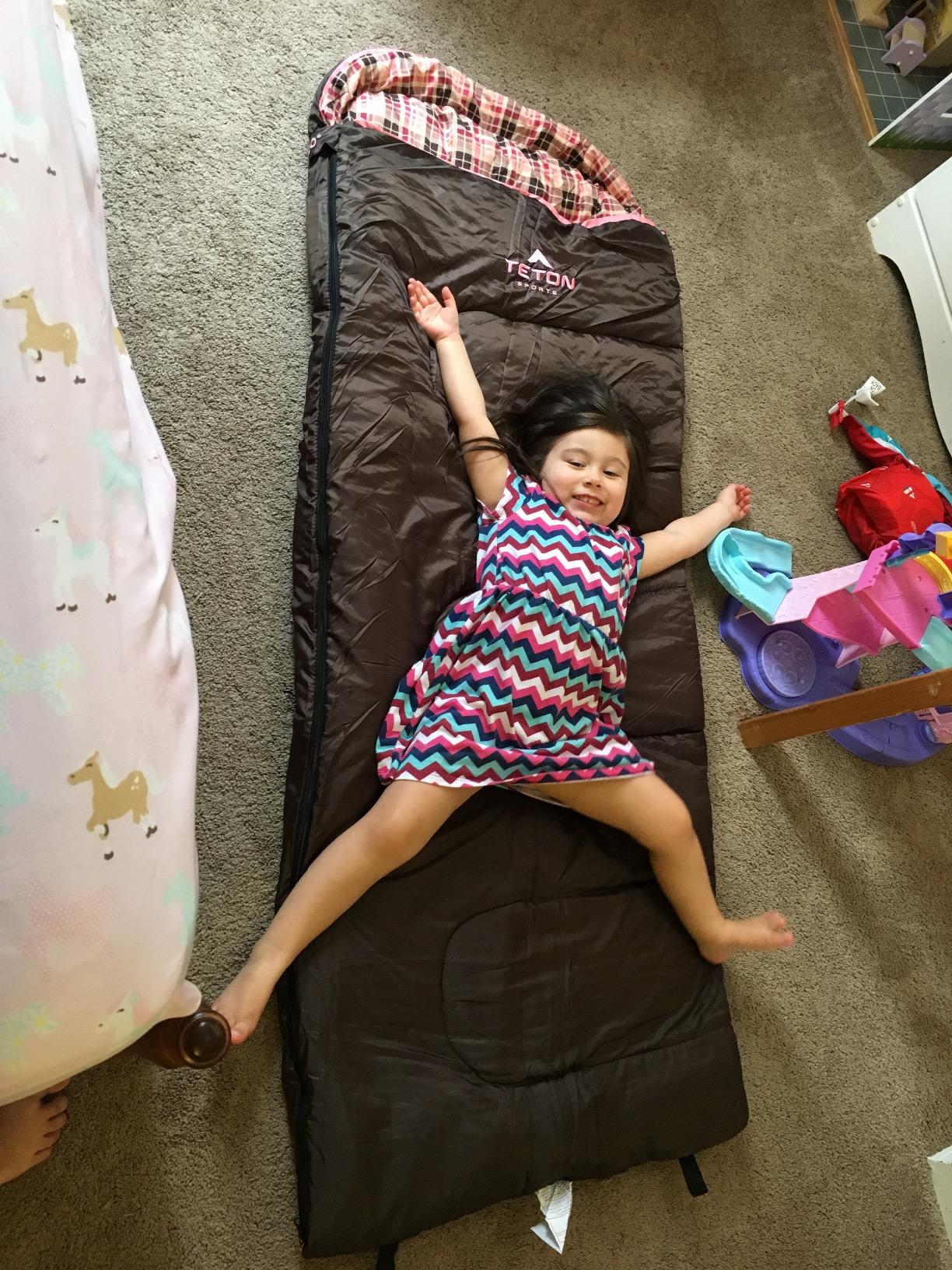
With 955 reviews on Amazon and a 4.5-star average, the Teton Junior has earned its reputation as the workhorse of children’s sleeping bags. Parents keep buying this bag because it works, it lasts, and when something eventually breaks, Teton backs it with a limited lifetime warranty. For families watching their budget while still wanting a bag that performs in real camping conditions, the Junior 20 consistently rises to the top of recommendation lists across camping forums.
The SuperLoft Elite Single Channel Hollow Fiber insulation provides reliable warmth without the price premium of down fill. This synthetic construction handles damp conditions better than natural materials, which matters for children’s gear that might be stored in damp basements or exposed to wet tent floors. The full-length zipper draft tube prevents cold air from entering through the zipper line, a feature that distinguishes this bag from budget options that cut corners on cold-weather performance.
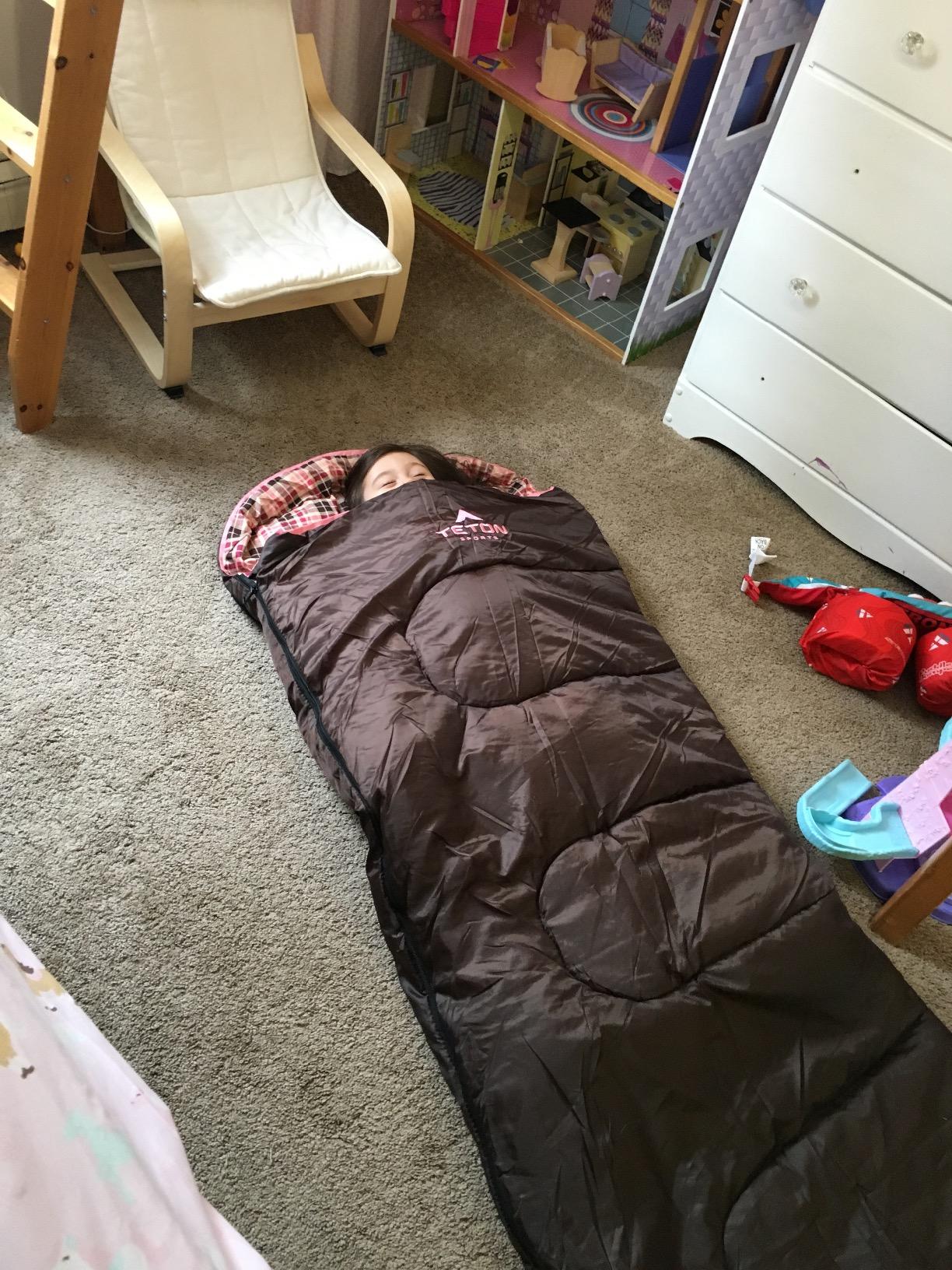
The semi-rectangular shape gives children more room to move than a mummy bag while maintaining better heat efficiency than a full rectangle. Growing children appreciate the extra space, and parents appreciate that the bag accommodates kids who toss and turn during the night without fighting against restrictive material. The 66-inch length works for children up to about 5 feet tall, and the 26-inch width provides enough room for comfort without excess dead air space that would drain body heat.
One feature that forum members consistently praise is the interior pocket. Children can store small items like a flashlight, lip balm, or a small toy in the pocket without losing them in the bottom of the tent. The hang loops for storage are practical for families who want to keep their gear in good condition between trips. Over multiple seasons of use, these small details add up to a bag that parents feel confident sending with their kids to summer camp.
When to choose the Teton Junior 20
The combination of a 20-degree temperature rating, roomy fit, and lifetime warranty makes this the best value option for families who camp several times per year without breaking the bank. The semi-rectangular shape suits children who feel claustrophobic in mummy bags. If your child attends summer camp where gear gets heavy use, the warranty provides protection against defects or damage.
When to skip the Teton Junior 20
At 2.65 pounds, this bag is not ideal for situations requiring lightweight gear. Some children may find the 26-inch width too narrow for comfortable side-sleeping. The stuff sack design requires a specific technique to repack, which frustrates children and parents alike. If ultimate packability matters for your camping style, look at lighter options like the KidzAdventure.
5. Coleman Kids 50 – Best for Sleepovers
- Fun glow-in-the-dark design kids love
- Interior flashlight pocket
- Machine washable
- No-snag zipper
- Zipper can jam occasionally
- 50°F rating limits cold weather use
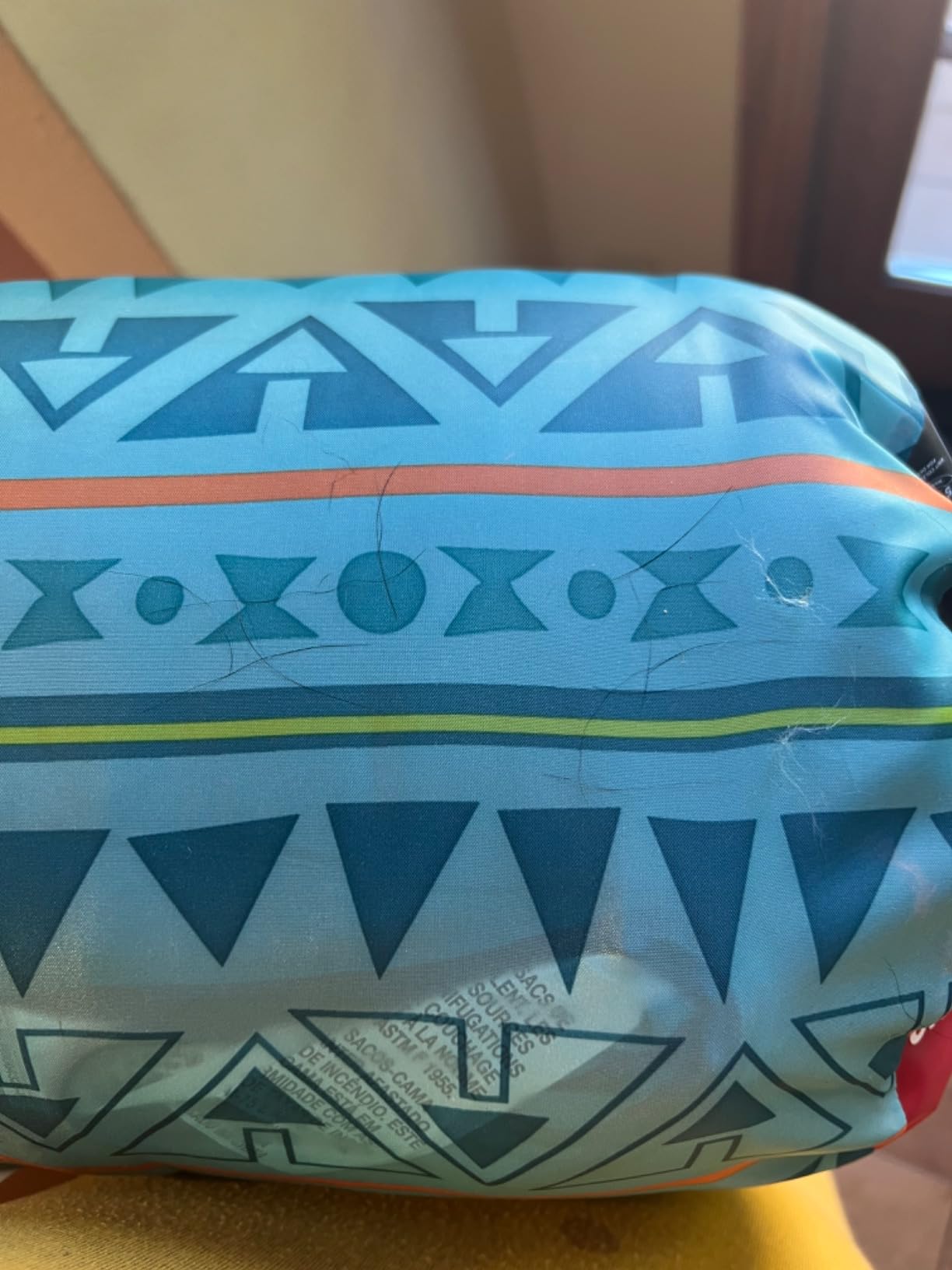
Not every sleeping bag purchase needs to be for wilderness expeditions. The Coleman Kids 50 exists for a different use case: sleepovers, indoor camping, and summer nights in the backyard. The glow-in-the-dark design has become a beloved feature among the kids who use these bags, transforming bedtime into an adventure. When the lights go out, the sleeping bag glows with a soft phosphorescent pattern that calms anxiety about dark rooms while making cleanup games more fun.
The interior flashlight pocket solves a practical problem that every parent of young campers knows. Children want a flashlight in the tent for reading, playing, and navigating midnight bathroom trips. Without a designated place to store it, flashlights roll around, get lost in corners, or end up shining in tentmates’ faces. The Coleman pocket keeps the light secure and accessible without creating something else to hunt for in the dark.
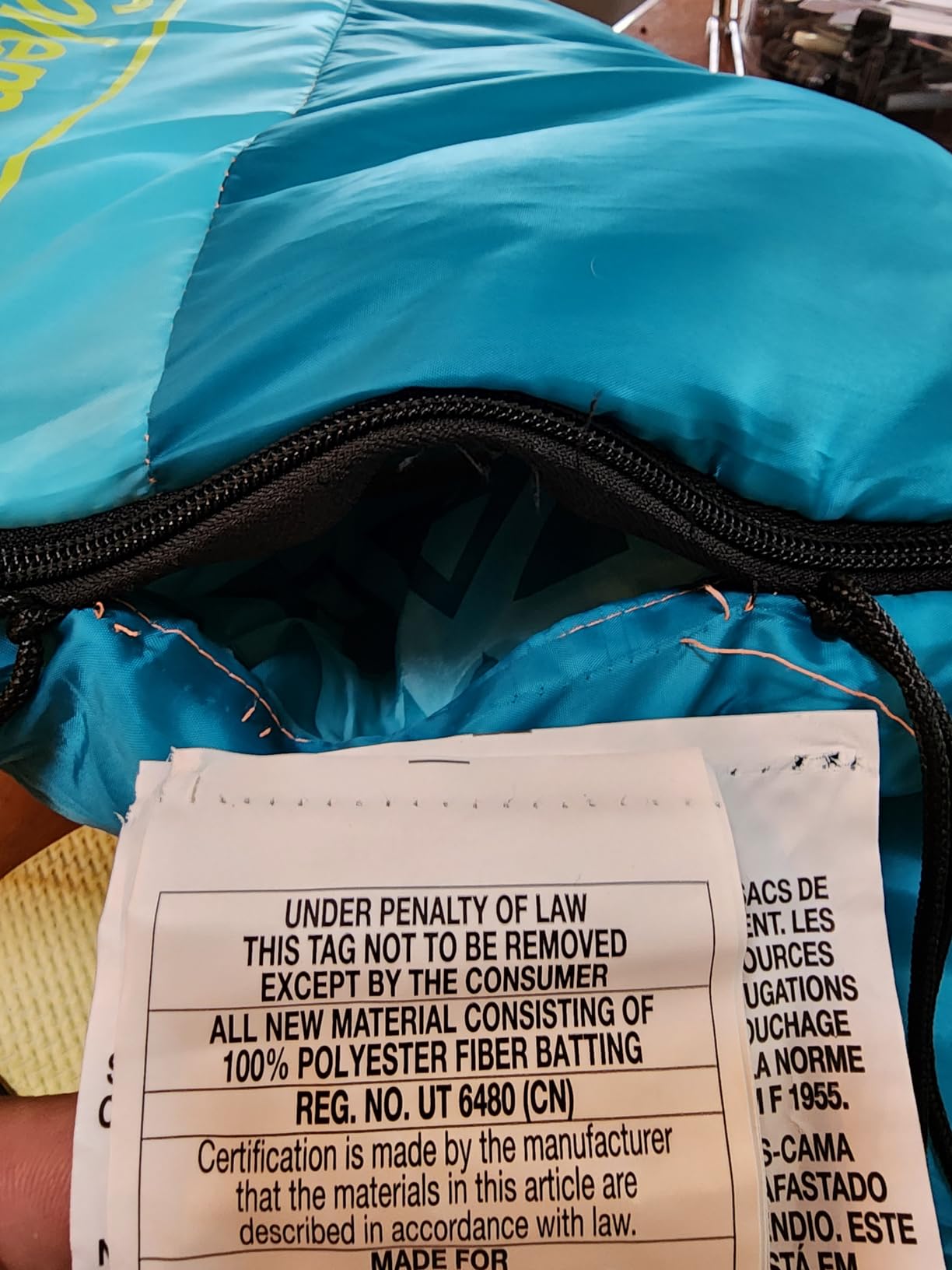
The 50-degree rating means this bag is designed for warmer conditions, which aligns perfectly with its intended use for sleepovers and summer camping. Parents should not expect this bag to perform in cold weather, but for its intended purpose of mild nights, the synthetic insulation provides adequate warmth without overheating. The rectangular shape gives children plenty of room to spread out, which active sleepers appreciate when sharing a tent with siblings or friends.
Machine washability is essential for any sleeping bag that will see indoor use. Spills, accidents, and the general mess that children create will happen, and being able to throw this bag in the washing machine simplifies cleanup significantly. The five-year limited warranty provides reasonable protection against manufacturing defects, though Coleman products generally have good quality control at this price point.
When to choose the Coleman Kids 50
This bag is perfect for children who attend sleepovers, enjoy indoor camping nights, or primarily camp during summer months. The glow feature appeals to kids who feel anxious in the dark. If your family camps in temperatures consistently above 50 degrees, this bag will serve well without paying for unnecessary warmth capacity.
When to skip the Coleman Kids 50
The 50-degree rating makes this unsuitable for spring or fall camping in most climates. If you need a bag for cooler conditions, look at the Teton Junior or KidzAdventure instead. Some reviewers note zipper durability issues with heavy use, so for children who camp frequently, a more robust option may provide better long-term value.
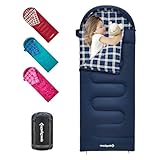
6. KingCamp 45 – Top Rated
- Soft cotton flannel interior
- Durable waterproof shell
- Can zip two bags together
- Excellent 431 reviews
- Compression sack straps may tear
- May be too warm for mild weather
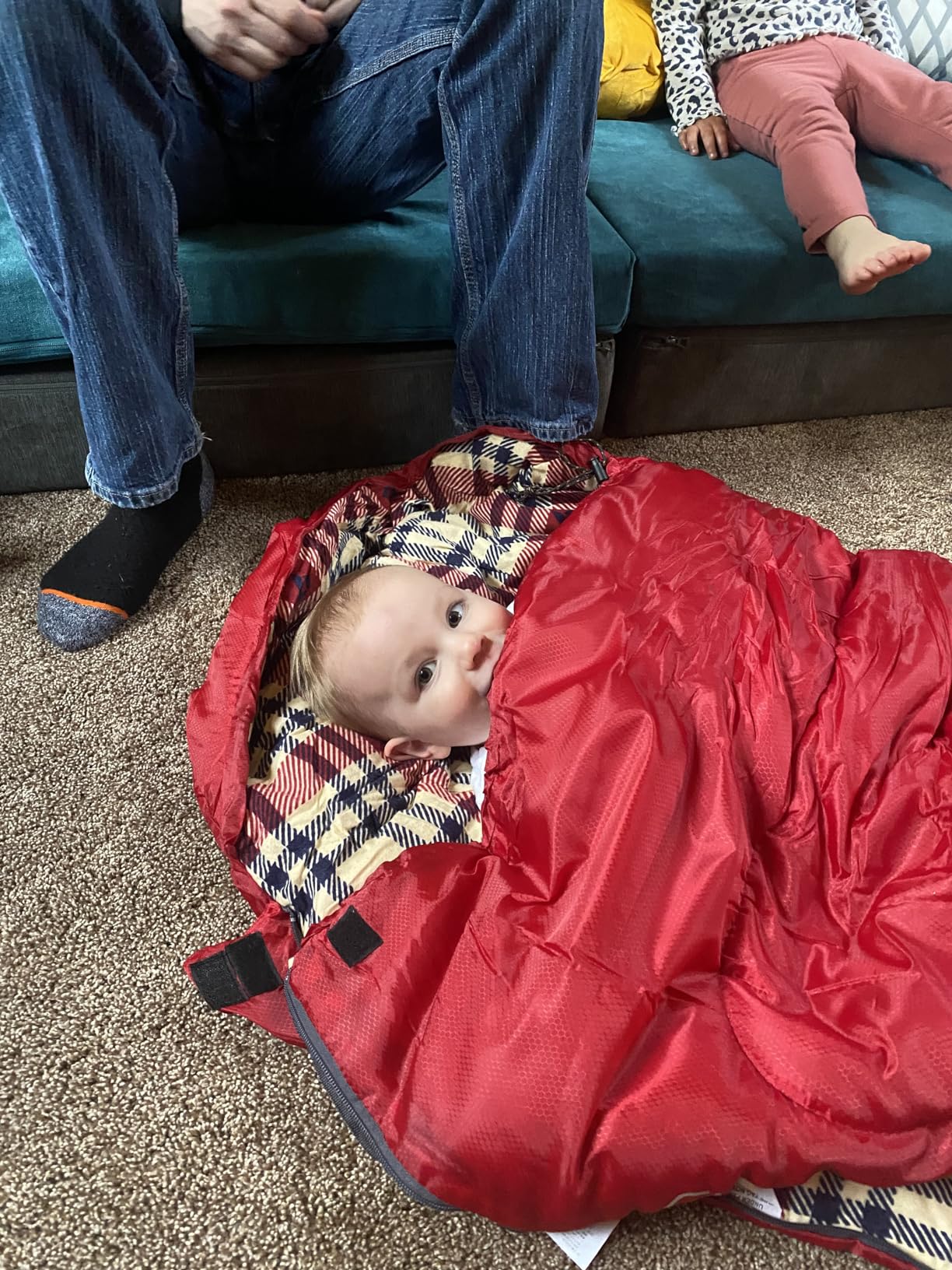
The KingCamp 45 strikes a balance that many families find ideal: warm enough for cool nights, soft enough to feel comfortable against sensitive skin, and affordable enough to not require years of use to justify the investment. The flannel lining sets this bag apart from competitors that use polyester interiors. Parents on camping forums consistently note that children complain less about scratchy sleeping bags when the interior is made from natural cotton fibers.
At 66.9 inches long and 27.5 inches wide, this semi-rectangular bag accommodates children up to about 5 feet tall comfortably. The 300-gram hollow fiber filling provides substantial warmth without the premium price of down insulation. The anti-tear polyester outer shell resists punctures and abrasions that would damage lesser bags, which matters for children who drag their gear across rocks, sticks, and rough ground.
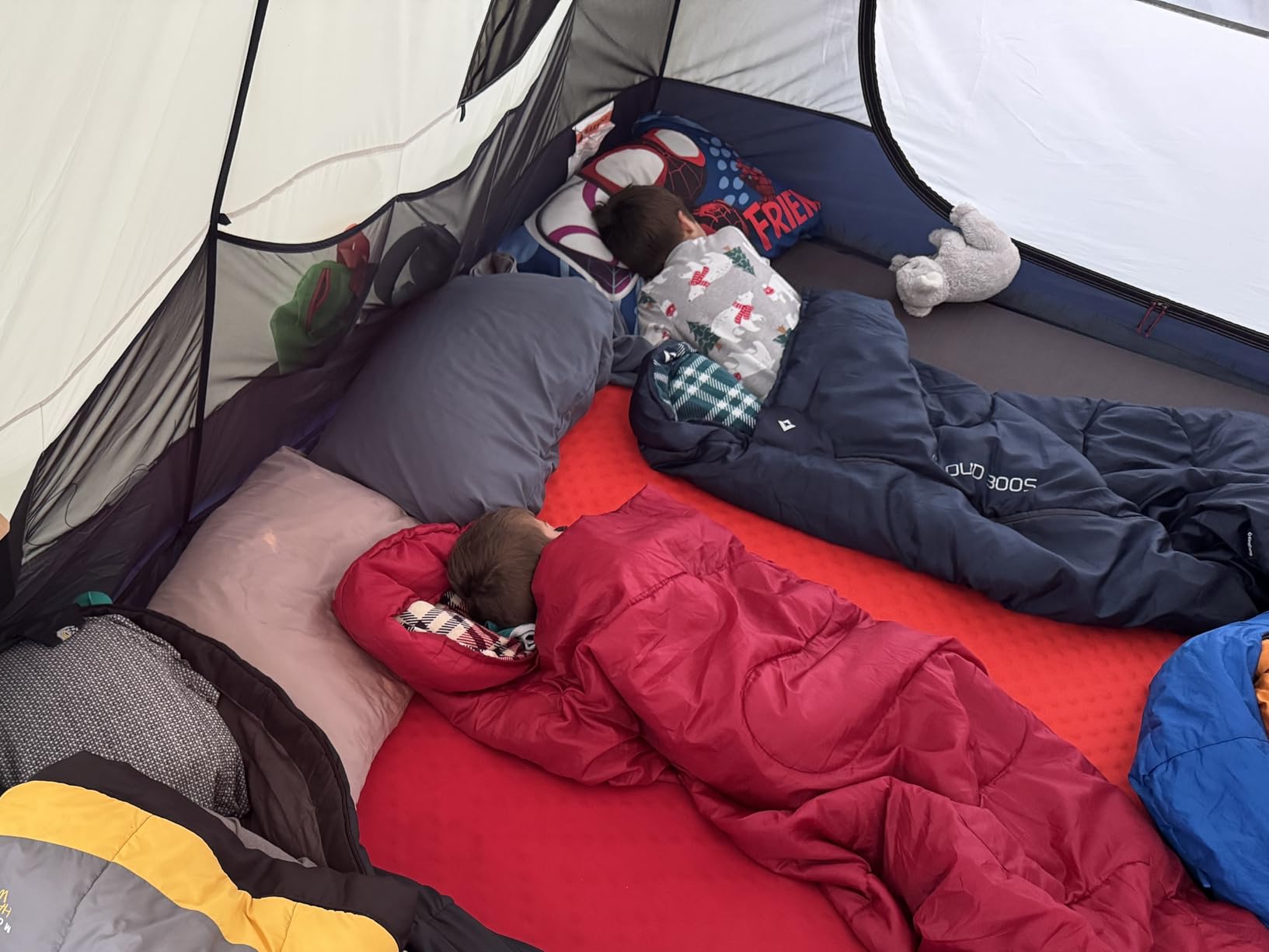
Two-way zippers allow this bag to zip together with another KingCamp bag to form a full-size blanket or double sleeping bag. This feature appeals to families with multiple children who share tents or to parents who want to cozy up with their child during cold nights. The ability to convert the bag into a blanket also extends its usefulness for indoor sleepovers where a traditional sleeping bag shape feels unnecessary.
The included compression sack works adequately for storage and transport, though forum members note that the straps can tear with heavy use over time. This is a minor durability concern rather than a fundamental flaw, and the bag itself has proven reliable across multiple seasons of regular use. For families new to camping who want a comfortable entry-level bag, the KingCamp delivers features and warmth that rival more expensive options.
When to choose the KingCamp 45
The 4.6-star rating from 431 reviews indicates consistent satisfaction among buyers. If you want a bag with premium comfort features like flannel lining at a moderate price point, this is a strong contender. The ability to zip two bags together appeals to families with siblings who share camping equipment. For children who are sensitive to synthetic materials against their skin, the cotton flannel interior provides a more comfortable experience.
When to skip the KingCamp 45
The 45-degree rating provides less warmth than competitors rated to 20 or 30 degrees. For cold weather campers or children who sleep cold, this bag may require additional layers. The compression sack, while functional, shows stress marks at the seams after heavy use. If you need a bag for three-season use including spring and fall, consider a warmer option like the Teton Junior.
7. KidzAdventure Mummy 32 – Best Budget
- Lightweight for kids to carry
- 1196 reviews with 4.6 rating
- Pillow sleeve adds comfort
- Backpack style carry bag
- Slippery interior and exterior
- May be narrow for some children
With 1196 customer reviews and a 4.6-star average, the KidzAdventure Mummy 32 has proven itself as a reliable budget option that does not compromise on essential features. At $34.99, this is the most affordable bag on our list while still delivering a 32-degree temperature rating, mummy-style construction, and thoughtful details like the pillow sleeve. For families outfitting multiple children or seeking an affordable backup bag, the KidzAdventure delivers more than its price suggests.
The mummy shape reduces unnecessary empty space around the body, which means the bag heats more efficiently and keeps children warmer through the night. The extra draft tube along the zipper and the cozy hoodie design around the head seal in warmth without requiring children to wear additional layers. For kids who wake up cold in other bags, the mummy design often solves the problem by eliminating the air pockets where heat escapes.
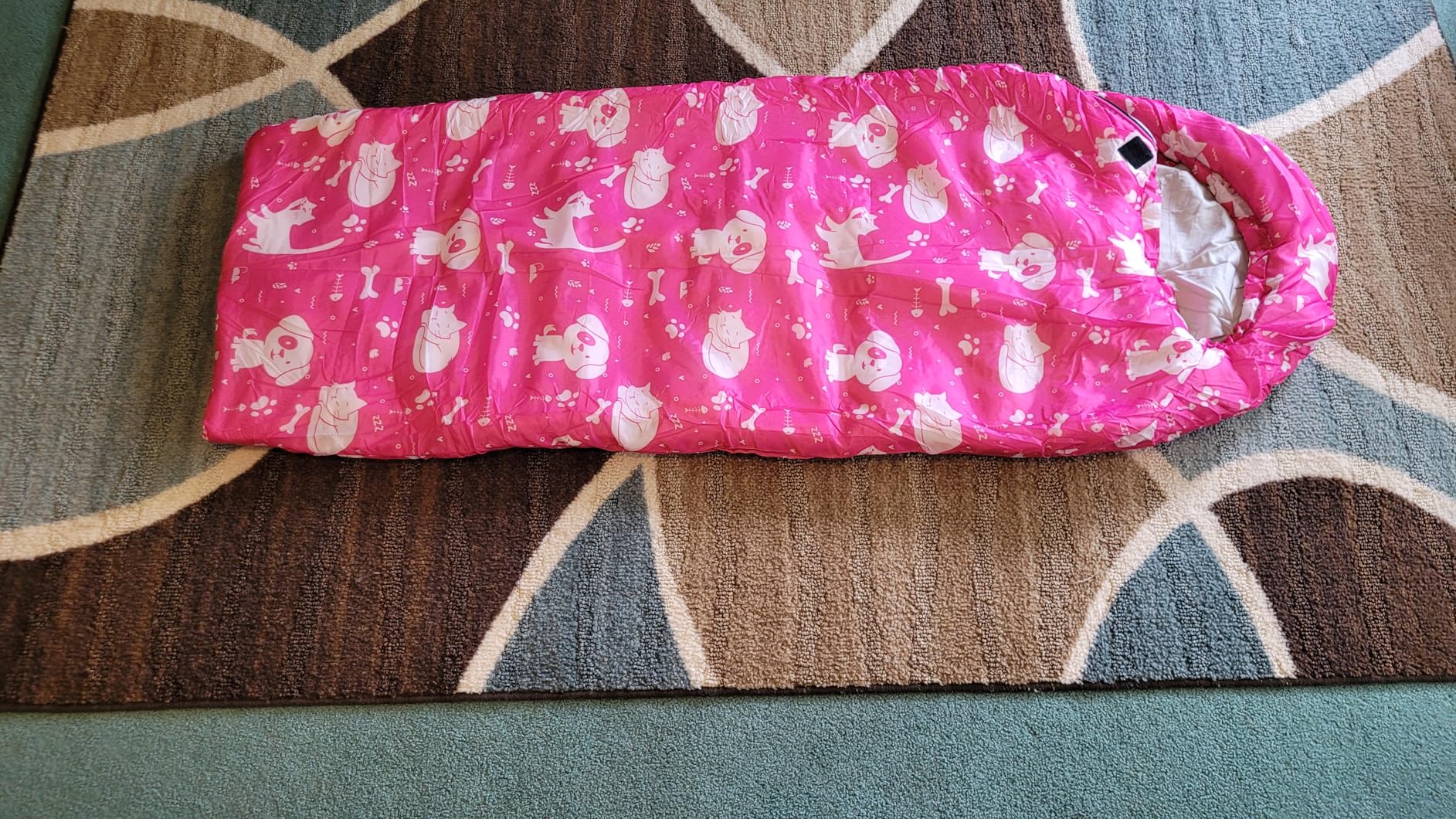
The pillow sleeve is a feature that surprises parents who have not seen it before. Rather than relying on a camping pillow that shifts and slides through the night, children can insert their favorite pillow from home into the sleeve and have consistent comfort throughout the night. Kids have strong opinions about their pillows, and being able to bring a familiar pillow from home reduces complaints at bedtime.
The backpack-style storage sack makes this bag easy for children to carry on their own. Rather than a stuff sack that requires technique to pack correctly, the backpack-style bag allows kids to simply load their sleeping bag and wear it on their back like a regular backpack. This independence matters for family camping trips where children carrying their own gear reduces the load on parents. The ultralight 2.09-pound weight means most children can handle this bag without strain.
When to choose the KidzAdventure Mummy 32
The combination of low price, warm rating, and lightweight design makes this ideal for families on budgets or for children who attend summer camp where gear may get lost or damaged. The pillow sleeve solves a real problem for kids who struggle to sleep without their familiar pillow. If you need multiple bags for a large family, the KidzAdventure provides essential features at a price that does not require consultation with a financial advisor.
When to skip the KidzAdventure Mummy 32
Some children find the mummy shape too restrictive, preferring the roomier rectangular or semi-rectangular options. The slippery interior and exterior materials may feel unusual compared to softer bags, though this does not affect warmth performance. For children under 4 feet tall, the bag may have excess length that creates cold air pockets around the feet, though the adjustable features in some versions help mitigate this issue.
8. Kelty Callisto 30 – Best for Versatility
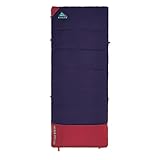
Kelty Callisto Kids 30 Degree Synthetic Insulated Sleeping Bag, Soft Shell, Stuff Sack Included for Boys and Girls
- Unzips completely to blanket form
- Soft cloudloft insulation
- Quality construction
- American made
- Lower review count limits assessment
- Size may be small for older children
The Kelty Callisto 30 stands out for families who need a single piece of gear that works in multiple contexts. The ability to unzip completely and lay flat as a blanket opens up uses that traditional sleeping bags cannot handle. Indoor sleepovers, movie nights on the floor, nap time at Grandma’s house, and car camping where a blanket might be needed all become simpler when your child’s sleeping bag converts to blanket form. This versatility adds value beyond traditional camping applications.
The cloudloft synthetic insulation provides a soft, lofty feel that parents compare favorably to down without the premium price or special care requirements. Made in the USA, the Kelty Callisto benefits from quality manufacturing standards that show in the construction details. The 190t polyester taffeta shell is soft to the touch while remaining durable enough for regular use by children who do not always treat their gear gently.
The 30-degree rating positions this bag between the warm-weather-only Coleman and the cold-weather performers like the Teton or Mighty Mo. For families who camp in shoulder seasons where temperatures might dip unexpectedly, the Kelty provides enough margin of safety without carrying a bag rated for extreme cold when milder conditions are more likely. The stuff sack compresses the bag to a manageable size for transport, though the rectangular shape means it takes up more space than mummy-style alternatives.
When to choose the Kelty Callisto 30
If you want a sleeping bag that transitions seamlessly from camping to indoor use, this is the most practical option on our list. The blanket conversion eliminates the awkwardness of trying to sleep in a bag-shaped wrapper during sleepovers where other children are on regular blankets. Made-in-USA quality appeals to families who prefer domestic manufacturing. The 30-degree rating works well for three-season camping without overheating in summer conditions.
When to skip the Kelty Callisto 30
With only 16 reviews, it is harder to assess long-term durability compared to competitors with hundreds of reviews. The rectangular shape means less heat efficiency than mummy options, so for cold weather performance, other bags rated to 20 degrees will keep children warmer. If your child is tall for their age or you expect the bag to last through the pre-teen years, the Kelty may run out of length before its useful life ends.
Buying Guide: How to Choose the Right Children’s Sleeping Bag
Temperature Ratings Explained
Understanding temperature ratings helps you match the bag to your camping conditions. Manufacturers test bags in controlled lab environments, but real-world performance depends on factors like wind, humidity, and whether your child sleeps hot or cold.
Most children’s sleeping bags fall into three categories based on their temperature ratings. Bags rated 40 degrees and above work for summer camping, indoor sleepovers, and warm-climate use. Bags rated between 30 and 40 degrees cover three-season use in most of North America during spring, summer, and fall. Bags rated below 30 degrees handle cold weather, high altitudes, and early-season conditions where frost is likely.
When selecting a rating, consider that children typically sleep colder than adults. A bag rated 10 degrees below your expected low temperature provides a safety margin. If you plan to camp where nights regularly dip into the 40s, a 20 or 25-degree bag offers insurance against unexpected cold snaps.
Mummy vs Rectangular Shape
The shape of a sleeping bag affects warmth efficiency, freedom of movement, and packability. Mummy bags taper toward the foot end, eliminating excess space that would trap cold air. This design performs better in cold conditions but feels restrictive to some children. Rectangular bags provide maximum room for movement and can unzip completely to function as blankets. Semi-rectangular and spoon shapes offer compromises between warmth and space.
For cold weather camping where heat retention matters most, mummy-style bags keep children warmer through the night. For sleepovers and warm-weather camping where freedom of movement matters more, rectangular or semi-rectangular options suit children who feel claustrophobic in tapered designs.
Down vs Synthetic Insulation
Down insulation from waterfowl feathers provides the best warmth-to-weight ratio available. It compresses smaller, lasts longer, and performs better over years of use. However, down loses insulating ability when wet and requires special care during cleaning and storage. Synthetic insulation handles moisture better and costs less, but it is heavier, does not compress as small, and gradually loses loft over years of use.
For backpacking where weight and pack space matter, down sleeping bags like the Morrison Outdoors Mighty Mo make sense despite their higher prices. For car camping, family camping, and situations where damp conditions are likely, synthetic bags like the Teton Junior or KingCamp 45 provide reliable warmth without requiring specialized care.
Features That Matter for Children
Pad sleeves and hand cuffs represent the most practical innovations in children’s sleeping bag design. Pad sleeves prevent children from rolling off their sleeping pads during the night, which is a common complaint from parents who find their children separated from their insulation by morning. Hand cuffs allow toddlers and preschoolers to use their hands without fully exiting the bag, which keeps them warmer and more comfortable during the night.
Two-way zippers provide ventilation control that children appreciate when temperatures fluctuate. Draft tubes along zipper lines prevent cold air from entering through the opening. Interior pockets keep small items accessible without requiring children to search in the dark. Backpack-style stuff sacks make it easy for children to carry their own gear without adult assistance.
FAQs
What age can kids start using sleeping bags?
Children can typically start using sleeping bags designed for toddlers around 18 months to 2 years of age. The Morrison Outdoors Big Mo is specifically designed for this age group with adjustable cuffs and a warm 40-degree rating. Most sleeping bags are sized for children from age 3 and up, with some brands offering infant-specific options for younger children.
How do I choose a sleeping bag for my child?
Consider three main factors: temperature rating based on your camping conditions, size appropriate for your child’s current measurements, and shape based on their preference for roominess versus heat efficiency. Read parent reviews about zipper quality and durability since children are harder on gear than adults. Look for features like pad sleeves if your child tends to roll off their sleeping pad at night.
What temperature rating do kids sleeping bags need?
For summer camping and sleepovers, a 40 to 50 degree rating works well. For three-season family camping, look for 20 to 30 degree ratings. If you camp in cold weather or at elevation where temperatures drop significantly, choose a bag rated 20 degrees or colder. Remember that children sleep colder than adults, so choosing a slightly warmer rating than you think you need provides a safety margin.
Are kids sleeping bags worth it?
Yes, children’s sleeping bags are worth the investment because they are designed for smaller bodies and include features that adult bags lack. Kids lose body heat faster in oversized bags, and properly sized children’s bags keep them warmer through the night. Features like pad sleeves, hand cuffs, and easy-to-use zippers help children manage their own gear independently, which matters for family camping trips and summer camp.
What’s the difference between mummy and rectangular sleeping bags for kids?
Mummy bags taper toward the feet and fit closer to the body, which makes them more efficient at retaining heat. Rectangular bags provide more room to move and can often unzip completely to function as blankets. For cold weather camping, mummy shapes keep children warmer. For sleepovers and warm weather use, rectangular bags offer comfort and versatility that children often prefer.
Our Final Recommendation
After testing specifications, analyzing customer reviews, and considering real-world camping scenarios, the Retrospec Dream 25 earns our Editor’s Choice designation for its innovative adjustable length design that solves the grow-out-of-it problem. The Teton Junior 20 remains our Best Value pick thanks to its exceptional 955 reviews, lifetime warranty, and reliable 20-degree performance. For families specifically camping with toddlers, the Morrison Outdoors Big Mo 40 provides the specialized features that young children need.
The right children’s sleeping bag for your family depends on your specific needs. Budget-conscious families will appreciate the KidzAdventure Mummy 32, which delivers essential features at the lowest price point. Those prioritizing warmth for cold weather camping should look at the Morrison Outdoors Mighty Mo 20 for its premium down insulation. Whatever you choose, investing in a proper children’s sleeping bag means better nights for everyone at camp.
Our team will continue updating this guide as new products launch and existing bags receive formula updates. For 2026, these eight options represent the best choices across different price points, temperature ratings, and age groups. Happy camping.