

The Sony WH-1000XM6 leads this list, and the reason is the hardware: 12 microphones feeding the QN3 noise cancelling processor, plus a folding design the generation before it never had. The Sony WH-1000XM5 suits anyone moving between a laptop and a phone all day, and the Sony WH-CH520 is the one to pick when the budget is what decides it. Prime Big Deal Days runs October 6-7, 2026.
Sony’s naming scheme is part of the problem. Two over-ear headphones that look identical can sit hundreds of dollars apart, and the model code tells you nothing on its own. What follows sorts the range by what the hardware actually does, so you can match a model to a use before you click anything.
Table of Contents
Our Top 3 Picks for Best Amazon Prime Big Deal Days Sony Deals

Sony WH-1000XM6
- 12-mic adaptive noise cancelling
- 30-hour battery
- LDAC high-resolution audio

The XM6 takes the top spot on hardware alone. Twelve microphones and the QN3 chip handle sustained low-frequency drone far better than the two-processor setup in the previous generation, and the carbon fiber dome driver keeps the tuning clean rather than boomy.
The XM5 is the steadier choice for a working day. Multipoint pairing, Speak-to-Chat and wear detection are all present, and the review volume on that listing is the largest in the range.
The WH-CH520 has no noise cancelling at all, which is the entire point. Fifty hours of battery at 5.1 ounces is the flattest, lightest thing here for calls and podcasts.
Best Amazon Prime Big Deal Days Sony Deals Compared (2026)
| Product | Specifications | Action |
|---|---|---|
| Sony WH-1000XM6 |
|
Check Deal Price |
| Sony WH-1000XM5 |
|
Check Deal Price |
 Sony WH-CH520 Sony WH-CH520 |
|
Check Deal Price |
 Sony WH-CH720N Sony WH-CH720N |
|
Check Deal Price |
 Sony WF-C510 Sony WF-C510 |
|
Check Deal Price |
 Sony MDREX155AP Wired Earbuds Sony MDREX155AP Wired Earbuds |
|
Check Deal Price |
 Sony FE 50mm F1.8 Sony FE 50mm F1.8 |
|
Check Deal Price |
 Sony FE 70-350mm G Sony FE 70-350mm G |
|
Check Deal Price |
 Sony HT-S400 Soundbar Sony HT-S400 Soundbar |
|
Check Deal Price |
 Sony SRS-XB23 Speaker Sony SRS-XB23 Speaker |
|
Check Deal Price |
Everything in this list is audio or optics, and that is deliberate. Sony’s TV and console lines rarely move meaningfully during an October event, while the headphone, lens and portable speaker ranges do. The two lenses here are worth watching with more suspicion than the headphones: owner reviews on those listings often note that a reduced camera body or G-series lens still sits at its normal level with a strikethrough attached.
How We Chose
Every product here was checked on the specs that decide daily use: microphone count, driver size, battery runtime, weight, codec support and weather rating. Ratings and owner review themes came from the Amazon listings, and all of it was checked on October 2026.
1. Sony WH-1000XM6: Best for Flights and Open Offices
- Class-leading adaptive noise cancelling with 12 microphones
- LDAC high-resolution wireless audio
- Carbon fiber dome driver tuned with mastering engineers
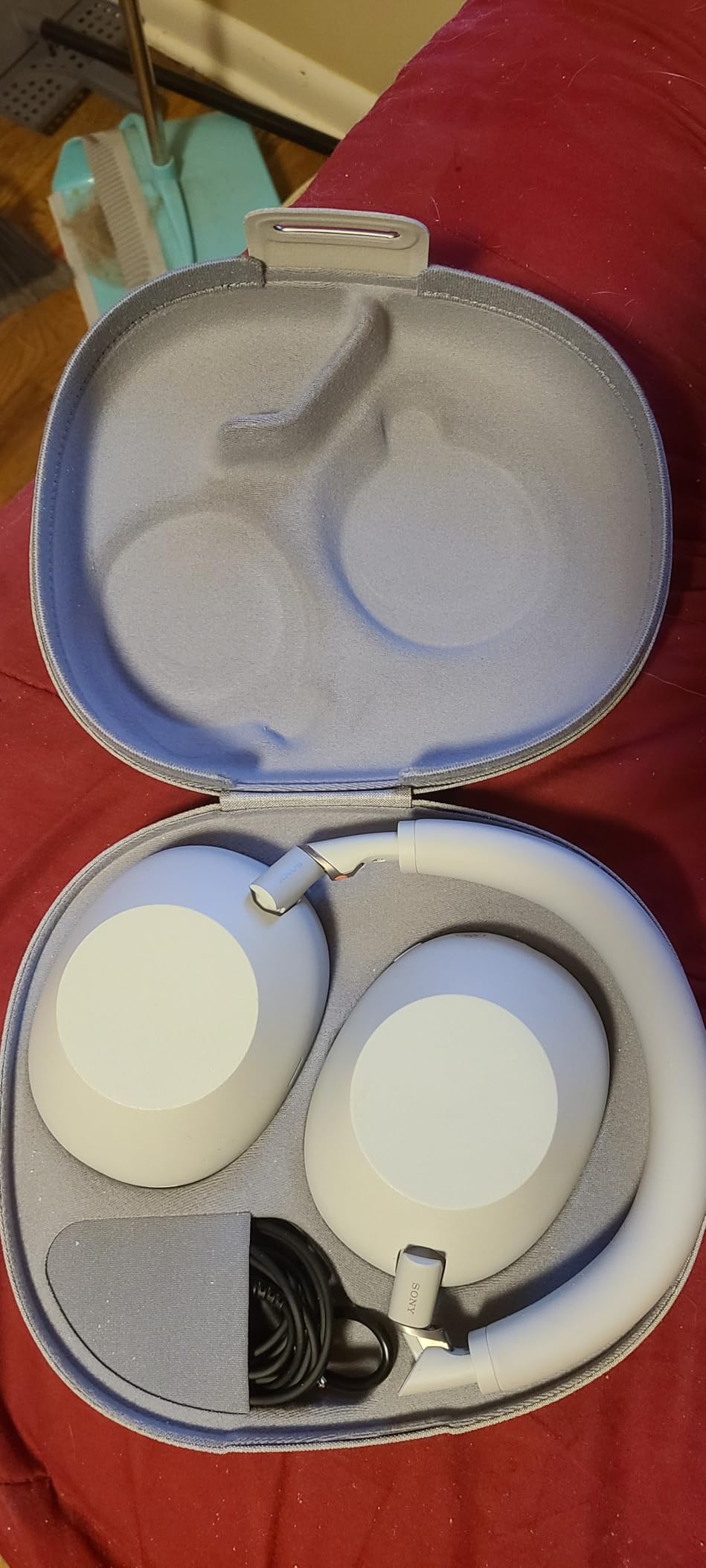
- Folds flat into a compact magnetic case
- Not water resistant for outdoor use
- On-ear cups can feel warm after very long sessions
The QN3 processor is described by Sony as seven times faster than the original QN1 chip, and that claim is where the practical difference lives. Sustained low-frequency noise is what ruins a long flight, and this is the model in the range built for exactly that.
Unlike the previous generation, the XM6 folds. The magnetic-closure case is a genuine improvement for anyone who stuffs headphones into a laptop bag on the way to a gate, and the wider asymmetric headband spreads pressure differently across the skull.
What the reviews praise most is call quality. Six beamforming microphones handle wind and street noise well enough for meetings, which is not something the cheaper models here manage. The other comment that repeats is tuning: the carbon fiber dome driver, co-created with mastering engineers, is credited with keeping bass-heavy tracks from turning boomy.
The trade-off owners report is heat. Over-ear cups that seal that well also trap warmth, and a few reviewers mention warmth building up during very long sessions. The listing also carries no water resistance rating, so this is a travel and commute headphone rather than a patio one.
Pass on the XM5 if your listening happens in a hard case or a rucksack on a daily commute. The XM6 folds into a magnetic-closure case, and that difference is what decides it for travel.

Good to know: the LDAC codec only kicks in with a paired source that supports it. With a standard Bluetooth connection the XM6 sounds good, just not like the spec sheet suggests.
2. Sony WH-1000XM5: Best for Laptop and Phone Switching
Sony WH-1000XM5 Premium Noise Cancelling Wireless Headphones, Black
- Multipoint pairing across two devices
- 30-hour battery with quick charge
- Speak-to-Chat and wear detection
- Light at 8.82 oz
- No folding hinge so the case is bulky
- Touch controls trigger accidentally
The XM5 is the pair to buy for a working day, and the reason is not the noise cancelling. It is the two-processor, eight-microphone setup combined with multipoint pairing, which moves between a laptop and a phone without a menu dive. Seven thousand reviews on the listing make it the most proven headphone here.
Speak-to-Chat pauses playback the moment you start talking and resumes when you stop. Instant Pause and Instant Play handle the case of taking the headphones off mid-call, which is small but the kind of detail that stops you reaching for a phone.
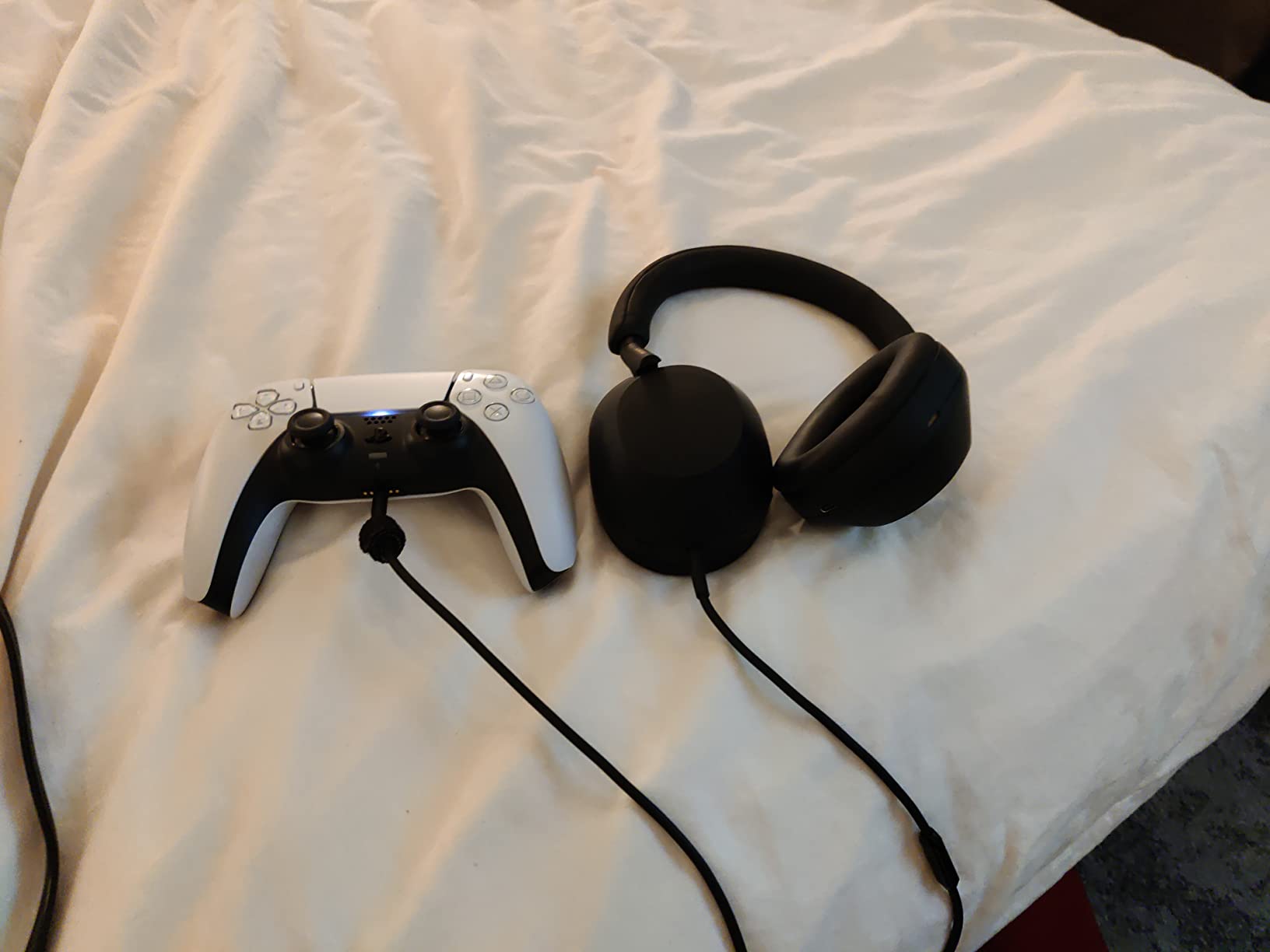
The weakness owners mention most is the hinge. This model does not fold, so the case is a rigid slab that takes more room in a bag than the XM6’s. Several reviews also flag the touch controls misfiring inside a jacket pocket.
Where it still beats the XM6 is maturity. The tuning is settled, the app support is long-running, and the soft fit leather pads have been around long enough that replacement covers exist. If you want a physical button instead of touch, skip both of these and look at the Sony WF-C510.
For a first pair, the XM5 is the safer buy: the XM6’s 12-microphone array costs you extra money and, in a room that is merely conversational, a good share of that spend goes unused. Take the older flagship when noise is the actual problem.
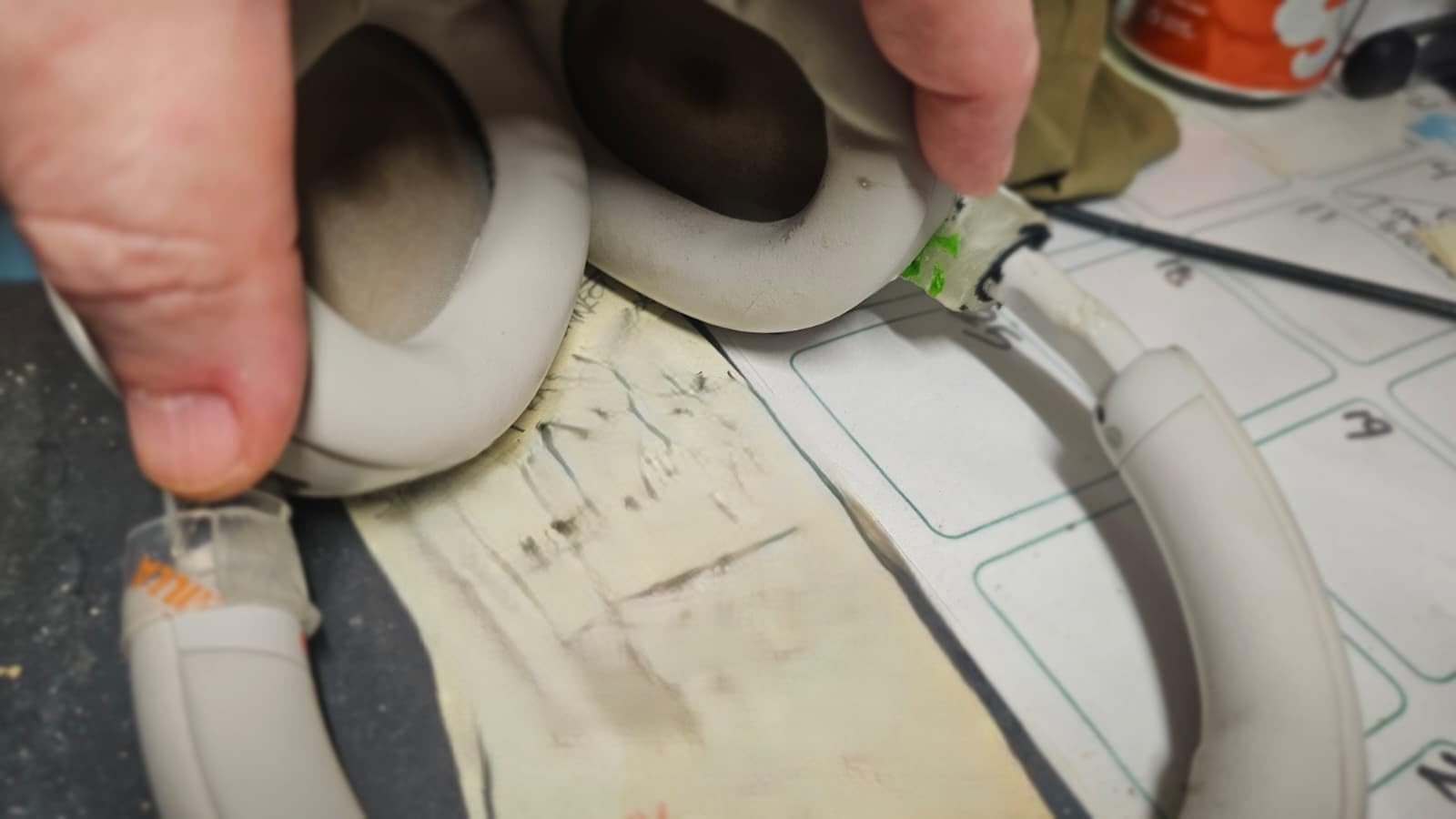
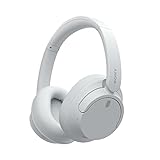
3. Sony WH-CH520: Best for Calls and Podcasts on a Budget
Sony WH-CH520 Wireless On-Ear Bluetooth Headphones with Microphone, Black
- 50-hour battery that rarely needs charging
- Light at 5.1 oz with swivel earcups
- Multipoint connection
- EQ control in the Sony app
- No active noise cancelling at all
- On-ear pads can press on the ear after hours
Thirty-five thousand reviews and a 4.4 rating make this the most consistently liked product in the entire list. It is not the best headphone here. It is the one that gets recommended without a caveat attached.
Fifty hours of stated battery is the headline, and owners say the real number usually exceeds it. A week of calls and podcasts passes without a charge, which removes the one anxiety that comes with cheaper wireless audio.
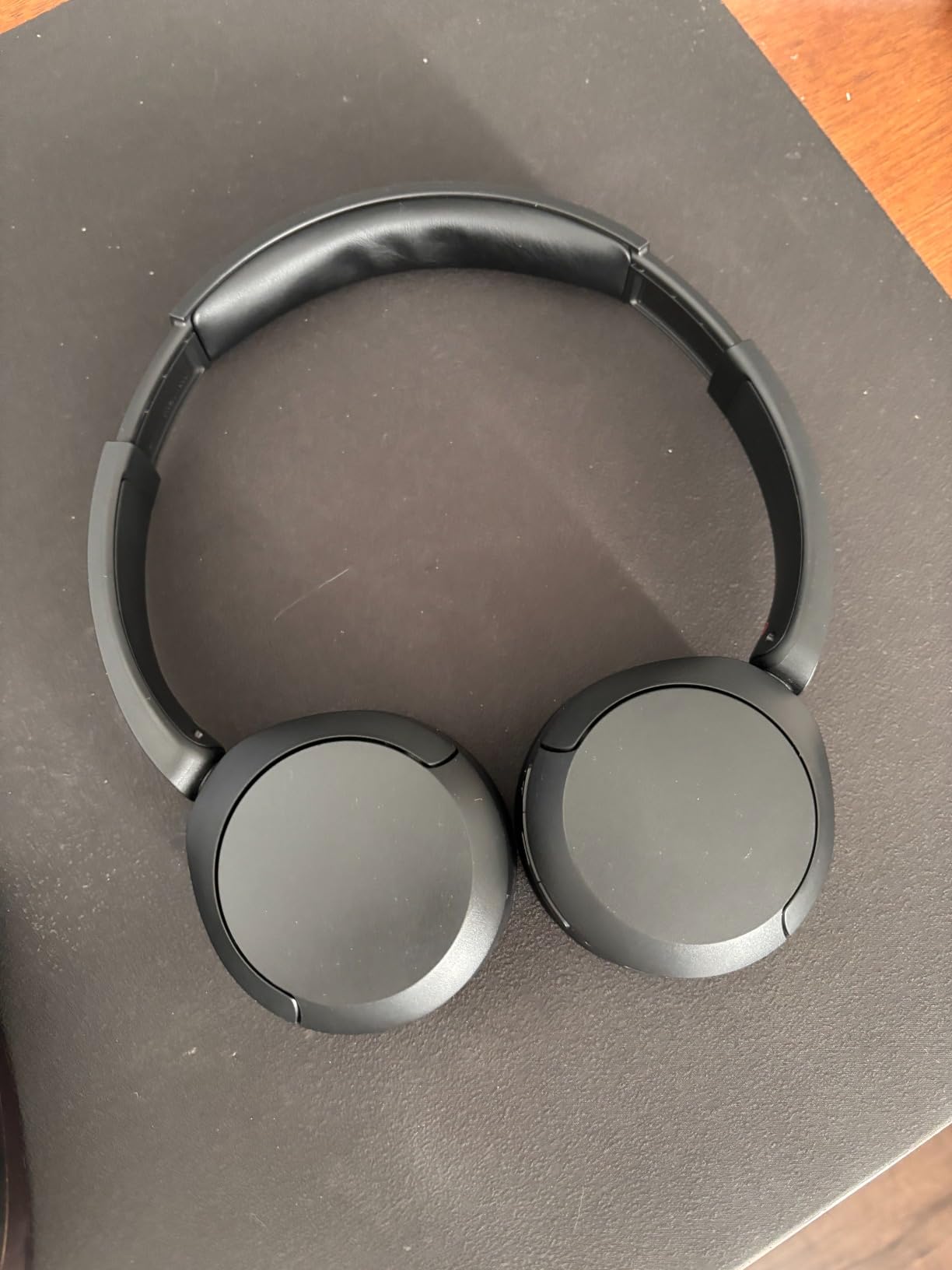
What you give up is everything about isolation. There is no active noise cancelling and no passive sealing to speak of on an on-ear fit, so an office at full chatty volume is not this headphone’s setting. The microphone, though, is repeatedly praised for work calls and podcast recording, which is why it keeps selling.
Comfort is the other talking point in the reviews, and it is mixed. At 5.1 ounces the clamp is light, but the on-ear pads can press on the ear after several hours. Swivel earcups make it easy to rest around your neck between uses.
Do not expect it to cover a plane or a desktop PC with no Bluetooth, because there is no 3.5 mm jack on this model. The Sony MDREX155AP exists precisely to cover that gap.
EQ Custom in the Sony | Headphones Connect app is where this headphone surprises people, adjusting the low end and mids to taste. Six colors are also offered, which is unusual at this tier and matters more than it should when a pair lives on your head all day.
4. Sony WH-CH720N: Best Value for Light All-Day Wear
- Lightest noise-cancelling over-ear in the range at 192 g
- 35-hour battery with quick charge
- Makes and calls stay clear
- Dual Noise Sensor processing
- Plastic build less refined than the XM series
- No LDAC high-resolution codec
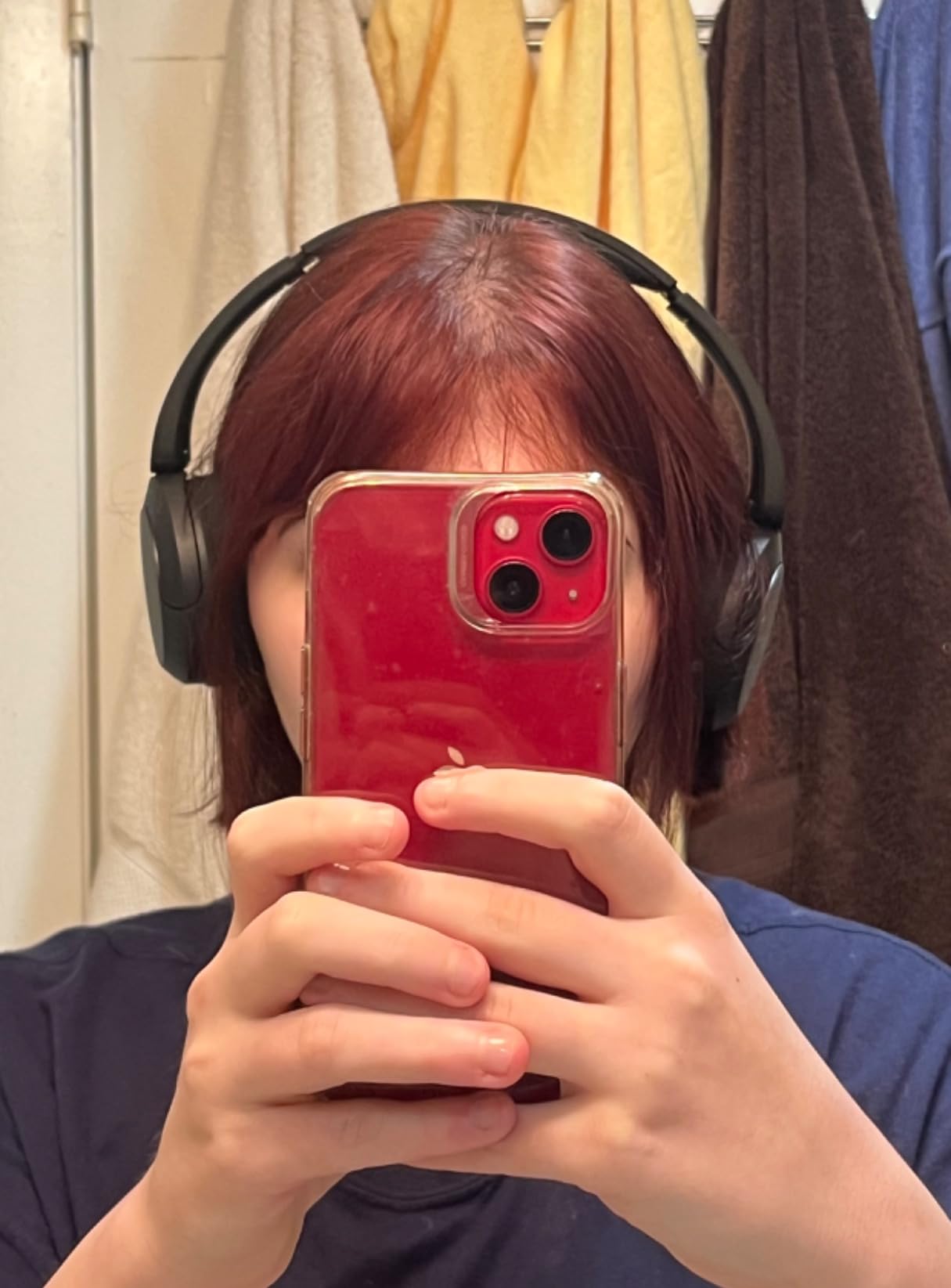
Most full-size noise-cancelling headphones land between eight and nine ounces. At 192 grams this is a different category, and the difference shows up as a pair you forget you are wearing through a nine-hour workday.
The Dual Noise Sensor system with the Integrated Processor V1 handles steady background noise well. Owners comparing it against mid-tier rivals usually find the performance respectable rather than class-leading, and reviews frequently recommend it as the value tier under the WH-1000XM line.
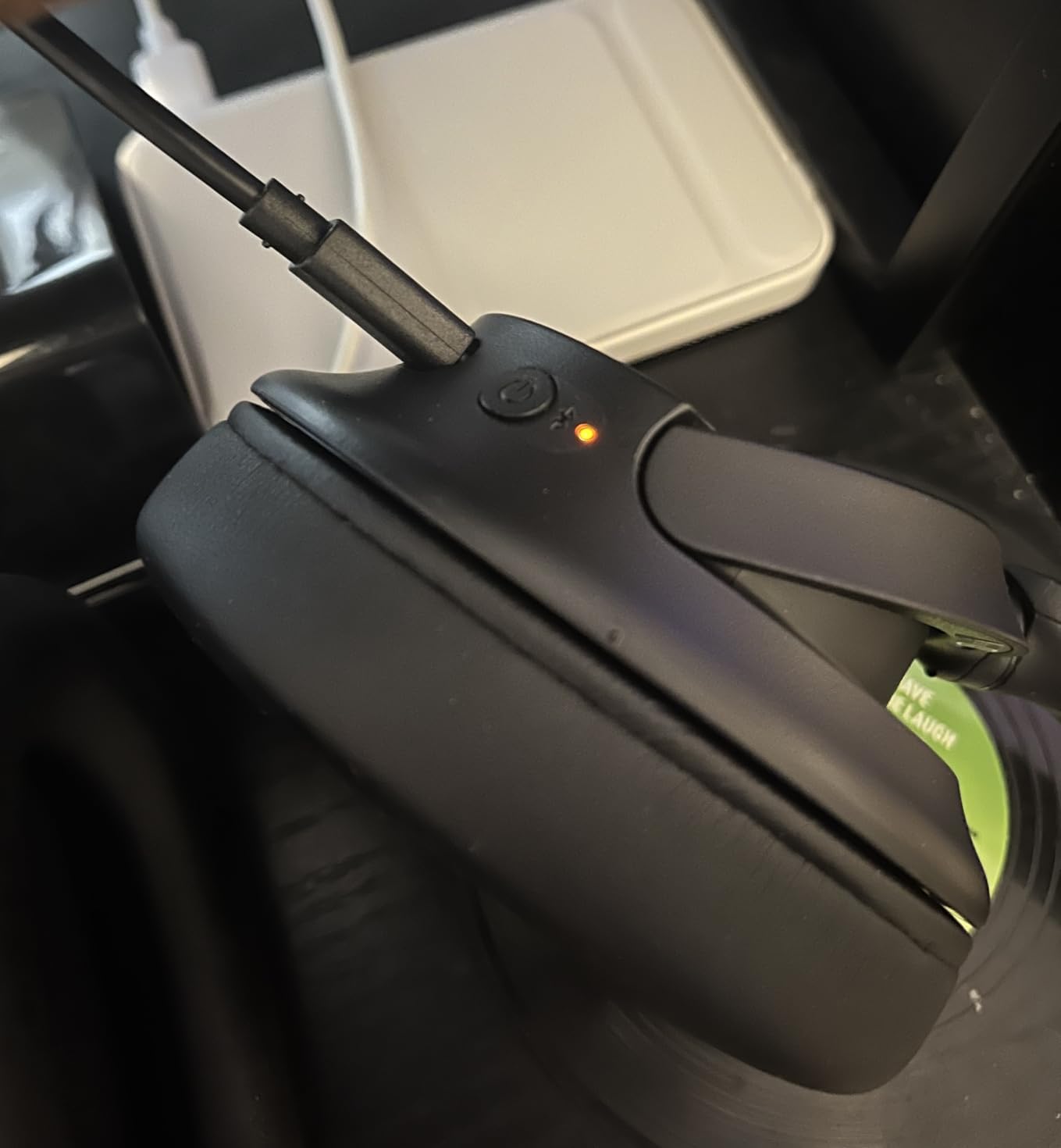
Two gaps show up repeatedly. There is no LDAC codec, so high-resolution sources play over standard Bluetooth, and the hinge is a step down in feel from the machined parts in the XM series. The headband is plastic, and buyers who have used both describe the build as noticeably lighter but not as satisfying to handle.
This is the pair to pick if you want over-ear cancellation without the flagship weight or price. If your commute is a noisy train rather than a plane, the sound quality difference against the WH-1000XM6 matters less and the weight difference matters more.
Good to know: a headphone cable and USB-C cable are both included, so a wired session is possible in a pinch even without the codec.

5. Sony WF-C510: Best for Rain and Gym Sessions
- Physical buttons that keep working when wet
- Built for sweat and splash exposure
- 11 hours per charge and 22 with the case
- Small enough to wear under ear protection
- Charging case battery durability reported as a problem
- Microphone picks up background noise on calls
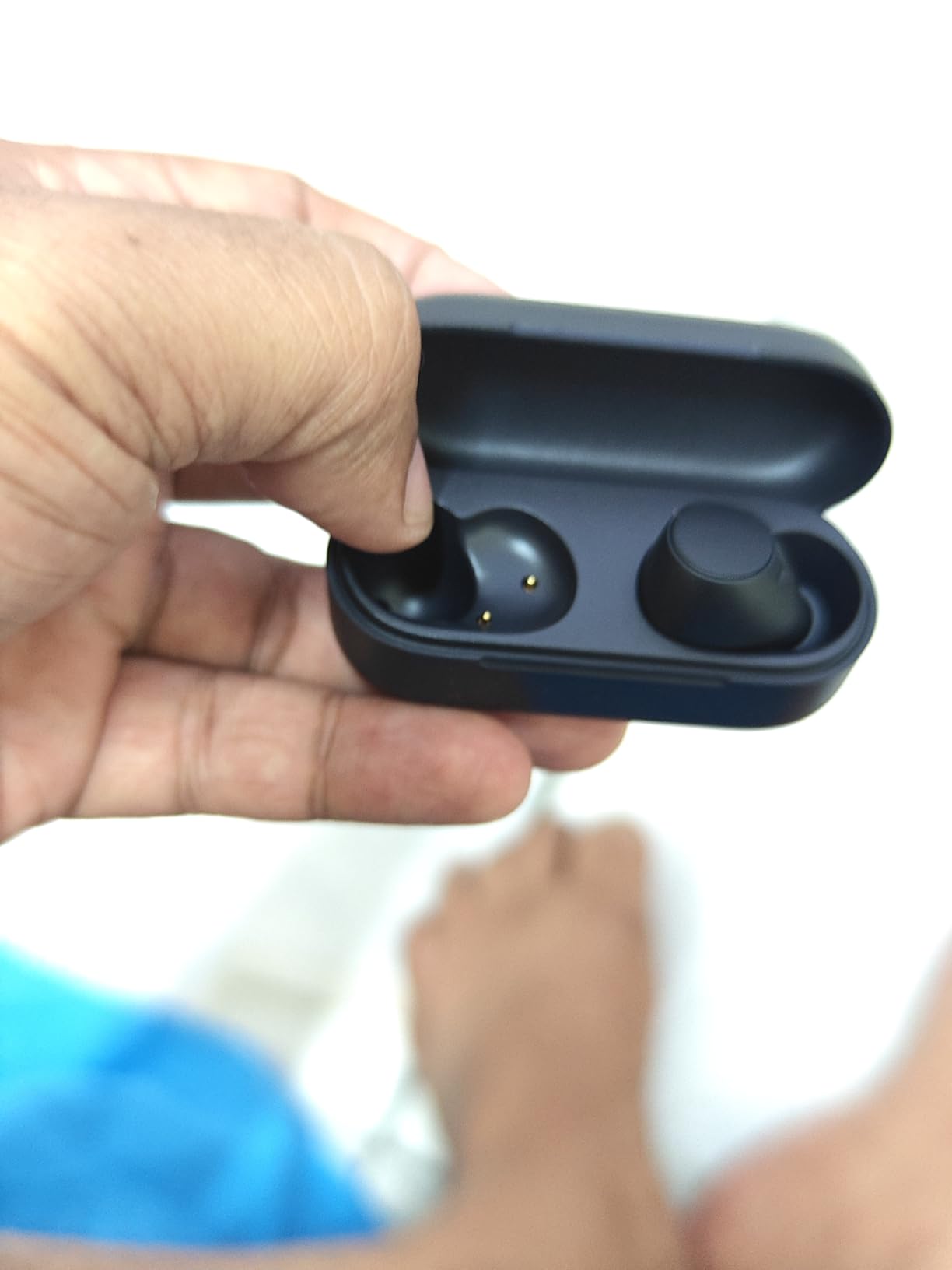
The thing that separates this earbud from everything else in the range is the button. Physical buttons on the body of each bud keep registering in a soaked gym or a rainy walk, where capacitive touch controls often go unresponsive with water on the surface.
Battery numbers are solid for the tier: 11 hours in the buds and 22 with the case, plus a five-minute quick charge for an extra hour. The cylindrical case is small enough for a jeans pocket, which matters more than the dimensions suggest.
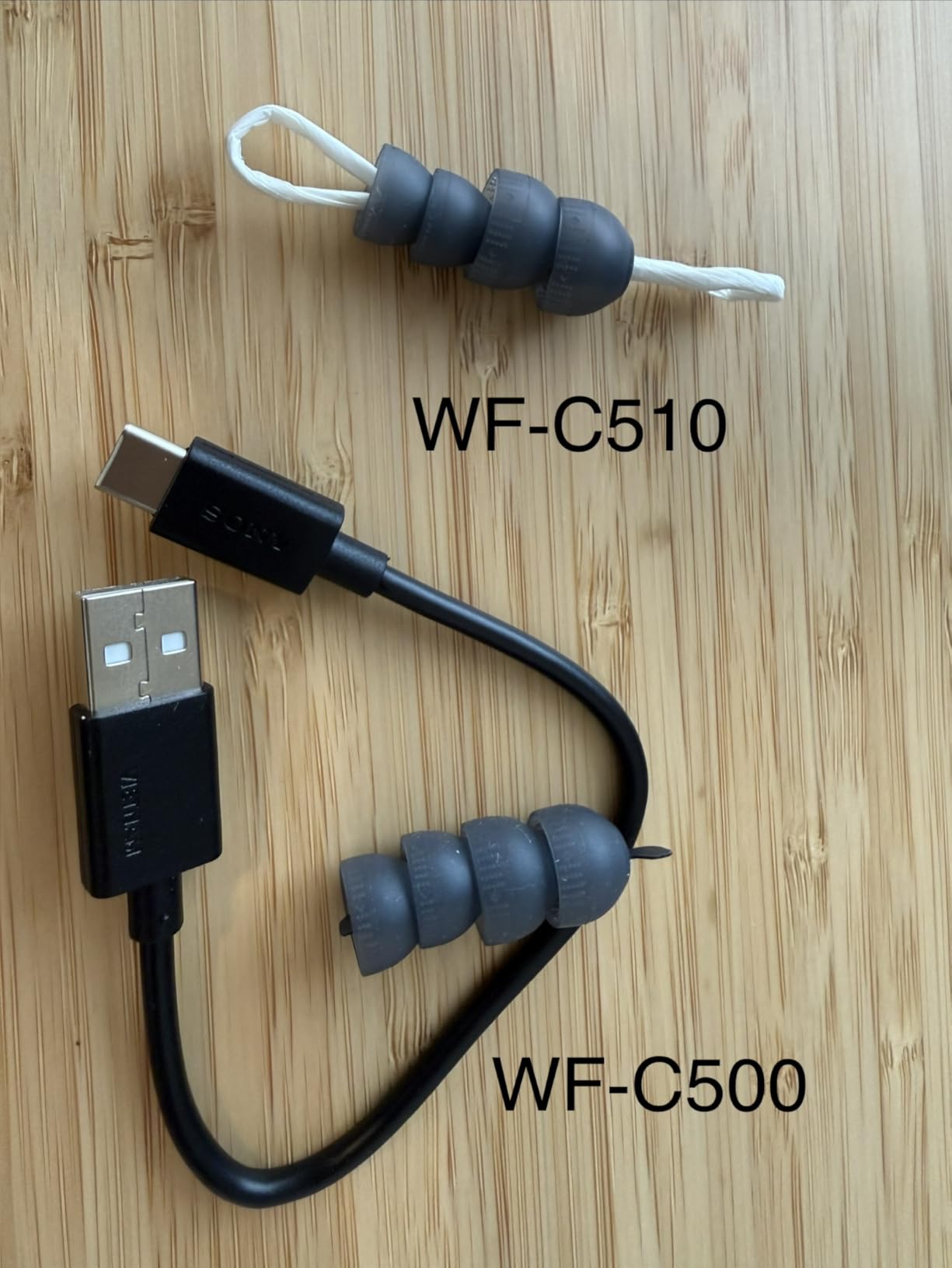
Reviews are consistent about the trade-offs. The charging case battery is the most common complaint, with owners reporting reduced capacity within the first year. Call quality is the second, since the microphone takes in background noise and there is no beamforming array to compensate.
Fit is the third. At this size the bud sits shallow and some users readjust it repeatedly during movement. Among the models here, this is the one built for wet conditions, and if you already own a sealed portable speaker for the beach, the Sony SRS-XB23 handles the same weather with far more output.
Keep a USB-C cable nearby: the charging cable is not in the box, and on a pair you use in the rain it is the accessory you will reach for most often.
6. Sony MDREX155AP Wired Earbuds: Best for Backup Pairs
Sony MDREX155AP in-Ear Earbud Headphones with mic for Phone Call, Black
- No battery and nothing to charge
- Light at 3.13 g with a secure fit
- Three ear tip sizes included
- Y-shaped cord with clip
- Durability drops after a year or two of daily use
- Microphone is weak for meetings
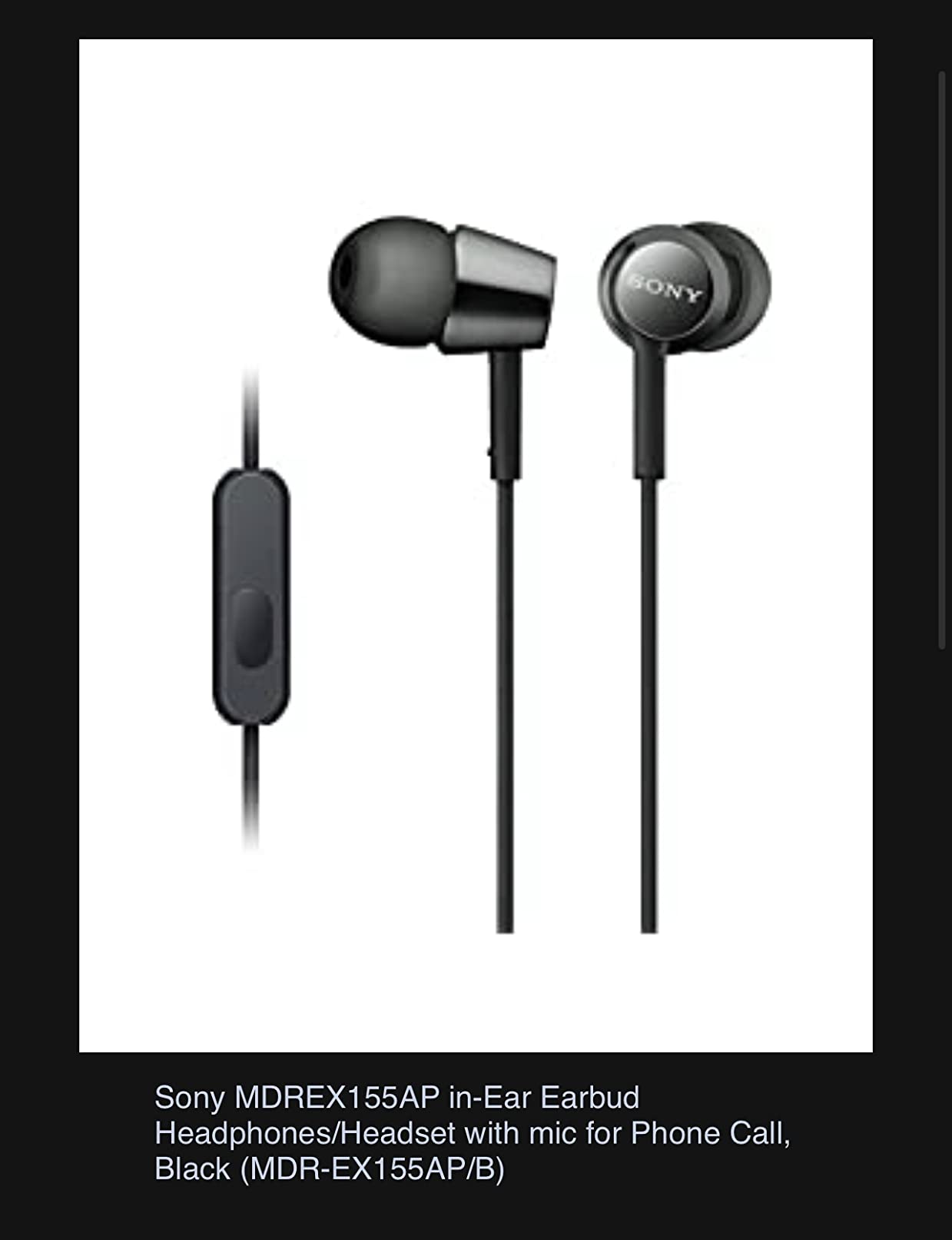
There is a specific reason to buy a wired pair, and it is resilience. When a wireless bud dies mid-trip or a case battery gives out, a 3.5 mm cable never fails. Owners often buy these in multiples as a gym bag pair, a desk pair and a travel pair.
Sound quality gets more credit than the price suggests. A 9 mm neodymium driver with a 5 Hz to 24 kHz frequency response is a respectable measurement, and reviews regularly compare the output favourably against wireless buds costing several times more.
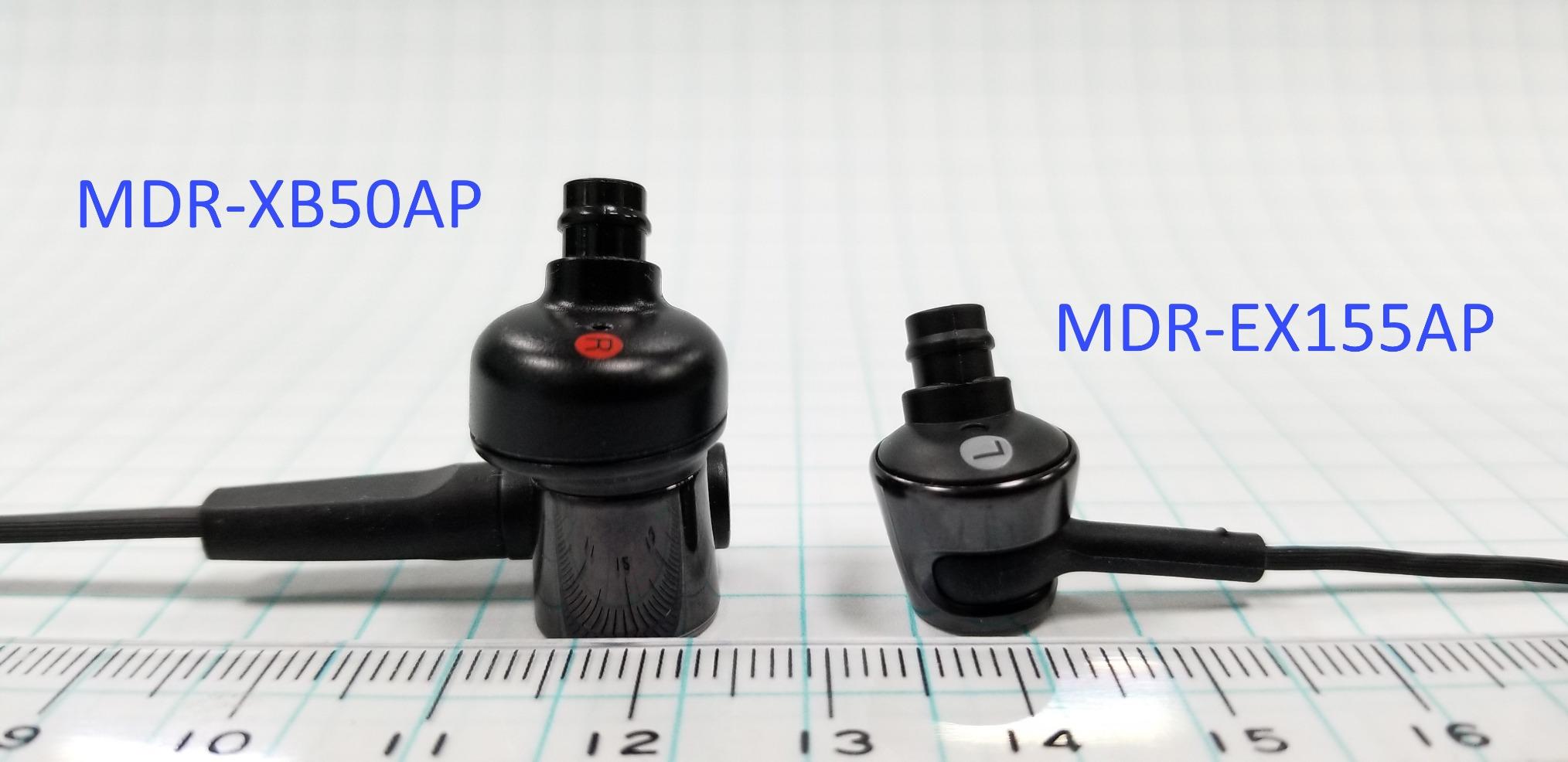
The Y-shaped cord splits rather than running straight, which is the older Sony design and genuinely helps with cable snags. A cord adjuster and clip are included, and the 3.13 g weight disappears in the ear.
Durability is the honest flaw. Owners report the housings shorting out after a year or two of regular use, and the inline microphone is not good enough for a working meeting. The cable also has no inline volume control, so volume lives on the source device.
With no noise cancelling, these work well as a sleep or side-timer pair and poorly as an isolation tool on a plane. Volume lives on the source device, so a phone in a pocket means a pocket round trip when it is buried in a bag.
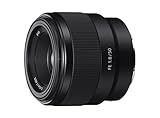
7. Sony FE 50mm F1.8: Best for Everyday Carry
- Sharp from centre to corner wide open
- Smooth bokeh from the 7-blade circular aperture
- Only 6.6 oz for a full-frame prime
- Fast and accurate autofocus
- All-plastic barrel with no weather sealing
- No AF and MF switch on the barrel
A 4.7 rating is among the highest on this list, and the FE 50mm has the kind of settled owner base you rarely see. It is also the lens most photographers describe as the one they actually carry, rather than the one they leave at home.
The f/1.8 maximum aperture does two jobs. It gives you shallow depth of field with soft, round out-of-focus highlights from the 7-blade circular aperture, and it lets you shoot indoors without pushing ISO as far.
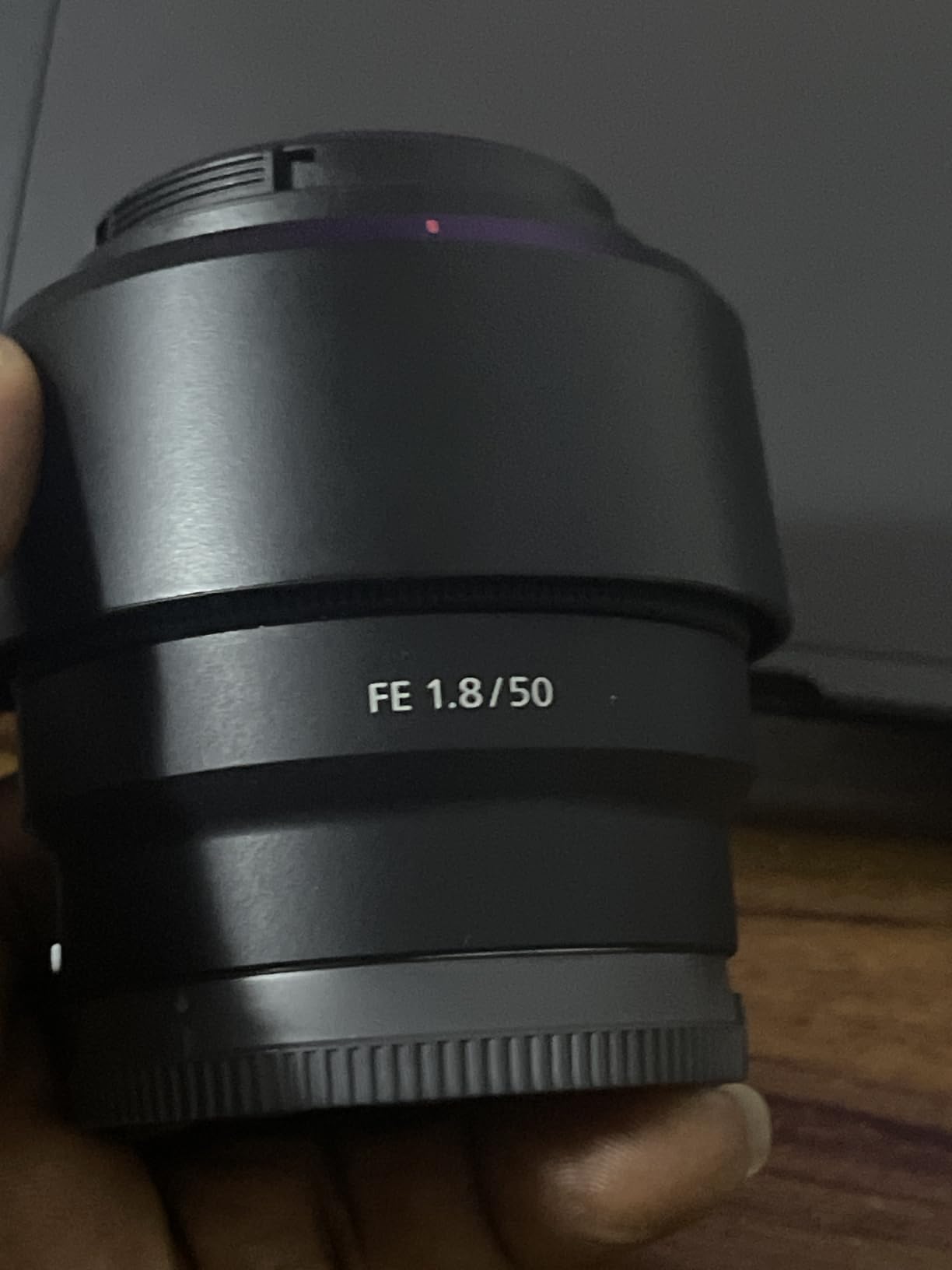
Optical design is handled by an aspherical element and a Double-Gauss configuration, which is why reviewers report controlled distortion and flare at a price where most fast primes struggle with both. Owners also mention strong centre-to-corner sharpness wide open.
The compromises are physical. The barrel is all plastic with no weather sealing, so it stays out of rain, and there is no AF and MF switch. Video shooters note the focus motor is audible in quiet recordings.
If you already own a Sony E-mount body this lens works across the range, from A7 full-frame to the A6400 and ZV-E10. If you want reach rather than width, the FE 70-350mm G is the other half of the kit.
The lens runs 39.6 degrees of view, roughly a normal to slightly wide perspective on full frame, so it complements a kit zoom rather than replacing one.

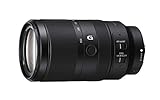
8. Sony FE 70-350mm G: Best for Sports and Wildlife
Sony E 70-350mm f/4.5-6.3 G OSS Lens, Telephoto Lens, Black
- Sharp corner to corner across the zoom range
- Only 22 oz for a 350 mm telephoto
- Optical stabilization makes handheld shooting practical
- Fast and quiet autofocus for tracking
- Slow f/6.3 maximum aperture at the long end
- Modest 350 mm reach for dedicated birding
A 22-ounce telephoto is unusual, and that weight is the lens’s whole argument. It fits in a small day pack where a heavier zoom does not, which means you actually bring it to the field rather than leaving it on a shelf.
Optical SteadyShot makes handheld work at 350 mm practical, and the XD linear motor focuses quickly and quietly enough to track moving subjects. Owners shooting youth sport and casual wildlife rate the tracking behaviour as the standout feature.

Both lenses here carry a 4.7 rating, but they solve opposite problems. The FE 50mm F1.8 is about low light and depth of field in a 6.6 oz package. This one is about reach, and the light is a wash at the wide end but not at the other end.
That is the trade-off reviewers accept without much complaint: a maximum aperture of f/6.3 at 350 mm is slow, so indoor and dusk shooting at full reach is where you will push ISO. For daylight field work and sports, it holds together well.
Lens hood, front cap and rear cap are all in the box, which is not always true at this tier, and the whole thing disappears into a small day pack.

9. Sony HT-S400 Soundbar: Best for a First Soundbar Upgrade
Sony HT-S400 2.1ch Soundbar for TV with Powerful Wireless Subwoofer
- Wireless subwoofer included in the box
- Dialogue stays clear with the X-Balanced unit
- Wall-mountable with a flush-fitting back
- Simple remote with an OLED display window
- Dolby Digital only with no Dolby Atmos
- Front-heavy with no rear surround channels
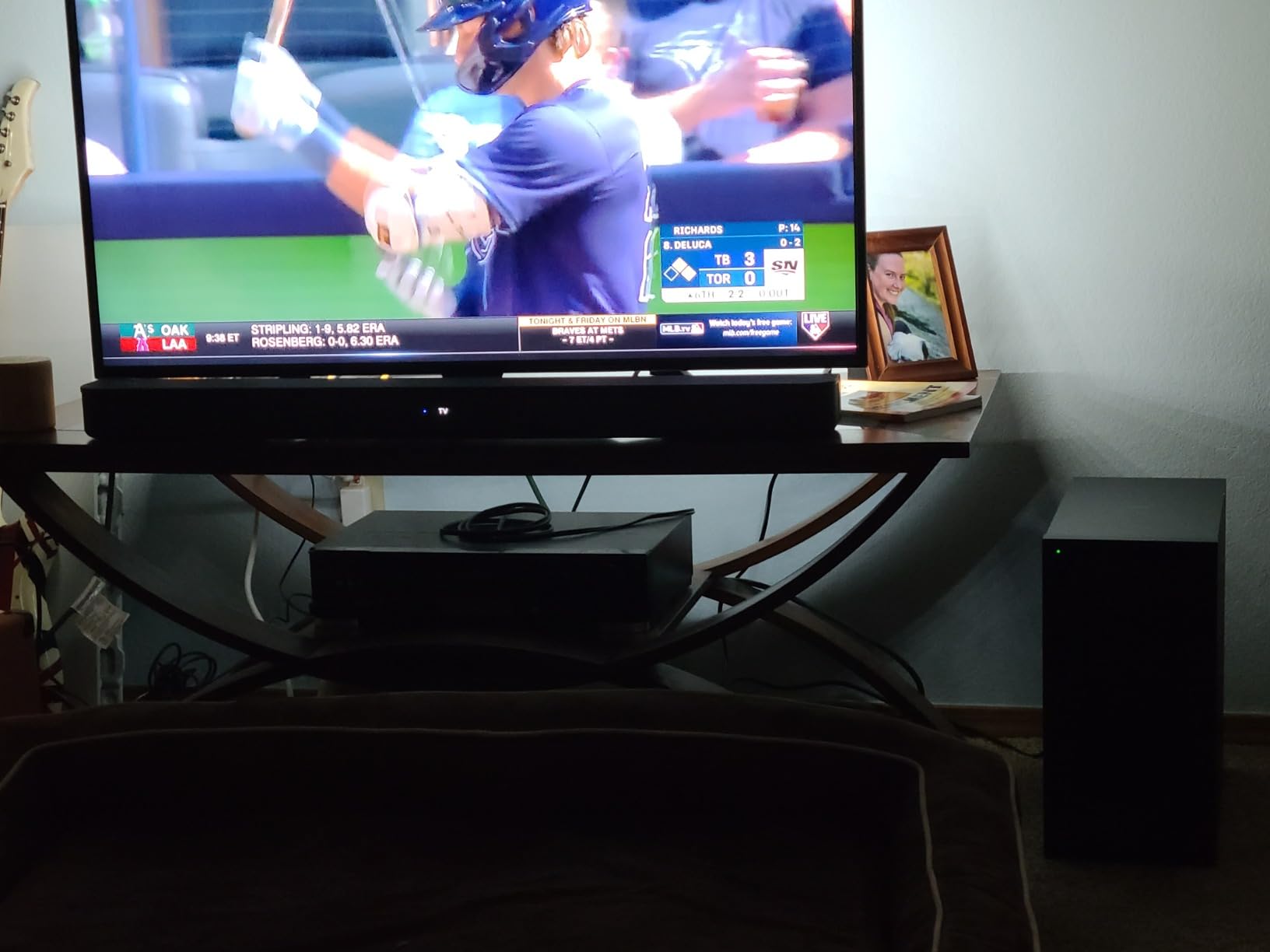
The gap this fills is specific: thin televisions with underspeaking drivers, where dialogue gets swallowed by a room. Adding a soundbar with a real subwoofer is the most straightforward fix, and this one includes the subwoofer.
The X-Balanced Speaker Unit with a Separated Notch Edge is aimed squarely at voice clarity, which is the complaint owners had before buying. The included wireless subwoofer adds the low end that a flat panel cannot produce, and it pairs wirelessly so there is one cable to hide.
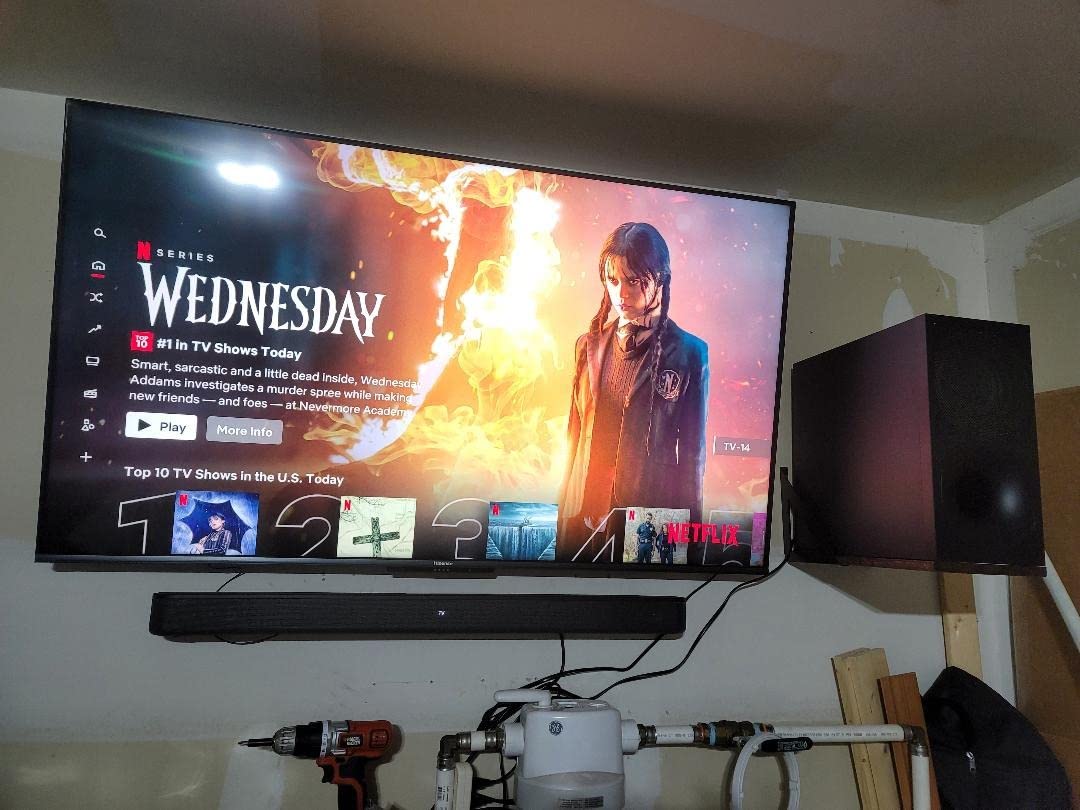
Setup takes a couple of minutes through HDMI ARC or optical, and the OLED display window on the bar shows the input and volume. If you own a BRAVIA television, the bar connects wirelessly to cut cable clutter and the settings menu appears inside the TV interface.
Owners report the same limit every time: Dolby Digital only, with no Atmos, and no rear channels to widen the soundstage. Bass can also crowd dialogue at higher volumes. None of that matters for news and most scripted television, and all of it matters for a home cinema setup.
It measures 38 inches wide and weighs 16.1 lb with the subwoofer, so measure the stand before you commit.
10. Sony SRS-XB23 Speaker: Best for Outdoor Listening
- IP67 waterproof and dustproof with shock resistance
- 20 W X-Balanced unit is loud for its size
- 12-hour battery with USB-C charging
- Removable strap and built-in speakerphone
- No auxiliary input so only Bluetooth and NFC
- 20 W is modest for a large open space
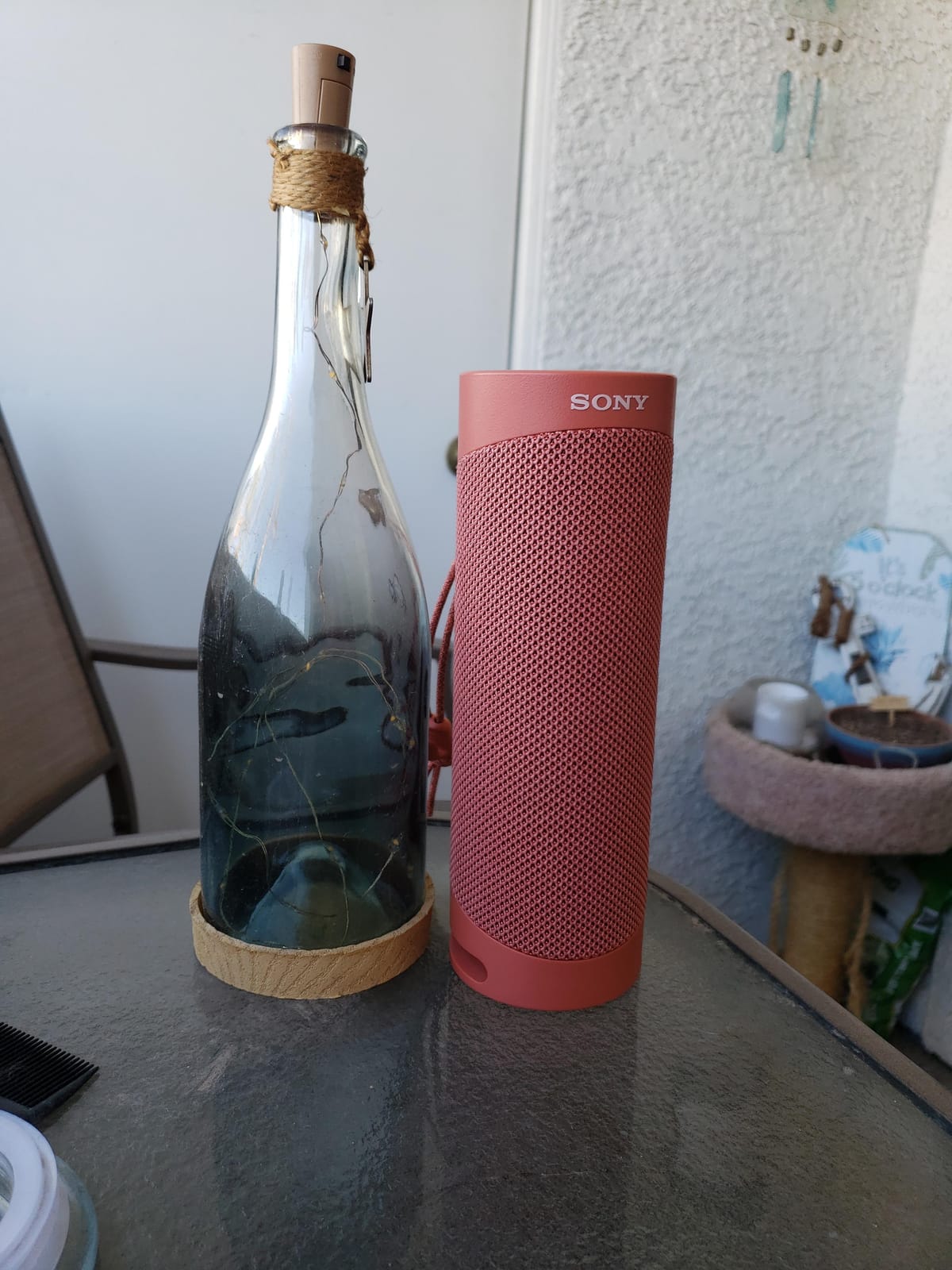
This is the only weather-sealed product in the list. IP67 covers waterproofing, dustproofing, shock resistance and rust resistance, which is the specification that decides whether a speaker can live on a patio, in a shower or in a car boot through a wet winter.
Twenty watts from an X-Balanced unit sounds modest on paper and does not behave that way in a small space. Owners describe it as loud and balanced for its size, and the EXTRA BASS mode adds punch when you want it.
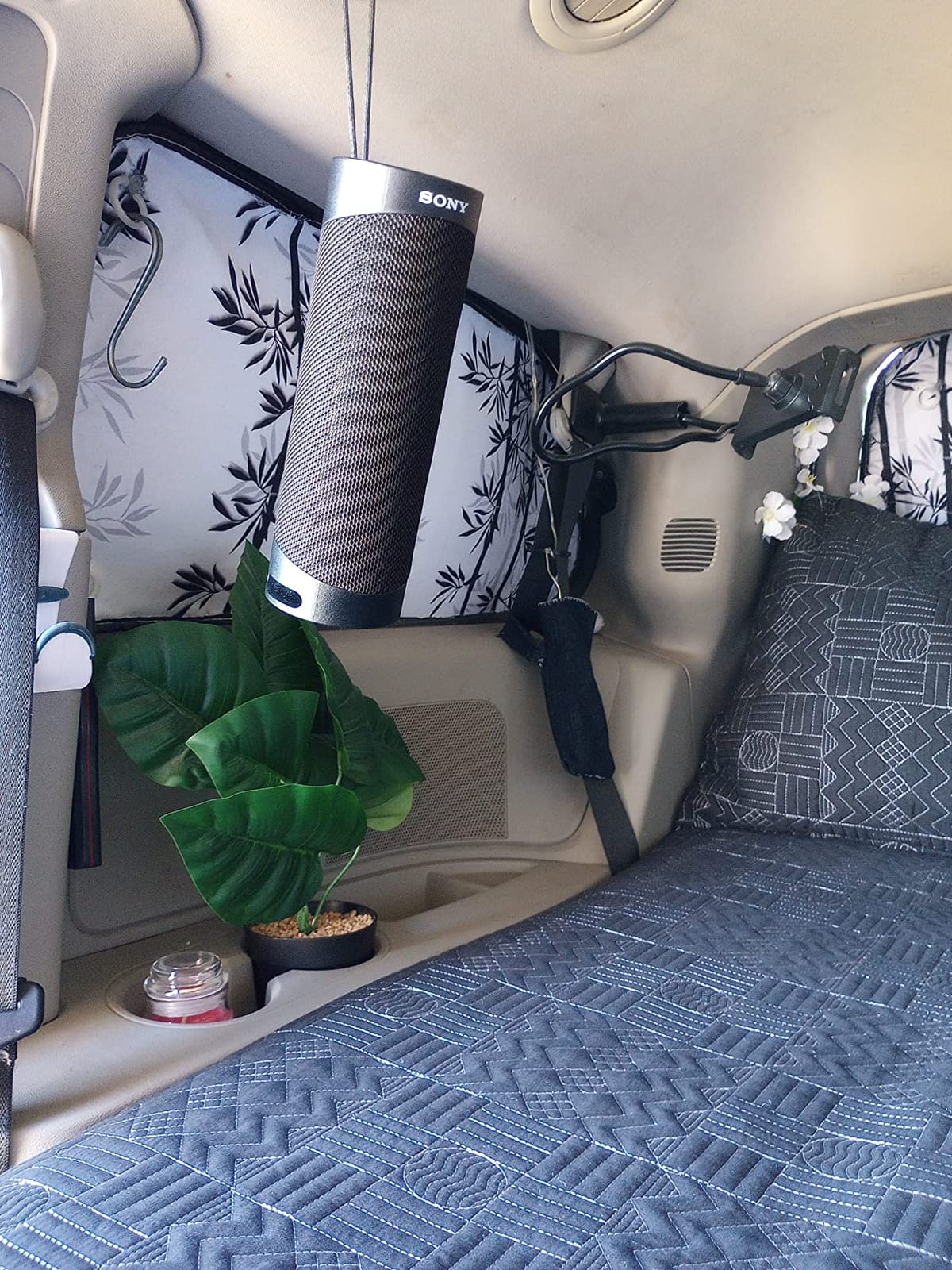
Twelve hours of stated battery holds up in ordinary use, though reviewers note the number falls considerably at maximum volume. The cylinder stands upright or on its side, the strap is removable, and USB-C charging removes the anxiety of packing a proprietary brick.
The lack of an auxiliary input is the complaint that comes up most. There is Bluetooth and NFC pairing, and nothing else, so a record player or a PC output needs an adapter. The speakerphone microphone also sits centre front, so it wants a clear line back to you.
Good to know: the Party Connect feature links multiple units, so two of these work as a stereo pair rather than a single speaker.
How to Choose Sony Audio and Camera Gear During Prime Big Deal Days
Read the family name before the full code
Sony’s headphone naming carries the tier. WH-1000XM is the premium noise cancelling line, WH-CH is the mid and entry line with ANC only on the N suffix, and WF-C is the earbud range. A model number ending in N has active noise cancelling, which removes most of the guesswork.
Decide on-ear versus over-ear before anything else
On-ear designs like the WH-CH520 weigh around 5 ounces and disappear on your head, but they leak sound in both directions and have no isolation. Over-ear designs seal properly and cancel, at the cost of weight and heat. Pick the form factor that matches your sessions, not the tier that looks impressive. If your listening happens away from a desk altogether, a sealed portable speaker like the Sony SRS-XB23 is a different purchase again; our guide to portable speakers for beach days covers how those compare.
Check the microphone count for calls
More microphones means better noise handling on a call. The WH-1000XM6 uses twelve with six dedicated to beamforming, the XM5 uses eight, and cheaper models rely on a single built-in microphone that picks up the room. If you take calls daily, this is the spec that changes your day.
Match the codec to your source
LDAC only engages when both the headphones and the phone support it. Below that, Sony uses standard Bluetooth codecs, and the WF-C510 and WH-CH720N do not offer LDAC at all. Buying a high-resolution codec you cannot use is the most common wasted upgrade in this range.
Treat camera and lens reductions with more suspicion
Buyer reviews on camera and lens listings consistently report that reduced bodies and lenses are often sitting at their normal level with a strikethrough beside them. The FE 50mm F1.8 and FE 70-350mm G are worth watching, but compare the price against what the lens normally costs before treating it as a bargain.
How to shop Sony deals during the sale
On a Sony listing, check the model code near the product details before you look at anything else. WH-1000XM5 and WH-1000XM6 differ by one character and a large amount of money, and the same goes for SEL50F18F and SEL70350G. Confirm whether the listing is new or renewed, read whether a third party sells the item, and check that the warranty is the one-year manufacturer warranty rather than a third-party return. Most offers on the event need a Prime membership, and prices move through the two days rather than holding steady.
- Read the model code, not just the product name
- Check the condition label: new, renewed or used
- Look at who sells and who ships the item
- Confirm the warranty length and who honours it
- Compare any offer against the normal recent price, not the list price
- Keep your receipt until the return window closes, in case a better offer appears
Frequently Asked Questions
When does Amazon Prime Big Deal Days run in 2026?
Amazon Prime Big Deal Days runs October 6-7, 2026. Some offers open a little earlier and others return for a final push on the second day, so the window is worth watching rather than a single moment.
Do I need Prime membership to buy during Amazon Prime Big Deal Days?
Most of the offers on the event need a Prime membership, and a free trial counts for the duration of the sale. A small number of items are open to everyone, but the member pricing is where the savings usually sit.
Are the Best Amazon Prime Big Deal Days Sony Deals confirmed discounts?
No. They are the Sony products we rate highest on the specs that matter and on owner reviews, which makes them worth watching during the sale. Offers change through the event, so treat the listings as a shortlist and use the price buttons to see current figures.
How do I check the exact model and variant before buying?
Open the product details and read the model name and model number, not the title. Sony uses similar names for very different hardware, so check whether you are looking at WH-1000XM5 or WH-1000XM6, and confirm the colour and whether the cable is in the box.
Does Sony ever actually discount cameras and lenses?
Less often than audio gear, and buyers should be sceptical. Buyer reviews on camera listings often report that a reduced camera or lens is priced at its normal level, so compare the offer with the usual recent price for that specific lens before treating it as a bargain.
What should I verify about the seller, shipping, warranty and return policy?
Check who sells and who fulfils the item, because a third-party seller on a Sony listing may not carry the manufacturer warranty. Look for the one-year Sony warranty, confirm the condition is new rather than renewed, and keep the receipt in case a return is easier than a replacement.
Final Verdict: Best Amazon Prime Big Deal Days Sony Deals
Buy the Sony WH-1000XM6 if you fly often or work in an open office, since the 12-microphone array is the clearest hardware upgrade in the range. Choose the Sony WH-1000XM5 if you split your day between a laptop and a phone and want the most proven option here. Go with the Sony WH-CH520 as the budget-friendly alternative, and accept that it has no noise cancelling.
The Sony WH-CH720N is the best-value buy for light all-day wear, the Sony WF-C510 handles wet conditions better than anything else in the earbud range, and the Sony MDREX155AP is the pair to keep in a bag. For optics, the FE 50mm F1.8 is the everyday carry lens and the FE 70-350mm G covers reach. The Sony HT-S400 fixes thin television audio, and the Sony SRS-XB23 is the one to take outside. Use the buttons to see where each one sits during the sale, and check the model code twice before you order.