
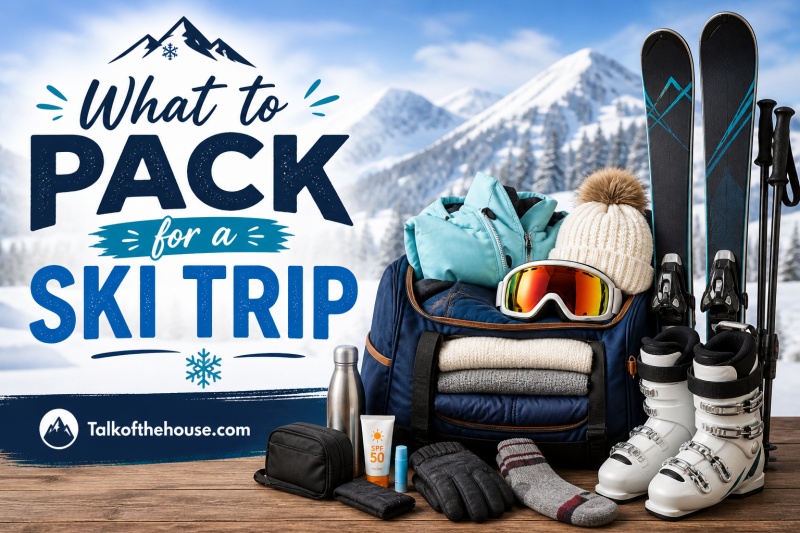
Standing at the base of a snow-covered mountain with the wrong gear is a mistake you only make once. I learned this the hard way during my first ski trip to Colorado five years ago when I packed cotton sweatpants as my base layer and spent the day shivering on the lift. That experience taught me that what to pack for a ski trip is not just about throwing warm clothes in a bag – it is about understanding the layering system, protecting your skin at high altitude, and having the right gear for both the slopes and the lodge.
Whether you are planning your first ski vacation or heading back to the mountains for your tenth season, this complete packing guide will ensure you have everything you need. Our team has compiled insights from seasoned skiers, rental shop professionals, and resort guides to create the most comprehensive ski trip packing list for 2026.
By the end of this article, you will know exactly how many base layers to bring, why bib pants beat regular ski pants, how to prevent helmet hair, and what to wear for aprés-ski cocktails. Let us get you ready for the mountain.
Table of Contents
Quick Reference Checklist
Before we dive into the details, here is your at-a-glance packing list organized by category. Print this out or save it to your phone for easy reference while you pack.
On the Slopes:
- ✓ Waterproof ski jacket (10,000mm+ rating)
- ✓ Waterproof ski pants or bibs
- ✓ 2-3 moisture-wicking base layer tops
- ✓ 1-2 base layer bottoms (merino wool or synthetic)
- ✓ 1-2 insulating mid-layers (fleece or down)
- ✓ 3-7 pairs of merino wool ski socks
- ✓ Ski goggles with UV protection
- ✓ Ski helmet (rented or owned)
- ✓ Insulated gloves or mittens
- ✓ Neck gaiter or balaclava
Off the Slopes:
- ✓ 2-3 casual outfits for aprés-ski
- ✓ Comfortable loungewear for the hotel
- ✓ Warm boots or shoes with good traction
- ✓ Swimsuit for hot tub/pool access
- ✓ Pajamas and slippers
- ✓ Down jacket or warm coat for town
Accessories & Toiletries:
- ✓ SPF 30+ sunscreen (face-specific formula)
- ✓ SPF lip balm
- ✓ Moisturizer for dry mountain air
- ✓ Hand warmers and toe warmers
- ✓ Sunglasses (for non-ski time)
- ✓ Small backpack or hip pack
- ✓ Hydration pack or water bottle
- ✓ Camera or phone with portable charger
Essential Ski Gear for the Slopes
Your on-mountain gear is where you cannot afford to cut corners. The mountain environment combines cold temperatures, wind, snow, and intense sun exposure. The right clothing system keeps you comfortable, safe, and able to focus on enjoying the runs.
The Layering System Explained
Ski clothing works on a three-layer system that manages moisture, insulates against cold, and protects from the elements. Each layer has a specific job, and when they work together, you stay warm and dry all day.
The base layer sits against your skin and wicks sweat away. The mid-layer traps body heat to keep you warm. The outer shell blocks wind, snow, and rain while allowing excess heat and moisture to escape. Understanding this system is the foundation of what to pack for a ski trip.
Base Layers (Why Cotton is the Enemy)
Your base layer is the most critical piece of ski clothing you will own. This layer manages moisture from sweat, and if it fails, you will be wet and cold within an hour. Cotton is the absolute worst choice because it absorbs moisture and stays wet against your skin.
Instead, pack base layers made from merino wool or synthetic fabrics like polyester. Merino wool is naturally antimicrobial, so you can wear the same base layer multiple days without odor. Synthetic materials dry faster and are typically more affordable. For a 3-day trip, bring 2-3 base layer tops and 1-2 bottoms. For a week-long trip, experienced skiers recommend 7 tops and 4 bottoms.
Mid-Layers for Warmth
The mid-layer is your insulation, and you have several good options depending on the weather and your personal thermostat. Fleece jackets are breathable and dry quickly, making them ideal for active skiing days. Down jackets or synthetic insulated pieces provide more warmth for colder conditions.
I prefer a lightweight down vest as my mid-layer because it keeps my core warm without restricting arm movement. Many ski jackets also have zip-in compatibility with specific mid-layers from the same brand. Pack 1-2 mid-layer options so you can adjust based on the temperature.
Outer Shell: Jacket & Pants
Your outer layer needs to be 100% waterproof and windproof. Look for a ski jacket with at least a 10,000mm waterproof rating. Higher numbers like 15,000mm or 20,000mm offer better protection for wetter climates. Features like pit zips, adjustable cuffs, and a powder skirt (an inner band that seals around your waist) make a real difference in comfort.
For pants, you have two choices: traditional ski pants or bibs. After years of skiing, I switched to bibs and will never go back. Bibs extend up to your chest, which prevents snow from getting down your back when you fall. They also stay up better and eliminate the need for a belt. If you choose regular pants, make sure they have reinforced cuffs to protect against ski edge damage.
Must-Have Ski Accessories
Accessories are often overlooked by first-time skiers, but they can make or break your day on the mountain. These smaller items solve specific problems like fogged goggles, cold fingers, and sunburned faces.
Goggles & Helmet (The Fit Connection)
Your goggles and helmet need to work together as a system. One of the most common frustrations new skiers report is the dreaded “goggle gap” – a space between the helmet and goggles that exposes your forehead to cold air and creates a pressure point.
When shopping for goggles, bring your helmet to the store and test the fit. The goggle strap should sit comfortably on the outside of the helmet without pulling the helmet down. Look for goggles with anti-fog coating and interchangeable lenses for different light conditions. A low-light lens (yellow or rose tint) is essential for flat-light days when snow definition is poor.
Gloves vs Mittens
The gloves versus mittens debate has passionate supporters on both sides. Gloves offer better dexterity for adjusting buckles, using your phone, and handling ski poles. Mittens keep your fingers together for shared warmth, making them significantly warmer in extreme cold.
Experienced skiers on Reddit consistently recommend Hestra gloves as a worthwhile investment. For those who run cold, heated mittens or gloves with battery-powered warming elements are a game-changer. I always pack a pack of disposable hand warmers as backup – they cost pennies and can save a miserable day.
Neck Gaiters & Face Protection
Your neck and face are constantly exposed to wind and cold on the mountain. A neck gaiter (also called a buff) is a tube of fabric that you can pull up over your nose and mouth when needed. Merino wool buffs are the gold standard – they wick moisture, resist odors, and feel comfortable against your skin all day.
For extremely cold or windy days, a balaclava provides full head and neck coverage with just an opening for your eyes. Some skiers prefer a full ski mask that integrates with goggles. I keep a lightweight buff in my jacket pocket at all times because temperatures and wind can shift quickly at altitude.
Hand & Toe Warmers
Chemical hand warmers and toe warmers are the secret weapons of comfortable skiing. These small packets activate when exposed to air and provide heat for 6-10 hours. They are inexpensive, lightweight, and take up almost no space in your pack.
Pro tip: Activate your hand warmers before you leave the lodge and keep them in your jacket pockets. When your fingers start to feel cold on the chairlift, you have instant warmth waiting. For your feet, look for toe warmers with adhesive backing that stick to the top of your sock (never directly on skin).
Off-Slope Clothing & Aprés-Ski
Your ski trip is not just about the time on the mountain. The hours after skiing – known as aprés-ski – are where memories are made over hot drinks, good food, and conversations about the day. You need clothes that transition seamlessly from slope to lodge to dinner.
What is Aprés-Ski Style?
Aprés-ski literally means “after ski” in French, and it refers to the social activities and relaxation that follow a day on the slopes. The style is casual but put-together – think cozy sweaters, quality jeans or corduroys, and stylish boots that can handle snow.
For women, a cashmere or merino wool sweater paired with dark jeans and knee-high boots creates an effortlessly chic look. For men, a quarter-zip fleece or wool sweater with fitted pants and leather boots works perfectly. The key is balancing warmth with style since you will be moving between heated indoor spaces and cold outdoor areas.
Loungewear for the Hotel
After a full day of physical activity in the cold, nothing feels better than changing into soft, comfortable clothes. Pack at least one set of quality loungewear for relaxing in your hotel room or condo. Fleece-lined joggers, soft flannel pants, or thermal leggings paired with a cozy hoodie or sweater are ideal.
If your accommodation has a pool or hot tub – which most ski resorts do – remember to pack a swimsuit. There is nothing quite like soaking in a steaming hot tub while snow falls around you. A microfiber travel towel is also useful if your rental does not provide them.
Exploring the Ski Town
Most ski destinations have charming base villages with shops, restaurants, and bars worth exploring. You need shoes that can handle snow and ice while looking appropriate for dinner. Avoid sneakers – they will get wet and offer no traction on icy surfaces.
Sorel and Ugg make popular winter boots that blend function and fashion. Pack a warm coat that is different from your ski jacket. A puffer coat, wool coat, or insulated parka works well for evenings out. A beanie and touchscreen-compatible gloves complete the look while keeping you warm.
Toiletries & Skin Protection
Mountain air is dry, and high-altitude sun exposure is intense. The reflection off snow can cause severe sunburn in minutes. Your skin care routine for a ski trip needs to be more protective than what you use at home.
High-Altitude Sun Protection (SPF 30+)
At high elevations, the atmosphere is thinner and filters less UV radiation. Combine that with the reflective power of snow, and you are exposed to significantly more UV than at sea level. Sunburn can happen shockingly fast on a sunny ski day.
Pack a facial sunscreen with at least SPF 30 that is specifically formulated for sports. Look for “sweat-resistant” or “water-resistant” labels. Mineral sunscreens with zinc oxide provide excellent protection and are less likely to run into your eyes when you sweat. Apply generously to your face, neck, ears, and the back of your hands.
Lip Care & Skin Moisturizing
Your lips will take a beating between the cold wind, dry air, and sun exposure. Regular lip balm is not enough. Pack a lip balm with SPF 15 or higher and reapply it throughout the day. Look for formulas with beeswax, shea butter, or lanolin for serious protection.
Bring a heavier moisturizer than you normally use. The combination of outdoor cold and indoor heating creates extremely dry conditions. Apply a rich night cream before bed and consider bringing a small bottle of facial oil for extra hydration. Do not forget hand cream – your hands are exposed to cold air and frequent washing.
Hair Care for Helmet Head
Helmet hair is real, and it is not pretty. After wearing a helmet all day, hair gets flattened, sweaty, and often static-charged from the dry mountain air. Many female skiers swear by braiding their hair – specifically double braids work better than a single ponytail for fitting under a helmet comfortably.
Dry shampoo is your best friend for refreshing hair before dinner. Pack a small bottle and maybe a travel-sized static-fighting spray. If you are particular about your hair, consider bringing your own products rather than relying on hotel amenities.
How Much to Pack Based on Trip Length
The quantity of clothing you need depends on how long you will be skiing and whether you have access to laundry facilities. Over-packing is common, but under-packing can ruin your trip if you are wet and cold with no dry clothes.
3-Day Ski Trip
For a long weekend ski trip, you can get away with minimal packing if you are strategic. Bring 2 sets of base layers and alternate them daily, allowing one to dry while you wear the other. Two mid-layers give you options for different temperatures. One pair of ski pants or bibs is sufficient.
Pack 3 pairs of ski socks so you have a fresh pair for each day. For off-slope clothing, one aprés-ski outfit per evening and one set of loungewear should suffice. Most 3-day trips do not justify the effort of doing laundry.
Week-Long Ski Trip
For a full week of skiing, quantity becomes more important. Experienced skiers on Reddit recommend bringing 7 pairs of ski socks and 7 base layer tops for a week-long trip. You can re-wear base layer bottoms for 2-3 days before washing, so 4 pairs is adequate.
Pack 3-4 mid-layer options so you can adjust for varying weather conditions. Plan for 2-3 aprés-ski outfits and 2 sets of loungewear. If your accommodation has a washer and dryer, you can do laundry mid-week and cut these quantities in half.
One-Bag Packing Strategy
The minimalist approach to ski trip packing requires discipline but is achievable. If you are determined to travel with just a carry-on, prioritize your ski gear in your carry-on bag and ship bulky items or rent them at the destination. Your boots, helmet, and goggles should never be checked – these are your custom-fit items that cannot be easily replaced.
Choose a base layer color scheme that mixes and matches. Dark base layers hide wear better and look acceptable for aprés if needed. Wear your heaviest items – winter boots and your puffer coat – on the plane to save luggage space. Many skiers use vacuum compression bags to reduce the volume of bulky clothing.
What to Rent vs What to Buy
If you are new to skiing, the initial investment in gear can be overwhelming. Renting is a smart way to try the sport without committing thousands of dollars upfront. Here is how to decide what to rent and what to purchase.
Definitely Rent: Skis, ski poles, and boots for your first 3-5 trips. Rental shops carry current equipment sized perfectly for your height, weight, and skill level. Helmets can also be rented at most resorts, though frequent skiers eventually prefer owning for hygiene and fit reasons.
Worth Buying Early: Base layers, ski socks, goggles, gloves, and outerwear. These items require good fit for comfort and are worn against your skin. You will use them for years, and owning means you know exactly what you have. Goggles in particular are personal – the fit with your face and helmet matters.
Your Call: Helmets and outerwear. If you ski more than 5 days per season, buying makes financial sense. If you only ski once a year on vacation, renting keeps luggage lighter and gives you flexibility for different weather conditions.
Regional Differences: East Coast vs West Coast
Ski conditions vary dramatically between different mountain regions, and your packing list should reflect where you are heading. Understanding these differences helps you pack appropriately.
East Coast Skiing typically means colder temperatures, harder-packed snow, and icier conditions. The mountains are generally smaller with lower elevations. You need warmer base layers and mid-layers here. Hand warmers are more essential. A face mask or balaclava is often necessary on the coldest days.
West Coast Skiing generally features higher elevations, lighter powder snow, and more variable weather. You might ski in a t-shirt on a sunny spring day or get caught in a heavy snowstorm. Waterproof ratings matter more here because the snow is wetter. Pit zips on your jacket become essential for temperature regulation.
Colorado and Utah skiing happens at very high elevations – often above 10,000 feet. The sun is significantly stronger, making sunscreen absolutely critical. The air is also exceptionally dry, so extra moisturizer and hydration are necessary.
Frequently Asked Questions
What do I need to bring on a ski trip?
You need three categories of items: ski gear (waterproof jacket and pants, base layers, mid-layers, ski socks, goggles, helmet, gloves), accessories (neck gaiter, sunscreen, lip balm, hand warmers), and off-slope clothing (aprés-ski outfits, loungewear, warm boots). The essentials are waterproof outer layers, moisture-wicking base layers, and protection for your eyes and skin.
What to pack for a 3 day ski trip?
For a 3-day trip, pack 2 base layer tops, 1-2 base layer bottoms, 2 mid-layers, 1 ski jacket and pants, 3 pairs of ski socks, goggles, helmet, gloves, 2-3 off-slope outfits, and toiletries including SPF 30+ sunscreen. You can reuse base layers if needed, but have fresh socks for each day.
Is a puffer jacket ok for skiing?
A puffer jacket is not suitable as your primary ski jacket. Puffer jackets lack waterproofing and typically do not have the features needed for skiing like pit zips, powder skirts, or helmet-compatible hoods. However, a puffer jacket is excellent for aprés-ski and exploring the town after skiing.
What to pack for a one day ski trip?
For a single day, pack one complete base layer set, ski socks, your ski jacket and pants, goggles, helmet, gloves, and a neck gaiter. Bring sunscreen, lip balm, and water. You will not need aprés clothing or toiletries if you are returning home the same day.
How many base layers do I need for a week ski trip?
For a week-long ski trip, bring 7 base layer tops and 4 base layer bottoms if you have laundry access. If not, bring enough for each day. Merino wool base layers resist odor and can be worn for 2 days if necessary. Synthetic base layers need daily washing.
Conclusion
Packing for a ski trip does not need to be overwhelming when you understand the principles behind the gear. Focus on the three-layer system, prioritize waterproof and moisture-wicking fabrics, and do not forget the small accessories that make a big difference. What to pack for a ski trip in 2026 comes down to being prepared for both the physical demands of the mountain and the social enjoyment of aprés-ski time.
Save this guide and use the quick reference checklist at the top to ensure nothing gets left behind. Whether you are a first-timer renting everything or a seasoned skier with your own gear, having the right clothing and accessories makes every day on the mountain more enjoyable. Now get out there and earn those hot tub soaks.