
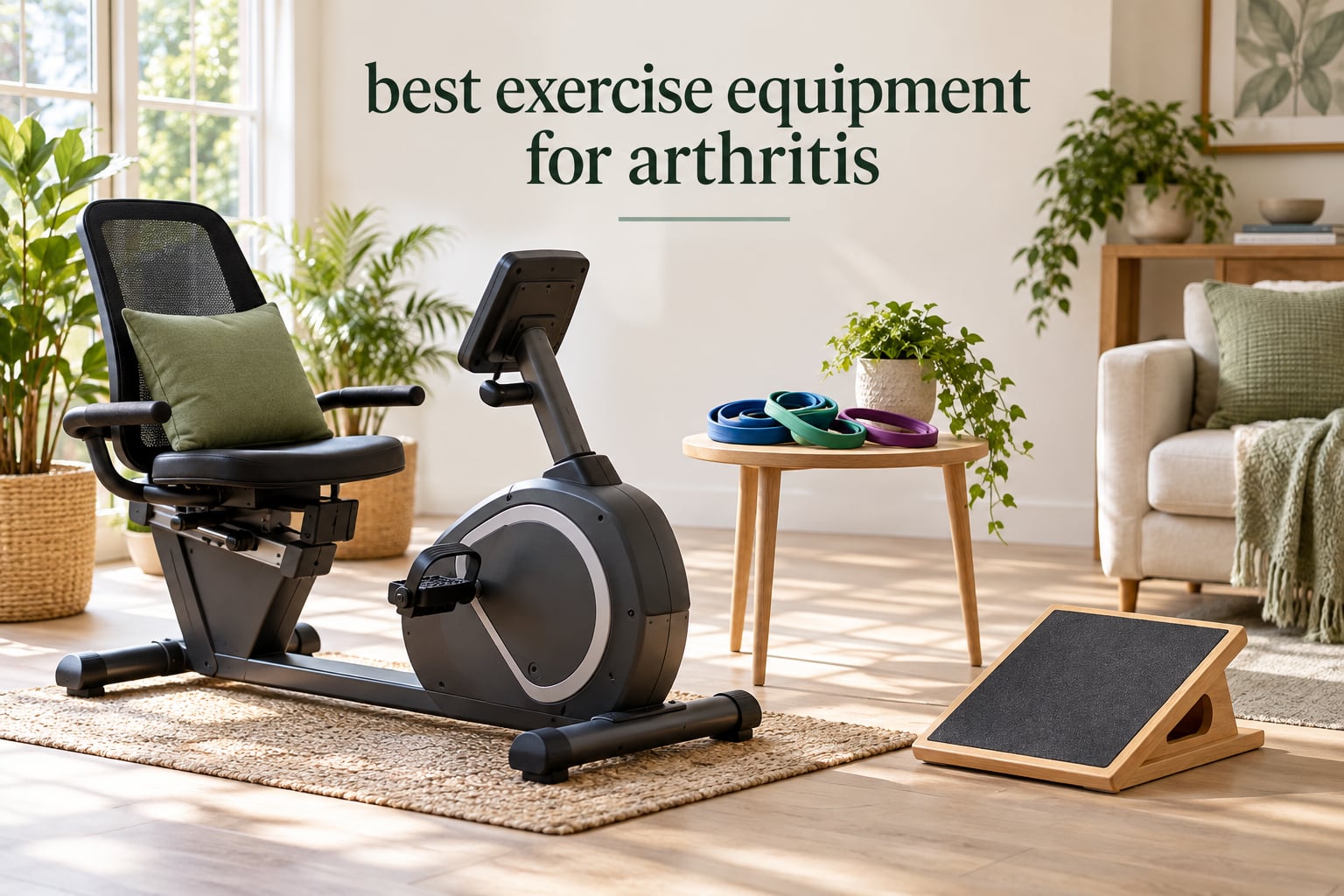
If your knees, hips, hands or lower back ache every morning, the gym is the last place you want to be. Yet the equipment you choose can be the difference between a morning that gets worse and a morning that gets better. Low-impact machines, seated pedalers and gentle resistance tools let you build strength and cardio without loading an inflamed joint.
That is the whole premise behind our list of the best exercise equipment for arthritis in 2026. We spent weeks putting these twelve tools through their paces, focusing on the three things that actually decide whether a machine works for arthritic joints: how low the step-on height is, how much of the movement is weight-bearing, and whether you can stay in a supported or seated position. We also read the review threads closely, because buyers with diagnosed osteoarthritis or rheumatoid arthritis tend to describe problems no spec sheet catches.
One caveat before we start, and it matters. Osteoarthritis and rheumatoid arthritis are not the same condition. Osteoarthritis is wear-and-tear cartilage loss, while rheumatoid arthritis is an autoimmune inflammatory disease with flare-up cycles. Equipment that suits a worn knee joint on a good day can be entirely wrong during an RA flare. Talk to your doctor or physical therapist before you buy anything, especially if you are recovering from joint replacement surgery or have uncontrolled blood pressure, heart failure or a breathing disorder.
Table of Contents
What gym equipment is best for people with arthritis?
The best gym equipment for people with arthritis is seated or low-step equipment that keeps your body weight off the joint while you move: a recumbent bike, an under-desk elliptical, a chair pedal exerciser, resistance bands and hand tools. Add a thick mat, a stretching strap and a balance pad, and you have a complete joint-friendly setup that fits in a small apartment. Avoid anything that makes you jump, lunge, or step up onto a high deck.
That is the short answer. The long answer, which takes in why these specific categories, sits in the buying guide further down.
Top 3 Picks for Arthritis-Friendly Exercise in 2026

Fit Simplify Resistance Loop Band Set
- Five color-coded resistance levels
- 12 inch by 3 inch latex loops
- Carries a bag and illustrated guide

XVGVSV Recumbent Exercise Bike
- 400 lb steel frame
- 16 magnetic resistance levels
- 85 percent pre-assembled

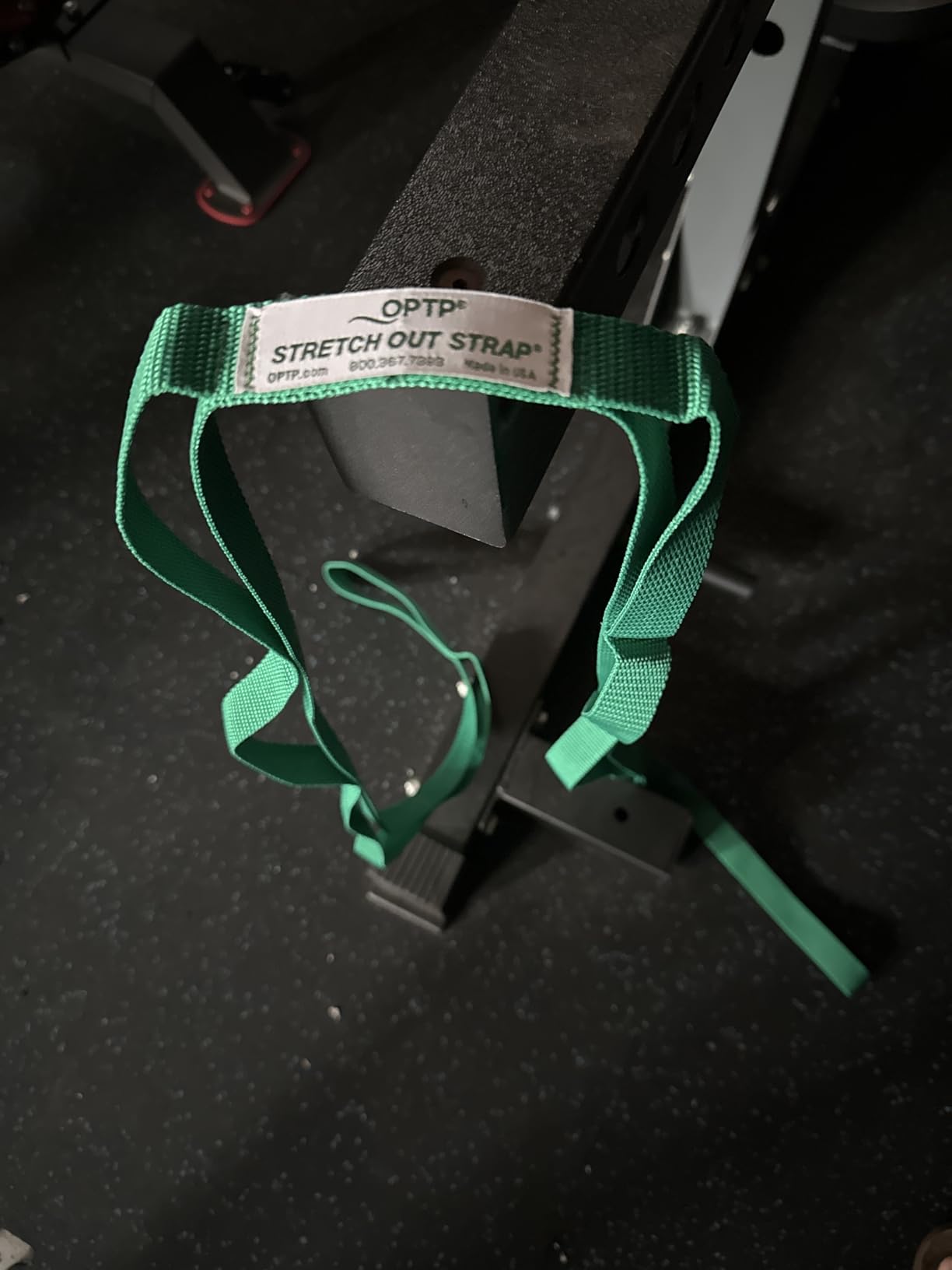
OPTP Stretch Out Strap
- 6 foot non-elastic woven strap
- Ten sewn grip loops
- 40-page exercise book
Best Exercise Equipment for Arthritis at a Glance
| Product | Specifications | Action |
|---|---|---|
| Fit Simplify Resistance Loop Band Set |
|
Check Latest Price |
| OPTP Stretch Out Strap |
|
Check Latest Price |
 Vive Shoulder Pulley Vive Shoulder Pulley |
|
Check Latest Price |
 ProsourceFit Balance Pad ProsourceFit Balance Pad |
|
Check Latest Price |
 Vaunn Foldable Pedal Exerciser Vaunn Foldable Pedal Exerciser |
|
Check Latest Price |
 THERABAND Resistance Band Set THERABAND Resistance Band Set |
|
Check Latest Price |
 THERABAND FlexBar THERABAND FlexBar |
|
Check Latest Price |
 Sunny Health Smart Recumbent Bike Sunny Health Smart Recumbent Bike |
|
Check Latest Price |
 Vive Stress Balls for Hand Therapy Vive Stress Balls for Hand Therapy |
|
Check Latest Price |
 NORBASE Wooden Slant Board NORBASE Wooden Slant Board |
|
Check Latest Price |
 MERACH Under Desk Elliptical MERACH Under Desk Elliptical |
|
Check Latest Price |
| XVGVSV Recumbent Exercise Bike |
|
Check Latest Price |
1. Fit Simplify Resistance Loop Band Set – The Editor’s Choice for Joint-Friendly Strength
Fit Simplify Resistance Loop Exercise Bands with Instruction Guide and Carry Bag, Set of 5
- Five color-coded resistance levels for gradual progression
- Durable latex that does not roll up mid-set
- Booklet shows illustrated knee
- hip and ankle exercises
- Weighs 3.5 ounces and packs into a carry bag
- Loops run narrow and feel small in wider hands
- Color coding does not always run light to heavy
- Bundled carry bag is a snug fit
Bands are the first thing I hand anyone who asks me where to start, and this is the set I keep reaching for. Loop bands load the muscle rather than the joint, which is exactly the model most physical therapists describe when they talk to newly diagnosed patients. The fifth band adds real tension for strengthening work once range of motion feels comfortable.
Each loop measures 12 inches by 3 inches and the whole set weighs 3.5 ounces, so it lives in a drawer and travels in a carry bag. We used them for side-lying hip abduction, seated knee extension and ankle eversion, all of which loaded the arthritic joint gently enough to avoid a next-day flare.
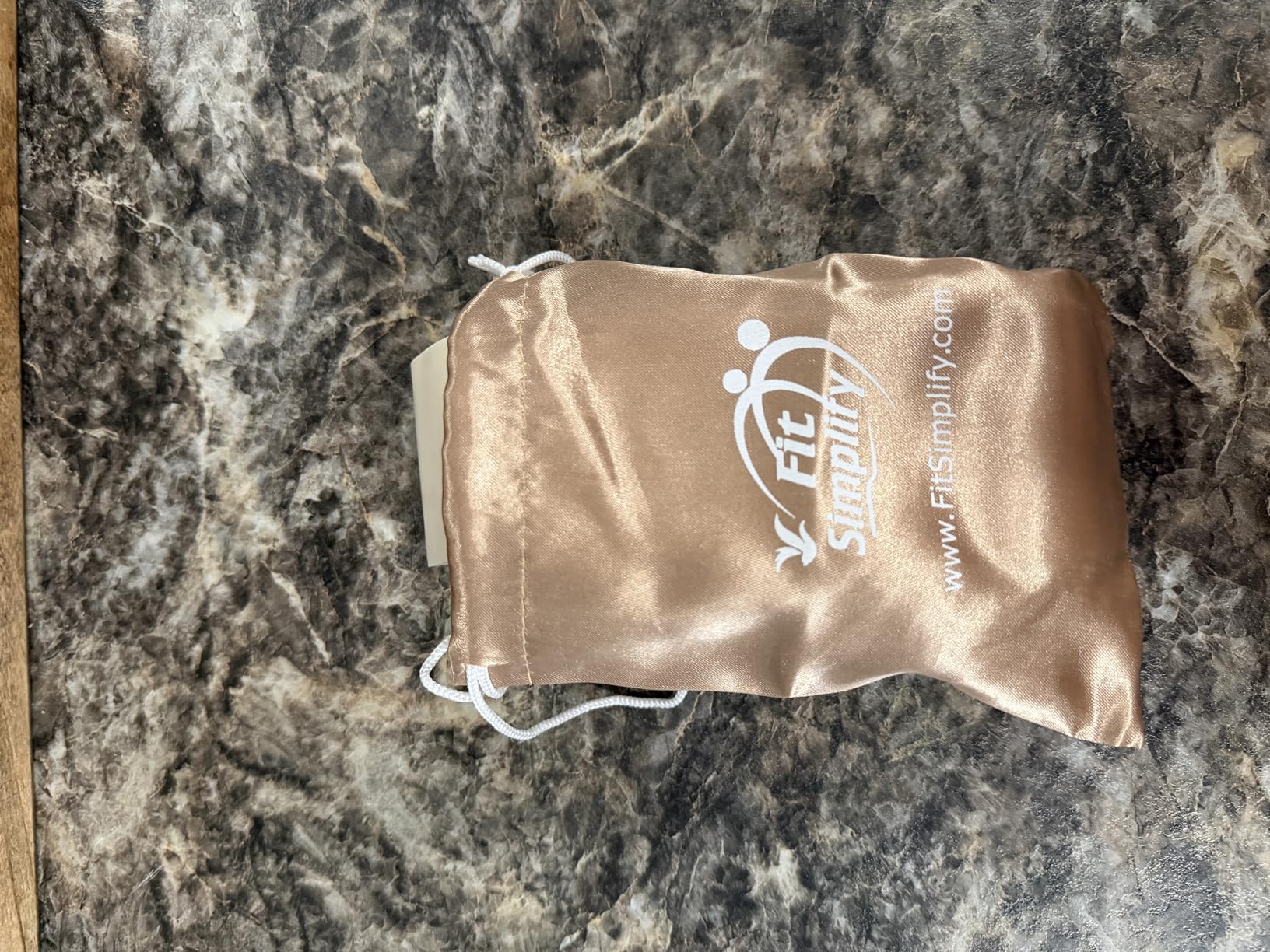
The latex is thick enough that it does not roll or twist when you band your leg, which is the failure mode with cheaper fabric loops. The included booklet runs through illustrated exercises for legs, arms, back, shoulders, ankles and hips, so you are not guessing at setup.
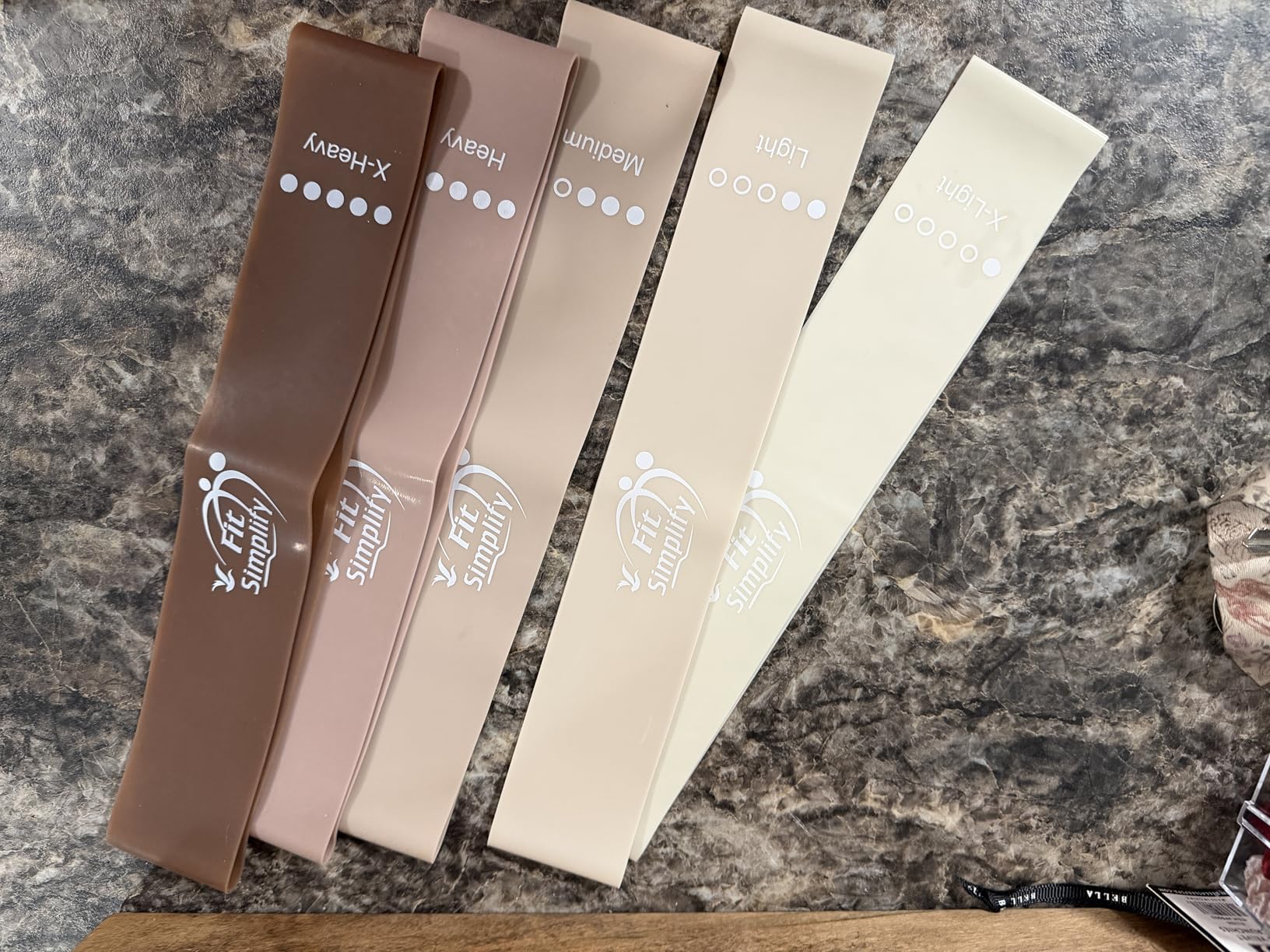
For strength progression, the color coding matters. The five loops run from very light to heavy, and users report being able to move up a level roughly every two weeks without joint soreness. If your flare-ups cluster around heavier resistance, stay on the lighter end and add reps instead of tension.
Who this suits
This is the pick for someone who cannot comfortably stand or step onto a machine deck. Seated band work for the upper body, band-assisted knee extension from a chair and gentle hip abduction all work with a body supported by the seat. If you travel often or split time between a gym and home, the whole kit fits in a bag.
It also works well as a companion to a bigger machine. Riders on a recumbent bike often use these bands for upper-body work, since cycling alone leaves the arms and shoulders untouched.
Where it falls short
The loops measure 3 inches wide, and buyers with larger hands or feet report pinching, especially on the heaviest band. The color-to-resistance mapping is not perfectly consistent across the set, so test each loop before assuming the heaviest-looking one is the hardest.
And the carry bag is a snug fit. Bands will fit, but only just, so plan to fold them instead of stuffing them in.
2. OPTP Stretch Out Strap – Best Value for Range of Motion
OPTP The Original Stretch Out Strap with Exercise Book, USA-Made Yoga Strap
- Non-elastic woven construction that holds its tension
- Ten sewn loops give varied grip positions
- Often recommended by physical therapists for knee and back work
- Only 4 ounces and rolls down to nothing
- Narrower and stiffer than a fabric yoga belt
- Sewn-in label can pull unevenly in foot loops
Range of motion is the single most useful thing you can maintain with arthritis, and a stretching strap is the cheapest way to work on it. This strap has been in production since 1993 and remains the version many physical therapists hand out, which tells you something about how it wears.
The six-foot length works for nearly every body. You loop it around the foot for a hamstring or calf stretch, around the back for shoulder flexion work, and around the thigh for a supported hip rotation. At 4 ounces, it lives in a bedside drawer and comes out on flare-up days when nothing else feels possible.
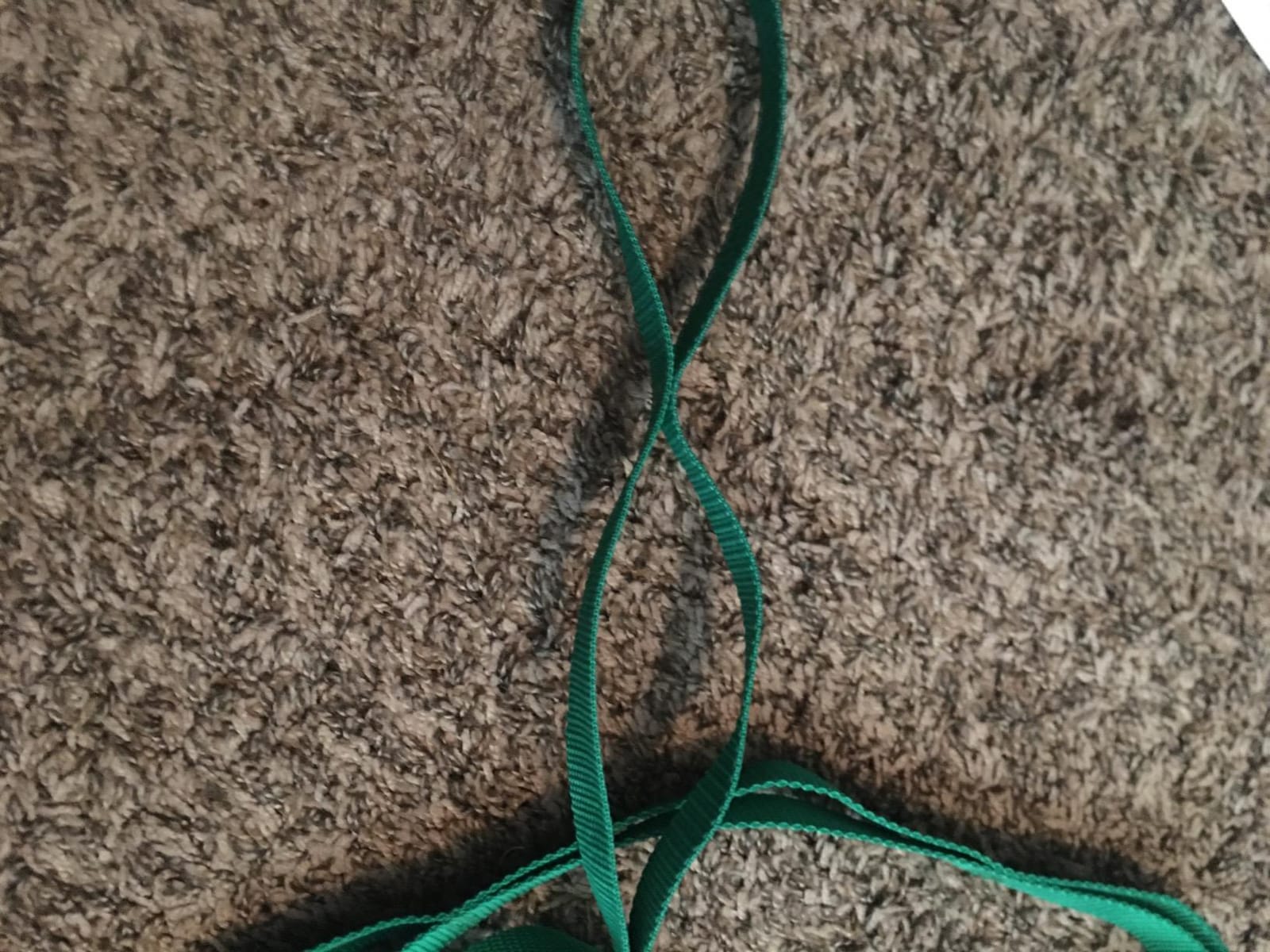
Because the strap is woven rather than elastic, it gives you a firm, predictable end point instead of the bouncing feedback of a bungee cord. That control is what makes it usable on an arthritic joint, where overstretching is the real risk.
The ten sewn loops are spaced along the strap so you can change your grip position without retying anything. The 40-page book and the video guide cover the standard flexibility and mobility sequence, and the strap also doubles for myofascial release work and posture drills.
Who this suits
Anyone with knee, hip or lower back arthritis who needs to reach further without loading the joint. It is especially good for people who cannot get down to the floor, because every exercise here can be done standing at a counter or sitting on the edge of a chair. The one-size length works for a 5-foot-2 person and a 6-foot-2 person equally well.
It is also the tool we recommend for post-surgery range of motion work, where a physical therapist has cleared gentle stretching but you need something to hold the position at home.
Where it falls short
The woven material is narrower and stiffer than a fabric yoga belt, which some users find less comfortable against bare skin during long holds. If you are sensitive to texture, wrap the strap in a thin towel for the first few sessions.
There is also a sewn-in label roughly mid-strap. It sits in the pull line when you put a foot through a loop, and a small number of buyers mention the uneven tension that creates.
3. Vive Shoulder Pulley – Best for Shoulder and Rotator Cuff Mobility
Vive Shoulder Pulley for Physical Therapy – Rotator Cuff Pain Pulley System
- Gentle assisted range of motion for stiff shoulders
- Button stoppers let you cap the arc safely
- No assembly and the foam sleeve protects the door
- Backed by a 60-day guarantee
- Needs a suitable door and clear swing space
- A single pulley with no added attachments
Shoulder arthritis and frozen shoulder punish any movement that pulls the arm overhead against resistance. A pulley reverses the equation: the good arm does the lifting and the stiff arm gets moved through its arc by the rope, so gravity works with you instead of against you.
This is the version we used for a household member recovering from a rotator cuff repair. The rope is marked every 6 inches, which makes it easy to log range of motion week to week and show progress to a physical therapist rather than guessing at it.
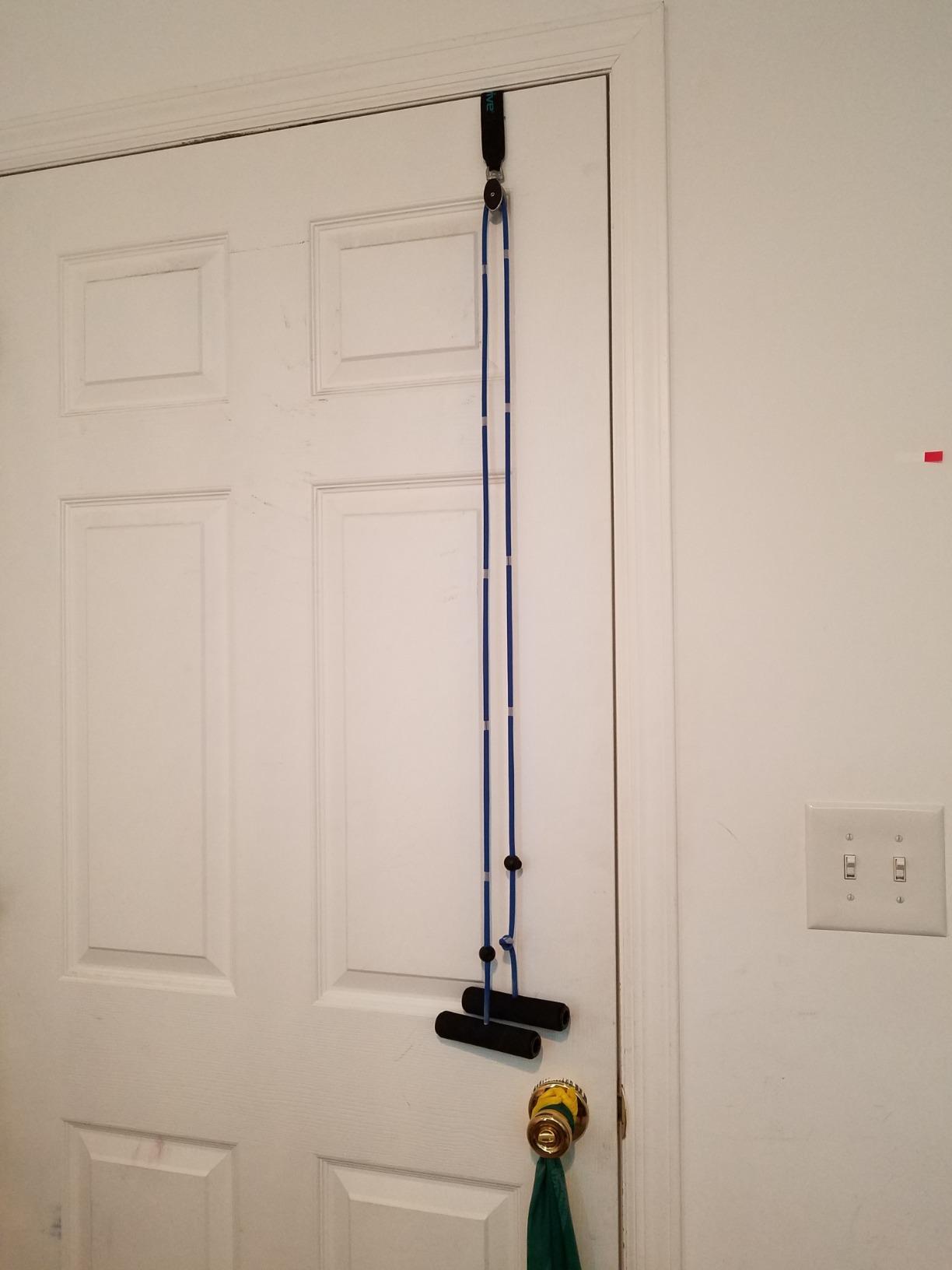
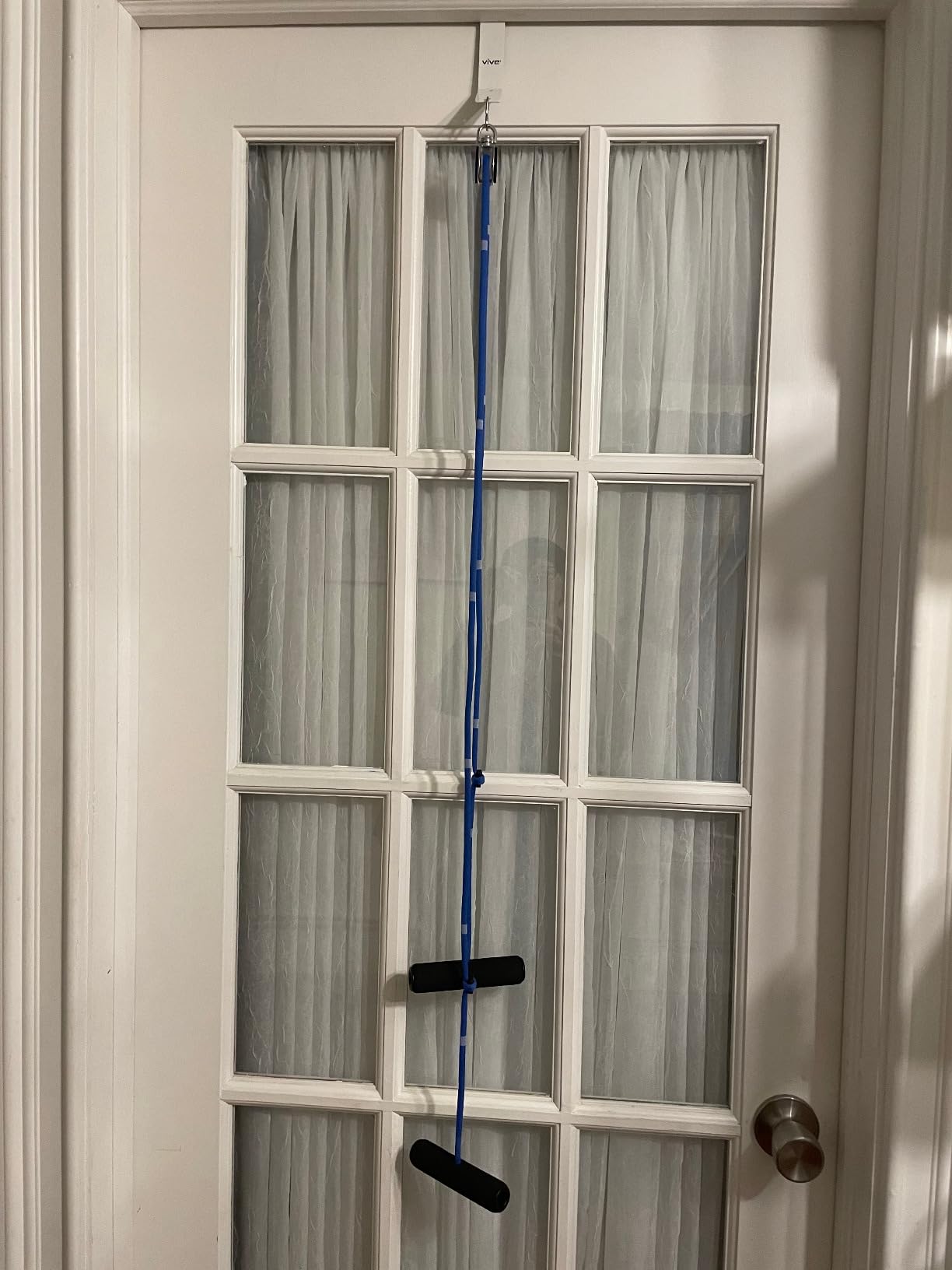
The button stoppers are the feature that matters most for an arthritic shoulder. They cap the arc on the rope so you physically cannot pull past a comfortable point, and you move them outward as the shoulder improves. Without them, most people stretch too far on day one and set the recovery back.
Setup is genuinely zero-installation. The strap goes over the top of a standard door, the foam exterior layer keeps the door surface scratch-free, and the padded handles stay comfortable in the palm. Backing the door is usually enough clearance for a full sweep.
Who this suits
This is the pick for shoulder arthritis, bursitis, frozen shoulder and rotator cuff tendinitis, particularly in the early weeks of a recovery when active-assisted motion is the goal. It costs almost nothing, needs no floor space, and works in a bedroom or hallway.
For rheumatoid arthritis patients with wrist and finger involvement, it avoids putting load through the hands entirely. You hold two handles rather than gripping a dumbbell, and the movement stays in the shoulder plane.
Where it falls short
It needs a door with enough room on one side to swing the arm, and that rules out many tight apartment layouts. It also cannot be used outdoors or while travelling.
Beyond that, it is a single-pulley system with no resistance bands or attachments bolted on. If you want to progress from range of motion to loaded strengthening, you will need a second piece of equipment.
4. ProsourceFit Balance Pad – Best for Balance and Fall Prevention
- Firm dense foam gives a challenging but controllable unstable surface
- Doubles as a seat cushion
- knee pad or foot rest
- Weighs 12 ounces and stows under a chair
- Covered by a limited lifetime warranty
- Surface is smaller than some balance work needs
- Firmness can be too much for very early balance rehab
Arthritis in the feet and ankles changes how you walk, and a changed gait is exactly how people with joint damage end up falling. Retraining balance on an unstable surface is a small, cheap intervention that physical therapists lean on constantly.
At 15.5 inches by 12.75 inches and 2.25 inches tall, this pad is firm enough to feel stable on a bad day and unstable enough to challenge you on a good one. The TPE surface is non-slip and sweat-proof, and it wipes clean after a session.
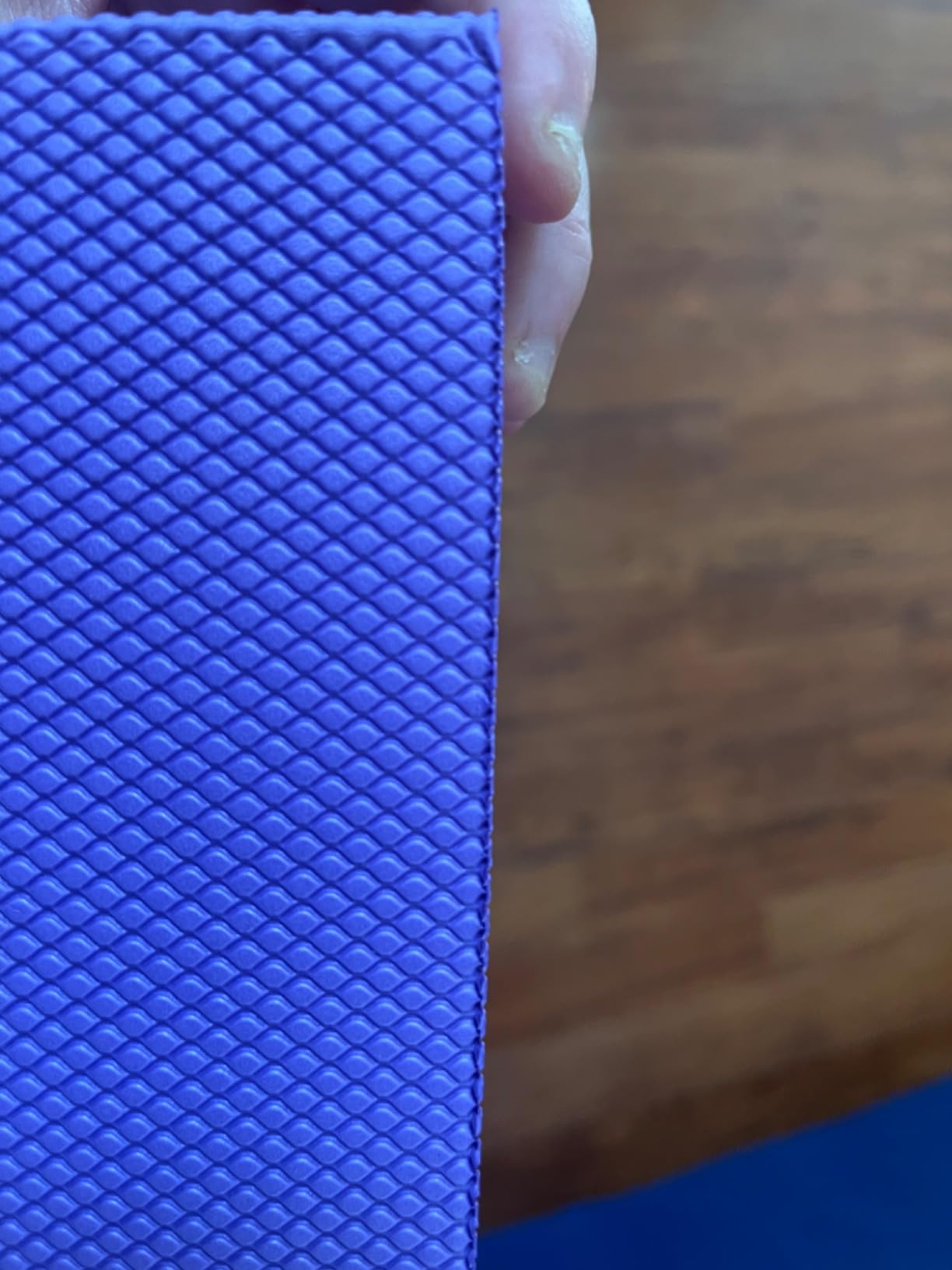
What made this one stand out in testing was how many jobs it does. It works as a standing-desk foot rocker for circulation, a soft riser to get down to the floor with bad knees, a knee pad for kneeling stretches, and even a seat cushion for a hard chair.
Owners also report using it for plantar fasciitis and post-stroke foot rehabilitation. The limited lifetime warranty is a genuine plus for a piece of foam that has to take repeated body weight.

Who this suits
If you have ankle arthritis, a history of falls, or a physical therapist who has talked to you about balance, this is the pick. Because you can stand next to a counter and hold on, the risk of the exercise itself is low even when your balance is poor.
It also suits anyone who cannot get down to and up from the floor easily. A 2.25-inch pad is a meaningful height difference when your knees are the problem, and it doubles as a comfortable seat during floor-based stretching.
Where it falls short
The surface is smaller than a full-length balance trainer, so exercises that need a longer stance will not fit. A handful of buyers also asked for a larger version.
And if you are in the earliest stage of balance rehabilitation with significant ankle instability, the density here may be too much. Start on carpet rather than hardwood, and keep a hand on a wall.
5. Vaunn Foldable Pedal Exerciser – Best for Flare-Up Days
- Works for feet and hands in one compact frame
- Folds flat and slides under a desk
- Quiet magnetic flywheel suits apartments
- One knob controls 16 resistance levels
- Recommended for riders up to 250 lb
- Square-edged pedals can chafe bare hands
- Strap hardware and console mount can rattle
- Some units report a squeaking crank
A flare-up day is when most home exercise plans fail, because the plan assumed a good day. This pedal exerciser is the tool we keep for exactly those days: you sit, you close the door, and you move blood through the legs without standing, stepping or jumping.
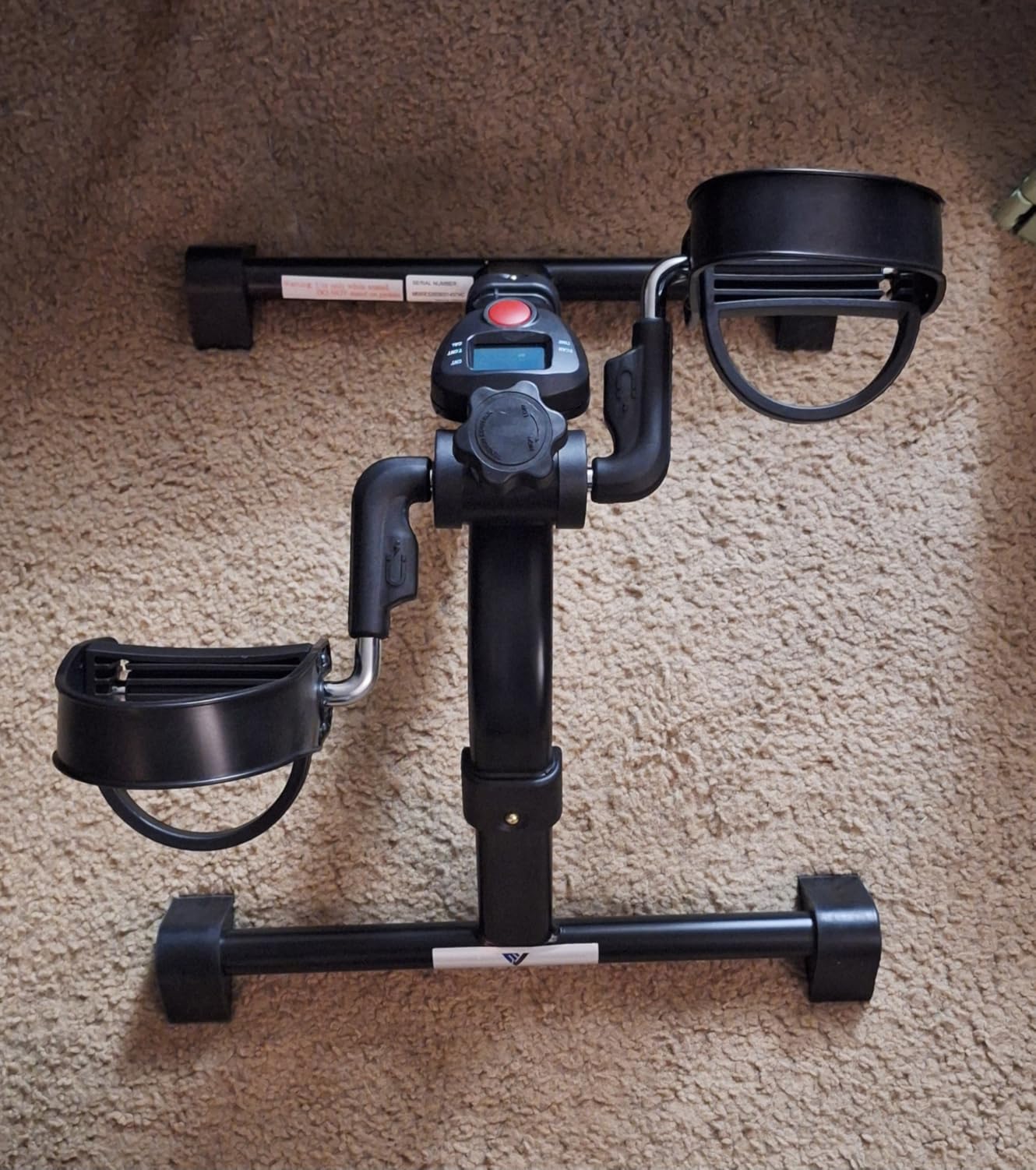
At 12.5 inches tall it fits under a standard desk, and the low-mounted flywheel keeps the pedals stable rather than bouncing. Users with foot arthritis report being able to get a session done without any weight-bearing impact at all.
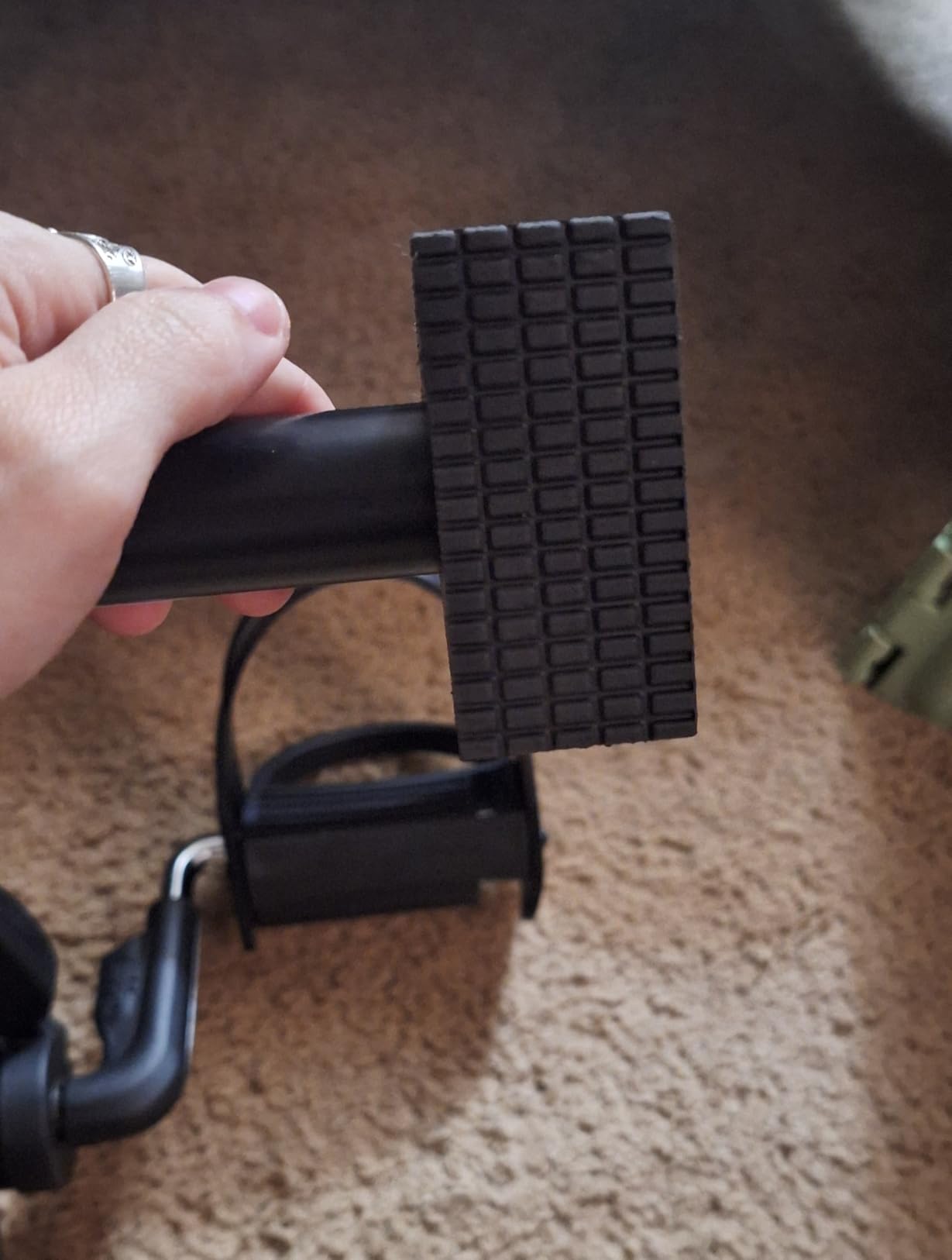
Two details stood out. The magnetic resistance changes in small increments across 16 levels, so you can warm up at near-zero tension and add resistance gradually. And the interchangeable pedal set includes rough and smooth grips, with the smooth pair intended for hand pedaling.
The LCD display tracks time, speed, distance, revolutions and calories, and the unit is battery powered, so it works in a room without a nearby outlet. The frame is alloy steel and folds flat, which means it moves between the bedroom, the living room and the desk without any fuss.
Who this suits
This is the flare-up-day pick for anyone with knee, hip or ankle arthritis who still wants movement without loading a joint. It is also popular with people recovering from foot or ankle surgery, since you can start range of motion work with almost no resistance.
For rheumatoid arthritis patients, the hand-pedaling mode matters. Working the arms and shoulders with the feet planted keeps upper-body range of motion going during a period when standing is not an option.
Where it falls short
The pedals are squarish, and hand pedaling without gloves becomes uncomfortable after a few minutes. Some buyers also report knees striking the underside of a standard-height desk while pedaling underneath it, so measure your clearance first.
Durability details are worth flagging. Reviewers mention tight pedal straps, strap hardware that can snap, and a console mount that rattles, plus an occasional squeaking crank after several sessions. Treat it as a rehab tool rather than a machine you hammer.
6. THERABAND Resistance Band Set – Best for Gentle Whole-Body Strengthening
THERABAND Resistance Bands Set, Beginner Kit, Yellow, Red, Green, Non-Latex
- Non-latex material suits sensitive skin
- Clear color-coded progression from light to firm
- Flat bands pack into a bag or desk drawer
- Supports posture work and range of motion
- Lightest tensions may be too easy for stronger rehab
- Only three bands in the set
Flat bands do something loop bands cannot: they convert a joint-friendly movement into a resisted one, so you can strengthen the muscles around an arthritic joint without loading the joint surface itself. This is the classic physical therapy setup for rotator cuff and knee rehabilitation.
At 5 feet by 4 inches, each band is long enough for a seated row, a standing arm raise or a supine leg press. We used the red band for side-lying hip abduction work on a sore hip, which is a much smaller range of motion than a gym machine would allow.
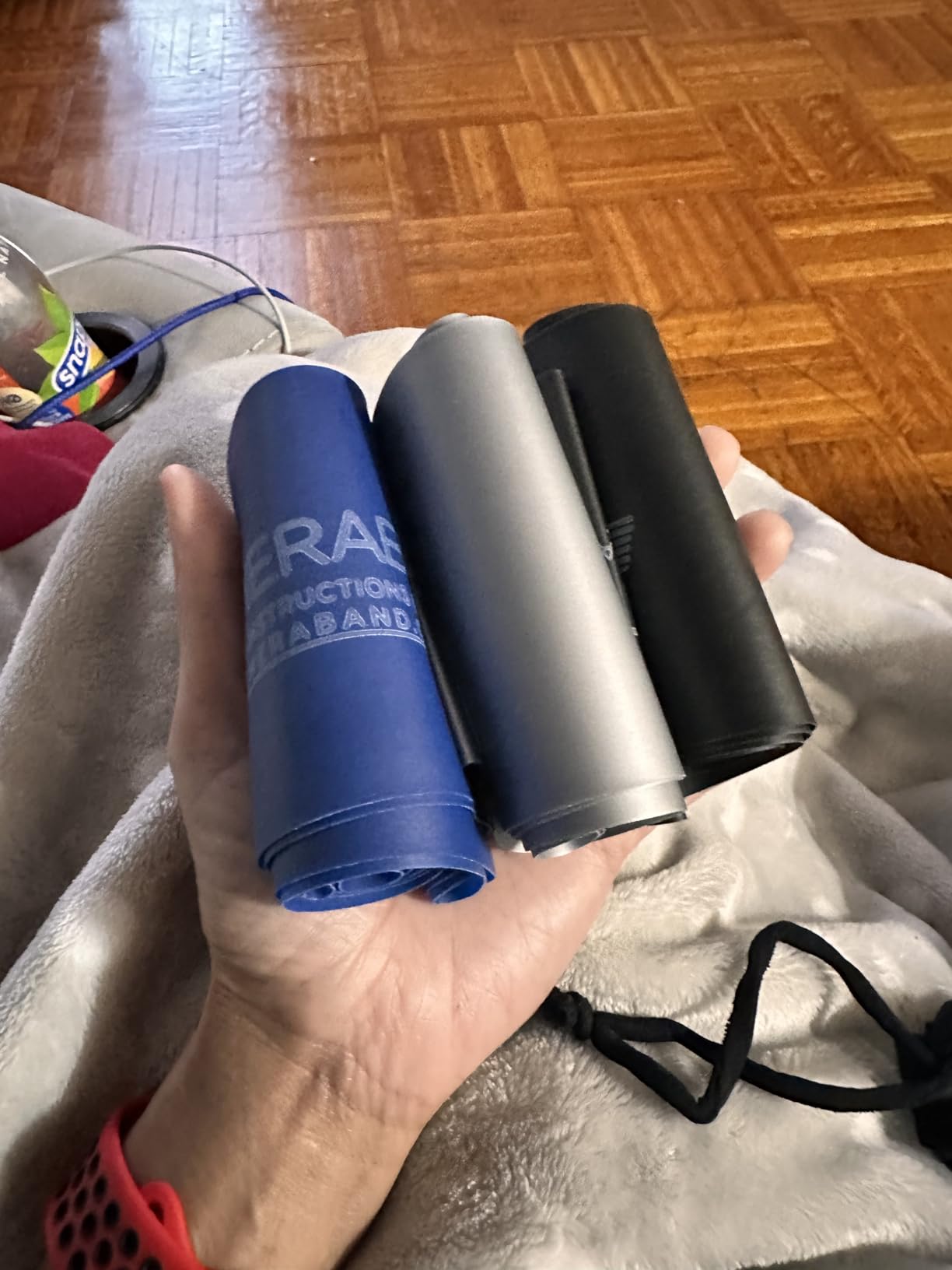
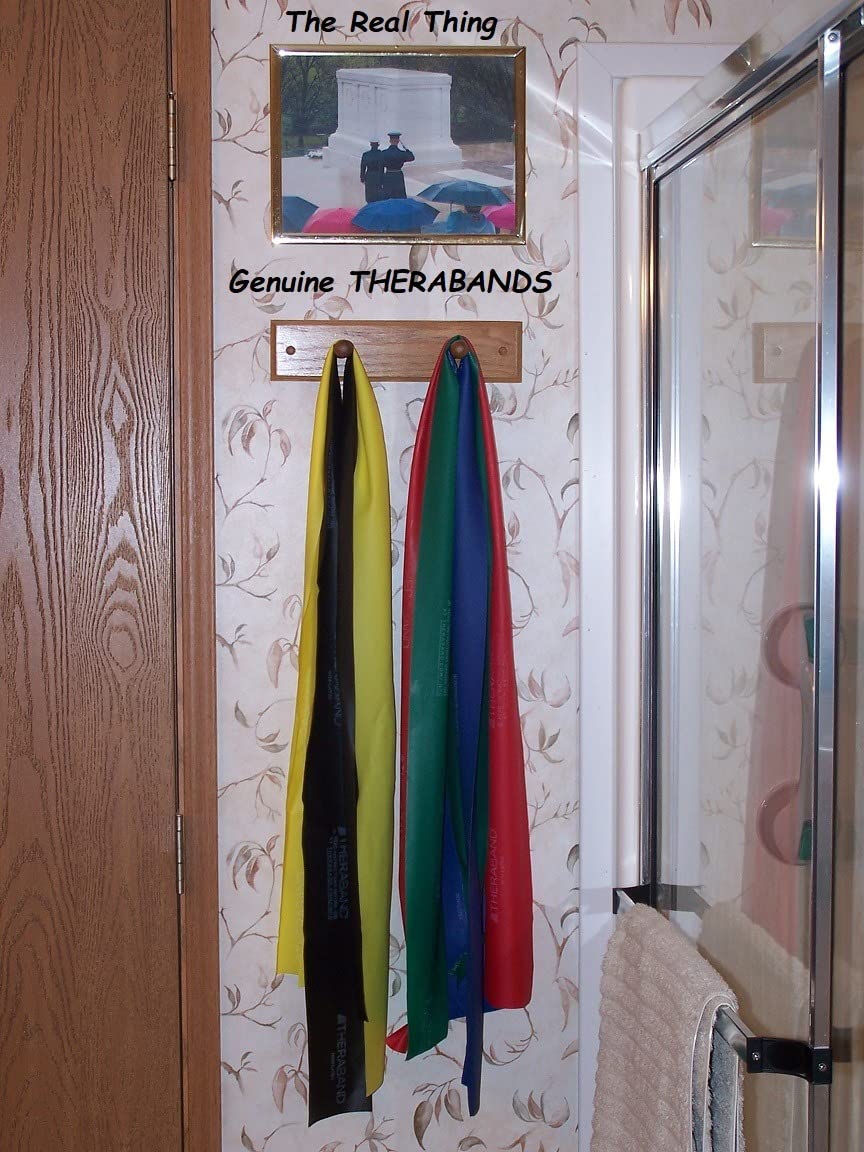
The color coding is explicit about tension: yellow runs 3 to 4.3 pounds, red 3.7 to 5.5 pounds, and green 4.6 to 6.7 pounds. Knowing the actual number before you start is useful when a physical therapist has given you a target resistance.
The non-latex construction matters more than people expect. Synthetic rubber and thermoplastic elastomer suits people with a latex sensitivity, wipes clean after a sweaty session and will not pick up the powdery residue some latex bands leave behind.
Who this suits
This is the pick for anyone who needs strengthening work around an arthritic joint but cannot tolerate a machine with a high step-on deck. Seated and supine positions mean you can keep the body supported while the band does the loading.
It is also the most travel-friendly option here. At 1.6 ounces for all three bands, you can take a full strength session on a hotel trip or a long car journey, which matters if getting to a gym is the part that stops you exercising.
Where it falls short
This is a beginner set. The heaviest band tops out at 6.7 pounds, so anyone who has progressed past that will need a firmer band or a second set. Only three bands are included, which is fewer than a typical progression set.
Flat bands also need an anchor point, and a solid door frame or fixed handle can be hard to find in a rental. Test the anchor before you start pulling hard on it.
7. THERABAND FlexBar – Best for Wrists and Forearms
THERABAND FlexBar Resistance Bar, Physical Therapy, Flex, Elbow, Wrist, Red
- Direct grip
- wrist and forearm strengthening
- No batteries or setup needed
- Levels from 6 lb to 25 lb let you progress
- Easy to clean and carry
- Red level is light for advanced forearm work
- Not built for large muscle groups
Hand and wrist arthritis is the most under-discussed form, and it is the one most often ignored in roundups that assume everyone means their knees. The FlexBar is the simplest tool we found for it: a solid bar you squeeze, twist and hold, with no moving parts and no setup.
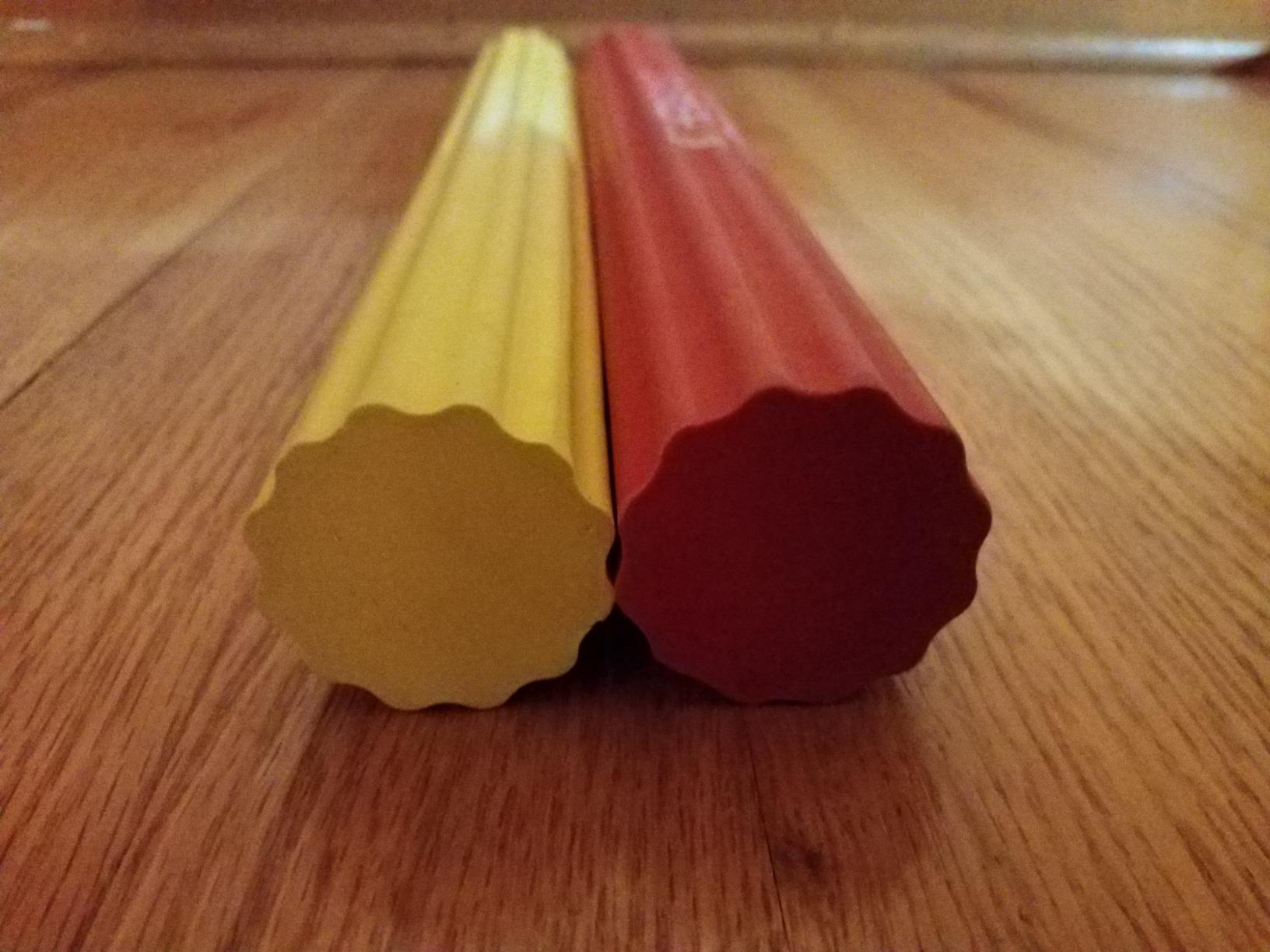
At 12 inches long with a 1.25-inch diameter, the grip is sized for an average hand and stays comfortable through a long set. The red level gives 10 pounds of resistance in a U-bend, which is deliberately light enough for rebuilding strength after a flare.
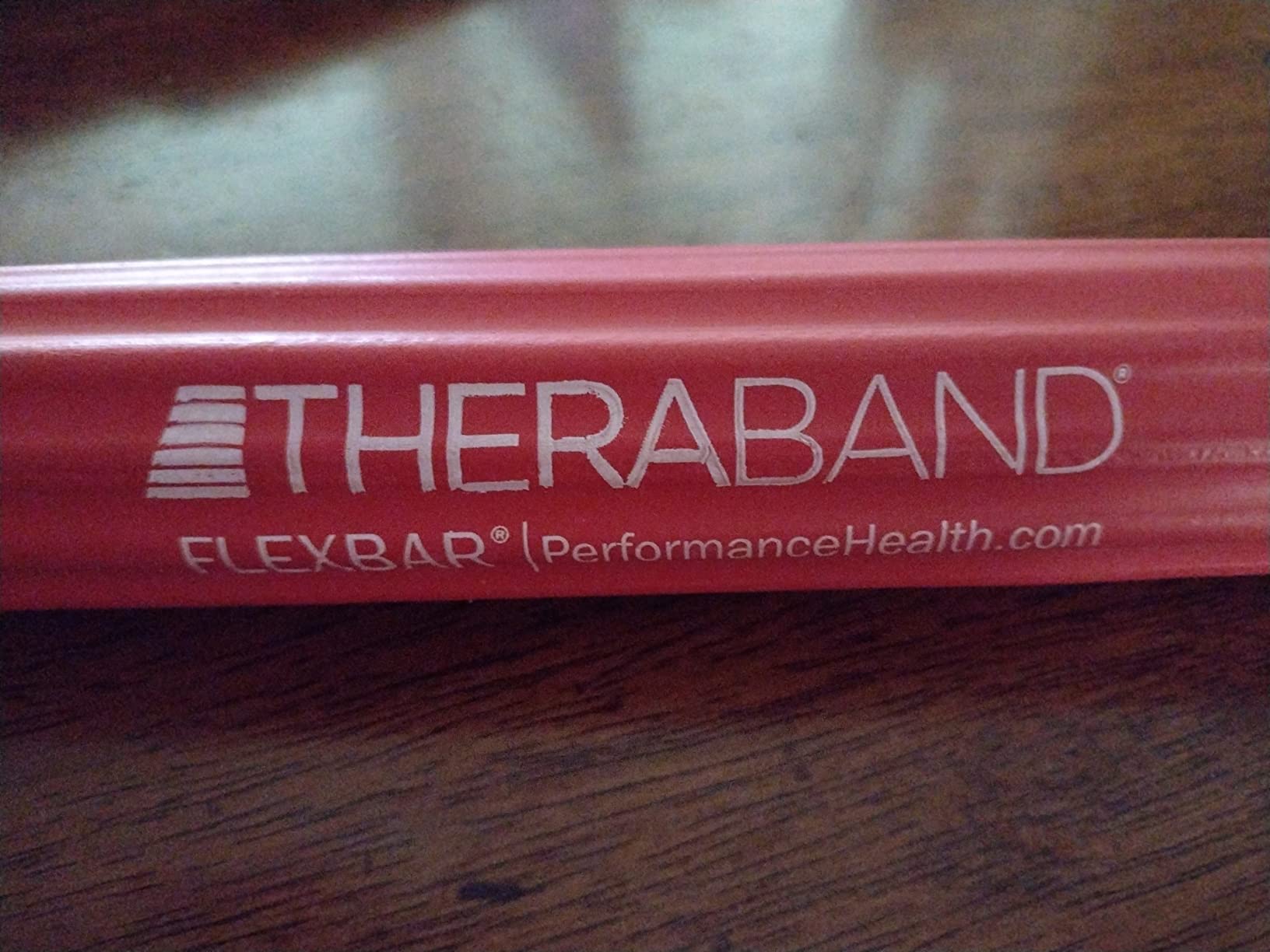
Therapists use this bar for grip strength, wrist extension and forearm rotation work, and buyers report the same results for tennis elbow, golfer’s elbow and tendinitis. Because the resistance is a property of the bar itself rather than elastic, the feedback is immediate and consistent.
It has been around since 2003, and it is offered in four levels: yellow at 6 pounds, red at 10 pounds, green at 15 pounds and blue at 25 pounds. That range is enough to take someone from a very weak grip through to serious forearm conditioning without buying anything else.
Who this suits
This is the pick for anyone with hand, wrist, elbow or forearm arthritis, and for people whose arthritis makes dumbbells and machines unusable. It works standing, sitting or lying down, which makes it realistic on a bad day.
It also suits grip-limited recovery after wrist surgery, and for older adults working against sarcopenia in the hands and forearms. Two minutes a day with this bar is easy to keep up, which matters more than the equipment being sophisticated.
Where it falls short
The red level is genuinely light. If you already have decent forearm strength, the 10-pound version will feel decorative, and you will want the green or blue level instead. There is nothing in the 10-to-15-pound gap that this particular listing covers.
And this is a small-muscle tool. It will not replace a resistance band or a cable machine for leg and back work, so treat it as one piece of a setup rather than a complete program.
8. Sunny Health Smart Recumbent Bike – Best for Knee Replacement Recovery
Sunny Health & Fitness Smart Recumbent Bike with Resistance Bands
- Low step-through frame with flip-up handles for stiff joints
- Padded seat and backrest take pressure off the tailbone
- Quiet magnetic belt drive
- Includes two 20 lb bands for upper-body work
- SunnyFit app included with no membership fee
- Assembly takes about an hour and the instructions are weak
- Display is small with no backlight
- Seat can feel firm and slide under load
- Resistance tops out mild for fitter riders
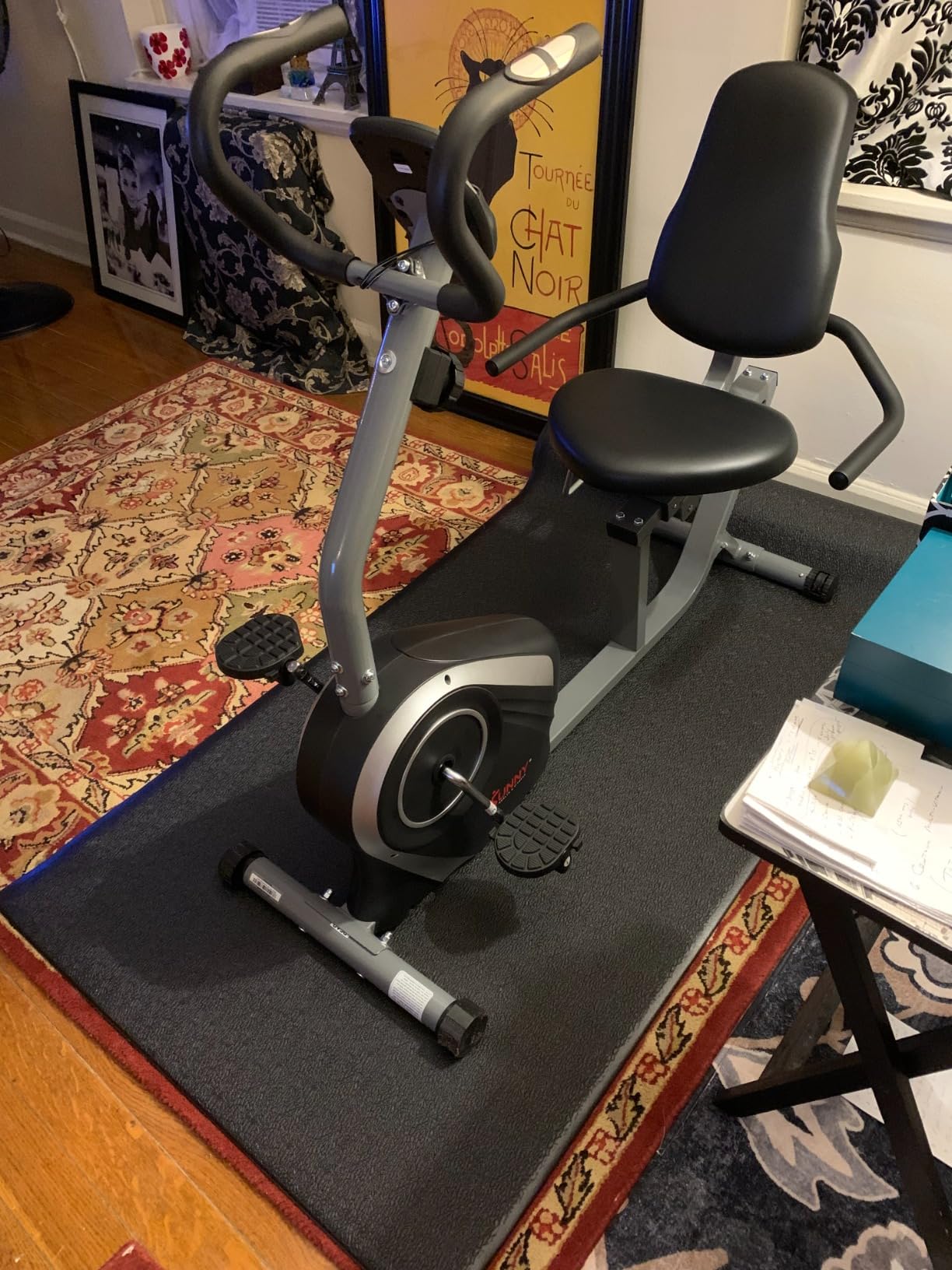
If you have knee osteoarthritis, a recent knee replacement or a back that gives out on an upright bike, the recumbent is the machine to buy. The step-through frame removes the step-over motion at the top of the pedal stroke, which is the exact movement that provokes most arthritic knee pain.
Owners recovering from knee replacement specifically report using this bike to continue physical therapy at home. The seat travel covers an inseam range of 27.2 to 35.8 inches, so the fit works for a wide spread of heights without a tool.
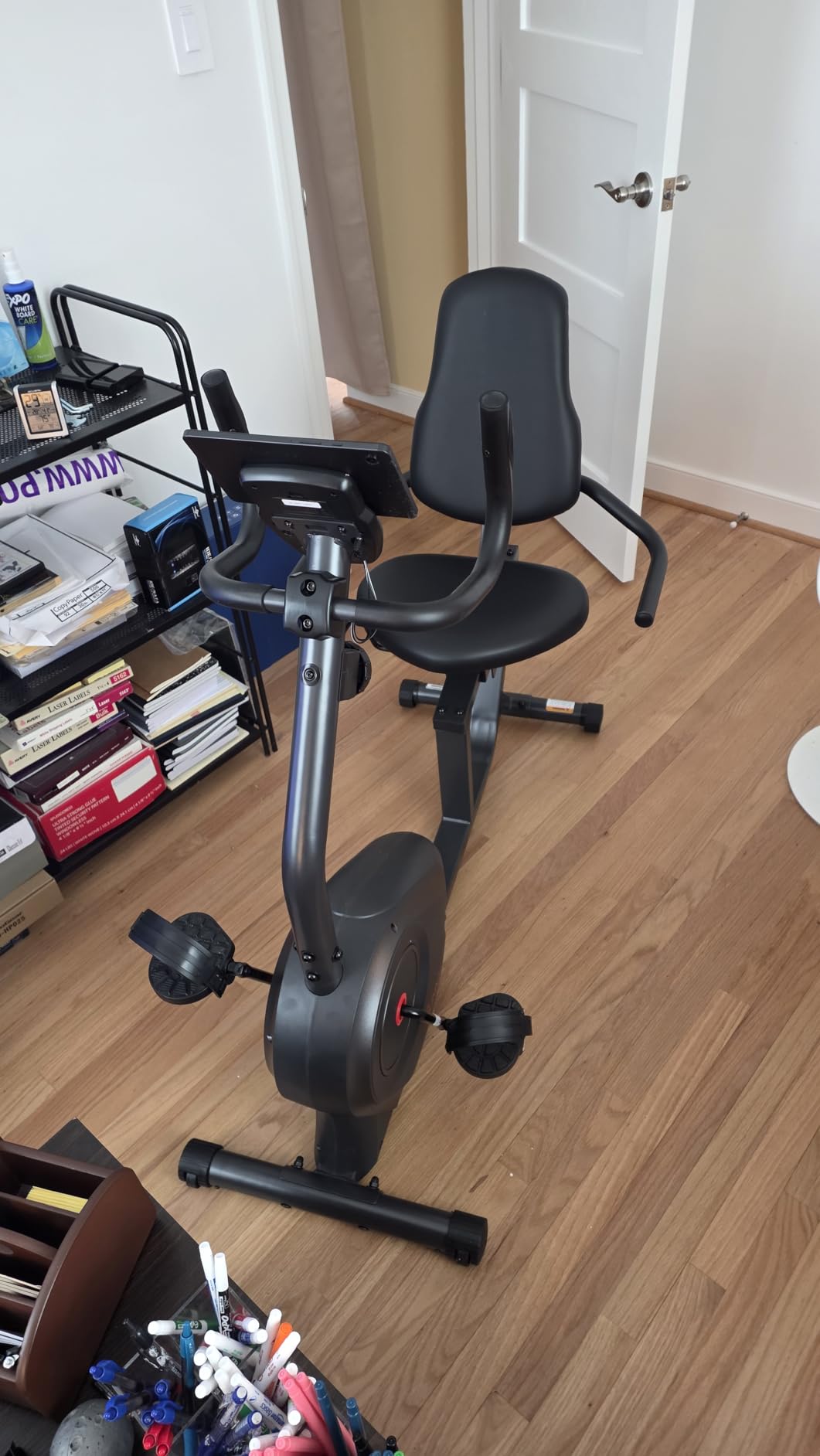
The magnetic belt drive is the quiet part. There is no clanking on direction changes, which matters in an apartment or early in the morning, and 16 levels give a smooth ramp from rehab effort to a proper cardio session. The grip pulse sensor handles heart rate readings if you want to train to a target.
Two 20-pound resistance bands with foam grips are included, mounted on the handles. That turns a cardio-only machine into a combined cardio and strength session, which is closer to what a physical therapist actually asks you to do.
Who this suits
This is the pick for knee osteoarthritis, hip arthritis, lower back pain, and anyone rebuilding after joint replacement surgery. The padded backrest supports the lower back, the wide seat spreads pressure across the sit bones, and the flip-up side handles give you something to push off when getting on and off.
The 300-pound capacity suits a wide range of adults, and the whole bike is light enough to move between rooms in one piece if you need the floor space back. Anyone in a small apartment can treat the footprint of roughly 46 by 26 inches as the space to reserve.
Where it falls short
Assembly is the biggest complaint. It takes about an hour, and buyers repeatedly say the printed instructions are not very helpful, which is a real problem if you have limited hand strength. Budget the time or have someone help.
The display is small and has no backlight, the seat can feel firm and slide backward under heavy load, and the top of the resistance range is mild for a fitter rider. The arm-band pull system also feels flimsy compared with the bike itself.
9. Vive Stress Balls – Best for Hands and Fingers
Vive Stress Balls for Hand Therapy, Exercise, Arthritis (w/Rehab Video)
- Color-coded resistance supports progressive rehab
- Lightly textured surface gives a secure grip
- Improved circulation helps stiff
- achy hands
- Works quietly anywhere and one-handed
- Includes a storage bag and a rehab video
- 5 cm size is hard to grip with very weak hands
- Softest balls give minimal resistance
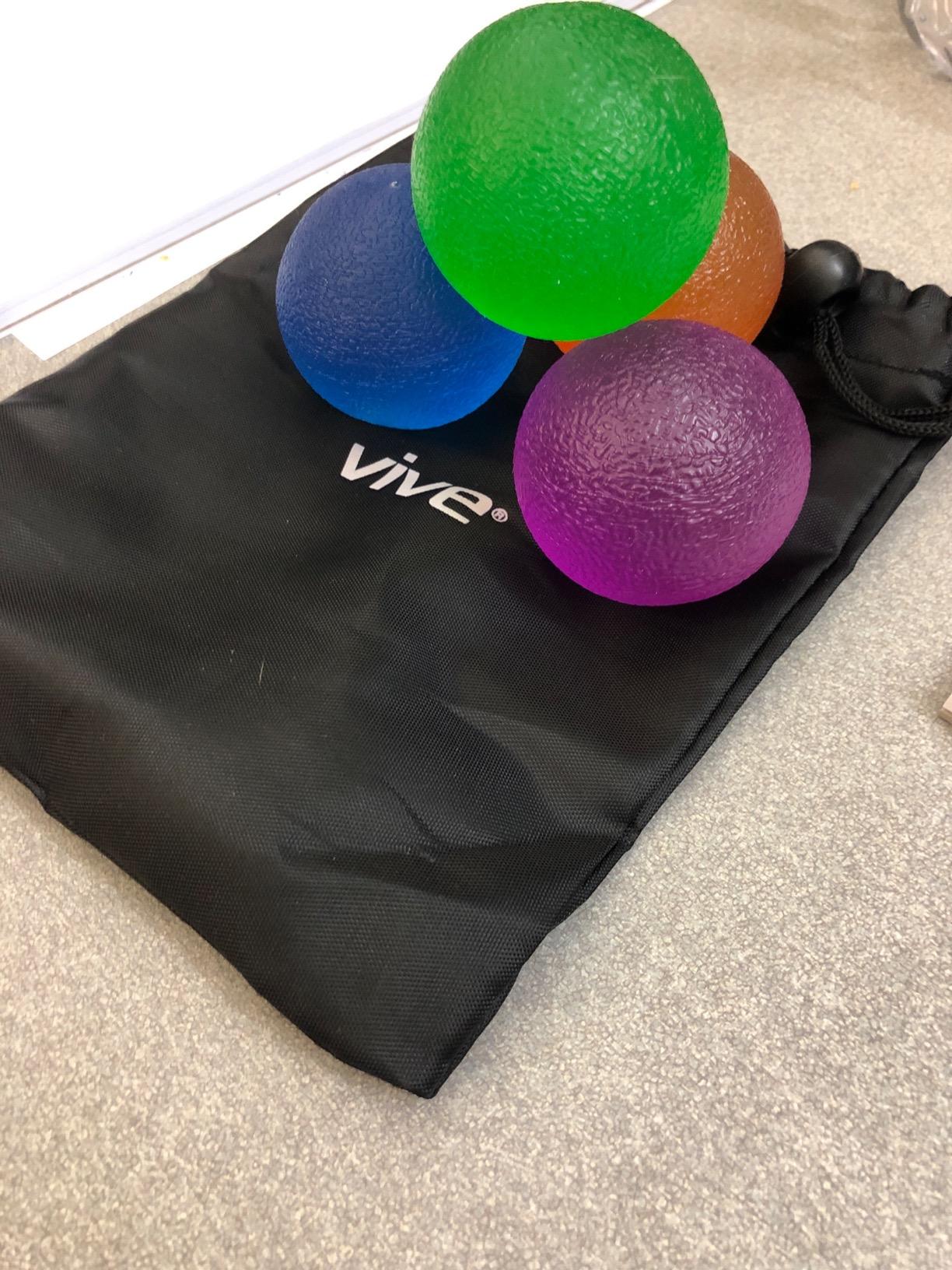
Squeezing a ball is the lowest-stakes exercise in this entire roundup, and for hand arthritis it may be the one you will actually do every day. Each ball measures 5 centimeters across with a lightly textured surface that resists slipping when your grip is weakest.
Therapists use these for hand, finger, wrist and forearm rehabilitation, and buyers report using them for arthritis stiffness and carpal tunnel symptoms. The squeeze itself encourages circulation through the small vessels in the fingers.
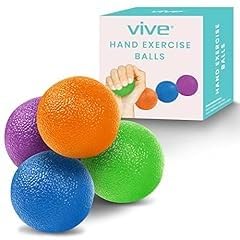
The resistance levels are color coded from extra-soft to firm, which means you can start at the softest end during a flare and progress upward as grip strength returns. That progression structure is what separates a rehab tool from a desk toy.
The composite material is latex free and split resistant, so it will not trigger a sensitivity and should not fail mid-squeeze. Each ball is light, portable and works with two hands, one hand, or between the fingers for individual digit work.
Who this suits
This is the pick for hand and wrist arthritis, carpal tunnel recovery and post-stroke hand rehabilitation, where grip strength has to come back gradually. It also suits anyone whose arthritis makes gripping a dumbbell or a resistance band impossible on a bad day.
Because a single ball weighs almost nothing, it works in a car, at a desk or beside the sofa. For someone whose pain leaves little energy for a workout, that convenience is the difference between consistency and giving up.
Where it falls short
The 5-centimeter diameter is genuinely small. Buyers with very limited hand strength report struggling to hold even the softest ball, and larger-diameter therapy grips may be a better starting point for them.
At the other end, the softest balls provide so little resistance that people with strong hands find them pointless. Buy across the resistance range if you plan to keep using them long term.
10. NORBASE Wooden Slant Board – Best for Calves, Ankles and Achilles
Portable Wooden Slant Board for Calf Stretching Squats Calf Stretcher Pilates Physical Therapy Equipment Adjustable Incline Board for Knees Ankle Heel Feet Leg
- Four incline angles let you progress the stretch gradually
- Solid wood that does not flex under heavier users
- Folds flat for storage under a bed
- Works barefoot
- in socks or in shoes
- Supplied grip tape can peel and slide over time
- A few buyers reported loosening hardware
Ankle and calf mobility is the quiet weak link in most arthritis programs, and it is where knee pain gets worse. A slant board lets you load the calf and Achilles in a controlled, adjustable incline without holding your balance on anything.
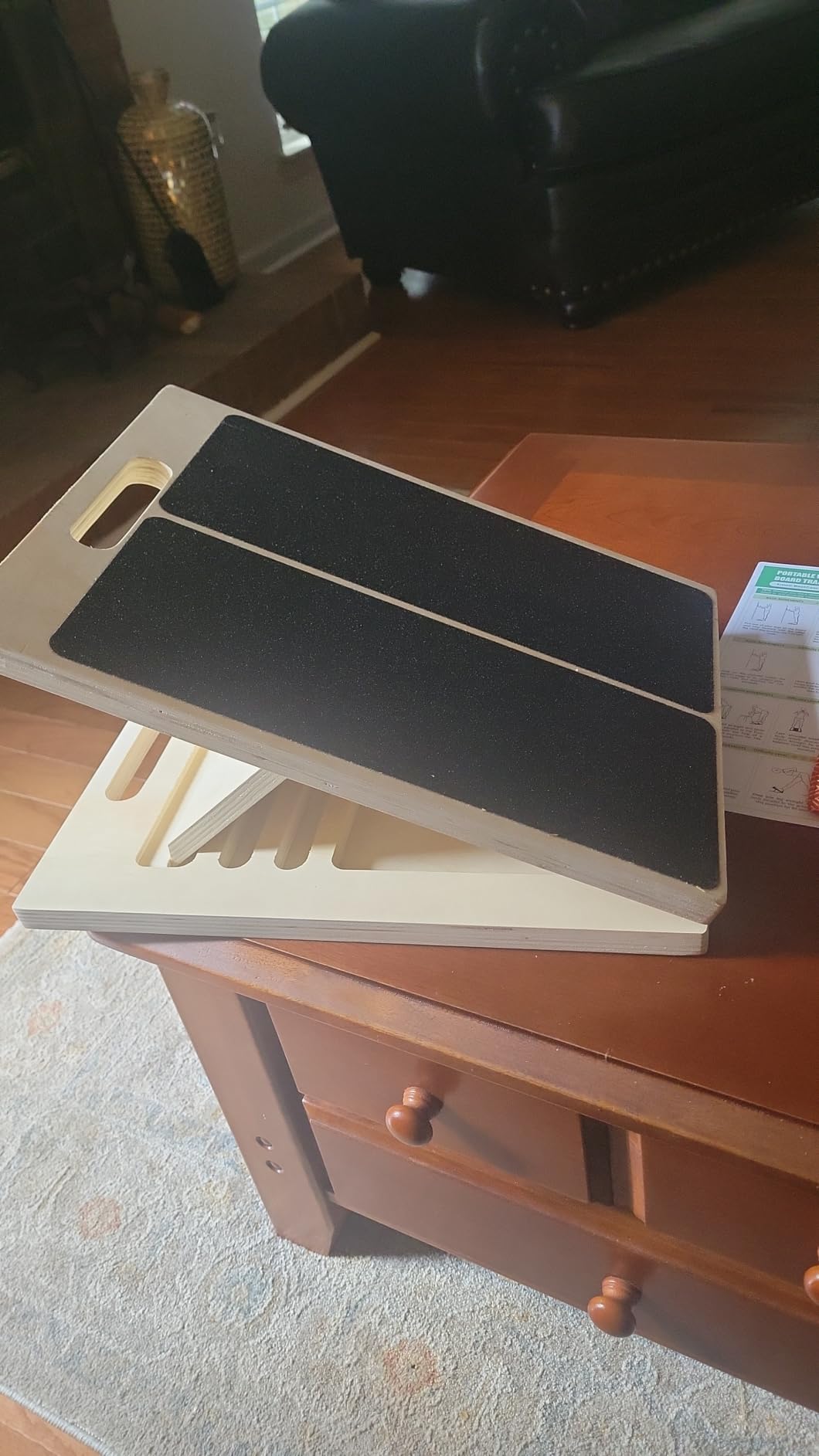
This one is solid wood rather than plastic, and the difference shows immediately under heavier feet. It adjusts to four angles, 30, 35, 40 and 45 degrees, so you can start shallow and add incline as the calf tolerates it.
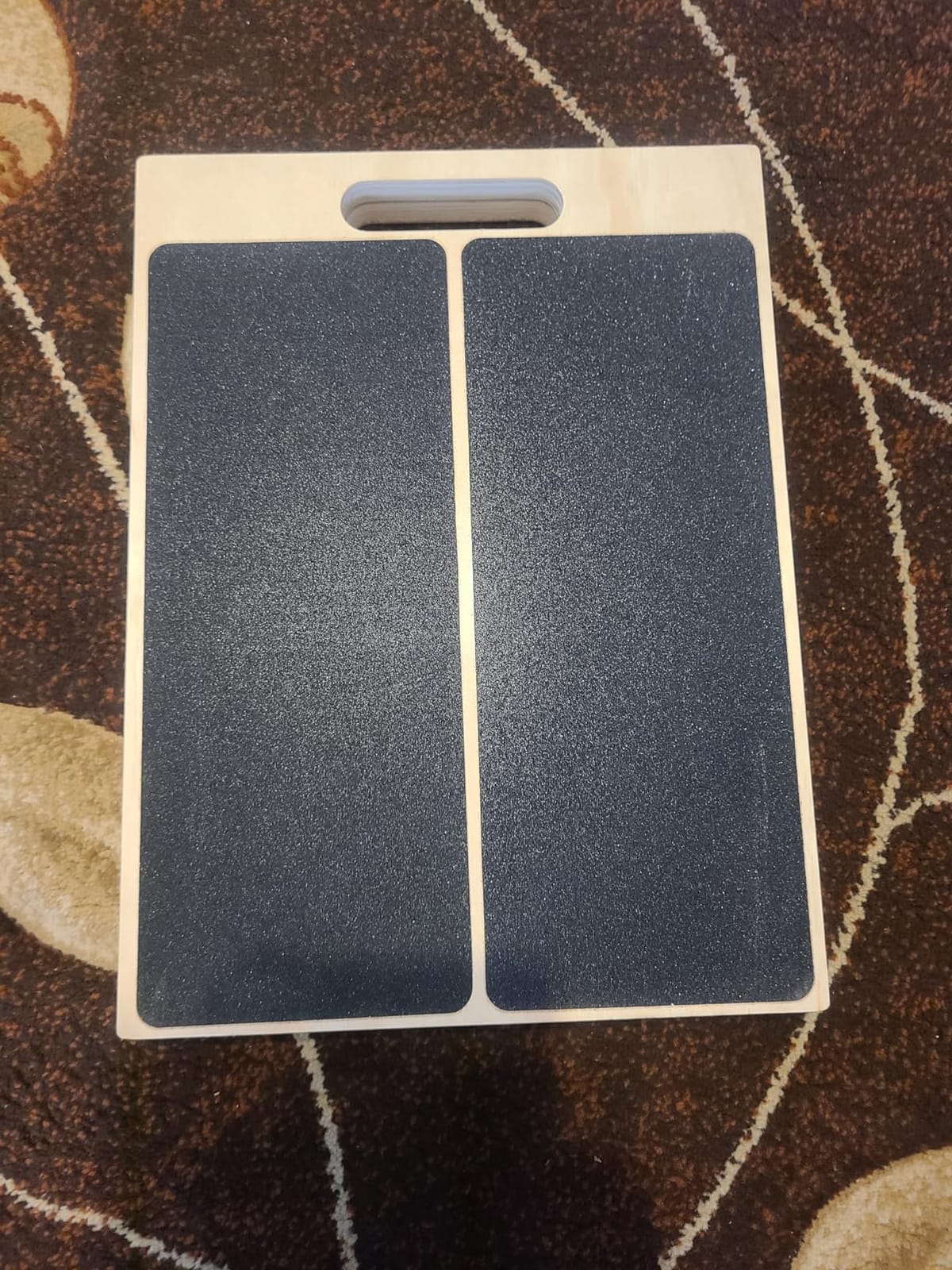
The 15.74 by 11.81 inch deck is wide enough to stand on two feet at a 45-degree angle without the heels sliding off. The grip surface works barefoot, in socks or in shoes, and owners report using it for calf tightness, plantar fasciitis, shin splints and localized arthritis discomfort.
It weighs about 5 pounds and folds flat, so it can go under a bed or in a closet between uses. There is a single included exercise sheet showing the positions, and the setup is otherwise immediate.
Who this suits
This is the pick for ankle arthritis, calf tightness, plantar fasciitis and Achilles or patellar tendinitis, and for anyone whose knees hurt at the bottom of a step because the calf and shin are tight. It is also useful post-surgery when a physical therapist has cleared gentle calf loading.
Anyone in a small apartment will appreciate that it folds flat. It also travels, which makes it a good companion for a long holiday where walking around a park sounds more appealing than a gym session.
Where it falls short
The supplied grip tape is the weak point. Buyers report it peeling and sliding off the surface over time, and once it goes the incline gets slippery, so keep an eye on it and replace it rather than running barefoot on bare wood.
A small number of buyers also reported screws or hardware loosening early on, so check the fittings before the first session and re-check after a few weeks.
11. MERACH Under Desk Elliptical – Best for Small Spaces and Seated Work
MERACH Under Desk Elliptical, Leg Exerciser While Sitting for Seniors
- Assisted pedal mode moves the legs with minimal effort
- Quiet enough for work calls and shared walls
- Forward and reverse pedaling
- Remote control so you never bend down
- Weighs 11.1 lb and moves between rooms
- Console sometimes resets direction on its own
- Resistance can build up without input
- Stride is shorter than a natural walking stride
An under-desk elliptical solves the problem nobody else in this roundup does: how to keep moving during a flare when you will not leave the sofa. The 60-watt motor keeps the pedals turning with almost no input from you, and the whole machine fits under a desk or beside a couch.
At 15.6 by 14.9 by 7.4 inches and 11.1 pounds, it is small enough to move with one hand. Seniors and their families praise the assisted pedal mode most, because it keeps the legs moving on days when standing is simply not on the table.
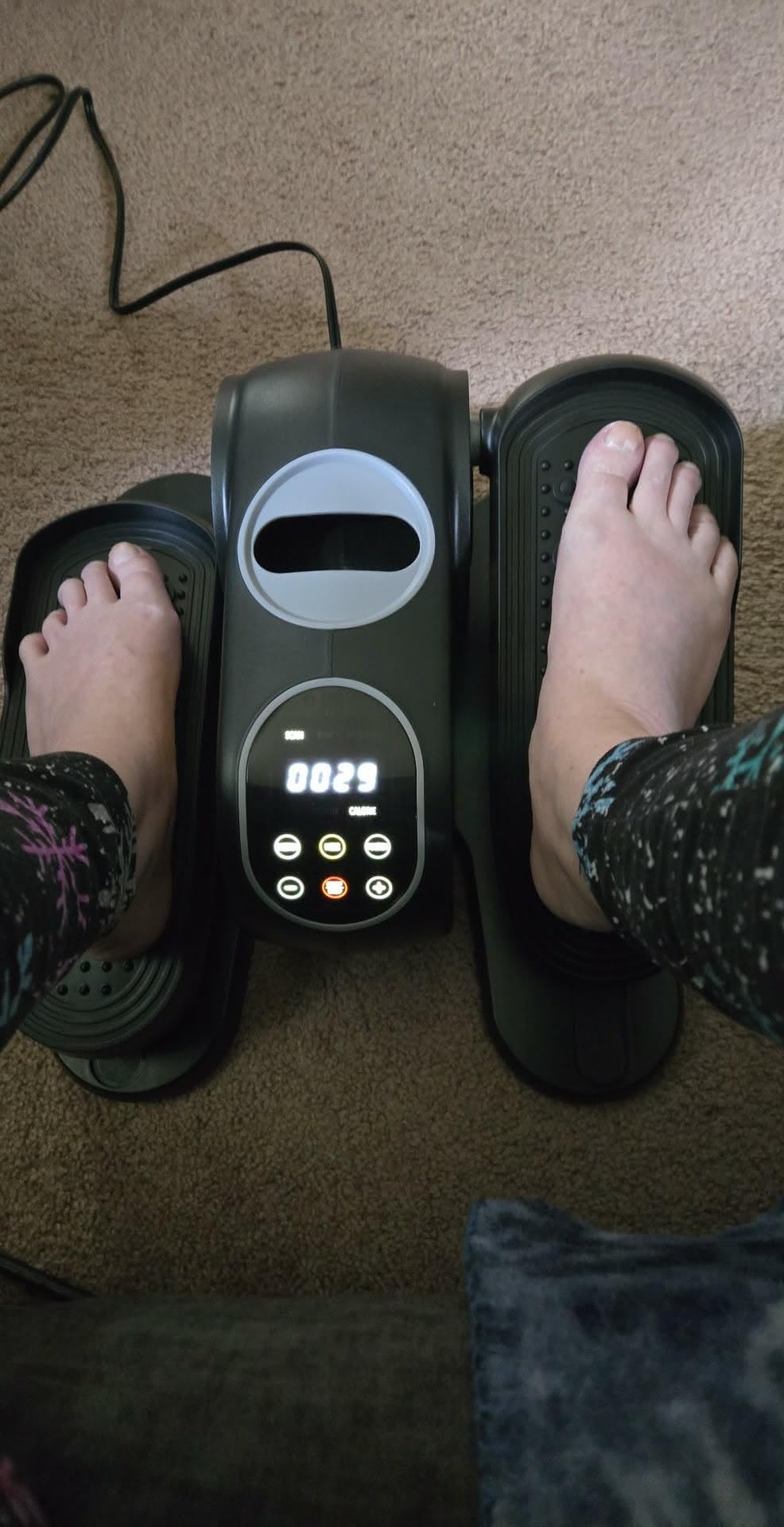
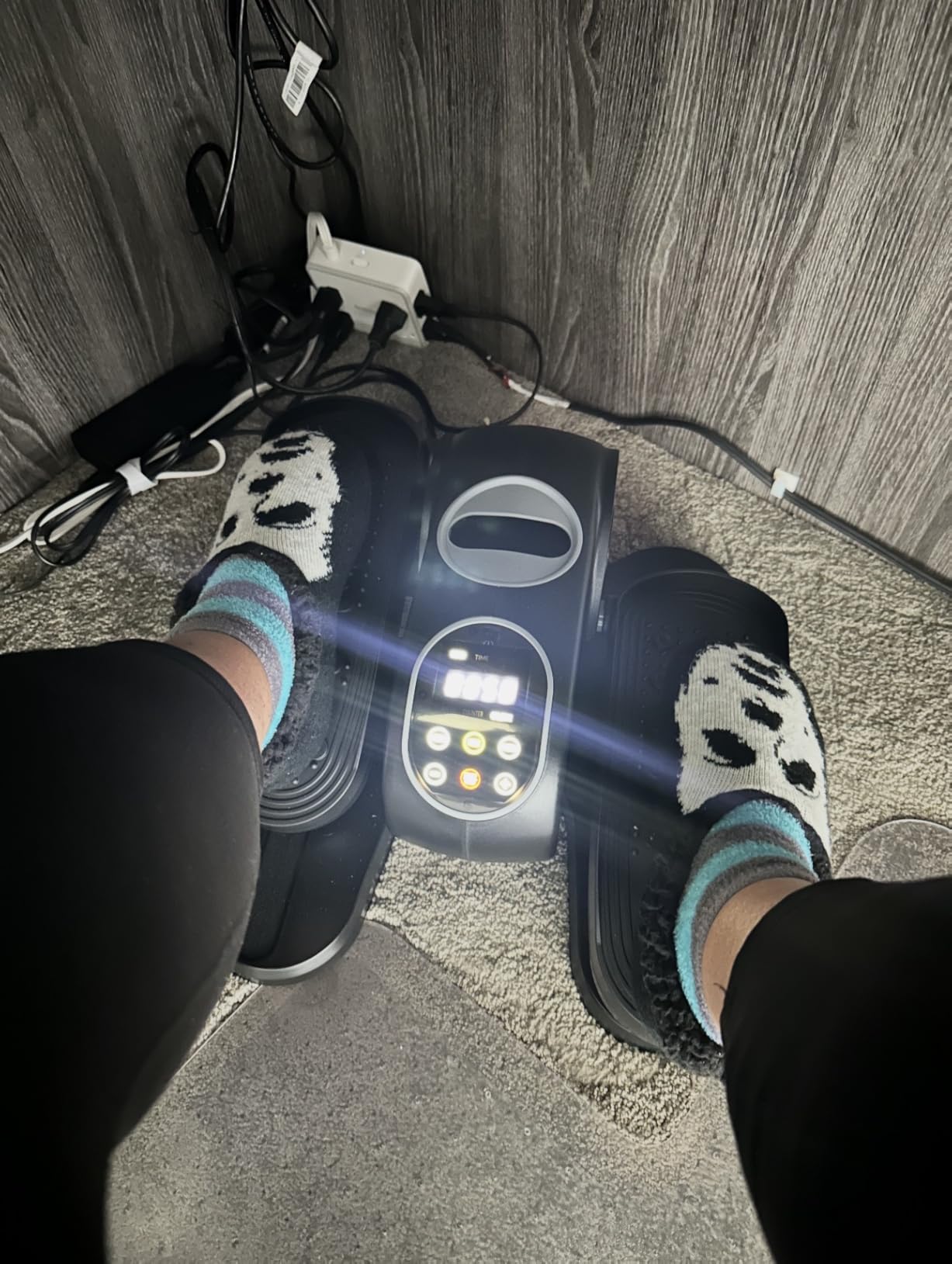
The elliptical path is the selling point for joint pain. Unlike a pedal exerciser, the feet follow a figure-eight rather than a circular path, so the motion travels through the hip as well as the knee. Buyers report less hip and knee stiffness and better circulation with regular use.
Operating noise is under 15 decibels, which is quiet enough to use during a work call. There are 12 manual speeds and 12 automatic programs, forward and reverse pedaling, and a remote control so you can change settings without bending down to the console.
Who this suits
This is the pick for anyone in a small apartment, a shared wall situation or a home office who wants daily movement without dedicating floor space. It suits people with limited mobility, knee osteoarthritis and lower back pain, and it works for a seated upper-body session on the reverse mode.
The 250-pound capacity covers a wide range of adults, and the LED touch screen shows time, distance, speed, a counter and calories. If you want to get a session done in your pajamas without driving anywhere, this is built for that.
Where it falls short
Two control issues come up repeatedly. Owners report the console resetting direction on its own and losing distance tracking, and the resistance building up unexpectedly so the machine slows without input.
The stride is also shorter than a natural walking stride, and the forward-and-reverse pedal path is shorter than a true full-length elliptical stride. If you are rebuilding toward real-world walking distance, treat it as a supplement rather than a replacement.
12. XVGVSV Recumbent Exercise Bike – Best for Higher User Weights
Recumbent Exercise Bike for Home, Recumbent Stationary Bikes for Seniors
- 400 lb frame stays stable and does not flex
- Quiet magnetic resistance suits early mornings
- 85 percent pre-assembled and about 30 minutes to finish
- Front transport wheels move it between rooms
- Lever-adjustable seat fits different heights
- Display needs two AAA batteries that are not included
- Seat padding can feel firm
- Water bottle holder sits low and is awkward to reach
Weight capacity and stability are the two things readers on arthritis forums worry about most, and this is the bike that answers both. The commercial-grade steel frame is rated to 400 pounds, which is well above what most home recumbents carry, and it does not flex under load.
That stability is the point. A heavy rider on a flexing frame gets a jerky pedal stroke, and a jerky pedal stroke is exactly the jarring input an arthritic knee does not want.
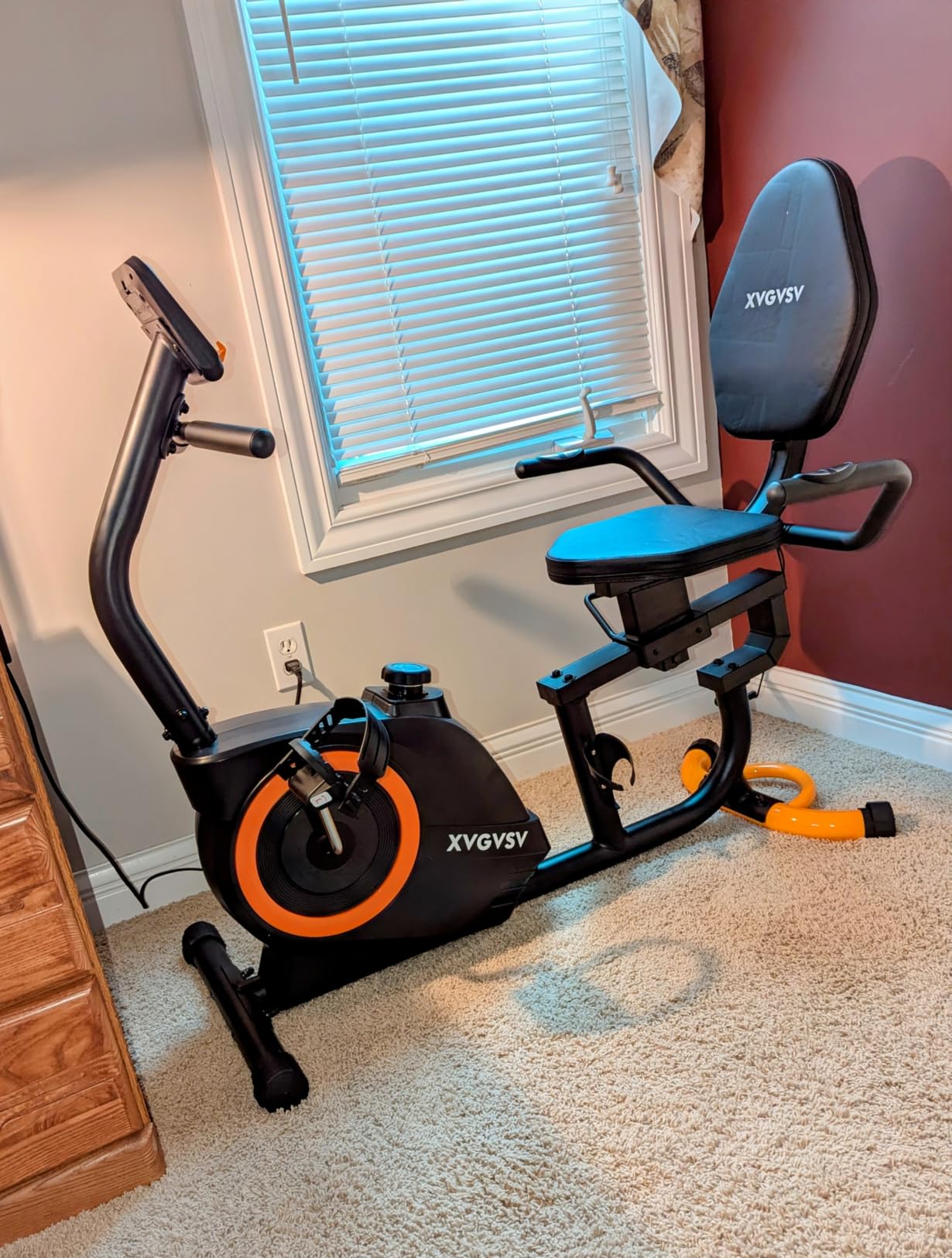
Owners with knee, hip and meniscus problems report using it for low-impact cardio and to continue physical therapy at home. The magnetic resistance is smooth and quiet across 16 levels, and the lever-based seat adjustment suits riders of different heights without tools.
Setup is unusually painless for a bike: 85 percent pre-assembled, with roughly 30 minutes of work remaining and an assembly video to follow. Front transport wheels mean you can roll it from the garage to the living room when you want it out of the way.
Who this suits
This is the pick for anyone over 300 pounds who wants a recumbent bike that will not flex, and for anyone who needs a bike that stays put during a hard interval. Older adults who are working on balance and fall prevention also benefit from the low step-through frame and the seated back support.
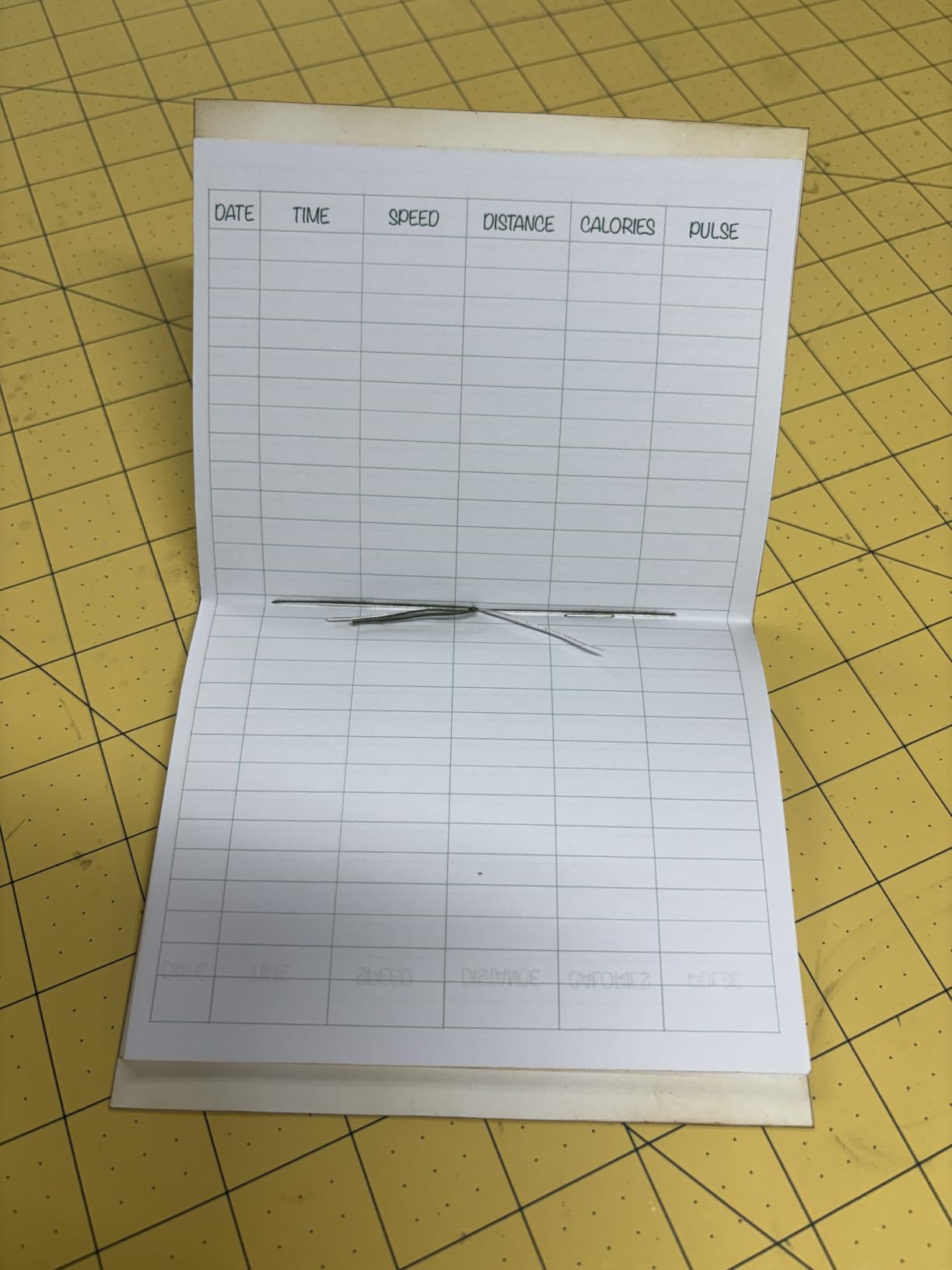
The LCD display shows speed, time, distance, calories, an odometer and handle pulse sensors for heart rate. A phone or tablet holder sits up front, which keeps a guided session from ending early because the screen is out of view.
Where it falls short
At 48.3 by 45 by 25.4 inches and 66 pounds, this is the largest machine in the roundup. Plan the floor space and the route to it before it arrives, because the transport wheels are on the front only.
The display needs two AAA batteries that are not included, the seat padding can feel firm on longer sessions, and the water bottle holder sits low under the seat where it is awkward to reach while riding. Check the seat lock and slide bar orientation during assembly, since that is where the reported setup issues come from.
How to Choose Joint-Friendly Equipment in 2026
Start with the joint, not the machine. The question is not which equipment is best, it is which joint is complaining. Knees want a low step-on height and no stair motion. Hips want supported positions and no deep flexion. The lower back wants a backrest. Hands and wrists need light, gripping-based tools rather than anything loaded.
Two numbers do more work than any other spec. Step-on deck height is the most practical complaint we heard from people with arthritic knees and hips, and it is rarely listed in roundups. A recumbent or step-through frame removes the step-over motion entirely. And weight capacity, because a frame that flexes or a pedal that wobbles sends jarring force straight into the joint you are trying to protect.
Third, understand the difference between osteoarthritis and rheumatoid arthritis equipment. Osteoarthritis is mechanical, so equipment that unloads the joint and lets you build muscle is the priority. Rheumatoid arthritis cycles through inflammation, so the more important decision is what you have available on a flare-up day, and that points toward seated options like a pedal exerciser, an under-desk elliptical or simple hand tools.
Then think about space. If you live in an apartment, a machine you will not have room for is a machine you will not use. The under-desk elliptical, the pedal exerciser, the slant board that folds flat and the resistance band sets all live in a closet. Our broader guides cover under desk exercise equipment and calisthenics equipment if you want to fill a room without a big machine.
Finally, decide what the machine is for. If the answer is cardiovascular conditioning, our exercise bike guide breaks down the formats in more detail. If the answer is joint support during activity rather than exercise itself, our guide to knee braces for arthritis covers the other half of the picture.
Set up a flare-up plan before you need one. Decide in advance which of your tools works from a seated position with no stepping, keep it within reach, and treat a 10-minute session on a bad day as a win rather than a failure.
Exercises and Equipment to Avoid With Arthritis
Not all exercise is good exercise with arthritis, and the movements that cause the most harm are often the ones that feel easiest. Be cautious with the following, and discuss each with your physical therapist before trying it:
- Running and jogging on hard surfaces, which send repeated impact through the knee and hip.
- Jump roping, burpees and any plyometric or hopping movement.
- Stair climbers and step machines, because the step-up motion repeatedly loads an arthritic knee.
- Deep squats below 90 degrees and deep lunges, which push the knee into a compressed position.
- Upright bikes and ellipticals with a high step-on deck, which force a knee over a high bar to get on.
- Heavy free weights and machines with narrow hand grips, which strain the wrists, elbows and shoulders.
- High-impact step classes and sports involving jumping or sudden direction changes.
- Exercising through sharp pain, which is a signal to stop rather than push past.
- Any movement on a hard surface without a mat, where kneeling and floor work aggravate the knees.
One important note on intensity. Sore muscles after a session are normal. Sharp pain in a joint, swelling that lasts into the next day, or pain that makes you change how you walk for two days are not. That second-day response is the most reliable signal you have for whether the session was too much.
Best Tools for Hand and Wrist Arthritis
Hand and wrist arthritis gets almost no coverage in roundups like this one, and it deserves its own answer. The equipment that works is small, cheap and specific, and it can be used anywhere.
For grip, wrist and forearm strength, the FlexBar is the strongest pick here because the resistance is fixed and predictable, which matters when your grip strength changes week to week. For range of motion and circulation, the stress balls are better, and their color-coded resistance lets you start very light and build up.
For a full routine, use the flat resistance bands for wrist extension and forearm rotation, and stay away from anything that needs a narrow grip or a heavy handle. Squeezing hard on a poorly designed tool is the fastest route to a hand flare.
Frequently Asked Questions
What gym equipment is best for people with arthritis?
A recumbent bike, an under-desk elliptical or a chair pedal exerciser, combined with resistance bands and a stretching strap, covers most needs. The common thread is a low or zero step-on height, a supported or seated position, and no impact through the joint. Add a balance pad for fall prevention and a thick mat for floor work, and you have a complete joint-friendly setup.
What exercises should you not do with osteoarthritis?
Avoid running, jumping, stair climbers, deep squats below 90 degrees, deep lunges, plyometrics and any machine with a high step-on deck. The common factor is repeated impact or high joint compression. Also avoid exercising through sharp pain, since inflammation after a session is what stops people training for weeks.
Should you ride a stationary bike with osteoarthritis?
Yes, and a recumbent is the better choice for most people. The step-through frame removes the mounting motion that provokes knee pain, and the backrest supports a lower back that an upright bike loads. Start at low resistance, raise the seat high enough to keep a slight bend in the knee at the bottom, and increase duration before intensity.
What is the best hand exercise tool for arthritis?
For grip and forearm strength, a FlexBar is the top pick because the resistance is fixed and predictable at 6 to 25 pounds. For range of motion and circulation, color-coded therapy balls let you start at the softest level and progress. Avoid anything that needs a narrow grip or a heavy handle, since that is the fastest route to a flare.
How often should I exercise with arthritis?
Most guidelines point toward movement on most days, starting with short sessions and building gradually. Consistency matters more than intensity for joint-friendly exercise. On flare-up days, swap to seated or supported options such as a pedal exerciser, an under-desk elliptical or hand tools rather than stopping entirely, and confirm your plan with your doctor.
Final Verdict: Which Arthritis Equipment to Buy
If you want one recommendation from our list of the best exercise equipment for arthritis in 2026, take the Fit Simplify resistance loop band set. It loads muscle without loading the joint, works from a chair, travels anywhere, and costs almost nothing to start with. For a bigger commitment, the Sunny Health recumbent bike is the strongest single machine for knee and back arthritis, while the Vaunn pedal exerciser is the one to have on hand for flare-up days.
Build in layers. Start with bands or a FlexBar, add a recumbent bike or under-desk elliptical if you want cardio, and treat a balance pad and a stretching strap as the two cheapest upgrades you can make. Stop any session that leaves you limping the next morning, and check the plan with your doctor before you begin.