
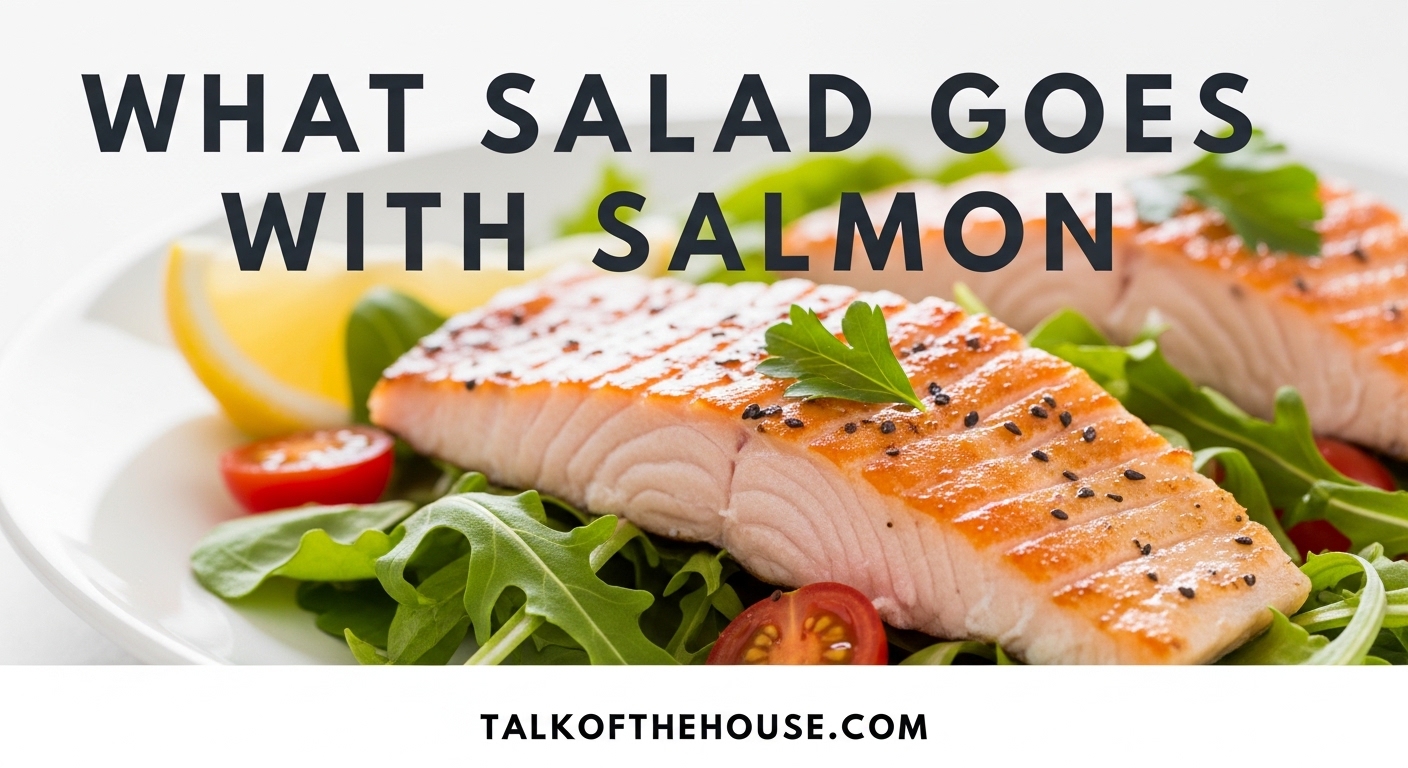
Salmon has earned its place as one of the most beloved proteins in home kitchens and restaurants alike. Its rich, buttery texture and distinctive flavor make it a standout on any dinner table. Yet that same richness presents a challenge many home cooks face: what salad goes with salmon to create a balanced, satisfying meal?
I have spent years testing combinations in my own kitchen, from casual weeknight dinners to holiday gatherings where salmon takes center stage. The answer is not a single salad but a collection of approaches that share common principles. The best salads for salmon feature acidic dressings that cut through the fish’s natural oils, crunchy elements that provide textural contrast, and fresh components that brighten every bite.
This guide draws from my personal experience, forum discussions with thousands of home cooks, and classic culinary principles. You will discover eight distinct salad styles that complement salmon beautifully, each with specific dressing recommendations and preparation tips. Whether you are grilling salmon on a summer evening or roasting it for a winter dinner party, you will find the perfect pairing here. For more inspiration, explore our other salad pairing guides that use similar principles.
Table of Contents
Quick Answer: The Best Salads for Salmon
The best salads to pair with salmon share three key characteristics: acidity to balance richness, crunch for textural contrast, and freshness to complement the fish’s flavor. Here are the top options that meet these criteria:
- Mediterranean cucumber-tomato salad with feta and red wine vinaigrette
- Peppery arugula with citrus and parmesan dressed in lemon vinaigrette
- Asian-inspired slaw with sesame ginger dressing and edamame
- Spinach and berry salad with walnuts and balsamic dressing
- Apple, fennel and orange salad for elegant entertaining
- Classic Caesar with avocado using a lighter dressing
Each of these combinations works because they follow the fundamental principle of balancing salmon’s high fat content with acidic, fresh, or crunchy elements. The specific dressing matters as much as the greens themselves.
Why These Pairings Work: The Science of Flavor Balance
Understanding why certain salads complement salmon elevates your cooking from guesswork to intentionality. Salmon contains significant amounts of omega-3 fatty acids, which give it that luscious mouthfeel we love. However, this same richness can overwhelm the palate without proper balance.
Acidic dressings provide the primary counterbalance. Lemon juice, vinegar, and other acidic components literally cut through fat molecules on your tongue, cleansing your palate between bites. This is why lemon wedges are traditionally served with fish, and why vinaigrettes outperform creamy dressings when pairing with salmon.
Texture plays an equally important role. Salmon’s tender, flaky texture benefits from opposition. Crunchy vegetables like cucumbers, carrots, and apples create interest in every bite. This contrast keeps the meal dynamic rather than monotonous. Forum discussions reveal this is one of the most appreciated qualities home cooks seek in their salmon accompaniments.
Fresh herbs and aromatic vegetables add brightness that complements salmon’s deeper flavors. Dill, parsley, mint, and basil all contain volatile compounds that lift the overall taste experience. They introduce top notes that prevent the meal from feeling heavy, even when serving generous portions of fish.
Temperature variation also matters. A room-temperature or slightly chilled salad against warm salmon creates sensory interest. This is why many experienced cooks recommend preparing salad components ahead and dressing them just before serving alongside freshly cooked fish.
Mediterranean-Style Cucumber and Tomato Salad
The Mediterranean approach to salmon pairing is perhaps the most time-tested combination. This style features crisp cucumbers, ripe tomatoes, thinly sliced red onion, and briny kalamata olives. Crumbled feta cheese adds saltiness that amplifies both the salad and the fish.
A simple red wine vinaigrette brings everything together. Combine three parts olive oil with one part red wine vinegar, add a teaspoon of dried oregano, and season with salt and pepper. The sharpness of this dressing is precisely what salmon needs to achieve balance.
In my testing, this salad works exceptionally well with grilled salmon. The char on the fish echoes the rustic quality of the vegetables. For a variation I discovered through forum recommendations, add sliced avocado and toasted almonds. The avocado introduces creaminess while the almonds provide crunch, creating a more substantial meal-sized salad.
Serve this at room temperature for the fullest flavor expression. Cold temperatures dull taste perception, so removing the salad from refrigeration fifteen minutes before serving allows the vegetables to express their full character.
Peppery Arugula with Citrus and Parmesan
Arugula offers a bold personality that stands up to salmon without competing. Its natural pepperiness creates a tingling sensation that prepares your palate for the richness to follow. This is my go-to choice when I want something simple yet sophisticated.
The combination requires only a handful of ingredients. Start with fresh baby arugula, add segments of orange or grapefruit for sweetness and acidity, and shave parmesan over the top using a vegetable peeler. The umami depth of parmesan creates a bridge between the greens and the fish.
Dress this salad with a classic lemon vinaigrette. Whisk together fresh lemon juice, olive oil, a touch of Dijon mustard for emulsion, and minced garlic. The mustard helps the dressing cling to the arugula’s delicate leaves while adding its own subtle heat.
This pairing shines with pan-seared salmon, particularly when you achieve crispy skin. The contrast between the crackling fish exterior and the tender greens creates textural harmony. I have served this combination at dinner parties to consistent praise for its elegant simplicity.
For a heartier version, add toasted pine nuts or walnuts. The nuts contribute richness that matches salmon’s own intensity while maintaining the salad’s overall lightness.
Asian-Inspired Slaw with Sesame Ginger Dressing
When salmon wears an Asian glaze, whether teriyaki, miso, or simple soy and ginger, an Asian-inspired slaw becomes the natural companion. This salad style combines shredded napa cabbage, julienned carrots, shelled edamame, and sliced scallions.
The dressing defines this pairing. Whisk together rice vinegar, toasted sesame oil, soy sauce, fresh grated ginger, and a touch of honey. The sesame oil provides nuttiness that complements salmon beautifully, while the ginger adds warmth and brightness.
Forum discussions reveal this is a popular choice for those seeking alternatives to traditional green salads. One cook shared their version using a Japanese seaweed salad base with cucumber, carrot slivers, and masago. This variation adds marine notes that harmonize with the fish.
The slaw format works particularly well because cabbage maintains its crunch even when dressed in advance. This makes it ideal for meal prep or entertaining, as you can prepare the entire salad hours ahead without degradation.
Serve this alongside salmon prepared with Asian flavors, or use it to introduce global interest to simply seasoned fish. The combination of cold, crunchy slaw and warm salmon creates temperature contrast that enhances the dining experience.
Spinach and Berry Salad with Walnuts
Baby spinach provides a neutral, tender base that lets other flavors shine. When paired with salmon, I find that adding berries introduces sweetness that creates a three-way balance: rich fish, earthy greens, and bright fruit.
Blueberries are my first choice for this combination. They offer intense flavor in a small package and their subtle tartness plays well with salmon. Strawberries work beautifully in spring and early summer when they are at peak sweetness.
Toasted walnuts add essential crunch and a bitter edge that prevents the salad from becoming too sweet. The combination of berries and nuts is a classic for good reason, and salmon fits into this pairing naturally.
Dress this salad with balsamic vinaigrette. The complex sweetness of aged balsamic vinegar harmonizes with the berries while providing enough acidity for the salmon. Alternatively, a poppy seed dressing offers a nostalgic, crowd-pleasing option for family dinners.
This salad emerged from forum discussions as a favorite among home cooks looking for something different. The addition of avocado and feta, as some contributors suggested, transforms this into a superfood-packed meal that satisfies for hours.
Apple, Fennel and Orange Salad
For dinner parties and special occasions, this combination offers sophistication without complexity. Thinly sliced fennel provides subtle anise notes that complement salmon’s richness. Crisp apple adds sweetness and crunch. Orange segments contribute acidity and brightness.
The key to success is paper-thin slicing. Use a mandoline or sharp knife to cut fennel and apple into translucent slices. This allows the flavors to meld while maintaining individual texture.
Dress this salad simply with lemon juice, olive oil, and a pinch of salt. The ingredients themselves provide sufficient complexity, and heavy dressing would mask their subtle flavors.
This pairing appears frequently in forum discussions as a go-to choice for entertaining. Users describe it as looking beautiful in presentation bowls while requiring minimal last-minute preparation.
The combination works with any salmon preparation, from simple baked fillets to more elaborate herb-crusted presentations. Its pale, fresh appearance provides visual contrast against the pink fish.
Classic Caesar with a Twist
Caesar salad and salmon form a classic pairing found on restaurant menus everywhere. However, the traditional version can overwhelm the fish with heavy dressing and abundant croutons. My modified version maintains the essence while respecting the salmon.
Start with crisp romaine lettuce, the traditional Caesar base. Dress it lightly with a lemon-forward Caesar dressing, reducing the anchovy and garlic to background notes rather than dominant flavors. The lemon should lead.
Replace croutons with toasted almonds or omit them entirely. Add sliced avocado for creaminess that echoes the salmon’s texture without competing. A light sprinkle of parmesan provides umami without heaviness.
This addresses a common forum pain point: finding alternatives to traditional Caesar for those avoiding carbohydrates or seeking lighter options. The modified version offers Caesar’s satisfaction while complementing rather than competing with the fish.
Grilled salmon works particularly well here, as the char introduces bitterness that stands up to the Caesar dressing. The combination feels substantial enough for a main course while remaining appropriate for lighter appetites.
Roasted Beet and Goat Cheese Salad
For an elegant presentation that works year-round, consider roasted beets with creamy goat cheese. This combination offers earthy depth that complements salmon’s own complexity. The visual contrast of golden or red beets against pink salmon is stunning.
Roast beets until tender, then peel and dice them. Chill before combining with salad greens, as room-temperature or cool beets provide the best texture contrast against warm salmon.
Arugula forms the ideal base for this pairing, its pepperiness cutting through both the beets’ sweetness and the salmon’s richness. Crumbled goat cheese adds tang and creaminess. Toasted walnuts or pecans provide crunch.
Dress with lemon dill vinaigrette. The dill is a classic herb pairing for salmon, and its presence in the dressing ties the salad to the fish explicitly. This is a variation on the arugula, hardboiled egg, and roasted beets combination forum users frequently recommend.
This salad requires advance preparation since the beets must be roasted and cooled. However, this makes it ideal for entertaining, as the components can be fully prepared hours ahead and simply assembled before serving.
Complete Dressing Pairing Guide
Selecting the right dressing matters as much as choosing the salad ingredients. The dressing provides the acid that balances salmon’s richness and the flavor profile that sets the meal’s overall tone. Here is a comprehensive guide to matching dressings with salad styles:
| Salad Type | Recommended Dressing | Key Ingredients | Best Salmon Preparation |
|---|---|---|---|
| Mediterranean | Red Wine Vinaigrette | Olive oil, red wine vinegar, oregano | Grilled or baked |
| Peppery Greens | Lemon Vinaigrette | Lemon juice, olive oil, Dijon mustard | Pan-seared |
| Asian Slaw | Sesame Ginger Dressing | Rice vinegar, sesame oil, ginger, soy | Teriyaki or miso glazed |
| Berry Salad | Balsamic Vinaigrette | Balsamic vinegar, olive oil, honey | Grilled or cedar plank |
| Fennel-Apple | Simple Lemon Dressing | Lemon juice, olive oil, salt | Herb-crusted or simple baked |
| Modified Caesar | Light Caesar | Lemon, light mayo, minimal anchovy | Grilled or blackened |
| Beet and Goat Cheese | Lemon Dill Vinaigrette | Lemon, dill, olive oil | Roasted or poached |
When preparing any of these dressings, remember that emulsification matters. Whisking oil and acid together gradually creates a stable mixture that coats salad ingredients evenly. A broken dressing pools at the bottom of the bowl rather than clinging to the leaves.
For those seeking convenience, quality store-bought dressings work well. Look for options where the first ingredient is oil rather than water, and where vinegar or citrus appears prominently in the ingredient list. Avoid heavy, creamy dressings that will compete with rather than complement the salmon.
Seasonal Salad Rotation
Adapting your salad choices to the seasons ensures the freshest ingredients and appropriate mood for the weather. This seasonal approach also varies your meals throughout the year, preventing salmon dinners from becoming repetitive.
- Spring: Embrace tender new greens like baby spinach and butter lettuce. Add asparagus tips, peas, and early strawberries. Light lemon dressings mirror the season’s fresh energy.
- Summer: This is peak salad season. Utilize ripe tomatoes, cucumbers, and bell peppers in Mediterranean preparations. Grilled vegetables add smoky notes that complement grilled salmon beautifully.
- Fall: Transition to heartier greens like kale and romaine. Incorporate apples, pears, and roasted root vegetables. Nuts become more prominent as toppings.
- Winter: Focus on citrus for brightness when other fresh produce is limited. The apple, fennel, and orange salad shines here. Roasted beet preparations provide warmth and comfort.
This seasonal rotation addresses a frequent forum concern about getting variety in salmon salad meals. By changing the accompaniment with the seasons, the same protein feels fresh and exciting year-round.
Make-Ahead Tips and Storage
One of the most common challenges home cooks face is preparing salmon salad meals in advance without degradation. The key is understanding which components can be prepared ahead and which must wait until serving.
Salad greens should be washed and dried thoroughly, then stored in the refrigerator wrapped in slightly damp paper towels inside a plastic bag. This maintains crispness for several days. Do not dress greens until just before serving.
Vegetables can be chopped and stored in airtight containers. Hard vegetables like carrots, cucumbers, and fennel maintain quality for three to five days. Tomatoes should be cut close to serving time to preserve texture.
Cooked salmon can be refrigerated for up to three days. For salad applications, many prefer to serve salmon at room temperature or slightly chilled rather than hot. This eliminates timing pressure when entertaining.
Prepare dressings up to a week in advance and store in sealed jars. Shake or whisk briefly before using, as separation is natural. Having pre-made dressings available transforms weeknight dinners from a project into a simple assembly task.
When assembling salads with multiple components, layer strategically. Place hearty ingredients at the bottom and delicate greens on top. This prevents crushing and allows guests to toss their own portions, ensuring perfect distribution of dressing and components.
Frequently Asked Questions
What kind of salad pairs with salmon?
The best salads for salmon feature acidic dressings that cut through the fish’s richness, crunchy vegetables for textural contrast, and fresh herbs for brightness. Mediterranean cucumber-tomato salads, peppery arugula with citrus, Asian slaws with sesame dressing, and spinach with berries all pair exceptionally well.
What dressing goes with salmon salad?
Acidic dressings work best with salmon salad. Lemon vinaigrette, red wine vinaigrette, sesame ginger dressing, and balsamic vinaigrette are top choices. Avoid heavy creamy dressings like ranch or blue cheese that compete with salmon’s flavor. The acid in vinaigrettes balances the fish’s natural oils.
What type of salad goes with fish?
Fish pairs well with light, fresh salads that don’t overpower delicate flavors. Green salads with citrus dressing, slaws with vinegar-based dressings, and Mediterranean vegetable salads are universally complementary. The key is balancing the fish’s texture with crunchy elements and its flavor with acidic components.
What does Gordon Ramsay serve with salmon?
Gordon Ramsay typically serves salmon with fresh, simple sides that highlight the fish. His preparations often include watercress or pea shoot salads with light lemon dressing, asparagus with hollandaise, or crushed new potatoes with herbs. The emphasis is on quality ingredients treated simply.
What side dishes go well with salmon?
Beyond salads, salmon pairs beautifully with roasted asparagus, green beans with almonds, quinoa pilaf, roasted potatoes, and grilled vegetables. The principle remains consistent: balance salmon’s richness with fresh, acidic, or crunchy accompaniments. Rice dishes with herbs also complement salmon well.
Final Thoughts
Answering the question of what salad goes with salmon is ultimately about understanding balance. The richness of salmon demands acidity, crunch, and freshness in its accompaniments. Whether you choose a Mediterranean cucumber salad, a peppery arugula combination, or an Asian-inspired slaw, success comes from respecting this principle.
I encourage you to use these eight options as starting points rather than rigid prescriptions. The best cooking comes from adaptation to your preferences, your guests’ tastes, and the ingredients available to you. What matters most is the balance of flavors and textures, not strict adherence to any single recipe.
With the seasonal rotation guide and make-ahead tips provided here, you can confidently serve salmon with a different salad every week of the year. Each combination offers its own character while maintaining the harmony that makes salmon dinners so satisfying. For more pairing inspiration, visit our complete collection of food pairing guides for every occasion.