
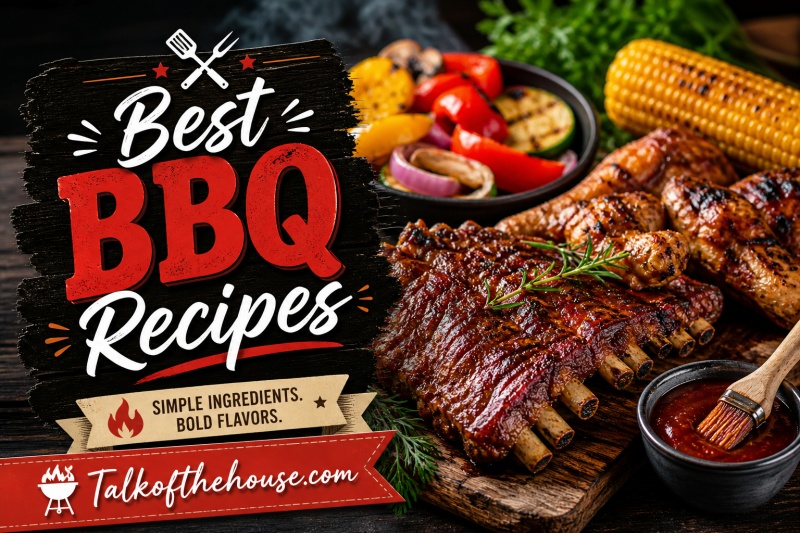
There is something magical about the smell of smoke drifting through the backyard on a warm summer evening. Whether you are firing up the grill for a casual weeknight dinner or hosting a full-scale backyard cookout for twenty friends, the right BBQ recipes can transform an ordinary meal into an unforgettable feast. I have spent years perfecting my barbecue techniques, testing recipes from pitmasters across the country, and learning what really makes meat fall-off-the-bone tender.
In this guide to the best BBQ recipes for 2026, I am sharing everything I have learned. You will find forty-five incredible recipes spanning classic American barbecue, international flavors, and even vegetarian options that will satisfy every guest at your table. From Texas-style brisket that cooks low and slow for twelve hours to quick Korean bulgogi you can throw together on a weeknight, this collection has something for every skill level and schedule.
I have also included tips for mastering regional BBQ styles, essential sides that complete any barbecue spread, and answers to the most common questions I hear from readers. Whether you are a beginner nervously tending your first rack of ribs or a seasoned grill master looking for fresh inspiration, these recipes will help you create memorable meals all summer long.
Best BBQ Recipes for 2026
Here are forty-five of my favorite best BBQ recipes for every occasion. Each recipe includes key ingredients and cooking tips to help you achieve restaurant-quality results at home.
Classic BBQ Meats
1. Texas-Style Beef Brisket
This is the holy grail of barbecue. A whole packer brisket gets a simple salt and pepper rub, then smokes at 225°F for 12 to 16 hours until it reaches that perfect jiggle. The key is patience and a good digital thermometer. Wrap in butcher paper once it hits the stall around 160°F.
2. Memphis Dry-Rub Baby Back Ribs
St. Louis side ribs with a salt-heavy dry rub cooked at 200-250°F are a favorite among BBQ enthusiasts I have talked to. Skip the sauce and let the spice blend of paprika, brown sugar, garlic powder, and cayenne create a beautiful bark. Cook unwrapped for the full duration to develop that crispy exterior.
3. Carolina Pulled Pork
A pork shoulder (also called Boston butt) gets rubbed with a vinegar-based seasoning blend, then smokes until it reaches 195°F internal temperature. The meat practically shreds itself. Toss with a tangy vinegar sauce for that authentic Carolina flavor that cuts through the richness of the pork.
4. Kansas City Burnt Ends
These cubed brisket point pieces are a Kansas City specialty. After smoking the brisket, cube the fatty point section, toss with sweet and tangy sauce, then return to the smoker until caramelized and sticky. They are meat candy, pure and simple.
5. Competition-Style Pork Ribs
These ribs follow the 3-2-1 method: three hours unwrapped, two hours wrapped in foil with butter and honey, one hour unwrapped with sauce. The result is fall-off-the-bone tender with a beautiful glaze. Perfect for impressing guests.
6. Smoked Beef Short Ribs
Dino ribs, as pitmasters call them, are massive beef plate ribs that smoke for 8 to 10 hours. The meat is rich, beefy, and incredibly succulent. Season simply with salt, pepper, and garlic powder to let the beef shine.
7. Texas-Style Smoked Turkey Breast
A boneless turkey breast gets a spicy rub and smokes at 275°F until the internal temperature hits 165°F. The result is incredibly moist turkey with a beautiful smoke ring. Slice thin for sandwiches or serve as a holiday alternative to oven-roasted bird.
8. Smoked Tri-Tip
This California classic is gaining popularity nationwide. The triangular cut from the bottom sirloin gets a Santa Maria-style rub of garlic, salt, pepper, and dried herbs. Smoke until medium-rare, then sear over high heat for a flavorful crust.
9. Beer Can Chicken
This crowd-pleaser does not require flipping. A whole chicken gets seasoned and perched upright on a half-full beer can, then grills indirectly until golden and juicy. The steam from the beer keeps the meat incredibly moist while the skin gets crispy.
10. Smoked Pork Belly Burnt Ends
Cubed pork belly gets the burnt ends treatment: smoke for three hours, toss with sauce and brown sugar, then cook until caramelized and tender. These bite-sized pieces are perfect for appetizers or game day snacking.
BBQ Chicken Recipes
11. Classic BBQ Chicken Thighs
Bone-in, skin-on thighs are the most forgiving cut for barbecue. They stay moist even if you accidentally overcook them. Season with a dry rub, smoke until 165°F internal, then brush with sauce for the final fifteen minutes to set the glaze.
12. Alabama White Sauce Chicken
This Northern Alabama specialty features a mayonnaise-based white sauce spiked with vinegar, horseradish, and black pepper. Grill chicken halves over charcoal, then dunk or baste with the tangy white sauce. It sounds unusual but creates an addictive flavor.
13. Citrus-Marinated BBQ Chicken
A blend of orange juice, lime juice, garlic, and oregano creates a bright marinade that tenderizes while adding flavor. This is a Food Network favorite that works equally well on a gas grill or charcoal.
14. Spatchcocked BBQ Chicken
Removing the backbone allows a whole chicken to cook evenly and quickly. Lay it flat on the grill, season generously, and cook until the thickest part of the breast hits 165°F. The skin gets crispy all over.
15. Buffalo-Style Smoked Wings
Smoke chicken wings at 275°F for about an hour until crispy, then toss in classic buffalo sauce. The combination of smoke and spicy butter sauce is irresistible. Serve with blue cheese dressing and celery sticks.
16. Huli Huli Chicken
This Hawaiian specialty features chicken basted in a sweet and savory sauce of pineapple juice, soy sauce, ginger, and garlic. Turn frequently while grilling to build up layers of caramelized glaze.
17. Smoked Chicken Quarters
Leg quarters are budget-friendly and perfect for feeding a crowd. Smoke at 275°F until the internal temperature reaches 175°F in the thigh. The higher temperature helps break down connective tissue in the dark meat.
18. Jerk Chicken
Jamaican jerk seasoning brings serious heat and complex spice. The combination of Scotch bonnet peppers, allspice, thyme, and scallions creates an unforgettable flavor. Grill over pimento wood if you can find it for authentic taste.
Burgers and Sausages
19. Classic Smashed Burgers
Form ground beef into loose balls, then smash them thin on a screaming hot griddle or cast iron pan. The Maillard reaction creates an incredible crust. Top with American cheese, onions, and pickles. A 50/50 ground beef and ground pork mix makes great burgers with extra juiciness.
20. Stuffed BBQ Burgers
Form two thin patties, place cheese and caramelized onions in the center, then seal the edges. Grill until the internal cheese is melted and gooey. These surprise-inside burgers always impress guests.
21. Beer-Braised Bratwurst
Simmer brats in beer with onions and butter, then finish on the grill for snap and char. Serve on sturdy rolls with mustard and sauerkraut. This is a tailgating classic for good reason.
22. Homemade Italian Sausage
Mix ground pork with fennel seed, garlic, red pepper flakes, and herbs. Stuff into casings or form into patties. Grill until charred and serve with peppers and onions on crusty bread.
23. Smoked Meatloaf
Traditional meatloaf gets the BBQ treatment by cooking in a smoker instead of an oven. The glaze of ketchup, brown sugar, and Worcestershire sauce caramelizes beautifully. Use a mixture of ground beef and pork for the best texture.
24. Bacon-Wrapped Jalapeno Poppers
Halved jalapeños get stuffed with cream cheese and cheddar, wrapped in bacon, then smoked until the bacon is crisp and the peppers are tender. These disappear fast at parties.
Seafood on the Grill
25. Rum-Marinated Grilled Salmon
Rum-marinated salmon is an unexpected BBQ hit according to grillers I have talked to. A mixture of dark rum, soy sauce, brown sugar, and ginger creates a glaze that caramelizes beautifully on the fish. Grill on a cedar plank for extra smoke flavor.
26. Cedar Plank Salmon with Dill
Soak a cedar plank in water for an hour, then lay seasoned salmon fillets on top. The plank smolders on the grill, infusing the fish with woody smoke while keeping it from sticking. Top with fresh dill and lemon.
27. Grilled Shrimp Skewers
Large shrimp marinated in garlic, lemon, and olive oil grill in just two to three minutes per side. Thread onto skewers to prevent them from falling through the grates. Serve with a spicy remoulade sauce.
28. Blackened Redfish
Coat redfish or snapper fillets in Cajun seasoning, then sear in a cast iron pan on the grill until the spices form a dark crust. The high heat creates intense flavor while the fish stays flaky inside.
29. Grilled Lobster Tails
Split lobster tails lengthwise, brush with garlic butter, and grill flesh-side down for a few minutes until the meat is opaque. Finish with more butter and fresh herbs for an impressive summer dinner.
30. Smoked Trout
Whole trout stuffed with lemon and herbs smoke gently at 180°F for about an hour. The flesh stays moist while picking up delicate smoke flavor. Serve with a horseradish cream sauce.
International BBQ Flavors
31. Korean Bulgogi
Korean bulgogi with spicy pork belly and beef is popular for summer BBQs based on recommendations from grilling communities. Thinly sliced ribeye marinates in a mixture of soy sauce, pear, garlic, and sesame oil, then grills quickly over high heat. Serve with rice and kimchi.
32. Korean BBQ Short Ribs (Kalbi)
Flanken-cut short ribs, sliced thin across the bone, marinate in a sweet and savory blend of soy, sugar, garlic, and Asian pear. They grill in just minutes and are incredibly flavorful. Eat wrapped in lettuce leaves with ssamjang sauce.
33. Jamaican Jerk Pork Tenderloin
Pork tenderloin gets coated in jerk seasoning, then grills until just cooked through. Slice thin and serve with mango salsa to balance the heat. The sweet and spicy combination is perfect for summer.
34. Greek Souvlaki
Cubes of pork or chicken marinate in lemon juice, olive oil, garlic, and oregano, then thread onto skewers and grill. The marinade creates a tangy crust while keeping the meat tender. Serve with tzatziki and pita bread.
35. Argentinian Chimichurri Steak
Grill a flank or skirt steak over high heat until charred on the outside and medium-rare within. Slice against the grain and serve with vibrant chimichurri sauce made from parsley, garlic, vinegar, and olive oil.
36. Tandoori Chicken
Chicken pieces marinate in yogurt spiced with garam masala, turmeric, and cayenne. While traditional tandoor ovens reach extreme heat, you can approximate the results on a very hot grill. The yogurt tenderizes while the spices create a beautiful red crust.
37. Vietnamese Lemongrass Pork Chops
Thin pork chops marinate in a fragrant blend of lemongrass, garlic, fish sauce, and sugar, then grill quickly until caramelized. Serve over vermicelli noodles with pickled vegetables and nuoc cham sauce.
38. Middle Eastern Kofta Kebabs
Ground lamb mixed with onions, parsley, and warm spices like cumin and cinnamon forms around skewers, then grills until charred. Serve with flatbread, hummus, and pickled turnips.
Vegetarian BBQ Options
39. Grilled Portobello Mushroom Steaks
Thick portobello caps marinate in balsamic vinegar, soy sauce, and garlic, then grill until juicy and meaty. Top with blue cheese crumbles and fresh herbs for a satisfying main course that will please meat-eaters too.
40. BBQ Cauliflower Steaks
Thick slices of cauliflower get brushed with spicy BBQ sauce and grilled until charred and tender. The edges crisp while the centers stay creamy. A great alternative to traditional BBQ meats.
41. Grilled Halloumi Skewers
This firm cheese holds its shape on the grill, developing a golden crust while staying squeaky inside. Thread with cherry tomatoes, zucchini, and red onion for colorful vegetarian kebabs.
42. Stuffed Grilled Peppers
Hollowed-out bell peppers get filled with a mixture of quinoa, black beans, corn, and cheese, then wrapped in foil and cooked on the grill until tender. Top with avocado and cilantro.
43. Grilled Eggplant with Miso Glaze
Thick eggplant slices grill until creamy inside, then get brushed with a savory-sweet glaze of miso, mirin, and sake. The umami-rich sauce complements the smoky eggplant beautifully.
44. Elote (Mexican Street Corn)
Grill corn in the husk until tender, then peel back and coat with mayonnaise, cotija cheese, chili powder, and lime juice. The combination of smoky corn and tangy toppings is addictive.
45. Grilled Watermelon with Feta and Mint
Thick watermelon wedges grill briefly to caramelize the sugars and add smoke, then get topped with crumbled feta, fresh mint, and balsamic glaze. The sweet, salty, and smoky combination is surprisingly delicious.
Regional BBQ Styles Explained
American barbecue is not one single cuisine but rather a patchwork of regional traditions, each with its own techniques, preferred meats, and signature sauces. Understanding these styles helps you appreciate the diversity of best BBQ recipes and choose which approach fits your taste.
Texas Style
Texas barbecue centers on beef, specifically brisket. The traditional rub is nothing more than salt and coarse black pepper, sometimes called a Dalmatian rub. Post oak is the preferred wood, and sauce is typically served on the side if at all. The focus is entirely on the quality of the meat and the skill of the pitmaster. Central Texas style emphasizes sliced brisket, while East Texas incorporates more pork and sweeter sauces.
Memphis Style
Memphis is rib country, with both wet and dry preparations popular. Dry ribs get coated with a spice rub before smoking and are served without sauce, letting the bark of spices speak for itself. Wet ribs are basted with a vinegar-based mop sauce during cooking and finished with a tomato-based sauce. Pork shoulder is also popular here, served chopped or pulled. The sauces tend toward tangy and slightly sweet rather than spicy.
Carolina Style
The Carolinas divide into multiple sub-styles, but all share a love of pork and vinegar. Eastern North Carolina uses a vinegar and pepper sauce with whole hog barbecue, while the western part of the state favors ketchup in the sauce. South Carolina adds mustard-based sauces, particularly around Columbia. Whole hog cooking is the tradition, with the meat chopped and mixed with sauce. The acidity of the vinegar cuts through the richness of the pork.
Kansas City Style
Kansas City is the melting pot of barbecue, embracing all meats and styles. The signature element is the sauce: thick, sweet, tomato-based, and applied generously. Burnt ends, those caramelized brisket cubes, originated here. Ribs are typically sauced throughout cooking, creating a sticky, flavorful glaze. This is the style most people picture when they think of classic American barbecue.
Essential BBQ Sides to Complete Your Feast
No barbecue is complete without an array of sides to balance the rich, smoky meats. Baked beans, potato salad, and mac and cheese are essential sides that grilling communities consistently recommend. These dishes can be made ahead, travel well to potlucks, and please crowds of all ages. Consider refreshing salads for your barbecue to add brightness to the plate.
Classic Baked Beans
Slow-cooked beans with bacon, brown sugar, and molasses provide a sweet counterpoint to smoky meat. Make them in a cast iron Dutch oven right on the smoker to pick up extra flavor, or prepare them in a slow cooker if oven space is tight.
Creamy Coleslaw
A vinegar-based slaw cuts through fatty meats and refreshes the palate between bites. Shred cabbage and carrots, then toss with a dressing of apple cider vinegar, mayonnaise, sugar, and celery seed. Let it sit for an hour before serving to allow the flavors to meld.
Smoky Mac and Cheese
Prepare your favorite mac and cheese recipe, then cook it in a disposable aluminum pan on the smoker for an hour. The smoke infuses the cheese sauce, transforming an everyday side into something special. Top with breadcrumbs for crunch.
Grilled Corn on the Cob
Soak corn in the husk for thirty minutes, then grill for fifteen to twenty minutes, turning occasionally. The steam cooks the kernels while the husk protects them from burning. Serve with compound butter flavored with herbs or spices.
Potato Salad
Waxy potatoes like red or Yukon Gold hold their shape better than russets after boiling. Dress while warm with a mixture of mayonnaise, mustard, vinegar, and pickle relish. Add hard-boiled eggs, celery, and red onion for texture and flavor.
Buttermilk Biscuits or Cornbread
Starch sides help soak up sauce and fill hungry guests. Buttermilk biscuits are fluffy and buttery, while cornbread adds a hint of sweetness. Both can be baked ahead and reheated on the grill wrapped in foil.
For dessert, check out our guide to perfect desserts for your cookout or try our classic homemade caramel cake that pairs beautifully with smoky, savory flavors.
BBQ Tips for Beginners
Starting your barbecue journey can feel overwhelming, but a few fundamental principles will set you up for success. The secret to good barbecue is not fancy equipment but rather temperature control, patience, and understanding how smoke interacts with meat.
Master Temperature Control
Maintaining consistent temperature matters more than chasing specific numbers. Most barbecue cooks between 225°F and 275°F, but keeping it steady is key. Learn your grill or smoker’s hot spots and adjust vents to control airflow. A digital thermometer with multiple probes eliminates guesswork.
Choose the Right Wood
Different woods impart different flavors. Hickory is strong and bacon-like, perfect for pork and beef. Mesquite is intense and earthy, best for shorter cooks. Fruit woods like apple and cherry are mild and sweet, great for poultry and fish. Oak is versatile and medium-bodied, suitable for any meat.
Rest Your Meat
Resting allows juices to redistribute back into the meat fibers after cooking. For large cuts like brisket, rest wrapped in a cooler for one to two hours. Even burgers benefit from five minutes of resting before serving. Do not skip this step.
Use a Water Pan
A pan of water in your smoker adds humidity, which helps smoke adhere to meat and prevents drying. It also stabilizes temperature by acting as a heat sink. Replace the water as needed during long cooks.
Do Not Peek Too Often
Every time you open the lid, heat and smoke escape, extending cook time. Trust your thermometer and resist the urge to check constantly. For most cooks, checking once per hour is plenty.
Frequently Asked Questions
What is the best thing to cook on a barbecue?
The best things to cook on a barbecue are meats with good fat content and connective tissue that benefit from low, slow cooking. Pork ribs, beef brisket, and pulled pork are classic choices that deliver incredible flavor when smoked properly. For quicker meals, chicken thighs, burgers, and sausages grill beautifully in under an hour. Beginners should start with forgiving cuts like chicken thighs or pork shoulder before attempting brisket or ribs.
Is barbecue good for heart patients?
Barbecue can be adapted for heart-healthy diets with some modifications. Choose leaner cuts like chicken breast, turkey, or fish instead of fatty beef and pork. Avoid heavy sauces high in sugar and sodium, opting instead for dry rubs or vinegar-based marinades. Trim visible fat before cooking and drain rendered fat during the cook. Grilled vegetables are excellent heart-healthy options. Always consult with a doctor about specific dietary restrictions related to heart conditions.
What is a good menu for BBQ dinner?
A well-rounded BBQ dinner menu includes a main smoked or grilled protein like ribs, brisket, or pulled pork, two or three sides such as coleslaw, baked beans, and mac and cheese, plus bread like cornbread or biscuits. Start with appetizers like bacon-wrapped jalapeno poppers or smoked wings. Finish with refreshing desserts like grilled fruit or watermelon salad. For large groups, offer two protein options to accommodate different preferences. Remember to include vegetarian options like grilled portobello mushrooms or cauliflower steaks.
What is the secret to good barbecue?
The secret to good barbecue is patience and temperature control. Quality barbecue requires cooking low and slow at consistent temperatures between 225°F and 275°F to break down connective tissue without drying out the meat. Use a reliable digital thermometer to monitor both pit temperature and internal meat temperature. Allow adequate time for collagen to convert to gelatin, creating that fall-off-the-bone tenderness. Rest meat before serving to retain juices. Finally, use quality ingredients and do not rush the process.
Fire Up the Grill and Get Cooking
There you have it: forty-five of the best BBQ recipes for 2026, covering everything from competition-worthy brisket to quick weeknight dinners and unexpected vegetarian options. Whether you are drawn to the beef-centric tradition of Texas, the pork-heavy heritage of the Carolinas, or the international flavors of Korean bulgogi and Jamaican jerk, this collection offers something for every palate and skill level.
Remember that great barbecue is as much about the experience as the food. Some of my favorite memories involve standing around a smoker with friends, debating the merits of different wood chips, and celebrating when a brisket finally reaches that perfect jiggle. Do not be afraid to experiment, make mistakes, and develop your own signature style. If you are planning family gatherings this summer, these recipes will help you create moments everyone will remember.
Start with one recipe that catches your eye, master it, then branch out from there. The journey from nervous beginner to confident pitmaster happens one cook at a time. Grab your tongs, light that fire, and start creating your own barbecue memories today. Happy grilling!