
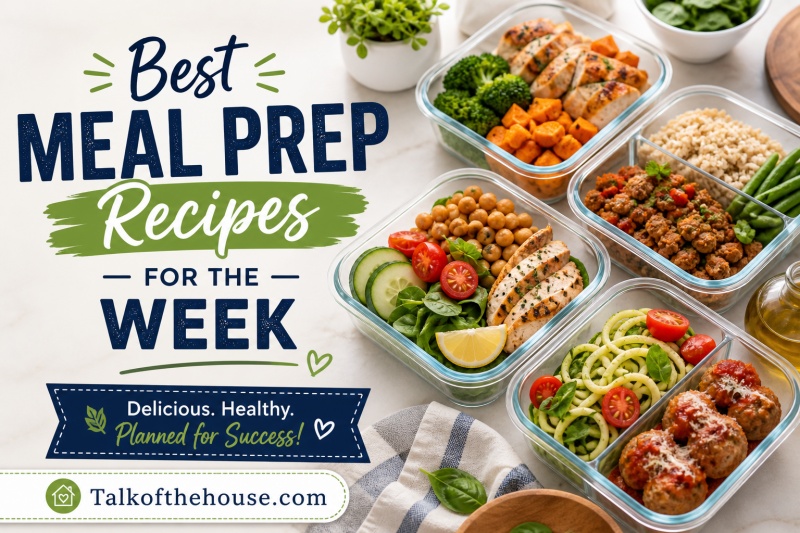
I used to dread Sunday evenings. The weekend was ending, the work week loomed ahead, and the last thing I wanted to think about was what we were going to eat for dinner on Wednesday. That all changed three years ago when I discovered the magic of meal prepping.
What started as a desperate attempt to stop ordering takeout on busy weeknights has evolved into one of my favorite weekend rituals. Now, instead of scrambling at 6 PM wondering what to cook, I open my refrigerator to find ready-to-eat meals that just need a quick reheat.
The best meal prep recipes for the week are the ones that actually taste good on day four. They are meals that reheat without turning soggy, dishes that your family will want to eat again, and recipes flexible enough to keep boredom at bay. I have tested dozens of meal prep strategies over the years, and I am sharing the ones that have earned a permanent spot in my rotation.
Whether you are a complete beginner wondering how to start or a seasoned prepper looking for fresh inspiration, this guide covers everything you need. From breakfast options that make mornings effortless to dinner solutions that eliminate the 5 PM panic, these are the recipes that work in real kitchens with real schedules.
Table of Contents
Why Meal Prep Will Transform Your Week
Meal prep is not just about having food ready. It is about reclaiming your time and mental energy throughout the week. When you batch cook on Sunday, you eliminate hundreds of small decisions that drain your willpower by Wednesday.
The financial benefits add up quickly. Our family saved over $200 monthly when we committed to meal prepping, simply by reducing impulse takeout orders and minimizing food waste. Buying ingredients in bulk for batch cooking stretches your grocery budget further than daily shopping ever could.
Health improvements come naturally when you control what goes into your meals. Restaurant portions tend to run large, and hidden calories from oils and sauces add up fast. When you prep your own food, you decide exactly what you are eating, making it easier to hit nutrition goals without obsessing over every meal.
Perhaps the biggest benefit is stress reduction. Knowing dinner is handled removes that nagging background anxiety that hits around 4 PM every weekday. You can focus on work, family, or simply relaxing instead of scrambling to figure out what is for dinner.
Meal Prep Success Tips for Beginners
Starting small prevents overwhelm. Do not try to prep every single meal for the entire week on your first attempt. Begin with just lunches or just dinners. Master three or four recipes before expanding your rotation. Success builds momentum.
Invest in quality containers before you start. Glass meal prep containers with secure lids are worth every penny. They do not stain, they reheat evenly, and they keep food fresher longer than plastic alternatives. I recommend getting at least ten containers in various sizes to accommodate different meal types.
Plan your prep order strategically. Start items that take the longest first. If you are roasting vegetables and cooking grains, get those in the oven and on the stove immediately. While they cook, chop ingredients for quicker recipes. This parallel processing cuts your total prep time significantly.
Consider component meal prep versus full meals. Sometimes prepping individual ingredients gives you more flexibility than assembling complete meals. Cook a big batch of quinoa, roast a sheet pan of mixed vegetables, grill several chicken breasts, and wash salad greens. Mix and match throughout the week for variety without additional cooking.
Breakfast Meal Prep Ideas That Make Mornings Effortless
Morning meal prep might be the most impactful change you can make. Having breakfast ready eliminates the excuse to skip it or grab something unhealthy on the way to work.
Overnight Oats Variations for Every Taste
Overnight oats are the gateway drug of meal prep. Combine rolled oats with milk or yogurt in a mason jar, add your favorite mix-ins, and refrigerate overnight. By morning, you have a ready-to-eat breakfast that requires zero morning effort.
The classic combination starts with half a cup of oats, half a cup of milk, and a quarter cup of Greek yogurt. Add a tablespoon of chia seeds for extra protein and texture. From there, the variations are endless. Apple cinnamon with diced apples and a sprinkle of nutmeg. Peanut butter banana with sliced bananas and a dollop of natural peanut butter. Berry blast with mixed frozen berries that thaw overnight into the oats.
My family’s favorite is the tropical overnight oats. Combine oats with coconut milk instead of regular milk, add diced pineapple and mango, then top with toasted coconut flakes in the morning. It tastes like vacation and keeps you full until lunch.
Savory Breakfast Options Beyond Sweet
Not everyone wants sweet first thing in the morning. Egg muffin cups solve the savory breakfast problem beautifully. Whisk a dozen eggs with diced vegetables, pour into a greased muffin tin, and bake at 375 degrees for about twenty minutes.
The beauty of egg cups is customization. Make some with spinach and feta for Mediterranean flavor. Create others with diced ham and cheddar for classic appeal. Add black beans and salsa for a Southwestern twist. Each family member can have their preferred variety.
Breakfast burritos freeze exceptionally well and reheat beautifully. Scramble eggs with your choice of fillings, wrap in flour tortillas with cheese, then wrap individually in foil and freeze. Grab one on your way out the door, and it will thaw slightly by the time you are ready to eat.
Freezer-Friendly Breakfasts for Busy Weeks
Freezer pancakes have saved my sanity on countless mornings. Make a double or triple batch of pancakes on Sunday, cool completely, then layer between parchment paper and freeze in a zip-top bag. Pop them in the toaster for a quick breakfast that tastes fresh.
Breakfast sandwiches are another freezer champion. Toast English muffins, add scrambled eggs, cheese, and cooked bacon or sausage. Wrap individually and freeze. Reheat in the microwave wrapped in a paper towel for about ninety seconds. They taste remarkably similar to fast-food versions but cost a fraction and use better ingredients.
Quick Assembly Breakfasts for Grab-and-Go Days
Chia pudding requires no cooking at all. Mix three tablespoons of chia seeds with one cup of milk and a touch of honey. Refrigerate overnight. The chia seeds absorb the liquid and create a pudding-like texture. Top with fresh fruit in the morning.
Yogurt parfait jars layer Greek yogurt with granola and berries. Keep the granola in a separate small container if you want it to stay crunchy. These jars look beautiful and taste like a treat while packing serious protein to start your day.
Easy Lunch Meal Prep Bowls for Midday Energy
Lunch is where meal prep shines brightest. A homemade lunch bowl beats a sad desk sandwich every single time. These combinations stay fresh, travel well, and keep you energized through the afternoon slump.
Grain and Buddha Bowls That Satisfy
Buddha bowls combine grains, vegetables, protein, and a delicious sauce in one satisfying meal. The formula is simple. Start with a base of quinoa, brown rice, or farro. Add roasted or raw vegetables. Top with your protein of choice. Finish with a flavorful dressing.
The Mediterranean quinoa bowl has earned permanent rotation status in my kitchen. Cooked quinoa topped with cucumber, cherry tomatoes, Kalamata olives, red onion, and chickpeas. Add grilled chicken or feta for protein. Drizzle with lemon tahini dressing. It tastes fresh even on day four.
The Korean beef bowl is another winner. Brown ground beef with garlic, ginger, soy sauce, and brown sugar. Serve over rice with steamed broccoli and a fried egg on top. Add sriracha mayo for a spicy kick. This one reheats beautifully and feels like takeout without the price tag.
Mason Jar Salads That Stay Fresh Until Friday
Mason jar salads solve the soggy salad problem through strategic layering. The dressing goes on the bottom, followed by hard vegetables, grains and proteins, then greens on top. When you are ready to eat, shake the jar to distribute the dressing, then pour into a bowl.
The classic chicken Caesar jar starts with Caesar dressing, then cherry tomatoes, grilled chicken, Parmesan cheese, and romaine lettuce on top. The Southwest jar layers salsa, black beans, corn, peppers, grilled chicken, and mixed greens. Add crushed tortilla chips after shaking for crunch.
My favorite is the Greek salad jar. Lemon vinaigrette on the bottom, then cucumber, cherry tomatoes, red onion, chickpeas, olives, feta, and spinach. It tastes like summer in a jar and keeps perfectly for five days.
Warm Lunch Options for Cozy Afternoons
Sometimes you want something warm and comforting for lunch. These options reheat well and feel like a proper meal rather than a quick bite.
Chili is perhaps the ultimate meal prep champion. It improves in flavor over several days as the spices meld together. Make a big batch on Sunday and portion into containers. Top with cheese, sour cream, and green onions after reheating. Serve with cornbread on the side.
Lentil soup packs incredible nutrition and stays good all week. Sauté onions, carrots, and celery, then add lentils, vegetable broth, diced tomatoes, and spices. Simmer until the lentils are tender. This vegan option delivers serious protein and fiber without any meat.
Protein-Packed Lunch Bowls for Sustained Energy
High-protein lunches prevent the afternoon crash. These bowls deliver substantial protein to keep you full until dinner.
The salmon power bowl features baked salmon fillets over quinoa with roasted Brussels sprouts and sweet potato. Drizzle with a honey mustard dressing. Salmon holds up surprisingly well for three to four days when properly refrigerated.
Tofu tikka masala bowls offer a vegetarian protein powerhouse. Press and cube firm tofu, then bake until crispy. Simmer in tikka masala sauce with spinach. Serve over basmati rice with a side of cucumber raita. The flavors intensify over the week, making this better on day three than day one.
Buffalo chicken bowls satisfy cravings without the fried wings. Toss shredded chicken breast with buffalo sauce, serve over brown rice with celery and carrots on the side. Add a dollop of blue cheese dressing or ranch. This one feels indulgent while staying relatively healthy.
Quick Dinner Meal Prep Recipes for Stress-Free Evenings
Dinner prep eliminates the dreaded 5 PM panic. These recipes are designed to reheat beautifully after being stored for several days.
Sheet Pan Dinner Winners
Sheet pan meals are the efficiency champions of meal prep. Everything cooks on one pan, minimizing cleanup and maximizing flavor. The key is cutting vegetables to similar sizes so they cook evenly.
The classic chicken and vegetable sheet pan never gets old. Toss chicken thighs with olive oil and Italian seasoning. Surround with potatoes, carrots, and Brussels sprouts. Roast at 425 degrees for thirty-five minutes. Portion into containers and you have four to five dinners ready.
Sausage and pepper sheet pan dinners offer serious flavor with minimal effort. Slice Italian sausage, bell peppers, and onions. Toss with olive oil and oregano. Roast until the sausage is cooked through and vegetables are caramelized. Serve with crusty bread on the side.
Slow Cooker and Instant Pot Favorites
Set-it-and-forget-it cooking methods were practically invented for meal prep. These appliances do the heavy lifting while you handle other prep tasks.
Beef stew is the ultimate comfort food prep. Brown beef chunks, then add to the slow cooker with potatoes, carrots, onions, and beef broth. Season with thyme and bay leaves. Cook on low for eight hours. The meat becomes fork-tender and the flavors develop beautifully over several days in the refrigerator.
Chicken tortilla soup comes together quickly in the Instant Pot. Sauté onions and garlic, then add chicken breasts, diced tomatoes, black beans, corn, and chicken broth. Pressure cook for fifteen minutes, shred the chicken, and portion into containers. Top with tortilla strips, cheese, and avocado after reheating.
One-Pot and Casserole Meals
One-pot pasta dishes streamline both cooking and cleanup. The pasta cooks directly in the sauce, absorbing maximum flavor.
Creamy Tuscan chicken pasta combines chicken, spinach, sun-dried tomatoes, and pasta in a garlic cream sauce. Everything cooks in one skillet. The sauce actually improves after a day or two in the refrigerator as the flavors meld together.
Enchilada casserole layers tortillas, seasoned ground beef or turkey, enchilada sauce, and cheese in a baking dish. Bake until bubbly and golden. Cut into squares for easy portioning. This Mexican-inspired dish reheats beautifully and tastes like you spent hours when it really took thirty minutes.
Quick Reheat Dinner Options
Some dinners are designed specifically for quick reheating without quality loss. These are perfect for nights when you need dinner on the table in under five minutes.
Stir fry dishes are ideal because they are meant to be cooked quickly and eaten immediately. When meal prepping, slightly undercook the vegetables so they do not become mushy upon reheating. Store the sauce separately and add it when reheating for best results.
Meatballs with marinara sauce are freezer and refrigerator champions. Bake a large batch of turkey or beef meatballs, then simmer in marinara sauce. Portion with cooked pasta or zucchini noodles. The meatballs actually improve in texture after a day in the sauce.
High Protein Meal Prep Options for Fitness Goals
Hitting protein targets becomes effortless when you prep high-protein meals in advance. These recipes deliver substantial protein without requiring hours in the kitchen.
Teriyaki chicken thighs offer more flavor and moisture than chicken breasts. Marinate chicken thighs in teriyaki sauce, then bake or grill. Serve with brown rice and steamed broccoli. Each serving delivers over thirty grams of protein while tasting like restaurant takeout.
Turkey chili provides lean protein in a satisfying format. Brown ground turkey with onions and garlic, then add beans, tomatoes, and chili spices. This delivers nearly twenty-five grams of protein per serving while being relatively low in fat compared to beef chili.
Salmon cakes make excellent use of canned salmon for an affordable protein option. Mix canned salmon with breadcrumbs, eggs, diced onions, and dill. Form into patties and pan-fry until golden. These cakes hold up well for several days and deliver omega-3 fatty acids along with protein.
Hard-boiled eggs are the original portable protein. Cook a dozen eggs at the start of the week for easy snacks or meal additions. Egg salad made with Greek yogurt instead of mayo provides protein while reducing fat content. Serve on whole grain bread or lettuce wraps.
Edamame pasta has changed my meal prep game. This pasta, made from edamame beans, packs twenty-five grams of protein per serving. Toss with pesto, cherry tomatoes, and mozzarella for a complete meal that satisfies pasta cravings while hitting protein goals.
Vegetarian and Vegan Meal Prep Ideas
Plant-based meal prep has come a long way from boring salads. These recipes prove that vegetarian and vegan meals can be just as satisfying and meal-prep friendly as their meat-based counterparts.
Chickpea curry is the weeknight hero of vegan meal prep. Sauté onions, garlic, and ginger, then add chickpeas, diced tomatoes, coconut milk, and curry spices. Simmer until thick and flavorful. Serve over basmati rice with a sprinkle of cilantro. The curry actually improves after a day or two as the spices deepen.
Lentil bolognese replaces ground meat with brown lentils in a classic Italian sauce. The lentils provide a similar texture to meat while adding fiber and reducing cost significantly. Simmer lentils with tomatoes, garlic, onions, and Italian herbs. Toss with pasta for a comforting dinner that reheats beautifully.
Tofu stir fry requires proper technique to avoid soggy results. Press firm tofu for at least fifteen minutes to remove moisture. Cube and toss with cornstarch before pan-frying until crispy. Add to stir-fried vegetables with your favorite sauce. Store sauce separately and combine when reheating to maintain the crispy texture.
Black bean and sweet potato burrito bowls combine roasted sweet potato cubes with seasoned black beans, corn, and peppers. Top with avocado, cilantro, and lime juice. This combination provides complete proteins while delivering serious fiber and vitamins.
Quinoa stuffed peppers make an impressive meal prep option. Cook quinoa with vegetable broth for extra flavor. Mix with black beans, corn, diced tomatoes, and spices. Stuff into halved bell peppers and bake until tender. These look beautiful in containers and provide a complete nutritional profile.
Family-Friendly Meal Prep That Kids Actually Eat
Meal prepping for a family requires different strategies than cooking for one. Kid-approved meals need to be familiar enough for picky eaters while still offering nutrition.
Build-your-own bowl nights work brilliantly for families with varying tastes. Prep components separately and let everyone assemble their own. Cook a batch of rice, roast mixed vegetables, prepare a simple protein like baked chicken, and offer various toppings. Kids feel in control, and everyone gets something they like.
Pasta bakes are universally loved and meal-prep friendly. Try baked ziti with marinara and mozzarella, or mac and cheese with hidden vegetables blended into the sauce. These comfort foods reheat well and please even the pickiest eaters.
Mild chicken dishes avoid strong spices that turn kids away. Simple baked chicken with a light coating of breadcrumbs and Parmesan appeals to most children. Cut into strips for easy eating. Serve with ketchup, ranch, or barbecue sauce for dipping.
Mini meatballs are perfectly sized for small hands and appetites. Make turkey or beef meatballs slightly smaller than usual. Serve with pasta and marinara, or offer as a protein option in lunchboxes. The familiar flavors work for most children.
Quesadilla wedges travel well and reheat perfectly. Fill flour tortillas with cheese and beans or chicken, then fold and cook in a skillet until crispy. Cut into triangles and portion into containers. Add small containers of salsa and sour cream for dipping.
Finger food bento boxes give kids variety and control. Combine cheese cubes, whole grain crackers, sliced fruit, vegetables with ranch, and a simple protein like turkey roll-ups. Kids love having multiple items to choose from, and you can customize based on what they actually eat.
Budget-Conscious Meal Prep with Real Cost Breakdown
Eating well does not require a large grocery budget. These meal prep options maximize nutrition while minimizing cost, with realistic per-serving estimates based on average grocery prices in October 2026.
Bean and rice bowls cost approximately $1.50 per serving while delivering complete proteins and fiber. Combine black beans or pinto beans with rice, salsa, cheese, and whatever vegetables you have on hand. Add a fried egg on top for extra protein for about fifty cents more per serving.
Lentil soup is one of the most economical meals you can prep. A bag of dried lentils costs around two dollars and makes eight to ten servings. Add onions, carrots, celery, and vegetable broth for a hearty soup that costs under $1.25 per serving.
Egg fried rice transforms leftover rice and a few eggs into a satisfying meal. Cook day-old rice with scrambled eggs, frozen mixed vegetables, soy sauce, and sesame oil. This Asian-inspired dish costs roughly $1.75 per serving and takes fifteen minutes to make.
Chickpea curry delivers incredible flavor at a low price point. Canned chickpeas, diced tomatoes, coconut milk, and spices create a restaurant-quality meal for about $2.25 per serving. Serve over rice to stretch the curry further and reduce the per-serving cost even more.
Pasta with marinara and vegetables keeps costs low while providing comfort. A box of pasta and jar of sauce costs around three dollars total and makes four servings. Add frozen or fresh vegetables to boost nutrition without significantly increasing cost.
Seasonal shopping reduces costs dramatically. Buy vegetables that are in season for your region. In summer, tomatoes and zucchini are abundant and cheap. In winter, root vegetables like carrots and potatoes offer the best value. Flexibility with your vegetable choices based on seasonal availability keeps your grocery bill manageable.
Freezer-Friendly Meal Prep Recipes
Freezer meal prep extends your planning horizon from one week to one month. These recipes freeze beautifully and make future weeks incredibly easy.
Soups and stews are freezer champions. The flavors develop further during freezing, and most recipes thaw without texture issues. Minestrone, chicken noodle, beef stew, and lentil soup all freeze excellently. Leave out pasta and dairy when freezing soups, then add fresh when reheating for best results.
Breakfast burritos might be the ultimate freezer meal. Scramble eggs with cheese and your choice of meat or vegetables. Wrap in flour tortillas, then wrap individually in foil and place in a freezer bag. Grab one on busy mornings and microwave for two to three minutes.
Casseroles freeze exceptionally well. Lasagna, enchilada casserole, shepherd’s pie, and mac and cheese all maintain their quality through freezing. Assemble in foil pans for easy storage, then bake from frozen or thaw overnight before baking.
Marinated raw chicken can be frozen in marinade bags. Place chicken and marinade in a freezer bag, remove air, and freeze flat. Thaw overnight in the refrigerator, then cook as usual. The chicken absorbs flavor while freezing and thawing.
Proper freezing technique matters. Cool food completely before freezing to prevent ice crystals. Remove as much air as possible from containers. Label everything with contents and date. Most prepared meals last two to three months in the freezer without quality loss.
What NOT to Meal Prep
Not every food works well for meal prep. Learning what to avoid saves you from disappointing lunches and wasted ingredients.
Dressed salads become soggy within a day. The lettuce wilts, vegetables lose crunch, and everything turns into a sad, limp mess. If you want salad meal prep, use the mason jar method with dressing on the bottom, or store dressing separately and combine just before eating.
Fried foods lose their crispy texture after refrigeration. Fried chicken, tempura vegetables, and crispy tofu all become soggy when stored. If you must include fried elements, plan to eat them on day one or reheat in an air fryer to restore some crispness.
Certain seafood does not hold up well. Delicate fish like tilapia or cod becomes rubbery when reheated. Salmon fares better than white fish. Shellfish like shrimp can work if slightly undercooked initially, but they are still risky for meal prep beyond two days.
Soft-cooked eggs should be avoided. Hard-boiled eggs work great, but soft-boiled or fried eggs become rubbery and unappetizing when stored and reheated. If your recipe calls for a runny egg, add it fresh when reheating.
Dairy-heavy sauces sometimes separate when reheated. Cream sauces, cheese sauces, and yogurt-based dressings can break and become grainy. Add dairy components fresh when possible, or choose stable alternatives like tomato-based sauces.
Complete Storage and Reheating Guide
Proper storage makes the difference between meal prep that lasts five days and food that spoils by Wednesday. This guide covers everything you need to keep your prep fresh.
Choosing the Right Containers
Glass meal prep containers are the gold standard. They do not absorb odors or stains, they reheat evenly in the microwave, and they last for years. Look for containers with divided sections if you want to keep foods separate until eating time.
Plastic containers work in a pinch but degrade faster. Choose BPA-free options and avoid heating acidic foods like tomato sauce in them. Plastic is lighter for transporting lunches but requires replacement every year or two as it stains and warps.
Mason jars excel for salads, overnight oats, and layered meals. The secure seal keeps food fresh, and the glass construction means no flavor absorption. Wide-mouth jars make filling and eating easier than standard jars.
How Long Different Foods Last
Cooked grains like rice and quinoa last up to five days in the refrigerator. Store them in airtight containers to prevent drying out. If rice seems dry upon reheating, add a tablespoon of water before microwaving.
Cooked proteins vary in longevity. Chicken and turkey last up to four days. Beef and pork maintain quality for three to four days. Fish should be eaten within two days for safety and taste. Plant-based proteins like beans and lentils last a full five days easily.
Cut vegetables stay fresh for three to five days depending on the type. Hard vegetables like carrots and bell peppers last longer than soft vegetables like tomatoes and cucumbers. Leafy greens need moisture control, so place a paper towel in the container to absorb excess moisture.
Reheating Without the Sog
The microwave is convenient but requires technique. Arrange food in a ring shape on the plate rather than piling in the center for more even heating. Add a damp paper towel over the top to create steam that prevents drying.
Air fryers and toaster ovens restore texture better than microwaves. They re-crisp breaded items, revitalize roasted vegetables, and make leftovers taste almost fresh. If you have access to one at work or home, use it for meals where texture matters.
Stovetop reheating works best for soups, stews, and saucy dishes. Heat slowly over medium-low heat, stirring occasionally. Adding a splash of water or broth revives sauces that have thickened in the refrigerator.
Keep sauces separate when possible. Store dressings, sauces, and wet components in small separate containers. Add them just before eating to prevent sogginess. This is especially important for grain bowls, salads, and stir-fries.
Seasonal Meal Prep Rotation Strategy
Rotating your meal prep based on seasons keeps things interesting and saves money. Eating seasonally means better flavor and lower costs.
Spring meal prep features lighter, fresher options. Focus on asparagus, peas, strawberries, and tender greens. Lemon herb chicken with spring vegetables makes a perfect April prep. Chilled grain salads replace heavy hot meals as temperatures warm.
Summer meal prep emphasizes no-cook options. Gazpacho, cold pasta salads, and mason jar salads with peak summer tomatoes keep your kitchen cool. Grill extra chicken and vegetables on weekends for easy assembly meals all week.
Fall meal prep embraces comfort and root vegetables. Butternut squash soups, apple pork tenderloin, and hearty grain bowls with Brussels sprouts define autumn prep. The cooler weather makes roasting and slow cooking appealing again.
Winter meal prep focuses on stick-to-your-ribs warmth. Beef stew, chicken pot pie, and creamy pasta bakes provide comfort during cold months. Citrus fruits add brightness to heavier winter meals.
Rotation prevents boredom. Even your favorite recipes become tiresome if eaten every single week. Maintain a list of twenty to thirty proven recipes, then rotate through them seasonally. This gives you enough variety while keeping prep manageable.
FAQs
What is the best meal prep for a week?
The best meal prep for a week includes a mix of proteins, grains, and vegetables that store well. Focus on recipes like grain bowls, soups, sheet pan meals, and overnight oats. Choose dishes with complementary cooking methods to maximize efficiency on prep day. Most successful meal preps include two to three different recipes to prevent boredom.
What is the healthiest meal to prep?
Buddha bowls and grain bowls rank among the healthiest meal prep options. They combine complex carbohydrates, lean proteins, healthy fats, and abundant vegetables in balanced proportions. Lentil soup, quinoa salads with varied vegetables, and baked salmon with roasted vegetables also provide excellent nutrition while storing well for several days.
How do I prepare a meal for a week?
Start by planning your menu and creating a grocery list. Shop for all ingredients at once. On prep day, begin with items that take longest, like roasting vegetables and cooking grains. While those cook, prep quicker items like chopping vegetables or assembling overnight oats. Portion everything into containers and label with dates. Most prep sessions take two to three hours for a full week of meals.
What foods are good for meal prepping?
Foods that store well and reheat without losing quality work best. Excellent options include cooked grains like rice and quinoa, roasted vegetables, baked or grilled chicken, ground meats, soups and stews, casseroles, and hard-boiled eggs. Beans and lentils hold up beautifully. Foods to avoid include dressed salads, fried items, delicate seafood, and soft-cooked eggs.
How long does meal prep last in the fridge?
Most meal prep lasts three to five days in the refrigerator when stored properly in airtight containers. Cooked grains last up to five days. Chicken and turkey maintain quality for four days. Fish should be consumed within two days. Plant-based proteins like beans and lentils last a full five days. Always use your senses, if something smells off or looks questionable, discard it.
How do I keep meal prep from getting soggy?
Prevent sogginess by storing wet and dry components separately. Keep dressings and sauces in small containers until ready to eat. Use the mason jar method for salads with dressing on the bottom. Undercook vegetables slightly so they maintain texture when reheated. Add crispy elements like nuts or croutons just before eating rather than during prep.
Your Meal Prep Journey Starts Now
Meal prepping is not about perfection. It is about making your week easier, one container at a time. Start with just one category, perhaps breakfast or lunch, and expand as you find your rhythm.
The best meal prep recipes for the week are the ones you will actually eat. Do not force yourself into recipes that feel like punishment. Build a rotation of meals you genuinely enjoy, and the habit will stick.
Remember that even imperfect meal prep beats no meal prep at all. If your vegetables are not cut perfectly or your portions are slightly uneven, you are still winning. You are still saving money, eating healthier, and reclaiming your weeknight time.
Pick three recipes from this guide that appeal to you. Make your grocery list tonight. Set aside two hours this Sunday. By Monday morning, you will understand why so many people have made meal prep a non-negotiable part of their routine. Your future self, the one facing a busy Wednesday evening with dinner already handled, will thank you.