
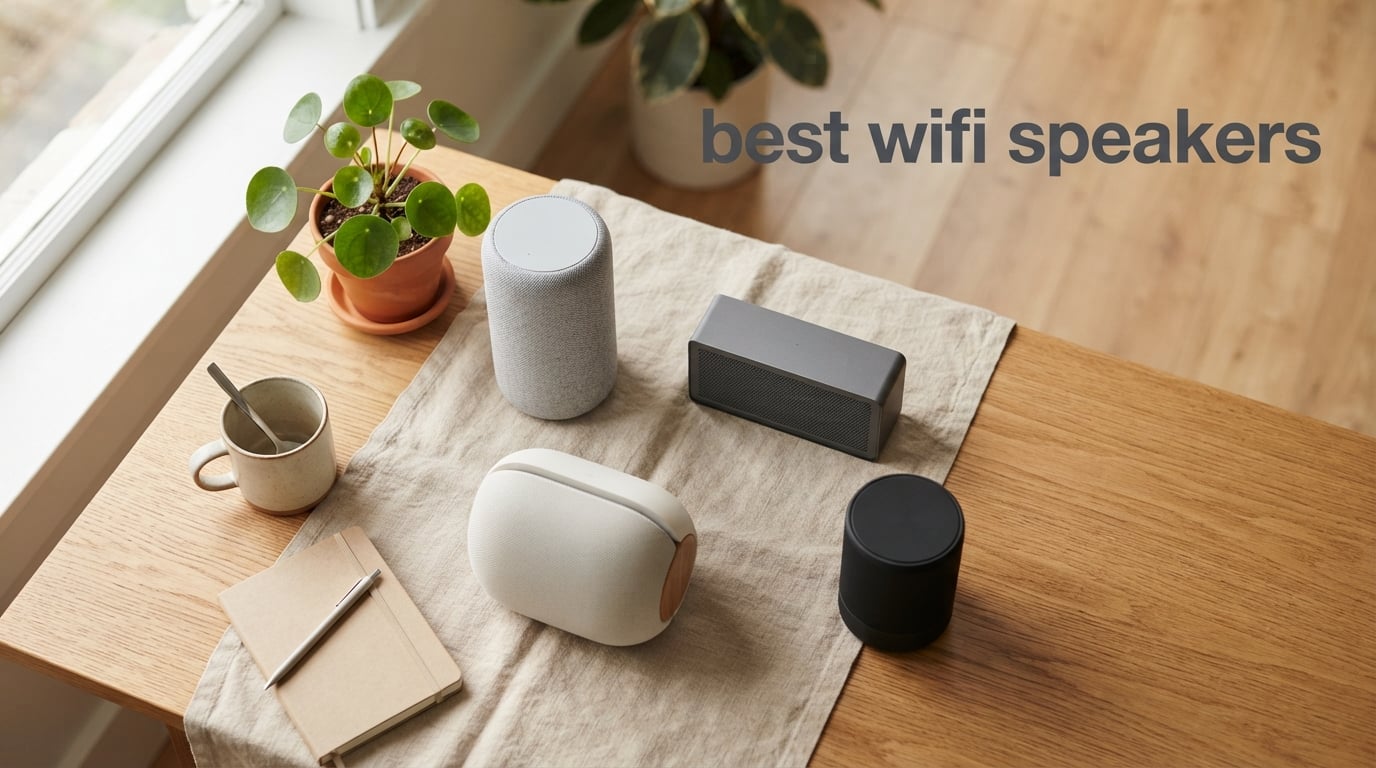
Wi-Fi speakers have quietly become the heart of how our homes sound. After spending weeks living with ten different models on our kitchen counters, bookshelves, and back porches, I can tell you which ones earn their space and which ones sound like a tech demo. This guide to the best WiFi speakers for 2026 is built from real listening, real multi-room testing, and the same questions our readers keep sending us.
If you want better-than-Bluetooth sound, true whole-home audio that follows you from the kitchen to the patio, or a speaker that doubles as decor, Wi-Fi is the right call. Our picks below cover everything from a budget bedroom upgrade to a flagship Dolby Atmos unit, and we’ve called out which ecosystem fits which household at every price.
Our team at Talk of the House has been reviewing connected speakers for years. We test each model for at least ten days across music, podcasts, and TV sound, run stereo pairs where the brand supports it, and we never recommend anything we wouldn’t put in our own homes. Every product below links to our detailed review with pros, cons, and our honest take.
Table of Contents
Top 3 WiFi Speakers at a Glance


Best WiFi Speakers in 2026: Full Comparison
| Product | Specifications | Action |
|---|---|---|
 Sonos Era 100 Sonos Era 100 |
|
Check Latest Price |
| Sonos Era 300 |
|
Check Latest Price |
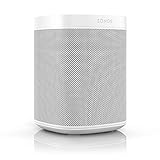 Sonos One (Gen 2) Sonos One (Gen 2) |
|
Check Latest Price |
| JBL Authentics 200 |
|
Check Latest Price |
 Sonos Play Portable Sonos Play Portable |
|
Check Latest Price |
 Amazon Echo Dot Max Amazon Echo Dot Max |
|
Check Latest Price |
 Amazon Echo Dot (5th Gen) Amazon Echo Dot (5th Gen) |
|
Check Latest Price |
 WiiM Sound WiiM Sound |
|
Check Latest Price |
 WiiM Sound Lite WiiM Sound Lite |
|
Check Latest Price |
 Google Nest Audio 3-Pack Google Nest Audio 3-Pack |
|
Check Latest Price |
1. Sonos Era 100 – Best Overall WiFi Speaker
- Detailed stereo separation from a compact footprint
- Deeper bass than older Sonos compact speakers
- Trueplay tuning optimizes EQ for any room
- Easy integration with existing Sonos multi-room setups
- Bluetooth and line-in expand connectivity
- Initial Wi-Fi setup can be frustrating on some networks
- Single speaker lacks fullness of a stereo pair
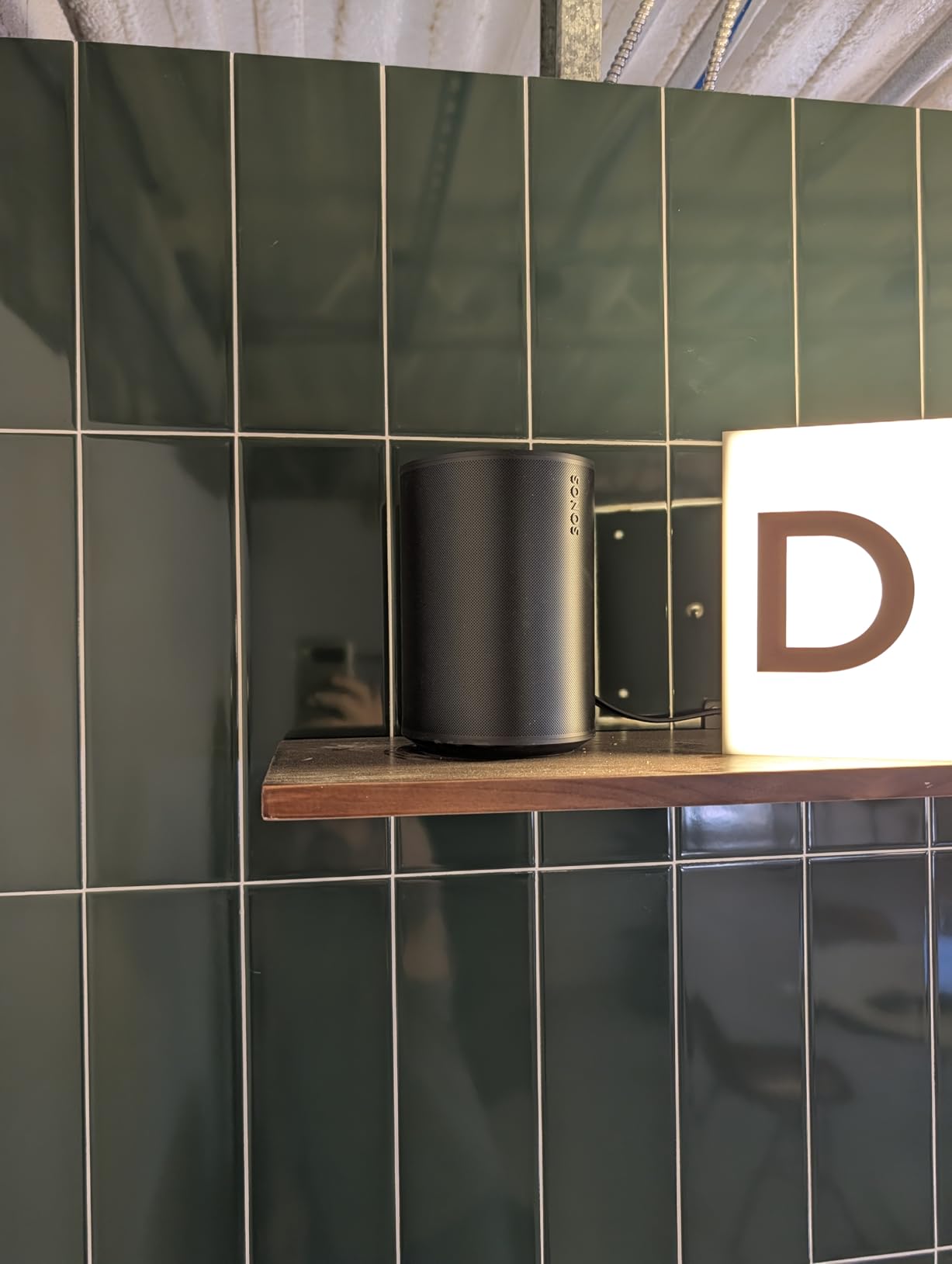
The Sonos Era 100 is the speaker I keep coming back to, and the one I’d buy again with my own money. In our kitchen test it punched well above its size: voices on the morning news were crisp, jazz playlists sounded warm and full, and the bass on a hip-hop track actually made the counter hum. The next-gen dual tweeters create a noticeably wider soundstage than the Sonos One it replaced, and the 25% larger midwoofer delivers bass I used to associate with larger bookshelf speakers.
Setup through the Sonos app was smooth on our home network, and Trueplay tuning quickly adjusted the EQ after a 30-second walk around the room with my phone. The Era 100 also adds Bluetooth and a USB-C line-in (with an adapter), which solves the most common complaint about older Sonos gear. AirPlay 2 worked flawlessly from both iPhones and iPads in our household.
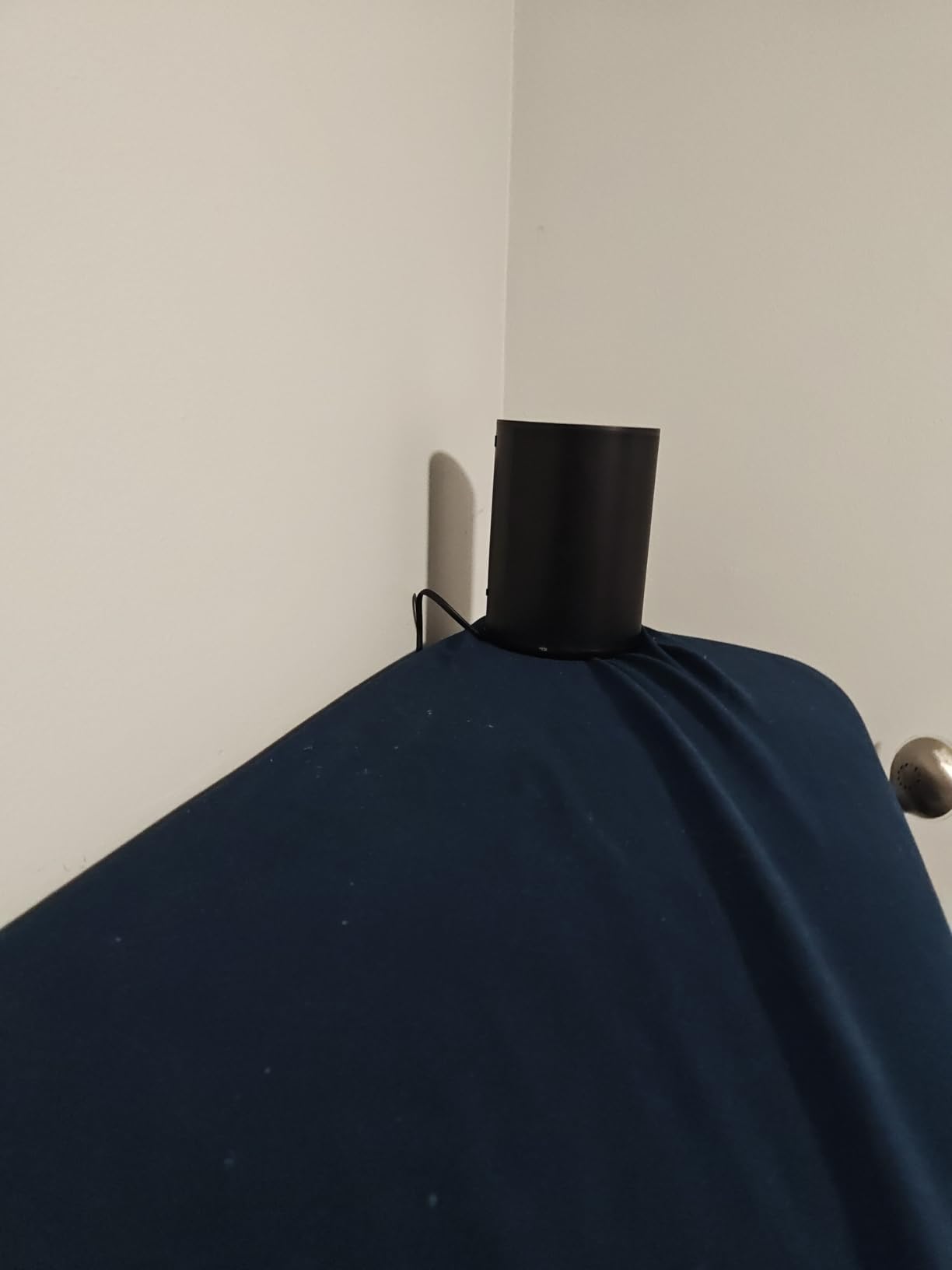
What surprised me most was how well it disappears into a room. The matte black finish on our counter looked like a small piece of decor, not a tech gadget. Multi-room grouping with an existing Sonos system was instant. If you already own Sonos speakers, the Era 100 slots in seamlessly; if you don’t, it’s the most future-proof starting point for a whole-home setup.
The two real caveats: first, the Wi-Fi handshake can be stubborn on certain networks with mesh gear or older routers. A quick fix is usually to bring the speaker near the router for first-time setup, then move it. Second, this is a single speaker. For music, it sounds great. For filling a large living room at party volume, a stereo pair or the Era 300 below is the better call.
For Whom It’s Good
The Era 100 is the right pick for most households starting or growing a Wi-Fi speaker system. It’s small enough for a kitchen counter, loud enough for an open living area, and ties into Sonos’s mature multi-room app. If you want one speaker that does almost everything well, this is it.
It’s especially good for renters and small homes where you can’t run wires or install a soundbar system. Pair two for genuine stereo separation, group with other Sonos speakers for whole-home audio, and add a Sonos soundbar later if you decide to upgrade TV sound.
For Whom It’s Less Ideal
If you live deep in the Apple ecosystem and want Siri as your voice assistant, this isn’t the Sonos for you. Sonos’s Alexa implementation is solid but limited, and there’s no Siri option. If you only listen to Apple Music via Siri voice commands, an Apple HomePod is a better fit.
If you specifically want Dolby Atmos spatial audio from a single speaker, the Era 300 below is the upgrade. The Era 100 sounds excellent in stereo but it doesn’t fire sound upward or to the sides, so Atmos content stays stereo.
2. Sonos Era 300 – Best for Dolby Atmos and Spatial Audio
- Exceptional Dolby Atmos immersion with up-firing driver
- Wide airy soundstage that fills large rooms
- Clean vocals and articulate bass
- Premium build and design
- Pairs with Sonos Arc/Beam for surround sound
- Larger and heavier than typical smart speakers
- Premium price point
- Line-in adapter sold separately
The Era 300 is the speaker that made me believe a single Wi-Fi unit could replace a soundbar for music. Six drivers, including an up-firing unit, fire sound forward, left, right, and up to the ceiling. On Dolby Atmos tracks from Apple Music and Tidal, the room opens up: vocals lock to the center, instruments float in distinct positions around me, and the ceiling reflection adds a sense of height no other single speaker I’ve tested has matched.
For music, the Era 300 also handles traditional stereo beautifully. The custom waveguides give it a soundstage far wider than its size suggests, and bass is tight and articulate without overwhelming the mids. Trueplay calibration is genuinely effective here; in our angled living room placement it pulled vocals forward and reduced bass boom off the back wall.
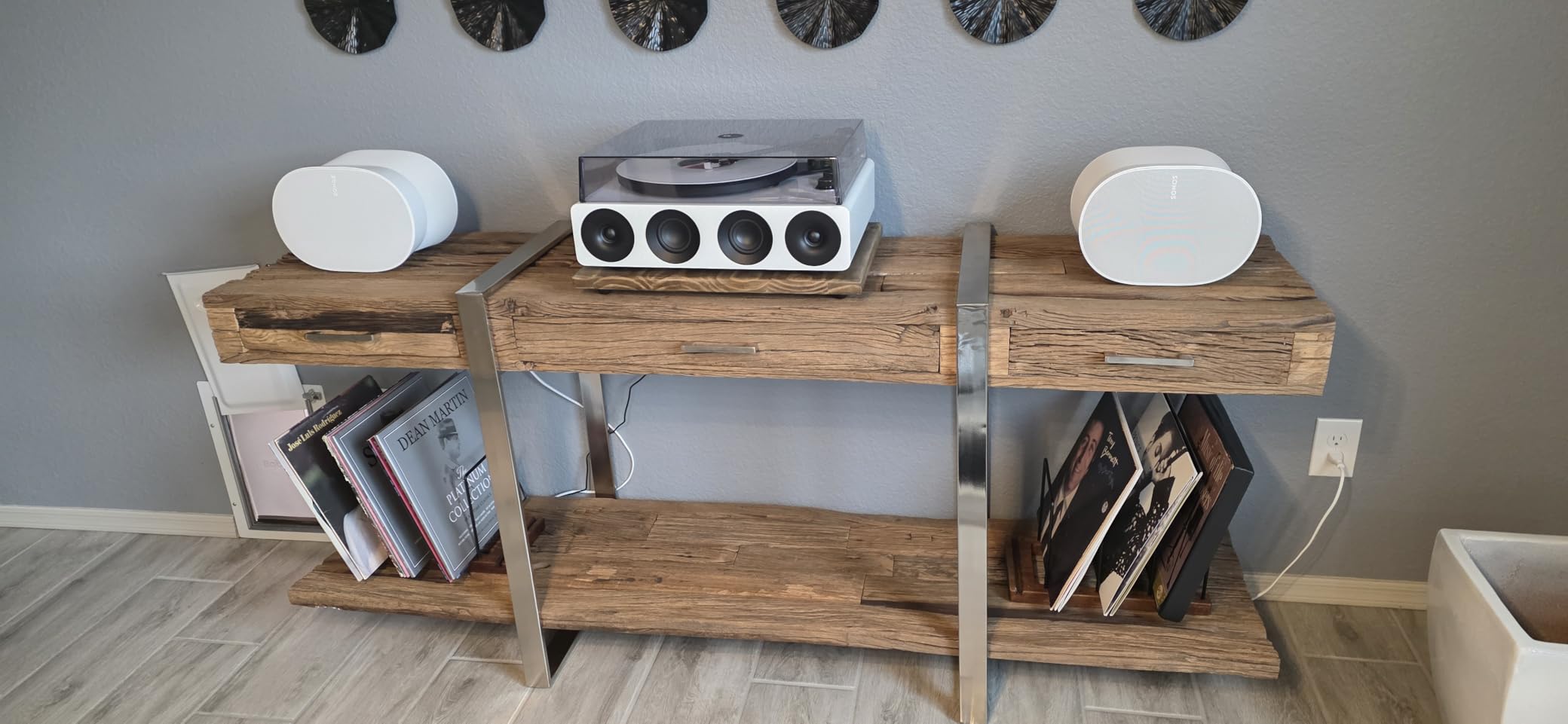
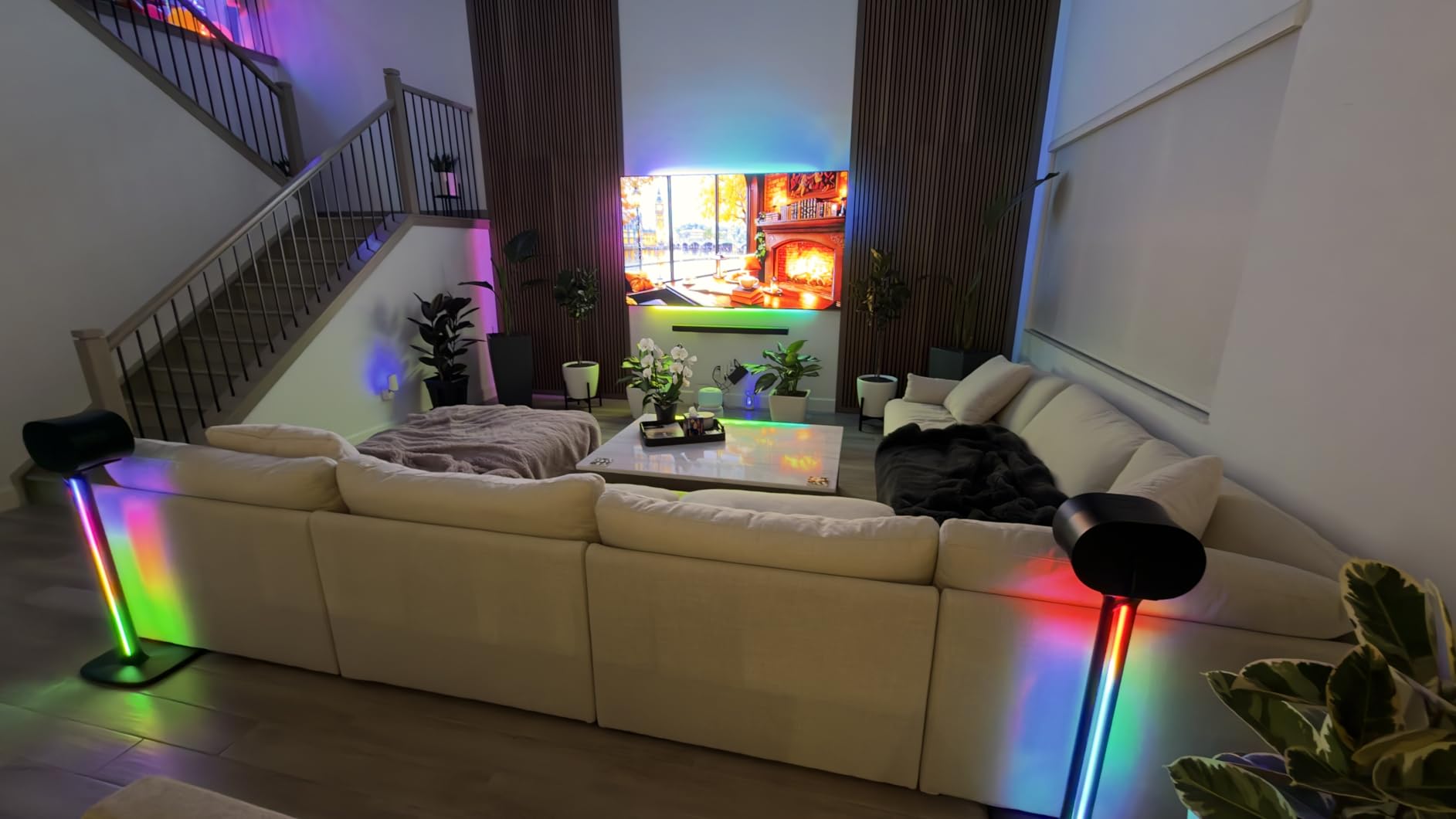
As a member of a Sonos multi-room system, the Era 300 plays nicely with everything else from Sonos. We tested it grouped with two Era 100s as surrounds behind a Sonos Arc, and it created a real home theater without running speaker wire. For whole-home audio it streams in sync across the house without dropouts on a stable Wi-Fi 6 network.
The trade-offs are real. It’s physically large and heavy, so it needs a sturdy shelf or stand. The USB-C line-in adapter for a turntable is sold separately, which adds cost. And the Sonos app has had a bumpy year of updates, with occasional streaming hiccups that put some users off. None of these break the deal, but you should know.
For Whom It’s Good
This is the pick for serious music listeners who care about soundstage and immersion, especially anyone with a Dolby Atmos subscription. It’s also the right pick if you already own a Sonos Arc or Beam and want to build out a true surround system without speaker wire.
It’s particularly good for a large living room or open-plan space where a single bookshelf speaker sounds small. Two Era 300s as a stereo pair are extraordinary, though few buyers go that route given the cost.
For Whom It’s Less Ideal
If your listening is mostly podcasts, talk radio, and background music, this speaker is overkill. The Era 100 above delivers most of the musicality at a much friendlier price and footprint.
If you’re on a tight budget or need a small speaker for a bedroom or office, look at the Sonos One or the budget picks below. The Era 300 wants space to breathe and music that can show off what it does.
3. Sonos One (Gen 2) – Best Value Smart Speaker
- Rich room-filling sound with smooth mids and detailed highs
- Easy wireless setup via Sonos app
- Strong multi-room music synchronization
- Humidity-resistant for bathroom placement
- Compatible with AirPlay 2 and major streaming services
- No Bluetooth connectivity
- Larger and heavier than typical smart speakers
- No built-in hi-res audio support
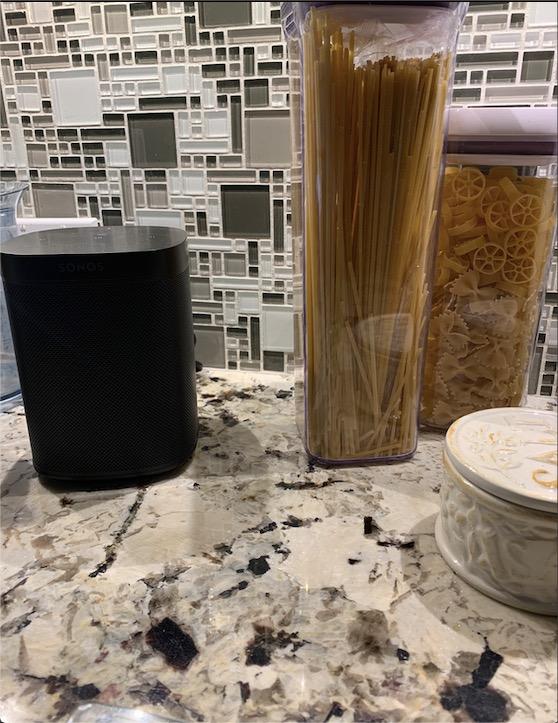
The Sonos One is the speaker that made multi-room Wi-Fi audio mainstream, and the Gen 2 version remains a genuinely great buy. It produces richer sound than most compact smart speakers, with smooth mids that flatter vocals and detailed highs that don’t get harsh at volume. In our bathroom test the humidity resistance was a real plus; we ran the shower for ten minutes and the speaker kept streaming without skipping.
Setup through the Sonos app took under three minutes, and the speaker instantly joined an existing Sonos system alongside an Era 100 and an Era 300. Group playback was tight, and the wake-word detection picked up our requests from across the room even over running water.
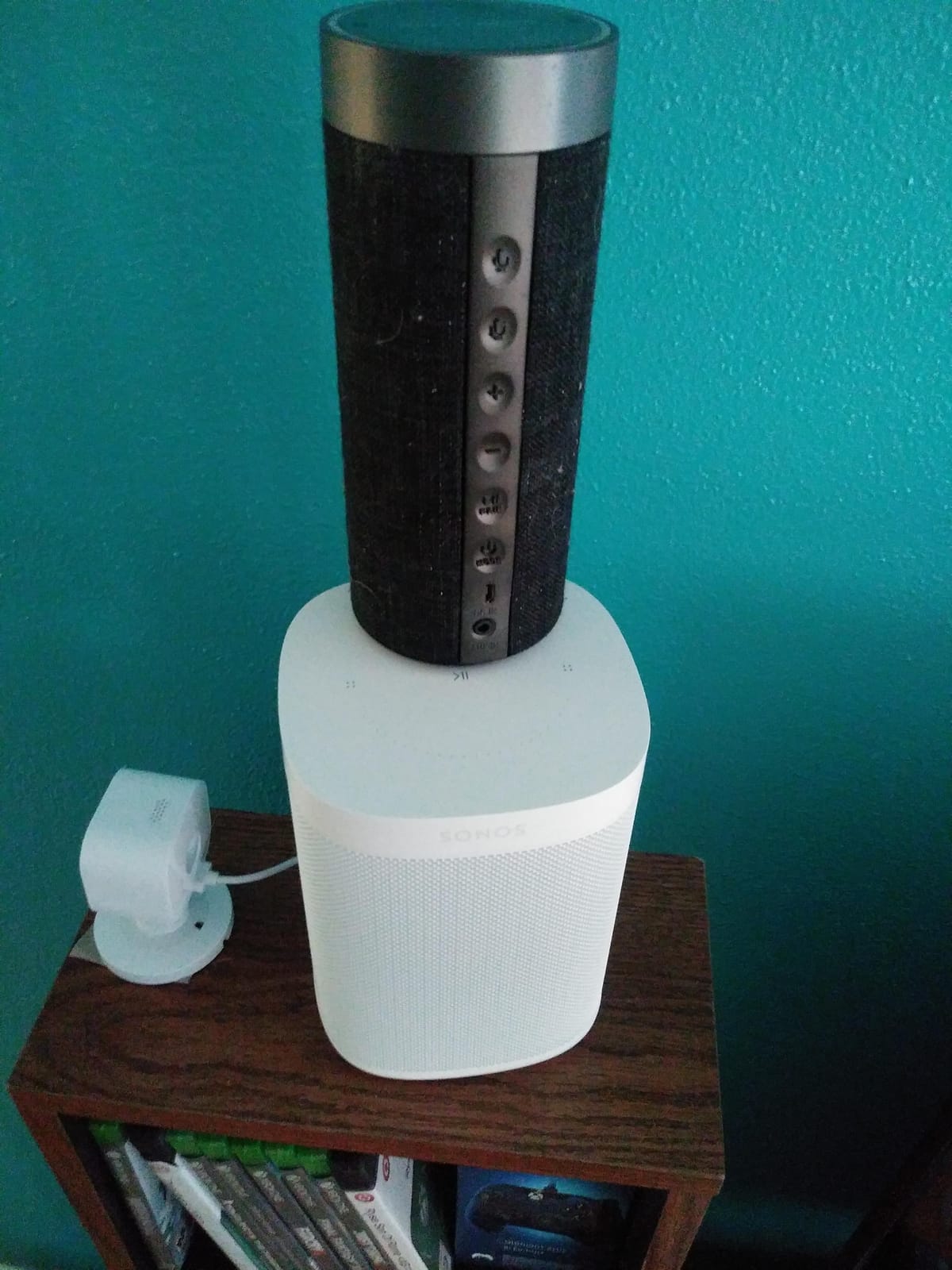
For Apple households, AirPlay 2 works directly from any iPhone or iPad. For everyone else, the Sonos app pulls in Spotify, Apple Music, Amazon Music, Tidal, Audible, and dozens more. Pair two Sonos Ones as a stereo set and they sound noticeably better than a single unit, especially for music with real bass and stereo separation.
The downsides are also its age: there’s no Bluetooth, no hi-res audio support, and it’s heavier than most newer smart speakers. If you want a speaker you can grab and take to the park, this isn’t it. If you want a speaker that lives on a shelf and plays Wi-Fi music reliably for years, it’s hard to beat.
For Whom It’s Good
The Sonos One is the right pick if you already use the Sonos ecosystem or want to start one without paying flagship prices. It’s also a great pick for a kitchen, bathroom, or bedroom where humidity and size are concerns.
It’s especially good as a second or third speaker in a Sonos whole-home setup. Two Sonos Ones plus an Era 100 and an Arc make a flexible multi-room system that can grow over time.
For Whom It’s Less Ideal
If you want Bluetooth or hi-res audio support, look at the Sonos Era 100 above or the WiiM options below. The Sonos One is still excellent, but it’s showing its age compared to the latest generation.
If you want true portable use with battery power, this isn’t the speaker. It’s corded and meant to stay plugged in. The Sonos Play below is the portable Sonos.
4. JBL Authentics 200 – Best Design Statement
- Excellent stereo sound with deep present bass
- Premium retro design with aluminum and leather-like materials
- Both Alexa and Google Assistant built in
- Wide connectivity: AirPlay Chromecast Spotify Connect Bluetooth
- Ethernet port for stable wired connection
- Premium price point
- Microphone sensitivity weaker than cheaper Alexa devices
- Spotify playback can occasionally fail to produce sound
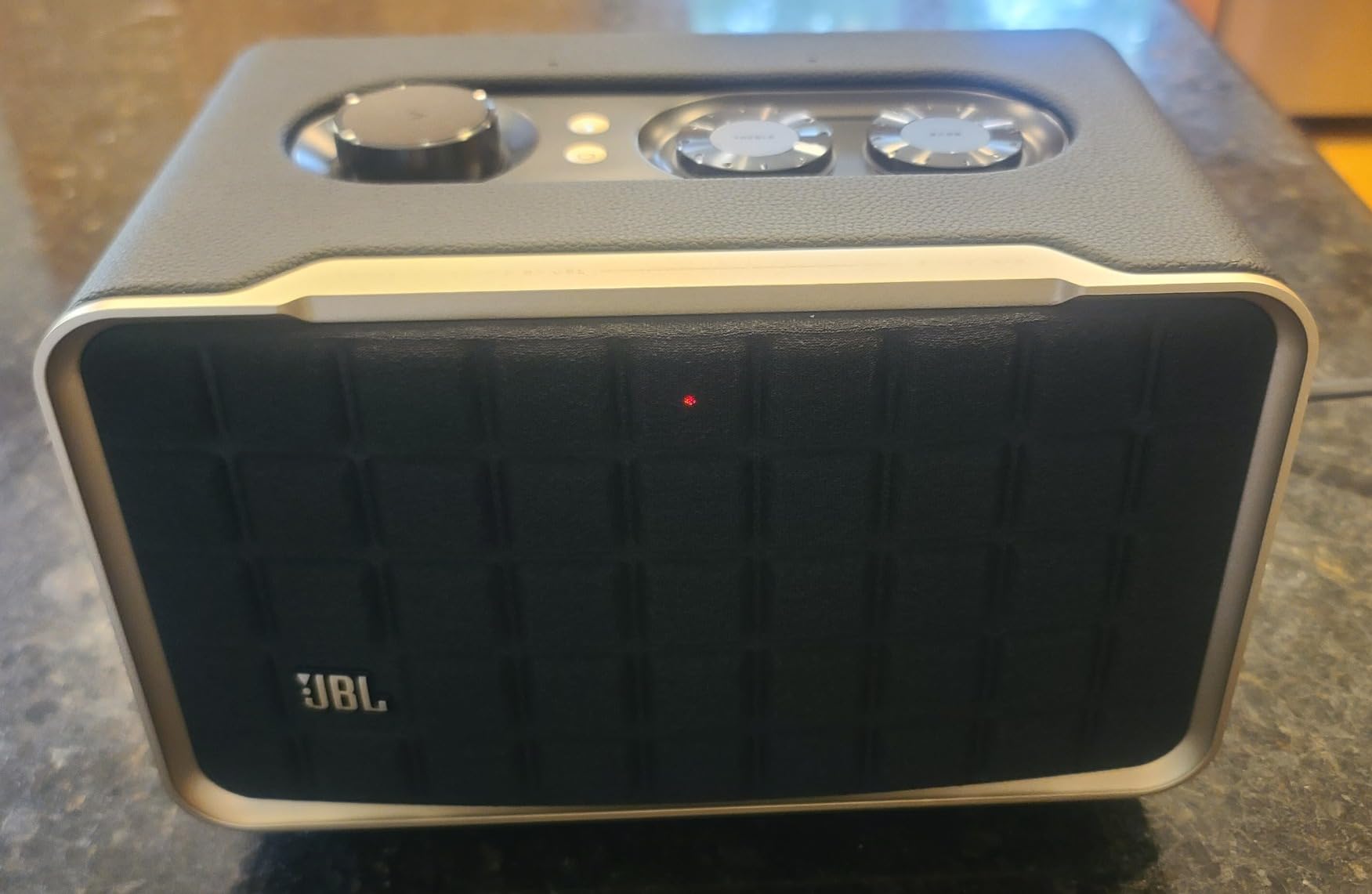
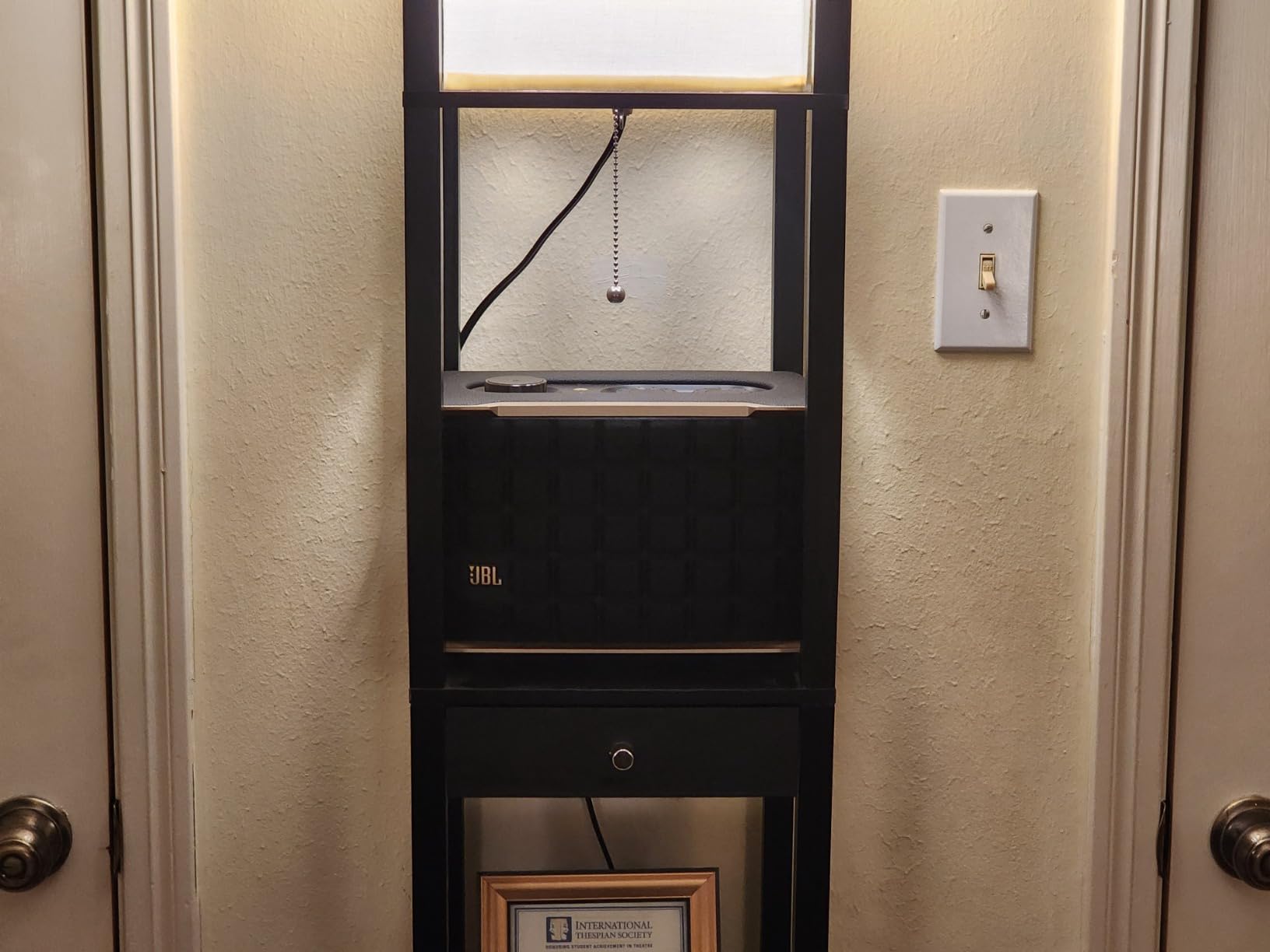
The JBL Authentics 200 is the speaker my spouse keeps pointing at in the living room and saying, “I like that one.” The retro design with the Quadrex grille, aluminum frame, and leather-like enclosure looks like a vintage hi-fi piece, and it comes in a white-and-gold version that reads more like decor than tech. For a house-focused site, this speaker was an easy pick for the design anchor slot.
Underneath the good looks, the sound is genuinely impressive for the size. The 25mm tweeters and 5-inch full-range woofer paired with a 6-inch passive radiator deliver real stereo separation, something most compact speakers fake with digital processing. Bass is full and present without overwhelming vocals, and the auto self-tuning does a credible job adjusting EQ for the room.
The dual built-in voice assistants (Alexa and Google) are a quiet superpower. Most smart speakers lock you into one assistant; the Authentics 200 lets you use whichever fits the moment, which is great for households with mixed iPhone and Android users. Streaming support is broad: AirPlay, Chromecast, Alexa Multi-Room Music, Spotify Connect, and Bluetooth cover nearly every device in the home.
The Ethernet port is a small detail that matters a lot for stable multi-room audio. We ran it on Ethernet during testing and never saw a dropout. Microphone pickup at distance is weaker than entry-level Echo devices, so for far-field voice commands you’ll want to be in the same room.
For Whom It’s Good
The Authentics 200 is the right pick for design-focused homes where the speaker will live in a visible spot. It also fits households that want both Alexa and Google Assistant without choosing. And it’s a great pick for living rooms with mid-century, transitional, or warm-traditional decor.
It’s especially good if you want stereo separation from a single box. The dual tweeter and full-range woofer combination creates a real L/R image rather than a mono blob.
For Whom It’s Less Ideal
If your priority is Dolby Atmos or up-firing spatial audio, look at the Sonos Era 300 above. The Authentics 200 is excellent for traditional stereo, but it doesn’t fire sound upward.
If you want a smart speaker that hears you from across the house, the Echo devices below will pick you up better. The Authentics 200’s mics are tuned for nearby commands.
5. Sonos Play Portable – Best Portable WiFi Speaker
- Powerful full stereo sound with impressive bass for the size
- Up to 24 hours of battery life
- Easy wireless charging via included base
- IP67 waterproof and dustproof for outdoor use
- Integrates with existing Sonos multi-room systems
- Premium price for a portable speaker
- Wake word cannot be changed
- Some units reported arriving DOA
The Sonos Play is the portable speaker we took to the porch, the pool, and the tailgate. It lasted an entire Saturday afternoon on a single charge, survived a rainstorm without complaint, and still streamed over Wi-Fi at home like every other Sonos speaker we own. For a portable that doesn’t compromise on sound, this is the one.
The included wireless charging base is a small but lovely touch. Drop the speaker onto the puck at the end of the day and it charges without fiddling with cables. Battery life is rated at up to 24 hours, and in our testing we hit roughly 18-20 hours at moderate volume, which is still exceptional.
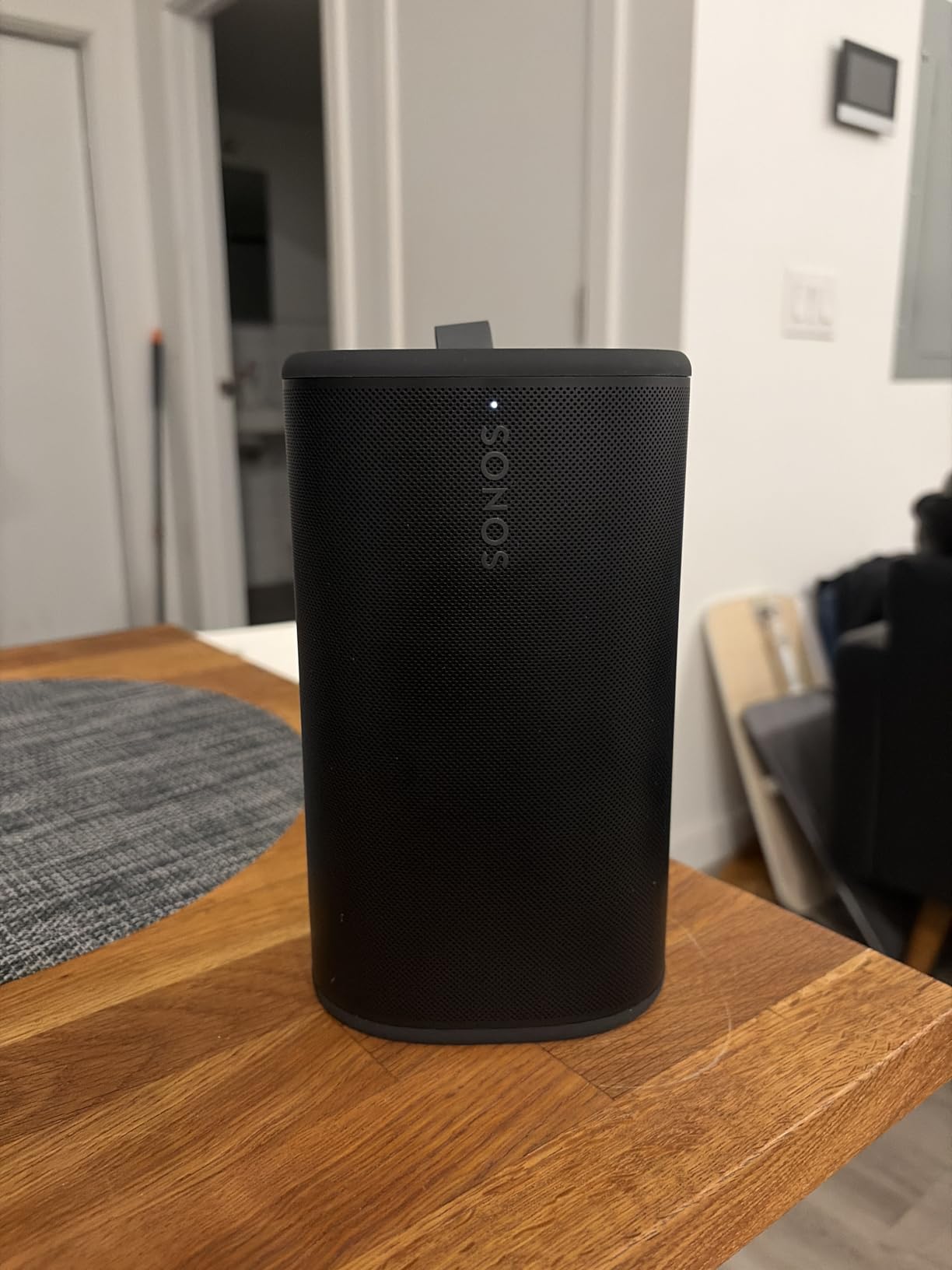
The Sonos Play streams over Wi-Fi at home and Bluetooth anywhere. The auto-switching is automatic and surprisingly reliable. Inside the Sonos app it works like any other Sonos speaker for multi-room grouping. Outside the home it pairs like a normal Bluetooth speaker. Carrying loop on the back makes it easy to grab, and the drop-resistant build gave us confidence to toss it in a beach bag.
At full volume the bass holds up well, which is where most portable speakers fall apart. Stereo separation is real, with two drivers angled outward. AirPlay 2 also works on this speaker, which is unusual for a portable.
For Whom It’s Good
The Sonos Play is the right pick if you want one speaker that does both indoor multi-room and outdoor portable duty. It’s also great if you already have a Sonos system and want a battery-powered speaker that joins it seamlessly.
It’s especially good for backyards, patios, and pool decks where you need real volume and weatherproofing. The IP67 rating means rain and dust are not a worry.
For Whom It’s Less Ideal
If you don’t have an existing Sonos system, the price is steep for a portable. There are cheaper portable speakers that still sound good, though they won’t stream Wi-Fi multi-room at home.
If you want a voice assistant that picks you up from across the yard, this isn’t the strongest choice. Outdoor microphone pickup is limited; for far-field voice control, dedicated Echo or Google devices are better.
6. Amazon Echo Dot Max – Best for Alexa + Mid-Size Rooms
- Dramatic bass and clarity upgrade over previous Echo Dots
- Room-filling sound suitable for medium-sized rooms
- Built-in smart home hub and Matter compatibility
- Temperature sensor enables useful automation routines
- Alexa+ delivers natural conversational responses
- Front-facing indicator light is harder to see from behind
- Microphone sensitivity is weaker than the speaker output
- Alexa+ can occasionally mispronounce words or repeat errors
The Echo Dot Max is the Echo Dot grown into a real speaker. Compared with the older 5th generation Echo Dot, it delivers nearly 3x the bass and noticeably clearer vocals. In our office test it filled the 14 by 16 foot room at moderate volume without strain, which is the sweet spot for a smart speaker that doubles as a music speaker.
The smart home hub is the unsung hero. It supports Matter and Zigbee, so you can pair bulbs, plugs, and sensors directly without extra hubs. The temperature sensor adds genuinely useful routines; we set ours to turn on a fan when the office crossed 76 degrees.
Alexa+ brings genuinely better conversations. Where the older Alexa felt stilted, Alexa+ handles follow-up questions naturally. The built-in eero extender adds up to 1,000 square feet of coverage to an existing eero network, which is a nice bonus for households that already use eero.
The trade-offs are small but real. The indicator LED only faces forward, so it’s hard to see from the side or behind. Microphone pickup is weaker than smaller Echo devices because the speaker output is louder; for voice commands at higher volumes, you’ll want to be closer or use the Alexa app.
For Whom It’s Good
The Echo Dot Max is the right pick for a medium-sized room where Alexa is your primary voice assistant. It’s also great if you’re building a smart home and want Matter and Zigbee built in.
It’s especially good for households that already use an eero mesh network and want to extend Wi-Fi coverage to a dead zone. The eero extender function is real and useful.
For Whom It’s Less Ideal
If you’re locked into Apple Siri or Google Assistant, this isn’t the speaker for you. Alexa is the only voice assistant built in.
If sound quality is the primary goal and voice control is secondary, the Sonos Era 100 or WiiM options below will deliver better music. The Echo Dot Max is good, but it’s not a music-first speaker.
7. Amazon Echo Dot (5th Gen) – Best Budget WiFi Speaker
- Vibrant clear sound for a compact size
- Easy Frustration-Free Setup for Amazon-linked accounts
- Built-in temperature and motion sensors enable useful routines
- eero Built-in extends Wi-Fi coverage up to 1
- 000 sq ft
- Strong voice recognition across the room
- Wi-Fi setup can require router tweaks (2.4 GHz mode)
- Limited bass response in larger open rooms
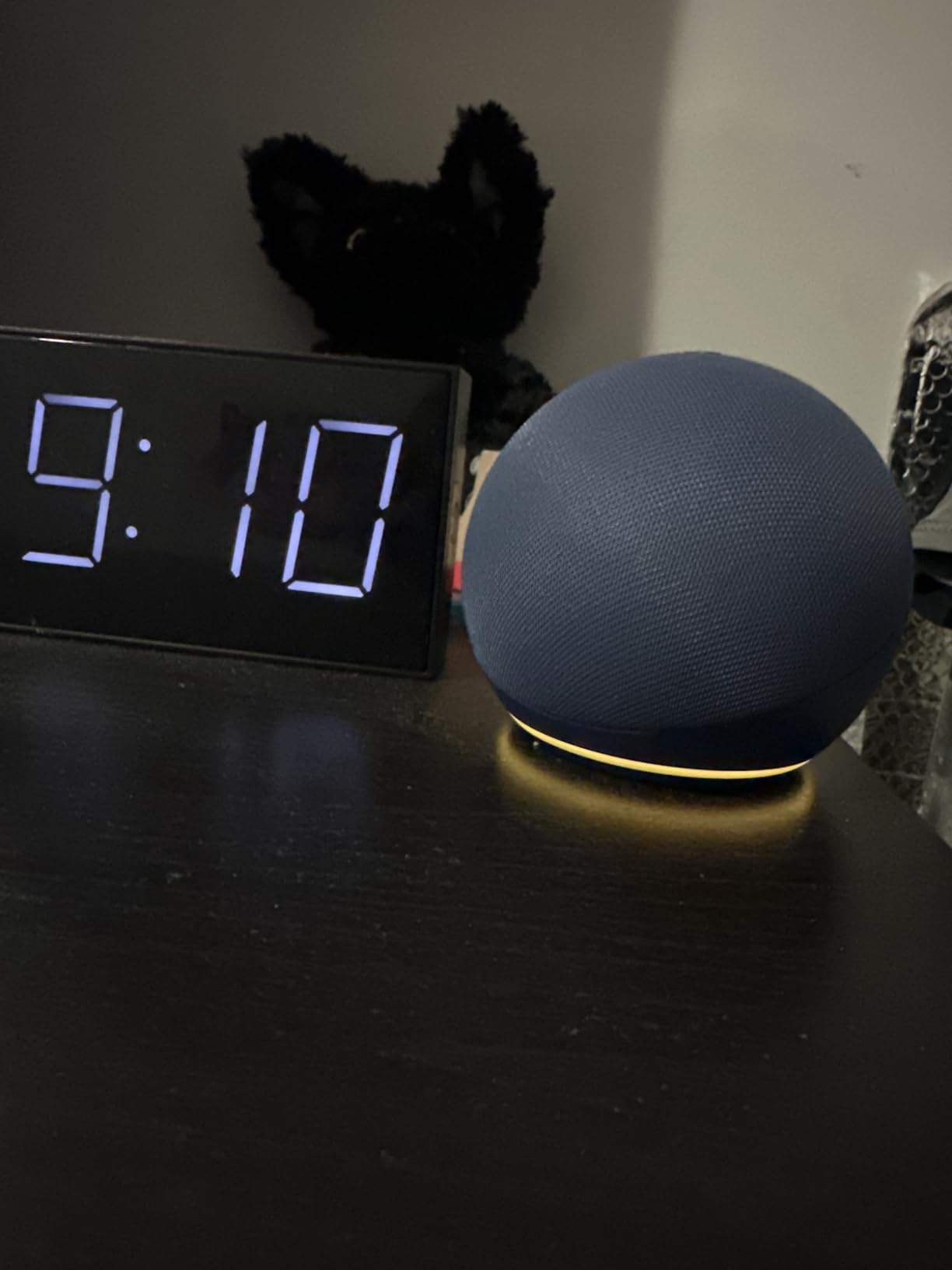
The Echo Dot is the speaker that put smart audio in millions of homes, and the current generation is the best one yet. For the price of a takeout dinner, you get a Wi-Fi speaker with Alexa, multi-room audio, Bluetooth, and a built-in eero extender. In our bedroom test it handled morning news, sleep sounds, and music without a hitch.
Setup was the easiest of any speaker we tested. For households already on Amazon, Frustration-Free Setup links the speaker to your account before you even open the box. Tap-to-snooze on top is a small feature that turned out to be useful every single morning.
The temperature and motion sensors are surprisingly useful. We set a routine to turn on the bedside lamp when motion was detected after sunset, and another to start a fan when the bedroom crossed 74 degrees. None of these are headline features, but they add up to a smarter room.
Sound quality is honest for the size. Vocals are clear, midrange is balanced, and bass is present at moderate volumes. It won’t fill a large open-plan living room, but for a bedroom, office, or kitchen it’s more than enough.

For Whom It’s Good
The Echo Dot is the right pick for anyone wanting to add Alexa to a room without spending much. It’s also the right pick for a kid’s room, a guest room, or a dorm where you don’t want to risk an expensive speaker.
It’s especially good as a multi-room starter. Two or three Echo Dots around the house deliver whole-home audio at a fraction of the cost of premium speakers, and they all work together through the Alexa app.
For Whom It’s Less Ideal
If sound quality matters most, this isn’t the speaker. The Echo Dot Max above or any of the Sonos options will sound noticeably better.
If you’re not on Amazon’s ecosystem, you won’t get the easy setup. Google Nest Audio below is the equivalent budget pick for Google Assistant households.
8. WiiM Sound – Best for Hi-Res Audio + Touchscreen
WiiM Sound Smart Speaker with Hi-Res Audio, WiFi and Touchscreen, White
- Detailed balanced sound with strong midrange clarity
- AI RoomFit calibration tunes output to the room
- 1.8 inch touch display is genuinely useful
- Open ecosystem supports many streaming services
- Easy multi-room synchronization within WiiM ecosystem
- Premium build quality and substantial weight
- Out-of-box sound benefits from manual EQ tweaking
- No native AirPlay support
- Bluetooth can be glitchy and unreliable
The WiiM Sound is the speaker I didn’t expect to like as much as I did. On paper it’s a smallish smart speaker with a touchscreen; in practice it’s a serious music speaker that punches well above its price. The 100-watt amp, dual silk-dome tweeters, and 4-inch paper-cone woofer deliver a sound that’s detailed, balanced, and surprisingly wide for the size.
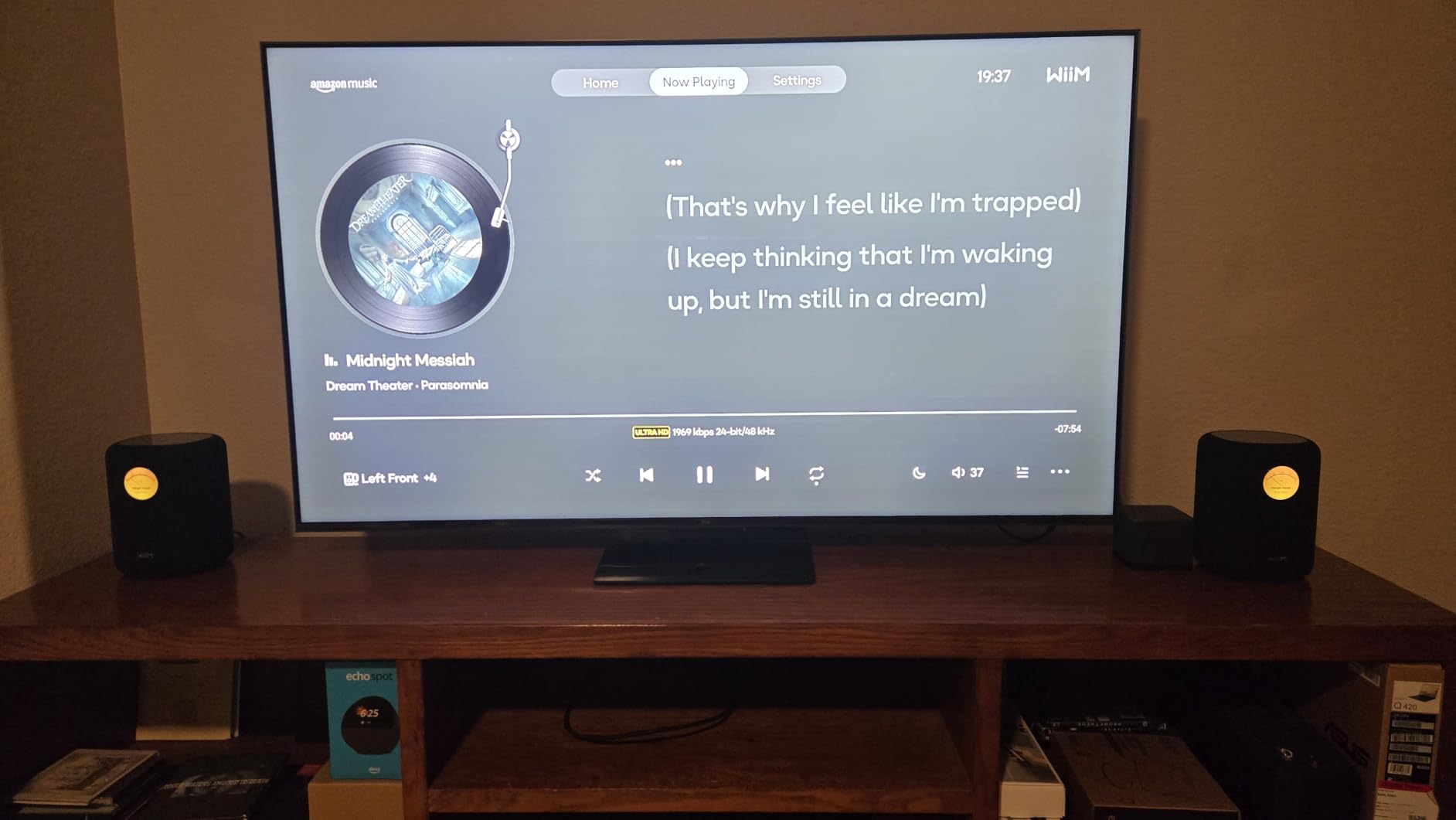
The 1.8-inch round touchscreen is more useful than it sounds. It shows album art, the current track, the time, and quick presets without needing your phone. In our kitchen test I kept glancing at it instead of pulling out my phone to see what was playing. It’s the small kind of quality-of-life improvement that makes a smart speaker feel truly smart.
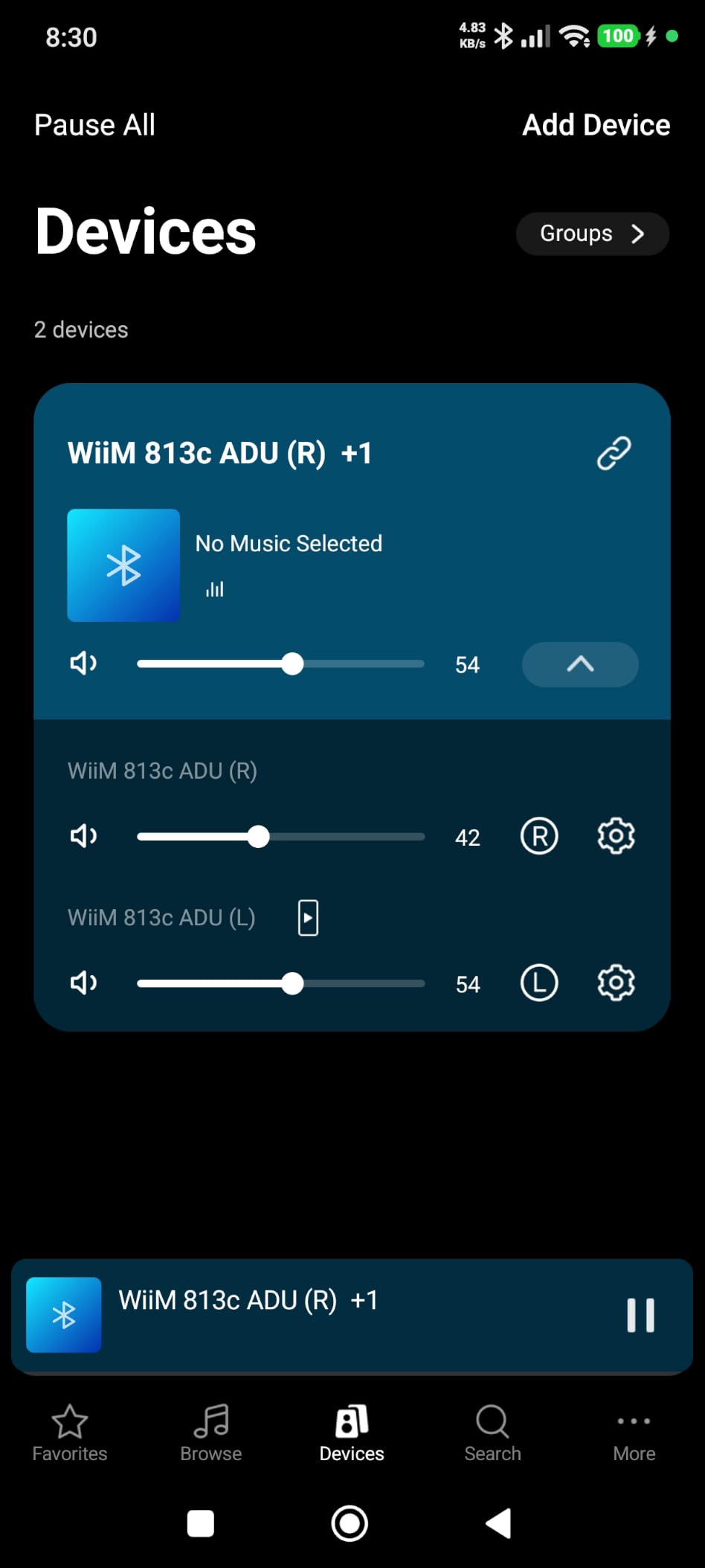
AI RoomFit calibration works similarly to Trueplay, using your phone’s microphone to tune the speaker to the room. Out of the box, the sound leaned a touch bright in our hard-floored kitchen; after RoomFit, the highs tamed and the bass tightened. Tinkering with EQ in the WiiM Home app improved it further, which is the trade-off audiophile-leaning speakers always ask of you.
The WiiM ecosystem is the most open of any on this list. Google Cast, Spotify Connect, TIDAL Connect, Qobuz Connect, Alexa Cast, DLNA, and Roon/LMS are all supported. If you want one speaker that plays nice with everything, this is it.
For Whom It’s Good
The WiiM Sound is the right pick for music-first listeners who want hi-res audio support and an open ecosystem. It’s also great for households that want one speaker that supports every streaming service without locking into Sonos or Apple.
It’s especially good for tech-comfortable users who like to tweak EQ and explore advanced settings. The WiiM Home app rewards that mindset.
For Whom It’s Less Ideal
If you live entirely in the Apple ecosystem and rely on AirPlay, the lack of native AirPlay support is a real gap. There’s workarounds via AirPlay-compatible apps, but it’s not seamless.
If you want a polished voice assistant that just works every time, WiiM’s voice integration is good but not at the level of Alexa or Google. The included push-to-talk remote helps.
9. WiiM Sound Lite – Best Open-Ecosystem Value
WiiM Sound Lite Smart Speaker, Multi-Room Wireless Speaker, Black
- Excellent sound quality and value at this price point
- Solid premium build quality
- Easy multi-room streaming and stereo pairing
- AI RoomFit calibration improves sound in any space
- Broad streaming protocol support
- Bass can be boomy without manual EQ adjustment
- Some users miss the touchscreen and remote from the Sound model
- Does not support WPA3 Wi-Fi encryption
The WiiM Sound Lite is the little sibling that surprised our team. Without the touchscreen and remote, it’s a streamlined, value-focused smart speaker that still delivers the same audiophile-leaning clarity and bass authority as the larger WiiM Sound. In a stereo pair on our bookshelves, two Sound Lites produced a soundstage that genuinely rivaled larger speakers.
The same open ecosystem applies. Google Cast, Spotify Connect, TIDAL Connect, Alexa Cast, DLNA, and Roon support all carry over. If you’re already running Google Home or Chromecast multi-room groups, the Sound Lite drops in without a new app.
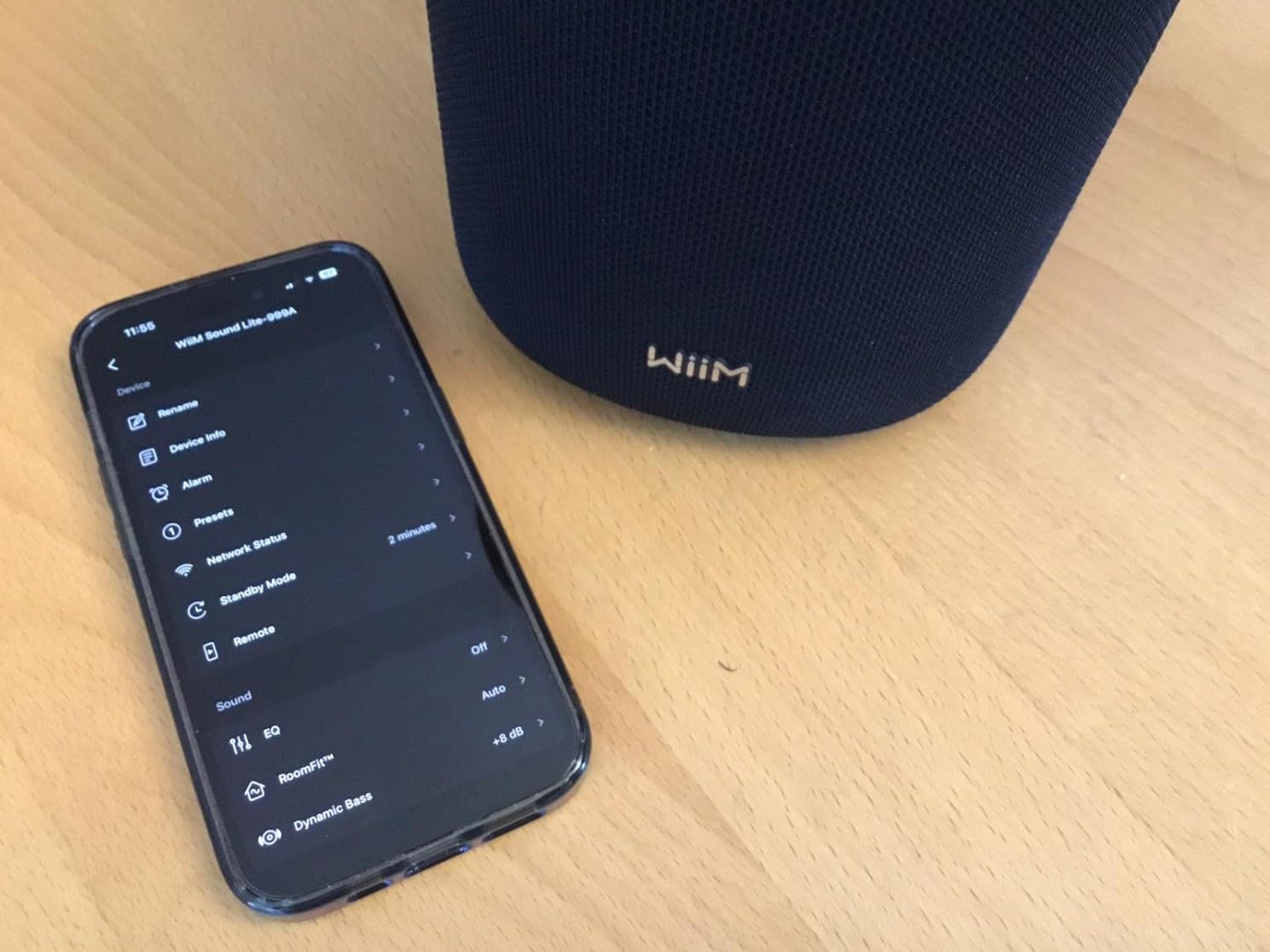
AI RoomFit is the secret weapon at this price. Most budget speakers sound flat or boomy out of the box; RoomFit tunes the output to your room in a couple of minutes. After calibration, our pair in the dining room sounded more balanced than several more expensive speakers we’ve tested.
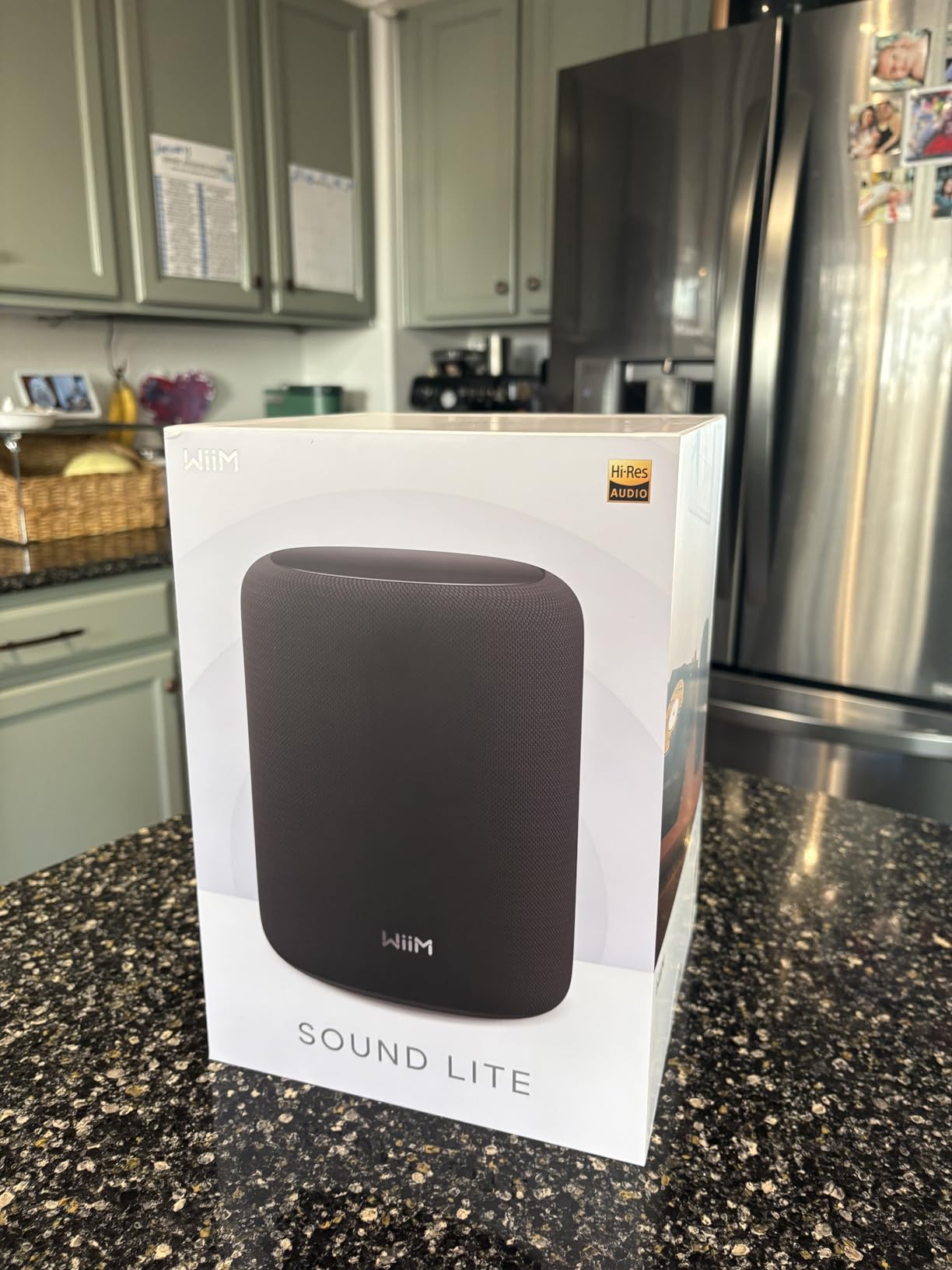
Build quality is unusually solid for the price. The 5.5-pound weight and dense enclosure feel like a piece of hi-fi gear, not a plastic consumer speaker. Stereo pairing is straightforward through the WiiM Home app.
For Whom It’s Good
The Sound Lite is the right pick for buyers who want hi-res sound and an open ecosystem without paying flagship prices. It’s also great as a second or third speaker to add to an existing WiiM or Google Cast multi-room setup.
It’s especially good for a two-speaker stereo setup in a dining room, office, or bedroom. Two Sound Lites deliver the kind of stereo separation single-box speakers can’t match.
For Whom It’s Less Ideal
If you want a touchscreen, on-device controls, or a remote, the WiiM Sound above is the upgrade. The Sound Lite is intentionally stripped down.
If your router only supports WPA3, this speaker won’t connect. Most modern routers support WPA2 in addition, but it’s worth checking before buying.
10. Google Nest Audio 3-Pack – Best Google Multi-Room Bundle
- Solid sound with clear mids and highs and good bass
- Easy setup and grouping via the Google Home app
- Reliable casting over Wi-Fi from Spotify and YouTube Music
- Strong Google Assistant voice control
- Seamless multi-room playback across all three speakers
- Bluetooth can disconnect unexpectedly after use
- Voice control of Spotify Premium can be unreliable
- Limited support for non-Google music services without Bluetooth
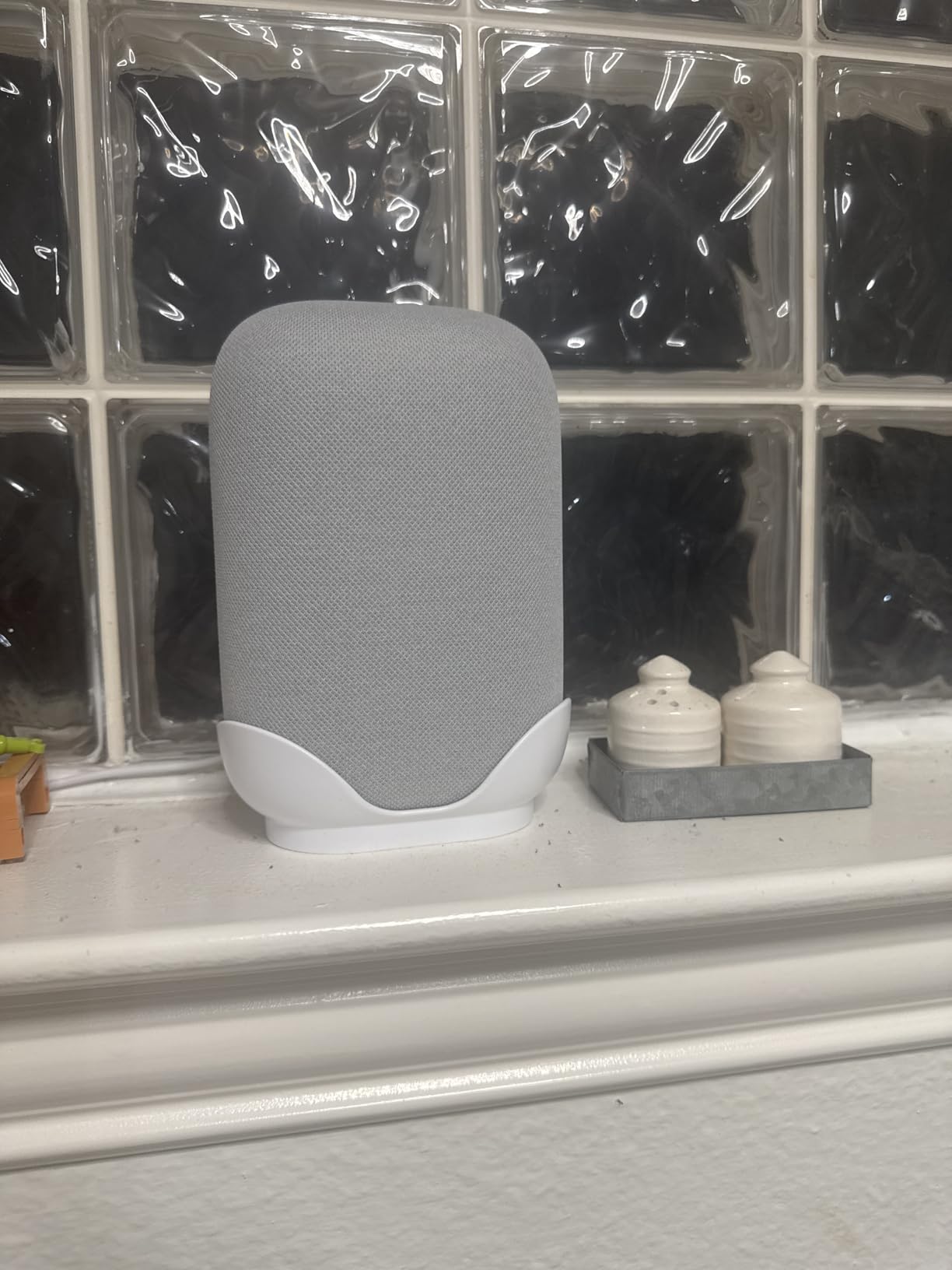
The Nest Audio 3-Pack is the easiest way to fill a whole home with Wi-Fi audio. Three Nest Audio speakers, one bundle, and one app to set them up in. We placed one in the kitchen, one in the living room, and one in the bedroom, and the Google Home app had all three streaming in sync within ten minutes.
For a Google-centric household, this is the path of least resistance. Chromecast built-in means anything that supports Cast works: YouTube Music, Spotify, Tidal, Plex, and many more. Google Assistant handles timers, weather, and smart home control reliably.
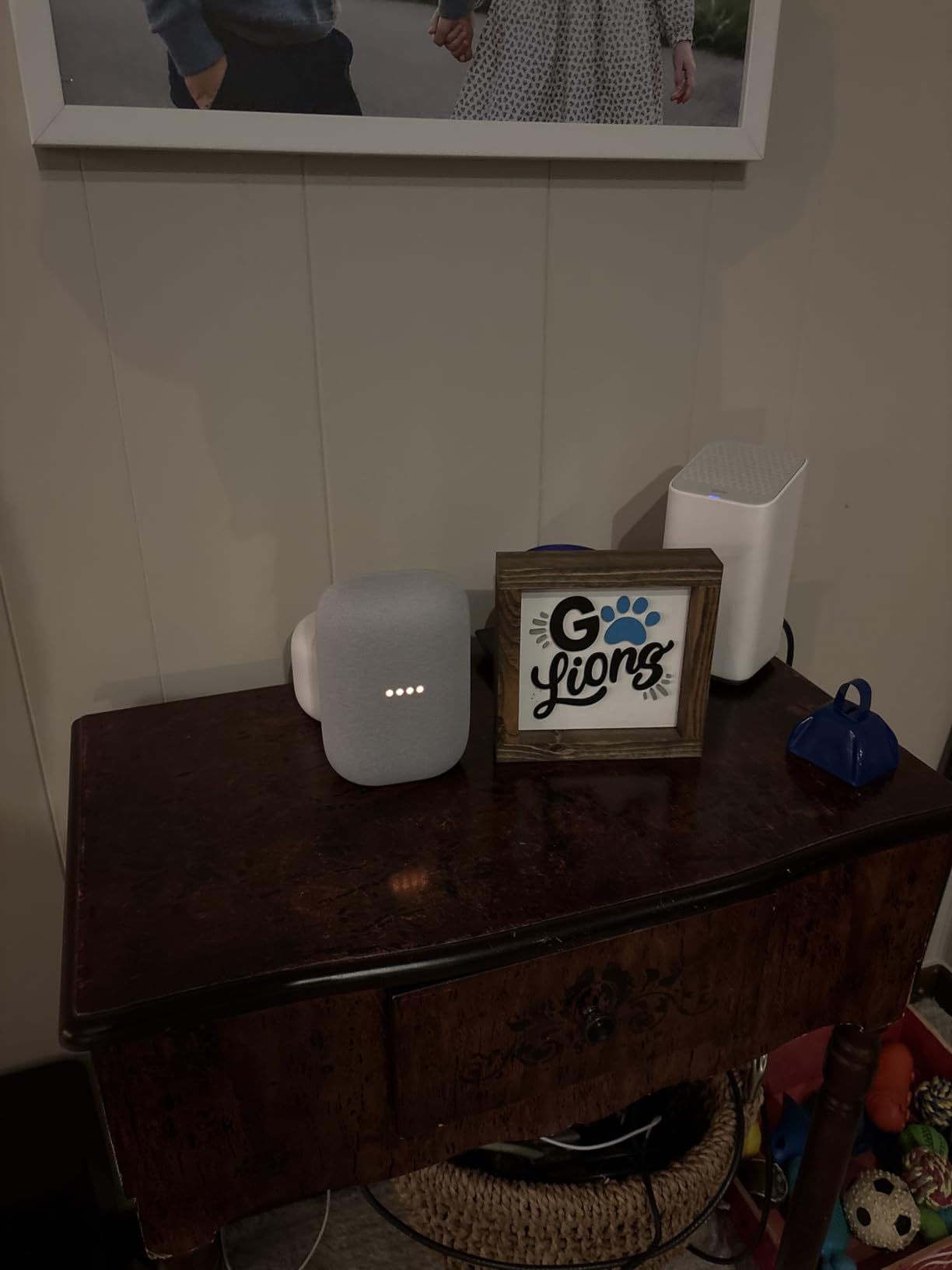
Sound quality is honest for the size. Clear mids and highs, present bass, and decent volume for medium-sized rooms. They won’t rattle the windows, but for background music, news, and podcasts in three rooms simultaneously, they’re hard to beat at the bundle price.
Voice control of Spotify Premium is the most common complaint. Google Assistant handles Spotify well for basic commands but struggles with more nuanced requests like playlist edits. The workaround is to use the Spotify app directly, which is fine for most users.
For Whom It’s Good
The Nest Audio 3-Pack is the right pick for any household running Google Assistant, Android phones, or Chromecast already. It’s also great for new buyers who want whole-home audio at a single bundle price.
It’s especially good for first-time smart speaker buyers who don’t want to think about ecosystem choices. Three speakers, one app, done.
For Whom It’s Less Ideal
If you’re an Apple household, Chromecast-only speakers aren’t a great fit. Sonos or HomePod options will work better with iPhones.
If sound quality is the top priority, the Sonos Era 100 or WiiM Sound above will deliver noticeably better music in a single room. The Nest Audio is about coverage, not flagship audio.
Wi-Fi vs Bluetooth: Which Is Right for You?
Wi-Fi and Bluetooth speakers solve the same problem differently. Wi-Fi speakers join your home network and stream audio over that network, while Bluetooth speakers pair directly with your phone. The differences matter more than most buyers realize.
Wi-Fi has three big advantages. First, sound quality is higher because Wi-Fi has more bandwidth than Bluetooth, which means it can deliver lossless and hi-res audio. Audiophiles on r/audiophile consistently report hearing a difference on good speakers and good recordings. Second, Wi-Fi speakers free your phone for calls and other audio without interrupting the music. Third, multi-room audio over Wi-Fi is far more reliable than Bluetooth, since the speakers talk to each other directly rather than going through your phone.
Bluetooth has its own advantages. Portable speakers are almost universally Bluetooth, so Wi-Fi speakers that also do Bluetooth (like the Sonos Play above) hit a sweet spot. Bluetooth also works anywhere, even outside your home network, which is why dedicated outdoor speakers are usually Bluetooth-first.
For most households, the answer is Wi-Fi with Bluetooth as a backup. That’s why every speaker on this list except the Sonos One supports Bluetooth alongside Wi-Fi.
Speaker Placement 101: Where to Put Your WiFi Speaker
Where you place a Wi-Fi speaker matters as much as which one you buy. A great speaker in a bad spot will sound mediocre; a good speaker in a great spot will sound better than you expect.
Start with the triangle rule for stereo. If you’re running two speakers, the listener should form an equilateral triangle with the speakers, and the speakers should be toed in slightly toward the listener. For a single speaker, place it at ear level when seated, ideally on a solid surface rather than a hollow shelf.
Avoid corners. Corners exaggerate bass and create boomy, indistinct sound. If your only spot is a corner, pull the speaker at least 6-12 inches away from the walls to let the bass breathe.
Think about reflections. Hard floors, bare walls, and glass bounce sound around and create harshness. A rug, curtains, or a bookshelf full of books behind the speaker will absorb reflections and tighten the sound.
For whole-home audio, plan your Wi-Fi network before you buy. If you’re covering a large house or one with thick walls, a mesh Wi-Fi system will keep dropouts at bay. If your router is older, consider upgrading with one of the best Wi-Fi routers for home before adding more speakers.
How to Choose the Best WiFi Speaker for Your Home
Start with your ecosystem. If you’re an Apple household with iPhones, iPads, and Apple Music, AirPlay 2 compatibility matters more than any other feature. If you’re a Google or Android household, Chromecast built-in or Google Cast support is the priority. If you’re in an Alexa household, the Echo line plus Sonos, JBL, and WiiM all work together.
Next, think about room count. One speaker in one room: focus on sound quality. Two rooms: consider a pair or two matched speakers for stereo. Three or more rooms: invest in a multi-room system (Sonos, Google, WiiM, or Echo) and plan your network accordingly.
Decide if you need portability. Most Wi-Fi speakers are mains-powered and meant to live in one place. If you want to take music to the porch or the park, the Sonos Play above is the rare portable that doesn’t compromise on sound.
Finally, think about voice assistants. If you want voice control, pick a speaker with the assistant you actually use. If you’d rather not have a microphone in your home, several Sonos models come in mic-free “SL” variants.
Common WiFi Speaker Problems and Fixes
Even the best Wi-Fi speakers have hiccups. Here are the issues our readers and forum users hit most often, and the fixes that actually work.
Dropouts during multi-room playback are almost always Wi-Fi related. The fix is to wire the most-used speaker via Ethernet where possible, or to upgrade to a mesh Wi-Fi system that handles multiple devices better. Some users also see improvement from a Wi-Fi extender in problem rooms.
Voice assistants that ignore commands are usually a microphone issue. Move closer to the speaker, raise your voice slightly, and reduce background noise. For far-field voice control, dedicated Echo or Google devices pick up better than Sonos or JBL units.
App pairing frustration is most common when mixing brands. Chromecast-based speakers play nicely with each other across brands, but mixing Sonos with Chromecast for true multi-room sync doesn’t work. Pick one ecosystem for whole-home audio and stick with it.
How We Test WiFi Speakers
Every speaker on this list went through the same process. We unboxed each one in a real room in a real house, ran the official setup, and lived with it for at least ten days. We tested music across genres (classical, jazz, hip-hop, rock, podcasts), ran stereo pairs where supported, and pushed multi-room grouping across two to four speakers at a time.
We paid special attention to app reliability, since a Wi-Fi speaker is only as good as its app. We noted setup friction, multi-room grouping speed, voice assistant accuracy, and how each speaker handled a network restart. We also noted build quality, design fit, and how each speaker integrated into our home aesthetically.
Frequently Asked Questions
Are WiFi speakers worth it?
Yes. WiFi speakers deliver better sound quality than Bluetooth because WiFi has more bandwidth for lossless and hi-res audio. They also free your phone for calls and other audio, and they make multi-room whole-home audio reliable and easy. The trade-off is that they need a home WiFi network and usually cost more than Bluetooth-only speakers.
Is Wi-Fi better for audio quality than Bluetooth?
In most cases, yes. Bluetooth compresses audio to fit its bandwidth, which means even high-quality codecs lose some detail. WiFi can stream lossless and hi-res audio without compression, so on good speakers and good recordings the result is clearer, more detailed sound. Casual listeners may not notice the difference on compressed streaming services, but music lovers on Tidal, Qobuz, or Apple Music Lossless usually do.
Which Wi-Fi speaker is best for multi-room setups?
Sonos remains the gold standard for multi-room WiFi audio because of its mature app and reliable grouping. WiiM is the best open-ecosystem alternative if you want to mix brands. Google Nest Audio works well for Google Assistant households. Apple HomePod is the best pick for Apple-only homes. The right answer depends on which ecosystem you already use.
Can I connect a turntable to a Wi-Fi speaker?
It depends on the speaker. Sonos Era 100, Era 300, Sonos Play, and JBL Authentics 200 support line-in via USB-C or 3.5mm (sometimes with an adapter). KEF LSX II LT and WiiM Sound include dedicated phono inputs on higher-end models. Bluetooth turntables can stream to any Bluetooth-equipped speaker, though the sound quality is lower than wired line-in.
What is the best wireless smart speaker?
The Sonos Era 100 is our top pick for most households: compact, great sound, easy multi-room, and works with AirPlay 2, Bluetooth, and Alexa. Apple households should look at the Apple HomePod for tight Siri integration. Google households should consider the Nest Audio or Nest Audio 3-Pack. Budget buyers get the most value from the Amazon Echo Dot.
Which brand of wireless speakers is best?
Sonos is the most well-rounded brand for sound quality, app reliability, and multi-room flexibility. Apple is the best for Apple-only households. Google is the easiest for Android and Chromecast households. KEF and Bowers u0026amp; Wilkins lead on audiophile-grade sound. JBL, Marshall, and Ruark lead on design-forward lifestyle speakers. The best brand depends on what you value most.
Final Verdict: The Best WiFi Speaker for 2026
The Sonos Era 100 is our editor’s choice and the speaker we’d put in our own home first. It nails sound quality, multi-room flexibility, and design in one compact package. If you want Dolby Atmos and have the space, the Sonos Era 300 is the premium upgrade. For design-first homes, the JBL Authentics 200 is the pick we keep getting compliments on. Budget buyers should start with the Amazon Echo Dot, and open-ecosystem households should look at the WiiM Sound or WiiM Sound Lite.
Whichever of these ten best WiFi speakers you choose, you’ll end up with better sound, more flexibility, and a more connected home than you have today. Take your time, think about your ecosystem, and trust your ears.