
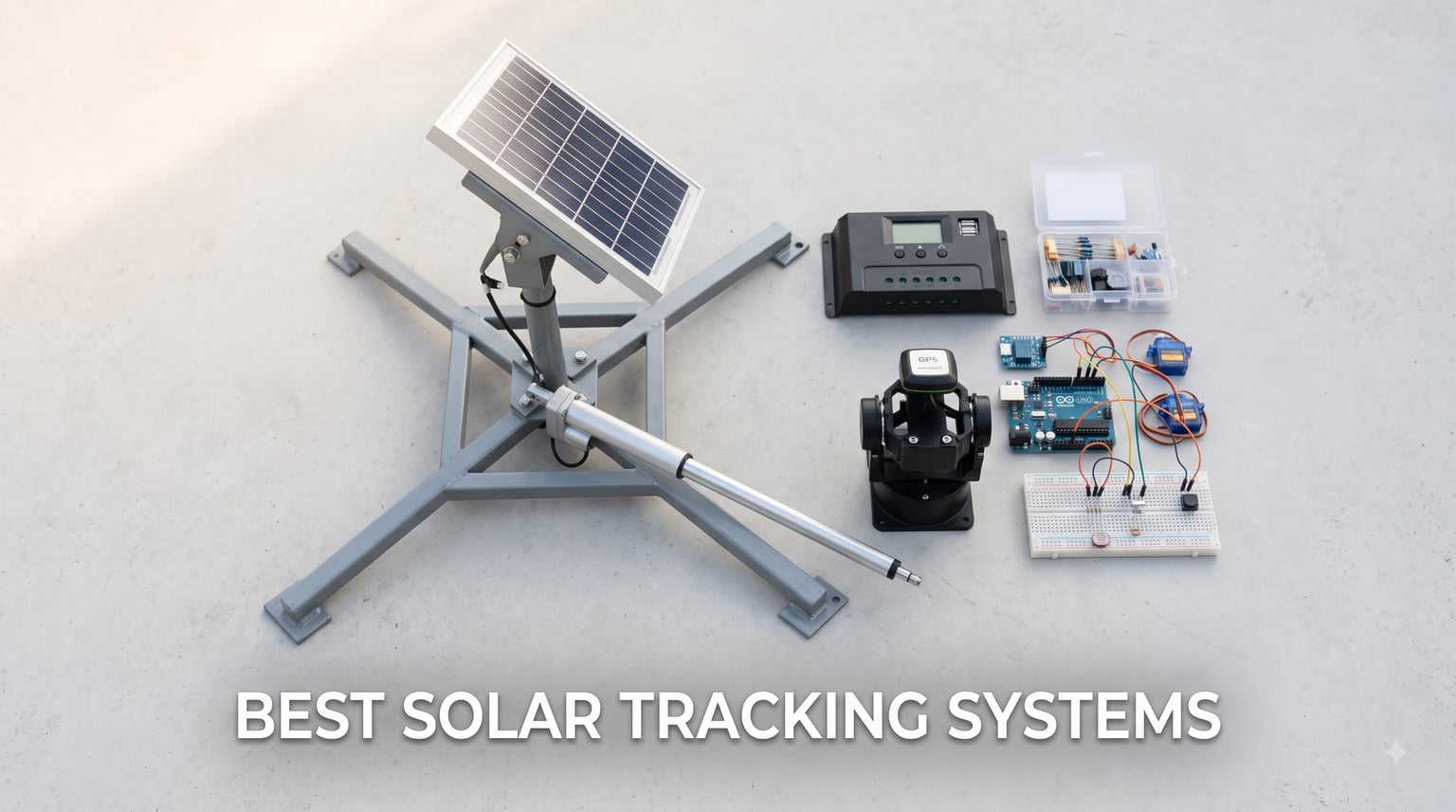
The best solar tracking systems do not all look like complete ground-mounted arrays. This lineup includes the actuators, motor controls, charge controllers, educational builds, and GPS-assisted mount that can form or support a tracking project, so the right choice depends on whether you are building a DIY mechanism, managing a 12V battery system, learning Arduino, or tracking the sun for observation.
A tracker follows the sun by changing a panel or instrument’s position. Single-axis designs move east to west, while dual-axis designs also change elevation; in practice, community reports often place realistic gains closer to 12-18% than the highest advertised figures, and extra motors, wiring, maintenance, land, and wind exposure can outweigh that gain for a small home array.
I compared the supplied product data by function, control method, weather protection, installation demands, and reviewer feedback. If your project also needs portable lighting, see our guide to solar lanterns, while a battery-centered build may benefit from our solar generator guide.
Table of Contents
Top 3 Picks for Best Solar Tracking Systems

Best Solar Tracking Systems in 2026
The quick comparison below separates mechanical movement from electrical control and education. None of these entries should be treated as a complete utility-scale tracker without checking the required frame, panel load, controller wiring, foundation, and safety hardware.
| Product | Specifications | Action |
|---|---|---|
 ECO-WORTHY Heavy Duty 330lbs/1500N Solar Tracker Linear Actuator ECO-WORTHY Heavy Duty 330lbs/1500N Solar Tracker Linear Actuator |
|
Check Latest Price |
 Renogy Wanderer Li 30A PWM Solar Charge Controller Renogy Wanderer Li 30A PWM Solar Charge Controller |
|
Check Latest Price |
 REXQualis Arduino UNO R3 Starter Kit REXQualis Arduino UNO R3 Starter Kit |
|
Check Latest Price |
 DC HOUSE 12 Inch Linear Actuator DC HOUSE 12 Inch Linear Actuator |
|
Check Latest Price |
 Renogy Rover 20A MPPT Charge Controller Renogy Rover 20A MPPT Charge Controller |
|
Check Latest Price |
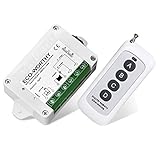 ECO-WORTHY Forward Reverse Motor Controller ECO-WORTHY Forward Reverse Motor Controller |
|
Check Latest Price |
| KEYESTUDIO DIY Solar Tracking Kit |
|
Check Latest Price |
 Sky-Watcher SolarQuest Tracking Mount Sky-Watcher SolarQuest Tracking Mount |
|
Check Latest Price |
1. ECO-WORTHY Heavy Duty Actuator for Strong DIY Movement
- Strong steel shaft and metal gears
- Mounting brackets included
- Multiple safety protections
- Weather-resistant aluminum housing
- Reviewers report some noise
- Limit-switch reliability concerns
- Connector may vary
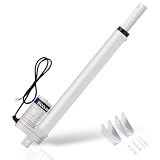
I would start a serious DIY tracker build with this actuator because its 330-pound thrust rating gives the mechanism useful mechanical headroom. The 12V input also fits the power architecture common to small off-grid projects, though the actuator is one component rather than a complete solar tracking system.
The all-steel shaft, metal gears, supplied brackets, and 300 mm stroke are practical details for a tilting frame. Its listed speed is 10 mm/s, and the aluminum housing carries IP54 protection for outdoor exposure.
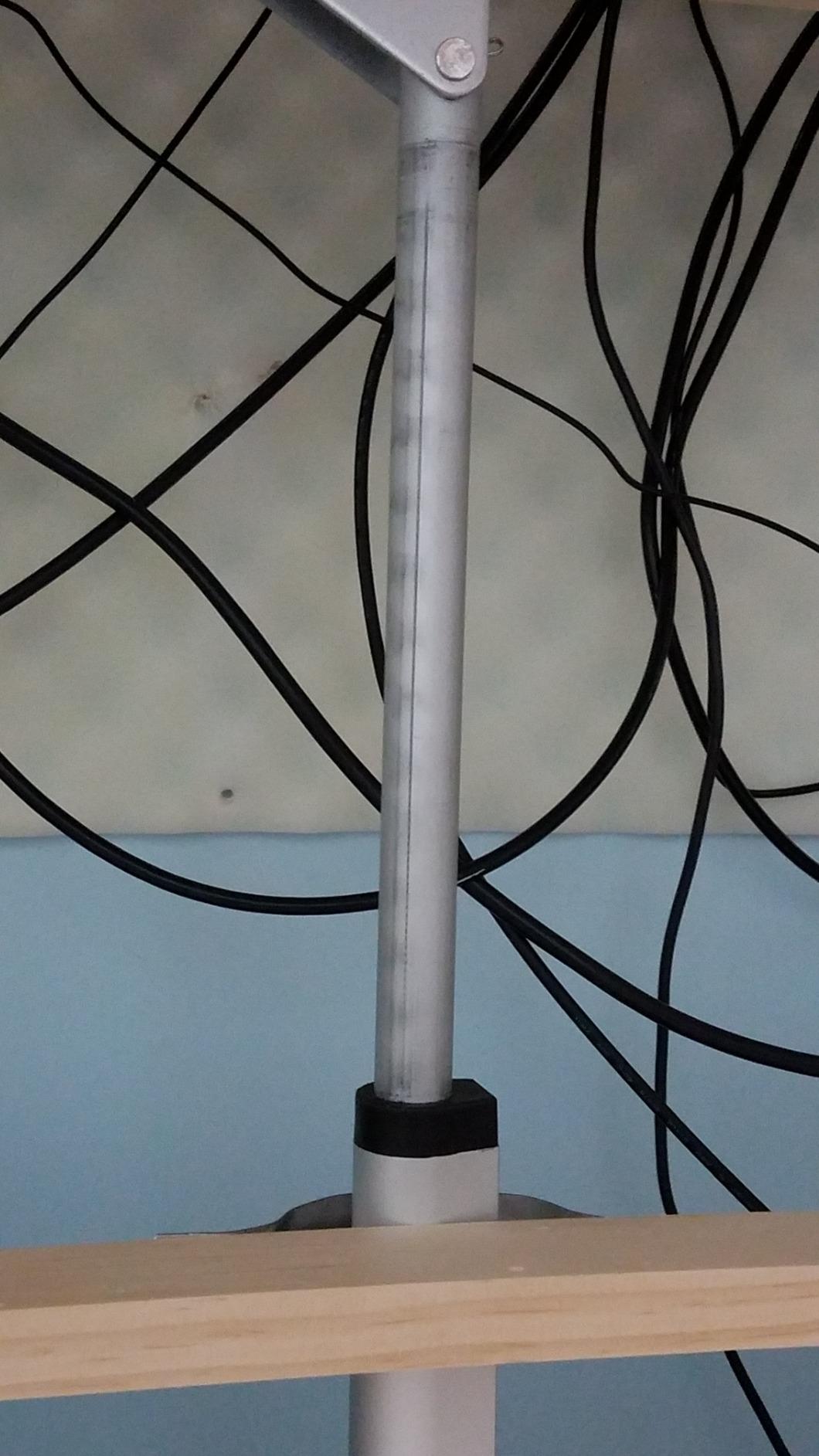
Six-point protection covers over-current, overload, over-voltage, over-discharge, short circuit, and anti-shock conditions. That is helpful when a controller reverses polarity, but I would still add correctly sized fusing, limit planning, and a physical stop.
Reviewers praise the strength, mounting process, and quiet operation when insulated, while the supplied review data also records occasional noise and reliability concerns around limit switches. The best use is a measured DIY or farm project where you can inspect the moving joints.
How much load can the actuator move?
The product data lists up to 330 pounds of thrust, but panel-frame leverage, wind load, mounting angle, and side loading still determine the usable capacity. Size the frame around those real forces rather than treating thrust as a panel-weight limit.
What maintenance does it need?
Check brackets, pins, wiring, seals, and limit behavior before storm seasons. Moving parts deserve more inspection than a fixed mount, especially where gusts can push a large panel surface.
2. Renogy Wanderer Li for Simple 12V PWM Control
Renogy Wanderer Li 30A PWM Solar Charge Controller 12V for Solar Panels
- Supports lithium and lead-based batteries
- Clear LED indicators
- Secure wiring connections
- Compact mounting options
- Bluetooth needs separate module
- Instructions could explain LEDs better
- Screw terminals can be fiddly
This controller does not move a panel, but it can support the 12V electrical side of a small tracker project. I like its straightforward role: regulate charging, protect the battery, and leave the mechanical tracking logic to an actuator controller or microcontroller.
The four-stage PWM charging profile supports lithium, AGM, gel, and flooded batteries. The product data also lists temperature compensation, an IP32 casing, and tool-free DIN rail or wall mounting.
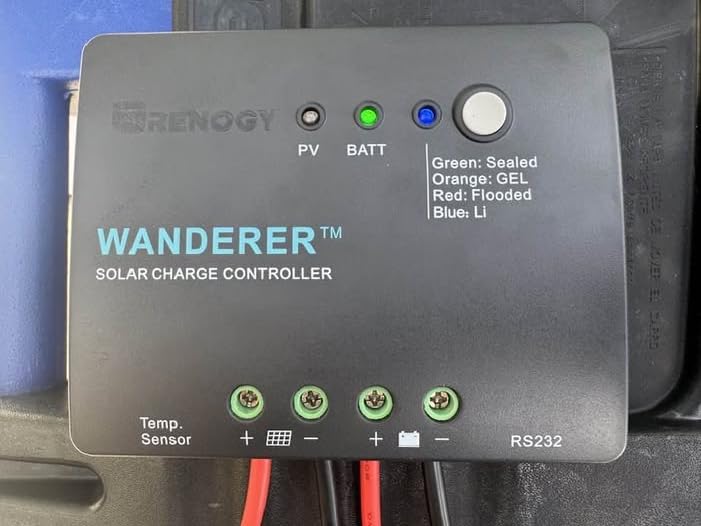
The 30A rating makes it a reasonable match for modest 12V systems, provided the panel input and battery chemistry are configured correctly. Bluetooth monitoring is possible through a separate BT-1 module, so it is not a built-in app controller.
Reviewers commonly praise reliable operation, clear indicators, and easy wiring. The recurring drawbacks are less polished documentation, difficult screws, and the need for an additional module for wireless monitoring.
Is PWM suitable for a tracker?
It can be suitable for a small 12V build where simplicity matters, but PWM is not the same as mechanical sun tracking. Confirm panel voltage, battery chemistry, current, and the actuator controller’s draw before connecting the system.
What should be monitored?
Watch battery voltage, charging stages, actuator movement, and wiring temperature. A tracker can increase collection time while also consuming energy during movement, so net output matters.
3. REXQualis Arduino Kit for Learning Tracker Controls
REXQualis Super Starter Kit Based on Arduino UNO R3 with Tutorial and Controller Board Compatible with Arduino IDE
- Broad component selection
- Arduino-compatible board
- Helpful online tutorials
- Sturdy storage case
- Programming knowledge helps
- Documentation has translation quirks
- USB cable is short
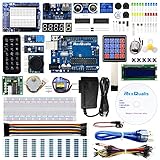
For someone learning how a solar tracker works, this kit offers a safer starting point than immediately lifting a full panel. The Arduino UNO R3-compatible board, sensors, motors, servos, display, and 120 components let you prototype light-following logic on a desk.
The included LCD1602 module needs no soldering, and a 9V 1A adapter is listed in the product data. The tutorial and datasheet support experiments with sensor readings, servo angles, and display feedback.
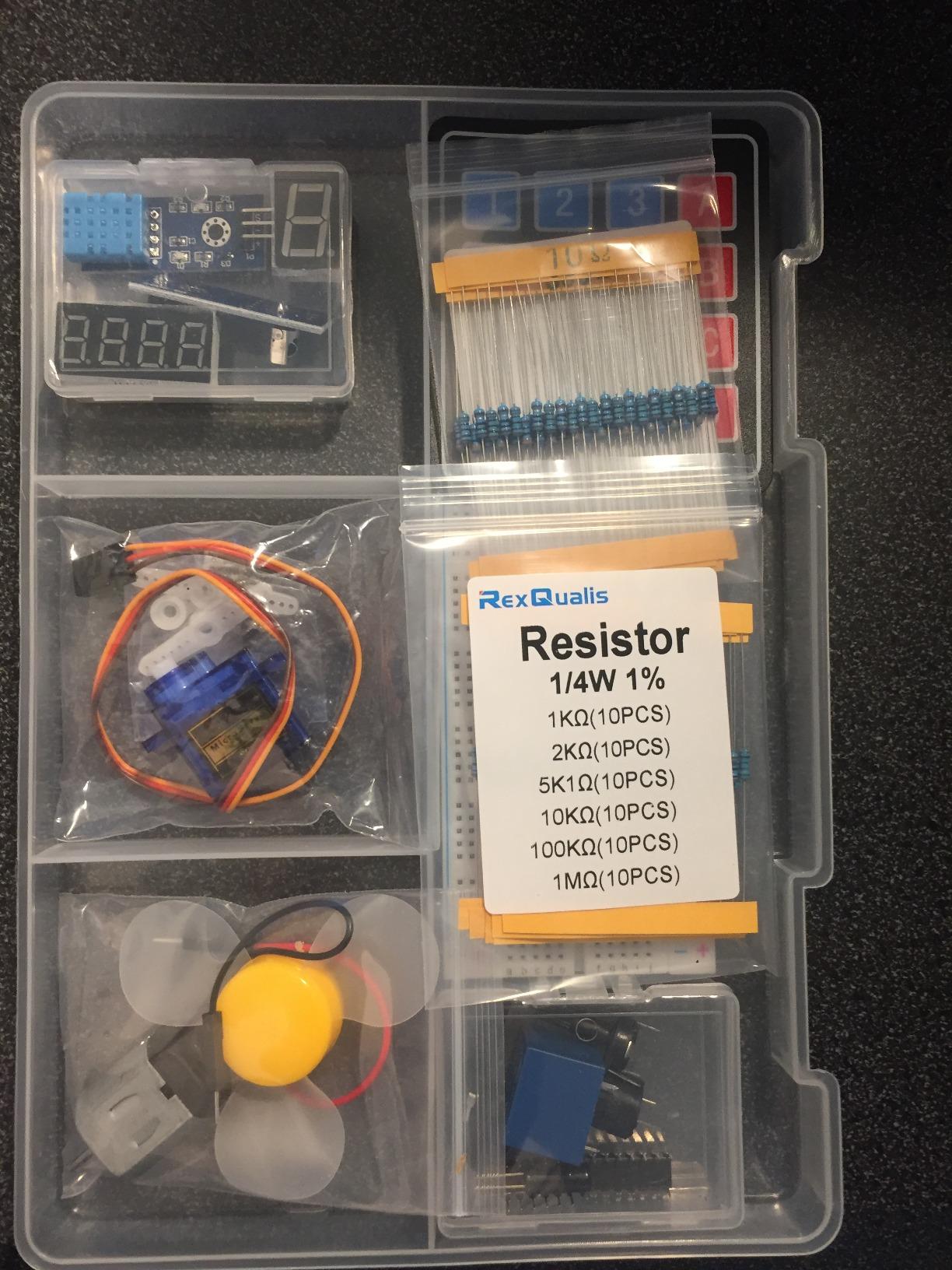
I would use this kit to test a control loop before connecting a larger actuator. It cannot substitute for a weatherproof tracker controller, structural frame, outdoor enclosure, or safety cutoff.
Reviewers value the quantity of parts, working components, online code examples, and case. The limitations are equally clear: programming in C or C++ helps, and the documentation may require extra interpretation.
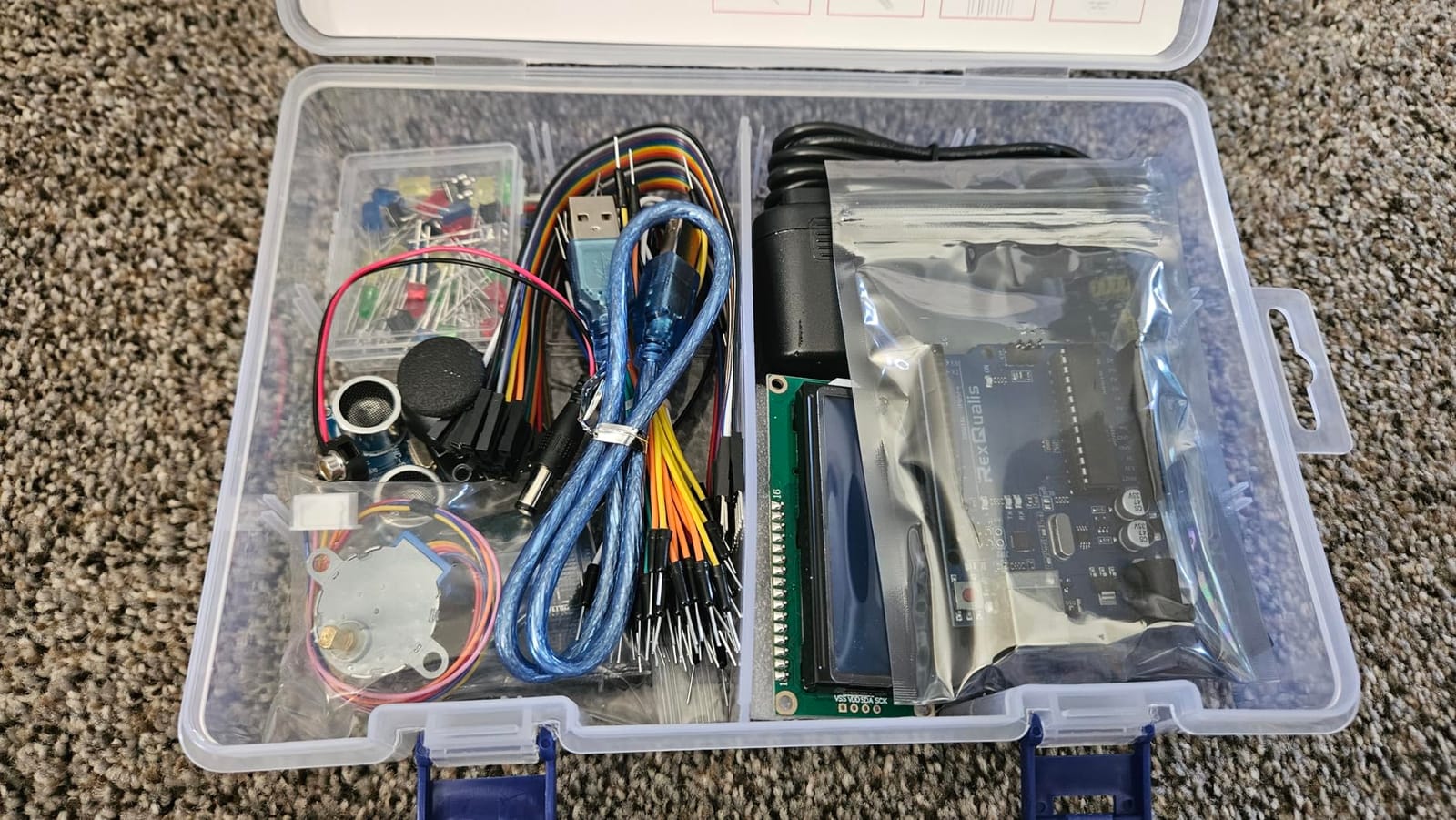
Can it control a full-size panel?
Not by itself as a finished installation. It is a prototyping and education platform, so a full-size build needs appropriately rated drivers, limit switches, power conversion, weather protection, and a mechanically safe frame.
Who should choose it?
Choose it for STEM learning, code testing, or a small demonstration tracker. It is especially useful when you want to understand sensors and servo movement before spending time on outdoor construction.
4. DC HOUSE Linear Actuator for Faster 12V Motion
DC HOUSE 12 Inch 12″ High Speed 14mm/s Linear Actuator Motor 1000N DC12V with Mounting Brackets
- Fast 14 mm/s travel
- 1000N listed thrust
- Internal limit switch
- Mounting brackets included
- Machining tolerances may vary
- Power ratings may be overstated
- Cold-weather performance concerns
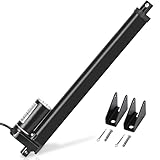
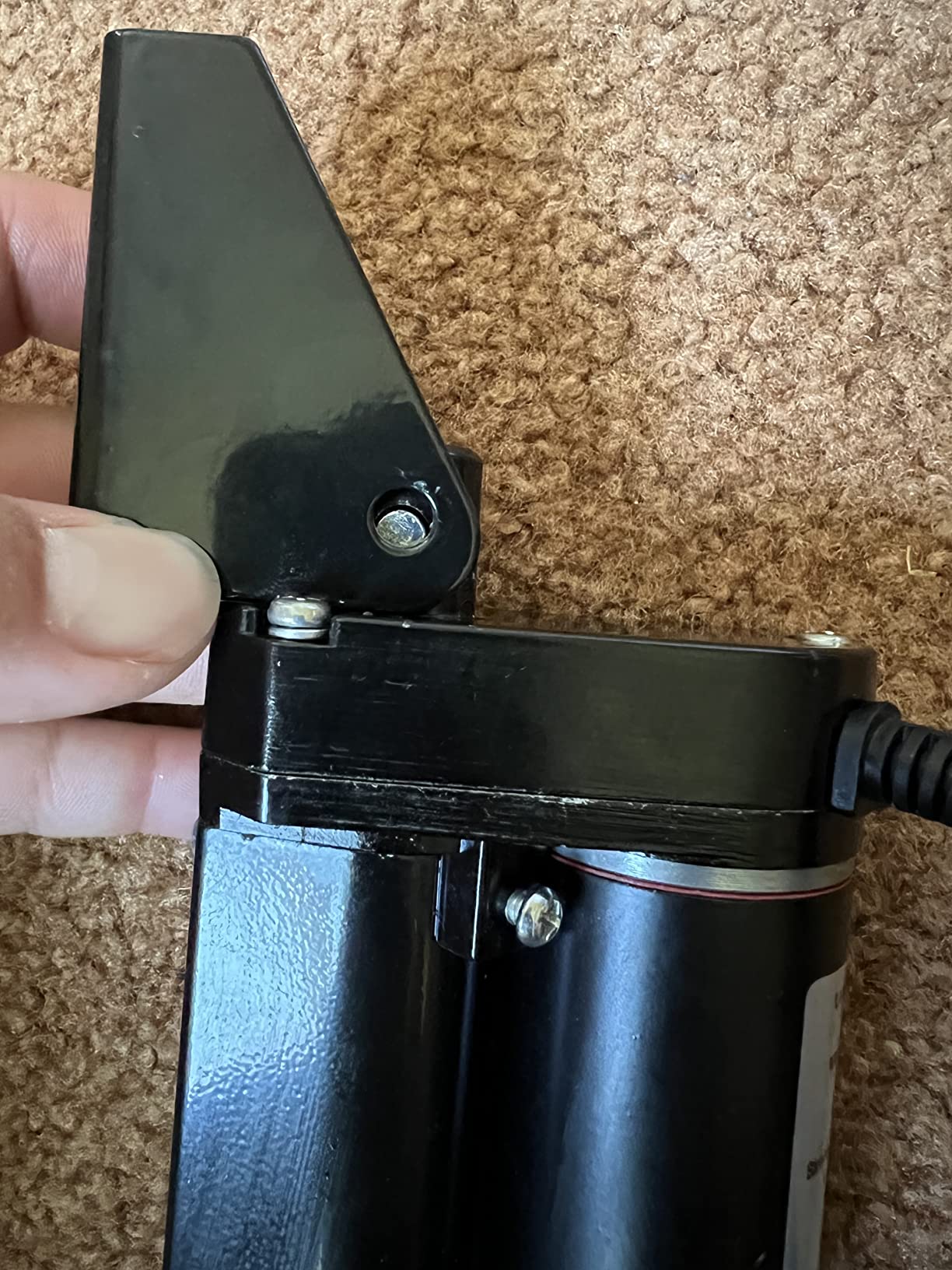
This DC HOUSE model is aimed at builders who need a 12-inch stroke and quicker movement than the ECO-WORTHY actuator. Its listed travel speed is 14 mm/s, with a 1000N thrust specification and internal limit switch.
The IP54 aluminum housing gives the actuator basic outdoor protection, while the included brackets simplify a first mechanical layout. I would still shelter the electrical connections and design the tracker to stow safely during high wind.
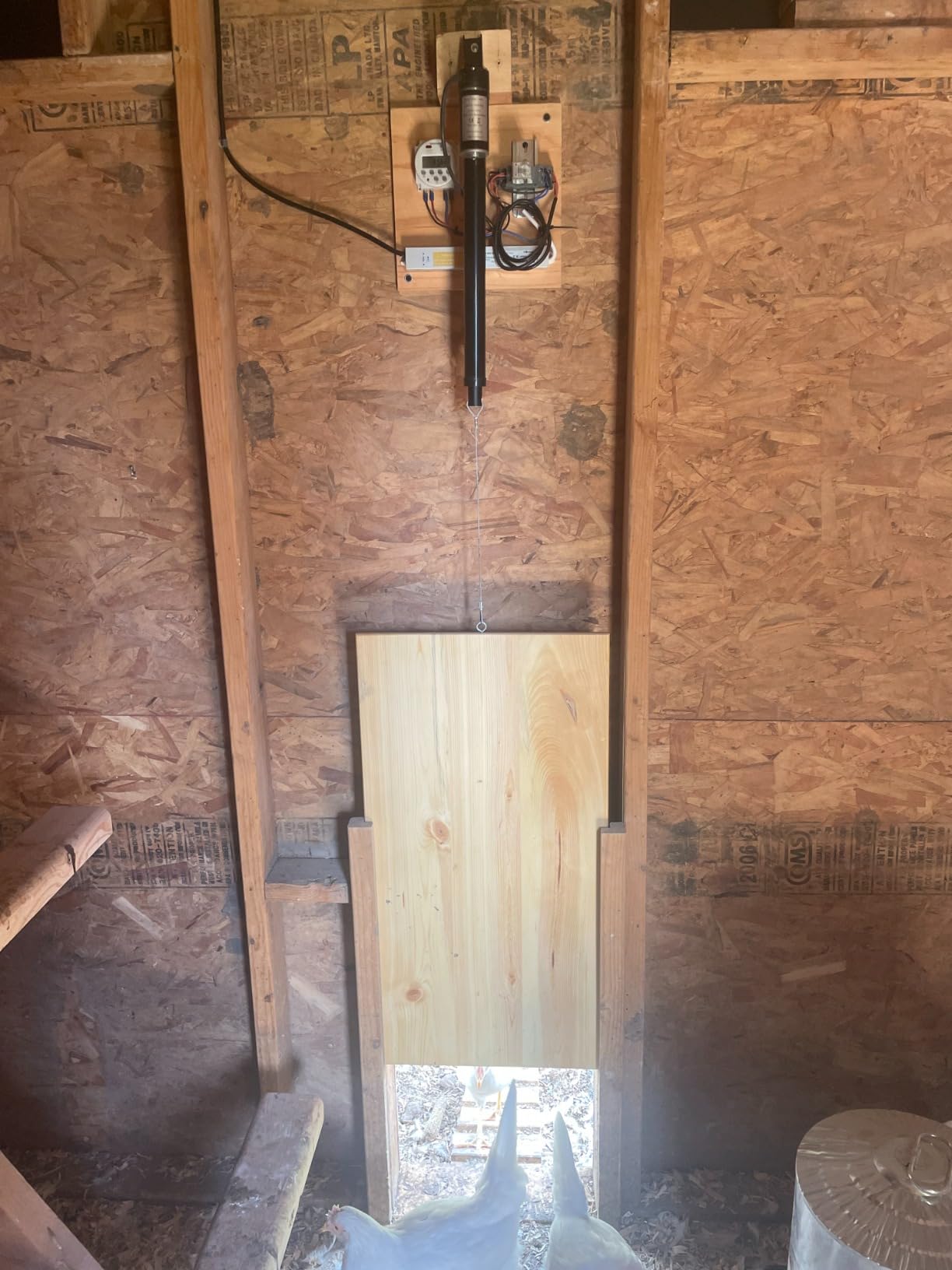
A 305 mm stroke can provide useful tilt range, but the actual panel angle depends on pivot geometry. The 12V supply and limit-switch behavior should be tested under the real load before unattended use.
Reviewers describe it as strong, quiet, and easy to install, while the supplied feedback flags inconsistent pin-hole machining, variable limit-switch positions, and possible cold-temperature problems. That makes careful inspection part of the installation.
Is speed more important than thrust?
Usually not for a solar tracker. The correct choice balances thrust, stroke, wind load, pivot leverage, cycle frequency, and safe stopping; faster travel does not solve an undersized frame.
How should the limit switch be tested?
Run the mechanism unloaded, then under a controlled load, and verify that it stops before the frame reaches a hard stop. Repeat the test after wiring the final controller and after any bracket adjustment.
5. Renogy Rover 20A MPPT for Efficient Solar Charging
- Efficient MPPT design
- Wide battery compatibility
- Clear LCD
- Temperature sensor and logging
- Lithium settings need checking
- Load terminals suit limited current
- Wireless monitoring needs module
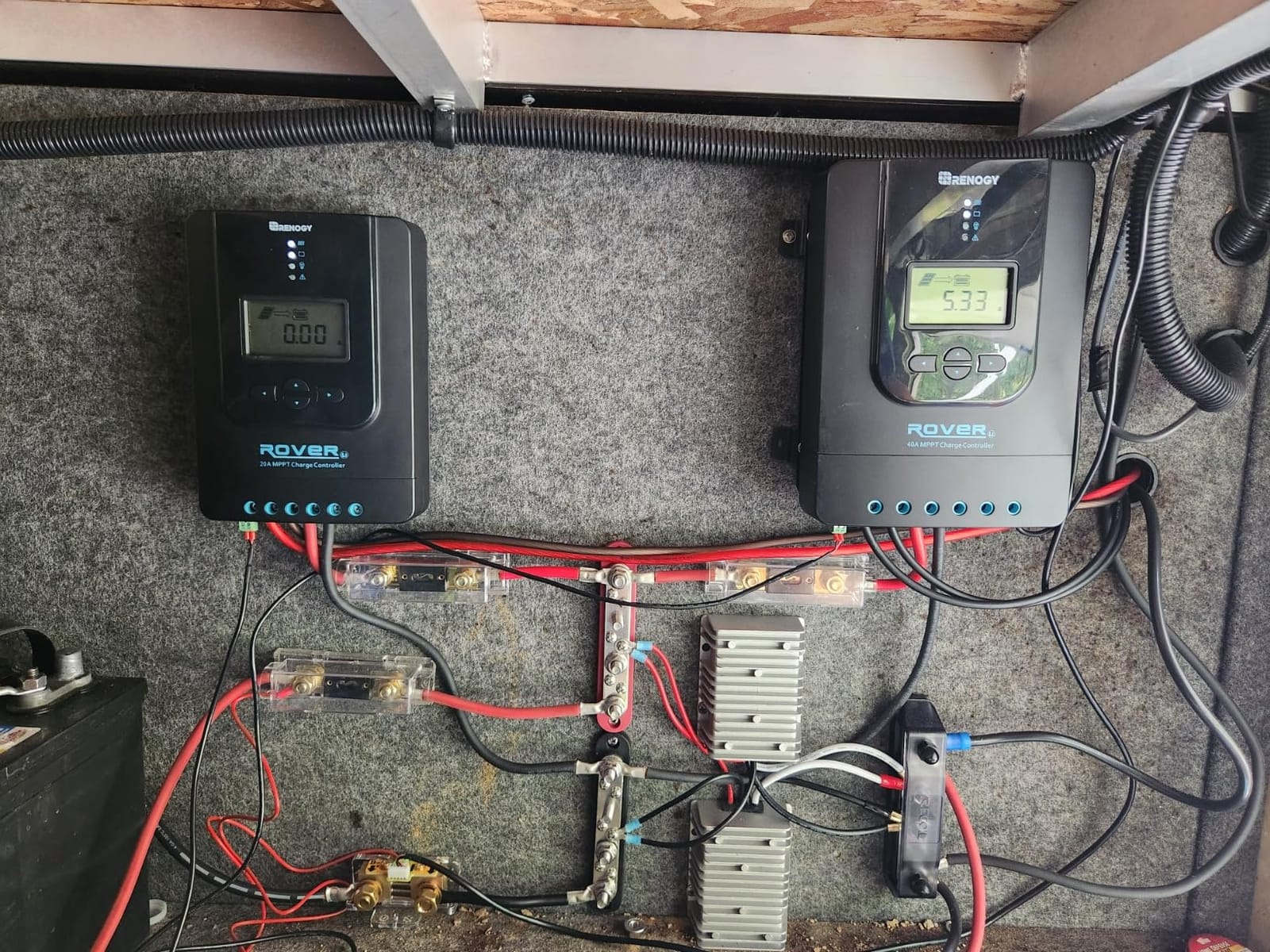
The Rover 20A is the strongest electrical match here when your project needs charge optimization rather than just basic regulation. Its product data lists MPPT tracking efficiency of 99.9%, automatic 12V or 24V detection, and a 260W 12V or 520W 24V input limit.
The LCD makes setup and live checks easier, while four-stage charging supports several battery chemistries. Temperature compensation, 365-day logging, Modbus support, and listed 6kV lightning protection add useful system-management detail.
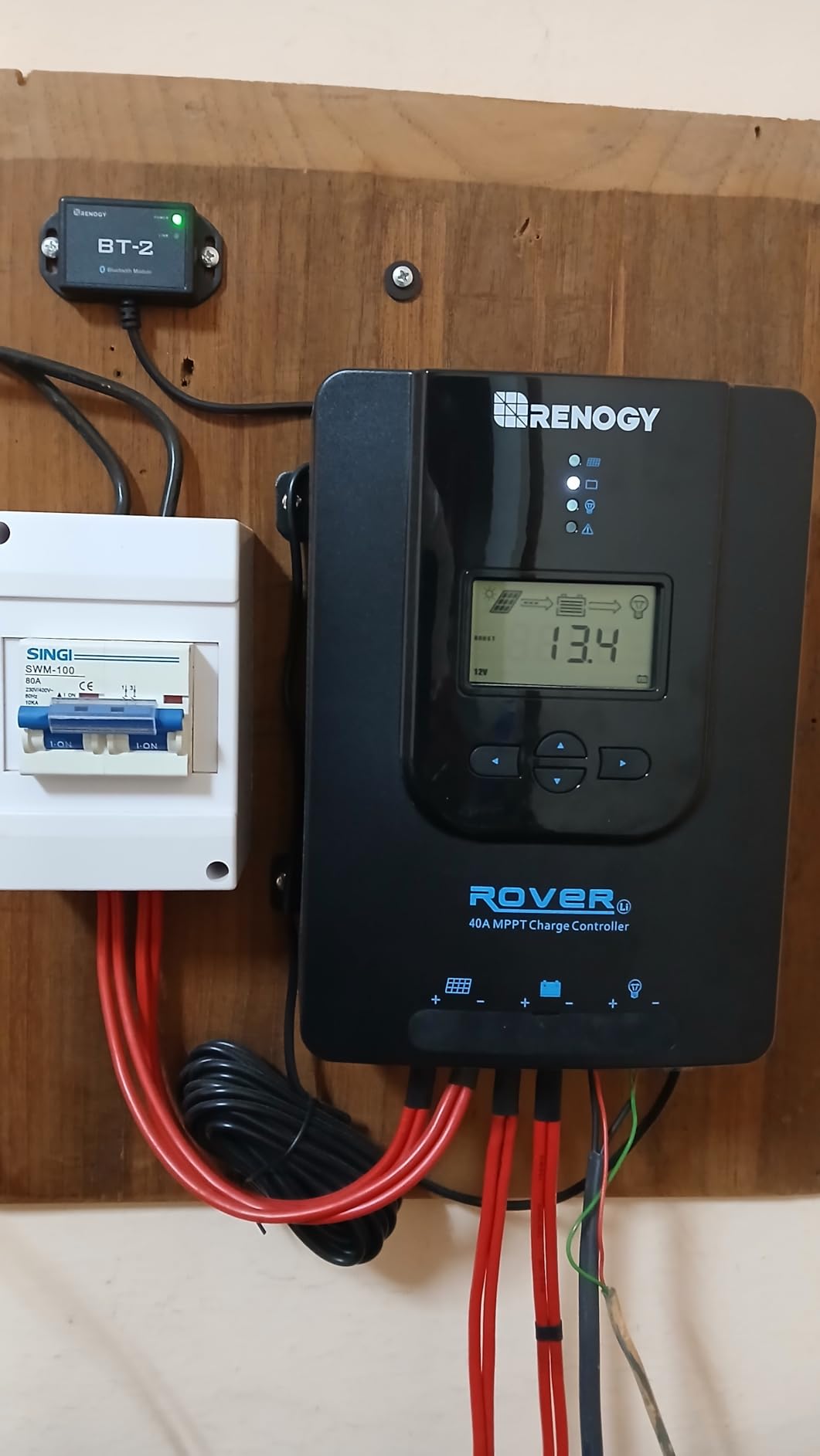
Reviewers report strong efficiency, configuration options, and performance with lithium and AGM batteries. I would pay close attention to battery-specific settings because the supplied review data notes that default lithium values may not fit every LiFePO4 battery.
This controller does not create the tracking motion, but it can help capture and store the extra energy a well-designed tracker produces. The load terminals are not intended for every high-current application, and Bluetooth requires a separate BT2 module.
Why use MPPT with a tracker?
Mechanical tracking and electrical maximum-power-point tracking solve different problems. The mount changes panel orientation, while MPPT adapts electrical loading so the battery receives useful energy across changing voltage and light conditions.
What is the main setup risk?
The main risk is treating the controller’s limits as suggestions. Check array voltage, current, battery chemistry, temperature, grounding, and the controller’s permitted load before commissioning.
6. ECO-WORTHY Wireless Controller for Remote Motor Direction
- Wide input range
- Wireless directional control
- Two operating modes
- Overtime motor protection
- Remote response can be intermittent
- Instructions are limited
- Some reliability complaints
This controller is useful when you need to reverse a linear actuator without standing beside the frame. Its 8-35V DC input covers common 12V and 24V setups, and the four-key remote provides forward, reverse, stop, and mode control.
Momentary and self-locking modes give you a choice between holding the button for movement or allowing continuous operation. Overtime protection is a helpful safeguard, but it is not a replacement for physical limit switches and a wind-stow plan.
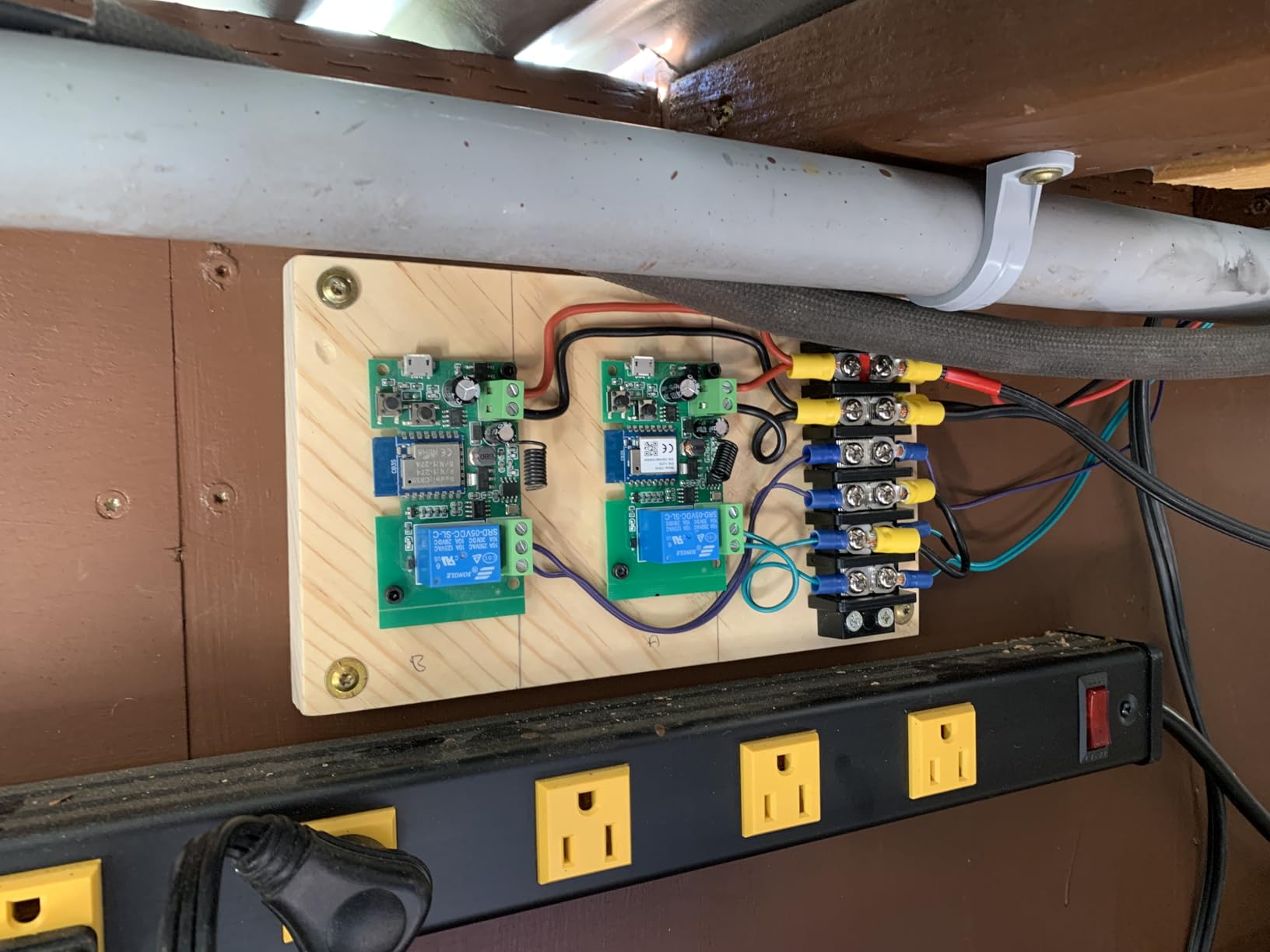
The product data specifically lists solar tracker and industrial automation use. I would place it in a protected enclosure, label every terminal, and test the radio range at the installed location.
Reviewers generally describe installation as easy and the actuator pairing as useful. Some report intermittent remote response, a need for a longer button press, dead-on-arrival units, and sparse advanced wiring instructions.
Is remote control automatic tracking?
No. This device provides manual wireless motor control; it does not calculate the sun’s position or continuously align a panel. Automatic movement requires a separate sensor, GPS logic, timer, or programmed controller.
Where does it fit in a tracker?
It fits best in a hands-on DIY build, test rig, or service setup. Keep an independent emergency disconnect available because a remote signal should never be the only way to stop movement.
7. KEYESTUDIO Kit for a Small Dual-Axis Learning Project
- Complete educational tracker setup
- Light and humidity sensors
- Phone charging module
- Step-by-step online tutorials
- Batteries are not included
- Some missing-piece reports
- Web access is needed for instructions
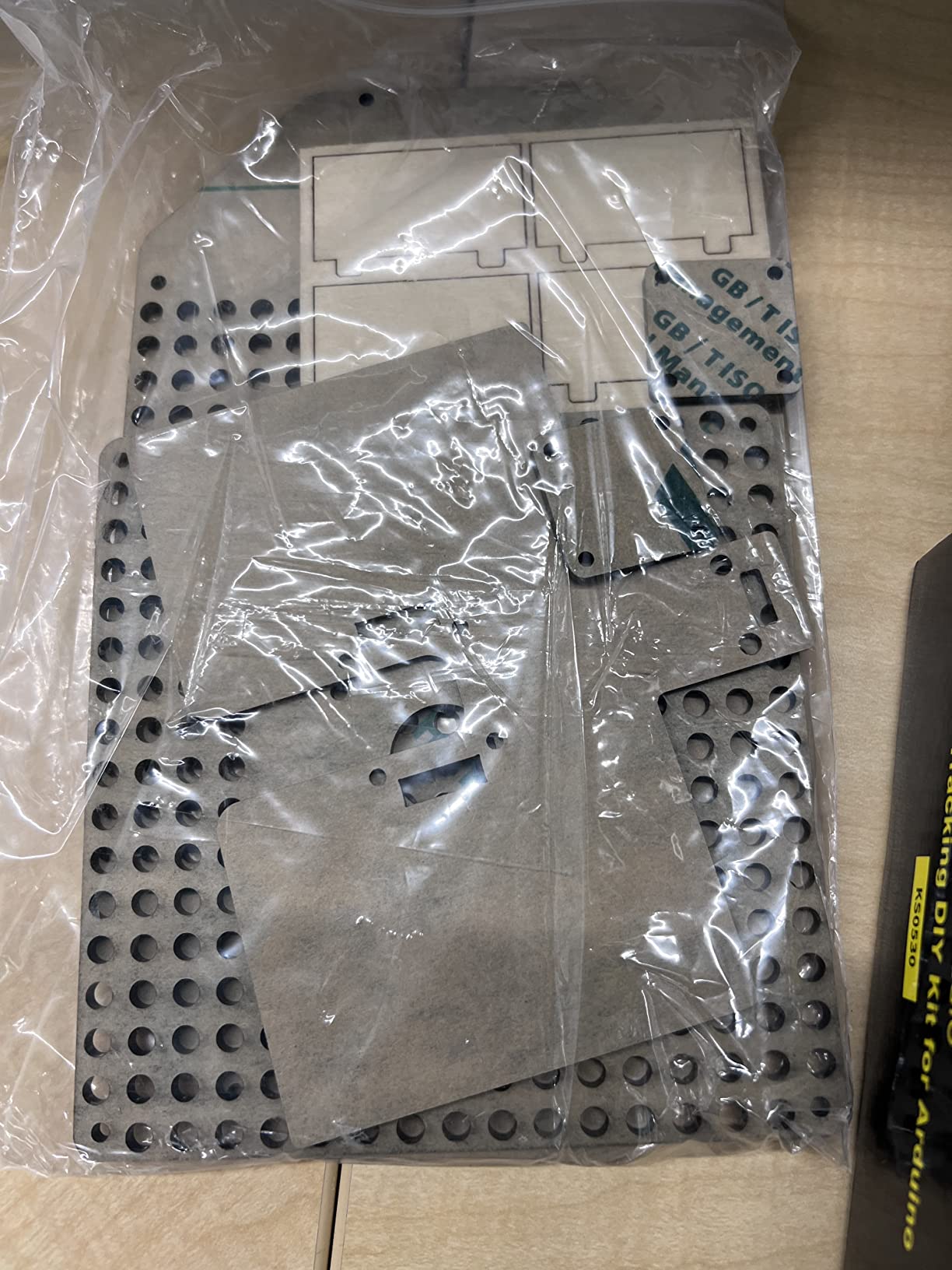
The KEYESTUDIO kit is the most approachable way to see dual-axis tracking behavior at small scale. Four ambient light sensors provide directional input, while two degrees-of-freedom servos move the included panel.
The BH1750 light sensor, DHT11 temperature and humidity sensor, LCD1602, push button, and phone-charging module add more than simple sun following. The 11 online tutorials give the project a clear progression from assembly to programming.
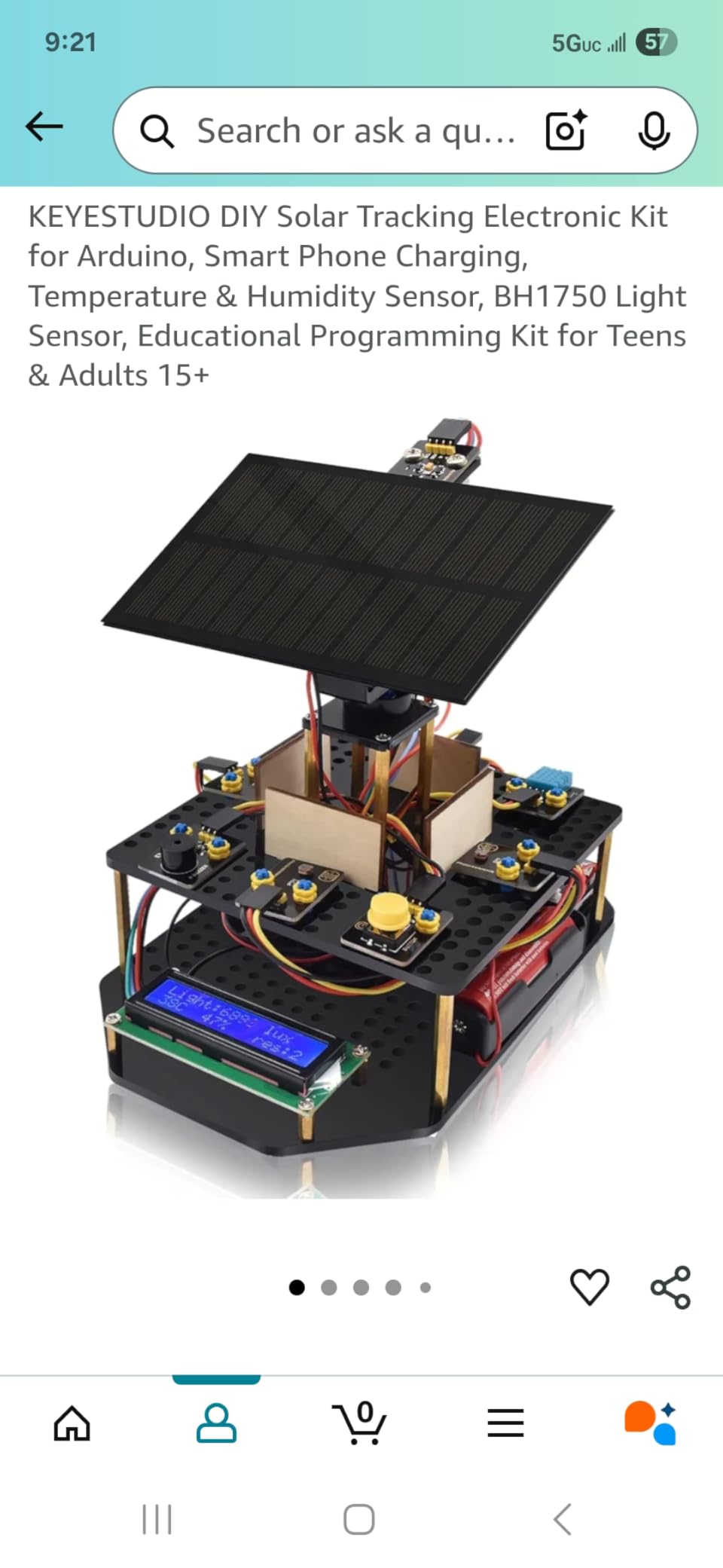
This is an educational tracker, not a roof or farm power solution. It is valuable because you can observe sensor noise, servo limits, changing shadows, and control logic before scaling to a motorized panel frame.
Reviewers praise the packaging, documentation, and learning value. The data also notes that batteries are not included, occasional pieces may be missing, and basic coding knowledge helps even though beginners can work through the lessons.
Does it prove a full-size tracker will pay back?
No. Small servos and a tiny panel demonstrate the control idea, but a full-size tracker adds wind load, structural forces, power consumption, weather sealing, and maintenance that this kit does not model.
What can beginners learn?
Beginners can learn how light sensors affect position, how servos respond to code, and how a display reports conditions. Those lessons make later actuator and controller choices easier to test.
8. Sky-Watcher SolarQuest for GPS-Assisted Sun Tracking
Sky Watcher Sky-Watcher SolarQuest Tracking Mount – Safe Solar Specific Alt-Az Mount (S21170)
- Automatic GPS sun finding
- HelioFind alignment
- Included tripod
- 8-way joystick
- GPS can take minutes
- Manual indicators need explanation
- Limited review volume
The SolarQuest is a specialized tracking mount for safe solar observation, not a photovoltaic panel tracker. Its alt-az motorized mount, HelioFind alignment, GPS assistance, and included tripod make it the clearest choice here for following the sun with compatible optical equipment.
The listed payload is 11 pounds, and the V-style dovetail supports compatible devices. An eight-way joystick helps center the sun, while the mount’s solar power source keeps the setup focused on field observation.
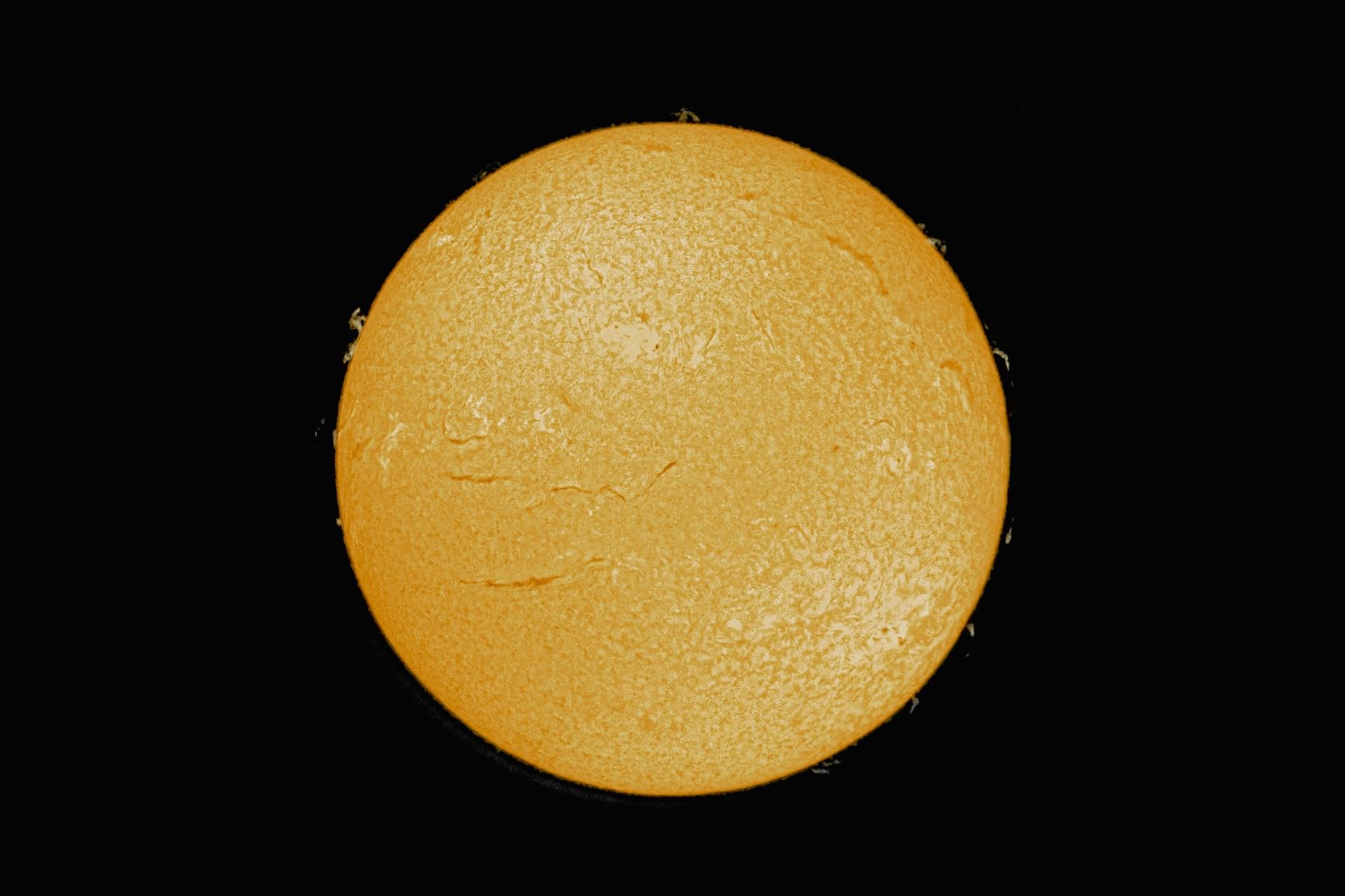
Setup is designed to be quick: place the tripod, allow GPS acquisition, and use the automatic sun-finding process. The product data includes a two-year limited warranty, but the mount should still be protected from knocks, moisture, and unsuitable loads.
Reviewers praise automatic tracking, solid construction, and grab-and-go use. The supplied feedback notes that the manual’s LED explanations could be clearer, GPS acquisition can take a few minutes, and some units show cosmetic issues.
Can it track a solar panel?
It is designed for solar observation equipment, so do not assume photovoltaic-panel compatibility. Check payload, attachment geometry, balance, and manufacturer guidance before adapting any mount.
Who benefits most?
It suits solar telescope users who value automatic alignment and tracking. It is not the right pick for a DIY energy array that needs a linear actuator, panel frame, charge controller, and wind-stow system.
How Solar Tracking Systems Work
A single-axis tracker rotates around one axis, usually following the sun’s east-west path. A dual-axis tracker adds elevation movement, which can improve alignment when seasonal sun height matters, but it also adds actuators, controls, wiring, structural load, and service points.
Trackers commonly use light-dependent sensors, GPS coordinates, astronomical calculations, timers, or combinations of these methods. The actuator changes position; the controller decides when and how far to move; the charge controller manages battery energy.
Reported output gains vary by latitude, climate, shading, panel type, tracking accuracy, and maintenance. Forum users often describe 12-18% as a realistic range for many installations, while higher claims can apply to particular sites rather than every residential array.
Are Solar Tracking Systems Worth It?
Solar trackers can be worthwhile when added energy yield, limited installation area, or off-grid access matters more than simple installation and low maintenance. For many residential systems, a fixed mount can have better ROI because panels are less expensive than adding motors, foundations, controls, and ongoing service.
Before building, compare the expected additional kilowatt-hours with actuator energy, controller losses, inspection time, replacement parts, storm protection, and the cost of the fixed alternative. Owners in solar forums repeatedly raise moving-part failures, wind damage, larger land needs, and installation complexity as reasons to run that comparison carefully.
Solar Tracking System Buying Guide
Choose the right movement type first
Use single-axis movement when east-west following meets your goal and the frame can stay mechanically simple. Choose dual-axis movement only when the extra elevation adjustment has a clear benefit for your latitude, shading pattern, or observation task.
Match the actuator to the frame
Thrust alone is not enough. Check stroke, speed, pivot geometry, side loading, frame weight, gust loads, limit switches, and the force needed to reach a safe stow position.
Plan the 12V electrical system
List every load: controller standby draw, actuator movement, sensors, battery charging, and any communications module. A 12V supply may run a small actuator, but wiring gauge, fusing, polarity protection, battery capacity, and duty cycle still matter.
Prioritize wind and weather protection
IP ratings describe enclosure protection, not complete storm safety. Use a physical stow position, reliable limit detection, protected connectors, secure foundations, and a manual disconnect for exposed installations.
Calculate ROI without optimistic assumptions
Start with measured or modeled fixed-array production for your location, then apply a conservative tracker gain rather than the highest headline claim. Subtract movement energy and include inspection, actuator replacement, controller service, permits, foundations, and downtime.
Decide whether DIY fits
DIY systems are appealing when you can fabricate safely, test controls, and service the mechanism. If the array is large, exposed, grid-connected, or difficult to access, professional structural and electrical review is a sensible part of the plan.
For broader off-grid planning, our guide to cabin solar kits can help with system context. If your goal is vehicle charging rather than panel movement, see our solar EV charger guide.
Frequently Asked Questions
What are the best trackers for solar panels?
For a DIY mechanical build, the ECO-WORTHY actuator is the strongest starting point in this lineup. The Renogy Rover is the most capable charge controller here, while the KEYESTUDIO kit is the best learning platform; none is a complete utility-scale array by itself.
Are solar tracking systems worth it?
They can be worthwhile for off-grid, space-limited, commercial, or observation uses where extra yield justifies moving parts. For many residential arrays, a fixed mount can provide a simpler ROI after accounting for installation, power use, weather protection, and maintenance.
What is the best solar monitoring system?
The supplied products are mainly tracker components rather than complete monitoring systems. The Renogy Rover provides an LCD, logging, and Modbus features, while the Wanderer uses LED indicators and can add Bluetooth through a separate module.
Which solar tracker is the best?
The best choice depends on the job: ECO-WORTHY for strong actuator movement, KEYESTUDIO for learning dual-axis control, and Sky-Watcher SolarQuest for GPS-assisted solar observation. Select by use case rather than rating alone.
Do trackers produce double their nameplate rating?
No. A tracker changes orientation and can increase energy collected over a day, but it does not double the panel’s nameplate power. Real results vary by latitude, weather, shading, tracking accuracy, and system losses.
Conclusion: Pick the Tracker Component That Matches Your Build
The ECO-WORTHY Heavy Duty Actuator is my top pick for a practical DIY movement system because its 12V design, 330-pound thrust listing, brackets, and protection features give builders a useful mechanical base. The Renogy Rover is the stronger electrical choice for MPPT charging, while KEYESTUDIO is the most approachable route into dual-axis tracking logic.
Buy the Sky-Watcher only for its specialized solar-observation role, and treat the remaining controllers and actuators as parts of a larger design. The best solar tracking systems in 2026 are the ones sized for their site, tested for wind and limits, and judged by net energy and maintenance rather than headline movement alone.