
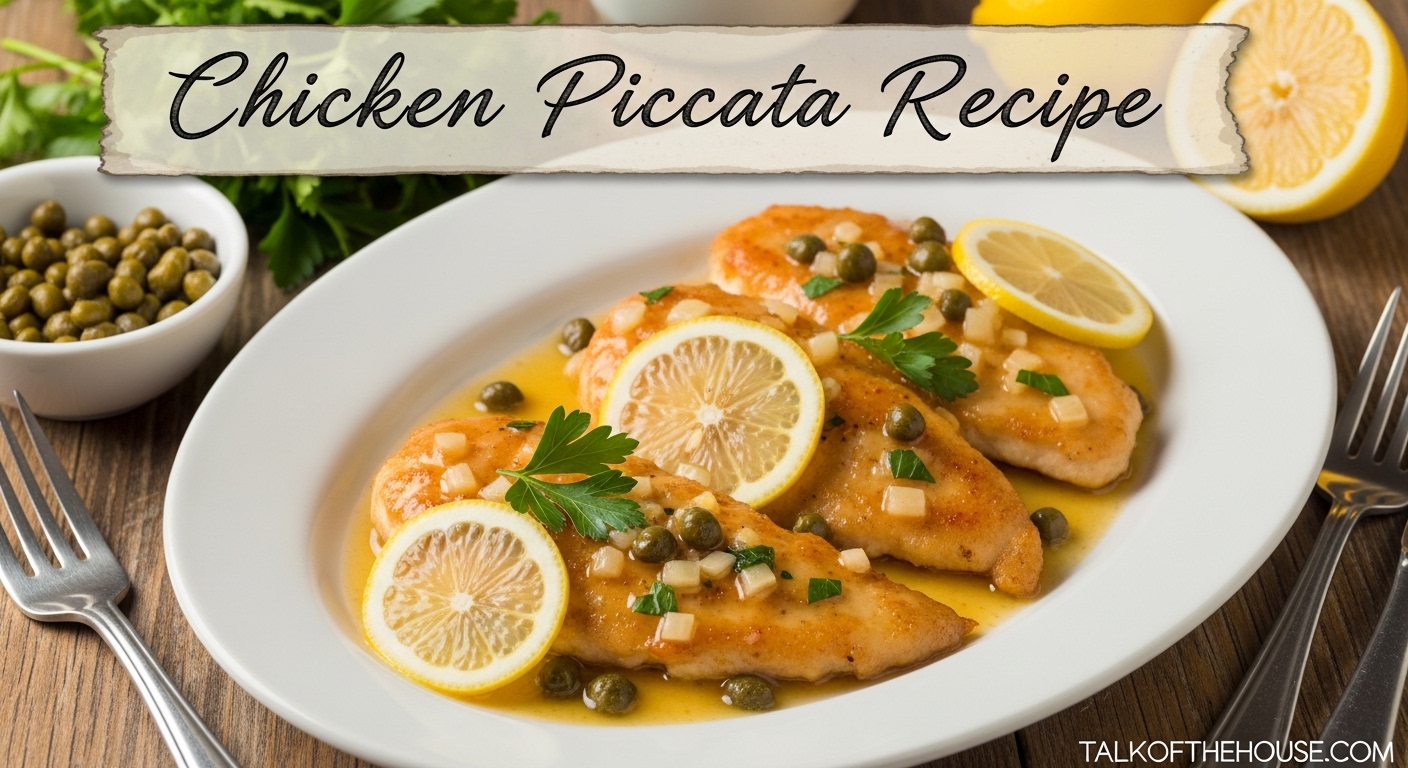
I have been making this chicken piccata recipe for over a decade, and it remains my go-to when I need something impressive on the table in under 30 minutes. The combination of tender pan-fried chicken and that bright, buttery lemon caper sauce creates a restaurant-quality meal without the restaurant price tag.
Our family first discovered this dish at a small Italian restaurant in Boston. The server explained that “piccata” refers to the method of cooking meat in a tangy butter sauce with lemon and capers. I went home determined to recreate it, and after about 15 attempts, I landed on the version I am sharing with you today.
What makes this easy chicken piccata special is the balance of flavors. The sauce is rich from butter, bright from fresh lemon juice, and briny from capers. Each bite delivers that perfect contrast between crispy chicken and silky sauce. You can serve it over pasta, alongside mashed potatoes, or with a simple green salad.
Whether you are cooking for a weeknight family dinner or hosting friends for a casual gathering, this recipe delivers every time. I will walk you through each step, share the pro tips I have learned through years of trial and error, and answer the most common questions about making perfect chicken piccata at home.
Table of Contents
What Is Chicken Piccata?
Chicken piccata is an Italian American dish featuring thin chicken cutlets dredged in flour, pan-fried until golden, then simmered in a tangy sauce made with butter, lemon juice, capers, and white wine or chicken broth. The word “piccata” comes from the Italian “piccato,” meaning “larded” or referring to meat sliced and sauteed in a sauce with lemon, butter, and spices.
In Italy, piccata traditionally refers to veal prepared this way. Italian immigrants to America adapted the technique to chicken, which was more affordable and widely available. The result is now a staple on Italian American restaurant menus across the country.
The hallmark of any good chicken piccata recipe is the sauce. It should be glossy, well-balanced between acid and fat, and generous enough to coat each piece of chicken without drowning it. The capers provide essential briny pops that cut through the richness of the butter.
Unlike heavier cream-based sauces, piccata sauce feels light and bright. This is why the dish works equally well in summer with a side of green beans or in winter over buttery mashed potatoes.
Ingredients You Will Need
Quality ingredients make all the difference in this simple dish. I strongly recommend using fresh lemons rather than bottled juice. The difference in brightness is noticeable, and you will want lemon zest for added flavor depth.
For the chicken, look for boneless, skinless breasts that you can either butterfly yourself or purchase as thin cutlets. If your chicken breasts are thick, you will need to pound them to about half-inch thickness for even cooking.
Here is everything you need to make this classic chicken piccata for four servings:
- 4 boneless, skinless chicken breasts (about 6 ounces each), pounded to 1/2-inch thickness
- 1/2 cup all-purpose flour for dredging
- 1 teaspoon salt
- 1/2 teaspoon black pepper
- 4 tablespoons unsalted butter, divided
- 2 tablespoons olive oil
- 1/3 cup dry white wine (or chicken broth)
- 1/4 cup fresh lemon juice (about 2 lemons)
- 1/4 cup low-sodium chicken broth
- 2 tablespoons capers, drained
- 2 tablespoons fresh parsley, chopped
- Lemon slices for garnish
If you prefer not to cook with wine, simply substitute additional chicken broth. The flavor will be slightly different but still delicious. For a creamy version, you can add two tablespoons of heavy cream at the end, though this is not traditional.
Step-by-Step Instructions: How to Make Chicken Piccata
Read through all the steps before you begin. This dish moves quickly once you start cooking, so having everything prepped and ready is essential. I recommend setting out all your ingredients and tools before heating the pan.
Step 1: Prepare the Chicken
Place each chicken breast between two sheets of plastic wrap or in a large resealable bag. Use a meat mallet or rolling pin to pound the chicken to an even half-inch thickness. This ensures the chicken cooks quickly and evenly without drying out.
Pat the chicken completely dry with paper towels. Season both sides with salt and pepper. Place the flour on a shallow plate and dredge each piece of chicken, shaking off any excess. You want a light coating, not a heavy breading.
Step 2: Pan-Fry the Chicken
Heat two tablespoons of butter and the olive oil in a large skillet over medium-high heat. When the butter stops foaming and just begins to turn golden, you are ready to add the chicken.
Cook the chicken in batches if necessary to avoid crowding the pan. Sear each piece for about 3-4 minutes per side until golden brown and cooked through. The internal temperature should reach 165 degrees Fahrenheit on an instant-read thermometer.
Transfer the cooked chicken to a plate and cover loosely with foil to keep warm. Do not worry if the chicken is not fully cooked through yet, it will finish cooking in the sauce.
Step 3: Make the Sauce
Reduce the heat to medium and add the white wine to the hot skillet. Use a wooden spoon to scrape up all the browned bits from the bottom of the pan. This deglazing step is crucial for flavor, those browned bits contain concentrated savory notes from the chicken and butter.
Let the wine simmer for about 2 minutes until slightly reduced. Add the chicken broth, lemon juice, and capers. Bring the mixture to a simmer and cook for 3-4 minutes until the sauce reduces by about a third and begins to thicken slightly.
Return the chicken to the pan, spooning the sauce over each piece. Simmer gently for 2 minutes to warm the chicken through and allow it to absorb some of the sauce.
Step 4: Finish and Serve
Remove the pan from the heat. Add the remaining two tablespoons of cold butter, swirling the pan until the butter melts completely and creates a glossy, emulsified sauce. This technique of finishing with cold butter off the heat is what gives restaurant piccata sauce its signature sheen.
Transfer the chicken to serving plates and spoon the sauce generously over the top. Garnish with chopped fresh parsley and lemon slices. Serve immediately while the sauce is still warm and glossy.
What to Serve With Chicken Piccata
The beauty of this dish is its versatility. The lemon butter caper sauce pairs beautifully with many different sides, so you can adapt based on the season or what you have on hand.
Pasta Pairings
Angel hair or thin spaghetti are traditional choices because they do not compete with the delicate sauce. Toss the cooked pasta with a little butter and parmesan, then nestle the chicken on top with extra sauce spooned over everything.
I particularly like serving this with orzo, which catches the capers and sauce in its small shape. Cook the orzo in salted water, drain, and mix with a pat of butter before plating.
Starch Alternatives
Buttery mashed potatoes are an excellent choice, especially in cooler months. The sauce mingles with the potatoes in the most comforting way. For a lighter option, try roasted baby potatoes with herbs.
Rice works beautifully too, particularly long-grain white rice or jasmine rice. The grains stay separate and provide a nice textural contrast to the tender chicken. A rice pilaf with a little lemon zest mixed in complements the dish perfectly.
Vegetable Sides
Steamed or roasted asparagus is my go-to green vegetable for this meal. The earthy flavor balances the bright sauce. Green beans, especially haricots verts, are another excellent choice.
For something heartier, try roasted broccoli or cauliflower. The caramelized edges and tender centers hold up well against the acidic sauce. A simple arugula salad with lemon vinaigrette keeps things light and fresh.
Bread for Sopping
Do not underestimate the importance of good crusty bread. A warm baguette or slices of ciabatta are essential for sopping up every last drop of that precious sauce. I sometimes warm the bread in the oven while the chicken is resting.
Pro Tips and Variations for Perfect Results
After making this dish countless times, I have learned a few tricks that elevate it from good to truly restaurant-worthy. Pay attention to these details and you will be amazed at the difference.
The Secret to a Great Piccata Sauce
The real secret to a glossy, cohesive sauce is temperature control. Always finish the sauce by whisking in cold butter off the heat. This technique, called mounting with butter, creates an emulsion that gives the sauce its silky texture and beautiful sheen.
Never let the sauce boil vigorously after adding the butter, as this can cause the emulsion to break. Gentle heat and patience are your friends here.
Fresh lemon juice is non-negotiable. Bottled juice lacks the aromatic oils in lemon zest and tastes flat in comparison. Use a microplane to zest your lemons before juicing them, and add a pinch of zest to the sauce if you want extra lemon punch.
Common Mistakes to Avoid
One of the biggest mistakes is overcrowding the pan when frying the chicken. This lowers the temperature and causes the chicken to steam rather than brown. Cook in batches if necessary, and do not rush this step. The browned bits left in the pan are essential for the sauce.
Another error is using cold chicken straight from the refrigerator. Let your chicken sit at room temperature for 15-20 minutes before cooking. This helps it cook evenly and prevents the outside from burning before the center is done.
Do not skip pounding the chicken to even thickness. Uneven chicken cooks unevenly, resulting in dry edges and raw centers. A few minutes with a meat mallet makes all the difference.
Creamy vs Traditional Version
Traditional chicken piccata contains no cream. The sauce gets its body from butter and the natural reduction of wine and broth. However, many home cooks prefer a creamy version.
To make a creamy chicken piccata, simply add two to three tablespoons of heavy cream at the very end, after removing the pan from heat but before adding the final butter. The cream adds richness and rounds out the sharp edges of the lemon.
If you do add cream, make sure it is at room temperature or slightly warm. Cold cream can cause the sauce to break or curdle when added to the hot pan.
Using Chicken Thighs Instead
While chicken breasts are traditional, boneless, skinless thighs work beautifully in this recipe. They are more forgiving and stay juicy even if slightly overcooked. Pound them gently to even thickness and proceed with the same method.
Thighs will take slightly longer to cook, about 5 minutes per side instead of 3-4. Use your instant-read thermometer to confirm they reach 165 degrees Fahrenheit.
Storage and Reheating Instructions
Chicken piccata is best enjoyed immediately while the sauce is glossy and the chicken is crispy-edged. However, leftovers can be stored and reheated with good results if you follow these guidelines.
Refrigerating Leftovers
Store leftover chicken piccata in an airtight container in the refrigerator for up to three days. I recommend storing the chicken and sauce together to keep the meat moist. The sauce may solidify in the cold, this is normal.
The lemon in the sauce helps preserve the chicken, but do not push beyond three days for food safety reasons.
Reheating
For best results, reheat gently in a covered skillet over medium-low heat. Add a splash of chicken broth or water to loosen the sauce, which will have thickened in the refrigerator. Heat just until warmed through, about 5-7 minutes.
Avoid microwaving if possible, as this can make the chicken rubbery and cause the sauce to separate. If you must use a microwave, heat in 30-second intervals at 50% power, stirring the sauce between intervals.
Freezing Not Recommended
I do not recommend freezing chicken piccata. The butter-based sauce tends to separate when thawed, resulting in a grainy texture. The chicken itself also becomes mealy after freezing and reheating.
If you want to prep ahead, you can pound and dredge the chicken up to a day in advance. Store it on a plate covered with plastic wrap in the refrigerator, then proceed with cooking when ready.
Frequently Asked Questions
What is the secret to a great piccata sauce?
The secret is finishing with cold butter off the heat. This technique, called mounting with butter, creates an emulsion that gives the sauce its silky texture and glossy sheen. Never let the sauce boil after adding butter, and always use fresh lemon juice rather than bottled for the brightest flavor.
What are common mistakes when making chicken piccata?
The most common mistakes are overcrowding the pan when frying, which prevents browning, skipping the pounding step which leads to uneven cooking, and boiling the sauce after adding butter which causes it to break. Using cold chicken straight from the refrigerator also leads to uneven cooking.
What is chicken piccata normally served with?
Chicken piccata is traditionally served over angel hair pasta or thin spaghetti. It also pairs beautifully with mashed potatoes, rice, or orzo. For vegetables, try steamed asparagus, green beans, or roasted broccoli. Always include crusty bread for sopping up the extra sauce.
Can I make chicken piccata without wine?
Absolutely. Simply substitute additional chicken broth for the white wine. The sauce will have a slightly different character but will still be delicious. You can also add a splash of white wine vinegar or extra lemon juice to compensate for the missing acidity.
Is chicken piccata supposed to have cream?
Traditional Italian American chicken piccata does not contain cream. The sauce gets its body from butter and the reduction of wine and broth. However, many home cooks enjoy a creamy version made by adding 2-3 tablespoons of heavy cream at the end. Both versions are delicious.
How do I keep piccata sauce from breaking?
To prevent the sauce from breaking, never add cold cream to a hot pan, and do not let the sauce boil vigorously after adding butter. Always finish with cold butter off the heat, and swirl the pan rather than stirring vigorously. If your sauce does break, whisk in a teaspoon of cold water or cream off the heat.
Conclusion
This chicken piccata recipe has become a staple in my kitchen because it delivers restaurant-quality results with minimal effort and ingredients. The bright, tangy sauce transforms simple chicken into something truly special that impresses every time.
I encourage you to give this recipe a try, whether you stick to the traditional version or experiment with the creamy variation. Pay attention to the details like pounding the chicken evenly and finishing the sauce with cold butter off the heat. These small steps make a significant difference.
Once you master this technique, you will find yourself returning to it again and again. It is the kind of recipe that becomes a family favorite, requested for birthdays and Sunday dinners alike. I would love to hear how it turns out in your kitchen.