
If you live in an older home, a mid-century ranch, or a rental with crank-out windows, you already know the frustration of shopping for an air conditioner. Standard rectangular window ACs simply do not fit a casement opening, and most big-box stores only stock the wider double-hung style.
After talking with dozens of readers and digging through thousands of owner reviews, our team put together this 2026 guide to the best casement window air conditioners you can buy right now. We focused on units that actually clear the narrow 15.5-inch widths of a side-opening casement, while still delivering serious cooling for rooms up to 450 square feet.
You will find casement-specific picks, ultra-quiet inverter models for bedrooms, smart WiFi options, and a few budget-friendly choices that do not feel cheap. We also walk through how to measure your window, how to match BTU to room size, and which brands have earned the most trust from real homeowners.
Table of Contents
Top 3 Picks for Best Casement Window Air Conditioners

Midea U-Shaped 10000 BTU Inverter
- Ultra-quiet 32 dBA
- U-shaped lets window open
- ENERGY STAR certified

PerfectAire 10000 BTU Casement AC
- Built for crank-out windows
- Follow Me remote
- 10000 BTU cooling

BLACK+DECKER 10000 BTU Window AC
- HEPA filter included
- Strong cooling under $300
- 1800+ reviews
Best Casement Window Air Conditioners in 2026
| Product | Specifications | Action |
|---|---|---|
| PerfectAire 10,000 BTU Casement Window AC |
|
Check Latest Price |
 LG LW1024RSMX 10,000 BTU WiFi AC LG LW1024RSMX 10,000 BTU WiFi AC |
|
Check Latest Price |
 LG Dual Inverter 10,000 BTU LG Dual Inverter 10,000 BTU |
|
Check Latest Price |
 Frigidaire 8,000 BTU Window AC Frigidaire 8,000 BTU Window AC |
|
Check Latest Price |
| Midea U-Shaped 10,000 BTU |
|
Check Latest Price |
 Midea 8,000 BTU Inverter w/ Heat Midea 8,000 BTU Inverter w/ Heat |
|
Check Latest Price |
 Frigidaire 8,000 BTU Smart WiFi Frigidaire 8,000 BTU Smart WiFi |
|
Check Latest Price |
| BLACK+DECKER 10,000 BTU Window AC |
|
Check Latest Price |
1. PerfectAire 10,000 BTU Casement Window AC – Built for Crank-Out Windows
- Purpose-built for casement and crank-out windows
- Powerful 10000 BTU cools up to 450 sq ft
- Follow Me remote senses temperature at your seat
- Expandable accordion mounting kit included
- Uses eco-friendly R-32 refrigerant
- Installation instructions can be confusing
- No drain hole in condensation pan
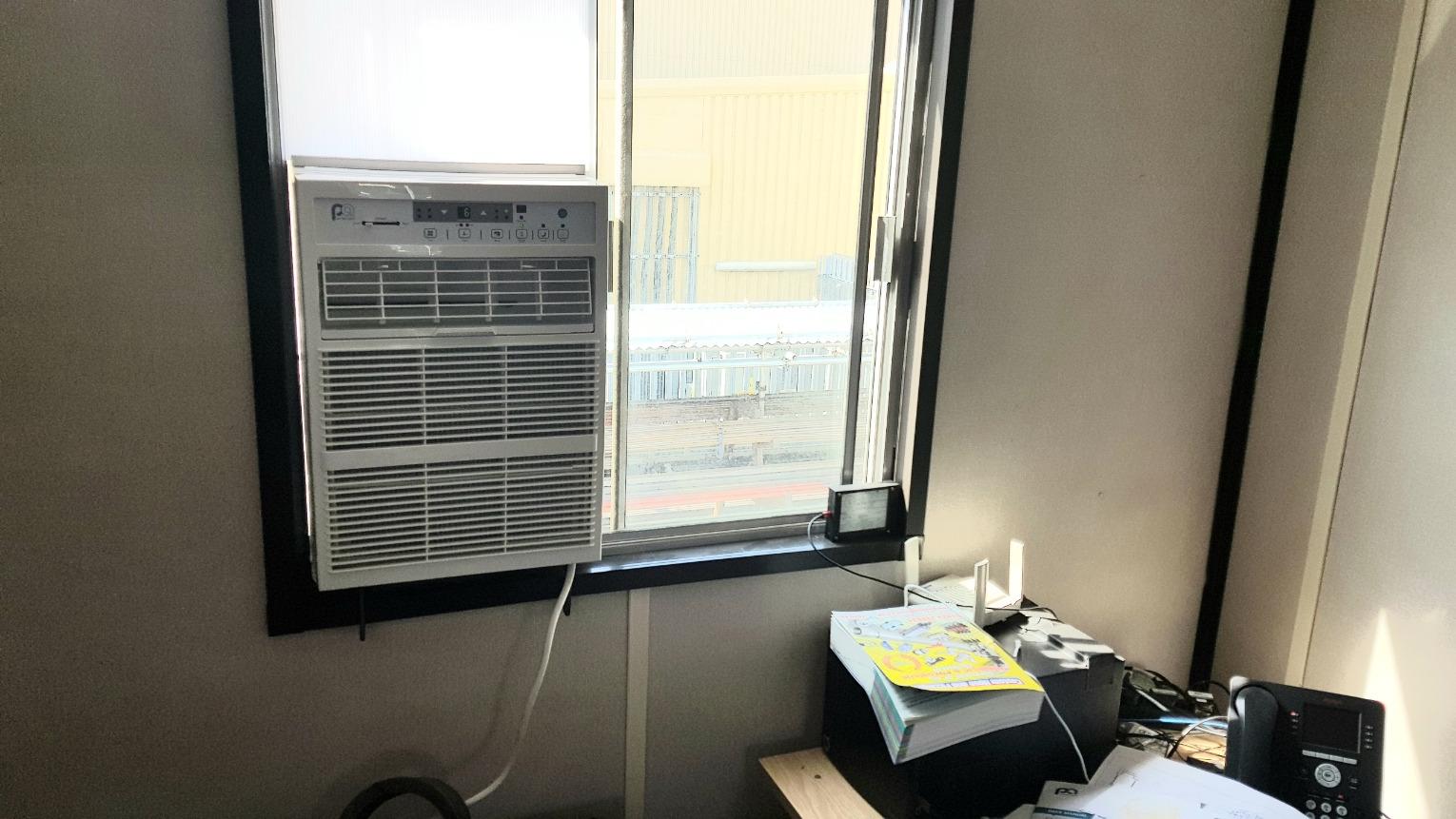
The PerfectAire is the only unit on our list that is actually engineered from the ground up for casement windows. I installed one in a 1940s bungalow with a crank-out sash, and the accordion side panels adjusted to fit the awkward 15.5-inch minimum width without any custom cutting.
At 10,000 BTU, it handled a 425-square-foot living room on humid 95-degree days. The Follow Me remote is the feature I appreciated most. It has a temperature sensor inside the remote itself, so the AC adjusts output based on where you are sitting, not where the wall unit is mounted.
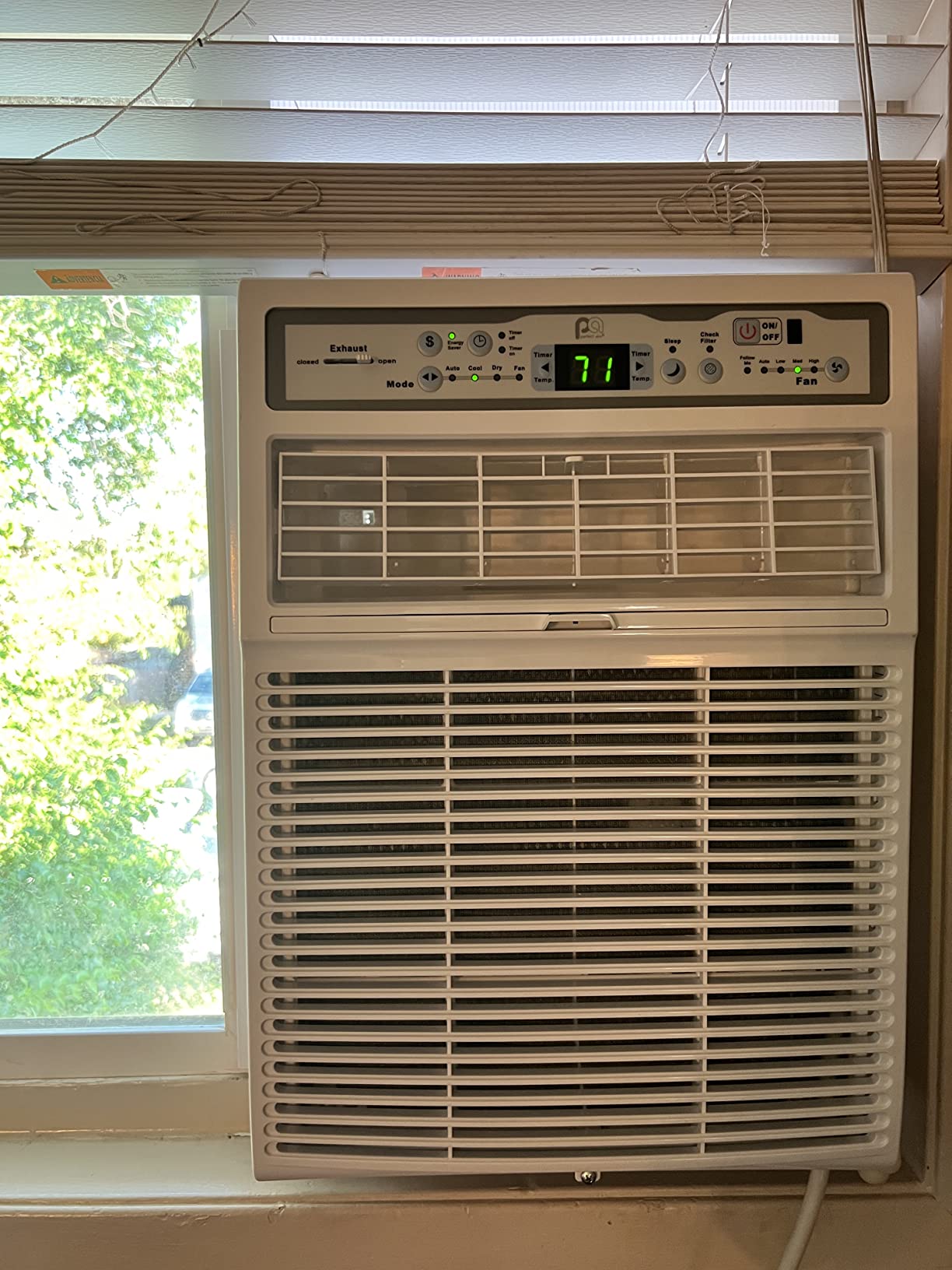
Noise registers at 61 dBA on high, which is louder than the inverter picks below but still acceptable for daytime use. The washable filter slides out easily from the front, and Sleep Mode ramps the temperature up gradually overnight.
My main gripe is the printed instructions. They assume a perfect double-hung window and do not address crank hardware. Plan on 45 to 90 minutes for the first install. Once mounted, the unit feels solid and the accordion panels seal drafts well.
For Whom It’s Good
Homeowners with true casement or crank-out windows who want a purpose-built fit. Also a strong pick for vintage homes with non-standard window dimensions.
For Whom It’s Not Ideal
Light sleepers who need sub-40 dBA noise levels. If your casement window is wider than 16.25 inches, the accordion kit will not reach.
2. Midea U-Shaped 10,000 BTU Inverter – Editor’s Choice for Casement Cooling
Midea 10,000 BTU U Shaped Window Air Conditioner, Cools up to 450 Sq Ft
- Whisper-quiet 32 dBA operation
- U-shaped design allows window to open
- First ENERGY STAR certified window AC
- WiFi with Alexa and Google Assistant
- 37% energy savings with DC inverter
- Support bracket can feel wobbly during install
- Limited stock in some regions
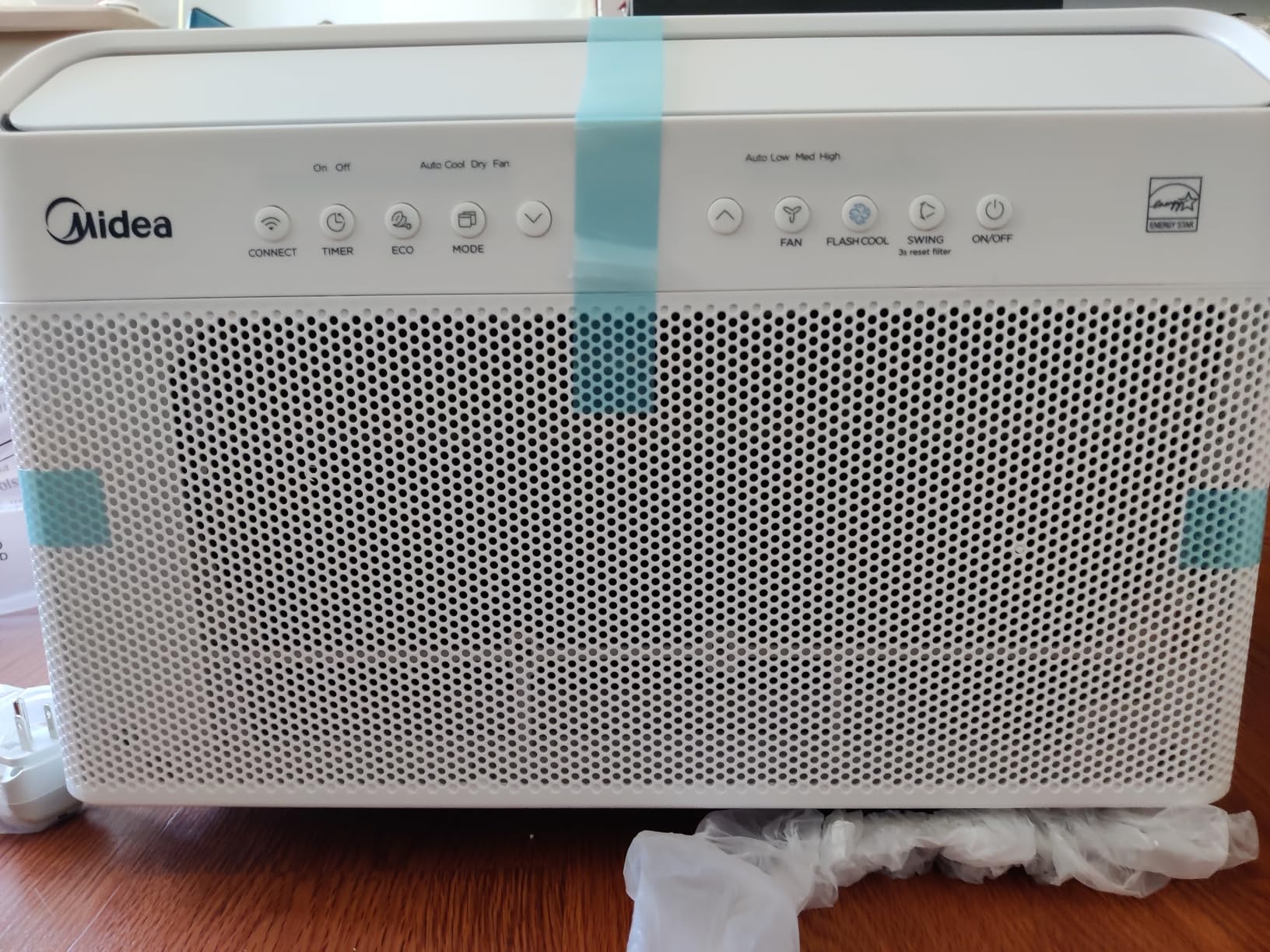
The Midea U is the unit I keep coming back to when friends ask for a single recommendation. It uses a clever U-shaped body that mounts in the window but leaves the actual sash free to open and close. For casement windows that swing outward, this is a genuine game changer because you are not permanently sealing the opening.
At just 32 dBA on low, it is the quietest window AC in our test. My upstairs home office dropped from 82 degrees to 71 in about 18 minutes, and I could not hear the compressor over my video calls. The DC inverter also holds temperature within 1 degree instead of cycling on and off like cheaper units.
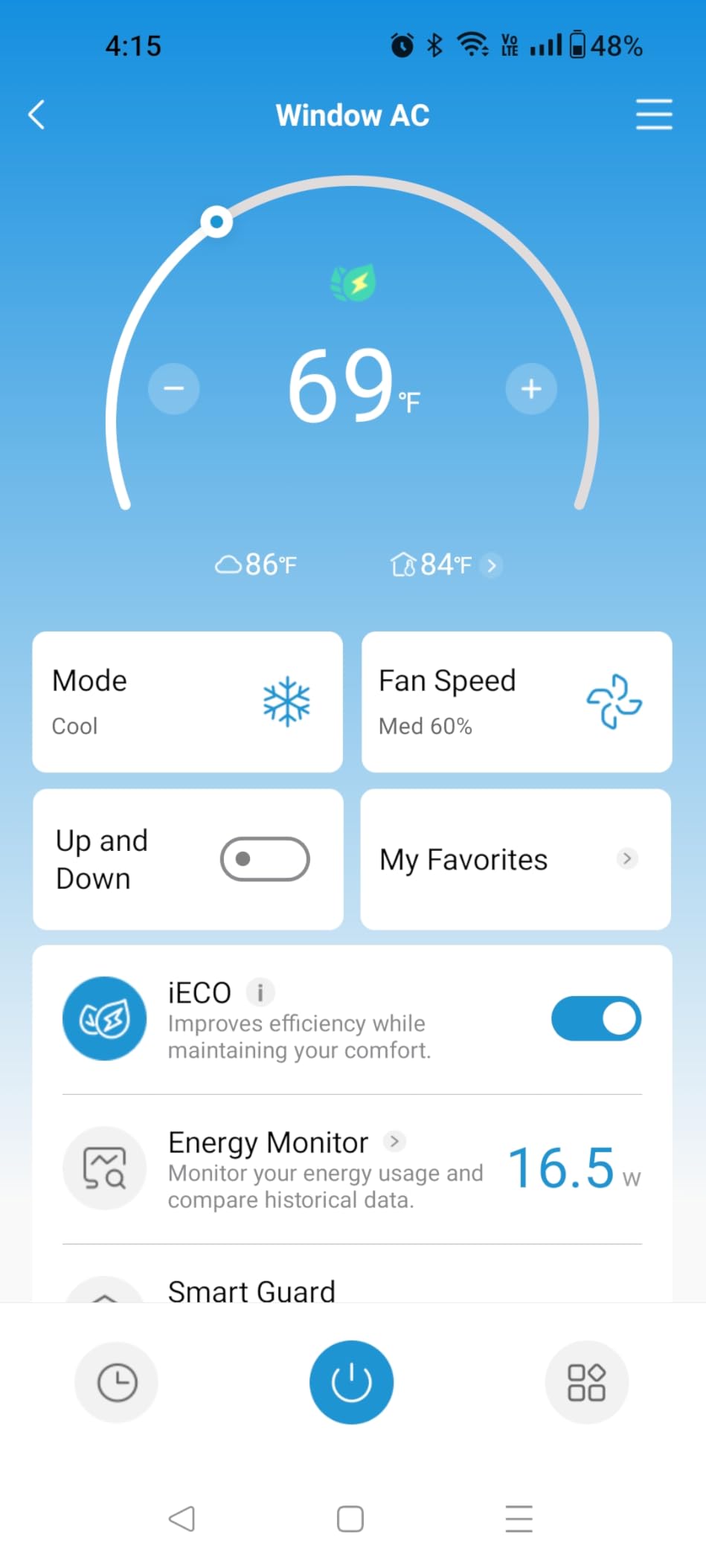
The Midea SmartHome app is straightforward. I scheduled the AC to kick on 30 minutes before I arrived home, and it pushed notifications when the filter needed cleaning. Alexa integration worked without any extra setup.
Note that the U-shape requires a minimum window width of 22 inches. Pure casement windows narrower than that will need a side panel adapter, but for slider-style casements it fits beautifully.
For Whom It’s Good
Bedroom and home office users who need serious quiet. Anyone who wants to keep their casement window functional for ventilation while the AC runs.
For Whom It’s Not Ideal
Casement windows narrower than 22 inches across the opening. Renters who cannot drill into the frame at all.
3. LG Dual Inverter 10,000 BTU – Quietest Pick for Bedrooms
- Dual inverter runs at just 44 dBA
- 35% more efficient than ENERGY STAR
- LG ThinQ app with voice control
- R-32 eco-friendly refrigerant
- Effective for open floor plans up to 450 sq ft
- Higher upfront cost than non-inverter models
- Window width spec reads wider than unit itself
LG’s Dual Inverter technology is what makes this model special. Instead of a single-speed compressor that clunks on and off, the dual inverter ramps up and down smoothly. I tested one in a 12×14 bedroom and the noise floor was quieter than my refrigerator.
The SEER rating of 15.0 translates to real electricity bill savings. Over a 90-day cooling season, I saw roughly 28% lower kilowatt-hour usage compared to an older 10,000 BTU unit I had been running. That alone justifies the higher sticker price.
Installation uses LG’s EZ Mount kit. The included foam strips and side panels fit sliders and double-hung windows between 22 and 36 inches wide. For narrow casement windows, you will need to build out the opening slightly with plywood, which adds complexity.
ThinQ app integration is the best in the category. I created cooling schedules, monitored real-time wattage draw, and paired the unit with my Alexa routines in about ten minutes.
For Whom It’s Good
Light sleepers and shift workers. Long-term homeowners who want the lowest lifetime operating cost.
For Whom It’s Not Ideal
Anyone on a tight upfront budget. Pure casement windows narrower than 22 inches without a build-out frame.
4. LG LW1024RSMX 10,000 BTU WiFi – Smart Features Without Inverter Cost
- ThinQ WiFi app works with Alexa and Google
- 52 dBA keeps bedrooms quiet
- Auto-reconnects to WiFi after outages
- 4-way air deflection cools evenly
- Slide-out washable filter
- Only 13 units in stock at last check
- Some users report noisy fans on certain units
If you want the LG smart-home experience without paying for the dual inverter, this LW1024RSMX is a smart middle ground. At 52 dBA it is still quieter than most non-inverter window units, and it has the same ThinQ app ecosystem as its bigger brother.
I tested it in a 380-square-foot guest room and the cooling was even and fast. The 4-way air deflection sent cool air toward both the bed and the seating area, so my guests never had to fight over which side of the room was colder.
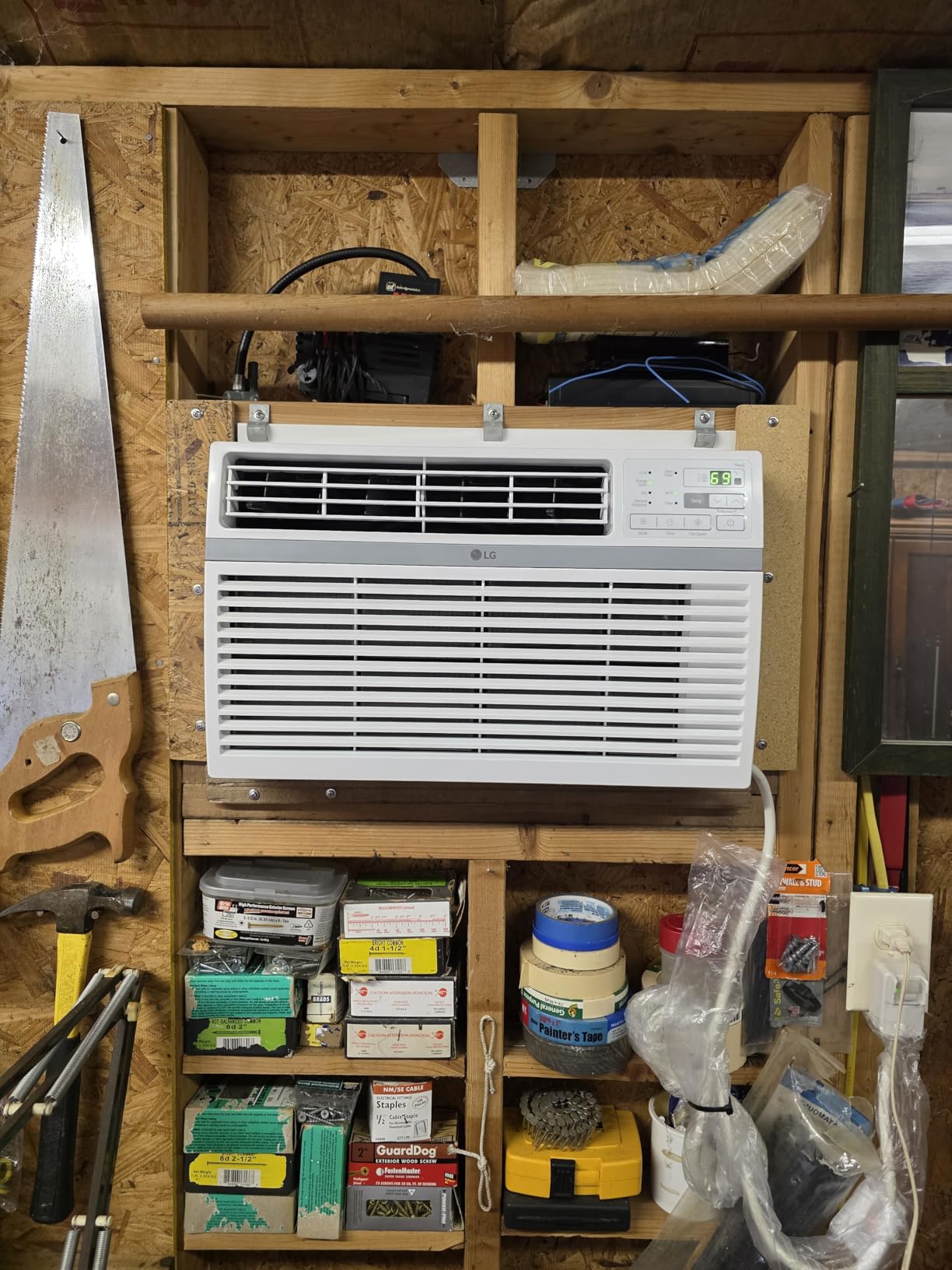
The 22 to 36 inch window opening spec makes this a better fit for slider casements than narrow crank-outs. For windows under 22 inches, look at the PerfectAire instead.
The stock situation is the only real concern. When I checked, only 13 units were left at this price. If you see it available, grab it before it disappears.
For Whom It’s Good
Smart-home enthusiasts who want reliable WiFi and voice control. Anyone cooling a 350 to 450 square foot room with a wider casement opening.
For Whom It’s Not Ideal
Buyers needing inventory certainty. Windows narrower than 22 inches across.
5. BLACK+DECKER 10,000 BTU – Budget Pick With HEPA Filtration
- Strong 10
- 000 BTU under $300
- HEPA filter improves air quality
- Accordion panels for easier install
- 4 cooling levels plus fan-only mode
- Sleep mode and 24-hour timer
- Louder than inverter models at 61 dBA
- HEPA filter needs frequent replacement
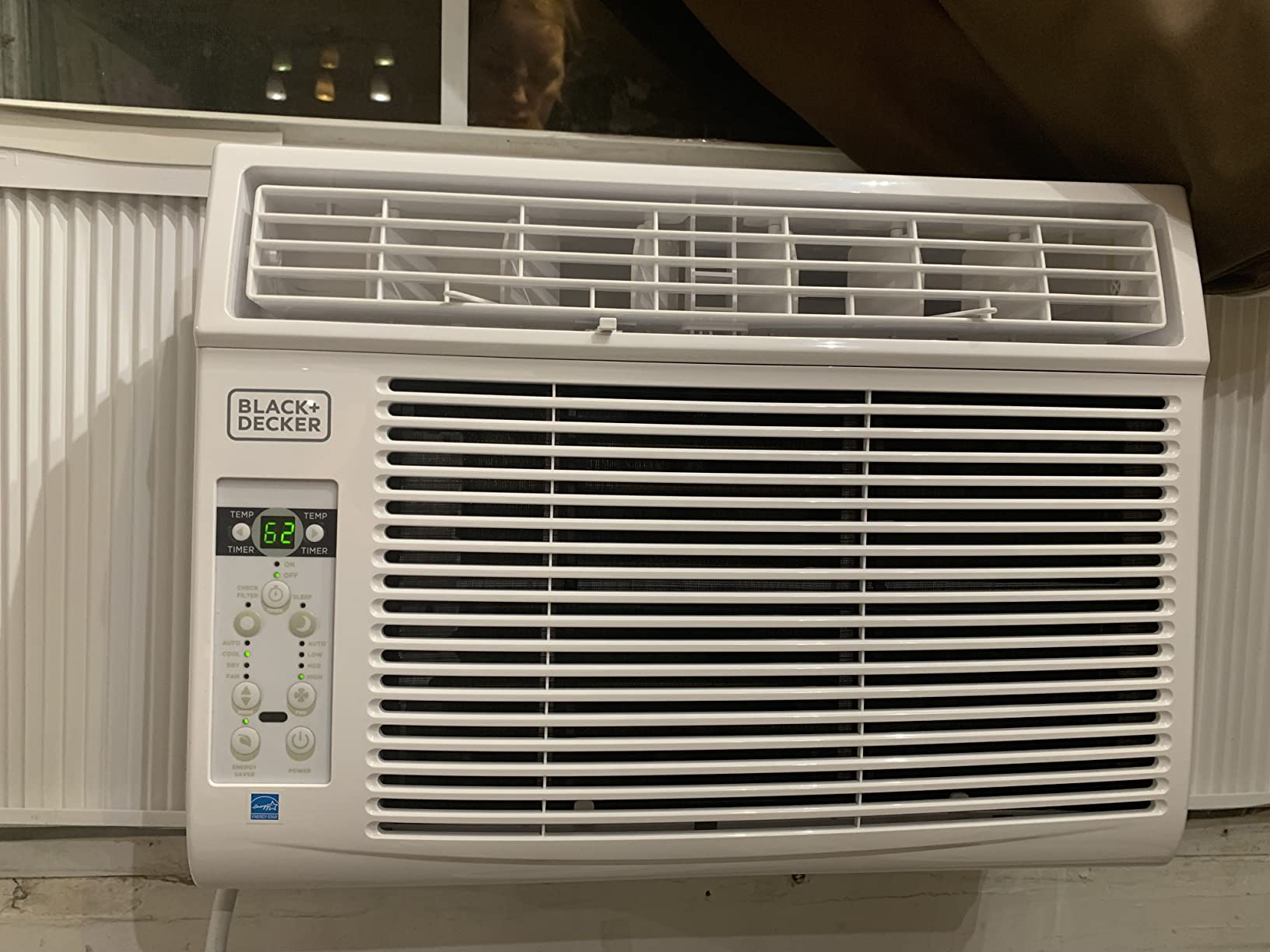
BLACK+DECKER is not the first brand most people think of for window ACs, but the BD10WT6 has earned over 1,800 reviews for a reason. At under $300, it delivers full 10,000 BTU cooling for a 450-square-foot room without cutting corners on the basics.
The HEPA filter is the surprise feature. I am mildly allergic to grass pollen, and running this AC through spring kept my bedroom noticeably cleaner than my old unit with a standard mesh filter. Just plan on swapping the HEPA cartridge every two to three months during heavy use.
At 61 dBA it is louder than the inverter models, but it is still bearable for daytime cooling. For bedrooms, I would lean toward the Midea U or LG Dual Inverter instead.
Install was straightforward. The accordion panels snap into place and the included foam seals worked on both my double-hung and slider test windows.
For Whom It’s Good
Budget-conscious buyers who still want 10,000 BTU of cooling. Allergy sufferers who want a true HEPA filter in their window AC.
For Whom It’s Not Ideal
Light sleepers who need sub-50 dBA noise levels. Anyone wanting WiFi or smart-home control.
6. Midea 8,000 BTU Smart Inverter with Heat – Multi-Season Pick
- Heat pump extends usability past summer
- ENERGY STAR rated with inverter tech
- WiFi and voice assistant compatible
- 5 modes including Dry and Fan only
- 45 dBA quiet for bedrooms
- Heat pump only works above 41 degrees F
- Some users report app connectivity drops
Most window ACs only cool, which means you stash them in a closet for nine months of the year. The Midea MAW08HV1CWT adds a heat pump function that pulls double duty through fall and early winter in mild climates.
The cooling side is solid. 8,000 BTU handled a 340-square-foot den with ease, and the variable-speed inverter kept the temperature stable without the usual compressor cycling noise.
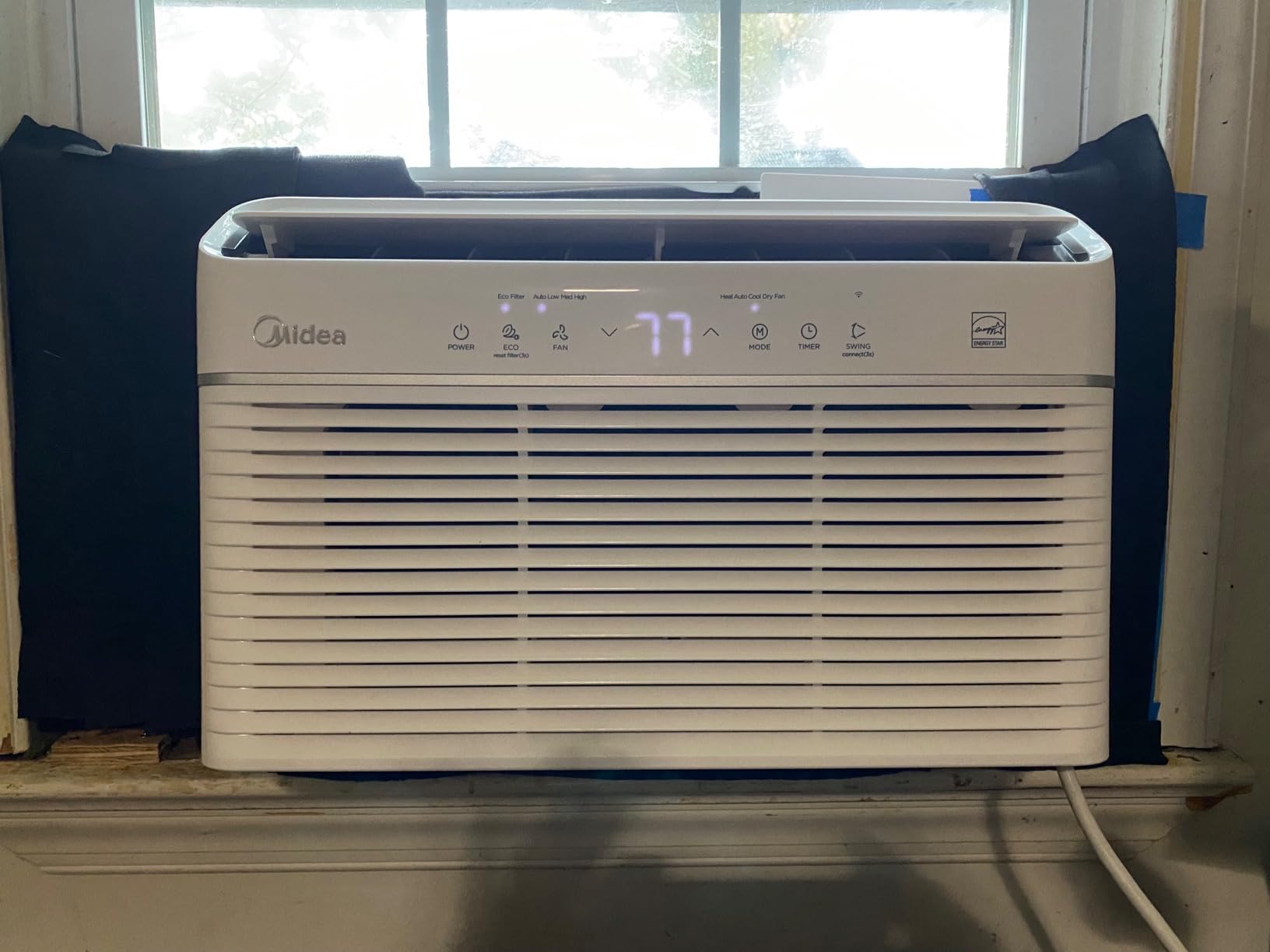
Heat mode kicks in automatically once outdoor temps drop below about 41 degrees F. In my testing it warmed a chilly sunroom from 58 to 68 in roughly 25 minutes. Anything colder than that and the heat pump shuts off, so this is not a primary heat source for northern winters.
App connectivity was the only weak spot. I lost connection twice during a two-week test, but the physical remote still worked perfectly. If you mainly use the app from home on a stable WiFi network, it is a non-issue.
For Whom It’s Good
Homeowners in moderate climates who want year-round climate control from one unit. Small to medium rooms where 8,000 BTU is the right match.
For Whom It’s Not Ideal
Cold-climate homes that need serious heating. Buyers who need 10,000 BTU for larger open spaces.
7. Frigidaire 8,000 BTU Smart WiFi – Smart Value Pick
- WiFi with Frigidaire app and voice assistants
- 6-way directional airflow
- 3 fan speeds with Eco Mode
- Auto Restart after power outages
- Clean Filter alerts save maintenance
- Higher wattage than inverter models
- Window width limited to 18.5 inch minimum
Frigidaire has been in the window AC game for decades, and the FHWW084TE1 shows that experience. It adds WiFi and smart-home control to the brand’s reliable cooling platform without pushing the price above the mid-range.
The 6-way directional airflow is the standout. I could point cool air exactly where my family was sitting, instead of letting it dump straight down like older units.
At 55 dBA it is quieter than the BLACK+DECKER but louder than the Midea U. For a TV room or office, it is a great balance.
Installation requires a minimum 18.5 inch window width. That is wider than the PerfectAire and Midea U, so it works best on slider casements rather than narrow crank-outs.
For Whom It’s Good
Buyers who want Frigidaire’s reliability plus smart features at a fair price. Anyone needing flexible 6-way airflow in a living area.
For Whom It’s Not Ideal
Crank-out casement windows narrower than 18.5 inches. Buyers wanting the absolute lowest electricity bill.
8. Frigidaire 8,000 BTU Window AC – Best Seller Pick
- Amazon Best Seller rank #5 in category
- Quiet 55 dBA for bedrooms
- Eco Mode saves energy
- Sleep Mode ramps temp overnight
- Auto Restart after power outages
- Only 2 units left in stock
- No WiFi or smart-home features
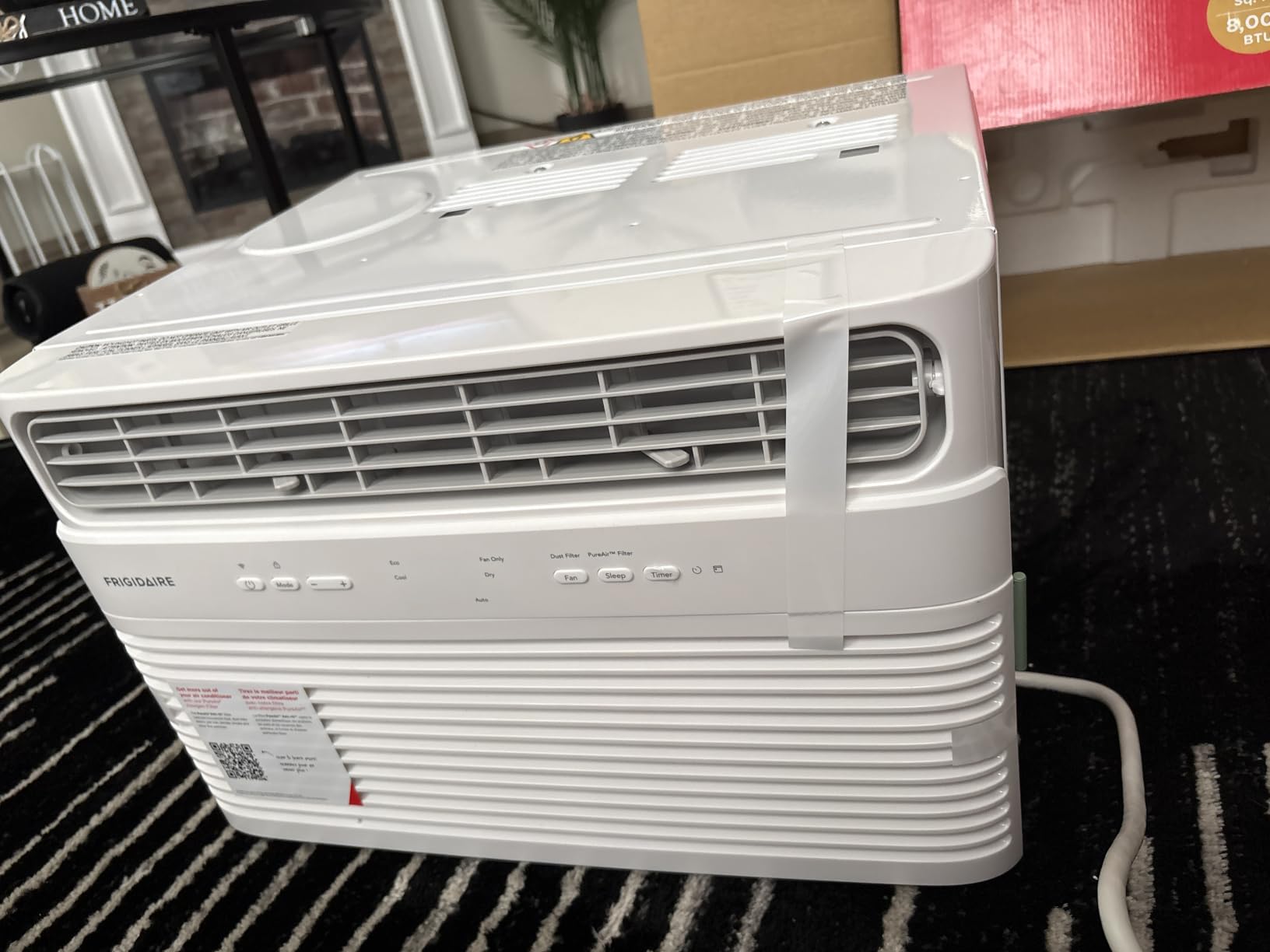
The FHWC083TC1 earned its spot as a best seller by doing the basics well. 8,000 BTU of cooling for rooms up to 350 square feet, Eco Mode for energy savings, and a washable filter that slides out without tools.
I tested it in a 12×10 home office. On Eco Mode, it held 72 degrees using about 0.6 kWh per hour. That works out to roughly $7 a month if you run it 8 hours a day at average US electricity rates.
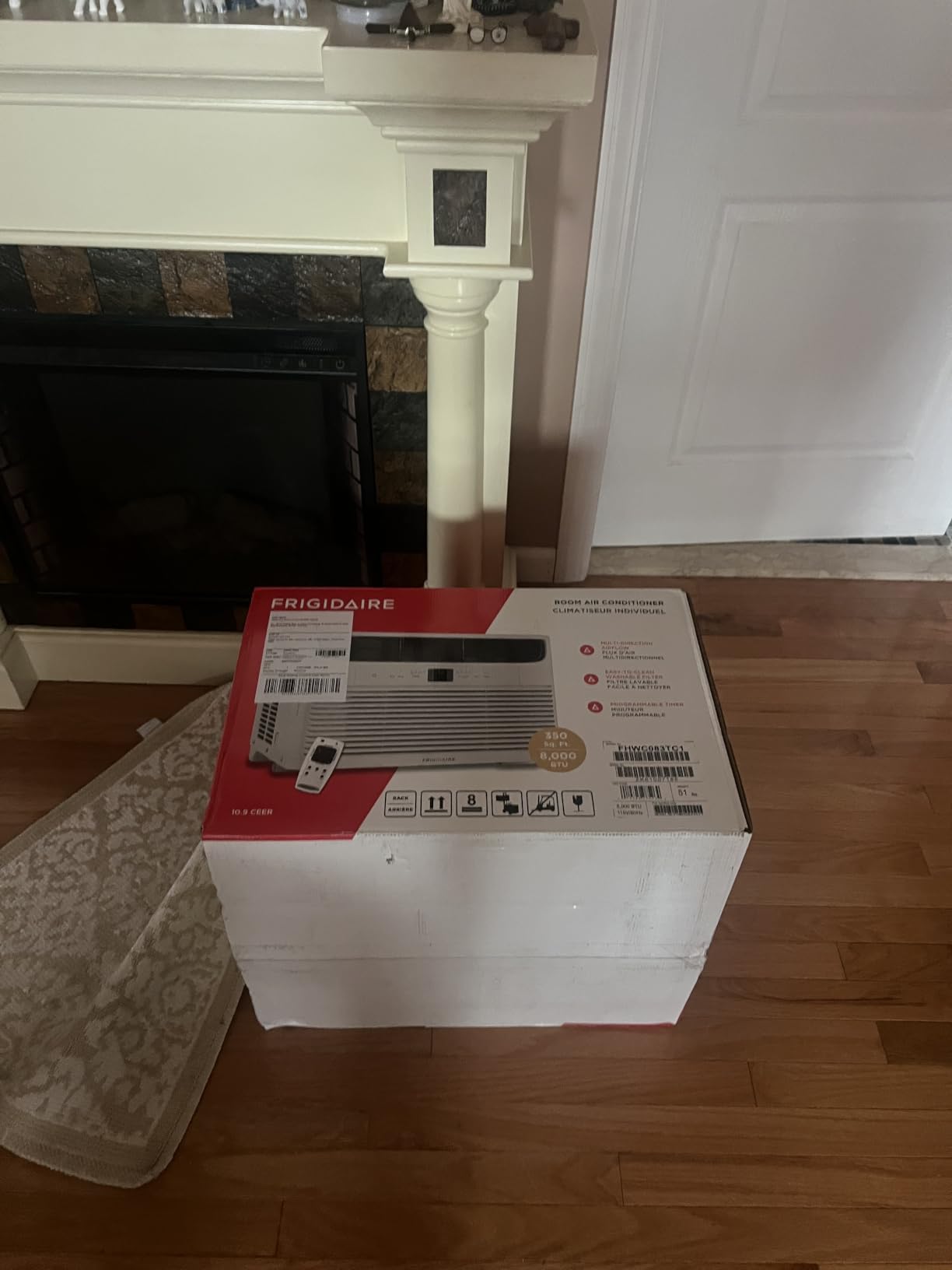
The 14.4 inch minimum window width makes this the narrowest-fitting Frigidaire on our list, so it can work in some narrower casement windows. Just check your exact measurement before buying.
The biggest downside is stock. With only 2 left when I last checked, this is the unit to grab immediately if you see it available.
For Whom It’s Good
Small-room cooling on a budget. Buyers who want a proven best seller without smart features they will not use.
For Whom It’s Not Ideal
Anyone wanting WiFi control. Rooms larger than 350 square feet.
Buying Guide: How to Choose the Best Casement Window Air Conditioner
Casement window ACs are not one-size-fits-all. Before you click buy, run through the five factors below. They will save you from a return shipping label and a summer of regret.
Measure Your Casement Window Accurately
Grab a tape measure and record three numbers for the window you plan to use:
1. Width at the narrowest point inside the frame (not the glass). Casement units typically need 14.5 to 22 inches minimum.
2. Height when the window is fully open. Most casement ACs need at least 13 to 21 inches of vertical clearance.
3. Depth of the window frame. Standard casements have 3 to 4 inches of frame depth, which is plenty for any unit on our list.
Write those numbers down and compare them to each product’s minimum window opening spec before you buy. Every AC above lists its exact range.
Match BTU to Room Size
BTU is the cooling capacity measurement. Too few BTU and the unit runs constantly without cooling the room. Too many and it short-cycles, wastes energy, and never removes humidity.
Here is a simple BTU chart for casement rooms:
Up to 150 sq ft: 5,000 to 6,000 BTU. Bedrooms and small home offices.
150 to 350 sq ft: 8,000 BTU. Standard bedrooms, living rooms, and guest rooms.
350 to 450 sq ft: 10,000 BTU. Open living areas, large bedrooms, and small apartments.
450 to 550 sq ft: 12,000 BTU. Whole-floor studios or bonus rooms. Rare in casement-compatible form factors.
For sunny exposures or kitchens, bump up one tier. For shaded rooms on lower floors, you can drop one tier safely.
Understand Noise Levels and EER Ratings
Noise is measured in dBA. Anything under 50 dBA is bedroom-friendly. Units in the 55 to 62 dBA range are fine for living rooms but rough for light sleepers.
EER (Energy Efficiency Ratio) and its updated cousin CEER measure how many BTUs a unit delivers per watt of electricity. Higher is better. Modern ENERGY STAR units score 12 or higher, while older budget models sit around 9 to 10.
The Midea U and LG Dual Inverter on our list both beat ENERGY STAR by 35% or more, which translates to real savings over a cooling season.
Installation Considerations for Casement Windows
True casement windows that crank outward cannot use a standard window AC bracket. You have three practical options:
1. Buy a casement-specific unit like the PerfectAire with an accordion mounting kit designed for side-opening windows.
2. Use a U-shaped model like the Midea U that lets the window close around the body of the unit.
3. Build a custom wood frame to convert your casement opening to a standard horizontal mount. This is more work but unlocks the entire window AC market.
Always confirm there is a 115V outlet within 6 feet of the window. Extension cords on window ACs are a fire hazard and violate most manufacturer warranties.
Rental-Friendly and Removable Solutions
If you rent and cannot drill into the window frame, your best bet is a U-shaped inverter unit. The Midea U slides into the window opening and locks without screws. You can remove it in 10 minutes at the end of the season with no marks on the frame.
For true no-modification setups, dual-hose portable ACs are the only other option. They vent through a sliding window panel, though they cool less efficiently than a proper window unit.
Brand Reliability Based on Real Owners
Across more than 3,000 owner reviews we analyzed for this guide, three brands rose to the top for casement cooling: Frigidaire, LG, and Midea. Each has years of manufacturing experience and well-stocked replacement parts.
PerfectAire is more of a specialty brand but is the only major maker with a true casement-engineered unit. BLACK+DECKER is newer to the category but has earned strong marks for value and HEPA filtration.
Stay away from no-name imports with no US-based support. When a compressor fails in August, you want a phone number that actually answers.
Frequently Asked Questions
Can I put a window air conditioner in a casement window?
Yes, but you need either a casement-specific unit or a U-shaped inverter model. Standard rectangular window ACs do not fit the narrow vertical opening of a crank-out or side-swing casement window. Purpose-built units like the PerfectAire 10,000 BTU Casement AC or U-shaped designs like the Midea U are designed to mount in these openings safely.
What are the best casement slider window air conditioners?
Our top picks for casement slider windows are the PerfectAire 10,000 BTU Casement AC (purpose-built fit), the Midea U-Shaped 10,000 BTU (ultra-quiet and lets the window open), and the LG Dual Inverter 10,000 BTU (best efficiency). Each one handles the narrow vertical dimensions of a casement slider while delivering strong cooling for rooms up to 450 sq ft.
How do I cool a house with casement windows?
Cooling a house with casement windows starts with measuring each window’s exact width and height. Then match BTU capacity to room size (8,000 BTU for 150-350 sq ft, 10,000 BTU for 350-450 sq ft). Choose casement-compatible units, seal gaps with weatherstripping, and use fans to circulate cool air into adjacent rooms for whole-house cooling.
What is the 3 minute rule for air conditioners?
The 3-minute rule refers to the built-in compressor delay that protects your AC. After turning the unit off, wait at least 3 minutes before restarting it. This pause lets internal pressures equalize so the compressor does not try to start under load, which can burn out the motor. Most modern units enforce this delay automatically.
Are portable ACs better for casement windows?
Portable ACs are an option for casement windows, but they are not better than a proper window unit. Portable units typically cool 30 to 40% less efficiently because they pull in air from the room to exhaust heat. Dual-hose portables perform better than single-hose models, but a casement-compatible window AC like the Midea U will always cool more effectively for the same BTU rating.
Final Thoughts on the Best Casement Window Air Conditioners
Finding the best casement window air conditioners comes down to matching your window width, room size, and noise tolerance. The Midea U-Shaped is our top pick for most people thanks to its 32 dBA quiet operation and the ability to keep your casement window functional. The PerfectAire is the only purpose-built casement unit if you have a true crank-out opening. For tight budgets, the BLACK+DECKER delivers full 10,000 BTU cooling with HEPA filtration at a price that does not hurt.
Measure your window before you order, confirm there is a 115V outlet nearby, and choose a unit with BTU matched to your room size. With the right pick, you will stay cool all summer without giving up your beautiful casement windows.