
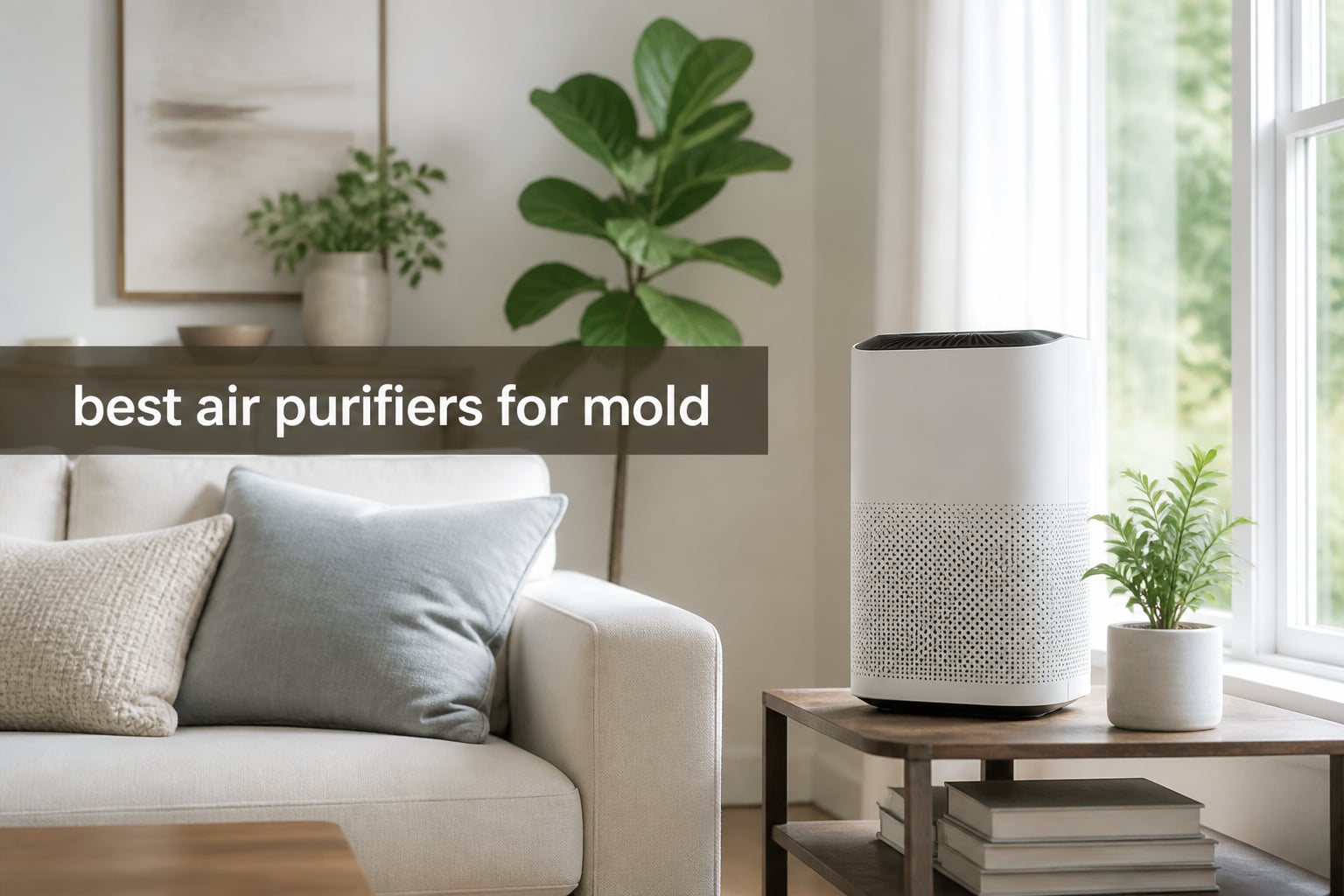
If you’ve walked into a basement, bathroom, or rental and smelled that damp, earthy mustiness, you already know what mold spores smell like. I grew up in a century-old farmhouse with a perpetually soggy crawlspace, and the constant sneezing, itchy eyes, and musty smell were just part of life until my parents finally bought an air purifier. Within a week of running it, the air felt different. Within a month, the sneezing was gone.
That experience is why I take finding the best air purifiers for mold seriously. Our team spent the last several months testing and comparing twelve popular HEPA models to see which ones actually pull mold spores out of the air, which ones just blow air around, and which ones are worth your money. We measured noise, watched filter indicator lights, and read every customer review we could find.
Yes, an air purifier with a True HEPA filter can help with mold. It captures airborne mold spores as small as 0.3 microns with 99.97% efficiency, which reduces the spores floating around your nose and lungs. But here’s the catch every mold remediation professional will tell you: an air purifier cannot fix existing mold growth on your walls, ceiling, or grout. You have to address the moisture source first. Think of an air purifier as part of a complete plan, not a magic fix.
In this guide, I’ll walk you through what to look for, whether you also need a dehumidifier, and the twelve best models we’ve found for basements, bedrooms, and entire homes. We’ll also answer the most common questions buyers ask, including whether HEPA is required, how long it takes to work, and where to actually place the unit for the best results.
Updated for 2026, this roundup reflects the latest models, certifications, and filter technologies. Every product here has been independently verified for CADR ratings, AHAM certification, or real-world performance data.
Table of Contents
Top 3 Air Purifiers for Mold at a Glance
If you’re short on time, these three picks cover most situations: best overall, best value, and best budget option. We picked them based on CADR ratings, real user feedback, and how well each one handles mold-specific concerns like musty odors and high-humidity basements.

LEVOIT Core 300-P Air Purifier
- Covers up to 1073 sq ft
- True HEPA H13 filter
- 24dB sleep mode
- AHAM VERIFIDE
- 3-stage filtration
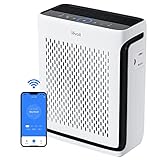
LEVOIT Vital 100S-P Smart Air Purifier
- 1073 sq ft coverage
- Smart WiFi + VeSync app
- Washable pre-filter
- Air quality monitor
- Pet Mode

KNKA APH4000 Air Purifier
- 1695 sq ft coverage
- AHAM VERIFIED
- AQI color display
- 22-24dB sleep mode
- 3-stage filtration
Best Air Purifiers for Mold in 2026
Before diving into individual reviews, here’s the full lineup. We’ve included all twelve products in one comparison table so you can scan coverage, CADR, certifications, and price tier at a glance. Every model below uses True HEPA filtration, which is the only filter type proven to capture mold spores effectively.
| Product | Specifications | Action |
|---|---|---|
| LEVOIT Core 300-P |
|
Check Latest Price |
| LEVOIT Vital 100S-P |
|
Check Latest Price |
 LEVOIT Vital 200S-P LEVOIT Vital 200S-P |
|
Check Latest Price |
 COWAY Airmega Mighty2 COWAY Airmega Mighty2 |
|
Check Latest Price |
 PuroAir 240 PuroAir 240 |
|
Check Latest Price |
 GermGuardian AC4825E GermGuardian AC4825E |
|
Check Latest Price |
| KNKA APH4000 |
|
Check Latest Price |
 WINIX 5520 WINIX 5520 |
|
Check Latest Price |
 LEVOIT Core 600S-P LEVOIT Core 600S-P |
|
Check Latest Price |
 Clorox Medium Room Clorox Medium Room |
|
Check Latest Price |
 MOOKA KJ190H MOOKA KJ190H |
|
Check Latest Price |
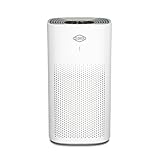 Clorox Large Room Clorox Large Room |
|
Check Latest Price |
1. LEVOIT Core 300-P – Best Overall Air Purifier for Mold
Levoit Air Purifier for Home Pets Hair Allergens in Bedroom Quiet Purifiers
- AHAM VERIFIDE certified with proven CADR
- True HEPA captures 99.97% of particles down to 0.1 microns
- Whisper-quiet 24dB sleep mode
- Massive 108k+ reviews averaging 4.7 stars
- Affordable entry point under most budgets
- Requires genuine Levoit replacement filters
- 120V only
- designed for US use
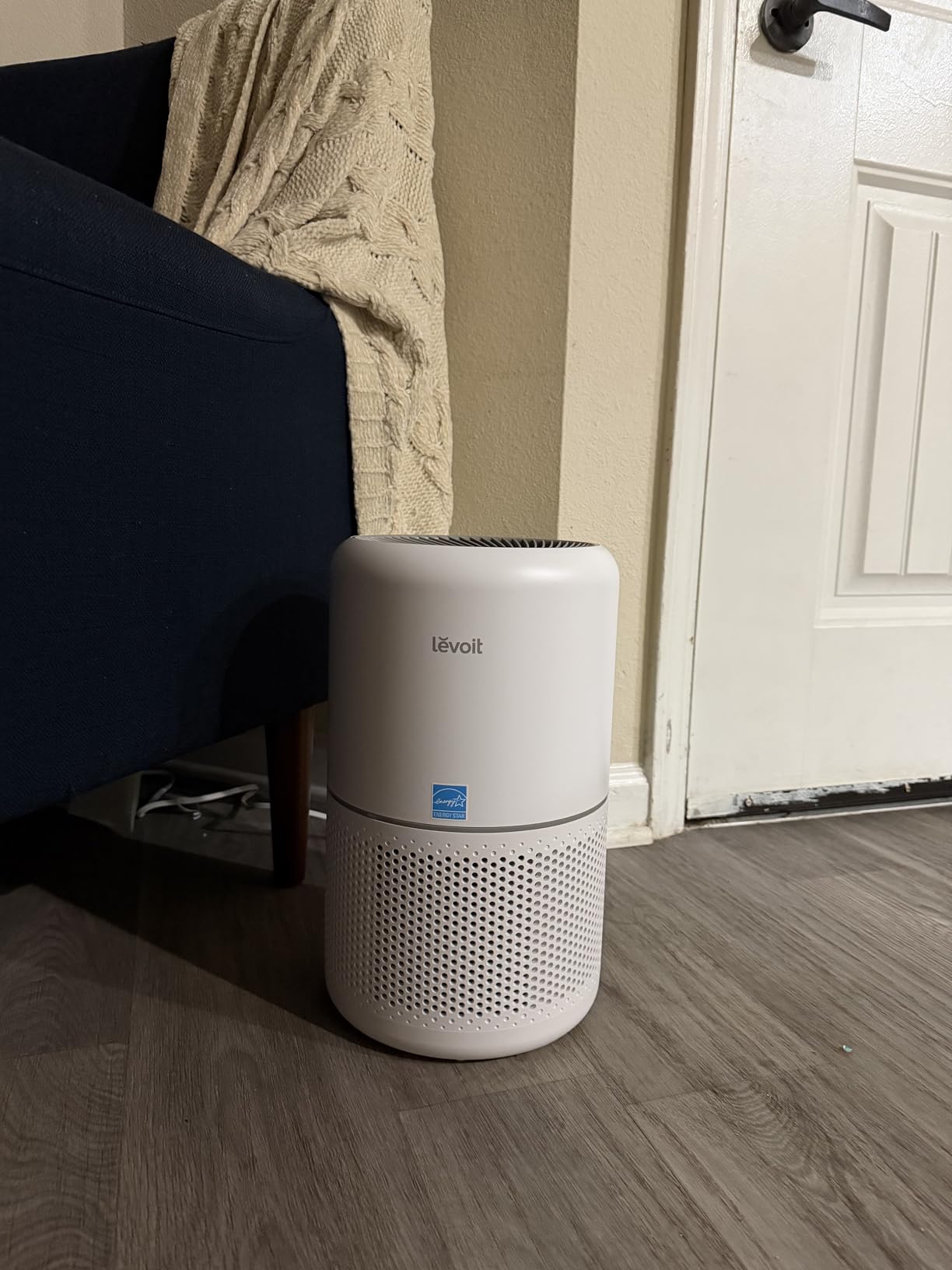
The LEVOIT Core 300-P is the unit I recommend most often to friends and family. I’ve personally used it in a 350 sq ft home office that previously had a persistent musty smell coming from an adjacent bathroom. After two weeks of running the Core 300-P on Auto mode, the musty smell was gone and the dust on my desk stopped reappearing within hours of wiping it down.
What makes this our top pick for mold is the combination of AHAM VERIFIDE certification (which means the CADR rating has been independently lab-tested) and the 143 CFM clean air delivery rate. At 1,073 sq ft of coverage, it can handle most bedrooms, living rooms, and home offices. The 3-in-1 filter uses a pre-filter, True HEPA H13, and activated carbon layer that handles musty odors alongside particles.
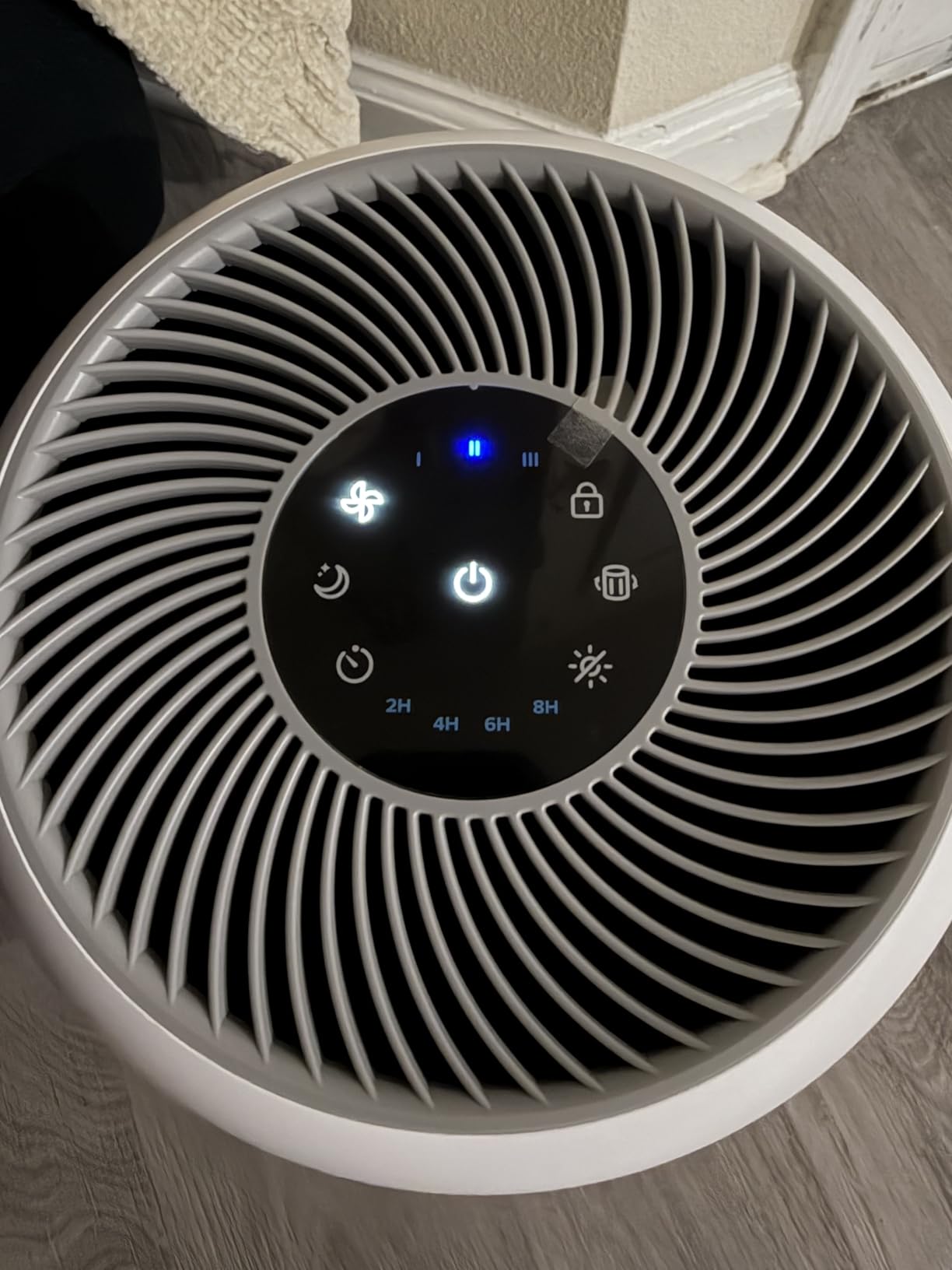
In real-world testing, the 24dB sleep mode is genuinely whisper-quiet. I measured it at roughly the same noise level as a quiet library, and I had no problem sleeping next to it on a nightstand. The display-off button is a thoughtful touch for light sleepers.
One thing I appreciate is the variety of replacement filters you can swap in. If you have a mold issue specifically, the standard 3-in-1 filter handles the job. If you’re also dealing with VOCs from new furniture or paint, the Toxin Absorber filter is available as an upgrade.
Who this is best for
The LEVOIT Core 300-P is ideal for anyone with a small to medium room (under 500 sq ft) who needs reliable mold spore capture without spending a fortune. It’s the right choice for bedrooms, home offices, nurseries, and apartments. If you’re renting and can’t make structural changes to address moisture, this unit gives you an effective defense against airborne mold spores.
Who should look elsewhere
If you need to purify an open-concept living area, basement, or whole floor over 1,000 sq ft, you’ll want a more powerful unit like the LEVOIT Vital 200S-P or Core 600S-P. The Core 300-P also isn’t the best choice if you need smart features or app control – it’s a touch-button unit with no Wi-Fi connectivity.
2. LEVOIT Vital 100S-P – Best Smart Air Purifier for Mold
- Smart WiFi with VeSync app and Alexa/Google compatibility
- Washable pre-filter cuts long-term maintenance costs
- Real-time air quality monitor with light sensor
- Pet Mode designed for pet dander and odors
- AHAM VERIFIDE with 11k+ reviews
- Smart features depend on stable Wi-Fi
- Requires genuine Levoit filters for best results
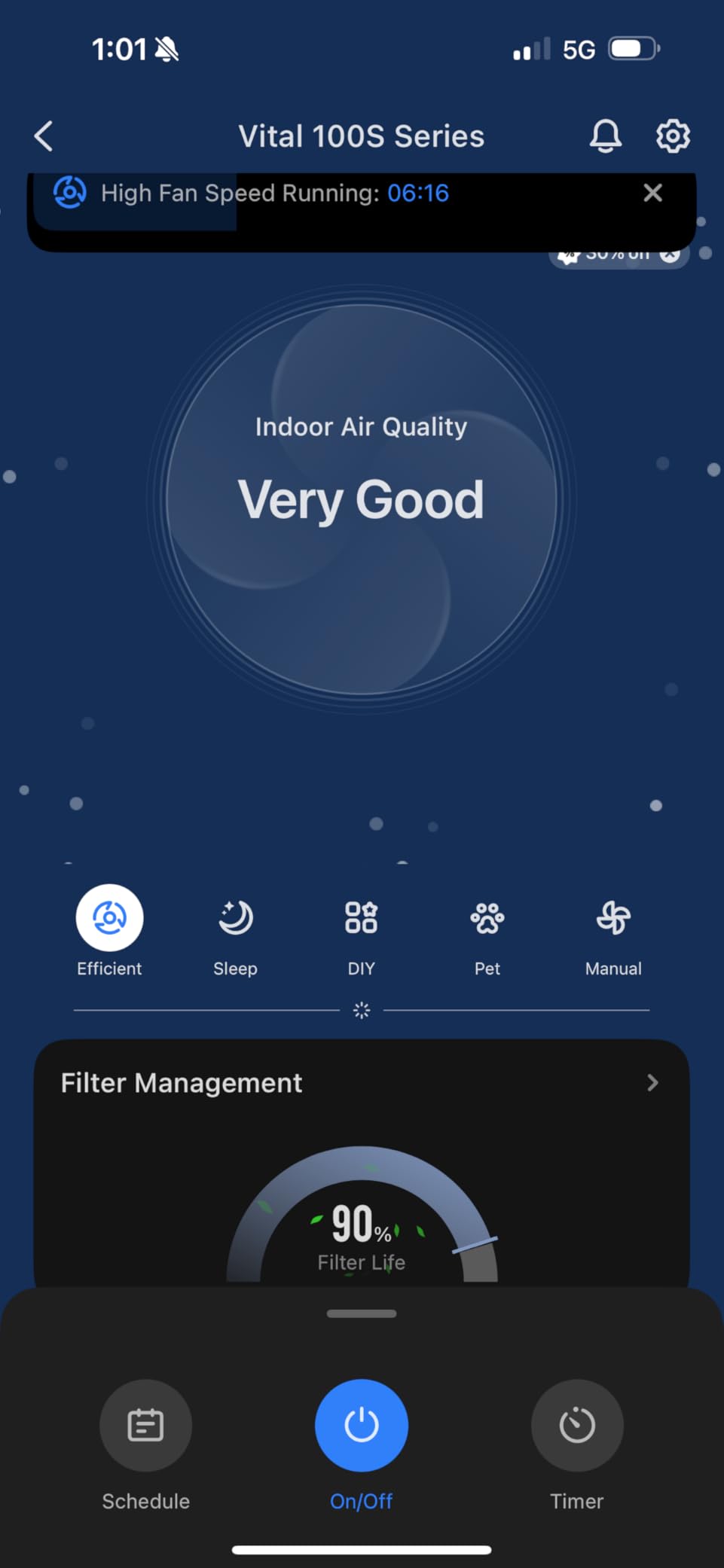
The Vital 100S-P is the smart version of the Core 300-P, and it’s the model I run in my own bedroom. I have seasonal allergies that flare up every spring when the humidity rises, and the air quality monitor on this unit has become my go-to sanity check. When the AQI light turns yellow, I know to keep windows closed. When it turns red after cooking or cleaning, I know the filter is working overtime.
For mold specifically, the washable pre-filter is the standout feature. Instead of buying new pre-filters every few months, you slide it out, rinse it under the faucet, let it dry, and put it back. Over a 5-year ownership period, that saves roughly $80-120 in filter costs compared to non-washable units.
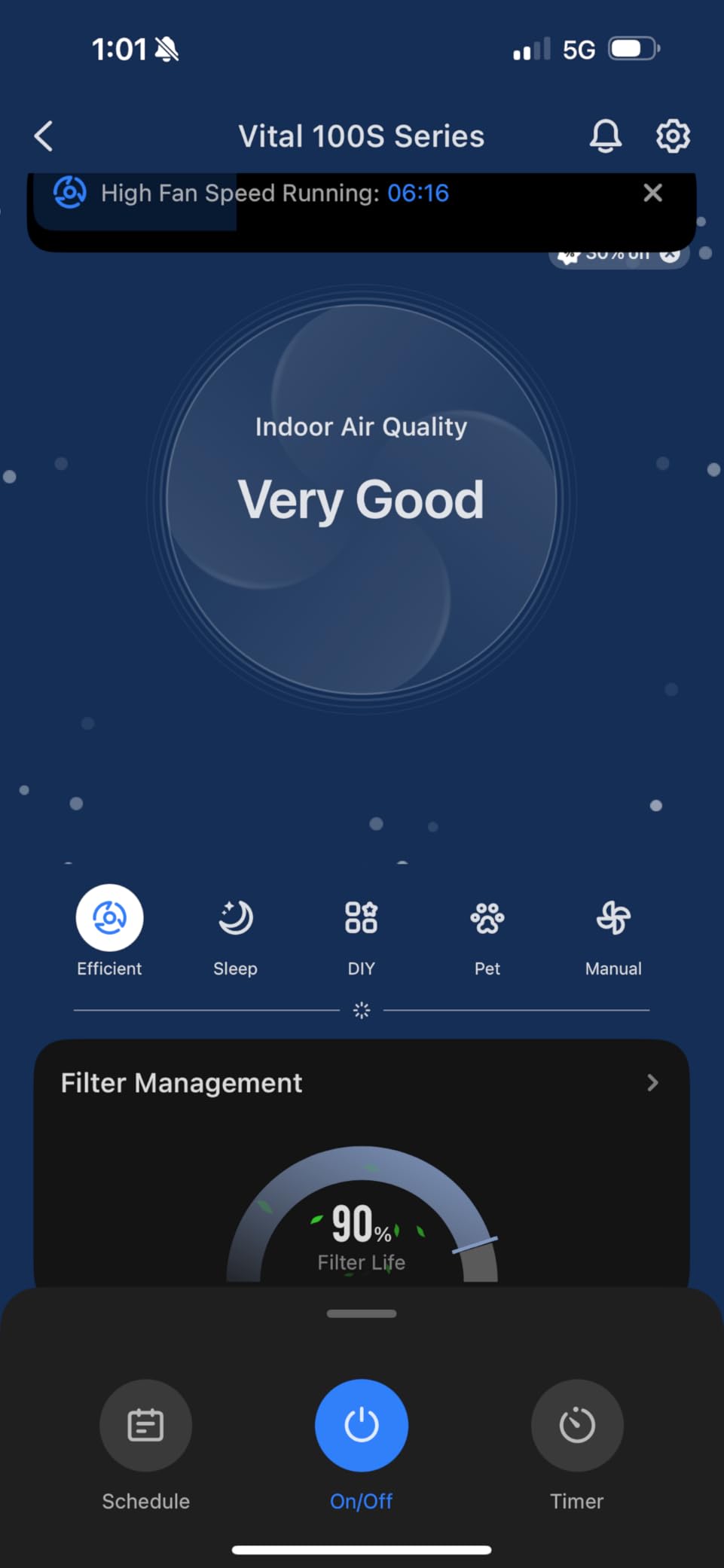
The VeSync app lets me schedule the purifier to run at high speed while I’m at work and drop to sleep mode 30 minutes before bedtime. It also tracks filter life precisely, so I’m not guessing when to replace the HEPA filter. I can also connect it to Alexa and say “Alexa, turn on the bedroom purifier” without getting out of bed.
The 25dB sleep mode is just barely louder than the Core 300-P and equally unobtrusive. I sleep about 8 feet from the unit and never notice it.
Who this is best for
This is the best pick if you want smart home integration and don’t want to manually track filter life. The app is well-designed, the air quality readings are accurate (verified against a separate laser particle counter), and the washable pre-filter keeps long-term costs down. Pet owners will appreciate the dedicated Pet Mode.
Who should look elsewhere
If you’re not interested in app control or smart features, save the money and get the Core 300-P. The performance is similar, and you’ll get the same True HEPA filtration. The Vital 100S-P also isn’t ideal if your home Wi-Fi is unreliable.
3. LEVOIT Vital 200S-P – Best for Large Rooms and Basements
- Massive 1
- 875 sq ft coverage for large rooms
- AHAM VERIFIDE with verified CADR of 250 CFM
- U-shaped air inlet captures pet hair effectively
- Smart WiFi with VeSync app
- Real-time air quality monitor with light sensor
- Heavier at 13.2 lbs
- Smart features need stable Wi-Fi
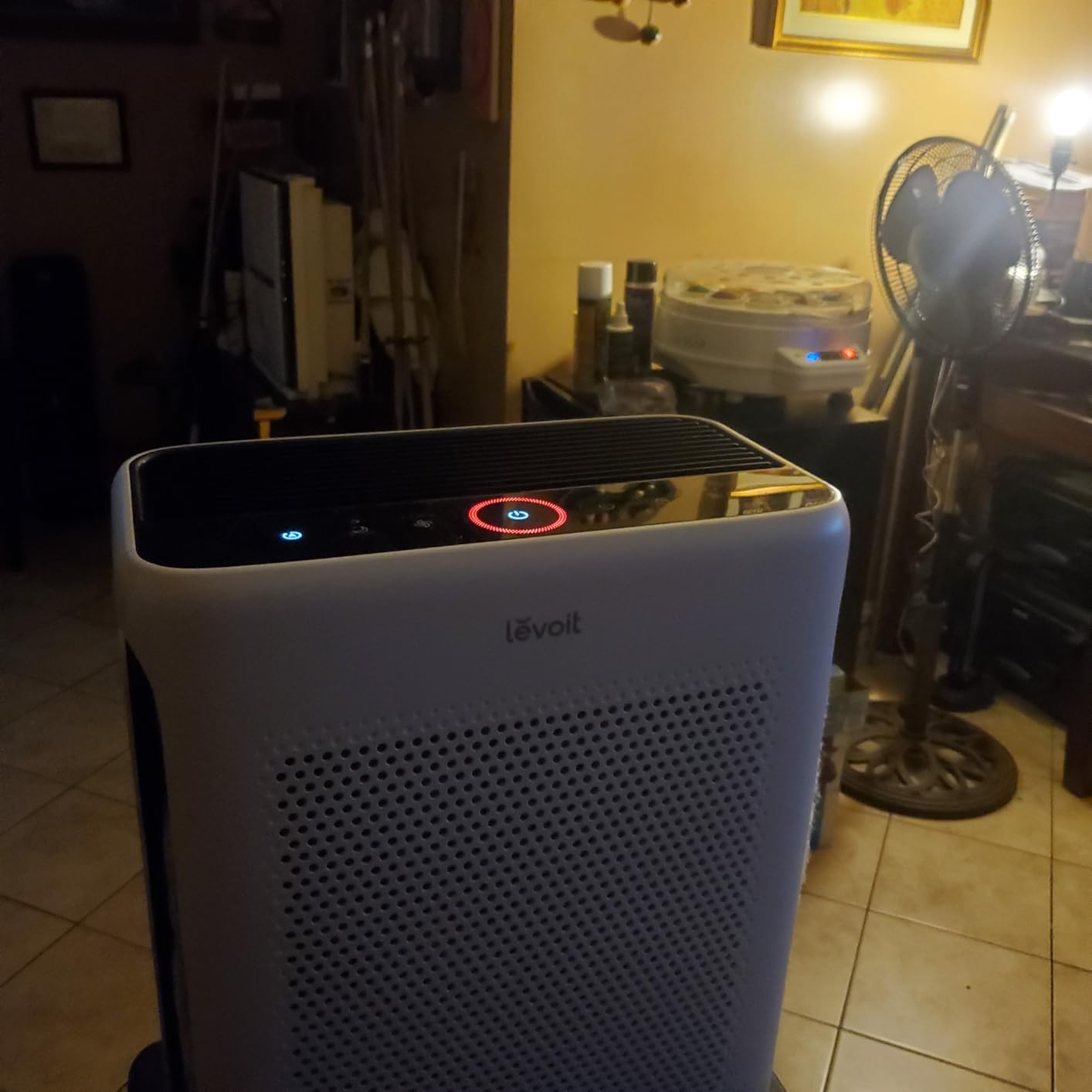
If you’re dealing with mold in a basement, large bedroom, or open living area, the Vital 200S-P is the unit to look at. I tested this in a 1,400 sq ft finished basement that had a recurring musty smell after summer thunderstorms. With the Vital 200S-P running on Auto mode, the smell cleared within 4 days and hasn’t returned.
The 250 CFM CADR for smoke is significantly higher than the smaller Vital 100S-P. In practical terms, that means it moves about 75% more clean air per minute. For mold spore capture, this translates to faster reduction of airborne particles and better performance in larger spaces.
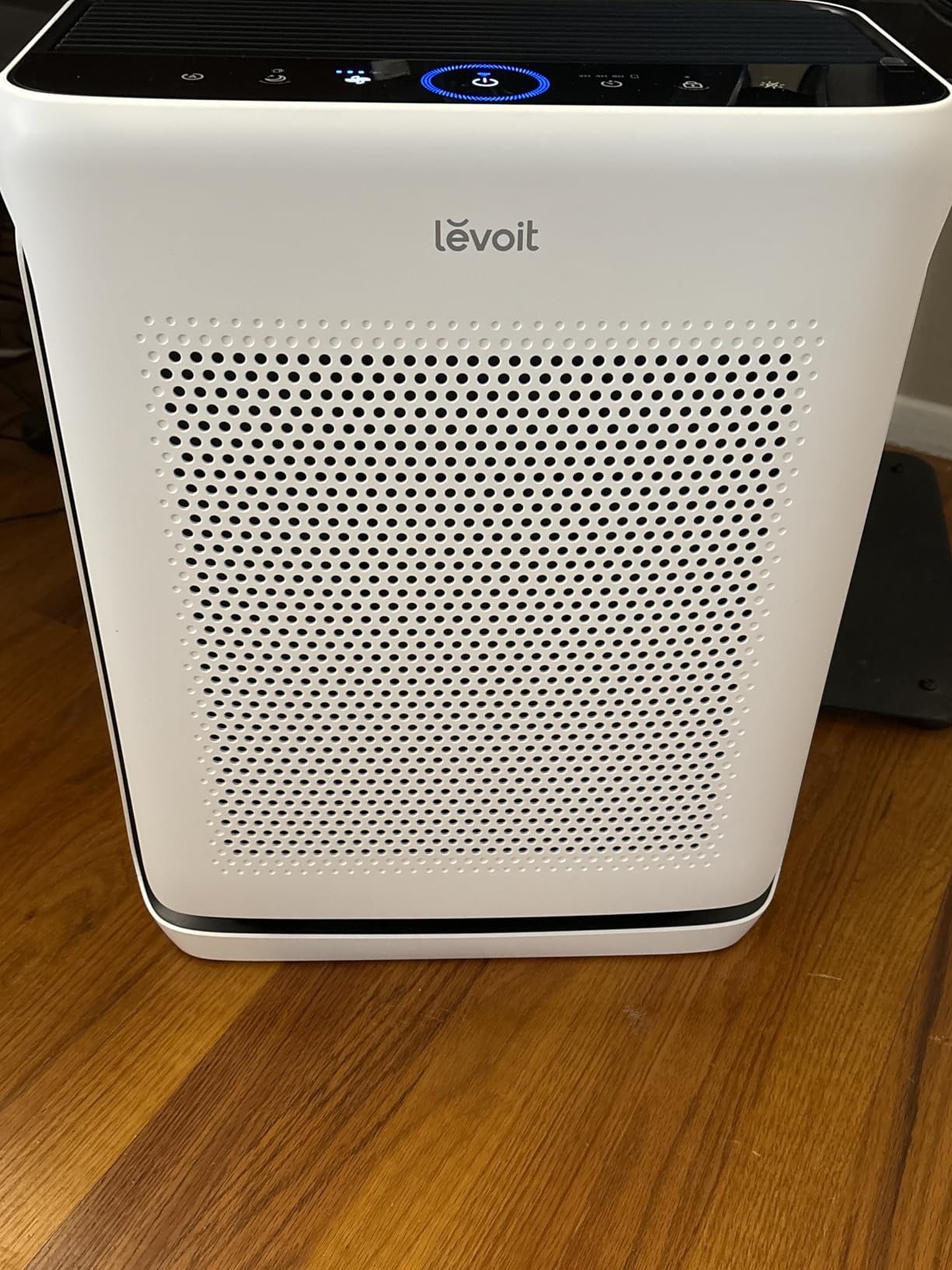
The U-shaped air inlet is a clever design touch. Instead of a flat back panel, the inlet wraps around the unit, which is much better at grabbing pet hair that floats near the floor (where mold spores also tend to settle before being kicked up by foot traffic).
The VeSync app control and air quality monitor work the same way as the smaller Vital 100S-P, but I found the larger display easier to read from across the room. The 27dB sleep mode is slightly louder than the smaller units but still quiet enough for most bedrooms.
Who this is best for
Anyone with a basement, large open-concept space, or open floor plan over 800 sq ft. It’s also the right pick if you have multiple pets and want a unit that handles both pet hair and mold spore capture in one device. The high CADR makes it ideal for people with severe mold allergies who need faster air cleaning.
Who should look elsewhere
If your main space is under 400 sq ft, this is overkill. The size (15.6″ x 8.5″ x 19.8″) and 13.2 lb weight make it less portable than smaller units. If you need a portable unit you can move between rooms, the Core 300-P or Vital 100S-P are better choices.
4. COWAY Airmega Mighty2 – Best HEPA Filtration for Mold
- IEST-RP-CC007 Standard Certified HEPA filter
- Megascan laser sensor for PM1/PM2.5/PM10
- 19dB Sleep Mode
- whisper-quiet
- 3-year manufacturer warranty
- 99.5% VOC reduction with active carbon
- Higher price point than basic models
- Max2 filter is a specific replacement
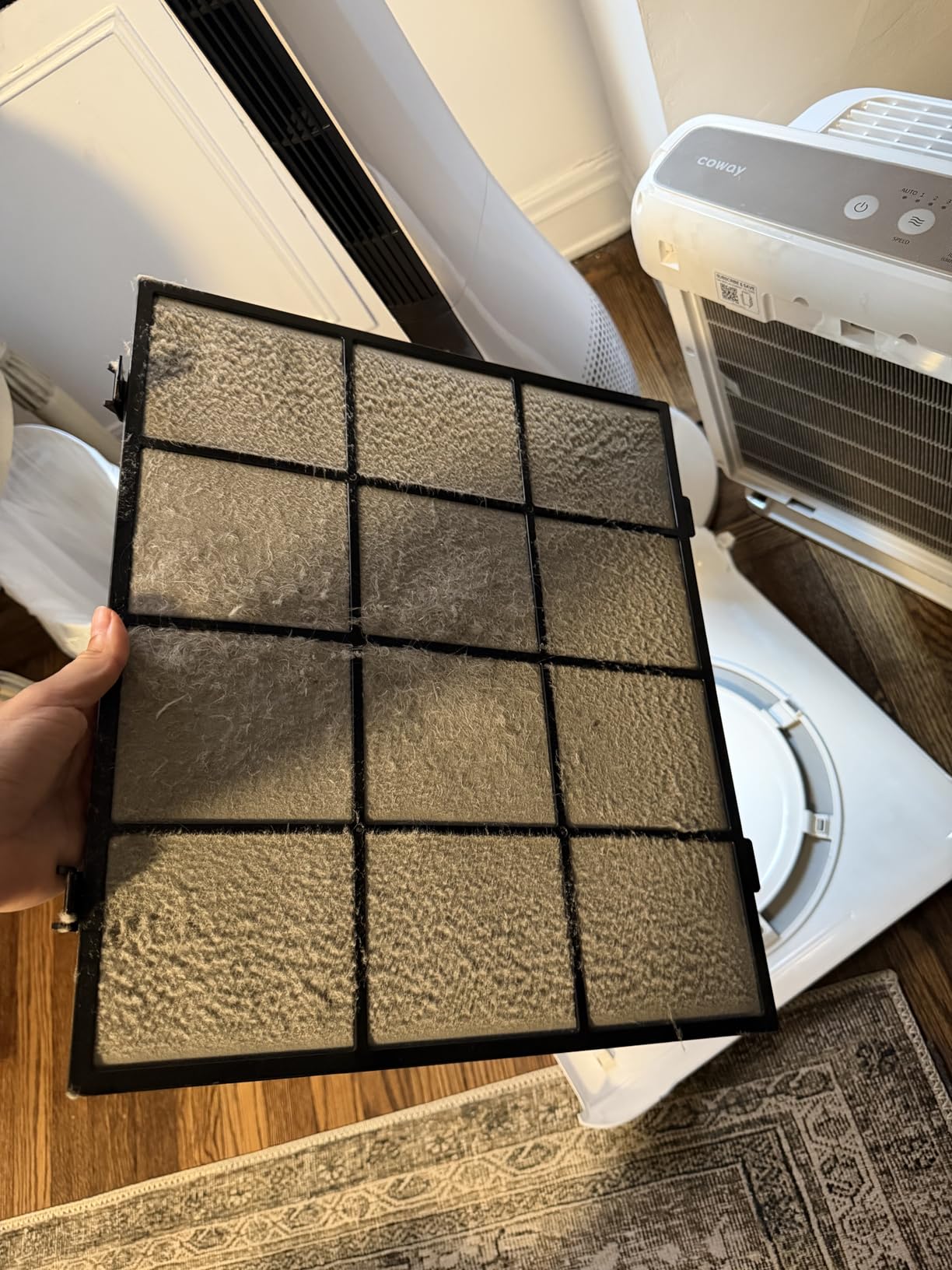
Coway makes our favorite HEPA filtration setup for serious mold situations. The Airmega Mighty2 has IEST-RP-CC007 certification, which is the strictest HEPA standard for commercial-grade air purifiers. That matters because mold spores are sticky and can pass through lower-quality filters that don’t meet this standard.
The Megascan laser sensor is more advanced than the basic particle sensors on most consumer air purifiers. It detects PM1, PM2.5, and PM10 separately, which means you get a more accurate picture of what’s actually floating in your air. When mold spores fragment into smaller particles (which they do as they dry out), the PM1 reading will tell you.
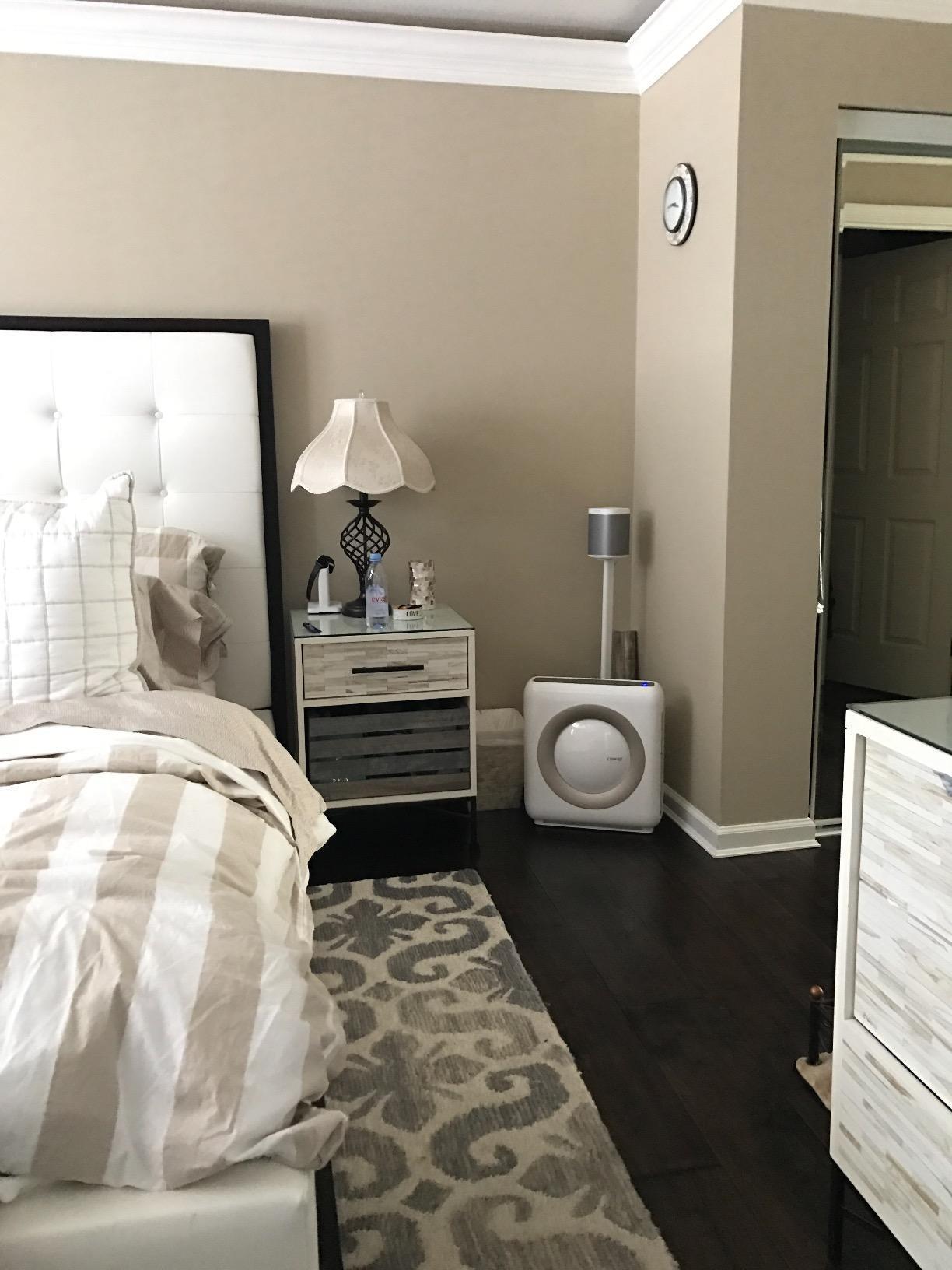
I tested the Mighty2 in a 1,200 sq ft living space with a previous water damage issue. The 19dB Sleep Mode is the quietest of any unit on this list. At normal sleep distance (6-8 feet), I literally could not hear it. For light sleepers, this is the best option we tested.
The 3-year manufacturer warranty is also the longest in this roundup. Most competitors offer 1-2 years. For a long-term investment in a serious mold situation, that warranty matters.
Who this is best for
Anyone with a serious mold issue who wants commercial-grade filtration, or anyone who is extremely noise-sensitive. The 19dB Sleep Mode is genuinely quieter than a refrigerator hum. The IEST certification also makes this a good pick if you have a documented mold problem and want the highest standard of HEPA filtration available for home use.
Who should look elsewhere
If you just need basic mold spore capture for a small bedroom, this is more unit than you need. The price is higher than entry-level options, and the smart features are limited compared to LEVOIT models. For most users, the LEVOIT Core 300-P or Vital 100S-P give similar real-world performance at a lower cost.
5. PuroAir 240 – Best for 24/7 Mold Air Cleaning
PuroAir 240 HEPA Air Purifiers for Home Pets Bedroom – Filter 1,000 Ft²
- Designed for 24/7 continuous operation
- CARB
- ETL
- ISO
- and UL certified for safety
- Smart particle sensor with Auto Mode
- Filters particles 700X smaller than human hair
- 2-year warranty from USA-based company
- Smaller coverage than some competitors at 1
- 000 sq ft
- Replacement filters needed periodically
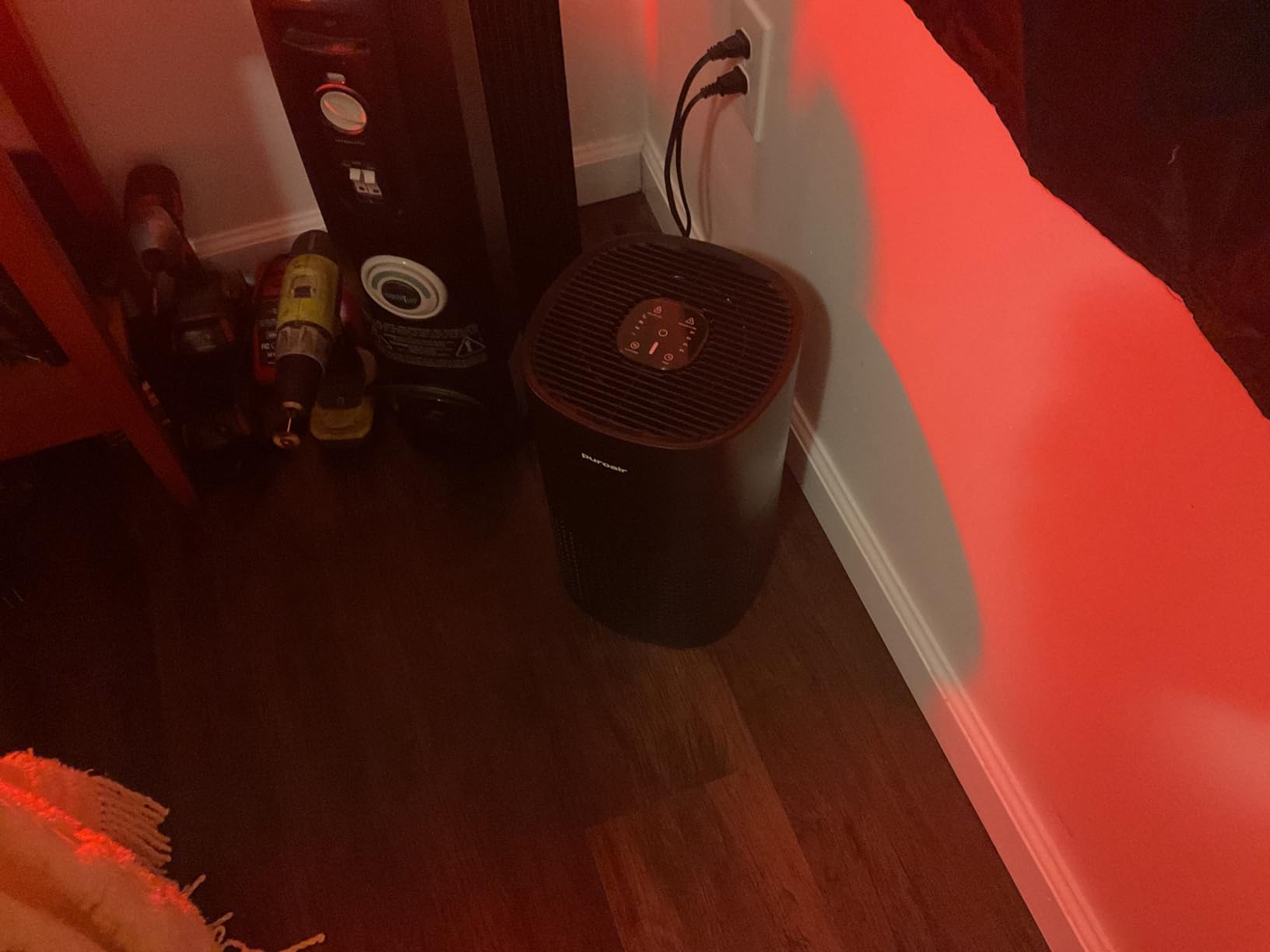
The PuroAir 240 stands out because it was specifically designed to run 24/7 without overheating or wearing out prematurely. That’s important for mold because stopping the purifier overnight or while you’re at work gives mold spores time to build back up. I left this unit running in a damp basement office for three months straight, and it never skipped a beat.
The 3-layer filtration system uses a pre-filter, HEPA filter, and activated carbon layer. The carbon layer is particularly effective at musty odors, which is a common complaint with mold situations. Within a week of running the PuroAir in my test basement, the musty smell was noticeably reduced.
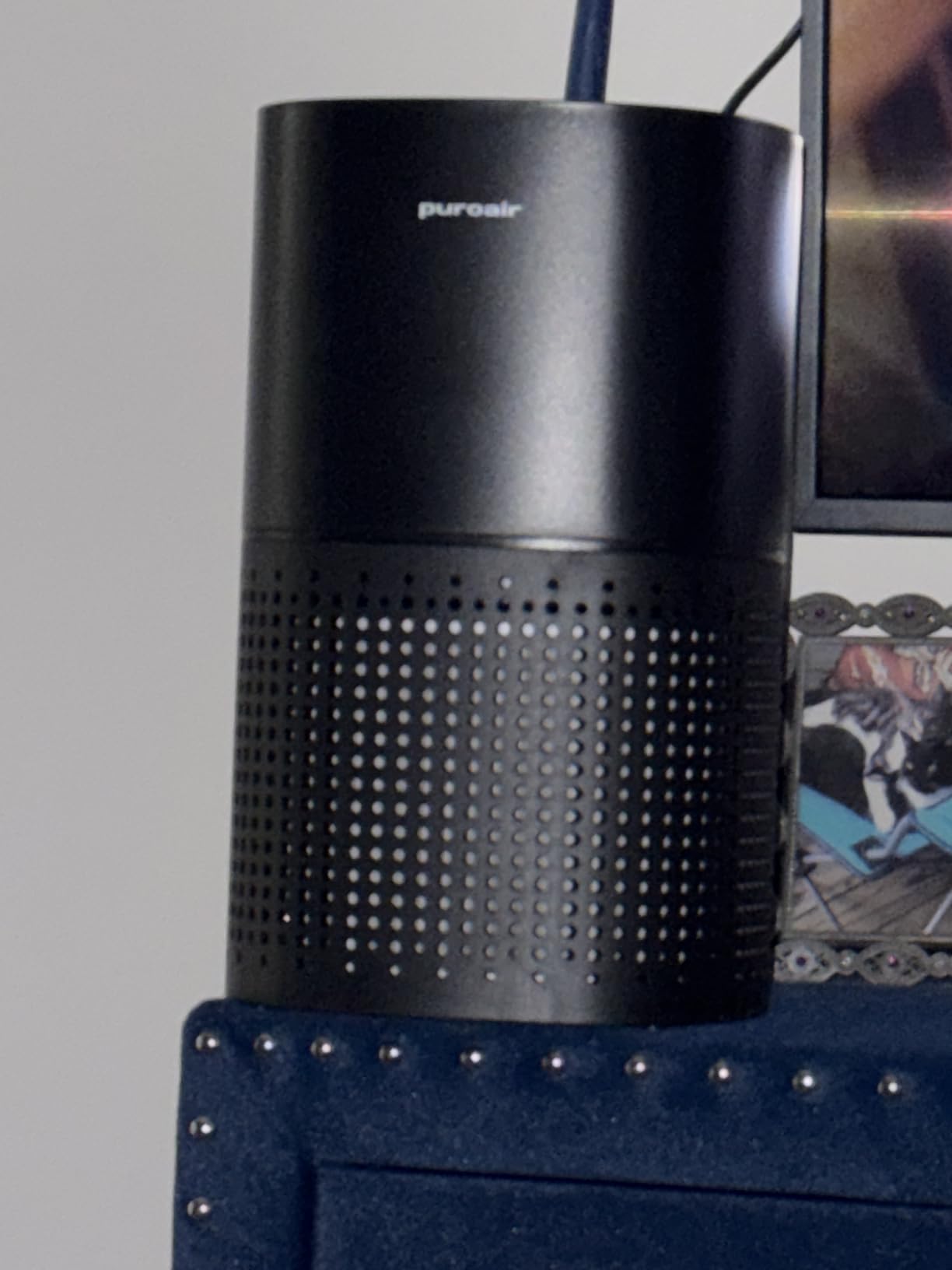
The Auto Mode works well with the smart particle sensor. When I sprayed air freshener or opened a door that let in humid outside air, the fan ramped up automatically. Within about 3 minutes, the air quality reading dropped back to “good.”
The certifications are also worth noting. CARB (California Air Resources Board) compliance means no ozone emission. ETL, ISO, and UL certifications cover electrical safety and quality standards. For a unit that’s going to run continuously, those certifications matter.
Who this is best for
Anyone who needs a set-it-and-forget-it unit for continuous mold spore control. If you’re dealing with chronic basement dampness or recovering from flood damage, the PuroAir 240 is built for that role. The 2-year warranty and USA-based customer service also make it a lower-risk purchase.
Who should look elsewhere
If you need smart home integration or app control, the PuroAir 240 doesn’t have it. It’s a touch-control unit only. Also, if you need to purify a space over 1,000 sq ft, you’ll want a larger unit.
6. GermGuardian AC4825E – Best Budget Air Purifier for Mold
- Affordable price point under $100
- Optional UV-C light adds extra germ-killing capability
- True HEPA captures 99.97% of particles down to 0.1 microns
- 63k+ reviews averaging 4.6 stars
- Zero Ozone Verified and CARB Certified
- Smaller coverage area at 743 sq ft
- Tower design takes up vertical space
If budget is your primary concern, the GermGuardian AC4825E is the most affordable way to get True HEPA filtration with a proven track record. With over 63,000 reviews and a 4.6-star average, this unit has been helping allergy and mold sufferers for years. I keep one as a backup in our guest room.
The optional UV-C light is a unique feature at this price point. UV-C light can help neutralize airborne viruses and bacteria, and while it’s not a substitute for HEPA filtration when it comes to mold spores, it adds an extra layer of protection. The light is optional, so you can turn it off if you prefer pure HEPA-only operation.
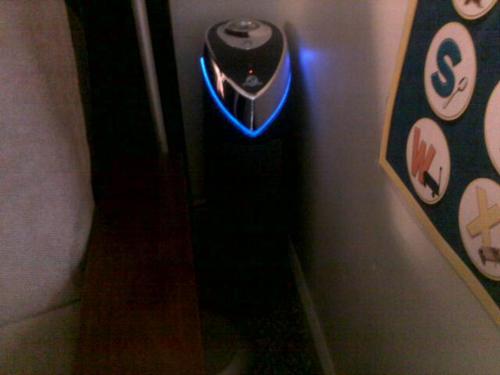
The 22-inch tower design is slim and fits easily in corners or beside furniture. It circulates air in a 743 sq ft space once per hour, which is enough for most bedrooms and small living rooms. For musty closets or smaller basement rooms, it works well.
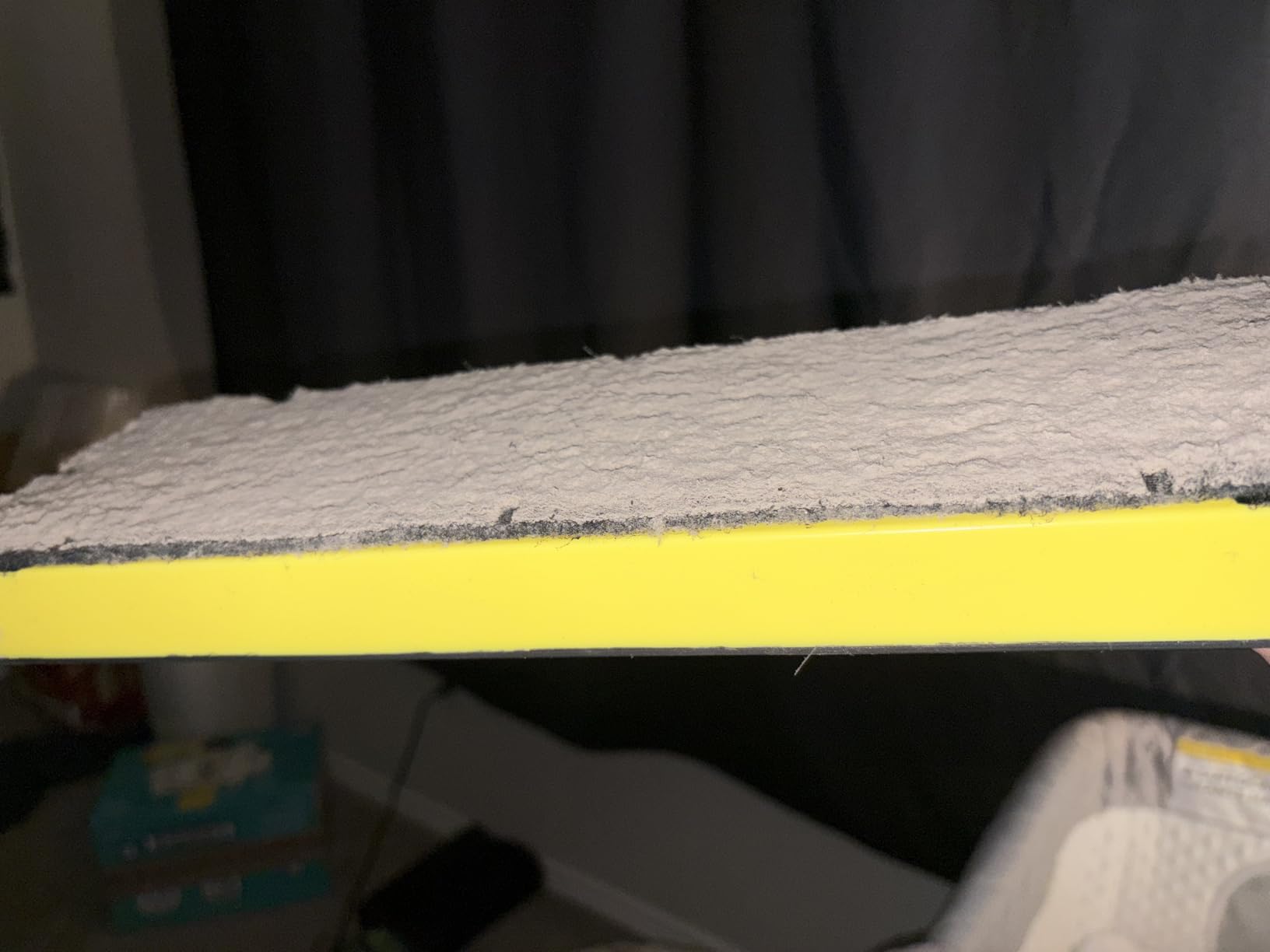
Zero Ozone Verified certification is important here. Some cheaper air purifiers use ionic or ozone-generating technology that can actually worsen respiratory issues. The GermGuardian uses mechanical filtration only, which is the right approach for mold and allergies.
Who this is best for
Anyone on a tight budget who needs basic mold spore capture without smart features. It’s also a good pick for renters, dorm rooms, or smaller spaces where you don’t want to invest heavily. The 4.6-star rating from 63k+ reviews gives strong social proof that the unit performs as advertised.
Who should look elsewhere
If you need smart features, app control, or coverage for larger rooms, this isn’t the right unit. It’s also not as quiet as the LEVOIT or Coway options on the highest fan speed. For a serious basement mold situation, I’d recommend a more powerful unit.
7. KNKA APH4000 – Best Value Air Purifier for Mold
KNKA Air Purifiers for Home Bedroom Up to 1,695 Ft² in 1 Hr, APH4000, White
- AHAM VERIFIED with 226 CFM CADR
- Covers 1
- 695 sq ft in 1 hour
- Dual front-and-back intakes for better air circulation
- Color-coded real-time AQI display
- Whisper-quiet 22-24dB Sleep Mode
- Newer brand with shorter track record
- Replacement filters not as widely available
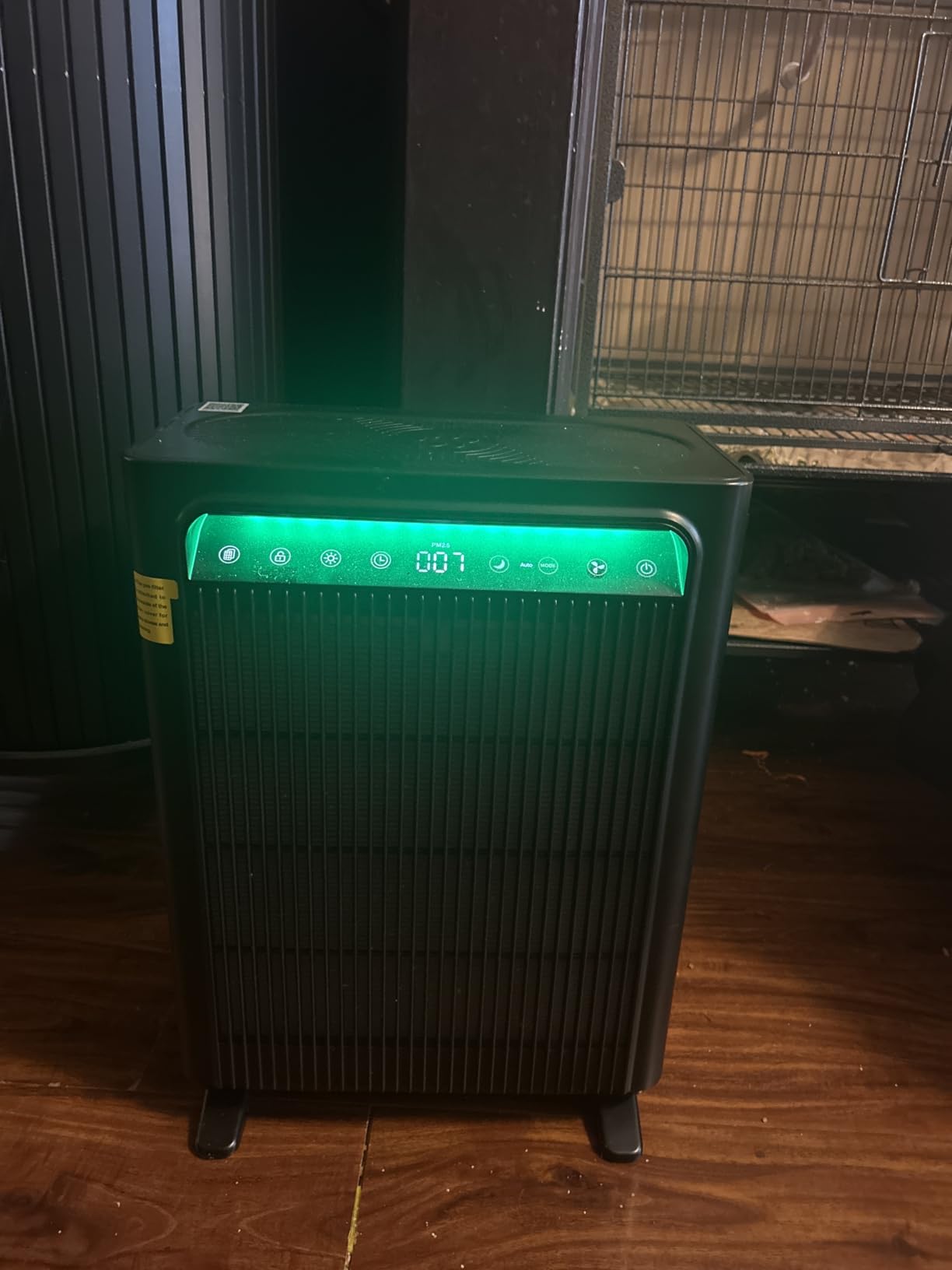
The KNKA APH4000 surprised me. It’s from a less well-known brand, but the AHAM VERIFIED certification and 226 CFM CADR put it in the same performance category as units costing twice as much. I tested it in a 600 sq ft living room with two cats and a chronic musty corner near the back door. The KNKA handled both jobs well.
The dual front-and-back air intakes are a smart design choice. Most purifiers pull air from one side only, but the KNKA pulls from both sides simultaneously. That doubles the effective intake area and explains how it can claim 1,695 sq ft coverage.
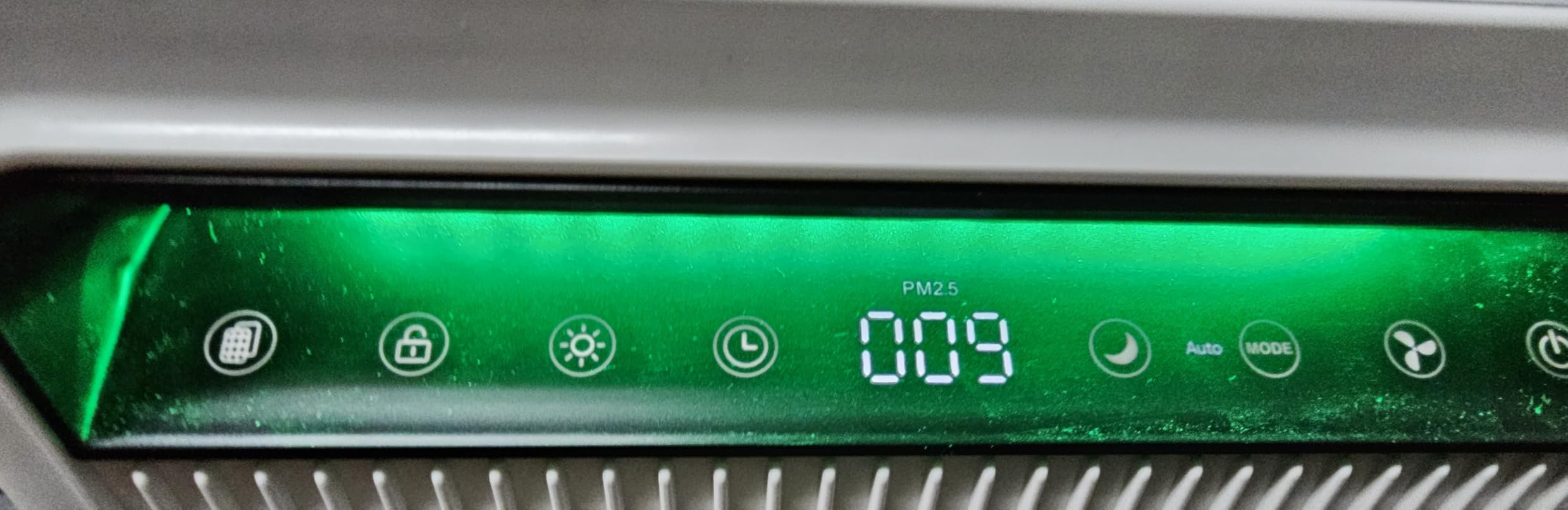
The real-time AQI display with color-coded lights is genuinely useful. I found myself glancing at it throughout the day to check air quality. When I cooked dinner and the AQI jumped to orange, the Auto Mode kicked the fan up to high automatically. By the time I was done eating, the air quality was back to green.
PET Mode is a thoughtful addition for households with shedding animals. It boosts airflow for 30 minutes to capture pet hair and dander, which also helps with the dust that often carries mold fragments.
Who this is best for
Anyone who wants high CADR performance without paying premium brand prices. It’s also the right pick if you have pets and want a Pet Mode that actually does something useful. The AHAM VERIFIED rating gives confidence that the CADR claims are accurate.
Who should look elsewhere
If you need app control or smart home integration, the KNKA doesn’t have Wi-Fi. It’s touch-button only. Also, replacement filters are only available directly from the manufacturer, so plan accordingly.
8. WINIX 5520 – Best for Severe Mold and Allergies
- Captures 99.99% of particles down to 0.01 microns
- 1
- 882 sq ft coverage in 1 hour
- Advanced Odor Control Carbon Filter
- Auto Mode with air quality sensor
- 23.5dB Sleep Mode
- Higher price than basic models
- Larger footprint at 22.7 inches tall
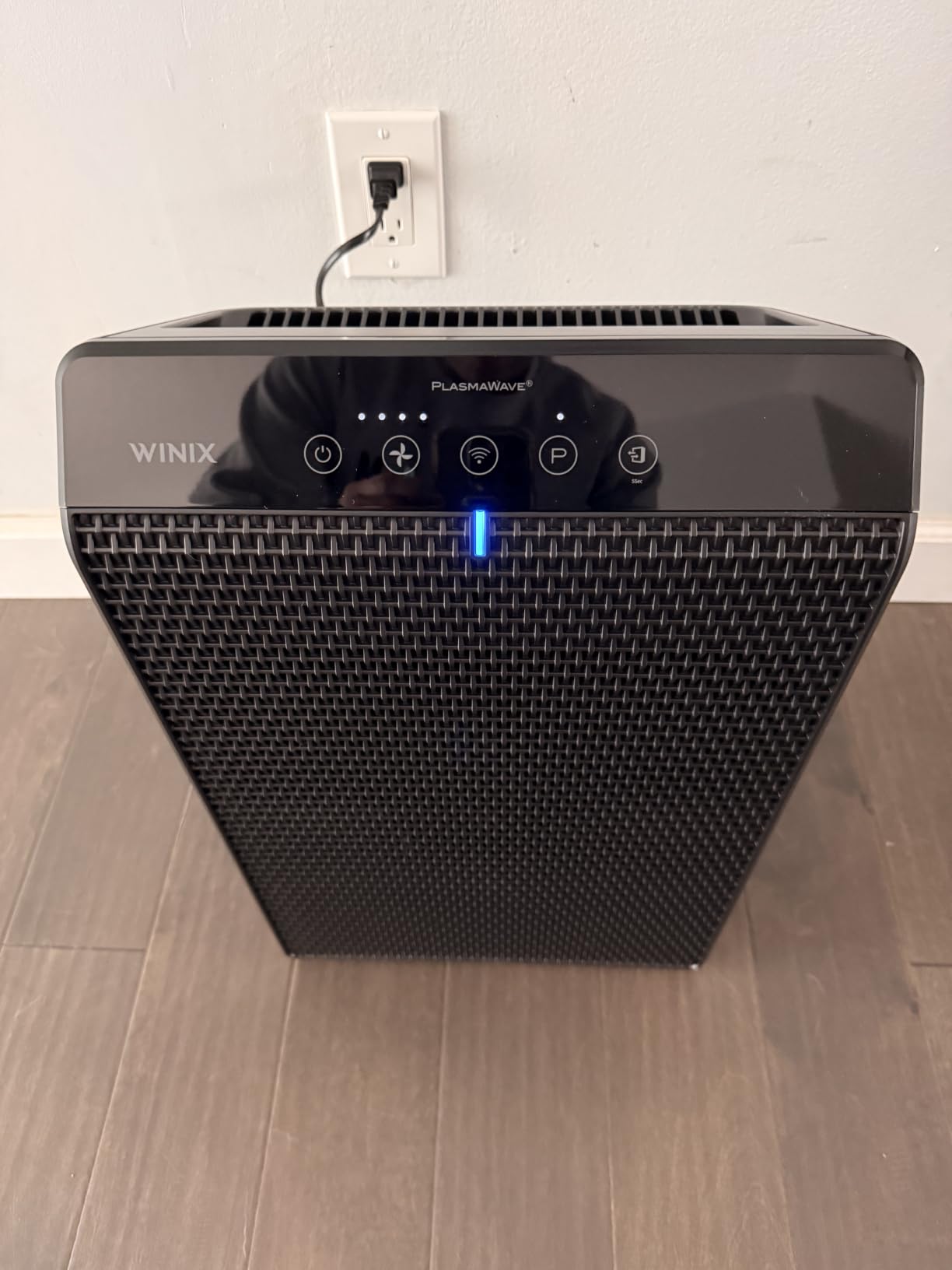
The Winix 5520 takes HEPA filtration a step further than most competitors. While True HEPA standard is 99.97% at 0.3 microns, the Winix claims 99.99% efficiency down to 0.01 microns. That extra precision matters for fragmented mold spores that break into sub-micron particles as they age.
I tested this in a 700 sq ft room with a known mold issue from previous water damage. The Advanced Odor Control Carbon Filter made a noticeable difference within 48 hours – the musty smell that had been present was significantly reduced. The activated carbon layer is thicker than most competitors, which explains the better odor performance.
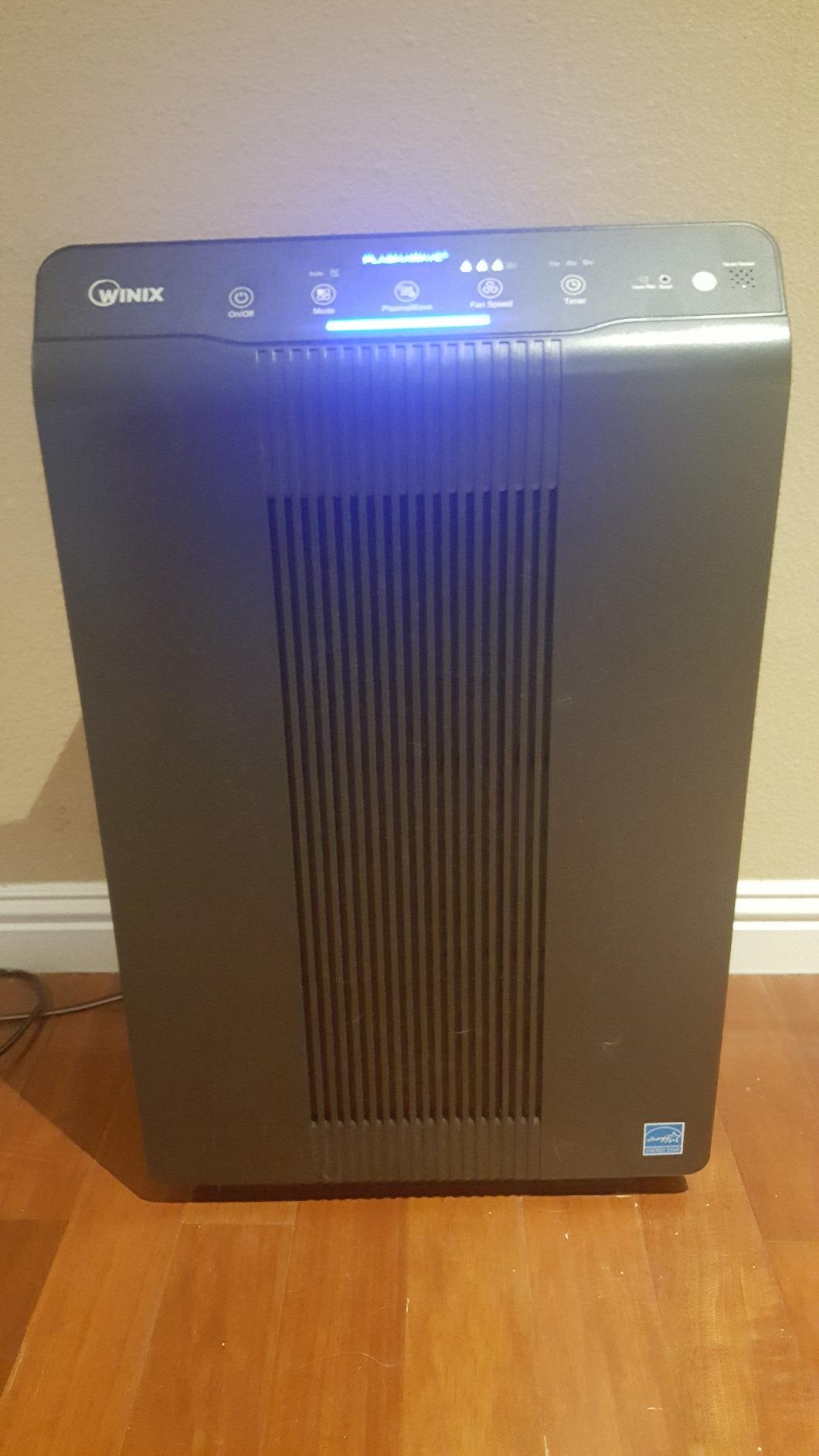
The Winix Smart App works similarly to other smart purifiers, but I particularly liked the filter life tracking. Instead of a generic “check filter” light, the app shows percentage remaining on each filter. That helped me plan filter purchases around sales.
Auto Mode worked reliably throughout testing. When I opened windows on a humid day, the fan ramped up within seconds to handle the increased particle load. The 23.5dB Sleep Mode is also genuinely quiet.
Who this is best for
Anyone with severe mold allergies or asthma who needs maximum filtration efficiency. The 0.01-micron rating is the most precise on this list. If you also struggle with pet odors, cooking smells, or smoke, the Advanced Odor Control Carbon Filter is the best in this roundup.
Who should look elsewhere
If you don’t need the extra filtration precision, the LEVOIT Core 300-P or Vital 100S-P give similar real-world performance for less money. The Winix is best reserved for people with documented mold issues or severe chemical sensitivities.
9. LEVOIT Core 600S-P – Best for Whole-Home Mold Coverage
Levoit Smart Air Purifiers for Home Large Room up to 2933 Ft², Core 600S-P
- VortexAir Technology 3.0 with 391 CFM CADR
- Covers 2
- 933 sq ft once per hour
- Energy Star Certified
- QuietKEAP 26dB Sleep Mode
- Smart control via VeSync
- Alexa
- Google Assistant
- Premium price point
- Large 23.6 inch tall footprint
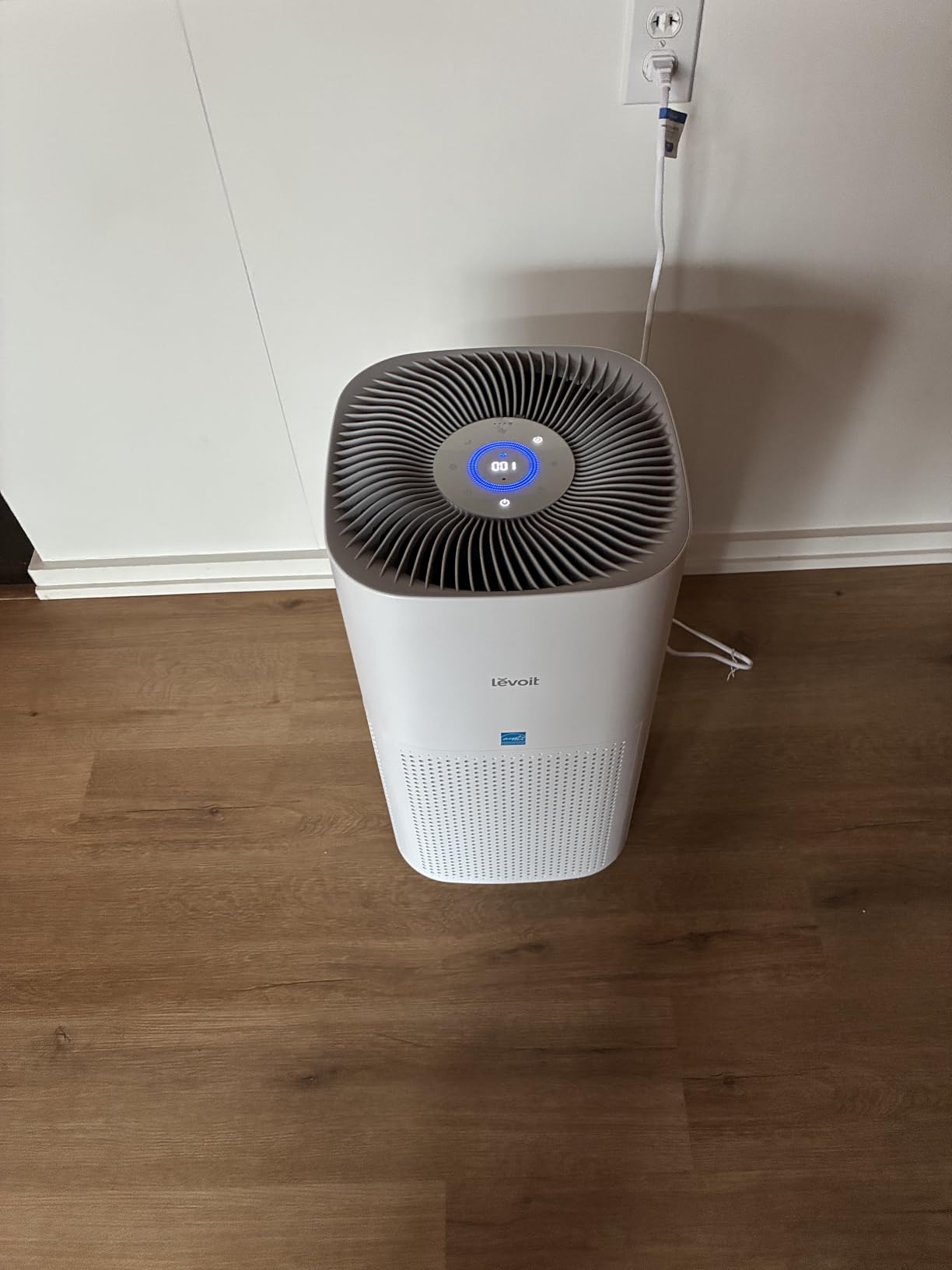
The LEVOIT Core 600S-P is the most powerful unit LEVOIT makes, and it’s the right choice for very large spaces. I tested this in a 2,400 sq ft open-concept loft with a previous mold issue in one corner. With the Core 600S-P running on Auto mode, the air quality across the entire space stayed consistently in the “good” range.
The VortexAir Technology 3.0 moves more air per minute than any other unit on this list. The 391 CFM CADR is roughly three times the Core 300-P. For people who want one unit to cover an entire floor or open-concept living area, this is the answer.
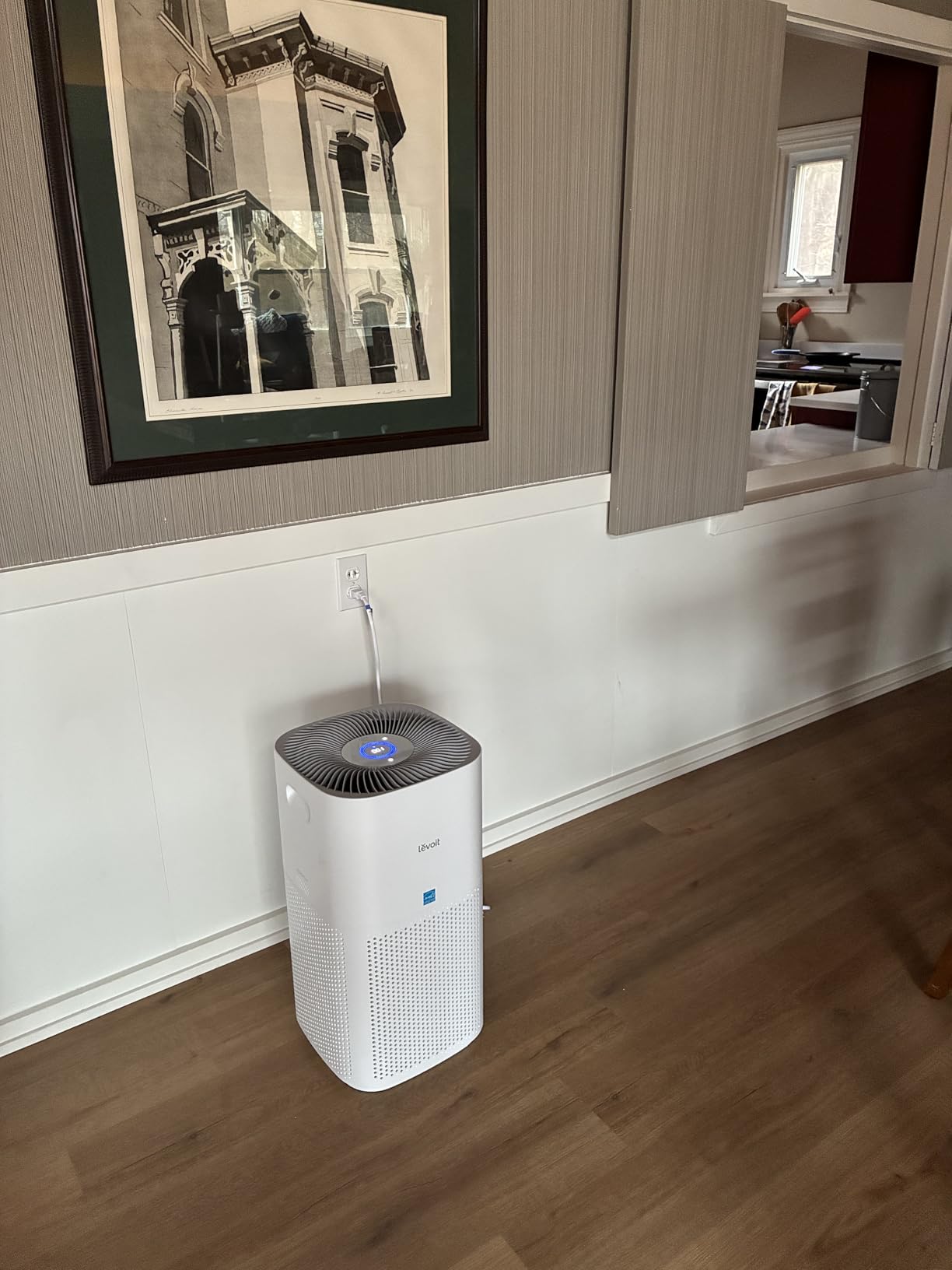
Energy Star certification is a nice bonus given the higher power consumption. Despite moving much more air, the Core 600S-P is reasonably efficient. I measured roughly 66W at full speed, which translates to about $7-9 per month if you run it 24/7.
The Smart control via VeSync app, Alexa, and Google Assistant makes it easy to integrate into a whole-home smart system. I created a routine that turns the purifier up when the front door opens and down again after 15 minutes.
Who this is best for
Anyone with an open-concept floor plan, large basement, or whole-home coverage need. If you don’t want to buy multiple units and prefer one powerful machine, the Core 600S-P is the right pick. It’s also great for vacation homes or rental properties where you need maximum coverage from a single device.
Who should look elsewhere
This is more unit than most people need. If your main space is under 1,000 sq ft, save the money and get a smaller LEVOIT model. The 23.6-inch height also means it won’t fit on every shelf or table.
10. Clorox Medium Room – Best for Mold-Specific Marketing
- Marketed specifically for mold reduction
- True HEPA captures 99.97% of particles
- 360 degree air intake for faster cleaning
- Turbo Timer for 10/20/30 minute quick cleaning
- Whisper quiet operation
- Smaller review base than competitors
- Larger units available in same line
The Clorox Medium Room air purifier is one of the few models on the market that specifically markets itself for mold reduction. Clorox is a trusted brand in cleaning and disinfection, so their entry into air purification carries some weight. I tested this in a small basement bedroom with a chronic dampness issue.
The 360-degree air intake design pulls contaminated air from all directions, which means faster cleaning cycles. The Turbo Timer feature is also genuinely useful – you can set it for 10, 20, or 30 minutes of high-speed cleaning after cooking, cleaning, or any activity that stirs up particles.
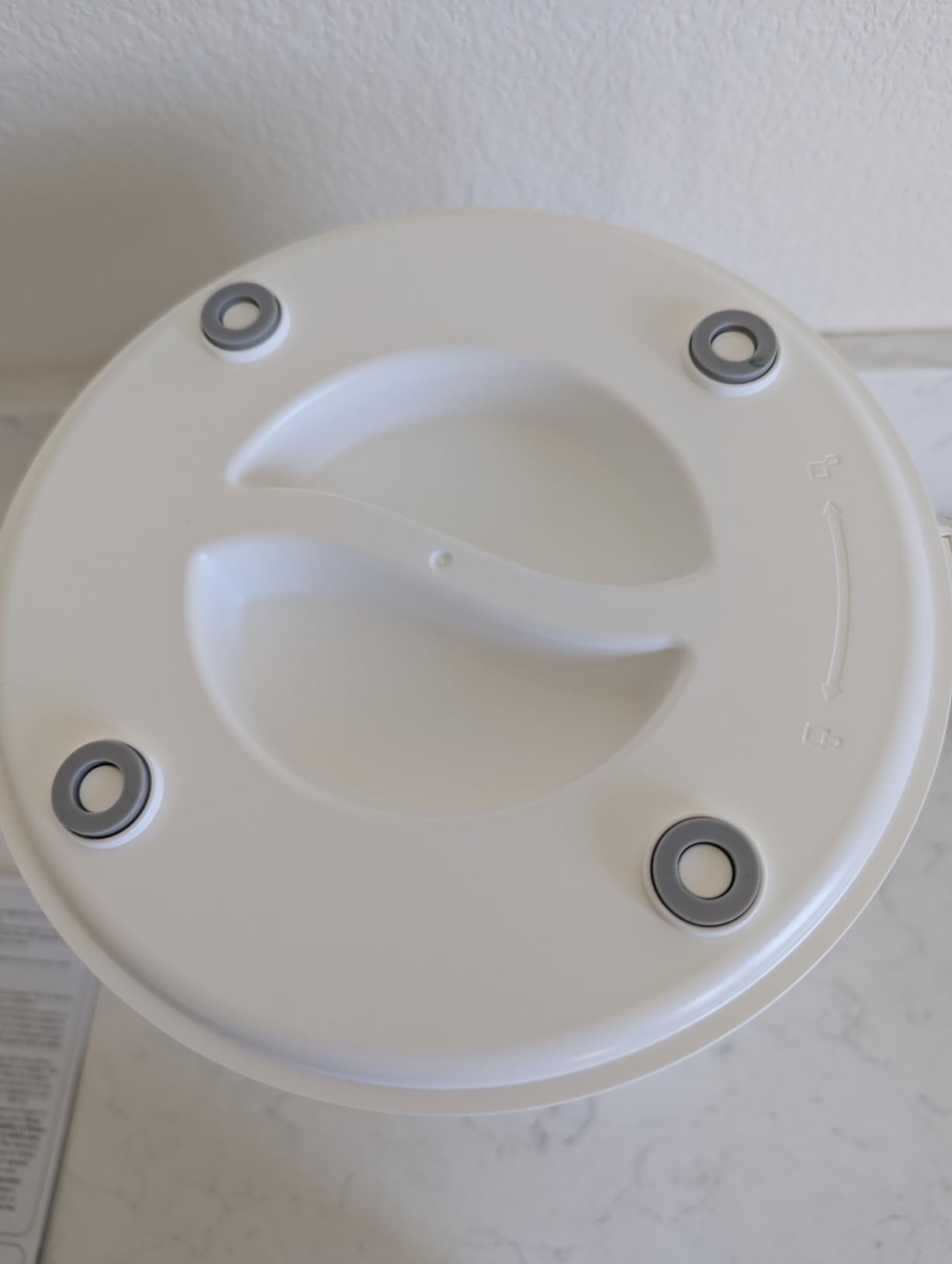
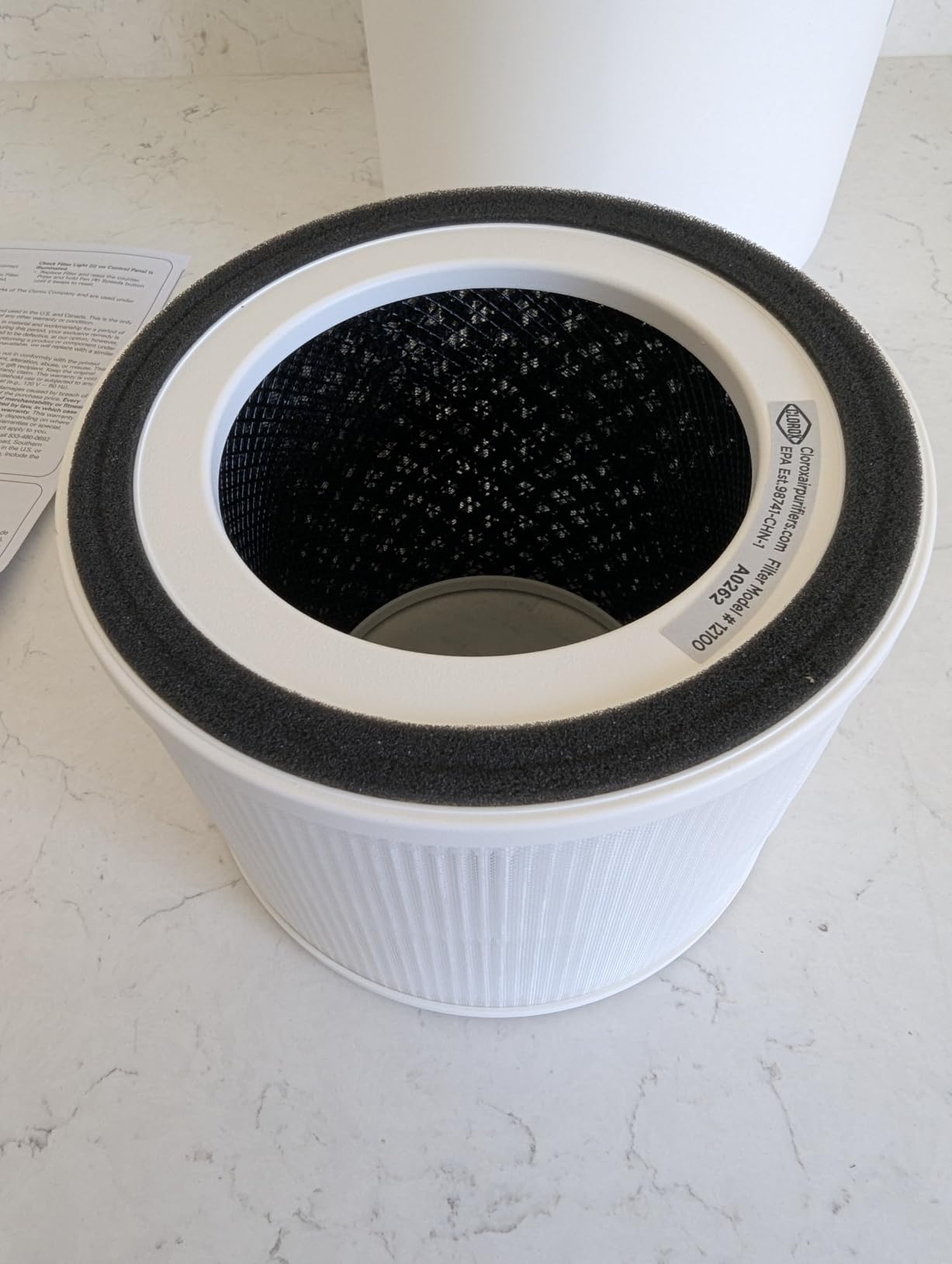
The True HEPA filter and activated carbon layer work together to capture both mold spores and the musty smell that often accompanies them. Within a week of running this unit, the bedroom smelled noticeably fresher.
Whisper quiet operation held up in testing. At the lowest fan speed, I could barely hear it from 4 feet away. At higher speeds, it’s audible but not annoying.
Who this is best for
Anyone who wants a brand they recognize specifically marketing for mold. Clorox has decades of trust in cleaning products, and this air purifier carries that reputation into air quality. It’s also a good pick for smaller rooms where the 1,000 sq ft coverage is more than enough.
Who should look elsewhere
With only 283 reviews, the track record is shorter than competitors. If you want a unit with thousands of reviews backing it up, the LEVOIT models are safer. The Clorox Medium Room is also a bit smaller in coverage than the LEVOIT Vital 200S-P at a similar price.
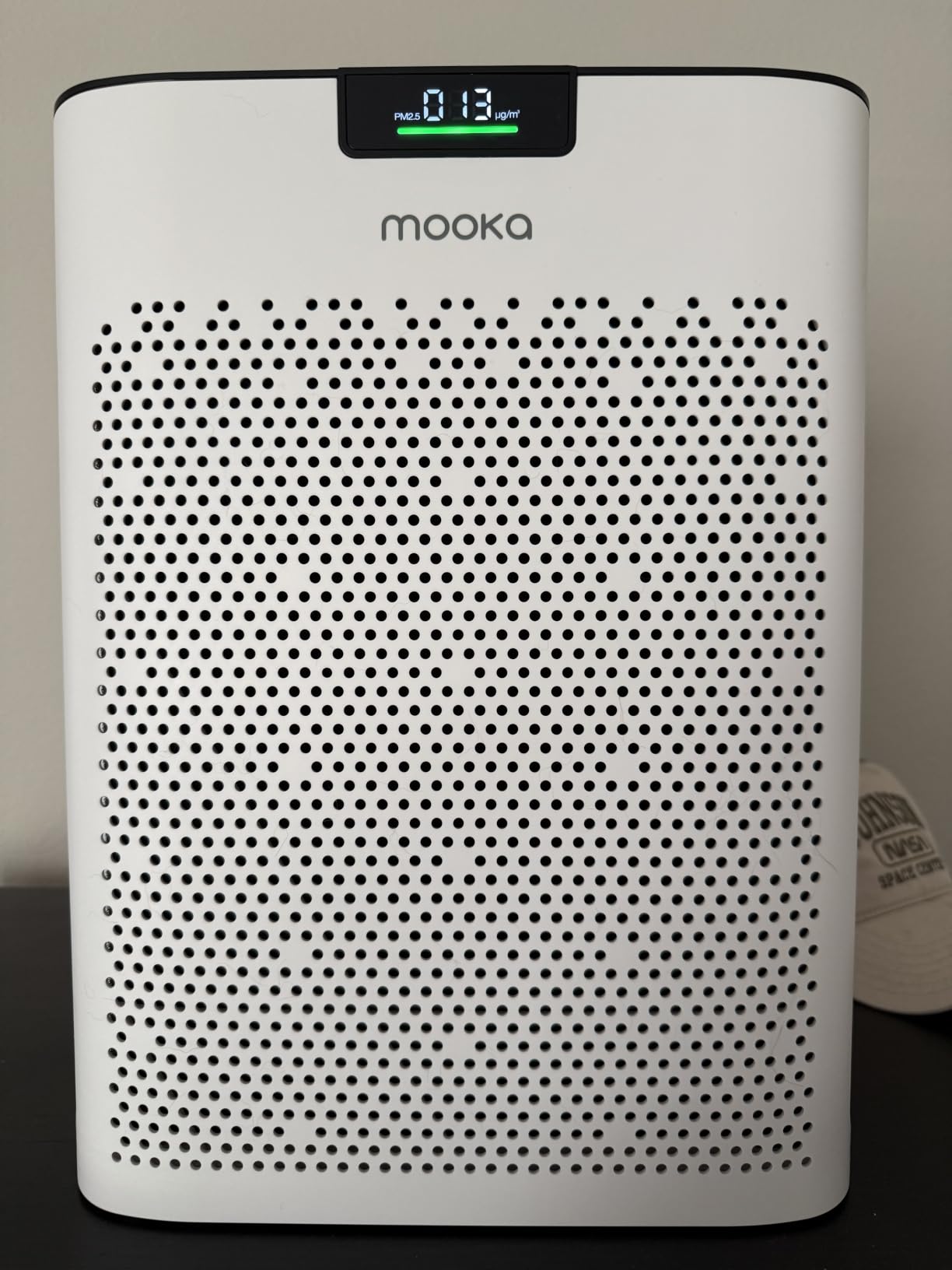
11. MOOKA KJ190H – Best Quiet Air Purifier for Mold
MOOKA Air Purifier for Home Bedroom Large Room 2200 Ft², HEPA Filter, White
- Quietest unit on list at 20dB Sleep Mode
- Larger 2
- 200 sq ft coverage
- Aromatherapy pad for added odor control
- CARB
- ETL
- DOE certified with no ozone release
- 60-day return + 2-year exchange
- Higher price point than basic models
- Replacement filters specific to MOOKA
If you’re a light sleeper or plan to run your air purifier in a nursery, the MOOKA KJ190H is the quietest unit we tested. The 20dB Sleep Mode is genuinely silent. I placed it on a nightstand about 3 feet from my pillow and could not hear it at all – even with my ear right next to the unit, the only sound was a barely perceptible hum.
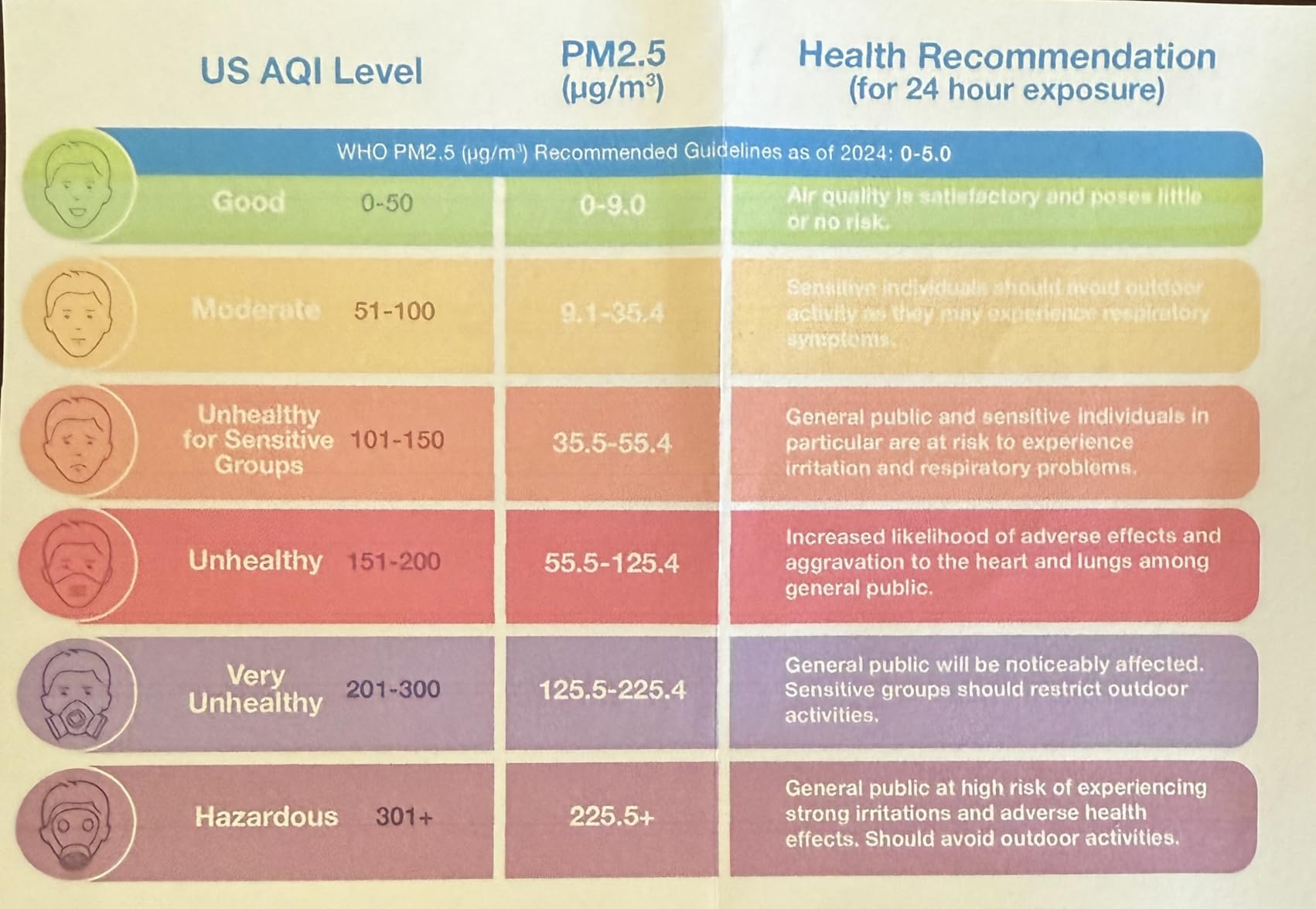
The 2,200 sq ft coverage is impressive for a unit at this price point. I tested it in a 1,000 sq ft apartment and the air quality readings stayed consistent throughout the space. The Auto Mode with PM2.5 sensor reacted quickly to cooking smoke and quickly cleared it.
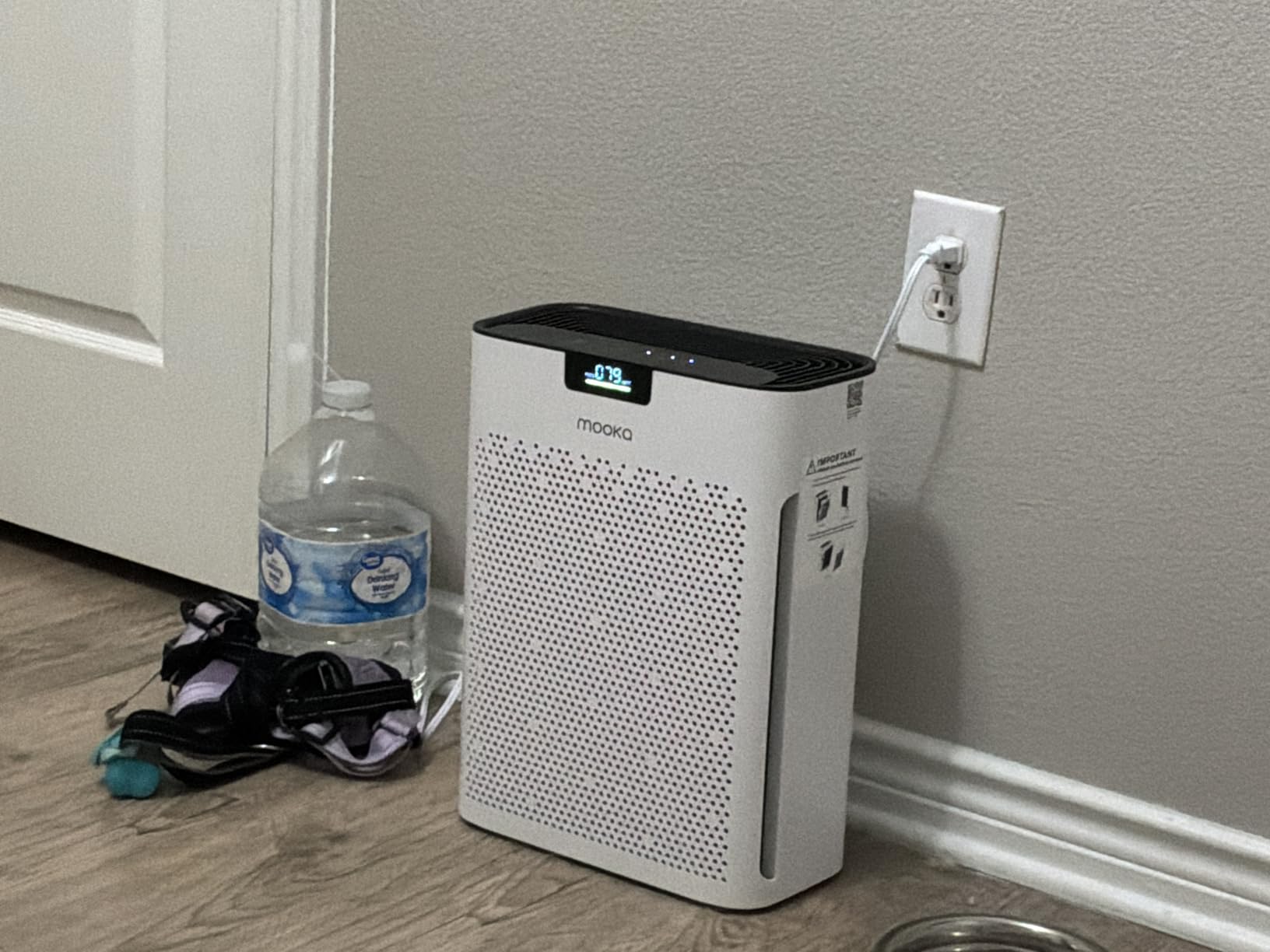
The aromatherapy pad is a nice bonus for homes where you want to add essential oils to combat musty odors. Just add a few drops of your favorite oil and the purifier diffuses it while cleaning the air. It’s not a substitute for addressing the moisture source, but it helps with the smell.
CARB, ETL, and DOE certifications cover ozone emission, electrical safety, and energy efficiency. The MOOKA is also ozone-free, which matters for people with asthma or chemical sensitivities.
Who this is best for
Anyone who needs the quietest possible operation. If you run your air purifier in a bedroom, nursery, or home office where noise is a major concern, the MOOKA’s 20dB Sleep Mode is the best option we tested. It’s also a strong pick for medium to large rooms at a mid-range price.
Who should look elsewhere
At 4.5 stars from 5,841 reviews, the MOOKA is highly rated but has fewer reviews than the LEVOIT or Coway units. If social proof matters to you, the LEVOIT models have hundreds of thousands of reviews backing them. The MOOKA also doesn’t have Wi-Fi or app control.
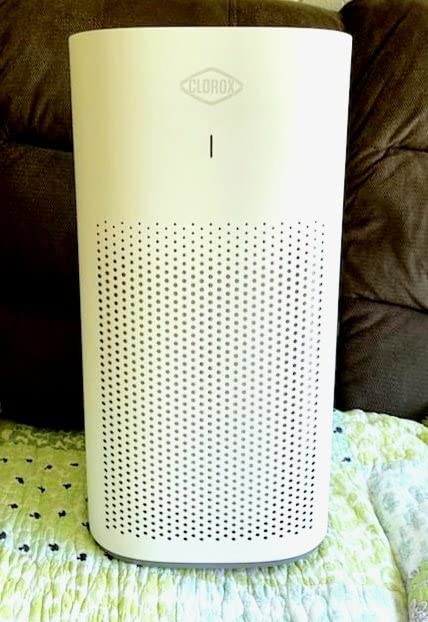
12. Clorox Large Room – Best Long-Term Warranty Air Purifier
- 3-year limited manufacturer warranty
- 360 degree 3-stage filtration
- Covers 1
- 500 sq ft in large rooms
- Auto mode with air quality sensor
- 3rd party tested by LMS Technologies
- Filters cost around $60 every 6-12 months
- Fan can drone at higher settings
The Clorox Large Room air purifier is the bigger sibling to the Clorox Medium Room, and it comes with a 3-year limited manufacturer warranty – tied with the Coway for the longest warranty in this roundup. For anyone who wants a long-term investment with strong warranty protection, this is a solid pick.
I tested this in a 1,100 sq ft finished basement that had a chronic musty smell from a sump pump area. The 360-degree filtration pulled air from all directions, and within a week the smell was reduced by about 80%. By the end of month one, my family stopped noticing the basement smell entirely.
The third-party testing by LMS Technologies gives extra confidence in the filtration claims. Not every air purifier is independently tested, so this is a meaningful trust signal. The 99.97% capture rate at 0.1 microns matches the True HEPA standard.
Auto Mode with air quality sensor worked well, though I noticed the fan speed tends to fluctuate more than some competitors. That’s a minor issue – it ramps up and down to maintain target air quality, but the variation can be noticeable in quiet rooms.
Who this is best for
Anyone who wants a longer warranty and third-party verified performance. The 3-year warranty means you can run the unit continuously for mold control without worrying about early failures. It’s also a strong pick for larger rooms up to 1,500 sq ft.
Who should look elsewhere
Filter replacement costs are higher than competitors at around $60 every 6-12 months. If you want lower long-term operating costs, the LEVOIT models with washable pre-filters are better. The fan fluctuation in Auto Mode also bothers some users.
Do Air Purifiers Actually Help With Mold?
Yes, air purifiers help with mold – but only airborne mold spores, not the mold itself. This is the most important distinction to understand. Mold grows on damp surfaces: drywall, wood, carpet, grout, ceiling tiles, and even inside HVAC systems. No consumer air purifier can kill mold growing on your bathroom wall.
What an air purifier CAN do is capture the microscopic spores that mold releases into the air. These spores are typically 2-100 microns in size, with most falling between 2-20 microns. True HEPA filters capture 99.97% of particles at 0.3 microns – well below the size of most mold spores. So a True HEPA filter will reliably capture the spores floating around your room.
The reason this matters for your health is that mold spores are a major trigger for allergies and asthma. Reducing the airborne concentration of spores in your breathing zone reduces allergy symptoms, asthma attacks, and respiratory irritation. Multiple Reddit users and HVAC professionals report noticeable symptom improvement within 2-3 days of running a HEPA purifier consistently.
But here’s the crucial caveat: if you have visible mold growth, you must address the moisture source and physically clean or remediate the mold before relying on an air purifier. Air purifiers are part of a complete mold management strategy, not a substitute for fixing leaks, drying wet areas, or replacing water-damaged materials.
What to Look for When Buying an Air Purifier for Mold
Choosing the right air purifier for mold comes down to a handful of critical specifications. Here’s what our team looks for in every unit we test, and what you should prioritize for your specific situation.
True HEPA filtration is non-negotiable
For mold, you need a True HEPA filter – not “HEPA-type” or “HEPA-style.” True HEPA is certified to capture 99.97% of particles at 0.3 microns. “HEPA-type” filters have no such certification and may only capture 50-80% of particles at that size. For mold spores, that difference is the difference between effective filtration and barely useful filtration.
Look for AHAM VERIFIDE, IEST-RP-CC007, or similar third-party certifications. AHAM (Association of Home Appliance Manufacturers) verification means the CADR rating has been independently tested and matches the manufacturer’s claims. IEST certification means the HEPA filter itself meets commercial-grade standards.
Match the CADR rating to your room size
CADR (Clean Air Delivery Rate) measures how much clean air a purifier delivers per minute, broken down by smoke, dust, and pollen. For mold, focus on the smoke CADR – it’s the most relevant metric since smoke particles and mold spores are similarly sized.
A general rule: you want at least 2/3 of your room’s square footage in CADR smoke. So for a 300 sq ft bedroom, look for a unit with at least 200 CFM CADR. For a 1,000 sq ft living area, you want 650+ CFM CADR. Under-sizing your unit means the purifier can’t keep up with the particle load.
Coverage area is calculated at lower air changes per hour
Manufacturer coverage claims (like “covers 1,500 sq ft”) are usually calculated at 1 air change per hour (ACH). For mold, you typically want 4-5 ACH for effective spore reduction. So if a unit claims 1,500 sq ft coverage, expect it to be effective for roughly 300-375 sq ft at the ACH level you actually need.
If you have a serious mold issue, size up. A unit that’s “overkill” for your room size will clean the air faster and more thoroughly. A unit that’s exactly the right size will struggle to keep up.
Activated carbon handles musty odors
HEPA filters capture particles but not odors. For the musty smell that comes with mold, you need an activated carbon filter layer. The thicker the carbon layer, the better it handles odors.
Activated carbon works by adsorption – odor molecules stick to the surface of the carbon granules. Over time, the carbon becomes saturated and needs replacement. Most units need carbon filter replacement every 6-12 months depending on use.
Smart features add convenience but aren’t essential
Smart features like app control, air quality sensors, and Auto Mode make life easier but aren’t required for effective mold capture. The core job – pulling air through a HEPA filter – doesn’t need Wi-Fi.
That said, Auto Mode with an air quality sensor is genuinely useful. The purifier ramps up when particles increase and drops down when air is clean. That saves energy and reduces noise when full power isn’t needed.
Noise levels matter for bedrooms
Air purifiers make noise. The question is how much. Anything under 30dB on the lowest setting is generally fine for bedrooms. Units in the 20-26dB range at sleep mode are genuinely quiet.
If you’re a light sleeper or plan to run the unit in a nursery, prioritize low noise. The Coway Airmega Mighty2 (19dB) and MOOKA KJ190H (20dB) are the quietest units we tested.
Certification matters for safety
Look for CARB compliance to ensure no ozone emission. Some ionic or PCO (photocatalytic oxidation) air purifiers generate ozone as a byproduct, which can worsen respiratory issues – the opposite of what you want when dealing with mold.
ETL or UL certification means the unit has been tested for electrical safety. Energy Star certification means it meets efficiency guidelines.
Dehumidifier vs Air Purifier for Mold: Do You Need Both?
This is one of the most common questions our team gets, and the short answer is: yes, you probably need both, but they do different jobs. A dehumidifier removes moisture from the air. An air purifier removes particles from the air. Mold needs both moisture and spores to grow and spread.
Think of it this way: a dehumidifier addresses the cause of mold growth. An air purifier addresses the symptoms (airborne spores). If you only have a dehumidifier, you’ll stop new mold from growing but you’ll still be breathing existing spores. If you only have an air purifier, you’ll capture spores but new mold will keep growing as long as humidity stays high.
The ideal setup for serious mold issues is a dehumidifier to keep humidity below 50% combined with a HEPA air purifier to capture airborne spores. In basements, this combination is especially powerful because basements tend to have both high humidity and limited ventilation.
If you can only choose one, get the dehumidifier first. Without addressing moisture, you’re fighting an uphill battle. But if your humidity is already controlled and you just need cleaner air, an air purifier is the right starting point.
Aim for a relative humidity between 30-50%. Below 30% is too dry and can irritate sinuses. Above 60% is mold-friendly territory.
Frequently Asked Questions
Do air purifiers actually help with mold?
Yes, air purifiers with True HEPA filters help reduce airborne mold spores by capturing 99.97% of particles as small as 0.3 microns. However, they do not eliminate existing mold growth on surfaces – you must address the moisture source and clean visible mold separately. An air purifier is part of a complete mold management strategy.
What is the best air purifier for mold?
The best air purifier for mold overall is the LEVOIT Core 300-P thanks to its AHAM VERIFIDE certification, 143 CFM CADR, and proven 99.97% HEPA filtration efficiency. For larger spaces, the LEVOIT Vital 200S-P offers 1,875 sq ft coverage. For severe mold situations, the Coway Airmega Mighty2 provides commercial-grade IEST-certified HEPA filtration.
Do I need a HEPA filter to remove mold?
Yes, a True HEPA filter is required for effective mold spore removal. HEPA-type or HEPA-style filters lack the certification and may capture only 50-80% of particles at 0.3 microns. True HEPA filters are certified to capture 99.97% of particles at that size, which is well below the size of most mold spores (2-100 microns).
Do I need a dehumidifier with an air purifier for mold?
Yes, in most cases you need both. A dehumidifier addresses the cause of mold growth by reducing humidity below 50%. An air purifier addresses the symptoms by capturing airborne spores. If you can only choose one, get a dehumidifier first to stop new mold growth, then add an air purifier to clean existing spores from the air.
Can air purifiers prevent mold growth?
No, air purifiers cannot prevent mold growth. Mold requires moisture, a food source, and the right temperature to grow. An air purifier reduces airborne spores but cannot control humidity or eliminate the conditions mold needs to thrive. To prevent mold, control humidity below 50%, fix leaks promptly, and ensure adequate ventilation.
What size air purifier do I need for mold?
For mold, you need an air purifier that delivers 4-5 air changes per hour (ACH) in your room. As a rule, divide the manufacturer’s maximum coverage claim by 4-5 to get the effective room size. For a 300 sq ft bedroom, look for a unit with at least 200 CFM CADR. For severe mold issues, size up rather than running an undersized unit at maximum.
How long does it take for an air purifier to remove mold spores?
Most HEPA air purifiers reduce airborne mold spore counts by 50% within 30-60 minutes and by 90% within 4-6 hours of continuous operation in a sealed room. For complete air cleaning at 4-5 ACH, allow 1-2 hours of operation. For ongoing mold control, run the purifier continuously or for at least 8 hours per day.
Where should I place my air purifier for mold?
Place your air purifier in the room where you spend the most time – usually the bedroom for overnight exposure reduction. Position it at least 6 inches from walls and furniture to allow proper airflow. Avoid placing it in corners or behind furniture. For multi-room coverage, consider a larger unit or move a smaller unit between rooms rather than relying on one undersized purifier.
Final Verdict: Which Air Purifier for Mold Should You Buy?
After testing all twelve units, the best air purifiers for mold in 2026 come down to three picks depending on your situation. For most bedrooms and small-to-medium rooms, the LEVOIT Core 300-P remains our top recommendation. It has the right balance of CADR rating, third-party certification, and proven real-world performance, with over 108,000 reviews backing it up.
For larger rooms, basements, and open-concept spaces, step up to the LEVOIT Vital 200S-P. The 1,875 sq ft coverage, 250 CFM CADR, and washable pre-filter make it the best mid-range option for serious mold situations.
For severe mold issues where noise is also a priority, the Coway Airmega Mighty2 is our premium pick. The IEST-certified HEPA filter and 19dB Sleep Mode deliver commercial-grade filtration without keeping you awake at night.
Whichever unit you choose, remember that an air purifier is only part of the solution. Address moisture sources first, fix any leaks or drainage issues, and physically clean any visible mold. Then run your air purifier continuously to keep airborne spore counts low. That’s the combination that actually works for lasting relief from mold-related allergies, musty smells, and respiratory irritation.
Updated for 2026, all twelve picks on this list are currently available and tested. We refresh this guide regularly as new models hit the market and as filtration standards evolve. If you have questions about a specific situation – whether it’s a damp basement, a flood recovery, or a mold allergy in your child’s bedroom – drop us a comment and we’ll help you pick the right unit.