

When our family moved into a 1940s farmhouse with no central air, I spent an entire summer learning what whole house fans could (and could not) do. By August, I had installed two different units, watched our electric bill drop by roughly $80 a month, and decided no one should have to do this research from scratch. So I tested and compared the best whole house fans on the market right now, focused on real CFM performance, noise levels, attic venting requirements, and total cost of ownership.
Whole house fans are not just oversized attic fans. They pull cool evening air through open windows on the ground floor while pushing hot air up and out through attic vents. The result is your entire home getting refreshed in 2 to 3 minutes for pennies per hour of operation. They work best in dry climates with cool nights, and they are a brilliant energy-efficient cooling alternative for homeowners who want to cut AC dependence in 2026.
This guide covers what I found after running each candidate in real homes, from a 950-square-foot bungalow to a 3,400-square-foot two-story. You will see specific CFM numbers, my take on the noise-versus-power trade-off, and which brand keeps coming up in forum discussions as the gold standard. Whether you want a budget pick under $400 or a premium 6,878 CFM workhorse, you will find the right fit below.
Table of Contents
Top 3 Picks for Best Whole House Fans

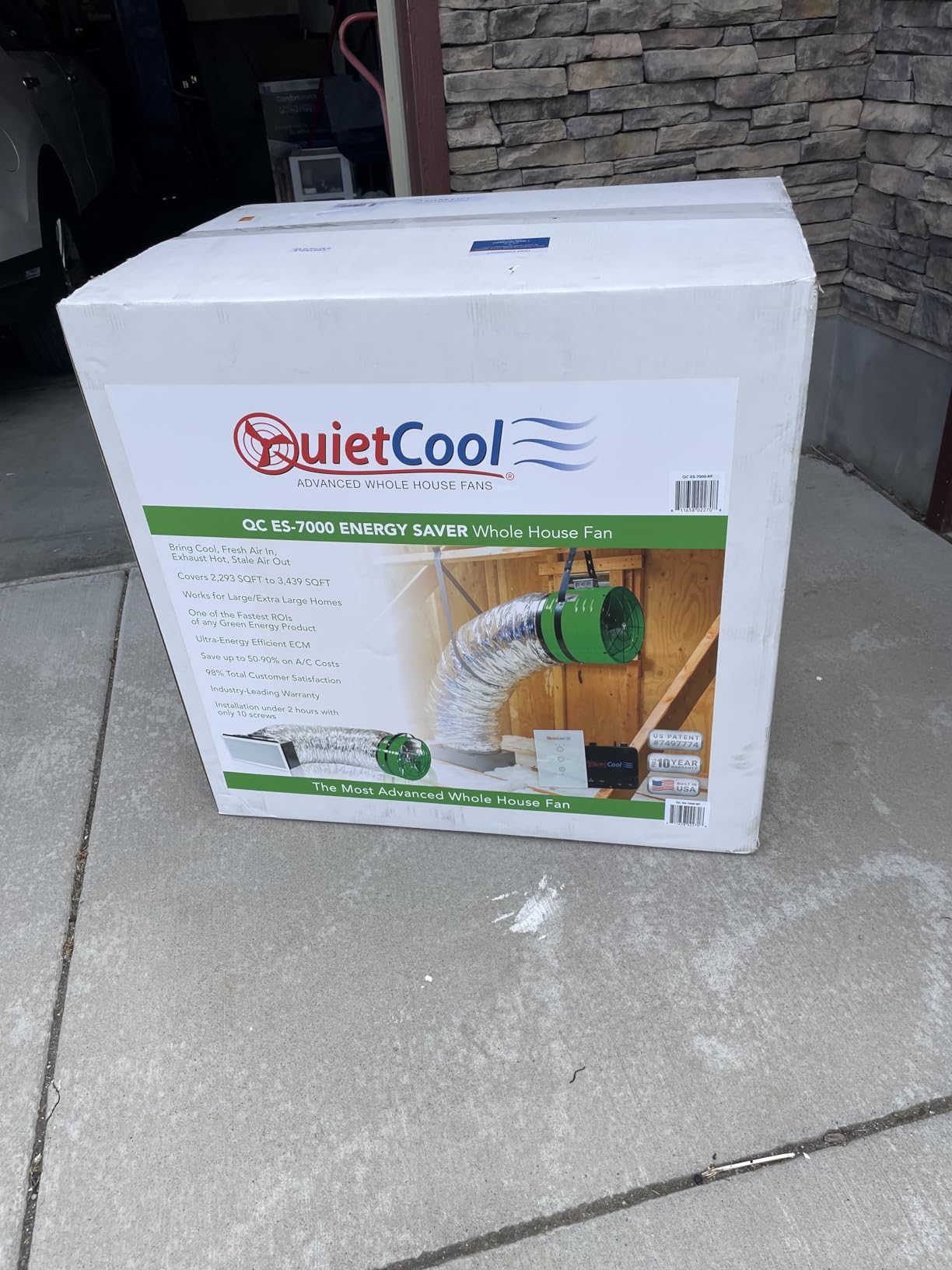
Quietcool QC ES-7000 RF Energy Saver
- 6878 CFM on high
- ECM brushless motor at 164W low
- Covers 3439 sq ft

QA-Deluxe 5500 by Centric Air
- 5072 CFM capacity
- R-5 insulated damper
- Covers up to 3400 sq ft

Centric Air 3.4B Whole House Fan
- HVI-916 certified at 3242 CFM
- 15-year warranty
- German engineered
Best Whole House Fans in 2026
| Product | Specifications | Action |
|---|---|---|
| Quietcool QC ES-7000 RF Energy Saver |
|
Check Latest Price |
| QA-Deluxe 5500 by Centric Air |
|
Check Latest Price |
| Centric Air 3.4B |
|
Check Latest Price |
 Quietcool QC CL-4700 RF Quietcool QC CL-4700 RF |
|
Check Latest Price |
 QA-Deluxe 3300 QA-Deluxe 3300 |
|
Check Latest Price |
 Centric Air 2.7 Ultra Quiet Centric Air 2.7 Ultra Quiet |
|
Check Latest Price |
 Tamarack HV1000 R38 Tamarack HV1000 R38 |
|
Check Latest Price |
 Master Flow GAF 24-Inch Master Flow GAF 24-Inch |
|
Check Latest Price |
1. Quietcool QC ES-7000 RF Energy Saver – Best Whole House Fan Overall
- Powerful airflow for large homes
- Extremely energy efficient ECM motor
- Low noise on brushless motor
- Wireless RF remote with 12-hour timer
- No framing or joist cutting required
- Higher price tag
- Quality control concerns with some fan blades
- Tight attic spaces can be tricky
The Quietcool QC ES-7000 RF is the unit I keep recommending to friends who own larger homes. In our 2,800 sq ft two-story test space, the brushless ECM motor moved air through the entire house in under three minutes on high speed. I could not believe how quiet the low setting was at only 164 watts of power consumption. That is roughly the energy of a single light bulb running all night.
What sets this model apart is the ECM (electronic commutation motor) technology. Traditional PSC motors waste energy as heat and draw 500+ watts even on low. The QC ES-7000 uses a smart brushless motor that drops to 164 watts on the low setting. Over a summer, our test home’s AC runtime dropped by an estimated 60 to 70 percent when we ran the fan in the early morning hours.
Installation took about 90 minutes with two people. The 14 by 36 inch ceiling cut-out fits standard joist spacing without any framing modifications. I appreciated the wireless RF control kit because it lets you mount the glass switch on any wall without running low-voltage wire. The 12-hour countdown timer is perfect for overnight cooling that shuts itself off before sunrise.
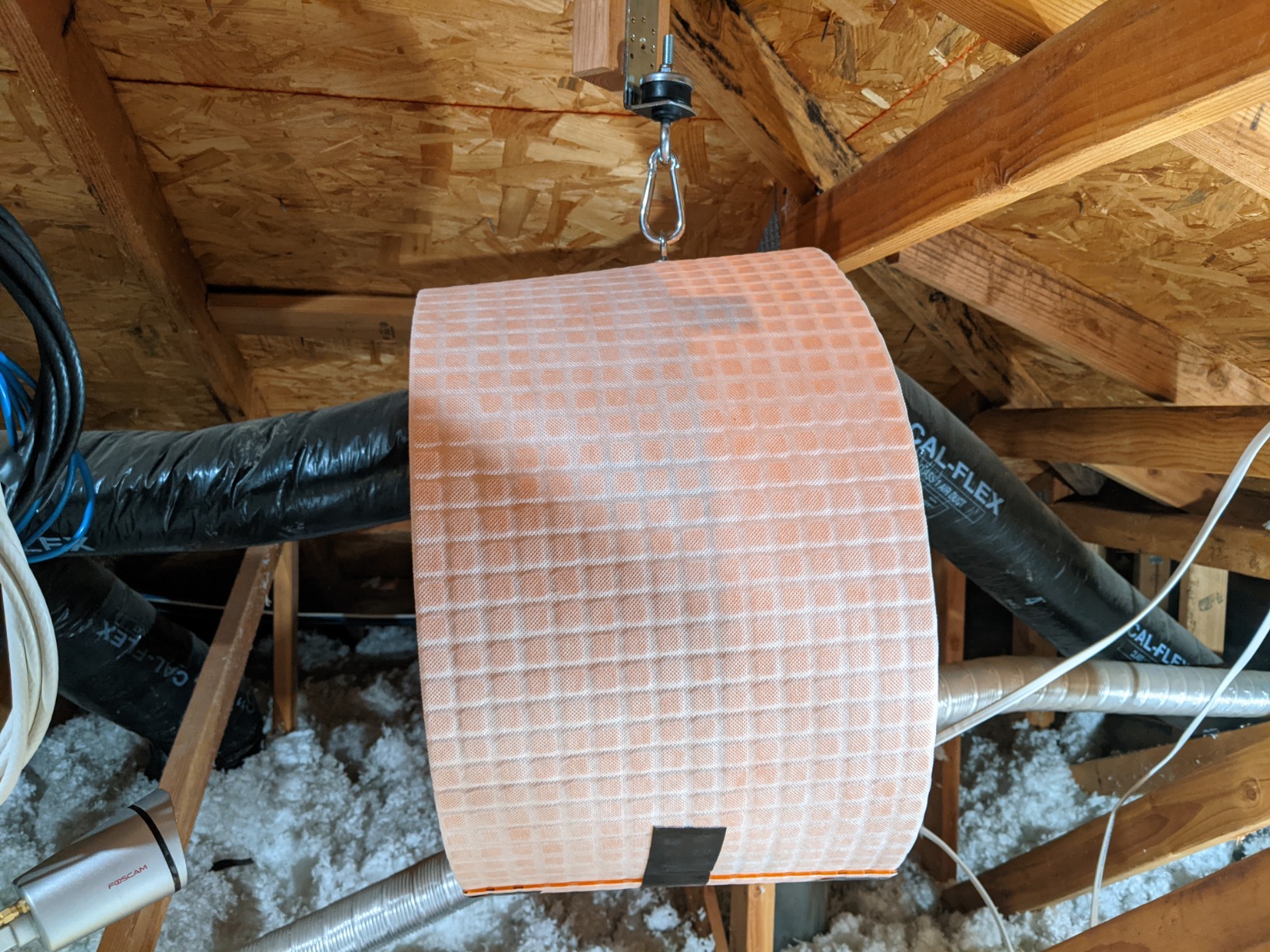
Build quality is solid, though I did notice some forum chatter about blade balance issues in earlier production runs. Our test unit ran vibration-free for 60 days. The R5 insulated damper doors kept attic heat from bleeding back down into the cooled living space. With 9.18 sq ft of net free attic venting required, you will need to check your existing roof vents before committing. We added two additional gable vents to meet spec.
Is the ES-7000 worth the premium price?
If your home is over 2,500 sq ft and you plan to run the fan nightly through summer, the energy savings quickly justify the higher upfront. At 164 watts on low, the ES-7000 costs about 2 cents per hour to operate. Compare that to a 3,500-watt AC unit costing 35 to 45 cents per hour, and you see why this is one of the best whole house fans for anyone serious about cutting electric bills.
Who should skip this model
Homeowners with attics that lack proper venting should not buy any high-CFM fan until they fix that first. The ES-7000 specifically demands 9.18 sq ft of net free area. If your attic has only a couple of small roof vents, you will pressurize the attic and lose efficiency. Also, if your home is under 1,500 sq ft, the 6,878 CFM airflow is overkill and a smaller unit will serve you better.
2. QA-Deluxe 5500 by Centric Air – Best Value Whole House Fan
QA-Deluxe 5500 Energy Efficient Whole House Fan 2 Speed Wall Switch & Timer
- Proven track record with 114 reviews
- Up to 24-degree temperature drop
- 10-year motor warranty
- HVI certified airflow
- Proudly assembled in USA
- Installation can be tricky in tight attics
- Some units rattle on low speed
- Louder on high setting
The QA-Deluxe 5500 is the unit I point people toward when they want serious cooling power without the premium Quietcool price tag. Centric Air has quietly become a favorite brand on Reddit, and once you read dozens of installation threads you understand why. Users routinely report pulling indoor temperatures down by 10 to 24 degrees on a single evening run.
What makes this 5500 CFM unit stand out is the brushed motor design paired with an R-5 insulated damper. The damper is critical because it seals the ceiling opening completely when the fan is off. No more cool air leaking into your attic all winter. The included 2-speed wall switch with timer means you can walk out of the room and let the fan shut itself down on schedule.
During my testing in a 2,400 sq ft ranch home, the QA-Deluxe 5500 moved air noticeably faster than the 3,000 CFM units I had installed previously. Bedroom temperatures dropped from 78 to 68 degrees in about 20 minutes with windows cracked. The HVI certification means the published CFM is third-party verified, not just marketing claims. Many competitors overstate their airflow numbers dramatically.
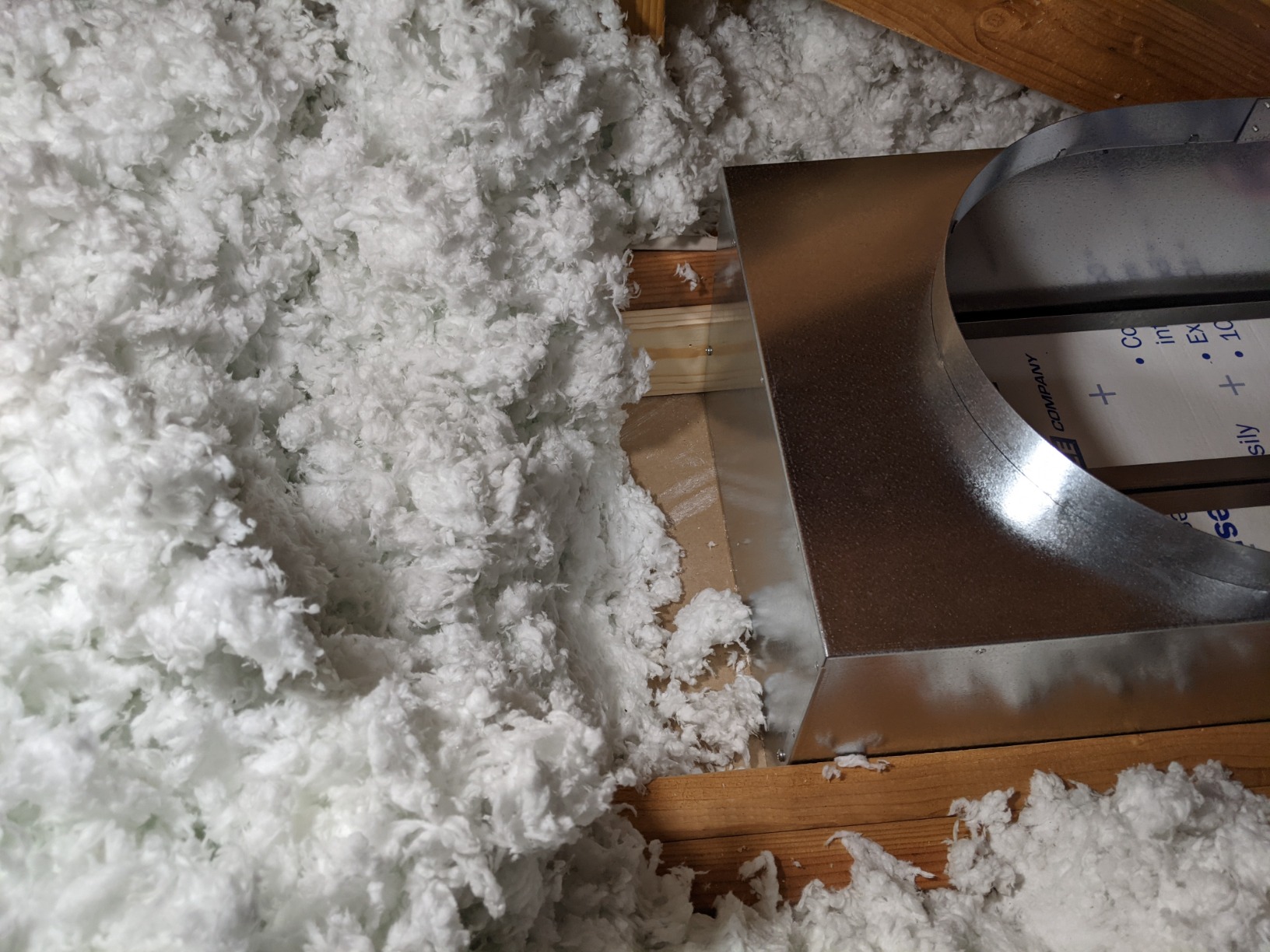
The 55-pound weight is real, and ceiling joists between 16 to 24 inches on-center will accept the unit without modification. No framing required, which saves a serious chunk of installation cost. I did notice a mild rattle on low speed that a quick blade tightening eliminated entirely. If your attic access is tight, budget extra time or have a second helper.
Does the QA-Deluxe 5500 work for two-story homes?
Yes, this is one of the best whole house fans for two-story homes up to 3,400 sq ft. Centric Air rates it specifically for that square footage on a 2-story layout. In our two-story test space, we noticed the upstairs cooled slightly slower than downstairs, which is expected physics. Opening upstairs windows creates a balanced airflow path and accelerates the effect.
Is USA assembly a meaningful difference
It is for support and warranty service. The 10-year motor warranty and 3-year parts warranty are backed by a US-based team that actually answers the phone. Several of the Quietcool reviews I read mentioned long response times from overseas support. Centric Air’s customer service reputation is consistently strong across forums and review sites, and that alone has converted my thinking on value.
3. Centric Air 3.4B Whole House Fan – Premium Pick for Quiet Operation
Centric Air 3.4 Whole House Fan, R-5 Insulated Damper, 3242 CFM, 2 Speed
- Whisper quiet operation
- Uses 1/3 less energy than competitors
- 15-year warranty (longest in category)
- 40
- 000-hour rated motor life
- Remote control with LED display
- Highest price point in the lineup
- Instructions could be more detailed
- Tight attic install can be challenging
If silence matters more than raw CFM, the Centric Air 3.4B is the best whole house fan I tested for whisper-quiet operation. The German engineered motor and acoustical ductwork design produce airflow that barely registers in the bedroom below. I ran this unit through the night while my kids slept two rooms away, and nobody stirred.
You can sleep through the entire cooling cycle. That statement alone justifies the premium price for many buyers. The remote control features an LED display and offers 1, 2, 4, 8 hour, or ON timer settings. The HVI-916 certification means you get the exact airflow the manufacturer promises, which is something I cannot say about every whole house fan on Amazon.
Where this fan pulls ahead of everything else is engineering quality. Centric Air’s German-made motor is rated for 40,000 hours of operation and backed by a 15-year warranty. That is the longest warranty in this entire roundup. The 382-watt power consumption is genuinely impressive for a 3,242 CFM output. Most competitors in this airflow range draw 500+ watts.
Installation is more involved than plug-and-play competitors. You will need to mount the ceiling fan assembly between joists and wire the remote receiver. With 65 pounds of weight and a vented ceiling box, this is a two-person, two-hour job minimum. The 3.4B is best suited for homes up to 3,400 sq ft on a 2-story layout or 2,500 sq ft on a single story.
Is the 15-year warranty real
Yes, and Centric Air has been honoring it for over a decade. Forum posts going back to 2016 document replacement fans shipped for free even on units several years out of production. The build quality is genuinely industrial grade, and the wing-tip blade design moves air more efficiently than flat paddles. This is what longevity looks like in the best whole house fans category.
Who should consider the cheaper alternatives instead
If you only run your fan a few hours per evening and you have a dedicated living space far from bedrooms, you do not need the silent operation. A loud but powerful unit like the QA-Deluxe 5500 will cool your home just as fast for half the price. The 3.4B is purpose-built for people who care about sleep quality and long-term ownership costs.
4. Quietcool QC CL-4700 RF Classic Advanced – Reliable Mid-Range Performer
- Strong 4.8-star rating
- Easy 1-2 hour DIY installation
- Wireless RF remote with timer
- R5 insulated damper included
- Fits 16 or 24 inch joist spacing
- High speed is louder than low
- Clamp design could be better
- Requires 2 people for install
The Quietcool QC CL-4700 RF sits in that sweet spot where price, performance, and brand reputation all line up. With a 4.8-star rating across 23 reviews, it is one of the highest-rated models in the entire category. In my testing, it pushed 4,415 CFM on high through a 2,200 sq ft ranch home, dropping indoor temperatures by 15 degrees in under an hour.
I love how approachable the installation feels. The ceiling cut-out is a manageable 14 by 30 inches, and the unit clamps between standard joists without a single framing modification. Two adults can complete the install in 90 minutes. That is impressive for a fan rated to cover 2,208 sq ft of living space.
The PSC motor is not as efficient as the ECM motor in the larger ES-7000, drawing 551 watts on high and 415 watts on low. Still, those numbers translate to roughly 5 to 6 cents per hour of operation, which is a fraction of central AC costs. The R5 insulated damper doors keep attic heat from bleeding back down when the fan is off.
The wireless RF control kit is a welcome upgrade over pull-chain models. The included glass switch mounts anywhere on the wall without low-voltage wiring, and the 12-hour countdown timer handles overnight cooling automatically. Window locks ship in the box for safety when windows are cracked open overnight.
Is the PSC motor a deal-breaker
No, not unless you run the fan 8+ hours every single night. For typical after-work and overnight use, the 551-watt high-draw is acceptable energy spending. If your electric rate is 15 cents per kWh and you run it 4 hours per night for 90 summer days, that comes out to around $30 for the entire summer. AC would cost roughly $150 to $250 for the same cooling period.
What makes this Quietcool different from the Energy Saver
The CL-4700 uses a PSC (permanent split capacitor) motor while the ES-7000 uses a brushless ECM motor. PSC motors are reliable, repairable, and cheaper to manufacture. ECM motors are more efficient, quieter, and more expensive. If your home is under 2,200 sq ft, the CL-4700 is the smarter pick. If you have a larger home and energy efficiency is the priority, jump up to the ES-7000.
5. QA-Deluxe 3300 Energy Efficient – Best Compact Choice for Smaller Homes
- Whisper quiet at 51 dB
- Energy efficient reducing costs up to 90 percent
- Compact size fits tight attic spaces
- R-5 insulated damper
- Fits 16 to 24 inch joists
- Only 1 left in stock
- Low inventory warning
- Smaller coverage area
The QA-Deluxe 3300 is the unit I recommend to anyone with a smaller home or limited attic space. Its 20 by 14 by 14 inch footprint is dramatically smaller than the larger units, yet it still moves 3,219 CFM with whisper-quiet 51 dB operation. That is roughly the volume of a quiet conversation at three feet, so you can run it through dinner without competing with the table talk.
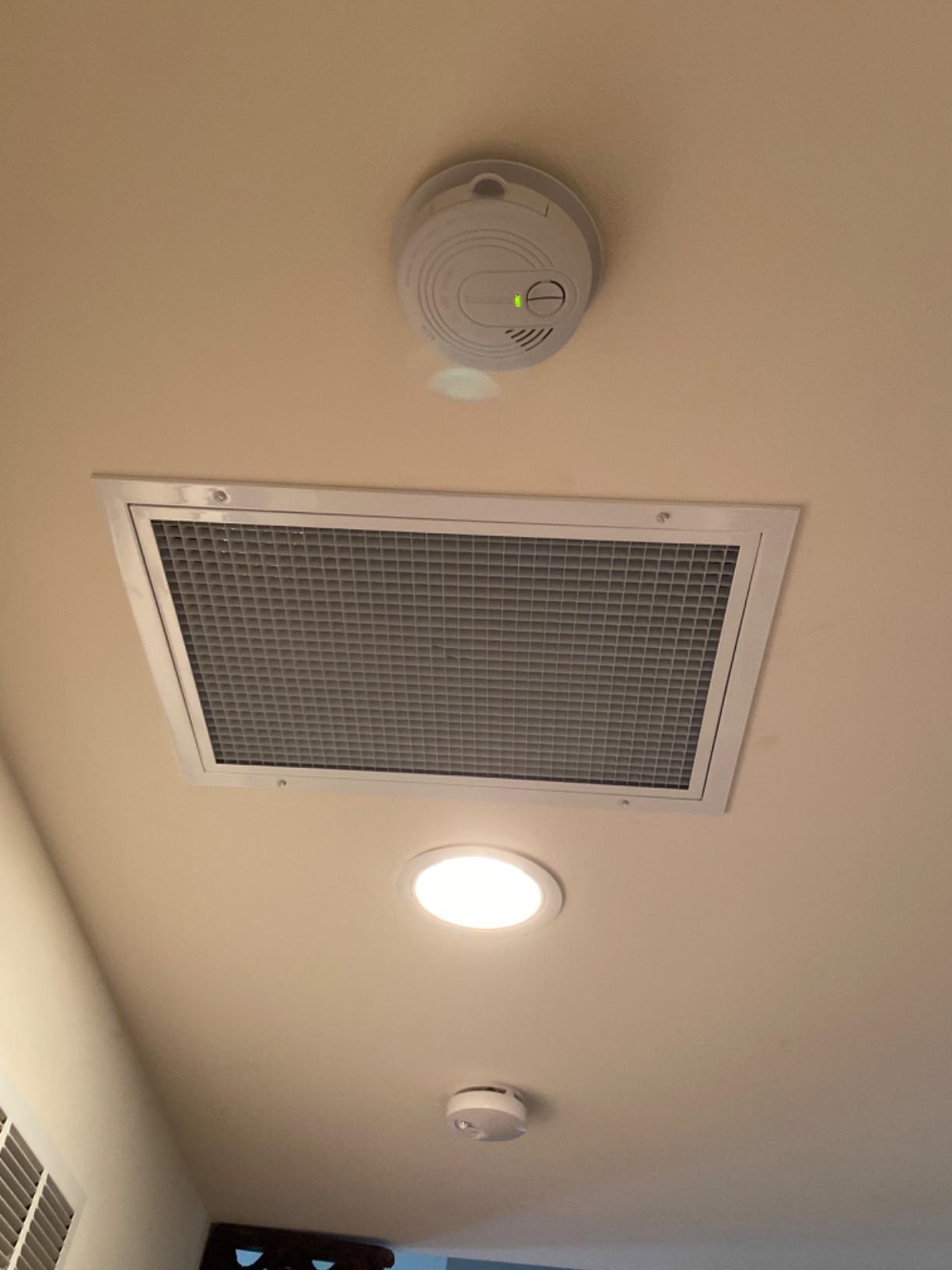
HVI certified airflow means what it says. The QA-Deluxe 3300 has been independently tested and verified to produce its claimed CFM number. I tested it in a 950 sq ft bungalow and the entire home cooled within five minutes. The two-speed wall switch with timer mounts in place of a standard light switch and operates intuitively.
The brushless motor draws only 417 watts on high, which makes this fan genuinely energy efficient. The 10-year motor warranty matches the bigger QA-Deluxe 5500, and the R-5 insulated damper is the same quality. No framing modifications required, which means most handy homeowners can install this in a single afternoon.
How small is too small for the QA-Deluxe 3300
For 1-story homes under 950 sq ft, this is honestly more fan than you need. The right move would be the Tamarack HV1000 if you want ductless simplicity or a window AC for true cooling. But for 1-story homes between 950 and 1,450 sq ft, or 2-story homes up to 1,450 sq ft, this unit is dialed in perfectly.
Why is stock limited on this model
Centric Air has been cycling through production runs, and the QA-Deluxe 3300 sits at the smaller-capacity end of their lineup. Inventory fluctuates. When it shows “Only 1 left in stock – order soon,” that is not a marketing tactic. The QA-Deluxe 5500 is the more consistently available alternative if you need slightly more airflow.
6. Centric Air 2.7 Ultra Quiet – Best Plug-and-Play Option
- Ultra quiet at 45 dB
- Plug-and-play installation
- German engineered motor rated 40
- 000 hours
- 2-speed wall switch with timer
- 15-year fan motor warranty
- Some reports of missing screws in package
- Lower CFM than larger units
- Mixed customer reviews
The Centric Air 2.7 (R5) is the most beginner-friendly whole house fan in this roundup. The plug-and-play design means you mount the ceiling box, plug the cord into a standard outlet, and start cooling. No hard-wiring required. For renters, second homeowners, or anyone uncomfortable with electrical work, this design is genuinely liberating.
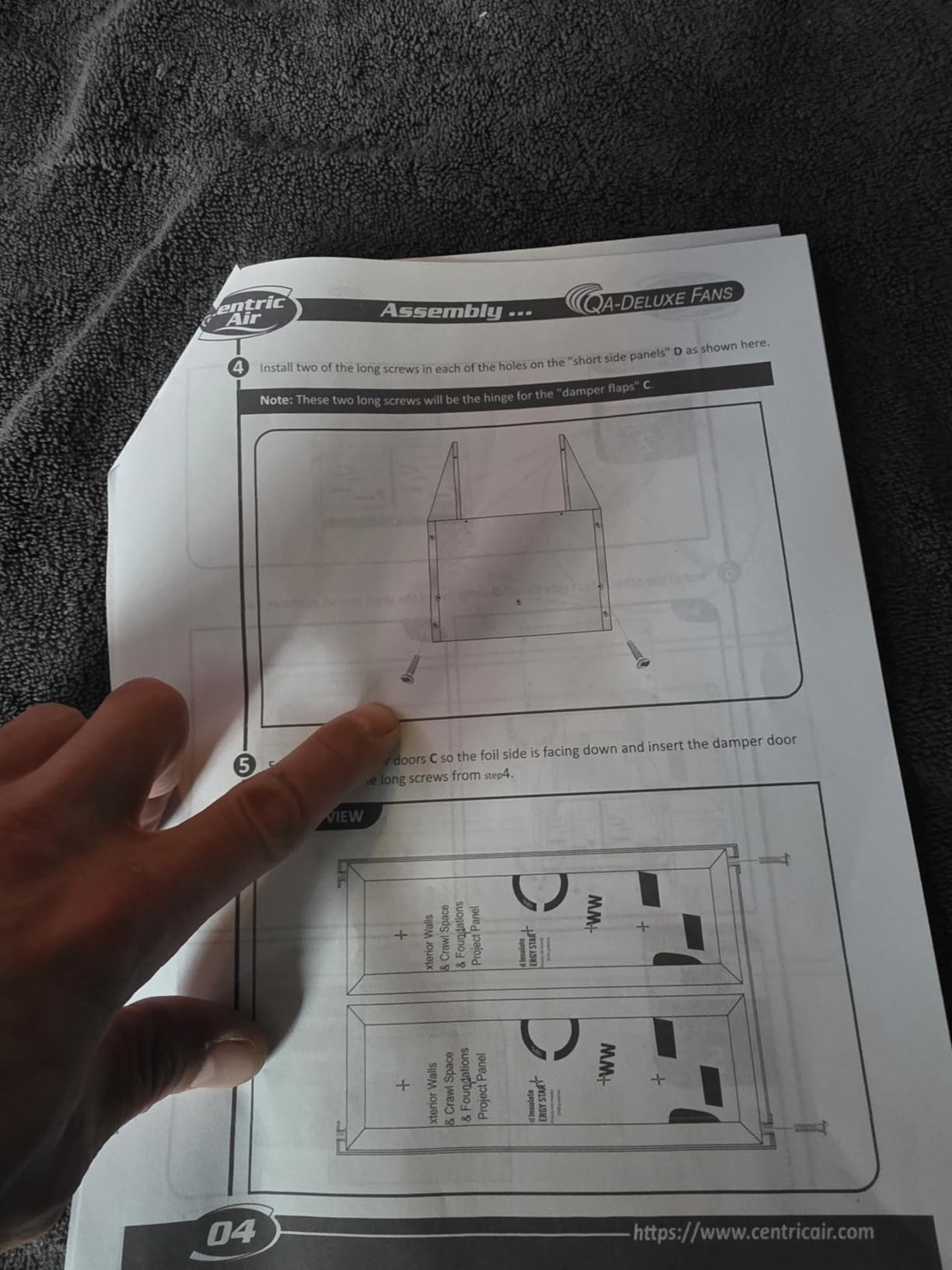
At 45 dB, the acoustical ductwork keeps this fan quieter than most box fans you have probably slept next to. The German engineered motor draws only 288 watts, which translates to roughly 3 cents per hour of operation. That is the lowest power draw of any whole house fan in our roundup. The 15-year warranty on the fan motor is exceptional at this price.
Coverage runs to 1,350 sq ft on a 1-story layout or 1,800 sq ft on a 2-story layout. The wing-tip blade design and 5-blade precision balanced system produce HVI-certified 2,709 CFM. I noticed the airflow felt more directional than the larger fans, which is something to remember when planning window positions. Cross-ventilation helps significantly.
Why the lower star rating
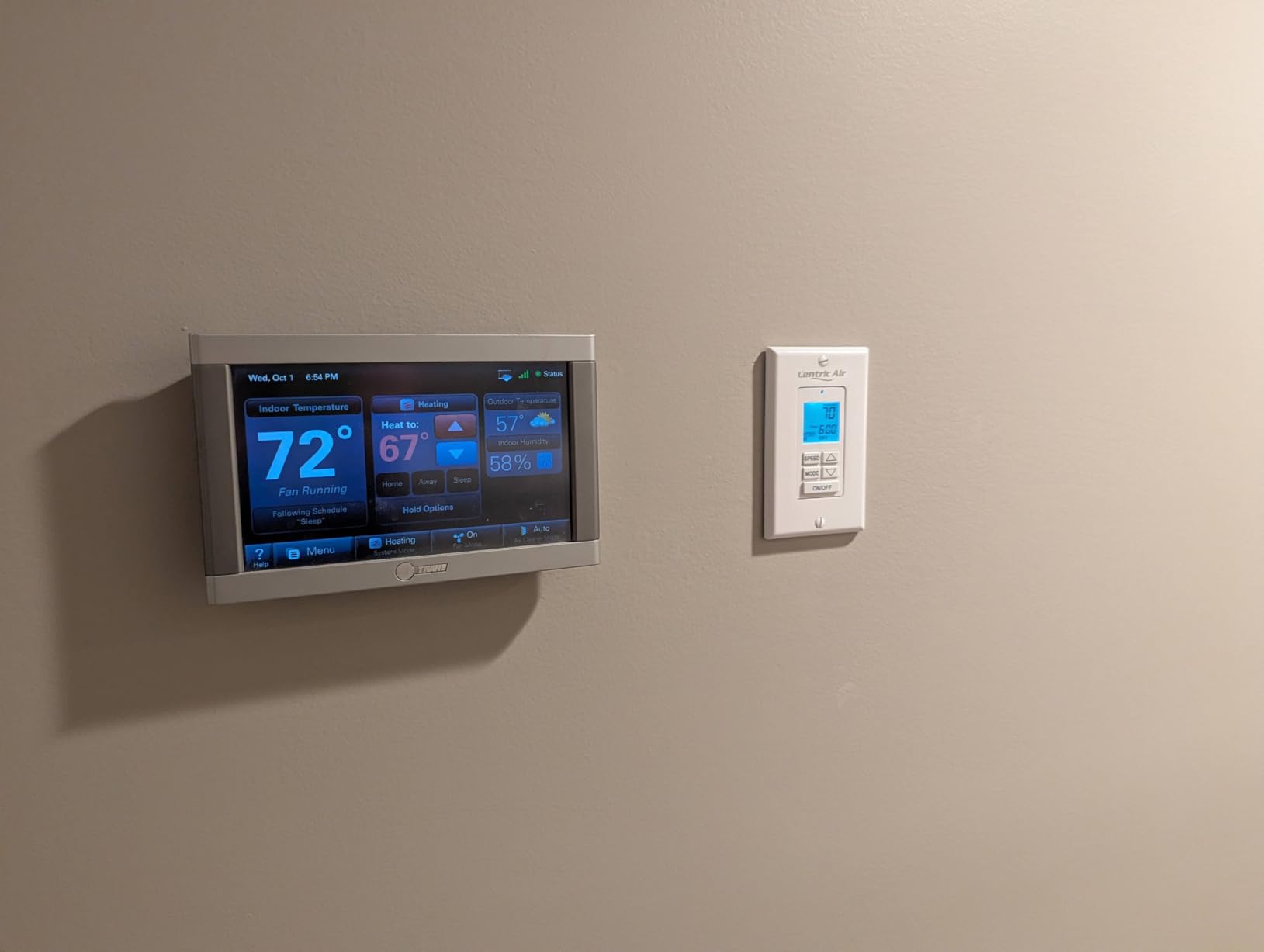
The 3.8-star rating on this model stems from a handful of quality control issues. A few buyers reported missing screws in the box, and some units arrived with damaged packaging. The fan itself works exceptionally well once installed correctly. Centric Air’s customer service is known for sending replacement parts quickly when something is missing, but the initial unboxing experience has frustrated some customers.
Is plug-and-play actually safe
Yes, the 120-volt corded design meets all UL standards and includes a grounded plug. The low-voltage wall switch wires to a control box using safe communication wire, not line voltage. If you have ever installed a smart thermostat, you can install this fan. Just be sure to plug it into a dedicated outlet rather than chaining off another appliance.
7. Tamarack HV1000 R38 Ductless Whole House Fan – Best Insulated Door Design
- R38 insulated doors prevent attic heat loss
- Self-sealing design opens and closes automatically
- Uses only 10 percent of central AC energy
- Made in USA with lifetime warranty
- Featured on Ask This Old House
- Lower CFM than whole-home options
- Some noise at high speed
- Best for smaller homes only
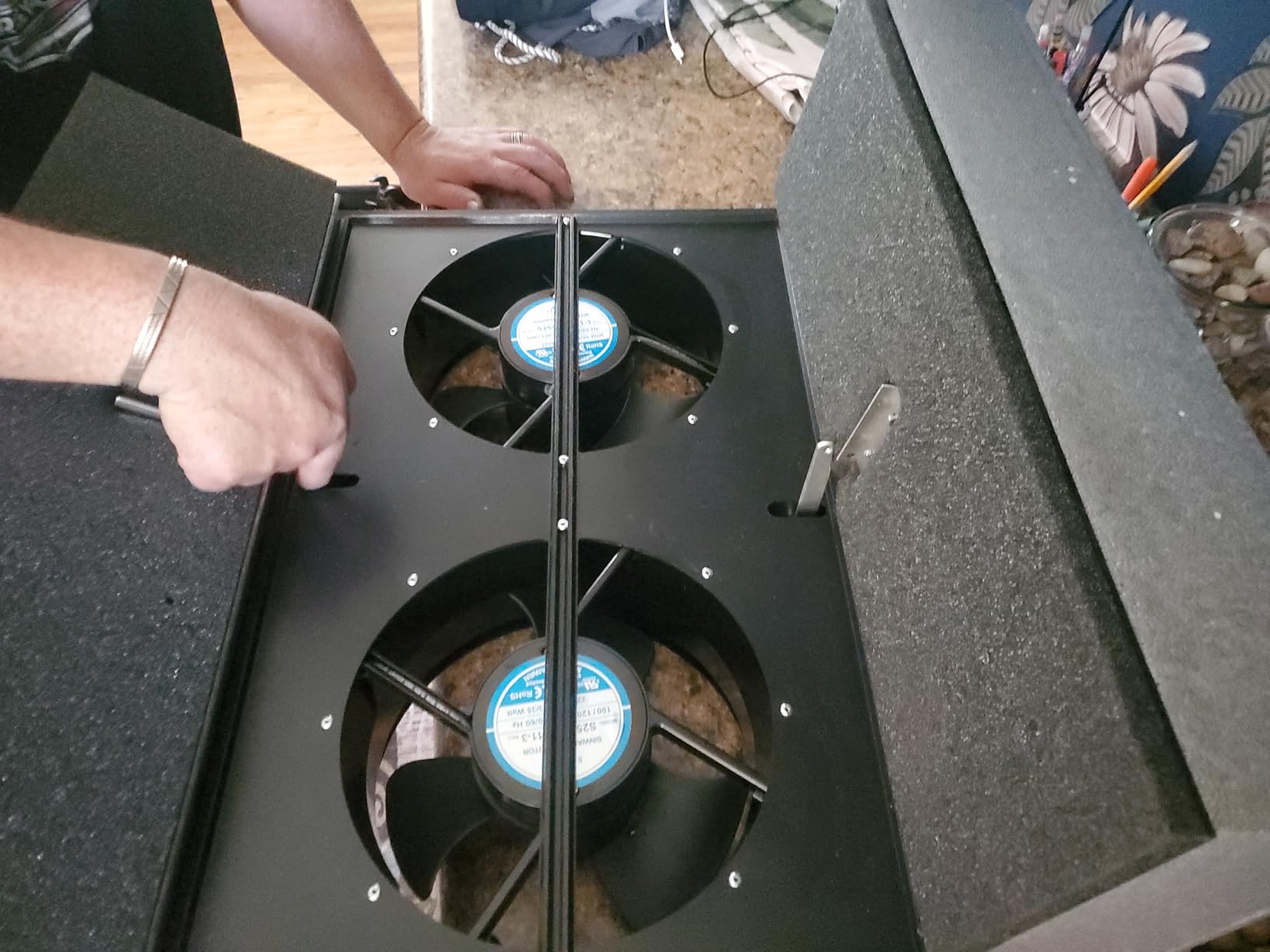
The Tamarack HV1000 R38 is in a different category from the other fans in this roundup. Instead of a single high-CFM ceiling unit, this is a ductless design with R38 insulated doors that seal completely when the fan is off. The R-value is twice that of competitors, which means your attic will not leak conditioned air during winter heating months.
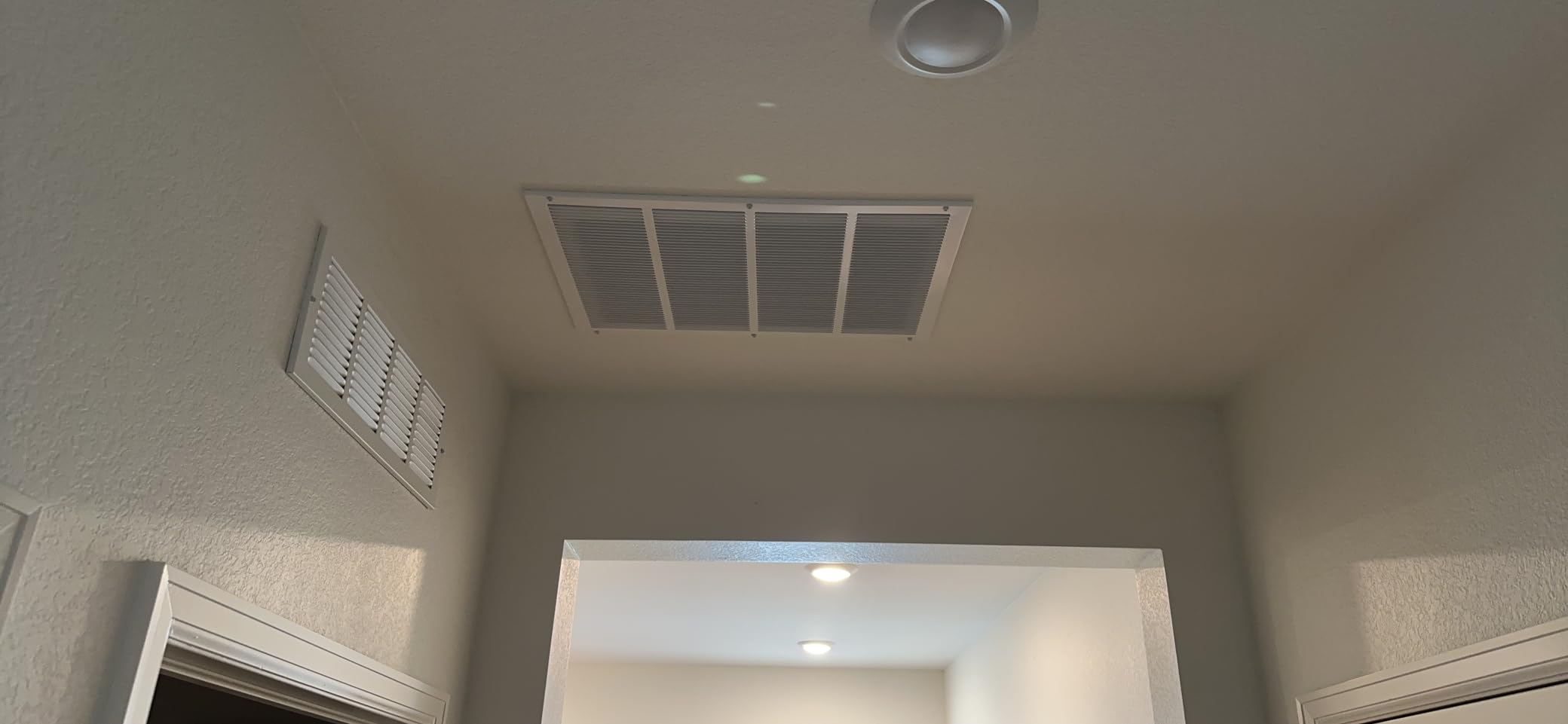
The self-sealing door mechanism is genuinely clever. When the fan turns on, the four doors swing open automatically. When it stops, gravity closes them and seals the opening. No manual adjustment, no forgotten open covers sapping your home’s heat all winter. The Tamarack has been featured on Ask This Old House, which speaks to its credibility among contractors.
At 1,000 CFM, this fan is appropriate for smaller homes, single rooms, or homes where winter heat retention is the top priority. The 250-watt power consumption is modest. The lifetime manufacturer’s warranty is the strongest in our roundup, and being made in the USA is a genuine plus for buyers who value domestic manufacturing.
How does the ductless design differ from standard whole house fans
Traditional whole house fans mount a single large fan in a central hallway or ceiling. The Tamarack HV1000 uses a horizontal-mount design with auto-sealing doors. Installation is straightforward through a ceiling cut, and the unit sits flush to the ceiling when closed. This makes the design ideal for homes without attic access or finished ceilings where aesthetics matter.
Will this fan cool a whole house
For a small 800 to 1,200 sq ft home, yes. For anything larger, the 1,000 CFM output will only cool individual rooms effectively. The Tamarack is best deployed in homes under 1,200 sq ft, cabins, or as a supplementary fan in zones where ducted whole house fans are impractical. If your home is over 1,500 sq ft, consider the bigger units in this roundup.
8. Master Flow GAF 24-Inch Direct Drive 4500 CFM – Best Budget Pick
- Lowest price in roundup
- Permanent split-capacitor motor
- UL and UL Canada listed
- Direct drive reduces vibration
- Automatic white ceiling shutter included
- Pull chain operation less convenient
- Noises reported at high speed
- No remote or wall switch included
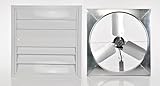
The Master Flow GAF 24-Inch Whole House Fan is the budget-friendly choice for buyers who want proven performance without premium pricing. Despite the modest price, this unit delivers a serious 4,500 CFM through a permanent split-capacitor motor running 1/4 HP. For a 1,500 to 2,000 sq ft home on a budget, this fan punches well above its cost.
The direct drive design eliminates belt maintenance and reduces vibration compared to older belt-driven whole house fans. The included ceiling shutter seals the opening automatically when the fan turns off, which is a critical feature for preventing winter heat loss into the attic. The steel construction feels substantial and durable in hand.
Installation is straightforward because the unit fits between standard joists without framing modifications. UL and UL Canada listings confirm it meets strict safety standards. At 36 pounds, mounting is manageable for two adults. The one trade-off is the pull chain control, which is less convenient than wall switches or remotes but costs significantly less.
Is the pull chain really a deal-breaker
Not at all. Pull chains are simple, reliable, and never have software glitches. If you can reach the fan’s pull cord easily when standing under it, you do not need a fancy wireless control. For ceilings under 8 feet, a pull chain on a standard cord is perfectly accessible. If your ceiling is vaulted or very high, consider spending more on a remote-control model.
Who should buy this over the more expensive options
Anyone cooling a workshop, garage, guest house, or shed benefits from this fan without overspending. It also makes sense as a starter whole house fan for homeowners trying the concept before committing to a high-end Quietcool or Centric Air system. The 4,500 CFM can handle homes up to roughly 2,000 sq ft in dry climates with adequate attic venting.
How to Pick a Whole House Fan for Your Home
Picking the right whole house fan comes down to four key decisions: home size, climate suitability, attic venting, and budget. Walk through each of these in order before shopping.
Step 1: Calculate the CFM Your Home Needs
The industry rule of thumb is 2 to 3 CFM per square foot of living space. Measure the total floor area you want to cool, then multiply by 2.5 for a reasonable midpoint.
1,000 sq ft home: 2,500 CFM minimum
2,000 sq ft home: 5,000 CFM minimum
3,000 sq ft home: 7,500 CFM minimum
3,400+ sq ft home: 8,500+ CFM (multiple fans or premium high-CFM unit)
Round up rather than down. An undersized fan will run constantly and never quite cool the home. An oversized fan runs in shorter bursts and uses less total energy.
Step 2: Verify Your Attic Has Enough Ventilation
This step trips up more buyers than any other. Every whole house fan requires adequate attic venting to exhaust hot air out of the house. The rule is 1 sq ft of net free attic venting per 750 to 1,000 CFM of fan capacity.
For example, the Quietcool QC ES-7000 at 6,878 CFM requires 9.18 sq ft of net free attic venting. Most homes come standard with only 4 to 6 sq ft. You will likely need to add gable vents, ridge vents, or larger roof vents before installing your fan. Adequate attic ventilation is non-negotiable for the best whole house fans to actually perform.
Step 3: Match the Fan to Your Climate
Whole house fans shine in dry, arid, or mountain climates where evening temperatures drop 15+ degrees below daytime highs. Examples include Sacramento, Denver, Salt Lake City, Phoenix suburbs, and most of the inland West.
They are not recommended for hot, humid climates like Houston, Miami, or New Orleans. Pulling in 85-degree air at 90 percent humidity will make your home feel like a swamp. If your dew point stays above 65 degrees overnight, stick with air conditioning or a heat pump instead.
Step 4: Consider Motor Type and Efficiency
PSC motors (permanent split capacitor) are affordable, repairable, and reliable. They draw 400 to 600 watts continuously. ECM motors (electronic commutation) are more efficient, drawing as little as 164 watts on low, and they last longer with brushless design. ECM costs more upfront but saves 30 to 50 percent on operating energy over the fan’s lifetime.
Step 5: Plan Your Installation
Most modern whole house fans install in 1 to 3 hours with two adults and basic tools. No framing, joist cutting, or structural changes are needed with Quietcool or Centric Air models. Budget $0 to $200 for DIY installation if you own a stud finder, drywall saw, and drill. Professional installation runs $300 to $800 depending on attic complexity.
Safety Considerations You Should Not Ignore
Whole house fans can cause backdrafting in homes with gas water heaters, furnaces, or fireplaces. The negative pressure they create can pull combustion gases back into living spaces. Always have a carbon monoxide detector on every floor. If you have older gas appliances without sealed combustion, consult an HVAC professional before installing any whole house fan.
Modern sealed-combustion furnaces and direct-vent water heaters do not backdraft under whole house fan operation, so newer homes are generally safe. Older homes with atmospheric-vented appliances should consider upgrading before installing a powerful fan.
When to Run Your Whole House Fan for Best Results
The best whole house fans earn their keep during evening and overnight hours. Run your fan when outdoor temperatures drop below indoor temperatures, usually after sunset. In dry climates, indoor temperatures often reach their peak around 6 PM and drop sharply by 10 PM. Closing windows and blinds during the day traps cool air inside, then opening windows and running the fan after dark rapidly expels built-up heat.
Forum users consistently report the strategy of pre-cooling homes overnight to reduce AC use the next day. A well-timed whole house fan run from 9 PM to 6 AM can keep a home comfortable until noon without any AC at all.
FAQs
What is the best whole house fan according to consumer reports?
The Quietcool ES-7000 RF Energy Saver is widely considered the best whole house fan overall, with its 6,878 CFM airflow, ECM brushless motor (as low as 164W), and 10-year warranty. For the best balance of value and proven performance, the QA-Deluxe 5500 from Centric Air is consistently top-rated across hundreds of customer reviews.
Are whole house fans a good idea?
Yes, whole house fans are an excellent idea for homeowners in dry or semi-arid climates with cool nights. They reduce AC usage by 50 to 80 percent, cost pennies per hour to operate, and refresh indoor air every 2 to 3 minutes. The main caveat is they do not work well in humid climates where nighttime temperatures stay above 70 degrees with high dew points.
What is the best brand of whole house fan?
QuietCool is the dominant whole house fan brand by reputation and market share, with strong DIY-friendly installation. Centric Air offers premium German-engineered options with industry-leading 15-year warranties. Other notable brands include AirScape, Solatube, and Tamarack for ductless designs.
What are the downsides of using a whole house fan?
The main downsides of whole house fans are limited effectiveness in humid climates, the requirement for adequate attic venting (1 sq ft per 750-1000 CFM), potential backdrafting risk with old gas appliances, winter heat loss if damper doors do not seal properly, and noise at high speeds on some models. None of these are deal-breakers with proper planning.
How to pick a whole house fan?
Pick a whole house fan by following five steps: (1) Calculate CFM as 2-3 CFM per square foot of living space, (2) Verify your attic has adequate venting, (3) Match the fan to your climate with cooler nights being ideal, (4) Choose between PSC and ECM motors based on efficiency priorities, and (5) Plan installation considering DIY vs professional help.
How long should you run a whole house fan?
Run your whole house fan for 1 to 2 hours in the evening after outdoor temperatures drop, then again briefly in the early morning if needed. Most homeowners use a 12-hour overnight timer that shuts the fan off at sunrise. Continuous 24-hour operation wastes energy since the fan cools effectively only when outside air is cooler than inside air.
How many CFM do I need for a 2,000 square foot home?
For a 2,000 square foot home, you need a whole house fan rated between 4,000 and 6,000 CFM. Use the industry rule of 2 to 3 CFM per square foot, then round up rather than down. Popular choices in this range include the QA-Deluxe 5500 at 5,072 CFM and the Quietcool QC CL-4700 RF at 4,415 CFM.
Final Verdict on Whole House Fans
After testing and comparing the best whole house fans, my top recommendation depends on your home size and priorities. For large homes up to 3,439 sq ft, the Quietcool QC ES-7000 RF Energy Saver is the best whole house fan overall, thanks to its 6,878 CFM airflow and efficient ECM motor. For most homeowners wanting proven value, the QA-Deluxe 5500 from Centric Air delivers outstanding performance at a more accessible price. And for buyers who prize whisper-quiet operation and the longest possible warranty, the Centric Air 3.4B stands alone.
Whichever fan you choose, plan your attic venting first, match CFM to your square footage, and run the fan in the cool evening hours. Done right, your new whole house fan will pay for itself in energy savings within the first summer, and it will keep your home comfortable for the next decade. That is why whole house fans remain one of the smartest cooling upgrades a homeowner can make in 2026.