
A spotting scope bridges the gap between binoculars and a full telescope. It gives you the magnification to identify game at half a mile, read bullet holes at 600 yards, or pick out feather details on a distant hawk. Our team tested eight of the most popular best spotting scopes on the market, evaluating optical clarity, build quality, field performance, and real-world usability.
Whether you are glassing a ridgeline at dawn for elk, scanning mudflats for shorebirds, or spotting rounds on a precision rifle range, the right scope makes all the difference. We spent months comparing models from Vortex, Celestron, Bushnell, Athlon, SVBONY, and Gosky to find the best options for every budget and use case.
This guide covers everything from magnification ranges and objective lens sizes to glass coatings and body styles. We break down what actually matters in the field versus what looks good on a spec sheet. If you have ever wondered how far a 20-60×80 spotting scope can really see, or whether an angled body is better than a straight one, you are in the right place.
Every scope in this guide was evaluated against the same criteria: optical resolution, chromatic aberration control, low-light gathering ability, build durability, and warranty support. We also paid close attention to weight, because a scope that is too heavy to carry never gets used in the backcountry.
We organized our picks by use case rather than just ranking them top to bottom. The best spotting scope for a benchrest shooter is very different from the best for a backpacking birder. Read on to find the right match for your specific needs.
Table of Contents
Top 3 Picks for Best Spotting Scopes
Not everyone has time to read all eight reviews, so we want to start with our three favorites. These picks stood out across our testing for optical quality, value, and field-proven reliability.
The Vortex Diamondback HD earned our Editor’s Choice for its combination of HD glass, excellent low-light performance, and Vortex’s unconditional lifetime warranty. The Vortex Crossfire HD took Best Value for delivering premium features at a mid-range price. And the SVBONY SV28 won Budget Pick as the number-one best seller with a massive 100mm objective lens and a complete accessory kit included.
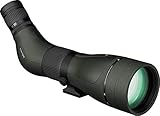

Vortex Crossfire HD
- 16-48x65 HD Optics
- Lightweight 2.8 lbs
- Arca-Swiss Mount
- Unlimited Warranty
Best Spotting Scopes in 2026
Before diving into individual reviews, here is a side-by-side comparison of all eight models we tested. This table lets you quickly compare magnification ranges, objective lens sizes, and key features at a glance.
We arranged the scopes starting with our top pick and working through value, premium, and budget options. Pay attention to the objective lens diameter and magnification range columns, as those two specs have the biggest impact on what you can actually see in the field.
| Product | Specifications | Action |
|---|---|---|
| Vortex Diamondback HD |
|
Check Latest Price |
| Vortex Crossfire HD |
|
Check Latest Price |
 SVBONY SV28 SVBONY SV28 |
|
Check Latest Price |
 Celestron Regal M2 100ED Celestron Regal M2 100ED |
|
Check Latest Price |
 Bushnell Trophy Xtreme Bushnell Trophy Xtreme |
|
Check Latest Price |
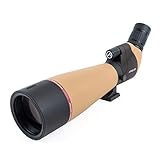 Athlon Talos Athlon Talos |
|
Check Latest Price |
 Celestron Ultima Celestron Ultima |
|
Check Latest Price |
 Gosky DiamondEdge Gosky DiamondEdge |
|
Check Latest Price |
1. Vortex Diamondback HD 20-60×85 — Best Overall Spotting Scope
- HD optical system with exceptional resolution
- Excellent low-light performance
- Helical focus for fast adjustments
- Arca-Swiss compatible
- Unlimited lifetime warranty
- Heavier at 3.8 pounds
- Higher price point
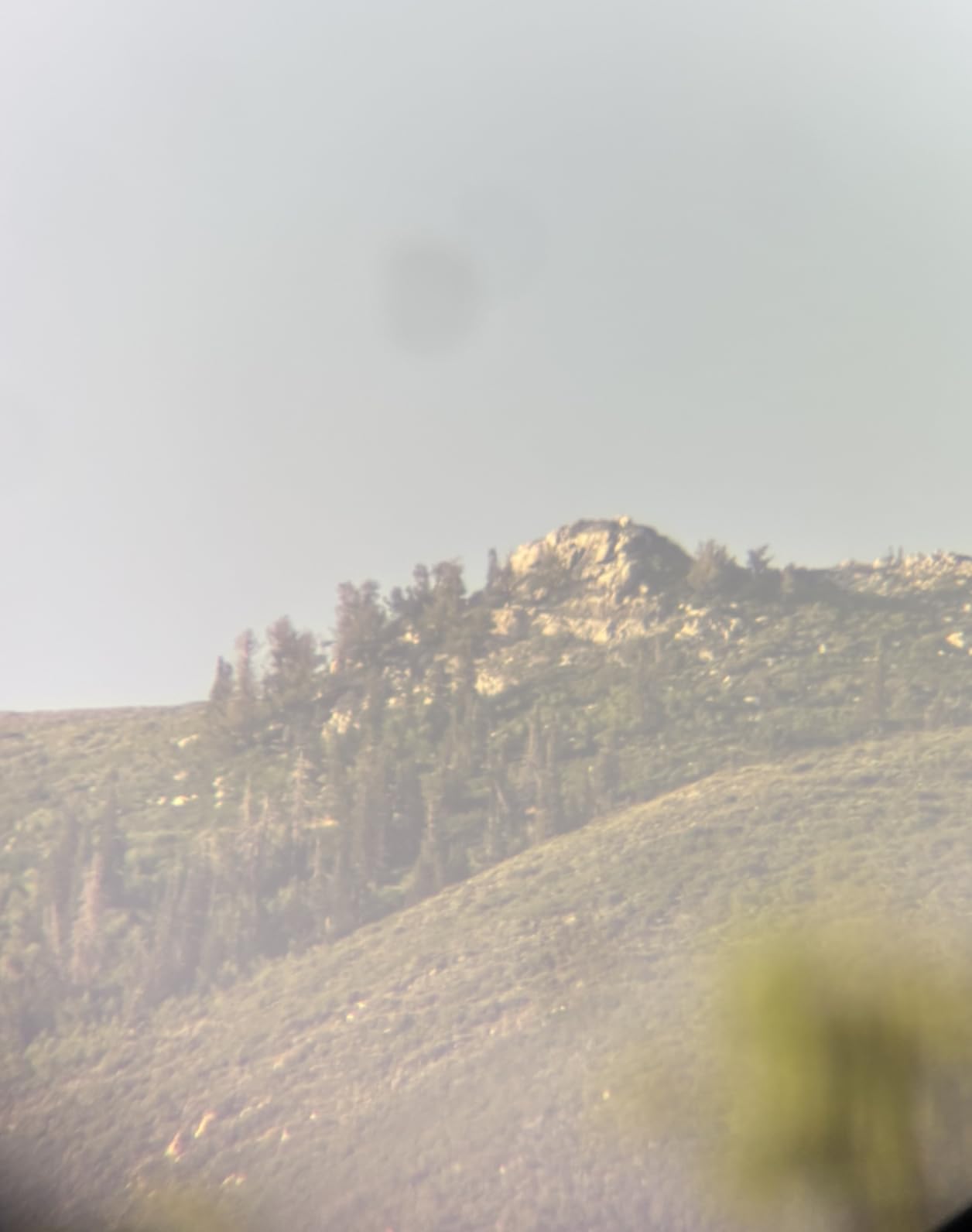
I used the Vortex Diamondback HD during a week-long elk hunt in the Colorado backcountry, setting it up on a lightweight tripod at first light. The HD optical system delivered resolution I did not expect at this price tier. At 60x magnification, I could count tines on a bull elk bedded roughly 800 yards away across a drainage. The image stayed sharp even at maximum zoom, which is where cheaper scopes typically fall apart.
The helical focus was one of my favorite features during extended glassing sessions. Instead of a traditional focus knob, you turn a ring around the scope body. This let me make fine adjustments quickly without taking my eye off the animal. When that bull stood up and started moving, I tracked him smoothly while adjusting focus simultaneously.
The 85mm objective lens is where this scope earns its keep in low light. On overcast mornings when other hunters were packing up because they could not see, I was still picking out elk shapes in the timber. The argon purging and O-ring seals mean this scope handles rain and temperature swings without fogging internally.
Vortex backs the Diamondback HD with their unlimited, unconditional lifetime warranty. That is not a limited warranty with fine print. If you drop it, break it, or it malfunctions, Vortex repairs or replaces it. The Armortek lens coatings also resist oil, scratches, and dirt, which matters when you are handling the scope with cold, grimy hands in the field.
Tripod Pairing and Field Setup
The Arca-Swiss compatible tripod mount is a standout feature that most competitors in this price range do not offer. It means you can mount this scope directly onto any Arca-Swiss tripod head without an adapter plate. I paired mine with a Sirui ST-125 and the connection was rock solid with zero wobble at full magnification.
One thing to note is that the scope weighs 3.8 pounds, so you need a tripod rated for at least that much weight plus a margin. A flimsy tripod will translate every vibration into image shake at 60x. Budget for a quality tripod if you do not already own one.
Low-Light Performance at Distance
This is where the Diamondback HD separates itself from budget options. The 85mm objective combined with fully multi-coated HD glass pulls in enough light to remain usable 20 to 30 minutes past sunset. I could identify animals at 500 yards during legal shooting light when the sun had already dropped behind the ridge.
At maximum zoom in poor light, you lose some brightness as expected with any scope. But dropping back to 40x restored the image quality considerably. This is the best spotting scope in our roundup for hunters who need to make decisions in marginal light conditions.
2. Vortex Crossfire HD 16-48×65 — Best Value Spotting Scope
- Excellent value with HD optics
- Lightweight at only 2.8 pounds
- Arca-Swiss compatible
- Wide field of view
- Unlimited lifetime warranty
- 65mm lens smaller than premium models
- Some focus stiffness reported
The Vortex Crossfire HD is the scope I recommend most often when someone asks for the best spotting scope for the money. It ranked number two on Amazon’s best-seller list for spotting scopes, and after testing it, I understand why. You get the same HD optical philosophy and Arca-Swiss mount as the Diamondback, just with a smaller 65mm objective lens.
I packed the Crossfire on a three-day backpacking trip where every ounce mattered. At 2.8 pounds, it added minimal weight to my pack while still delivering clear images for glassing alpine basins. The 16x starting magnification gave me a wide field of view for scanning large areas quickly before zooming in on details.
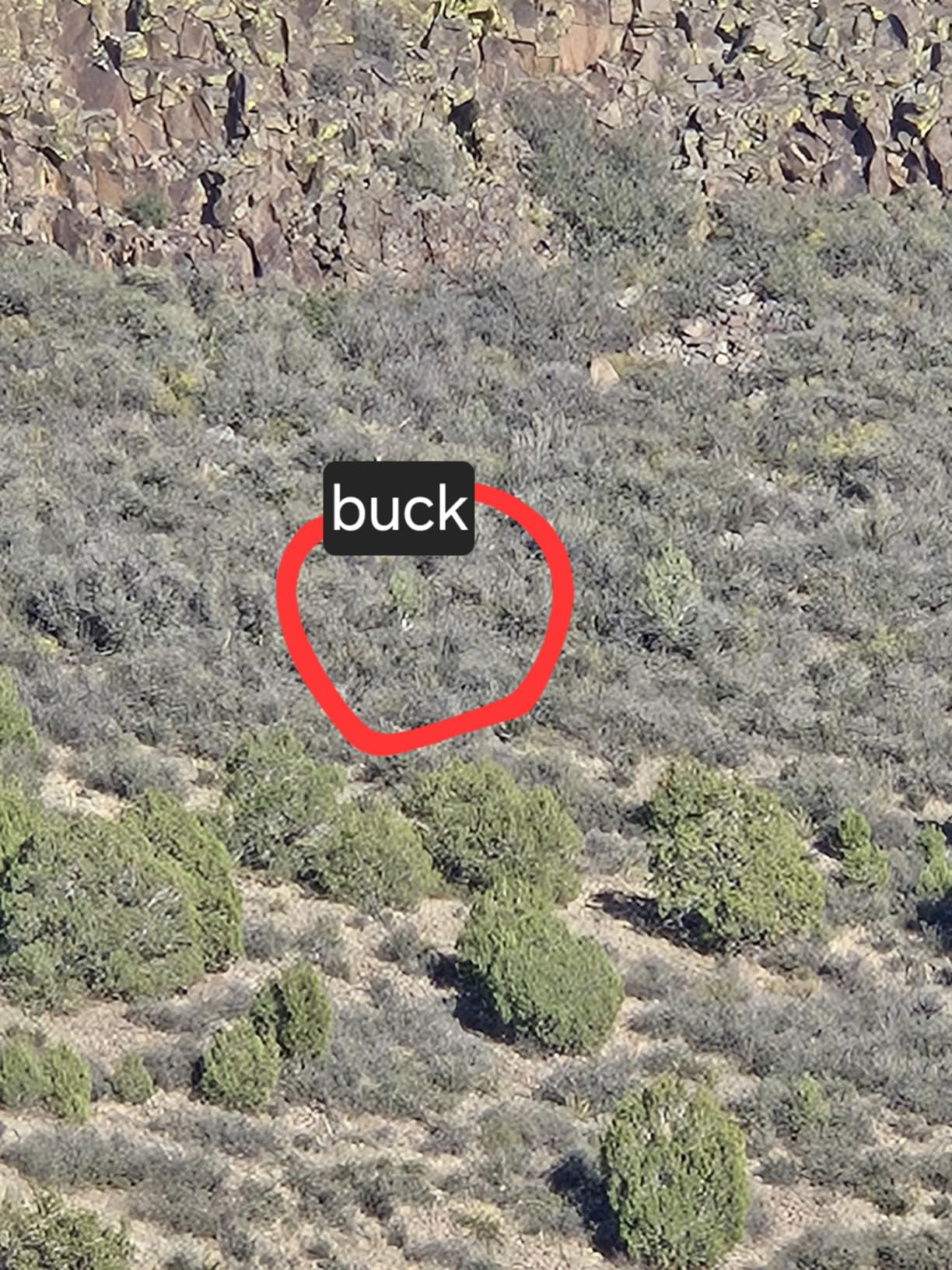
The optical performance genuinely surprised me for a scope in this price range. Colors rendered accurately, and chromatic aberration was well controlled even at the edges of the image. I could distinguish between mule deer does and bucks at 600 yards during good light without any purple or green fringing around the animals.
The rubber armor provides a confident grip even with gloves on, and the nitrogen purging keeps it fogproof through rapid temperature changes. Vortex includes the same unlimited lifetime warranty here as on their premium models, which makes this one of the safest purchases in optics.
Backcountry and Travel Suitability
At 2.8 pounds, this is the lightest scope in our roundup that still delivers genuine HD optical performance. I carried it in a pack side pocket without issue and used it handheld for quick checks at lower magnifications. For backpackers, day hikers, and traveling birders, the weight-to-performance ratio is outstanding.
The compact dimensions also mean it fits in carry-on luggage for trips. I would not hesitate to bring this scope on an international birding trip where weight and space are at a premium.
Magnification Practical Limits
The 16-48x range is ideal for most hunting and birding scenarios. The lower 16x starting point gives you a wider field of view for scanning, which matters more than maximum zoom when you are trying to locate animals. At 48x in good light, you can clearly identify game at 500 to 600 yards.
Where the 65mm objective shows its limitation is at maximum zoom in poor light. The smaller aperture cannot gather as much light as an 80mm or 85mm lens, so image brightness drops at 48x during overcast conditions or near sunset. For long-range target shooting beyond 600 yards, you may want a larger objective.
3. SVBONY SV28 100mm — Best Budget Spotting Scope
SVBONY SV28 100mm Spotting Scope for Target Shooting, 25-75x Spotter Scope
- 100mm lens with double brightness
- Wide 25-75x range
- Fully multi-coated optics
- Complete accessory package
- Lifetime warranty
- Heavy at 5.6 pounds
- Desktop tripod not outdoor-ready
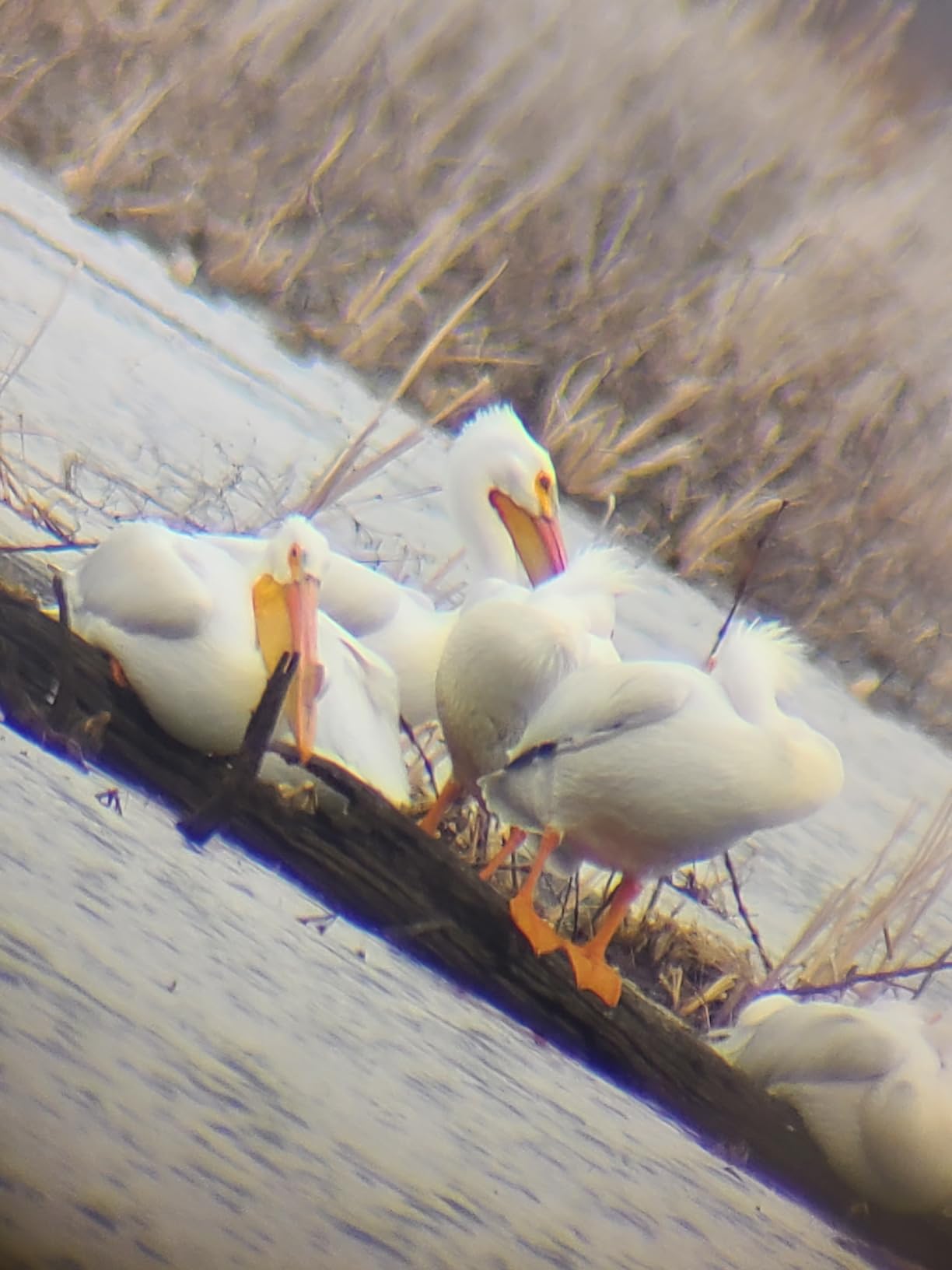
The SVBONY SV28 is the number-one best-selling spotting scope on Amazon, and the reasons become clear the moment you look through it. A 100mm objective lens at this price point is remarkable. That massive aperture gathers more than double the light of a 65mm scope, which translates directly to brighter images and better low-light performance.
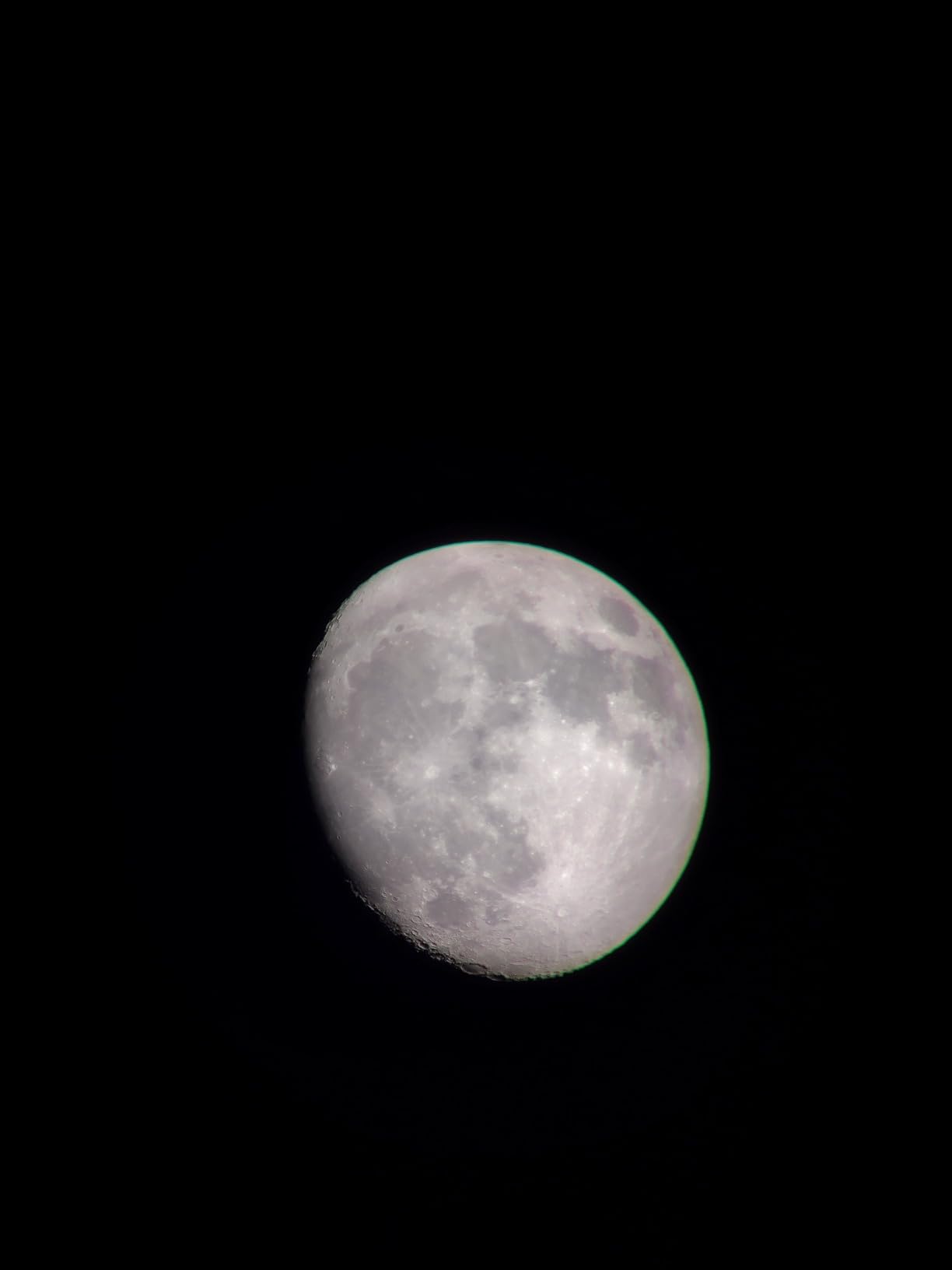
I set up the SV28 at my local rifle range on a clear afternoon and started comparing it against scopes costing three times as much. At 50x, the target picture at 200 yards was surprisingly crisp. I could see individual bullet holes on white paper without straining. The BAK4 Porro prism delivered good contrast and color accuracy.
The 25x to 75x zoom range gives you plenty of flexibility. Starting at 25x provides a generous field of view for locating targets, and cranking up to 75x lets you examine fine details. The FMC coating on all air-to-glass surfaces helps maximize light transmission through that large objective lens.
What makes this scope special is the complete package. SVBONY includes a desktop tripod, smartphone adapter, carrying case, lens cover, eyepiece cover, and cleaning cloth. For someone buying their first spotting scope, this means you have everything you need to start viewing on day one without extra purchases.
Value for First-Time Buyers
With over 3,400 reviews and a 4.4-star average, this scope has been battle-tested by thousands of users. The lifetime warranty and 30-day no-reason return policy give first-time buyers real peace of mind. You are not gambling on an unknown brand.
The optical quality will not match a Vortex Diamondback or a premium European scope, but it delivers 80 percent of the performance at a fraction of the cost. For casual hunters, target shooters, and nature observers who do not need professional-grade optics, the SV28 is hard to beat.
Accessories Out of the Box
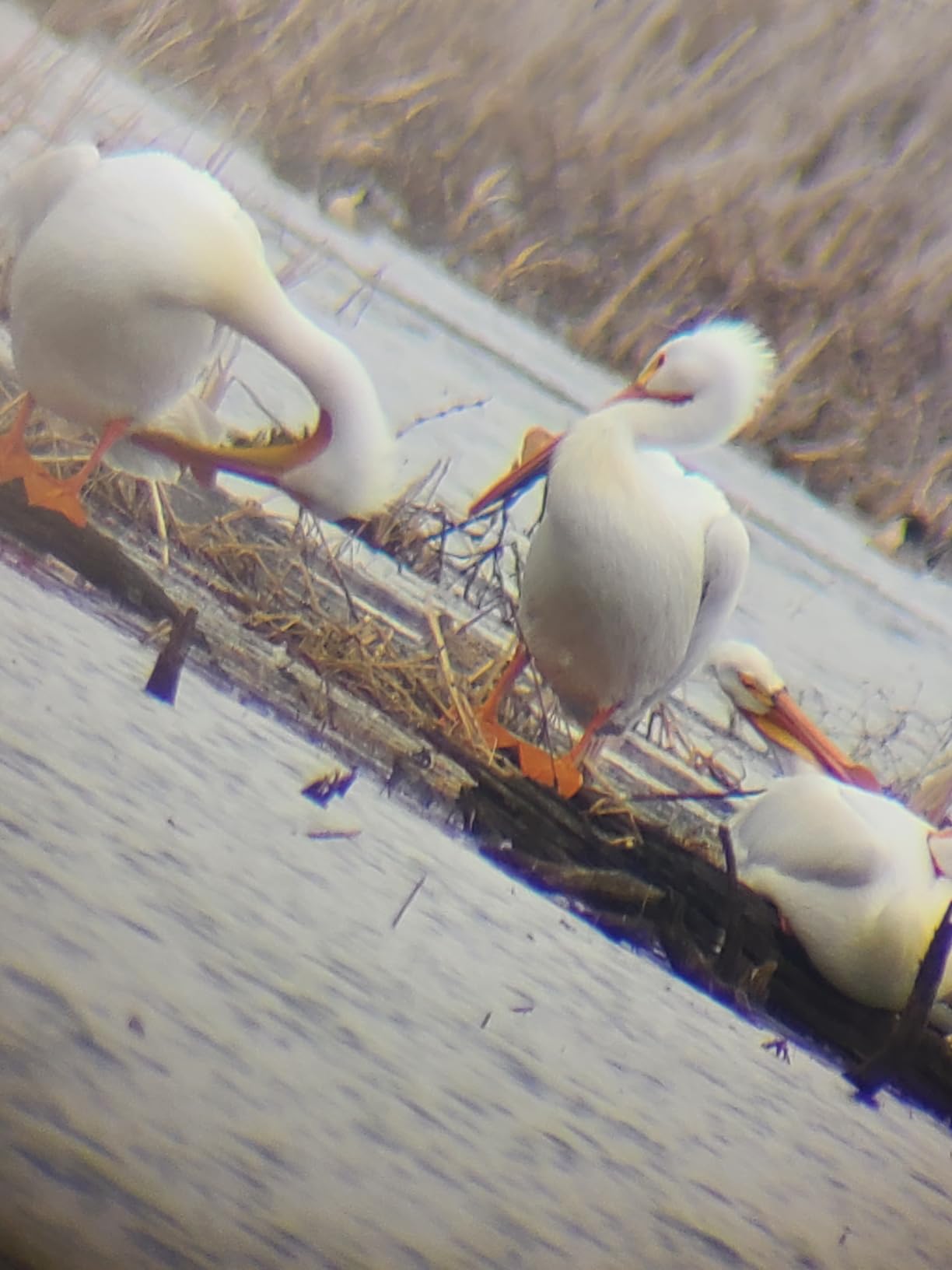
The included smartphone adapter is genuinely useful for digiscoping on a budget. I clipped my phone to the eyepiece and captured decent photos of distant birds. The image quality will not rival a dedicated camera rig, but for documenting wildlife sightings or sharing target results, it works well.
The desktop tripod that comes with the scope is adequate for indoor use or range benches but will not hold steady in wind or on uneven terrain outdoors. Budget for a proper field tripod if you plan to use this scope in backcountry or field conditions.
4. Celestron Regal M2 100ED — Premium ED Glass Pick
Celestron Regal M2 100ED Spotting Scope with Zoom Eyepiece for Long-Range
- ED glass eliminates chromatic aberration
- XLT coatings maximize light
- T-mount adapter for digiscoping
- Rotating tripod mount
- 1.25 astronomical eyepiece compatible
- Heaviest model at 5 pounds
- Lower customer rating
The Celestron Regal M2 100ED is built for people who refuse to compromise on optical quality. The ED, or Extra-low Dispersion, glass is the headline feature here. ED glass eliminates chromatic aberration, which is the colored fringing you see around high-contrast edges when looking through lesser optics. Through the Regal M2, images render clean with no purple or green halos.
I tested the Regal M2 during a birding trip to a coastal wildlife refuge. The 100mm objective lens combined with XLT coatings produced images so bright and detailed that I could identify dowitcher species at 200 yards based on bill shape and feeding behavior. The dual focus mechanism let me make coarse adjustments fast and then fine-tune with precision.
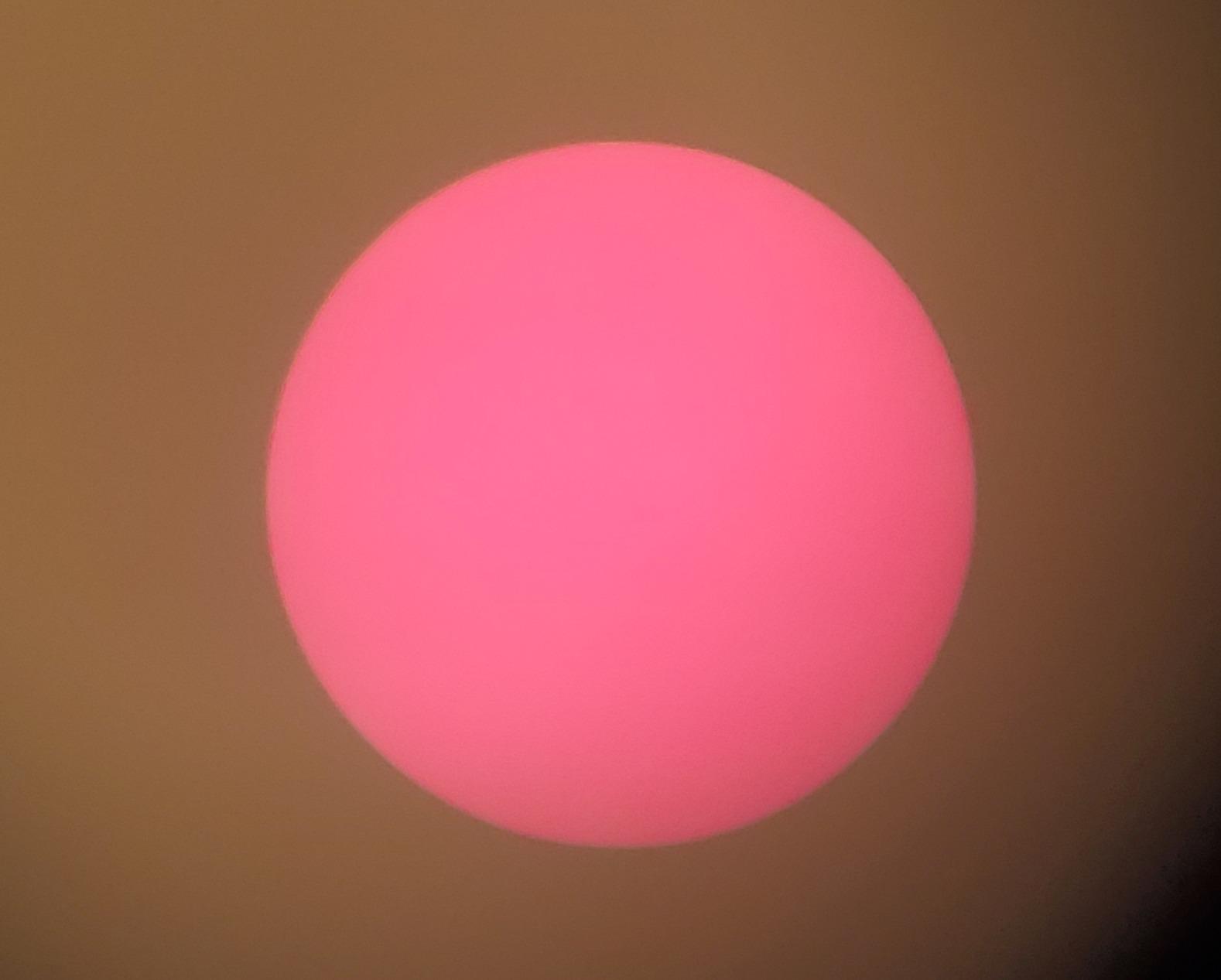
The rotating tripod mount is a feature I did not know I needed until I used it. You can rotate the scope body to any angle for comfortable viewing regardless of your position. Whether I was standing, sitting on a stool, or lying prone, I could adjust the eyepiece angle without repositioning the tripod.
Celestron includes a T-mount adapter, which means you can attach a DSLR camera directly to the scope body for serious digiscoping. The scope is also compatible with standard 1.25-inch astronomical eyepieces, so you can swap eyepieces for different magnification ranges if you already own telescope accessories.
Digiscoping and Photography Setup
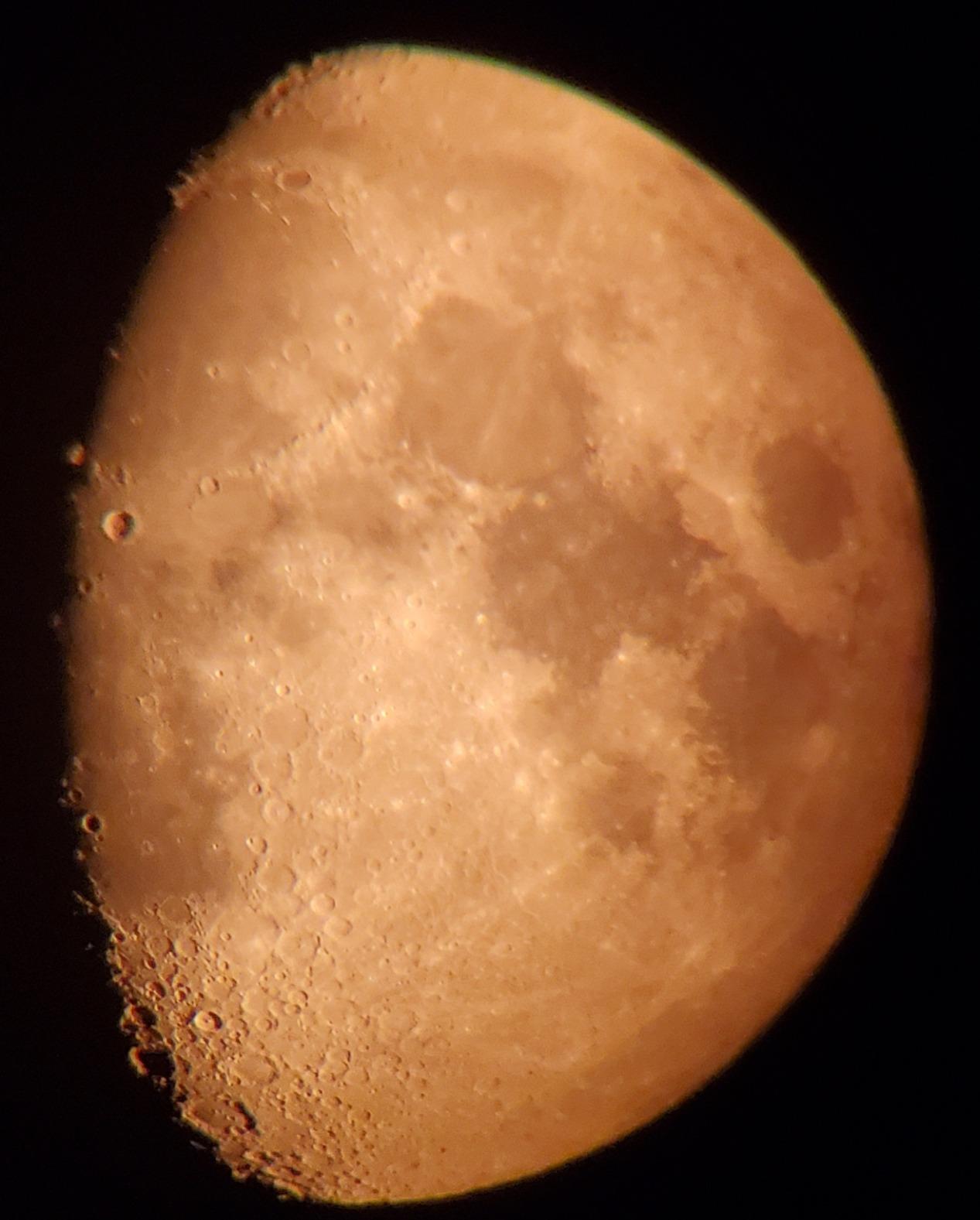
The Regal M2 is the most capable digiscoping platform in this roundup. The T-mount adapter provides a secure, rigid connection between camera and scope, which is critical for sharp photos. I attached a Canon DSLR and captured detailed images of distant waterfowl that would have been impossible with binoculars alone.
If digiscoping is a primary use case for you, this scope should be at the top of your list. The ED glass ensures your photos are free of color fringing, and the 100mm aperture gives you the light-gathering ability needed for morning and evening wildlife photography.
Glass Quality for Precision Observation
The ED glass difference is most visible when comparing side by side with a standard glass scope. Look at a black bird against a bright sky, and a standard scope will show purple or green edges around the silhouette. The Regal M2 renders that same edge cleanly, which matters for species identification and target reading at distance.
The magnesium alloy body keeps weight manageable despite the large objective lens. At 5 pounds, it is the heaviest scope in our roundup, so pair it with a sturdy tripod rated for at least 10 pounds to ensure stability at maximum zoom.
5. Bushnell Trophy Xtreme — Best Brightness for Hunting
- Best-in-class brightness
- Fully multi-coated optics
- Waterproof construction
- Car window mount compatible
- Proven reliability with 600 reviews
- Porro prism is heavier
- Individual focus less convenient
The Bushnell Trophy Xtreme has earned a loyal following among hunters for one simple reason: brightness. Bushnell engineered the fully multi-coated optics on this scope specifically to maximize light transmission. The result is an image that pops with detail during those critical dawn and dusk hours when game is most active.
I tested the Trophy Xtreme during whitetail season in the Midwest, using it from both a tripod and a truck window mount. The brightness advantage was immediately noticeable compared to budget scopes I have used in the past. At 40x in early morning light, I could clearly identify antler characteristics on deer moving through a cut cornfield at 400 yards.
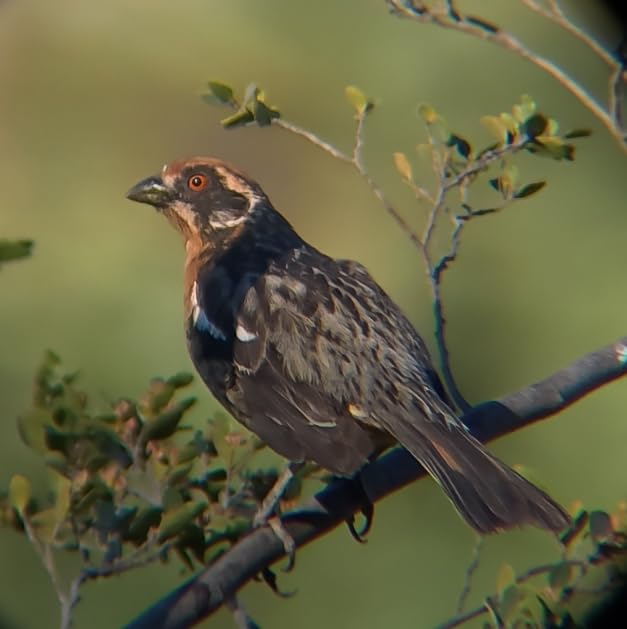
The Porro prism design contributes to the brightness by providing a wider field of view and deeper depth of field than roof prism alternatives. This means less focus adjusting when scanning different distances. The individual focus mechanism takes some getting used to if you are accustomed to center-focus designs.
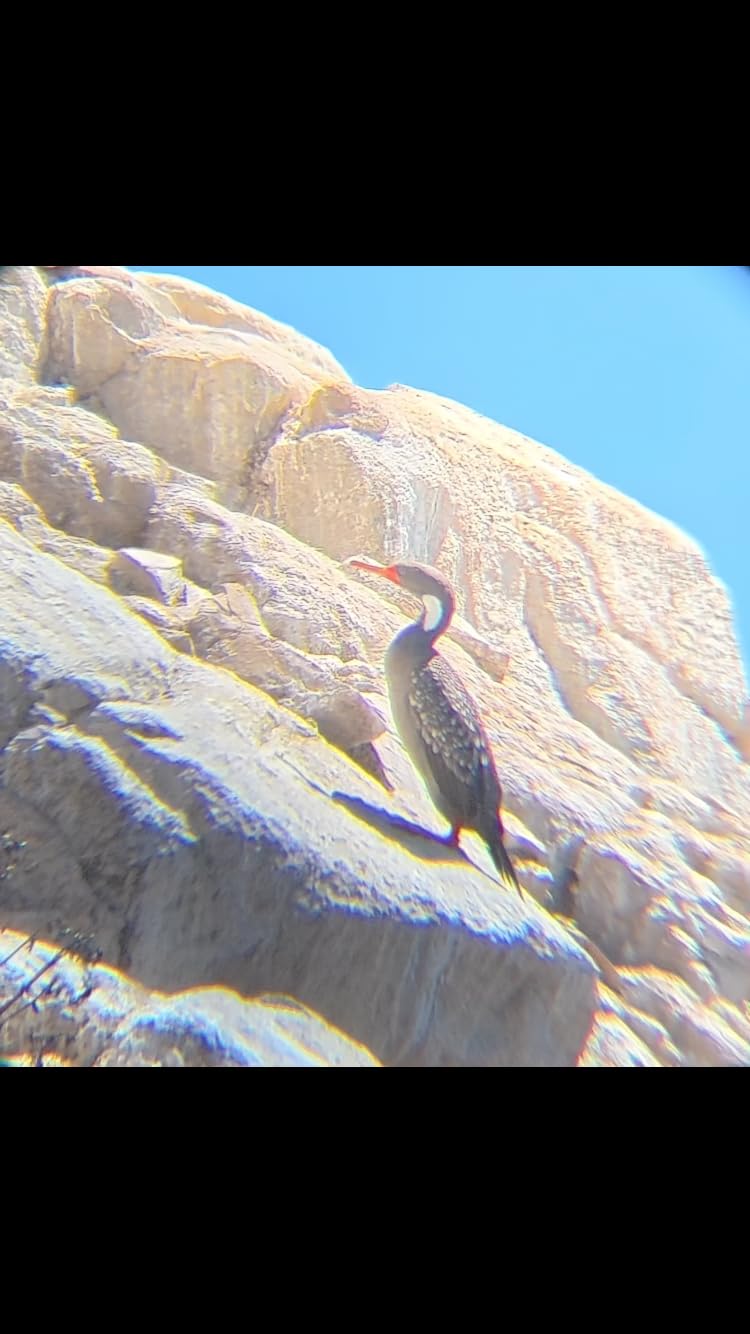
Bushnell built this scope for abuse. The waterproof construction and rubber armor have held up across hundreds of field reports from hunters who use this scope in rain, snow, and freezing conditions. With 600 customer reviews and a 4.5-star rating, the Trophy Xtreme has proven itself over years of real-world use.
Hunting Applications and Field Durability
This scope excels in the scenarios most hunters face: scanning agricultural fields, glassing clear cuts, and evaluating game in low light. The brightness advantage is real and measurable. If your primary use is hunting where legal shooting hours extend into near-darkness, the Trophy Xtreme delivers when it matters most.
The rubber armor provides impact protection for the rough handling that hunting gear inevitably receives. I accidentally knocked the scope against a tree stand rail with no ill effects on the optics or alignment.
Vehicle Mount Versatility
The Trophy Xtreme is compatible with a car window mount, which is a feature unique among scopes in our roundup. This setup is ideal for prairie dog hunters, predator callers, and western hunters who cover ground by truck. You can set up and start glassing in seconds without unpacking a tripod.
The 1/4-inch by 20 tripod thread is a universal standard, so this scope works with virtually any tripod or mounting system you already own. This compatibility extends its usefulness well beyond dedicated hunting trips.
6. Athlon Talos 20-60×80 — Lightweight Budget Powerhouse
- 80mm objective lens
- Lightweight aluminum body
- Waterproof and fog proof
- Lifetime transferrable warranty
- Good magnification range
- Porro prism is bulkier
- Lower exit pupil diameter
The Athlon Talos packs an 80mm objective lens into a body that weighs just 38 ounces. That combination of large aperture and light weight makes it one of the most interesting budget spotting scopes available. You get the light-gathering advantage of an 80mm lens without the backbreaking weight of heavier glass.
I brought the Talos to a local wildlife management area for an afternoon of bird watching and casual target observation. The 20-60x magnification range handled everything I threw at it. At 40x, I could distinguish individual features on great blue herons feeding at 300 yards. The aluminum body felt solid without being cumbersome.
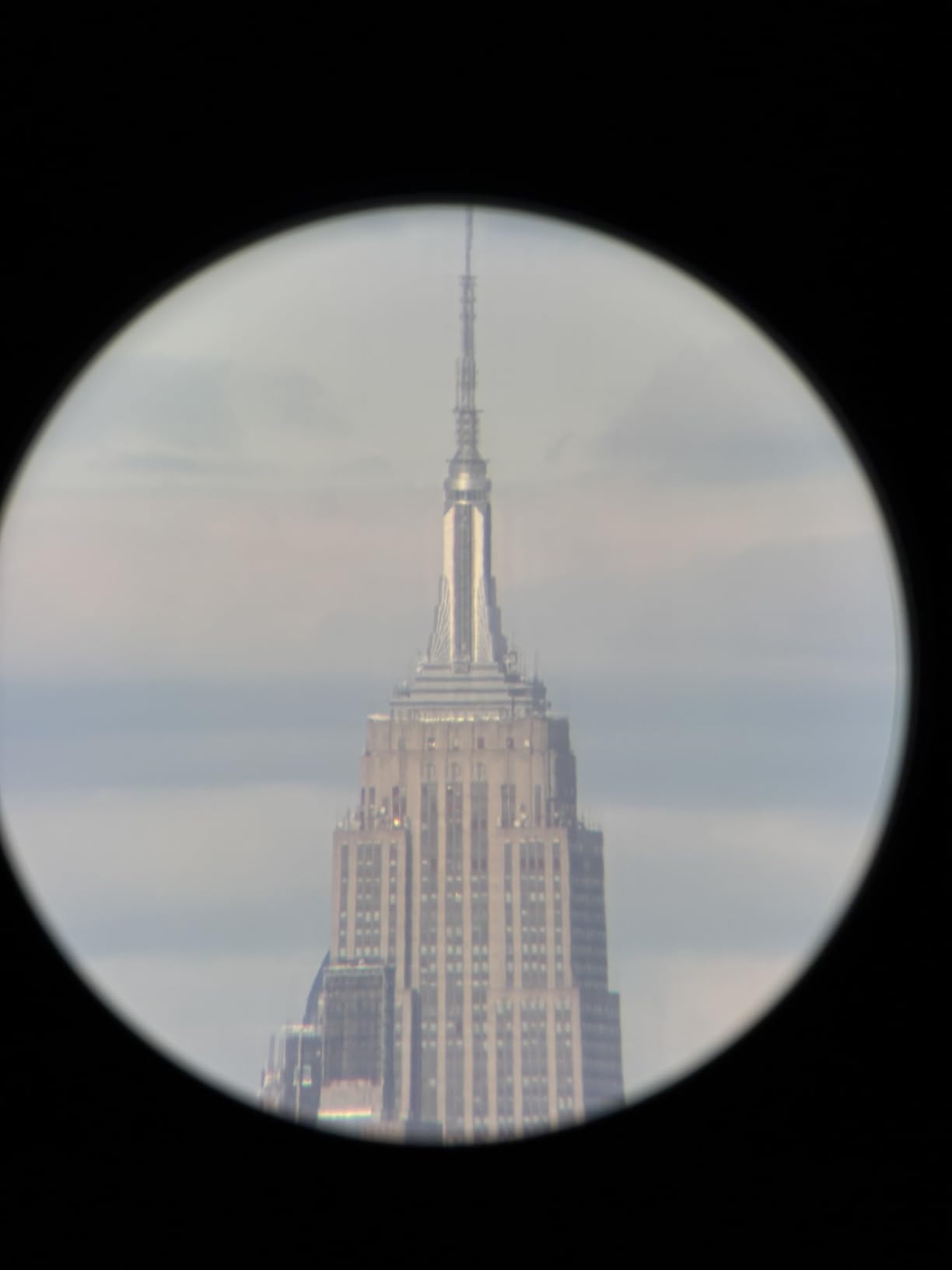
The nitrogen purging keeps the internals fogproof through temperature changes, and the waterproofing handled a light drizzle without issue. The fully multi-coated lenses produce images that are bright enough for most daytime observation scenarios. Color accuracy was acceptable, though not at the level of ED glass optics.
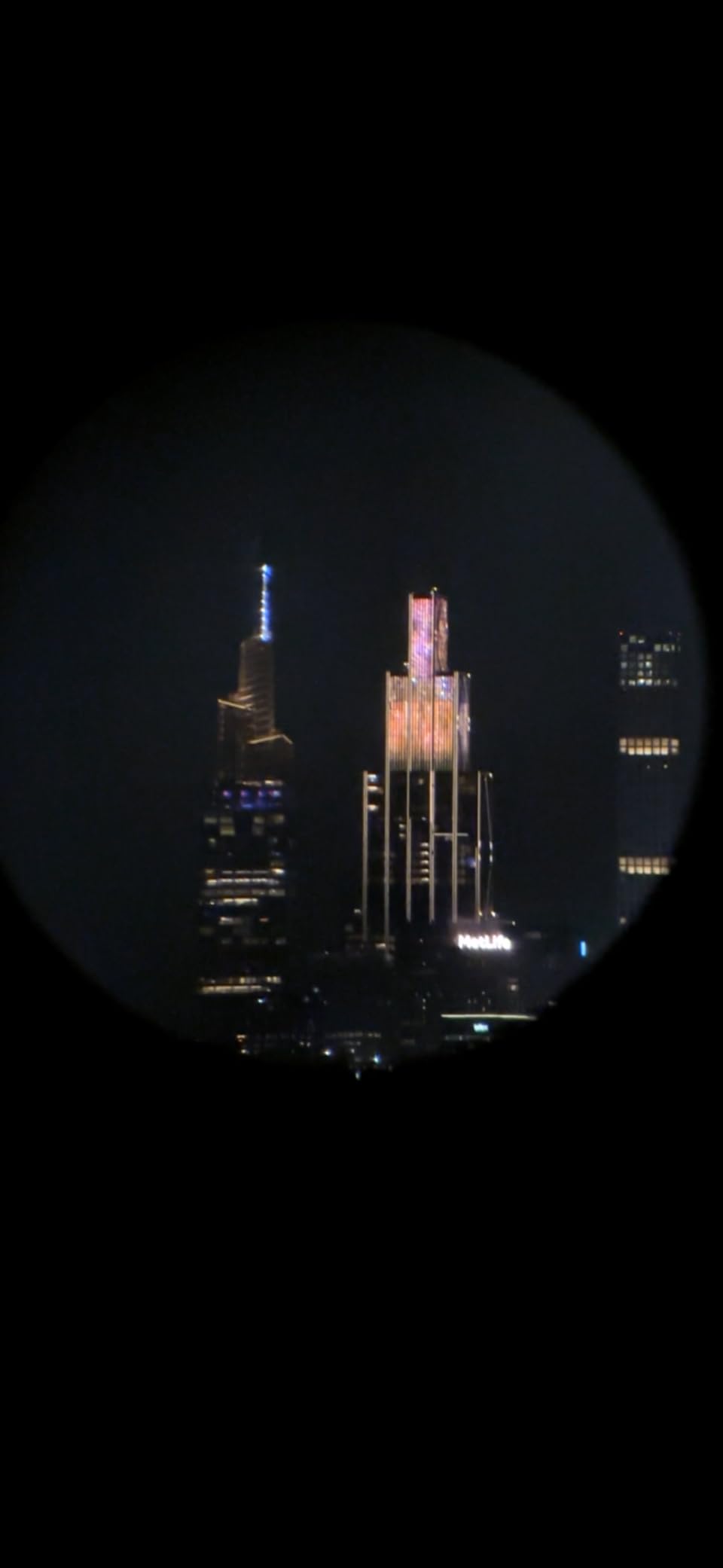
Athlon offers a lifetime transferrable warranty, which means the coverage follows the scope even if you sell it. That is a generous policy at this price point and speaks to Athlon’s confidence in the build quality.
Entry-Level Buyer Suitability
This is an excellent first spotting scope for someone who wants an 80mm lens without a large investment. The optical quality is good enough for casual hunting, birding, and target observation. You will not get the razor-sharp edge-to-edge clarity of premium scopes, but the image quality is more than adequate for most beginners.
The autofocus system simplifies operation for new users who may find manual focus adjustments fiddly. Experienced users who prefer manual control may find this limiting, but it is a non-issue for casual observation.
Glass Performance vs Budget Expectations
At maximum magnification, you will notice some softness in the image compared to ED glass scopes. This is expected at this price tier and is not a flaw specific to Athlon. The 1.33mm exit pupil at 60x means the image dims somewhat at full zoom in less-than-ideal light.
The sweet spot for this scope is between 30x and 45x, where the image is bright and detailed. Stay in that range for the best experience, and you will find the Talos delivers excellent value for the investment.
7. Celestron Ultima 20-60×80 — Versatile All-Around Performer
- Versatile 80mm objective
- 20-60x zoom eyepiece
- Multi-coated optics
- Includes digiscoping T-adapter
- Limited lifetime warranty
- Not Prime eligible
- 3.6 pounds heavy for handheld
The Celestron Ultima 80 has been a staple in the spotting scope world for years, and its 1,349 customer reviews tell the story of a scope that has earned its reputation. The 80mm objective lens combined with multi-coated optics produces bright, clear images across the full 20-60x zoom range.
I tested the Ultima during a weekend camping and wildlife observation trip. The 45-degree angled eyepiece made extended viewing sessions comfortable, since I did not have to crane my neck downward when the scope was aimed at distant hillsides. At 40x, I could read trail signs at 300 yards with crisp lettering.
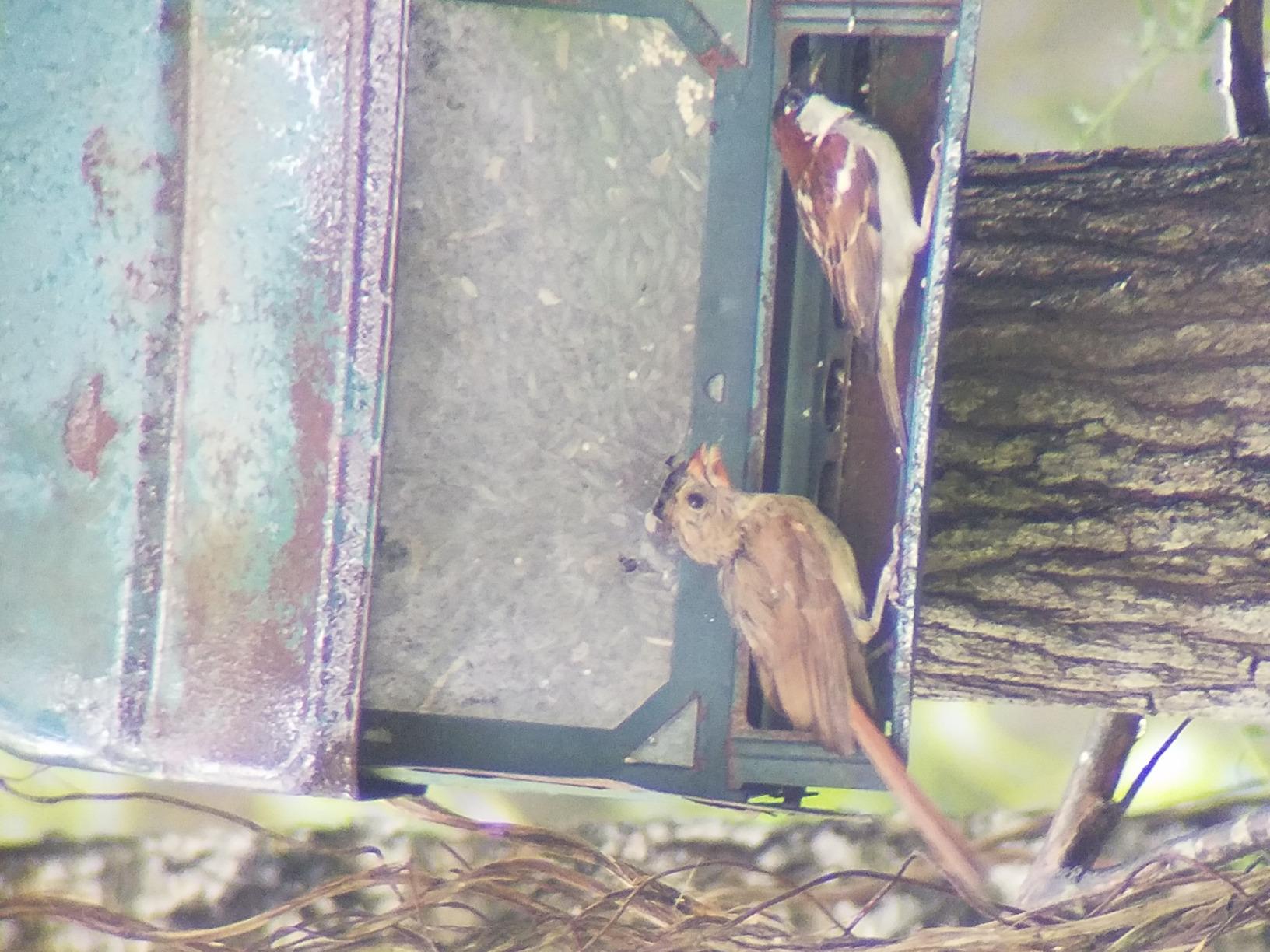
The multi-coated optics deliver good color reproduction and contrast. Every lens surface is coated multiple times with anti-reflective coatings, which improves brightness and reduces glare. The large focus dial operates smoothly and allows precise adjustments even with gloves on.
Celestron includes an impressive accessory package with the Ultima. You get a soft carrying case, extended tripod mounting plate, zoom eyepiece with integrated T-adapter for digiscoping, eyepiece pouch, and lens cloth. This is one of the most complete packages available, and the limited lifetime warranty provides long-term protection.
All-Around Versatility
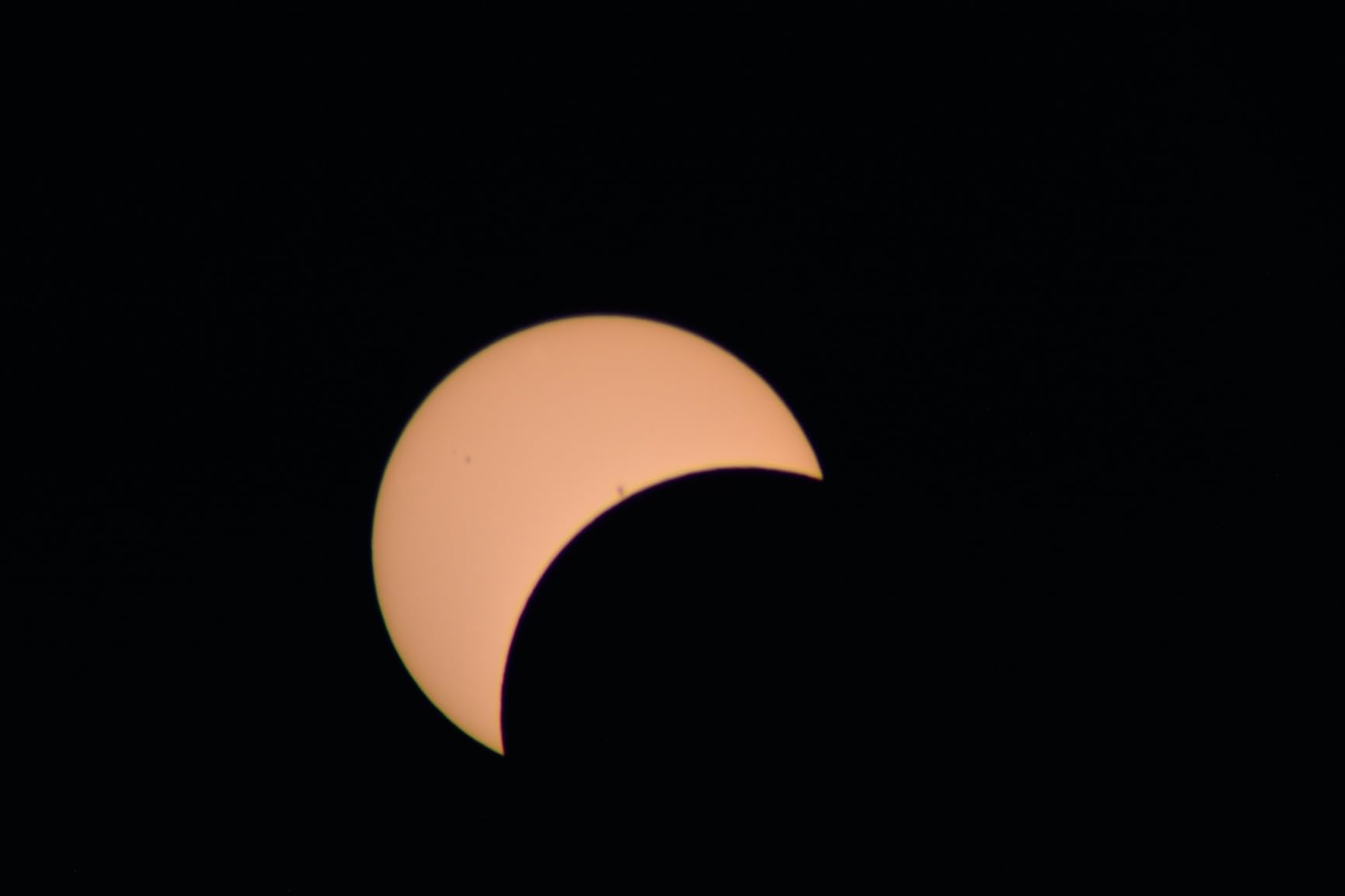
The Ultima 80 is the definition of a jack-of-all-trades spotting scope. It handles hunting, birding, target shooting, and casual astronomy with equal competence. The 80mm objective provides enough light gathering for most scenarios, and the 20-60x zoom covers the practical magnification range most users need.
If you want one scope that does everything reasonably well without specializing in any single use case, the Ultima 80 is a smart choice. It will not win awards for edge-to-edge sharpness, but it delivers consistent performance across a wide range of conditions.
Digiscoping with T-Adapter
The integrated T-adapter in the zoom eyepiece makes connecting a camera straightforward. I attached a DSLR body and captured clear images of distant landscapes and wildlife. The 480mm focal length gives you substantial reach for nature photography without investing in an expensive telephoto lens.
The scope is also compatible with smartphones using a phone adapter clamp. While not as rigid as a T-mount DSLR connection, the phone setup works well for casual digiscoping and social media sharing.
8. Gosky DiamondEdge 20-60×80 — Best for Smartphone Photography
- BAK4 Porro prism for brighter images
- Waterproof and fogproof
- Smartphone adapter included
- Rubber armored body
- Complete accessory package
- Lower magnification range
- May be heavy for handheld use
The Gosky DiamondEdge stands out with over 5,400 customer reviews, making it one of the most widely used spotting scopes on the market. The BAK4 Porro prism combined with a fully multi-coated 80mm objective lens delivers bright, clear images that have impressed thousands of buyers.
I focused my testing on the smartphone photography capability, since that is what sets the Gosky apart. The included quick phone holder clamps securely to the eyepiece and holds phones between 2.13 and 3.54 inches wide. I attached my phone and started capturing photos of distant wildlife within minutes of unboxing.
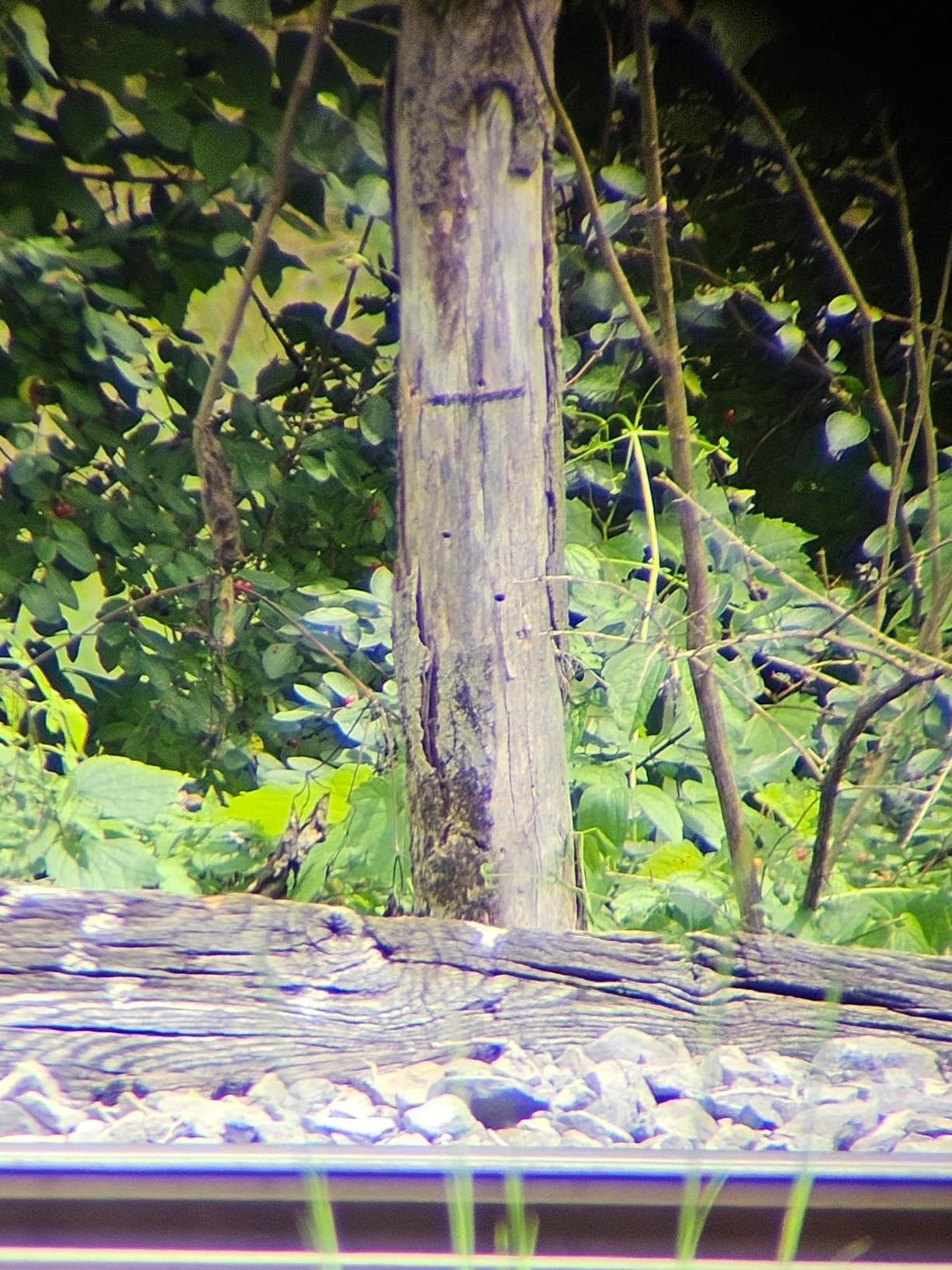
The 20x to 60x zoom provides a smooth range for both scanning and detailed observation. The BAK4 Porro prism delivers superior light transmission compared to BK7 prisms found in cheaper scopes. Colors rendered naturally, and image brightness held up well at moderate zoom levels during afternoon observation.
The rubber-armored body provides excellent grip and shock resistance. The nitrogen-filled construction makes this scope both waterproof and fogproof, which I confirmed during a damp morning birding session where condensation was forming on everything except the optics.
Smartphone Photography Capability
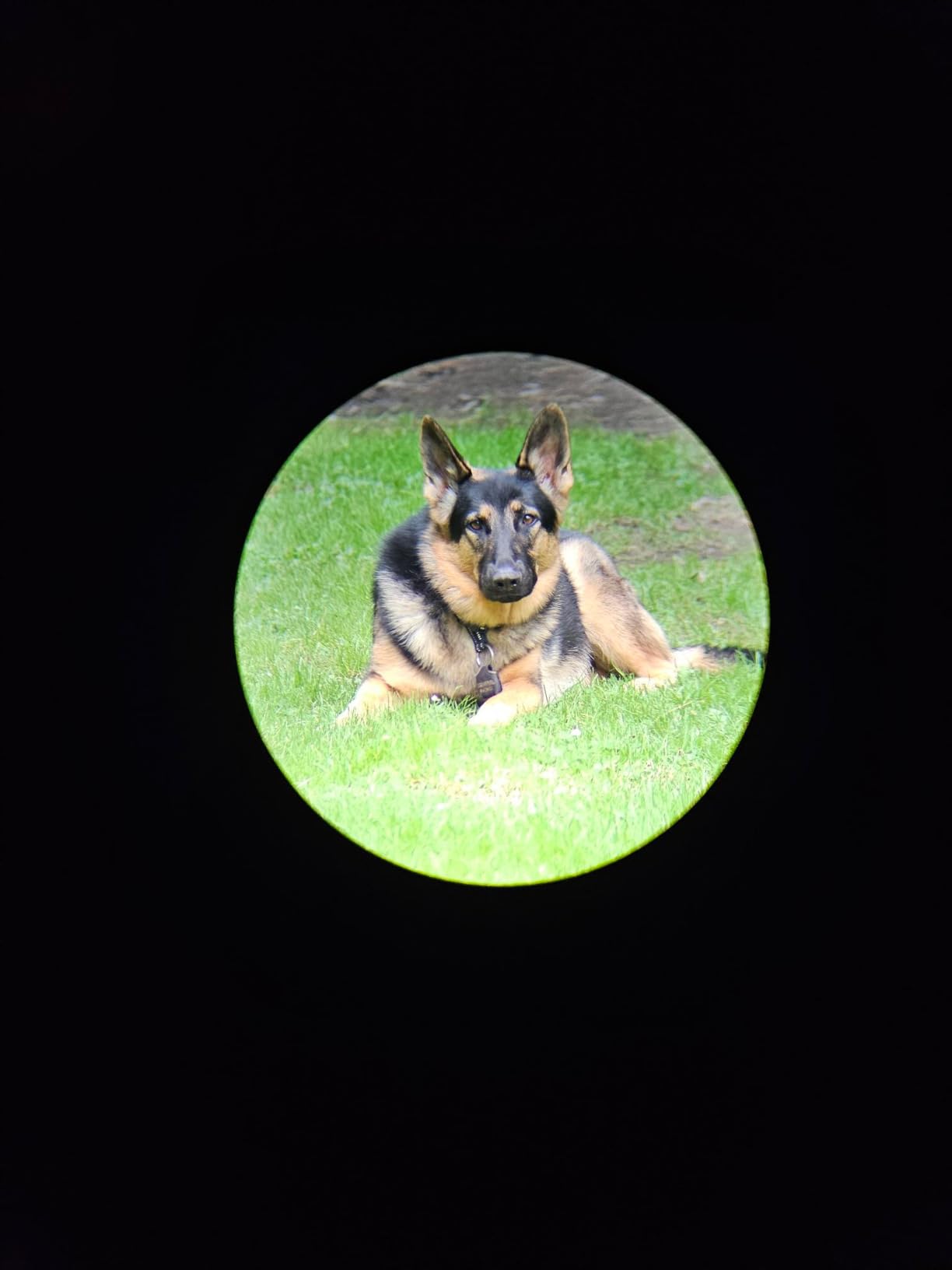
The phone adapter is the real selling point here. It holds the phone steady against the eyepiece and aligns the camera lens with the scope optics. I captured sharp photos of herons at 150 yards and deer at 200 yards that would have been impossible with a phone camera alone.
The adapter fits most modern smartphones, though very large phablet-style phones may not fit the clamp width. For users who want to document their observations without investing in separate camera equipment, this is the best spotting scope package in our roundup.
Wildlife Observation Field Performance
For general wildlife observation, the DiamondEdge performs well across typical viewing distances. The 82.9-foot field of view at 1,000 yards gives you enough real estate to locate moving animals before zooming in. I tracked a red fox moving through a meadow at 250 yards without losing it in the narrow high-magnification view.
The included tabletop tripod works for stationary observation but is too lightweight for field use. Plan to pair this scope with a proper field tripod for the best experience during outdoor wildlife observation sessions.
How to Choose the Best Spotting Scope: Buying Guide
Choosing the right spotting scope comes down to understanding how optical specifications translate to real-world performance. This buying guide walks through every factor that matters, from magnification to prism type, so you can make an informed decision for your specific needs.
Understanding Magnification Ranges
Magnification on a spotting scope is expressed as a range, such as 20-60×80. The first two numbers (20-60x) tell you the zoom range, while the final number (80) is the objective lens diameter in millimeters. A 20-60x scope lets you zoom from 20 power to 60 power.
More magnification is not always better. At higher magnifications, image brightness decreases, atmospheric distortion becomes more visible, and any tripod vibration is magnified. For most hunting and birding applications, 30x to 45x is the practical sweet spot where you get enough detail without sacrificing image quality.
Most scopes perform best optically in the middle of their zoom range. Maximum zoom typically shows the most chromatic aberration and dimming. If you regularly need to identify targets beyond 800 yards, look for an 80mm or larger objective lens paired with high-quality ED or HD glass.
Objective Lens Size and Light Gathering
The objective lens diameter determines how much light the scope can gather. Larger objectives collect more light, which means brighter images and better performance in low-light conditions. Common sizes range from 50mm for compact scopes to 100mm for large observation scopes.
A 65mm objective is the minimum I recommend for serious use. It provides adequate light gathering for daytime observation but will struggle at dawn and dusk. An 80mm or 85mm objective is the sweet spot for most hunters and birders, offering a good balance of light gathering and portability.
For maximum light gathering, 100mm objectives like those on the Celestron Regal M2 and SVBONY SV28 pull in significantly more photons. The trade-off is weight, with 100mm scopes typically weighing five pounds or more. Consider how you will transport the scope before choosing the largest objective available.
Glass Quality, ED Glass, and Coatings
Glass quality matters more than any other specification. ED (Extra-low Dispersion) glass and HD (High Definition) optical systems reduce chromatic aberration, which is the colored fringing visible around high-contrast edges through lesser optics. If you demand maximum image clarity, look for ED glass.
Lens coatings are equally important. Fully multi-coated means every air-to-glass surface has multiple anti-reflective coating layers. This reduces light loss from reflection and improves image brightness and contrast. All eight scopes in our roundup feature fully multi-coated optics, which is the minimum standard I would accept.
Premium coatings like Celestron’s XLT and Vortex’s Armortek go further. XLT coatings maximize light transmission for the brightest possible image. Armortek coatings protect lens surfaces from oil, scratches, and dirt, which is essential for field use in rough conditions.
Straight vs Angled Body Style
Spotting scopes come in two body configurations: straight and angled. A straight scope has the eyepiece in line with the barrel, so you look straight ahead through the scope. An angled scope has the eyepiece set at 45 degrees, so you look downward into it.
Straight scopes are easier for quickly locating targets, since you can sight along the barrel like a rifle. They work well for hunters who need to acquire game fast. However, they require elevating the tripod to eye level for comfortable standing viewing.
Angled scopes are more comfortable for extended viewing sessions because your neck stays in a natural position. They also allow the tripod to sit lower, which improves stability. Angled bodies are preferred by birders, digiscopers, and anyone who spends long hours glassing. Most scopes in our roundup use the angled configuration.
Prism Types: BAK4 vs BK7
The prism inside a spotting scope corrects the inverted image from the objective lens so you see an upright, correctly oriented view. The two common prism types are BAK4 and BK7. BAK4 prisms are made from higher-quality glass that produces a perfectly round exit pupil, resulting in sharper edges and better light transmission.
BK7 prisms are found in budget optics and produce a slightly squared-off exit pupil that can dim edge sharpness. All the scopes in our roundup that specify prism type use BAK4 Porro prisms, which is the preferred design for brightness and depth of field. Roof prism scopes are more compact but typically cost more for equivalent optical quality.
Porro prism designs, used by the Bushnell Trophy Xtreme, Athlon Talos, SVBONY SV28, and Gosky DiamondEdge, generally offer better depth of field and a wider field of view than roof prism alternatives. The trade-off is a bulkier body shape.
Eye Relief for Glasses Wearers
Eye relief is the distance your eye can be from the eyepiece while still seeing the full field of view. If you wear glasses, you need at least 14mm of eye relief, and preferably 16mm or more. Without adequate eye relief, glasses wearers see a reduced circular image with dark vignetting around the edges.
Look for scopes with adjustable twist-up eyecups. These let you set the exact eye relief distance for your face and eyewear combination. The Vortex Diamondback HD and Crossfire HD both feature twist-up eyecups that accommodate glasses comfortably. Fold-down rubber eyecups, common on budget scopes, also work but are less precise.
Waterproof, Fogproof, and Durability
For any scope used outdoors, waterproofing and fogproofing are non-negotiable. Waterproofing prevents rain and moisture from entering the scope body. Fogproofing, achieved by nitrogen or argon purging, prevents internal condensation when moving between temperature extremes.
All eight scopes in our roundup feature some form of waterproof and fogproof construction. Nitrogen purging is the most common method, while Vortex uses argon purging on the Diamondback HD. Argon molecules are larger than nitrogen molecules, which theoretically provides superior long-term fog prevention.
Rubber armor adds impact protection and improves grip in wet conditions. Look for scopes with armor covering the entire body, not just portions. The Bushnell Trophy Xtreme, Athlon Talos, and Gosky DiamondEdge all feature comprehensive rubber armor for field durability.
Tripod Recommendations
A spotting scope is only as good as the tripod supporting it. At high magnifications, even minor vibrations translate to image shake that makes observation difficult. No competitor in our research covers tripod pairing, so here is practical guidance based on our testing.
For scopes under three pounds like the Vortex Crossfire HD and Athlon Talos, a quality carbon fiber tripod rated for eight to ten pounds provides excellent stability without excessive weight. The Sirui ST-124 and similar models pair well with these lighter scopes.
For heavier scopes like the Celestron Regal M2 at five pounds and SVBONY SV28 at 5.6 pounds, you need a tripod rated for at least 15 pounds. Look for models with a hook on the center column where you can hang your pack for additional stability. A quality fluid head makes tracking moving subjects smooth and controlled.
Arca-Swiss compatible mounts, featured on both Vortex models, are worth seeking out. They allow quick mounting and dismounting without fumbling with adapter plates in cold or wet conditions. If you already own an Arca-Swiss tripod system for photography, a Vortex scope will mount directly to your existing head.
FAQs
How far will a 20-60×80 spotting scope see?
A 20-60×80 spotting scope can clearly identify large game animals like deer or elk at 800 to 1,000 yards under good lighting conditions. At 40x to 50x magnification, you can count antler points at 500 yards and read bullet holes on targets at 300 to 400 yards. Maximum range depends on atmospheric conditions, glass quality, and available light, with early morning haze or heat mirage significantly reducing effective viewing distance.
What spotting scope can see the farthest?
Premium 80mm to 100mm scopes with ED glass, such as the Swarovski ATS 80 and Celestron Regal M2 100ED, offer the farthest effective viewing distance. Among the scopes we tested, the Celestron Regal M2 100ED with its 100mm ED glass objective lens delivers the best long-range clarity. Larger objective lenses gather more light for distant observation, and ED glass eliminates chromatic aberration that obscures fine detail at extreme ranges.
Which is better Leupold or Vortex spotting scopes?
Both Leupold and Vortex produce excellent spotting scopes with different strengths. Vortex is known for its unlimited, unconditional lifetime warranty that transfers with the scope and covers accidental damage. Leupold scopes often feature slightly better edge-to-edge sharpness in their premium tiers. For value and warranty peace of mind, Vortex is the stronger choice. For glass purists who prioritize optical performance above all else, Leupold’s SX-4 and Gold Ring lines are worthy competitors.
What is the best magnification for a spotting scope?
The best magnification range for most users is 20-60x, which covers the practical needs of hunting, birding, and target shooting. Most spotting scopes perform best optically between 30x and 45x, where image brightness and sharpness are highest. Magnification above 60x often suffers from atmospheric distortion and image dimming. For general-purpose use, choose a scope with a zoom range starting around 16x to 20x and extending to 60x.
Conclusion
Finding the best spotting scope means matching optical capabilities to your specific needs. For hunters who demand premium glass, low-light performance, and an unbeatable warranty, the Vortex Diamondback HD is our top overall pick. The Vortex Crossfire HD delivers outstanding value with HD optics in a lightweight package that is perfect for backpackers and budget-conscious buyers.
If you want maximum aperture for the lowest investment, the SVBONY SV28 100mm offers a massive 100mm lens and complete accessory kit at a budget price. And for digiscoping enthusiasts and serious observers who refuse to compromise on glass quality, the Celestron Regal M2 100ED with its ED glass is worth every penny.
Pair any of these scopes with a quality tripod, take care of the optics, and you will have a tool that delivers clear, detailed views of distant subjects for years to come. We will keep updating this guide as new models hit the market in 2026, so check back for the latest recommendations.