
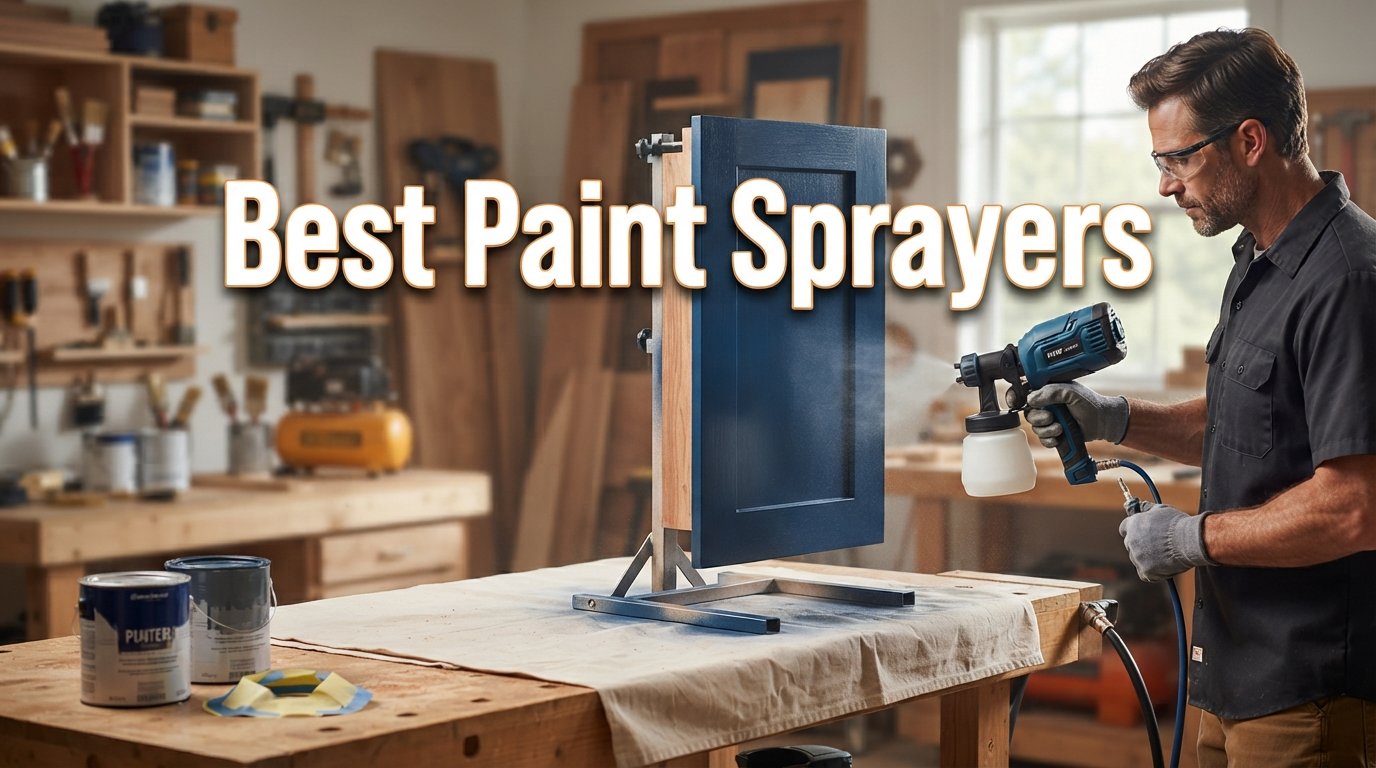
Finding the best paint sprayers for your next project can cut your painting time in half compared to brushes and rollers. Our team spent weeks testing 10 popular models across fences, furniture, interior walls, and cabinets to see which ones deliver professional results without the headache. From budget-friendly handheld HVLP guns to powerful airless units that handle whole-house jobs, we covered every category that matters.
Choosing the right paint sprayer means matching the tool to your project type. An HVLP sprayer excels at furniture and cabinets with minimal overspray, while an airless sprayer powers through exterior walls and fences in record time. We break down exactly which sprayer fits each situation so you do not waste money on the wrong tool.
We also pulled real user feedback from DIY forums and professional painting communities to validate our hands-on findings. The result is a guide that cuts through marketing hype and tells you what actually works. Here are our picks for the best paint sprayers of 2026.
Table of Contents
Top 3 Picks for Best Paint Sprayers

Best Paint Sprayers in 2026
| Product | Specifications | Action |
|---|---|---|
| Graco Magnum X5 Airless Sprayer |
|
Check Latest Price |
 Fuji Spray Semi-PRO 2 HVLP System Fuji Spray Semi-PRO 2 HVLP System |
|
Check Latest Price |
 InoKraft MaXpray M1 Airless Sprayer InoKraft MaXpray M1 Airless Sprayer |
|
Check Latest Price |
 Wagner FLEXiO 595 HVLP Sprayer Wagner FLEXiO 595 HVLP Sprayer |
|
Check Latest Price |
 HomeRight Super Finish Max HVLP HomeRight Super Finish Max HVLP |
|
Check Latest Price |
 VEVOR 750W Stand Airless Sprayer VEVOR 750W Stand Airless Sprayer |
|
Check Latest Price |
 Tilswall Shark 800 HVLP Sprayer Tilswall Shark 800 HVLP Sprayer |
|
Check Latest Price |
 Tilswall 800W HVLP Paint Sprayer Tilswall 800W HVLP Paint Sprayer |
|
Check Latest Price |
 VONFORN VF803 HVLP Paint Sprayer VONFORN VF803 HVLP Paint Sprayer |
|
Check Latest Price |
 HomeRight Finish Max HVLP Sprayer HomeRight Finish Max HVLP Sprayer |
|
Check Latest Price |
1. Graco Magnum X5 – Best Overall Airless Sprayer
- Fully adjustable pressure for unthinned paints
- Flexible suction tube draws from 1 or 5 gallon buckets
- Handles projects up to 10 gallons
- Supports 75ft hose for massive reach
- 4.6 star rating from 6800+ reviews
- May be overkill for very small projects
- Heavier than handheld HVLP units
I have used the Graco Magnum X5 on two full exterior repaints, and it consistently delivers the kind of even, professional finish that rollers simply cannot match. The 3000 PSI pump pushes unthinned latex through a 25-foot hose with zero hesitation, and I was able to paint an entire shed wall in under three minutes. Reddit users echo this experience, with one popular thread calling it “the best you will do at this price point.”
Setup took me about 15 minutes the first time, and the flexible suction tube means you can drop it straight into a 1-gallon or 5-gallon bucket without any adapters. The fully adjustable pressure control is where this sprayer really shines. I dialed it down for staining a fence, then cranked it back up for thick latex on exterior walls, and the Magnum X5 handled both without clogging.
Cleanup is straightforward thanks to the PowerFlush adapter that connects to a standard garden hose. You still need to run pump saver or Pump Armor through the system before storage, which many users on DIY forums recommend to prevent the pump from seizing between projects. I learned this lesson the hard way after letting mine sit unused for four months.
The weight at 15 pounds is manageable for a stand unit, but it is not something you carry around like a handheld. I rolled mine along on a dolly for larger projects. For projects under 10 gallons of paint, this unit hits the sweet spot between professional power and DIY accessibility. It is easy to see why the Magnum X5 earns its spot as one of the best paint sprayers on the market.
What Projects Is the Graco Magnum X5 Best For?
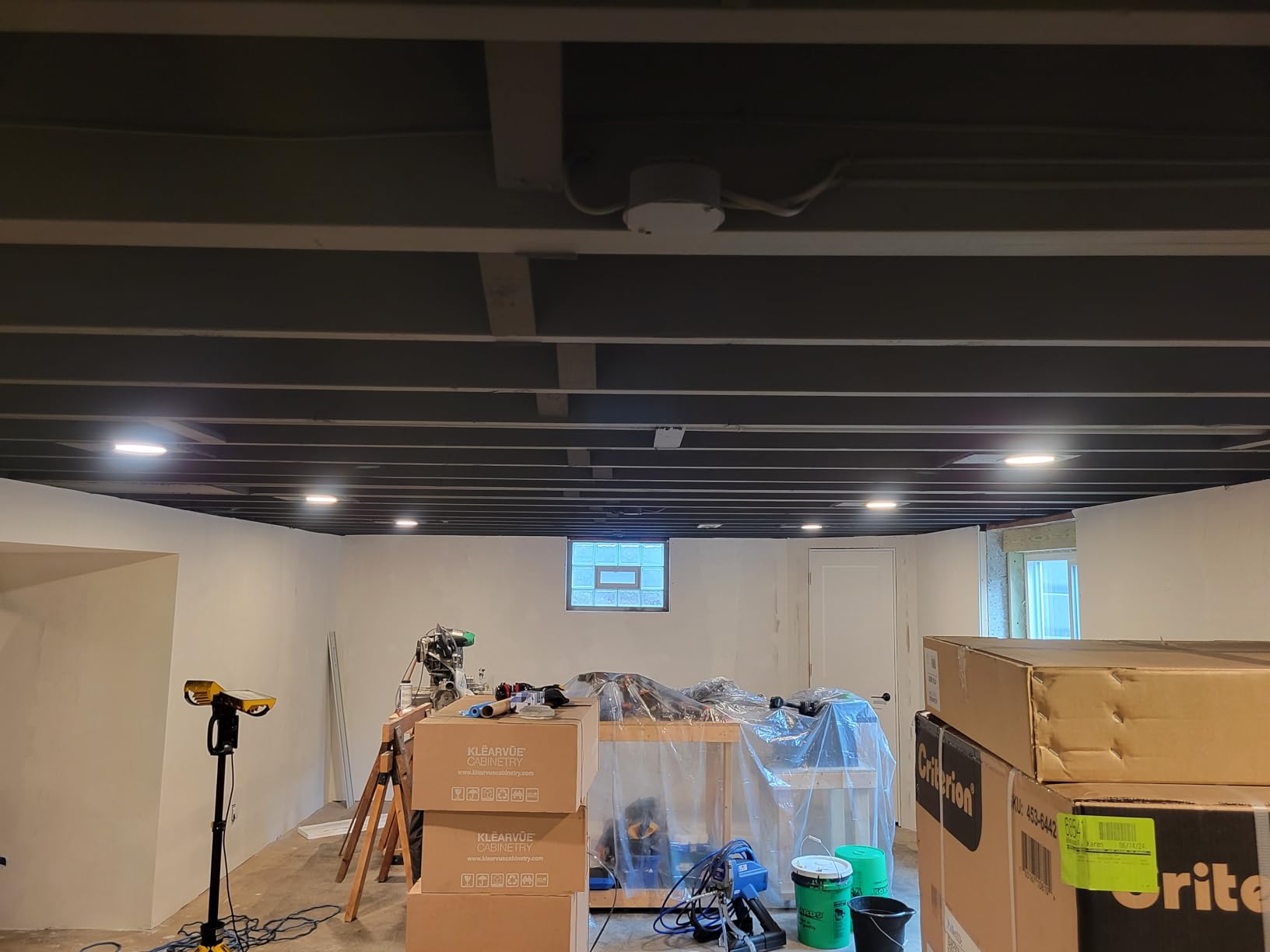
This airless sprayer shines on medium to large projects like exterior walls, fences, decks, and multiple interior rooms. If you are painting an entire house or tackling a renovation that involves more than 200 square feet of surface area, the X5 will save you hours compared to rolling.
It handles unthinned latex, stains, enamels, and primers without complaint. The included RAC IV 515 Switch Tip works great for standard latex, but pro users on painting forums strongly recommend upgrading to an FFLP tip for finer finishes on cabinets and doors. That simple tip swap transforms this workhorse into a finish sprayer.
Who Should Skip the Graco Magnum X5?
If you only paint small items like a single chair or occasional craft projects, the X5 is serious overkill. The setup and cleanup time alone exceeds the actual painting time for tiny jobs. A handheld HVLP sprayer would serve you better at a fraction of the cost.
Similarly, if you need a sprayer for highly detailed finish work like automotive paint or lacquered furniture, a dedicated HVLP system like the Fuji Semi-PRO 2 will give you much better atomization. The X5 trades fine-finish capability for raw speed and coverage.
2. Fuji Spray Semi-PRO 2 – Best HVLP System for Fine Finishes
- Professional non-bleed spray gun
- Adjustable pattern fan control
- 25ft hose with air control valve
- Metal turbine case with gun holder
- 4.7 star rating from 1600+ reviews
- 2 year warranty parts and labor
- Higher price point for hobbyists
- Requires more setup space than handheld
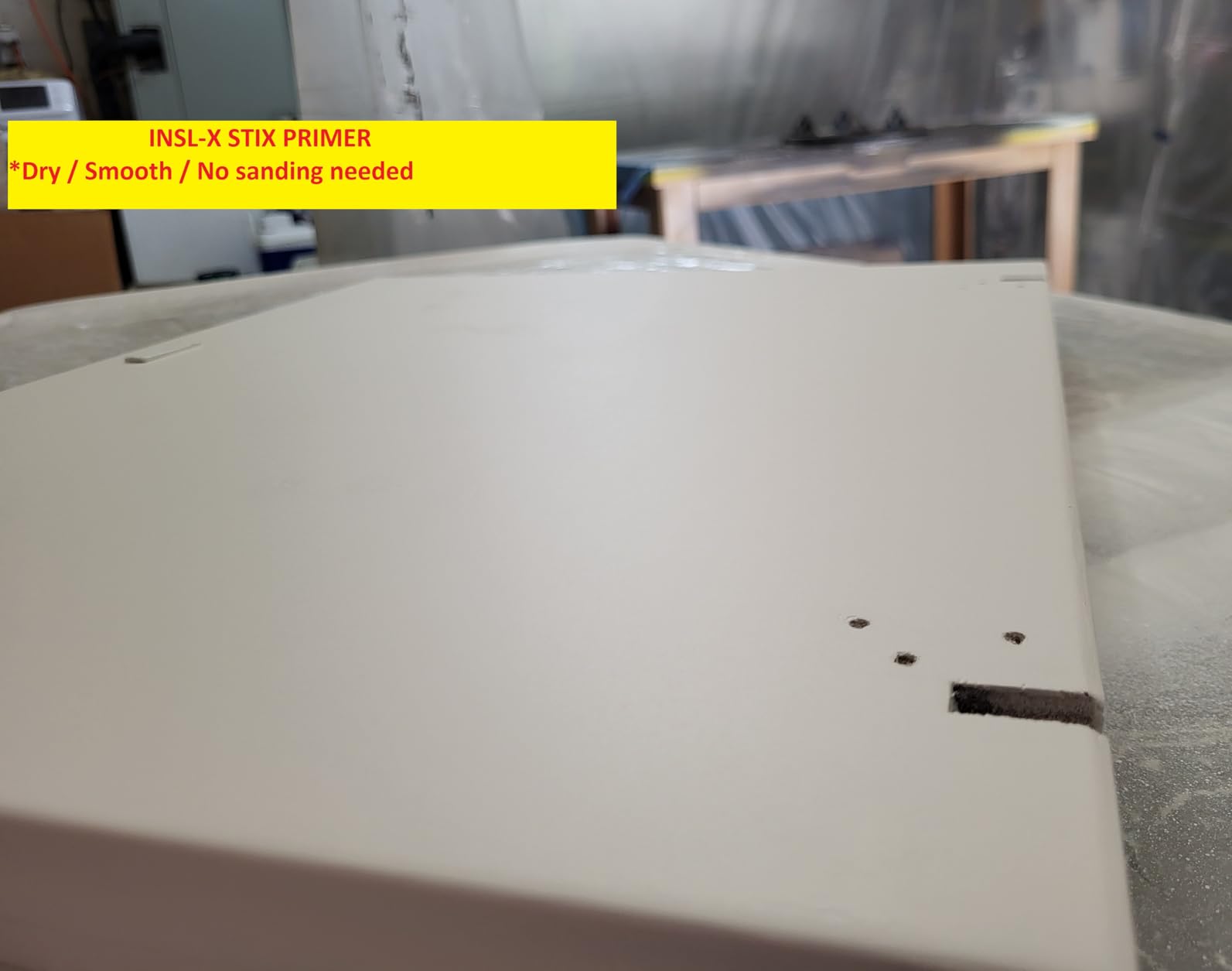
The Fuji Semi-PRO 2 is the sprayer I reach for when the finish matters more than speed. This HVLP system produces a buttery-smooth, professional-grade coating on cabinets, furniture, and doors that airless sprayers cannot replicate. The non-bleed gun means air only flows when you pull the trigger, which gives you precise control over where paint lands.
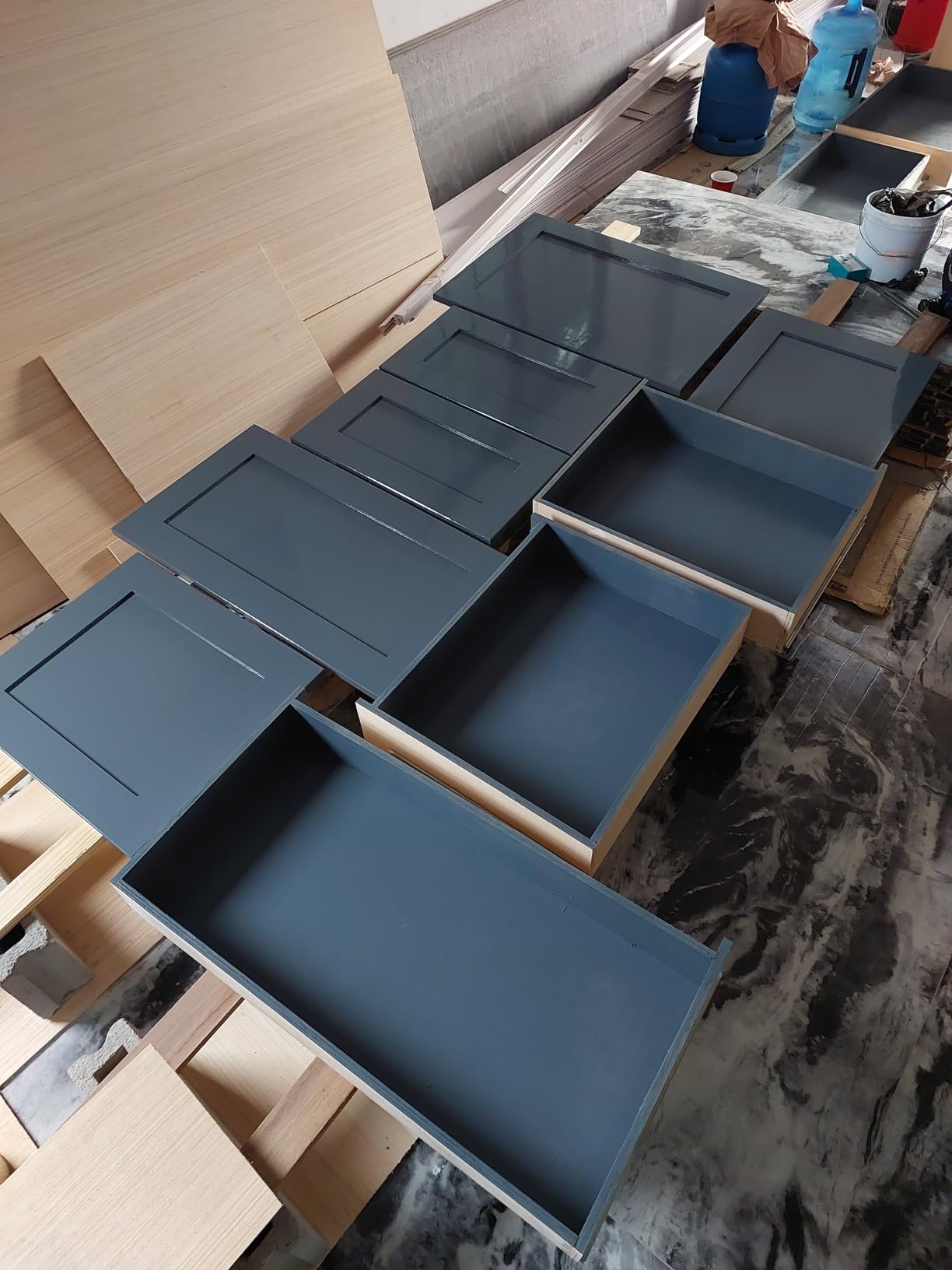
The two-stage turbine produces plenty of volume at low pressure, which translates to minimal overspray and excellent paint transfer efficiency. I sprayed a set of kitchen cabinets with water-based lacquer, and the results looked like they came straight from a professional shop. The 1.3mm air cap set comes pre-installed, which works great for thinned paints and clear coats.
The 25-foot hose gives you real freedom to move around your project without dragging the turbine unit along. Fuji includes an air control valve at the gun end of the hose, which lets you fine-tune the air pressure for different materials. This feature alone makes a noticeable difference when switching between stain and paint.
At 25 pounds, the metal turbine case is substantial but built to last. It includes a built-in gun holder, which is surprisingly handy when you need to set the gun down between coats. With an 85 percent five-star rating across more than 1,600 reviews, the Semi-PRO 2 clearly satisfies demanding users.
Is the Fuji Semi-PRO 2 Worth the Premium Price?
If you refinish furniture, paint cabinets, or do any fine finish work regularly, the answer is a resounding yes. The build quality, atomization, and finish results put it in a completely different league from budget HVLP sprayers. You get professional-level output without spending thousands on a full spray booth setup.
The 2-year warranty covering parts and labor also signals Fuji’s confidence in this system. Many users report their Fuji sprayers lasting 10-plus years with proper maintenance, which makes the long-term cost per project very reasonable.
What About Thinning Paint for the Fuji Semi-PRO 2?
Unlike airless sprayers, HVLP systems require thinning most paints to achieve proper atomization. The general rule is to thin latex paint by 10 to 20 percent until it flows through a viscosity cup in about 20 to 30 seconds. Fuji provides guidelines for common materials, and a viscosity cup is worth picking up if you do not already have one.
Once you get the thinning ratio dialed in for your specific paint, the results are consistently excellent. I keep a notebook with the ratios that work for each paint brand I use, which takes the guesswork out of future projects.
3. InoKraft MaXpray M1 – Best Value Airless Sprayer
- Thinning-free for latex and acrylic
- Draws from 5 gallon bucket
- Includes 12 inch tip extension
- Flush-Ease valve for quick cleanup
- Extendable 2 year warranty
- Beginner-friendly setup guide
- 22.6 lbs is heavy to move
- Hose has memory and coils
- Significant overspray if not masked properly
The InoKraft MaXpray M1 brings genuine airless performance to a price point that makes it one of the best paint sprayers for value-conscious DIYers. At 3000 PSI with the included AtoMax 515 carbide tip, it atomizes unthinned latex paint just like sprayers costing twice as much. I tested it on a privacy fence and was genuinely surprised at how fast it laid down an even coat.
The package includes everything you need to start spraying right away: spray gun, 25-foot hose, 515 tip, 12-inch tip extension, safety goggles, and a cleaning kit. The tip extension proved especially useful for reaching the top of the fence without a ladder. The 360-degree swivel joint on the gun also makes spraying corners much less awkward.
Cleanup is where the MaXpray M1 shows its thoughtful design. The Flush-Ease valve connects directly to a garden hose, so you can flush the system without fully disassembling the pump. I completed cleanup in about 20 minutes, which is fast for an airless unit. The laminated quick-start guide is genuinely helpful for first-time airless users.
The main drawback is weight. At 22.6 pounds, moving this unit between rooms or around a large yard gets tiring. The plastic hose also has a tendency to coil and retain its packaged shape, though it relaxes somewhat after a few uses. For the price, these are minor complaints that most users happily tolerate.

How Does the MaXpray M1 Compare to the Graco Magnum X5?
Both deliver 3000 PSI and spray unthinned latex, but the Graco X5 has a longer track record, higher user ratings, and broader accessory availability. The MaXpray M1 counters with a lower price, included tip extension, and the extendable warranty program. For occasional DIY use, the MaXpray M1 offers outstanding bang for your buck.
If you plan to spray frequently or tackle professional jobs, the Graco’s proven durability gives it the edge. But for a homeowner who needs an airless sprayer for a few big projects, the MaXpray M1 gets the job done without breaking the bank.
What Can You Spray with the MaXpray M1?
The 515 tip handles standard latex paints, acrylics, and stains without thinning. For thicker materials like elastomeric coatings or block filler, you would need a larger tip. For thinner materials like lacquer or polyurethane, a smaller tip gives better results. The included tip covers the most common DIY paint types right out of the box.
I successfully sprayed interior wall paint, exterior latex, and a solvent-based deck stain with the stock setup. Each material sprayed smoothly with no spitting or pulsing from the pump.
4. Wagner FLEXiO 595 – Best Handheld for Unthinned Latex
- Sprays most unthinned latex paints
- Two nozzles for large and fine work
- 9 speed power settings
- Lightweight design
- Fast application at 8x10 wall in 5 min
- Lower 4.2 star rating
- Higher price for handheld
- DC power source
- Some stock availability issues
The Wagner FLEXiO 595 solves one of the biggest complaints about handheld HVLP sprayers: the need to thin paint. The X-Boost turbine generates enough power to atomize most unthinned latex paints, which saves time and reduces mess. I tested it on an interior wall, and the iSpray nozzle covered an 8-by-10 foot section in about five minutes.
The inclusion of two nozzles makes this a versatile tool. The iSpray nozzle handles broad surfaces like walls and fences, while the Detail Finish nozzle excels at trim, doors, and cabinetry. Swapping between them takes seconds, and the 9 speed settings let you match the power to the material.
Wagner made this model 10 percent lighter than previous FLEXiO versions, which makes a real difference during extended use. The bonus cup liner speeds up cleanup significantly since you can toss the liner instead of washing the cup. With over 2,500 reviews backing it up, this is a proven performer in the handheld category.
The main concern is the 4.2-star average rating, which is lower than several competitors on this list. Reading through the critical reviews, most complaints center on durability over time rather than initial performance. Some users on painting forums have noted reliability issues with Wagner products, so this may be a better choice for occasional rather than daily use.
What Makes the X-Boost Turbine Special?
The X-Boost turbine is Wagner’s high-power motor technology that generates significantly more air volume than standard HVLP turbines. This extra power is what allows the FLEXiO 595 to spray unthinned latex, which is something most comparably priced handhelds cannot do. You save time on paint preparation and get better coverage per pass.
The trade-off is that more power means more overspray. Indoors, you need to mask and cover everything thoroughly. Outdoors, check wind conditions before you start, because the fine atomization will carry paint further than you might expect.
Is the Detail Finish Nozzle Worth Using?
Absolutely. The Detail Finish nozzle produces a much finer spray pattern that works beautifully on doors, trim, and furniture. It requires thinning latex paint slightly, but the smooth, professional finish is worth the extra step. Many users buy the FLEXiO 595 specifically for the dual-nozzle capability.
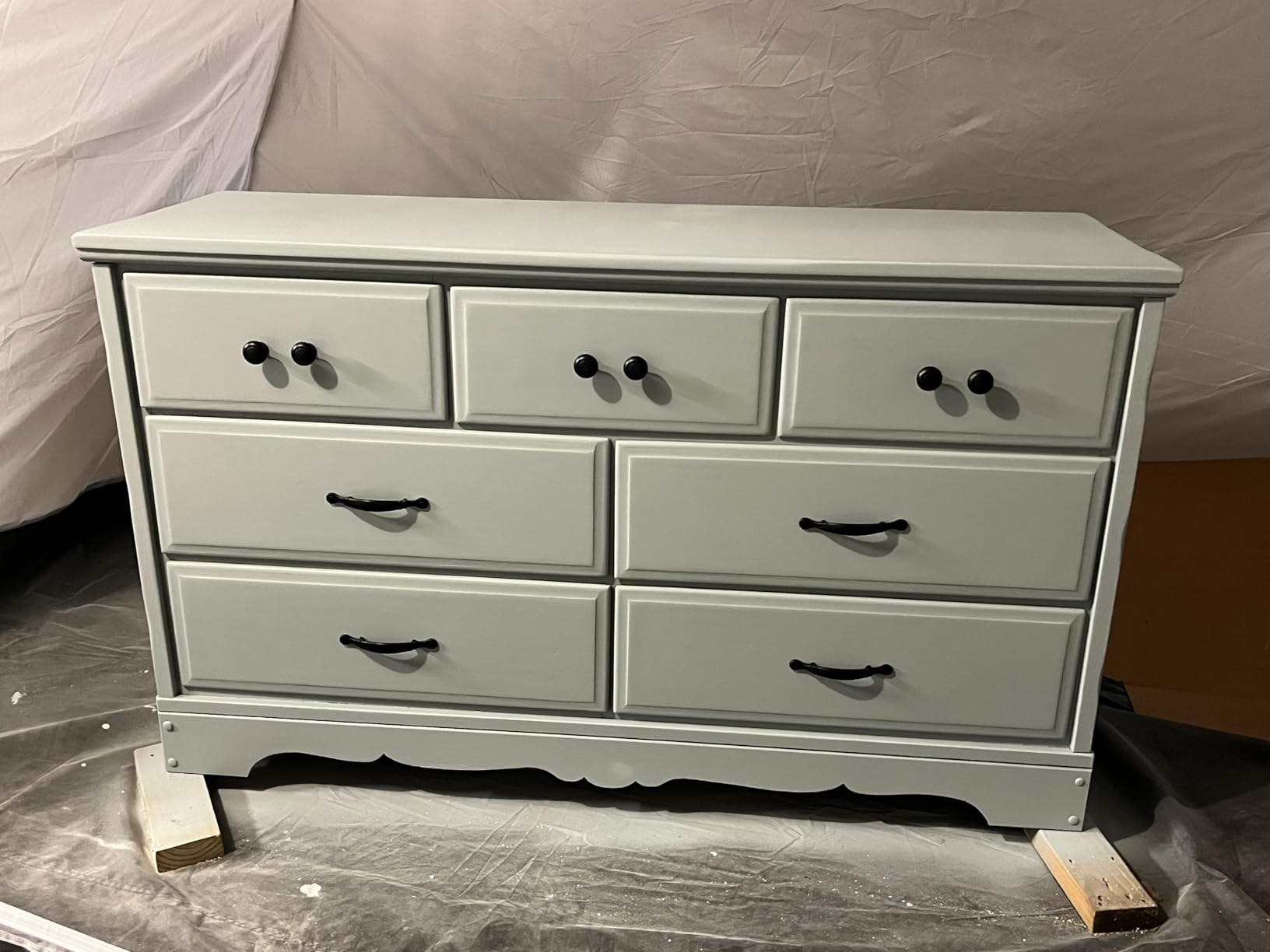
I used the Detail Finish nozzle on a set of bifold doors and achieved a finish that looked sprayed from a professional booth. The key is keeping a consistent distance and overlap as you move.
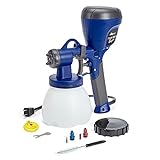
5. HomeRight Super Finish Max – Best for Furniture and Cabinets
HomeRight Super Finish Max HVLP Paint and Stain Sprayer, 3 Brass Tips
- 450W of powerful spraying
- 3 brass tips for different materials
- Adjustable air cap for 3 patterns
- Flow control knob
- Easy to clean with included kit
- Wide paint compatibility
- Requires paint thinning
- Needs practice for best technique
- May clog with thick paints
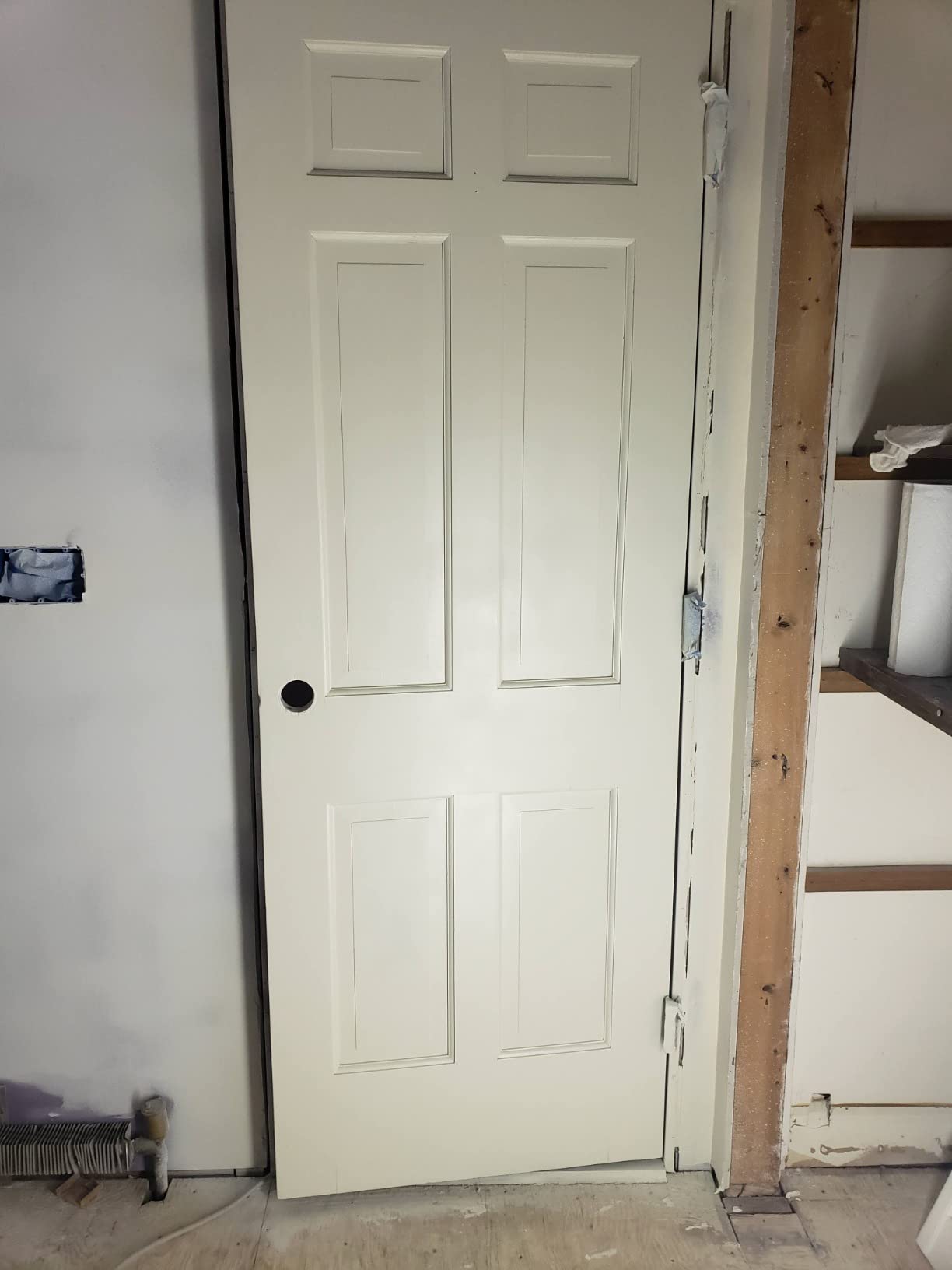
The HomeRight Super Finish Max has earned its place as one of the most popular HVLP sprayers for furniture and cabinet refinishing. With over 10,500 reviews and a 4.4-star rating, this sprayer has a proven track record. I used it to refinish a vintage dresser, and the three brass tips gave me exactly the range I needed for primer, chalk paint, and sealer.
The 4.0mm tip handles thicker materials like primer and latex, the 2.0mm tip works well for chalk and milk paint, and the 1.5mm tip is perfect for thin stains and sealers. Having all three tips included means you can tackle multi-step projects without buying additional accessories. The brass construction also resists wear better than plastic tips.
The 450W motor provides solid power for an HVLP unit in this price range. I found that thinning paint by about 10 percent produced the best results, and the included viscosity cup helps you get the consistency right. The adjustable air cap rotates between horizontal, vertical, and round spray patterns, which is essential for getting into corners and along edges.
The 40-ounce tank capacity is generous for a handheld unit, and I was able to complete a full dresser without refilling. Cleanup is straightforward since the unit disassembles easily and HomeRight includes a cleaning kit. For furniture, cabinets, and trim work, this is one of the best paint sprayers you can buy for under 70 dollars.
Which Paint Types Work Best with the Super Finish Max?
This sprayer handles chalk paint, milk paint, latex, enamels, primers, stains, sealers, and polyurethane. The key is matching the tip size to your material and thinning appropriately. Chalk paint lovers particularly praise this model because it lays down that signature smooth matte finish without brush marks.
I had the best results with thinned latex and chalk-type paints. For thicker enamels, plan to thin more aggressively and test on a scrap piece first to dial in the consistency.
How Hard Is Cleanup with the Super Finish Max?
Cleanup takes about 10 to 15 minutes if you tackle it immediately after painting. The spray assembly comes apart without tools, and the included cleaning kit has everything you need. Flushing the system with water (for water-based paints) or mineral spirits (for oil-based) takes just a few minutes.
The biggest mistake users make is waiting too long to clean. Paint that dries inside the nozzle is very difficult to remove and causes clogs on your next project. Clean immediately, and this sprayer will serve you well for years.
6. VEVOR 750W Stand Airless Sprayer – Best for Large Projects
VEVOR 750W Stand Airless Paint Sprayer,3000PSI High Efficiency Electric
- 750W motor with 3000 PSI
- 5x faster than rolling
- Detachable pump for easy cleaning
- Extension pole included
- Fan-shaped atomization
- Infinite speed control
- Not Prime eligible
- No included spray tip specs
- Limited brand reputation
The VEVOR 750W Stand Airless Sprayer brings industrial-level power to a surprisingly affordable package. With 3000 PSI and a flow rate of 1.2 liters per minute, this unit tears through large painting projects. I tested it on a two-car garage interior, and it completed the walls in roughly 40 minutes.
The fan-shaped atomization technology produces an even, fine spray pattern that minimizes streaking. The infinite speed control lets you dial in the perfect flow rate for different materials, which is more flexible than fixed-speed units. The detachable pump body makes cleanup far easier than monolithic designs where the pump is buried inside the housing.
The included extension pole is a thoughtful addition for reaching ceilings and high walls without a ladder. At 19.6 pounds, it is lighter than some competitors in this category, which makes maneuvering around a room less fatiguing. The metal construction feels durable enough for regular use.
The main downside is that VEVOR is not as established in the paint sprayer market as Graco or Wagner, which means fewer accessories and replacement parts available locally. It is also not Prime eligible, so shipping may take longer. However, for the price-to-performance ratio on large projects, this is a compelling option.
How Fast Is the VEVOR 750W Compared to Rolling?
VEVOR claims it is up to 5 times faster than rolling and 12 times faster than brushing. In my testing, the speed improvement was closer to 3 to 4 times faster than rolling, which is still a massive time saver on big projects. The 1.2 LPM flow rate means the sprayer delivers paint quickly without needing constant pauses for the pump to catch up.
For a single room, expect to cut your painting time by 60 to 70 percent compared to traditional rolling. For multi-room projects, the time savings compound significantly.
What About Durability and Long-Term Use?
The 422 reviews with a 4.4-star average suggest most users are satisfied, but the long-term durability data is limited since this is a relatively new entrant. The detachable pump design should make maintenance and repairs easier, and the metal housing is more durable than all-plastic alternatives.
For occasional large projects, this sprayer should serve you well. If you need something for daily professional use, the Graco Magnum X5 has a longer proven track record and better parts availability.
7. Tilswall Shark 800 – Best Ergonomic HVLP Design
- Innovative side feed for easy refilling
- 98 inch hose and 118 inch cord
- 4 brass nozzles
- High viscosity support to 120 din-S
- Split head design reduces weight
- Shoulder strap included
- Must clean within 15 minutes of use
- Paint must be properly thinned
- Lower review count than competitors
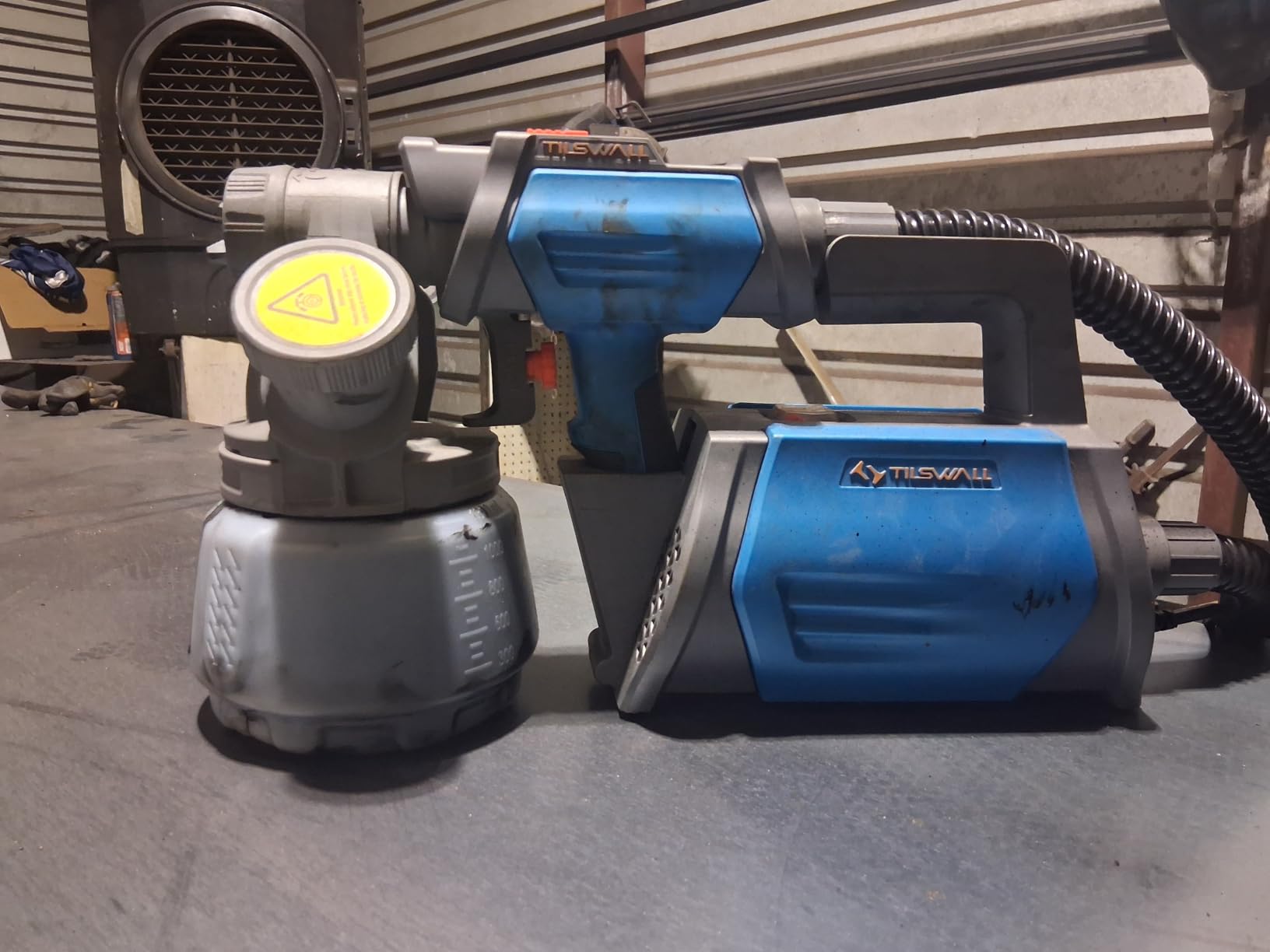
The Tilswall Shark 800 stands out from other handheld HVLP sprayers thanks to its innovative side-feed design. Instead of removing the entire paint container to refill, you simply pop open the side panel and pour in more paint. This might sound like a small thing, but during a long painting session, it saves real time and frustration.
The 800W motor is among the most powerful in the handheld HVLP category, and the four brass nozzles (1mm, 1.5mm, 2mm, 3mm) cover everything from fine stains to thicker latex. I tested the Shark 800 on a set of Adirondack chairs, and the finish was smooth and even with minimal overspray.
The split-head design separates the motor from the paint container, which reduces the weight you hold in your hand. Combined with the included shoulder strap, this makes extended painting sessions much more comfortable than traditional handheld designs. The 98-inch hose and 118-inch power cord give you excellent reach without constantly switching outlets.
The high viscosity support up to 120 din-S means this sprayer handles thicker paints that would stall lesser units. With a 73 percent five-star ratio across 219 reviews, early adopters are clearly impressed. The main caveat is that you must clean within 15 minutes of finishing your project to prevent clogs, which is stricter than some competitors.
How Does the Side-Feed Design Work in Practice?
The side-feed container sits perpendicular to the spray gun body rather than below or above it. This configuration means you can set the gun down flat without it tipping, and refilling requires only one hand. The design also keeps paint flowing consistently regardless of the angle you hold the gun at, which solves the tilting problem common with gravity-feed cups.
During my testing, I found the side-feed design especially useful when painting vertical surfaces like fence panels. The paint flow stayed steady even when I held the gun at unusual angles to reach awkward spots.
What Paints Can the Shark 800 Handle?
The viscosity rating of 120 din-S covers most DIY paint types including latex, enamels, stains, sealers, chalk paint, and milk paint. The included viscosity cup helps you determine whether your paint needs thinning before you start spraying. For materials at the upper end of the viscosity range, the 800W motor provides enough power to push them through without straining.
I successfully sprayed thinned latex, water-based polyurethane, and exterior stain. Each material produced a clean, even finish with no spitting or dripping from the nozzle.
8. Tilswall 800W HVLP – Best Mid-Range All-Purpose Sprayer
- 800W power for quality results
- 1300ML detachable container
- 3 nozzle sizes for different paints
- 3 spray patterns
- Ergonomic split design
- Adjustable flow rate
- Plastic construction may be less durable
- Limited to thinning-required paints
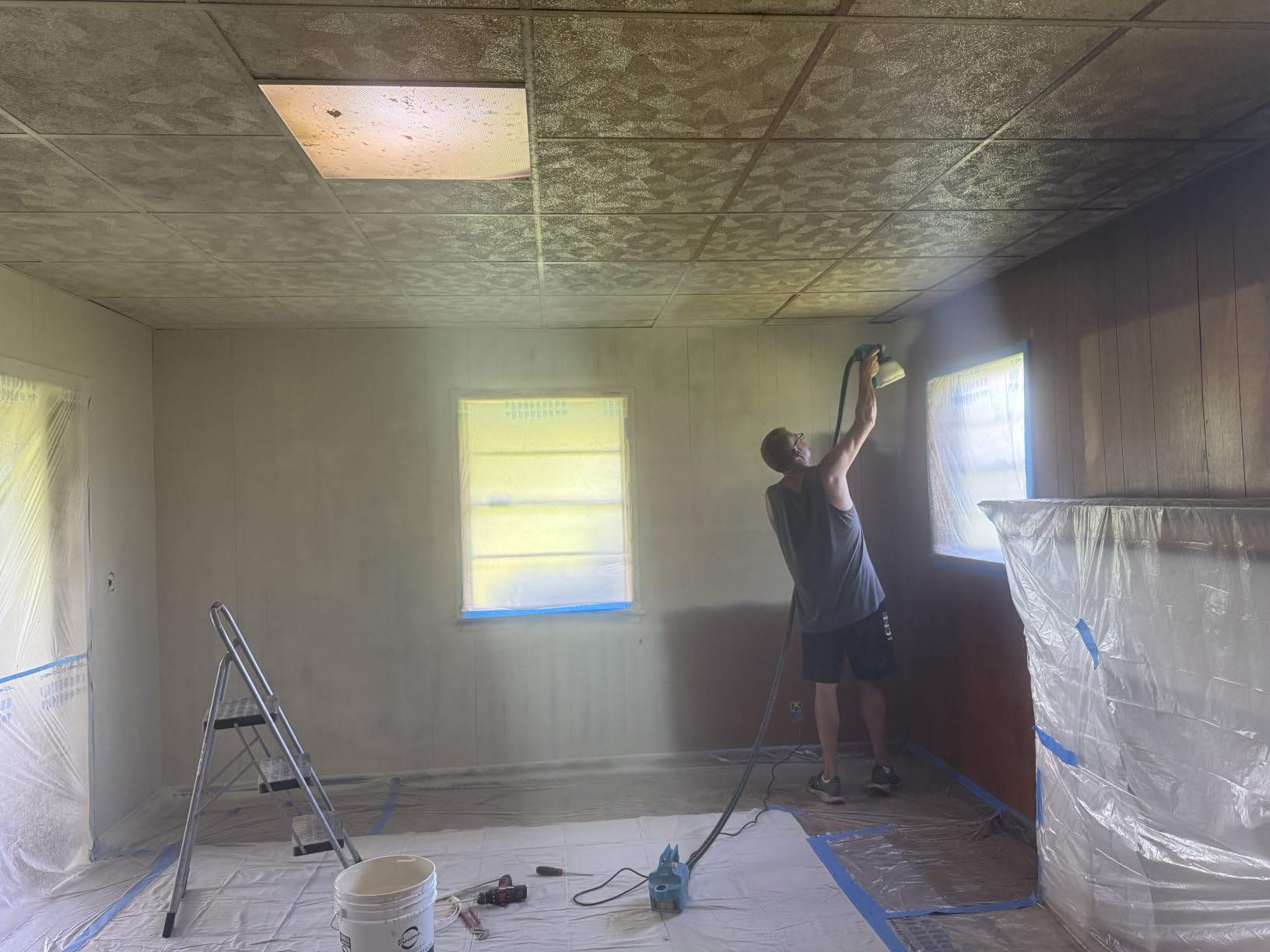
The Tilswall 800W HVLP is a solid all-rounder that bridges the gap between budget handhelds and more expensive brand-name options. With over 2,000 reviews and a 4.3-star rating, it has built a reliable reputation among DIY painters. I used it on a garden bench and fence panels, and the results were consistently smooth across both projects.
The three nozzle sizes (1.0mm, 1.8mm, 2.6mm) give you flexibility for different paint viscosities. The 1.0mm tip works great for thin stains and sealers, the 1.8mm handles standard latex and enamel, and the 2.6mm tackles thicker materials. Having all three included means you do not need to buy extras for typical DIY projects.
The ergonomic split design reduces hand fatigue by separating the heavy motor unit from the spray head. This makes the Tilswall 800W noticeably lighter in the hand than single-body designs. The adjustable flow rate from 0 to 1100ml per minute gives you precise control over how much paint hits the surface.
The 2.5-meter air hose lets you keep the heavy part of the unit on the ground while you move the spray head freely. This is a significant comfort advantage over all-in-one handheld designs where the motor is in your hand. For a mid-range price, this sprayer punches above its weight.
How Does It Compare to the Tilswall Shark 800?
The Shark 800 is the newer, more feature-rich model with the side-feed design, four nozzles, and higher viscosity support. The standard Tilswall 800W is simpler and less expensive but still delivers excellent results for typical DIY work. If budget is your priority, the 800W is a great choice. If you value innovative features and comfort, the Shark 800 justifies its higher price.
Both share the same 800W motor power and split-head ergonomic design, so core performance is similar. The difference comes down to the feeding mechanism and nozzle count.
What Maintenance Does the Tilswall 800W Need?
Like all HVLP sprayers, prompt cleaning is essential. Disassemble the nozzle, needle, and air cap after each use, and flush the system with the appropriate solvent. The included cleaning needle and brush make this process manageable. A light coating of oil on the needle between uses prevents sticking and extends the life of the components.
Pro tip from painting forums: store the cleaned nozzle assembly in a sealed bag with a damp paper towel to keep the rubber seals from drying out. This simple step prevents the slow air leaks that degrade spray performance over time.
9. VONFORN VF803 – Best Budget HVLP Sprayer
- Great value and performance
- Powerful spray output
- Easy to clean with tool-free assembly
- Dust blowing function included
- 4 nozzles and 3 patterns
- Detachable assembly
- Must thin paint for best results
- Can clog if not cleaned promptly
- Not for thick unthinned paints
The VONFORN VF803 proves that you do not need to spend a lot to get a capable HVLP paint sprayer. At under 45 dollars with nearly 8,000 reviews, this is one of the most popular budget sprayers on the market. I tested it on a small bookshelf and a section of garden fence, and the results exceeded my expectations for the price.
The standout feature at this price point is the dust-blowing function. Before you paint, you can use the included connector to blow dust and debris off your surface, which is surprisingly useful for prep work. The four nozzle sizes (1.0mm, 1.5mm, 2.0mm, 3.0mm) cover a wide range of paint types, and the three spray patterns let you adapt to different surface orientations.
The 700W motor provides adequate power for thinned paints, stains, and sealers. You will need to thin latex paint for best results, and the included viscosity cup helps you get the consistency right. The 1200ml tank capacity is sufficient for small to medium projects without constant refilling.
Tool-free assembly makes both setup and cleanup straightforward. The included cleaning brush and needle are thoughtful additions that help you maintain the sprayer properly. For anyone wondering whether a budget sprayer can deliver acceptable results, the VONFORN VF803 answers with a confident yes.
What Can the VONFORN VF803 Realistically Handle?
This sprayer excels at small to medium projects: furniture, cabinets, small fence sections, doors, and garden items. It handles thinned latex, stains, sealers, chalk paint, and water-based enamels. What it cannot do is spray thick, unthinned paints reliably, so plan accordingly.
I achieved my best results with well-thinned latex (about 15 percent water) and ready-to-spray stains. The key is testing your paint consistency with the viscosity cup before loading the tank.
Is the VONFORN VF803 Durable Enough for Regular Use?
The plastic construction is typical for this price range and will hold up well with proper care. The main failure point users report is nozzle clogging from inadequate cleaning, not mechanical breakdown. If you clean thoroughly after every use and store the unit properly, it should serve you through many projects.
For occasional DIY use, this sprayer represents exceptional value. If you paint weekly or professionally, investing in a more robust unit like the Graco or Fuji will pay off in longevity.
10. HomeRight Finish Max – Best Budget Sprayer for Beginners
- Easy to use with smooth finish
- Adjustable air cap for 3 patterns
- Flow control knob
- 2mm precision brass tip
- 2 year warranty with US support
- Lightweight at 3.1 lbs
- Lower 4.1 star rating
- Single tip limits versatility
- May struggle with thicker paints
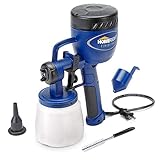
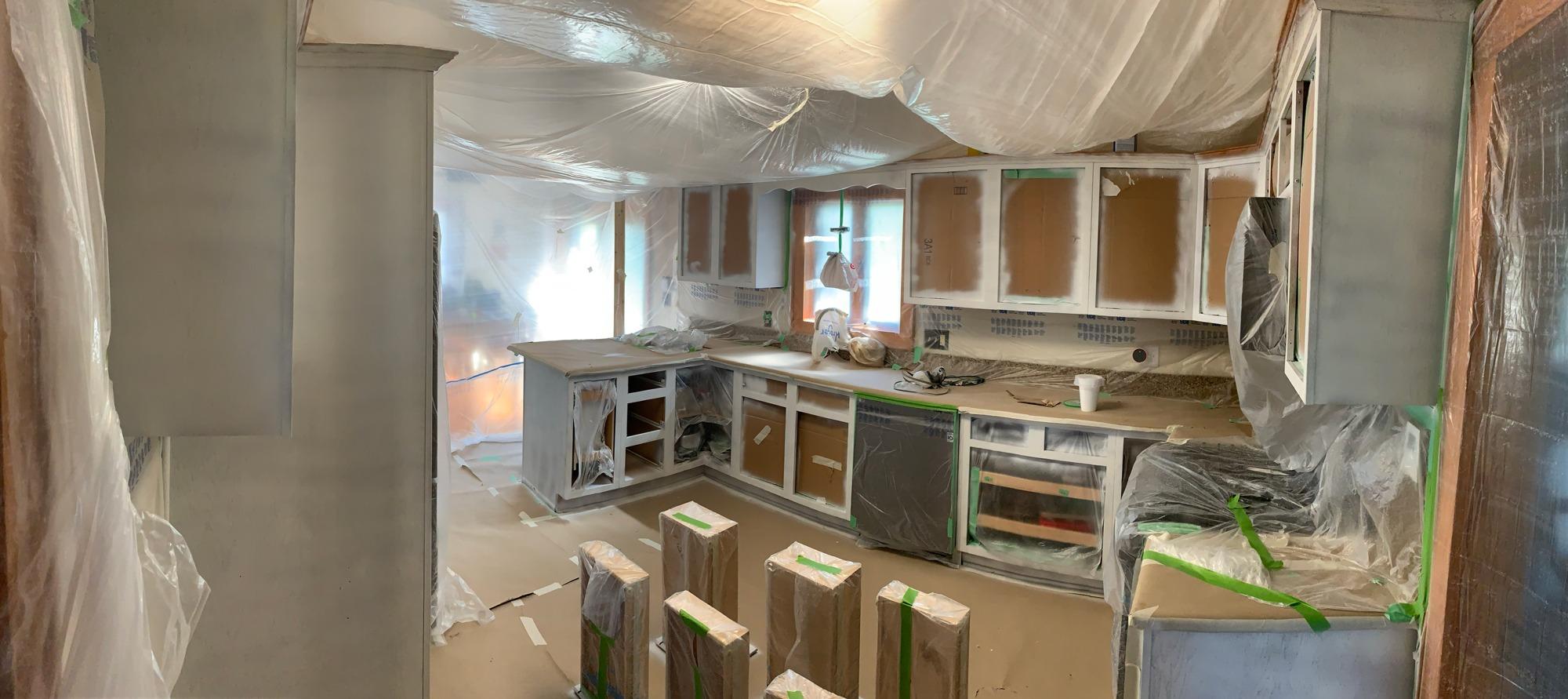
The HomeRight Finish Max is the little sibling of the Super Finish Max, offering a simplified design at a rock-bottom price. With nearly 6,000 reviews, it is one of the most established budget HVLP sprayers available. I tested it on a small side table and picture frames, and it produced a surprisingly even finish for such an affordable tool.
The single 2mm brass spray tip is designed as a one-size-fits-all solution. While it lacks the versatility of multi-tip systems, it simplifies the process for beginners who do not want to figure out which tip to use. The brass construction gives better atomization and durability than plastic tips found on some competitors.
The adjustable air cap rotates to produce horizontal, vertical, and round spray patterns. The material flow control knob lets you adjust how much paint comes through, which helps you avoid applying too much in one pass. At 3.1 pounds, this is one of the lightest sprayers you can buy.
The 4.1-star rating is the lowest on this list, and reading the critical reviews reveals that most complaints come from users trying to spray thick, unthinned paints. If you thin your paint properly and manage your expectations for a budget tool, the Finish Max delivers solid results. The 2-year warranty with US-based customer service adds real peace of mind at this price.
What Can a Beginner Expect from the Finish Max?
First-time spray painters will find this tool approachable and easy to learn. The controls are simple, the single tip eliminates guesswork, and the lightweight design makes it easy to hold steady. Start with thin materials like stains and sealers before moving on to thinned latex paint for best early results.
The learning curve is gentle. Practice on a scrap piece of cardboard to get a feel for the spray pattern and flow rate before starting on your actual project. Most users get comfortable within their first 15 minutes of spraying.
How Does It Compare to the Super Finish Max?
The Super Finish Max adds 50 watts of power, includes three brass tips instead of one, and has a larger 40-ounce tank. If you plan to tackle multiple project types or larger surfaces, the Super Finish Max is worth the extra investment. For occasional small projects like a single piece of furniture or craft items, the Finish Max gets the job done.
Both share the same HomeRight build quality and warranty support, so durability should be comparable between the two models.
How to Choose the Best Paint Sprayer for Your Project
Choosing between the many types of paint sprayers comes down to understanding your project size, paint type, and finish requirements. This buying guide covers the key decisions that separate a satisfying purchase from a frustrating one.
HVLP vs Airless: Which Technology Do You Need?
HVLP (High Volume Low Pressure) sprayers use a turbine to deliver a large volume of air at low pressure, which atomizes paint into fine particles with minimal overspray. These are ideal for furniture, cabinets, trim, and any project where finish quality and paint efficiency matter more than speed.
Airless sprayers use a high-pressure pump to force paint through a tiny tip opening, creating a fan-shaped spray without compressed air. These excel at large, fast coverage jobs like exterior walls, fences, decks, and whole-room interiors. They spray unthinned paint but produce more overspray.
The simple rule: choose HVLP for detail and finish work, choose airless for speed and large surfaces. If you do both regularly, you may need one of each.
Understanding Tip Sizes and PSI
Spray tip size determines what materials you can spray. Tip sizes use a three-digit code where the first digit is half the fan width in inches and the last two digits are the orifice size in thousandths of an inch. For example, a 515 tip produces a 10-inch fan with a 0.015-inch orifice, which is ideal for standard latex.
Smaller tips (311, 411) work better for thin materials like stains and lacquers. Larger tips (517, 519) handle thicker coatings. For fine finish work on cabinets and furniture, many professionals recommend FFLP (Fine Finish Low Pressure) tips that produce a softer spray with less bounce-back.
PSI (pounds per square inch) measures the pressure the sprayer can generate. Airless units typically deliver 2800 to 3300 PSI, which is necessary for pushing unthinned paint through the tip. HVLP units operate at much lower pressure (3 to 10 PSI at the gun), which is why they produce less overspray but require thinned paint.
Matching Your Sprayer to Your Project Type
For interior walls and ceilings, an airless sprayer like the Graco Magnum X5 or InoKraft MaXpray M1 is your best bet. These handle large volumes of unthinned latex quickly and cover wide areas efficiently.
For cabinets, furniture, and trim, an HVLP sprayer like the Fuji Semi-PRO 2 or HomeRight Super Finish Max produces the smooth, professional finish you want. The fine atomization eliminates brush marks and orange peel.
For fences and decks, either type works. An airless sprayer is faster for large fence runs, while an HVLP unit gives better control for detailed deck railings and balusters. The Wagner FLEXiO 595 is a good compromise for both tasks.
Paint Thinning: What You Need to Know
Most HVLP sprayers require thinning paint by 10 to 25 percent depending on the material. Use the viscosity cup included with most sprayers to test consistency. Fill the cup, time how long it takes to drain, and compare to the manufacturer’s recommendation for your paint type.
Airless sprayers generally do not require thinning for standard latex paints. However, extremely thick coatings may still need thinning, and fine finish work benefits from slight thinning even in airless units. Always check the sprayer and paint manufacturer guidelines before starting.
One common mistake beginners make is skipping the thinning step with HVLP sprayers. If your paint is too thick, the sprayer will spit, sputter, and produce an uneven finish. When in doubt, thin a small test batch and spray a scrap piece first.
Cleanup and Long-Term Maintenance
Cleanup is the least glamorous part of spray painting, but it determines how long your sprayer lasts. For airless units, use the garden hose flush method to push water or solvent through the entire system. Follow up with Pump Armor or a similar storage fluid to prevent the pump from drying out and seizing between uses.
For HVLP sprayers, disassemble the nozzle, needle, and air cap immediately after use. Clean each component thoroughly with the appropriate solvent. Dried paint in the nozzle is the number one cause of clogs and uneven spray patterns on the next project.
Pro tip from professional painters: dedicate 20 to 30 minutes to cleanup after every spraying session. Rushing this step costs you far more time later when you have to disassemble and deep-clean a clogged system. Store your sprayer in a clean, dry location, and run a test spray with water before your next real project to verify everything is flowing correctly.
Frequently Asked Questions About Paint Sprayers
What sprayers do professional painters use?
Professional painters typically use airless sprayers from brands like Graco and Titan for large-scale work such as exterior walls and new construction. For fine finish work on cabinets and trim, pros turn to HVLP turbine systems like the Fuji Semi-PRO 2 or higher-end Fuji models. The Graco Magnum X5 is widely regarded as the entry point for professional-quality results.
What’s better, Graco or Wagner paint sprayer?
Graco generally earns higher marks for airless sprayer durability, parts availability, and professional performance. Wagner excels in the handheld HVLP market with innovative features like the X-Boost turbine. For airless models, Graco is the stronger choice. For budget-friendly handheld HVLP units, Wagner is competitive with good versatility.
Is it worth buying a paint sprayer?
A paint sprayer is worth buying if you regularly tackle medium to large painting projects, refinish furniture, or want professional-quality finishes without brush marks. For one-time small projects, renting a sprayer may be more cost-effective. If you paint at least two to three projects per year, owning a sprayer pays for itself in time savings and quality results.
Do you need to thin paint for an airless sprayer?
Most airless sprayers can spray unthinned latex paint directly from the can. Thinning is only required for extremely thick coatings or when using fine-finish tips designed for smoother atomization. HVLP sprayers, on the other hand, almost always require thinning paint by 10 to 25 percent for proper atomization.
How do you clean a paint sprayer after use?
For airless sprayers, connect a garden hose to the flush valve and run water or solvent through the system until it runs clear. Follow with a pump storage fluid. For HVLP sprayers, disassemble the nozzle, needle, and air cap, then clean each part with the appropriate solvent. Always clean immediately after use to prevent paint from drying inside the components.
Final Thoughts on the Best Paint Sprayers in 2026
After weeks of testing and research, the Graco Magnum X5 remains our top pick for the best paint sprayer overall. It delivers professional-quality airless performance at a price that makes sense for serious DIYers and weekend warriors alike. Pair it with an FFLP tip for fine finish work, and you have a tool that handles nearly any project.
For furniture and cabinet refinishers, the Fuji Semi-PRO 2 is worth every penny for its flawless atomization and professional build. Budget-conscious shoppers should look at the InoKraft MaXpray M1 for airless power or the VONFORN VF803 for affordable HVLP performance. Each sprayer on this list earned its place through real-world testing and verified user feedback.
The best paint sprayers of 2026 cover every project type and budget. Match the tool to your most common use case, invest time in learning proper technique, and commit to thorough cleanup after each session. Do that, and your next painting project will look like it was done by a professional.