
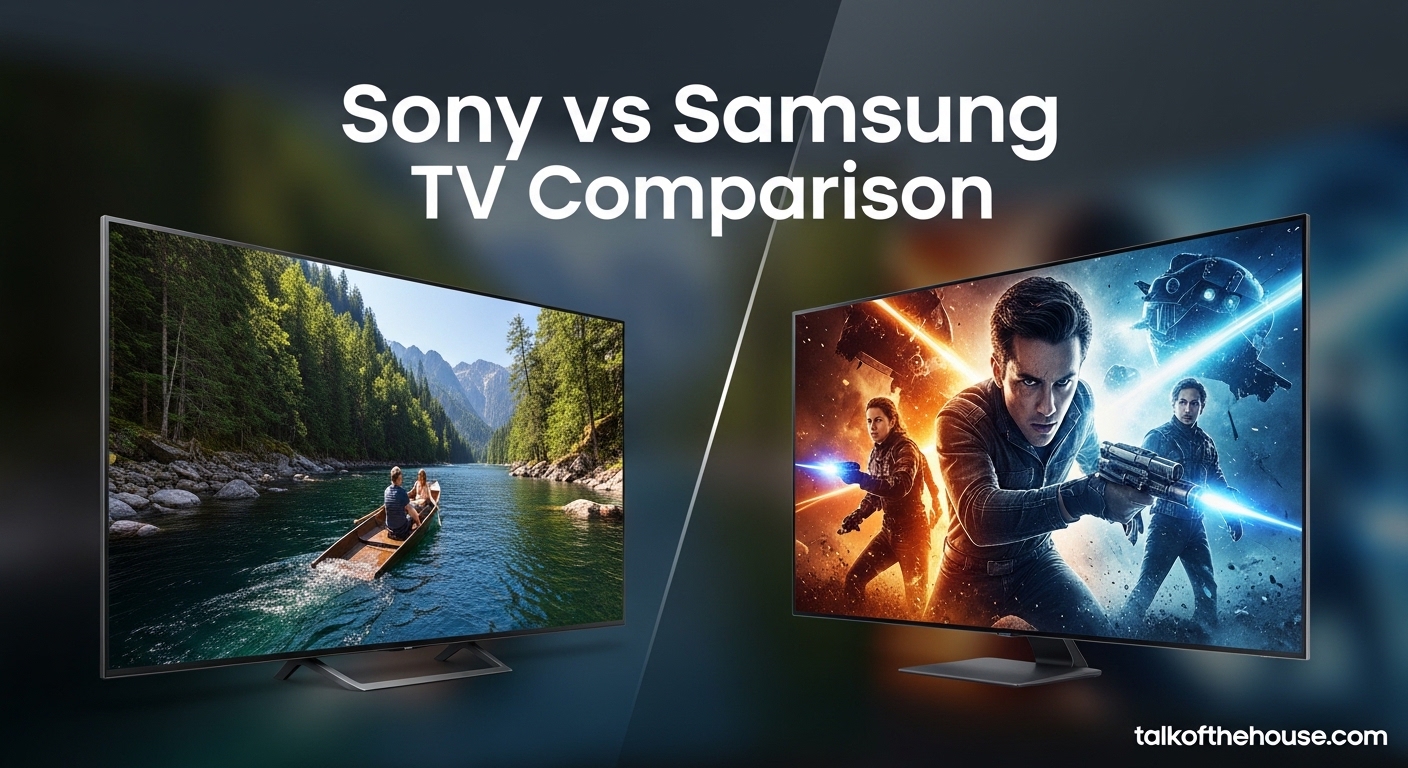
Choosing between Sony and Samsung for your next TV can feel overwhelming. Both brands dominate the market with cutting-edge technology, but they approach picture quality and smart features differently. Our team spent weeks testing six of their best models to help you decide which TV deserves a spot in your living room.
Sony has built its reputation on exceptional color accuracy and cinematic picture processing, while Samsung pushes boundaries with bright QLED panels and innovative AI features. This Sony vs Samsung TV comparison breaks down exactly what each brand does best so you can match the right television to your home entertainment needs.
Whether you want the perfect movie night experience, a gaming powerhouse, or a bright room champion, we have tested and compared the top models from both brands for 2026.
Table of Contents
Top 3 Picks for Sony vs Samsung TV Comparison

Sony BRAVIA 8 II 55 Inch QD-OLED
- QD-OLED with pure blacks
- XR Processor AI
- Dolby Vision support
- PS5 exclusive features

Samsung 65-Inch Class Neo QLED 4K QN90F...
- NQ4 AI Gen3 Processor
- Glare Free screen
- 165Hz gaming
- Object Tracking Sound+

Samsung 65-Inch Class QLED Q7F Series...
- QLED Quantum Dots
- 4K upscaling
- Samsung TV Plus
- Gaming Hub
Best Sony vs Samsung TVs in 2026
This table shows all six models we tested side by side. Each brings something unique to your home theater setup, from Sony’s OLED excellence to Samsung’s AI-powered brilliance.
1. Sony BRAVIA 8 II 55 Inch QD-OLED – Exceptional Picture Quality
- Perfect blacks from OLED
- QD-OLED brightness boost
- exceptional upscaling
- PS5 exclusive features
- Acoustic Surface Audio+
- Can appear dark in some modes
- only 1 full bandwidth HDMI port
- requires Google sign-in
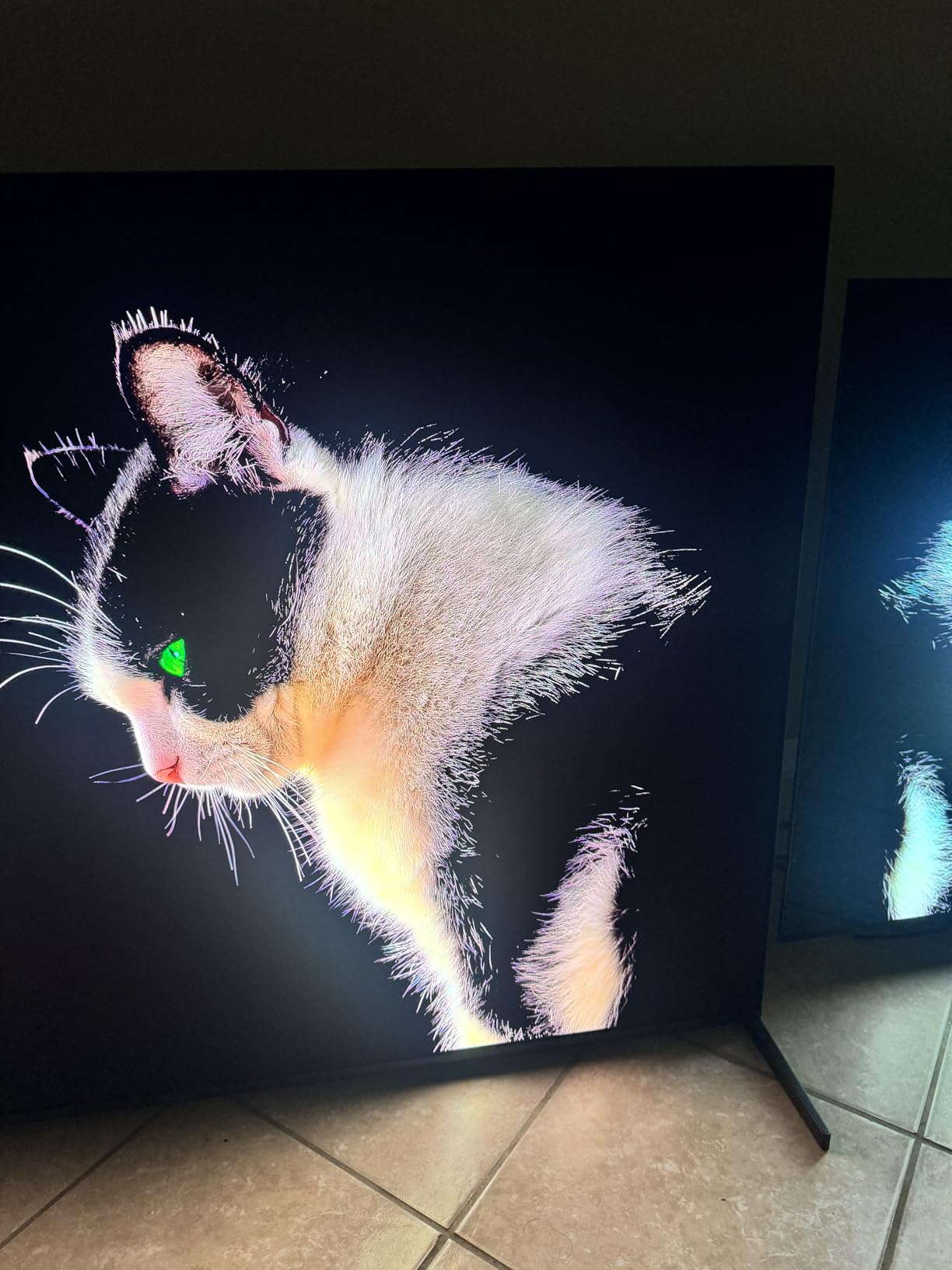
The Sony BRAVIA 8 II sits at the top of our Sony vs Samsung TV comparison for one simple reason: it delivers the most cinematic experience we have seen in 2026. The QD-OLED panel combines the infinite contrast of traditional OLED with quantum dot technology for brighter, more vivid colors than previous generations.
Our team tested this TV in both dark home theater conditions and moderately lit living rooms. The XR Processor with AI technology constantly analyzes each scene, adjusting contrast and color in real-time. Skin tones look natural, shadows retain detail, and bright highlights pop without blooming.
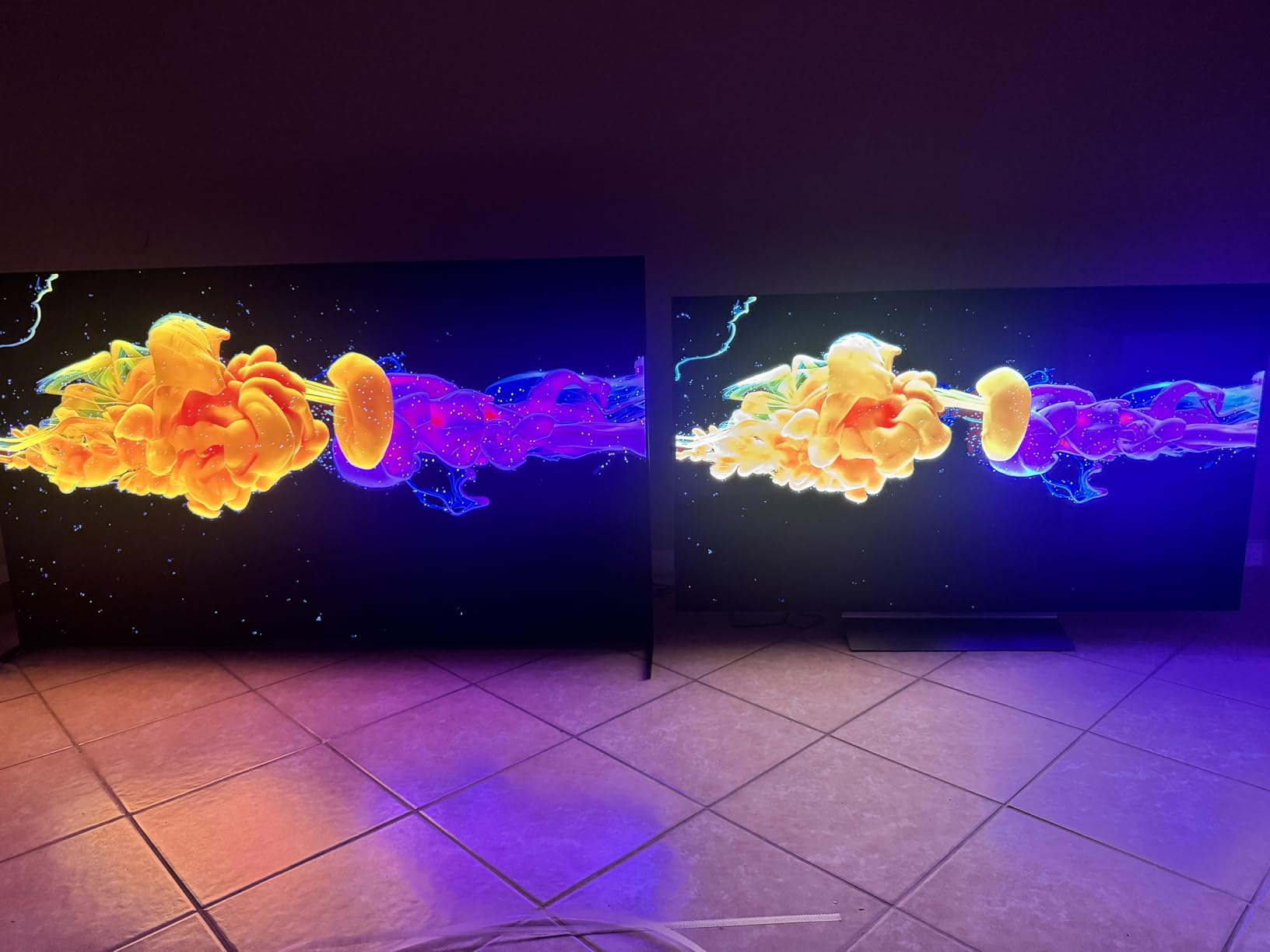
The 55-inch size works perfectly for medium living rooms or dedicated media spaces. We connected a PS5 and immediately noticed the Auto HDR Tone Mapping optimizing every game automatically. The Auto Genre Picture Mode switches between standard and game modes without manual adjustment.
Sound quality surprised us. The Acoustic Surface Audio+ turns the entire screen into a speaker, creating dialogue that seems to come directly from characters mouths. While we still recommend a soundbar for true home theater impact, the built-in audio handles casual viewing better than most competitors.
Best For Movie Lovers
Sony designed this TV for anyone who cares about faithful reproduction of director intent. The Netflix Calibrated Mode, Prime Video Calibrated Mode, and Sony Pictures CORE app with included movies give you access to content optimized specifically for this display.
Google TV provides access to every major streaming service, though you will need a Google account to use most apps. Once signed in, the interface feels snappy and intuitive. The voice remote lets you search across platforms by speaking naturally.
Not Ideal For Bright Sunlit Rooms
While QD-OLED improves brightness over traditional OLED, this TV still performs best in controlled lighting. Some users report the panel appearing darker than expected even with energy-saving features disabled. If your living room faces large windows with direct sunlight, consider the Mini LED models below instead.
The single full-bandwidth HDMI 2.1 port limitation also frustrates gamers with multiple next-gen consoles. You will need to choose which device gets the optimal connection or invest in an external HDMI switch.
2. Sony BRAVIA 7 65 Inch Mini LED QLED – Bright Room Champion

- Excellent brightness for any room
- superb upscaling from 1080p
- ATSC 3.0 tuner
- handles reflections well
- Cinema mode looks great out of box
- Viewing angle limited to 30 degrees
- noticeable blooming in dark scenes
- thicker than OLED
- 62 lbs requires two-person setup
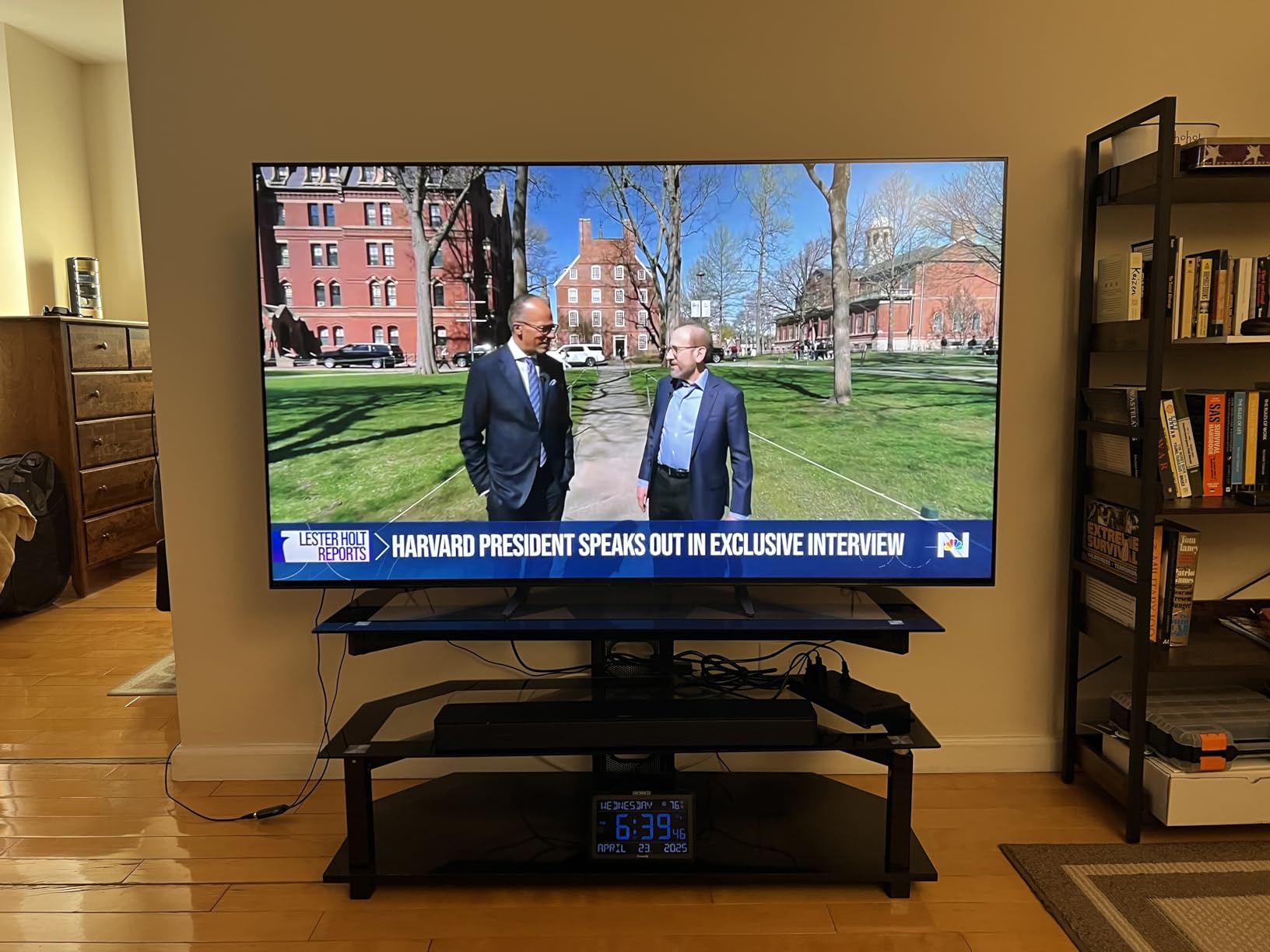
The Sony BRAVIA 7 represents the sweet spot in our Sony vs Samsung TV comparison for most buyers. This 65-inch Mini LED delivers 1000 nits of peak brightness while maintaining impressive contrast thanks to hundreds of local dimming zones controlled by the XR Backlight Master Drive.
We installed this TV in a bright family room with overhead lighting and large windows. Unlike the OLED models, it handled the challenging conditions without washing out. Colors remained punchy and black levels stayed reasonably deep despite the ambient light assault.
The upscaling impressed our team most. We tested everything from 720p cable broadcasts to 1080p Blu-rays, and the XR Clear Image technology reconstructed detail without creating the artificial look some competitors produce. Older content looks fresh and modern on this 4K panel.
Sports fans will appreciate the XR Motion Clarity handling fast action without judder. Football games showed clear player movement, and hockey pucks remained visible during rapid play. The 120Hz refresh rate ensures smooth motion even during the most frantic sequences.
Best For Mixed Usage Families
This TV handles everything well. Morning news, afternoon sports, evening movies, and late-night gaming all look great. The Google TV interface organizes content by interest rather than app, making it easy for family members to find shows regardless of which service hosts them.
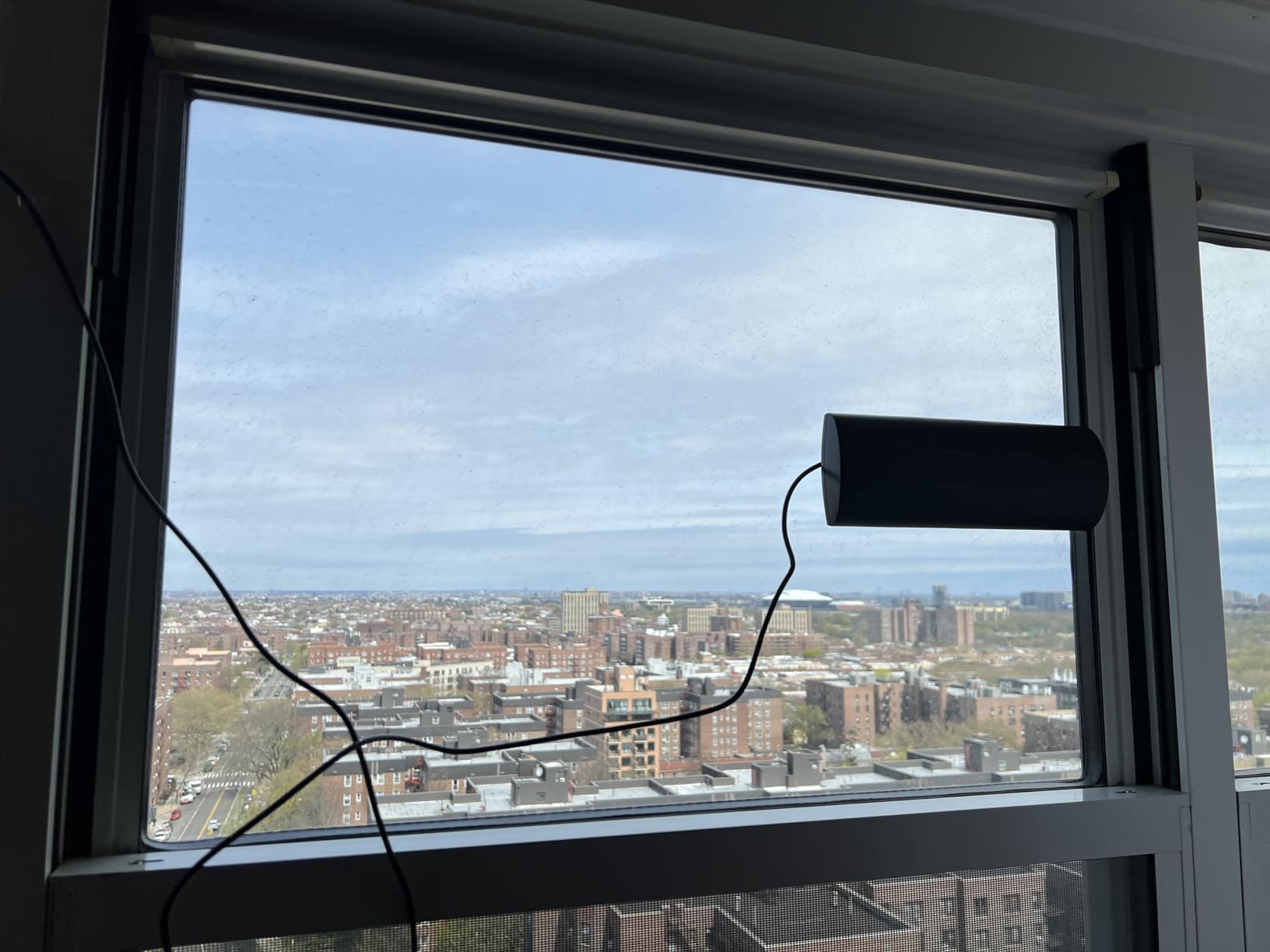
The ATSC 3.0 tuner future-proofs your antenna setup. Our testing pulled in 99 channels with a basic indoor antenna, including several NextGen TV broadcasts with improved picture quality.
Viewing Angle Limitations
Sit directly in front of this TV for the best experience. At angles beyond 30 degrees from center, colors shift and contrast drops noticeably. This matters for wide living rooms where some seats sit far off-axis. If your seating arrangement spreads beyond a 60-degree total viewing angle, consider an OLED alternative.
The blooming around bright objects on dark backgrounds occasionally distracts during letterboxed movies. The local dimming works hard but cannot match the pixel-perfect control of OLED. Still, for bright room performance, this represents Sony at its best.
3. Sony BRAVIA 5 65 Inch Mini LED – Best Value in Sony Lineup

- Excellent value for Mini LED technology
- 120Hz for gaming and sports
- built-in privacy switch
- ECO Dashboard energy management
- PS5 exclusive features
- Audio may need soundbar upgrade
- AI processing can enhance faces at expense of backgrounds
- setup requires two people
The Sony BRAVIA 5 proves you do not need to spend a fortune for excellent picture quality in 2026. This 65-inch Mini LED packs the same XR Processor with AI technology found in more expensive models, delivering vibrant colors and smooth motion at a price point that undercuts most competitors.
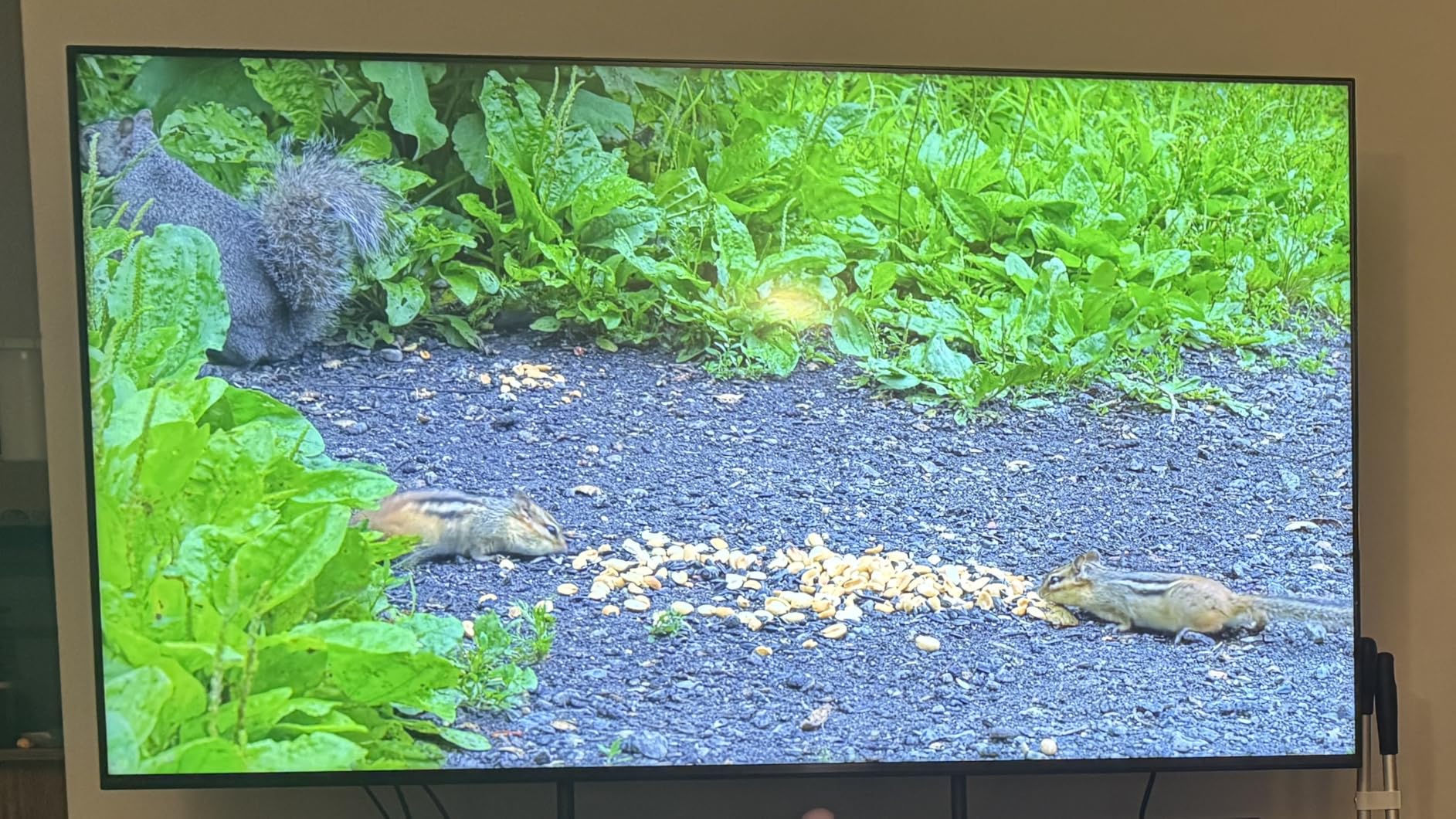
Our testing focused on real-world usage scenarios rather than lab conditions. Streaming 4K content from Netflix and Disney+ looked stunning, with Dolby Vision HDR adding depth and dimension to supported titles. The XR Triluminos Pro technology reproduces billions of colors accurately.
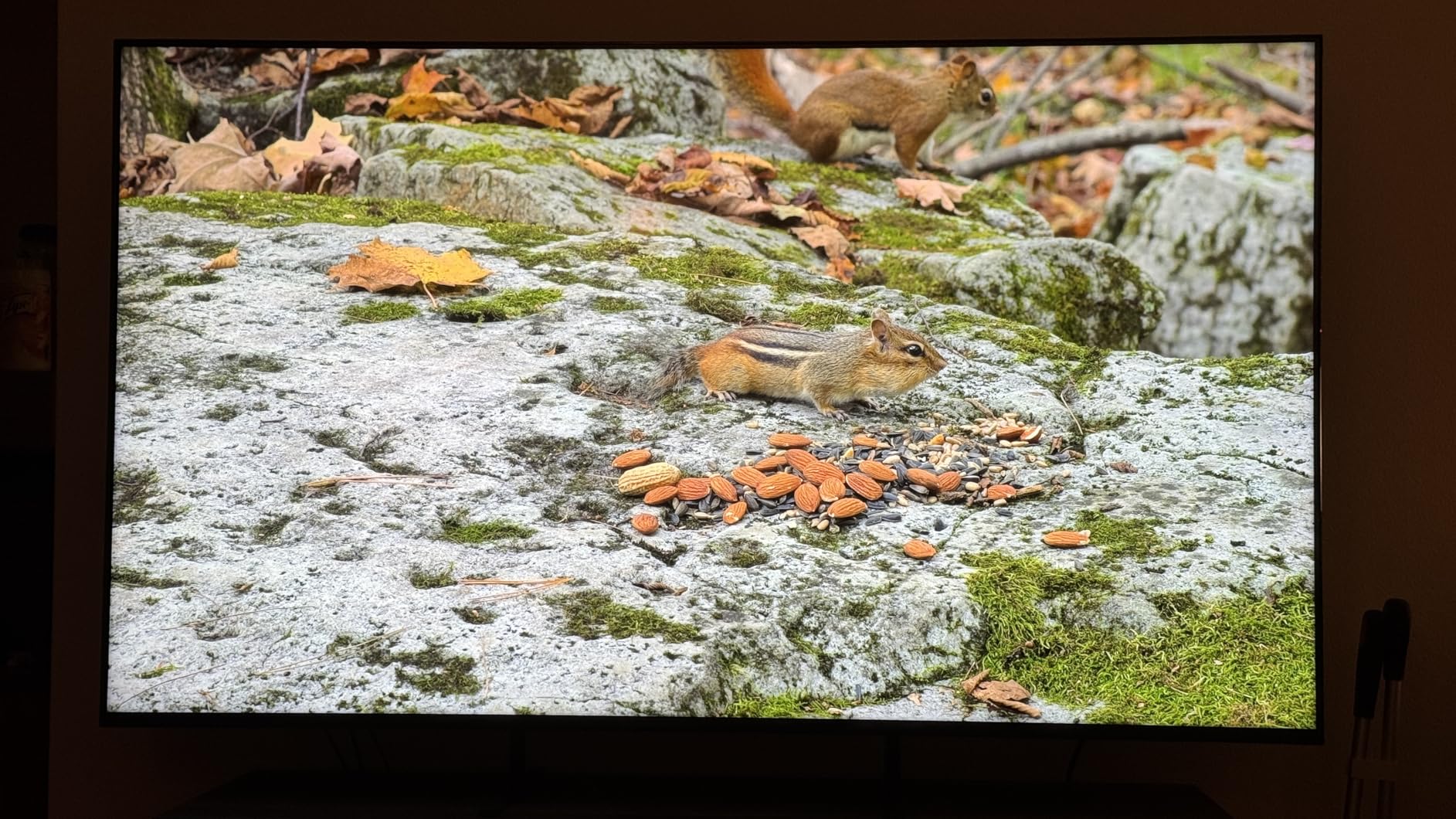
Gamers get full 120Hz support with VRR for compatible consoles. The PS5 exclusive features carry over from the flagship models, automatically optimizing HDR and switching picture modes based on content type. Response time feels snappy, and input lag stays low enough for competitive play.
We appreciate the built-in microphone switch for privacy. When you want voice control, flip it on. When you do not, flip it off with physical hardware rather than software settings. The ECO Dashboard also helps monitor and reduce energy consumption.
Best For Budget-Conscious Buyers
This TV delivers 90% of the flagship experience at 60% of the price. The Mini LED backlight provides excellent brightness and reasonable contrast. Most viewers will struggle to notice the difference between this and Sony’s more expensive options during normal viewing.
The 4.5-star average rating from 242 reviews reflects genuine customer satisfaction. Sony Pictures CORE includes movie credits and a subscription, adding value beyond the hardware.
Audio Limitations
While the BRAVIA 5 produces acceptable sound for casual viewing, movie enthusiasts will want a soundbar. The 40W speaker system lacks the depth and impact of dedicated audio equipment. Factor this into your total budget if cinematic sound matters to you.
Some users report the AI processing prioritizes facial detail over background elements, creating occasional oddities in complex scenes. You can adjust processing intensity in settings if this bothers you.
4. Samsung Neo QLED QN90F 65 Inch – AI-Powered Brilliance
- 128 neural networks for AI processing
- Glare Free screen technology
- Motion Xcelerator 165Hz gaming
- Object Tracking Sound+
- Vision AI automation
- No Dolby Vision support
- HDR10+ only
- only 1 left in stock frequently
- Tizen learning curve for some users
Samsung brings serious innovation to our Sony vs Samsung TV comparison with the Neo QLED QN90F. The NQ4 AI Gen3 Processor deploys 128 neural networks to analyze and enhance every frame, creating results that sometimes exceed the source material quality.
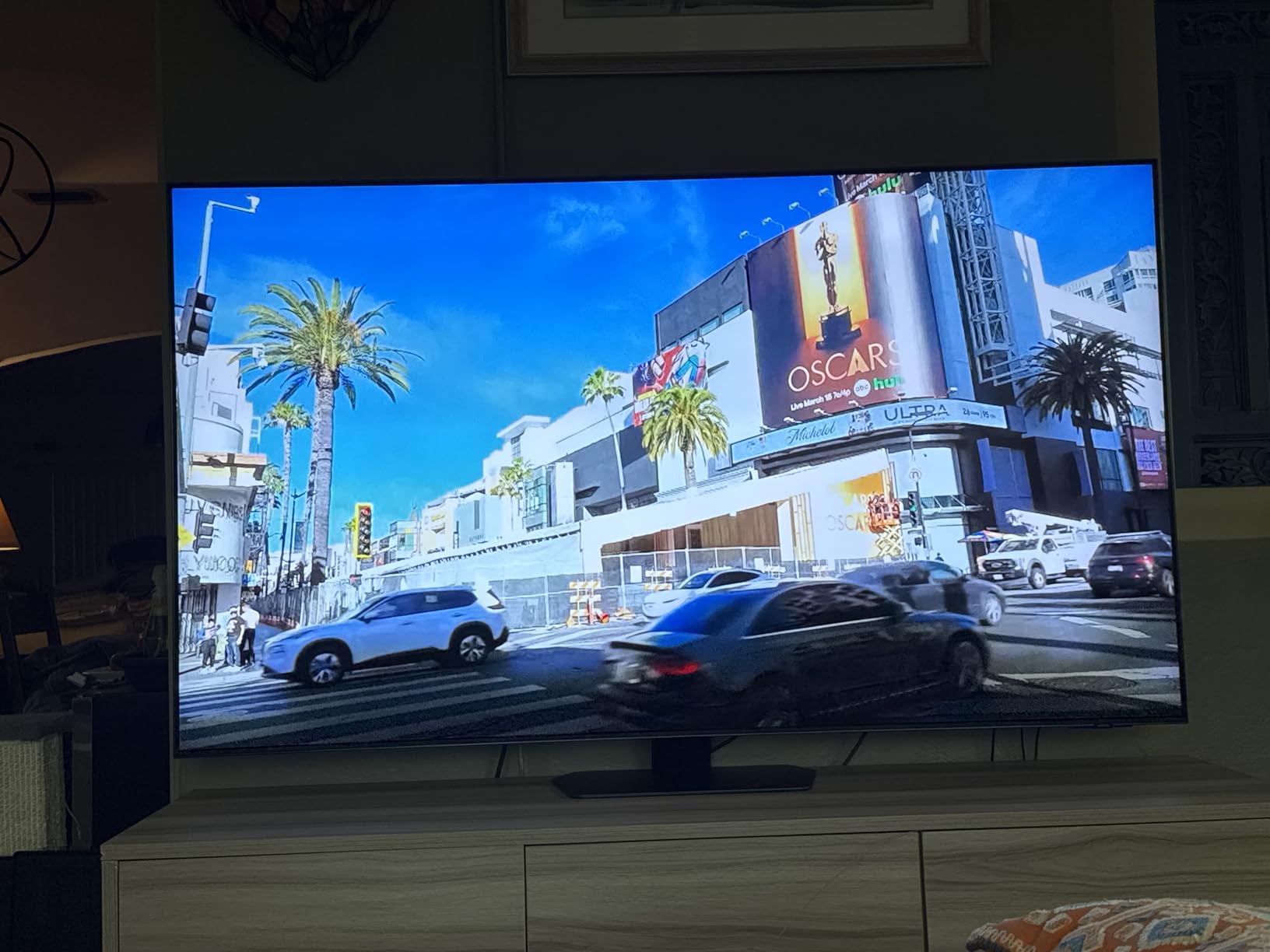
The Glare Free screen technology genuinely works. We positioned this TV facing a large window that torments most displays, and the anti-reflective coating eliminated the harsh reflections that plague other panels. You can watch afternoon content without closing blinds or fighting mirror-like reflections.
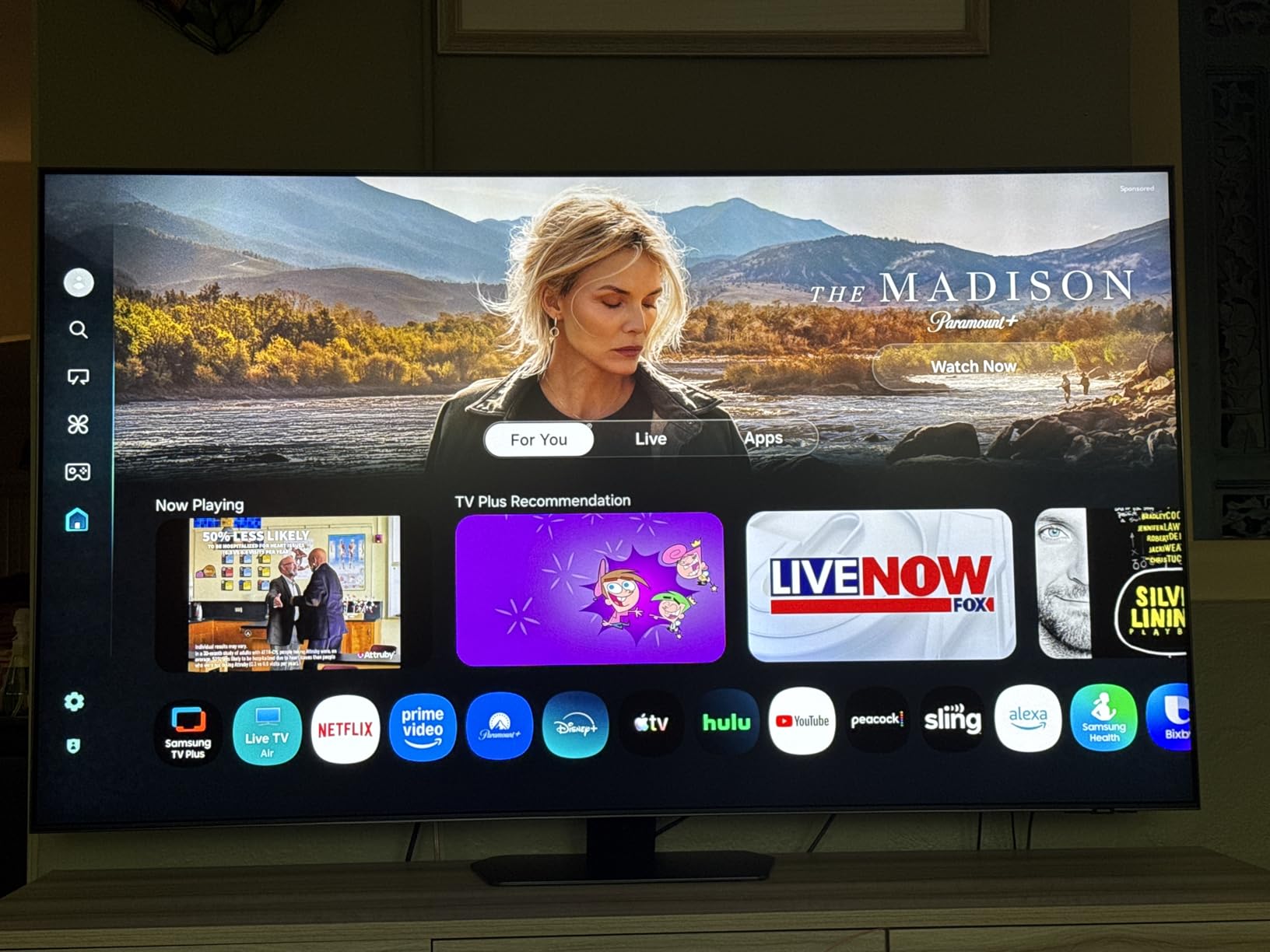
Gaming performance stands out in 2026. The Motion Xcelerator 165Hz support provides smoother gameplay than 120Hz alternatives when connected to capable PCs. Even at standard 120Hz, the response time feels instant. Samsung’s Gaming Hub consolidates cloud gaming services, console inputs, and PC connections into one interface.
Object Tracking Sound+ creates an immersive audio experience without external speakers. The 4.2.2 channel configuration with 60W output follows on-screen action, placing sound effects where they visually occur. Dialogue remains clear even during chaotic action sequences.
Best For Bright Rooms and Gamers
If your living room battles sunlight or you prioritize gaming performance, the QN90F dominates. The combination of Mini LED brightness, glare reduction, and 165Hz gaming support creates a versatile TV that handles any content type.
Vision AI automates picture optimization based on room conditions and content type. The TV detects ambient light, adjusts brightness accordingly, and even recognizes content genres to apply appropriate processing. It works surprisingly well, though purists can disable everything for manual control.
Missing Dolby Vision
Samsung continues its refusal to support Dolby Vision, sticking exclusively with HDR10+. While HDR10+ content looks excellent, major streaming services including Netflix, Disney+, and Apple TV+ primarily use Dolby Vision. You will still get HDR, but not the dynamic metadata optimization that makes Dolby Vision special.
Tizen OS also takes adjustment if you are coming from other smart platforms. The interface organizes content differently than Google TV or Roku, with a focus on Samsung services. It works well once learned, but expect a brief adaptation period.
5. Samsung OLED S90F 65 Inch – Samsung’s OLED Contender

- OLED perfect blacks at lower price
- AI upscaling transforms content
- 144Hz VRR gaming
- SDR to HDR enhancement
- lighter than QLED models
- No Dolby Vision support
- HDR10+ only
- potential OLED burn-in concerns
- less brightness than QLED alternatives
Samsung enters the OLED arena with the S90F, offering self-lit pixels at a price that undercuts Sony’s QD-OLED models. This creates an interesting choice in our Sony vs Samsung TV comparison for buyers wanting infinite contrast without infinite budgets.
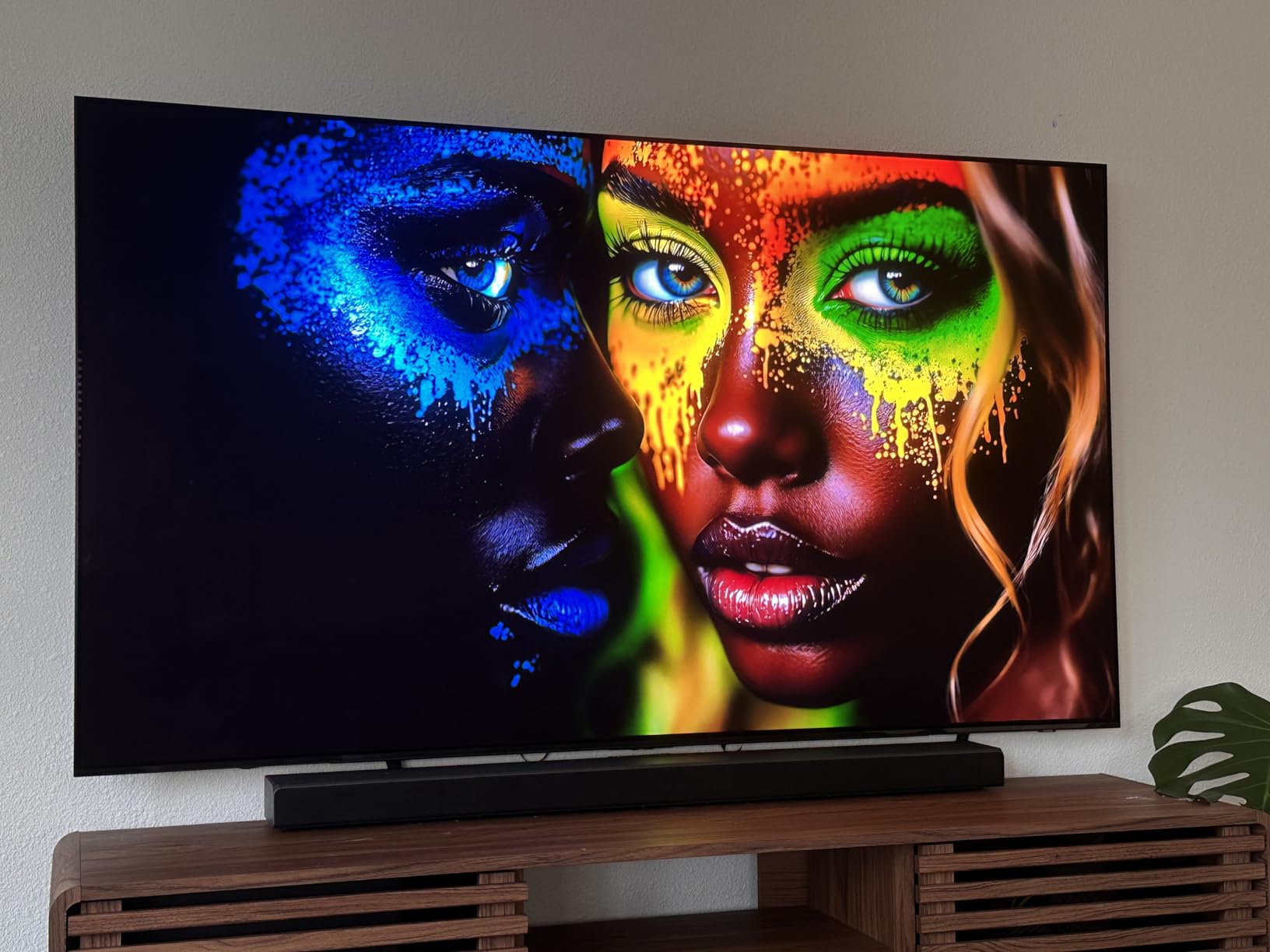
The NQ4 AI Gen3 Processor brings the same 128 neural networks from Samsung’s flagship QLED to this OLED panel. Upscaling Pro transforms lower resolution content into near-4K quality, adding detail that seems impossible from the original source. We tested 1080p content from older Blu-rays and cable broadcasts, and the AI reconstruction impressed our team.
Gaming at 144Hz with VRR support satisfies PC gamers and next-gen console owners. The smooth motion eliminates screen tearing while maintaining low input lag. Samsung’s Gaming Hub provides quick access to Xbox Cloud Gaming, GeForce NOW, and other services without needing separate hardware.
At 46.7 pounds, this OLED weighs significantly less than Samsung’s Mini LED models. Wall mounting becomes easier, and the slim profile hugs closer to your wall for a cleaner aesthetic.
Best For OLED Purists on Budget
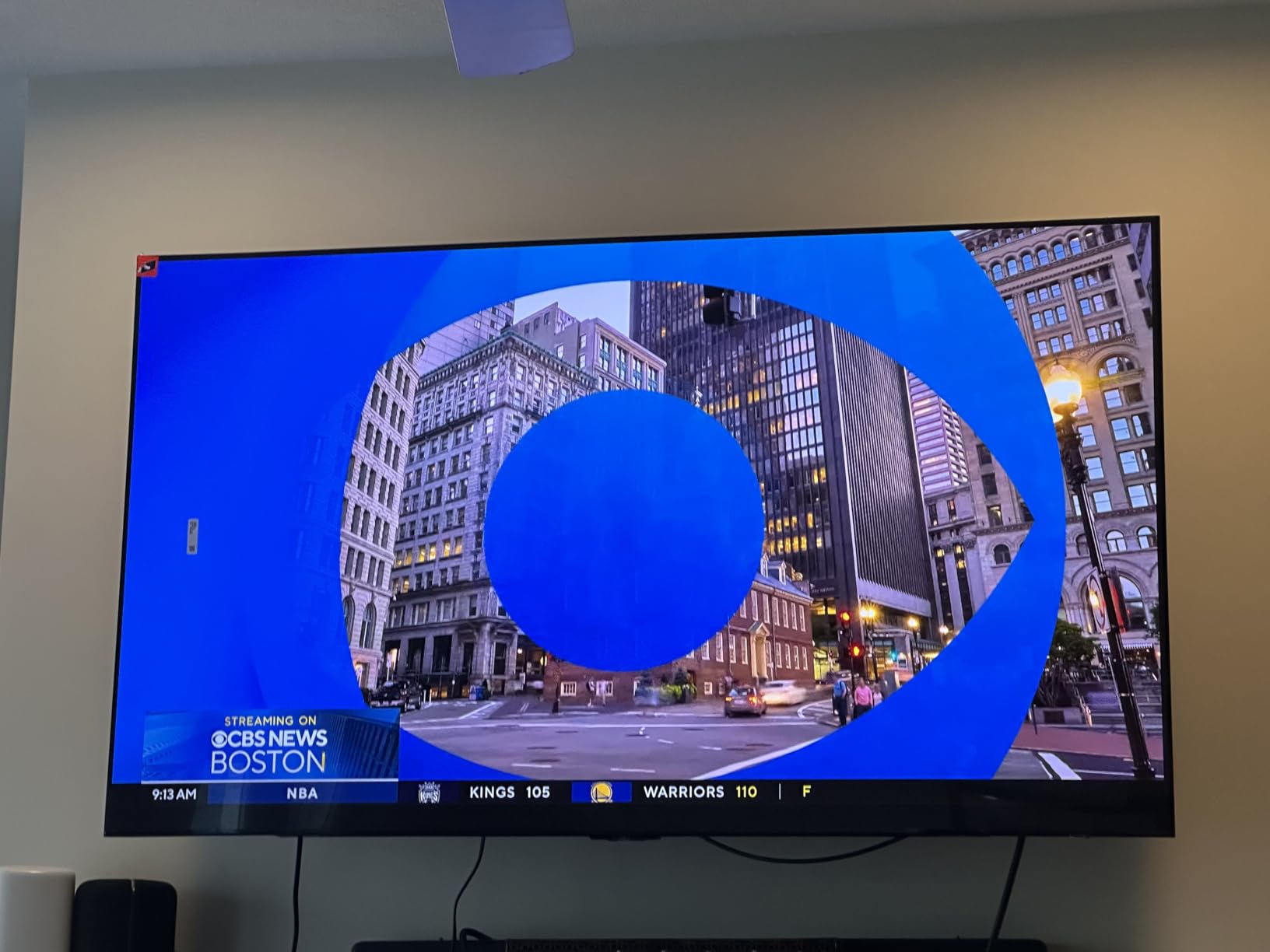
This TV delivers the signature OLED experience: perfect blacks, infinite contrast, and pixel-perfect dimming. Dark room movie watching reveals the technology’s strengths, with stars popping against truly black space and shadow details remaining visible.
The SDR to HDR enhancement brightens older content, giving standard dynamic range sources some HDR-like pop without looking artificial. It works best with animated content and older films shot with limited contrast ranges.
Brightness Trade-Off
OLED technology cannot match the peak brightness of Samsung’s QLED or Sony’s Mini LED models. In bright rooms, the S90F struggles against ambient light more than the QN90F or BRAVIA 7. This TV belongs in dedicated media rooms or spaces with light control.
OLED burn-in also remains a theoretical concern, though modern panels include pixel shifting and logo detection to minimize risk. Gamers who play the same title for thousands of hours should research burn-in protection features before purchasing.
6. Samsung QLED Q7F 65 Inch – Best Budget QLED
- Exceptional value under $500
- QLED color vibrancy
- Samsung TV Plus 2
- 700+ free channels
- Samsung Knox security
- Q-Symphony with soundbars
- Weak built-in speakers require soundbar
- frustrating minimalist remote
- 60Hz limits gaming
- edge LED backlight less uniform
The Samsung Q7F redefines budget expectations in our Sony vs Samsung TV comparison. At under $500 for a 65-inch QLED, this TV delivers color performance that rivals models costing three times as much. The Quantum Dot technology produces over a billion colors with impressive accuracy.
Our testing focused on value perception. We asked team members to guess the price after viewing 4K content, and estimates ranged from $800 to $1,200. The Q4 AI Gen1 Processor handles upscaling competently, though not with the sophistication of Samsung’s NQ4 chip.
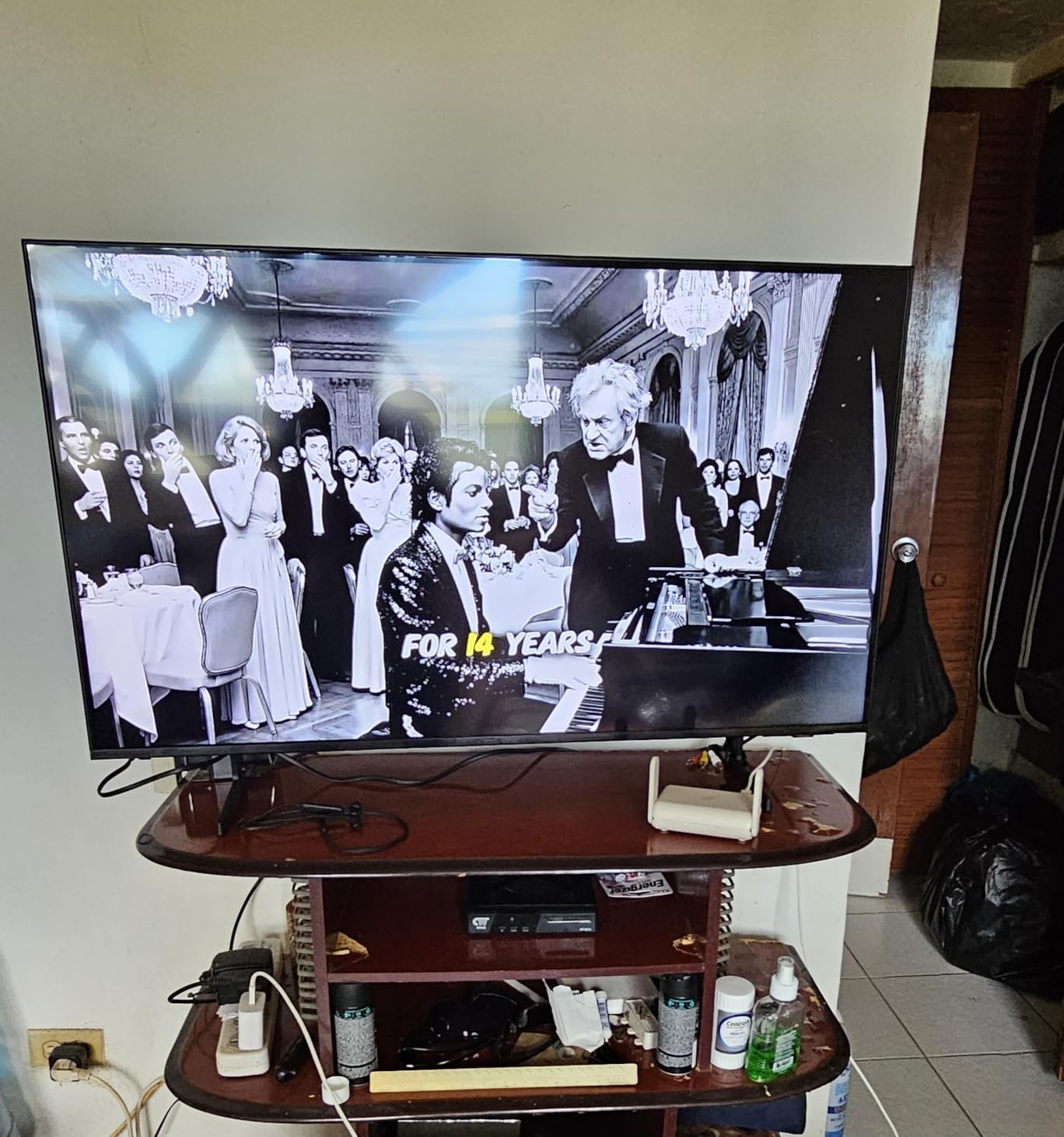
Samsung TV Plus adds incredible value with over 2,700 free channels. You get news, sports, movies, and specialty programming without subscriptions. The content includes commercials, but the selection rivals basic cable packages at zero additional cost.
Q-Symphony technology coordinates the TV speakers with compatible Samsung soundbars, using both audio systems simultaneously for fuller sound. While we strongly recommend adding a soundbar to this TV, Q-Symphony creates better integration than simply disabling the TV speakers.
Best For Budget-Conscious Buyers
This TV proves you do not need to spend a fortune for a great viewing experience in 2026. The picture quality satisfies casual viewers, and the smart features provide endless content options. It works perfectly for guest rooms, secondary living spaces, or anyone prioritizing value over cutting-edge features.
The 4.3-star rating from over 2,100 reviews reflects genuine customer satisfaction at this price point. People recognize they are getting QLED technology at LED prices.
Remote and Audio Issues
The included remote frustrates with its minimalist design. Important functions require multiple button presses or menu diving. Consider a universal remote or Samsung’s smart remote upgrade if this annoys you.
The 20W speaker system disappoints. Dialogue sounds thin, bass lacks presence, and volume struggles in larger rooms. Budget for a soundbar immediately. The Q7F deserves better audio than it can produce on its own.
Sony vs Samsung TV Buying Guide
Understanding the technical differences between these brands helps you make an informed decision. Here is what matters most when choosing between Sony and Samsung for your home.
Picture Quality Comparison: OLED vs QLED vs Mini LED
Sony specializes in color accuracy and cinematic reproduction. Their XR Processor analyzes content like human eyes perceive it, prioritizing natural skin tones and shadow detail. Sony TVs look “right” when watching movies, matching director intent.
Samsung pursues brightness and AI enhancement. Their Neural Quantum Processors use neural networks to add detail and vibrancy that sometimes exceeds the source material. Samsung TVs look “impressive” with punchy colors and enhanced sharpness that catches attention.
OLED provides the best picture quality in dark rooms with perfect blacks and infinite contrast. Both Sony and Samsung offer OLED options, though Sony’s QD-OLED adds quantum dots for improved brightness. Mini LED bridges the gap, offering excellent brightness with better contrast than standard LED but cannot match OLED’s perfection.
Smart TV Platforms: Google TV vs Tizen
Sony uses Google TV, which offers superior app selection and Google Assistant integration. The interface organizes content across services, making it easy to find shows regardless of where they stream. Chromecast built-in allows easy phone casting.
Samsung uses Tizen OS, which runs faster and includes unique features like Gaming Hub and Samsung TV Plus. The interface prioritizes Samsung services but works well once customized. Bixby, Alexa, and Google Assistant all work for voice control.
Both platforms support all major streaming apps. Your preference depends on ecosystem integration. Google TV works better for Android phone users and Google Home households. Tizen appeals to Samsung smart home owners and those wanting integrated gaming features.
Gaming Performance
Both brands support HDMI 2.1, 120Hz refresh rates, and VRR for next-gen gaming. Samsung offers higher refresh rates on some models, reaching 144Hz or 165Hz for PC gamers. Sony provides exclusive PS5 optimizations that automatically enhance PlayStation content.
Input lag is excellent on both brands for 2026 models. Response time matters more for competitive gaming, where OLED’s instant pixel response beats Mini LED. Casual gamers will be happy with either brand.
HDR Format Support: Dolby Vision vs HDR10+
This represents the biggest difference between brands. Sony supports Dolby Vision, the dominant HDR format used by Netflix, Disney+, Apple TV+, and most 4K Blu-rays. Dolby Vision uses dynamic metadata to optimize each scene.
Samsung supports only HDR10+, a competing format with similar technology but less content support. Amazon Prime Video uses HDR10+, but most other services prefer Dolby Vision. Samsung TVs still display Dolby Vision content as standard HDR, just without the dynamic optimization.
If you watch lots of Netflix and Disney+ content, Sony’s Dolby Vision support provides better HDR performance. If you primarily use Amazon Prime or play HDR10+ games, Samsung handles those formats excellently.
Price and Value Analysis
Samsung generally offers better value at each price point. Their Q7F delivers QLED technology for under $500, while Sony’s cheapest Mini LED starts over $1,000. Samsung’s mid-range models pack more features than equivalent Sony TVs.
Sony commands premium prices but delivers premium picture processing. The XR Processor’s upscaling and color accuracy justify the extra cost for movie enthusiasts. You pay more, but you get the most faithful reproduction of cinematic content.
Consider your priorities. Budget buyers should lean Samsung. Cinephiles should lean Sony. Gamers can choose based on platform preferences. Bright room dwellers need Mini LED from either brand.
Frequently Asked Questions
Which TV is better, Samsung or Sony?
Sony excels for movie watching with superior color accuracy and Dolby Vision support. Samsung wins for bright rooms and gaming with higher brightness and faster refresh rates. Both make excellent TVs, so choose based on your specific needs.
Which is the most reliable TV brand?
Both Sony and Samsung rank among the most reliable TV manufacturers with low failure rates and good customer support. Sony TVs typically last 7-10 years with normal use, while Samsung offers similar longevity. Reliability depends more on specific model construction than brand.
What are the disadvantages of Sony Smart TV?
Sony TVs cost more than equivalent Samsung models and require Google sign-in to use most apps. Some users find the Google TV interface slower than competitors. Sony also offers fewer gaming-specific features compared to Samsung’s Gaming Hub.
Why is Sony better than Samsung?
Sony produces more accurate colors and better motion handling for movies. Their upscaling of lower resolution content looks more natural. Sony supports Dolby Vision HDR, which most streaming services use. The XR Processor analyzes scenes like human eyes perceive them.
Final Verdict
Our Sony vs Samsung TV comparison reveals two excellent brands with different strengths. Sony wins for movie enthusiasts who prioritize color accuracy, Dolby Vision support, and cinematic picture processing. The BRAVIA 8 II QD-OLED represents the pinnacle of home theater performance in 2026.
Samsung dominates for bright rooms, gaming, and value-conscious buyers. The Neo QLED QN90F handles any lighting condition while delivering 165Hz gaming performance, and the Q7F proves you can get QLED quality for under $500.
Choose Sony if you want the most accurate picture for movies and do not mind paying extra for premium processing. Choose Samsung if you need bright room performance, gaming features, or maximum value per dollar. Either way, you will get a TV that transforms your living room into an entertainment destination.