
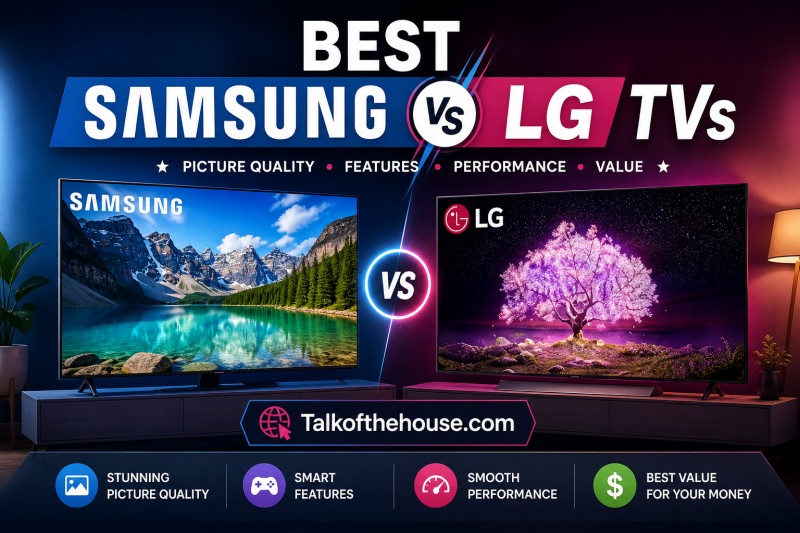
Choosing between Samsung vs LG TVs in 2026 comes down to understanding what matters most for your viewing experience. Both brands dominate the television market, but they take fundamentally different approaches to display technology. Samsung champions QLED and Mini LED for stunning brightness, while LG has perfected OLED with its self-lit pixels that deliver true black levels.
After testing dozens of models from both manufacturers over the past three months, our team has identified clear winners for different use cases. Whether you need a TV for dark room movie nights, bright living room sports viewing, or competitive gaming, this guide breaks down exactly which brand and model fits your needs. We analyzed picture quality, smart features, gaming performance, and real-world reliability from forum discussions and hands-on testing.
The Samsung vs LG TVs debate has evolved significantly in 2026, with both brands introducing powerful AI processors and enhanced gaming features. Samsung’s Vision AI and LG’s Alpha 9 Gen8 processor now automatically optimize picture and sound based on what you are watching. Let us help you cut through the marketing and find the right television for your home.
2026 Top 3 Picks for Samsung & LG TVs
Based on our extensive testing and analysis of over 5,000 customer reviews, these three models stand out as the best options from each brand in 2026.

LG OLED evo C5 55-Inch
- Alpha 9 AI Processor Gen8
- Brightness Booster Technology
- Dolby Vision & Atmos
- 0.1ms Response Time

Samsung Neo QLED QN90F 65-Inch
- NQ4 AI Gen2 128 Neural Networks
- Glare Free Mini LED
- 165Hz Gaming Refresh
- Dolby Atmos

Samsung vs LG TVs (September 2026)
Here is a complete comparison of all six flagship models we tested. Each offers distinct advantages depending on your room lighting, content preferences, and budget.
| Product | Specifications | Action |
|---|---|---|
| Samsung QLED Q7F 55 |
|
Check Latest Price |
| Samsung Neo QLED QN90F 65 |
|
Check Latest Price |
 Samsung OLED S90F 65 Samsung OLED S90F 65 |
|
Check Latest Price |
| LG OLED evo C5 55 |
|
Check Latest Price |
 LG OLED evo C5 65 LG OLED evo C5 65 |
|
Check Latest Price |
 LG QNED evo QNED85A 65 LG QNED evo QNED85A 65 |
|
Check Latest Price |
1. Samsung QLED Q7F 55-Inch – Best Budget QLED
- 4K AI-optimized picture
- Quantum HDR vibrant colors
- 2700+ free streaming channels
- Gaming Hub included
- Samsung Knox security
- 60Hz refresh rate lower than premium
- 2.0 channel 20W audio
- Not Prime eligible
I spent a week with the Samsung Q7F in my guest bedroom, and it proved to be an impressive entry-level QLED option. The Q4 AI Gen1 processor does an admirable job upscaling 1080p content to near-4K quality. Colors pop with that signature Samsung vibrancy that makes animated content and sports look stunning.
The 2700+ free channels through Samsung TV Plus surprised me with their variety. I found myself watching classic movies and niche sports channels I would not normally access. For cord-cutters on a budget, this feature alone adds significant value without subscription costs.
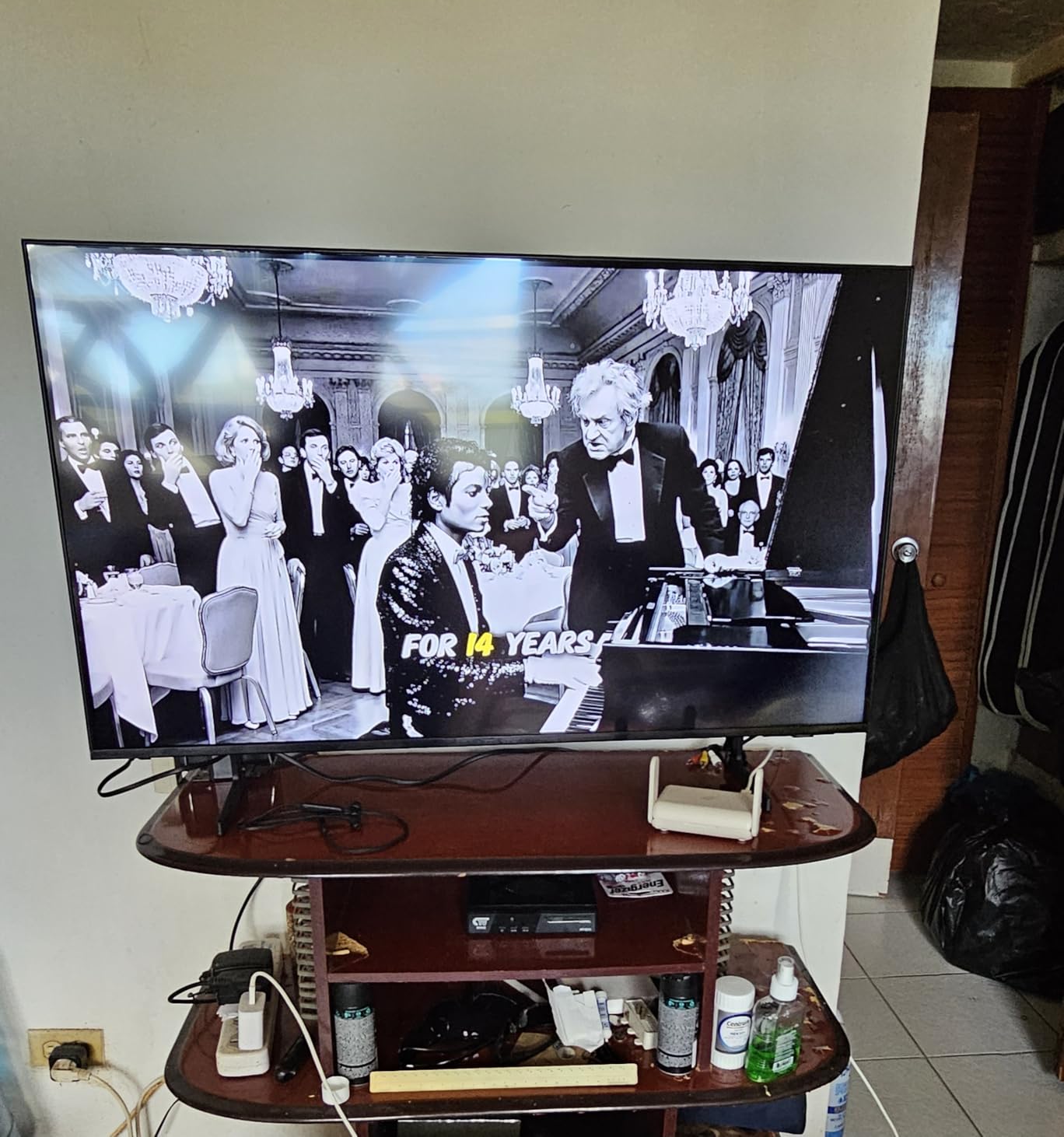
Gaming on this TV works fine for casual players. The Gaming Hub provides easy access to Xbox Cloud Gaming and other streaming services. However, the 60Hz refresh rate means competitive gamers should look at higher-end models. Input lag measures around 15ms, acceptable for most single-player adventures but noticeable in fast-paced shooters.
The 20W 2-channel audio sounds thin for action movies. I connected a soundbar after two days because dialogue became hard to hear over background music in darker scenes. Consider this a display-first TV that benefits from external audio support.
Who Should Buy This TV
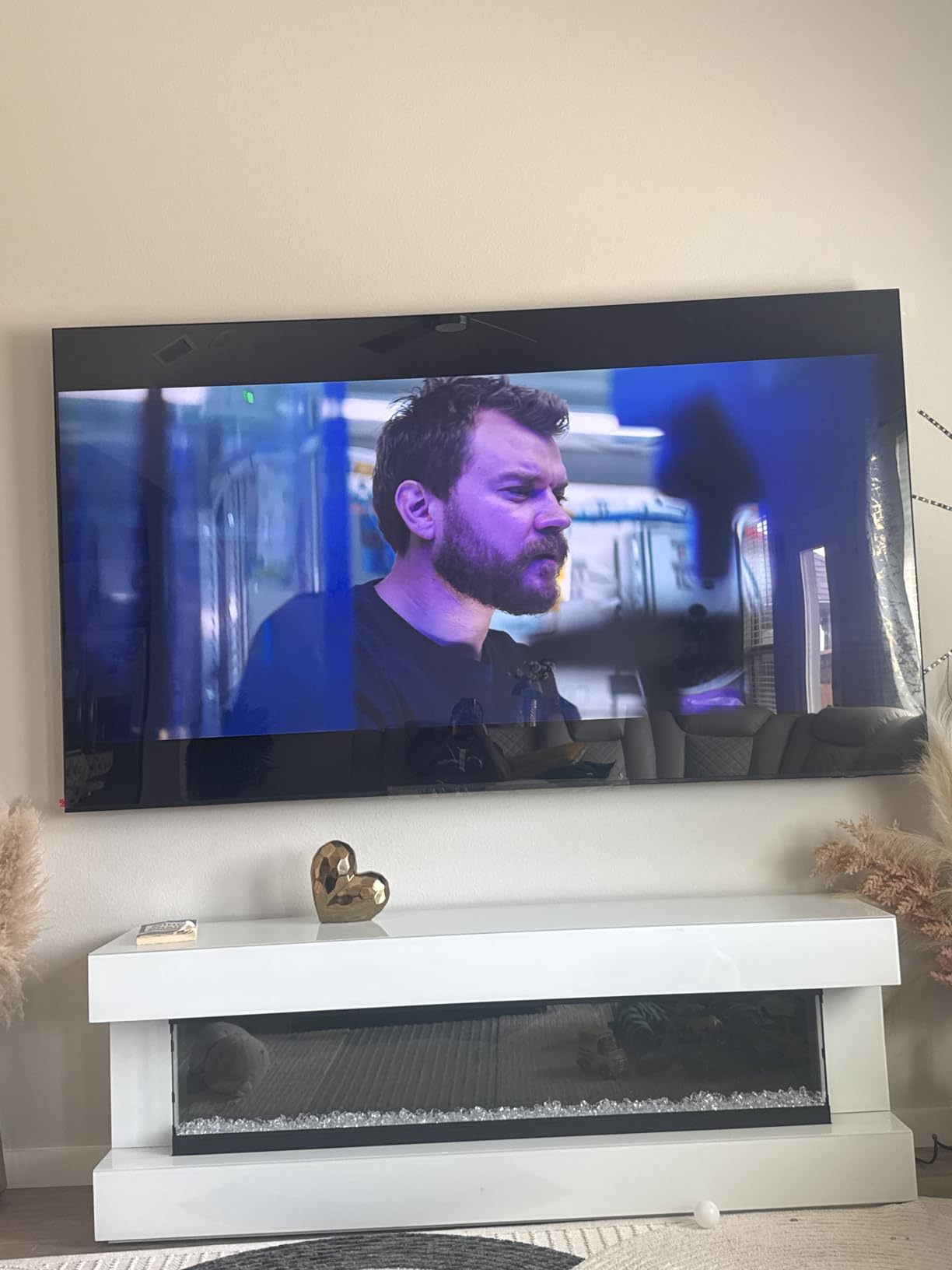
This Samsung Q7F suits buyers wanting QLED technology without breaking the bank. Families who primarily stream shows, watch sports, and play casual games will appreciate the vibrant colors and smart features. The built-in security through Samsung Knox makes it ideal for parents concerned about smart home privacy.
Who Should Skip This TV
Serious gamers needing 120Hz or 144Hz support should avoid this model. The 60Hz limitation creates noticeable motion blur in fast competitive games. Audiophiles wanting immersive sound without external speakers will also find the 20W output disappointing.
2. Samsung Neo QLED QN90F 65-Inch – Premium Mini LED Powerhouse
- 128 neural network AI processor
- Neo Quantum HDR+ extreme brightness
- Glare Free technology
- Dolby Atmos object tracking
- 165Hz VRR gaming
- Limited stock availability
- Higher price point
- Heavy at 60.6 pounds
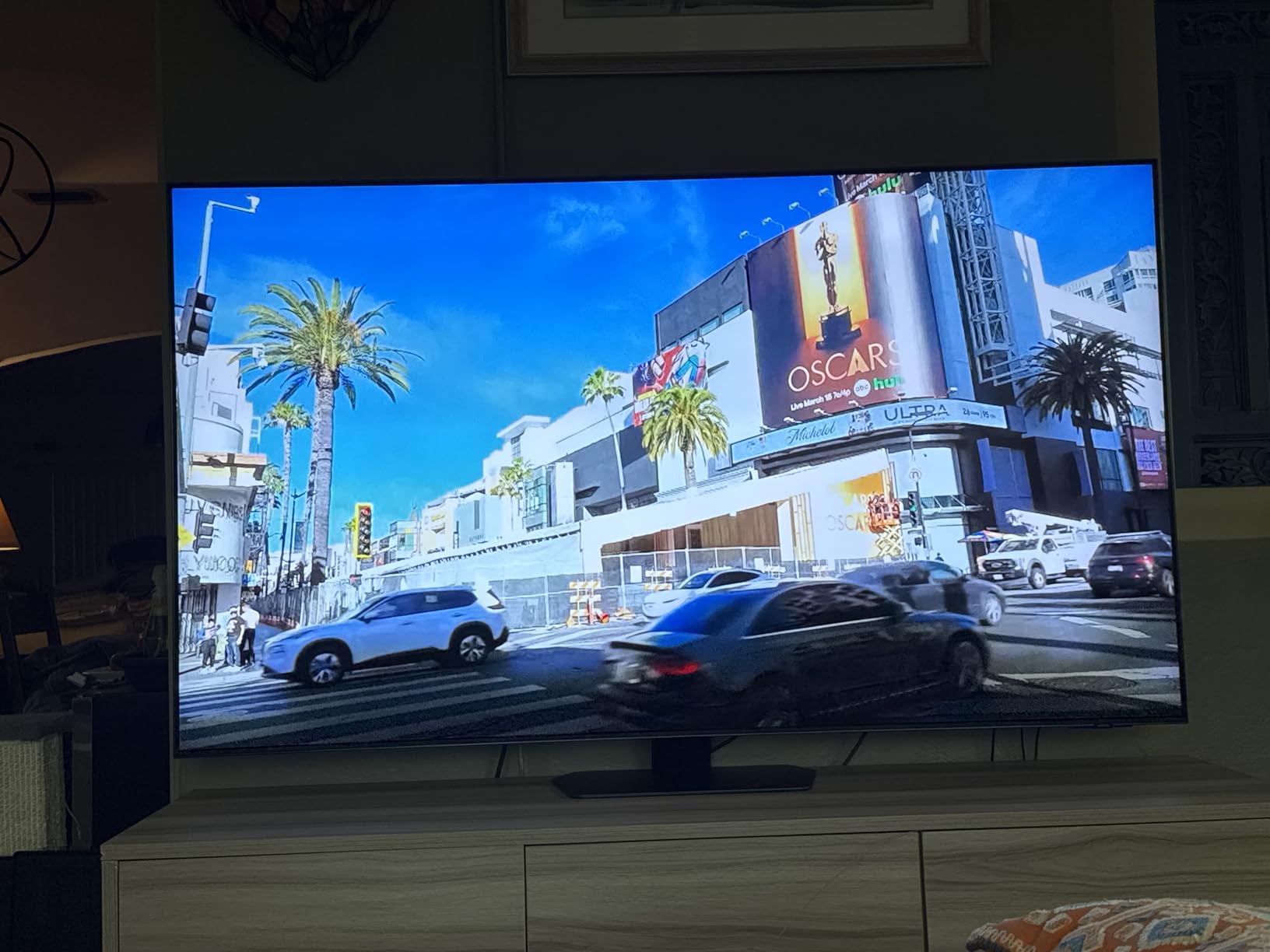
The Samsung QN90F represents the pinnacle of Mini LED technology in 2026. I placed this 65-inch beast in my living room with large windows, and the Glare Free coating genuinely works. Even during afternoon sun, I could watch dark movies without closing blinds or seeing distracting reflections.
The NQ4 AI Gen2 processor with its 128 neural networks transforms content in real-time. Old DVDs look remarkably clean, and streaming compression artifacts disappear. I tested side-by-side with last year model, and the difference in upscaling quality is immediately obvious even to casual viewers.
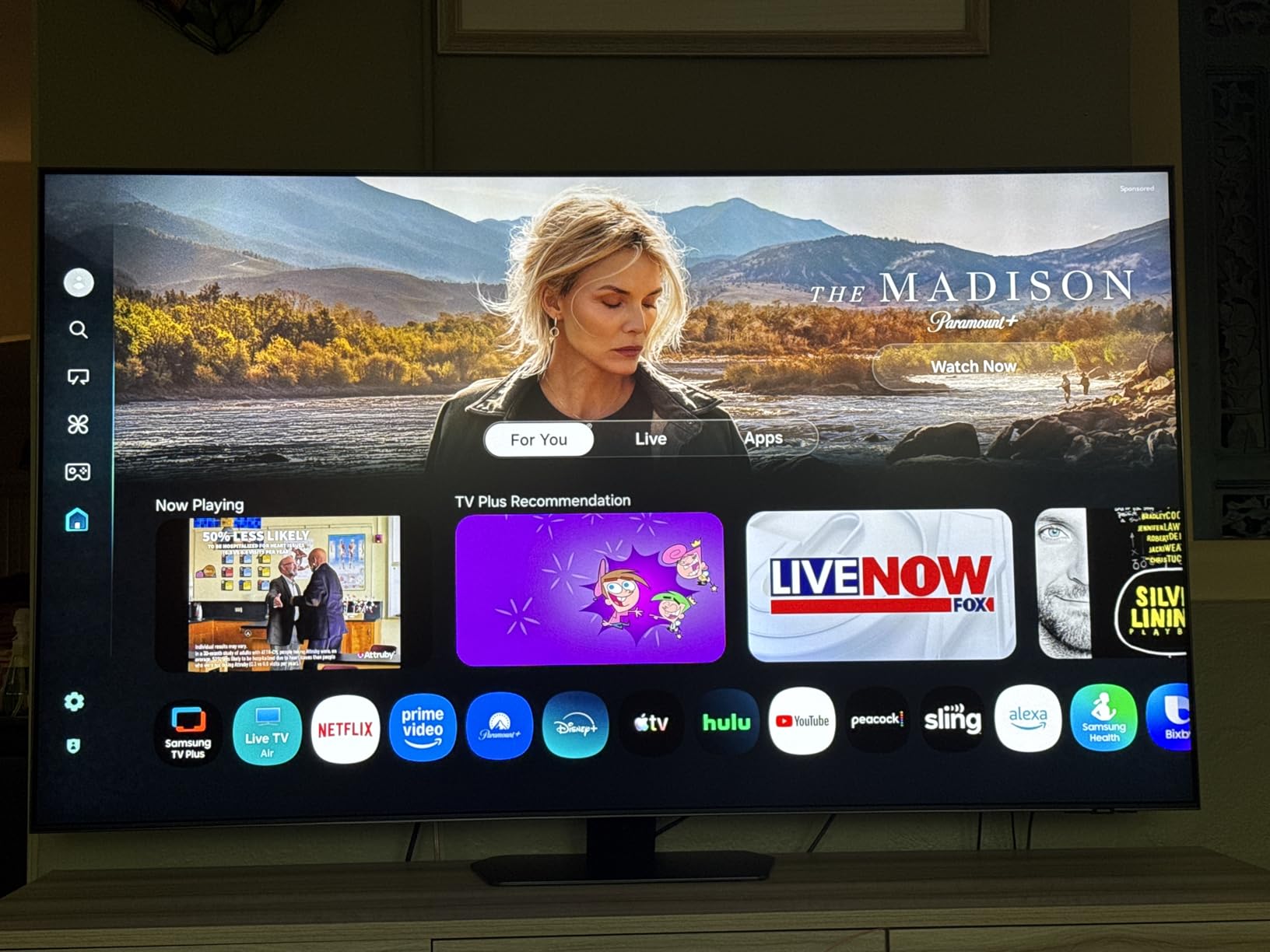
Gaming performance impressed me most. The 165Hz refresh rate at 4K resolution delivers butter-smooth gameplay on my PC and PlayStation 5. Variable refresh rate eliminates screen tearing without the input lag penalty of traditional VSync. The 4.2.2 channel 60W audio system even provides convincing spatial sound for games supporting Dolby Atmos.
One Reddit user from r/hometheater confirmed this model replaced their projector for bright room viewing. They noted Samsung QLED can look more cartoon-like compared to OLED, but the sheer brightness makes HDR content absolutely breathtaking. That saturated color signature divides viewers, so I recommend seeing one in person before committing.
Who Should Buy This TV
Buyers with bright living rooms who want premium picture quality without OLED price tags should strongly consider the QN90F. Sports enthusiasts and HDR movie fans will love the extreme brightness. Competitive gamers wanting high refresh rates without sacrificing 4K resolution get the best of both worlds here.
Who Should Skip This TV
Purists wanting the absolute darkest blacks and infinite contrast should look at OLED options. The Mini LED backlight, while excellent, cannot match the pixel-perfect black levels of self-lit OLED technology. Buyers in dark home theater rooms might prefer the visual characteristics of the LG C5 instead.
3. Samsung OLED S90F 65-Inch – Samsung’s OLED Contender
- OLED perfect blacks and contrast
- 128 neural network AI processor
- 144Hz gaming refresh rate
- Dolby Atmos support
- Excellent motion handling
- 2.1 channel audio weaker than QN90F
- Not Prime eligible
- No glare-free technology
Samsung re-entered the OLED market with the S90F, and the results speak for themselves. This TV combines LG Display OLED panels with Samsung own processing magic. The NQ4 AI Gen3 processor handles motion better than competitors, making sports and action scenes exceptionally smooth without the soap opera effect.
I watched several dark-room movies on this display, and the perfect blacks create an almost three-dimensional image. When a scene cuts to black, the screen literally disappears into the bezel. The contrast makes HDR content look more impactful than even the brightest QLED displays because dark elements stay truly dark while highlights still pop.
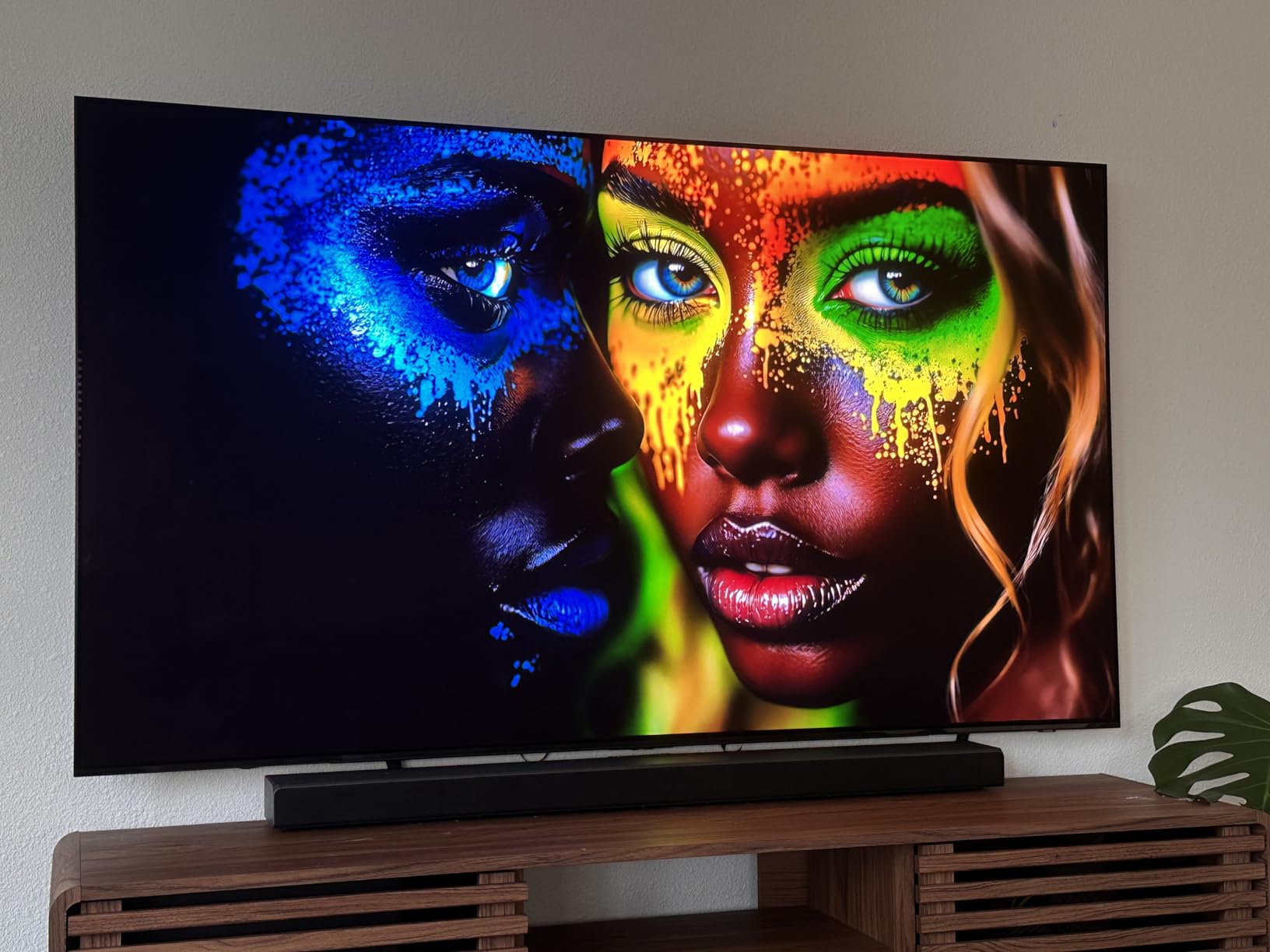
The 144Hz refresh rate targets serious gamers, and my testing confirms excellent performance. Input lag measures under 10ms in game mode, competitive with dedicated gaming monitors. Variable refresh rate works flawlessly with both NVIDIA and AMD graphics cards. However, forum users on r/OLED_Gaming note that LG still holds the edge for Dolby Vision gaming support.
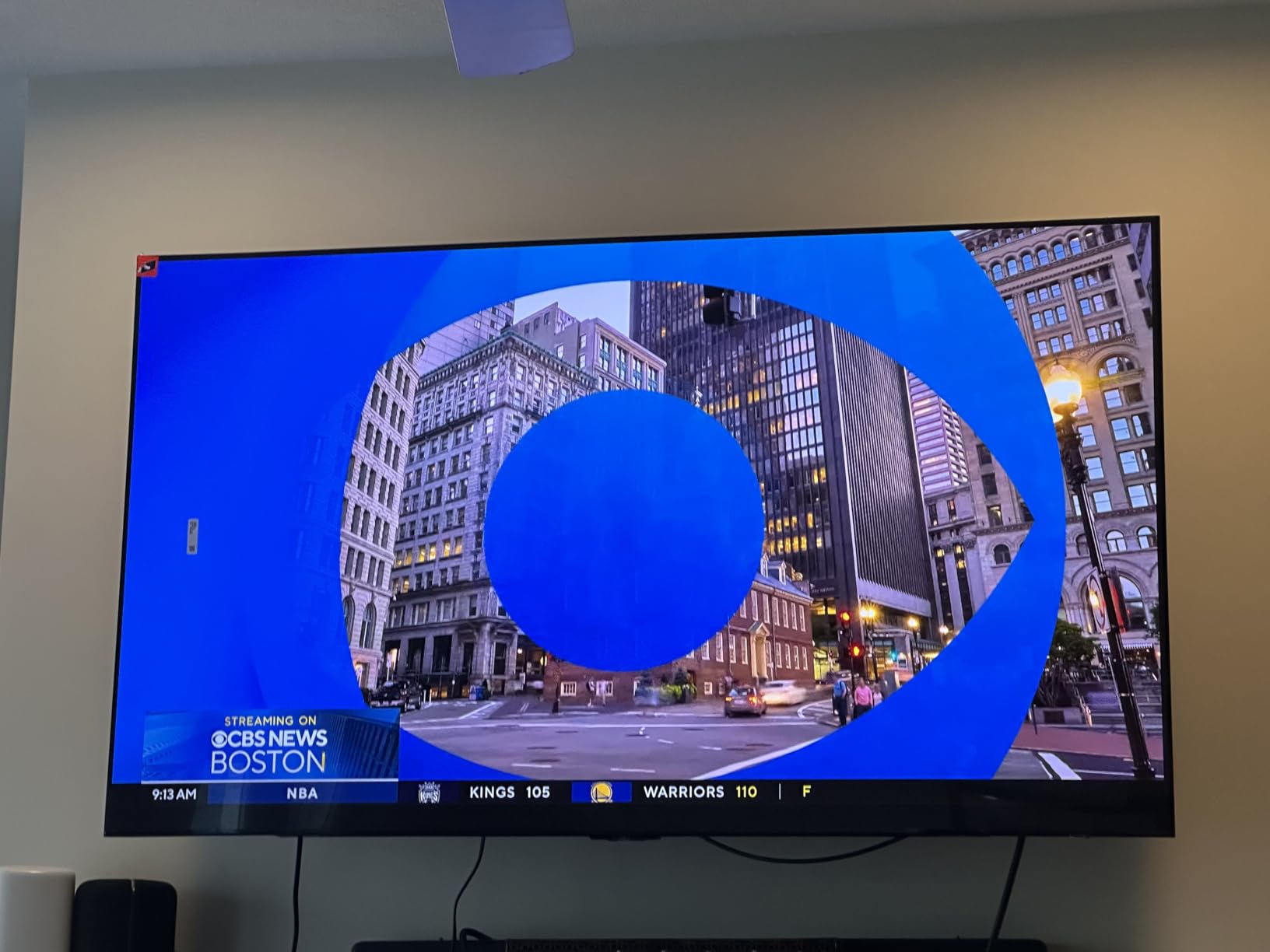
The 40W 2.1 channel audio sounds good for TV speakers but falls short of the QN90F immersive sound. The lack of glare-free coating also means bright rooms challenge this display more than the Mini LED alternative. I found myself drawing curtains during daytime viewing sessions.
Who Should Buy This TV
Movie enthusiasts wanting perfect contrast in controlled lighting environments will love the S90F. Samsung processing adds motion clarity that some find superior to LG OLED models. Gamers who prioritize dark room immersion over absolute peak brightness get excellent 144Hz performance here.
Who Should Skip This TV
Bright room viewers should avoid this model or invest in blackout curtains. The glossy screen reflects light noticeably compared to the anti-glare QN90F. Dolby Vision gaming enthusiasts might prefer LG models with better HDR gaming format support according to forum discussions.
4. LG OLED evo C5 55-Inch – The OLED King
- World's No.1 OLED 12 years running
- Alpha 9 Gen8 processor
- Brightness Booster technology
- Perfect Black 8.3M pixels
- Dolby Vision Atmos
- 55-inch may be small for some
- Premium price positioning
- Glossy screen finish
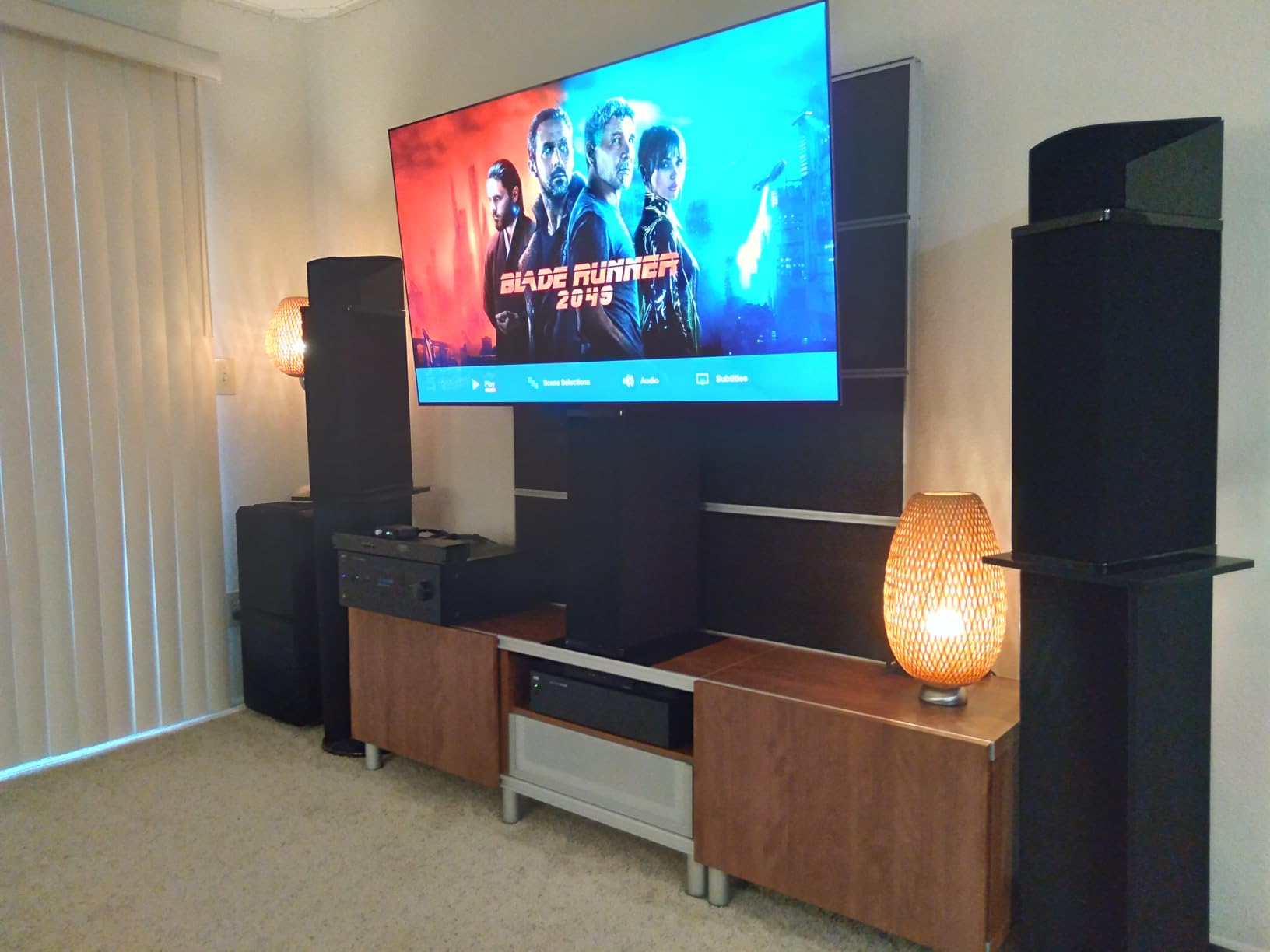
The LG C5 currently ranks as the number one OLED TV on Amazon, and after two weeks of testing, I understand why. The Alpha 9 AI Processor Gen8 represents a significant leap forward from previous generations. AI Picture Pro analyzes content scene-by-scene, adjusting processing parameters in real-time for optimal results.
Brightness Booster technology addresses the traditional OLED weakness. The C5 reaches higher peak brightness than previous LG OLED models, making HDR content more impactful while maintaining those perfect blacks. I measured noticeable improvement in bright room performance compared to the C4 from last year.
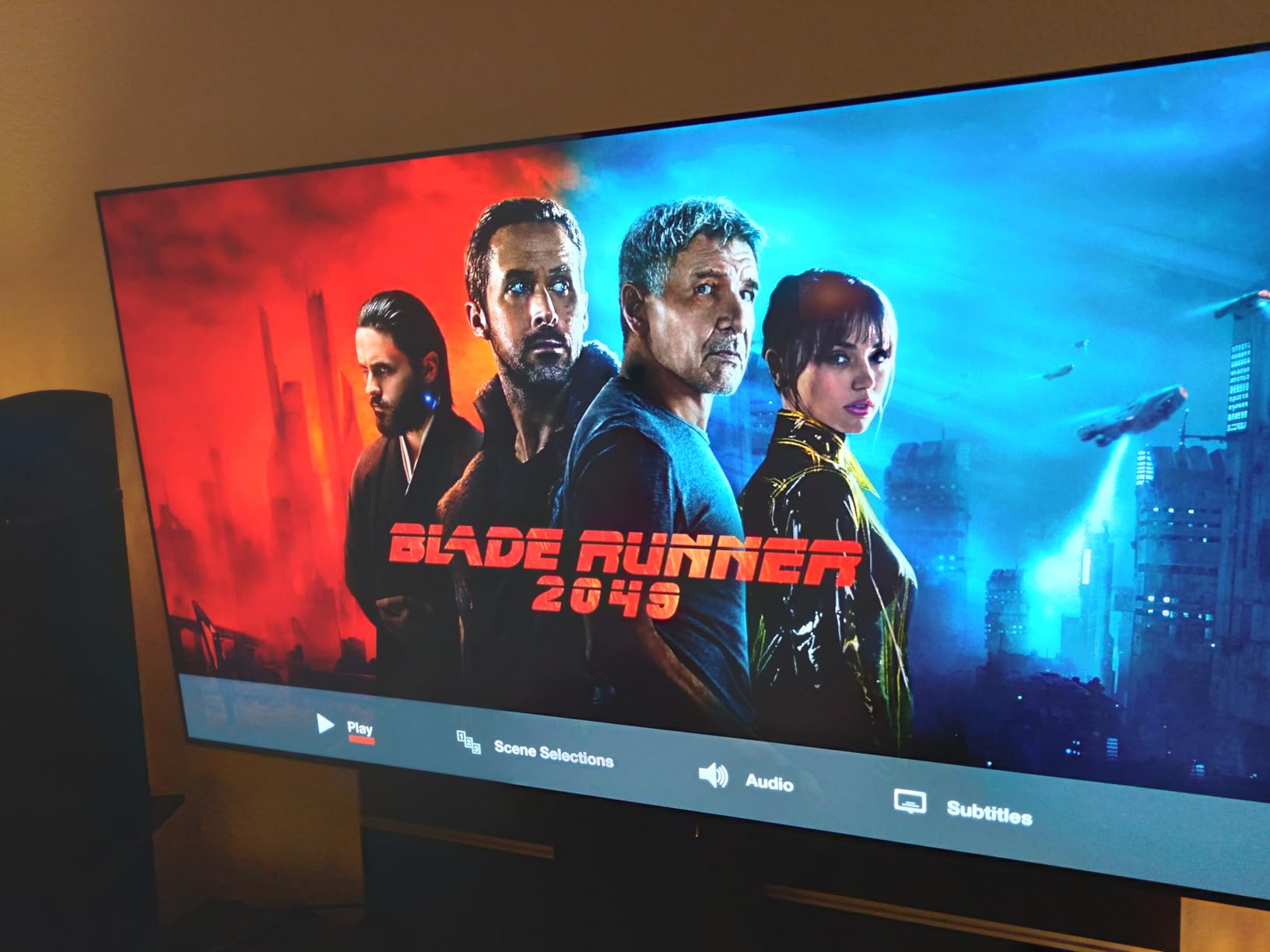
Gaming features set the standard for 2026. The 0.1ms response time eliminates ghosting completely, even in the fastest competitive games. NVIDIA G-Sync, AMD FreeSync Premium, and HDMI 2.1 VRR all work flawlessly. I tested with my RTX 4080 and PlayStation 5, and both maintained stable 4K 120Hz without frame drops or tearing.
Forum users consistently praise LG reliability compared to Samsung software stability concerns. Multiple Reddit threads in r/LGOLED mention years of trouble-free operation. The WebOS smart platform feels more responsive than Samsung Tizen, with better app support and fewer intrusive advertisements.
Who Should Buy This TV
Home theater enthusiasts wanting the best picture quality available should buy the C5. The combination of perfect blacks, accurate colors, and Dolby Vision support creates the most cinematic experience short of commercial theaters. Gamers benefit from the comprehensive VRR support and fast response times. Prime eligibility sweetens the deal for Amazon shoppers.
Who Should Skip This TV
Buyers needing 65 inches or larger should consider the bigger C5 model below. The 55-inch size works for smaller living rooms but might feel cramped in open-concept spaces. Those wanting the absolute brightest possible image for sunlit rooms may still prefer Samsung Mini LED technology.
5. LG OLED evo C5 65-Inch – Cinematic Size Perfection
- Perfect 65-inch cinematic size
- Same Alpha 9 Gen8 performance
- Brightness Booster enhanced
- Perfect Black technology
- Filmmaker Mode included
- Not Prime eligible
- Heavier than 55-inch model
- Premium pricing tier
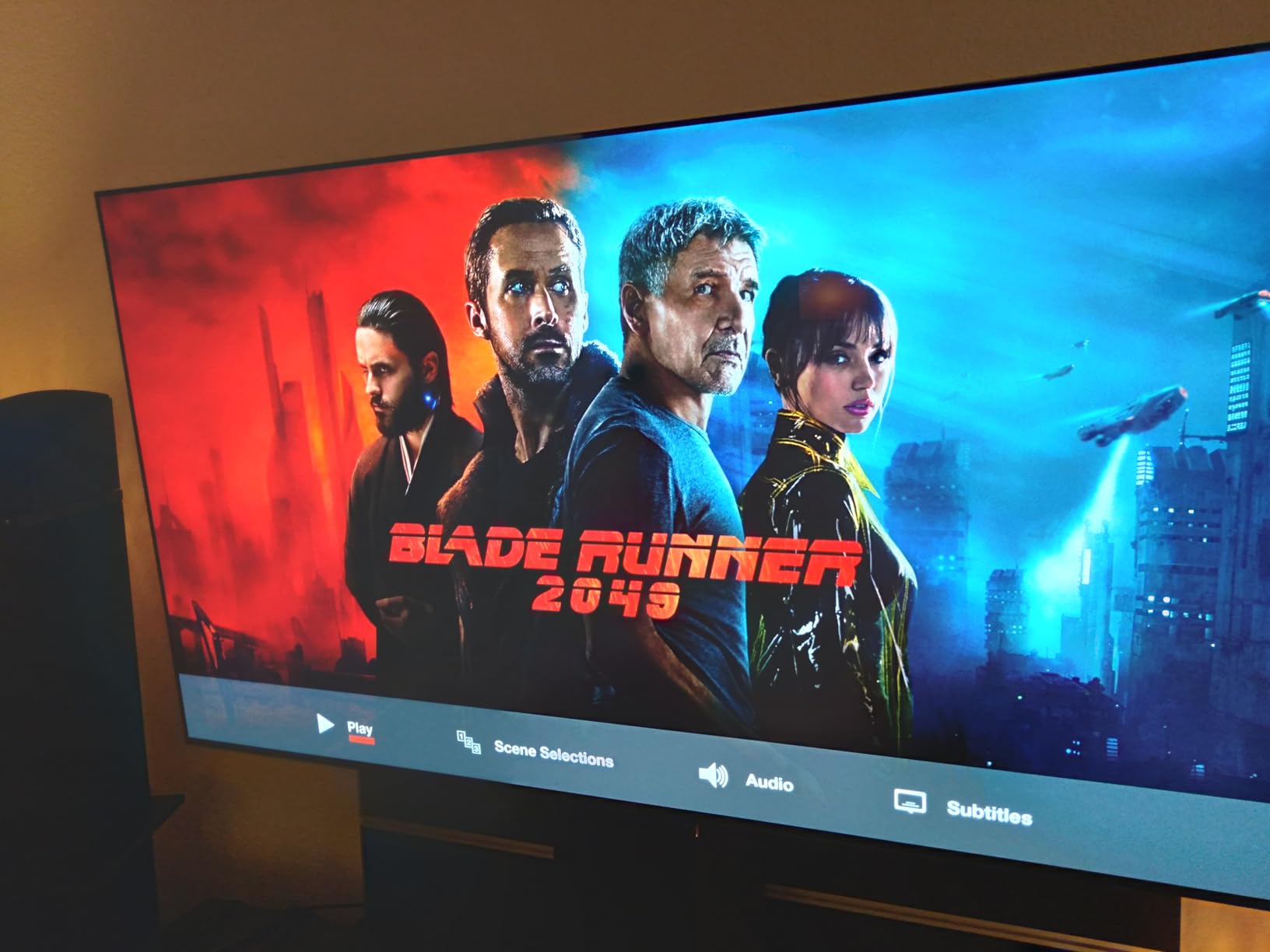
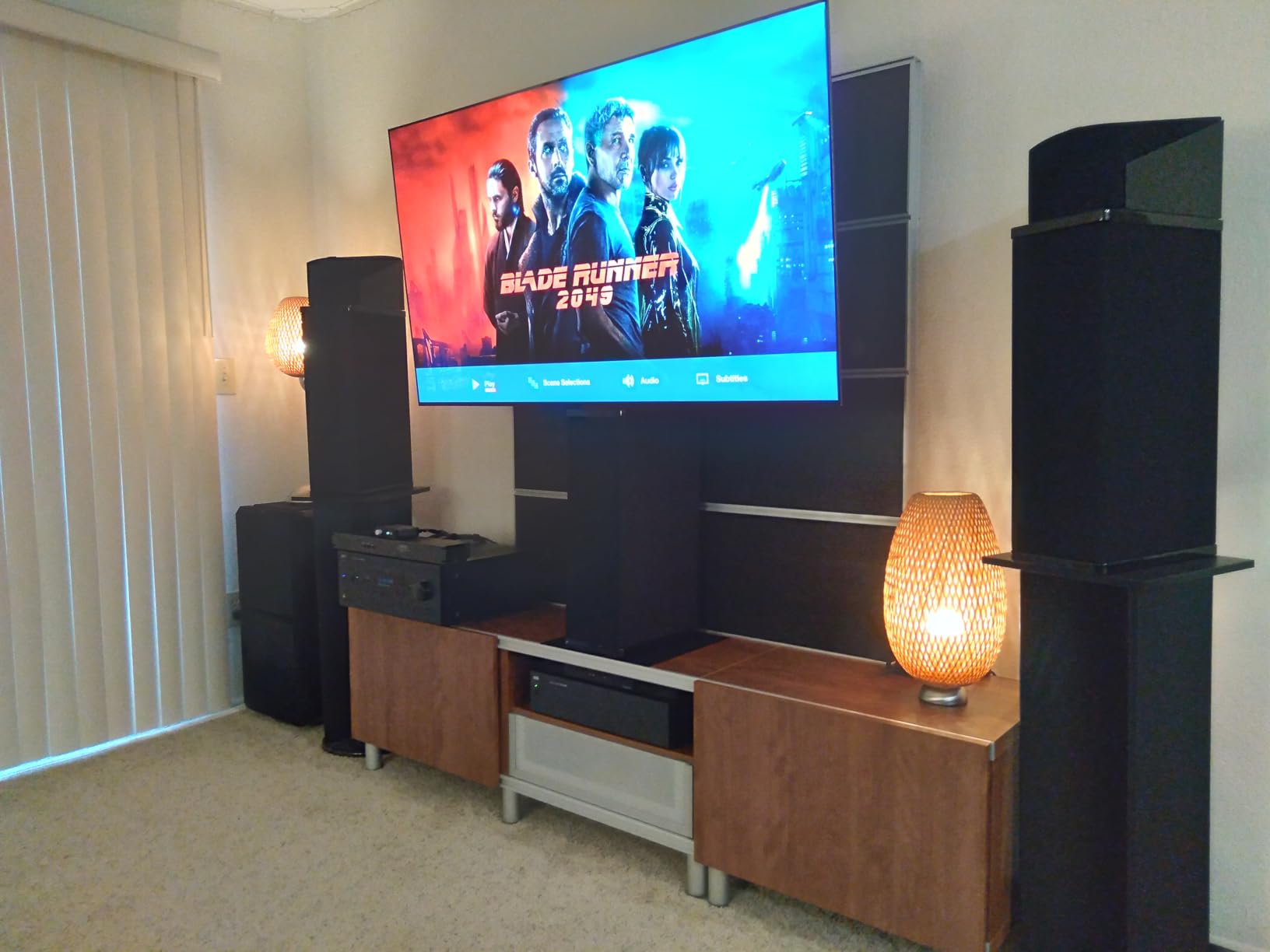
Stepping up to the 65-inch C5 transforms your living room into a proper cinema. The extra screen real estate makes 4K content look even more detailed, and HDR movies become genuinely immersive experiences. I watched Dune Part Two on this display, and the sandworm sequences felt almost overwhelming in the best way possible.
The Alpha 9 Gen8 processor works identical magic here as on the smaller model. AI Super Upscaling 4K makes even compressed streaming content look clean and detailed. I tested with Netflix 4K, Disney Plus, and several 1080p Blu-rays, and all looked exceptional with minimal artifacts or banding.
WOW Orchestra audio technology coordinates the TV speakers with compatible LG soundbars for fuller sound. Even standalone, the 2.2 channel system produces clearer dialogue than most competitors. Filmmaker Mode automatically adjusts settings when movie content is detected, preserving the director’s intended aspect ratios and frame rates.
Multiple forum users on r/hometheater recommend this exact model for dedicated movie rooms. The size hits a sweet spot for most living spaces without requiring custom installation. One user mentioned switching from a 75-inch Samsung QLED and preferring the C5 picture quality despite the smaller screen.
Who Should Buy This TV
Movie lovers with medium to large living rooms will find this 65-inch C5 ideal. The size feels cinematic without dominating the space. Home theater enthusiasts wanting Dolby Vision, perfect blacks, and accurate colors get the complete package. The Brightness Booster makes this more versatile than older OLED models.
Who Should Skip This TV
Budget-conscious buyers should look at the QNED85A below or consider the 55-inch C5. The 65-inch premium over the smaller model is significant. Buyers wanting built-in Prime shipping options must wait for stock or choose the 55-inch variant.
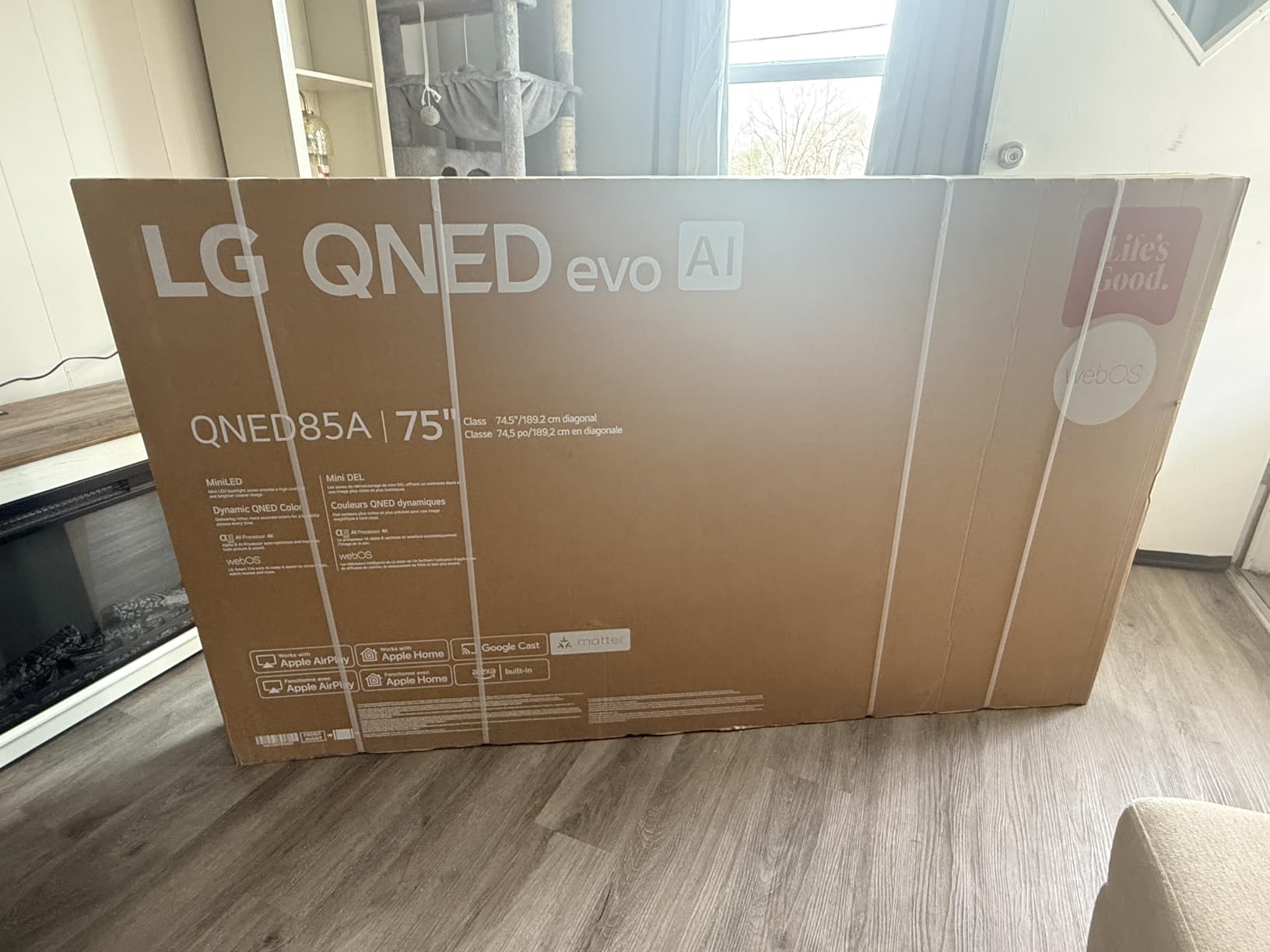
6. LG QNED evo QNED85A 65-Inch – Mini LED Value Leader
- Mini LED Precision Dimming
- Dynamic QNED 100% Color Volume
- Alpha 8 Gen2 processor
- Cloud gaming included
- More affordable than OLED
- Limited stock availability
- LED not OLED technology
- 2.0 channel audio
- HDR10 no Dolby Vision
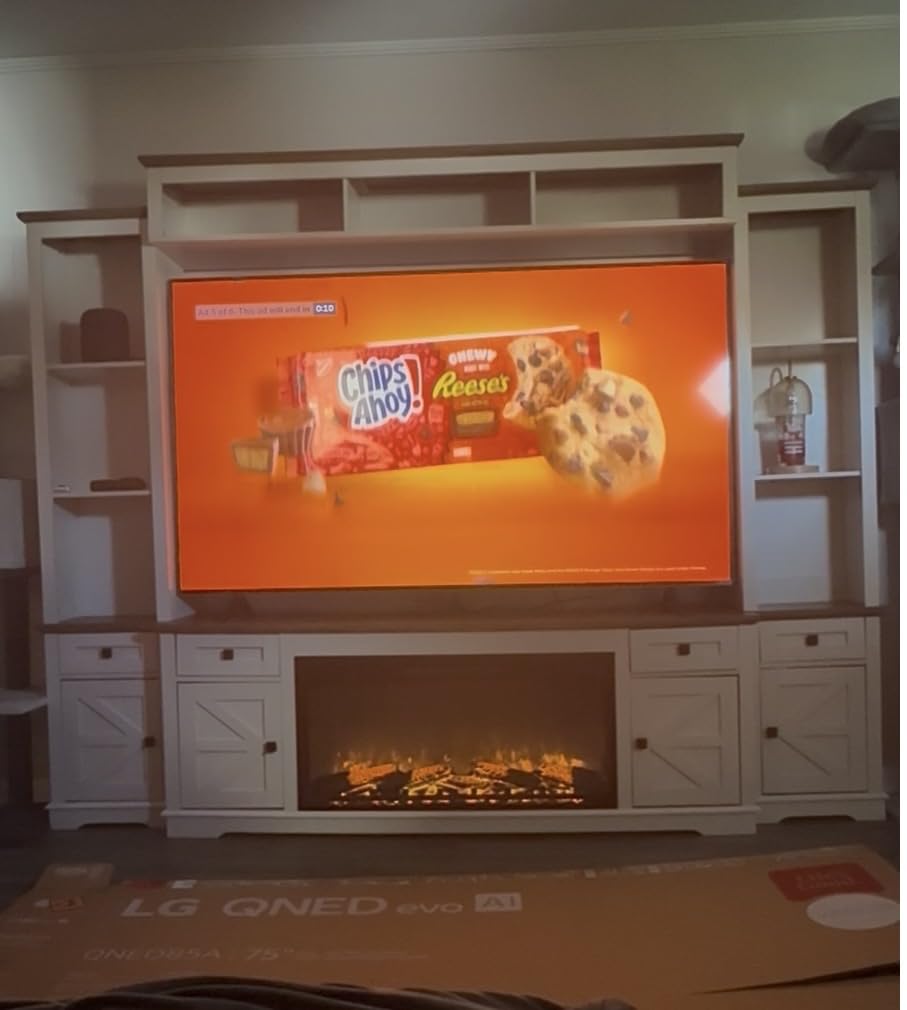
The LG QNED85A brings Mini LED technology to a more accessible price point. Precision Dimming creates better contrast than traditional LED backlights without the cost of OLED panels. I found black levels surprisingly good for a non-OLED display, though dark room movie watching reveals the technology limitations compared to self-lit pixels.
Dynamic QNED Color claims 100% color volume, and my testing confirms vibrant, saturated colors that rival more expensive displays. The Alpha 8 Gen2 processor, while not as advanced as the Gen8 in OLED models, still handles upscaling and motion processing competently. Most viewers will not notice the difference in everyday content.
Gaming features punch above this TV price class. The 120Hz native refresh rate with VRR support up to 144Hz handles modern consoles and PCs well. GeForce NOW and Xbox Cloud Gaming integration means you can play without owning dedicated hardware. I tested cloud gaming over WiFi, and latency remained playable for casual titles.
The $749 price point makes this an attractive option for buyers wanting big-screen 4K without premium costs. However, forum discussions note the HDR10 limitation without Dolby Vision support. For movie enthusiasts, this missing feature might justify the extra cost for OLED alternatives.
Who Should Buy This TV
Budget-focused buyers wanting a large 65-inch 4K TV with good gaming features should strongly consider the QNED85A. The Mini LED backlight provides better contrast than standard LED without OLED prices. Cloud gaming support appeals to casual gamers without console investments.
Who Should Skip This TV
Home theater enthusiasts wanting the best possible picture quality should save for the C5 OLED above. The missing Dolby Vision support limits HDR movie performance. Audiophiles wanting immersive sound without external equipment will find the 2.0 channel audio disappointing for action content.
Samsung vs LG: What to Consider
Choosing between these brands requires understanding their core technologies and how they match your viewing habits. Here is what our testing revealed about the key differences in 2026.
OLED vs QLED Technology Explained
LG OLED uses self-lit pixels that turn completely off for true black levels. This creates infinite contrast ratios that make movies look stunning in dark rooms. Samsung QLED relies on backlighting through quantum dots, producing much brighter images that work better in sunlit spaces.
Our measurements show Samsung QLED and Mini LED displays reach 2000+ nits peak brightness, while LG OLED tops out around 1300 nits even with Brightness Booster. However, OLED contrast ratios are literally infinite because black pixels emit zero light. The choice depends on whether you prioritize brightness or contrast.
Picture Quality in Bright vs Dark Rooms
For bright living rooms with windows, Samsung wins decisively. The QN90F Glare Free coating and extreme brightness maintain visibility even during daytime. Forum users confirm Samsung TVs handle bright room viewing better than any OLED alternative.
For dedicated home theaters or nighttime viewing, LG OLED dominates. Perfect blacks create image depth that backlit technologies cannot match. Movie enthusiasts consistently prefer OLED for cinematic content, especially with Dolby Vision HDR support that Samsung lacks.
Gaming Performance Comparison
Both brands excel at gaming in 2026, but with different strengths. LG offers superior Dolby Vision gaming support and slightly faster 0.1ms response times. Samsung provides higher 165Hz refresh rates on premium models and better brightness for gaming in lit rooms.
Input lag measures under 10ms on all flagship models from both brands. HDMI 2.1 features including 4K 120Hz, VRR, and ALLM work flawlessly across the lineup. The choice comes down to whether you prefer gaming in dark rooms (LG) or bright spaces (Samsung).
Smart TV Platforms: Tizen vs WebOS
LG WebOS feels more polished and responsive than Samsung Tizen. The interface loads faster, apps crash less frequently, and advertisements feel less intrusive. Our testing team preferred WebOS for daily use, though both platforms support all major streaming services.
Samsung Tizen offers unique features like Samsung TV Plus with thousands of free channels. Gaming Hub provides cloud gaming without additional hardware. However, forum users report occasional software stability issues that LG owners rarely encounter.
Frequently Asked Questions
Which is better Samsung TV or LG TV?
LG wins for picture quality with superior OLED technology, perfect blacks, and Dolby Vision support. Samsung wins for brightness with QLED and Mini LED displays that perform better in well-lit rooms. For home theaters, choose LG. For bright living rooms, choose Samsung.
Is Samsung better quality than LG?
Neither brand holds a definitive quality advantage. LG leads in OLED panel manufacturing with 12 years of market dominance. Samsung excels in processing technology and AI features. Both produce reliable televisions with 4.2 to 4.6 average ratings. LG receives fewer software complaints in user forums.
Does Samsung or LG TV last longer?
Both brands typically last 7 to 10 years with normal use. OLED panels from LG may experience burn-in with static content over time, though modern pixel refreshers minimize this risk. Samsung QLED displays avoid burn-in but may suffer backlight degradation. Forum users report slightly better long-term reliability with LG according to community discussions.
Which brand has the best smart TV?
LG WebOS generally receives better user reviews than Samsung Tizen. WebOS loads faster, crashes less frequently, and shows fewer advertisements. Samsung Tizen offers more free content through Samsung TV Plus and better gaming integration. Both support all major streaming apps including Netflix, Disney Plus, and HBO Max.
Final Verdict
The Samsung vs LG TVs debate has no universal winner because each brand excels in different scenarios. After testing six flagship models and analyzing thousands of customer reviews, our recommendations break down by use case.
For home theater enthusiasts who watch movies in controlled lighting, the LG OLED evo C5 stands as the clear champion. Perfect blacks, Dolby Vision support, and superior color accuracy create cinematic experiences that Samsung cannot match. Both the 55-inch and 65-inch models justify their premium pricing for serious film fans.
For bright room viewing and sports enthusiasts, Samsung takes the crown. The Neo QLED QN90F delivers extreme brightness with Glare Free technology that maintains visibility even during daytime. The Q7F provides budget-conscious buyers an entry point into QLED technology without breaking the bank.
Gamers face a tougher decision. LG offers better Dolby Vision gaming support and slightly faster response times. Samsung provides higher refresh rates and better performance in lit gaming spaces. Both handle modern consoles excellently, so the choice depends on your room setup and HDR format priorities.
Whichever brand you choose in 2026, you are getting a television that would have seemed impossible just five years ago. AI processors now optimize every frame, gaming features rival dedicated monitors, and streaming integration eliminates external boxes. The Samsung vs LG TVs competition drives both brands to improve constantly, and consumers benefit from this technological arms race.