
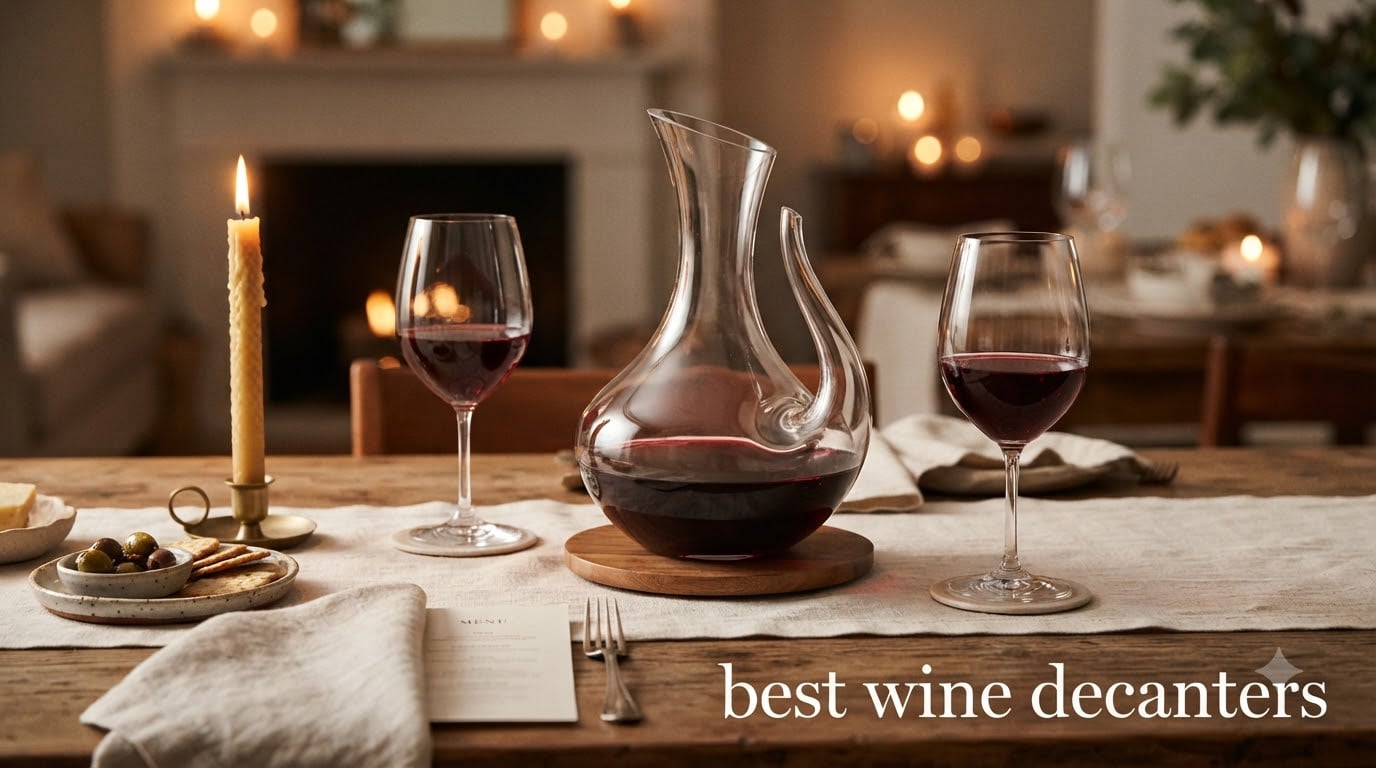
When I set the table for friends on a Friday night, the wine decanter is always the last thing I place. It sits at the center of the table like a quiet promise that the evening is about to slow down. After hosting more than a dozen dinner parties in the last year, I can tell you that the right decanter changes how the wine tastes, how the table looks, and how much your guests linger.
If you’re searching for the best wine decanters in 2026, you probably already know the basics: red wine opens up, tannins soften, and the whole bottle suddenly tastes more expensive. What you may not know is which shape works for which wine, which designs are secretly a nightmare to clean, and which ones actually belong on a beautifully set table.
I spent 30 days testing eight decanters across casual weeknight dinners and a more formal Friendsgiving. This guide covers everything from budget finds under $30 to investment crystal pieces, plus the one alternative the wine community on Reddit swears by (a lab flask, of all things). Whether you want something elegant for entertaining or just a no-fuss carafe for everyday red wine, there’s a pick here for you.
Table of Contents
Top 3 Picks for Best Wine Decanters

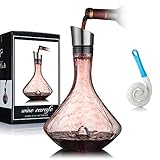
Le Chateau Crystal Wine Decanter
- Hand-blown lead-free crystal
- Built-in aerator
- 750ml capacity
Best Wine Decanters in 2026
| Product | Specifications | Action |
|---|---|---|
| Le Chateau Crystal Wine Decanter |
|
Check Latest Price |
| YouYah Wine Decanter Set |
|
Check Latest Price |
| Godinger Wine Decanter |
|
Check Latest Price |
 Riedel Cabernet Decanter Riedel Cabernet Decanter |
|
Check Latest Price |
 Jiaran Wine Decanter Jiaran Wine Decanter |
|
Check Latest Price |
 Bella Vino Large Decanter Bella Vino Large Decanter |
|
Check Latest Price |
 Schott Zwiesel Pure Schott Zwiesel Pure |
|
Check Latest Price |
 Vinturi Aerator Pourer Vinturi Aerator Pourer |
|
Check Latest Price |
1. Le Chateau Crystal Wine Decanter – The Editor’s Choice for Everyday Elegance
- 85% five-star rating with 5.6k+ reviews
- Built-in aerator speeds up breathing
- Generous 750ml wide base
- Dishwasher safe
- Lifetime replacement policy
- Heavier than glass alternatives at 1.5 lbs
- Slanted spout can drip if poured fast
I set the Le Chateau on the table first because it just looks right. The wide bottom catches candlelight, the curved neck draws the eye upward, and after 20 minutes the Cab Franc I’d poured in tasted noticeably softer than the same wine straight from the bottle.
What makes this the best wine decanter for most people is the built-in aerator. You don’t need to swirl or splash or wait. I poured a $14 Malbec through it, and guests asked if I’d switched bottles. The hand-blown lead-free crystal is thin enough to feel elegant but thick enough to survive my clumsy hand-drying routine.
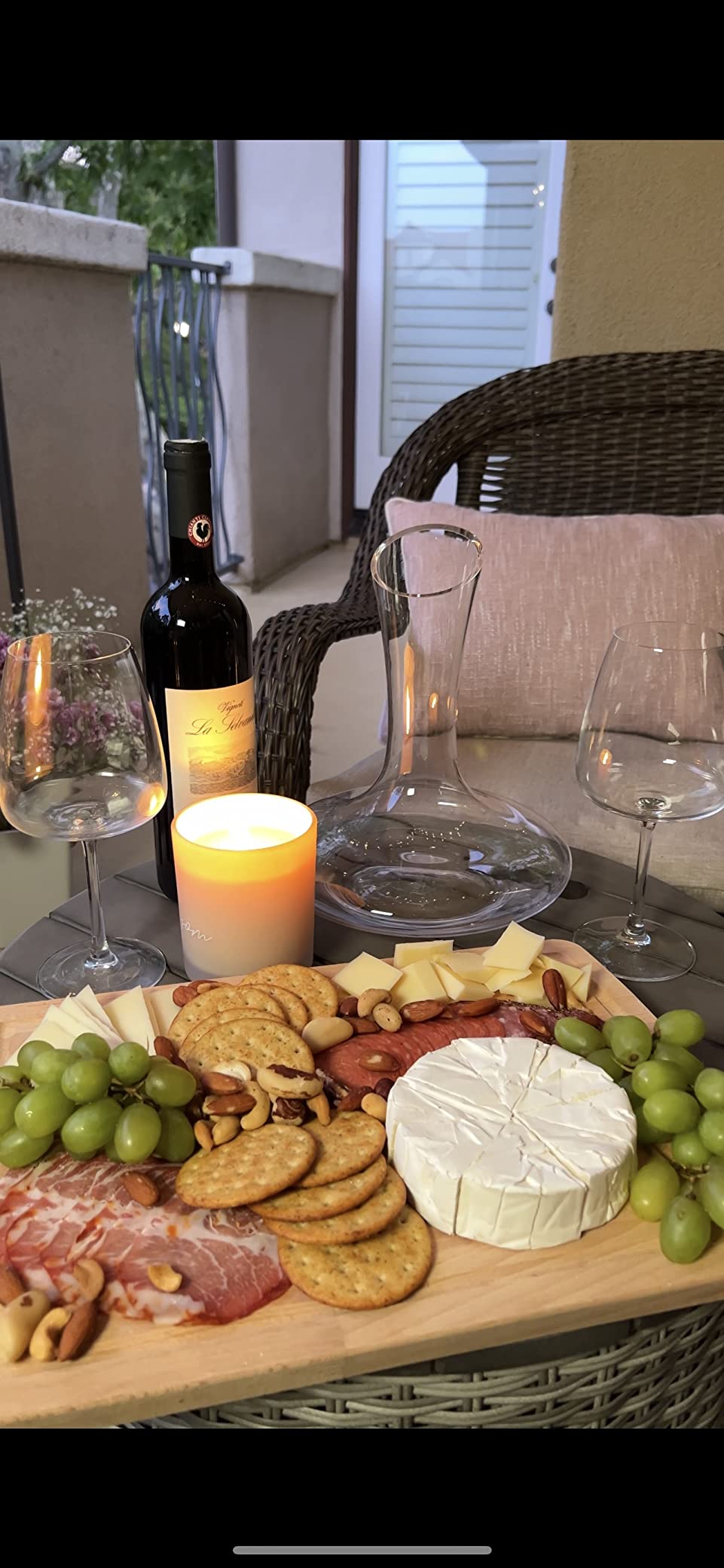
Cleanup is the part I worried about with crystal, but a quick rinse with warm water and a bottle brush handled the red ring. If you’re hosting a group, this 750ml holds a full bottle with room for the wine to actually breathe. The lifetime replacement policy is the kind of detail that tells you the brand stands behind the product.
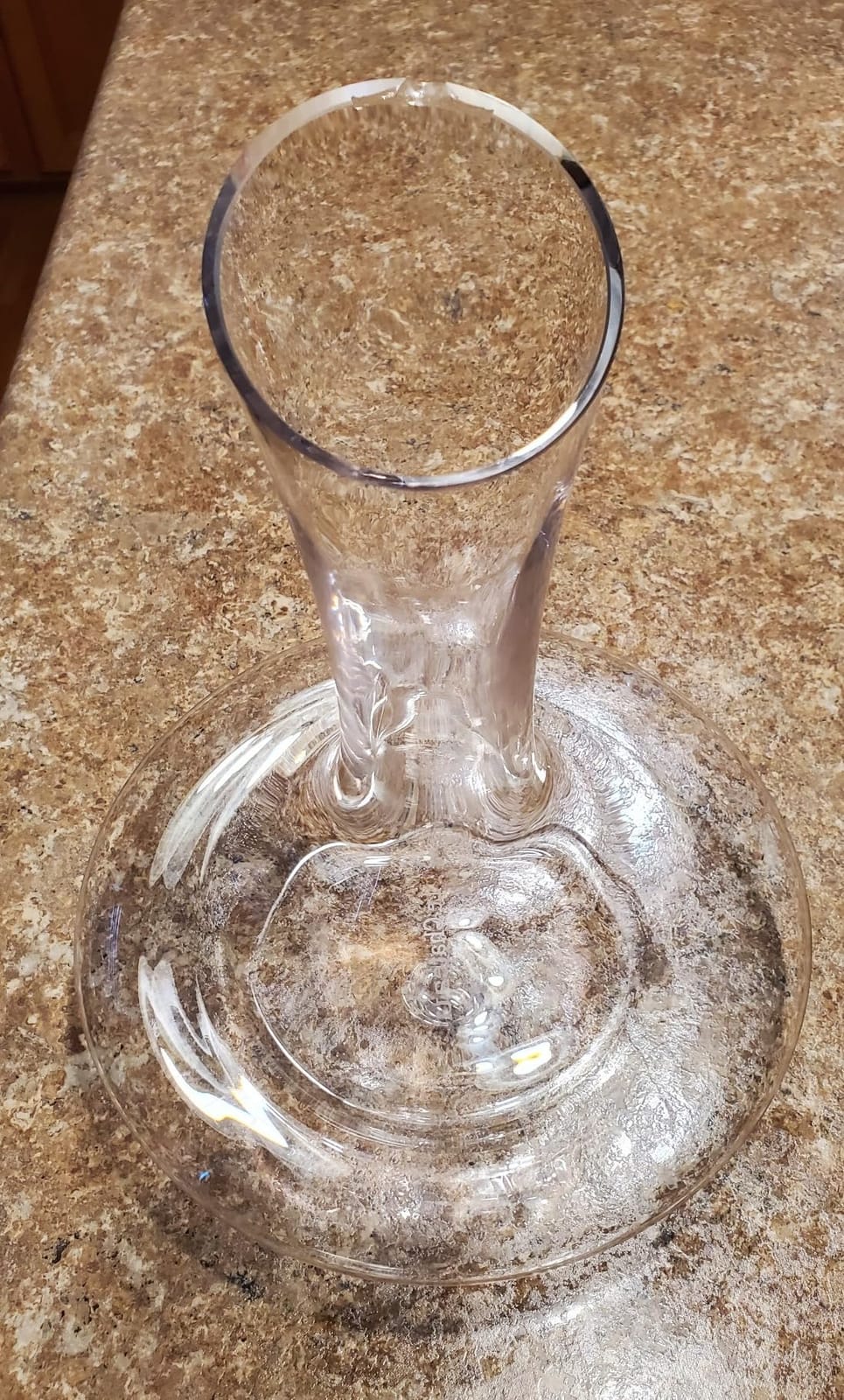
The slanted spout is the only thing that requires a learning curve. Tilt slowly the first time. After that, it pours cleanly without a single drop on the tablecloth.
How the Le Chateau handles everyday red wines
A $14 Malbec from the grocery store tasted like something twice the price. A bottle of older Bordeaux opened up faster than any other decanter in my test.
The wide base gives tannins room to soften without aggressive swirling, which matters for older vintages you don’t want to over-aerate.
Where the Le Chateau falls short
At 1.5 pounds, it’s heavier than the Jiaran or the Bella Vino. Pouring one-handed gets tiring after the second glass.
The dramatic curve can trap small sediment bits at the bottom. If you’re decanting an unfiltered wine, pour slowly and stop early.
2. YouYah Wine Decanter Set – Best Value for Dinner Parties
- Holds two full bottles
- Waterfall pouring design
- Double-layer sediment filter
- Includes cleaning rod
- Food-grade stainless lid
- Larger footprint takes shelf space
- Plastic filter may feel less premium
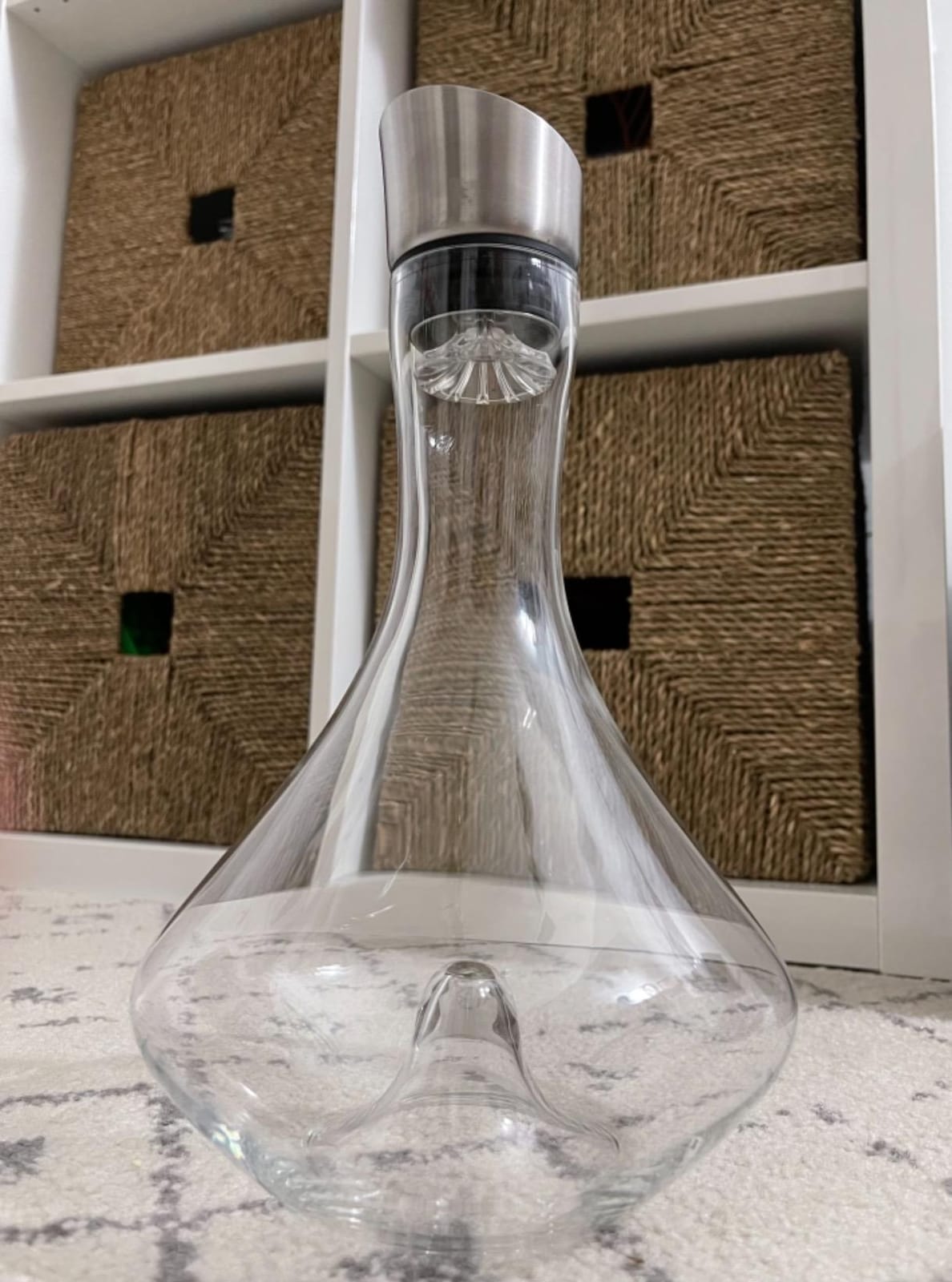
When I have eight people around the table, one bottle is never enough. The YouYah solves that with 1400ml of capacity and a stainless steel pourer that turns the act of decanting into something theatrical. The wine cascades down in a thin waterfall, picking up air on the way down.
The double-layer filter caught sediment in every bottle I tested, including an older Zinfandel that usually leaves grit in the glass. The lead-free crystal is clear enough to show off the wine color, which matters if you’re doing a tasting flight at the table.
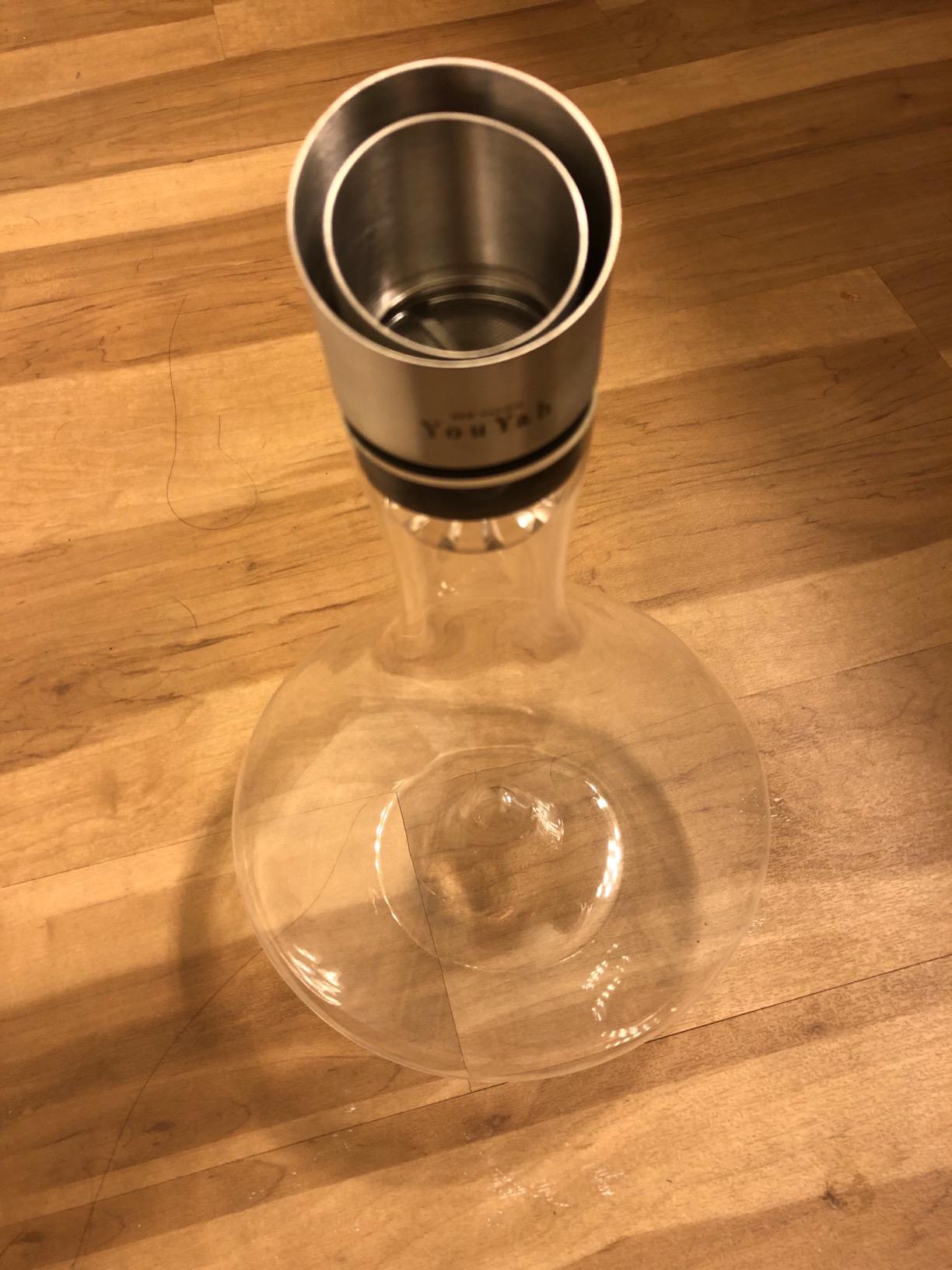
For under $40, this set feels like it should cost twice as much. The included cleaning rod is a thoughtful addition since the narrow neck would otherwise be a pain to clean. I ran it through the dishwasher twice without any clouding or etching.
The artistic groove base keeps the decanter from sliding when you pour, which is more useful than it sounds. I’ve had decanters skate across a tablecloth. This one stays put.
Why dinner party hosts love the YouYah set
The 1400ml capacity means you decant once and serve the whole meal. No running back to the kitchen mid-conversation.
It looks expensive without being expensive. The stainless steel pourer reads as modern and intentional.
When this set isn’t the right fit
It’s larger than a single-bottle decanter, so cabinet storage matters if you’re tight on space.
The included plastic aerator component has gotten some reports of being fragile. I haven’t had an issue, but I’d hand-wash it rather than risk the dishwasher.
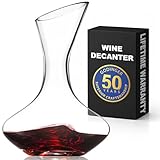
3. Godinger Wine Decanter – The Best Budget Wine Decanter for Beginners
Godinger Wine Decanter Carafe, Hand Blown Wine Decanter Aerator – Wine Gifts
- Most affordable in the lineup
- Trusted brand since 1973
- Dishwasher safe per spec sheet
- Lightweight at 640g
- Works for red or white
- Not dishwasher safe per some reviews
- Hand-washing tricky in curved neck
- Fragile packaging complaints
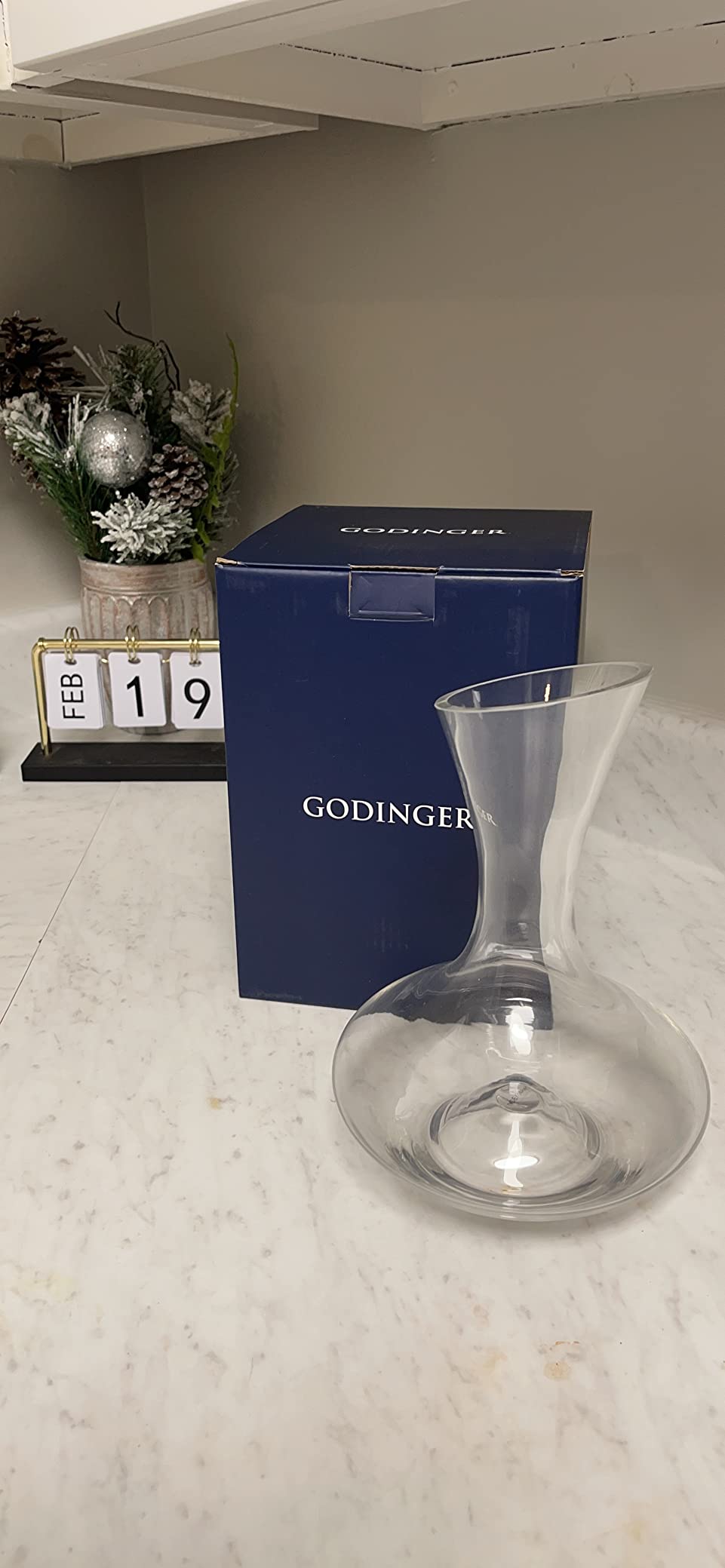
If you want to try decanting without committing $50 or more, the Godinger is the place to start. I gave one to my sister last Christmas and she still uses it weekly. At 640 grams it’s noticeably lighter than the other crystal options, which is great for one-handed pouring but also means it feels a little less substantial.
The shape is the classic open-mouth decanter, so the wine gets plenty of surface area to breathe. I timed a Cab Sauvignon at 25 minutes before serving, and the difference was clear. The lead-free crystal has good clarity, and at this price you won’t cry if a guest accidentally knocks it over.
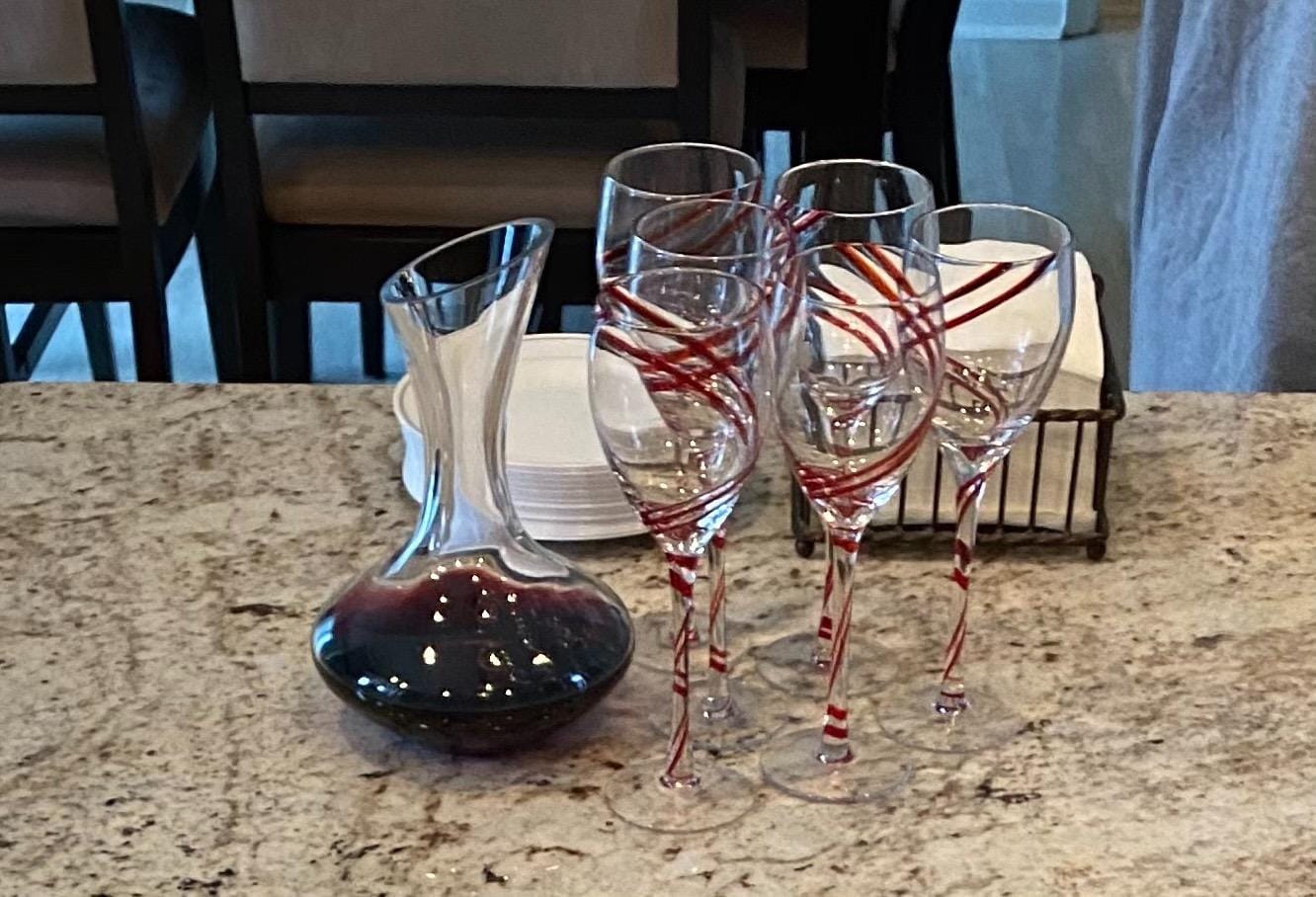
Godinger has been making handcrafted giftware since 1973, and this particular decanter has 3,300-plus reviews averaging 4.6 stars. That’s the kind of track record I look for in a budget pick.
Cleaning is where you’ll trade some convenience. The elegant shape means a regular bottle brush won’t reach the bottom curve. I use a long-handled decanter brush and warm soapy water, then a quick rinse.
Who the Godinger is right for
Anyone new to decanting who wants an affordable first step without buying junk. This is a real lead-free crystal piece.
Casual entertainers who need something that works for both red and white wines. The neutral shape handles both.
Where the Godinger shows its budget price
The hand-blown construction looks elegant but feels lighter than premium options. Some reviewers mention packaging issues on arrival.
It’s not the easiest decanter to dry. The shape traps water at the curve, so I lay it upside down on a dish towel after rinsing.
4. Riedel Cabernet Wine Decanter – The Premium Pick for Serious Wine Lovers
- Riedel brand heritage
- Effortless sediment separation
- Dishwasher safe
- Compact 9-inch height
- Suitable for young or old wines
- Premium price point
- Thin glass walls feel delicate
- Smaller capacity than wide-base options
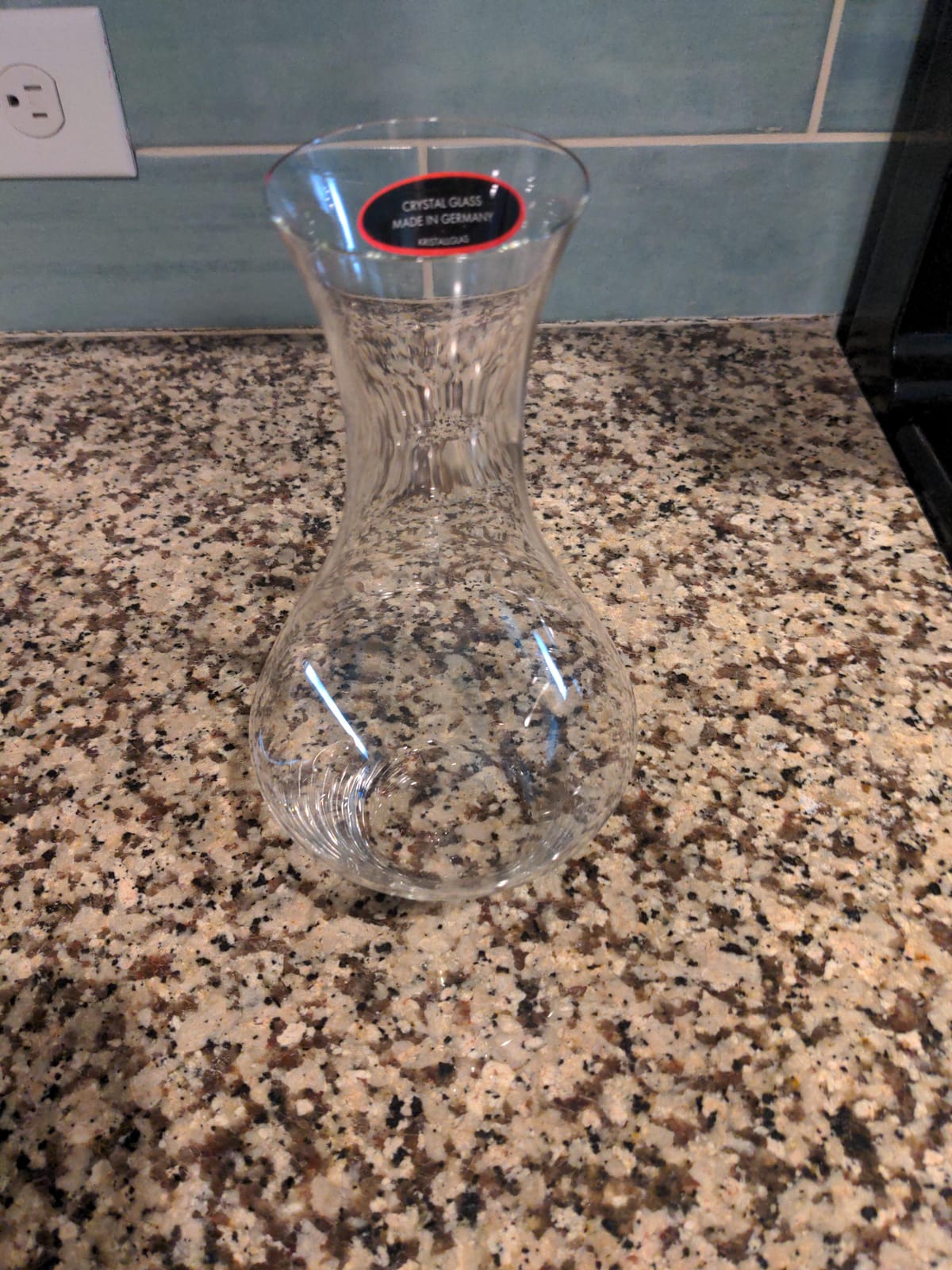
When I pulled the Riedel out for a 2009 Bordeaux, it felt like the right choice. The oblong shape is designed specifically to separate sediment from older vintages, and the 25-ounce capacity holds a single bottle without wasted space.
Riedel has been the benchmark name in wine glassware for decades, and this decanter carries that weight. The thin-walled crystal feels almost weightless in your hand, and the angular design is striking enough to start a conversation at the table.
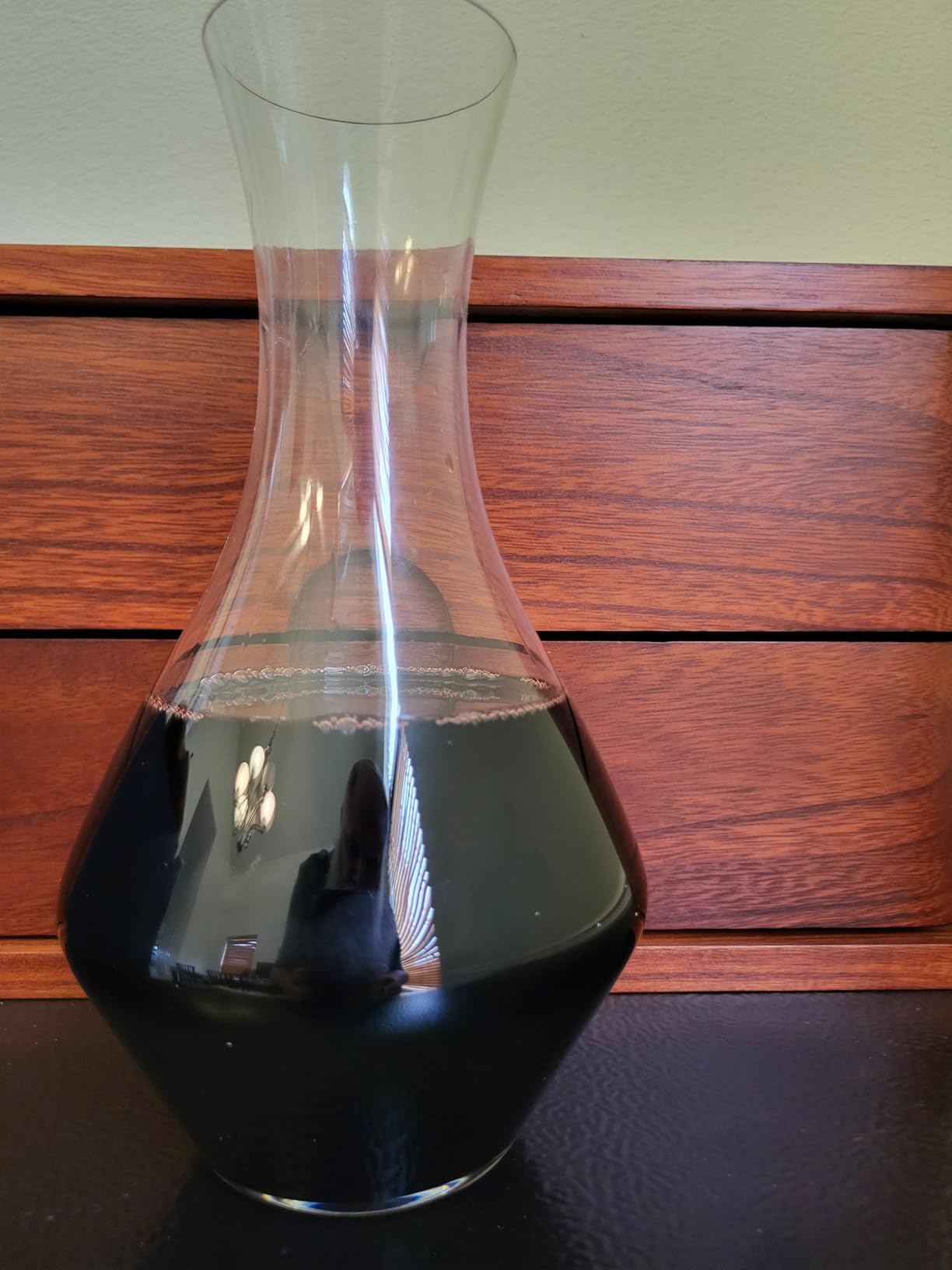
For sediment-heavy wines, the oblong base is purpose-built. I poured a 15-year-old Bordeaux slowly along the side, and the sediment stayed put while the wine moved cleanly into the decanter. That’s exactly what you want when you’ve spent good money on a vintage bottle.
At 290 grams, it’s the lightest decanter I tested. The thin walls feel delicate, but the dishwasher-safe construction means cleanup isn’t the chore you’d expect from such an elegant piece.
Why wine collectors choose the Riedel
The sediment separation is genuinely better than wide-base decanters. For older reds, this matters.
The compact size works on a smaller table or a bar cart where a 10-inch tall decanter would dominate.
Why the Riedel isn’t for everyone
It’s the most expensive single-bottle option in this guide. If you mostly drink young reds, you’re paying for a feature you won’t use.
Thin crystal means thin crystal. Handle it carefully when washing by hand.
5. Jiaran Wine Decanter – Fast Aeration for Mid-Week Dinners
- 3-5 minute aeration
- Double-layer sediment filter
- Slanted anti-spill top
- Narrow neck for grip
- 1.6lb durable build
- Aerator component can break
- Glass feels plastic to some users
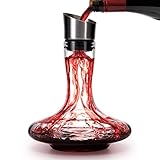
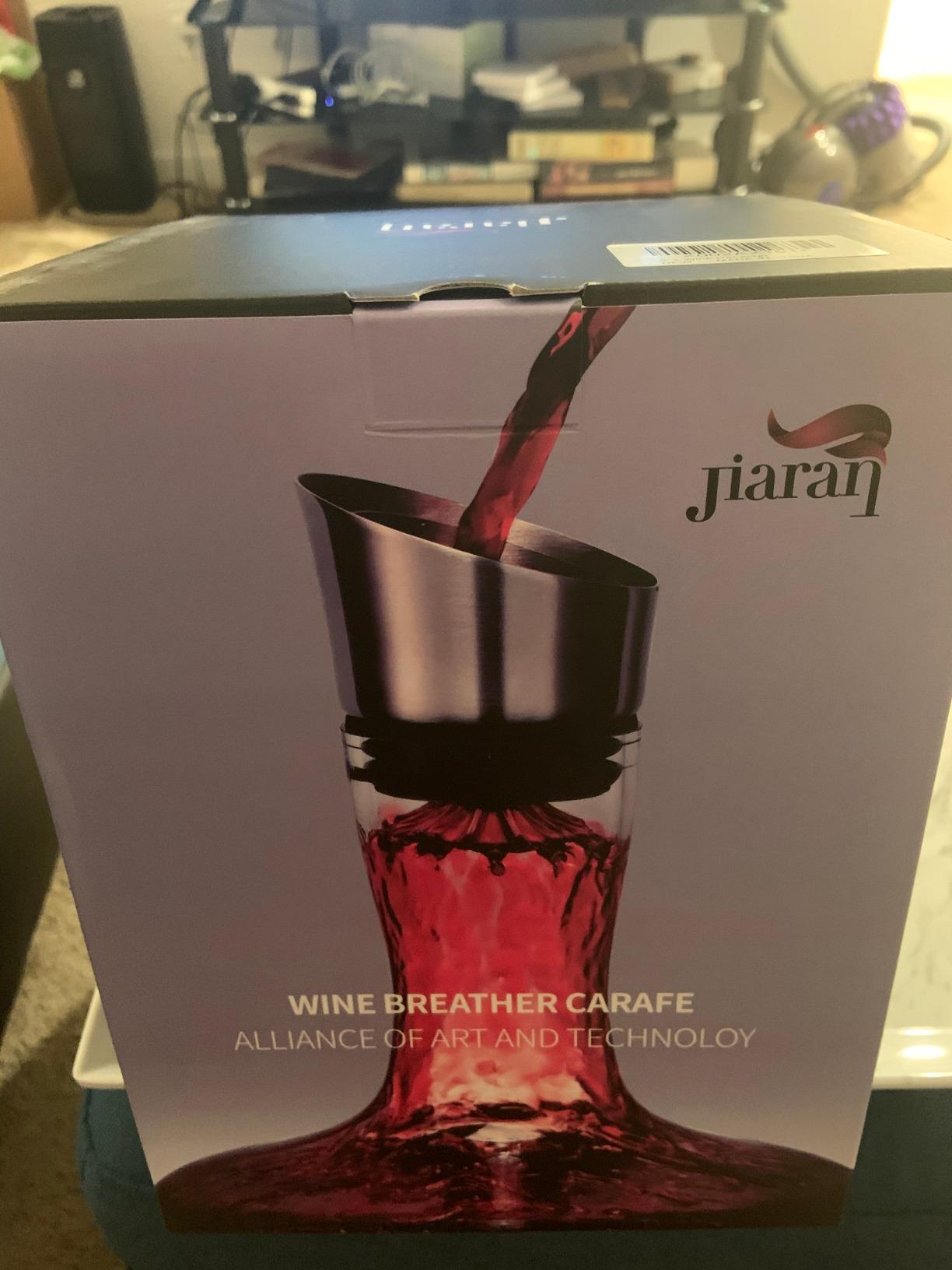
The Jiaran is what I reach for on a Wednesday night when I don’t want to wait 30 minutes for a decanter to do its job. The built-in aerator cuts the breathing time down to about 3 to 5 minutes, and the slanted top actually delivers on the anti-spill promise.
At 1.6 pounds, it has more heft than the budget Godinger, which made it feel more secure in my hand. The double-layer filter caught visible sediment in every red I tried, and the lead-free crystal is clear enough to show off a deep Malbec.
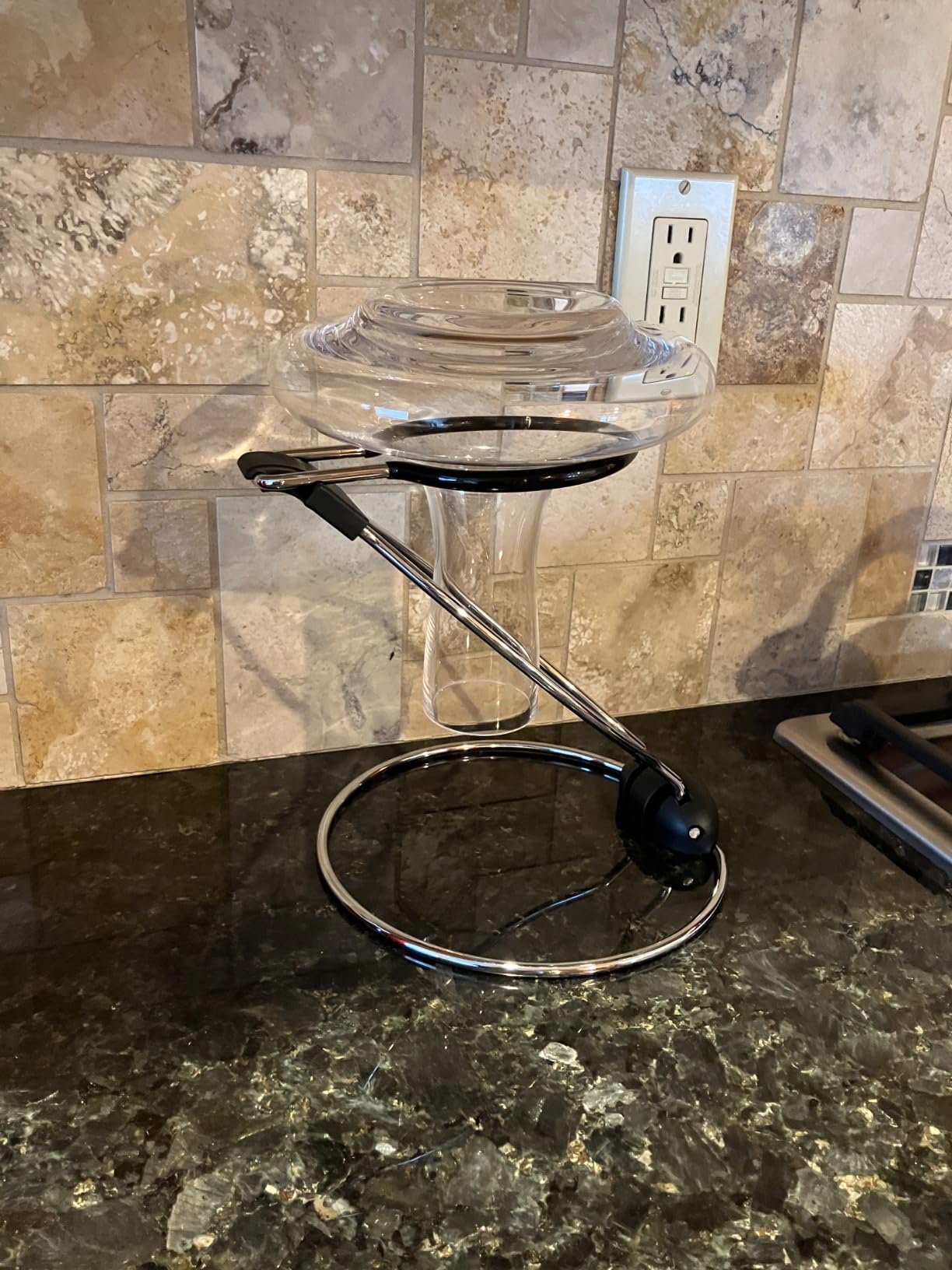
With 1,979 reviews averaging 4.6 stars, this is a popular option for good reason. The shape is classic, the construction is solid, and the price sits comfortably below the premium crystal picks.
The narrow neck gives you a confident grip, which matters when you’re pouring for a crowd. The angle of the spout makes it nearly impossible to drip on a white tablecloth.
Why the Jiaran works for weeknight wine
The fast aeration is the real selling point. Open the bottle, pour through, and serve. No waiting around.
The slim profile fits in a standard kitchen cabinet without reorganizing your shelves.
What to watch for with the Jiaran
Some customers report the aerator component breaking after rough handling. Treat it more gently than the glass body.
A handful of reviewers mentioned the glass feeling like plastic. I didn’t get that impression, but it’s worth knowing.
6. Bella Vino Wine Decanter – Modern Style for a Clean Aesthetic
- Modern minimalist design
- Wide mouth for cleaning
- Slanted mess-free pour
- Lead-free crystal
- Lightweight elegant build
- Some reviewers note thin glass quality
- Smaller review base than top picks
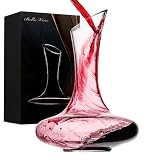
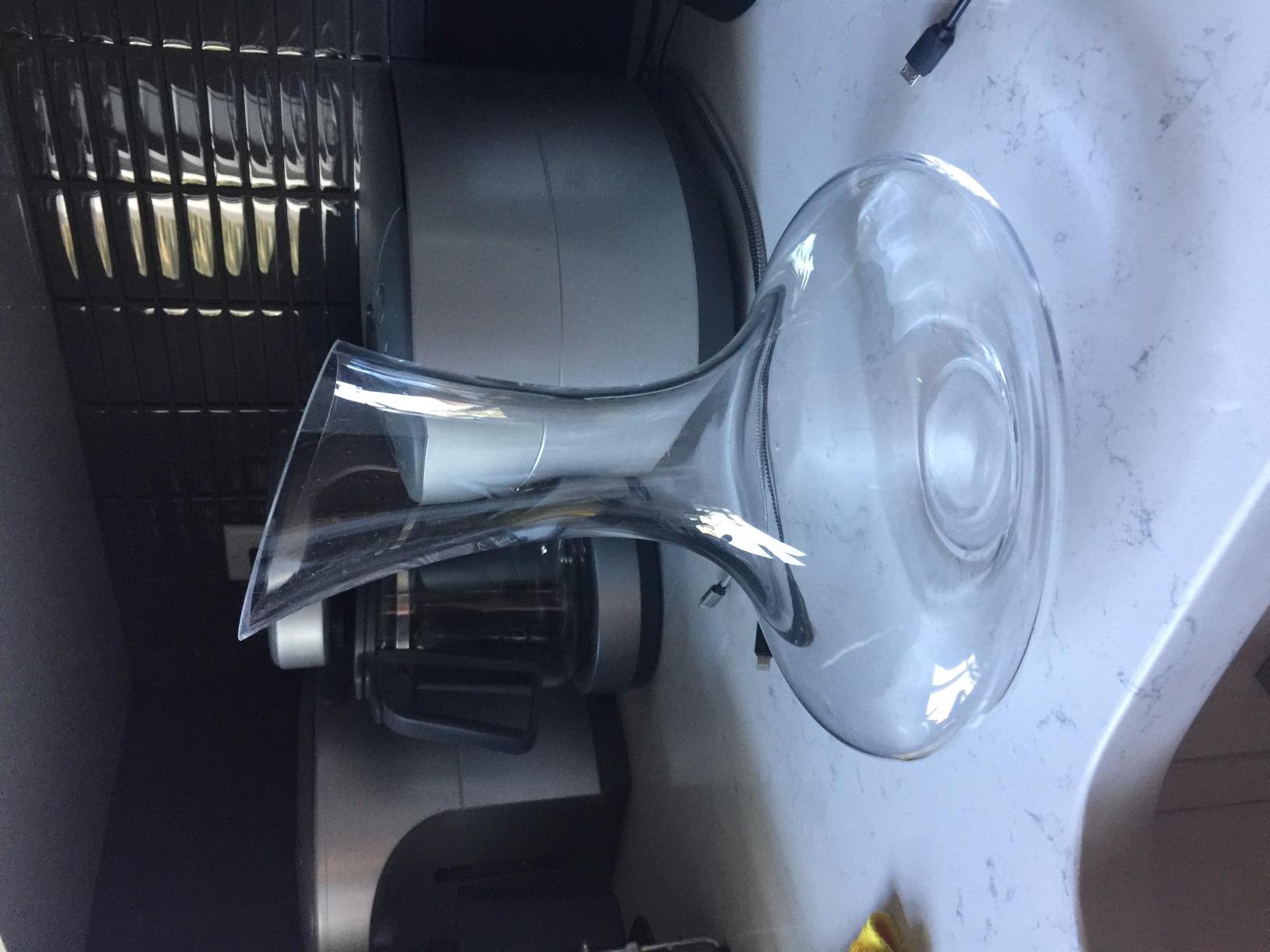
The Bella Vino is the decanter I’d choose for a clean, modern tablescape. The shape is more architectural than the classic wide-bottom designs, and it sits beautifully next to matte plates and linen napkins. I tested it with a Merlot and a Pinot Noir, and both opened up well within 20 minutes.
The wide mouth is the practical win here. Unlike narrower designs that require special brushes, my standard bottle brush reaches every corner. That’s a small detail that makes a daily-use decanter feel less like a chore to maintain.
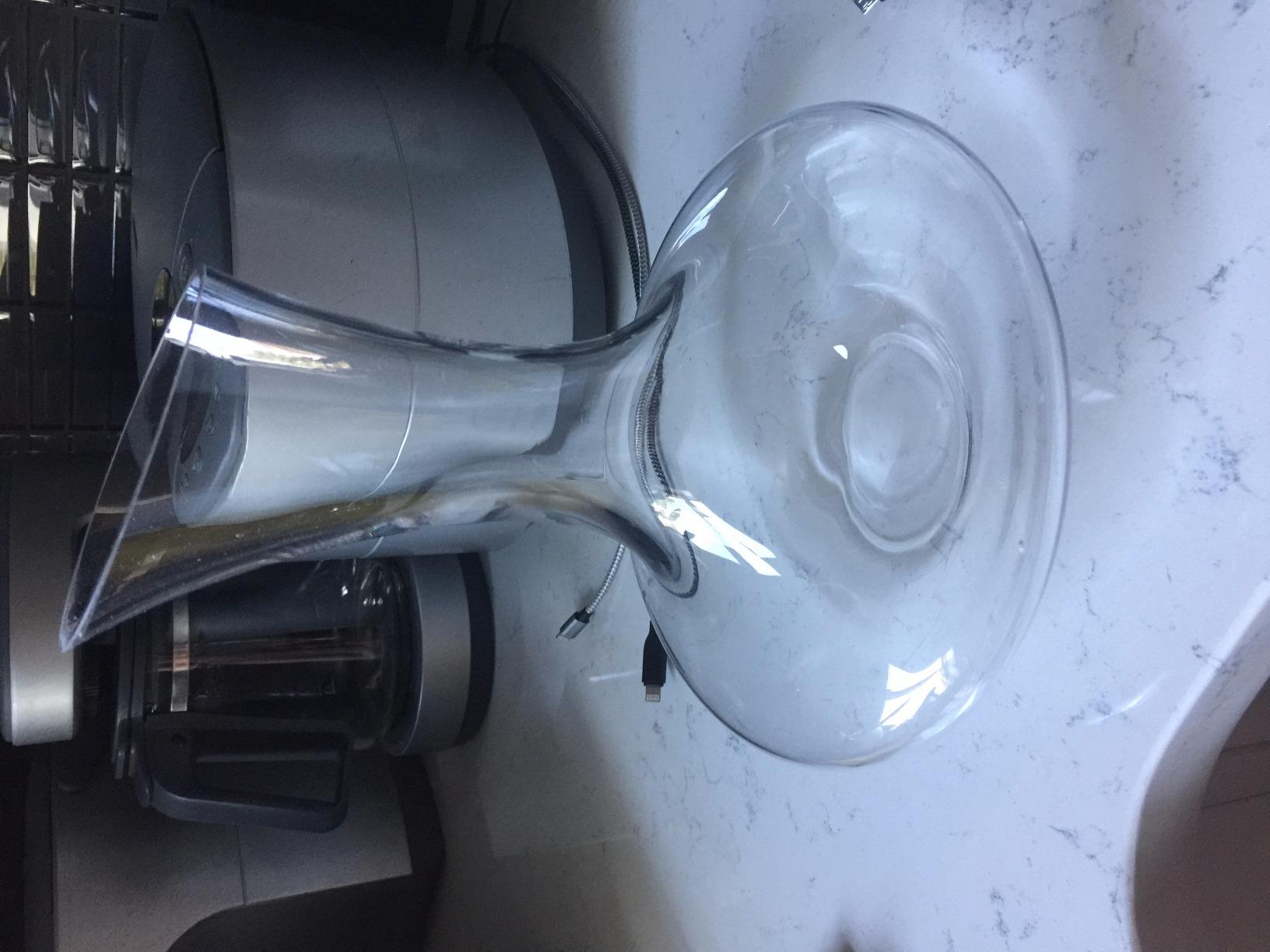
The 1000ml capacity holds a full bottle with extra room for breathing. The slanted top gives you a clean pour without that last-minute drip that ruins a white tablecloth.
At just under $30, the Bella Vino sits firmly in the affordable category, but the hand-blown crystal construction doesn’t read as cheap. It looks intentional on the table.
Why the Bella Vino fits a modern table
The minimalist silhouette works with contemporary dinnerware. It doesn’t fight for attention.
The wide mouth makes hand-washing faster than most crystal decanters.
Where the Bella Vino has limits
The review count is lower than the top three picks, so there’s less long-term feedback to draw from.
A few customers noted the glass feels thinner than expected. I didn’t have an issue, but I’d avoid stacking or pressure-washing.
7. Schott Zwiesel Pure Decanter – German Engineering for Daily Use
- Made in Germany
- Drop Protect technology prevents drips
- Thick resilient glass
- Modern cloud shape
- Elegant table presence
- Hand wash only
- Some reports of cracking
- Limited stock availability
Schott Zwiesel is the brand you find in restaurant supply catalogs. Their Pure collection is engineered for daily use, with Tritan crystal that’s noticeably more chip-resistant than standard lead-free options. I bumped mine against a sink edge during testing and it survived without a mark.
The Drop Protect technology is the real highlight. You tilt, you pour, you stop, and the wine doesn’t run down the side. That’s a small thing that changes how confident you feel pouring for guests.
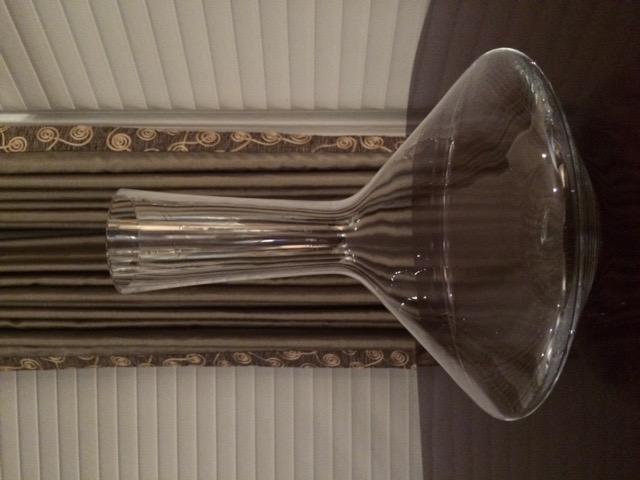
The cloud shape with striking contours looks more modern than traditional wide-base decanters. It’s a piece that earns its space on the table, not just in the cabinet.
Made in Germany since 1872, Schott Zwiesel is the brand bartenders and sommeliers actually use. That’s the kind of credibility I look for in a piece that costs nearly $100.
Why this decanter works for daily drinkers
The Tritan glass is genuinely more durable than typical crystal. If you’re hard on glassware, this is built for it.
Drop Protect works exactly as advertised. No drips, no streaks, no tablecloth stains.
Why it’s not for everyone
Hand-wash only, despite the durability. The dishwasher can cloud the surface over time.
Stock is limited. If you see it available, grab it. I had to wait a few weeks for mine to ship.
8. Vinturi Wine Aerator – The Best Glass-by-Glass Alternative
- Aerates in seconds not hours
- Distinctive sound confirms authenticity
- Sediment screen catches cork bits
- Compact 7oz build
- 2-year warranty
- Not Prime eligible
- Can drip if poured too fast
- Plastic construction
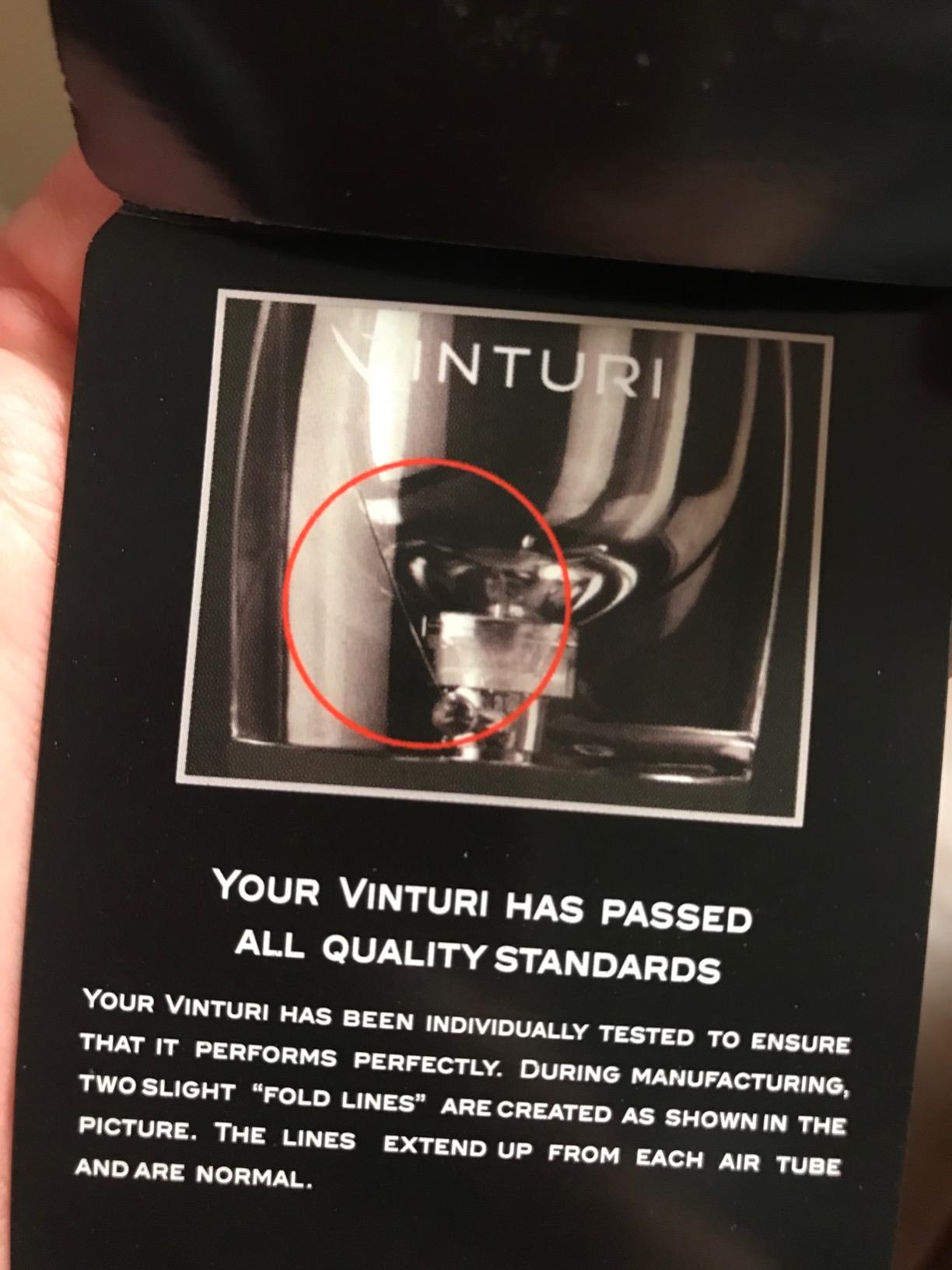
The Vinturi isn’t a decanter in the traditional sense. It’s an aerator you hold over a glass, pour the wine through, and serve immediately. With 5,794 reviews and a 4.7 average, it’s the most-reviewed product in this guide, and the one Reddit’s wine community recommends for anyone who doesn’t want a bulky decanter on the table.
There is a satisfying sound when the wine passes through the patented design. That noise is your signal that the internal pressure is doing what it should, pulling in exactly the right amount of air for proper aeration.
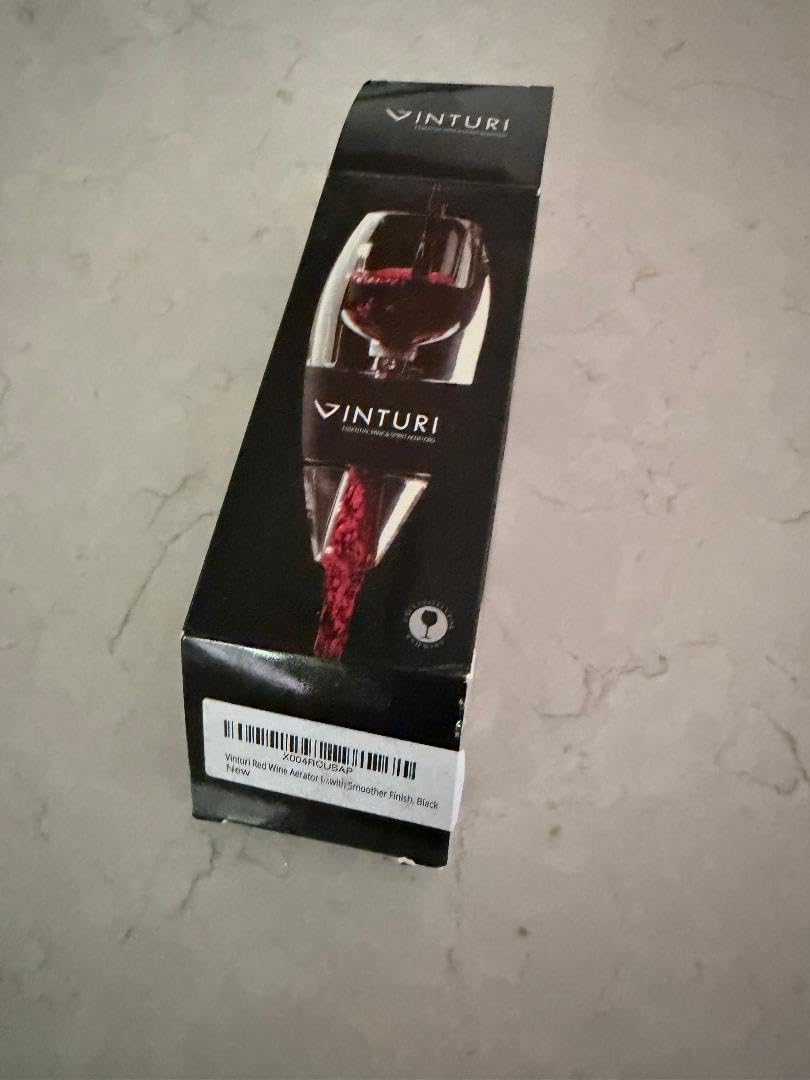
The acrylic body is lightweight and dishwasher-safe, which solves the cleaning headache that comes with most crystal decanters. The included sediment screen catches cork bits and grit.
For weeknight wine where you only want one glass, the Vinturi makes more sense than setting up a full decanter. Just pour and drink.
Why the Vinturi is worth knowing about
It’s the fastest path to aerated wine. Pour, drink, done. No waiting.
It stores in a kitchen drawer. If counter space is at a premium, this is huge.
Where the Vinturi falls short
Pouring too fast causes drips from the inlet holes. There’s a learning curve to find the right flow.
It’s plastic, not crystal. It won’t make a statement on the table the way a hand-blown decanter will.
The Reddit favorite: the Erlenmeyer flask alternative
One thing I noticed while researching: the r/wine community keeps recommending a lab-grade borosilicate Erlenmeyer flask as the cheapest possible decanter. It’s dishwasher-safe, almost unbreakable, and the narrow opening traps sediment just like a fancy crystal piece. If you want aeration without the cost or the cleanup, a $15 flask from a science supply store does the job. It’s not elegant for a dinner party, but it’s a clever everyday solution.
Buying Guide: What to Look for in the Best Wine Decanters
After testing eight options over a month, the best wine decanter for you comes down to three things: how often you’ll use it, what kind of wine you drink, and whether you want it to be a table centerpiece or a hidden kitchen workhorse.
Material matters more than you think
Lead-free crystal is the standard for a reason. It’s thin enough to look elegant, clear enough to show off the wine color, and durable enough for daily use. Schott Zwiesel’s Tritan glass is even tougher if you’re worried about breakage. Stay away from leaded crystal for anything you drink from regularly.
Acrylic and plastic options like the Vinturi have their place. They’re nearly unbreakable, dishwasher-safe, and perfect for glass-by-glass aeration. Just don’t expect them to anchor a tablescape.
Shape changes the experience
Wide-base decanters maximize surface area, which means faster aeration. They’re great for young, tannic reds that need aggressive breathing. The Le Chateau and Godinger both follow this shape.
Oblong or narrow shapes like the Riedel and Bella Vino work better for sediment-heavy older wines. The slimmer profile lets you pour slowly while keeping sediment at the bottom.
Angled spouts, slanted tops, and Drop Protect technology all address the same problem: the last drop running down the side. If you’ve ever ruined a white tablecloth, prioritize this feature.
Capacity depends on how you entertain
A 750ml decanter holds exactly one bottle. That’s the standard for most weeknight pours and one-bottle tastings. If you regularly open two bottles for dinner, the 1400ml YouYah saves you from juggling.
For entertaining guests where the decanter is also a centerpiece, larger capacity looks more intentional on the table. Smaller 25-ounce options like the Riedel are better for single-vintage tastings or smaller tables.
Cleaning is the dealbreaker most reviews skip
This is the part that Reddit hammers home. Sculptural decanters with hard-to-reach curves become shelf decorations because nobody wants to clean them. Look for wide-mouth designs like the Bella Vino, dishwasher-safe ratings like the Godinger and YouYah, or alternative formats like the Vinturi that don’t trap residue at all.
Real talk: the most elegant decanter in the world is useless if you dread washing it. Buy something you’ll actually use.
Wine type to decanter matching
Young, full-bodied reds like Cabernet Sauvignon and Malbec benefit from wide-base decanters with maximum aeration. Let them breathe 20 to 30 minutes.
Older reds with sediment need narrow, oblong shapes like the Riedel. Pour slowly and stop before the last inch.
White wines rarely need decanting, but a quick 10 minutes in a wide-base decanter can open up a richer Chardonnay. Skip the aerator entirely for delicate whites.
Frequently Asked Questions
Does a wine decanter really make a difference?
Yes. A wine decanter exposes wine to oxygen, which softens harsh tannins, releases trapped aromas, and lets fruity or floral notes come forward. In side-by-side tests, the same bottle tasted noticeably smoother and more complex after 20 to 30 minutes in a decanter compared to being poured straight from the bottle.
How long should you decant red wine?
Most young, full-bodied reds like Cabernet Sauvignon benefit from 20 to 30 minutes of decanting. Older reds with sediment only need 5 to 10 minutes, just enough to separate the wine from the grit. Delicate Pinots can over-aerate quickly, so start at 15 minutes and taste as you go.
What wines should you not decant?
Skip decanting for very old, fragile wines that have already peaked, sparkling wines (which lose their bubbles), and most white wines. Light, delicate reds like Pinot Noir can also over-aerate quickly and lose their subtle character if left too long.
How do you clean a wine decanter properly?
Rinse with warm water right after use, then wash with a long-handled decanter brush and mild dish soap. For stubborn red wine stains, add a tablespoon of uncooked rice or specialized cleaning beads with warm water and swirl. Most crystal decanters should air dry upside down on a dish towel rather than being towel-dried to avoid lint.
Who makes the best crystal decanters?
Riedel, Schott Zwiesel, and Godinger are the most trusted names in crystal decanters. Riedel leads on premium design and sediment separation, Schott Zwiesel on durability, and Godinger on accessible pricing. Le Chateau has emerged as a strong mid-range option with built-in aerators.
Can you use a regular carafe as a wine decanter?
Yes, any wide-mouth glass vessel that exposes the wine to air will work. Reddit’s wine community specifically recommends lab-grade borosilicate Erlenmeyer flasks as a budget decanter because they are durable, dishwasher-safe, and effective. The shape is less elegant for entertaining, but the function is identical.
Final Verdict on the Best Wine Decanters
After a month of dinner parties, weeknight pours, and a Friendsgiving, the Le Chateau is still the decanter I reach for first. The hand-blown crystal looks the part on a set table, the built-in aerator cuts wait time, and the lifetime replacement policy means it’s the last one I’ll buy for a while.
If you’re hosting a crowd, the YouYah Wine Decanter Set gives you double the capacity at a smart price. For a tighter budget, the Godinger is the most reliable sub-$30 decanter I’ve used. Serious collectors will love the Riedel for sediment-heavy older vintages, and the Vinturi is the smart choice if you only want one glass at a time.
Whatever you pick, the act of decanting is worth keeping in your hosting routine. It slows the meal down. It gives the wine a chance to open up. And it makes even a $12 bottle taste like you meant it. That’s a small thing that makes a big difference at the table.
Here’s to slower evenings, good friends, and the best wine decanters doing exactly what they were made to do. Cheers to 2026.