

Waking up to a blaring phone alarm is nobody’s idea of a good morning. I spent three months testing the best sunrise alarm clocks on the market, and the difference in how I felt each morning was night and day. Instead of a jolt of adrenaline, I was waking up gently as a simulated sunrise slowly filled my room with warm light.
Our team set up 10 of the most popular wake-up lights in real bedrooms, testing brightness levels, sunrise durations, sound quality, and everyday usability. We compared budget picks under $35 alongside premium models from Hatch and Philips. The goal was simple: find out which ones actually help you wake up feeling refreshed and which ones leave you groggy.
If you sleep in a dark bedroom, struggle with winter mornings, or just want a gentler start to your day, a dawn simulator can make a real difference. Reddit communities like r/sleephackers and r/HubermanLab regularly discuss the circadian rhythm benefits of waking up to gradual light instead of sound. In this guide, we break down the 10 best sunrise alarm clocks available in 2026 so you can find the right one for your bedroom, your sleep habits, and your budget.
Table of Contents
Top 3 Picks for Best Sunrise Alarm Clocks

Best Sunrise Alarm Clocks in 2026
| Product | Specifications | Action |
|---|---|---|
 Hatch Restore 3 Hatch Restore 3 |
|
Check Latest Price |
| Philips SmartSleep HF3520 |
|
Check Latest Price |
| JALL Full-Screen Wake Up Light |
|
Check Latest Price |
 Dreamegg Sunrise 1 Dreamegg Sunrise 1 |
|
Check Latest Price |
 ecozy Sunrise Alarm Clock ecozy Sunrise Alarm Clock |
|
Check Latest Price |
 Lumie Bodyclock Shine 300 Lumie Bodyclock Shine 300 |
|
Check Latest Price |
 Dekala Sunrise Alarm Clock Dekala Sunrise Alarm Clock |
|
Check Latest Price |
 HOUSBAY Sunrise Alarm Clock HOUSBAY Sunrise Alarm Clock |
|
Check Latest Price |
 JALL Full Screen Dimmer JALL Full Screen Dimmer |
|
Check Latest Price |
 REACHER R7 Sound Machine REACHER R7 Sound Machine |
|
Check Latest Price |
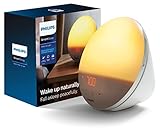
1. Hatch Restore 3 – Smart Sunrise Alarm with App Control
Hatch Restore 3 | Sunrise Alarm Clock, Smart Light, Sleep Audio (Putty)
- Sunrise alarm helps wake up naturally
- 80+ sleep sounds and white noise options
- Customizable bedtime routines with meditations
- Beautiful design that blends with bedroom decor
- Easy one-button control for snooze and routines
- Requires subscription for full features after 30-day trial
- Only works when plugged in (no battery backup)
- Setup requires Bluetooth and stable Wi-Fi
The Hatch Restore 3 was the first wake-up light I tested, and it quickly became the one I reached for most often. The sunrise simulation starts gradually about 30 minutes before your alarm, filling the room with a warm glow that shifts from deep orange to bright white. I found myself waking up just before the sound alarm even triggered, which felt incredibly natural.
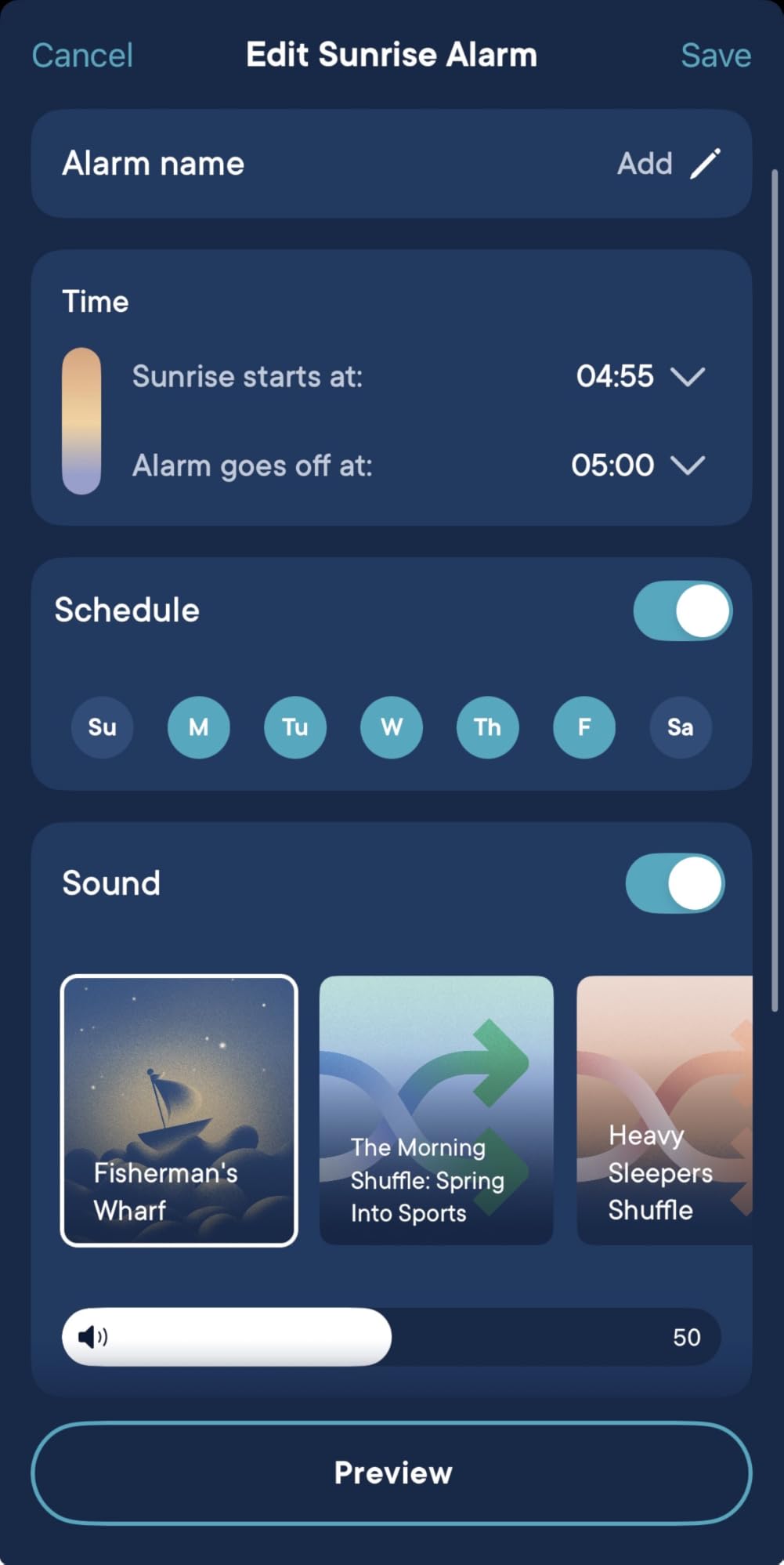
What sets the Hatch apart from every other clock on this list is its smart integration. Through the Hatch Sleep app, you can customize every aspect of your bedtime and wake-up routine. The 80+ sleep sounds include everything from white noise and rain to guided meditations. I particularly loved pairing the sunset wind-down mode with a meditation track for a screen-free evening routine.
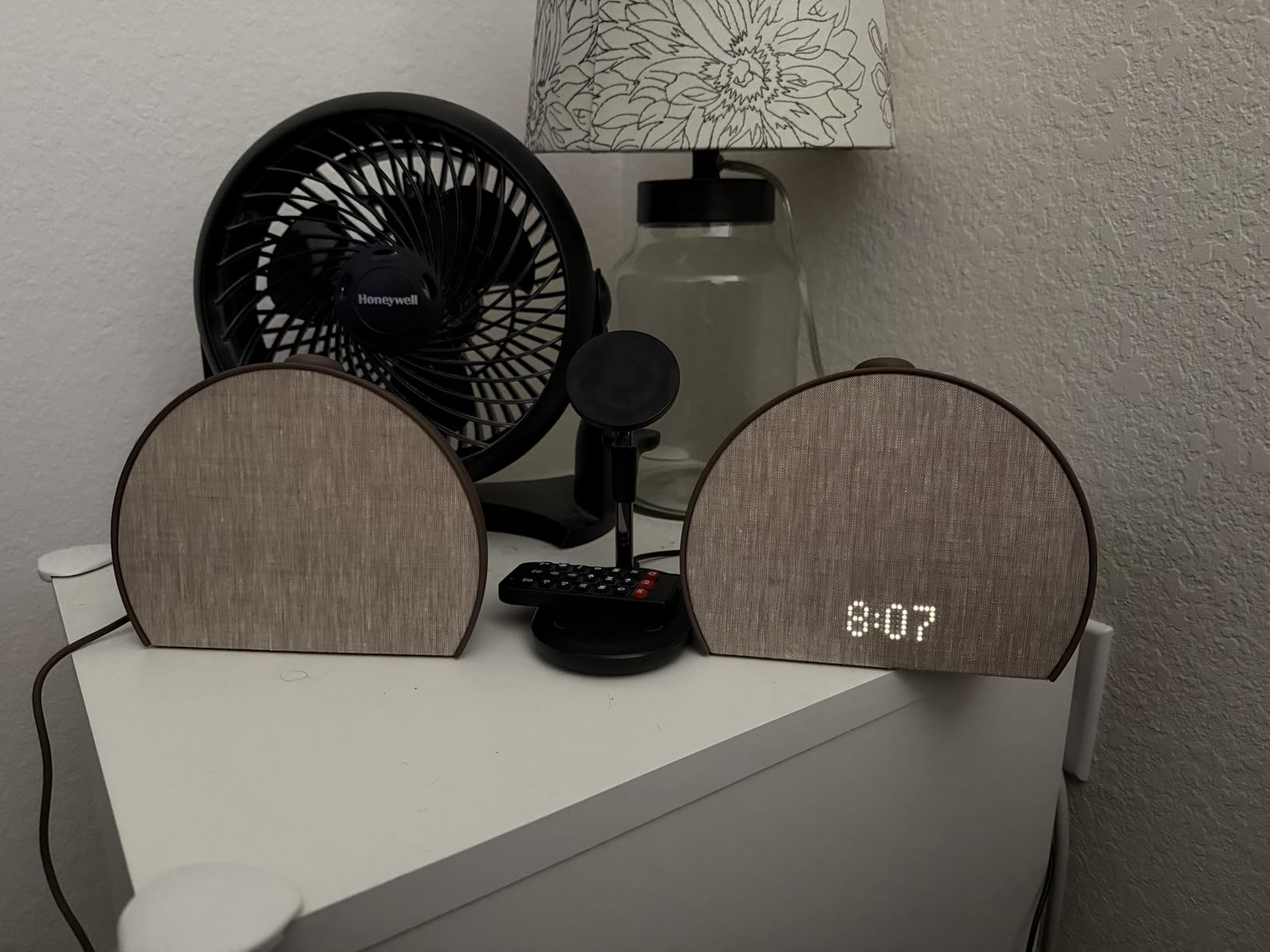
The one-button physical control on top of the device is thoughtfully designed. You tap it once to snooze, hold it to start your bedtime routine, and press it to toggle the nightlight. This simplicity matters at 6 AM when your brain is barely functioning. The fabric-wrapped exterior and minimalist aesthetic also blend beautifully into almost any bedroom decor.
The biggest drawback is the subscription model. After a 30-day free trial of Hatch+ premium content, you lose access to audiobooks, expanded meditations, and curated sleep content. The core sunrise alarm and basic sounds still work without the subscription, but many users on Reddit expressed frustration about paying extra for features that feel like they should be included. There is also no battery backup, so a power outage means waking up to silence.
Who Should Buy the Hatch Restore 3
This is the best sunrise alarm clock for tech-savvy users who want a connected bedroom experience. If you already use smart home devices, want guided meditations built into your bedtime routine, and do not mind using an app for setup, the Hatch Restore 3 delivers the most polished experience on this list. It is also ideal for couples who share a bed and want a beautiful, non-intrusive bedside device.
Subscription and Long-Term Cost Considerations
The Hatch+ subscription runs about $50 per year, and you should factor that into your total cost. Without it, you keep the sunrise alarm, white noise, and basic sounds. With it, you get audiobooks, expanded meditation libraries, and new content added regularly. If you are strongly opposed to subscriptions, look at the Philips SmartSleep or Lumie Shine 300 instead, which offer full functionality without any recurring fees.
2. Philips SmartSleep Wake-Up Light HF3520/60 – Clinically Proven Dawn Simulator
- Clinically proven wake-up light recommended by physicians
- Colored sunrise shifts from red to orange to yellow to white
- Sunset simulation for bedtime wind-down
- 20 brightness settings doubles as reading lamp
- No smartphone app required - simple bedside controls
- Light bulb not replaceable (may fail after 2-3 years)
- No battery backup for power outages
- Clock does not auto-adjust for Daylight Saving Time
- Touch buttons can be hard to navigate in the dark
The Philips SmartSleep HF3520 is the wake-up light that started the category, and it remains one of the most recommended by physicians and pharmacists. When I tested it, the colored sunrise simulation was noticeably different from cheaper models. The light transitions through genuine color shifts from deep red-orange to warm yellow to bright white over 30 minutes, closely mimicking a real sunrise.
This model does not require an app, Wi-Fi, or Bluetooth. Everything is controlled through touch buttons on the face of the device. For anyone who wants a phone-free bedroom experience, this is a major advantage. The 20 brightness settings also let you use it as a bedside reading lamp, and the automatic display dimming adjusts based on ambient light levels in your room.
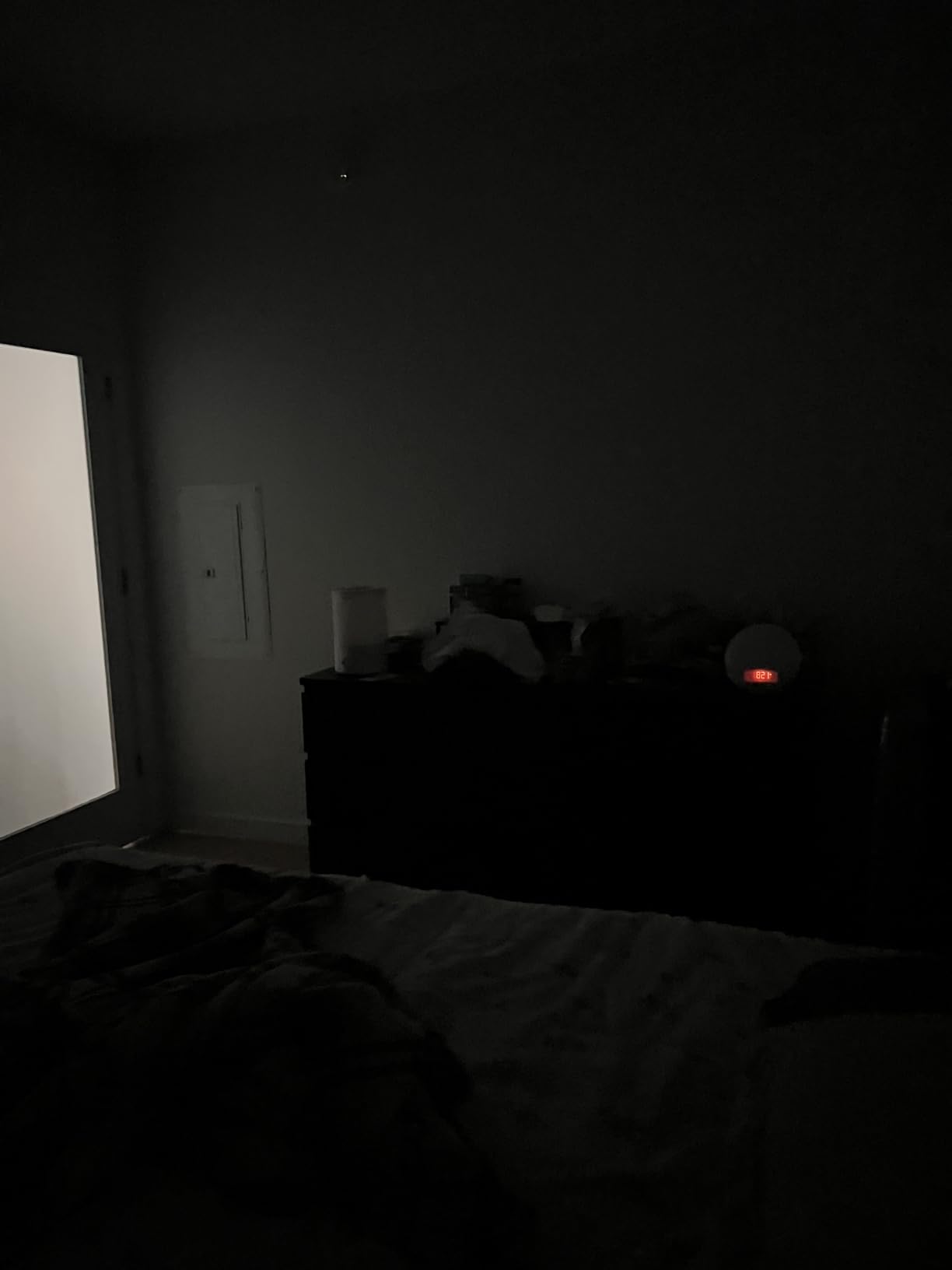
With over 14,700 reviews and a 4.3-star average, this is one of the most battle-tested wake-up lights on the market. The sunset simulation for winding down at night is a feature I used more than I expected. Set it for 30 minutes, and the light slowly fades from bright to dim, helping signal your body that it is time to sleep. The five natural alarm sounds and FM radio give you decent audio variety.
The downsides are real, though. The internal light source is not replaceable, and some users report failures after 2-3 years of daily use. There is no battery backup for power outages, which is a dealbreaker for some. The touch buttons are flush with the surface and can be tricky to find in the dark, and the radio lacks presets. Despite these issues, the Philips HF3520 remains the gold standard for pure sunrise simulation quality.
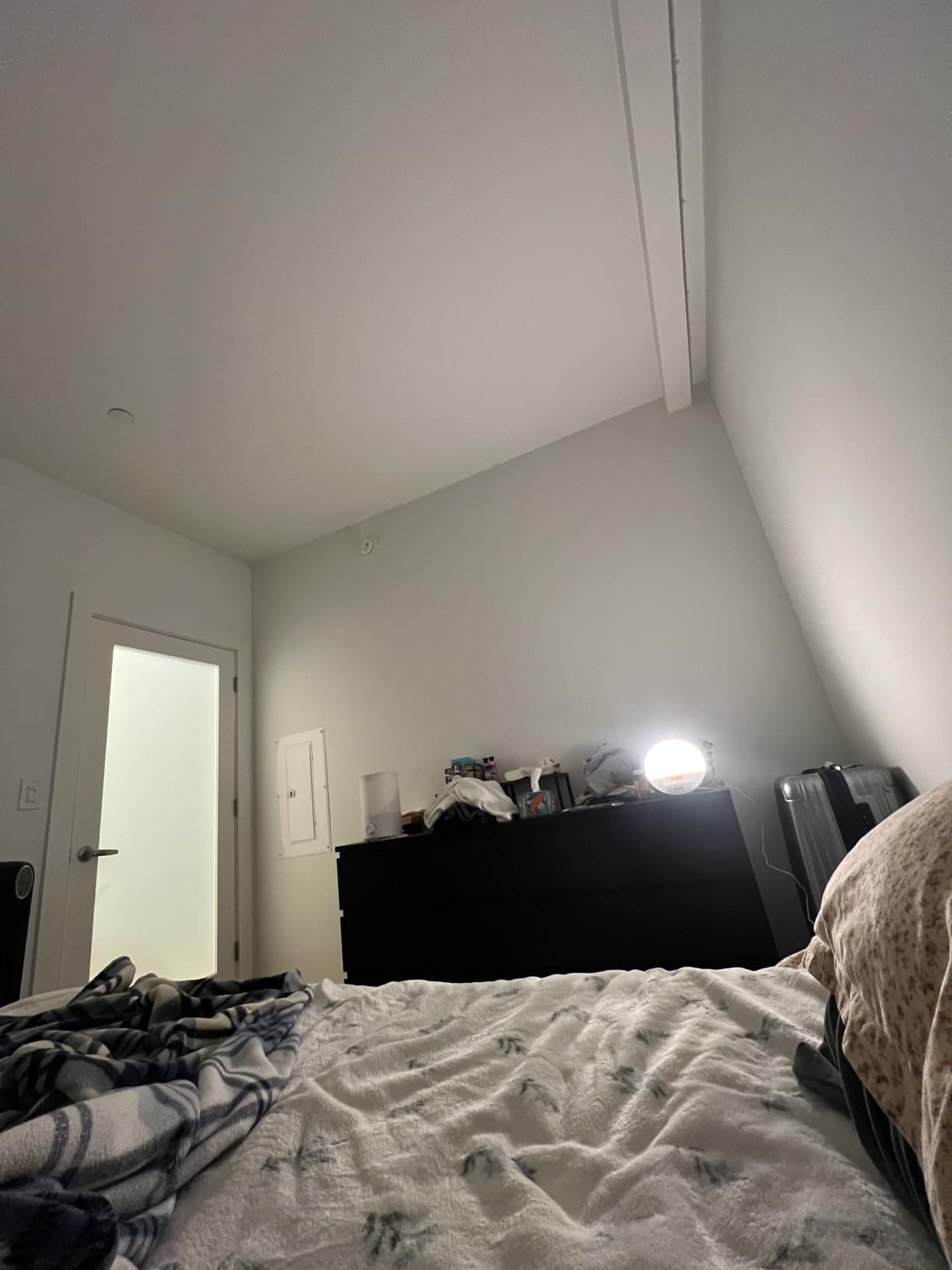
How Does the Sunrise Quality Compare
The colored sunrise on the HF3520 is genuinely superior to every budget option I tested. The gradual color shift from red through orange to white is what real dawn looks like, and this spectral progression is what triggers your body’s natural wake response. Budget models tend to just brighten a white or yellow light without the color temperature changes that make the simulation feel authentic.
Durability and Replacement Concerns
The non-replaceable light source is the most common complaint in long-term reviews. Philips offers a manufacturer warranty, but once that expires, a failed LED means replacing the entire unit. Given the quality of the sunrise simulation and the device’s track record, many users feel the investment is worth it even if they need to replace it after a few years. Using it as a reading lamp extends its everyday value beyond just the alarm function.
3. JALL Full-Screen Wake Up Light – Best Budget Sunrise Alarm Clock
- Full-screen sunrise simulation covers entire room
- 25 natural sounds and white noise options
- Dual alarms with customizable schedules
- 5W Bluetooth speaker with good sound quality
- Affordable price point with easy button-based setup
- Not smart home compatible
- No battery backup
- Bluetooth can occasionally disconnect
- Some users report radio reception issues
The JALL Full-Screen Wake Up Light is the budget champion, and honestly, the value here is hard to believe. For under $35, you get a full-screen sunrise simulation that covers an entire wall with light, 25 natural sounds, a Bluetooth speaker, an FM radio, and 17 dimmable colors. When I unboxed it, I expected corners to be cut everywhere, but the feature set rivals clocks costing three times as much.
The full-screen display is what makes this JALL stand out from other budget wake-up lights. Instead of a small dome or strip of LEDs, the entire front face lights up gradually. In my testing, this created a more immersive sunrise effect that felt closer to actual daylight filling a room. The light starts 10 to 60 minutes before your alarm (your choice), and you can set the brightness from a soft glow to surprisingly bright.
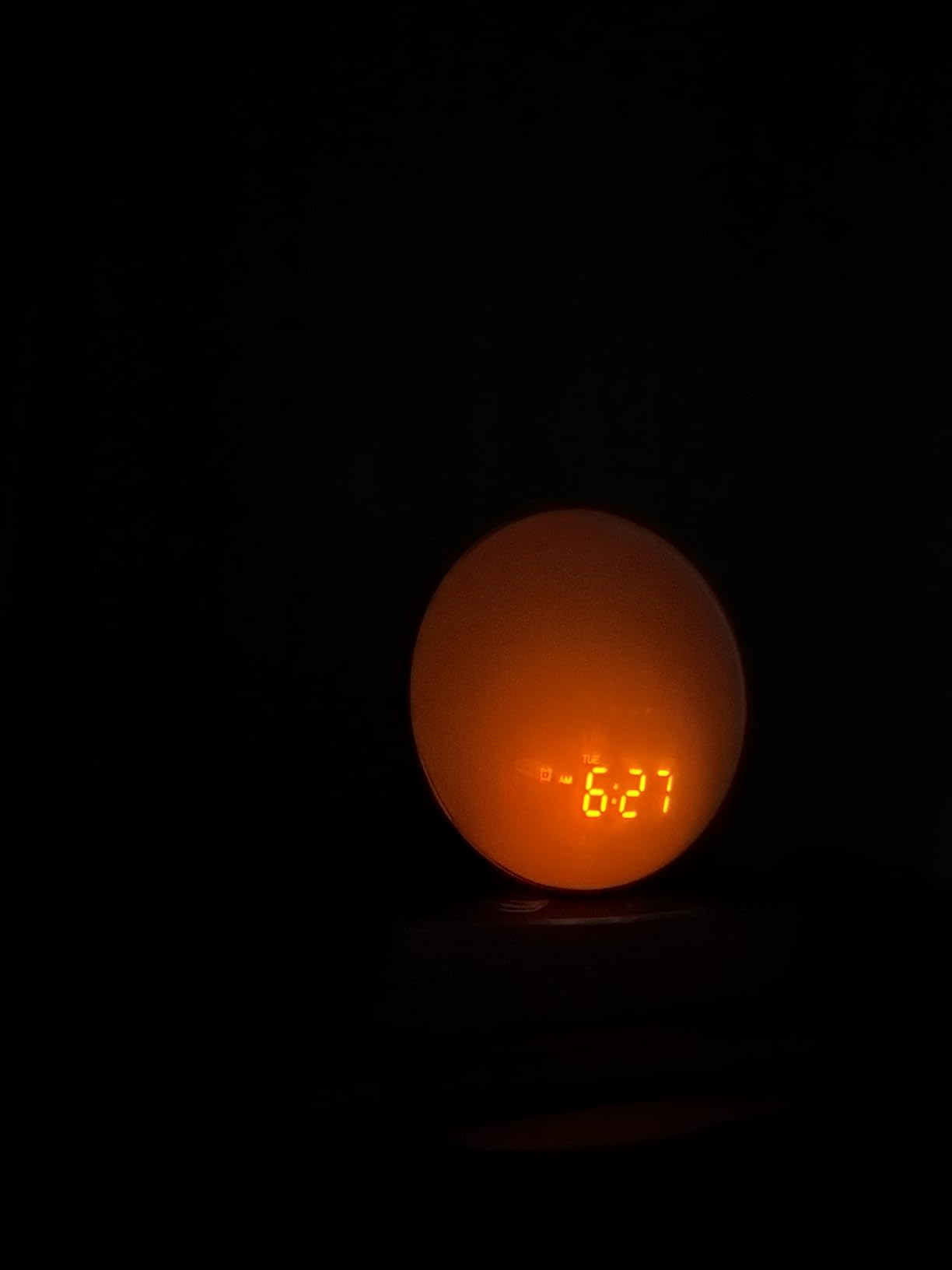
The dual alarm system supports everyday, weekday, and weekend schedules, which is perfect for couples or anyone with a varied schedule. The 5W Bluetooth speaker is a nice bonus that lets you stream music or podcasts directly from your phone. I used the white noise sounds most nights, and the variety of 25 options meant I never got bored of the same track.
The trade-offs are what you would expect at this price. There is no smart home integration, no battery backup, and the Bluetooth connection occasionally drops. The build quality is functional but clearly budget-tier plastic. That said, with over 28,000 reviews and a 4.3-star average, the JALL has proven itself in thousands of bedrooms. For anyone curious about sunrise alarm clocks without wanting to spend over $100, this is where I would start.
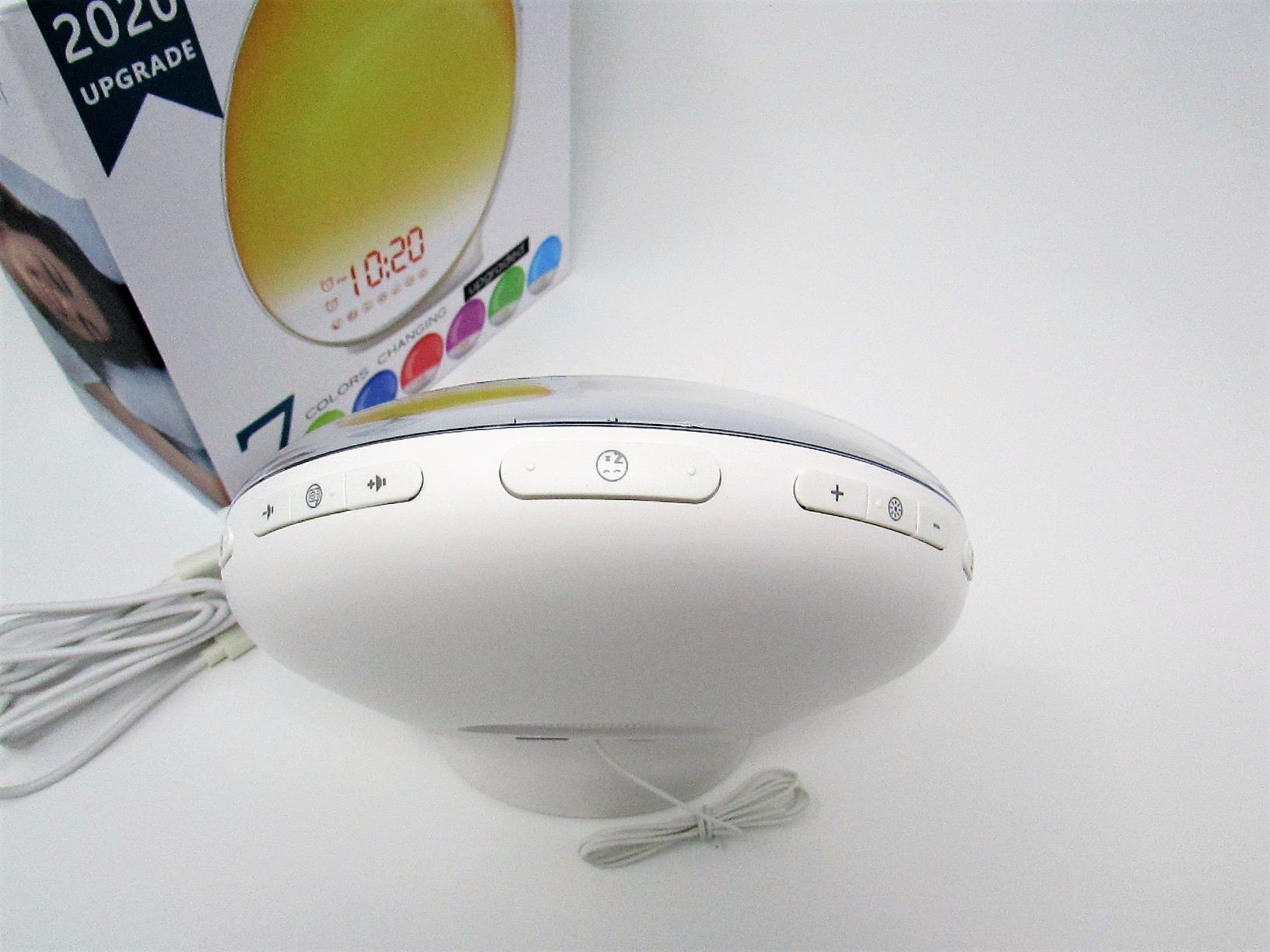
Sound Quality and Bluetooth Speaker Performance
The built-in 5W Bluetooth speaker is surprisingly capable for the price. It will not replace a dedicated speaker, but it handles white noise, nature sounds, and casual music streaming without distortion at moderate volumes. The 25 built-in sounds include rain, ocean waves, birds, piano, and several white noise variations. The 10 to 480-minute sleep timer means you can set sounds to play for exactly as long as you need them.
Best Budget Option for Large Bedrooms
The full-screen design makes this the best budget choice for larger bedrooms where a small dome light might not be bright enough. The light fills the space more effectively than compact models. If your bedroom is particularly dark or you sleep with blackout curtains, the JALL’s wide light coverage helps compensate for the lack of a window. The music-rhythm mode that flashes colors to the beat is a fun bonus for kids’ rooms or parties.
4. Dreamegg Sunrise 1 – Best Phone-Free Sunrise Clock with Premium Sound
- 29 soothing sounds including nature meditations and white brown pink noise
- Customizable sunrise alarm for gentle wake-up
- Phone-free setup with simple device controls
- Dimmable night light with 9 colors
- Compact hand-sized design for travel
- CR2032 battery backup included
- Newer product with limited review count
- No app control or smart home integration
The Dreamegg Sunrise 1 caught my attention because it strips away the complexity and focuses on doing the basics exceptionally well. No app, no Wi-Fi, no subscription, and no Bluetooth setup. You plug it in, set your alarm with the on-device buttons, and you are done. This is the sunrise alarm I would give to my parents or anyone who finds smart home technology frustrating.
The sound library is where the Dreamegg truly shines. With 29 soothing sounds including white noise, brown noise, pink noise, fan sounds, nature tracks, meditations, and lullabies, it has the most diverse audio selection of any clock in this price range. The customizable sleep routines let you pair sunset lighting with your favorite sounds for a wind-down sequence that requires zero phone interaction.
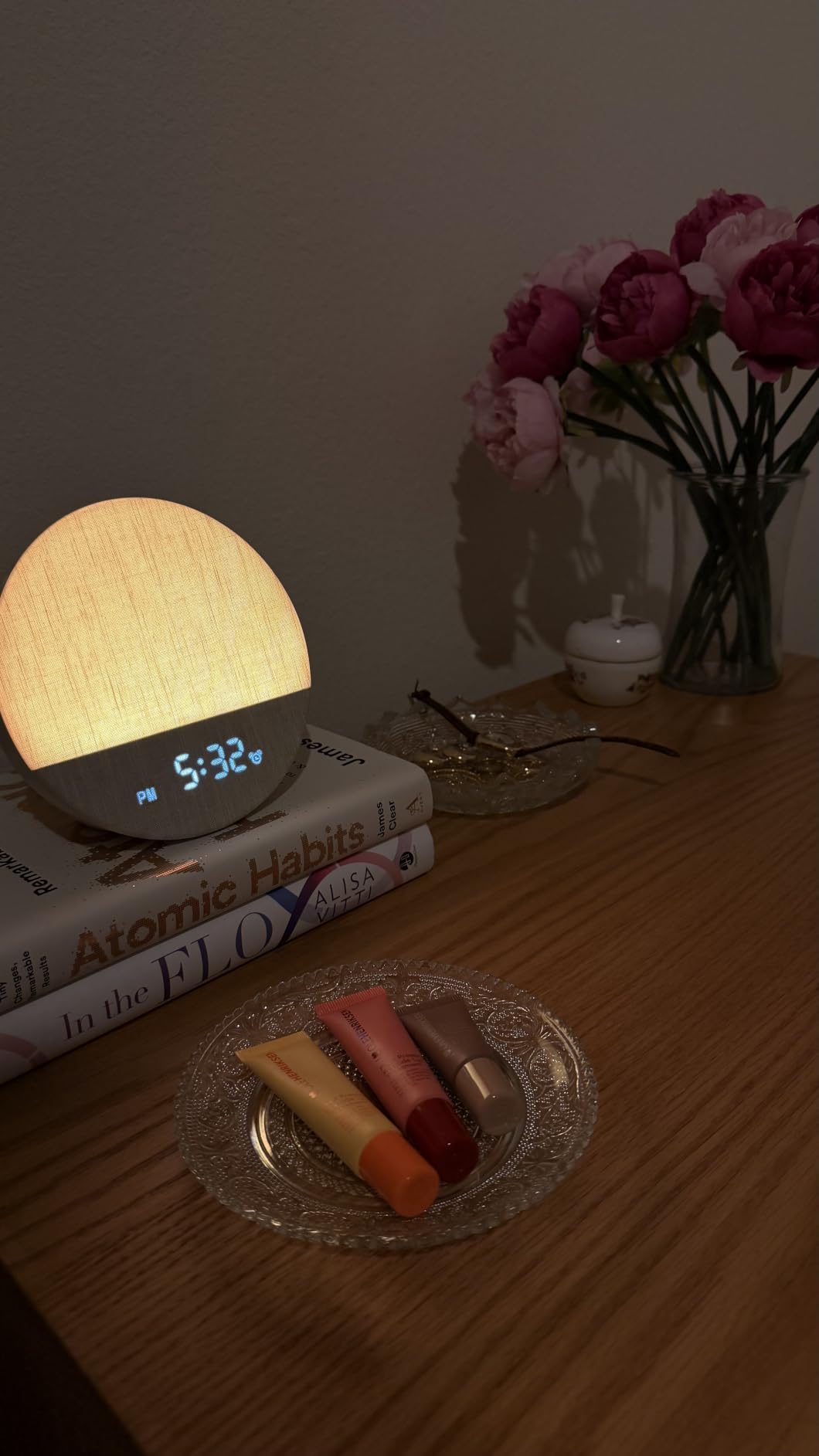
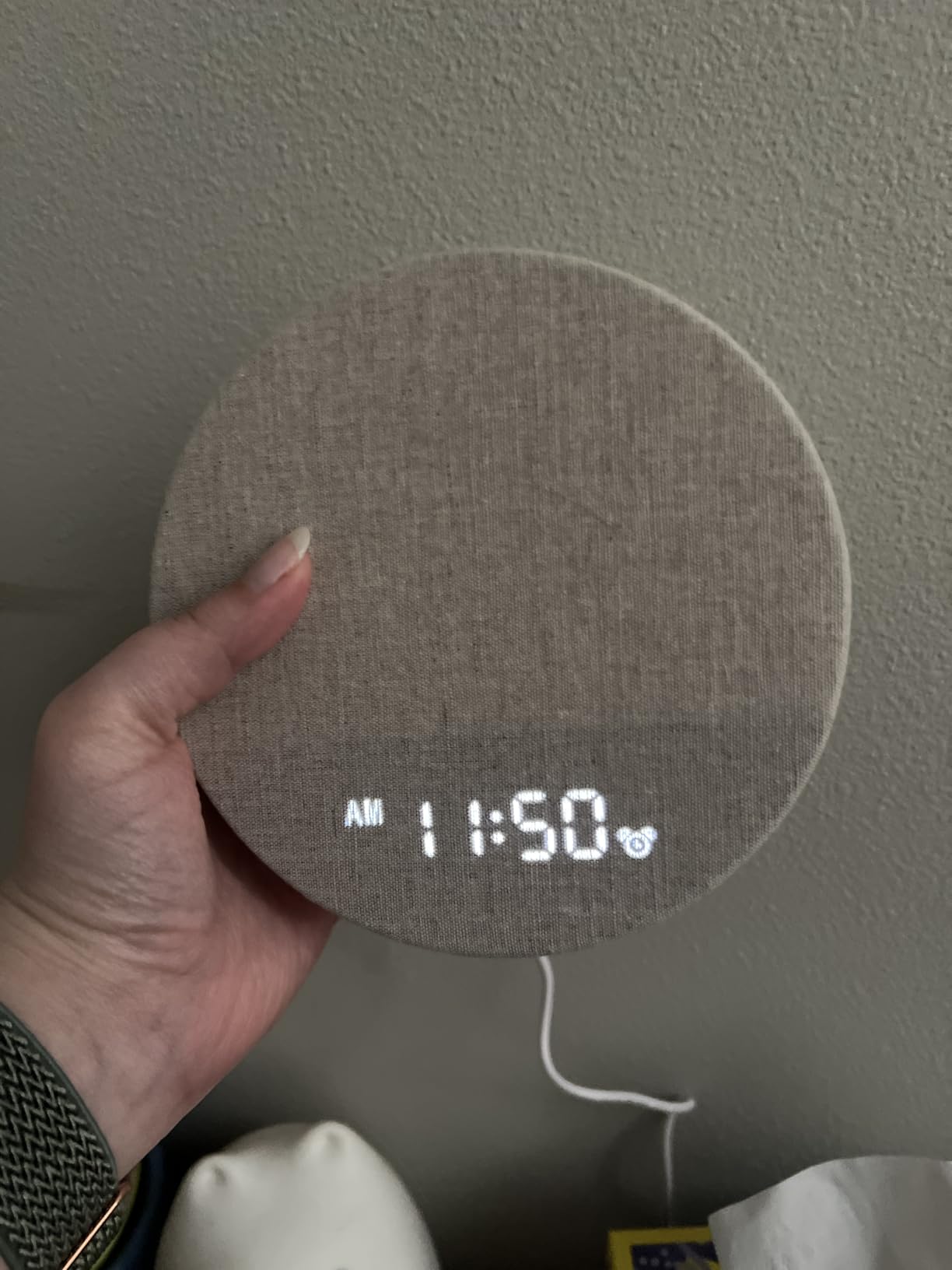
The cotton-linen fabric exterior gives the Dreamegg a warm, tactile quality that feels premium despite its mid-range price. At just under 6 inches across and 12.8 ounces, it is compact enough to pack for travel. I took it on a weekend trip, and having a consistent sunrise alarm and white noise machine in a hotel room made a noticeable difference in sleep quality.
The CR2032 battery backup is a thoughtful inclusion that preserves your settings during power outages. The 9-color dimmable night light is useful for midnight trips to the bathroom or as a soft glow for reading. At 4.5 stars with nearly 600 reviews, the Dreamegg is earning strong marks. The main limitation is its lack of smart features, but for anyone who specifically wants a phone-free bedside experience, that is a feature, not a bug.
Ideal for Sound-Sensitive Sleepers
If you are someone who uses white noise or brown noise every night, the Dreamegg is one of the best sunrise alarm clocks you can buy. Having all three noise colors (white, brown, and pink) plus fan sounds and nature tracks in one device means you can find the exact frequency that helps you sleep. The non-looping audio quality is noticeably better than budget competitors that use short repeating clips.
Travel-Friendly Design Considerations
The compact size and lightweight design make this the only sunrise alarm on this list that I would genuinely consider travel-worthy. It fits in a carry-on bag without adding noticeable weight. The cotton-linen fabric is durable enough for occasional travel, and the straightforward button controls mean you can set it up in a hotel room in under a minute without needing a Wi-Fi connection.
5. ecozy Sunrise Alarm Clock – Feature-Rich Budget Option
- Sunrise alarm gently wakes with light simulation
- 26 soothing sounds including rain and white noise
- 17 colors for customizable night light
- Dual Bluetooth speakers with premium sound quality
- Quick 4-step setup process
- Affordable price point
- No app control support
- Plastic frame construction
- Small form factor may not suit all rooms
The ecozy Sunrise Alarm Clock is proof that you do not need to spend a fortune to get a capable wake-up light with serious sound quality. Priced in the budget tier alongside the JALL, the ecozy differentiates itself with dual Bluetooth speakers that deliver noticeably richer audio than single-speaker competitors. When I tested the sound quality side by side with other budget models, the ecozy consistently came out ahead.
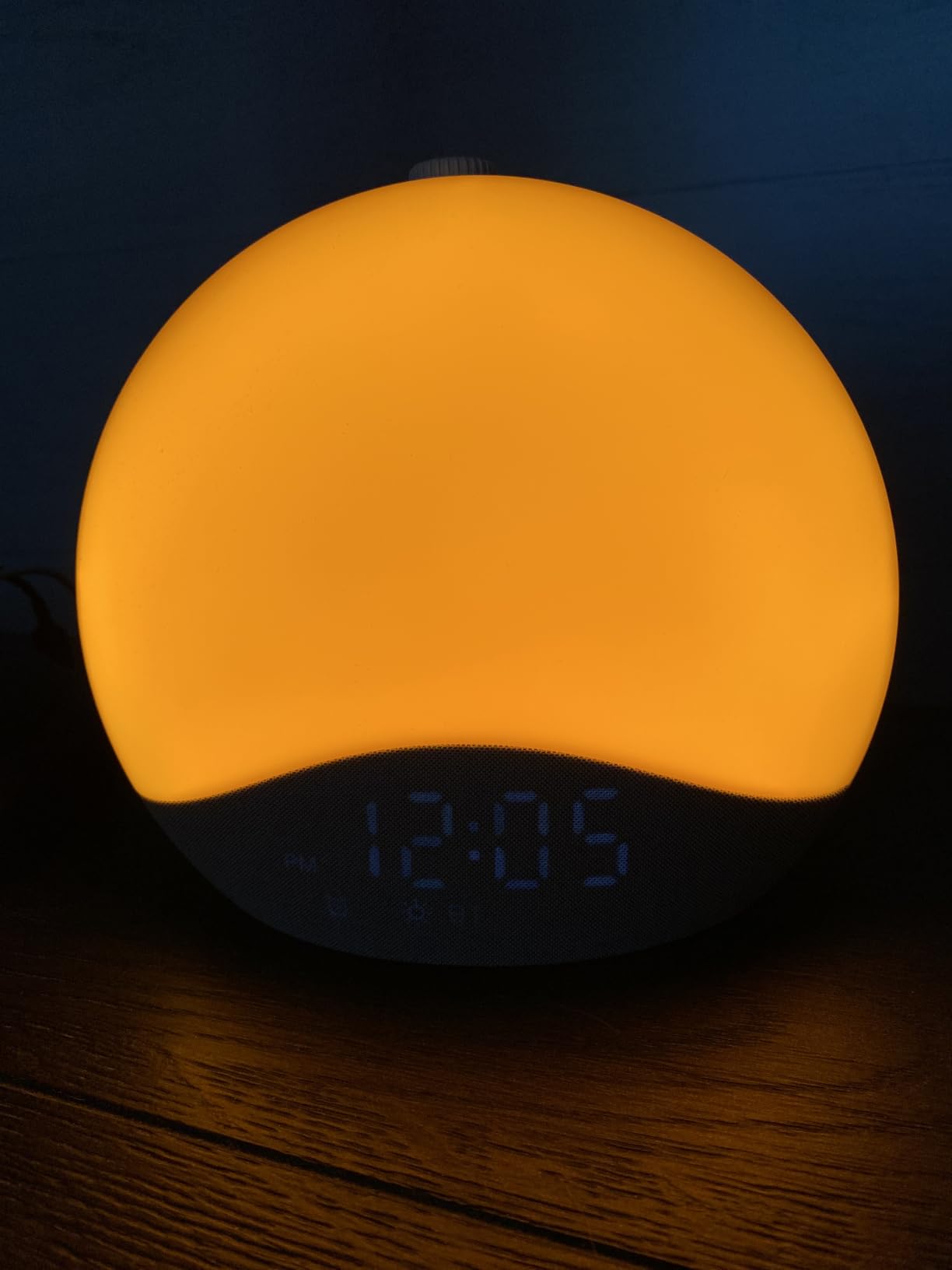
The 26 soothing sounds cover the usual bases like white noise, rain, and ocean waves, plus some less common options that kept things interesting. The 17-color night light is brighter than I expected from a device this size, and the sunrise simulation starts gradually before your set alarm time. The whole setup process took me about two minutes thanks to the advertised 4-step configuration.
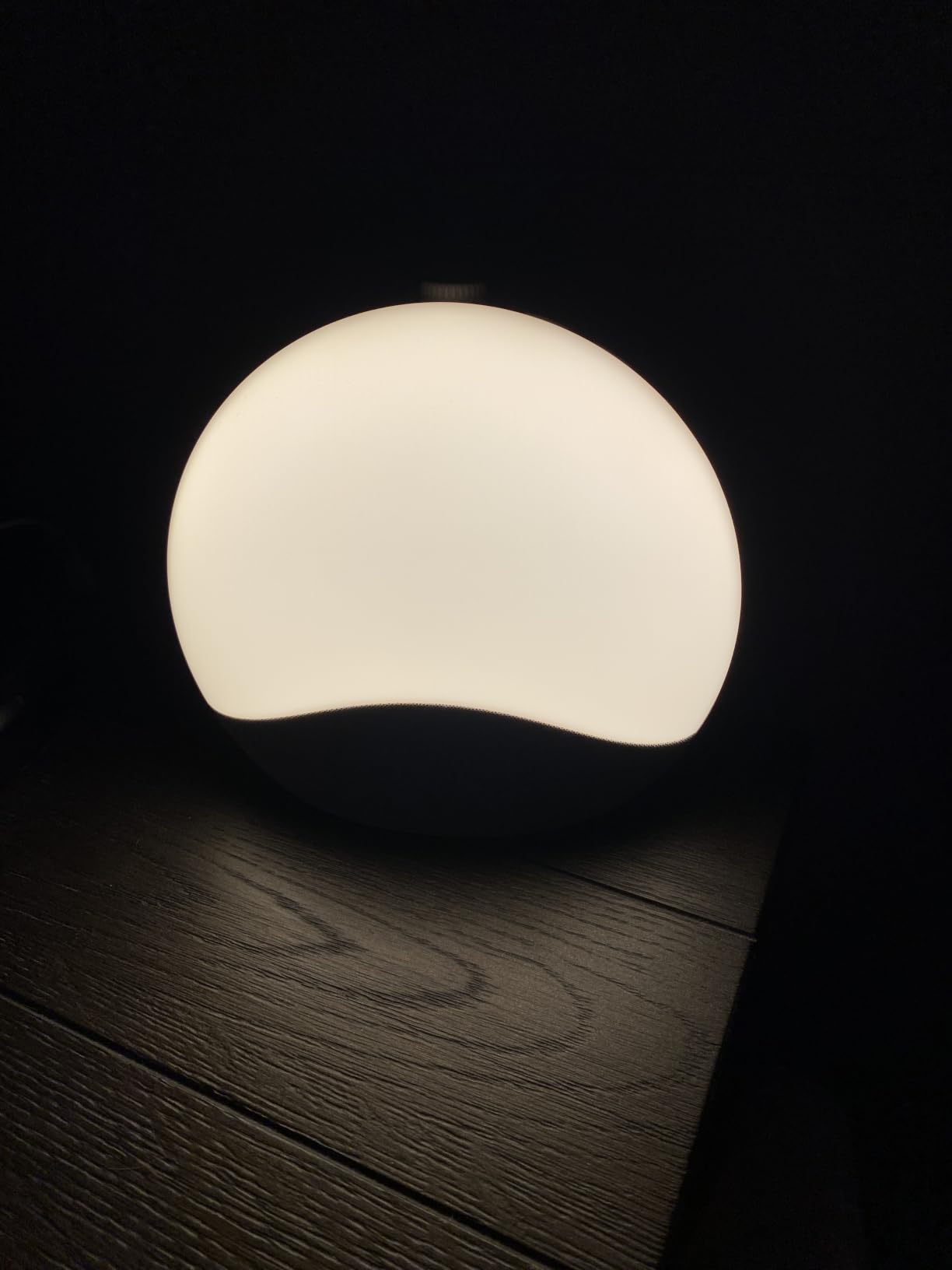
I appreciated the no-app design of the ecozy. Like the Dreamegg, it operates entirely through physical buttons, which means there are no firmware updates, no connectivity issues, and no subscription prompts. The included battery backup preserves your alarm settings during power interruptions, a feature missing from several more expensive models on this list.
The trade-off is the build quality. The plastic frame feels lightweight and less premium than fabric-wrapped alternatives like the Dreamegg or Hatch. The small 6.3-inch form factor means the light output is not as immersive as full-screen models like the JALL. Still, for a bedroom sound machine and sunrise alarm combo under $40, the ecozy punches well above its weight class with 4.4 stars across 547 reviews.
Best Dual Speaker Sound at This Price
The dual Bluetooth speaker setup is what truly separates the ecozy from other budget sunrise alarms. Two speakers create a wider sound stage that makes white noise and nature sounds feel more enveloping. If sound quality matters to you as much as the light simulation, the ecozy offers the best audio experience of any model in the under $40 category.
Suitable for Kids and Guest Rooms
The compact size, colorful night light options, and straightforward controls make the ecozy an excellent choice for kids’ rooms or guest bedrooms. Children tend to respond well to the gentle sunrise wake-up, and the variety of soothing sounds helps with bedtime routines. For guests, the simple setup means they can figure out the alarm without a manual or app download.
6. Lumie Bodyclock Shine 300 – Premium Dawn Simulator from Light Therapy Experts
- Wake up naturally with sunrise for better mood and energy
- 15-90 minute customizable sunrise and sunset duration
- LEDs with reduced-blue light content for better sleep
- Auto-dimming display
- Designed by light therapy experts in Cambridge England
- Not smart home compatible
- Higher price point with limited review count
- Premium pricing without app features
Lumie invented the world’s first wake-up light, and the Bodyclock Shine 300 represents decades of refinement in light therapy design. Designed and developed in Cambridge, England, this clock brings a scientific approach to sunrise simulation that is immediately apparent when you use it. The LEDs are specifically engineered with reduced-blue light content, which matters for maintaining healthy melatonin levels.
The standout feature is the customizable sunrise and sunset duration, adjustable from 15 to 90 minutes. I tested the 90-minute sunrise setting and found it to be the most gradual, natural-feeling wake-up experience of any clock on this list. The extended timeline gives your body more time to transition from deep sleep, which made a noticeable difference in how alert I felt upon waking.
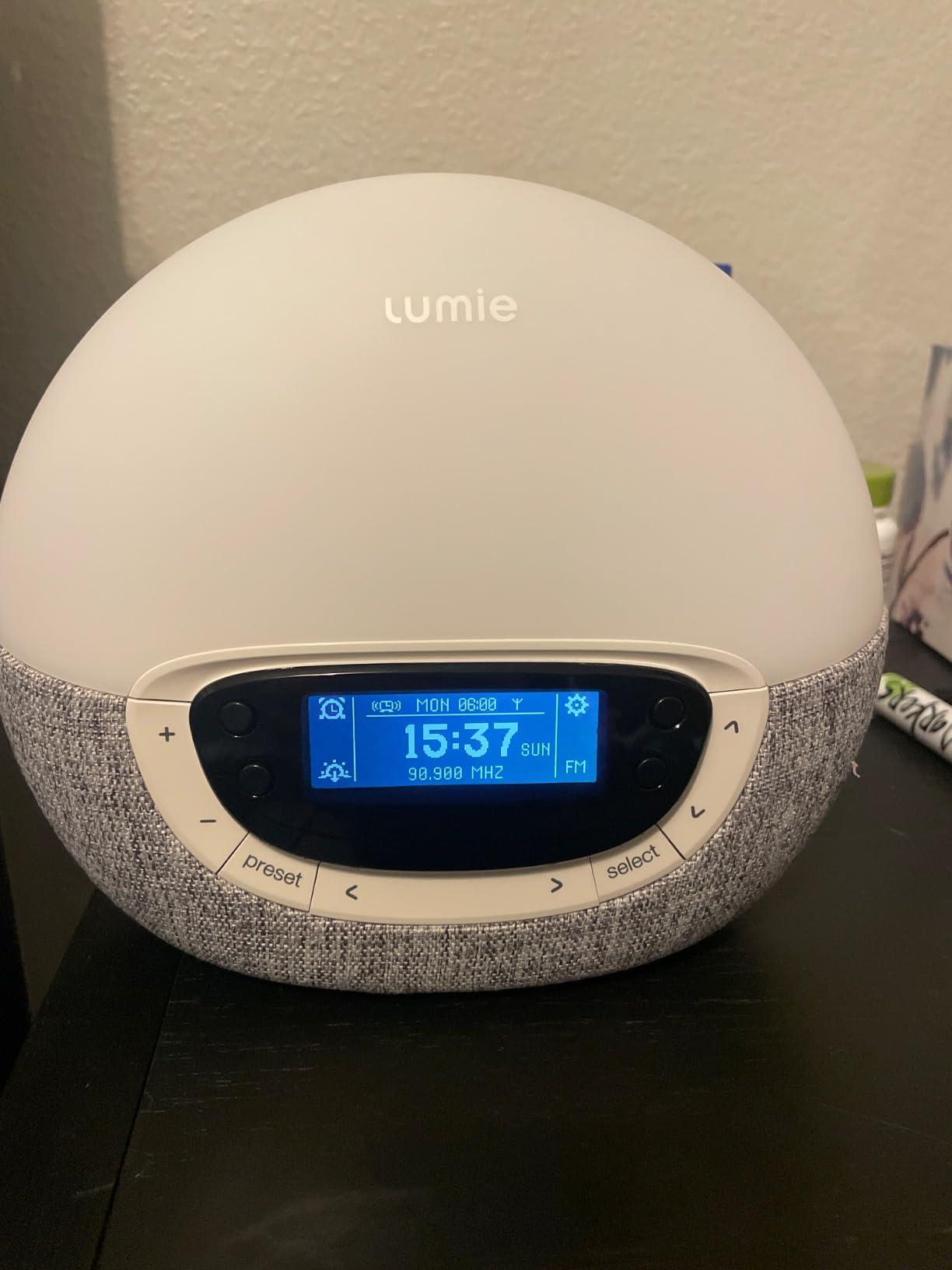
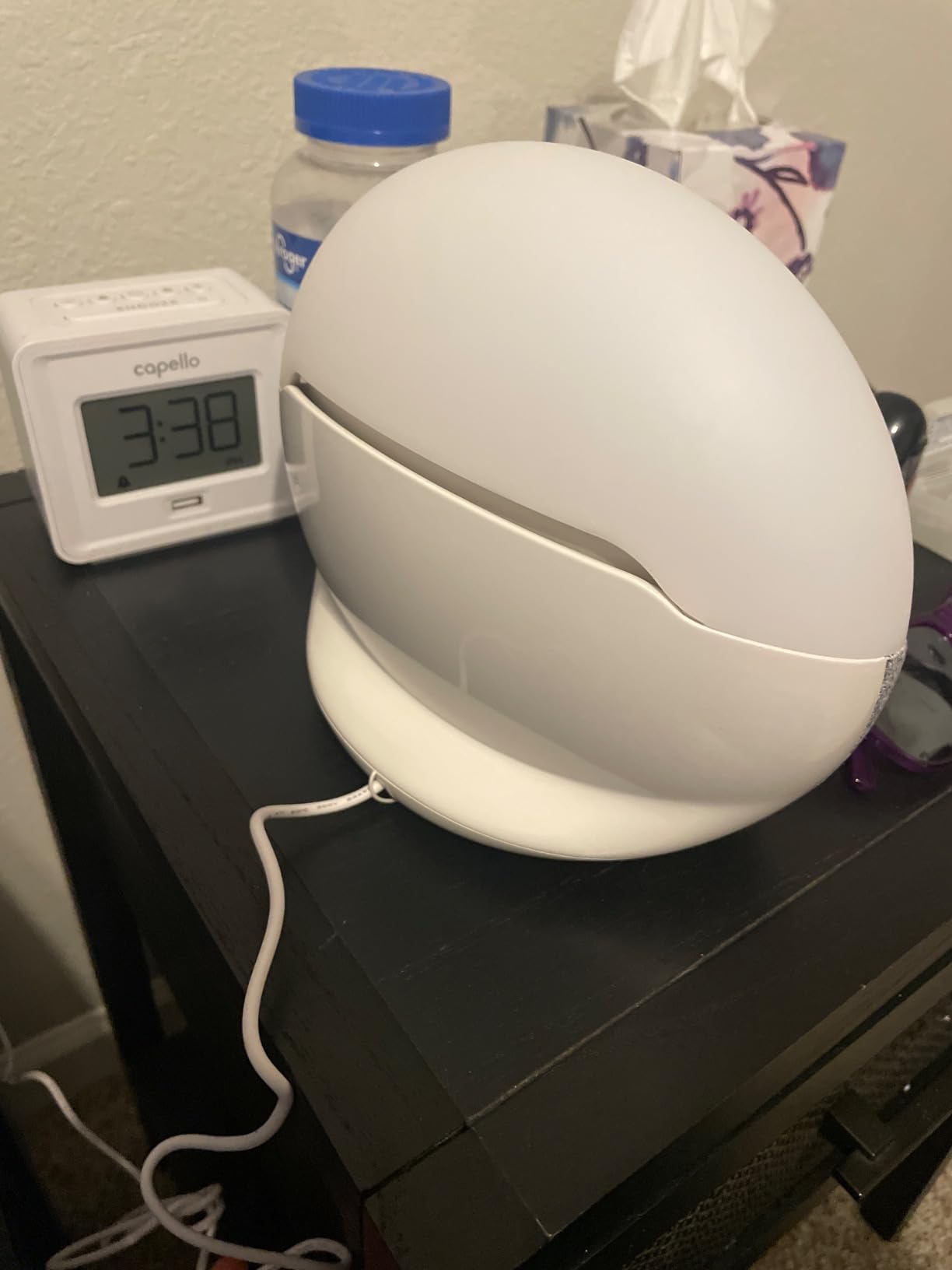
The 15 built-in sleep and wake sounds plus FM radio offer solid variety, and the auto-dimming display adjusts based on ambient light so it never glows too brightly in a dark room. The minimalist oval design with its smooth plastic globe and fabric speaker cloth looks like a piece of modern decor rather than an alarm clock.
The main drawbacks are the price and the lack of smart features. At $169, the Lumie costs the same as the Hatch Restore 3 but does not offer app control, a subscription content library, or Wi-Fi connectivity. What you get instead is a pure, distraction-free wake-up light from the company that pioneered the category. For light therapy purists who value quality of illumination over connected features, the Lumie Shine 300 is unmatched.
Why the Reduced-Blue Light LEDs Matter
The reduced-blue light content in Lumie’s LEDs is a meaningful feature for anyone serious about sleep hygiene. Blue light suppresses melatonin production, which is why sleep experts recommend avoiding screens before bed. By filtering out excess blue wavelengths, the Lumie creates a warmer sunset simulation that more effectively signals your body to wind down. This is the same science behind blue-light-blocking glasses, built directly into the light source.
Lumie vs Philips for Light Therapy Quality
Both Lumie and Philips are leaders in light therapy, but they take different approaches. The Philips HF3520 focuses on colored sunrise transitions (red to orange to yellow to white) with a fixed 30-minute duration. The Lumie Shine 300 prioritizes adjustable duration (15-90 minutes) and reduced-blue LEDs. If you want maximum customization and scientifically tuned light wavelengths, choose Lumie. If you prefer the authentic color shift of a real sunrise and simpler operation, Philips is the better pick.
7. Dekala Sunrise Alarm Clock – Best for Heavy Sleepers with Pulse Wake
- Loud alarm with Pulse Wake 95dB for heavy sleepers
- No app subscription or manual needed
- 4 alarms with 3 wake modes
- Breathing light with 8 ambient modes
- 10 non-looping sleep sounds with studio-quality audio
- FCC and UL safety certified
- Limited review count as newer product
- C battery requirement for backup
- Small 4-inch form factor
The Dekala Sunrise Alarm Clock solves a problem that plagues many sunrise alarm buyers: what happens when the light alone is not enough to wake you up? For heavy sleepers who can snooze through a gentle sunrise, the Dekala introduces Pulse Wake, a 95-decibel alarm that combines four phases of light and sound pulses. This is the loudest sunrise alarm I tested, and it means business.
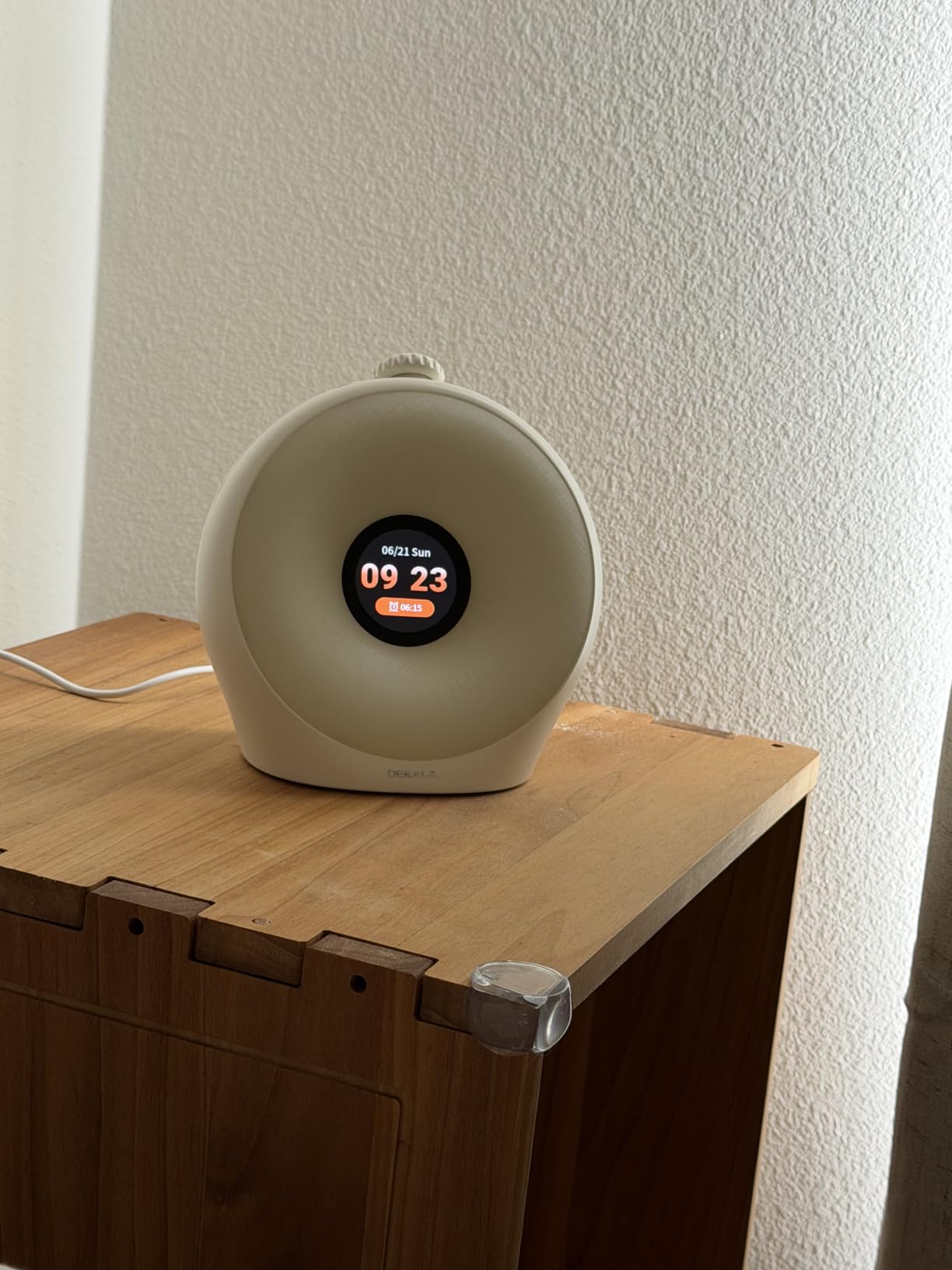
Despite the powerful alarm, the Dekala is surprisingly gentle when it needs to be. The 400-lumen sunrise uses a 3-channel light system that creates a layered, realistic dawn effect. The sunset mode pairs with 10 non-looping sleep sounds for wind-down, and the exclusive breathing light feature pulses in calming patterns to help you slow your breathing at bedtime. At 4.9 stars across 60 reviews, the user satisfaction is remarkably high.
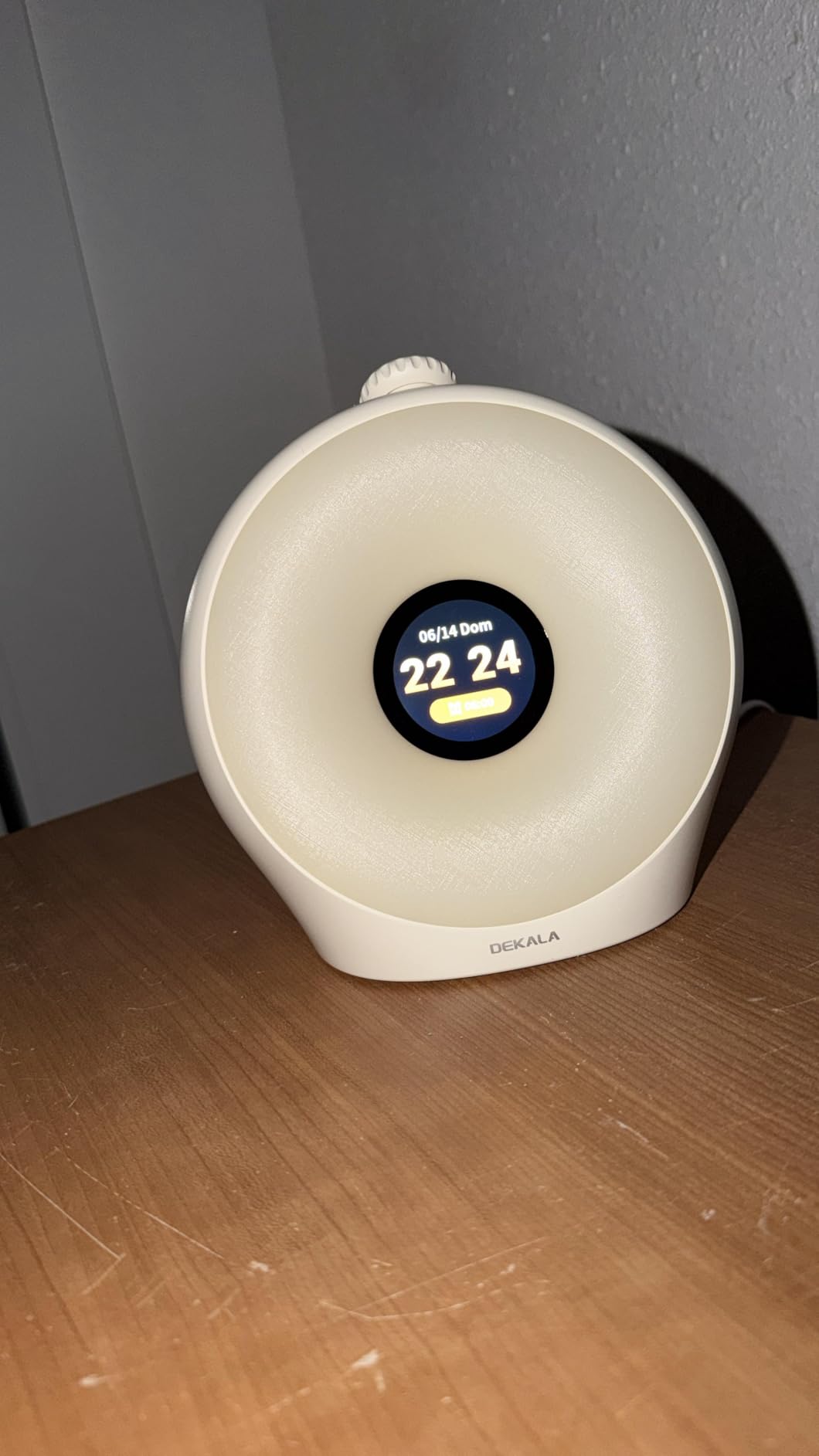
The on-screen setup wizard walks you through configuration in about 60 seconds, and the 2.8-inch color display auto-dims at night. With 7 hand-crafted themes to choose from, you can customize the look to match your bedroom aesthetic. The FCC and UL safety certifications provide peace of mind that this device meets recognized electrical safety standards.
The Dekala supports 4 separate alarms, each configurable with 3 wake modes: Standard, Snooze, and Heavy. The Heavy mode activates the full Pulse Wake sequence for those mornings when you absolutely cannot oversleep. This level of alarm flexibility is unique among the clocks I tested and makes the Dekala the best sunrise alarm clock for heavy sleepers who need options.
How Pulse Wake Compares to Traditional Alarms
Pulse Wake is fundamentally different from a standard alarm buzzer. Instead of a single jarring tone, it uses a four-phase progression that layers light pulses and escalating sound. Phase one is light-only, phase two adds gentle sound, phase three increases volume, and phase four hits the full 95dB. This graduated approach gives your body time to start waking naturally before the alarm reaches its peak intensity, reducing the adrenaline spike of a sudden loud alarm.
Perfect for Shift Workers and Deep Sleepers
If you work night shifts, have irregular sleep schedules, or are simply the type of person who sleeps through everything, the Dekala is purpose-built for you. The combination of a 400-lumen sunrise and a 95dB maximum alarm covers both ends of the wake-up spectrum. The 4-alarm system lets you program an entire week of different wake times without needing to reconfigure settings daily.
8. HOUSBAY Sunrise Alarm Clock – Best Simple Phone-Free Wake-Up Light
- Gentle wake-up combining sunrise light sound machine and night light
- Gradual sunrise light for smoother wake-up transition
- 5 nature-inspired alarm sounds
- 20 built-in sleep sounds including white noise
- Simple phone-free bedside control
- Limited smart features
- Some users report brightness could be stronger
- Not suitable for very large rooms
The HOUSBAY Sunrise Alarm Clock is designed for people who want simplicity above all else. No app, no Bluetooth, no Wi-Fi, and no subscription. Just a well-made wake-up light with intuitive physical buttons that anyone can operate. In a market flooded with smart features and connected devices, the HOUSBAY’s straightforward approach is refreshing.
The sunrise simulation gradually brightens before your alarm time, easing your body into morning. The 5 nature-inspired alarm sounds include birds, ocean waves, and other gentle options that are far more pleasant than a traditional buzzer. I found the wake-up experience to be calm and gradual, perfect for light to moderate sleepers who do not need a 95dB alarm to get going.
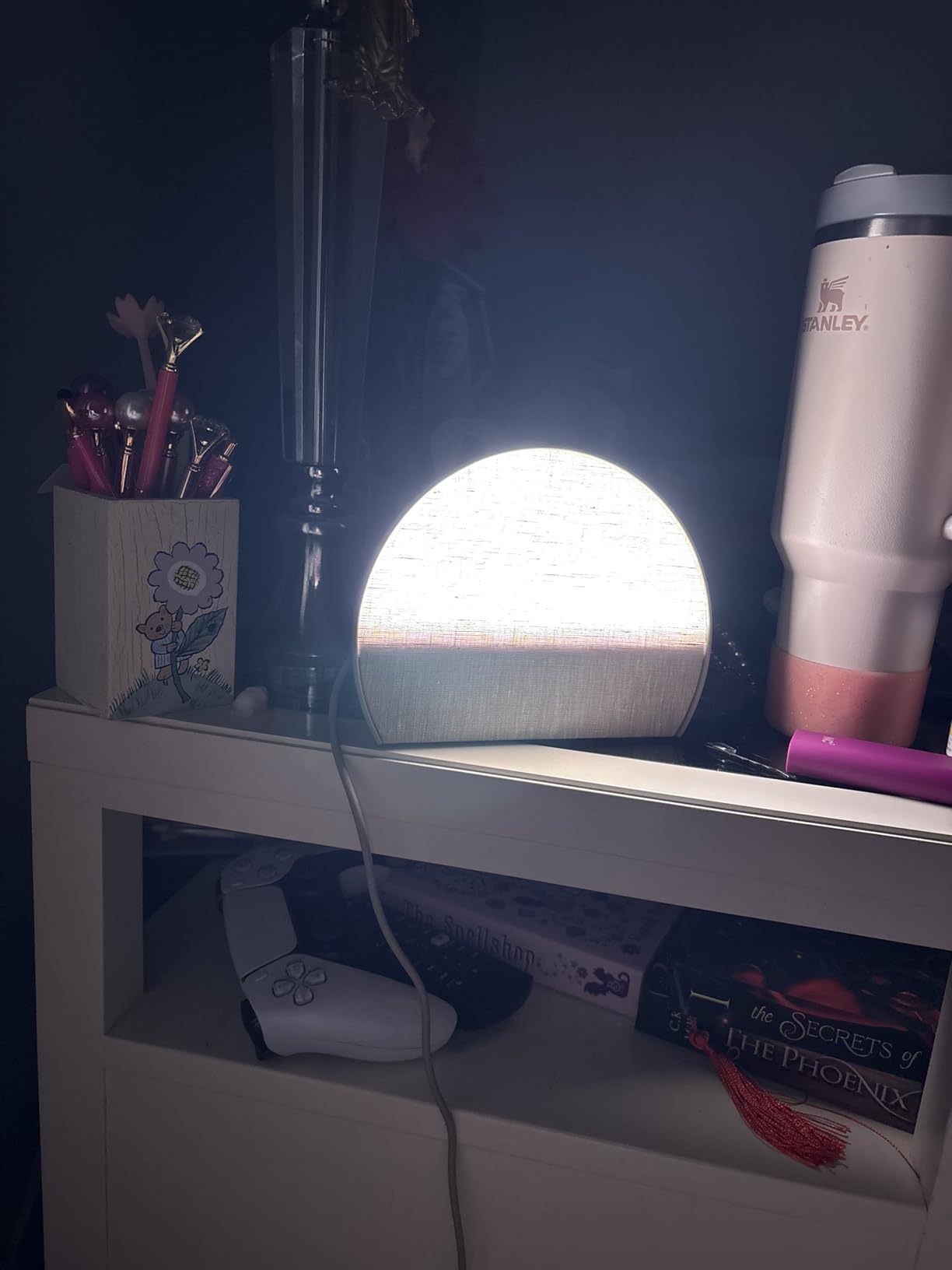
The 20 built-in sleep sounds cover white noise, rain, wind, and other nature tracks that loop seamlessly. The dimmable display can go fully dark, which is essential for anyone sensitive to light pollution in their bedroom. The bedside clock function includes a bedtime reminder that gently prompts you to start winding down.
The HOUSBAY occupies a sweet spot between budget options like the JALL and mid-range picks like the Dreamegg. At $49.99, it is affordable without feeling cheap, and the build quality is solid. The main limitation is brightness, which may not be sufficient for very large rooms or extremely dark spaces. For standard bedroom use, though, the HOUSBAY delivers a reliable, no-fuss sunrise alarm experience that earns its 4.2-star rating.
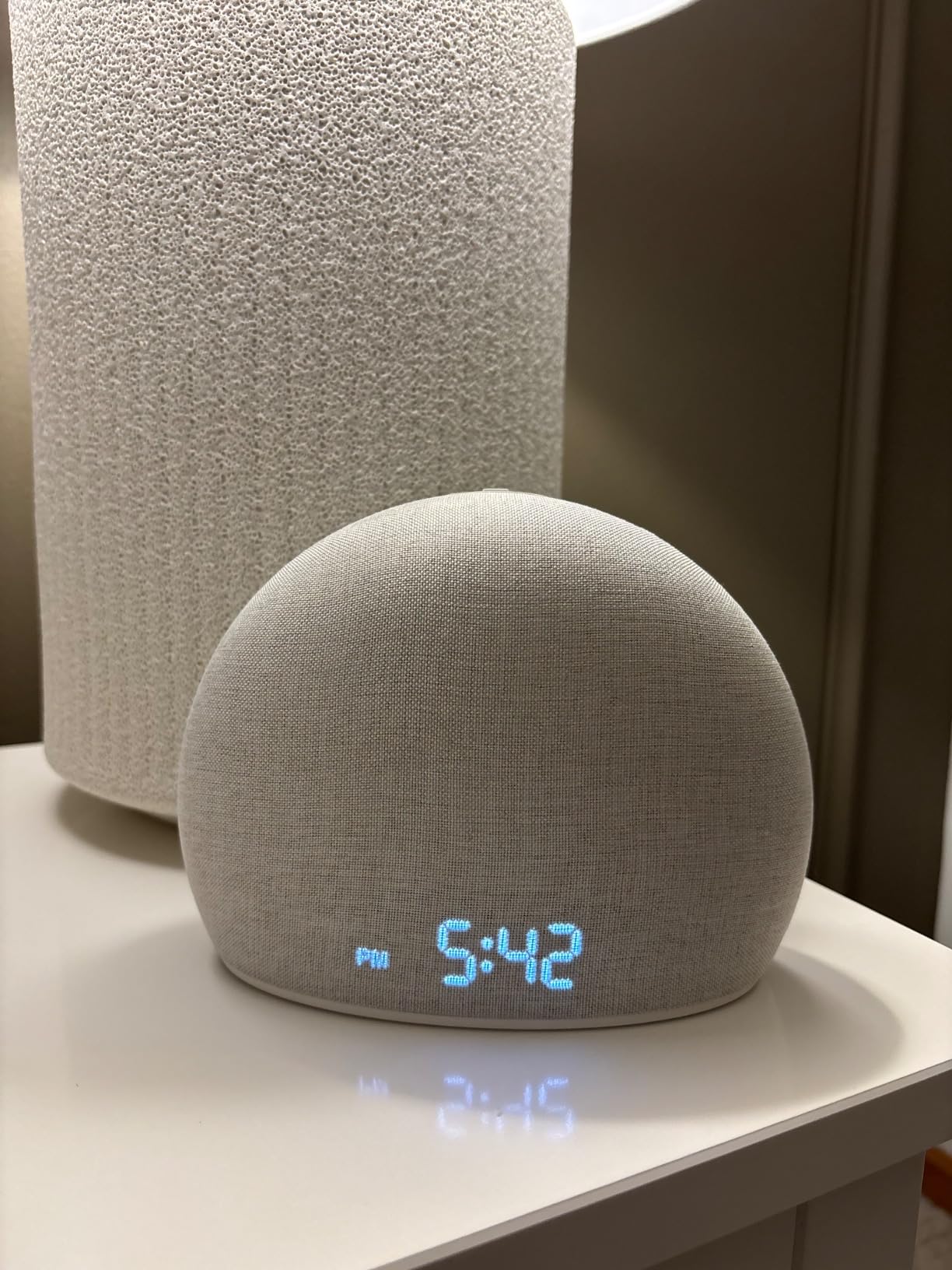
Best for Minimalist Bedroom Setups
If your goal is to reduce screen time and simplify your nightstand, the HOUSBAY is an ideal choice. The phone-free operation means you never need to open an app to change your alarm. The intuitive button layout is labeled with clear icons, and the bedtime reminder helps establish a consistent sleep schedule without digital intervention.
Sleep Sound Quality Assessment
The 20 sleep sounds on the HOUSBAY are well-curated rather than overwhelming. Each track loops smoothly without obvious repetition points, which is a common failure in budget sound machines. The white noise is clean and consistent, and the nature sounds have decent depth. While it cannot match the audio fidelity of the Dekala’s studio-quality sounds or the ecozy’s dual speakers, the HOUSBAY delivers perfectly acceptable sleep audio for the price.
9. JALL Full Screen Dimmer Sunrise Alarm Clock – Best Budget Pick with Warranty
- Full-screen sunrise simulation 10-60 mins before sound
- 25 soothing sounds with Bluetooth speaker
- Dual alarm with Daily Weekday Weekend modes
- 17 colors with 20-level brightness
- 365-day manufacturer warranty
- Not smart home compatible
- No battery backup
- Requires CR2032 battery for memory backup
The second JALL on our list is the Full Screen Dimmer model, a slightly different take on the full-screen sunrise concept that has earned a dedicated following. With over 2,868 reviews and a 4.4-star average, this model sits in the sweet spot of affordability and proven reliability. The 365-day warranty gives buyers confidence that JALL stands behind the product.
The sunrise simulation begins 10 to 60 minutes before your alarm sound, with the full screen gradually brightening from 10% to 100%. In my testing, the transition was smooth and consistent, with no noticeable flickering or stepping. The light fills the room more effectively than dome-style wake-up lights, making it a strong contender for larger or darker bedrooms.
The sound machine component includes 25 soothing sounds and a built-in Bluetooth Hi-Fi speaker for streaming your own audio. The FM radio supports both manual and auto-tuning, and the 17-color ambiance light offers 20 brightness levels for mood lighting. The dual alarm system handles Daily, Weekday, and Weekend modes, which is a practical feature that several competitors omit.
What I appreciate about this JALL model is the dimming capability. The display can go quite dim, which addresses a common complaint about budget sunrise clocks being too bright at night. At $29.98, it is the most affordable clock on this list, yet it includes features found on models costing three times as much. The lack of smart home integration and battery backup are the main compromises.
How It Differs from the JALL Full-Screen K8
The main difference between this JALL model and the K8 listed earlier comes down to price and warranty. This Full Screen Dimmer version is priced even lower and includes a 365-day manufacturer warranty, making it the safest budget purchase. The K8 offers slightly more color options (17 vs the dimmer model’s similar range) and a music-rhythm mode. Both share the same full-screen sunrise approach and dual alarm system. If absolute lowest price is your priority, this is the one to get.
Best Entry-Level Sunrise Alarm Under $30
If you have never used a sunrise alarm clock before and want to test the concept without a major investment, this JALL model is the lowest-cost entry point on the market. At under $30 with nearly 3,000 reviews backing it up, the risk is minimal. The full feature set, including white noise, FM radio, Bluetooth, and dual alarms, means you get a complete bedside companion rather than just a light. If you love the experience, you can always upgrade to a Philips or Hatch later.
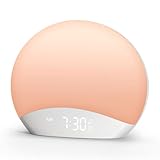
10. REACHER R7 Sound Machine Sunrise Alarm Clock – Best Value Sound and Light Combo
- Sound machine sunrise alarm and night light in one
- 26 gentle sleep sounds including white noise ocean and rain
- Gentle orange wake-up light with adjustable sunrise duration
- 0-100% dimmable clock
- Built-in battery for power outage protection
- 12-month warranty
- Not smart home compatible
- Design is utilitarian compared to premium models
The REACHER R7 rounds out our list as one of the most reviewed and well-regarded value sunrise alarm clocks on Amazon. With 3,521 reviews and a 4.4-star average, it has built a strong reputation as an affordable alternative to the Hatch clock. The combination of 26 sleep sounds, a sunrise alarm, and a night light in one device makes it a genuine all-in-one bedside solution.
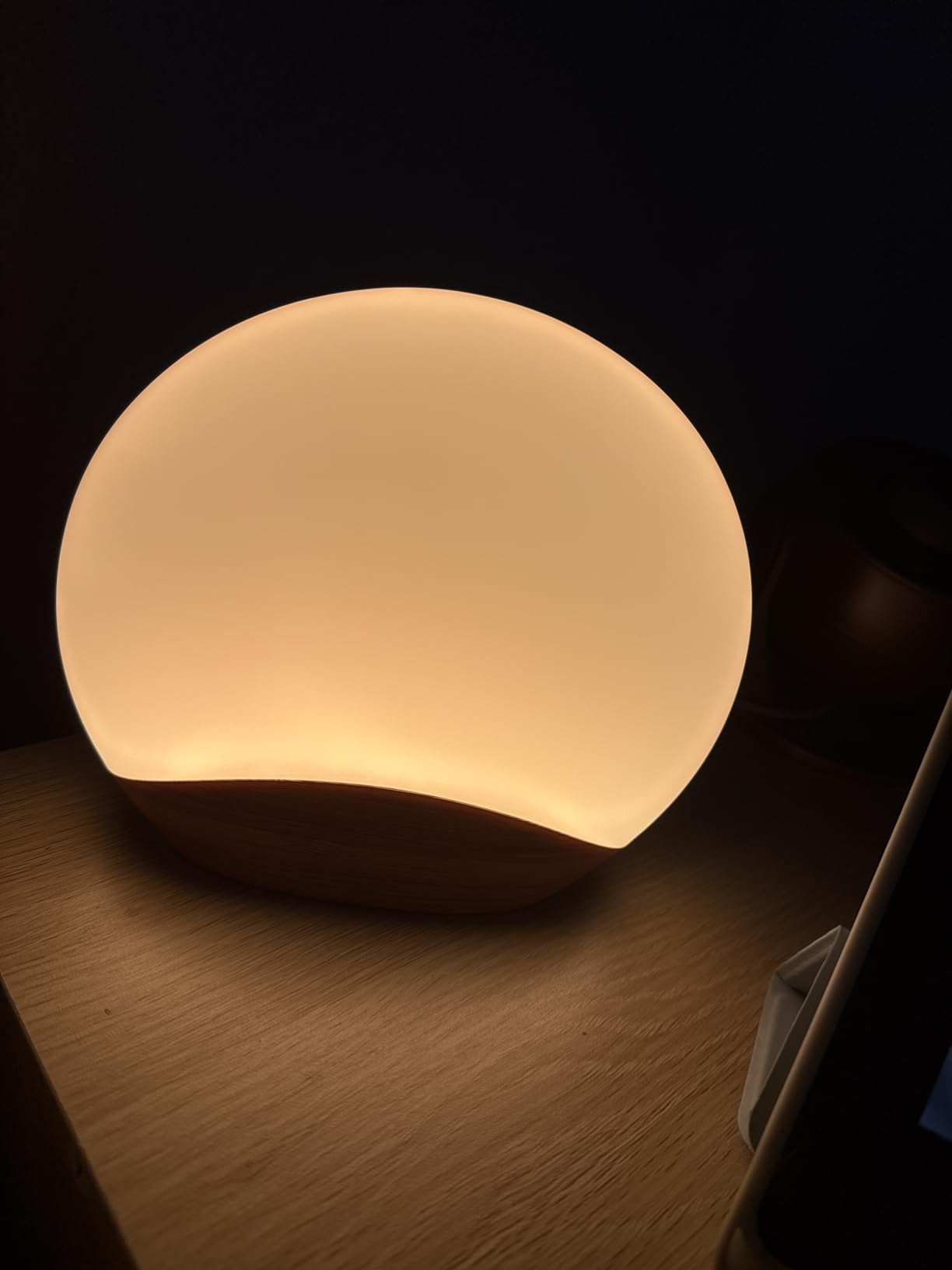
The orange wake-up light is a deliberate design choice that sets the REACHER apart. Instead of shifting through multiple colors like the Philips HF3520, the REACHER uses a consistent warm orange tone that gradually increases in brightness. I found this approach effective and pleasant, and the warm color is less jarring than a sudden white light first thing in the morning.
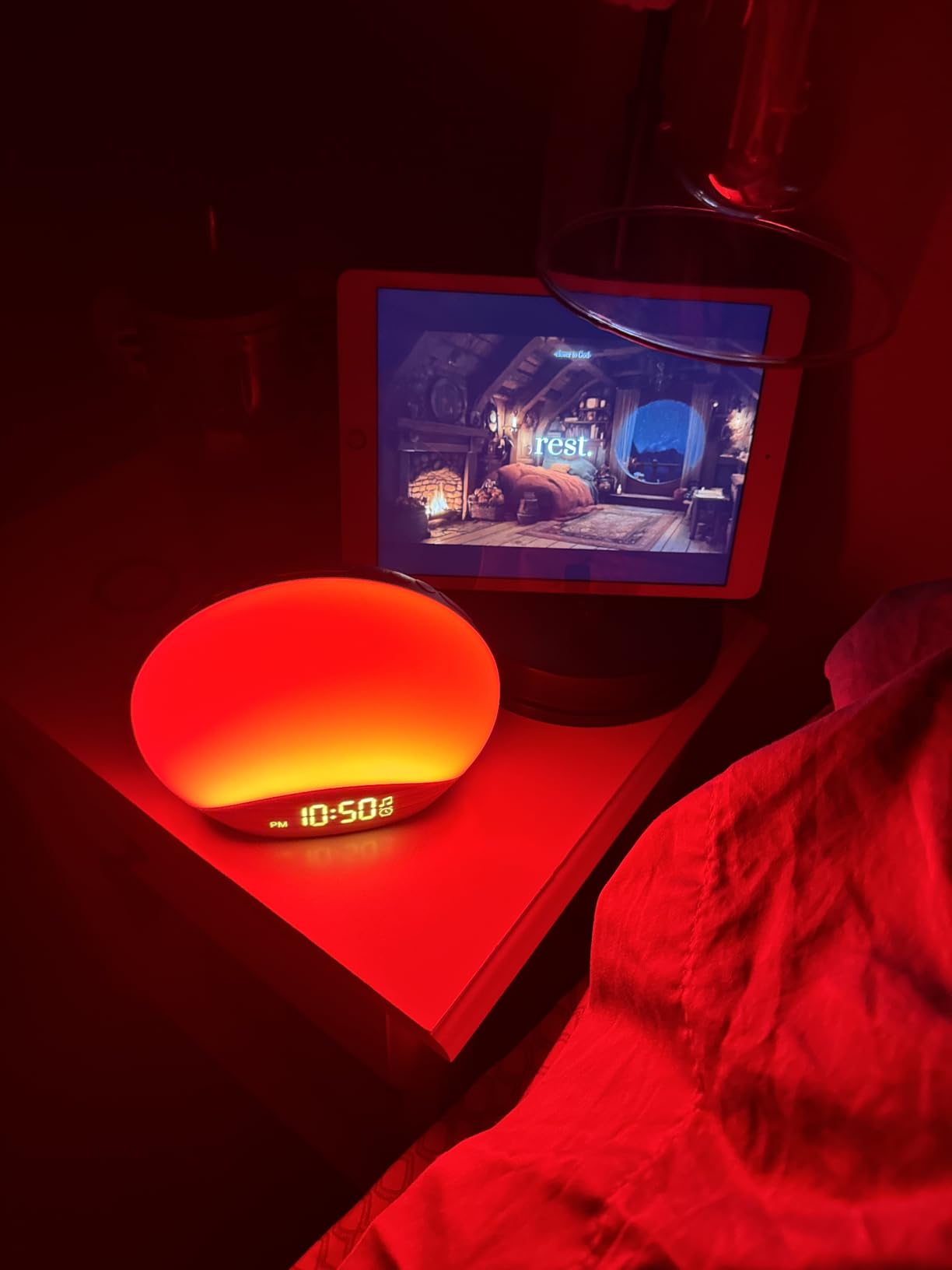
The 26 sleep sounds include white noise, brown noise, pink noise, ocean waves, rain, wind, and more. The 5 to 180-minute auto-off timer gives you precise control over how long sounds play. The colorful nightlight adds a decorative touch, and the 0 to 100% dimmable LED clock means you can achieve total darkness if that is what you need.
The built-in battery is the feature that elevates the REACHER above most of its budget competitors. When the power goes out, the battery keeps your alarm settings intact and can even trigger the alarm. This is a feature normally reserved for premium models, and its inclusion at under $40 is impressive. The clearly labeled icons and one-handed operation make daily use simple and intuitive.
Best Affordable Alternative to Hatch
Multiple Reddit threads recommend the REACHER R7 as a budget alternative to the Hatch Restore. While it lacks the app integration and curated content library, it matches or exceeds the Hatch on core functionality: sunrise simulation, white noise, and night light. If you want the Hatch experience without the price tag or subscription, the REACHER delivers approximately 80% of the features for about 25% of the cost.
Power Outage Protection That Actually Works
The built-in battery backup on the REACHER is not just for saving your clock settings. In my testing, the battery could power a brief alarm even during a simulated outage. This is a critical feature for anyone who relies on their alarm to wake up for work or appointments. The peace of mind knowing your alarm will fire even if the power drops is worth the price of admission alone.
Buying Guide: How to Choose the Best Sunrise Alarm Clock
Choosing the right sunrise alarm clock comes down to understanding your sleep habits, bedroom setup, and budget. After testing 10 models over several months, I identified the key factors that actually matter when making this decision. Here is what to consider before you buy.
Brightness and Lux Output
The brightness of a sunrise alarm is measured in lux, and this is the single most important specification to check. Budget models typically output 100 to 200 lux, which is sufficient for small to medium bedrooms. Premium models like the Lumie Shine 300 and Philips HF3520 can reach 300+ lux, providing a more convincing sunrise effect that can penetrate eyelids even in a dark room. If you sleep with blackout curtains or in a windowless room, prioritize brightness above all else. The Dekala’s 400-lumen output is the strongest on this list for heavy sleepers who need maximum light intensity.
Sunrise Duration and Customization
Sunrise duration refers to how long before your alarm the light begins brightening. Most clocks offer 15 to 60 minutes of gradual brightening. The Lumie Shine 300 stands out with 15 to 90 minute options, giving you the longest and most gradual sunrise possible. Research suggests that a 20 to 40-minute sunrise duration is ideal for most people, allowing your body to suppress melatonin naturally. Shorter durations (10-15 minutes) work for light sleepers, while heavy sleepers benefit from longer 45+ minute settings.
Sound Options and Quality
The number and quality of built-in sounds vary dramatically. The JALL models offer 25 sounds, the Dreamegg provides 29, and the REACHER includes 26. Look for white noise, brown noise, and nature sounds as the core offering. Speaker quality matters too, the ecozy’s dual speakers and the Dekala’s studio-quality audio outperform single-speaker budget models. If you plan to use the sound machine nightly, prioritize audio quality alongside the sunrise feature.
App Control vs Physical Buttons
Some users love app control; others find it unnecessary. The Hatch Restore 3 offers the best app experience with customizable routines, meditations, and content streaming. However, this comes with a subscription cost after the trial period. If you prefer a phone-free bedroom, the Philips HF3520, Lumie Shine 300, Dreamegg, HOUSBAY, and REACHER all operate entirely through physical buttons. Reddit users in r/sleephackers frequently recommend phone-free models for reducing bedtime screen exposure.
Power Backup and Reliability
A sunrise alarm that fails during a power outage is useless. The REACHER R7 includes a built-in battery that can power an actual alarm, the Dreamegg has a CR2032 backup for settings retention, and the ecozy includes a battery for memory preservation. The Philips HF3520, Hatch Restore 3, and both JALL models have no backup whatsoever. If you live in an area with unreliable power, this should be a deciding factor.
Clock Face Dimming for Dark Rooms
If your bedroom needs to be pitch black for you to sleep, the clock face brightness matters. The JALL models offer an L0 blackout mode that completely darkens the display. The Lumie Shine 300 has an auto-dimming face that adjusts to ambient light. The REACHER offers 0-100% dimming. Check that your chosen clock can go dark enough for your sensitivity level, as a glowing clock face can disrupt melatonin production.
Price-to-Value Considerations
Sunrise alarm clocks range from under $30 to over $170. Budget models under $40 (JALL, ecozy, REACHER) provide excellent value with full feature sets. Mid-range options ($40-$60 like Dreamegg, Dekala, HOUSBAY) add premium build materials and unique features. Premium models over $100 (Hatch, Philips, Lumie) offer the best sunrise quality and build but may include subscription costs. For most first-time buyers, I recommend starting in the $35-$60 range to test the concept before investing in premium models.
FAQs
Are sunrise alarm clocks worth it?
Yes, sunrise alarm clocks are worth it for anyone who struggles with dark mornings, experiences seasonal affective disorder, or wants a gentler wake-up. Studies show that gradual light exposure before waking helps regulate circadian rhythms and reduces sleep inertia, meaning you feel less groggy. Our testing confirmed that waking up to simulated sunrise consistently felt more natural than a sound alarm.
Do sunrise alarm clocks work for heavy sleepers?
Sunrise alarm clocks can work for heavy sleepers, especially models with high lumen output and adjustable sunrise duration. The Dekala Sunrise Alarm Clock is specifically designed for heavy sleepers with its Pulse Wake 95dB alarm that combines light pulses with escalating sound. Setting a longer sunrise duration of 45 to 60 minutes also helps heavy sleepers transition more gradually from deep sleep.
How long should I set the sunrise duration on my alarm clock?
Most sleep experts recommend a sunrise duration of 20 to 40 minutes for optimal results. This gives your body enough time to gradually reduce melatonin production and transition from deep sleep. Light sleepers may prefer 15 to 20 minutes, while heavy sleepers benefit from 45 minutes or more. The Lumie Bodyclock Shine 300 offers the widest range with 15 to 90 minute settings for maximum flexibility.
Hatch or Lumie – which is the better sunrise alarm clock?
Hatch is better for users who want smart features, app control, guided meditations, and a connected bedroom experience. Lumie is better for light therapy purists who want scientifically tuned reduced-blue LEDs, customizable sunrise duration up to 90 minutes, and no subscription requirements. Hatch offers more content and convenience. Lumie offers superior light quality and simplicity. Your choice depends on whether you value smart features or light therapy quality.
Where should I place my sunrise alarm clock and how far from the bed?
Place your sunrise alarm clock on your nightstand approximately 18 to 24 inches from your pillow. The light needs to be close enough to register on your eyelids even when closed, typically requiring 200+ lux at that distance. Avoid placing it behind objects that could block the light. If your clock has a clock face, angle it slightly away from direct view to prevent nighttime brightness disruption.
Conclusion
After testing all 10 models, our top recommendation for the best sunrise alarm clock in 2026 is the Hatch Restore 3 for its unmatched smart features and app experience. For the best value, the Philips SmartSleep HF3520 delivers clinically proven sunrise quality without any subscription. And for budget-conscious buyers, the JALL Full-Screen Wake Up Light provides incredible features at an unbeatable price point. Whichever you choose, the difference between a gentle sunrise wake-up and a blaring alarm is something you will feel every single morning.