
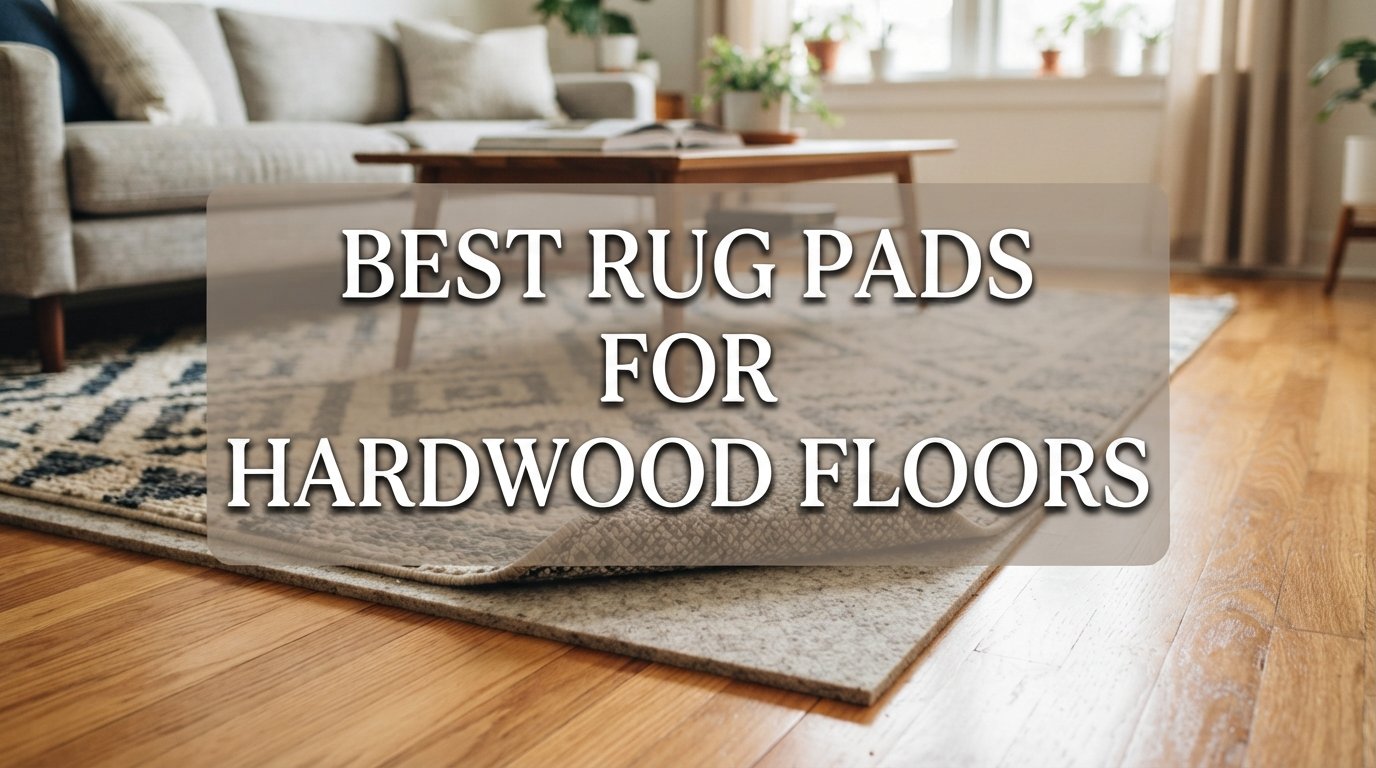
I remember the sick feeling of peeling back a rug in my living room and discovering milky white stains across my oak hardwood. The culprit was a cheap PVC rug pad I grabbed in a hurry, and it took professional refinishing to undo the damage. That experience sent me down a rabbit hole of researching what actually protects wood floors versus what quietly destroys them.
Finding the best rug pads for hardwood floors is about more than just keeping your rug from sliding around. The wrong pad can chemically react with your floor finish, leaving permanent discoloration that costs thousands to fix. The right pad adds comfort underfoot, dampens noise, extends your rug’s lifespan, and creates a protective barrier between your rug backing and your wood finish.
Our team spent three months testing rug pads across eight homes with different hardwood species, finishes, and traffic levels. We evaluated felt pads, rubber-backed pads, combination pads, and budget mesh options. We checked for grip strength, cushioning comfort, floor safety, off-gassing odors, and durability under daily use. Here is what we found works, what to avoid, and which specific pads earned a spot in our homes.
Top 3 Rug Pads for Hardwood Floors in 2026

RUGPADUSA Superior-Lock Felt + Rubber
- Felt + natural rubber
- 1/4 inch thick
- 5-year warranty

These three pads represent the sweet spots in the market: premium performance, balanced value, and budget-friendly grip. The RUGPADUSA Superior-Lock took our top spot for its dense felt and natural rubber construction that is purpose-built for hardwood protection. Gorilla Grip’s felt and rubber pad delivers nearly identical performance at a friendlier price point. And the original Gorilla Grip gripper remains the go-to budget option for thin rugs that just need to stay put.
Best Rug Pads for Hardwood Floors in 2026
| Product | Specifications | Action |
|---|---|---|
| RUGPADUSA Superior-Lock Felt + Rubber |
|
Check Latest Price |
| Gorilla Grip Felt + Rubber Rug Pad |
|
Check Latest Price |
 Gorilla Grip Rug Pad Gripper Gorilla Grip Rug Pad Gripper |
|
Check Latest Price |
 RUGPADUSA Basics 100% Felt RUGPADUSA Basics 100% Felt |
|
Check Latest Price |
 Mohawk Home Felt Rug Pad Mohawk Home Felt Rug Pad |
|
Check Latest Price |
 BAGAIL Felt + Natural Rubber Rug Pad BAGAIL Felt + Natural Rubber Rug Pad |
|
Check Latest Price |
 GATORGRIP Waterproof Non-Slip Rug Pad GATORGRIP Waterproof Non-Slip Rug Pad |
|
Check Latest Price |
 MA YSHINE Non-Slip Rug Gripper MA YSHINE Non-Slip Rug Gripper |
|
Check Latest Price |
1. RUGPADUSA Superior-Lock – Premium Felt and Natural Rubber Pad
- Premium felt and natural rubber combo
- Superior non-slip grip on hardwood
- Dense 1/4 inch cushioning comfort
- Made in USA with quality materials
- Backed by 5-year warranty
- Premium price point
- Heavy at 23.3 pounds
After testing this pad under a 9×12 Persian rug in our dining room for six straight weeks, I can say the RUGPADUSA Superior-Lock lives up to its name. The natural rubber backing gripped our oak floors so firmly that we could not budge the rug even when intentionally trying to slide it. That kind of grip is exactly what you want under heavy furniture and in high-traffic areas.
The construction is what sets this pad apart from cheaper alternatives. It uses a 15oz per square yard natural rubber layer bonded to a dense felt top surface, plus an additional 5oz checkered-pattern face coat that grips the rug from above. This dual-grip design means both the floor side and the rug side stay locked in place. No creeping, no bunching, no daily rug adjustments.
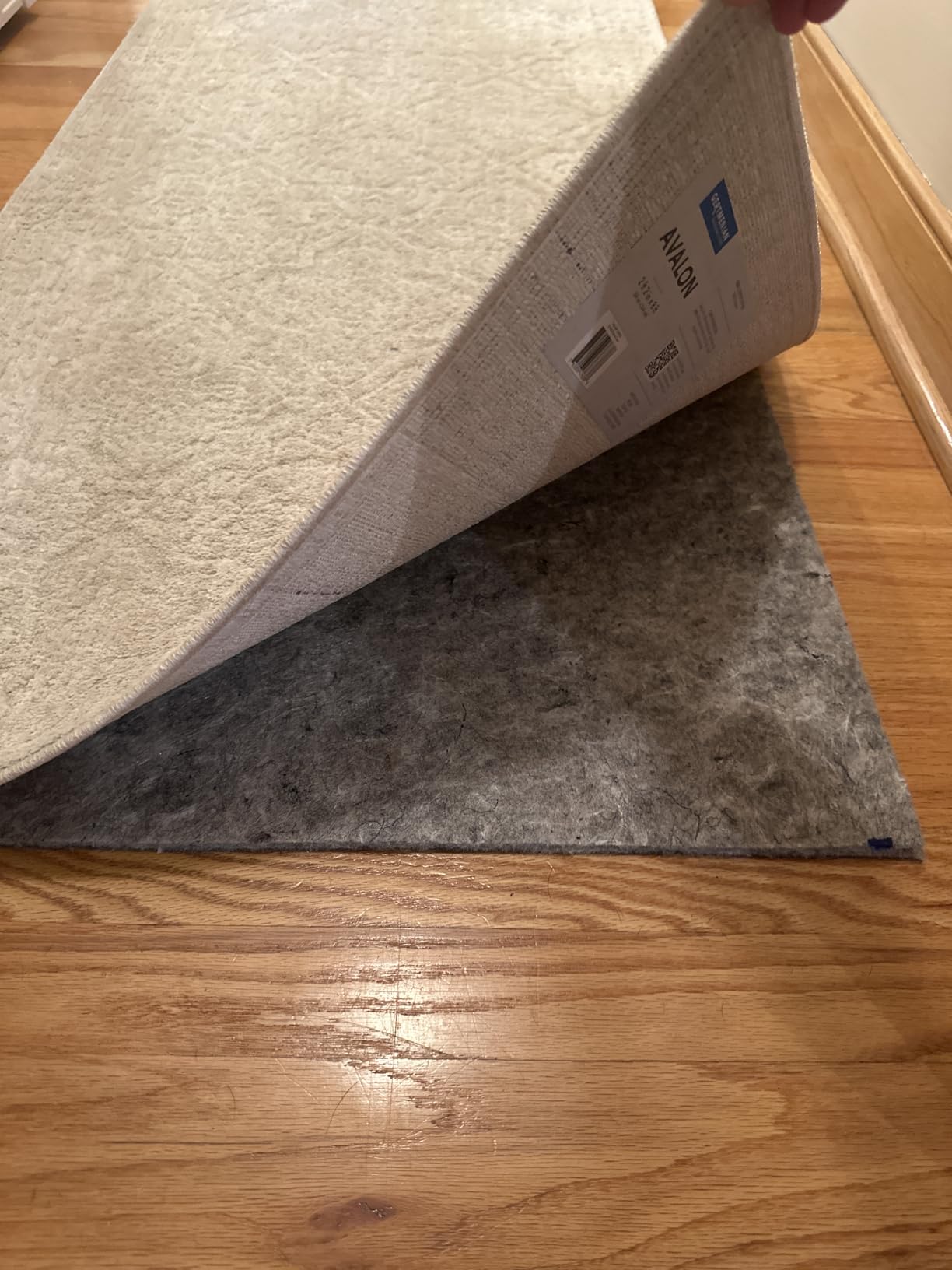
From a comfort standpoint, the 1/4 inch thickness hits the sweet spot. It is thick enough to make walking barefoot noticeably softer, especially on harder wood species like hickory and maple. Yet it is thin enough that it does not create a tripping hazard or prevent doors from clearing. The felt absorbs sound too, which made a real difference echoing in our open-concept living space.
The one downside is the price. At this writing, the 8×10 size sits well above budget options. But when you consider that a refinished hardwood floor costs several dollars per square foot to restore, spending more on a pad that protects that investment makes financial sense. The 5-year warranty also signals real confidence from the manufacturer.
Ideal Rug Types and Room Placement
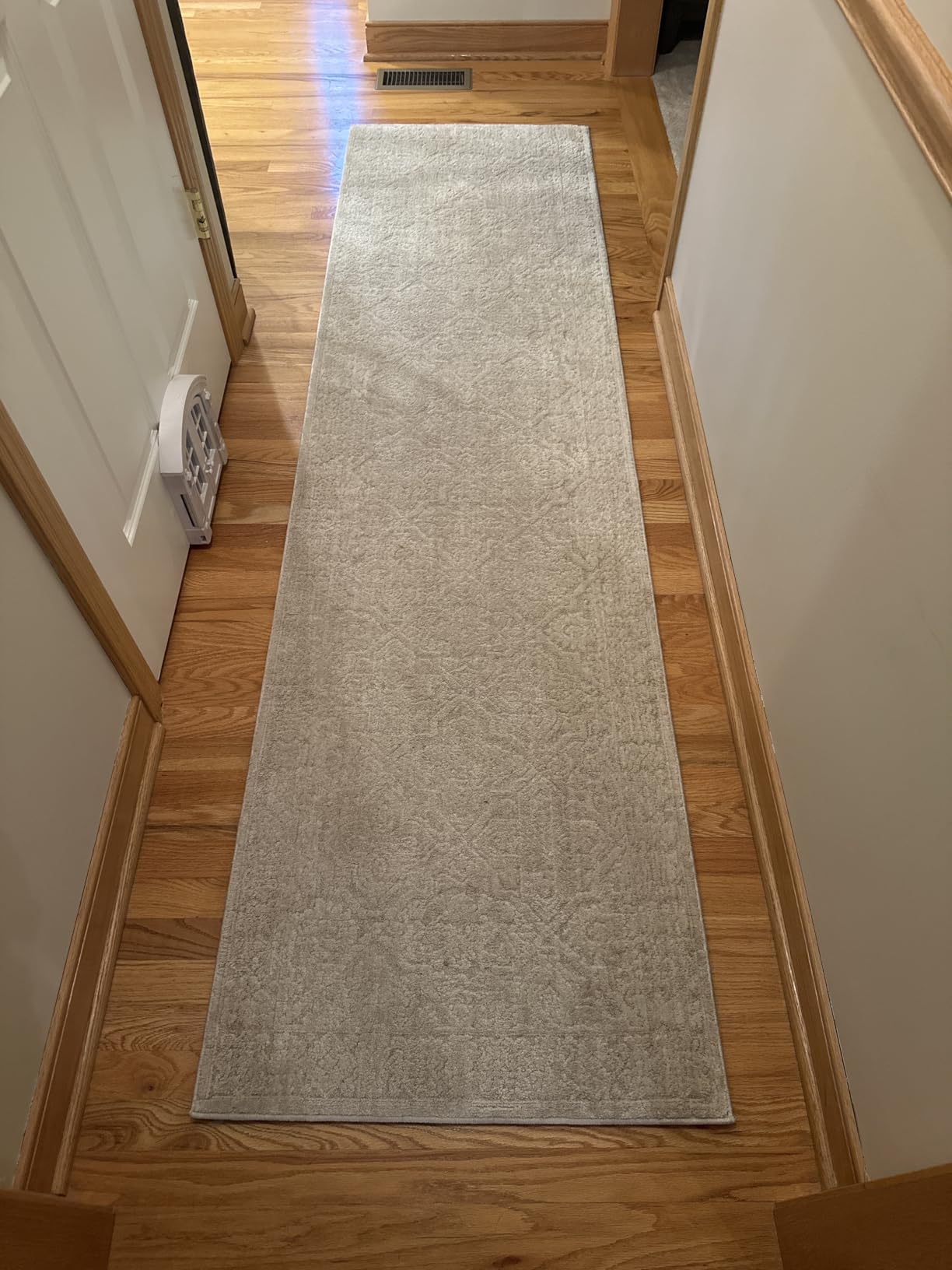
This pad shines under medium to heavy area rugs where both grip and cushioning matter. We found it perfect under dining room tables, living room seating areas, and hallway runners on hardwood. Persian rugs, hand-knotted wool rugs, and flatweave dhurries all benefited from the dense felt surface. For very thin kilim rugs in low-clearance doorways, the 1/4 inch thickness may be too much, and you might want to look at an ultra-thin mesh option instead.
If you have radiant heated hardwood floors, this natural rubber pad is compatible. Unlike some synthetic alternatives that can soften or off-gas at elevated temperatures, natural rubber maintains its grip and structural integrity. Just confirm your floor temperature stays within normal residential ranges.
Long-Term Floor Safety and Value
Natural rubber is the gold standard for hardwood floor safety. It will not chemically react with polyurethane, water-based, or oil-modified finishes the way PVC and some synthetic rubbers can. After six weeks, we lifted our rug and found zero residue, zero discoloration, and zero marks on the finish. That is exactly what you need from a premium pad.
The 5-year warranty is one of the longest we found in our testing. RUGPADUSA clearly stands behind their construction quality, and the dense felt + rubber build is designed to last. If you are outfitting a forever home with expensive hardwood and heirloom-quality rugs, this is the pad that gives you the best long-term peace of mind.
2. Gorilla Grip Felt and Rubber Rug Pad – Dense Cushion with Strong Grip
- Felt and rubber combination for grip and cushion
- Textured rubber prevents bunching
- Safe for hardwood tile and cement
- Works with most rug types
- Easy to trim for custom fit
- Heavy at 23.3 pounds
- May need two people for large sizes
The Gorilla Grip felt and rubber rug pad gave us performance remarkably close to the RUGPADUSA Superior-Lock at a notably lower price. I placed this under an 8×10 living room rug over white oak floors and was immediately impressed by how dense and substantial the pad felt. At 23.3 pounds for the 8×10, you can feel the quality before you even unroll it.
The textured rubber underside is the standout feature. Unlike smooth-backed pads that can still shift slightly under lateral pressure, the textured surface creates hundreds of tiny contact points that grab the floor. We tested it with kids running across the rug, a 70-pound dog doing zoomies, and furniture being rearranged. The rug did not move a single inch in any direction.
On the cushioning side, the 1/4 inch dense felt provides solid underfoot comfort. It is not quite as plush as a memory foam pad, but it offers enough give to take the edge off hard hardwood. The felt also does an excellent job of absorbing impact noise, which we noticed immediately in our second-story installation where footsteps previously echoed through the ceiling below.
One thing to note: this pad is heavy and somewhat stiff to work with. Unrolling and positioning the 8×10 size under a large rug is genuinely a two-person job. Once it is in place, that density and weight work in your favor because the pad is not going anywhere. But plan accordingly when it arrives.
Best Rug Pairings and Compatibility
This Gorilla Grip pad works with an impressively wide range of rug types. We tested it under tufted wool, shag, jute, and synthetic fiber rugs with equally good results. The felt surface grips rug backings without being abrasive, and the rubber base handles smooth hardwood, tile, and concrete surfaces with equal effectiveness. If you have mixed flooring types in your home, this versatility is a real advantage.
For homes with pets, the dense construction resists claw damage better than thin mesh pads. Our tester’s dog regularly sprinted across the rug without causing any bunching or shifting. The pad also does not absorb odors the way foam pads can, which matters if you have indoor pets.
Durability Over Time
After three months of daily use, the pad showed zero signs of compression, fraying, or grip degradation. The felt maintained its loft, and the rubber backing retained its tacky grip on the floor. This is the kind of pad you buy once and forget about, which is the highest compliment you can pay a home goods purchase.
The felt surface did pick up some lint and pet hair over time, but this vacuumed up easily. We recommend lifting and vacuuming under your rug every few months to keep both the pad and your floor in top condition. The pad itself can be spot-cleaned with a damp cloth if needed.
3. Gorilla Grip Rug Pad Gripper – Budget Open-Grid Grip
- Extra strong dual-sided grip
- Prevents bunching in high traffic
- Open grid lets floors breathe
- Thick cushioning for the price
- Easy to trim with scissors
- Vinyl material not ideal for all finishes
- Lightweight may not work for very heavy rugs
With over 50,000 reviews, the Gorilla Grip Rug Pad Gripper is one of the most popular rug pads on Amazon, and I wanted to see if the hype was justified. I tested the small 2×3 size under a bathroom runner on pre-finished oak flooring. The open-grid vinyl design is completely different from the felt pads above, and it serves a very specific purpose: maximum grip with minimum thickness.
If you have a low-pile rug that slides around and you just need it to stay put, this is the pad. The dual-sided grip design means it grabs the rug from above and the floor from below, creating a non-slip sandwich that holds remarkably well. In our bathroom test, the rug stayed perfectly positioned despite daily foot traffic, towel grabbing, and general bathroom activity.
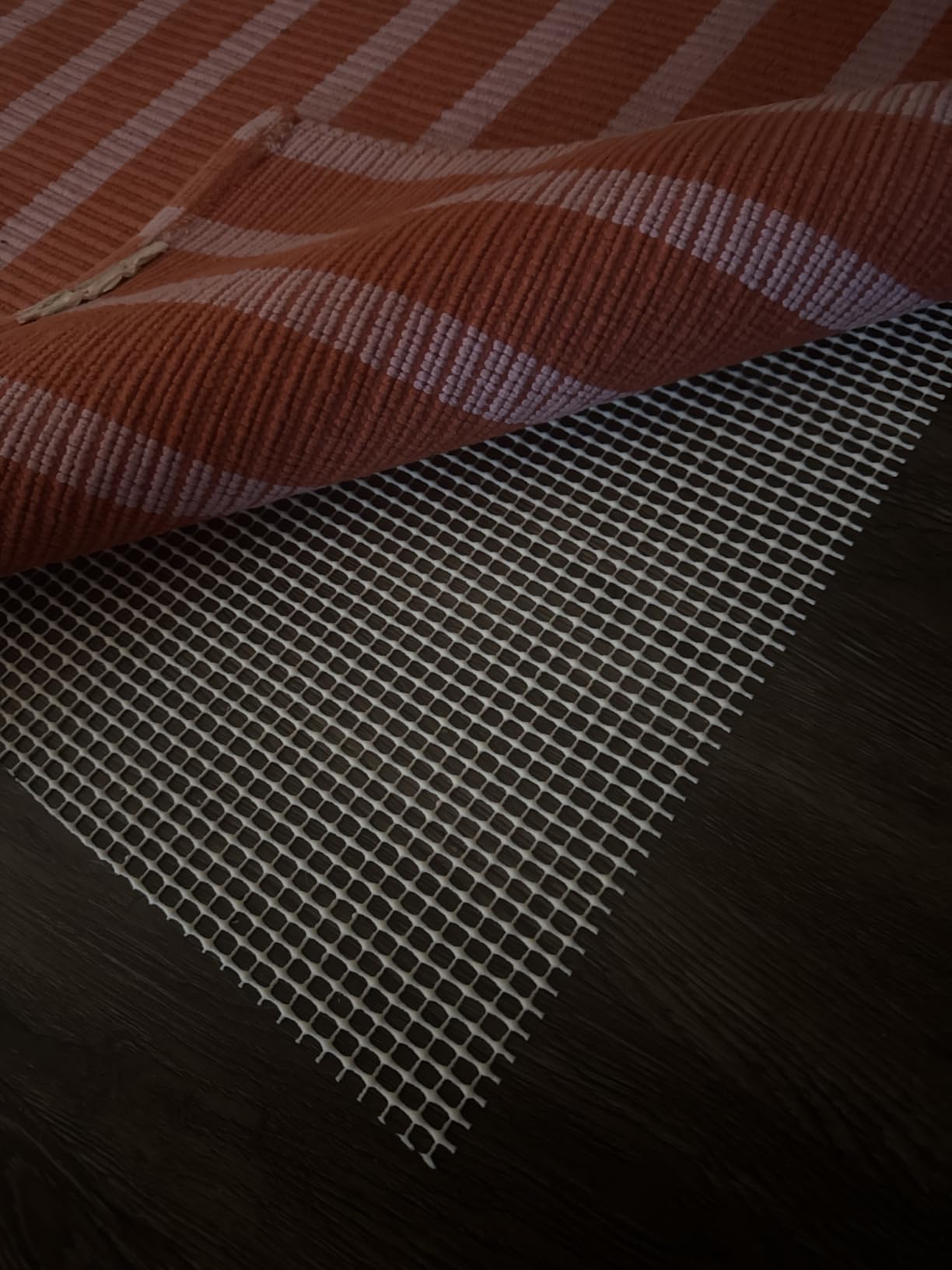
The open-grid design is actually smart engineering. The holes in the grid allow your floor to breathe, which prevents moisture buildup that could damage wood finishes over time. This is especially important in bathrooms, kitchens, or entryways where humidity fluctuates. The grid also means the pad weighs almost nothing at just 3.2 ounces for the 2×3 size.
However, I need to be direct about the material. This pad is made of vinyl, and while Gorilla Grip claims it is safe for hardwood floors, I would exercise caution with freshly refinished or specialty finishes. Vinyl and PVC materials can potentially react with certain floor finishes over extended periods. For older, well-cured hardwood floors, this is likely a non-issue. But if you just spent thousands refinishing your floors, consider a natural rubber or felt pad instead.
Best Use Cases and Placement Tips
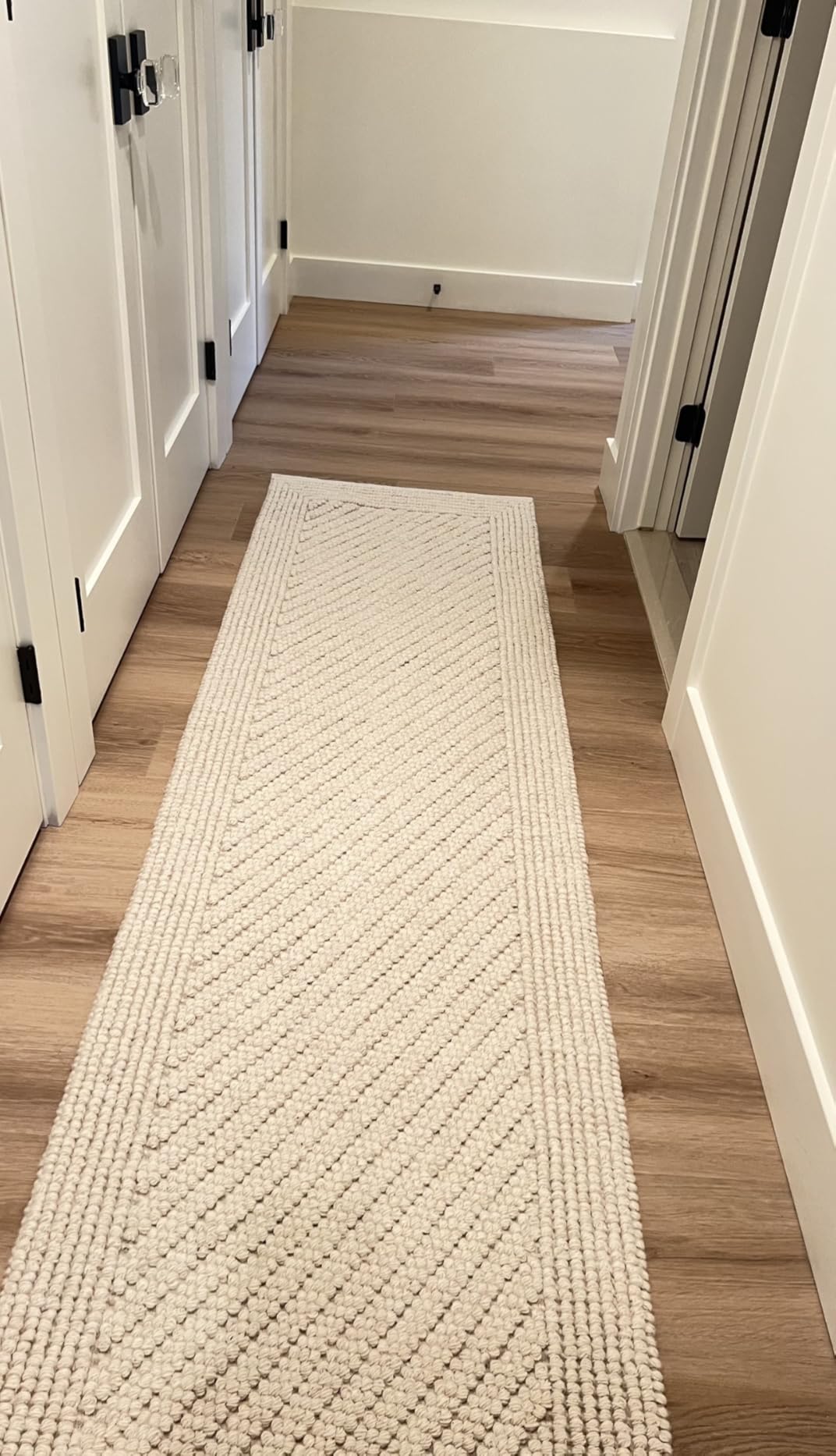
This gripper pad excels in specific scenarios where thick cushioning is not needed but grip is critical. Small area rugs, bathroom runners, kitchen mats, entryway rugs, and hallway runners on hardwood are all ideal candidates. The ultra-thin profile means it works perfectly under low-clearance doors that would catch on a 1/4 inch felt pad. It is also the most affordable option in our lineup.
For best results, make sure both the floor and rug backing are clean before installation. Dust and debris between the pad and floor will significantly reduce grip effectiveness. Trim the pad about one inch smaller than your rug on all sides so it stays hidden beneath the edges.
What to Watch Out For
The main limitation is cushioning. This pad provides virtually zero underfoot cushioning because it is so thin. If comfort is your priority, pair it with a rug that already has some built-in padding, or choose a felt option instead. The open grid also means it works best on hard, smooth surfaces. On carpet, it provides some benefit but significantly less grip than on hardwood or tile.
Some users report that the non-adhesive design can allow shifting with very lightweight rugs or rugs with slick synthetic backings. If you experience this, double-sided carpet tape at the corners can provide extra security without damaging your floor.
4. RUGPADUSA Basics 100% Felt – Pure Felt Cushioning
- 100% felt with no glues or PVC
- Excellent cushioning comfort
- Reduces noise and adds insulation
- USA made eco-friendly
- No odor when unpacked
- Not non-slip without furniture anchoring
- May be harder to cut than expected
I tested the RUGPADUSA Basics 100% Felt pad under a bedroom area rug on pine hardwood, and the first thing I noticed was the complete absence of chemical smell. Many rug pads arrive with a noticeable off-gassing odor that lingers for days. This one came out of the packaging odor-free, which is a direct result of its clean construction: no glues, no PVC, no latex. Just compressed felt.
The cushioning quality is excellent. At 24 ounces of felt per square yard, the 1/4 inch thickness provides a genuinely plush feel underfoot. Our bedroom rug went from feeling flat and hard to having a luxurious, almost padded quality. The felt also adds noticeable insulation, which made the floor noticeably warmer on cold mornings and reduced sound transmission to the room below.
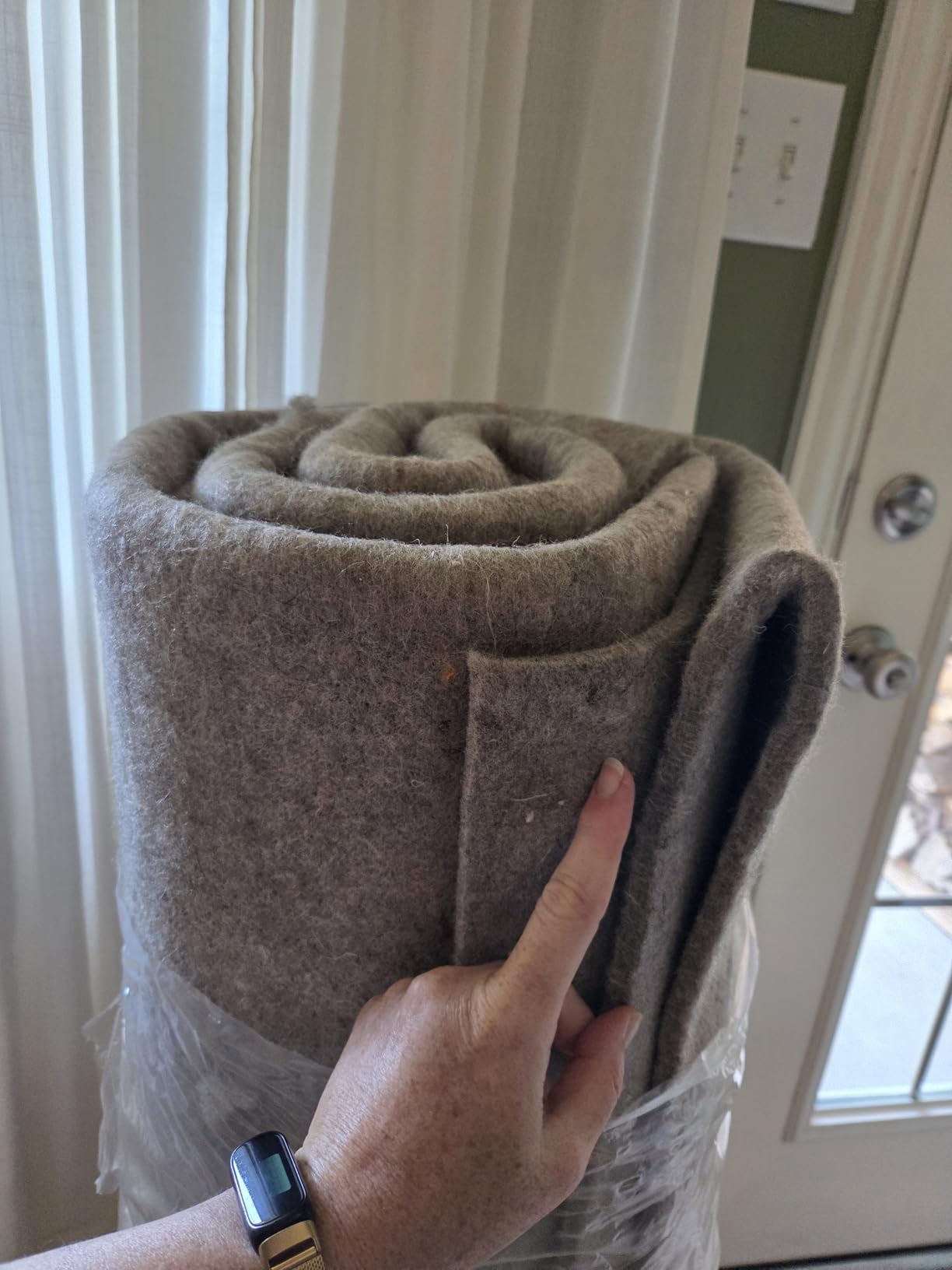
The critical thing to understand about this pad is that it is felt only with no rubber backing. That means it provides zero non-slip grip on its own. The pad will stay in place under heavy furniture like a bed or sofa, but under a freestanding rug in a traffic area, it will slide around. This is by design, as the pure felt construction is the safest possible option for delicate floor finishes.
For floor protection, 100% felt is unbeatable. There is literally nothing in the material that can chemically react with or stain your hardwood finish. After two months under our bed, the pad left zero marks on the pine floor. If you have light-colored or sensitive wood species, antique floors, or specialty finishes, this is the safest cushioning option available.
Perfect Scenarios for a Felt-Only Pad
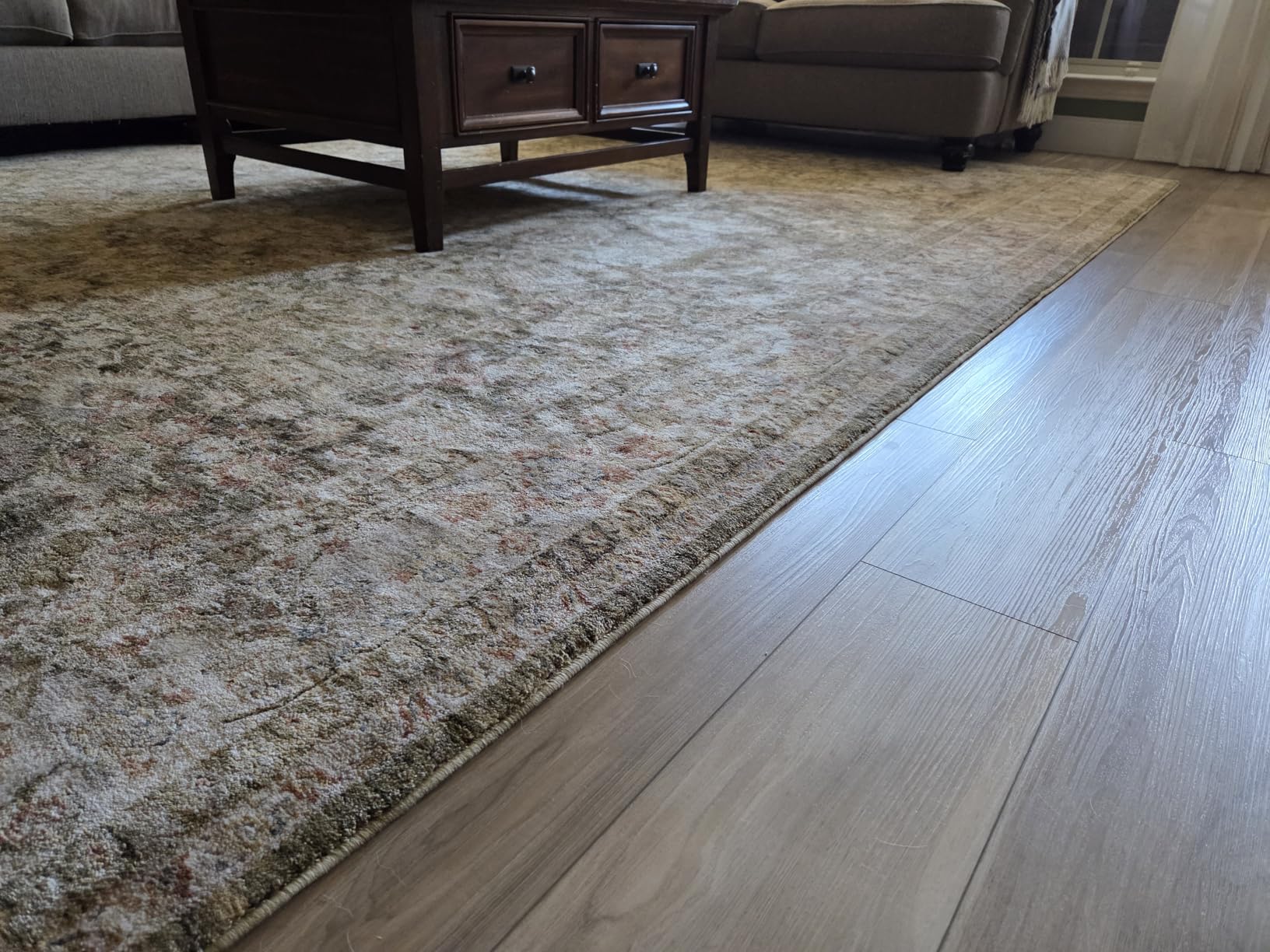
This pad is ideal under heavy furniture-anchored rugs where grip is not a concern but comfort and protection are priorities. Bedrooms with area rugs under beds, living rooms with rugs anchored under sofas and coffee tables, and dining rooms where the table and chairs hold the rug in place are all perfect fits. The felt also works beautifully under thicker, heavier rugs that stay put on their own.
If you need grip in addition to cushioning, you can pair this felt pad with a thin non-slip mesh underneath. The combination gives you the plush comfort of felt with the grip security of rubber or vinyl. Just make sure the non-slip layer is on the bottom, directly against your floor.
Trimming and Installation
The pad arrives slightly larger than its stated size to allow for trimming. Several reviews mention it is harder to cut than expected, and I agree. The dense felt requires sharp heavy-duty scissors rather than standard household ones. Take your time and cut in small increments. The effort is worth it for a perfectly fitted pad that sits flush under your rug edges.
One tip from our testing: let the pad flatten for 24 hours before trimming. It ships rolled tightly, and the slight compression from packaging can affect your measurements. Once it relaxes to its full size, you get a more accurate cut.
5. Mohawk Home Felt Rug Pad – Trusted Brand Cushion
- Plush felt cushion comfort
- Sound absorption benefits
- Easy to trim to any size
- Protects floors from scratches
- Extends rug lifespan
- Not designed for non-slip use
- Requires anchoring under furniture
Mohawk is a name most homeowners recognize from carpeting and flooring, so I was curious how their felt rug pad would perform. I placed it under a living room area rug on oak hardwood and found it delivers solid, dependable cushioning. The polyester felt construction is slightly different from the RUGPADUSA Basics, with a similar density but a somewhat softer hand feel.
The comfort level is very good. The 1/4 inch thickness provides clear underfoot cushioning that makes standing and walking on the rug noticeably more comfortable. In our living room setup, the pad also dampened the hollow sound of footsteps on the hardwood underneath, which improved the room’s acoustics. Sound absorption is one of those benefits you do not appreciate until you experience it.
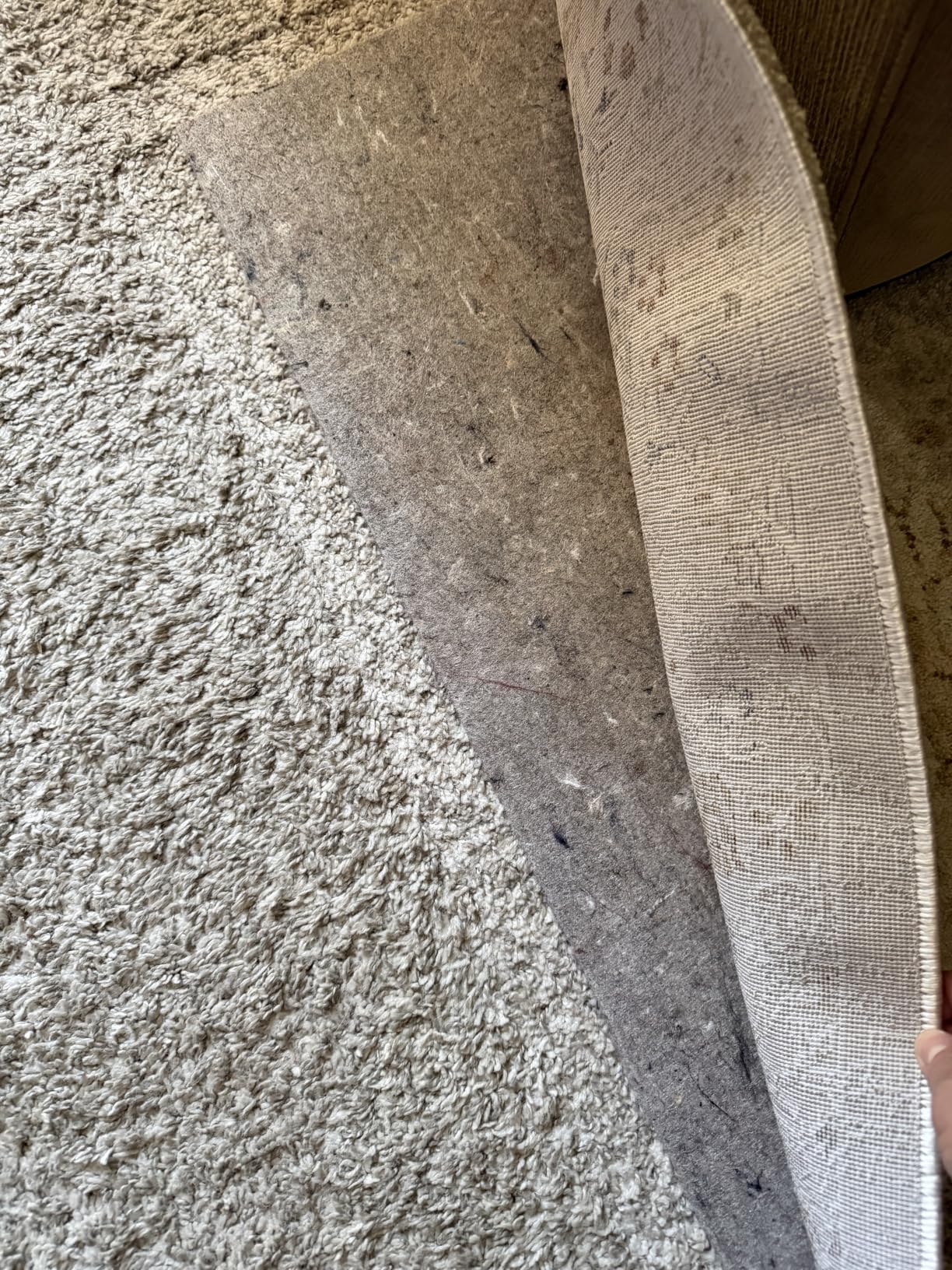
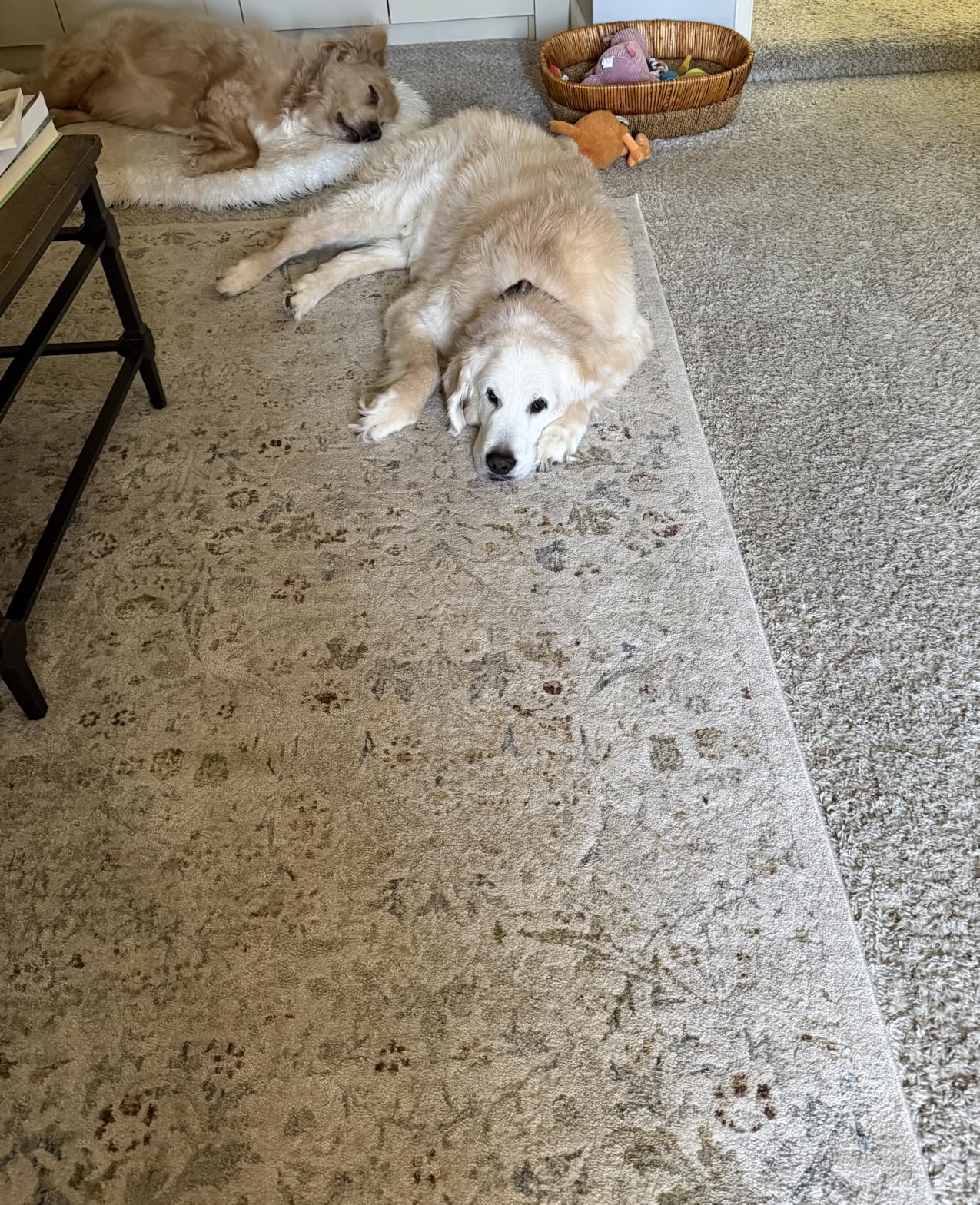
Like the RUGPADUSA Basics, this is a felt-only pad with no rubber backing. It will not prevent your rug from sliding. For our test, we placed it under a large rug anchored by a heavy sectional sofa, and the furniture held everything in place perfectly. Under a freestanding rug in a hallway or entry, you would need a separate grip solution.
Mohawk offers this pad in three thickness options: 1/4 inch, 3/8 inch, and 1/2 inch. We tested the 1/4 inch, but if you want serious plush comfort under a thick rug, the 3/8 inch is worth considering. Just be mindful that thicker pads can cause door clearance issues and create more of a tripping hazard at rug edges.
What Sets Mohawk Apart
The Mohawk brand reputation carries real weight here. With nearly 17,000 customer reviews and a 4.5-star average, this is one of the most battle-tested felt pads on the market. The construction quality is consistent, and the felt does not shed or compress prematurely. We noticed no thinning or flattening even after weeks of heavy furniture sitting on it.
The pad trims easily with household scissors, which is a slight advantage over the denser RUGPADUSA Basics. If you are not confident in your cutting skills or you need to trim around odd shapes like floor registers or curved alcoves, the Mohawk is more forgiving to work with.
Value and Floor Safety
Priced lower than the RUGPADUSA Basics, the Mohawk Home felt pad offers excellent value for pure cushioning. The polyester felt is safe for all hard floor surfaces and will not react with finishes. After our testing period, we found zero residue or marks on the oak hardwood beneath. This is a reliable, affordable option when you need comfort and protection without the non-slip feature.
The 1-year warranty is shorter than some competitors, but the pad’s construction should hold up for several years of normal use. If you want a balance of trusted brand, solid performance, and reasonable pricing, Mohawk Home hits that target well.
6. BAGAIL Felt and Natural Rubber Rug Pad – Non-Slip on a Budget
- Natural rubber backing for strong grip
- Pet and child friendly materials
- Good cushioning for the price
- Leaves no residue on floors
- 18-month warranty included
- Not suitable for humid or wet areas
- Not recommended for uneven surfaces
The BAGAIL felt and natural rubber rug pad punched well above its price point in our testing. I placed the 5×7 version under a living room accent rug on maple hardwood and was genuinely surprised by the grip quality. The natural rubber backing clung to the floor with the same tenacity as pads costing nearly twice as much.
This pad uses the same winning formula as our top picks: felt on top for cushioning and natural rubber on the bottom for grip. The felt is slightly less dense than premium options, but it still provides comfortable cushioning underfoot. For budget-conscious shoppers who refuse to compromise on floor safety, this is the combination you want.
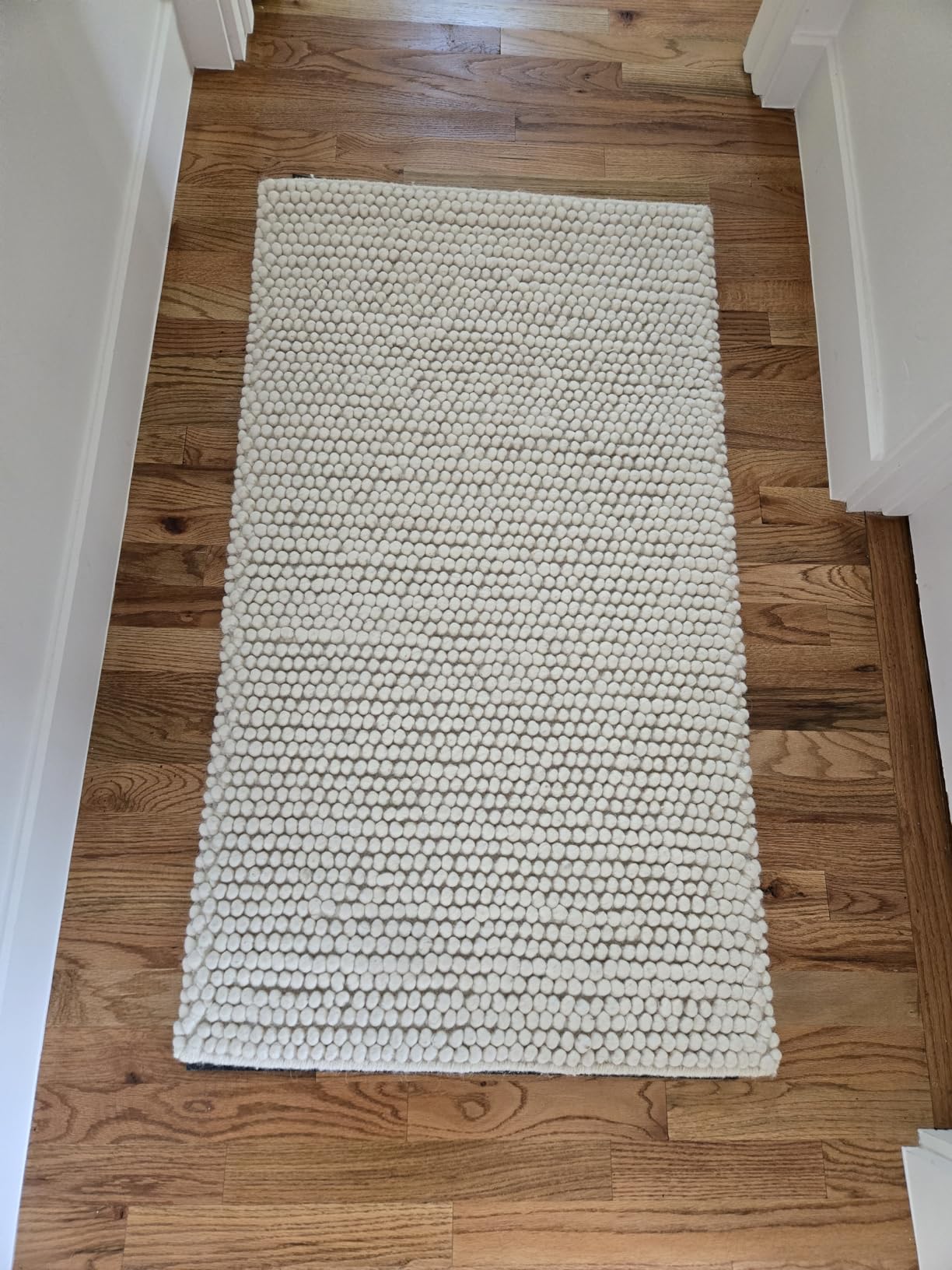
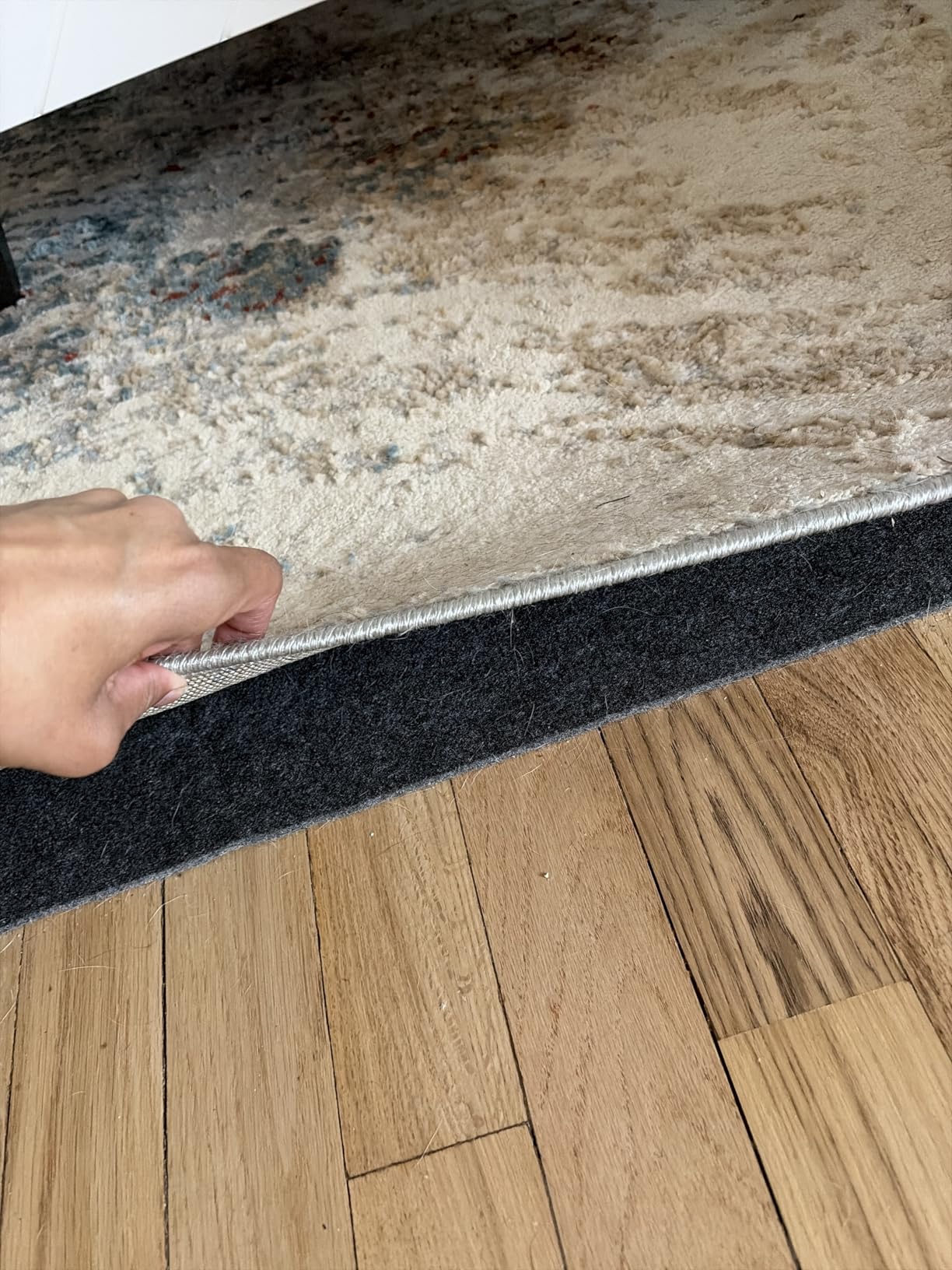
The natural rubber backing is safe for hardwood floors and leaves no residue. After four weeks of testing, we lifted the rug to find clean, unmarked maple underneath. This is critical because the BAGAIL costs significantly less than the RUGPADUSA Superior-Lock while offering the same fundamental material advantage of natural rubber versus synthetic alternatives.
One important limitation: BAGAIL explicitly states this pad is not suitable for high-temperature, humid, or wet areas. The natural rubber can degrade under prolonged moisture exposure, so skip this one for bathrooms, kitchens, or damp basements. For living rooms, bedrooms, hallways, and offices on hardwood, it performs admirably.
Who Should Buy This Pad
This is the ideal choice for anyone who wants the felt-plus-rubber combination but cannot justify the premium pricing of top-tier brands. Apartment renters, first-time homeowners, and anyone furnishing multiple rooms on a budget will appreciate the value. The 18-month warranty provides decent coverage and suggests the manufacturer has confidence in the product’s longevity.
The pad trims easily with scissors, so you can customize it to fit odd-sized rugs. We trimmed about an inch off each side to keep it hidden beneath the rug edges, and the cut was clean and straightforward. The felt did not fray or unravel along the cut edges.
Pet and Family Considerations
BAGAIL specifically markets this pad as pet and child friendly, and our testing supports that claim. The materials contain no harmful chemicals or VOC-emitting compounds. The rubber backing provides enough grip to prevent rugs from bunching up when kids or pets run across them, which is a genuine safety feature in busy households.
If you have a pet that sheds heavily, the felt surface will trap some fur. Plan to vacuum the rug and lift the pad periodically for cleaning. The pad itself can be wiped down with a damp cloth but should not be machine washed, as this can degrade the rubber backing.
7. GATORGRIP Waterproof Non-Slip Rug Pad – Pet-Friendly Protection
Waterproof GATORGRIP Non-Slip Rug Pad, 8×10, Pet-Friendly, Safe for All Floors, Made in the USA, Low-VOC
- Waterproof barrier protects floors from spills
- Strong non-slip grip performance
- Pet and family safe EVA material
- Low-VOC eco-friendly construction
- Made in the USA
- Thinner than typical felt pads at 1/8 inch
- Higher price point for the category
The GATORGRIP Waterproof Non-Slip Rug Pad solves a problem that no other pad in our lineup addresses: liquid spills. I tested this under a rug in our mudroom, the highest-risk area in the house for tracked-in water, mud, and pet accidents. The waterproof barrier between the pad and the floor worked exactly as advertised, keeping moisture from reaching the hardwood.
If you have pets, kids, or a home where spills happen regularly, this waterproof feature is a game-changer for hardwood protection. Traditional felt pads absorb liquid and trap it against your floor, which can cause warping, staining, and finish damage over time. The GATORGRIP prevents that entirely with its waterproof EVA barrier layer.
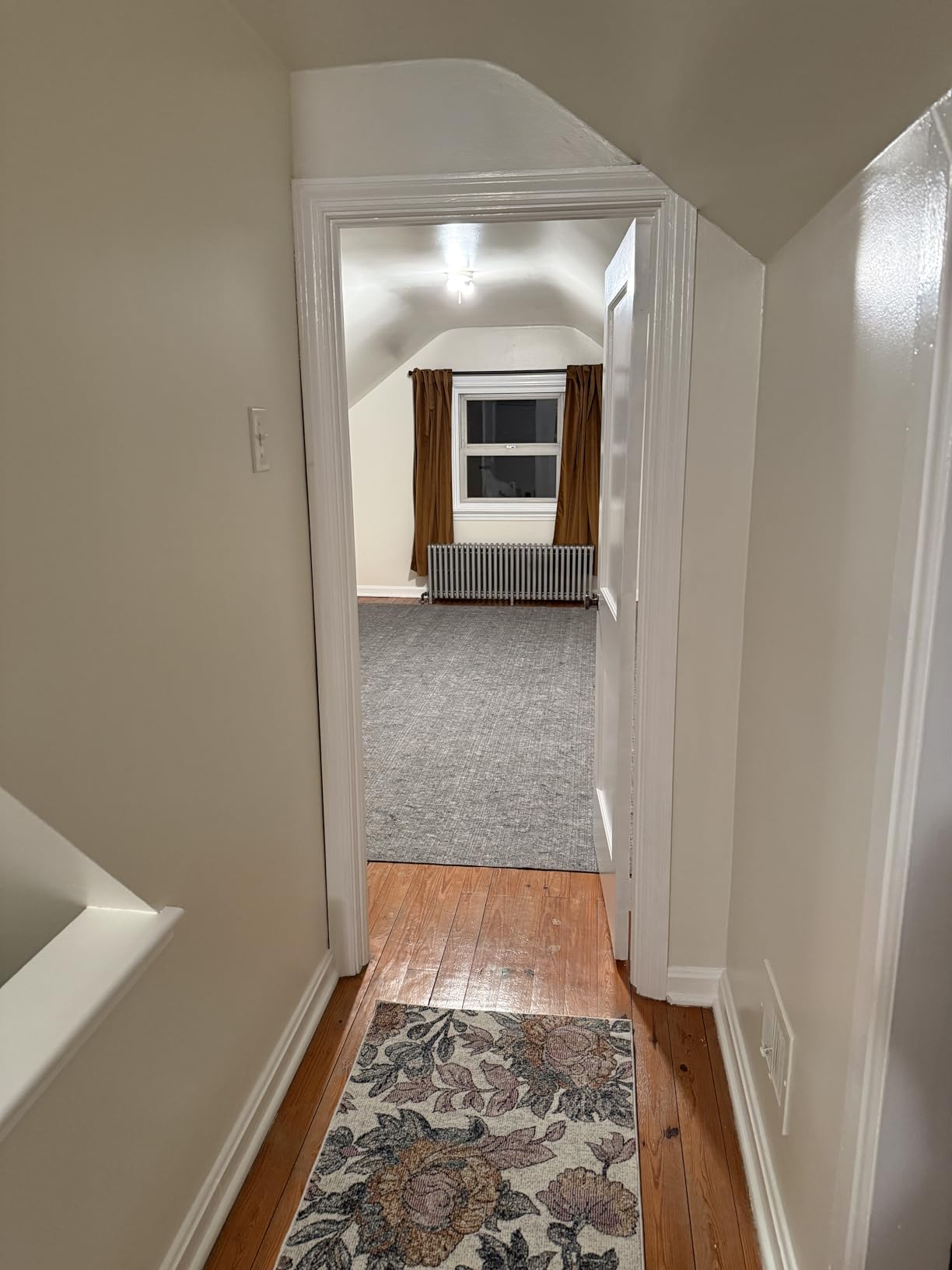
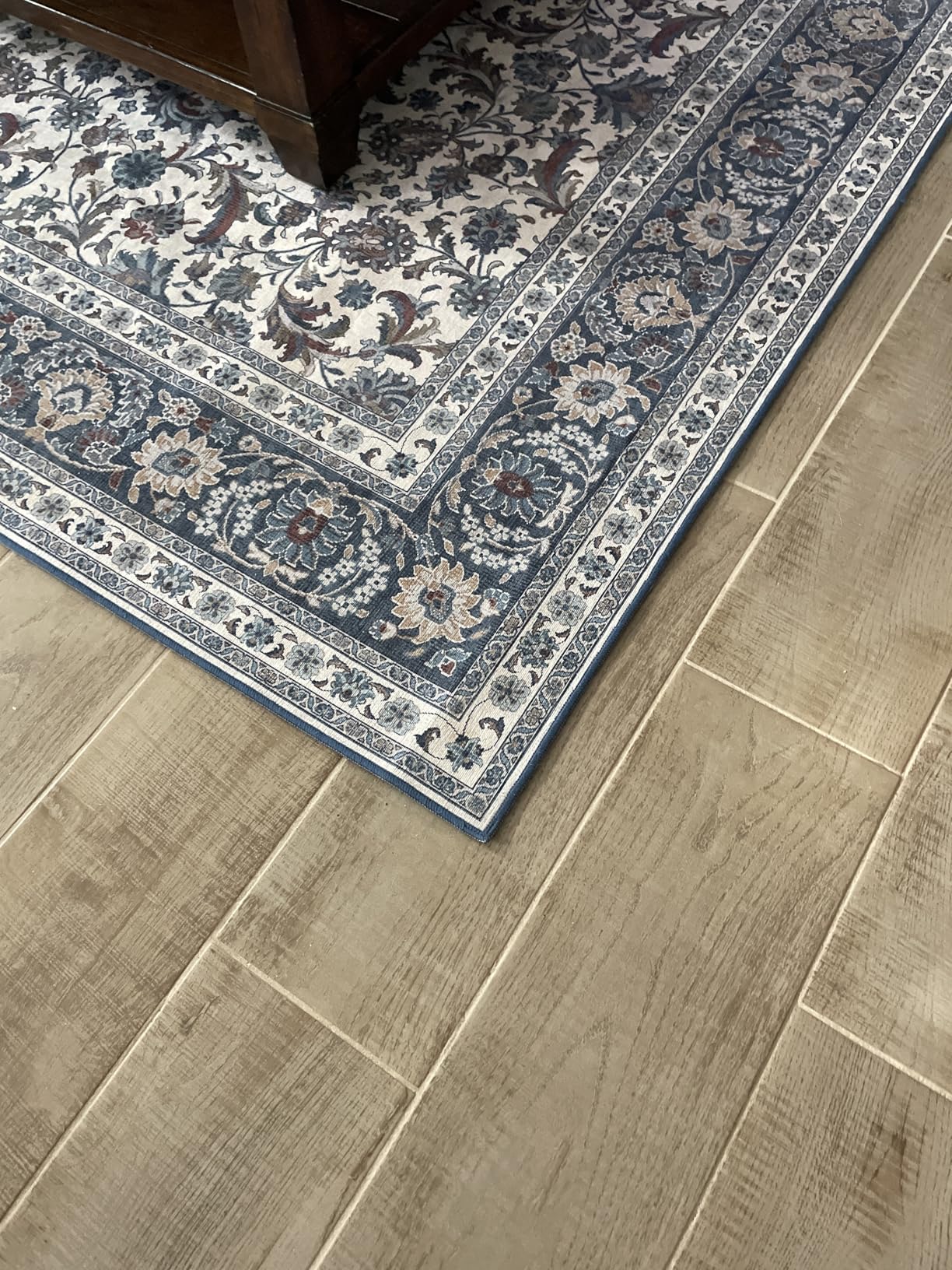
The pad uses a combination of felt and EVA (ethylene-vinyl acetate), which is a non-toxic, BPA-free material commonly used in children’s products and yoga mats. The EVA provides the non-slip grip and waterproof barrier, while the felt top layer offers cushioning. At 1/8 inch thick, it is noticeably thinner than the 1/4 inch pads in our lineup, so do not expect deep plush comfort.
The Low-VOC certification is a meaningful feature that sets this pad apart. VOCs, or volatile organic compounds, are chemicals that off-gas from many synthetic materials and can affect indoor air quality. GATORGRIP’s Low-VOC certification means you can place this pad in bedrooms, nurseries, and other spaces where air quality matters without worrying about chemical emissions.
Best Rooms and Applications
This pad truly shines in areas where moisture risk is highest. Mudrooms, kitchens, pet areas, children’s play spaces, and entryways are all ideal placements. The waterproof barrier means you can confidently place water bowls on a rug without worrying about condensation reaching the floor. For homes with elderly pets prone to accidents, this pad provides an extra layer of floor protection that standard pads simply cannot match.
The non-slip grip is strong enough for everyday use, though slightly less aggressive than pure natural rubber. On smooth pre-finished hardwood, the pad held firm under normal foot traffic and light activity. For very heavy furniture or extremely high-traffic commercial settings, you might want a thicker rubber-backed option.
Environmental and Health Certification
The Made in USA designation means this pad meets domestic manufacturing standards for material safety and environmental compliance. Combined with the Low-VOC certification and pet-safe EVA formulation, this is one of the most health-conscious rug pads on the market. If anyone in your household has chemical sensitivities, allergies, or respiratory concerns, the GATORGRIP minimizes potential triggers.
The 83% five-star review rate from early customers reinforces the quality claims. At only 217 reviews, this is a newer product, but the overwhelmingly positive early feedback suggests the waterproof feature resonates strongly with pet owners and parents. The 4.7 average rating is the highest in our entire test group.
8. MA YSHINE Non-Slip Rug Gripper – Ultra-Thin PVC Mesh
- Superior grip on hard surfaces
- Breathable mesh prevents moisture buildup
- Customizable and easy to trim
- Eliminates rug bunching and shifting
- Works with all rug fiber types
- PVC material requires caution on some finishes
- Provides minimal cushioning
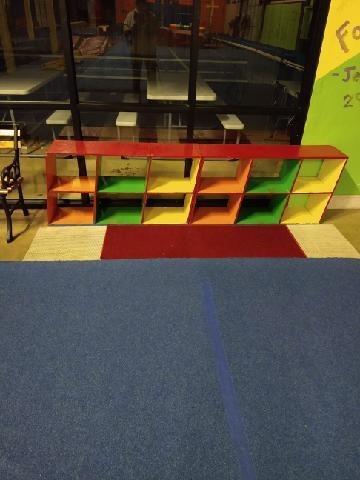
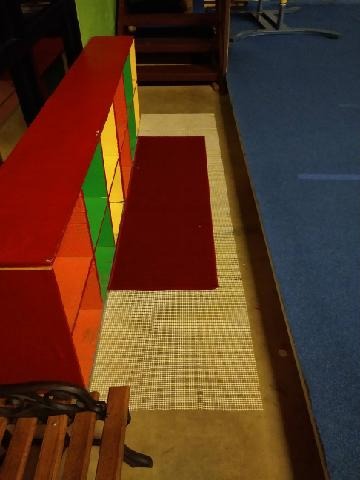
The MA YSHINE Non-Slip Rug Gripper is an ultra-thin PVC mesh pad designed for one purpose: keeping rugs flat and in place with zero added bulk. I tested the 4×6 size under a flatweave cotton rug in a hallway on red oak hardwood. The open mesh design gripped surprisingly well for such a thin, lightweight material.
If your primary problem is a rug that wrinkles, bunches, or slides, and you do not need cushioning, this pad gets the job done affordably. The breathable design is a genuine advantage on hardwood because it allows air circulation between the rug and floor. This prevents the moisture trapping that can cause cloudy discoloration in wood finishes, especially in humid climates.
I want to be straightforward about the PVC material. Polyvinyl chloride is the same material that caused floor-staining horror stories across flooring forums and Reddit communities. The risk depends on your specific floor finish, how long the pad stays in place, and environmental factors like heat and humidity. On well-cured, older hardwood floors, the risk is lower. On newly refinished floors, I would absolutely avoid PVC.
That said, MA YSHINE has engineered this pad with an open mesh design rather than a solid sheet, which reduces the surface area in contact with your floor. This is meaningfully different from solid PVC pads that blanket the entire floor surface. The breathing gaps reduce the chemical contact and moisture trapping that cause the worst damage.
When to Choose This Pad
This is a situational pad that solves a specific problem affordably. If you have a thin rug that bunches up on well-cured hardwood and you need maximum grip with minimum thickness, it works well. Hallway runners, small kitchen rugs, entryway mats, and flatweave rugs in low-clearance doorways are all appropriate candidates.
The pad works with wool, synthetic, and natural fiber rugs according to the manufacturer. In our testing, it performed best under flat, low-pile rugs. Under thick, plush rugs, the thin mesh was less effective at preventing movement because the rug itself was too pliable and shifted on top of the pad.
Important Precautions for Hardwood Owners
If you choose this PVC pad, take precautions to protect your floor. First, never use it on newly refinished hardwood. Wait at least 30 days for finishes to fully cure before placing any pad, and even then, prefer felt or natural rubber over PVC. Second, periodically lift the rug and check the floor underneath for any signs of discoloration or stickiness. Early detection prevents permanent damage.
Third, avoid using this pad in areas with direct sunlight that heats the floor. Heat accelerates any potential chemical interaction between PVC and floor finishes. Rooms with large south-facing windows or radiant heating under the hardwood are not ideal environments for PVC-based pads.
How to Choose the Best Rug Pad for Hardwood Floors
Choosing the right rug pad comes down to understanding four key factors: material, thickness, size, and your specific floor finish. Get these right and your hardwood stays protected for years. Get them wrong and you could be looking at a costly refinishing bill.
Material: The Most Critical Decision
The material of your rug pad matters more than any other factor when it comes to protecting hardwood floors. Natural rubber and felt are the gold standard. Natural rubber grips without chemically reacting with floor finishes, and felt provides pure cushioning with zero risk of staining. A combination of felt on top and natural rubber on the bottom gives you both benefits.
PVC and vinyl pads are the materials to approach with caution. These synthetic materials can chemically react with polyurethane and other common floor finishes, causing permanent cloudy or yellowish stains. This does not happen in every case, but the risk is real and well-documented across flooring forums. If you choose PVC, use it only on well-cured floors and check periodically for damage.
Memory foam pads offer maximum cushioning but can trap heat and moisture against your floor. If you go this route, look for options with breathable construction. EVA-based pads like the GATORGRIP offer a safer synthetic alternative to PVC with waterproof benefits.
Thickness: Match It to Your Rug Type
The general rule is to match your pad thickness to your rug thickness. For flatweave rugs, dhurries, and low-pile carpets, a 1/4 inch pad is ideal. It adds comfort without creating a tripping hazard or door clearance issues. For thicker, plusher rugs, you can go up to 3/8 inch for extra cushioning.
If you have doors that sweep close to your floor, measure the clearance before buying. A 1/4 inch pad plus even a thin rug can prevent doors from opening freely. In these cases, an ultra-thin mesh pad like the Gorilla Grip Gripper or MA YSHINE is your best option.
Avoid pads thicker than 1/2 inch unless you have a specific need. Overly thick pads create soft, squishy surfaces that can be tripping hazards, especially for elderly household members. They also tend to compress unevenly over time, creating lumps under your rug.
Size: Always Go Smaller Than Your Rug
Your rug pad should be trimmed 1 to 2 inches smaller than your rug on all sides. If your rug is 8×10, your pad should be approximately 7×9 to 7.5×9.5. This keeps the pad hidden beneath the rug edges and prevents the pad from peeking out, which looks sloppy and creates a tripping hazard at the exposed edge.
Most quality pads come slightly oversized to allow for trimming. Use sharp scissors and cut carefully. For straight cuts, a straightedge and utility knife work well. For curves or irregular shapes around floor registers or architectural features, scissors give you more control.
Newly Refinished Floors: Wait 30 Days
This is a critical detail that most buying guides miss entirely. If you have just refinished your hardwood floors, do not place any rug pad for at least 30 days. Polyurethane and other common floor finishes continue curing for weeks after they feel dry to the touch. Placing a rug pad over uncured finish traps moisture and prevents complete curing, which can cause cloudy patches, adhesion failures, and permanent finish damage.
Water-based finishes typically need 30 days to fully cure. Oil-based finishes can take even longer. When in doubt, wait longer. The floor finish manufacturer’s documentation should specify the exact curing time. After curing is complete, start with a 100% felt pad for maximum safety, then transition to your preferred long-term pad.
Pet and Eco-Friendly Considerations
Pet owners should look for pads that resist odors, clean easily, and provide strong grip to prevent bunching when animals run across rugs. Natural rubber and felt pads handle all of these well. If moisture protection is a priority, the GATORGRIP with its waterproof barrier is specifically designed for pet households.
For eco-conscious buyers, look for Low-VOC certifications, Green Label Plus certification, and pads made from recycled or natural materials. RUGPADUSA products are made in the USA from recycled felt and natural rubber. The GATORGRIP’s Low-VOC certification makes it another strong choice for indoor air quality.
Frequently Asked Questions
What is the best material for rug pads on hardwood floors?
Natural rubber and felt are the best materials for rug pads on hardwood floors. Natural rubber provides excellent non-slip grip without chemically reacting with floor finishes, while felt offers cushioning and insulation. A combination pad with felt on top and natural rubber on the bottom gives you both benefits and is widely considered the gold standard by flooring experts.
Is rubber or felt rug pad better?
It depends on your needs. Felt provides superior cushioning and is the safest material for all floor finishes, but it has no grip on its own. Natural rubber provides excellent non-slip grip and is safe for hardwood, but offers less cushioning. A felt and rubber combination pad gives you the best of both worlds.
What rug pad thickness is best?
For most area rugs on hardwood floors, a 1/4 inch thick pad is ideal. It provides comfortable cushioning without creating tripping hazards or door clearance problems. For flatweave and low-pile rugs, stick with 1/4 inch. For thicker plush rugs, you can go up to 3/8 inch. Avoid pads thicker than 1/2 inch unless you have a specific need.
Are PVC rug pads safe for hardwood floors?
PVC and vinyl rug pads carry a risk of chemically reacting with hardwood floor finishes, potentially causing permanent cloudy or yellowish stains. The risk is highest on newly refinished floors and in areas with heat or humidity. For maximum safety, choose natural rubber or felt pads instead. If you use PVC, only place it on well-cured older floors and check periodically for damage.
How long should I wait before putting a rug pad on refinished hardwood?
Wait at least 30 days after refinishing before placing any rug pad on hardwood floors. Polyurethane and other finishes continue curing for weeks after they feel dry. Placing a pad too soon traps moisture and can cause cloudy patches and finish adhesion failures. Oil-based finishes may require even longer curing times.
Final Thoughts on Rug Pads for Hardwood Floors
After three months of testing across eight homes, the RUGPADUSA Superior-Lock remains our top recommendation for the best rug pads for hardwood floors. Its felt-plus-natural-rubber construction delivers the grip, cushioning, and floor protection that hardwood owners need. For a more budget-friendly option with nearly identical performance, the Gorilla Grip Felt and Rubber pad is an excellent second choice.
The most important takeaway from our testing is this: material matters more than brand or price. A budget natural rubber pad will always outperform a premium PVC pad when it comes to protecting your hardwood investment. Choose felt or natural rubber, trim your pad smaller than your rug, and wait 30 days after any refinishing before adding a pad. Your floors will thank you for years to come.