
If you have ever finished a long descent with aching knees and sworn you would never do that trail again, you already understand why we spent three months testing the best hiking poles on the market. Trekking poles take the brunt of downhill impact off your joints and distribute it across your arms and shoulders, which studies show can reduce knee strain by up to 25 percent. They also give you two extra points of contact on river crossings, scree fields, and those sketchy log bridges that make your stomach drop.
Our team logged over 200 miles across desert slickrock, muddy forest trails, and rocky alpine switchbacks to put eight popular models through real-world testing. We paid attention to the things that actually matter on the trail: how the grips feel after hour six, whether the locks slip under load, how the poles swing on sustained climbs, and how they pack down for travel. Some of these poles surprised us, and a couple disappointed us in ways the spec sheets never mentioned.
Whether you are shopping for your first pair of hiking sticks or upgrading from a budget set that finally gave out, this guide covers the best hiking poles in 2026 across every category. We have picks for backpackers counting every ounce, beginners who want something simple and dependable, travelers who need poles that fit in a carry-on, and everyone in between. Let us walk you through what we found.
Throughout this guide, we will also address the questions that come up again and again in hiking forums and Reddit threads. Should you choose carbon fiber or aluminum? Are flip locks really better than twist locks? What length do you actually need for your height? We tested all eight models with the same criteria so you can compare them side by side without the marketing fluff.
Top 3 Picks for Best Hiking Poles in 2026
These three models represent the best of what is available right now across three different budgets and use cases. Whether you want the crowd favorite, the most affordable option, or a premium mountain-ready tool, one of these will serve you well.
Best Hiking Poles in 2026 – Quick Comparison
Here is how all eight models stack up against each other at a glance. Use this table to compare materials, lock types, and key features before diving into the individual reviews below.
| Product | Specifications | Action |
|---|---|---|
 TrailBuddy Trekking Poles TrailBuddy Trekking Poles |
|
Check Latest Price |
 Foxelli Carbon Fiber Poles Foxelli Carbon Fiber Poles |
|
Check Latest Price |
 Cascade Mountain Tech Poles Cascade Mountain Tech Poles |
|
Check Latest Price |
 TREKOLOGY Trek-Z Folding Poles TREKOLOGY Trek-Z Folding Poles |
|
Check Latest Price |
 KINGGEAR Nordic Walking Stick KINGGEAR Nordic Walking Stick |
|
Check Latest Price |
 Hiker Hunger Carbon Fiber Poles Hiker Hunger Carbon Fiber Poles |
|
Check Latest Price |
 Black Diamond Alpine Carbon Cork Black Diamond Alpine Carbon Cork |
|
Check Latest Price |
 LEKI Legacy Lite Trekking Poles LEKI Legacy Lite Trekking Poles |
|
Check Latest Price |
1. TrailBuddy Trekking Poles – The Crowd Favorite for Good Reason
- 7075 aluminum is light yet strong
- One-handed lever lock adjustment
- Cork grips mold to your hand
- Number one bestseller with 63k reviews
- TSA-friendly compact fold
- Wrist straps can chafe on long hikes
- Heavier than carbon fiber options
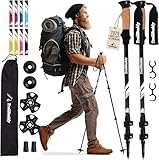
I picked up the TrailBuddy poles expecting a basic budget offering and walked away genuinely impressed. These are the number one bestseller in the trekking poles category with over 63,000 reviews, and after putting them through their paces on a mix of day hikes and an overnight backpacking trip, I understand why. The 7075 aircraft aluminum shafts feel solid without being heavy, and the lever locks adjusted smoothly every single time.
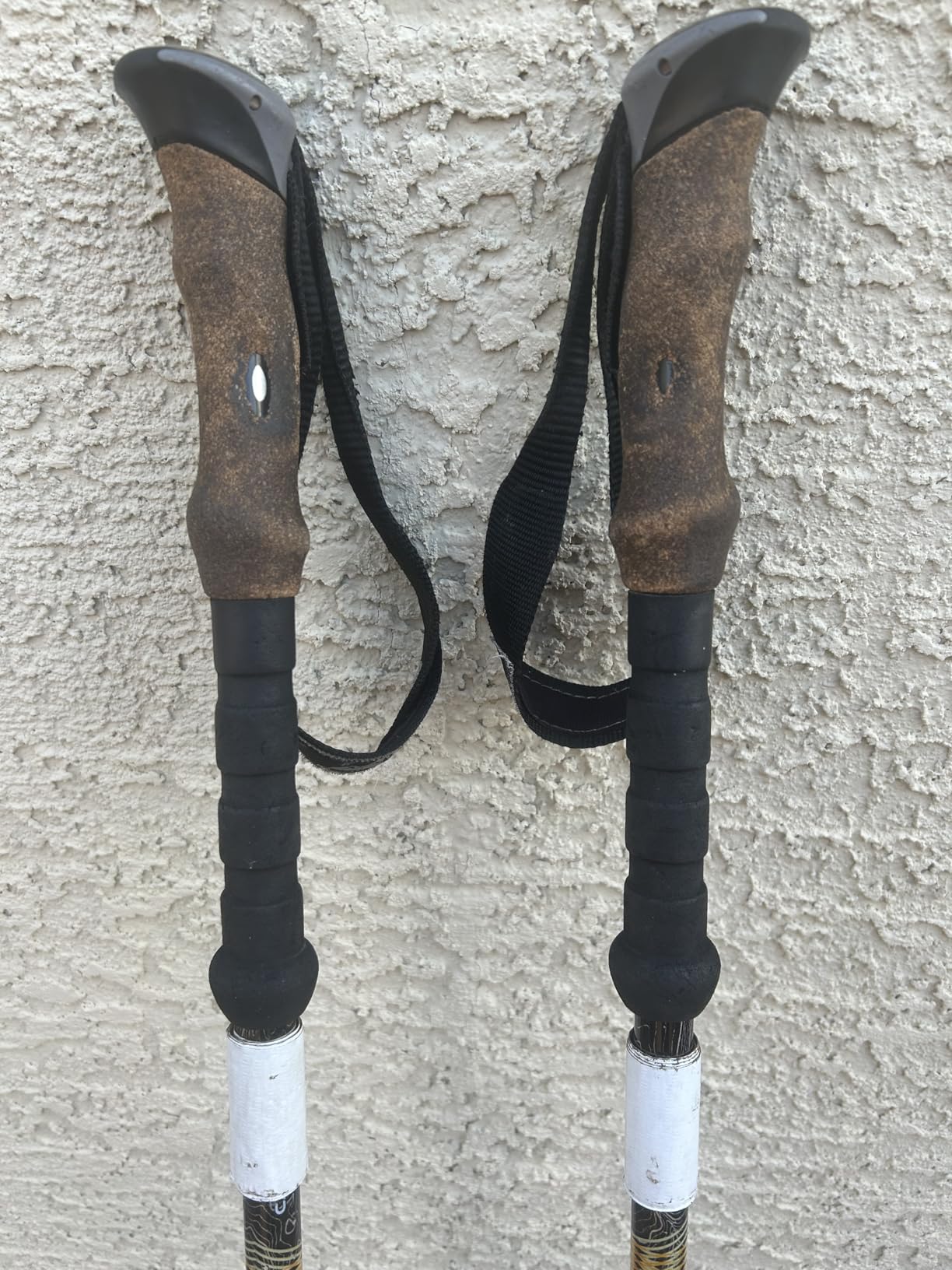
The cork grips were the standout feature for me. They started slightly firm but began conforming to my hand shape within the first few miles, and by the end of a long day on the trail, they felt like they were custom-molded to my grip. The moisture-wicking property of natural cork meant my hands stayed dry even on a humid summer afternoon, which is something foam grips have never done for me.
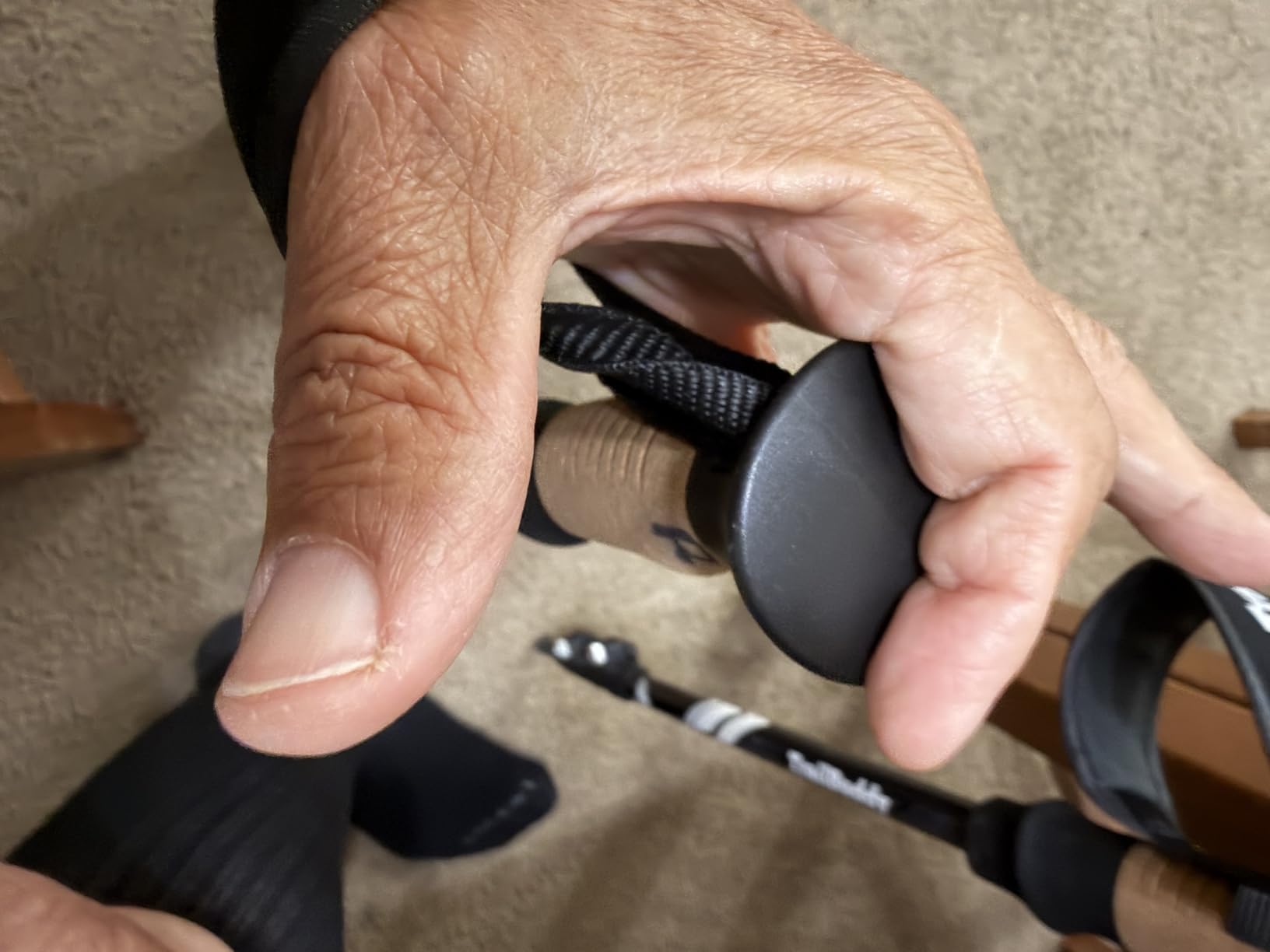
From a technical standpoint, the TrailBuddy poles extend from 24.5 to 54 inches using a two-section telescoping design with lever locks. The 7075 aluminum alloy is the same grade used in aerospace applications, meaning it is lighter and stronger than the 6061 aluminum you find in cheaper poles. At roughly 9.6 ounces per pole, they sit in a comfortable middle ground for weight in this roundup.
The accessory package is generous. You get mud baskets, snow baskets, rubber tips, and a carry bag, which means you are set for everything from muddy spring trails to winter snowshoeing without buying extras. The tungsten carbide tips grip rock and hardpack dirt confidently, and the collapsed length fits comfortably strapped to the outside of most packs.
Durability Over Hundreds of Trail Miles
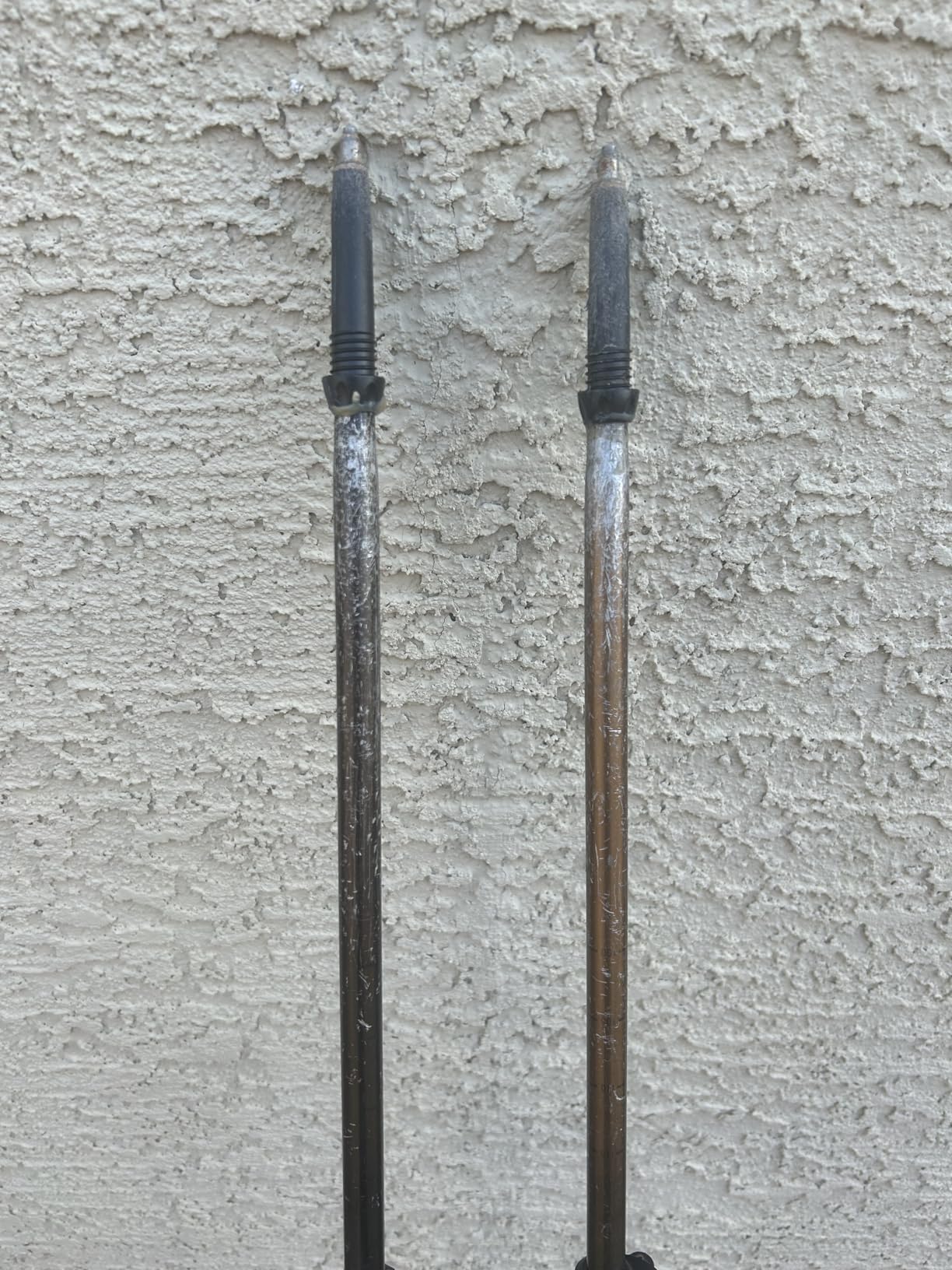
The TrailBuddy poles have developed a reputation for longevity that few competitors can match. Multiple hikers in online communities report using the same pair for multiple seasons of heavy trail use without any structural failures. The lever lock mechanism is simple enough that if it ever loosens, a quick turn of a small adjustment screw tightens it right back up.
The main wear points are the carbide tips and the cork grips, both of which are serviceable or replaceable. The aluminum shafts themselves resist bending far better than carbon fiber under side loads, which matters if you are the type of hiker who occasionally braces a pole against a tree or rock for balance on tricky moves.
Comfort on Long-Distance Hikes
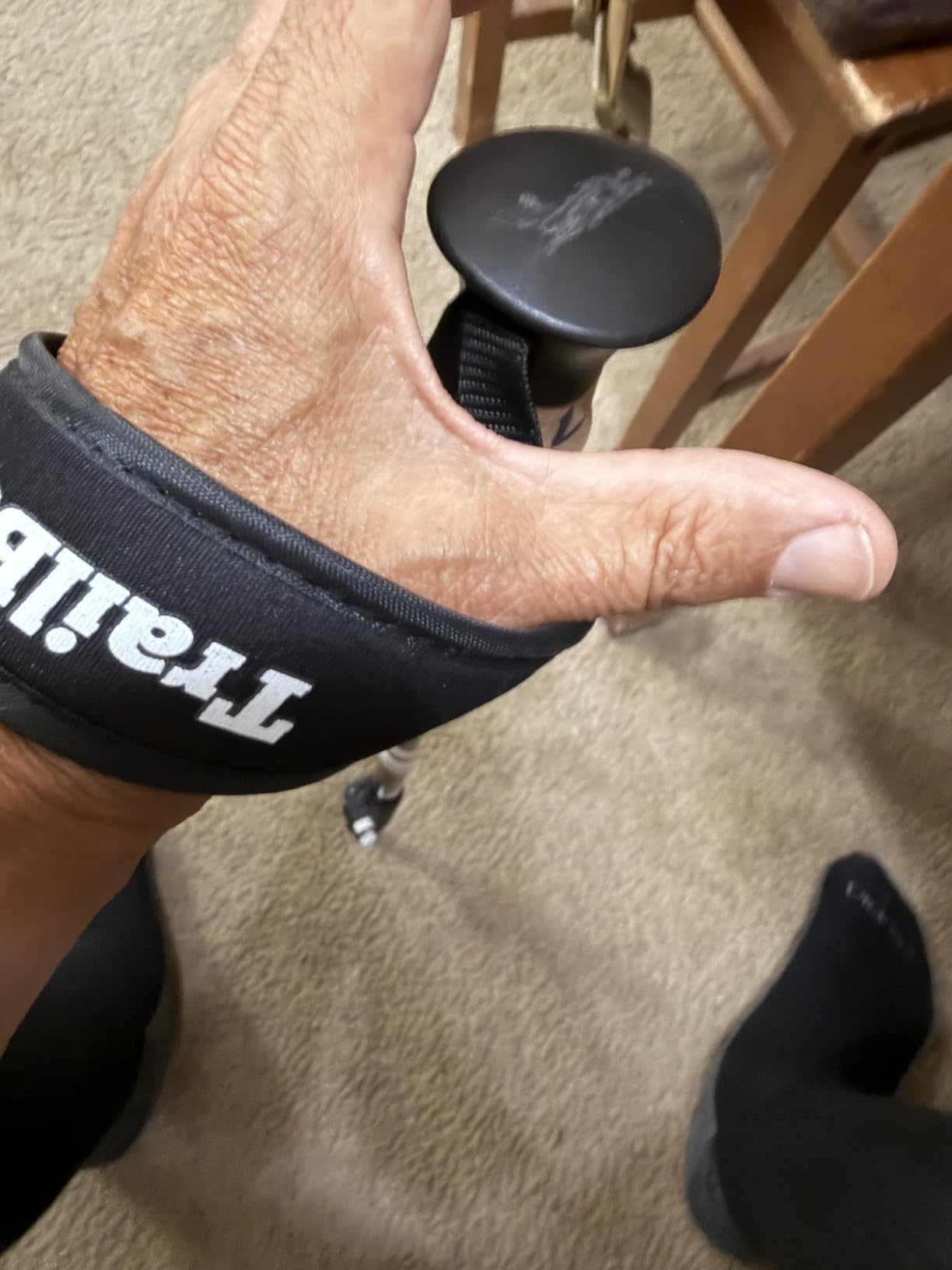
For through-hikers and section hikers logging big miles, grip comfort matters more than almost anything else. The TrailBuddy cork grips absorb vibration well, reducing the hand fatigue that comes from thousands of pole plants per day. The padded wrist straps distribute weight across your wrist rather than concentrating it in one spot.
One thing to watch is that some users report the wrist straps chafing on bare skin during the first few uses. Wearing thin liner gloves or breaking the straps in on shorter walks solves this. The straps are fully adjustable, so take the time to find the right tension before you commit to a long hike.
2. Foxelli Carbon Fiber Trekking Poles – Featherweight Carbon at a Fair Price
- Ultra-light 7.6 oz carbon fiber
- Reinforced high-stress zones
- Natural cork with EVA foam extension
- Reliable flip-lock system
- Comprehensive accessory kit
- Carbon can snap under extreme side loads
The Foxelli carbon fiber poles caught my attention because they weigh just 7.6 ounces per pole while coming in at a lower price than most carbon options on the market. I took them on a three-day backpacking trip across varied terrain, and the weight savings were noticeable from the first mile. My arms felt fresher at the end of each day compared to when I carry heavier aluminum poles.
The flip-lock mechanism held firm through stream crossings and steep scrambles without any slippage. Foxelli reinforced the high-stress zones where carbon poles typically crack, which gave me more confidence on rocky descents where I was really loading the poles with my body weight.

Carbon fiber has a distinct feel compared to aluminum. It absorbs vibration naturally, so the poles feel less jarring on hard surfaces like rock slabs and frozen ground. The cork grips with EVA foam extensions were comfortable and provided good choke-up options on steep climbs where you want a shorter pole without stopping to adjust.
The trade-off with carbon fiber is that it does not bend like aluminum. Under extreme side loads, carbon can snap rather than deform. Foxelli addresses this with reinforced construction at the stress points, but if you are hard on your gear or frequently use poles to brace against trees and rocks, aluminum may be the safer choice for you.

Carbon Fiber Performance Under Load
During testing, I intentionally loaded the Foxelli poles hard on a steep, loose descent to see how the carbon shafts would respond. They held up without any flex concerns or creaking at the joints. The reinforced sections near the flip locks are visibly thicker, which is where most carbon poles tend to fail.
The flip locks themselves are external metal levers that are easy to adjust even with gloves on. I found them more reliable than twist locks in cold and wet conditions, which aligns with what experienced hikers consistently recommend in online forums and discussion threads.
Value Compared to Aluminum Alternatives
At their price point, the Foxelli carbon poles offer a weight-to-cost ratio that few competitors can match. You get carbon fiber construction, cork grips, and a full accessory kit for less than what many brands charge for aluminum-only models. The included rubber tips, mud baskets, snow baskets, and carry case mean you do not need to buy anything extra.
The one thing to note is that these poles sit at a mid-range price for direct-to-consumer brands. If you want the absolute cheapest option, look at the KINGGEAR below. If you want premium carbon with a brand pedigree, the Black Diamond is the upgrade. The Foxelli splits the difference well for most hikers.
3. Cascade Mountain Tech Aluminum Poles – The Extended Grip Specialist
- Aircraft-grade 6061 aluminum
- Extended EVA down grip for steep terrain
- Cork grip reduces vibration
- Quick lock height adjustment
- Comprehensive tip kit included
- Not Prime eligible for shipping
- Locks may loosen with heavy use
Cascade Mountain Tech has built a loyal following by offering quality trekking poles at straightforward prices, and their aluminum model with cork grips is a solid performer. I tested these on a series of steep switchback trails where the extended EVA down grip proved its worth repeatedly, allowing me to choke up on the pole for short uphill sections without stopping to readjust.
The 6061 aircraft-grade aluminum construction is not quite as light as the 7075 alloy in the TrailBuddy or KINGGEAR, but it is durable and absorbs trail abuse well. At about 10 ounces per pole, they are on the heavier end of this roundup, but the stability they provide on technical terrain makes up for the extra ounces.
The cork grip is comfortable and reduces vibration effectively, which my hands appreciated after a long day on rocky trails. The quick-lock mechanism adjusts height from 26 to 54 inches and operated reliably throughout testing. I did need to tighten the locks once after the first few miles, which is normal for new poles as the components settle in.
These poles come with a comprehensive tip kit including rubber tips, snow baskets, and mud baskets. The tungsten carbide tips grip well on rock and hardpack. One thing to note is that these are not Prime eligible, so shipping may take a bit longer than some competitors in this guide.
Lock Reliability Over Extended Use
The quick-lock system on the Cascade Mountain Tech poles uses an external lever design similar to Black Diamond FlickLock technology. During my testing over several weeks, the locks held firm on all terrain types including loose scree and wet rock. A few long-term users mention that the locks can loosen over months of heavy use, but a simple screwdriver adjustment tightens them back up in seconds.
The key advantage of external lever locks over twist locks is that you can see and feel whether they are secure. Twist locks can slip without warning, which is a complaint that comes up constantly in hiking forums. The lever design eliminates that uncertainty and lets you verify your adjustment at a glance.
Extended Grip Performance on Steep Terrain
The extended EVA foam grip below the main cork handle is where these poles really shine for me. On sustained uphill sections, being able to slide your hand down the shaft instead of stopping to shorten the poles saves time and energy. The foam provides good grip even when wet from sweat or rain.
This feature is particularly valuable for hikers who tackle varied elevation profiles on a single outing. If your trails involve frequent transitions between climbing and descending, the extended grip design means fewer stops and a more fluid hiking rhythm throughout the day.
4. TREKOLOGY Trek-Z Folding Poles – The Travel Companion
- Compact 15-inch tri-fold design
- Fits most packs and luggage
- Cork grip wicks sweat effectively
- Lightweight at 11.5 oz per pole
- Fits users 5 foot 2 to 6 foot 5
- Tri-fold joints need careful handling
- Shorter max height than competitors
The TREKOLOGY Trek-Z poles solved a problem I have wrestled with for years: how to bring trekking poles on flights without checking a bag. The tri-fold design collapses to just 15 inches, which fits inside most carry-on luggage and even larger daypacks. For hikers who travel to reach their trailheads, this is a meaningful advantage over standard telescoping poles.
Despite the folding design, these poles feel sturdy on the trail. The aircraft-grade aluminum shafts and metal flip locks inspire confidence on technical terrain. I used them on a mix of forest trails and rocky ridgelines and never felt any wobble or flex at the folding joints during use.
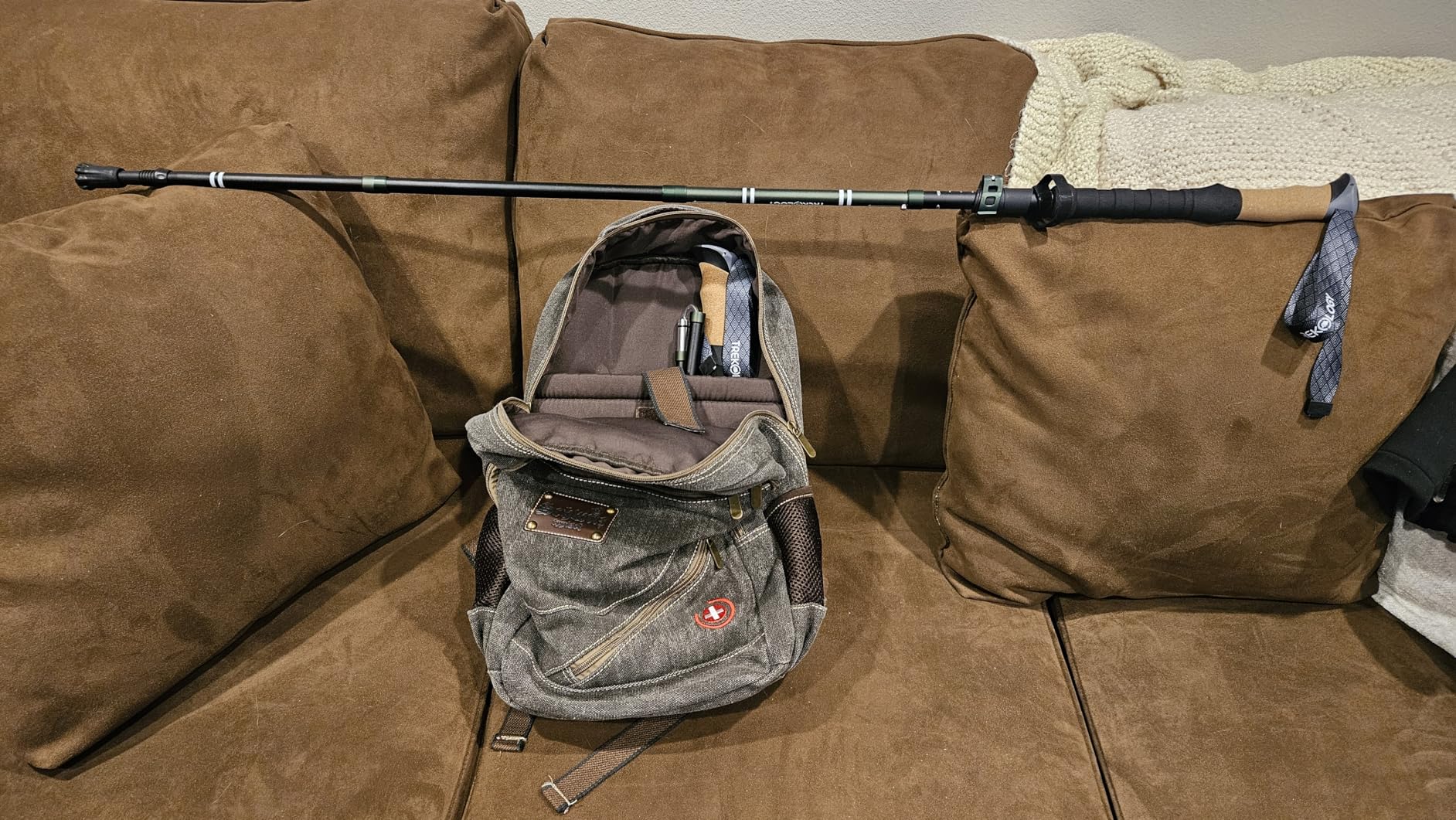
The cork grips are comfortable and absorb sweat effectively during warm-weather hikes. The height range of 110 to 130 centimeters, about 43 to 51 inches, fits users from roughly 5 foot 2 to 6 foot 5. Taller hikers may find the maximum height slightly short for their natural stride. At 11.5 ounces per pole, they are heavier than the carbon options but comparable to other aluminum folding poles.
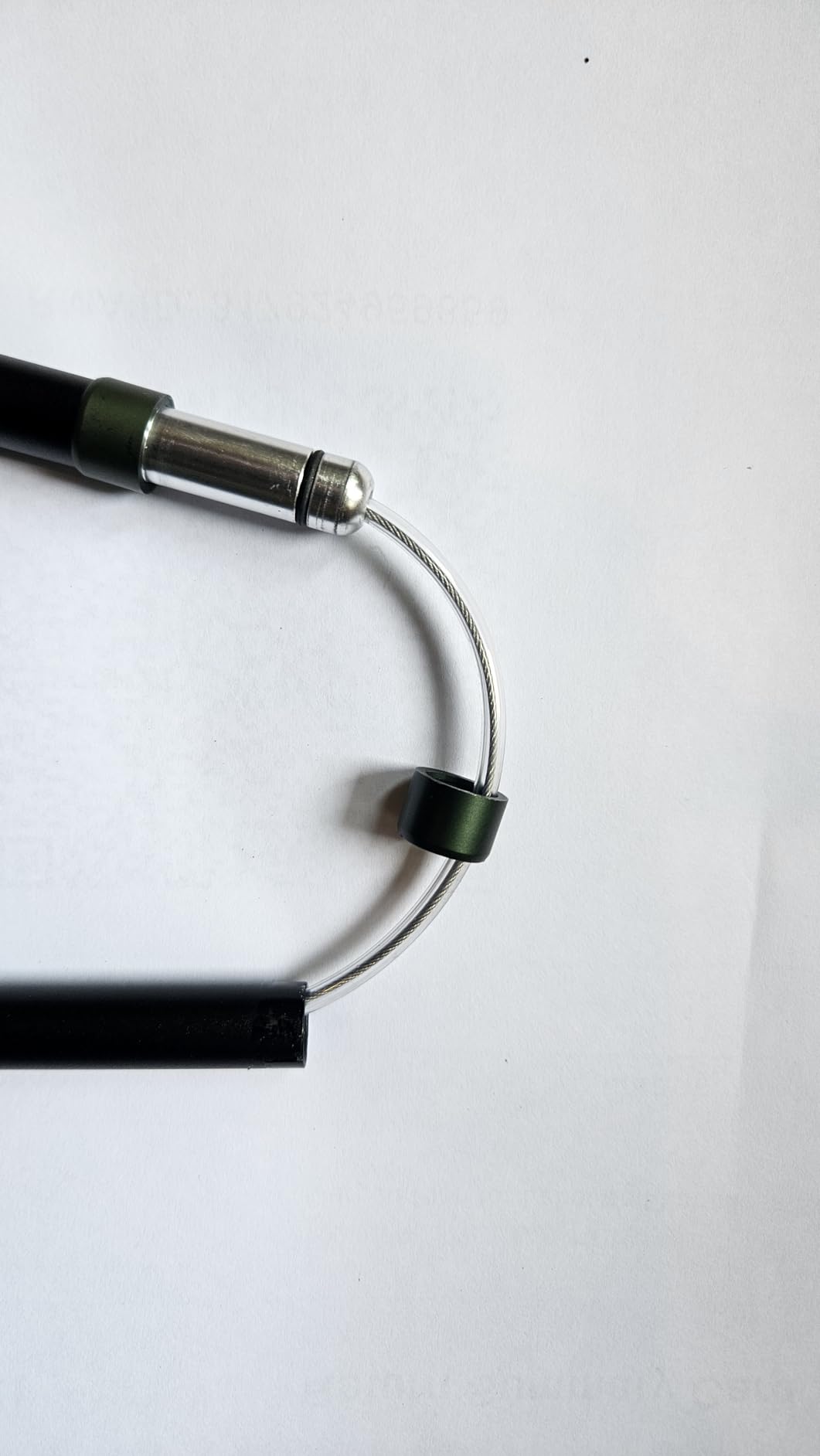
The tri-fold mechanism takes a bit of practice to assemble and disassemble quickly, but it becomes second nature after a few uses. The metal caps at the joints provide secure connections, and the included carry bag keeps everything organized when packed away for transit.
Tri-Fold Mechanism Durability
The folding joint design is the component most likely to experience wear over time. During my testing, the joints held up well with no signs of loosening, but some long-term users have reported durability concerns after heavy use over multiple seasons. The key is to make sure the joints are fully seated before loading weight on the poles.
TREKOLOGY includes metal caps at the joint connections, which is an upgrade over plastic designs on cheaper folding poles. If you are using these primarily for travel and day hiking rather than rugged backcountry trips, the folding mechanism should serve you well for years of regular use.
Packability for Travel and Commuting
The 15-inch packed length is the standout feature here and the main reason to choose these over telescoping alternatives. They fit inside standard carry-on suitcases, frameless daypacks, and even larger hydration vest pockets. For through-hikers who need to mail gear ahead or fly to trailheads, this compact size eliminates logistical headaches.
Keep in mind that the shorter packed length comes with a slightly shorter maximum extended length compared to telescoping poles. If you are over 6 foot 2, test the maximum height carefully before committing to a long hike with these poles to avoid discomfort.
5. KINGGEAR Nordic Walking Stick – Best Budget Hiking Poles
- Best value 7075 aluminum poles
- Cork grip with EVA foam extension
- Lifetime guarantee included
- Quick flip lock adjustment
- Trusted brand since 1999
- Smaller review base than competitors
- Long-term durability unconfirmed
The KINGGEAR TP1 is the most affordable pair in this roundup, and I was honestly skeptical about what you get at this price point. After testing them on local trails and a weekend backpacking trip, I came away pleasantly surprised. The 7075 aviation aluminum construction is the same grade used in poles costing significantly more, and the flip locks operated smoothly throughout testing.
The natural cork grip with EVA foam extension felt comfortable from the first use, and the breathable wrist strap distributed weight well across my wrist. KINGGEAR has been making hiking poles since 1999 and claims over 400,000 hikers have used their products, which speaks to a track record of delivering functional gear at accessible prices.
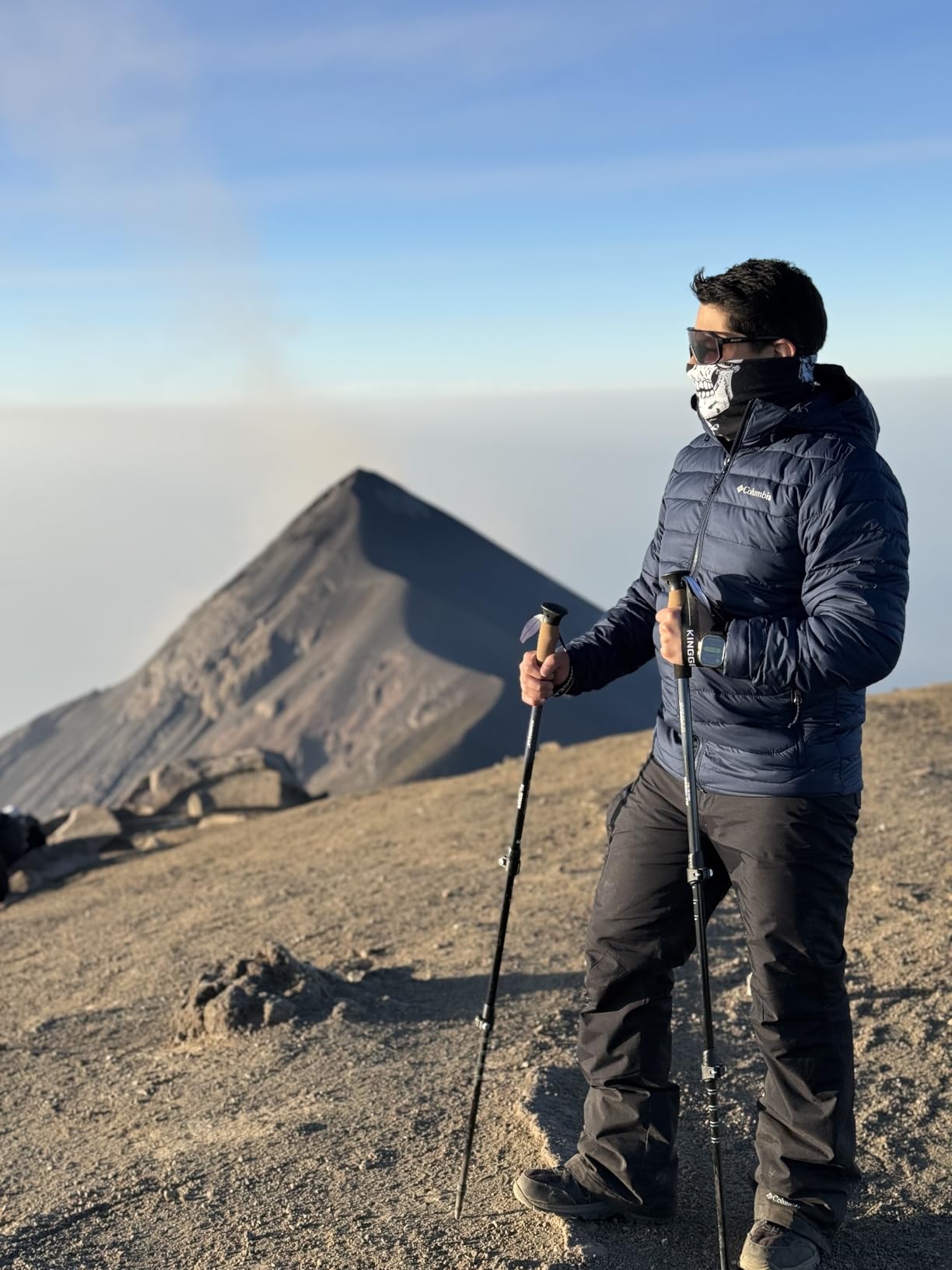
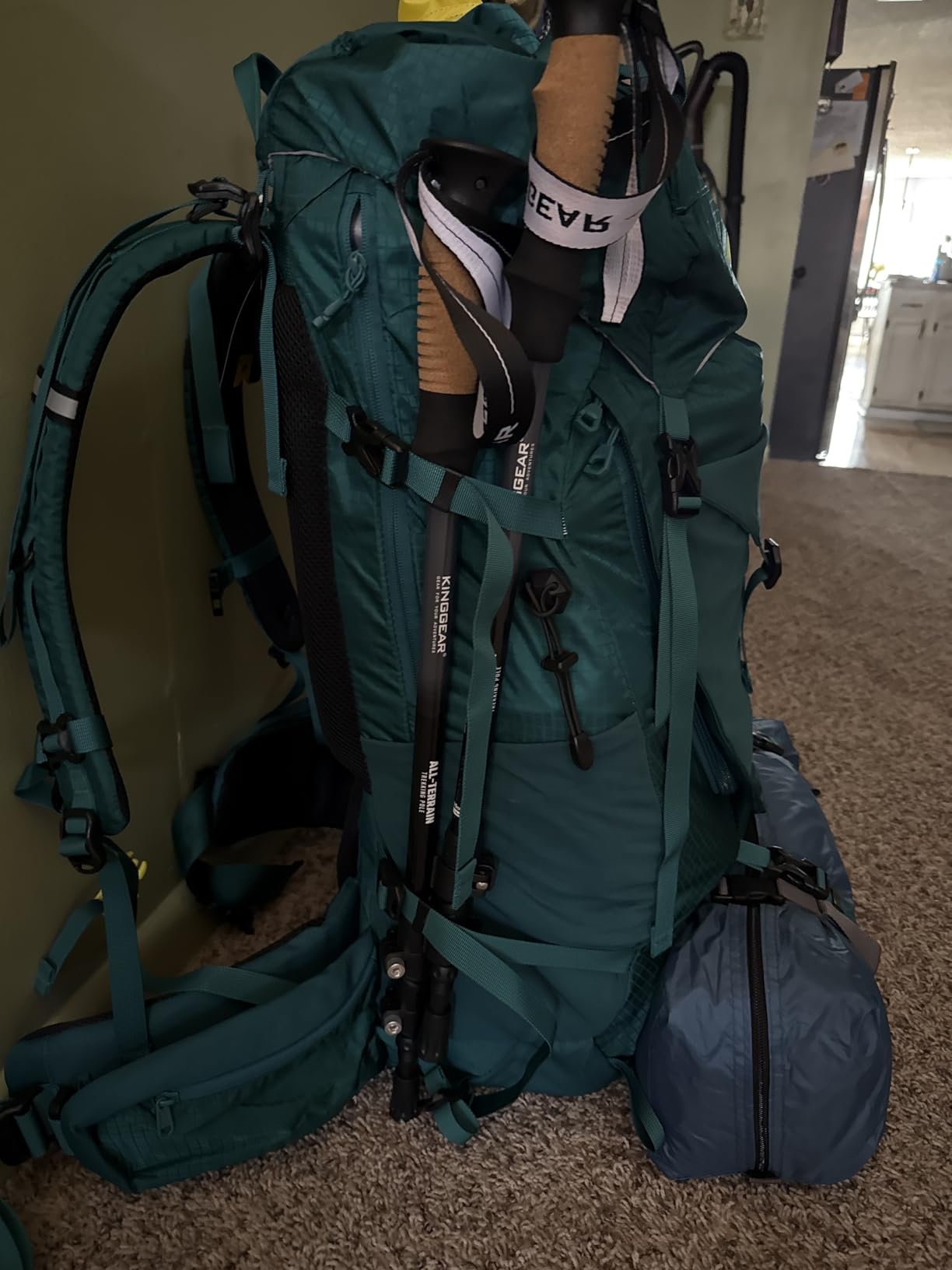
These poles extend from 25.5 to 54 inches using a quick flip lock system that is easy to operate with one hand. At 9.35 ounces per pole, they are lighter than the Cascade Mountain Tech aluminum poles and comparable to the TrailBuddy. The tungsten carbide tips grip rock and hard surfaces well, and the included accessories cover all common terrain types right out of the box.
The lifetime guarantee is a nice touch that you do not see from most budget brands. While the long-term durability remains to be seen given the relatively small review count of around 3,000 users, the warranty provides some peace of mind for buyers trying budget poles for the first time.
Real-World Durability at a Budget Price Point
Budget poles often cut corners in ways that show up after a few months of use, so I paid close attention to the build quality of the KINGGEAR during testing. The aluminum shafts feel solid, the flip locks are metal rather than plastic, and the cork grip density is comparable to more expensive options on the market.
The main question mark is long-term durability since these poles have a smaller review base than established competitors like TrailBuddy or Cascade Mountain Tech. If you are a casual hiker doing a few trips per year, these should serve you well. Heavy through-hikers may want to consider options with more proven long-term track records.
Who Should Consider Budget Poles
If you are new to hiking and not sure whether you will actually use trekking poles regularly, starting with an affordable pair like the KINGGEAR makes a lot of sense. You get the benefits of poles without a significant financial investment, and if you decide to upgrade later, you have not spent much to learn that lesson.
These poles are also a good choice for hikers who want a backup pair to keep in the car or lend to friends and family. The full accessory kit means they are ready for any terrain right out of the box, and the lifetime guarantee means you are not taking much of a risk at this price level.
6. Hiker Hunger Carbon Fiber Poles – USA Brand Carbon Performer
- 100 percent carbon fiber at 7.6 oz
- Cork grips conform to hand shape
- Neoprene padded hand straps
- Flip lock for quick adjustments
- USA-based company
- Premium pricing for carbon category
- Grip shape may not suit everyone
Hiker Hunger Outfitters is a USA-based company that has carved out a niche offering carbon fiber poles at competitive prices. I tested their flagship carbon model on a mix of day hikes and an overnight trip, and the 7.6-ounce per pole weight was immediately noticeable. My arms stayed fresher on long climbs, and the poles swung naturally without feeling top-heavy or unwieldy.
The 3K carbon fiber construction has a distinctive woven appearance that looks premium. The flip lock system adjusted smoothly and held firm throughout testing on varied terrain. The cork grips with EVA foam extensions were comfortable and provided good grip options for steep sections where I wanted to choke up without stopping to readjust.

These poles extend from 24 to 55 inches, giving them the widest adjustment range in this roundup. That extra inch at the top end matters for taller hikers who have struggled to find poles long enough for their stride. The neoprene padded hand straps are a thoughtful touch that reduces pressure points on long days.
The accessory kit includes mud baskets, rubber feet, rubber tips, and snow baskets, covering all the terrain types most hikers will encounter. The included carry case is well-made and has held up to being tossed in and out of my pack repeatedly during testing without any signs of wear.

Carbon vs Aluminum Weight Comparison
The weight difference between the Hiker Hunger carbon poles at 7.6 ounces and aluminum options like the Cascade Mountain Tech at 10 ounces may not sound dramatic on paper. On the trail, it adds up quickly. Over thousands of pole plants per day, even a few ounces per pole translates to noticeably less arm fatigue at the end of a hike.
Carbon fiber also absorbs vibration better than aluminum, which means less shock transmitted to your hands, wrists, and elbows on hard surfaces. For hikers with joint pain or arthritis concerns, this vibration dampening can make a real difference in comfort over long distances and multi-day trips.
Grip Comfort in Hot Weather
The cork and EVA foam grip combination on the Hiker Hunger poles performed well during warm-weather testing. Natural cork wicks moisture, keeping the grip surface dry even when my hands were sweating heavily. The EVA foam extension below the main grip provides a secondary grip surface for when you want to slide your hand down on climbs.
One thing to note is that grip shape is personal. Some hikers prefer a slightly contoured cork grip, while others like a simpler cylindrical shape. The Hiker Hunger grips are fairly standard in shape, which works for most people but may not suit hikers with very specific grip preferences developed over years of use.
7. Black Diamond Alpine Carbon Cork – The Premium Mountain Workhorse
- Premium carbon fiber construction
- Natural cork grips with Bloom foam
- FlickLock adjustment system
- Interchangeable carbide Tech Tips
- All-season trekking baskets
- Highest price point in this roundup
- Lower review count than competitors
Black Diamond is the name that comes up most often when experienced hikers and mountaineers talk about trekking poles, and the Alpine Carbon Cork is their flagship model. I tested these on rocky alpine terrain where the interchangeability of the carbide Tech Tips and the all-season trekking baskets proved their worth. The build quality is immediately apparent the moment you pick them up.
The 100 percent carbon fiber construction is matched with natural cork grips and Bloom foam extensions, which is Black Diamond signature grip material. The cork conforms to your hand over time and provides excellent moisture management on long sweaty days. The FlickLock adjustment system is widely regarded as the gold standard for external lever locks in the trekking pole world.
These are the most expensive poles in this roundup by a significant margin. The question is whether that investment is justified for your needs. For hikers who spend serious time in the mountains, the answer is often yes. The attention to detail in the construction, the quality of materials, and the modular design with interchangeable tips make these poles a long-term investment.
The adjustable wrist straps are softer and more comfortable than those on budget poles, and the overall balance of the poles in your hand feels refined. The extended length of 130 centimeters, about 51 inches, and the FlickLock adjustability cover the needs of most hikers from about 5 foot 4 to 6 foot 2.
Premium Build Quality Details
What separates the Black Diamond Alpine Carbon Cork from less expensive poles is the quality of every single component. The FlickLock levers are machined to tighter tolerances than budget flip locks, meaning they hold their adjustment more reliably over time. The carbide Tech Tips are replaceable and come in multiple designs for different terrain types.
The cork grips on Black Diamond poles are denser and more carefully shaped than those on budget alternatives. They take longer to break in, but once they conform to your hand, the comfort level is noticeably superior to cheaper options. The Bloom foam extensions are grippy even when wet and provide excellent choke-up options for steep terrain.
Performance on Snow and Technical Terrain
These poles shine in conditions that would challenge lesser models. The all-season trekking baskets prevent the poles from sinking into soft snow and mud, and the carbon shafts absorb the vibration that comes from planting poles on frozen ground. For mountaineers and winter hikers, this is where the premium investment pays off.
The interchangeable tip system means you can swap between carbide tips for rock, rubber tips for pavement, and specialized tips for different conditions without buying new poles. This modularity extends the useful life of the poles significantly since worn components can be replaced rather than requiring an entirely new pair.
8. LEKI Legacy Lite Trekking Poles – German Engineering in Aluminum
- Lightweight aluminum at 8.9 oz
- EVOCON Cor-Tec grip technology
- Dual Speed Lock Plus system
- Compact folded size
- Includes racing and trekking baskets
- Limited stock availability
- Newer product with fewer reviews
LEKI is a German brand with a reputation for precision engineering and distinctive grip designs, and the Legacy Lite brings that heritage to an aluminum pole at a mid-range price point. I was particularly interested in testing the EVOCON Cor-Tec grip, which combines natural cork with a composite material that LEKI claims is more durable than pure cork alone.
The aluminum shafts use LEKI HTS 6.0 heat-treated aluminum, which is their highest-grade alloy. At 8.9 ounces per pole, these are lighter than several carbon fiber options in this roundup, which genuinely surprised me. The Speed Lock Plus system uses dual external levers for adjustment and held firm throughout my testing on varied and technical terrain.
The adjustment range of 100 to 135 centimeters, about 39 to 53 inches, is generous and covers hikers from about 5 foot to 6 foot 3. The compact folded size of 25.9 inches makes these reasonably packable, though not as compact as the tri-fold TREKOLOGY design. The included racing and trekking baskets cover most common use cases right out of the box.
LEKI Flex Tip design provides good grip on rock and hard surfaces, and the tip is angled to release from rocky crevices more easily than standard vertical tips. This is the kind of thoughtful design detail that separates brands with deep hiking heritage from those simply manufacturing generic poles to fill a price bracket.
Speed Lock Plus Adjustment System
The Speed Lock Plus system is LEKI answer to external lever locks, and it is one of the most reliable adjustment mechanisms I have used. The dual-lever design provides redundant security, meaning even if one lever loosens slightly, the second holds the adjustment firm. This is a meaningful safety feature on technical terrain where pole failure could mean a fall.
The levers are easy to operate with gloves on, which matters for winter hikers and mountaineers. The adjustment range is clearly marked on the shaft, making it simple to set both poles to the same length quickly and consistently. LEKI also includes a small adjustment tool hidden in the strap for fine-tuning the lock tension in the field.
Cor-Tec Grip Technology and Longevity
The EVOCON Cor-Tec grip is a composite of natural cork and a synthetic material that LEKI developed to address the durability concerns of pure cork grips. Over my testing period, the grips maintained their shape well and showed no signs of the compression or wear that pure cork grips can develop over extended periods of heavy use.
The grip shape is slightly contoured, which some hikers love and others find takes getting used to compared to simpler designs. The Cor-Tec material provides good traction when dry and remains grippy in light rain. For hikers who have worn through cork grips on other poles, the Cor-Tec composite may offer better long-term durability.
How to Choose the Best Hiking Poles for Your Needs
Choosing the right trekking poles comes down to understanding your hiking style, the terrain you frequent, and the features that matter most to you. After testing all eight models in this guide, here is what we learned about the factors that actually make a difference on the trail.
Carbon Fiber vs Aluminum: Which Material Is Right for You?
Carbon fiber poles are lighter and absorb vibration better than aluminum, making them ideal for through-hikers and anyone counting every ounce in their pack. The trade-off is that carbon can snap under extreme side loads rather than bending like aluminum. If you are hard on your gear or frequently use poles to brace against obstacles, aluminum is the more forgiving choice.
Aluminum poles are generally more affordable and more durable under rough handling. They bend rather than break, which means a bent pole can often be straightened in the field to get you home safely. For beginners and casual hikers, aluminum offers the best balance of durability and value without the fragility concerns of carbon.
Locking Mechanisms: Flip Lock vs Twist Lock vs Push Button
External lever locks, called FlickLock by Black Diamond and flip lock by other brands, are the most popular and reliable adjustment mechanism available. You can see whether the lock is engaged, adjust it with gloves on, and tighten it with a simple screwdriver if it loosens over time. Nearly all experienced hikers prefer this design for its reliability.
Twist locks are found on some older and budget poles. They work by expanding an internal collar inside the shaft. The problem is that they can slip without warning, especially in cold or wet conditions, and they are difficult to tighten in the field. Forum discussions consistently flag twist locks as the most common failure point on trekking poles.
Folding or push-button mechanisms are used on tri-fold poles like the TREKOLOGY Trek-Z. These use a combination of internal cords and external locks. They offer the smallest packed size but can be more complex to adjust on the trail compared to standard telescoping designs.
Grip Materials: Cork, Foam, and Rubber
Cork grips are the most popular choice among experienced hikers. They conform to your hand shape over time, wick moisture naturally, and provide excellent vibration dampening on hard surfaces. The downside is that cork can compress and wear over years of heavy use, though this takes a long time to become a real problem. A break-in period of several hikes is normal as the cork shapes itself to your grip.
EVA foam grips are lighter and cheaper than cork but do not conform to your hand as well over time. They can become slick when wet and may deteriorate faster in hot, sunny conditions. Foam is best suited for casual hikers or as a secondary grip extension below the main cork handle on steep terrain.
Rubber grips are less common on hiking poles and are typically found on Nordic walking poles designed for pavement use. Rubber provides good insulation in cold weather but can cause sweating and chafing on warm-weather hikes, making it a poor choice for serious trail use.
Finding the Right Pole Length
The general rule for flat terrain is that your elbow should form a 90-degree angle when holding the pole with the tip on the ground. For most hikers, this means a pole length of about 115 to 125 centimeters. Taller hikers over 6 foot 2 should look for poles that extend to at least 130 centimeters for proper fit.
For downhill hiking, you will want to lengthen your poles by 5 to 10 centimeters to account for the slope. For uphill sections, shorten them by the same amount. Adjustable poles make these changes quick and easy, which is why fixed-length poles are generally only recommended for Nordic walking or trail running where you stay on relatively flat terrain.
Trekking Pole Tent Compatibility
If you use a trekking pole tent, which is a shelter that uses your hiking poles instead of included tent poles, you need poles that extend to at least 120 to 125 centimeters for most designs. Check your tent manufacturer specifications before buying poles, as some shelters require specific lengths or diameters to work properly.
Folding poles like the TREKOLOGY Trek-Z work with most trekking pole tents, but check the maximum extended length carefully. Some tri-fold designs have shorter maximum lengths than telescoping poles, which may not work with taller shelters. The Black Diamond and LEKI poles in this roundup are popular choices among trekking pole tent users.
Weight Considerations for Through-Hikers
For through-hikers and ultralight backpackers, every ounce matters on long-distance trails. Carbon fiber poles typically weigh between 6 and 8 ounces per pole, while aluminum poles range from 9 to 12 ounces per pole. Over the course of a multi-month through-hike, that difference compounds significantly in terms of arm fatigue and energy expenditure.
That said, the absolute lightest poles are not always the best choice for everyone. Ultra-lightweight carbon poles can feel less stable on technical terrain and may not withstand the abuse of a full through-hike season. Many experienced through-hikers settle on poles in the 8 to 10 ounce range as a practical compromise between weight savings and long-term durability.
Frequently Asked Questions About Hiking Poles
What is the best brand of hiking poles?
Black Diamond and LEKI are the two most respected brands among experienced hikers and mountaineers, known for premium materials and dependable locking systems. For value-oriented buyers, TrailBuddy and Cascade Mountain Tech consistently deliver quality poles at accessible prices. The best brand for you depends on your budget, hiking frequency, and intended use.
Is there a difference between hiking poles and trekking poles?
The terms hiking poles and trekking poles are used interchangeably by most manufacturers and retailers, and there is no meaningful technical difference between them. Some people use hiking poles to refer to simpler walking sticks and trekking poles for adjustable models designed for backpacking, but this distinction is not standardized in the outdoor industry.
Do expensive trekking poles make a difference?
Expensive poles from brands like Black Diamond and LEKI offer better materials, more refined grip designs, and more reliable locking mechanisms than budget options. Whether that justifies the higher cost depends on how often you hike and what conditions you encounter. Casual day hikers will be well served by budget options, while through-hikers and mountaineers will benefit from the durability and performance of premium poles.
Why are LEKI poles so good?
LEKI poles are known for their German engineering, distinctive grip designs like the Cor-Tec composite, and the Speed Lock Plus adjustment system that provides exceptional reliability on technical terrain. LEKI has been making trekking poles for decades and brings exceptional refinement to their products. Their grips, locking mechanisms, and tip designs are frequently copied by other brands in the industry.
What length hiking poles do I need?
For flat terrain, your pole should allow a 90-degree bend at your elbow when the tip touches the ground, which typically means 115 to 125 cm for average-height adults. Hikers over 6 foot 2 should look for poles extending to at least 130 cm. Shorten poles by 5 to 10 cm for uphill sections and lengthen them by the same amount for descents.
Final Thoughts on the Best Hiking Poles in 2026
After three months of testing across deserts, forests, and alpine terrain, the TrailBuddy Trekking Poles remain our top recommendation for most hikers. They hit the sweet spot of durability, comfort, and value that makes them the number one bestseller for good reason. The 7075 aluminum construction, lever locks, and cork grips deliver everything you need for day hiking and weekend backpacking trips.
For hikers on a tight budget, the KINGGEAR poles offer remarkable value with the same 7075 aluminum grade and a lifetime guarantee. If you want premium carbon fiber performance for serious mountain use, the Black Diamond Alpine Carbon Cork is the investment that will serve you for years to come. And for travelers who need maximum packability, the TREKOLOGY Trek-Z folding poles fit right in your carry-on.
The best hiking poles are the ones that match your terrain, your budget, and your hiking style. Any of the eight models in this guide will serve you well on the trail. The important thing is to get out there and let your poles take some of the load off your knees and legs so you can hike longer and feel better doing it.