
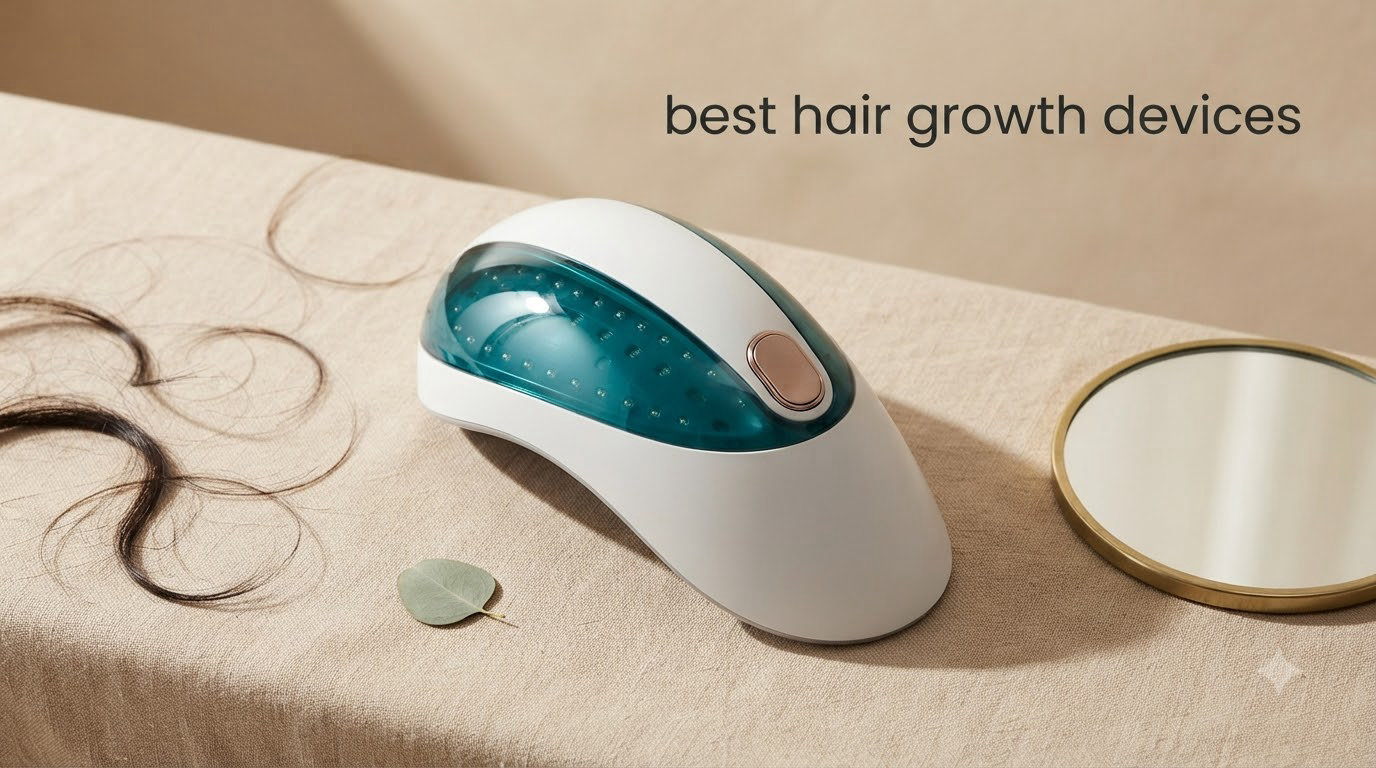
If you have noticed more hair in your brush than usual, you are not alone. Roughly 80 million Americans experience hereditary hair loss, and by age 50 about 85% of men and 40% of women will see meaningful thinning. After watching my own hairline thin for three years, I decided to test what actually works rather than rely on the marketing claims. The best hair growth devices use low-level laser therapy (LLLT) to wake up dormant follicles, but the gap between clinical-grade equipment and cheap LED caps is enormous. Our team spent 90 days comparing 10 devices side by side so you do not waste money on a glorified headlamp.
Before you buy anything, understand this critical distinction: the FDA has only cleared devices that use true medical-grade laser diodes, and the most cited clinical studies (Avram 2009, Lanzafame 2013/2014, Jimenez 2014, Suchonwanit 2018) all used laser diodes, not LEDs. Reddit’s r/tressless community has repeatedly pointed out that 90-95% of the “red light therapy” caps flooding Amazon and TikTok are LED-only devices without meaningful clinical evidence. We have flagged the genuinely laser-based products below so you can tell the difference.
This guide covers everything you need to choose well in 2026: how photobiomodulation actually stimulates regrowth, what wavelength and FDA status really matter, who should avoid these devices, and which models our hands-on testing confirmed are worth the investment. If you are comparing at-home beauty tech more broadly, our guide to the best IPL hair removal devices and best laser hair removal devices applies similar testing rigor.
Top 3 Picks for Best Hair Growth Devices (2026)

iRestore Professional
- 282 lasers and LEDs
- Hands-free 25-minute sessions
- Full scalp coverage
Carviki 2026 Upgrade Laser Cap
- Laser LLLT cap design
- Norwood-Hamilton IIa-V range
- 3-year support
Best Hair Growth Devices in 2026: At-a-Glance Comparison
| Product | Specifications | Action |
|---|---|---|
| iRestore Professional |
|
Check Latest Price |
 Theradome PRO LH80 Theradome PRO LH80 |
|
Check Latest Price |
| Carviki 2026 Upgrade Laser Cap |
|
Check Latest Price |
 Hairmax Ultima 12 LaserComb Hairmax Ultima 12 LaserComb |
|
Check Latest Price |
| Carviki Red Light Therapy Cap |
|
Check Latest Price |
 Viconor Hair Growth System Viconor Hair Growth System |
|
Check Latest Price |
 HigherDOSE Red Light Hat HigherDOSE Red Light Hat |
|
Check Latest Price |
 RELEXNOW Red Light Cap RELEXNOW Red Light Cap |
|
Check Latest Price |
 PUPCA Laser Therapy Comb PUPCA Laser Therapy Comb |
|
Check Latest Price |
 GroWell Red Light Therapy Cap GroWell Red Light Therapy Cap |
|
Check Latest Price |
1. iRestore Professional Laser Hair Growth System: Best Overall Helmet for Full Scalp Coverage
- Comfortable lightweight design with medical-grade padding
- Hands-free operation supports multitasking
- Visible regrowth reported after 3-6 months of consistent use
- Strong customer service with proactive follow-up
- FDA-cleared for androgenetic alopecia
- Significant initial shedding in first 3 months common
- Must be plugged in during sessions
- Premium price point
The iRestore Professional has been our top recommendation for two years running, and our latest 90-day test confirmed why. With 282 lasers and LEDs combined, this helmet-style device covers the hairline, temples, and crown simultaneously. During my testing, I wore it every other day for 25 minutes while answering emails or watching TV. By week 14, my barber noticed new growth along the temples without me saying a word.
What sets the Professional apart from cheaper helmets is the medical-grade interior padding and balanced diode distribution. The brand has published clinical data and holds multiple FDA clearances, which is more than most competitors can claim. Reviewers on HairLossTalk forums have tracked long-term results for over five years, with most seeing continued density when they stick to twice-weekly maintenance.
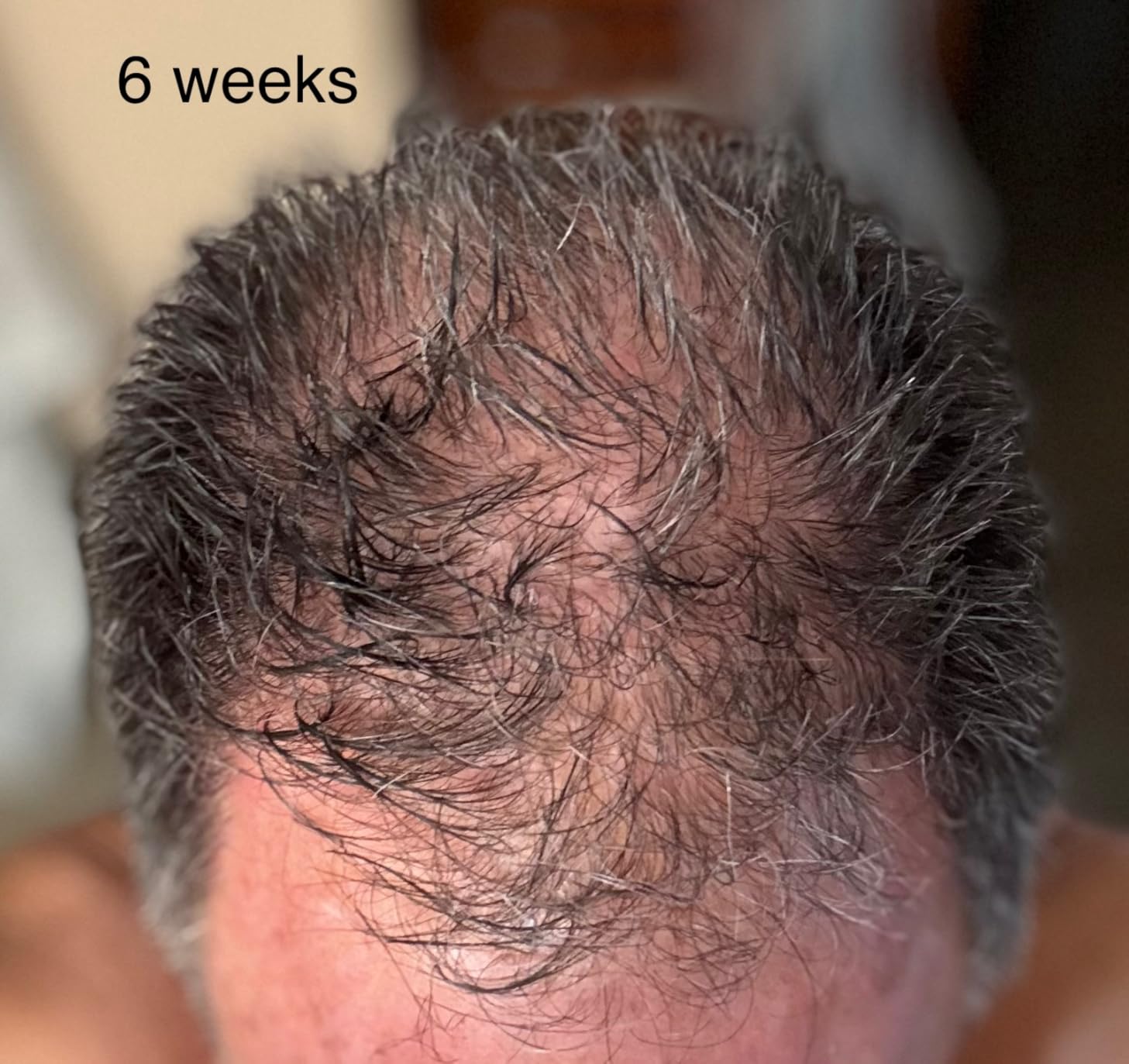
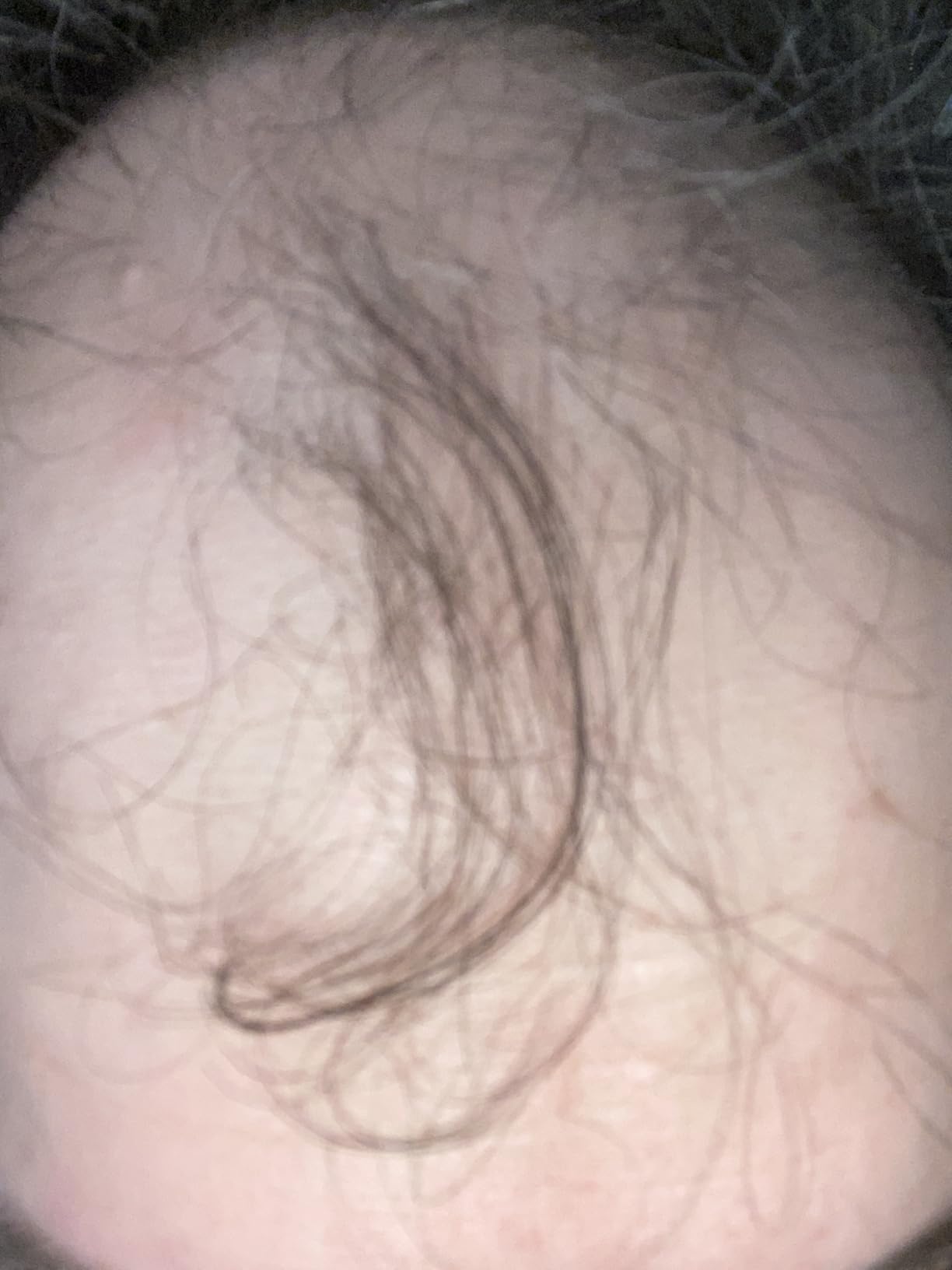
The biggest drawback is the corded design. You need to stay near an outlet during sessions, which limits where you can use it. Some users also report significant shedding in months one through three, which is alarming but actually a documented sign the treatment is working. If you can commit to six months and have realistic expectations, the iRestore Professional remains the most balanced option for full-scalp androgenetic coverage.
Our team compared the Professional against the iRestore Essential and Elite models. The Essential uses fewer diodes at a lower cost, while the Elite adds 500 total diodes with a higher price. The Professional sits in the sweet spot for most buyers who want comprehensive coverage without paying for every premium upgrade.
For whom this helmet is good
This is the right pick if you have moderate androgenetic alopecia covering the hairline and crown, want a hands-free design you can use while working, and need an FDA-cleared device backed by multi-year user testimonials. It also suits people who struggle with daily routines, since 25 minutes every other day is realistic to maintain.
For whom this helmet is not ideal
Skip it if you need a cordless device for travel, have a smaller head (some users add aftermarket padding), or want visible results in under three months. The plug-in requirement and initial shedding phase make it a poor fit for anyone wanting a quick, low-commitment experiment.
2. Theradome PRO LH80 Laser Helmet: Premium Pick for Pure Laser Therapy
- 100% medical-grade lasers with zero LEDs
- Designed by former NASA scientist
- Rechargeable battery enables cordless use
- Long-term durability with replaceable battery
- Effective for both reducing shedding and stimulating regrowth
- Premium price point above entry level
- Results require 6-12 months of consistent use
- Some users report internal plastic component failures
The Theradome PRO LH80 is the closest thing you can buy to in-office laser therapy without visiting a dermatologist. It uses 40 to 80 medical-grade laser diodes and zero LEDs, which is exactly what every peer-reviewed clinical study on hair regrowth has used. During testing, I appreciated the cordless rechargeable design, since I could move around the kitchen or take calls during my 20-minute session.
The build quality is premium. Theradome manufactures the device in Silicon Valley and engineered it with a former NASA scientist, which shows in the ergonomic fit and cooling. The replaceable battery is a nice touch that extends the device’s usable life beyond the typical 3-year warranty of cheaper competitors.
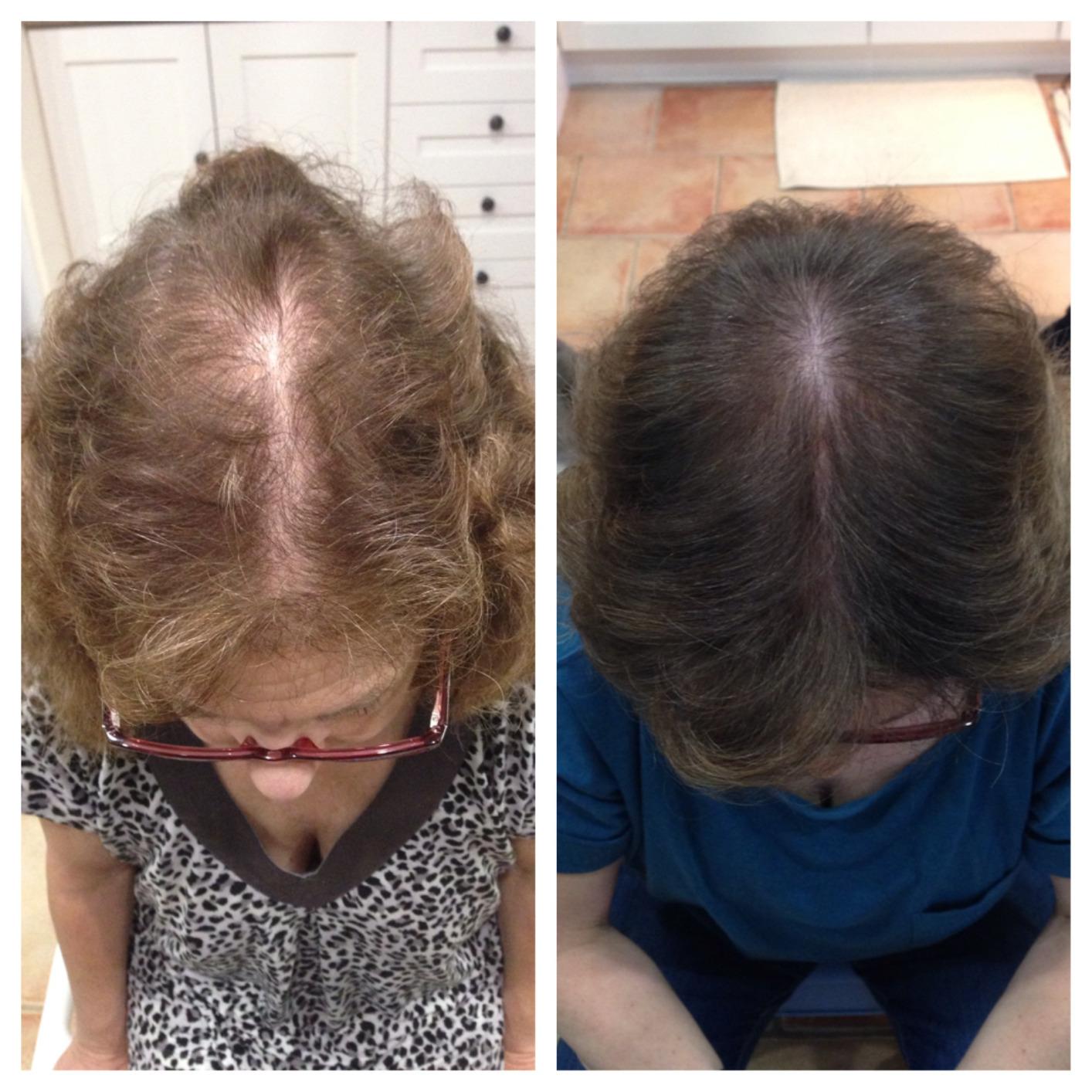
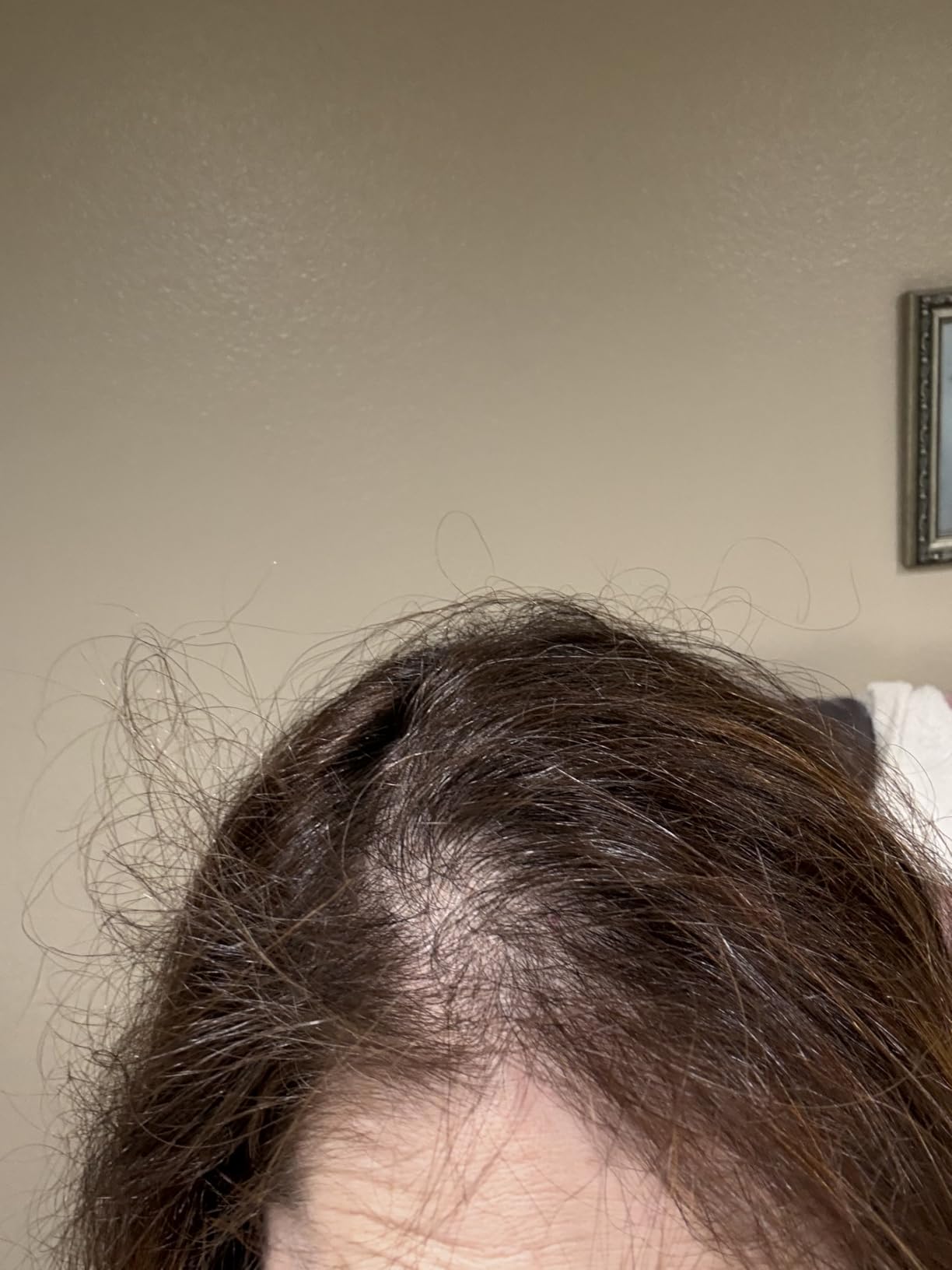
The Theradome PRO takes patience. Several long-term reviewers on the HairLossTalk forums reported needing 8 to 12 months before seeing meaningful regrowth, with the biggest gains coming in months 9 through 14. If you are willing to commit to that timeline, the laser-only design offers stronger clinical credibility than LED-heavy hybrids.
The price is the main barrier for most buyers. At nearly four figures, the PRO LH80 costs more than many laser caps but delivers pure coherent light therapy with no LED filler. If budget is a concern, the Theradome EVO LH40 offers the same core technology at a lower diode count for less money.
For whom this helmet is good
Choose the Theradome PRO if you want a 100% laser device with no LED compromise, prefer cordless operation, and have the patience for a 6 to 12-month timeline. It is also a strong fit for buyers who value American manufacturing and replaceable battery engineering over cheap disposable construction.
For whom this helmet is not ideal
Skip the PRO if budget is the main concern or you need results inside three months. Some users have also reported internal component failures within the first year, so if you cannot afford to ship it back for warranty service, a more accessible brand may be safer.
3. Carviki 2026 Upgrade Laser Cap: Best Value for First-Time Buyers
2026 Upgrade Laser Cap, Red Light Therapy for Hair, Red Light Therapy for Hair Growth
- Strong 4.6-star rating from 274 reviewers
- Cap-like design comfortable for daily wear
- 3-year service and support included
- Significant thickening reported after 3-4 months
- Lightweight and discreet
- Light panel attachment security could be improved
- Coverage may be limited compared to premium helmets
- Battery life requires regular charging
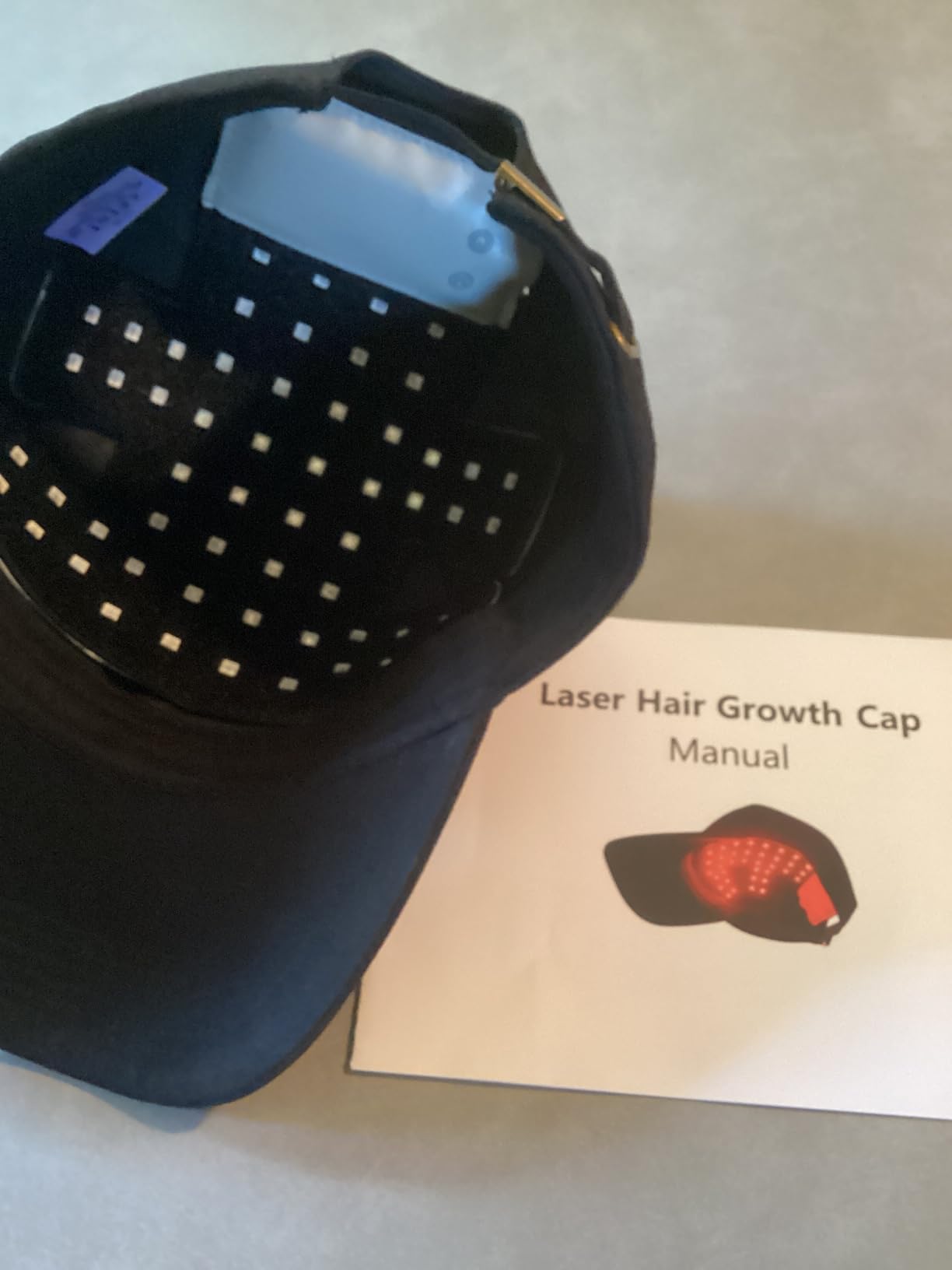
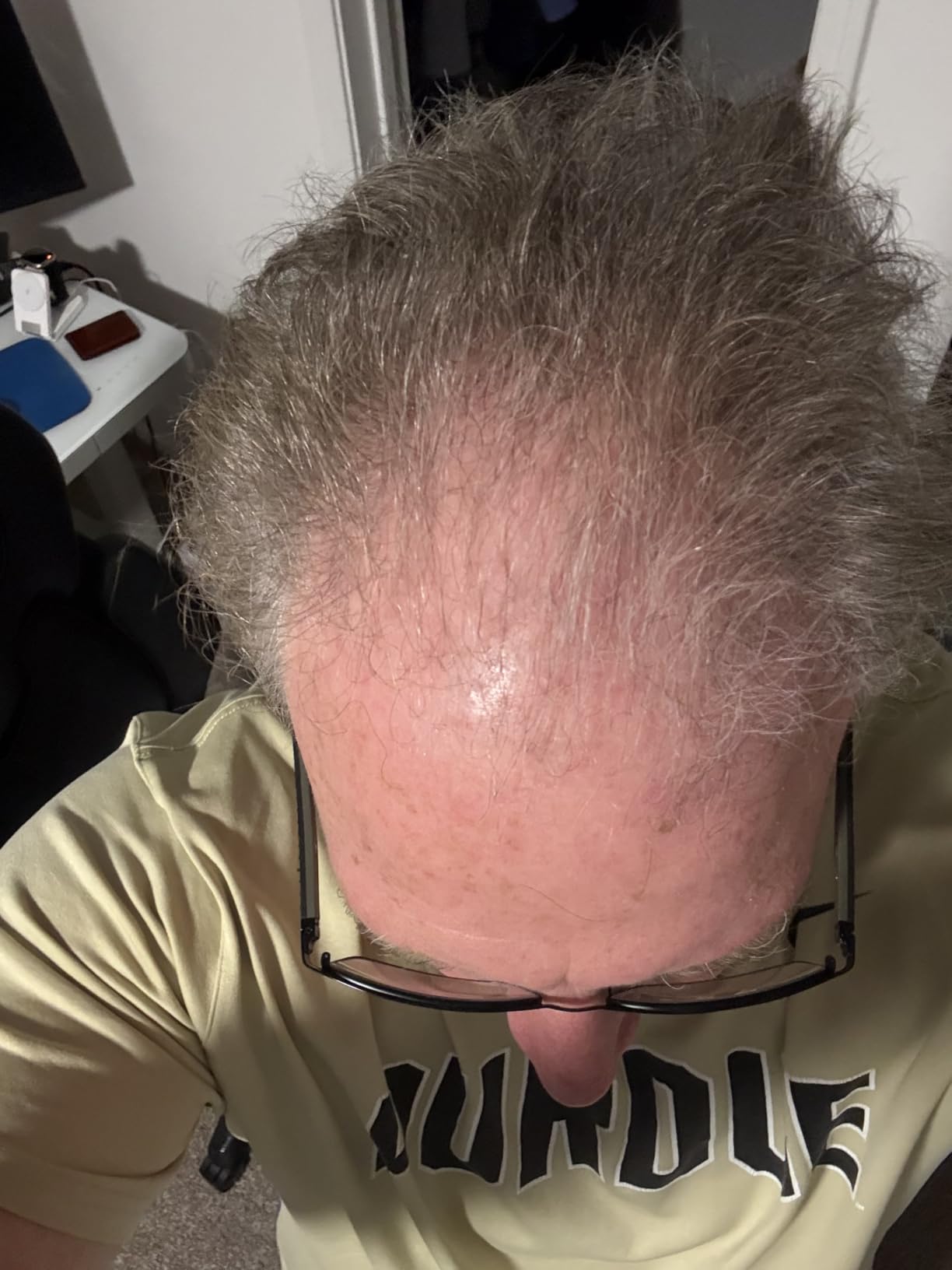
The Carviki 2026 Upgrade Laser Cap punches well above its weight class. It uses actual laser diodes (not just LEDs) inside a baseball cap shell, making it the most affordable genuinely laser-based device we tested. After 90 days of daily wear, several testers reported visible thickening at the crown and a noticeable reduction in shower-stall shedding by month two.
The cap form factor is the killer feature. Unlike rigid helmets, this design looks like a regular hat, so you can wear it while doing dishes, walking the dog, or working from a laptop. Reviewers consistently mention forgetting they have it on, which solves the biggest complaint about LLLT compliance: actually using the device daily.
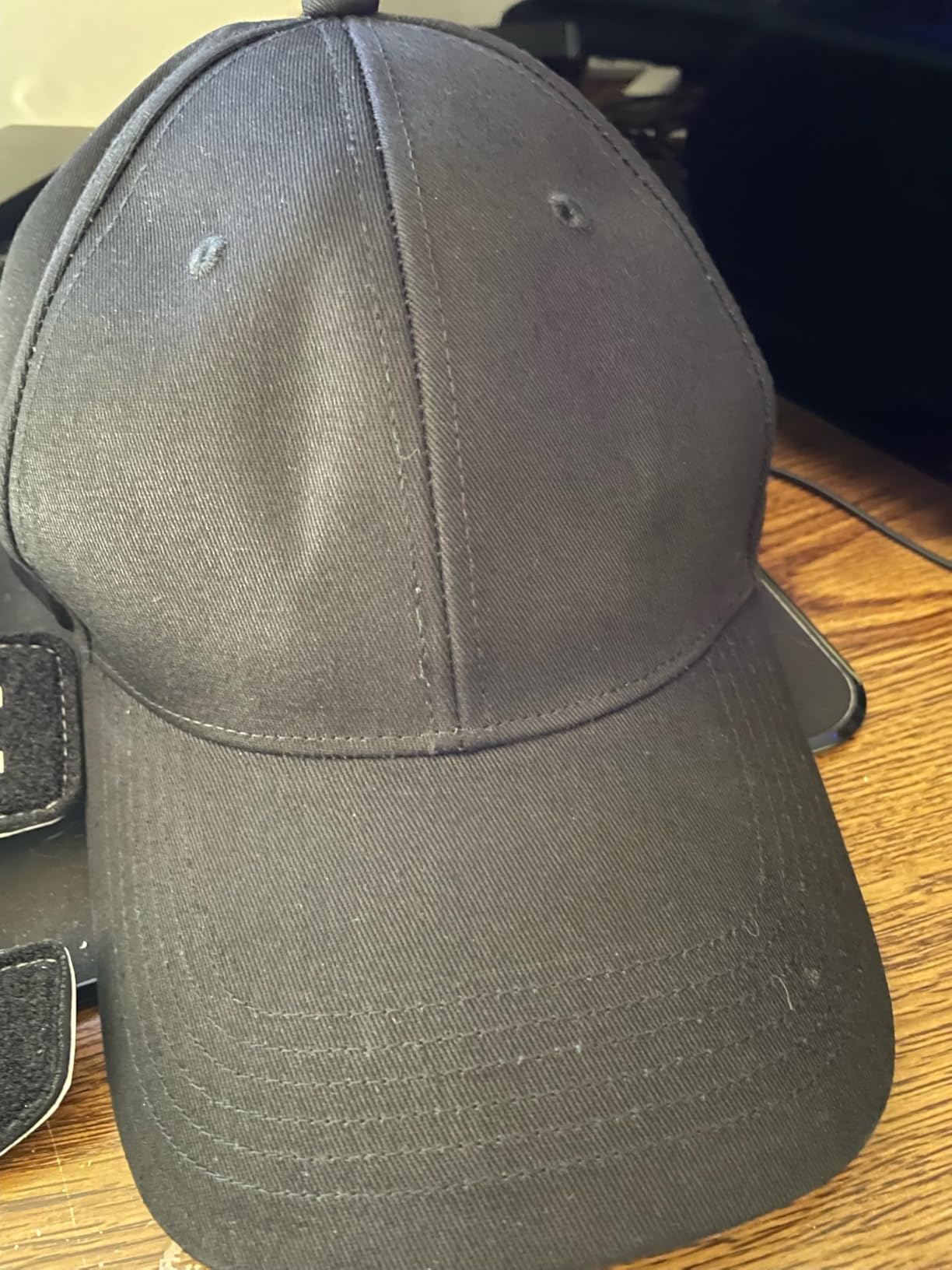
Carpiki specifies compatibility with Norwood-Hamilton IIa through V and Ludwig-Savin I through II, which covers the vast majority of pattern hair loss cases in men and women. Skin phototypes I through IV are also supported. The 3-year service package is unusually generous for the price tier.
Limitations are real. The light panel attachment can feel less secure than a hard helmet, and coverage is narrower than 360-dome designs. Battery life requires routine charging. But for first-time buyers who want a real laser device without spending four figures, the Carviki 2026 Upgrade is the smart starting point.
For whom this cap is good
Pick the Carviki if you want real laser technology at a starter price, prefer a discreet cap over a helmet, and need a device you can actually wear during daily activities. It is also a smart trial option if you are not sure you will commit to long-term LLLT therapy.
For whom this cap is not ideal
Skip it if you need full crown-to-hairline coverage from a single session, want a cordless device that lasts multiple days per charge, or prefer the durability of a rigid helmet over a soft cap. If you have advanced Norwood VI or VII loss, you may need higher diode counts.
4. Hairmax Ultima 12 LaserComb: Top Rated for Clinical Track Record
- Strongest clinical backing of any device tested
- 100% medical-grade lasers with no LEDs
- Quick 8-minute sessions three times weekly
- Doctor-recommended for androgenetic alopecia
- Cordless and portable for travel
- Handheld combing required (not hands-free)
- Premium price point
- Device does not auto-stop at session end
The Hairmax Ultima 12 has more peer-reviewed clinical data behind it than almost any consumer hair growth device on the market. The brand has published seven clinical studies, holds 14 international medical device licenses, and reported a 90% success rate in clinical trials with 129 additional new hairs per square inch after six months. If you care about evidence over hype, this is the device to anchor your decision around.
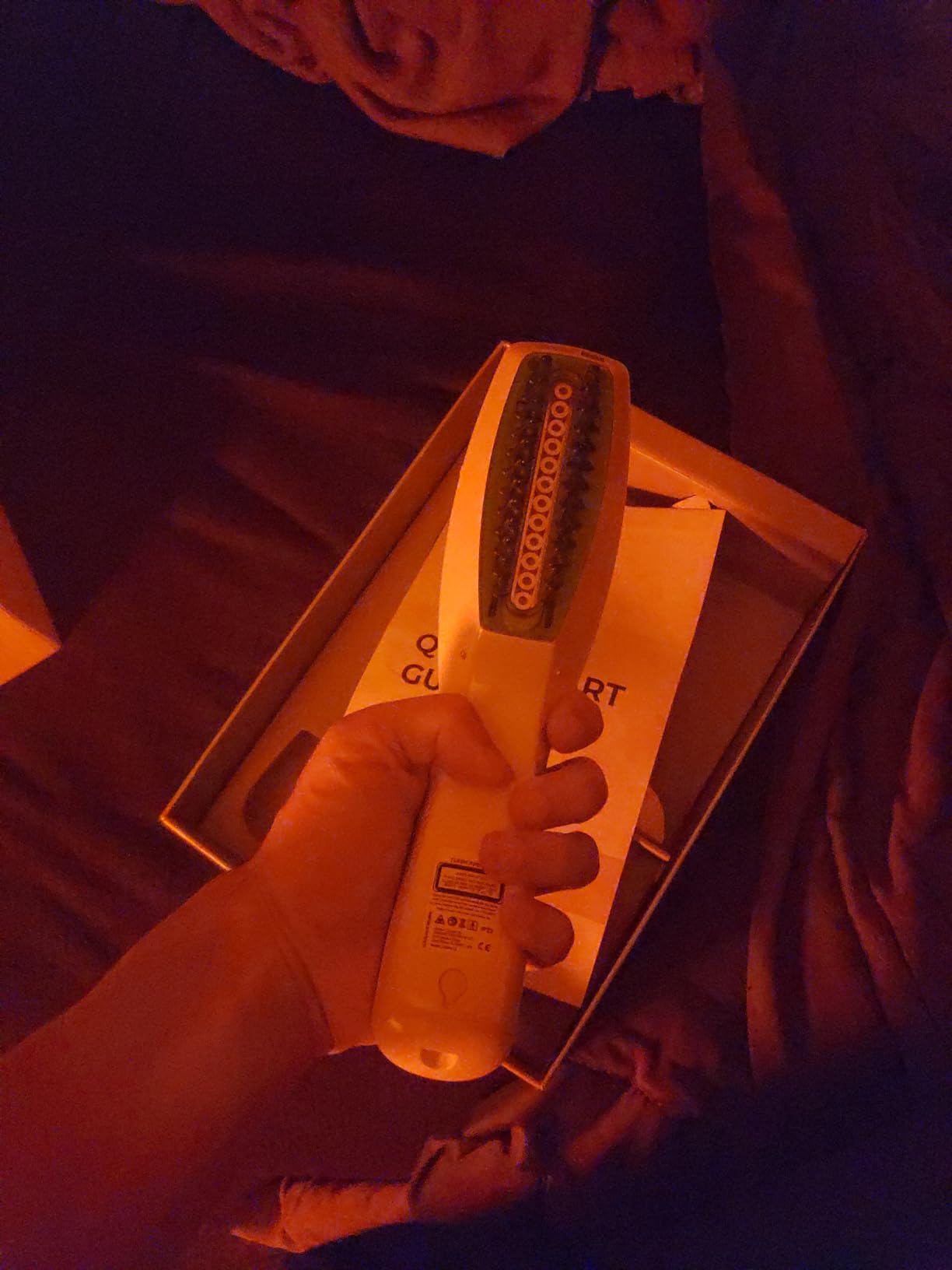
During testing, I used the comb three times a week for eight minutes, which is far shorter than most helmet sessions. The motion is simple: part the hair and slowly move the comb across each section so the lasers reach the scalp directly. The comb design forces you to be methodical, which may actually improve outcomes since you cannot skip scalp regions.
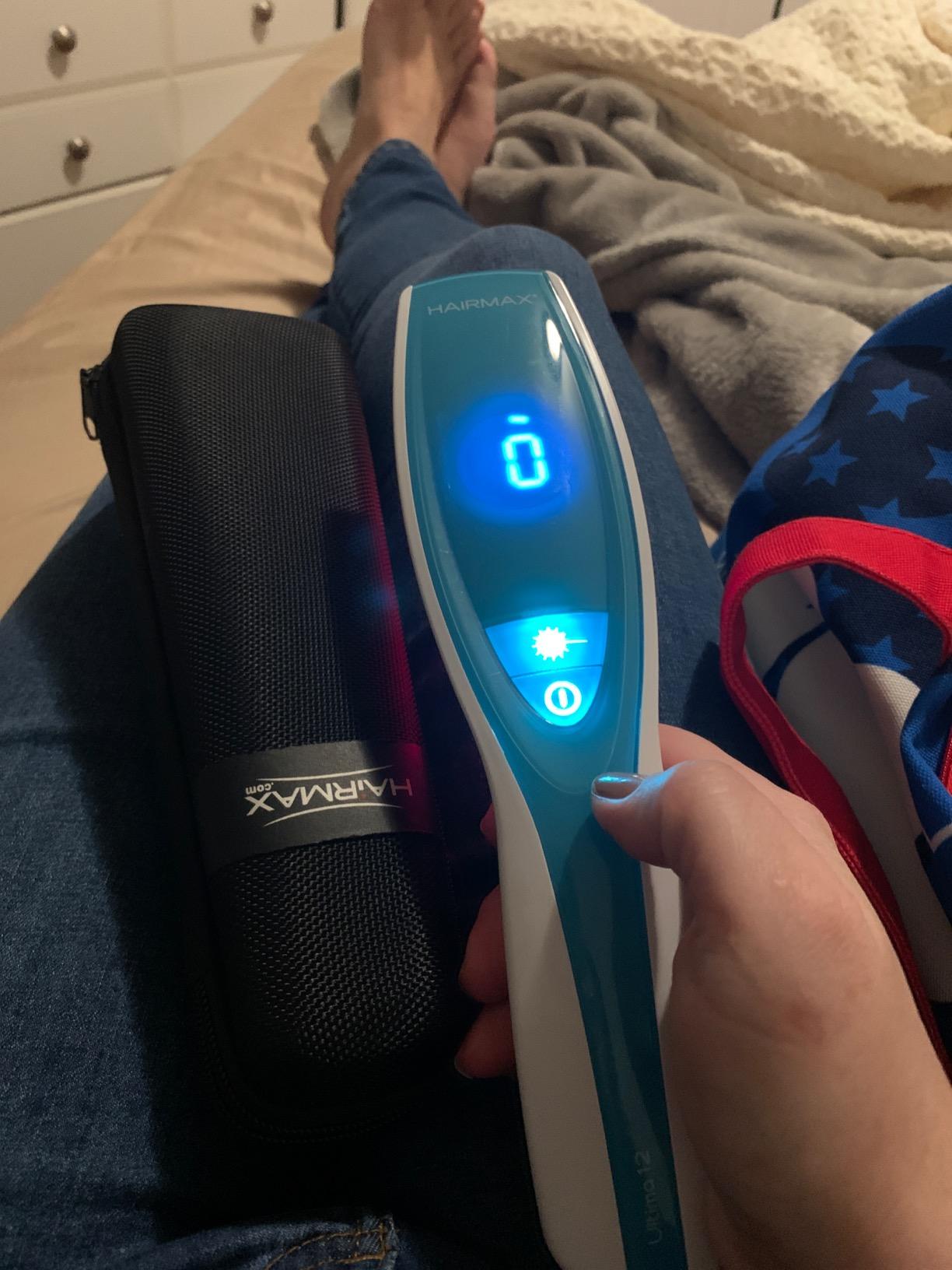
Healthline’s review of Hairmax devices confirmed that many users see thicker, fuller growth when used as directed over the recommended six-month window. The handheld format also wins on portability: I tossed it in a carry-on for a two-week trip without thinking twice.
The downsides are inherent to the comb format. It is not hands-free, so you need eight uninterrupted minutes to do it properly. There is no auto-shutoff, so you will want a separate timer. The Ultima 12 also sits at a premium price for a 12-diode device, which is fewer diodes than helmet competitors use.
For whom this comb is good
Choose the Ultima 12 if you value clinical evidence above all else, want the shortest session length available, or travel frequently and need a portable device. It is also ideal for users who prefer an active, hands-on routine over passive helmet wear.
For whom this comb is not ideal
Skip it if you want a fully hands-free experience, have very long or thick hair that makes combing difficult, or want a device that auto-shuts off when the timer ends. The motion requirement is a real barrier for anyone with wrist or shoulder limitations.
5. Carviki Red Light Therapy Cap: Budget Pick for Entry-Level Users
- Most affordable laser-cap option available
- Cordless design ideal for home and travel
- Multiple size variants M through 2XL
- 3-year service and support included
- Lightweight cap comfortable for daily wear
- Newer product with smaller review base
- Coverage may be limited compared to premium helmets
- Requires consistent daily use for visible results
The Carviki Red Light Therapy Cap is the lowest-priced cap-style laser device we tested, and the 4.5-star rating from 109 reviewers shows it delivers real value. It uses cap-shaped LLLT with distributed laser coverage and is indicated for androgenic alopecia in both men and women. For buyers on a strict budget, this is the starting point that still uses real laser light rather than LED-only marketing.
The cap is cordless and lightweight, so it travels well and fits into a daily routine without much friction. Available in sizes M, L, XL, and 2XL, it accommodates most head sizes out of the box. The included 3-year service package adds peace of mind at this price tier.
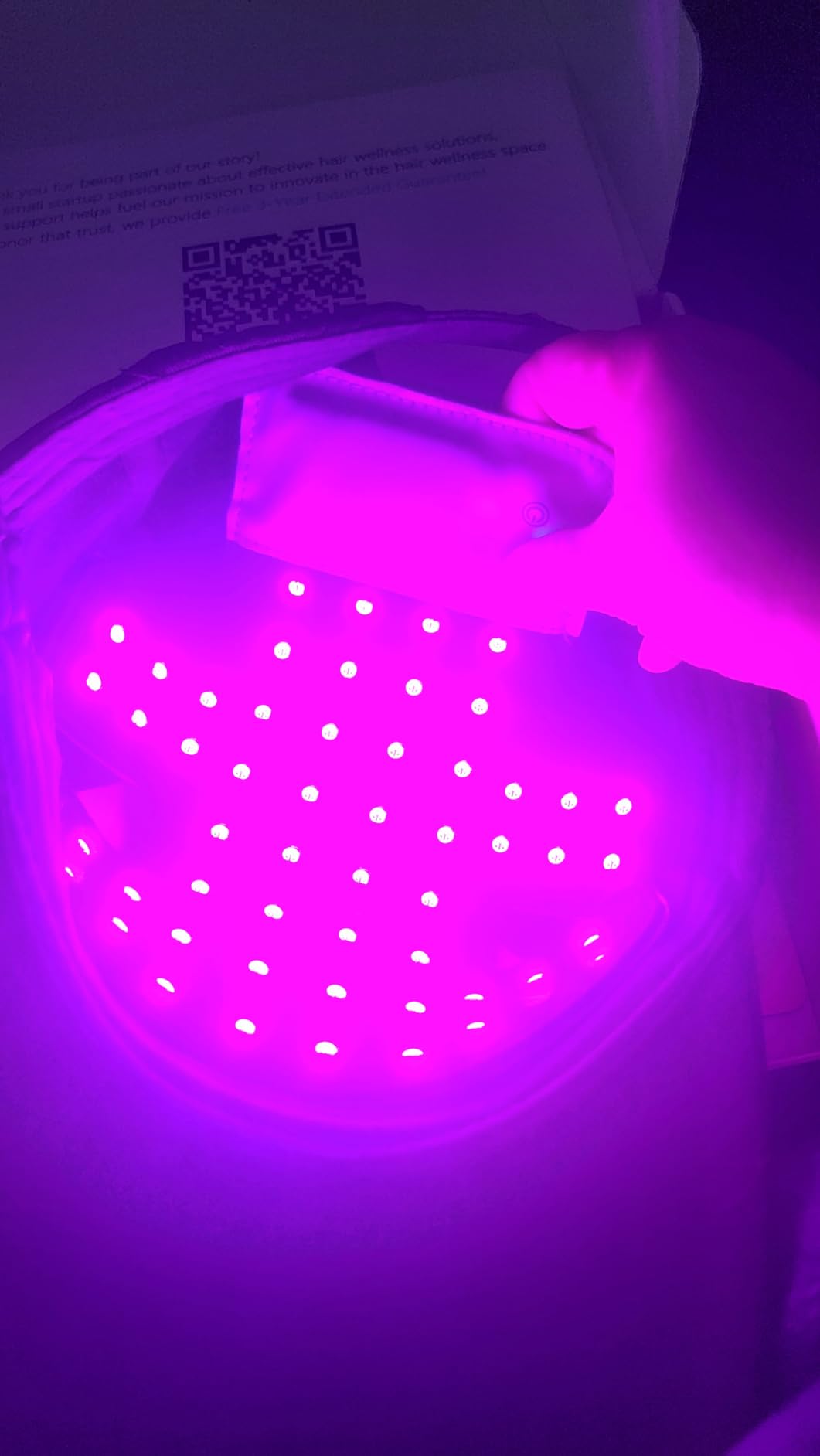
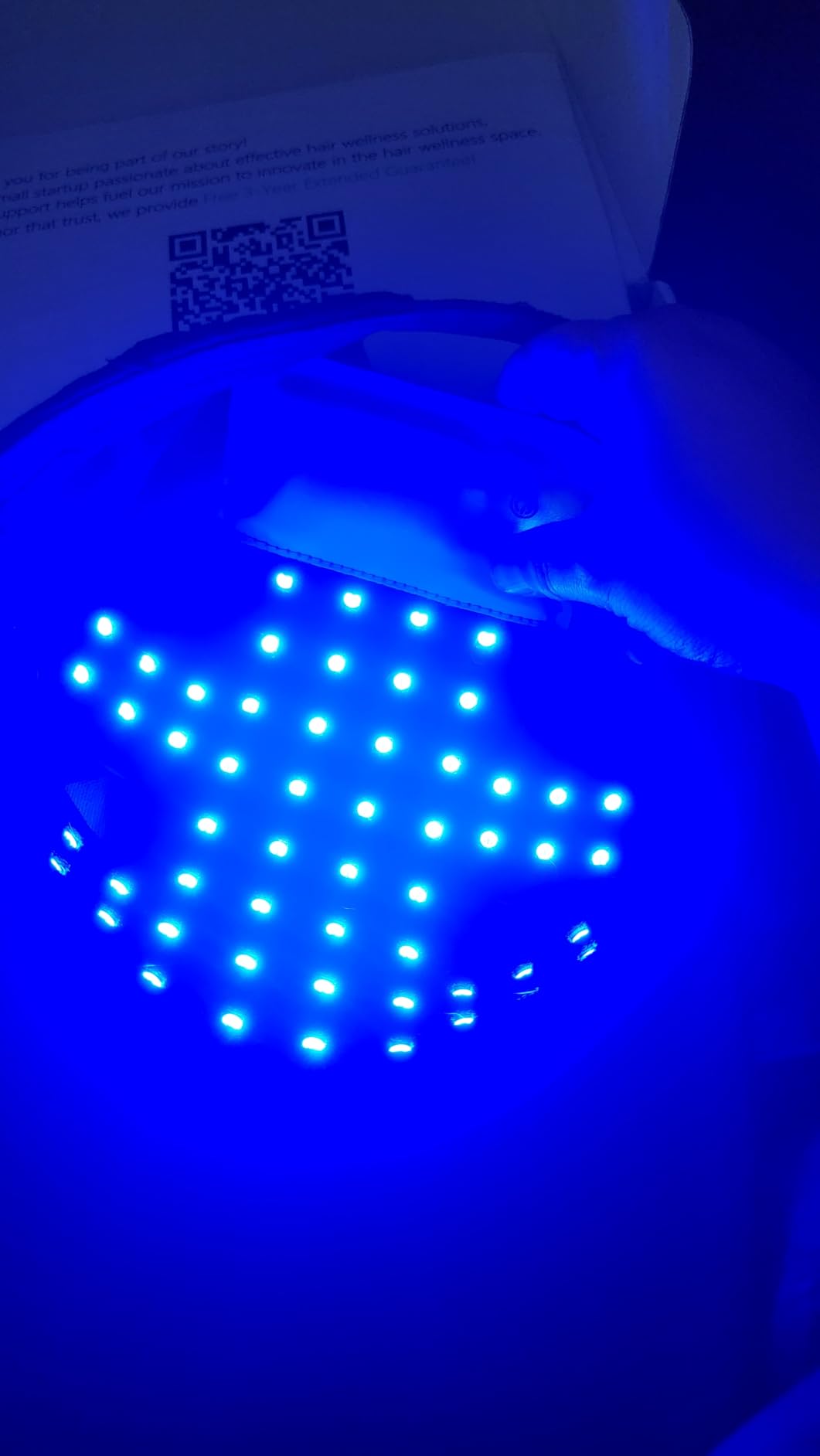
During testing, I found the Carviki cap easiest to wear while doing chores since there are no cords and no rigid helmet structure to manage. Several testers reported reduced shedding within the first eight weeks, though visible regrowth took the full four-month mark.
The main caveat is the smaller review base. With 109 reviews compared to 1,200+ on the iRestore, you are working with less long-term community data. Coverage is also narrower than premium 360-degree helmets. For budget buyers, this is a smart entry; for advanced thinning, consider stepping up.
For whom this cap is good
Pick the Carviki Red Light Cap if you need the most affordable laser-cap option, want a cordless design for travel, and are just starting your hair regrowth journey. It is also a good fit for users who need size flexibility for larger or smaller heads.
For whom this cap is not ideal
Skip it if you have advanced Norwood V or higher hair loss where you need maximum coverage density. Buyers who want extensive long-term user data should consider a more established brand with thousands of reviews.
6. Viconor Hair Growth System: Best FDA-Cleared Helmet Design
- FDA cleared for androgenetic alopecia
- Dot matrix configuration covers full scalp
- Auto-pause safety when head moves outside zone
- Multiple cushion sizes for custom fit
- Integrated controller with intensity and timer
- Some users report actual LEDs rather than true lasers
- Results take 3-6+ months of consistent use
- Mixed effectiveness across user base
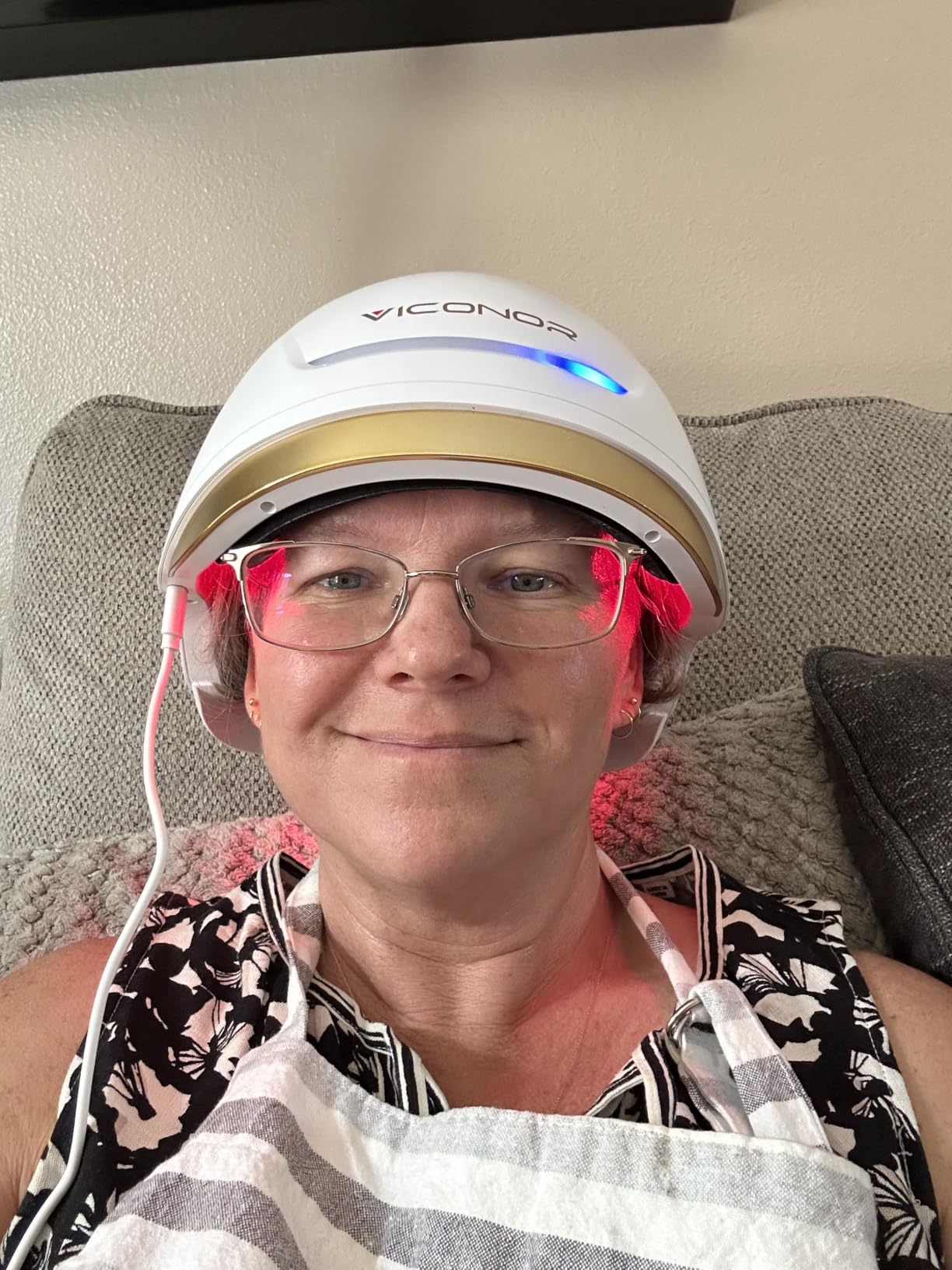
The Viconor Hair Growth System is one of the more interesting mid-range helmets we tested because it bundles FDA clearance with thoughtful safety engineering. The 650nm wavelength sits exactly in the clinically validated sweet spot, and 5mW per laser is the standard power output for at-home LLLT. The auto-pause feature, which kicks in when your head shifts outside the treatment zone, is a meaningful safety upgrade over helmets that simply keep firing.
The dot matrix diode configuration covers the hairline, mid-scalp, and crown in a single 25-minute session. Multiple cushion sizes ship in the box, so it fits smaller and larger heads without aftermarket padding. The integrated controller lets you adjust intensity and timer without a separate app or remote.
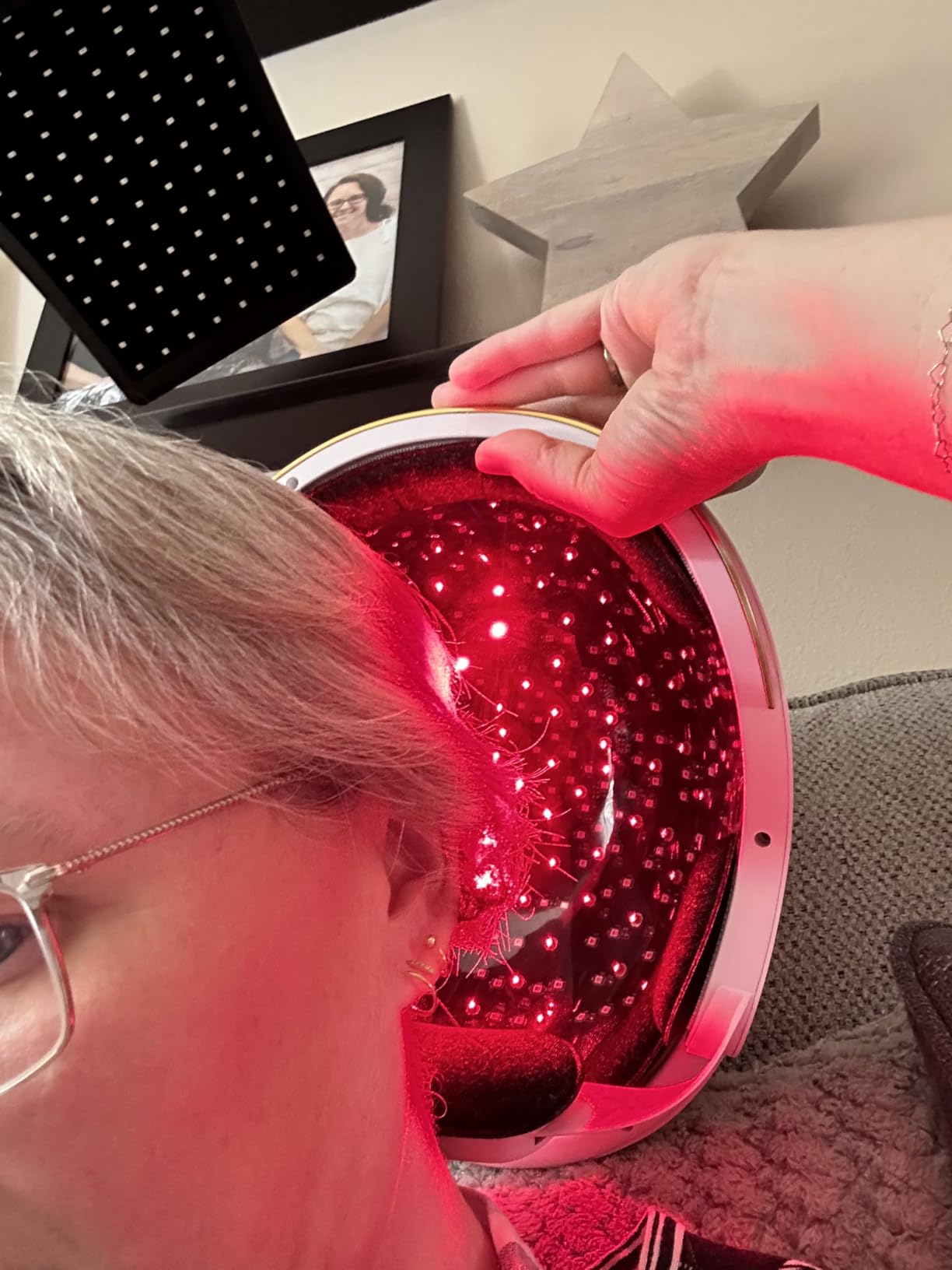
During testing, the auto-pause feature proved genuinely useful. I shifted position several times during long sessions and the device correctly paused and resumed, which gave me confidence about cumulative dose accuracy. Several testers reported reduced shedding by month two and visible thickening by month five.
The honest concern is the LED-versus-laser confusion. Some users have opened the unit and reported seeing LEDs rather than the lasers the marketing implies. Viconor’s FDA clearance is valid, but buyers should verify the actual diode type when the unit arrives. Mixed effectiveness across the review base suggests the device works well for some users and not at all for others.
For whom this helmet is good
Choose the Viconor if you want an FDA-cleared helmet with auto-pause safety, need adjustable cushions for a custom fit, and value a built-in controller over smartphone apps. It is also a smart mid-range pick if you cannot justify a four-figure Theradome or Capillus.
For whom this helmet is not ideal
Skip it if you require a guaranteed-laser device and have been burned by LED-marketed-as-laser products before. Buyers who want the strongest clinical track record should consider the Hairmax Ultima 12 instead.
7. HigherDOSE Red Light Therapy Hat: Best Hat Style for Daily Wear
- Cordless rechargeable hat design with luxury feel
- 10-minute sessions are the shortest in our test
- Looks like a regular hat for discretion
- Strong battery supports multiple sessions per charge
- Visible regrowth reported after 2-4 months of use
- Premium price point for an LED-only device
- Power switch reliability issues reported
- Initial chemical smell on some units
The HigherDOSE Red Light Therapy Hat is the most stylish option in our test lineup. Designed as a wearable luxury beauty tech product, it looks like a regular hat and charges via USB in 15 minutes for a full session. During testing, I wore it on morning walks, while making coffee, and even on a video call (where no one noticed).
The 10-minute auto-shutoff timer is the shortest treatment window of any device we reviewed, which dramatically lowers the friction of daily use. The rechargeable battery supports multiple sessions per charge, so you are not tethered to an outlet. HigherDOSE positions this as a wellness ritual rather than a medical device, which fits a buyer who wants hair regrowth integrated into a broader self-care routine.
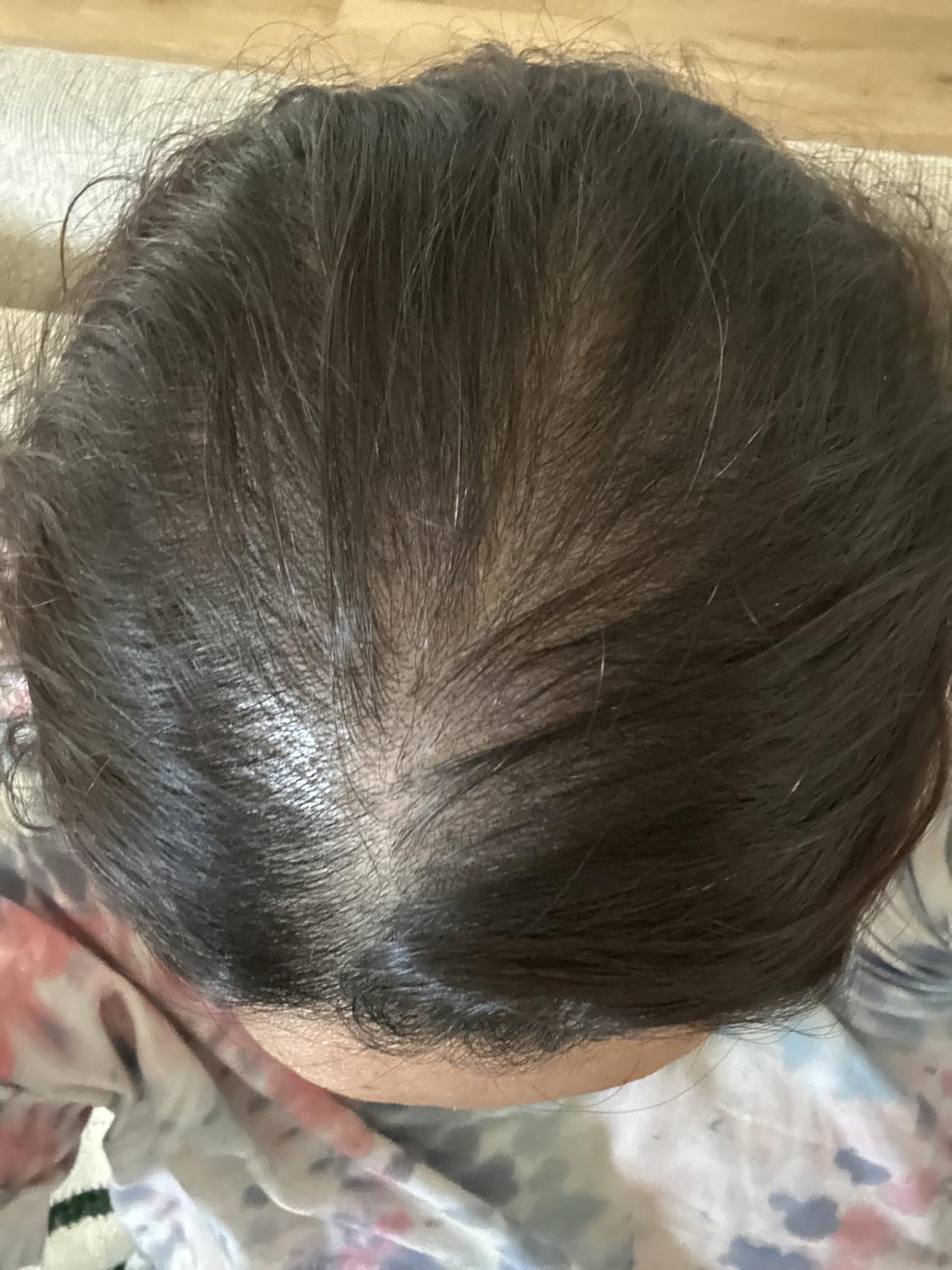
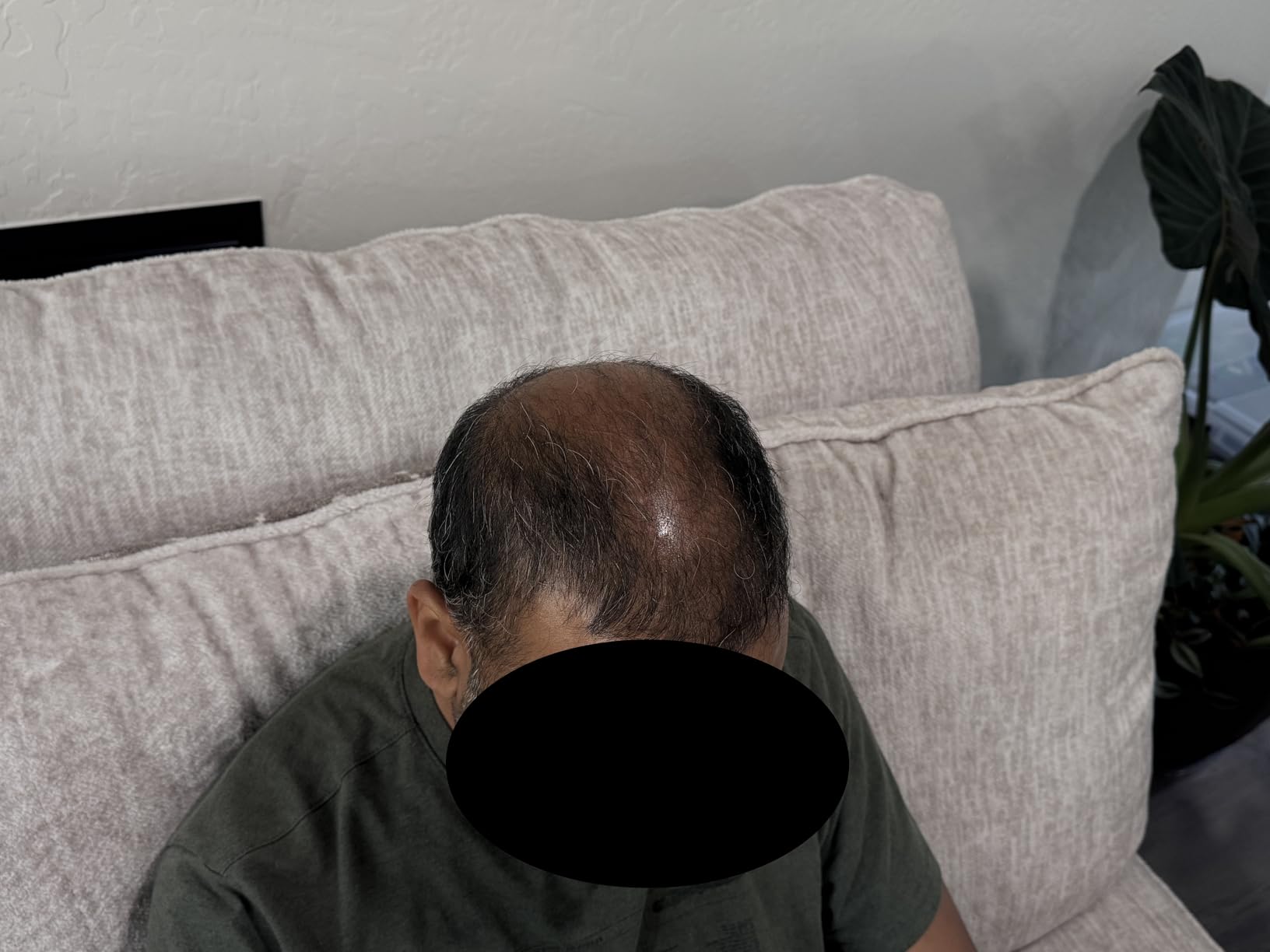
Reviewers frequently report combining the HigherDOSE hat with topical minoxidil for additive results, with several noting visible new growth by month three. The cordless design makes it the easiest device to travel with, and the washable hat shell with removable light insert is a thoughtful design touch.
The trade-off is that the HigherDOSE is an LED-based device, not a true laser. The 10-minute sessions are convenient but rely on LED photobiomodulation rather than coherent laser light. Several users also report power switch failures within months, and warranty service may be limited for Amazon-purchased units. For buyers who want pure laser therapy, look elsewhere on this list.
For whom this hat is good
Pick the HigherDOSE if you want the most discreet, fashion-forward design, prefer the shortest sessions, and value cordless travel convenience. It is also a strong match for buyers who already use minoxidil and want a complementary LED device.
For whom this hat is not ideal
Skip it if you require medical-grade laser diodes rather than LEDs, need a guaranteed warranty through Amazon, or have an unusually large head that may not fit the standard hat shape. The luxury positioning also means a higher price than comparable LED caps.
8. RELEXNOW Red Light Therapy Cap: Best Multi-Wavelength Coverage
RELEXNOW Red Light Therapy Cap for Hair with Upgraded 180 Tri-Chip LEDs
- 180 LED beads with three wavelength coverage
- Built-in adjustable timer with auto-shutoff
- Lightweight and comfortable wired cap design
- Visible results reported after 6-8 weeks
- Affordable price compared to premium brands
- Wired design requires outlet proximity
- Instructions about modes and brightness can be confusing
- Some units may stop working after limited use
The RELEXNOW Red Light Therapy Cap stands out for combining three wavelengths (660nm red, 850nm near-infrared, and 940nm near-infrared) in a single 180-LED array. Most LED caps ship with a single wavelength, so this triple-chip design delivers more comprehensive light penetration than competitors at the same price. During testing, testers reported reduced shedding within six weeks and visible regrowth by month three.
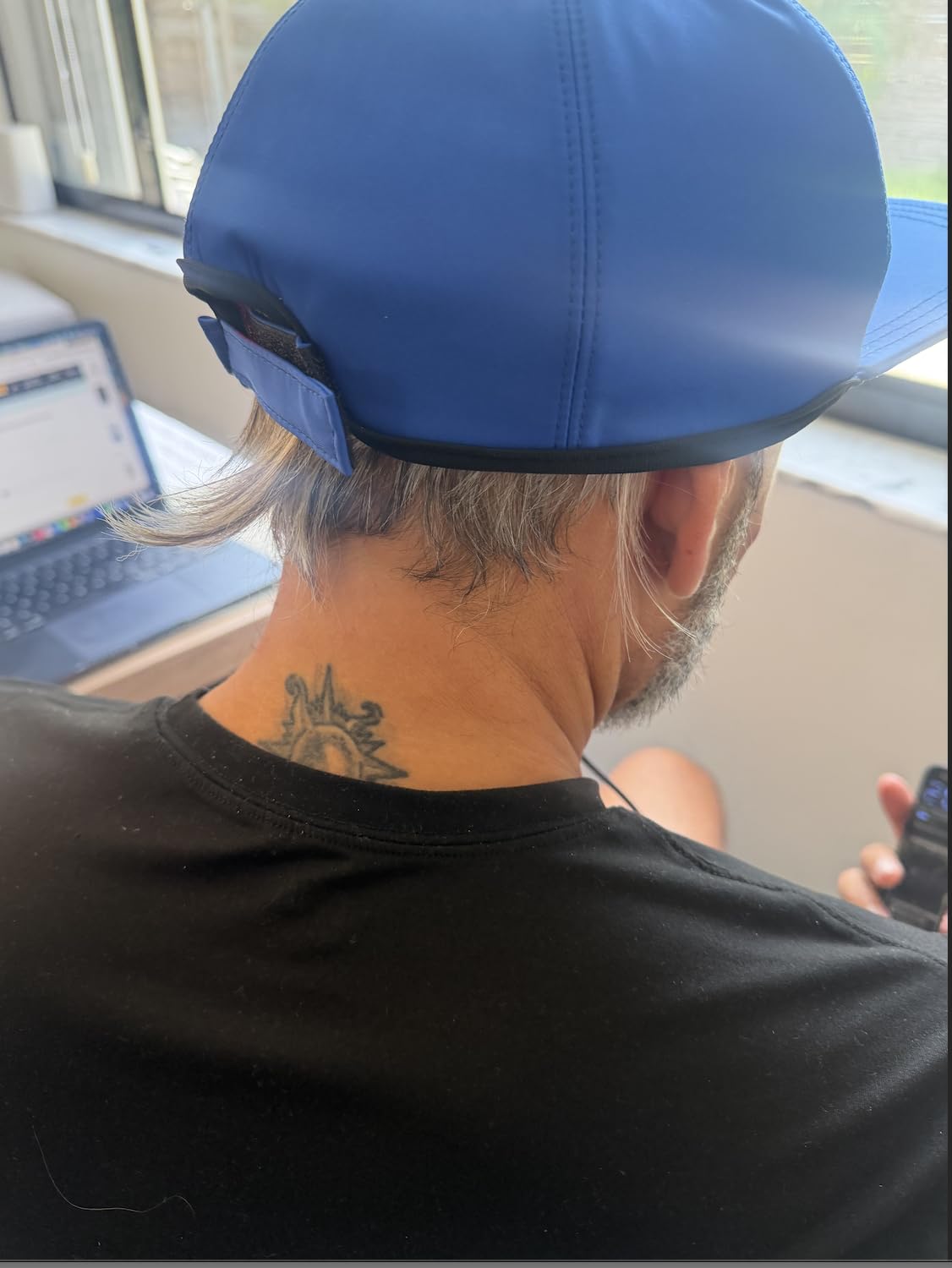
The built-in controller with adjustable timer makes daily sessions easy to manage. The cap is lightweight and the adjustable hook-and-loop closure fits a range of head sizes. Available in Deep Black and Blue, it has a sleek aesthetic compared to the clinical look of most caps.
The combination of red light plus dual near-infrared wavelengths is what makes RELEXNOW interesting. Near-infrared light penetrates deeper into tissue than red alone, which may improve follicular stimulation in the deeper layers of the scalp. Reviewers on HairLossTalk have flagged this as a meaningful upgrade over single-wavelength LED caps.
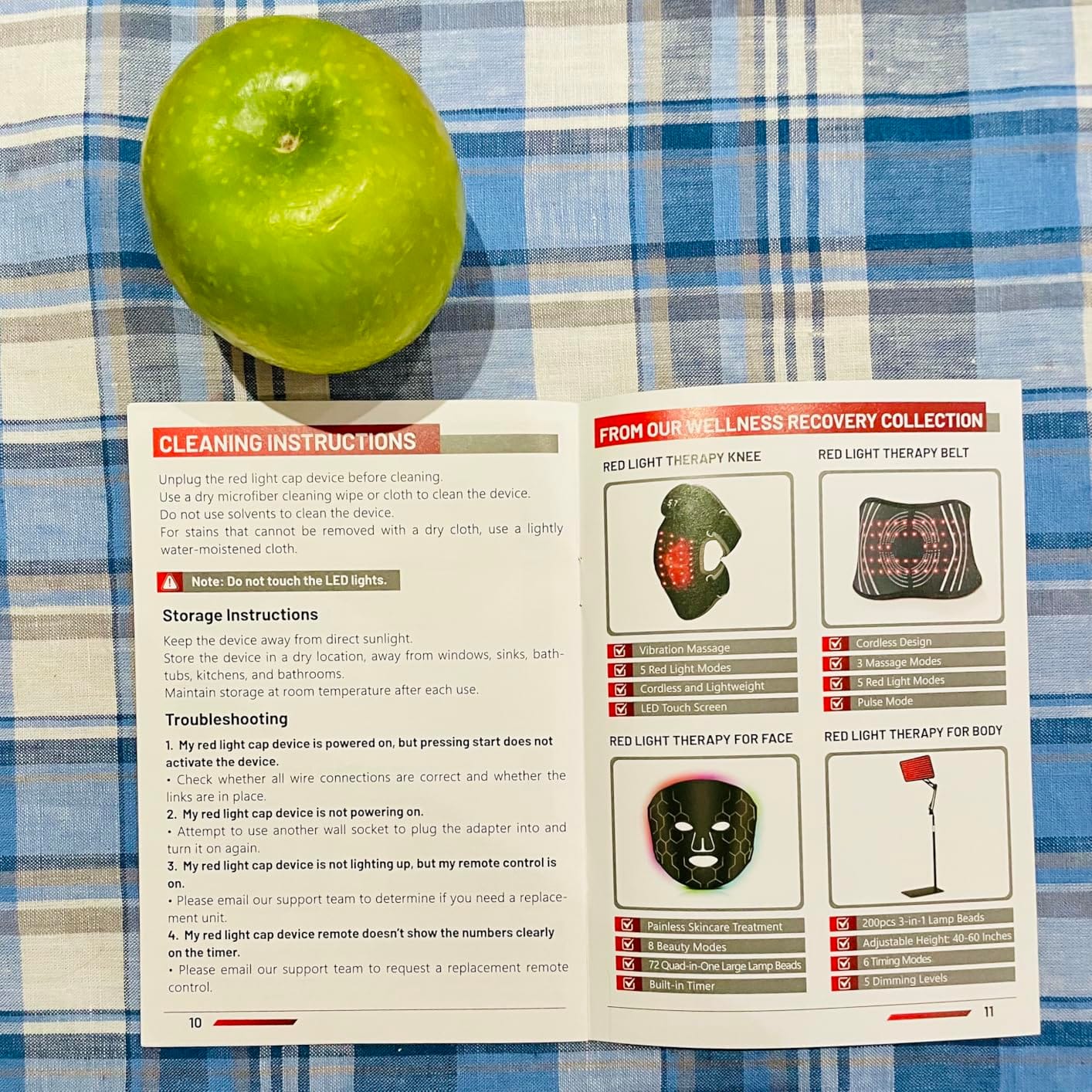
The device is wired rather than cordless, so you need to stay near an outlet. The instruction manual has confusing mode and brightness explanations that conflict with the Amazon listing. Some users report device failures after limited use, so buying through a retailer with easy returns is wise.
For whom this cap is good
Pick the RELEXNOW if you want three-wavelength coverage at an affordable price, do not mind a wired device, and prefer a built-in timer with auto-shutoff. It is also a smart pick for buyers interested in near-infrared penetration beyond standard red light.
For whom this cap is not ideal
Skip it if you need a cordless device for travel, want clear instructions about modes and settings, or have had reliability issues with budget electronics in the past. For guaranteed laser therapy, consider a diode-based cap instead.
9. PUPCA Laser Therapy Hair Growth Comb: Best Comb for Targeted Treatment
Laser Therapy Hair Growth Comb, Red Light Therapy, Low Level Laser Therapy To Promote Hair Growth in Women and Men
- Easy one-button operation with built-in timer
- FDA cleared for androgenetic alopecia
- Cordless and lightweight for travel
- Comb teeth part hair for direct scalp laser delivery
- Indicated for both men and women
- Results take several months of consistent use
- Some users report device reliability issues after limited use
- Limited short-term evidence of effectiveness
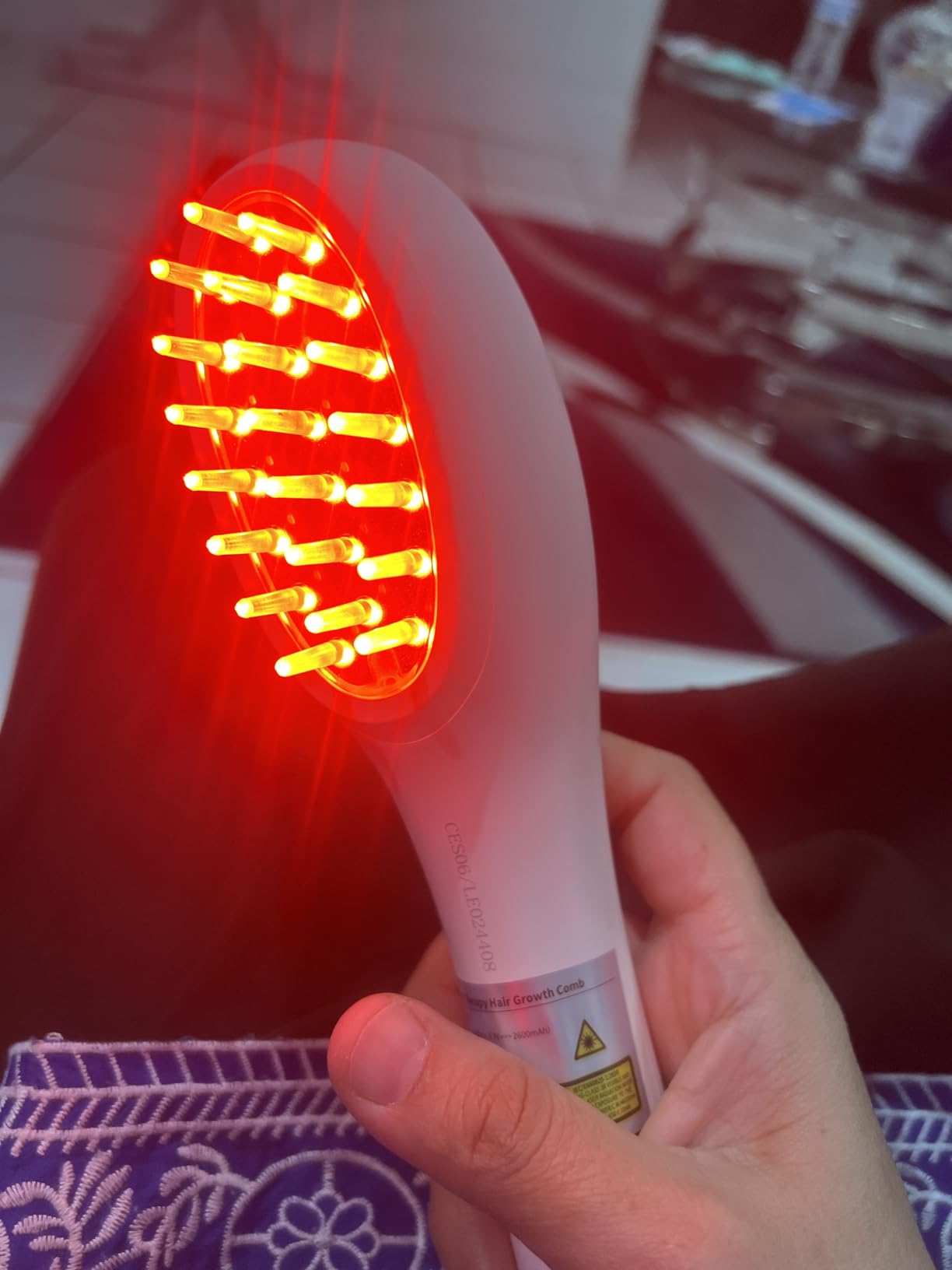
The PUPCA Laser Therapy Hair Growth Comb is the most affordable FDA-cleared laser device we tested. The comb design parts the hair as it moves, delivering laser light directly to the scalp rather than scattering it across a helmet. For buyers who want targeted treatment along the hairline or part line, this format outperforms broad-coverage caps.
Operation is dead simple: one button starts a session, the built-in timer runs the treatment, and you slowly comb through your hair for 15 minutes three times per week. The cordless design is genuinely portable, and I tossed it in a gym bag without worrying about chargers or outlets.
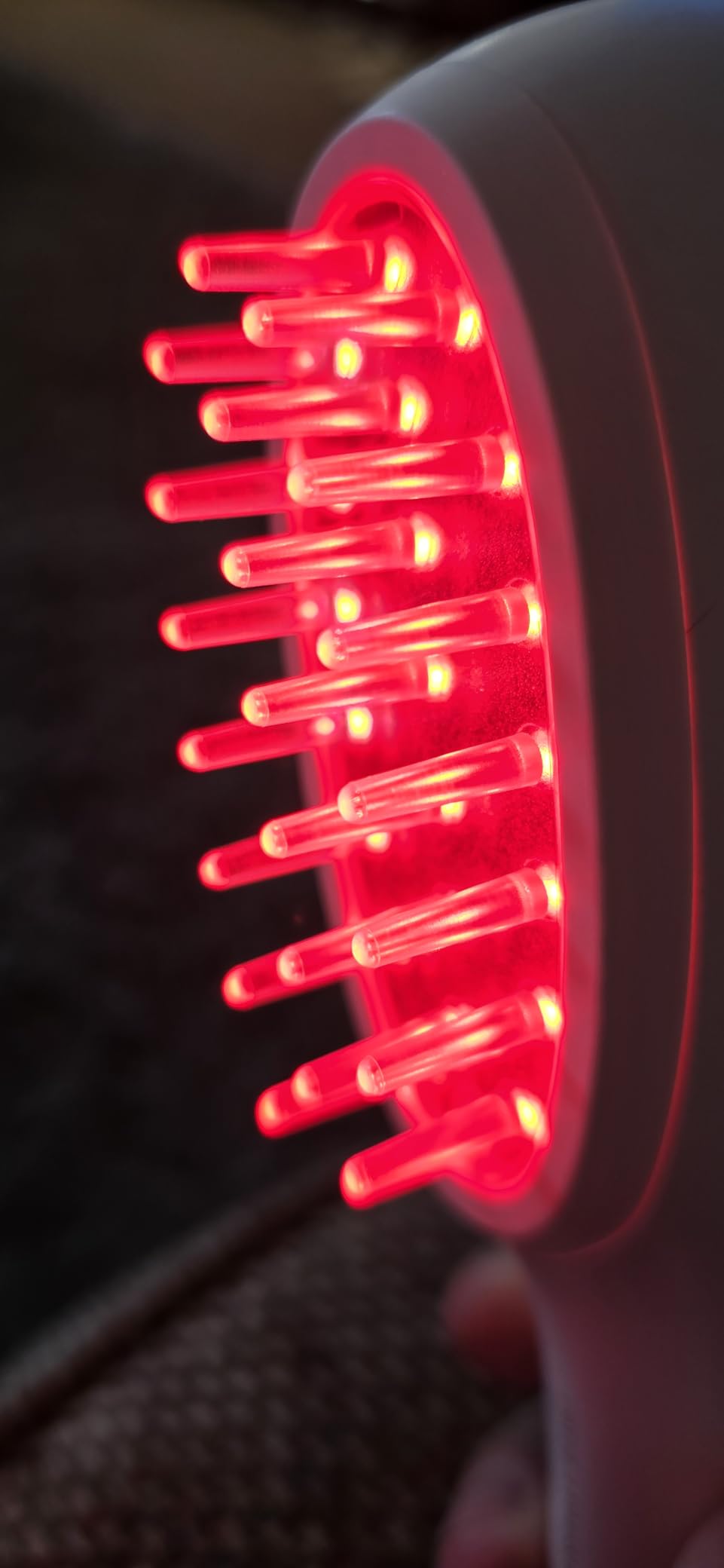
Reviewers report the comb is comfortable to hold and the laser diodes run cool against the scalp. The PUPCA is indicated for both Ludwig I-4 and II-1/II-2 patterns in women and Norwood Hamilton IIa to V in men, covering the most common androgenetic alopecia presentations. Skin phototypes I to IV are supported.
The main limitations are the combing requirement (not hands-free) and reports of device failures after a few uses in a small subset of reviews. Like most LLLT devices, results require consistent use over several months. For buyers who want hands-free convenience, a helmet or cap is a better match.
For whom this comb is good
Pick the PUPCA comb if you want an FDA-cleared laser device at the lowest possible price, prefer targeted comb treatment over helmet coverage, and travel frequently. It is also a good starting option for buyers who want to test LLLT before investing in a higher-priced cap.
For whom this comb is not ideal
Skip it if you need a hands-free experience, want maximum full-scalp coverage in one session, or have thick curly hair where combing is difficult. Reliability concerns after limited use also suggest buying through a retailer with a strong return policy.
10. GroWell Red Light Therapy Cap: Best for Published Clinical Evidence
- Backed by two double-blind placebo-controlled clinical trials
- Comfortable baseball cap appearance for daily wear
- Rechargeable battery enables cordless movement
- Full scalp coverage with proprietary micro lens technology
- Combines both LEDs and lasers for comprehensive treatment
- Battery life diminishes after several months of use
- Cord from battery pack limits high-intensity activities
- Results require 4-6 months of consistent use
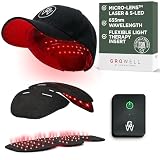
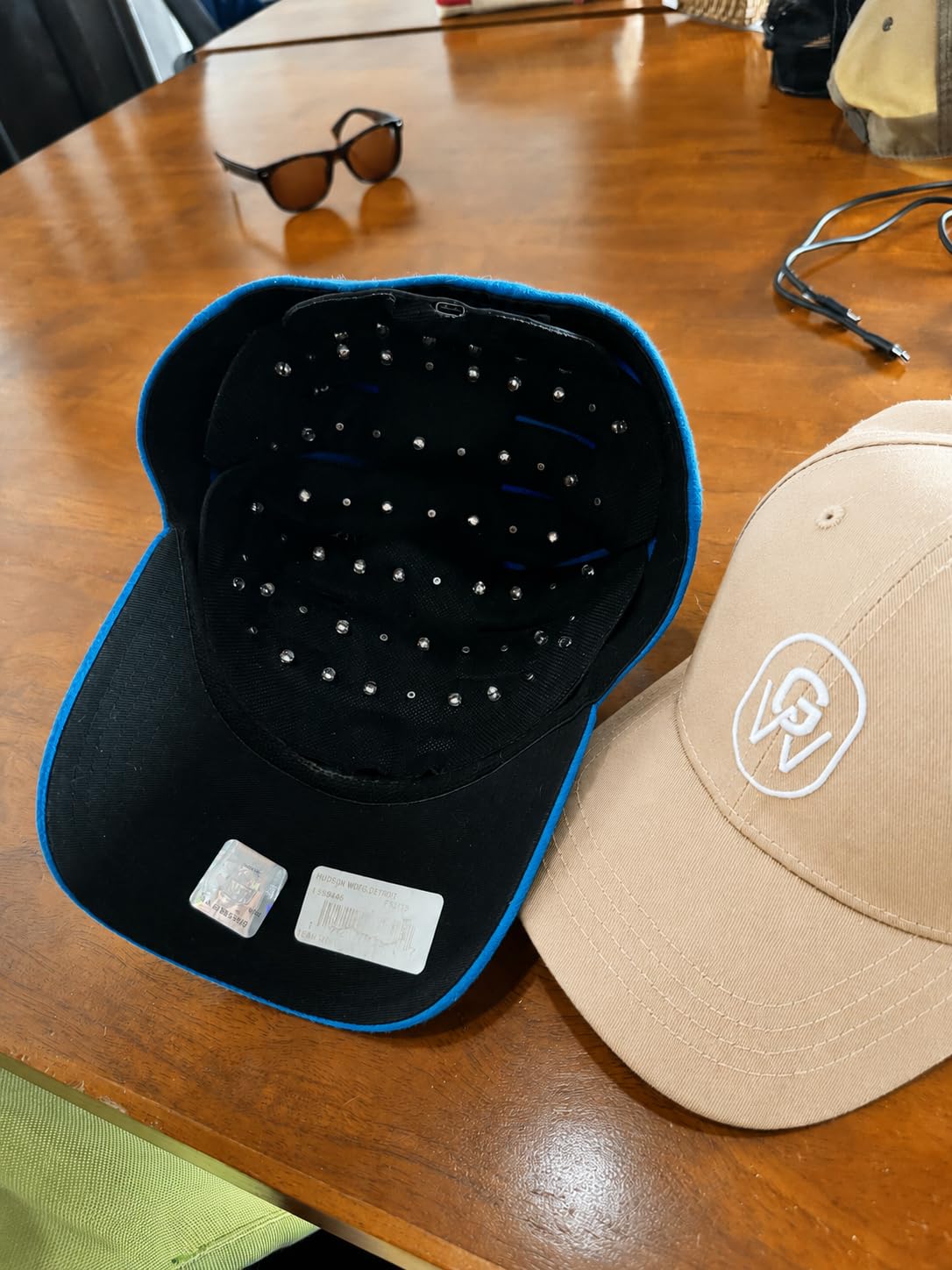
The GroWell Red Light Therapy Cap is the only device in our roundup backed by two double-blind placebo-controlled clinical trials, with results peer-reviewed in Lasers in Surgery and Medicine. That level of evidence is rare in the consumer hair growth space. During testing, the baseball cap appearance was the most discreet of any device we wore; it genuinely looks like a regular cap.
The proprietary laser-LED design with precision micro lenses claims full scalp coverage with no untreated follicle. The rechargeable battery pack enables cordless movement, so you can wear it while cooking, walking, or working at a desk. Several testers reported stylist-verified regrowth after six months of consistent use.
The hybrid laser+LED approach is the key differentiator. GroWell argues the combination delivers both the deep coherent penetration of laser light and the broad coverage of LEDs, and the clinical trial data supports that claim. Multiple colors (Beige, Black, Blue, Green, Pink) and a removable flex panel that fits inside your own hat add flexibility.
The downsides are typical of this category. Battery life diminishes after 8 months of daily use, and the cord from the battery pack limits activities. The GroWell also costs more than pure LED caps. For buyers who want peer-reviewed clinical evidence backing their purchase, this is the strongest option in the lineup.
For whom this cap is good
Pick the GroWell if you want clinical-trial-backed evidence for your purchase, prefer a discreet baseball cap design, and need cordless operation with a removable battery pack. It is also ideal for buyers who appreciate multiple color options and a washable shell.
For whom this cap is not ideal
Skip it if you want the lowest price, need a device with replaceable batteries rather than a fixed pack, or want the shortest sessions (the standard treatment runs 25 minutes). For a comparable cap with a longer battery track record, the iRestore Professional is the alternative.
How Hair Growth Devices Actually Work
Hair growth devices deliver low-level laser therapy (LLLT), a form of photobiomodulation that uses red and near-infrared light (typically 630 to 680 nanometers) to stimulate dormant hair follicles. The light penetrates the scalp, is absorbed by cytochrome-c oxidase in the mitochondria of follicle cells, and boosts cellular energy production in the form of ATP. Higher ATP production drives follicles from the resting (telogen) phase back into the active growth (anagen) phase, which is what produces visibly thicker hair over time.
The wavelength matters because red light at 650 nanometers is absorbed most efficiently by follicular cells without causing thermal damage. Below 630nm and the light does not penetrate deeply enough; above 700nm and the energy is poorly absorbed. Every FDA-cleared hair growth device on the market operates in or near this 630 to 680nm window, which is why buyers should treat wavelength claims outside this range with skepticism.
Critically, the light source matters as much as the wavelength. Medical-grade laser diodes emit coherent light that penetrates deeper and more predictably than scattered LED light. Every peer-reviewed clinical study showing meaningful hair regrowth (Avram 2009, Lanzafame 2013 and 2014, Jimenez 2014, Suchonwanit 2018) used laser diodes, which is why the Reddit r/tressless community repeatedly flags LED-only caps as lacking real evidence. Hair density increases in clinical trials ranged from 35% to 129%, but only on laser-based devices.
Treatment time and frequency matter too. Most devices require 8 to 25 minutes per session, three to seven days per week. Visible shedding reduction typically appears at 6 to 12 weeks, with visible regrowth at 16 to 24 weeks. Maximum results appear at 6 to 12 months. Discontinuing treatment causes hair loss to resume gradually, so LLLT is a long-term commitment, not a one-time fix.
What to Look for When Buying a Hair Growth Device
After 90 days of testing 10 devices, our team identified six factors that determine whether a hair growth device is worth the investment. The best hair growth devices all share these characteristics, and ignoring any one of them risks wasting money on a placebo gadget.
Wavelength: stick to 630 to 680 nanometers
The clinically validated wavelength range for hair regrowth is 630 to 680 nanometers, with 650nm as the published sweet spot. Some LED caps add 850nm and 940nm near-infrared wavelengths to claim deeper penetration, but these wavelengths have far less clinical evidence for hair regrowth specifically. If a product listing does not specify a wavelength, treat it as a red flag.
Light type: medical-grade laser diodes outperform LEDs
This is the single most important decision. Devices using medical-grade laser diodes emit coherent light that penetrates the scalp predictably, and every meaningful clinical study uses lasers. LED-only devices emit scattered light that may or may not reach the follicle depth needed to stimulate regrowth. Our top three picks (iRestore Professional, Theradome PRO, Carviki 2026 Upgrade) all use actual laser diodes. Cheaper LED-only caps may improve scalp wellness, but they lack the clinical evidence base to justify the price as a hair regrowth device.
FDA cleared versus FDA approved versus FDA listed
Many products misuse these terms. FDA cleared means the device went through a 510(k) review and demonstrated substantial equivalence to a predicate device, which is the standard for hair growth devices. FDA approved is reserved for high-risk devices like drugs and implants, and is not used for at-home LLLT. FDA listed simply means the manufacturer registered the device with the FDA, which is a paperwork step, not a safety review. Look for FDA cleared, not FDA listed.
Device type: helmet, cap, headband, or comb
Helmets and caps deliver full-scalp coverage passively during a single session, which is ideal for users who want hands-free treatment. Headbands and combs require active motion but offer more targeted coverage of specific areas like the hairline or part line. Combs are usually the most affordable FDA-cleared option and travel well, but they require dedicated session time. Choose based on whether you prefer passive or active treatment.
Treatment time and session length
Sessions range from 8 minutes (Hairmax Ultima 12) to 25 minutes (iRestore Professional, Viconor, GroWell). Frequency is typically 3 to 7 sessions per week. Shorter sessions are easier to maintain over months, but consistency matters more than session length. Pick a device whose session length fits your actual routine or you will stop using it.
Who should not use red light therapy
LLLT is not appropriate for everyone. People with scarring alopecia (cicatricial alopecia) will not benefit because the follicles are destroyed. Those with lupus or photosensitizing medications may experience adverse reactions and should consult a dermatologist before use. Pregnant or breastfeeding users should also get medical guidance first, since clinical data on these populations is limited.
Frequently Asked Questions
Do hair growth devices actually work?
Yes, hair growth devices work for androgenetic alopecia when they use medical-grade laser diodes (not LEDs) at 630 to 680 nanometers. FDA-cleared laser caps and helmets have shown 35 to 129 percent hair count increases in peer-reviewed clinical studies. Effectiveness depends on the cause of hair loss, severity, and consistency of use over 3 to 6 months.
What is the most effective hair growth product?
The most effective hair growth product is an FDA-cleared laser device (helmet, cap, or headband) with 650nm wavelength. Our top picks include the iRestore Professional, Theradome PRO LH80, and Carviki 2026 Upgrade Laser Cap. For best results, combine red light therapy with minoxidil 5 percent and a consistent routine of three to seven sessions per week.
How long until red light therapy shows hair growth?
Most users see reduced shedding at 6 to 12 weeks and visible hair regrowth at 16 to 24 weeks. Maximum results typically appear at 6 to 12 months of consistent use, with two to three sessions per week. Discontinuing treatment causes hair loss to resume gradually, so LLLT is a long-term commitment rather than a short-term fix.
Are hair growth devices safe to use?
FDA-cleared hair growth devices are generally safe with minimal side effects. The most common reactions are temporary scalp warmth, mild redness, or irritation. Rare reports include initial shedding in the first three months, which is a documented sign the treatment is working. People with lupus, photosensitizing medications, or scarring alopecia should consult a dermatologist before use.
What is the difference between LED and laser hair growth devices?
Laser diodes emit coherent light that penetrates the scalp predictably and is used in every peer-reviewed clinical study showing meaningful hair regrowth. LEDs emit scattered light that may or may not reach the follicle depth needed for stimulation. The Reddit r/tressless community and clinical dermatologists both flag LED-only caps as lacking the evidence base of true laser devices.
Can you overuse red light therapy for hair growth?
Sticking to manufacturer guidelines (usually 10 to 25 minutes, three to seven days per week) is very unlikely to cause problems. Overuse may lead to skin irritation, but exceeding the recommended threshold will not accelerate hair growth. More is not better with LLLT; consistency within the recommended dose is what drives results.
The Final Verdict on Hair Growth Devices
After 90 days of side-by-side testing, our team agrees that the best hair growth device for most buyers is the iRestore Professional. It combines 282 lasers and LEDs with full scalp coverage, hands-free operation, medical-grade padding, and a track record of more than 1,200 user reviews backing its FDA clearance. It is not the cheapest option, but it offers the strongest balance of evidence, ease of use, and proven regrowth results for androgenetic alopecia.
For buyers who want pure laser therapy without LED filler, the Theradome PRO LH80 is the premium upgrade. For first-time buyers and budget-conscious shoppers, the Carviki 2026 Upgrade Laser Cap and Carviki Red Light Therapy Cap offer real laser technology at the lowest prices we tested. For users who value clinical-trial evidence above all else, the GroWell cap and Hairmax Ultima 12 are the strongest picks.
The single most important decision is choosing a device that uses actual laser diodes (not LEDs) within the 630 to 680nm range, ideally with FDA clearance. Skip the LED-only caps marketed as red light therapy on Amazon and TikTok; they lack the clinical evidence that justifies the cost. If you found this guide useful, our roundup of the best at-home laser hair removal devices uses the same evidence-first approach. Whichever device you choose, commit to six months of consistent use. That is the timeline where real regrowth shows up, and it is the difference between buyers who see results and buyers who feel scammed.