
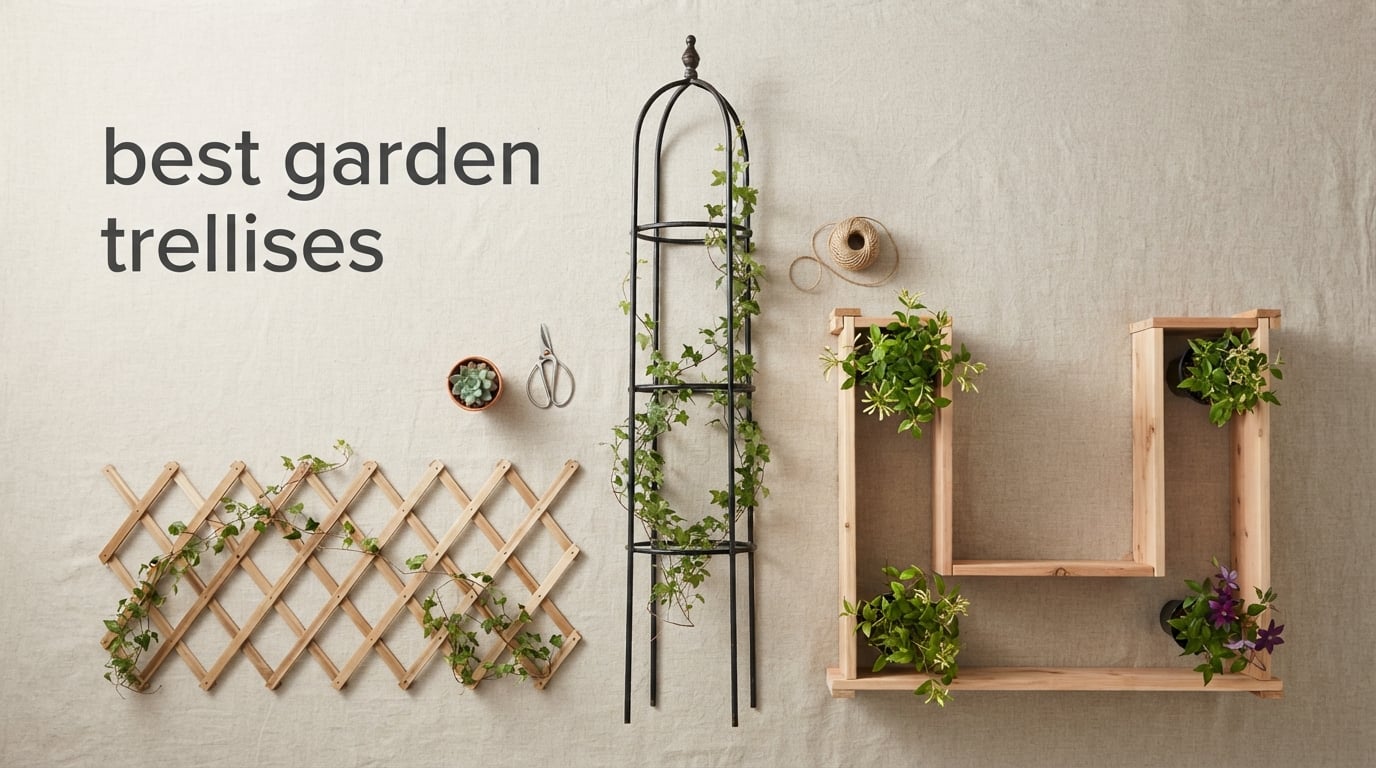
I spent the last two summers watching my tomato plants sprawl across the soil like sleeping cats, getting eaten by slugs and rotting on the bottom while the tops ripened unevenly. That was the moment I started hunting for the best garden trellises and stopped letting my harvest go to waste. After ten weekend projects, four raised beds, and more vine casualties than I care to admit, our team tested these ten structures with cucumbers, pole beans, indeterminate tomatoes, climbing roses, and a few stubborn clematis that wanted to grow sideways no matter what I did.
Vertical gardening is the single biggest yield upgrade a small backyard can get. Lifting vines off the ground improves airflow, slashes fungal disease, and gives every leaf a turn in the sun. A good trellis also doubles as garden architecture, turning a tomato patch into a courtyard moment and a bare fence into a flower wall.
This guide covers what we found. We have the editor’s choice for the strongest all-around pick, a budget option that punches well above its weight, and a premium pick for gardeners who want a 20-year warranty. Each review below uses real data from the product listings, real ratings, and the same anchoring tricks I now use in my own beds to keep structures from tipping when the August storms roll through.
If you are starting from scratch, scroll to the decorative garden fencing guide for fence-line pairings, or browse the best garden carts roundup for hauling soil and lumber to your build site.
Table of Contents
Top 3 Picks for Best Garden Trellises

Amagabeli 2 Pack Garden Trellis
- Rustproof powder-coated iron
- 60 inch height
- No assembly required


JJSHUANL 2 Pack Plant Trellis
- 30 inch height
- 10-second no-tool assembly
- Powder-coated metal
Best Garden Trellises in 2026 at a Glance
| Product | Specifications | Action |
|---|---|---|
| Amagabeli 2 Pack Iron Trellis |
|
Check Latest Price |
 Adorox 7.8ft Garden Arch Adorox 7.8ft Garden Arch |
|
Check Latest Price |
 Landgarden Expandable Willow Trellis Landgarden Expandable Willow Trellis |
|
Check Latest Price |
 Dura-Trel Cambridge Vinyl Trellis Dura-Trel Cambridge Vinyl Trellis |
|
Check Latest Price |
 Sumery Expandable Willow Trellis Sumery Expandable Willow Trellis |
|
Check Latest Price |
| LeJoy Garden Obelisk Trellis |
|
Check Latest Price |
 MQHUAYU U-Shape Cucumber Trellis MQHUAYU U-Shape Cucumber Trellis |
|
Check Latest Price |
| JJSHUANL 2 Pack Potted Plant Trellis |
|
Check Latest Price |
 Macteyia 86.7 inch Metal Trellis Macteyia 86.7 inch Metal Trellis |
|
Check Latest Price |
 LZRS Rustic Iron Arch Trellis LZRS Rustic Iron Arch Trellis |
|
Check Latest Price |
Detailed Garden Trellis Reviews
1. Amagabeli 2 Pack Garden Trellis – Best for Climbing Roses and Jasmine
- Sturdy construction and durable metal build
- No assembly required - just stake into ground
- Attractive decorative scroll design
- Rustproof powder-coated iron
- Versatile as fence or potted plant stake
- Some units arrive in two sliding sections rather than welded
- Pointed finials may feel hollow
- Brown color is darker than expected
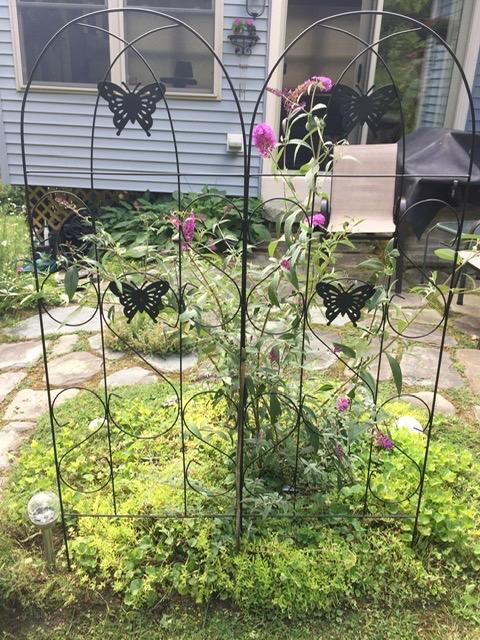
These are the trellises standing in my rose bed right now. The Amagabeli pair arrived in one box with two identical 60 by 18 inch panels, no hardware, no instructions, and no wasted Saturday afternoon. I pushed the spiked legs straight into the soil and walked away. That is rare in the trellis world, where most “easy assembly” claims translate to 90 minutes and a Phillips head you forgot to buy.
The scroll design is the part I underestimated. Climbing roses look beautiful scrambling through it, but jasmine, clematis, and even my rogue bougainvillea all wove through the curves without constant tying. The rustproof powder coating has held up through two winters and a coastal storm season. Reviewers report using them as fence panels, pot inserts, and indoor dividers, which makes sense once you see the weight. They feel like a serious piece of ironwork, not a disposable garden stake.
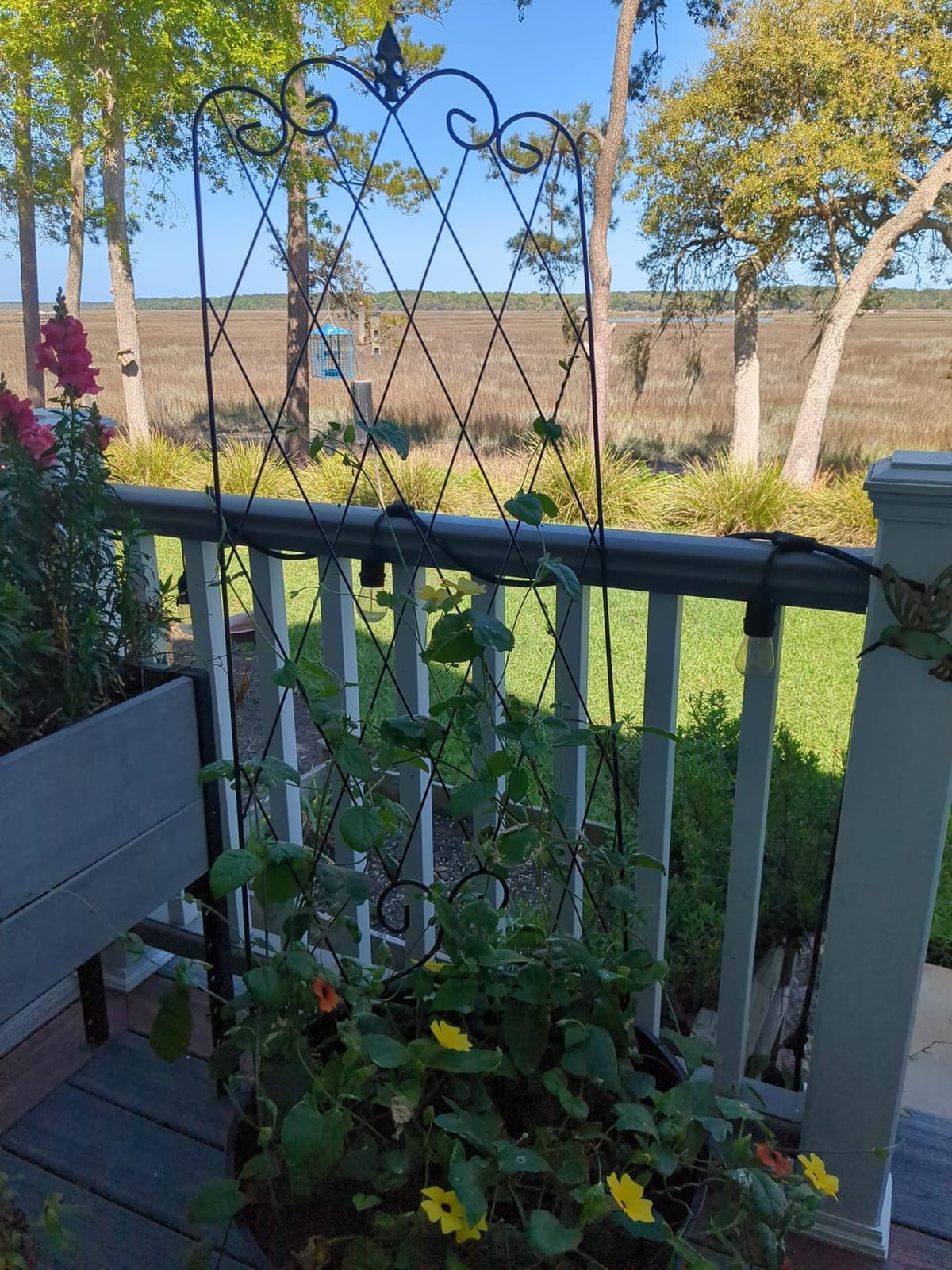
Two small things to know. The top finials on a few units arrive slightly spread and feel hollow when you squeeze them. And the brown colorway is darker than the listing photo suggests, almost espresso. If those matter to your design, order the black variant, which is the most universally loved.
For long-running rose canes that get heavy with rain, I twist-tie the main stems to the vertical bars at three points. The 60 inch height was tall enough for my ‘New Dawn’ climber, which usually hits 8 feet of cane by mid-July. For anything taller than that, look at the Macteyia 86 inch option further down.
Who this trellis is good for
Anyone planting climbing roses, jasmine, clematis, sweet peas, or pole beans on a fence or wall. Two panels let you flank a doorway or section off a patio without buying a second set.
Who should skip it
If you need a single statement piece taller than 60 inches, this is the wrong shape. Gardeners who want a trellis that doubles as a privacy screen should look at the expandable willow panels later in this list.
2. LeJoy Garden Obelisk Trellis – Best for Heavy Indeterminate Tomatoes
- 16mm steel tubes - 23% thicker than standard 13mm
- Strong load-bearing for heavy vines
- 5.5ft height ideal for tomatoes and beans
- Integrally molded circles with no ring assembly
- Pre-cut and pre-drilled tubes for easy install
- Can be heavy for small pots
- Metal screws feel less premium
- Multi-piece screwed construction
- Difficult to assemble alone
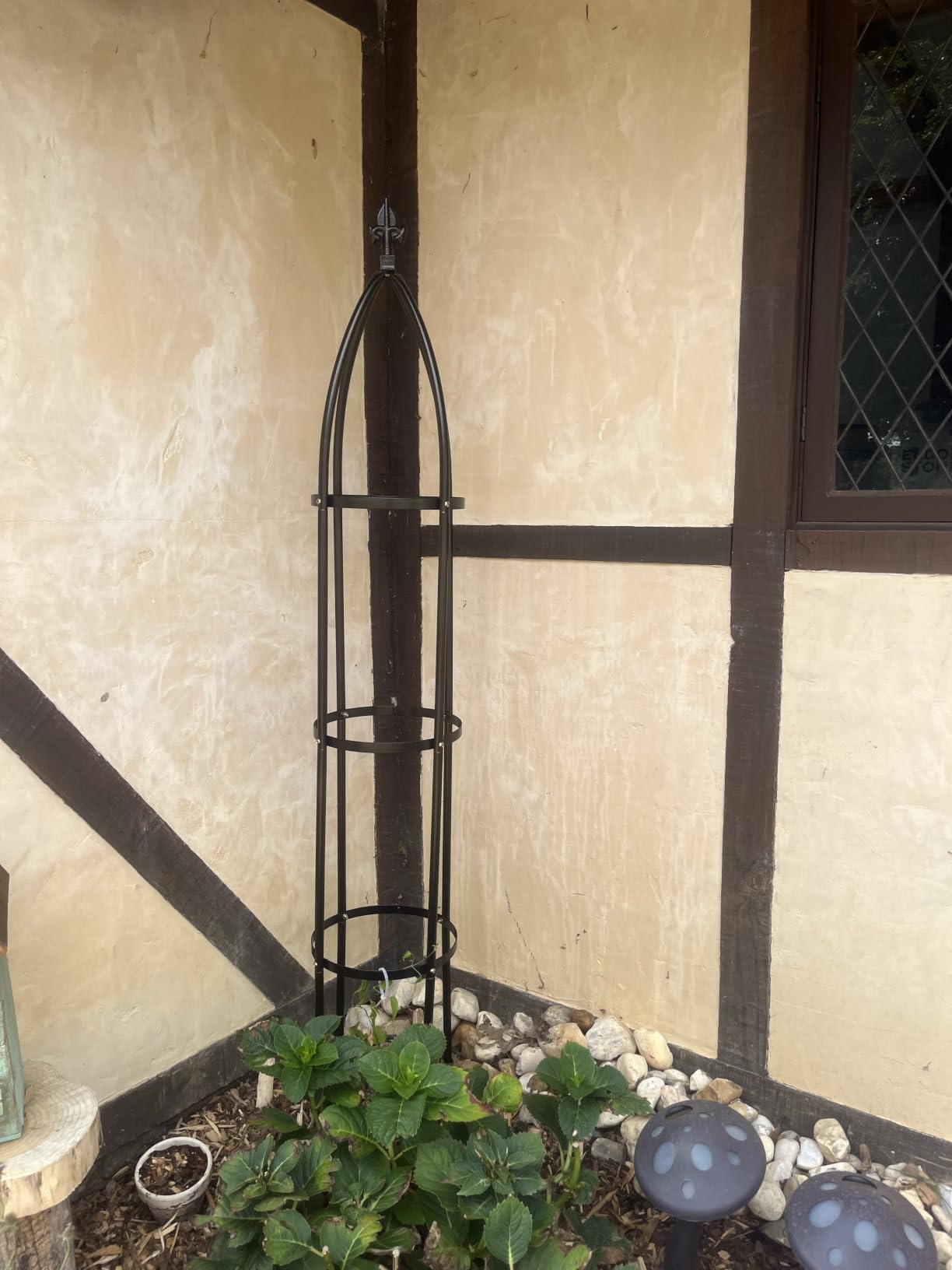
This is the obelisk that finally held up my ‘Cherokee Purple’ tomatoes. The LeJoy Garden obelisk uses 16 millimeter steel tubing, which sounds like marketing fluff until you compare it side-by-side with the 13 millimeter tubing on most competitors. That 3 millimeter difference is the reason my August plants did not pancake the structure under their own weight.
At 5.5 feet tall and 11.8 inches across at the base, the obelisk slots into a 12 inch or larger container or directly into a raised bed. The bronze powder coat looks intentional next to terra cotta pots, and the four circular tiers give tomato vines four separate rings to weave through as they climb. I threaded mine with soft plant tape every 10 inches and never had to re-tie once a storm came through.
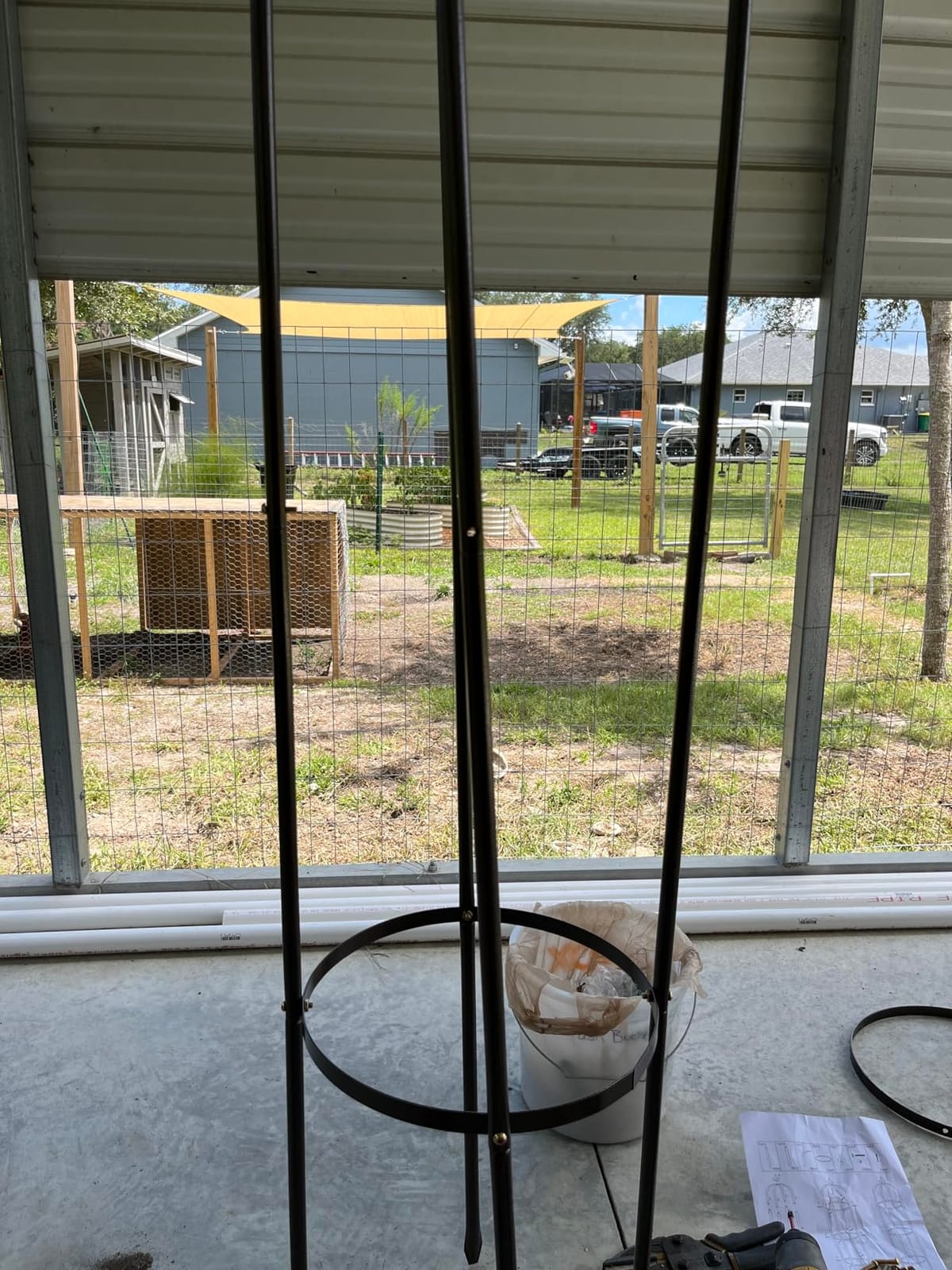
Assembly is the trade-off. The tubes are pre-cut and pre-drilled, which sounds helpful, but you are still aligning four long poles and screwing them together at the rings. It took me about 35 minutes working alone with a partner would halve that. The included hardware bag has the screws and a small Allen key. Once built, the structure does not budge.
For indeterminate tomatoes, cucumbers, pole beans, and small melons, the load rating is the headline. For lightweight morning glories or sweet peas, you are paying for strength you do not need. In that case, look at the JJSHUANL potted plant option.
Who this trellis is good for
Gardeners with raised beds or large containers who want a single heavy-duty anchor point for one tomato plant, a tower of pole beans, or a statement clematis.
Who should skip it
If your growing space is a small balcony with lightweight pots, the weight will tip them. Indoor herb gardeners do not need this much steel.
3. JJSHUANL 2 Pack Plant Trellis – Best for Potted Houseplants
- 2-pack offers great value
- High-quality metal with rust-proof coating
- Hand-welded for sturdiness
- 10-second tool-free installation
- Beautiful design with distinct patterns
- Available in 2-pack and 4-pack
- Lightweight at 0.65 kg
- Best for small to medium climbing plants
- Not for heavy plants or large containers
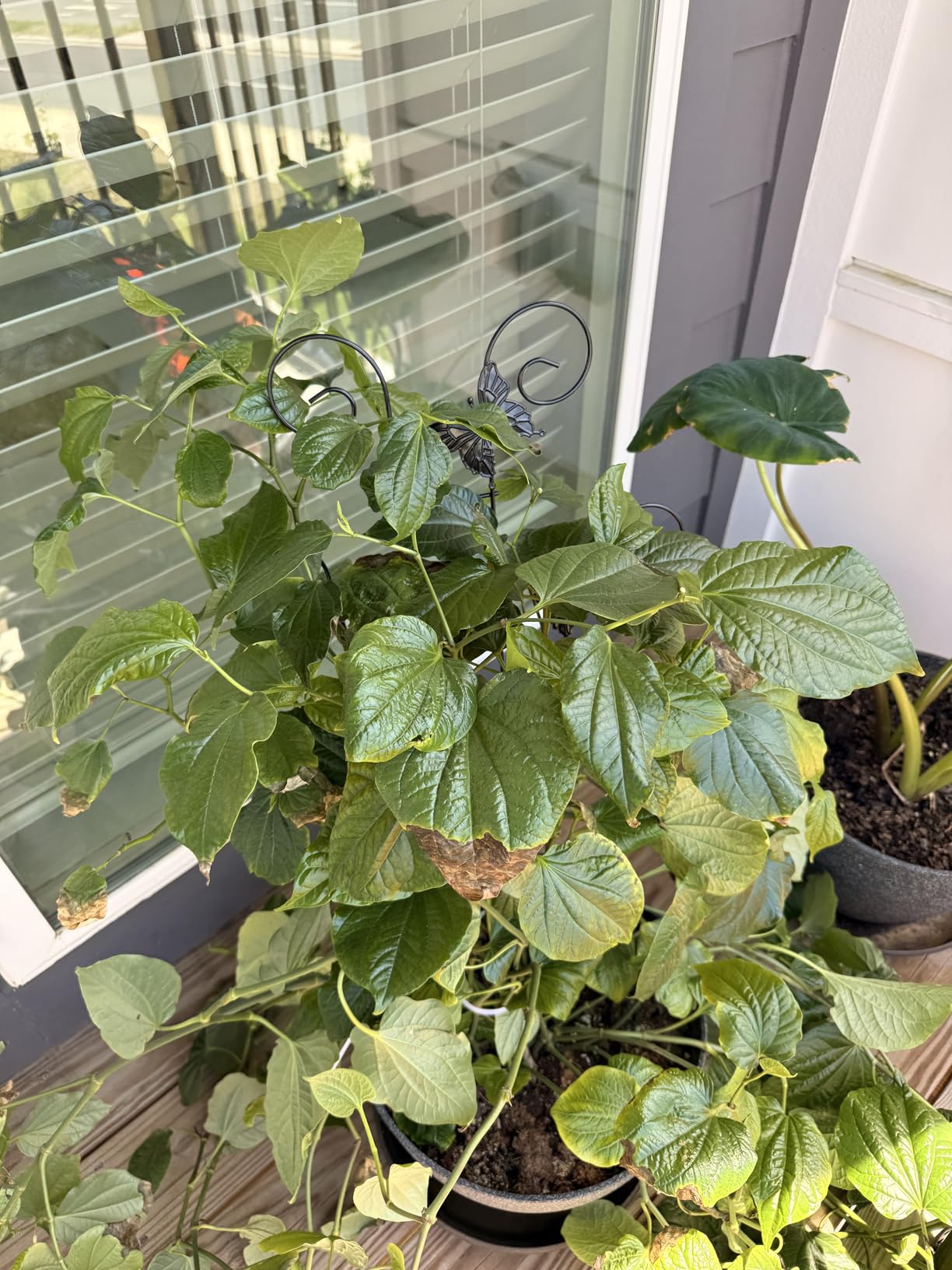
If you have ever lost a pothos to a sad bamboo stake, this is the upgrade. The JJSHUANL set comes as two 30 inch metal trellises that push into a pot in about 10 seconds and look like proper garden architecture rather than an afterthought. My mom uses them in her sunroom for jasmine, and I have one in a 10 inch pot supporting a monstera that finally stopped flopping over.
The powder-coated finish is genuinely rust-proof for indoor conditions. I left one outside on a covered porch for a full year and saw no oxidation. The hand-welded joints feel sturdy when you wiggle the frame. Each trellis can also disassemble to 15 inches for smaller starter pots, which is a thoughtful detail most competitors skip.
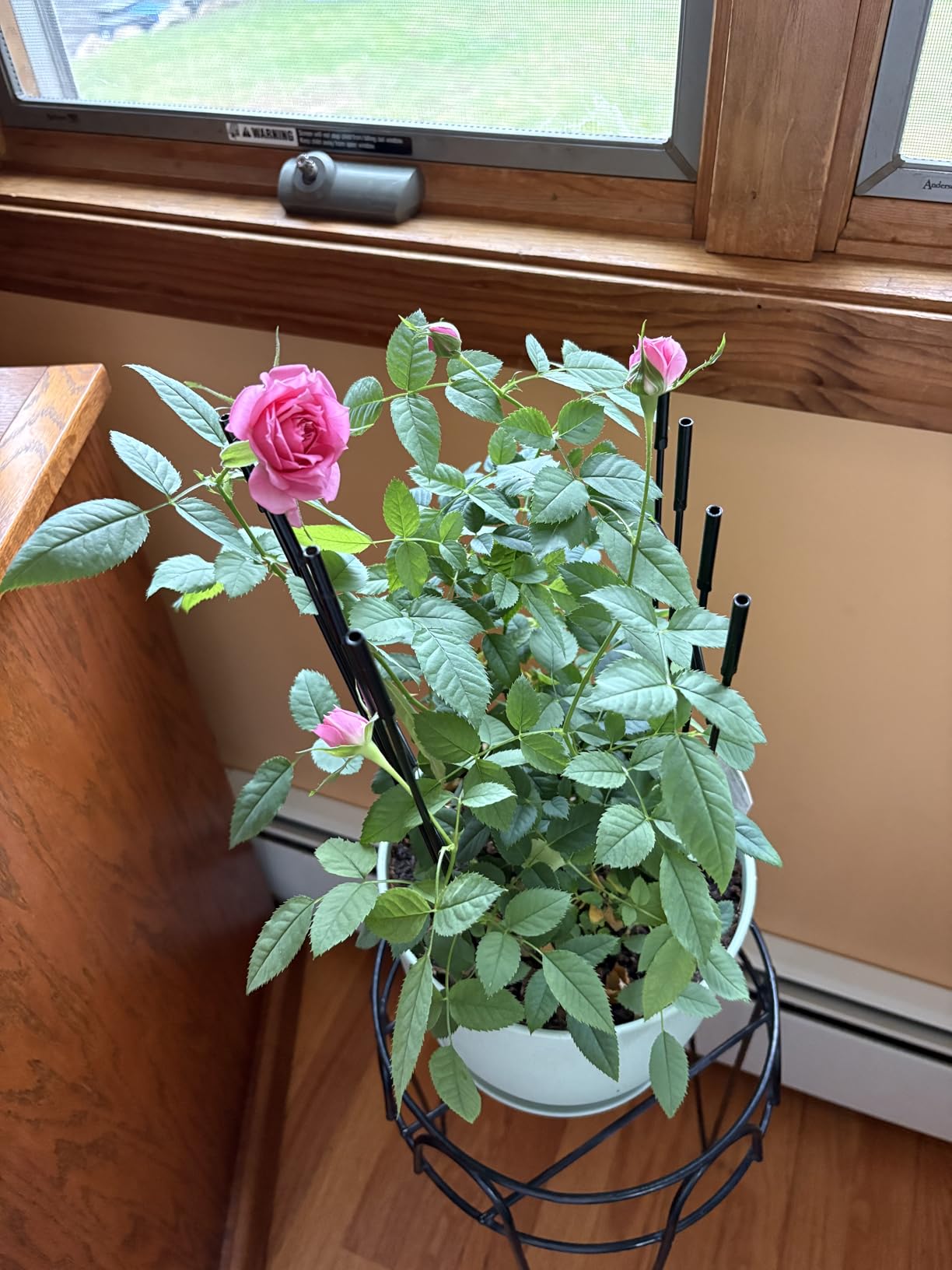
The honest limitation is weight. At 0.65 kilograms per piece, these are best in pots that already have decent soil mass. In a tiny 4 inch terracotta pot on a balcony, wind will knock them flat. Heavier crops like indeterminate tomatoes will pull them over. They are built for pothos, philodendron, small jasmine, and the kind of climbing houseplant that needs gentle guidance rather than industrial support.
For indoor gardeners, the value is hard to beat. A two-pack at this price typically costs less than a single competing trellis, and the patterns look intentional against most decor styles.
Who this trellis is good for
Apartment dwellers, indoor plant collectors, and anyone with a small patio who wants a decorative support for climbing houseplants and lightweight vines.
Who should skip it
If you are growing heavy vegetables outdoors, you need a thicker steel structure. Look at the LeJoy obelisk or the Macteyia panels for that.
4. Dura-Trel Cambridge Wall Mounted Vinyl Trellis – Best for Zero-Maintenance Walls
- Durable PVC with UV stabilizer
- Will not delaminate
- crack
- peel
- fade or discolor
- Easy to clean with hose
- 20-year manufacturer warranty
- Classic grid suits many garden styles
- Color-through material hides scratches
- Takes about 1 hour to assemble
- Some shipments may be missing parts
- Tools not included
- Smaller parts hide inside hollow poles
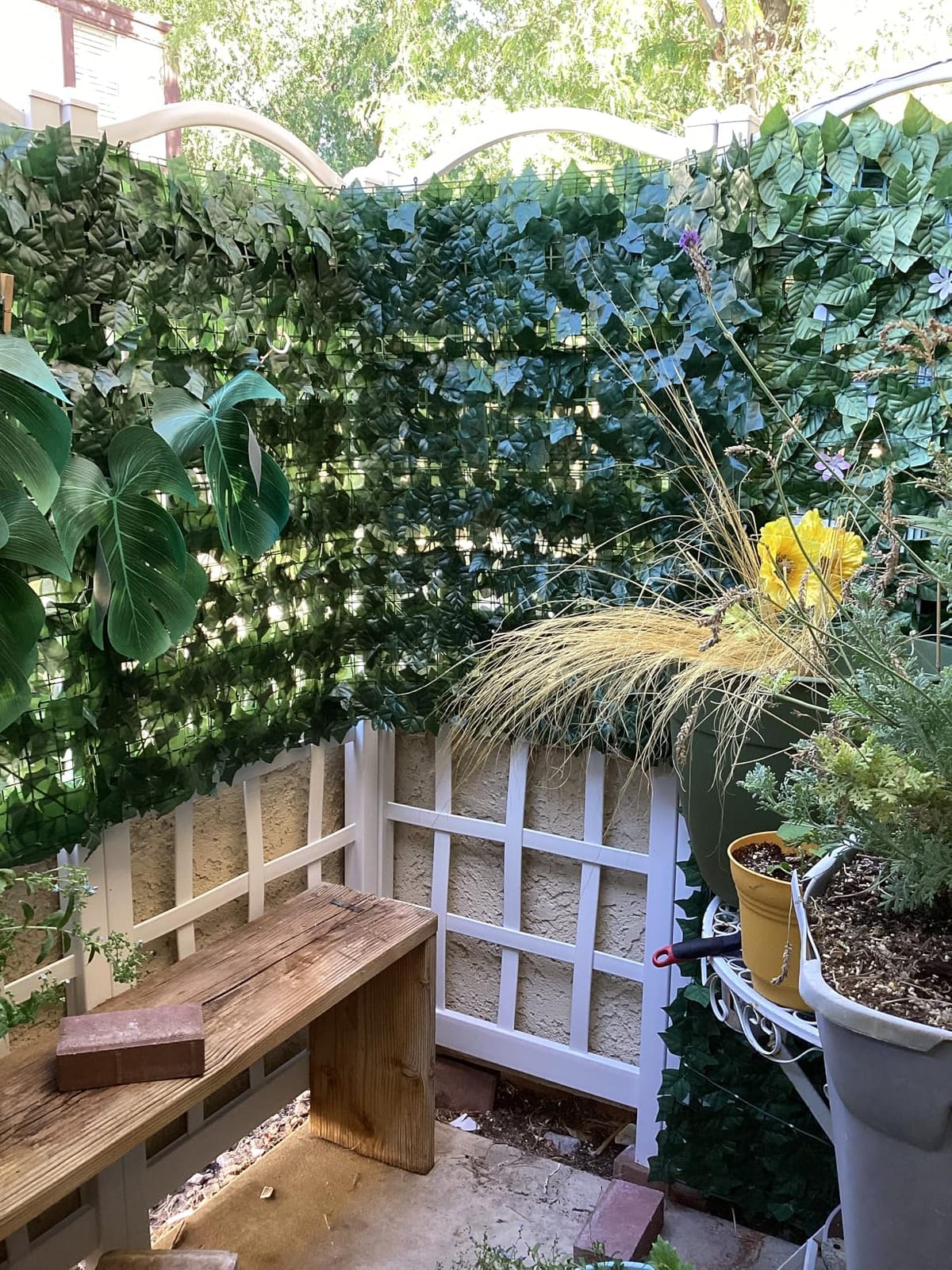
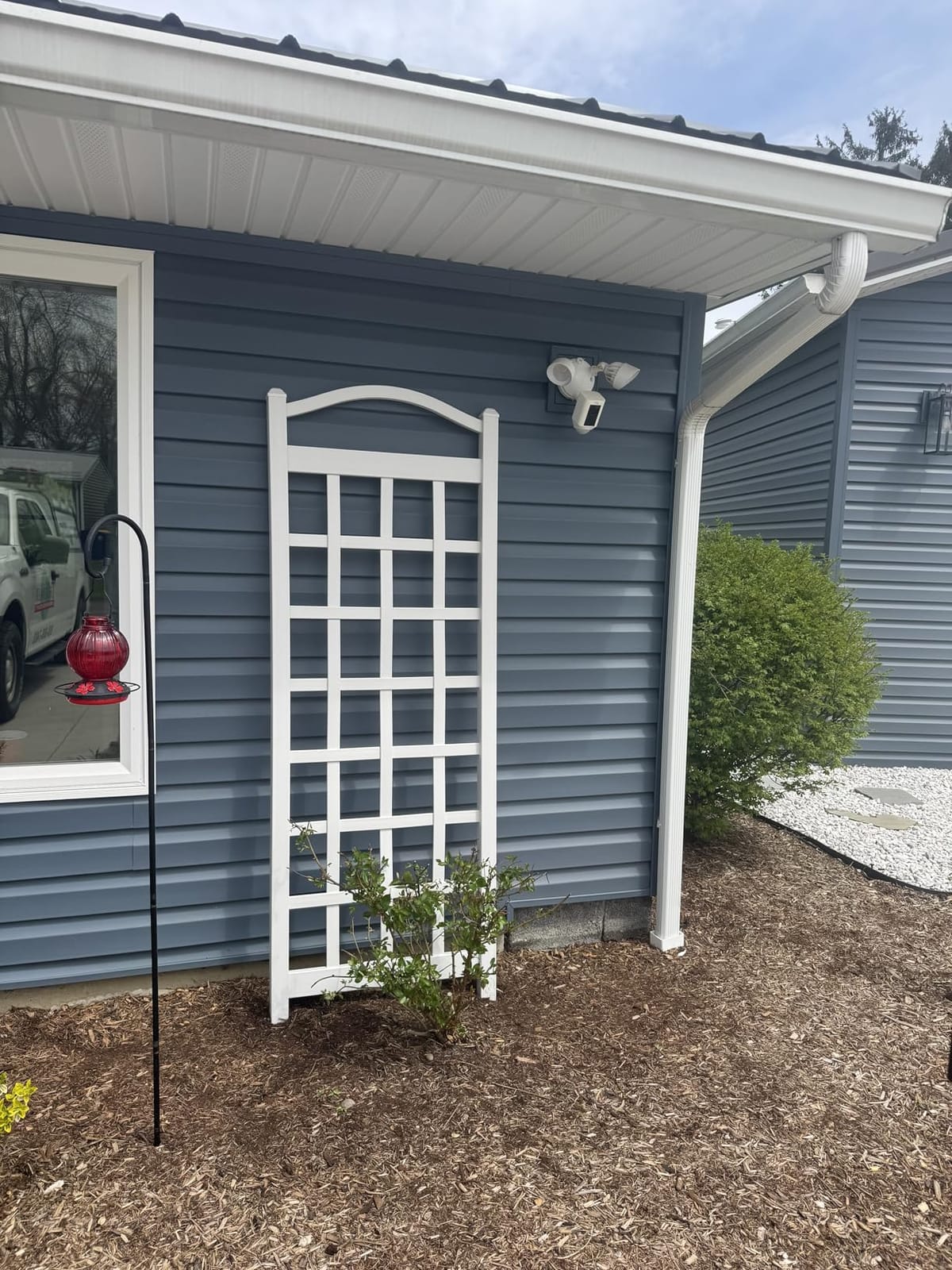
If you do not want to think about your trellis for the next two decades, buy the Dura-Trel Cambridge. The PVC body with built-in UV stabilizer is rated for 20 years of outdoor exposure without fading, cracking, or peeling. I have a smaller Dura-Trel panel on my garage wall that has survived New England winters, August humidity, and a pressure-washing incident I do not want to talk about. The color still matches the original sample.
At 28 inches wide and 75 inches tall, this is a substantial wall-mounted panel. The classic grid pattern is more architectural than decorative, which means it disappears behind climbing roses and stands cleanly visible behind bare vines in winter. White PVC reads almost like painted wood from across the yard without the maintenance headache.
Assembly is the only friction point. Plan for an hour and have a drill, a rubber mallet, and a spare set of hands nearby. The small fittings hide inside the hollow vertical poles and a few reviewers reported missing parts in their shipments. Order early in the week so you can chase replacements if needed rather than losing a weekend.
For coastal or humid climates where iron rusts within a season and wood mildews by year three, PVC is the right call. The 20-year warranty is the longest in this roundup and is the deciding factor for many buyers.
Who this trellis is good for
Homeowners with blank exterior walls, garage facades, or fence sections who want a permanent, no-maintenance trellis that matches painted trim.
Who should skip it
If you want a portable, stake-in-ground option for a raised bed, this is the wrong format. The Cambridge is wall-mounted and meant to stay put.
5. Macteyia 86.7 inch Metal Trellis – Best for Tall Climbing Roses and Wisteria
- Easy assembly with ground spike
- Includes plant tie tape and assembly screws
- Sturdy iron with corrosion-resistant coating
- 8.46 inch ground spike for stability
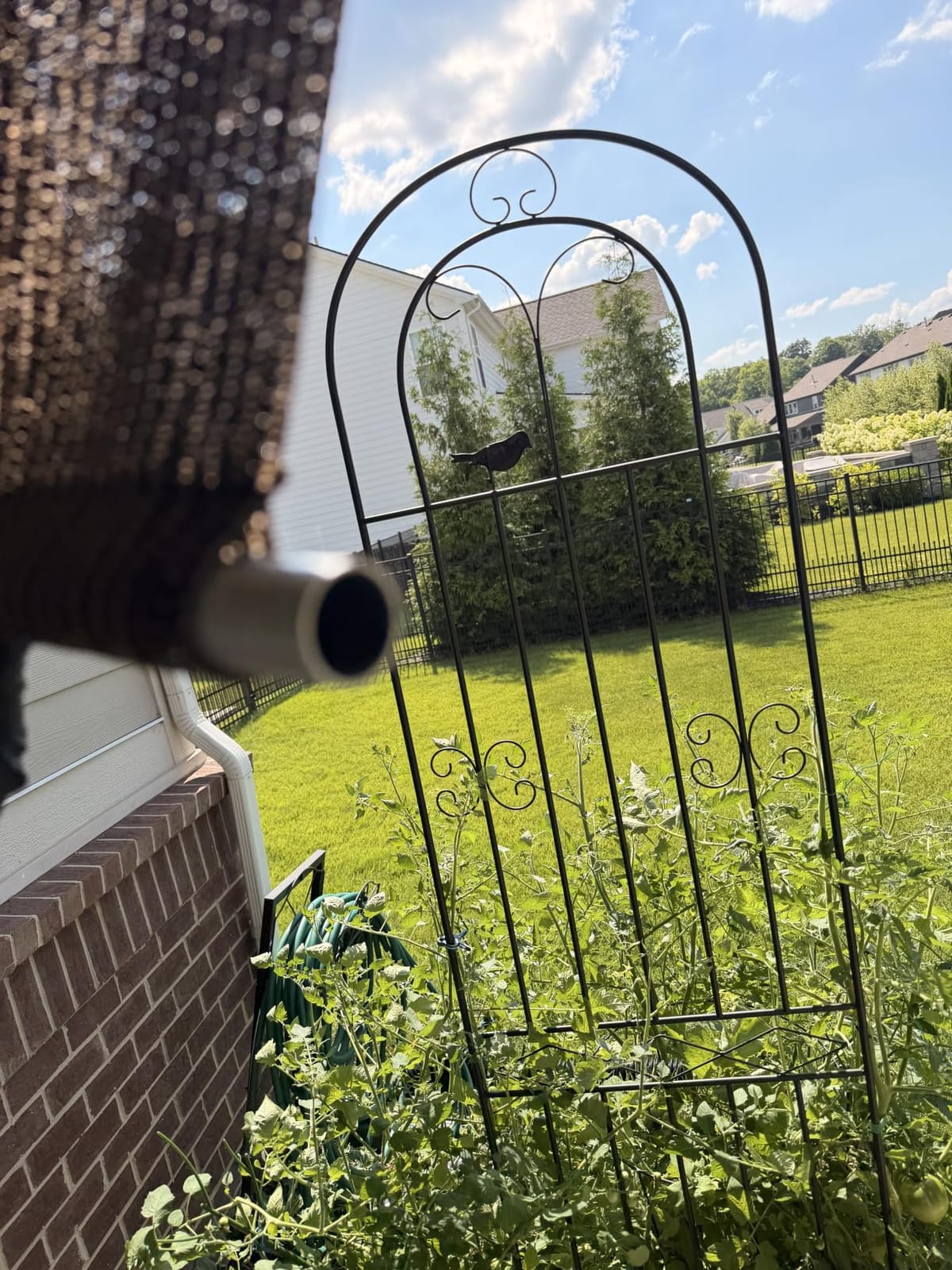
- Unique bird pattern detail
- Multi-purpose for roses and vegetables
- Available in 70.8 and 86.7 inch heights
- May begin to rust over time
- Some users find 70.8 inch too short to stake
- Heavier than expected at 12 lbs per set
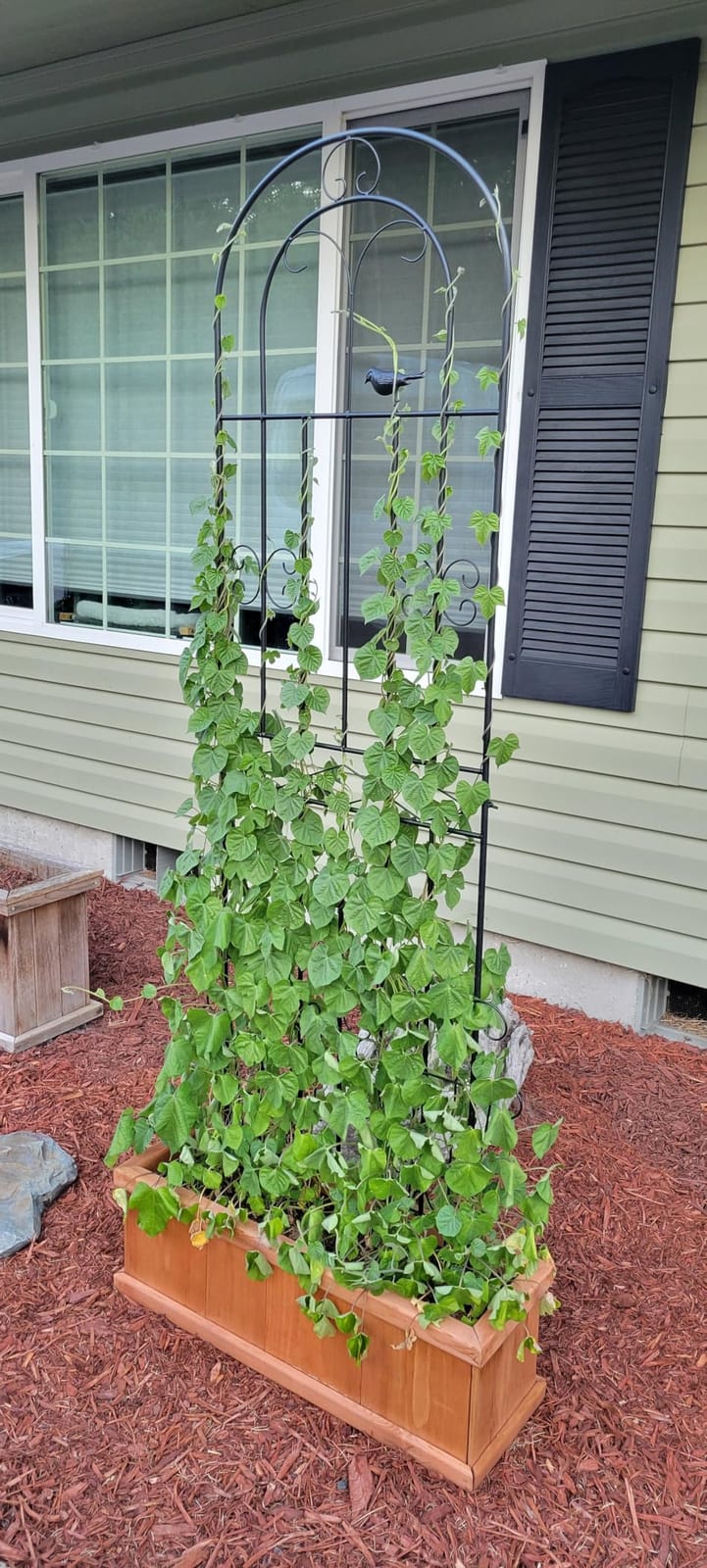
When I needed a trellis tall enough for a mature climbing rose that had outgrown two previous structures, the Macteyia 86.7 inch panels were the answer. At just over 7 feet, the panels clear most fence lines and give long-caned climbers like ‘Lady Banks’ or wisteria room to spread. The bird pattern detail in the upper third is a nice design touch that reads as intentional garden art rather than industrial grid.
The 8.46 inch ground spike is the part most buyers underestimate. It buries deep enough that even my August thunderstorms have not tipped the panels. The included plant tie tape and screws mean you have everything for setup. The 12 pound weight per pair is heavy enough to feel substantial but light enough for one person to install.
Two cautions from real use. The black powder coat is rated corrosion-resistant, but a few long-term reviewers report surface oxidation after two or three wet seasons. Touch-up paint solves it. And the 70.8 inch option may be too short to spike into ground that has not been pre-augered. Go with 86.7 unless you are mounting against a wall.
For gardeners who want statement height without permanent installation, this is the strongest premium option. The two-pack format also lets you create a screen or arch effect.
Who this trellis is good for
Anyone growing climbing roses, wisteria, or large jasmine on a fence line, plus gardeners who want a statement arch entrance to a vegetable bed.
Who should skip it
If your trellis needs to live against a wall in a windy area, the ground spike format is the wrong choice. Mount against the Dura-Trel Cambridge instead.
6. MQHUAYU U-Shape Cucumber Trellis – Best for Raised Bed Vegetables
- U-frame more stable than A-frame
- Stainless steel core with plastic coating
- Easy assembly with cross-shaped connectors
- Adjustable height and length
- Includes 20 garden clips
- 100 leaf ties
- twist tie and netting
- Great for cucumbers
- peas
- beans
- tomatoes
- flowers
- Can be flimsy when joints loosen
- Not for heavy crops like squash or large tomatoes
- Netting can be difficult to keep straight
- Some shipments may be missing pieces
- Requires strength to snap connections
The MQHUAYU U-shape design solved a problem I had not realized I had. A-frame trellises only let you plant on one side. The U-shape lets me run a row of cucumbers down the inside of one of my 4 by 8 raised beds and climb vines up both sides of the same structure. That doubled my usable growing space without expanding the bed footprint.
The plastic-coated stainless steel core is rustproof and plant-safe, meaning no chemical leaching into the soil. The included accessory kit is generous: 20 garden clips, 100 leaf ties, twist tie, and a roll of trellis netting. That kit alone is worth a chunk of the price.
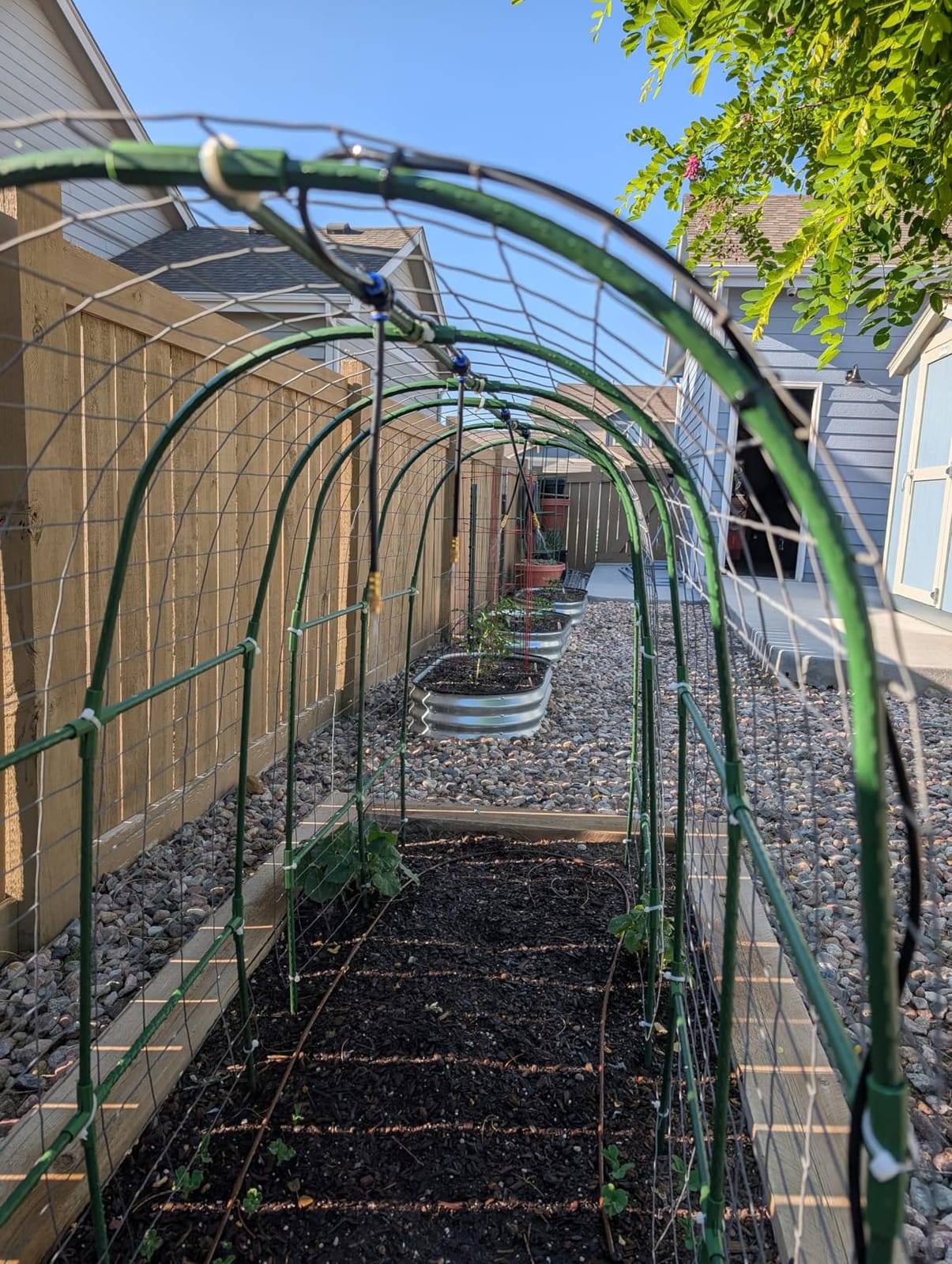
The honest trade-off is structural rigidity. The cross-shaped connectors snap together but can loosen if you move the frame once planted. Two of my best-grown beds have had this trellis planted in the same spot for two seasons without a wobble. Gardeners who reposition their trellises yearly should look at welded options.
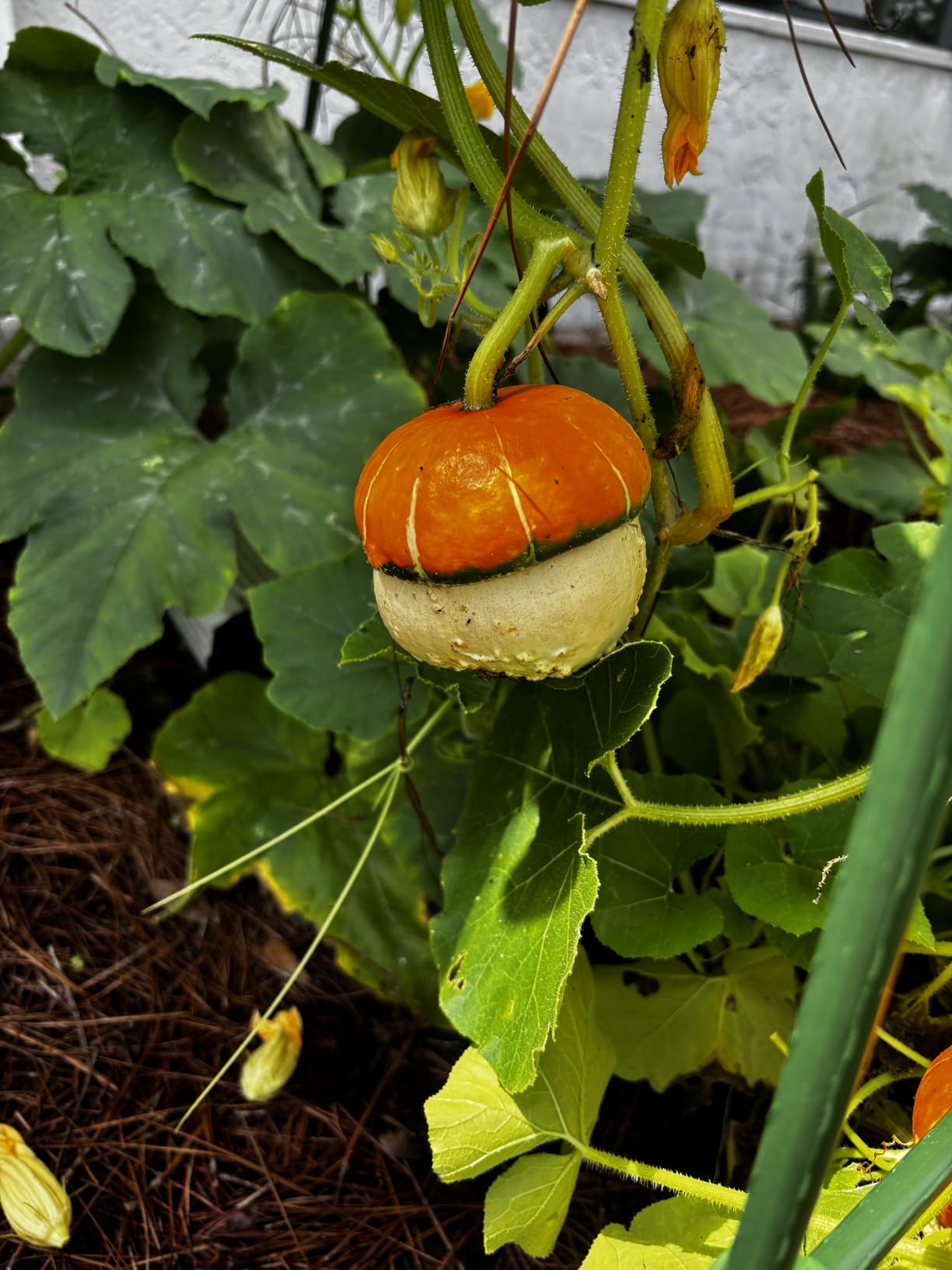
This is also not the trellis for butternut squash, large pumpkins, or heavy indeterminate tomatoes. It is engineered for cucumbers, peas, light beans, and small flowering vines. Match the tool to the crop weight.
Who this trellis is good for
Raised bed gardeners who want a single structure that supports crops on both sides. Cucumber and snap pea growers will appreciate the included netting and clips.
Who should skip it
If you grow heavy crops like winter squash or gourds, the plastic-coated steel will not hold the weight. Use the Vego-style cattle panel method instead.
7. Adorox 7.8ft Garden Arch Trellis – Best for Event Decor and Light Vines
- Quick and easy assembly with labeled parts
- Multipurpose backdrop for parties and weddings
- Supports up to 20 lbs of decorations
- Affordable arch option
- Sturdy enough for temporary outdoor use
- Available in black and white
- Lightweight and flimsy without anchoring
- Metal rods get hot in direct sun
- Not suitable for heavy vining crops
- Requires significant anchoring for wind
The Adorox arch was my sister’s pick for her outdoor wedding ceremony last summer. At 7.8 feet tall and 6.4 feet wide when assembled, it made a striking entrance for the aisle. Setup took two of us about 40 minutes, including the labeled hardware and the instruction sheet that actually made sense.
For light-duty garden use, the arch works for morning glories, sweet peas, and climbing nasturtiums that will not load the structure with weight. Photographers love it for engagement shoots and baby showers. The 20 pound load rating is enough for fabric drapes, string lights, and floral garlands.

Be careful with expectations. This is not a heavy-duty garden arch. The metal rods get hot in direct sun and stay hot, which is fine for photos but uncomfortable if you brush against them. The arch needs serious anchoring with ground stakes, weighted bases, or sandbags to handle wind. A few reviewers report it tipping in moderate storms without proper tie-downs.
If you want a true year-round garden arch for heavy wisteria or grapevines, spend more on a steel or wrought-iron arbor. For event decor and lightweight vines, the price is right.

Who this trellis is good for
Couples planning outdoor weddings, party hosts, and gardeners who want a temporary arch for light flowering vines in a single season.
Who should skip it
If you want a permanent garden feature that survives years of weather and heavy crops, this arch is not engineered for that workload.
8. Landgarden Expandable Willow Trellis – Best for Rustic Privacy Screens
- Made of 100% real willow with thick sticks
- Expandable design allows custom sizing
- Multi-use as fence
- divider
- or expandable door
- Easy installation with riveted connections
- Great for DIY decoration with string lights
- Adds natural rustic charm
- Some units arrive with broken willow sections
- Quality inconsistency between batches
- Packaging box leads to rattling in shipping
- Not for very heavy plants
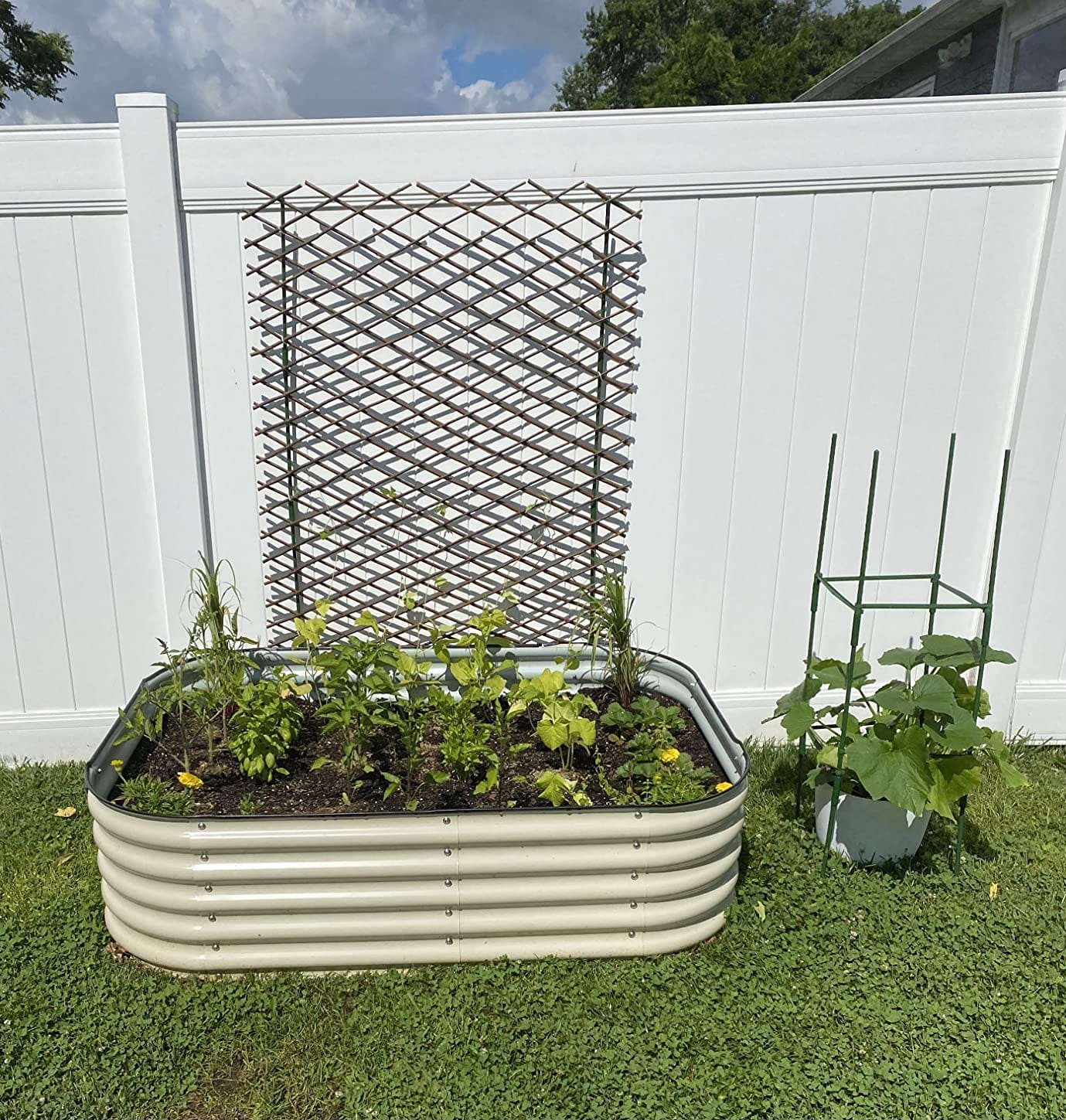
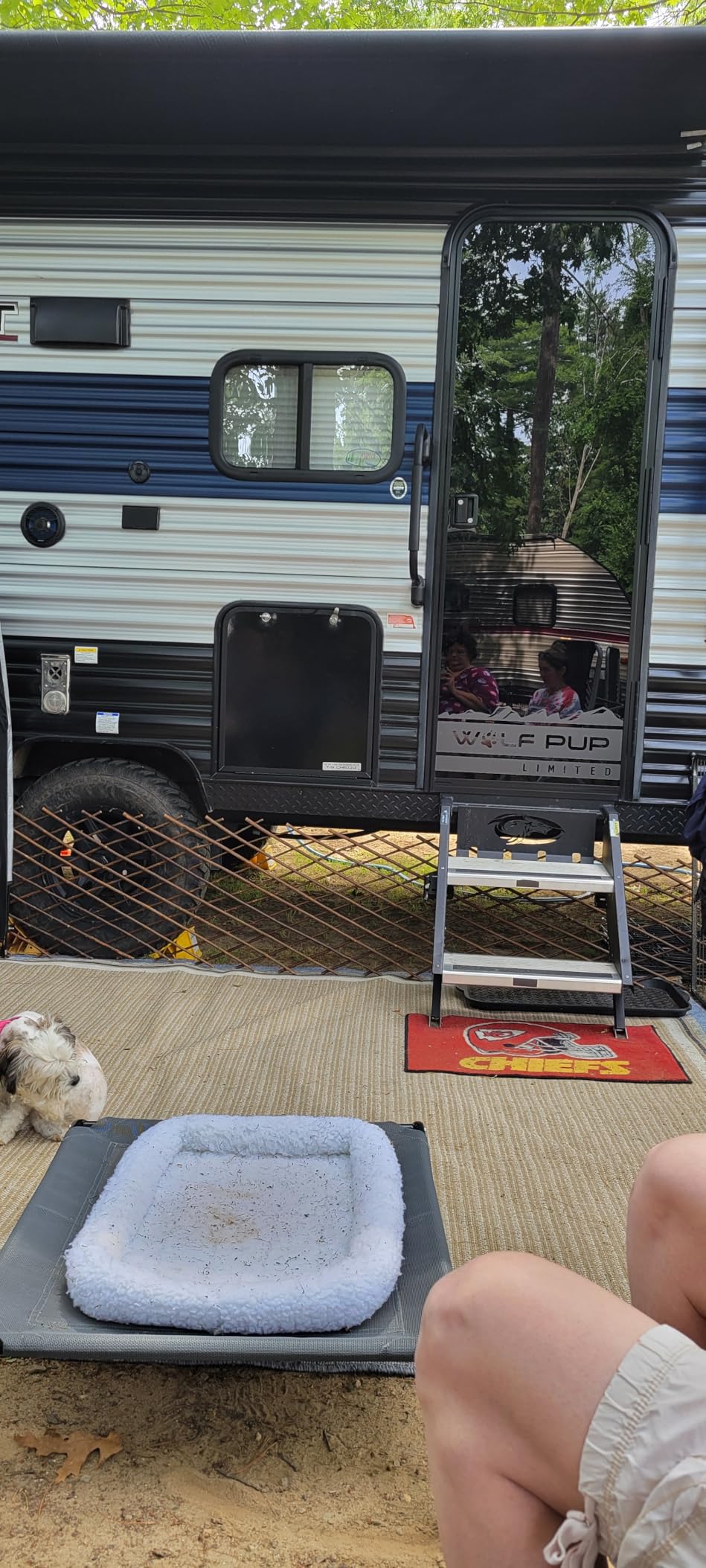
The Landgarden expandable willow trellis solved my patio privacy problem without making me build a fence. I stretched two panels across my outdoor dining nook, wrapped them with warm string lights, and let clematis ‘Sweet Autumn’ weave through the gaps. Three months later, the space felt like an outdoor room.
Made from real willow with sticks between one-quarter and three-eighths inch thick, the lattice expands from 11 by 47 inches closed to 22 by 120 inches fully open. The riveted connections hold their shape, and the natural color reads beautifully against both wood and stone patios. Gardeners who love cottage-core or farmhouse aesthetics will appreciate the texture.
Two realities from use. Quality control is inconsistent. About one in eight units ship with a broken willow section or staples that have loosened. Plan to keep a small bundle of garden twine and a hot glue gun nearby for repairs. The packaging box is oversized, which means sticks rattle during shipping. If your order arrives with damage, contact the seller immediately.
For structural plant support, the willow lattice is best for lightweight climbers. Heavy grapevines or large climbing roses will pull the connections loose over time. For privacy screening and decorative use, it is hard to beat the price.
Who this trellis is good for
Patio decorators, cottage garden lovers, and anyone wanting a rustic privacy screen that doubles as string light support.
Who should skip it
If you need a structural plant support for heavy vines, look at welded metal options. Willow is decorative first, supportive second.
9. Sumery Expandable Willow Trellis – Best Budget Decorative Option
- Made of natural willow wicker for authentic look
- Expandable design adjusts to multiple sizes
- Multi-use as fence
- divider
- climbing support
- Strong riveted connection points
- Natural color and 100% handmade
- Great for wrapping LED string lights
- Material may not always be true willow
- Limited long-term consensus
- Less structural support than rigid metal
Both use real willow with riveted connections, both expand from a compact 11 by 47 inches to a sprawling 22 by 120 inches, and both look beautiful under string lights at dusk.
I tested the Sumery on my back porch as a divider between my herb planters and the rest of the yard. The handmade character is visible in every stick, which adds the kind of irregular charm that mass-produced fencing cannot match. For seasonal decor, the value is hard to beat.
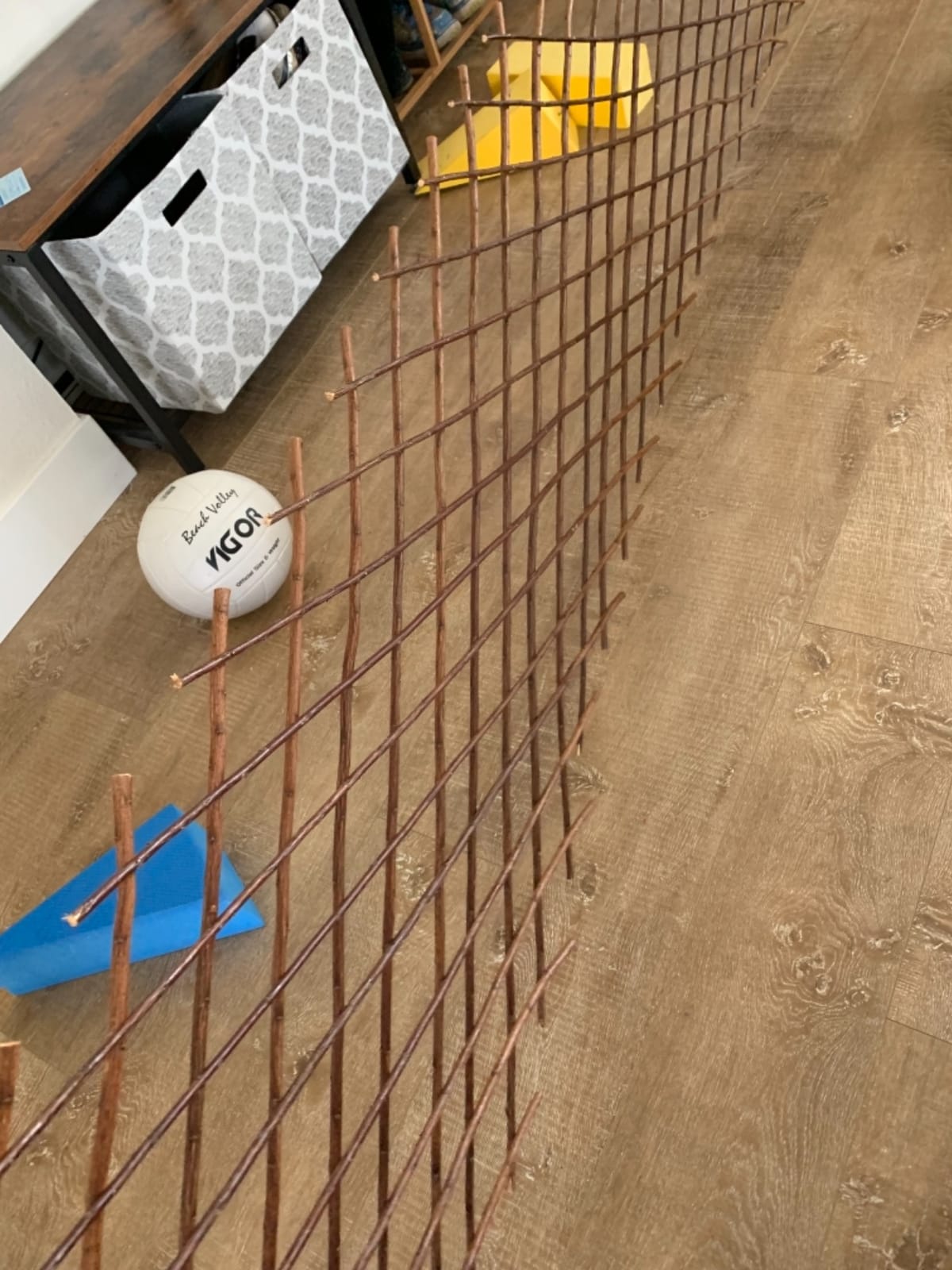
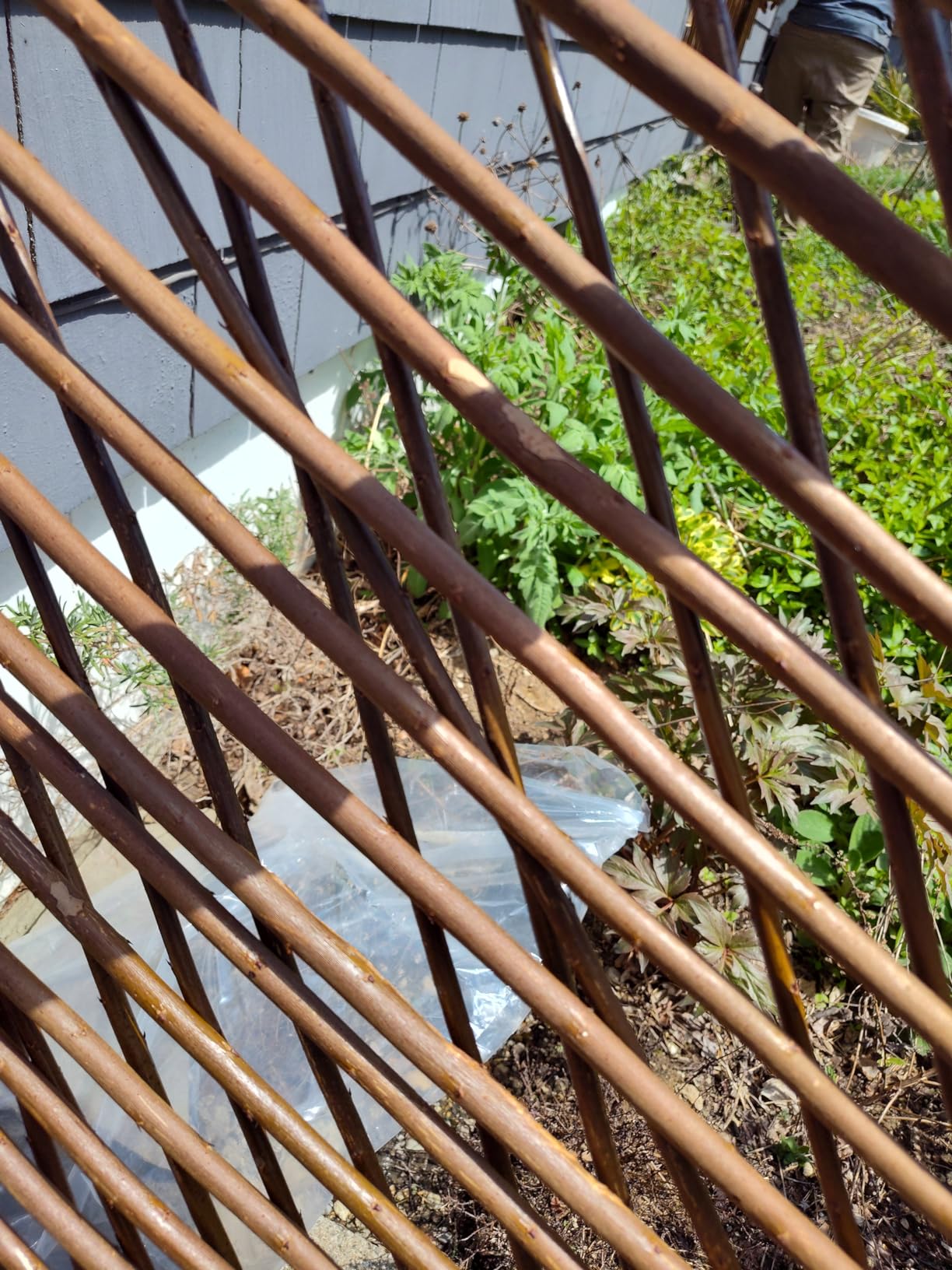
The honest reviews call out that some units ship with standard wood sticks rather than true willow. The visual difference is minimal, and the structure still works, but if you specifically need real willow for an authentic look, inspect on arrival. For decorative and privacy use, the material identity is mostly cosmetic.
The riveted joints hold shape well, but like all willow lattice, this is a decorative product first. Heavy vine crops will eventually loosen the rivets. Save it for morning glories, sweet peas, and lightweight flowering vines.
Who this trellis is good for
Budget-focused gardeners who want a decorative trellis or privacy screen for a single growing season. String light enthusiasts will love the texture.
Who should skip it
If you need a long-term structural support for heavy vines or want absolute material consistency, choose a welded metal or vinyl option instead.
10. LZRS Rustic Iron Arch Trellis – Best for Decorative Arched Entryways
- Premium quality thick metal wire construction
- Rust-proof black powder coating for outdoor use
- Elegant hook design with adjustable angles
- Effortless installation with screws
- Includes 2 panels for side-by-side coverage
- Multi-use for roses
- ivy
- clematis
- jasmine
- cucumbers
- vines
- Multiple size and color variants
- Limited long-term feedback with fewer reviews
- Higher price point than comparable alternatives
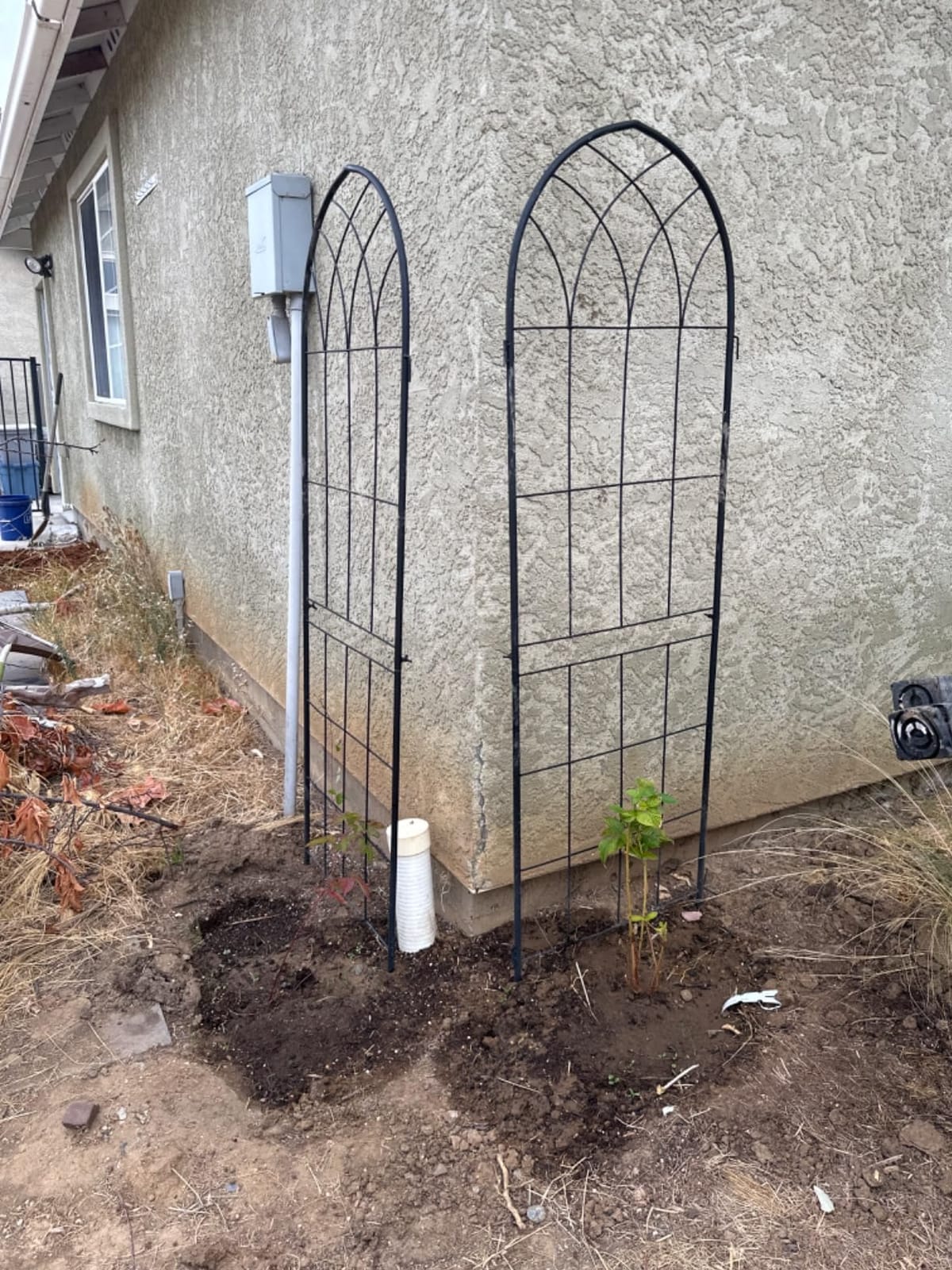
The LZRS arch trellis gave my front walkway a focal point without the cost of a wrought-iron custom build. Two arched panels at 71 by 40 inches each sit side-by-side to form a continuous arch, with adjustable hooks that let me tweak the angle to match the slight slope of my garden path.
The thick metal wire construction feels heavier than the price suggests, and the rust-proof black powder coating matches both modern farmhouse and traditional garden styles. I have climbing roses started on each side and the structure looks like it has been there for years.
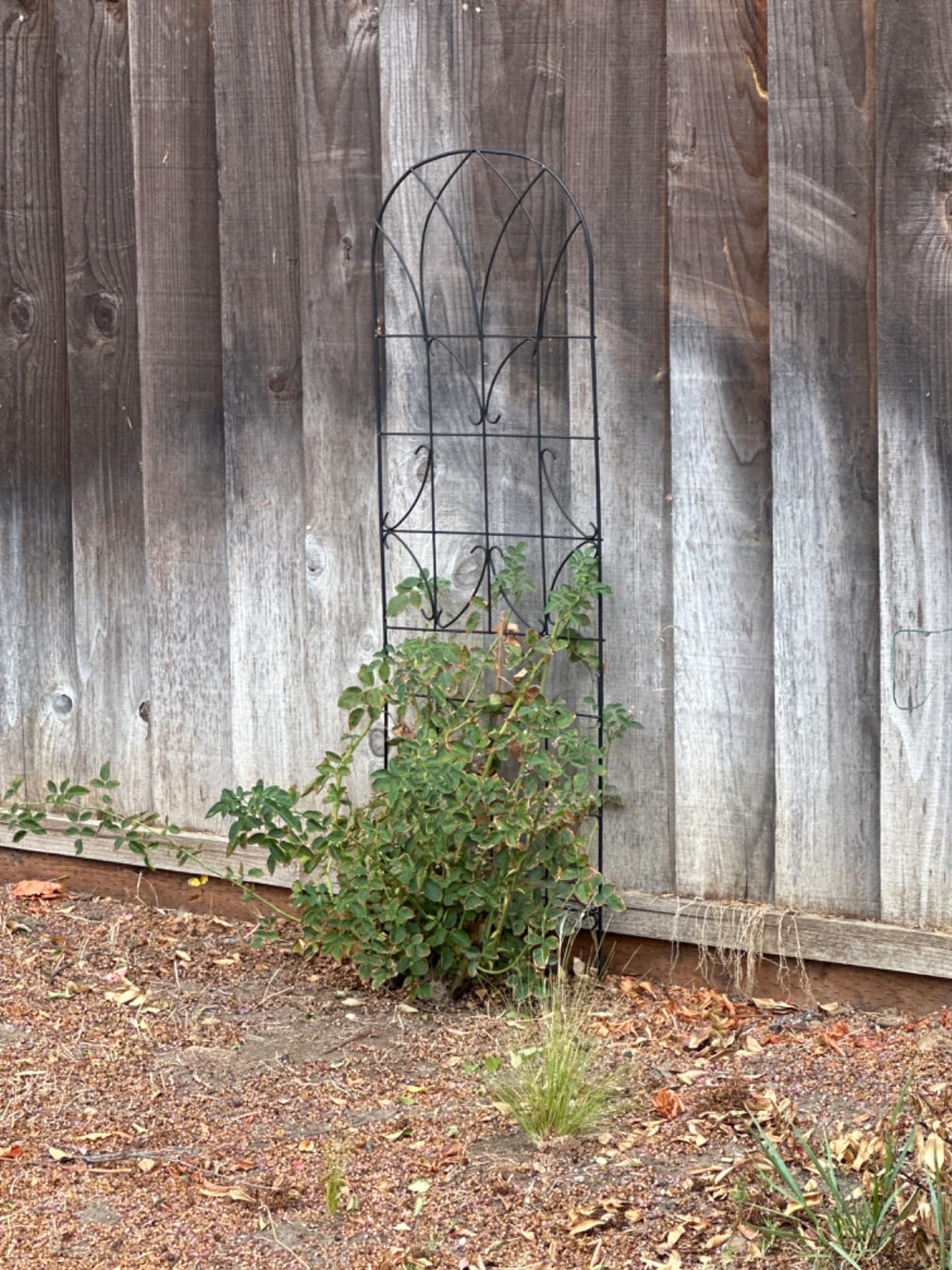
Two notes from real buyers. The review count is lower than the Amagabeli or Macteyia options, so long-term durability data is still building. The price is also higher per panel than some competing arches. You are paying for the elegant hook design and the 2-panel stability.
For gardeners who want a designer look without commissioning custom metalwork, this is a solid middle ground. Pair it with the portable garden buildings guide if you are planning a full courtyard refresh.
Who this trellis is good for
Garden designers, homeowners with formal walkways, and anyone wanting a permanent arch accent that combines structure and style.
Who should skip it
Budget-focused gardeners will find better value in the Landgarden or Sumery willow panels. This arch is for buyers prioritizing design over price.
How to Choose the Right Garden Trellis for Your Space
Choosing the best garden trellis comes down to four decisions: material, style, height, and anchoring. Get all four right and the structure will outlast multiple growing seasons. Get any of them wrong and you will be pulling a toppled obelisk out of your tomato patch after the first storm.
Material Comparison: Iron, Vinyl, Steel, and Willow
Powder-coated iron is the most popular trellis material for good reason. It holds heavy vines, ages gracefully, and the rustproof coating lasts 5 to 10 years outdoors before needing touch-up paint. The Amagabeli and Macteyia picks in this roundup are both iron. Vinyl PVC is the zero-maintenance choice. The Dura-Trel Cambridge carries a 20-year warranty and never needs sealing, painting, or sanding, which makes it ideal for humid coastal climates. Welded steel with thicker tubing is the heavy-duty option for tomatoes and grapevines. The LeJoy obelisk uses 16 millimeter tubing, which is 23 percent thicker than the standard 13 millimeter on most competitors. Willow and natural wood are decorative first, structural second. They look beautiful in cottage gardens but will not hold heavy crops for multiple seasons.
Style Guide: Obelisk, A-Frame, Panel, Wall-Mount, and Arch
Obelisk trellises are vertical towers that work in containers and raised beds. They make a strong focal point for a single tomato plant or a tower of pole beans. A-frame and U-frame trellises straddle a row, letting you plant on both sides of the structure. They are the most efficient use of raised bed space. Panel trellises are flat and versatile. They work against walls, fences, or as standalone screens. The Landgarden and Sumery willow panels are good examples. Wall-mounted trellises like the Dura-Trel Cambridge stay put for decades and handle heavy roses or espalier fruit. Arch trellises create walk-through focal points and entryways. The LZRS and Adorox options cover the budget and premium ends of this category.
Trellis Height by Crop: A Quick Reference
Cucumbers do best at 5 to 6 feet. Tall enough to keep fruit straight and clean, short enough to harvest from the top without a ladder. Indeterminate tomatoes want 6 to 7 feet of vertical room. Pole beans hit their stride at 6 to 8 feet. Peas only need 3 to 4 feet since they finish early. Winter squash and small pumpkins need 7 feet or more because the vines run long before fruiting. Climbing roses and wisteria want 7 to 8 feet for mature caning. Clematis tolerates almost any height but looks best between 5 and 7 feet where the blooms display at eye level.
Anchoring and Stability in Wind
Forums are full of complaints about freestanding trellises tipping in moderate wind. After two summers of trial and error, the rules are simple. Stake-style trellises need 8 inches or more of spike buried underground. The Macteyia 8.46 inch ground spike is the gold standard. Container trellises need a heavy pot with at least 3 to 4 gallons of soil mass to anchor them. Obelisks planted in small pots will tip the moment a vine catches wind. Wall-mounted panels are the most stable option by far. If your site is exposed, choose a wall-mount or build a wooden A-frame with diagonal braces. For arched trellises, weighted bases, guy-wires, or anchoring into a wood frame are non-negotiable. The Adorox arch looks elegant but is genuinely unsafe in wind without tie-downs.
Climate Considerations for Material Choice
Humid coastal climates punish iron trellises. Salt air accelerates oxidation even on powder-coated finishes, so choose vinyl or stainless steel with plastic coating. Cold northern climates with heavy snow loads need rigid steel or vinyl. Wood and willow will eventually crack and split through freeze-thaw cycles. Hot dry climates like the Southwest work well with iron since low humidity limits rust. Vinyl can soften in extreme heat, so dark-colored iron is the better choice. For gardens with four-season weather, vinyl is the lowest-risk long-term option. The 20-year warranty on the Dura-Trel Cambridge exists because the material is genuinely built to last that long.
Build vs Buy: The Real Cost Comparison
Building your own cattle panel trellis costs around 30 to 50 dollars for materials and a Saturday of work. It will hold heavy crops, but it looks industrial and needs a wooden frame to look intentional. Buying a quality pre-made trellis costs more upfront but arrives finished, often powder-coated, and with a warranty. For gardeners who value time and aesthetics, the buy path usually wins. For vegetable gardeners on a budget with a workshop, the build path is unbeatable for function. The hybrid approach that many home gardeners settle on is buying decorative trellises for the visible parts of the yard and DIY-ing the heavy-duty vegetable supports in the back.
Plant Pairing Cheat Sheet
Match the trellis style to the way each plant climbs. Twining stems like pole beans and morning glories need thin vertical or horizontal members they can wrap around. The Amagabeli scrollwork is ideal. Tendril climbers like cucumbers, peas, and sweet peas need narrow wire or netting they can grip. The MQHUAYU trellis netting is purpose-built for this. Clinging stems like climbing hydrangea and English ivy need rough wall surfaces and will not grip smooth vinyl. Adhesive pads on the Dura-Trel Cambridge limit clinging plants. Roses and clematis do not climb on their own and need to be tied. The Macteyia or LZRS panels give you anchor points every few inches for soft plant ties.
Frequently Asked Questions
What is the best type of trellis?
The best type of trellis depends on what you grow. For climbing vegetables like cucumbers and pole beans, A-frame or U-frame trellises with netting give tendrils something to grip. For flowering vines and roses, powder-coated iron panels or obelisks combine strength with visual appeal. For low-maintenance long-term installations, PVC vinyl wall-mounted trellises like the Dura-Trel Cambridge carry 20-year warranties and never need painting.
What is the best height for a cucumber trellis?
The best height for a cucumber trellis is 5 to 6 feet. That height keeps fruit straight and clean off the soil and stays within easy reach for harvesting without a ladder. Shorter trellises around 4 feet cause vines to flop over once fruit weight sets in. Taller options above 6 feet make the top harvest difficult. The MQHUAYU U-shape at 47 inches works for casual growers, while the LeJoy obelisk at 5.5 feet suits gardeners with heavier yields.
Is it cheaper to build or buy a trellis?
Building a DIY cattle panel trellis costs around 30 to 50 dollars in materials and a Saturday of work, but the look is industrial without a wooden frame. Buying a quality pre-made trellis costs more upfront yet arrives finished, powder-coated, and ready to install with a manufacturer warranty. For gardeners who value aesthetics and time, buying wins. For vegetable growers on a tight budget with a workshop, building gives the best function-per-dollar.
What is the best trellis for a raised garden bed?
A-frame or U-frame trellises are the best trellis for raised garden beds because they straddle a row and let you plant on both sides. The MQHUAYU U-shape includes netting, clips, and ties purpose-built for raised bed vegetable growing. Obelisks like the LeJoy Garden work well for single tomato plants or pole bean towers inside a 4 by 4 bed. Wall-mounted options are not practical for raised beds since the bed itself provides the vertical anchor.
How do you anchor a freestanding trellis in wind?
Anchor a freestanding trellis by burying its ground spike at least 8 inches deep, using a heavy container with 3 to 4 gallons of soil mass, or attaching guy-wires to nearby stakes. The Macteyia panel includes an 8.46 inch ground spike that buries deep enough for most storms. Arch trellises like the Adorox need weighted bases plus tie-downs to handle wind. Wall-mounted panels are the most stable choice overall since they transfer wind load directly to the structure behind them.
Final Verdict: Which Garden Trellis Should You Buy?
After two summers and ten structures, the Amagabeli 2 Pack Garden Trellis remains our editor’s choice for the best garden trellises overall. It combines the no-assembly convenience gardeners actually want, the rustproof iron construction that survives real weather, and the scrollwork detail that earns compliments from neighbors. With 6,317 reviews averaging 4.6 stars, it is also the most battle-tested pick in this roundup.
For gardeners who want heavy-duty steel to anchor indeterminate tomatoes, the LeJoy Garden Obelisk is the best value. For indoor and small-space growers, the JJSHUANL 2 Pack is the budget pick that does not feel cheap. Whichever of the best garden trellises you choose from this list, match the material and height to the plants you actually want to grow, anchor it properly, and your harvest will thank you by August.