
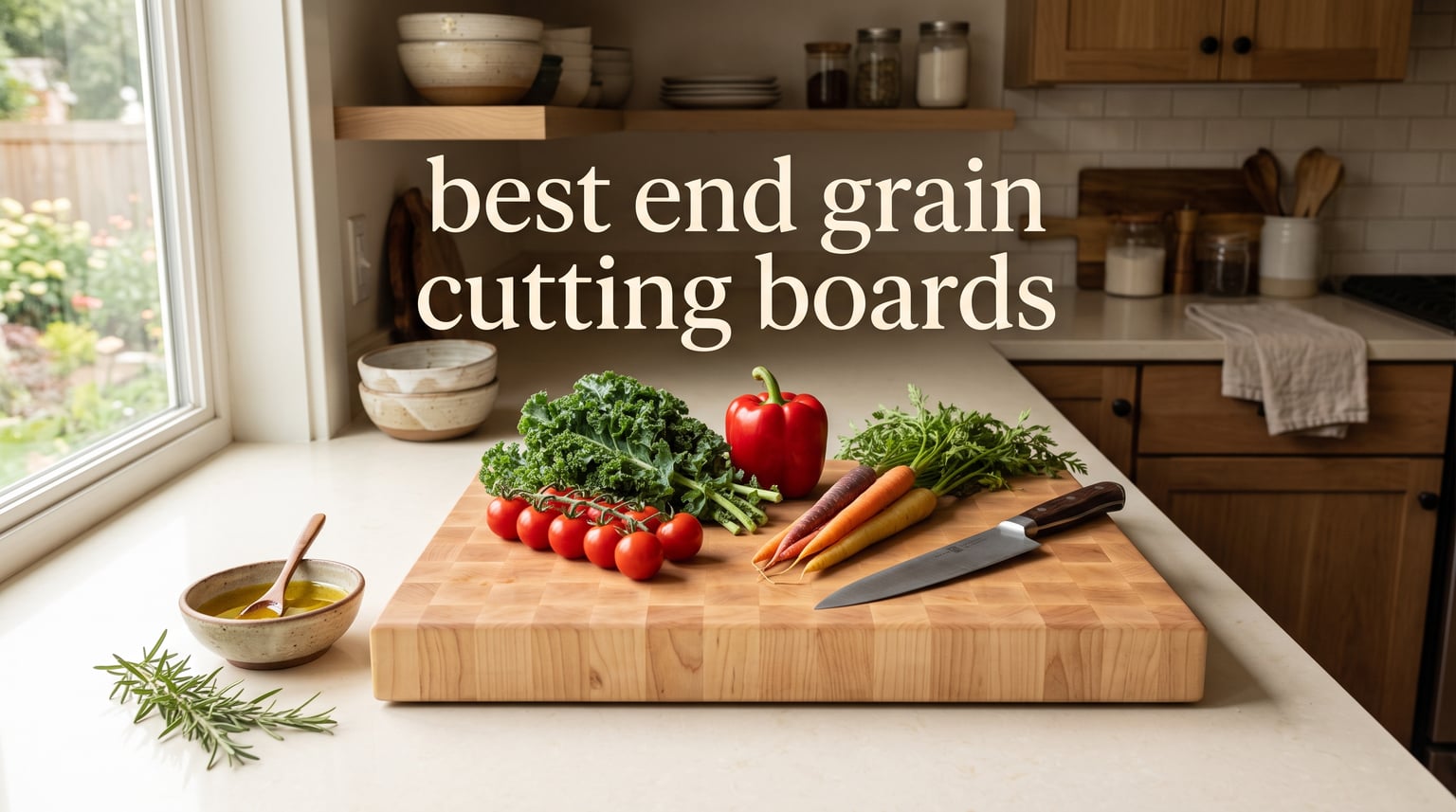
When I set out to refresh our kitchen earlier this year, I realized my old plastic cutting boards had to go. They had scratches so deep I could not scrub them clean, and my favorite chef’s knife was losing its edge faster than ever. That is when I started searching for the best end grain cutting boards, and I have been hooked on them ever since. End grain boards feel different the moment you set a knife on them. The surface is softer, almost forgiving, and the wood quietly absorbs each cut instead of fighting back.
End grain construction means the wood fibers stand upright, like the end of a log, rather than running lengthwise. When your knife meets that surface, the edge slides between the fibers instead of slicing across them. The fibers then close back up behind the blade, which is why these boards are called self-healing. They hide knife marks, protect your blade edge, and last for years when treated properly.
I spent six weeks cooking on, oiling, and photographing eight different end grain boards for this roundup. Some came from heritage American workshops, others from smaller makers using gorgeous imported hardwoods. Each one earned its spot here for a different reason. Whether you want a daily workhorse or a beautiful serving piece that doubles as decor, there is something on this list for your kitchen.
Table of Contents
Top 3 Picks at a Glance

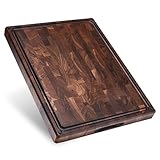
Sonder Los Angeles Alfred Walnut
- American black walnut
- Juice groove
- Sorting compartments
- Made in USA

All 8 End Grain Cutting Boards Compared (2026)
| Product | Specifications | Action |
|---|---|---|
| The Boardsmith Maple End Grain |
|
Check Latest Price |
| Sonder Los Angeles Alfred Walnut |
|
Check Latest Price |
| Bevel & Bond Maple End Grain |
|
Check Latest Price |
 John Boos CCB Maple John Boos CCB Maple |
|
Check Latest Price |
 Ironwood Gourmet Acacia 3 inch Ironwood Gourmet Acacia 3 inch |
|
Check Latest Price |
 SHUMARU Mahogany End Grain SHUMARU Mahogany End Grain |
|
Check Latest Price |
 Ironwood Gourmet Charleston End Grain Ironwood Gourmet Charleston End Grain |
|
Check Latest Price |
 Ironwood Gourmet Charleston with Juice Channel Ironwood Gourmet Charleston with Juice Channel |
|
Check Latest Price |
1. The Boardsmith Maple End Grain – Premium Pick for Serious Home Cooks
- Premium maple hardwood craftsmanship
- Sustainably sourced materials
- Non-slip feet for stability
- Food-safe mineral oil and beeswax finish
- Made in Texas USA
- Premium price point
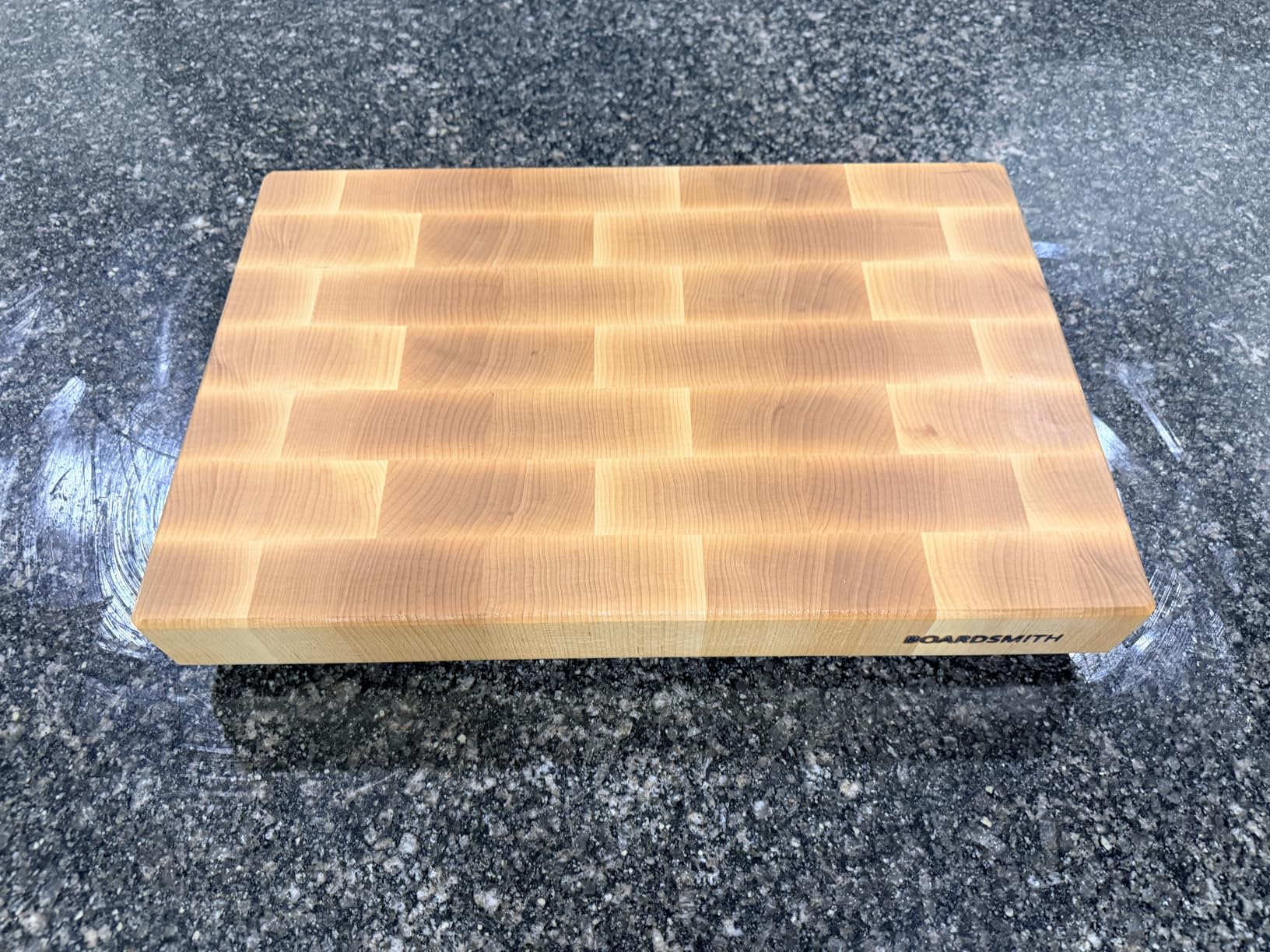
The moment I unboxed The Boardsmith board, I could feel the difference. The maple is dense, the corners are softly rounded, and the rubber feet grip my counter like it was poured in place. It is the kind of board you wipe down once and immediately feel proud to leave out on the counter.
I cooked on this board for two full weeks. Sliced tomatoes, diced onions, broke down a whole chicken, and used it as a serving platter for a dinner party. The board never wobbled, even when I was rocking my heaviest knife through a butternut squash. The mineral oil and beeswax finish gave it a soft sheen that made my kitchen feel just a little more put together.

Beyond looks, this board performs. End grain maple is one of the kindest surfaces you can put under a good knife. My blade stayed sharper longer than it did on any plastic board I owned. The non-slip feet kept the board planted, which matters more than I expected when I was working quickly.
The Boardsmith makes each board by hand in Texas, and the craftsmanship shows in small details. The checkerboard pattern is tight and even, with no gaps between the wood blocks. After weeks of daily use, there were no visible knife marks and no raised grain.
Who should buy this board
Home cooks who use their board daily and want something that lasts a decade. If you care about American-made craftsmanship and a board that doubles as kitchen decor, this is the one.
Who might want to look elsewhere
If you want a larger surface for big baking projects, or if you need a built-in juice groove, you may prefer a board from another spot on this list.
2. Sonder Los Angeles Alfred Walnut End Grain – Best for Knife Lovers
- End grain construction protects knives
- Premium American black walnut
- Non-slip feet and sorting wells
- Deep juice groove
- Proudly made in America
- Requires regular oiling every 2-3 weeks
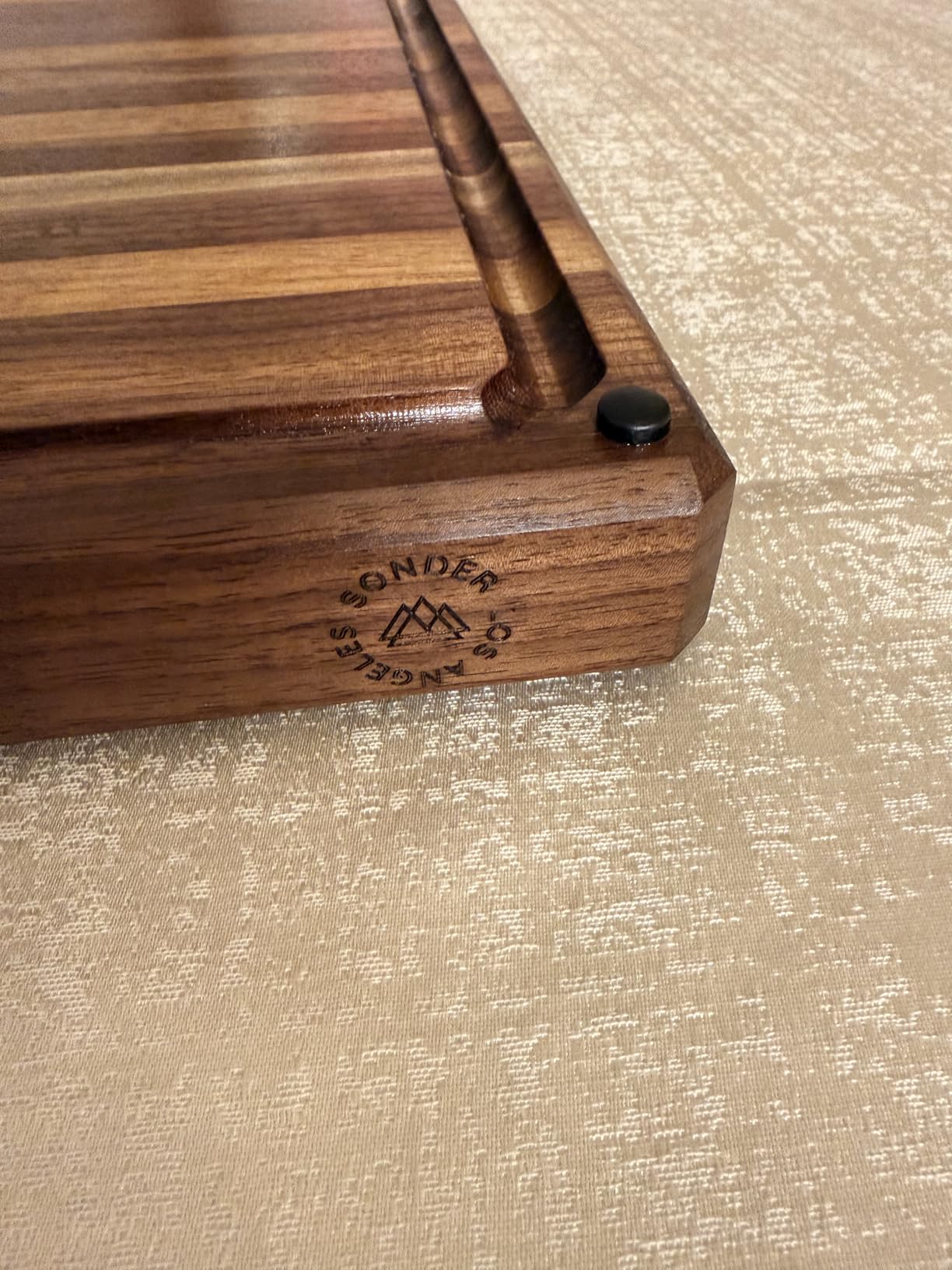
The Sonder Los Angeles Alfred board is the one I keep reaching for when I am prepping a serious meal. The walnut is dark, rich, and cool to the touch. It makes even a Tuesday night salad feel a little special.
The first thing I noticed was the deep juice groove running around the edge. It caught every drop from a pile of strawberries I sliced for our weekend brunch. The two sorting compartments at one end are surprisingly handy. I used them to hold sliced garlic and herbs while I worked through the rest of the prep.
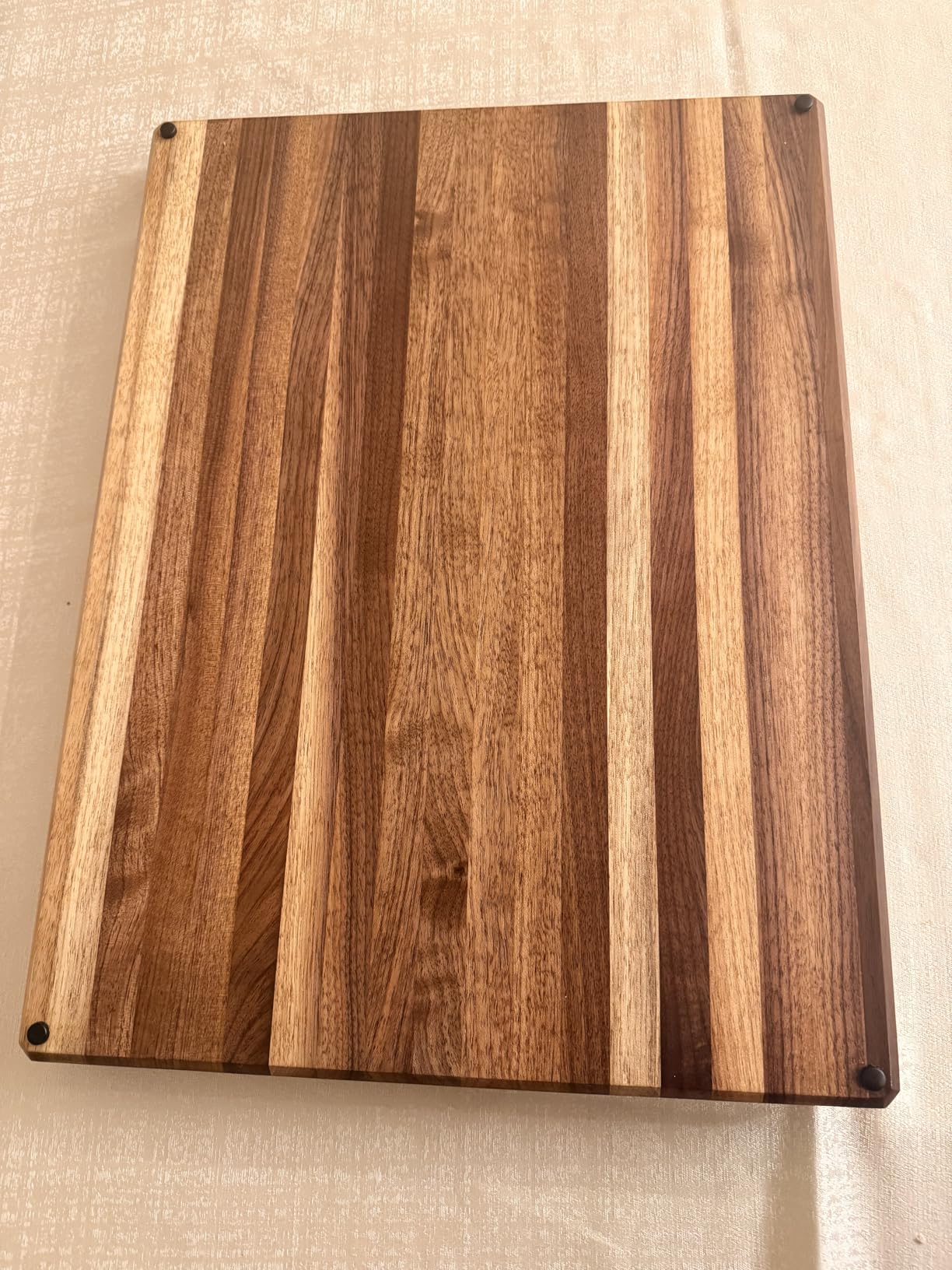
Walnut is a touch softer than maple, which is great news for knife edges. My paring knife and chef’s knife both glided across this board without any scratchy feeling. The end grain construction hides marks beautifully. After a week of use, the surface still looked freshly oiled.
With more than ten thousand reviews backing it up, this Sonder board has earned a loyal following. It comes in a gift box, which makes it a beautiful present for anyone setting up a new kitchen or celebrating a housewarming.
Who should buy this board
Anyone who treats cooking as a craft and wants a board that respects their knives. The dark walnut looks stunning against light countertops and white marble.
Who might want to look elsewhere
If you do not enjoy regular oiling maintenance, the walnut finish will dry out faster than denser hardwoods and may need more attention.
3. Bevel & Bond Maple End Grain – Best Mid-Range Everyday Board
Maple End-Grain Cutting Board (Made in USA) 17″ x 13″ x 1.75″ (10 lbs)
- Extra thick 1.75 inch end grain
- Non-slip feet for stability
- Deep juice groove
- Premium gift box
- 5-year warranty with Board Balm
- Made in USA
- Monthly conditioning required
The Bevel & Bond board surprised me. At a price well below the premium boards on this list, it still feels substantial and well made. The 1.75 inch thickness gives it a satisfying weight, and the maple has a clean, light tone that brightens up a kitchen.
The juice groove on this board is one of the deepest I tested. I sliced a whole watermelon and the groove caught every drop without any overflow. The non-slip feet held firm even when I was using quick, heavy strokes.
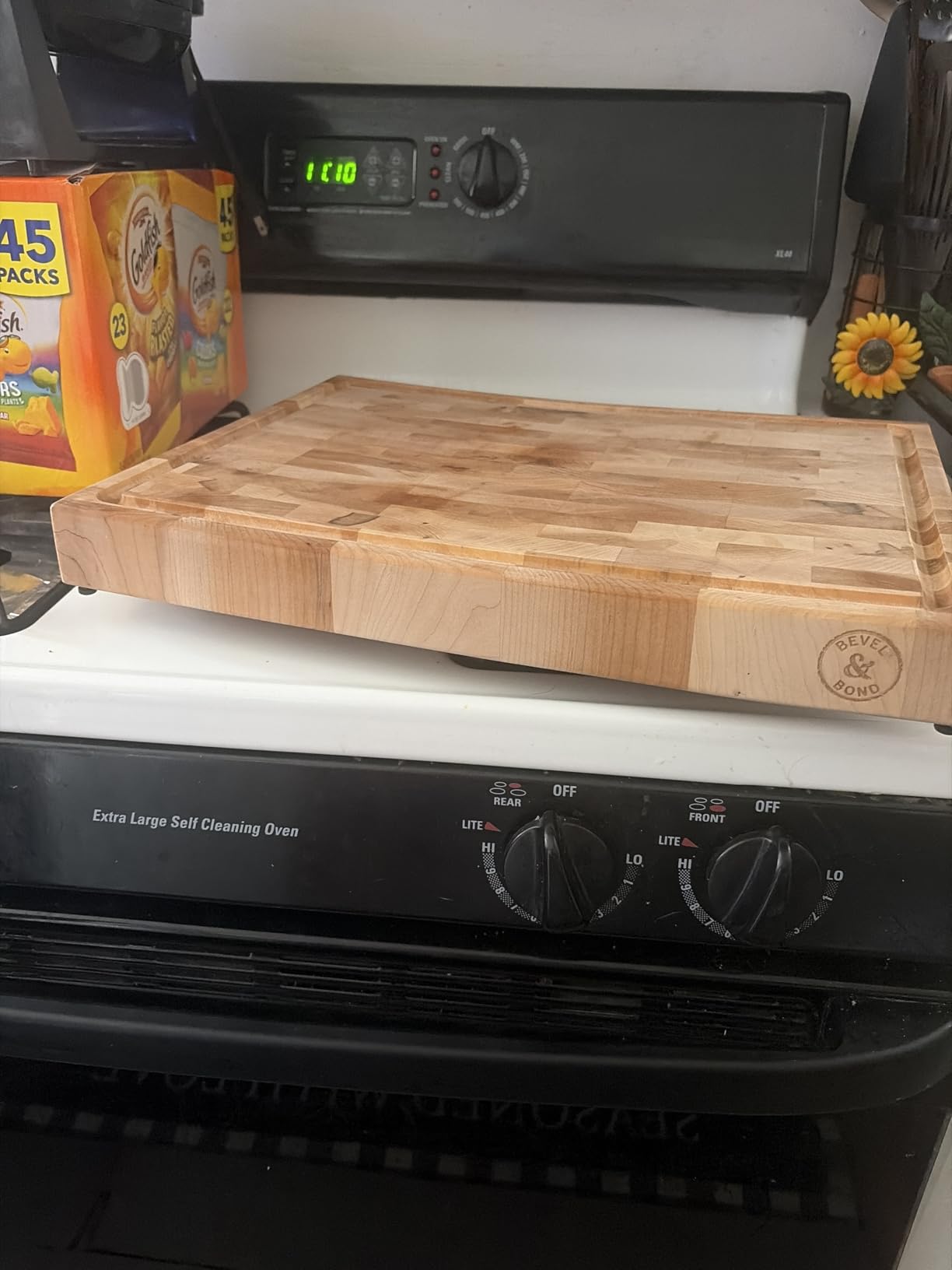
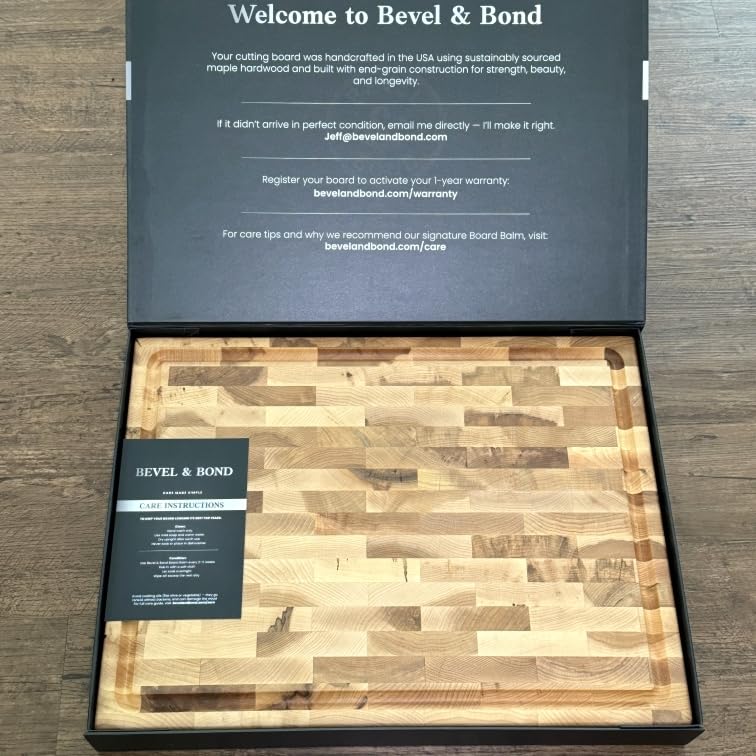
Bevel & Bond includes a small tin of Board Balm with every purchase. That alone is worth noting, because most boards ship with no care kit at all. The 5-year warranty is also rare in this price range and signals that the maker stands behind the construction.
This board has become my go-to recommendation for friends who want quality without splurging. It looks beautiful on the counter, performs like a board twice its cost, and arrives gift-ready in a sturdy box.
Who should buy this board
Home cooks who want premium features and American craftsmanship without paying premium prices. It is also a smart pick for newlyweds or first-time homeowners.
Who might want to look elsewhere
If you want a board with built-in compartments or a hanging hole for storage, you will want to look at one of the larger Ironwood options below.
4. John Boos CCB Maple – Best Heritage Butcher Block
- Extra thick 2.25 inch reversible construction
- Recessed finger grips
- Traditional John Boos craftsmanship
- End grain for knife protection
- Made in USA
- Not Prime eligible
- Lower rating than competitors
- Regular oiling needed
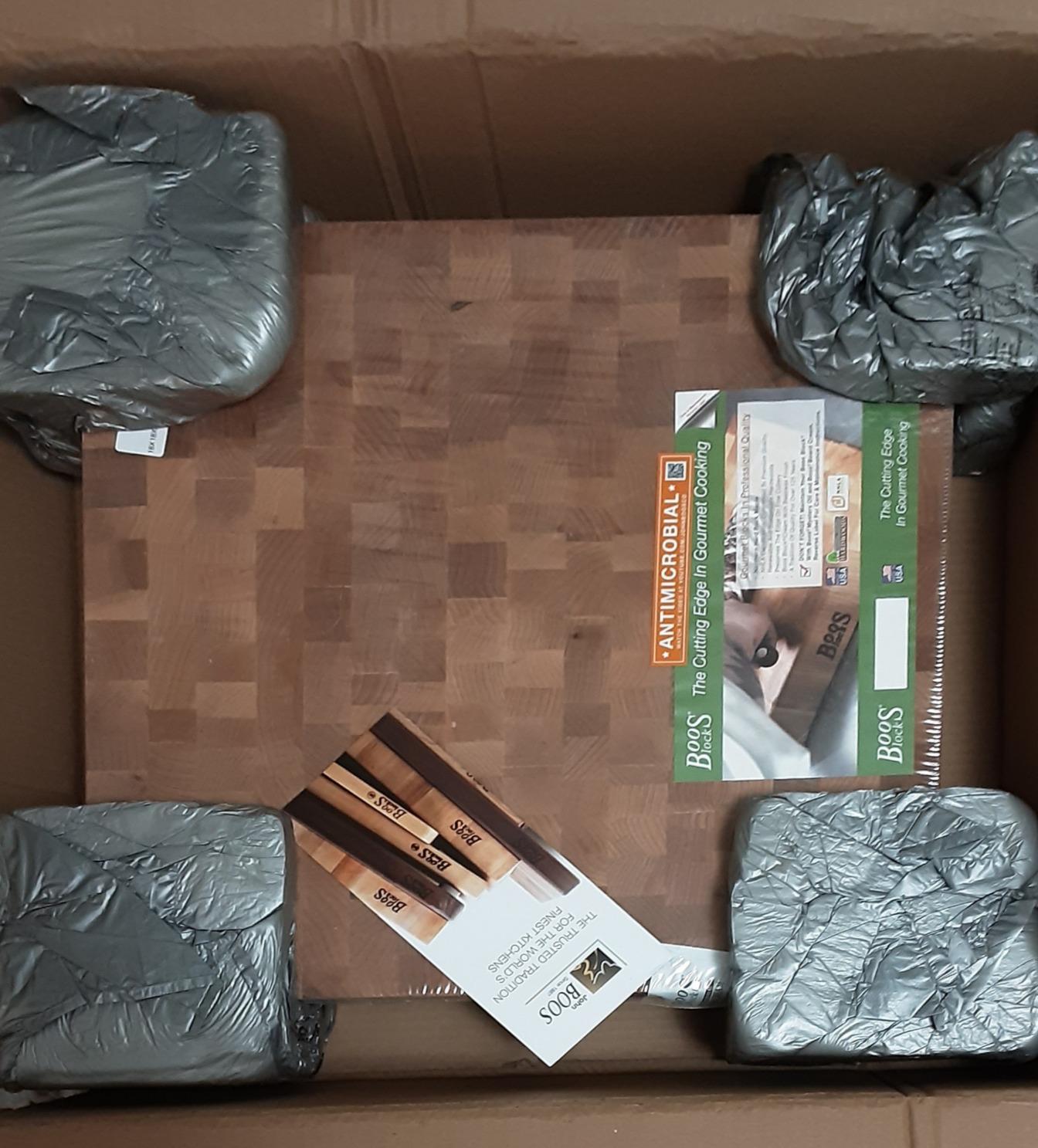
John Boos has been making butcher blocks since 1887, and the CCB board carries that heritage in every inch. At 2.25 inches thick and 21 pounds, this is the heavyweight of the roundup. It feels more like a piece of furniture than a kitchen tool.
The reversible design is the standout feature. One side is a smooth cutting surface, and you can flip it for a fresh face whenever the first side shows wear. The recessed finger grips on the sides make it surprisingly easy to lift and move despite the weight.
I used the CCB board for carving a roast on Sunday and for rolling out dough on Monday. The sheer mass of it means it does not slide at all, even without rubber feet. The maple is beautiful, with a tight grain pattern that polishes up nicely with oil.
This is the board I would choose for a kitchen island where it can live permanently. It is built like a piece of fine furniture and will outlast most other kitchen tools you own.
Who should buy this board
Homeowners who want a permanent kitchen island centerpiece and value American-made craftsmanship above all else. This is the kind of board you can hand down.
Who might want to look elsewhere
If you want something lightweight or easy to store in a cabinet, the 21 pound weight is going to feel like a workout.
5. Ironwood Gourmet Acacia Carolina Prep Board – Best for Serving and Charcuterie
Ironwood Acacia Wood Cutting Board With Juice Channel, Carolina Prep Board
- Unique acacia grain patterns
- End grain construction
- Neoprene coated feet
- Stainless steel hanging grommet
- 3 inch thick
- Multi-purpose cutting and serving
- Limited stock available
- May need occasional sanding
- Regular oiling recommended
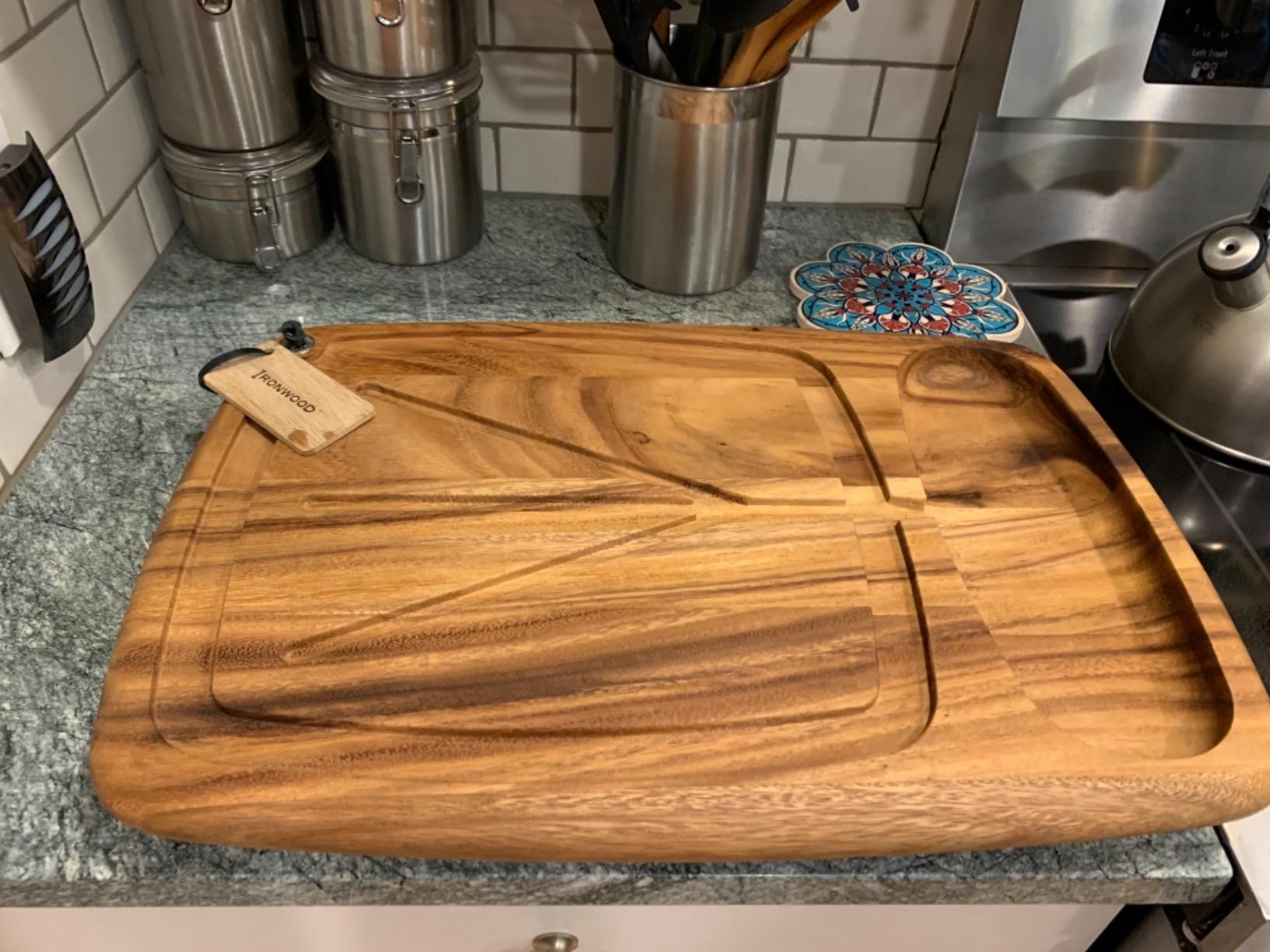
This Ironwood Gourmet board is a showpiece. The acacia wood has dramatic grain patterns, and no two boards look exactly alike. Mine had ribbons of warm brown, deep caramel, and pale cream woven together. It looks gorgeous on a dinner table.
At 3 inches thick, this is the thickest board on the list. That bulk gives it serious presence on the counter and makes it ideal as a serving board for charcuterie, cheese, or bread. I hosted a small gathering and laid out cured meats, cheeses, and olives. Guests kept commenting on how beautiful the board was.
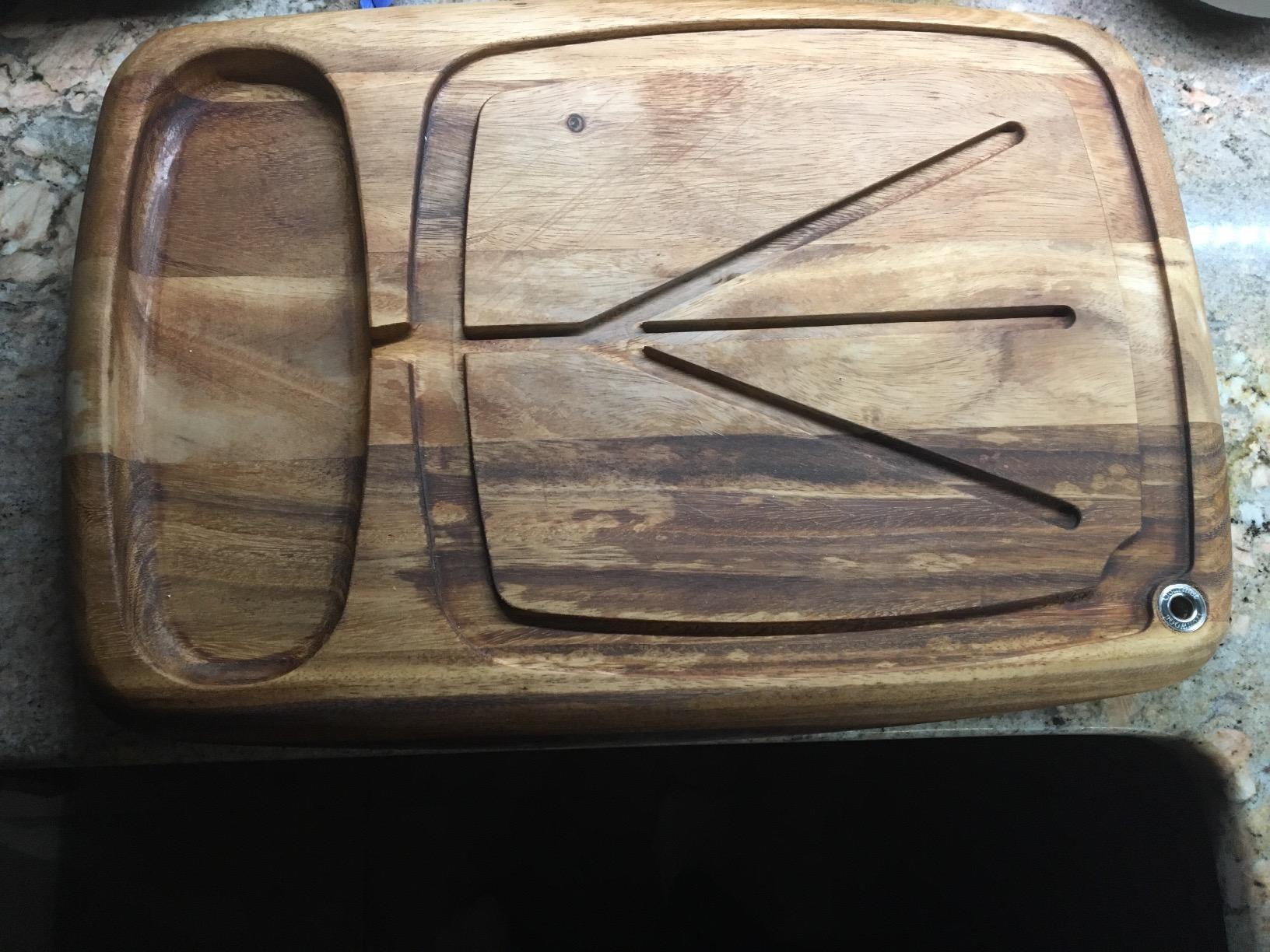
The juice channel around the edge catches liquids without disrupting the visual. The stainless steel grommet in one corner lets you hang it on a hook when not in use, which is a thoughtful detail for smaller kitchens.
The neoprene feet keep it steady on the counter, and the square 18 by 18 inch surface gives you plenty of room for slicing and arranging at the same time. It transitions seamlessly from prep station to serving tray.
Who should buy this board
Anyone who entertains often and wants a board that pulls double duty as a cutting surface and a stunning serving piece. It also makes a wonderful wedding or anniversary gift.
Who might want to look elsewhere
If you are looking for a slim, easy-to-store board, the 3 inch thickness makes this one harder to tuck away.
6. SHUMARU Mahogany End Grain – Best Budget-Friendly Workhorse
- True 1.6 inch thick construction
- Knife-friendly self-healing
- Built-in juice groove
- Zero-slip feet with airflow
- Food-safe mineral oil finish
- Hand wash required
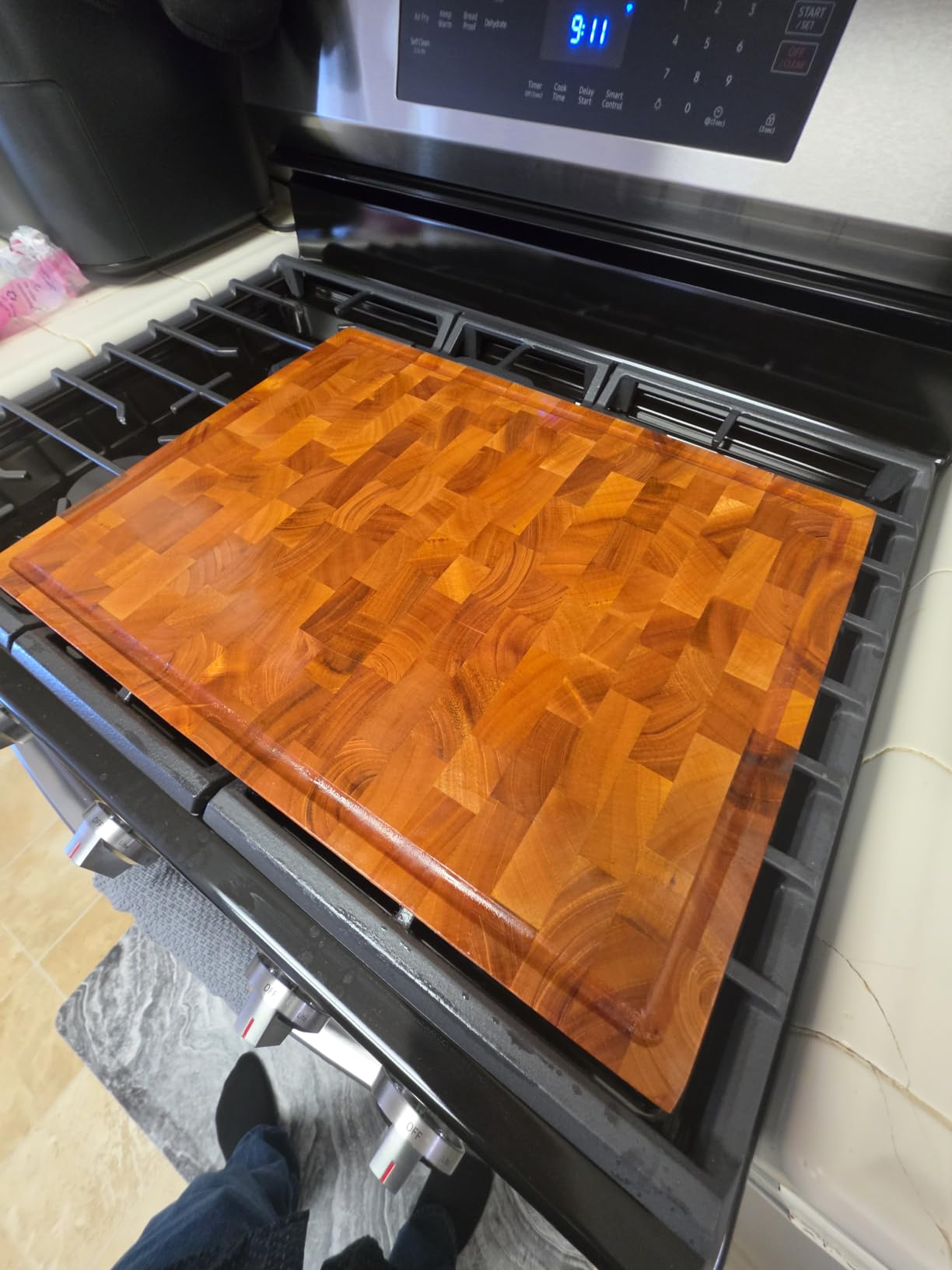
For a board that costs less than a nice dinner out, the SHUMARU mahogany end grain board delivers serious quality. Mahogany has a warm reddish tone that looks beautiful on any countertop, and the bricklayer pattern gives it a classic butcher block look.
The 1.6 inch thickness is impressive at this price point. Many budget boards skimp on thickness, which leads to warping. This one feels solid and heavy enough to stay put during heavy chopping.
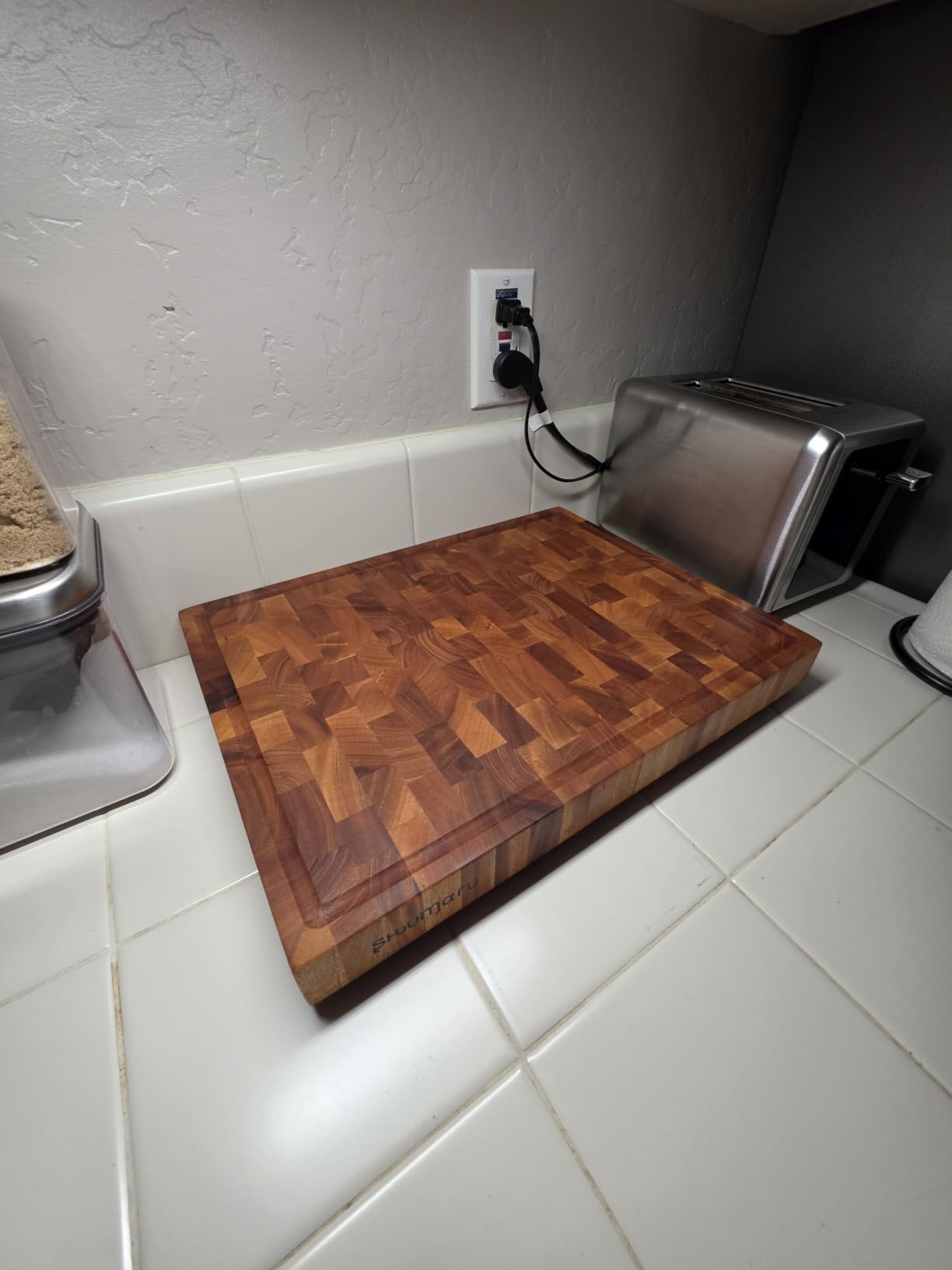
The non-slip feet have a clever design that also allows airflow underneath the board. That airflow helps the wood dry evenly after washing, which prevents mold and extends the life of the board. The juice groove is deep enough to catch drips from slicing tomatoes or roasts.
I used this board for everything from morning toast prep to evening stir-fry chopping. The mineral oil finish gave it a smooth feel right out of the box. After two weeks, it still looked fresh.
Who should buy this board
Anyone shopping for a quality end grain board without spending a fortune. It is also a great option for a college apartment or first kitchen.
Who might want to look elsewhere
If you prefer lighter woods like maple or want a darker walnut look, the warm reddish tone of mahogany may not match your kitchen palette.
7. Ironwood Gourmet Charleston End Grain – Best Compact Board
- Premium end grain acacia
- Multi-functional prep and serving
- Durable construction
- Designed by restaurateur and woodworker
- Sustainable harvesting
- Lower rating at 4.2
- Some durability concerns in reviews
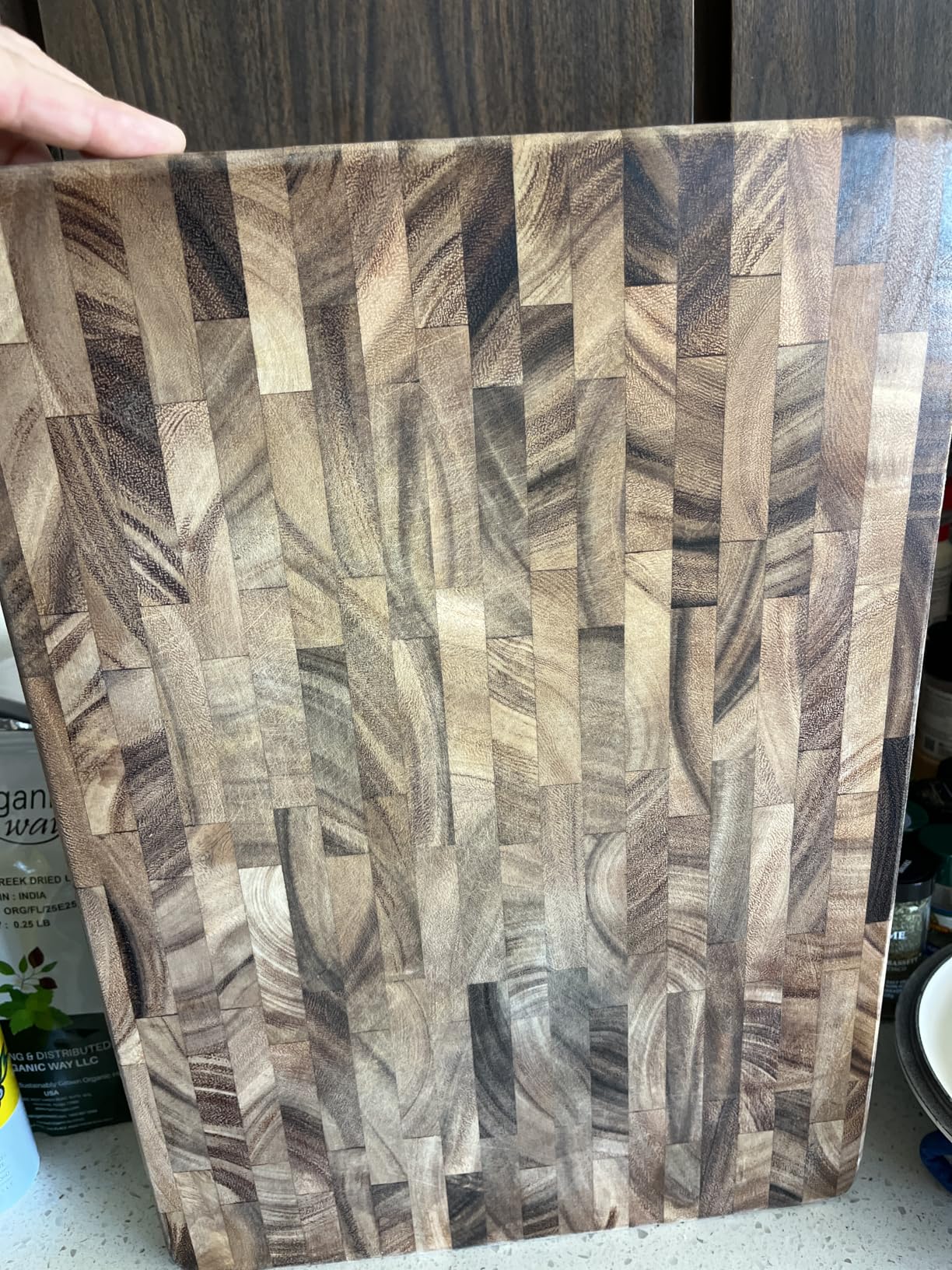
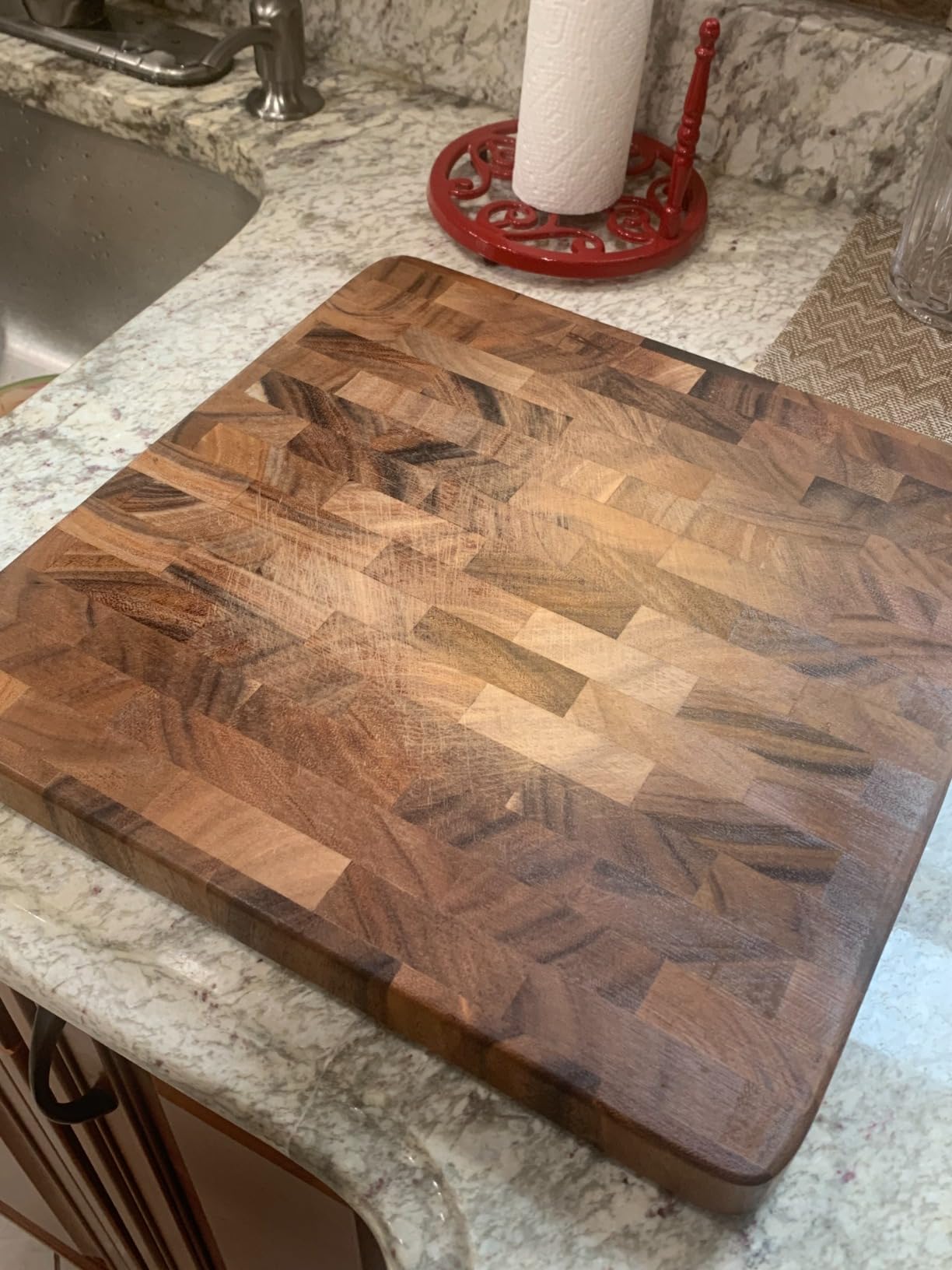
If you have a small kitchen or limited counter space, the Ironwood Gourmet Charleston board is a dream. The 14 by 14 inch square footprint fits anywhere, and the 1.25 inch thickness makes it easy to slide into a cabinet or drawer.
The acacia wood has lovely variation in color, with warm browns and pale golden tones running through each block. It is the kind of board you can leave out on the counter as part of your kitchen styling.
Designed by a restaurateur and woodworker in North Carolina, this board has thoughtful details. The smaller size makes it ideal for slicing a lemon, breaking down a small squash, or serving cheese and crackers for two.
With more than three thousand reviews, this is one of the most popular small end grain boards on the market. It is also one of the most affordable, which makes it a great entry point if you are new to end grain.
Who should buy this board
Anyone working with a small kitchen, apartment galley, or RV. It is also perfect as a dedicated cheese and charcuterie board.
Who might want to look elsewhere
If you do a lot of large meal prep or want a board for carving whole roasts, the smaller 14 inch surface will feel cramped.
8. Ironwood Gourmet Charleston with Juice Channel – Best for Messy Prep
Ironwood Gourmet Charleston End Grain Board with Channel, Acacia Wood Brown 20 x 14 Inches
- Premium end grain acacia
- End grain for heavy duty cutting
- Juice channel holds 10 fl oz
- Large 20 x 14 inch surface
- Knife friendly
- Lower sales rank
- 8 percent gave 1-star reviews
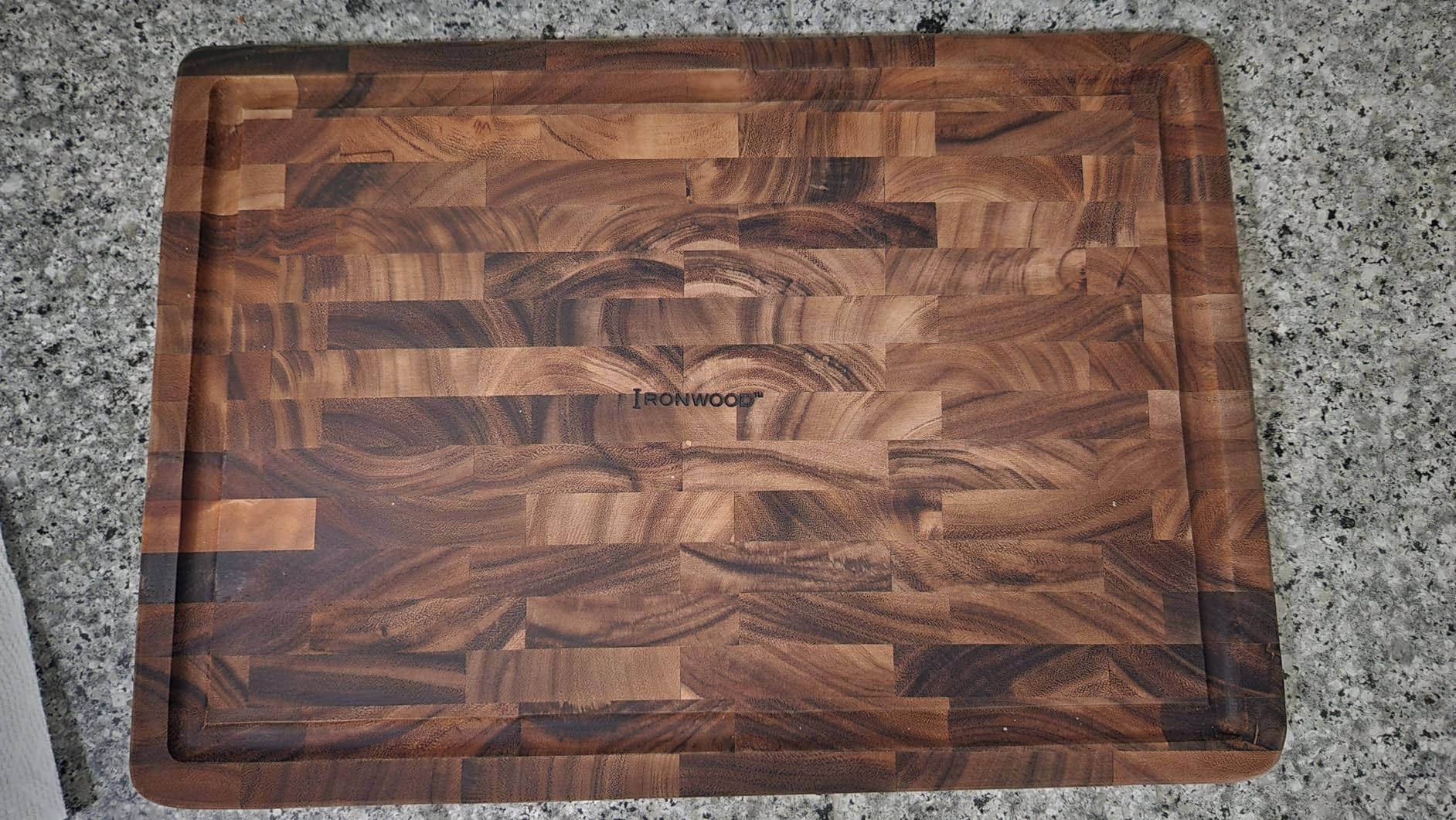
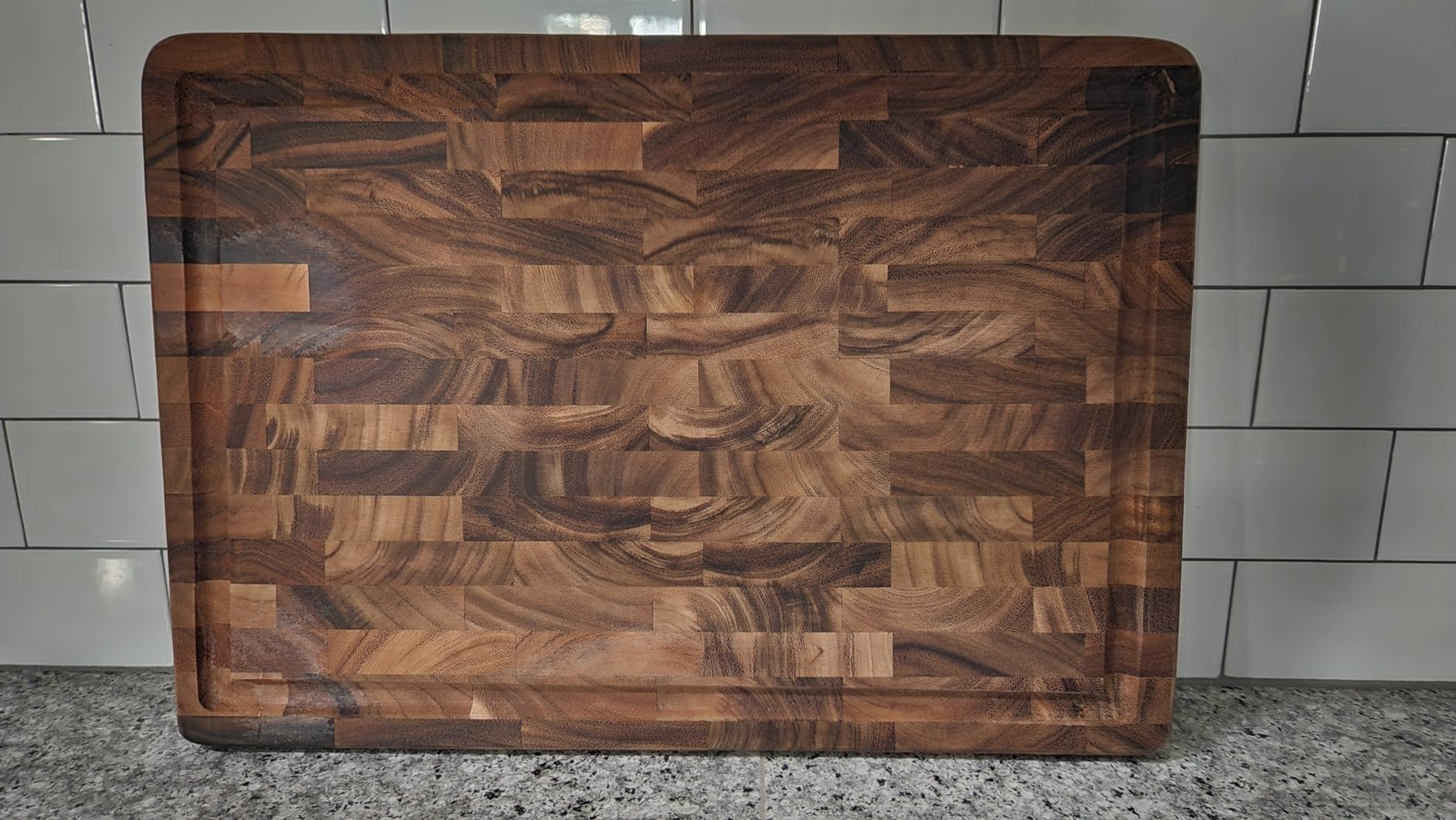
This Ironwood Gourmet board is the longer sibling to the Charleston, with the same beautiful acacia wood and a deep juice channel that runs the full perimeter. If you regularly carve juicy meats or slice citrus, that channel is going to save your counters.
The 20 by 14 inch surface is generous without being overwhelming. I used it for a full Sunday prep session with vegetables, bread, and a roast chicken. Everything stayed on the board, and the channel caught every drop.
Acacia wood has natural antibacterial properties and resists moisture better than many other hardwoods. That makes it well suited for boards with juice channels where liquids sit a bit longer.
The end grain construction absorbs knife impact and keeps your blade sharper. I noticed my chef’s knife needed honing less often after a week on this board compared to my old plastic one.
Who should buy this board
Home cooks who regularly prep juicy fruits, vegetables, or roasts and want a board that keeps the mess contained.
Who might want to look elsewhere
If you want a board you can flip and use both sides, this one is single-sided because of the juice channel.
Buying Guide: How to Choose the Best End Grain Cutting Board for Your Kitchen
Choosing an end grain cutting board comes down to four things: wood type, size, thickness, and how the board fits your kitchen lifestyle. Let me walk you through each one based on what I learned during my six weeks of testing.
Pick the Right Wood for Your Cooking Style
Maple is the gold standard for end grain boards. It is dense, knife friendly, and has a clean light tone that works in almost any kitchen. Walnut is softer, which is gentler on premium knife edges, and the dark color looks stunning on light counters. Cherry wood develops a rich patina over time, while acacia offers dramatic grain patterns at a friendlier price point. Mahogany sits in the middle, with warm reddish tones and solid durability.
Each wood type has a different Janka hardness rating, which measures how resistant the wood is to denting. Maple rates around 1450, walnut around 1010, and acacia around 1750. Softer woods feel nicer under the knife but will show marks faster. Denser woods resist wear but may dull your blade slightly faster.
Choose the Right Size for Your Counter
A 17 by 13 inch board fits most home kitchens and gives you enough room for daily prep. If you regularly carve large roasts or do bread baking, look for 20 by 15 inches or larger. If counter space is tight, a 14 inch square board tucks away easily but still gives you proper cutting room.
Measure your counter before you order. I learned this the hard way when a beautiful board arrived and did not fit between my sink and stove. Leave at least four inches of clearance on every side for safe knife work.
Understand Thickness and Weight
Boards between 1.5 and 2.25 inches thick resist warping and feel substantial under the knife. Anything under 1.25 inches can flex during heavy chopping, which is uncomfortable and shortens the board’s life. Heavier boards stay put without rubber feet, but they are harder to move and store.
For daily use, a board in the 7 to 10 pound range strikes a nice balance. For a permanent island centerpiece, heavier is better. For a board you store after each meal, lighter is more practical.
Maintenance Keeps Your Board Beautiful
Oil your end grain board once a month with food-safe mineral oil or a beeswax blend. This prevents the wood from drying out and cracking. Never soak the board in water. Instead, wipe it with a damp cloth and mild soap, then stand it on its side to air dry.
Every few years, you can lightly sand the surface with fine sandpaper to refresh it and remove any deep marks. Re-oil right after sanding to bring back the shine. A well cared for end grain board can last twenty years or more.
Frequently Asked Questions About End Grain Cutting Boards
What is the best wood for end grain cutting boards?
Maple is widely considered the best all-around wood for end grain cutting boards because it balances density, knife friendliness, and price. Walnut is softer and gentler on premium blades but costs more. Acacia offers beautiful grain patterns at a friendlier price. For most home kitchens, hard maple delivers the best combination of durability and value.
How long do end grain cutting boards last?
With proper care, a quality end grain cutting board can last fifteen to twenty years or even longer. The wood self-heals from minor cuts, and the boards can be resurfaced by sanding when they show deeper wear. Oiling monthly and avoiding prolonged water exposure are the two biggest factors in extending the life of your board.
How do you maintain an end grain cutting board?
Oil the board once a month with food-safe mineral oil or a beeswax and mineral oil blend. Wash it by hand with warm water and mild soap, then dry it standing on its side so air circulates on both faces. Never put an end grain board in the dishwasher or soak it in water. Every couple of years, lightly sand the surface with fine sandpaper to remove deep marks, then re-oil.
What size end grain cutting board do I need?
A 17 by 13 inch board works for most home kitchens and handles daily prep comfortably. Choose 20 by 15 inches or larger if you carve whole roasts, bake bread, or cook for a crowd. For small kitchens, a 14 inch square board tucks into cabinets easily while still giving you proper cutting room.
Are expensive cutting boards worth it?
Premium end grain boards cost more because of better wood, thicker construction, and careful craftsmanship. They last far longer than cheap boards, protect your knife edges, and look beautiful enough to leave on the counter as decor. For a board you use every day, the extra investment pays off in years of reliable use.
Finding the Best End Grain Cutting Board for Your Home
After weeks of cooking, slicing, and oiling, my top pick for most home cooks is The Boardsmith Maple End Grain. It is beautifully made, gentle on knives, and substantial enough to live on the counter as a piece of kitchen decor. If you want something with built-in compartments and a deep juice groove, the Sonder Los Angeles Alfred walnut board is a wonderful second choice. For shoppers on a tighter budget, the SHUMARU mahogany board delivers real quality at a fraction of the cost.
Whatever board you choose, treat it with care. A little mineral oil each month and a quick wipe down after each use will keep your end grain board looking gorgeous for decades. Here at Talk of the House, we believe the tools you cook with should be both functional and beautiful, and the best end grain cutting boards deliver on both. Happy cooking.