
I never thought I would be the person standing in my kitchen at 9 PM, stirring a pot of warm milk and watching it separate into curds and whey. But that is exactly what happened the first time I opened a cheese making kit, and honestly, it changed how I think about cooking at home.
If you have been hunting for the best cheese making kits for 2026, you already know the hobby has exploded. What used to require a specialty store run now fits in a single box on your counter. The tricky part is that not every kit is built the same, and picking the wrong one can turn your first batch into a frustrating mess of soured milk and vague instructions.
Our team spent weeks working through nine of the most popular kits on the market, making mozzarella, ricotta, goat cheese, cheddar, and even pressing hard cheeses. We tracked everything from how clear the instructions were to how the finished cheese actually tasted on a cracker.
Some kits genuinely surprised us. Others reminded us why Reddit’s r/cheesemaking community warns that beginner kits can feel like a rip-off when they leave out essential tools.
This guide breaks down what we found, kit by kit, so you can skip the trial and error. Whether you want a quick 30-minute mozzarella for pizza night or you are ready to age a proper cheddar, there is a kit here that fits. We also included a buying guide and troubleshooting section, because nobody else seems to cover what to do when your curds just will not set.
Top 3 Cheese Making Kits for 2026
If you want the short version before diving into the details, these three kits stood out from the pack. They cover the full range from award-winning versatility to budget-friendly beginner fun.

Standing Stone Farms Ultimate Kit
- Makes 14+ cheese varieties
- Mesophilic and thermophilic cultures
- Liquid microbial rennet
- Made in USA

The Big Cheese Ultimate Kit
- 10 cheese varieties
- 40 batches per kit
- Ready in under an hour
- Vegetarian and gluten-free
Standing Stone Farms Basic Beginner Kit
- Makes 10-15 lbs of cheese
- Ready in 20 minutes
- Six cheese recipes
- Non-GMO rennet made in USA
The Standing Stone Farms Ultimate Kit takes our editor’s choice spot because it is one of the few kits that includes both mesophilic and thermophilic cultures, meaning you can make aged hard cheeses instead of just quick fresh ones. The Big Cheese Ultimate Kit wins on value with 40 batches packed into one box. And the Basic Beginner Kit is the perfect low-cost entry point with nearly 1,600 reviews backing it up.
Best Cheese Making Kits in 2026
Here is the full lineup side by side so you can compare cheese variety, key features, and ratings at a glance. We go into depth on each one right after the table.
| Product | Specifications | Action |
|---|---|---|
| The Big Cheese Ultimate Kit |
|
Check Latest Price |
| Standing Stone Farms Ultimate Kit |
|
Check Latest Price |
| Standing Stone Farms Basic Beginner Kit |
|
Check Latest Price |
 Fermentaholics DIY Fresh Cheese Kit Fermentaholics DIY Fresh Cheese Kit |
|
Check Latest Price |
 Cultures For Health Mozzarella and Ricotta Kit Cultures For Health Mozzarella and Ricotta Kit |
|
Check Latest Price |
 Standing Stone Farms Complete Kit Standing Stone Farms Complete Kit |
|
Check Latest Price |
 Know-How Foods Cheddar Kit Know-How Foods Cheddar Kit |
|
Check Latest Price |
 Ricki's Goat Cheese Kit Ricki's Goat Cheese Kit |
|
Check Latest Price |
 PetriStor BIG Dutch Wooden Cheese Press PetriStor BIG Dutch Wooden Cheese Press |
|
Check Latest Price |
1. The Big Cheese Ultimate Kit – Makes 10 Cheeses From One Box
- 10 different cheeses including mozzarella and halloumi
- Everything included from rennet to recipe book
- 40 batches per kit great value
- Ready in under an hour
- Vegetarian and gluten-free
- May need additional equipment for some varieties
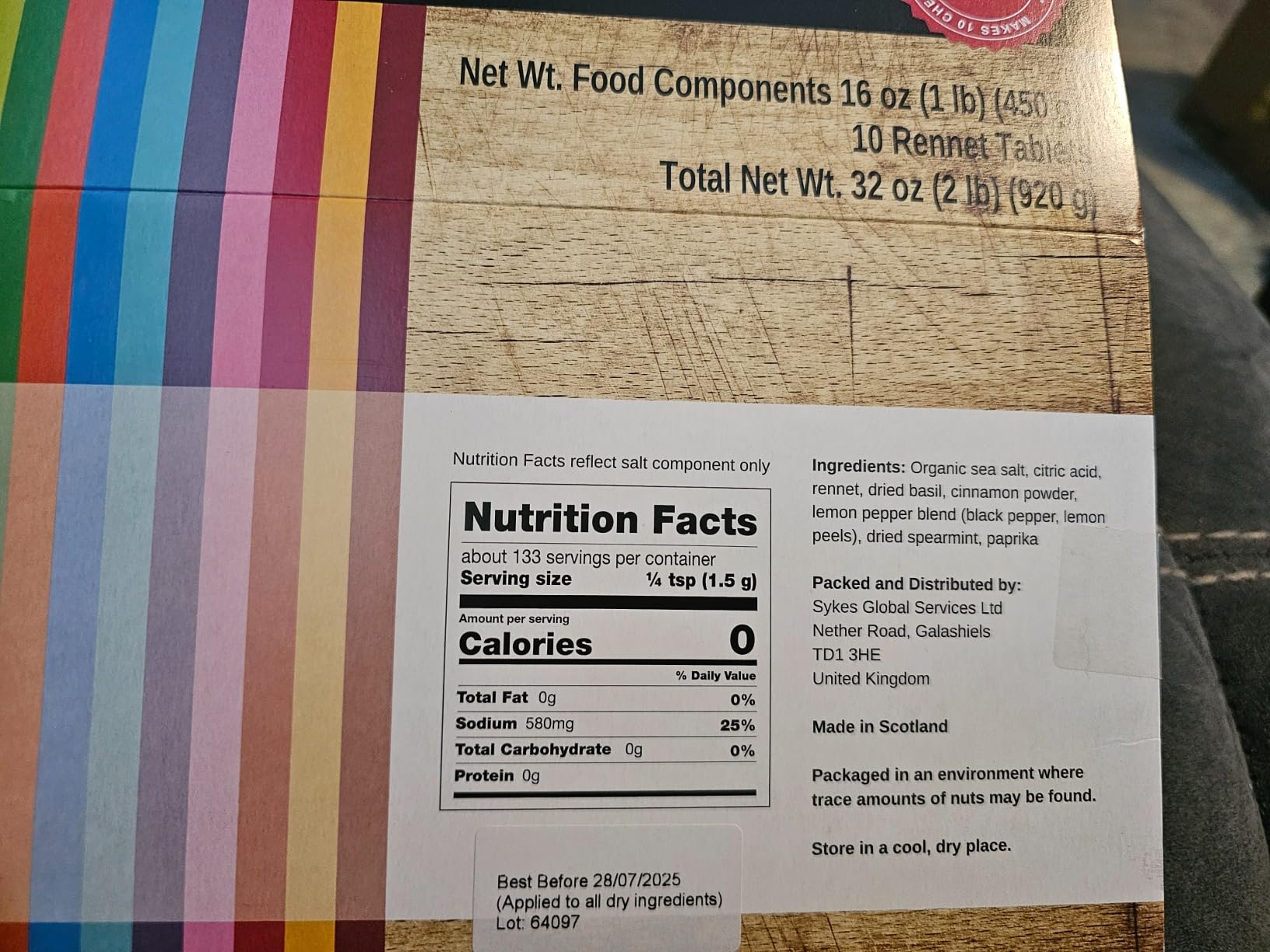
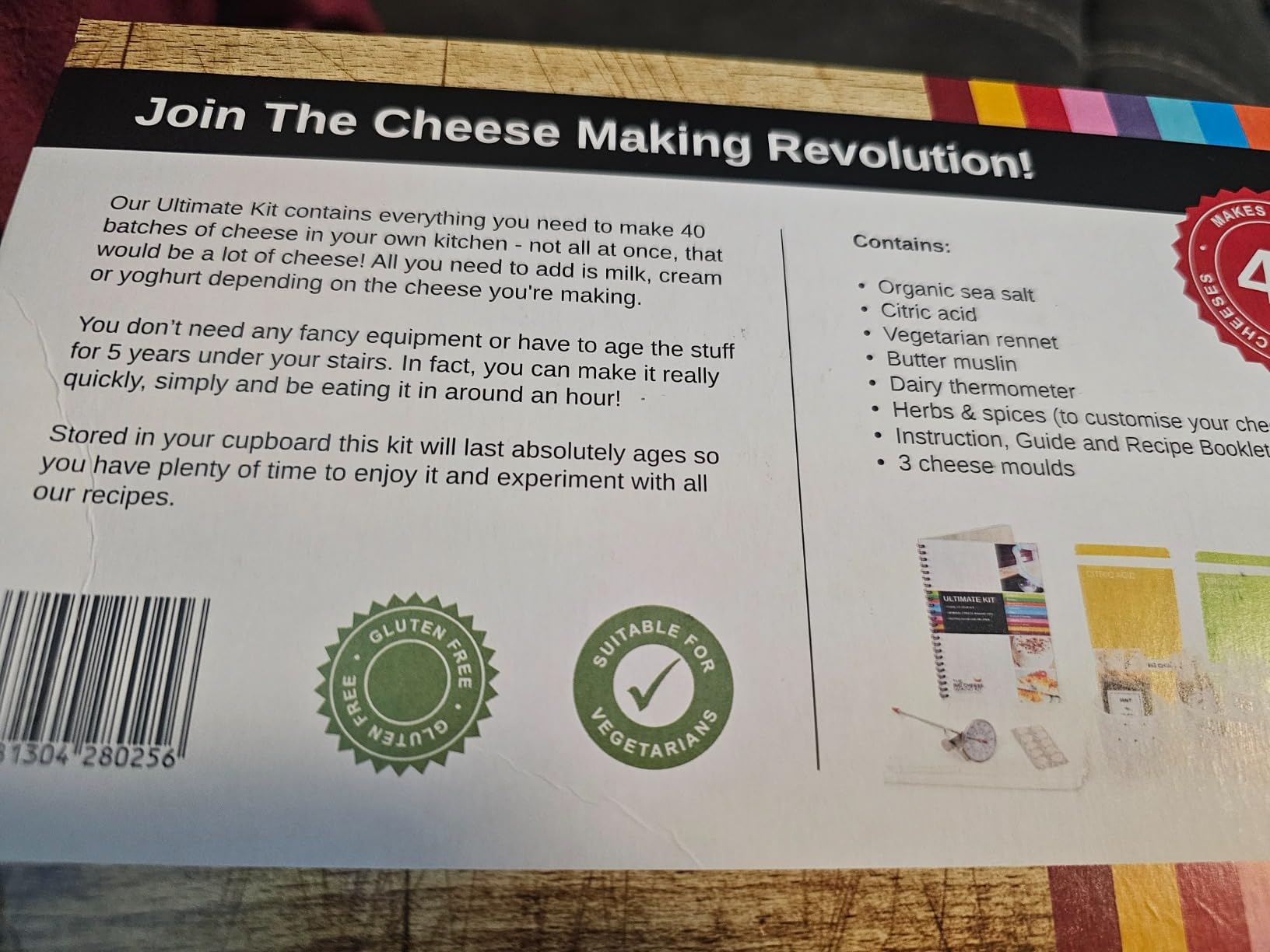
This was the kit that genuinely made me feel like a cheese maker on day one. The Big Cheese Ultimate Kit comes packed with vegetarian rennet, citric acid, organic sea salt, five spice pouches, three cheese molds, a thermometer, butter muslin, and a full-color recipe book. You add milk and that is it.
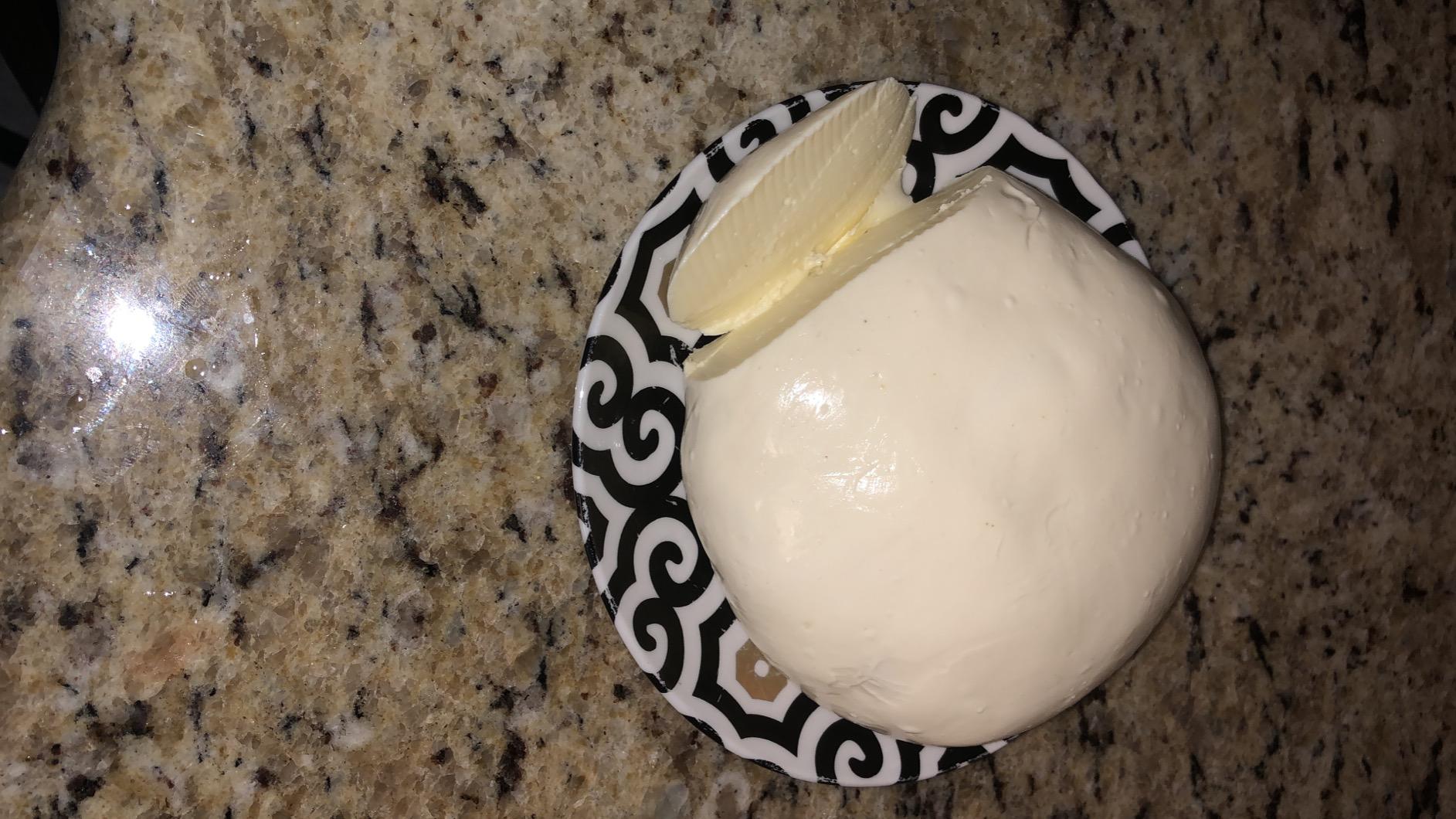
What hooked me was the variety. Most beginner kits limit you to mozzarella and ricotta, but this one walks you through ten different cheeses, including halloumi, mascarpone, feta, paneer, labneh, and even Scottish crowdie. I started with mozzarella because it is the classic first batch, and it stretched beautifully in under an hour.
The real selling point is the yield. Each batch produces 21 to 32 ounces of fresh cheese, and the kit gives you 40 batches total. That is a serious amount of cheese from one purchase.
I worked out the math and it comes out to a fraction of what you would pay for store-bought artisan cheese per batch. The dry ingredients carry a one-year shelf life, which matters more than you might think.
Cheese cultures and rennet lose potency over time, so having ingredients that stay viable for a full year means you are not pressured to use everything in a weekend. I stored mine in a cool pantry and they performed identically months later.
Who will get the most out of this kit
This kit shines for home cooks who want variety without committing to a single cheese type. If you are the kind of person who gets bored making the same mozzarella every weekend, the ten-recipe lineup keeps things interesting. It is also a fantastic gift for foodies because the packaging looks great and the results are immediate.
Families with dietary preferences will appreciate that everything is vegetarian and gluten-free. The vegetarian rennet works just as well as traditional animal rennet for fresh cheeses, and the recipes clearly note which cheeses work with cow, goat, or sheep milk.
What to watch out for before buying
While the kit includes molds and basic tools, a few of the more advanced cheese varieties in the recipe book benefit from equipment not in the box. I found that pressing harder cheeses required a makeshift weight setup, which worked but was not elegant. If you fall in love with a specific cheese, plan to upgrade your gear later.
Also note that the spice pouches are pre-portioned for specific recipes. Once they are used, you will need to source your own spices for repeat batches. The core ingredients like rennet and citric acid are generously sized, but the flavor add-ins are one-time use.
2. Standing Stone Farms Ultimate Kit – Food Network’s Award Winner for Versatility
- Food Network award winner for best overall
- 14+ cheeses including hard and soft
- Professional-grade cultures included
- Liquid microbial rennet vegetarian non-GMO
- Made in USA with free support
- Not Prime eligible
- Spices and flavorings not included
The Standing Stone Farms Ultimate Kit carries a Food Network Best Overall award, and after putting it through its paces, I understand why. This is the kit that bridges the gap between casual fresh cheese making and serious aged cheese production. It is one of the only all-in-one kits I have found that ships with both mesophilic and thermophilic cultures.
Those two cultures matter more than beginners realize. Mesophilic culture handles cheeses that ripen at moderate temperatures, like cheddar curds, Monterey Jack, and feta. Thermophilic culture is designed for higher-temperature cheeses like certain Italian styles.
Having both means you are not locked into just fresh mozzarella and ricotta. The liquid microbial rennet is another upgrade over the tablet rennet most budget kits include.
Liquid rennet dissolves instantly and distributes evenly through the milk, which leads to more consistent curd sets. I noticed fewer failed batches with the liquid form, especially on days when my milk temperature drifted a degree or two.
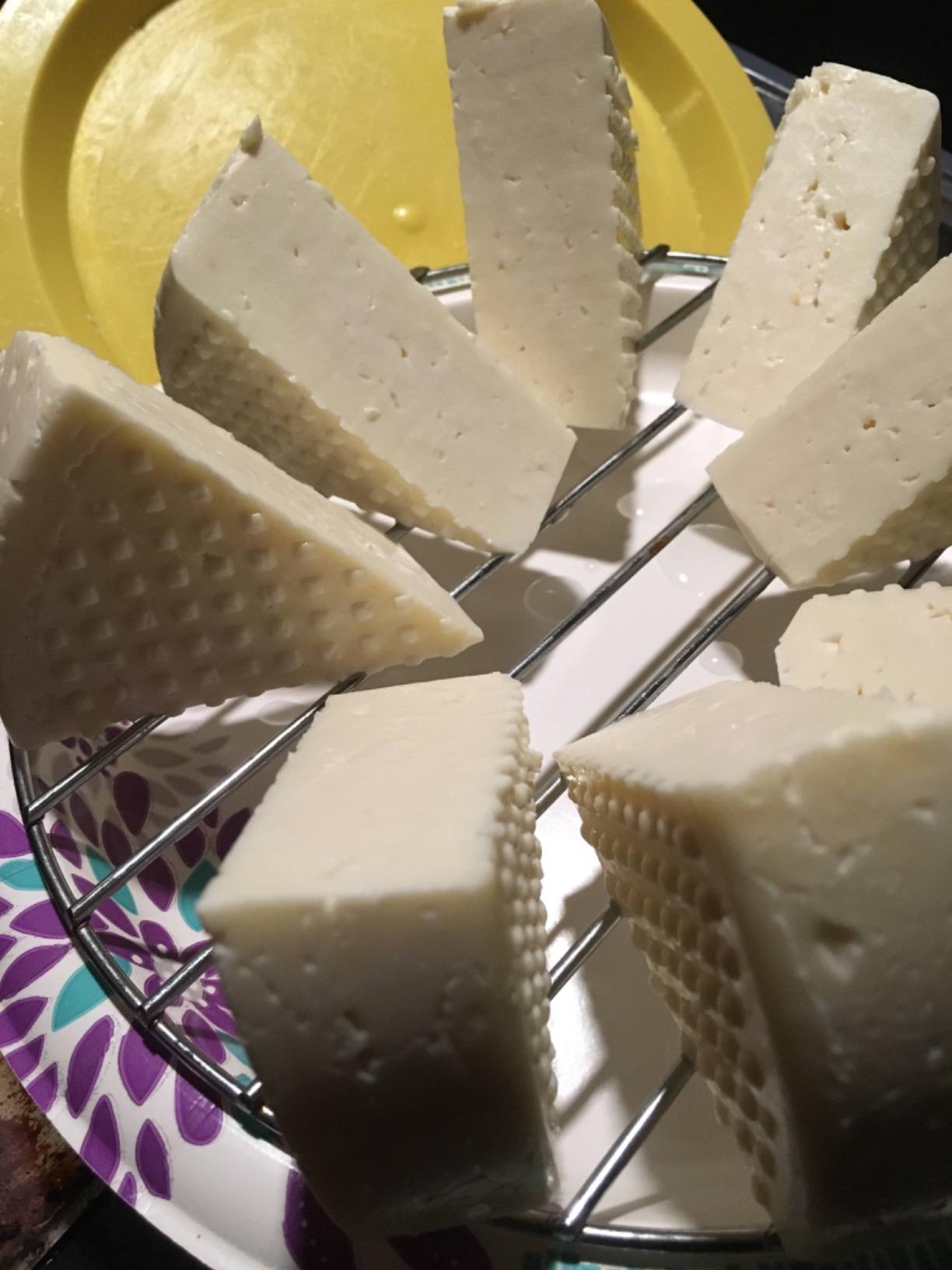
You can make over 14 cheeses with this kit, including mozzarella, burrata, ricotta, feta, cheddar curds, halloumi, chevre, cream cheese, mascarpone, cottage cheese, butter, cultured butter, and ghee. That list alone makes it one of the most versatile options we tested. Standing Stone Farms also offers free support, which I tested by emailing a question about aging humidity and got a real answer within a day.
Why the cultures make this kit stand apart
If you have read cheese making forums, you know the complaint that most kits include vague unspecified cultures. Standing Stone Farms labels everything clearly, so you know exactly what you are adding to your milk. This matters when you start troubleshooting failed batches, because you can identify whether the culture or the milk was the issue.
The thermophilic culture also opens the door to cheeses that other kits simply cannot make. If your goal is to eventually move beyond fresh cheese and start aging wheels, this kit gives you the starter cultures to begin that journey without buying anything extra.
Limitations to keep in mind
This kit is not Prime eligible, so shipping takes a few extra days. Plan ahead if you are buying it as a gift for a specific occasion. Also, Standing Stone Farms notes that spices and flavorings are not included due to sourcing changes, so you will need your own salt and any herb blends the recipes call for.
The kit focuses on ingredients and cultures rather than equipment. You get everything needed for the chemistry of cheese making, but you will need your own pot, strainer, and basic kitchen tools. For most home cooks this is fine since those items are already in the kitchen.
3. Standing Stone Farms Basic Beginner Kit – The Entry Point That Works
- Makes 10-15 pounds of cheese with one kit
- Ready in as little as 20 minutes
- Amazing homemade mozzarella
- All ingredients in resealable packaging
- Non-GMO rennet made in USA
- No returns on food items
- Some cheeses need store-bought buttermilk
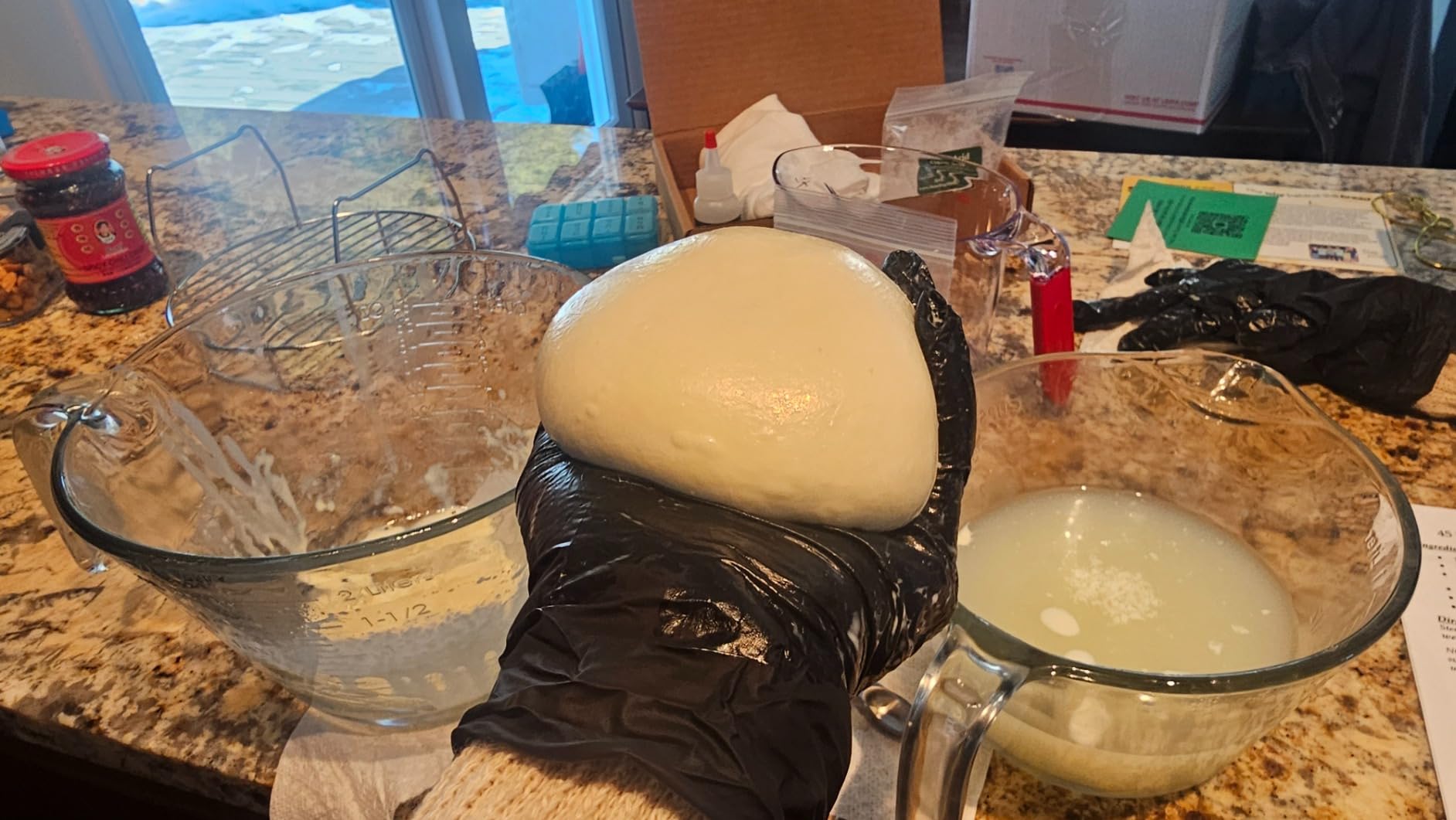
With nearly 1,600 reviews and a 4.5-star average, the Standing Stone Farms Basic Beginner Kit is the most reviewed kit on our list, and for good reason. It strips cheese making down to its essentials and gets you from milk to fresh cheese in about 20 minutes. I made my first batch of mozzarella on a weeknight after work, start to finish.
The kit produces 10 to 15 pounds of cheese total, which is remarkable for something at this price point. Recipes cover ricotta, mascarpone, cottage cheese, chevre, cream cheese, and mozzarella. That is a solid range of fresh cheeses that cover breakfast, dessert, and dinner applications.
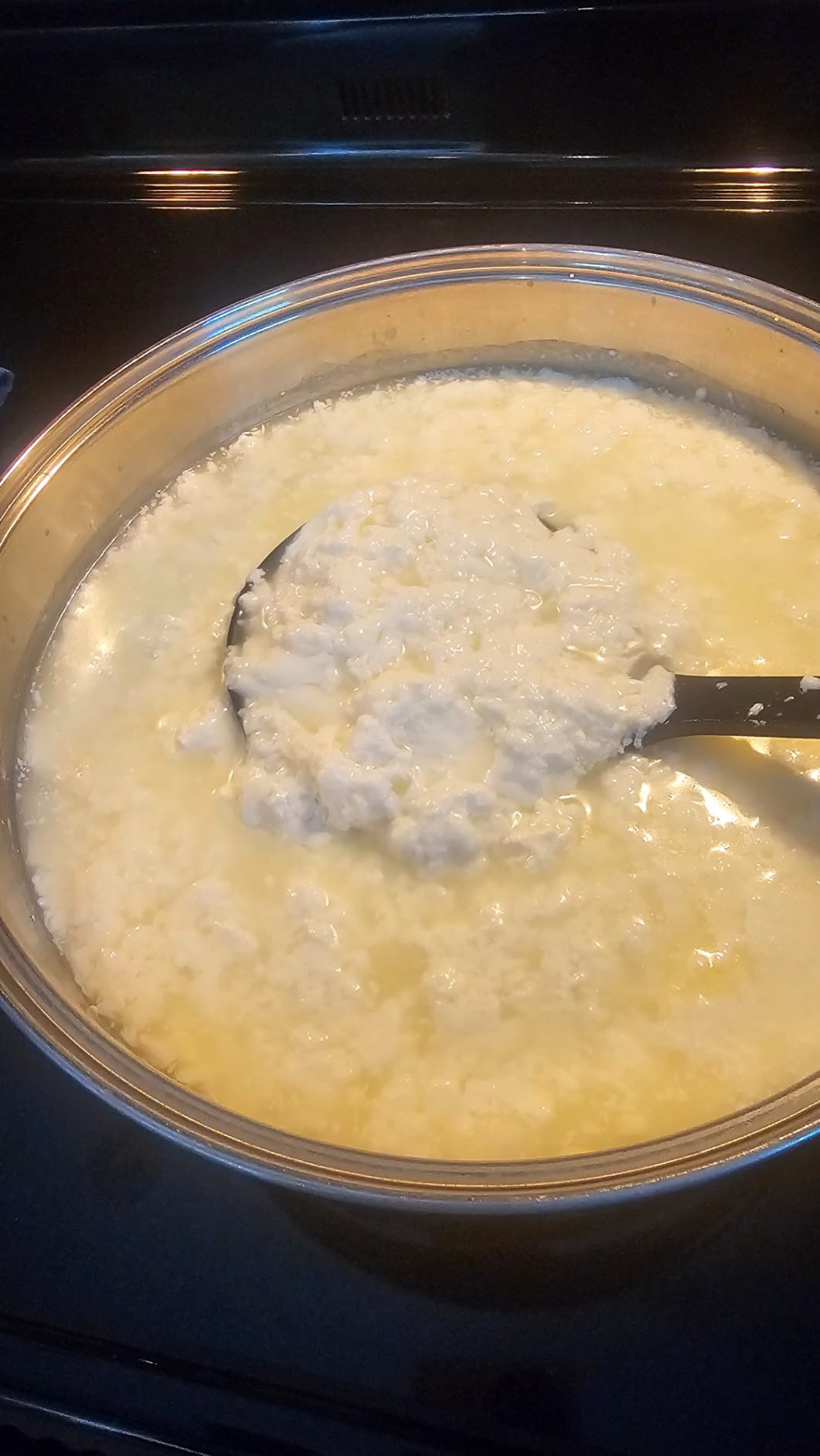
One detail I appreciated is that the kit works with any milk. I tested it with standard grocery store whole milk, and then later with local goat milk. Both produced great results.
The non-GMO rennet and preservative-free approach means you are making clean cheese with no additives you cannot pronounce. The resealable packaging is a small thing that makes a big difference. Once you open a packet of citric acid or rennet, you can seal it back up for the next batch.
Perfect for first-timers and quick batches
This is the kit I would hand to someone who has never made cheese before and wants to see if the hobby clicks. The 20-minute mozzarella recipe is nearly foolproof, and the sense of accomplishment from stretching your own cheese is immediate. It is also a great activity to do with kids, since the age range starts at 8 and up.
If you are buying for someone who already knows they love cheese making, this might feel too basic. But as a first step into the hobby, it nails the balance of simplicity and results.
What the kit does not cover
A few of the recipes require store-bought buttermilk as a culture source, which means an extra trip to the grocery store. The kit tells you this up front, but it is worth knowing before you plan a cheese making afternoon. Also, since these are food items, returns are not accepted, so check the contents when it arrives.
This kit focuses exclusively on fresh cheeses. If you want to make aged cheddar or pressed cheeses, you will need to graduate to a more advanced kit or buy cultures separately. Think of this as your training wheels.
4. Fermentaholics DIY Fresh Cheese Kit – Compact and Milk-Flexible
- Great starter kit with essential ingredients
- 7 easy recipes included
- Customize cheese with herbs and spices
- Use any type of milk cow goat sheep or buffalo
- Great gift idea
- Limited quantity of some ingredients
- Focused on fresh cheeses only
The Fermentaholics DIY Fresh Cheese Making Kit arrived in a surprisingly compact package, and I was skeptical about how much it could actually produce. After working through several recipes, I came away impressed by how much they packed into a small footprint. The kit includes microbial rennet tablets, cheese salt, citric acid, a yard of grade 90 cheesecloth, and a recipe booklet called Easin’ Into Cheesin’.
That recipe booklet deserves a mention because the tone is genuinely fun. It walks you through seven quick recipes for ricotta, mozzarella, burrata, paneer, cottage cheese, and more. The instructions are written for absolute beginners, with clear temperature targets and timing cues.
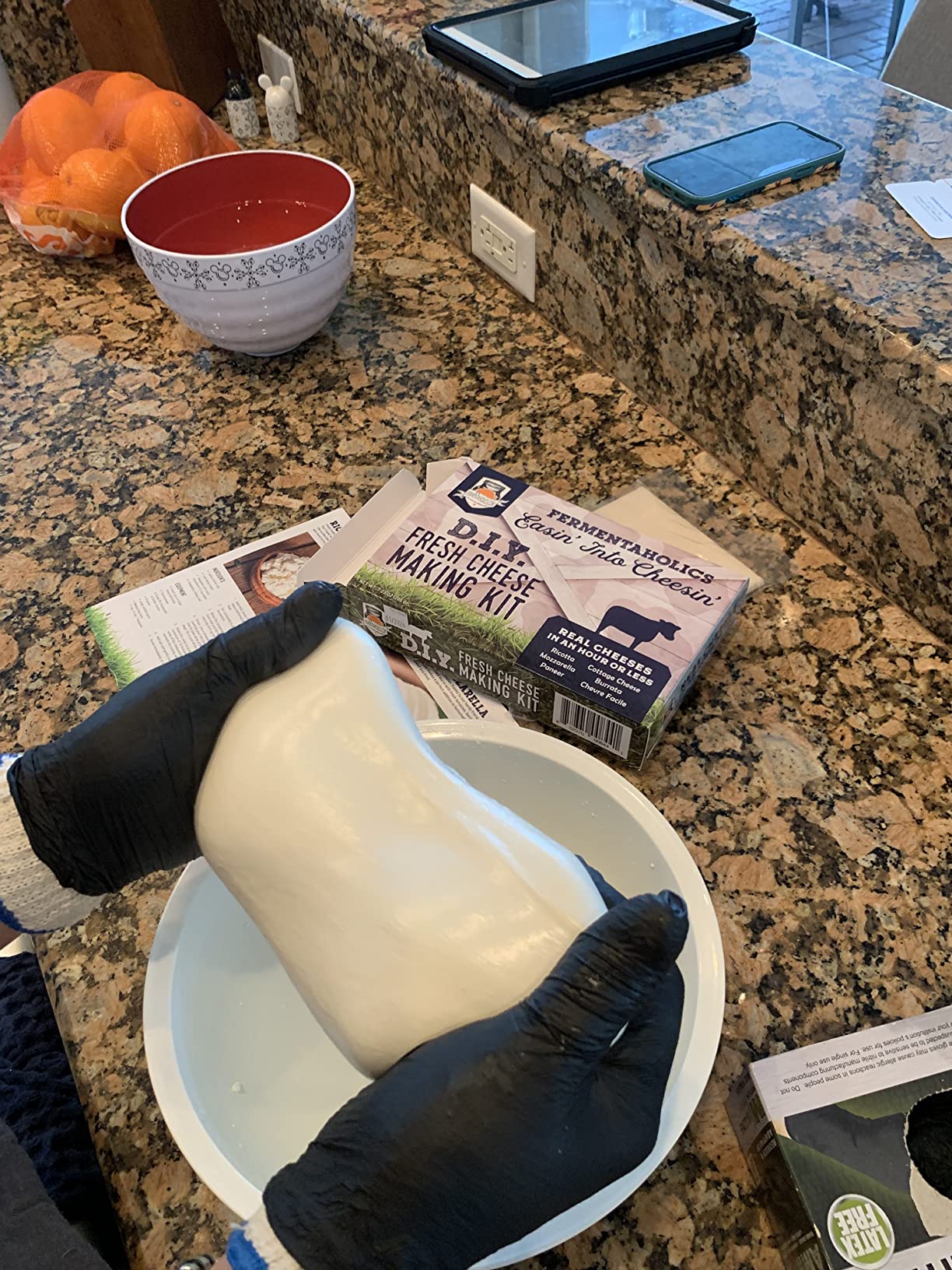
I never found myself guessing what a step meant. The standout feature is milk flexibility. The kit explicitly states you can use cow, goat, sheep, or buffalo milk.
I tested it with standard whole milk and then with goat milk, and both produced clean, flavorful cheese. The goat milk batch had that distinctive tang that works beautifully in salads.
The grade 90 cheesecloth is a step above the flimsy stuff you find at the grocery store. Grade 90 has a tighter weave, which means fewer curds slip through during draining. After rinsing, I was able to reuse it for the next batch without it falling apart.
Ideal for experimenting with flavors
The kit encourages you to customize your cheese with herbs and spices, and the recipe booklet includes suggestions for each cheese type. I made a herb-crusted ricotta that became the star of a dinner party appetizer plate. The flexibility to flavor your own cheese is where this kit becomes more than just a science experiment.
This is also one of the most giftable kits on the list. The compact size, clear instructions, and broad milk compatibility make it a safe choice for someone who has never made cheese but has expressed curiosity about it.
Where the kit falls short
The ingredient quantities are on the smaller side. You get four rennet tablets, 100 grams of cheese salt, and 100 grams of citric acid. That is enough for several batches, but not the kind of volume you get from the Standing Stone Farms kits.
If you fall in love with cheese making, you will outgrow this kit’s supplies quickly. The kit also focuses entirely on fresh cheeses. There are no cultures included for aged or hard cheeses, so the variety tops out at quick-set options. For beginners that is perfectly fine, but intermediate makers will want more.
5. Cultures For Health Mozzarella and Ricotta Kit – The Focused Specialist
- Great kit for beginners new to cheesemaking
- Quick recipe takes about half an hour
- All-inclusive with quality ingredients
- Gluten free and non-GMO
- Vegetarian friendly vegetable rennet
- Limited to mozzarella and ricotta only
Sometimes you do not need ten cheese varieties. Sometimes you just want to nail a perfect mozzarella for Friday night pizza and a batch of ricotta for weekend pancakes. That is exactly the lane the Cultures For Health kit occupies, and it does so with a 76 percent five-star rating from nearly 500 reviewers.
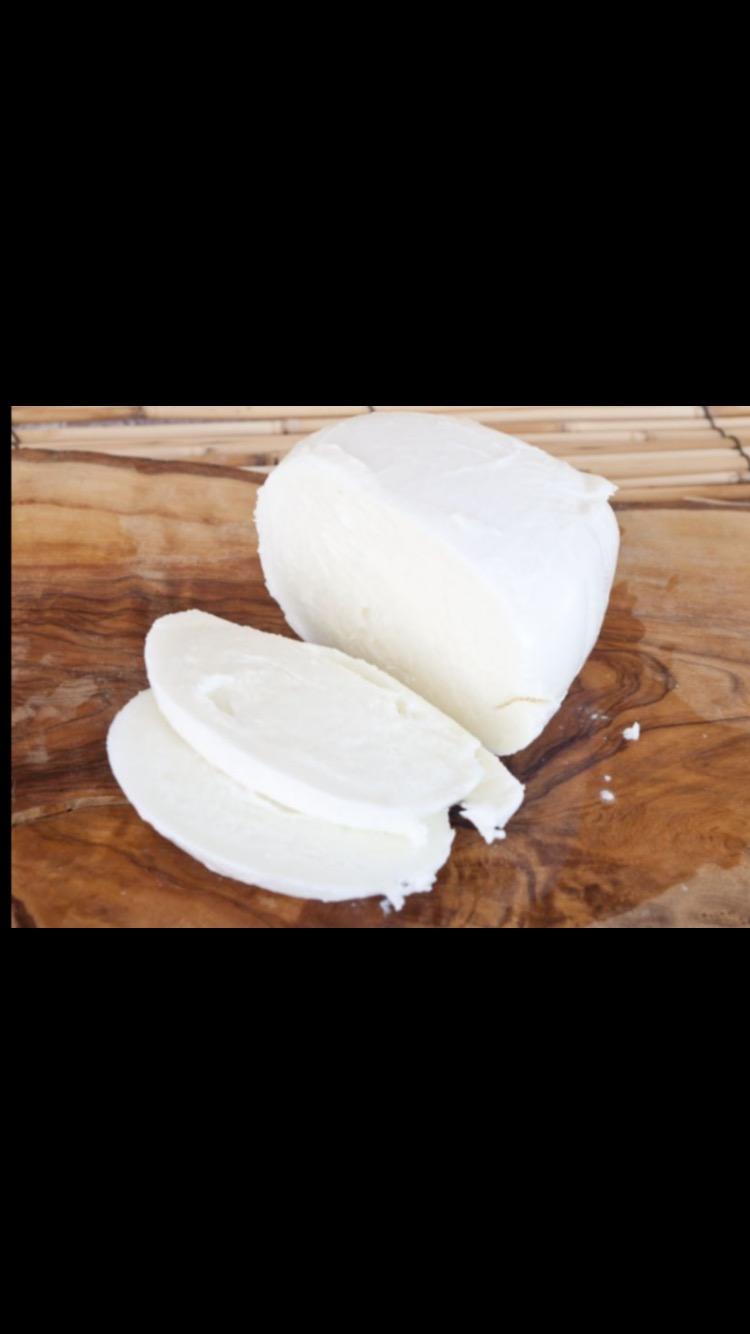
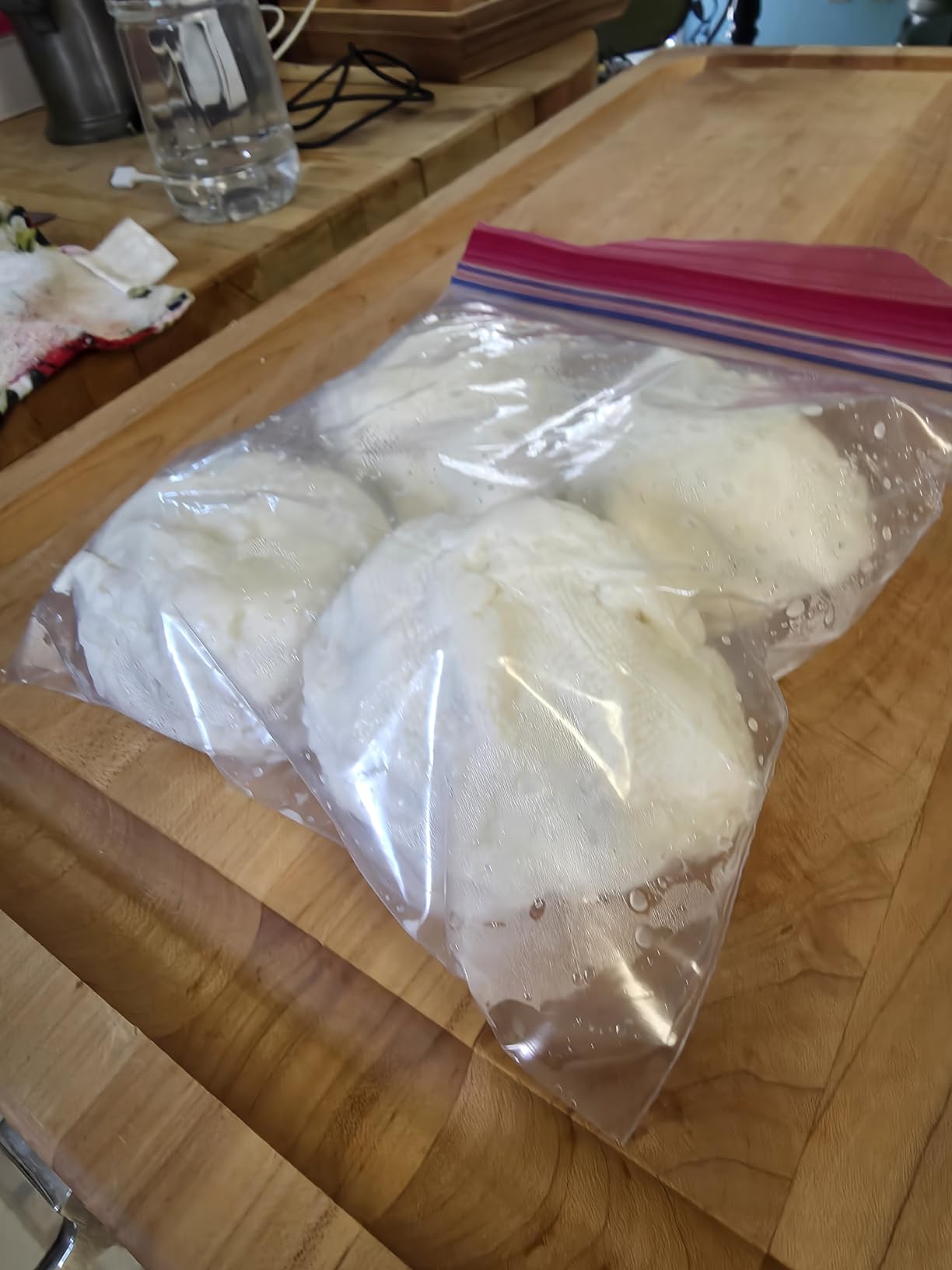
The kit includes five rennet tablets, four ounces of citric acid, eight ounces of cheese salt, a cooking thermometer, and a yard of butter muslin. Everything is pre-measured and the instructions walk you through mozzarella and whole milk ricotta step by step. My first mozzarella batch took about 30 minutes from start to stretch.
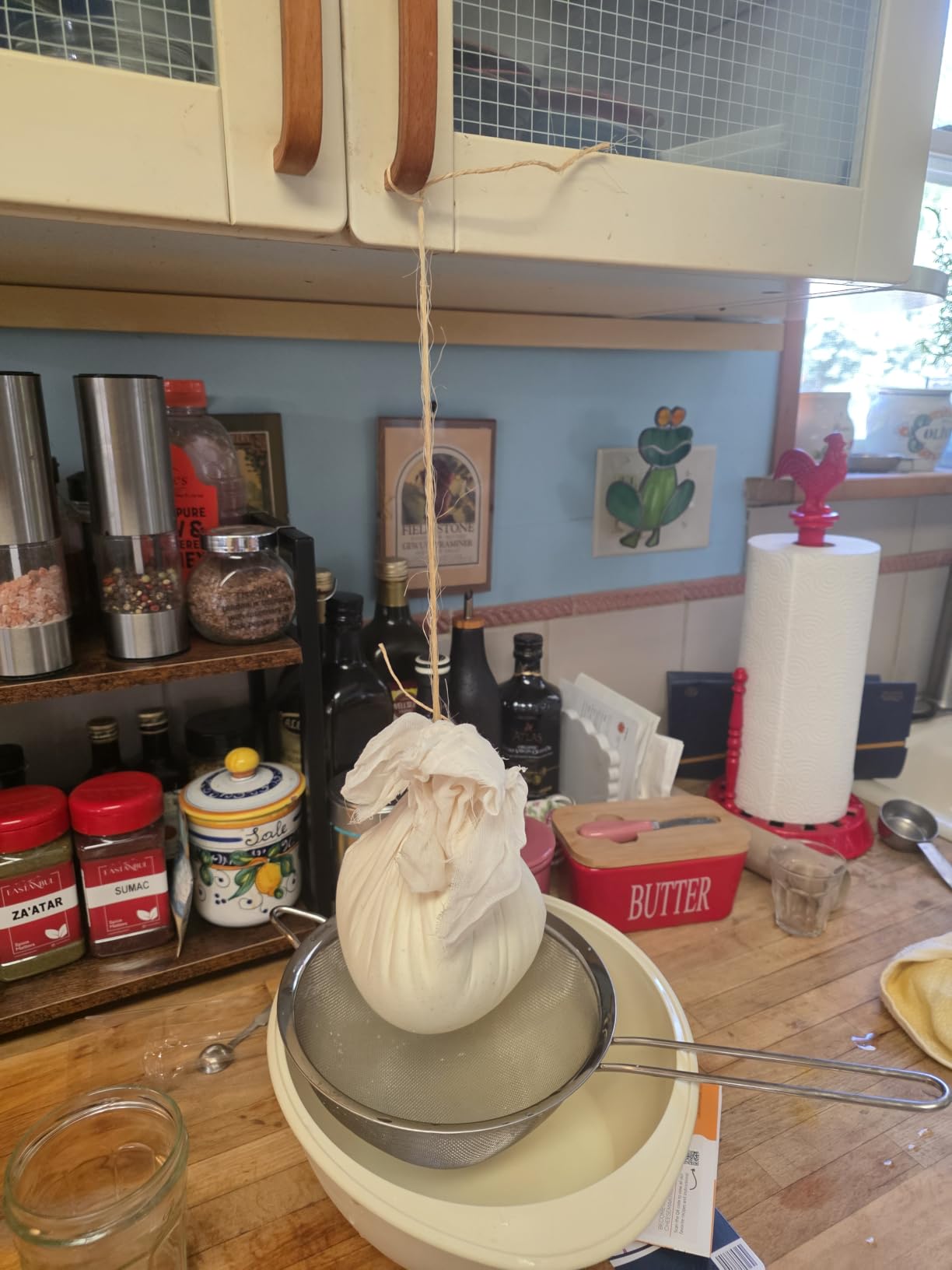
Cultures For Health is a brand known in the fermentation community, and the ingredient quality reflects that reputation. The vegetable rennet tablets are vegetarian-friendly, gluten-free, and non-GMO. For anyone with dietary concerns, the transparency on sourcing is reassuring.
The cooking thermometer is a nice inclusion because temperature control is the single most important factor in cheese making. Too hot and you kill the culture. Too cool and the curds will not set properly.
Having a dedicated thermometer in the kit means you are not guessing with a meat probe or a phone app. That alone can be the difference between a successful batch and a pot of wasted milk.
When this kit is the right call
If you know your goal is fresh mozzarella and ricotta, this kit removes the guesswork. The focused recipe set means the instructions are detailed rather than rushed across a dozen cheese types. Each step gets full attention, which is exactly what a first-time cheese maker needs.
The gluten-free and non-GMO certifications also make this a strong choice for households with specific dietary requirements. You can serve the cheese to guests without worrying about hidden allergens.
The trade-off of specialization
The obvious limitation is that you are locked into two cheeses. There are no cultures for chevre, no instructions for paneer, no path to aged cheese. If you want to explore beyond mozzarella and ricotta, you will need a different kit or separate supplies.
Some users on cheese making forums note that rennet tablets can be slightly less consistent than liquid rennet. I did not have issues, but if you live in a very warm climate, tablets can sometimes crumble or lose potency faster. Store them in a cool, dry place.
6. Standing Stone Farms Complete Kit – Equipment Plus Ingredients in One Package
- Liquid rennet for consistent results
- Calcium chloride for store-bought milk
- Resealable ingredient packaging
- Online video access and FB group support
- Makes both hard and soft cheese
- DVD no longer included physically
- Spices and vinyl gloves not included
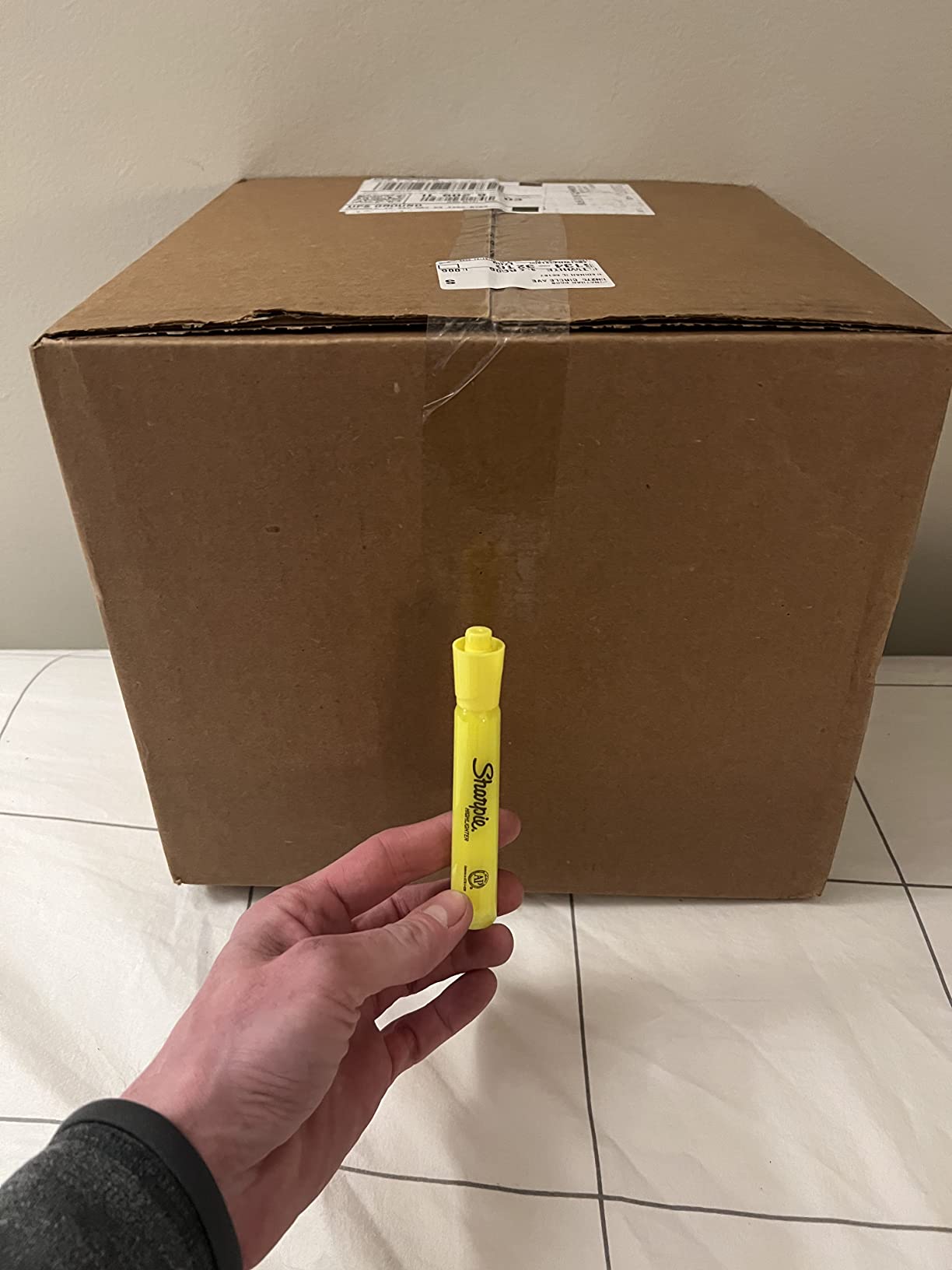
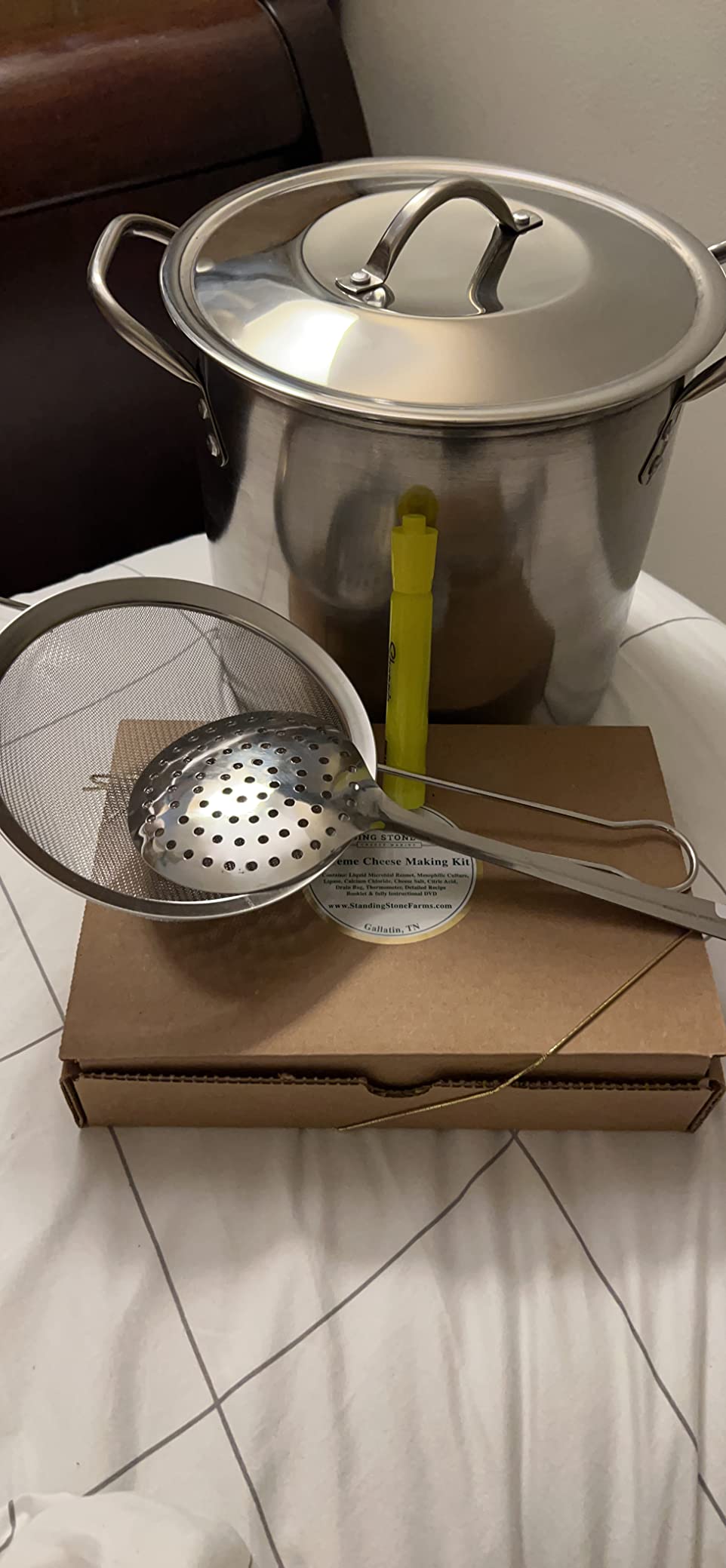
The Standing Stone Farms Complete Kit is the step-up option for someone who wants equipment and ingredients in a single purchase. Unlike the ingredient-only kits, this one ships with an 8-quart stock pot with lid, a stainless steel fine mesh strainer, a high-temperature nylon skimmer spoon, and a soft cheese mold. That is the gear that most kits assume you already own.
The kit processes 20 to 25 gallons of milk into preservative-free cheese, which is a substantial volume. It makes both hard and soft cheese, and the liquid rennet included is a noticeable upgrade from tablet forms. Liquid rennet measures precisely and mixes evenly, which reduces the chance of a batch that refuses to set.
One inclusion that caught my attention is calcium chloride. If you use store-bought milk, the pasteurization process can interfere with curd formation. Calcium chloride compensates for this by restoring calcium balance, which means your grocery store milk will actually form proper curds.
Most kits skip this ingredient entirely, and it is the number one reason beginners think their kit is broken when really it is their milk. The kit also provides access to online instructional videos and a private Facebook support group. When I hit a snag with an aging cheese, I posted in the group and got practical advice within hours.
Who should invest in this complete package
This kit makes the most sense for someone who is committed to cheese making as an ongoing hobby rather than a one-time experiment. The included equipment means you are not raiding your kitchen for a pot that is the wrong size or a strainer with holes too large for draining curds.
The calcium chloride and liquid rennet also make this kit better suited for people using standard supermarket milk. If you do not have access to farm-fresh raw milk, these two ingredients solve the most common failure point for home cheese makers.
What changed from the original version
The kit used to include a physical DVD, which has been replaced with streaming video access. This is actually an improvement since you can watch on any device, but some buyers expecting a disc may be surprised. The spices and disposable vinyl gloves that were once included are no longer part of the package due to sourcing changes.
At this price tier, you are paying for the equipment and the volume of cheese it produces. If you already own a good pot and strainer, the Basic or Ultimate ingredient kits from Standing Stone Farms may serve you better for less.
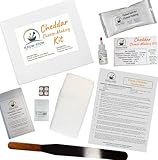
7. Know-How Foods Brand Cheddar Kit – The Dedicated Cheddar Specialist
- 9 piece set with everything for cheddar
- British cuisine style
- Easy to follow instructions
- Dedicated cheddar focus
- Limited to cheddar only
- Smaller review base
Most kits cast a wide net across multiple cheese types, but the Know-How Foods Brand Cheddar Kit goes all in on one goal, making proper cheddar at home. This British cuisine style kit comes as a 9-piece set with everything focused on getting you from milk to a cheddar you can actually age and slice.
Cheddar is one of the more challenging cheeses to make at home because it involves a process called cheddaring, where curds are stacked and pressed to develop the characteristic texture and flavor. Having a kit dedicated to walking you through that specific process is genuinely helpful, since general kits often gloss over the details.
The instructions are straightforward and the 9-piece set covers the specific tools and ingredients cheddar requires. With a 72 percent five-star rating across 88 reviews, the feedback is consistently positive, particularly from users who had tried and failed to make cheddar from scratch using pieced-together supplies.
Best for cheddar enthusiasts
If cheddar is your favorite cheese and you have no interest in making mozzarella or ricotta, this focused kit eliminates the extras and puts all its energy into one cheese type. You get ingredients, instructions, and tools specifically chosen for the cheddar process rather than compromises that try to serve multiple cheeses.
The British cuisine style means the recipes lean toward traditional English cheddar methods, which produce a sharper, more complex flavor than the mild block cheddar most Americans are used to. If you have tasted aged English cheddar and want to recreate it, this kit is built for that profile.
Things to consider before choosing this one
The review base is smaller than the multi-cheese kits on this list, which means less community feedback to lean on when you hit a snag. The kit is also strictly cheddar, so if your cheese making curiosity extends to other varieties, you will need a second kit.
This kit is not Prime eligible, so factor shipping time into your plans. If you are buying it as a gift, order early to avoid timing issues.
8. Ricki’s Goat Cheese Kit – The Goat Milk Specialist
- 4 goat cheese molds included
- Chevre DS culture 5 pack
- Reusable butter muslin
- E4 thermometer
- Everything but milk needed
- Focused on goat cheese only
- Smaller review base
Ricki’s Goat Cheese Kit from New England Cheesemaking Supply is the specialist choice for anyone who wants to make fresh chevre and goat milk cheeses. New England Cheesemaking is one of the most respected names in the hobby, and this kit reflects their decades of experience supplying home cheese makers.
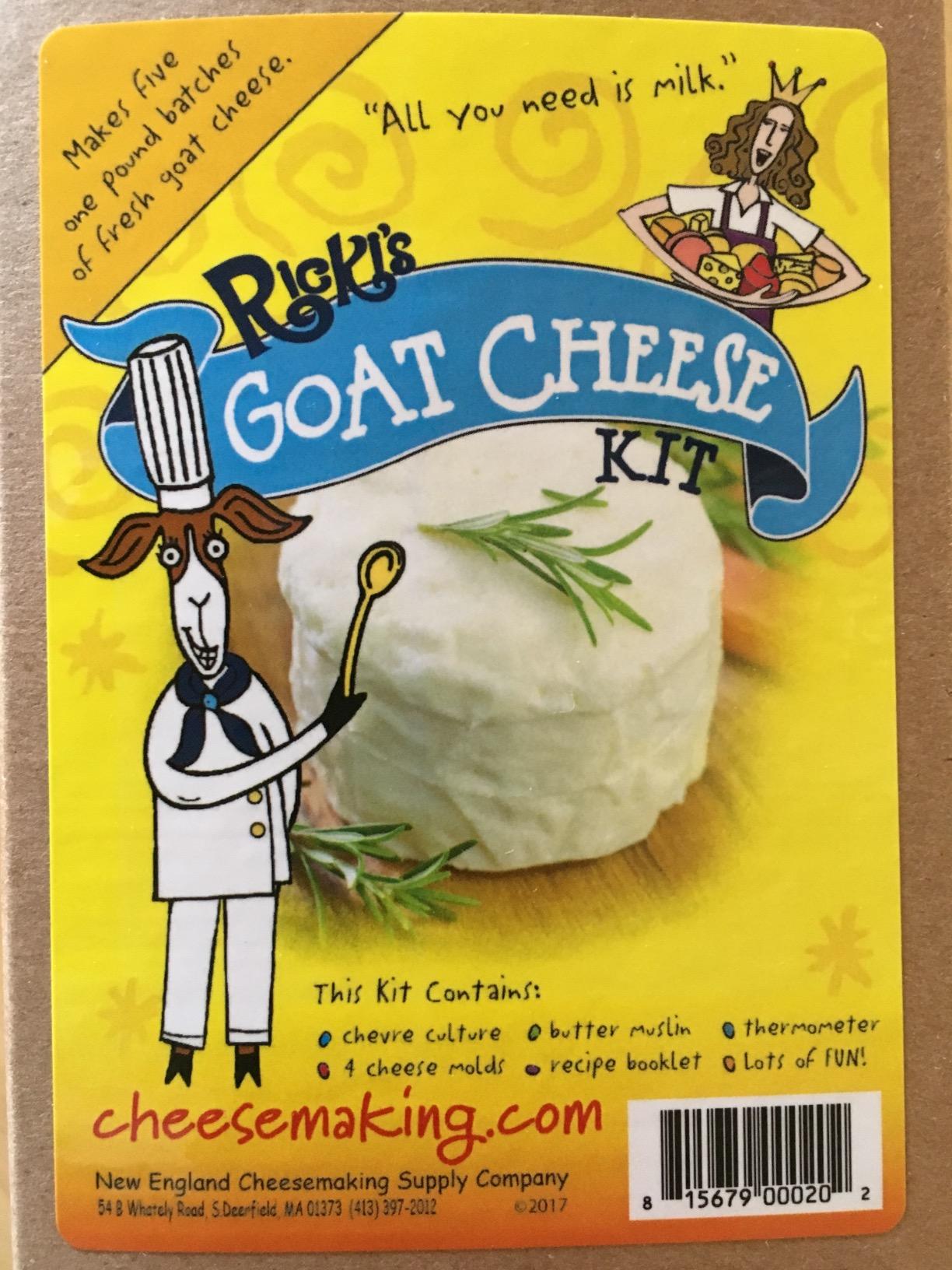
The kit includes four goat cheese molds, a Chevre DS direct-set culture in a 5-pack, a yard of reusable butter muslin, an E4 thermometer, and a recipe booklet. That is everything you need except the milk. The four molds let you shape multiple small cheeses at once, which is perfect for serving individual portions or experimenting with different flavor coatings.
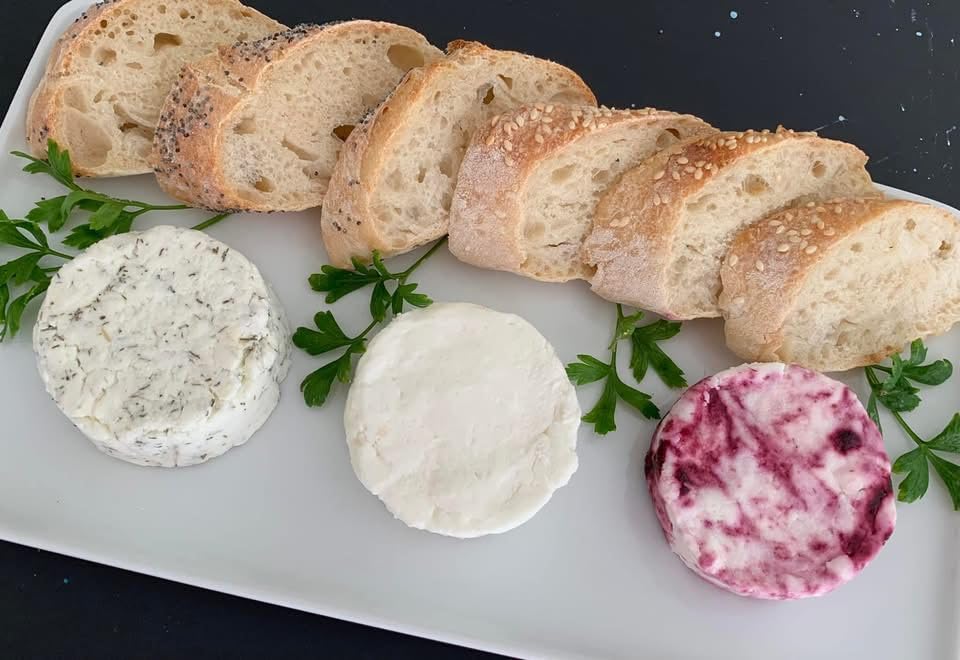
The Chevre DS culture is direct-set, which means you do not need to maintain a mother culture or reculture batches. You simply add the packet to warmed milk and let it work. For beginners, this removes a layer of complexity that trips up many first attempts at cultured cheese.
Goat cheese has a distinct tang that pairs beautifully with herbs, honey, and roasted vegetables. If you have access to fresh goat milk from a local farm or farmers market, this kit turns that milk into chevre that tastes noticeably fresher than anything in a grocery store tub.
Who this kit is built for
This kit is ideal for anyone with access to goat milk, whether from a homestead, a local farm, or a farmers market. It is also a great choice for cooks who love chevre specifically and want to control the freshness and quality of their goat cheese rather than relying on store-bought options that have been sitting on a shelf.
Hobby farmers with dairy goats will find this kit especially useful, since it gives you an immediate way to turn excess milk into a product with a longer shelf life than fluid milk.
Limitations to factor in
This kit is dedicated to goat cheese, so it will not help you make cow milk mozzarella or cheddar. The review base is also smaller at 71 reviews, though the 4.3-star average with 69 percent five-star ratings shows consistent satisfaction.
The kit is not Prime eligible, and New England Cheesemaking Supply ships from their own facility. Plan for standard shipping times rather than two-day delivery.
9. PetriStor BIG Dutch Wooden Cheese Press – For Pressed and Aged Cheeses
- Pressures up to 400 pounds
- Two cheese molds included
- Moisture-resistant plywood construction
- Long lever with weight notches
- Stabilising base prevents tipping
- Suitable for home and semi-professional use
- Metal canister not included
- Advanced tool not a starter kit
The PetriStor BIG Dutch Wooden Cheese Press is a different category from the other kits on this list. It is not a starter kit with rennet and cultures. Instead, it is the physical press you need to make hard, aged cheeses like cheddar, gouda, and farmhouse styles. If your cheese making journey has hit the ceiling of fresh cheese and you want to go further, this is the tool that gets you there.
Built from moisture-resistant plywood with a vegetable-derived oil wax coating, this press applies up to 400 pounds of pressure to your cheese mold. The coefficient of additional pressure on the mold is more than 8, which means the lever design multiplies the weight you hang on it significantly. I was able to press a firm cheddar wheel using modest hanging weights.
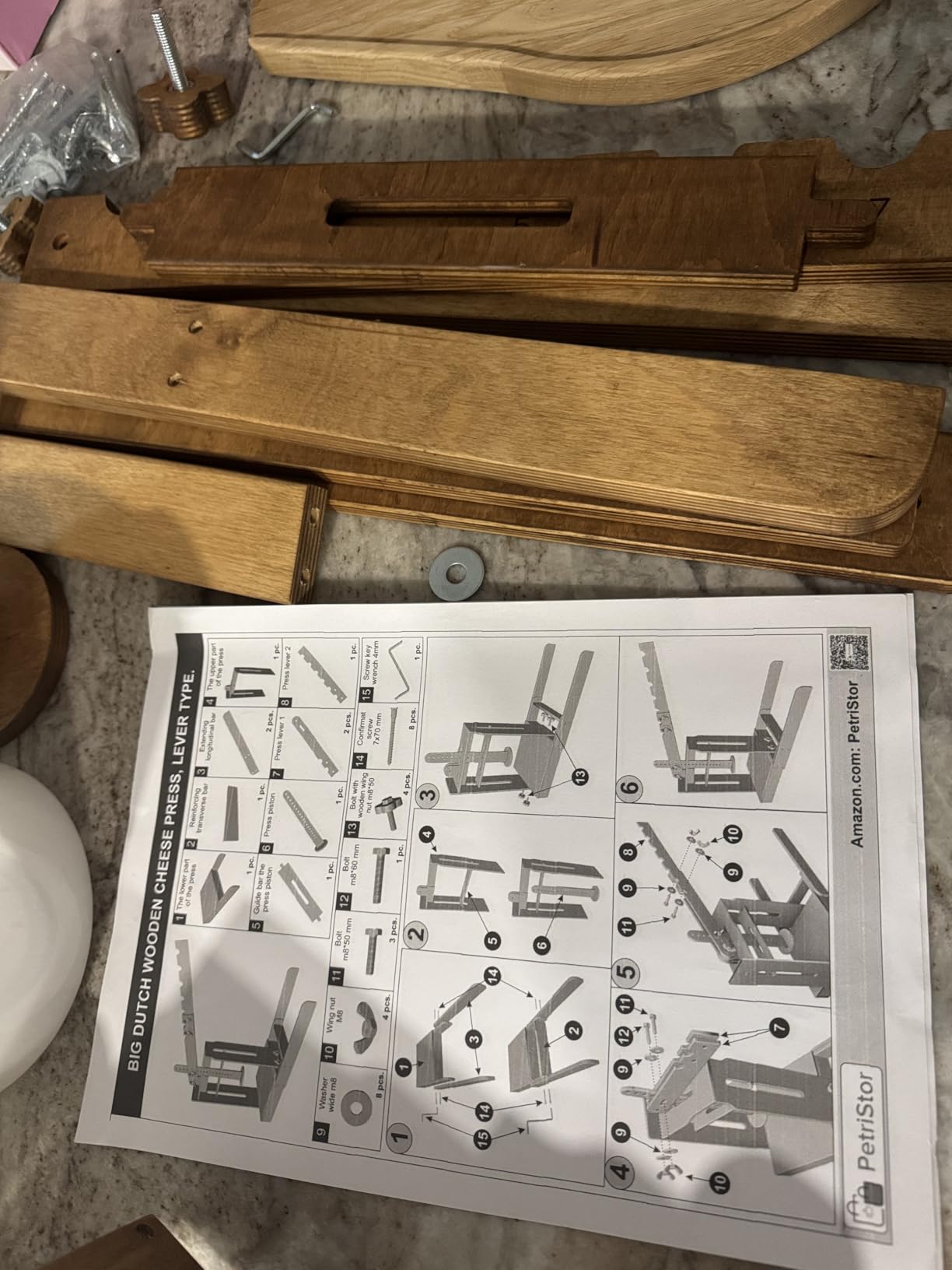
The press includes two cheese molds at 1.3 quart and 2 quart capacities, both 6.2 inches in diameter. The design also accommodates molds up to 11 inches, so you can upgrade to larger formats as your skills grow. Two cheesecloths come included, along with a stabilising base that prevents the whole assembly from tipping when you add heavy weights.
The long lever features notches along its length, which lets you fine-tune the pressure by moving the hanging weight closer or farther from the pivot point. This level of control matters because different cheeses require different pressing schedules, and getting the pressure wrong can crack your wheel or leave it too moist.
When you are ready to graduate to aged cheese
This press is for cheese makers who have mastered fresh cheese and want to produce wheels they can age for weeks or months. Pressed cheeses require consistent, adjustable pressure to knit the curds together and expel whey, and you simply cannot achieve that with a stack of books or a makeshift weight on top of a mold.
The construction quality makes it suitable for both home and semi-professional use. At a 4.8-star rating with 84 percent five-star reviews, the feedback consistently highlights the build quality and the effectiveness of the lever system.
What you still need to buy separately
The metal canister that some traditional Dutch presses use is not included, so you will rely on the lever and hanging weight system instead. You also need to supply your own cultures, rennet, and aging space, since this is purely a pressing tool. Think of it as the capstone equipment for a serious cheese making setup rather than a starting point.
If you are just beginning, start with one of the ingredient kits above and add this press once you are ready to tackle hard, aged cheeses. Buying it before you have made fresh cheese successfully would be like buying a stand mixer before learning to bake by hand.
How to Choose the Best Cheese Making Kit
Picking from the best cheese making kits comes down to a handful of decisions about what you want to make, how much you want to spend, and where you are starting from. Here is what actually matters when comparing kits.
Ingredients and Cultures
The core of any cheese making kit is its ingredients. Look for kits that clearly label their cultures and rennet, because vague terms like cheese starter without specifying whether it is mesophilic or thermophilic are a red flag.
Liquid rennet is generally more consistent than tablet rennet, especially in warm climates. Calcium chloride is essential if you plan to use store-bought pasteurized milk, since it restores the calcium balance that pasteurization disrupts.
Equipment Quality
Reddit’s r/cheesemaking community repeatedly highlights that basic kits often skimp on tools. A good kit should include at minimum a thermometer, cheesecloth or butter muslin, and a draining vessel.
Grade 90 cheesecloth is far better than the loose-weave grocery store variety because it holds fine curds. If a kit includes a pot, strainer, or molds, check the materials. Stainless steel and BPA-free nylon are what you want.
Cheese Variety
Decide whether you want to experiment with many cheese types or perfect one. Multi-cheese kits like The Big Cheese Ultimate and the Standing Stone Farms Ultimate offer ten or more recipes, which keeps things interesting but means each recipe gets less detailed attention.
Focused kits like the Cultures For Health mozzarella and ricotta set or the Know-How cheddar kit go deep on one or two cheeses with more thorough instructions. Both approaches have merit depending on your personality and goals.
Yield Per Batch
One common question is how much cheese a kit actually produces. As a general rule, one gallon of milk yields about one pound of cheese, though this varies by type.
Fresh cheeses like ricotta and mozzarella convert efficiently, while aged hard cheeses yield less because pressing removes more whey. Check the total batch count and per-batch yield before buying so you can compare value across kits.
Milk Type Compatibility
Not all kits work equally well with all milk types. If you have access to goat or sheep milk, confirm the kit you choose supports it.
The Fermentaholics kit and the Standing Stone Farms kits explicitly state compatibility with cow, goat, and sheep milk. Ricki’s Goat Cheese Kit is built specifically for goat milk and includes the right cultures for that application.
Beginner Versus Advanced
If you have never made cheese, start with a fresh cheese kit. Mozzarella, ricotta, and chevre can be ready in under an hour and do not require pressing or aging.
Once you have a few successful fresh batches under your belt, graduate to kits that include mesophilic cultures for semi-hard cheeses, and eventually add a cheese press like the PetriStor for aged wheels.
Kit Versus Buying Supplies Separately
A common debate in cheese making forums is whether kits are worth it compared to sourcing ingredients individually. The answer depends on your experience level.
For beginners, kits remove the overwhelming task of figuring out which culture, which rennet, and which tools you actually need. Once you know exactly what you use regularly, buying bulk cultures and rennet from a specialty supplier becomes more economical.
Storage and Shelf Life
Cheese making ingredients do expire. Rennet loses potency after about a year, and cultures have a similar window. Store all dry ingredients in a cool, dry place, and keep liquid rennet refrigerated after opening.
Check the shelf life claim on any kit before buying, and do not stockpile more than you can use within that window. The Big Cheese kit’s one-year shelf life is a good benchmark to compare against.
Troubleshooting Common Problems
No cheese making guide is complete without acknowledging that batches fail. The most common issue is curds that will not set, which almost always traces back to milk temperature or milk quality.
If your curds stay soft, check that your milk is not ultra-pasteurized, which has been heated too high for rennet to work. Add calcium chloride if using store-bought milk.
If the taste is off, your culture may have been inactive or contaminated. Start with fresh packets and sanitized equipment, and your next batch should set properly.
Frequently Asked Questions
What is the best cheese making kit for beginners?
The Standing Stone Farms Basic Beginner Kit is the best cheese making kit for beginners because it produces fresh cheese in about 20 minutes, includes all ingredients except milk, and has nearly 1,600 reviews backing its reliability. The Cultures For Health Mozzarella and Ricotta Kit is another strong beginner choice if you want a focused two-cheese recipe set.
How much cheese will 1 gallon of milk make?
One gallon of milk typically yields about one pound of finished cheese, though the exact amount depends on the cheese type. Fresh cheeses like mozzarella and ricotta convert milk efficiently, while aged hard cheeses yield less because pressing and draining remove more whey.
What is the best cheese to make at home?
Mozzarella is the best cheese to make at home for beginners because it is ready in under an hour, requires only rennet and citric acid, and delivers immediate results. Ricotta and chevre are also excellent starting points because they use simple ingredients and minimal equipment.
Do you really need rennet to make cheese?
Rennet is required for most cheese types because it is the enzyme that coagulates milk into firm curds. A few cheeses like ricotta and paneer can be made with just acid, but any cheese that requires cutting and pressing curds needs rennet to set properly.
Do cheese making kits expire?
Yes, cheese making kits expire. Rennet and cultures typically lose potency within about one year of purchase. Store dry ingredients in a cool, dry place and refrigerate liquid rennet after opening to maximize shelf life. Plan to use a kit within its stated shelf life window for best results.
Final Thoughts on the Best Cheese Making Kits
The best cheese making kits remove the intimidation from a hobby that sounds harder than it is. Within an hour of opening any of these boxes, you can be stretching fresh mozzarella or draining ricotta that tastes better than what you buy at the store.
For most people, the Standing Stone Farms Ultimate Kit is the strongest all-around choice because it includes the cultures needed for both fresh and aged cheeses. The Big Cheese Ultimate Kit offers the best value per batch with 40 servings of cheese making supplies. And if you just want to test the waters, the Standing Stone Farms Basic Beginner Kit gets you results in 20 minutes for a fraction of the investment.
Whatever kit you choose, start with fresh cheese, follow the temperatures exactly, and do not get discouraged if your first batch is imperfect. Cheese making is a skill that rewards repetition, and every batch teaches you something the recipe book did not. Once you find your rhythm, you will wonder why you ever bought cheese from a store.