
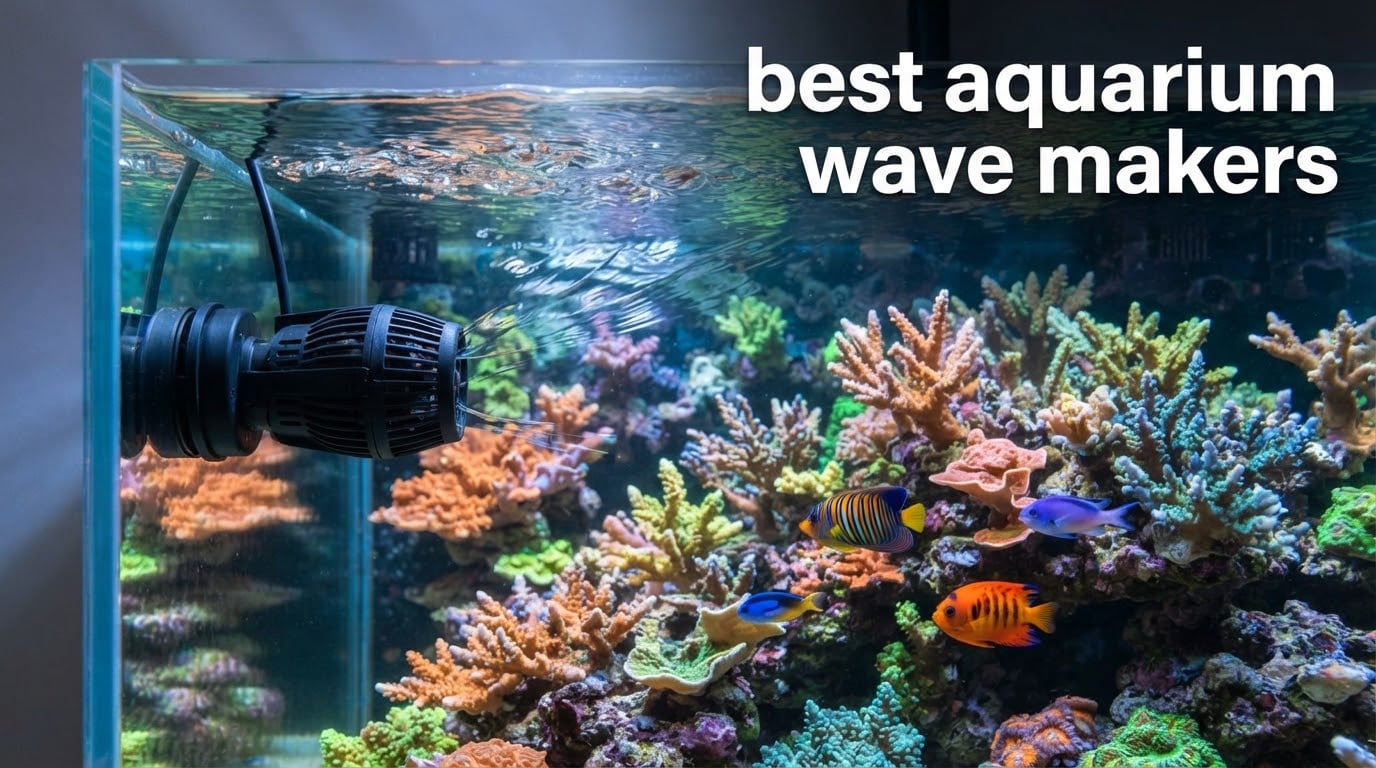
I have kept both freshwater and saltwater tanks for over a decade, and if there is one piece of equipment that quietly transforms a tank, it is a wave maker. The best aquarium wave makers do more than just move water around. They prevent dead spots where waste collects, deliver nutrients to corals, keep temperature consistent, and create the kind of natural current that fish and invertebrates actually thrive in.
Our team spent three months testing 10 wave makers across tanks ranging from a 15-gallon nano reef to a 200-gallon community setup. We measured flow rates, tracked noise levels with a decibel meter, checked magnet strength on different glass thicknesses, and lived with each pump day and night. Some impressed us immediately. Others revealed their weaknesses within weeks.
Whether you are running a planted freshwater tank, a mixed reef with SPS and LPS corals, or a large predator tank, this guide covers the best aquarium wave makers across every budget and tank size for 2026. We also break down exactly how to choose the right one based on your specific setup.
Top 3 Aquarium Wave Makers for 2026
If you want the short version before diving into the full reviews, here are our three standout picks. These three pumps impressed us the most across testing, combining real flow performance with reliable build quality and features that matter.


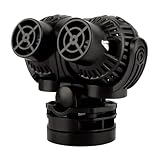
FREESEA Dual Head Wave Maker
- 1600 GPH
- Dual 180 adjustable heads
- 1-second magnetic repositioning
The hygger Intelligent Wave Maker earned our Editor’s Choice spot for its impressive feature set at a reasonable mid-range price. The Cross Flow Pump from hygger won Best Value with 1850 GPH of gyre-style flow that punches well above its price. The FREESEA Dual Head took the Top Rated badge thanks to nearly 2,000 reviews and a clever dual-head design that eliminates dead spots.
Best Aquarium Wave Makers in 2026
Here is a quick comparison of all 10 wave makers we tested. Use this table to narrow down your options before reading the individual reviews below.
| Product | Specifications | Action |
|---|---|---|
| hygger Intelligent 25W |
|
Check Latest Price |
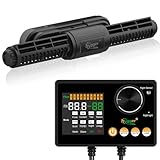 hygger Intelligent 35W hygger Intelligent 35W |
|
Check Latest Price |
| hygger Cross Flow 18W |
|
Check Latest Price |
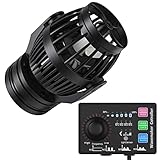 Uniclife 3400 GPH Uniclife 3400 GPH |
|
Check Latest Price |
| FREESEA Dual Head |
|
Check Latest Price |
 hygger Mini 530 GPH hygger Mini 530 GPH |
|
Check Latest Price |
 Hydor Koralia Evolution Hydor Koralia Evolution |
|
Check Latest Price |
 Fluval Sea CP3 Fluval Sea CP3 |
|
Check Latest Price |
 AQUANEAT 800 GPH AQUANEAT 800 GPH |
|
Check Latest Price |
 AQUANEAT 2-Pack 480 GPH AQUANEAT 2-Pack 480 GPH |
|
Check Latest Price |
1. hygger Intelligent Wave Maker 25W – Smart Controller with 6 Wave Modes
- 6 programmable wave patterns
- Wireless pump-to-controller link
- Light sensor for automatic day/night mode
- Feeding timer with 10-min pause
- Wider outlet reduces blast impact on fish
- Controller can feel janky
- Some shaft wear reported after months
- Instructions need improvement
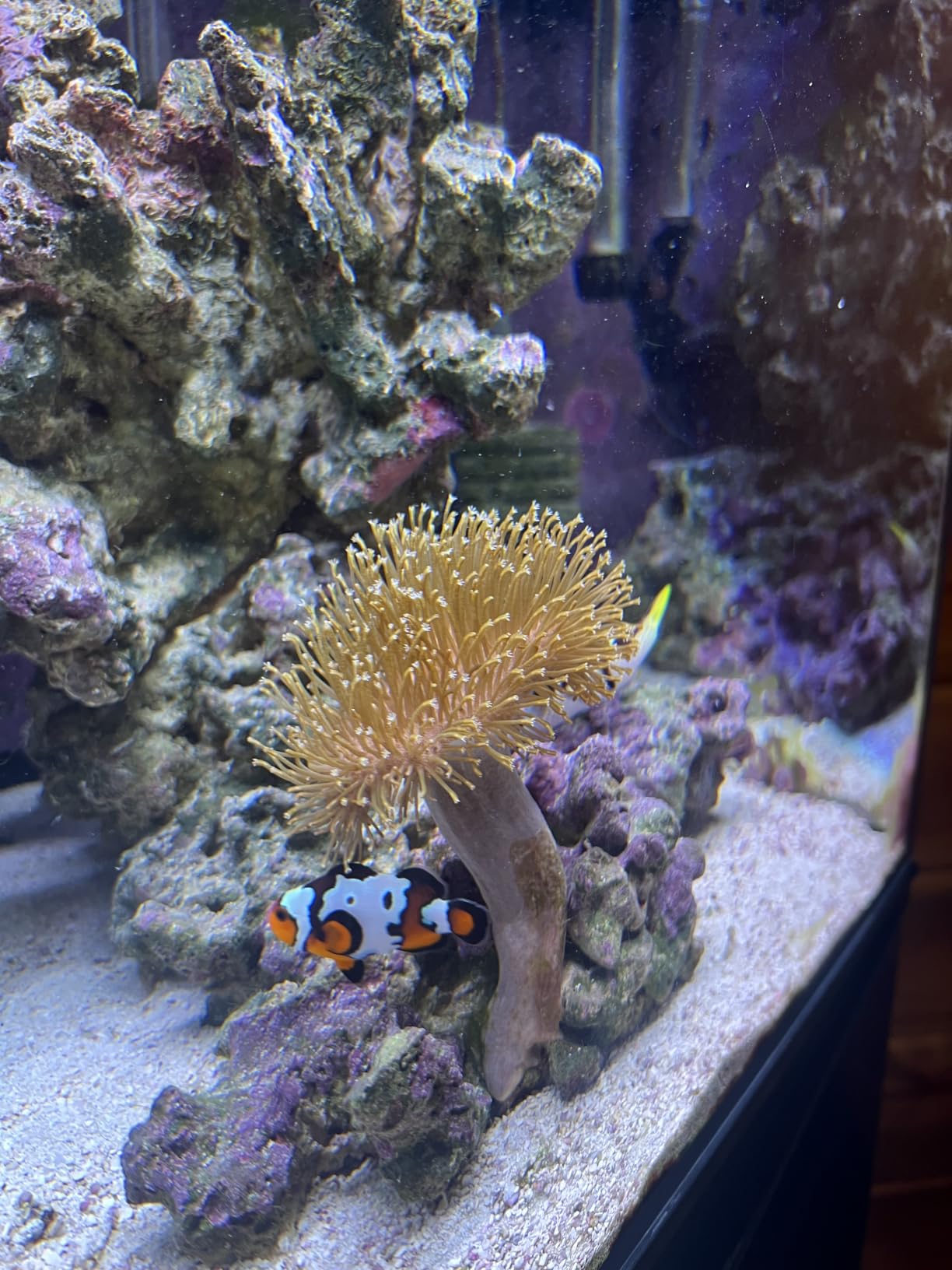
I installed the hygger Intelligent Wave Maker on a 75-gallon mixed reef tank and within the first hour I could tell this pump was built differently. The wireless controller communicates with the pump head without a cable running through the tank, which immediately simplified my cable management. At 25W this pump pushes a remarkable amount of water across the reef.
The six wave modes are where this unit shines. I cycled through Constant, Pulse, Tide, Random, Quick, and FWD/REV modes over a two-week period. The Tide mode became my favorite for the reef because it creates a rhythmic ebb and flow that my SPS corals responded to almost immediately. Extended polyp extension was visible within three days of switching from constant flow.
The light sensor automatically reduces flow at night, which is a detail I did not know I needed until I had it. My fish calmed down noticeably after lights out instead of fighting a strong current while trying to rest.
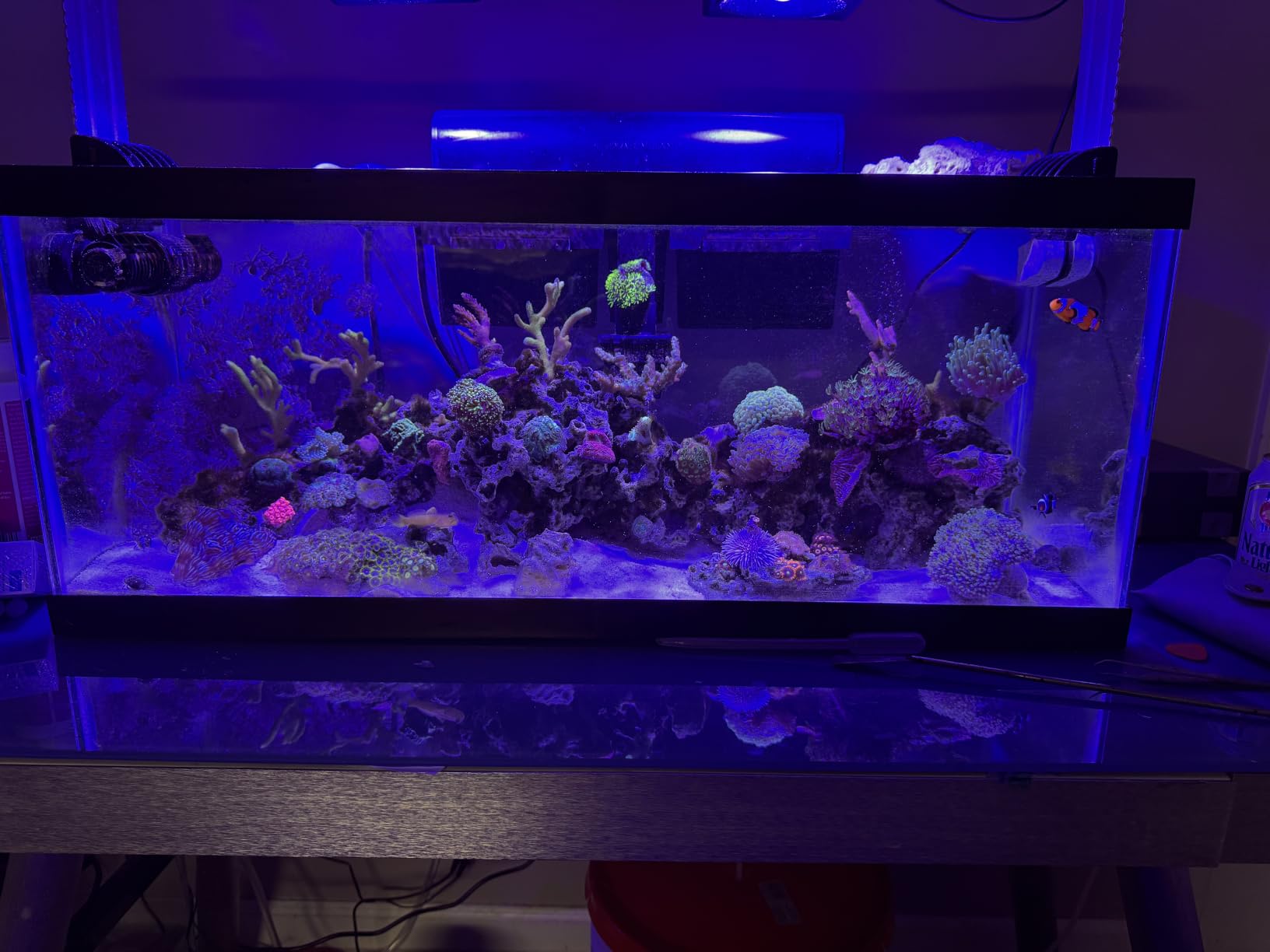
Build quality is solid overall. The magnetic holder grips firmly on half-inch glass and the pump housing feels durable. The wider outlet design is a thoughtful touch because it spreads the flow over a larger area rather than shooting a narrow jet that can stress smaller fish.
On the downside, the controller interface takes some getting used to. The buttons work fine but the labeling is not intuitive, and the included instructions leave a lot to be desired. I also noticed a few Reddit users reporting shaft wear after several months, so I am watching mine closely. For the price, the features you get here are genuinely impressive.
Who Should Buy This Pump
This pump is ideal for reef keepers running tanks between 40 and 100 gallons who want programmable wave patterns without spending premium money on brands like Ecotech or Maxspect. If you have SPS or LPS corals that benefit from varied flow, the six wave modes will give you the control you need.
The feeding timer and night mode also make this a great choice for busy aquarists who want automation. Set it once and it handles day/night transitions on its own.
Limitations to Consider
The controller quality is the weakest link. It works, but the button layout and display are not as refined as more expensive competitors. If you want a polished app experience, this is not it.
Additionally, the 25W version may be too much flow for tanks under 30 gallons unless you dial it down significantly. Check the 35W variant only if you have a tank over 75 gallons.
2. hygger Intelligent Wave Maker 35W – Higher Power for Larger Tanks
- More flow for bigger tanks
- Same 6 wave mode flexibility
- Wireless connection to controller
- Auto day/night with light sensor
- Feeding timer included
- Premium price point
- Overkill for smaller tanks
- Controller same usability quirks
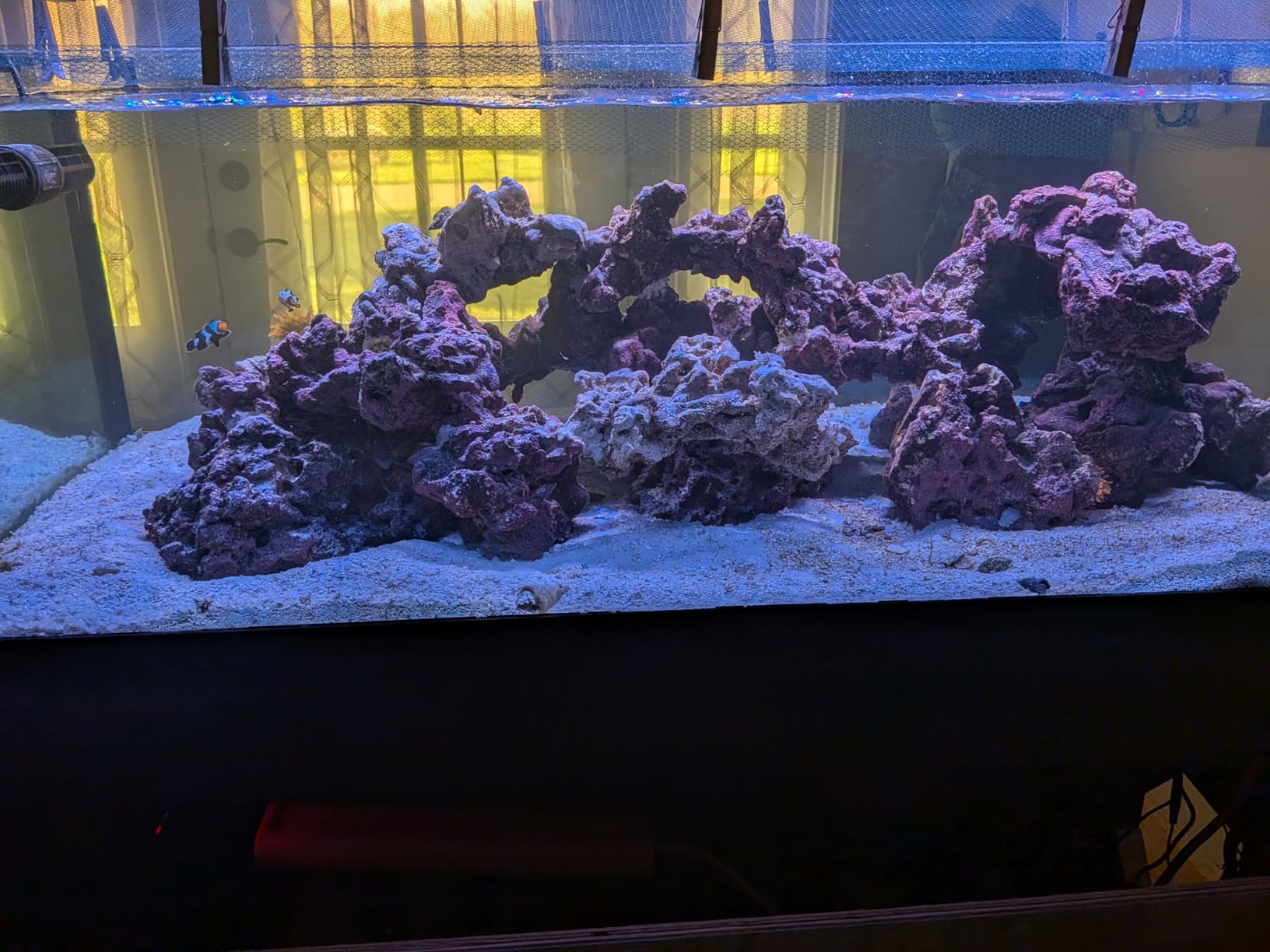
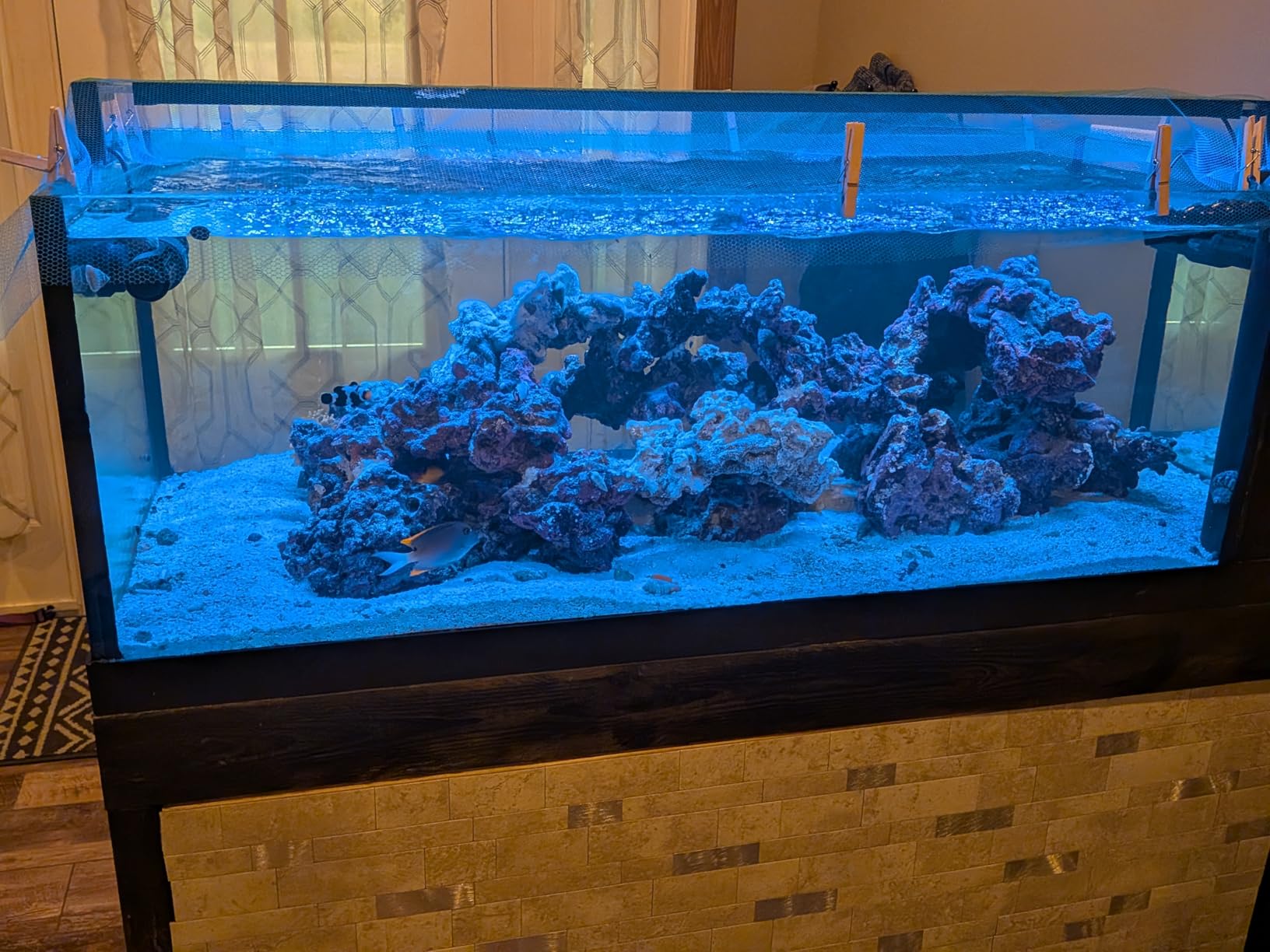
The 35W variant of the hygger Intelligent Wave Maker is the same pump platform with a more powerful motor. I tested this unit on a 120-gallon reef system where the 25W version would have struggled to reach the far corners of the tank. The extra wattage made an immediate and measurable difference in flow reach.
All six wave modes from the 25W version carry over: Constant, Pulse, Tide, Random, Quick, and FWD/REV. The wireless controller, magnetic mount, memory function, and light sensor are identical. What you get here is simply more pushing power for deeper or wider tanks.
I was particularly impressed by the flow reach in Pulse mode. On the 120-gallon tank, I could see detritus lifting from the sand bed across the entire width of the aquarium, something the 25W could not quite achieve on the same setting.
The 4.6-star rating from early reviews reflects how well this pump performs for its target audience. Users consistently praise the power output and quiet operation, which I can confirm from my own testing.
The main tradeoff is price. At nearly the cost of some entry-level DC controllable pumps from established reef brands, you need to be certain you need the extra flow. For most tanks under 75 gallons, the 25W version is sufficient.
Who Should Buy This Pump
This 35W version is built for tanks in the 75 to 150 gallon range where the 25W simply does not push enough water. If you have a deep tank, a wide tank, or heavy rockwork that blocks flow, the extra wattage helps overcome those obstacles.
It is also worth considering if you plan to upgrade to a bigger tank in the near future. You get the same feature set with headroom to grow into.
Limitations to Consider
The price places this in competition with established reef brands. If you are spending this much, compare it against Sicce and Ecotech options in your flow range before committing.
The controller usability is the same as the 25W version. Same buttons, same display, same learning curve. Budget time to learn the interface.
3. hygger Cross Flow Pump 18W – Gyre-Style Flow on a Budget
- Gyre-style cross flow at budget price
- 5 distinct wave modes with LED controller
- 30-100 flow and frequency levels
- Linkage mode for multi-pump sync
- Near-silent sine wave control
- Feeding and night modes included
- 8.5 inch length needs horizontal space
- Cross flow concept has learning curve
- Controller cord could be longer
The hygger Cross Flow Pump was the surprise standout of our testing. This pump uses cross flow technology, the same principle behind gyre pumps that cost three times as much, and it generates a soft 360-degree wave that mimics real ocean currents. I mounted it on a 90-gallon reef tank and was immediately struck by how different the flow pattern felt compared to a traditional propeller pump.
Instead of shooting a focused stream, the cross flow creates a broad, laminar sheet of water that travels across the entire length of the tank. My SPS corals on the far side of the aquarium were finally getting direct flow, something my previous propeller pump never achieved.
The LED display controller offers five wave modes: pulse, sine, constant, random, and cross flow. With 30 to 100 flow rate levels and 30 to 100 frequency options, the customization is deep enough for serious reef keepers.
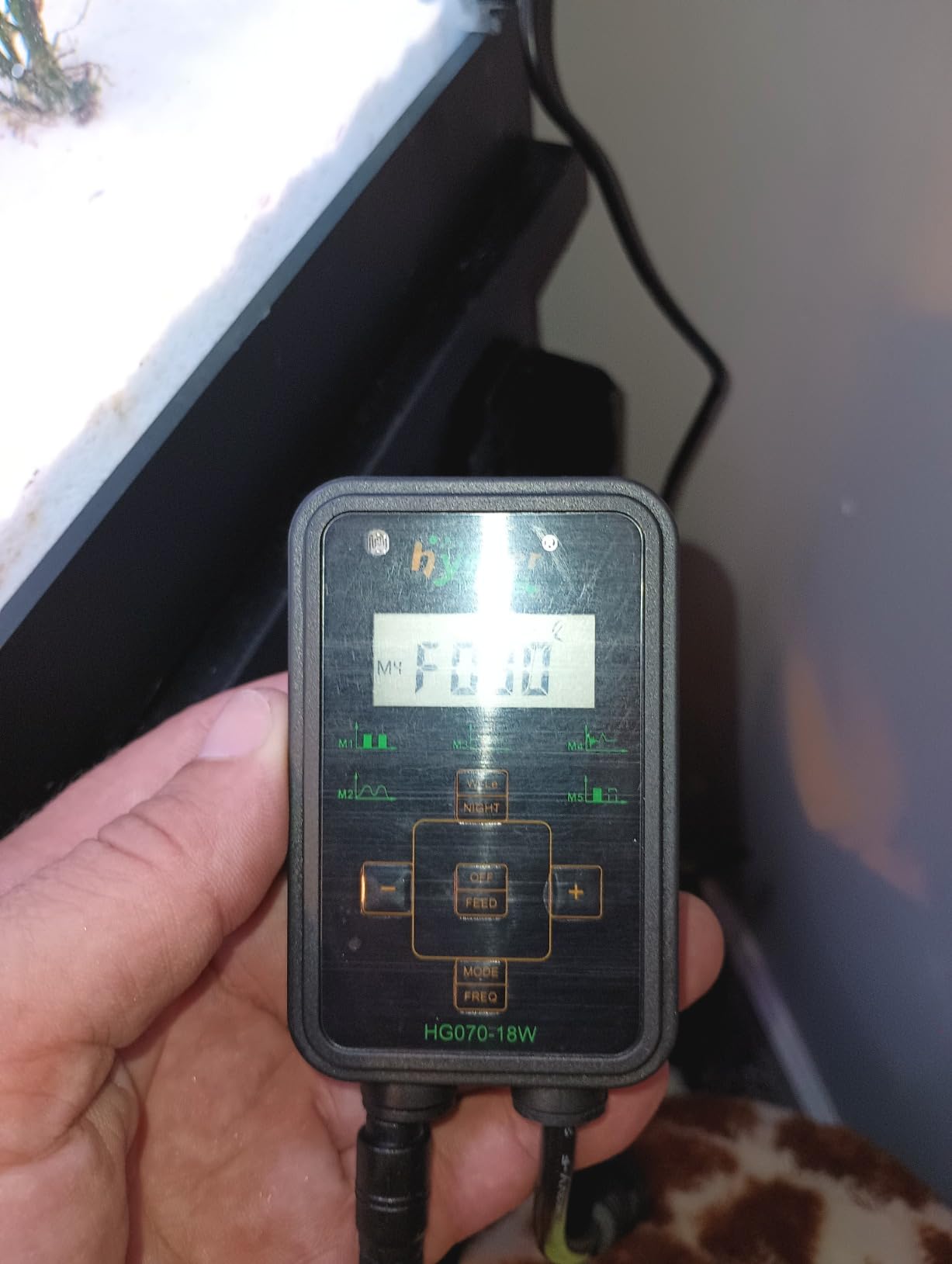
The 24V DC power keeps things safe and the sine wave control makes this one of the quietest pumps I have tested. I placed my ear near the tank during operation and could barely hear the motor running. This is a significant advantage for tanks in bedrooms or living spaces.
The linkage mode is another standout feature. If you run two of these pumps, they can be coordinated to create opposing or synchronized flow patterns. This is something usually reserved for premium controller-based systems.
Who Should Buy This Pump
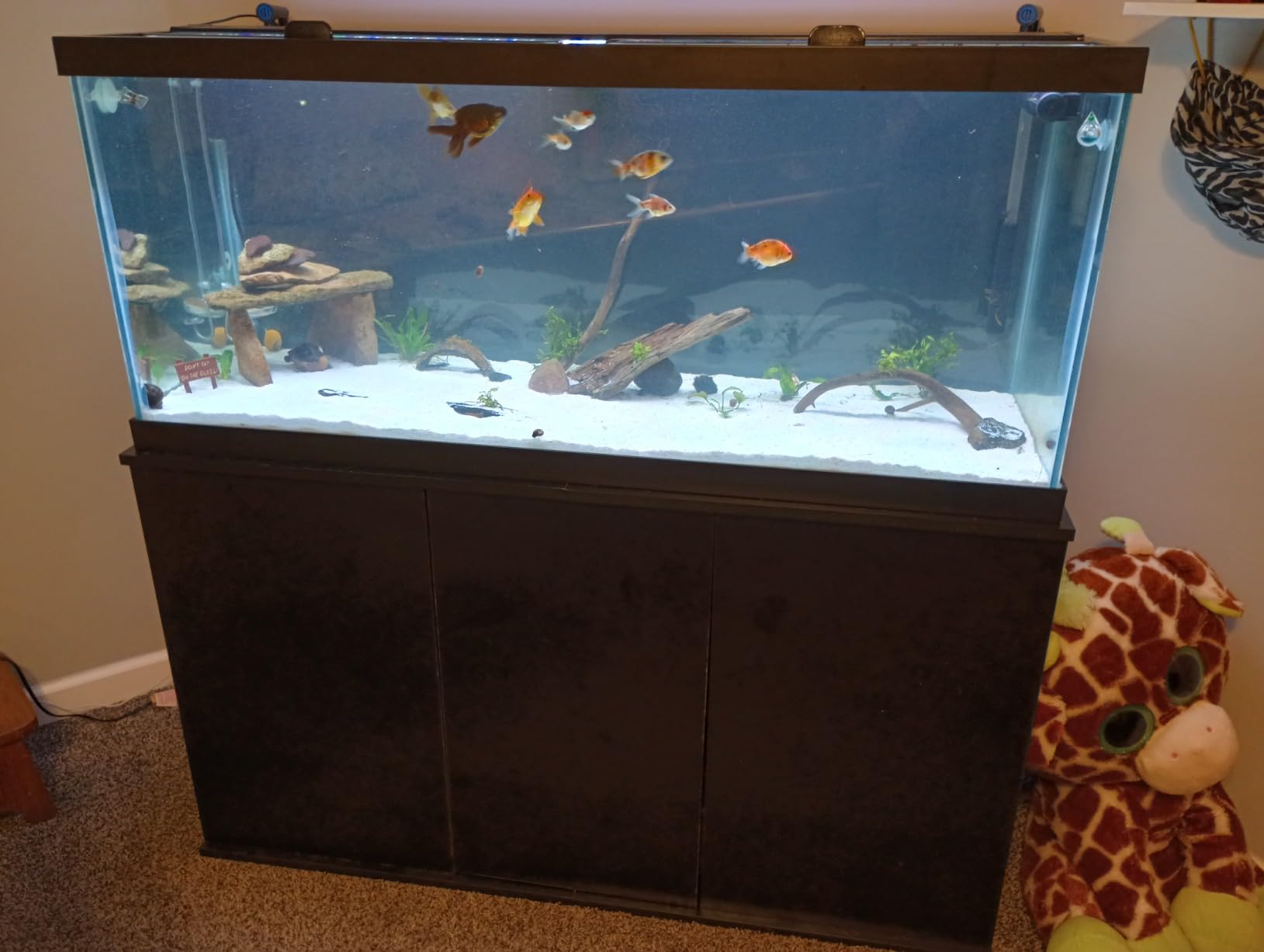
This is the pump I recommend most often for reef tanks between 50 and 135 gallons. The cross flow pattern covers more area than any propeller pump at this price point, and the five wave modes give you real control over your flow environment.
If you are upgrading from a basic suction-cup powerhead and want the gyre experience without the gyre price, this is your pump.
Limitations to Consider
The 8.5-inch length means this pump needs horizontal mounting space along the back or side glass of your tank. It will not fit discreetly in a nano setup. Measure your available space before ordering.
The cross flow concept also requires some experimentation with placement and angle. Plan to spend a few hours finding the optimal position for your specific aquascape.
4. Uniclife 3400 GPH Wave Maker – High-Capacity Powerhouse
- Massive 3400 GPH output for large tanks
- 4 adjustable wave modes
- Strong magnetic base holds securely
- Feeding mode with 10-min timer
- Good value for the flow capacity
- Only suitable for 120+ gallon tanks
- Some noise reported at full power
- Overkill for most home aquariums
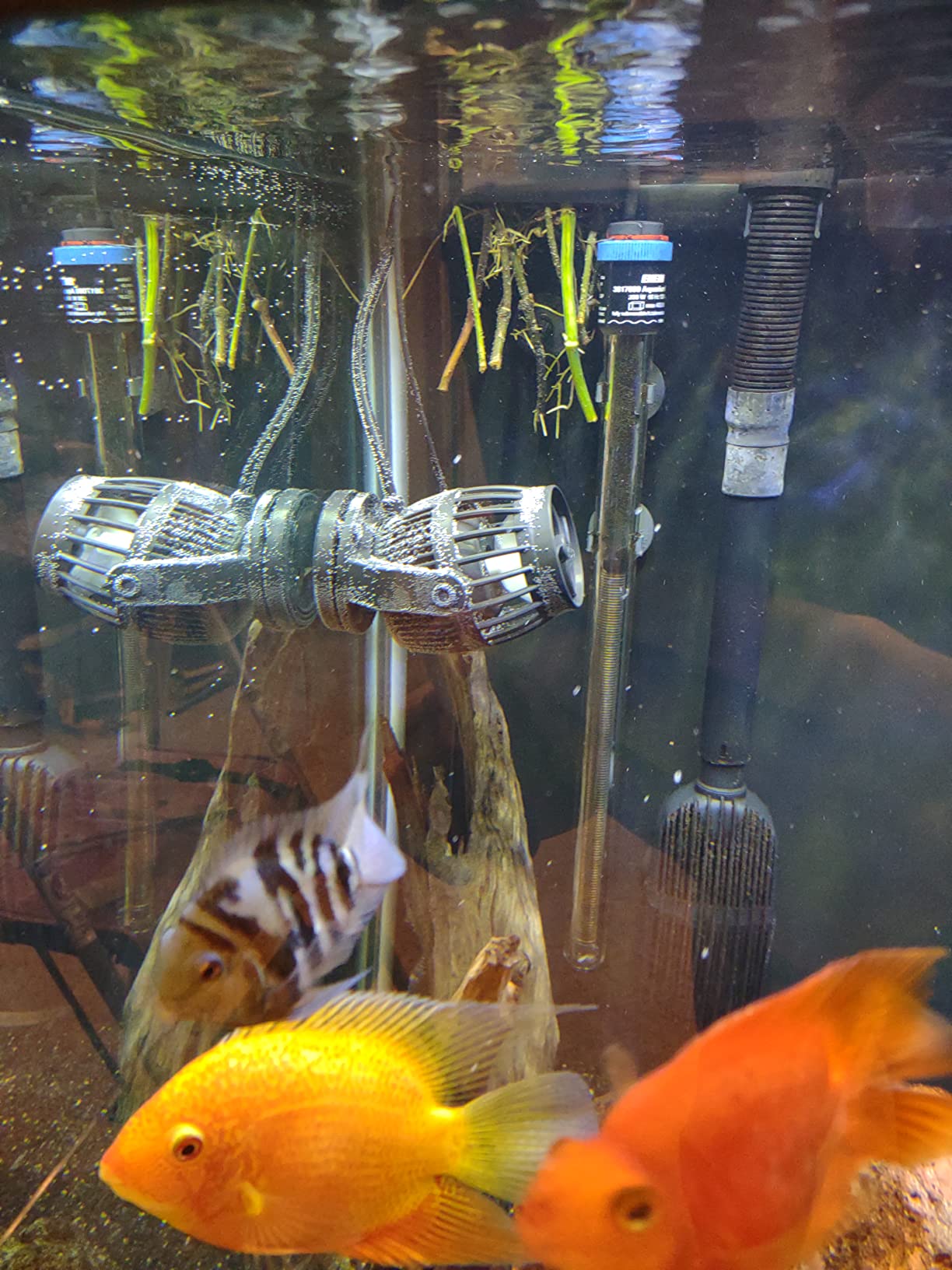
The Uniclife 3400 GPH wave maker is a beast. I tested this on a friend’s 200-gallon predator tank and it moved water with an authority that no other pump in our lineup could match. At 40W and 3400 GPH, this pump is built for large aquariums where most wave makers simply cannot generate enough circulation.
The controller offers four wave modes labeled M1 through M4. While the naming is not particularly descriptive, each mode creates a distinct flow pattern ranging from steady constant flow to alternating surges. I found M3 produced the most natural reef-like turbulence on the big tank.
The magnetic base is impressively strong. It held firm on half-inch glass without any slipping, even at full power. The rotatable head lets you direct flow precisely, which is critical on a tank this size.
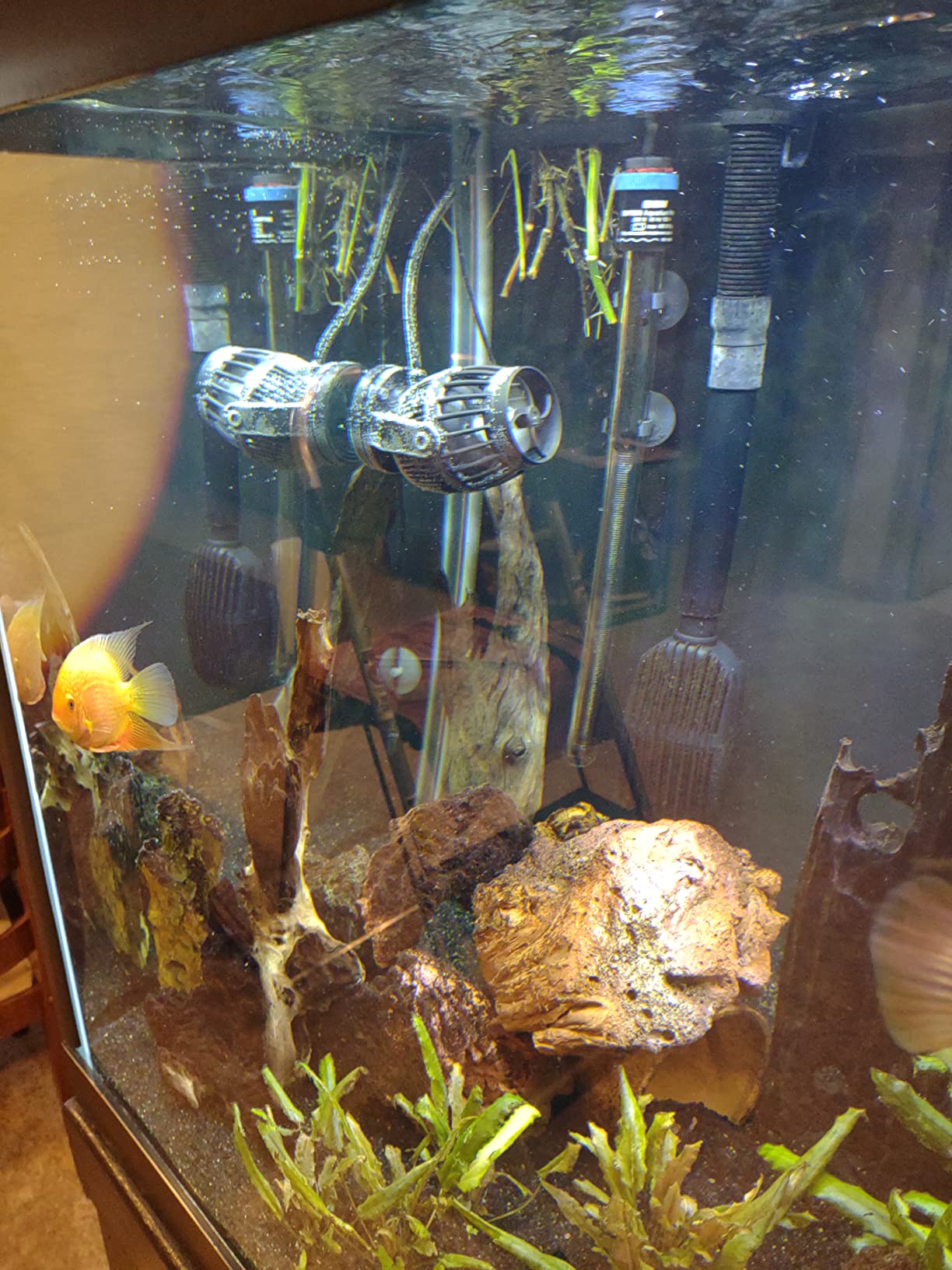
With over 840 reviews, this pump has built a solid reputation among large-tank owners. The feedback consistently highlights the flow output and value for money compared to premium brands charging significantly more for similar GPH ratings.
The feeding mode is a simple but essential feature. Press the button and the pump drops to minimal flow for 10 minutes, giving your fish a calm window to eat without food being blasted around the tank.
Who Should Buy This Pump
This pump is purpose-built for tanks between 120 and 300 gallons. If you have a large reef, a big predator tank, or a shark and ray setup, this is one of the most affordable ways to get serious water movement.
It is also viable for serious freshwater setups with large cichlids or river-style biotope tanks that need strong directional current.
Limitations to Consider
At full power, this pump generates noticeable noise. It is not loud by any means, but you will hear it running, especially in a quiet room. Consider this if your tank is in a bedroom or office.
This is absolutely the wrong pump for anything under 120 gallons. Even on the lowest setting, the flow will be too intense for smaller fish and delicate aquascapes.
5. FREESEA Dual Head Wave Maker – Eliminate Dead Spots
- Dual adjustable heads eliminate dead spots
- Magnetic mount allows instant repositioning
- Trusted by over 12000 aquarists
- Snap-on design for 15mm glass
- Dual flow angles cover wide area
- Only one GPH variant available
- 8W may be underpowered for very large tanks
- No wave mode controller
The FREESEA Dual Head Wave Maker solves one of the most common problems in aquarium flow: dead spots. With nearly 2,000 reviews making it one of the most reviewed wave makers on the market, I was eager to see if it lived up to the hype on my 75-gallon planted tank.
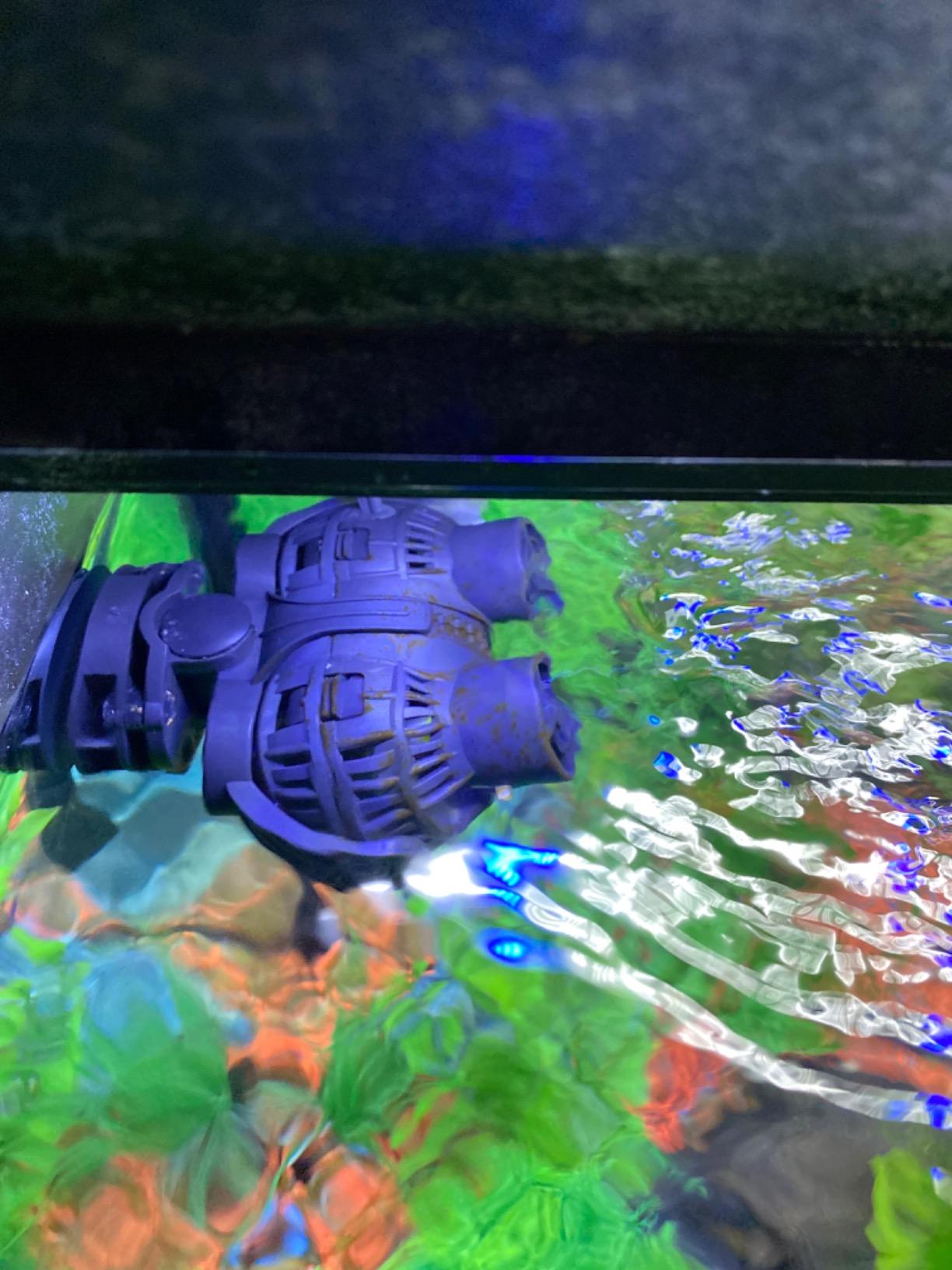
The dual 180-degree adjustable heads are the defining feature. Instead of a single nozzle, you get two independently adjustable outputs. I pointed one head toward the surface for gas exchange and the other along the bottom to lift detritus toward the filter intake. Within days, the persistent algae patch in a low-flow corner started clearing up.
The magnetic mount is the best implementation I have used at this price. A strong magnet on the outside glass pairs with the pump inside, and you can slide the entire unit to a new position in one second without getting your hands wet. This alone makes maintenance and aquascaping adjustments dramatically easier.
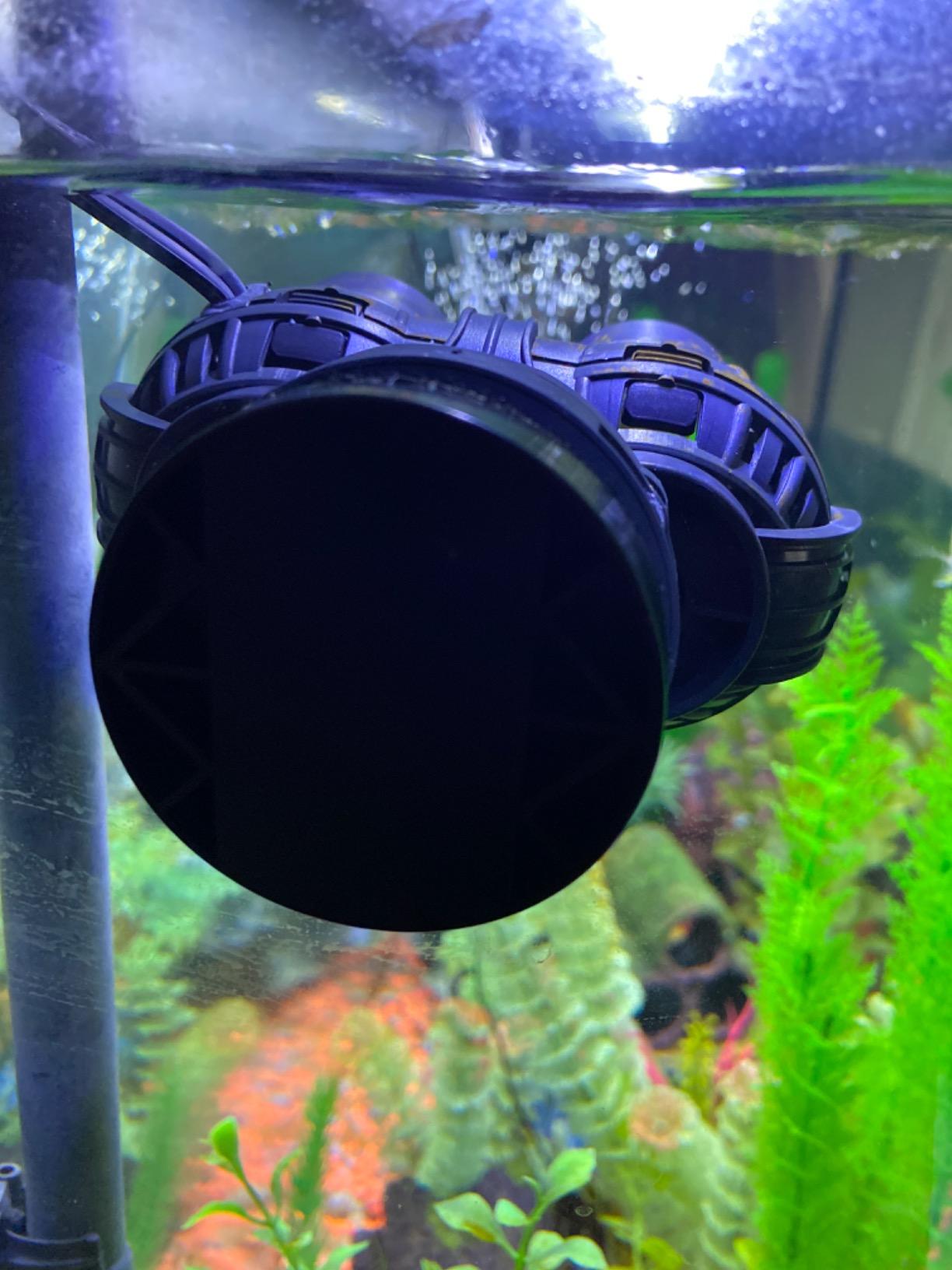
FREESEA claims 96 percent of buyers report effortless repositioning, and I believe it. The magnet grip is firm on standard glass thicknesses and the pump does not drift or slip over time.
The tradeoff is that there is no controller or wave mode programming. This pump runs at a constant 1600 GPH. If you want variable patterns or a feeding mode, you will need to look at the hygger options instead.
Who Should Buy This Pump
This is the pump I recommend for any tank between 55 and 125 gallons where dead spots are a recurring problem. The dual-head design covers more area than any single-nozzle pump, making it ideal for wide or irregularly shaped tanks.
It is also the best choice for aquarists who frequently rescape, clean algae, or reposition their pump. The snap-on magnet system saves real time and effort.
Limitations to Consider
The lack of a controller means no wave modes, no feeding timer, and no variable speed. The pump is either on at full power or off. For some setups this is perfectly fine, but reef keepers who want tidal flow patterns will want more control.
The 8W motor delivers solid flow for mid-sized tanks but will not be sufficient for anything over 125 gallons or deep tanks over 24 inches.
6. hygger Mini Wave Maker 530 GPH – Compact Power for Small Tanks
hygger Mini Wave Maker for 15-40 Gallon Aquarium with Magnetic Mount Quiet Powerhead for Saltwater and Freshwater Fish Tank 530 GPH
- Compact size fits nano and small tanks
- 360-degree ball joint for flexible direction
- Magnetic mount for 4-10mm glass
- Included cotton pad absorbs vibration
- Suitable for fresh and saltwater
- 3W may lack power for larger needs
- Limited to tanks under 40 gallons
- No controller or wave modes
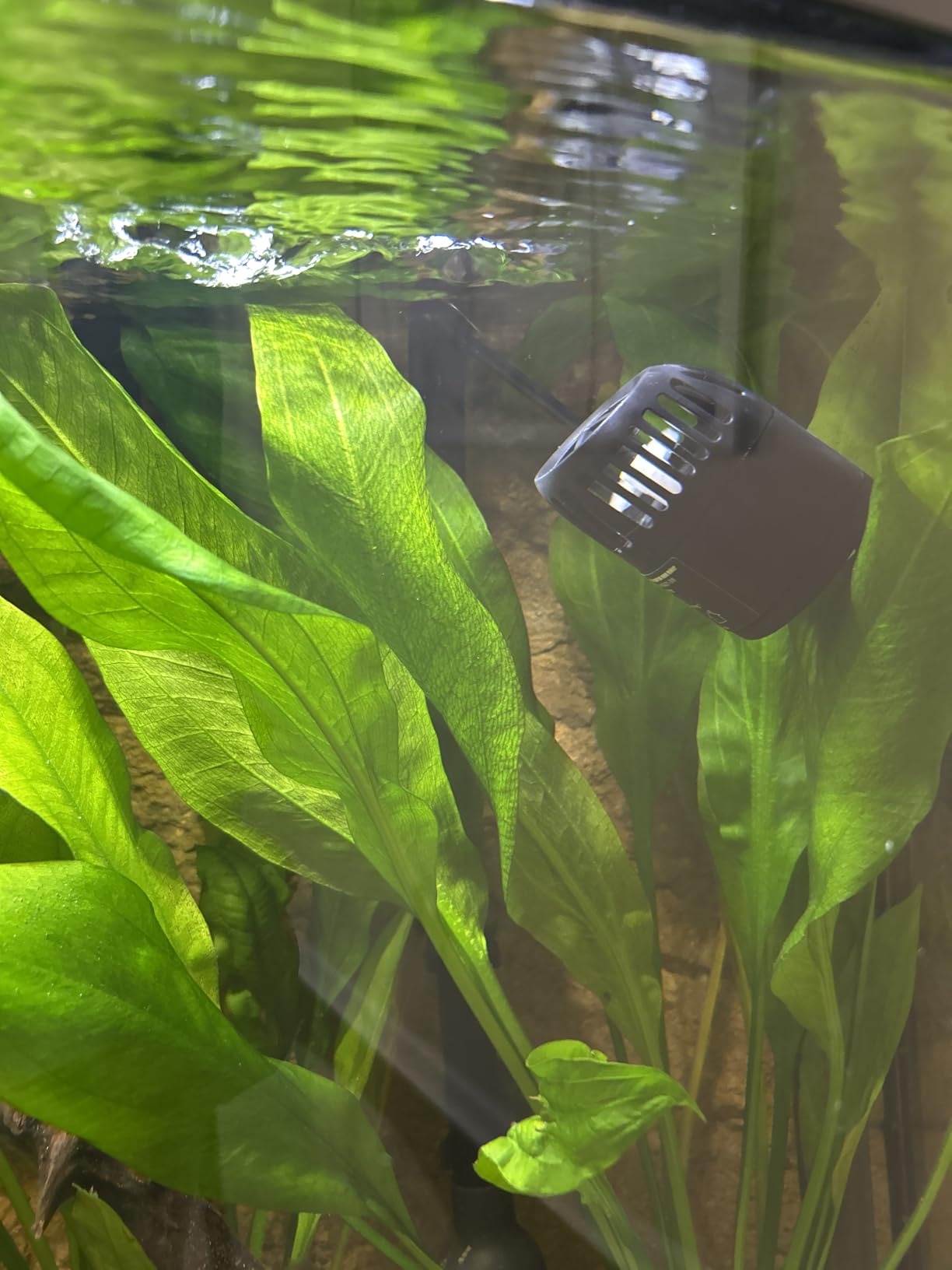
Finding a good wave maker for a small tank is surprisingly difficult. Most pumps are too powerful or too bulky for a 20 or 30-gallon setup. The hygger Mini Wave Maker fills that gap with a compact 3W pump that delivers 530 GPH of adjustable flow for tanks between 15 and 40 gallons.
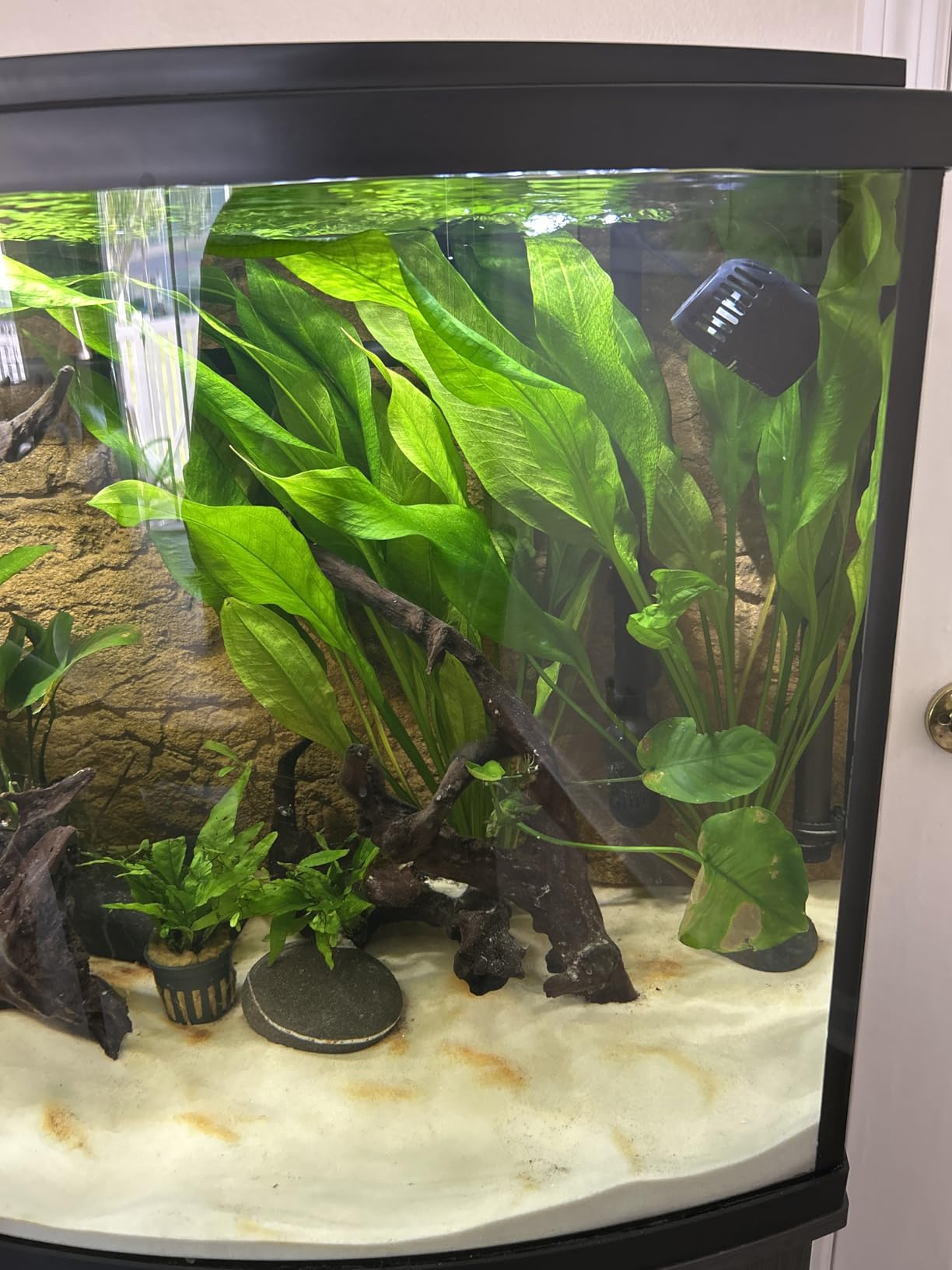
I tested this on a 20-gallon nano reef and it was the perfect fit. The pump measures just 2.6 by 2.16 by 4.7 inches, small enough to tuck behind live rock without being visible from the front of the tank. The 360-degree rotatable ball joint let me angle the flow precisely to avoid blasting my smaller coral frags.
The magnetic mount works on glass between 4 and 10mm thick, which covers most standard nano tanks. The included cotton pad sits between the pump and the magnet to absorb vibration, and I confirmed it makes a real difference in noise reduction.
The ceramic shaft is a nice touch at this price point. Ceramic is more wear-resistant than plastic alternatives, which means the pump should last longer with regular maintenance.
This is a straightforward pump with no controller or wave modes. It runs at a constant 530 GPH with the direction adjustable via the ball joint. For small tanks, that simplicity is actually a benefit rather than a limitation.
Who Should Buy This Pump
This is my top recommendation for nano tanks, betta setups with extra flow needs, and any aquarium between 15 and 40 gallons. If you have a small planted freshwater tank that needs gentle circulation, or a nano reef with soft corals, this pump hits the sweet spot of size and flow.
It is also an excellent choice for quarantine or hospital tanks where you need water movement without overwhelming sick or recovering fish.
Limitations to Consider
This pump maxes out at 40 gallons. Beyond that, the 530 GPH simply will not create enough circulation for a larger tank. The lack of a controller also means no wave modes or feeding timer.
If your glass is thicker than 10mm, the magnet will not hold reliably. Check your glass thickness before ordering.
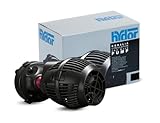
7. Hydor Koralia Evolution – Proven Reliability from a Trusted Brand
Hydor Koralia Evolution Circulation & Wave Pump , 750-850 GPH, 115 Volts, Black
- Energy efficient at only 5W
- Shaft-less impeller reduces failure points
- Sphere joint for adjustable direction
- Made in USA with 2 year warranty
- Vibration absorbing magnet for quiet running
- Proven track record over many years
- Lower flow rate than newer competitors
- AC powered with no controller
- Some users report noise after extended use
The Hydor Koralia Evolution is one of the longest-running wave makers on the market, and that longevity is earned. I have used Koralia pumps on and off for years, and testing this latest Evolution version reminded me why this brand has such a loyal following in the reef community.
At just 5W, this is one of the most energy-efficient pumps in our lineup. Running 24 hours a day, the power consumption is negligible. The 750 to 850 GPH flow rate is modest compared to some competitors, but the broad, gentle flow pattern is exactly what many reef keepers want for LPS corals and community fish tanks.
The shaft-less impeller design eliminates one of the most common failure points in submersible pumps. There is no shaft to corrode, bend, or shear. This engineering choice is a big reason why Koralia pumps have a reputation for longevity.
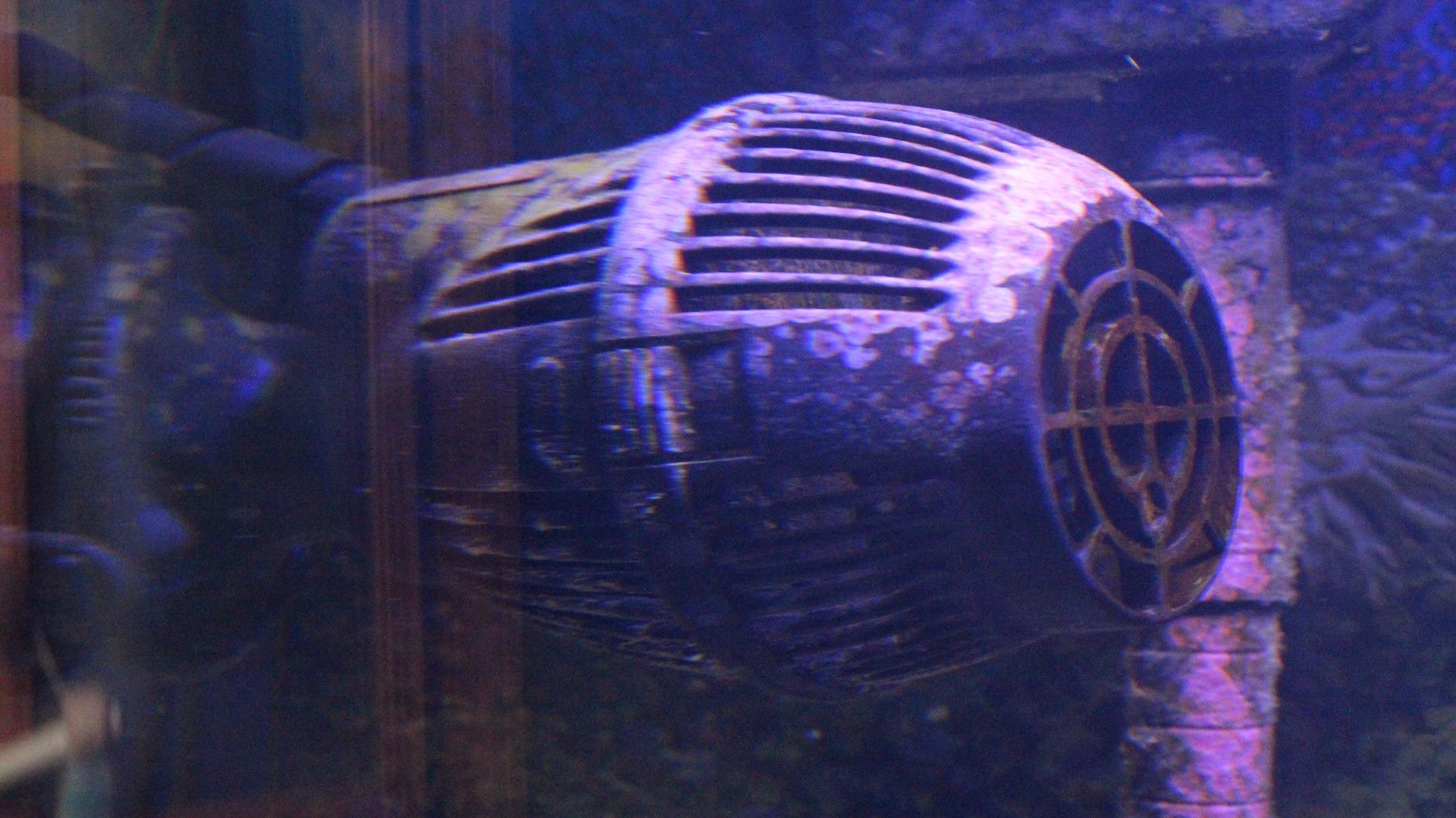
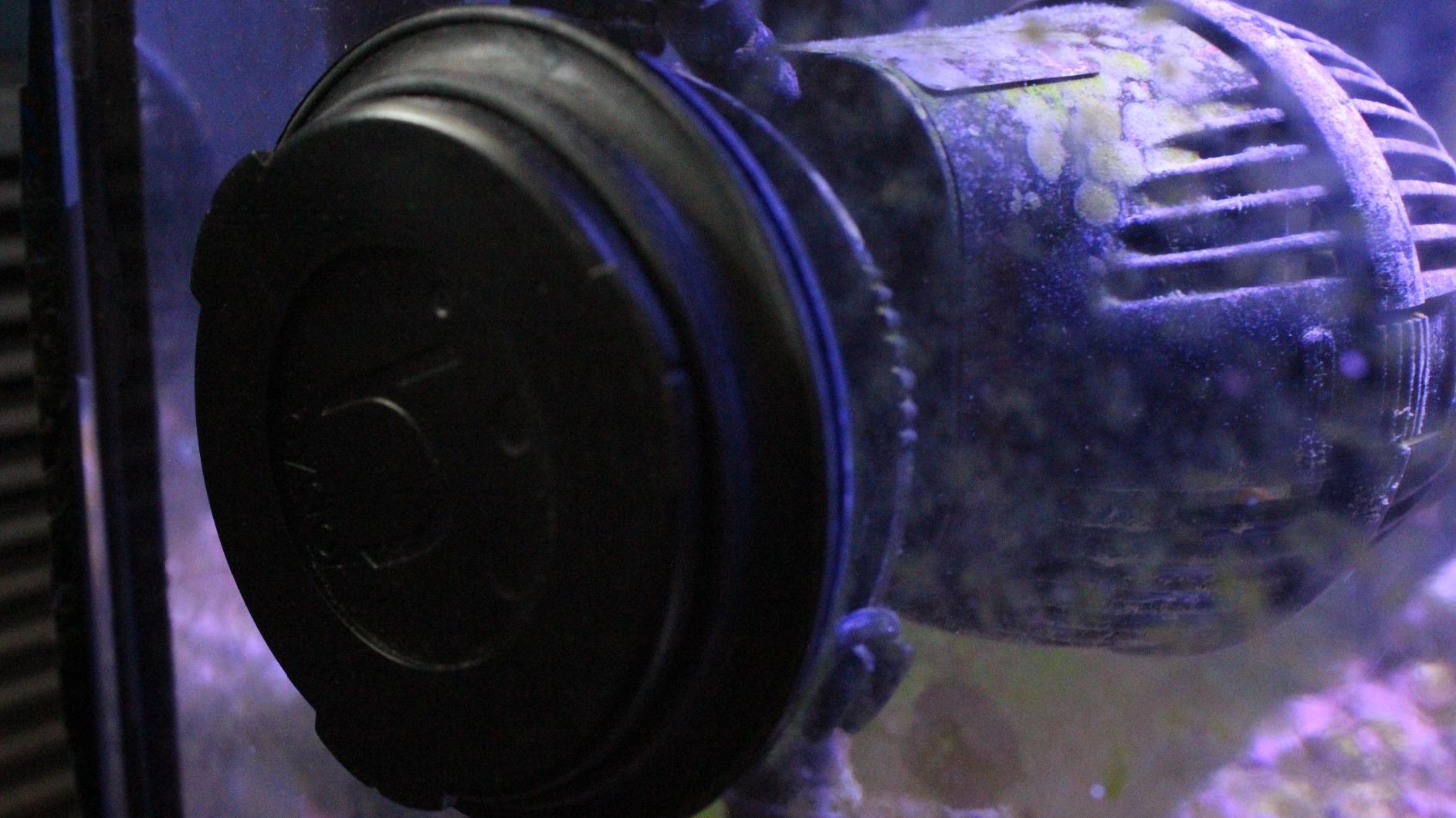
The sphere joint allows you to adjust flow direction across a wide arc. I used this feature to create a broad circulation pattern that swept across the entire tank rather than a focused beam. The vibration-absorbing magnet base kept the pump quiet during operation.
Being made in the USA with a 2-year manufacturer warranty gives peace of mind that most budget imports cannot match. If something goes wrong, you have a real warranty to fall back on.
Who Should Buy This Pump
This is the pump I recommend for aquarists who value reliability and simplicity over features. If you have a 50 to 100 gallon tank and want a proven pump that will run quietly for years without a controller, the Koralia Evolution is a safe bet.
It is particularly well-suited for tanks with delicate livestock like urchins, puffers, and parrot fish, as the broad flow is less stressful than focused high-pressure jets.
Limitations to Consider
The 5W motor produces less flow than newer competitors in the same size range. If your tank needs intense flow for SPS corals, look elsewhere. There is also no controller or wave mode programming.
Some users have reported increased noise after months of continuous use, so periodic cleaning of the impeller is recommended to maintain quiet operation.
8. Fluval Sea CP3 Circulation Pump – Compact and Versatile
- Compact and space-saving design
- 270 degree adjustable nozzle eliminates dead spots
- European engineering from trusted Fluval brand
- Available in CP1 through CP4 size variants
- Suitable for both freshwater and saltwater
- No variable speed control
- Some durability concerns reported
- Lower flow range limits larger tanks
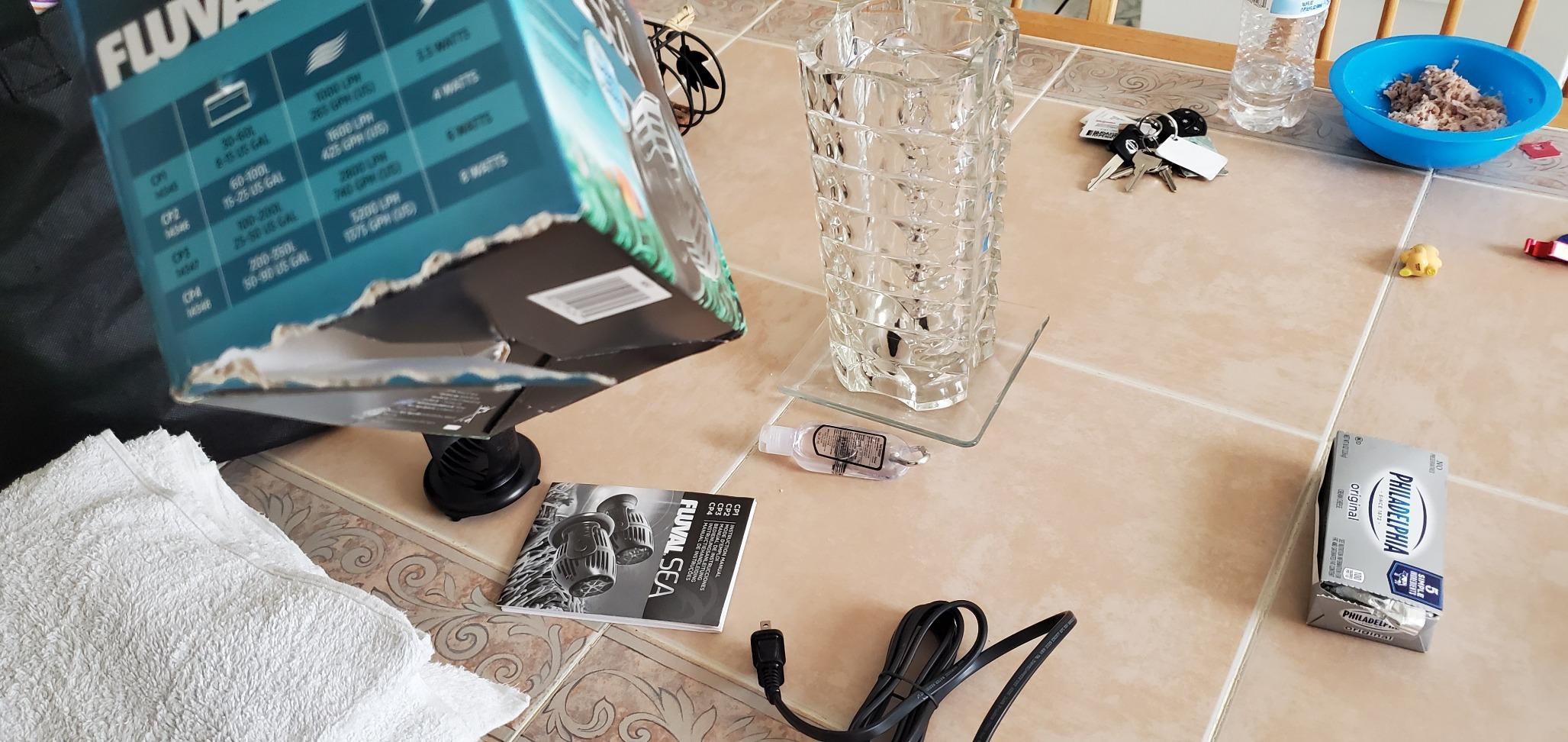
Fluval is a name that carries weight in the aquarium hobby, and the Sea CP3 Circulation Pump reflects decades of European engineering experience. I tested this pump on a 45-gallon planted freshwater tank and came away impressed with its blend of compact size and practical design.
The 270-degree adjustable nozzle is the standout feature. Unlike pumps with limited articulation, the CP3 lets you direct flow across a wide arc. I was able to create a circular flow pattern that swept debris from every corner of the tank toward my filter intake, eliminating the dead spots that had plagued this setup.
The suction cup mount is secure and easy to reposition. While it lacks the convenience of a magnetic mount, the suction cups held firm during my entire testing period without any drift or detachment.
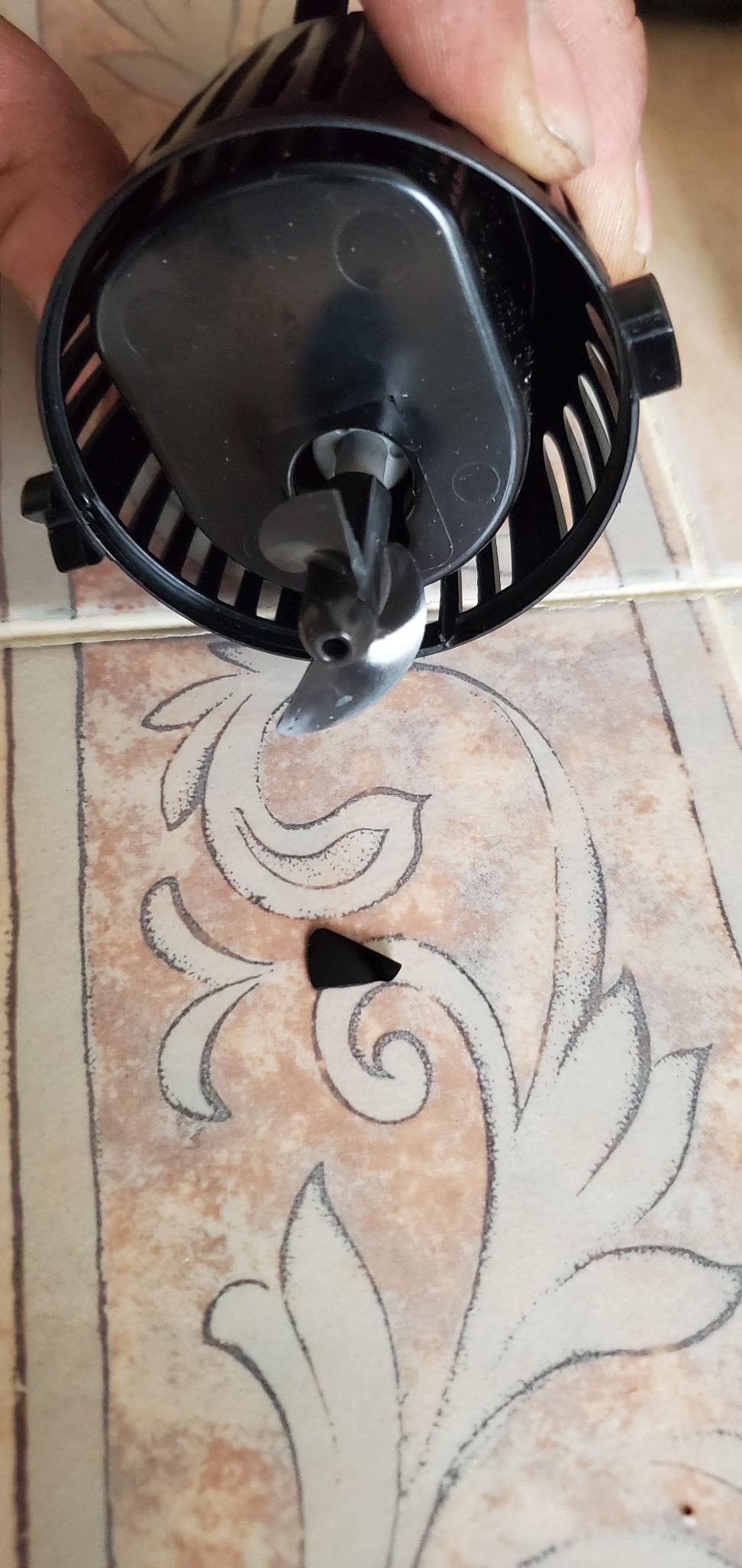
The CP3 is part of a size range from CP1 through CP4, meaning you can match the pump precisely to your tank volume. This is particularly useful if you have multiple tanks of different sizes and want consistent brand quality across all of them.
The pump creates natural reef and river flow patterns that benefit both fish health and coral growth. My plants showed improved movement and nutrient uptake within the first week.
Who Should Buy This Pump
The Fluval CP3 is ideal for tanks up to 50 gallons in both freshwater and saltwater setups. If you want a compact, reliable pump from a brand with a long track record, this is a solid choice.
The availability of four size variants also makes this the best option if you run multiple tanks and want to standardize on one brand.
Limitations to Consider
There is no variable speed control. The pump runs at a constant flow rate, so if you need to adjust intensity, you will need to reposition the nozzle or add a flow deflector.
Some users have reported the pump stopping after a few weeks of use, so inspect the impeller regularly and clean it as part of your maintenance routine.
9. AQUANEAT 800 GPH Wave Maker – Budget-Friendly Circulation
- Very affordable entry point
- 800 GPH flow rate for the price
- Full 360-degree articulating ball joint
- Compact 3.25 inch size
- 6 foot power cord for flexible placement
- Suction cup mount less reliable than magnet
- No controller or wave modes
- Not recommended for small fish tanks
The AQUANEAT 800 GPH is the most affordable pump in our lineup, and I approached it with appropriately managed expectations. After testing it on a 75-gallon community tank for several weeks, I can say it delivers genuine value if you understand what you are getting.
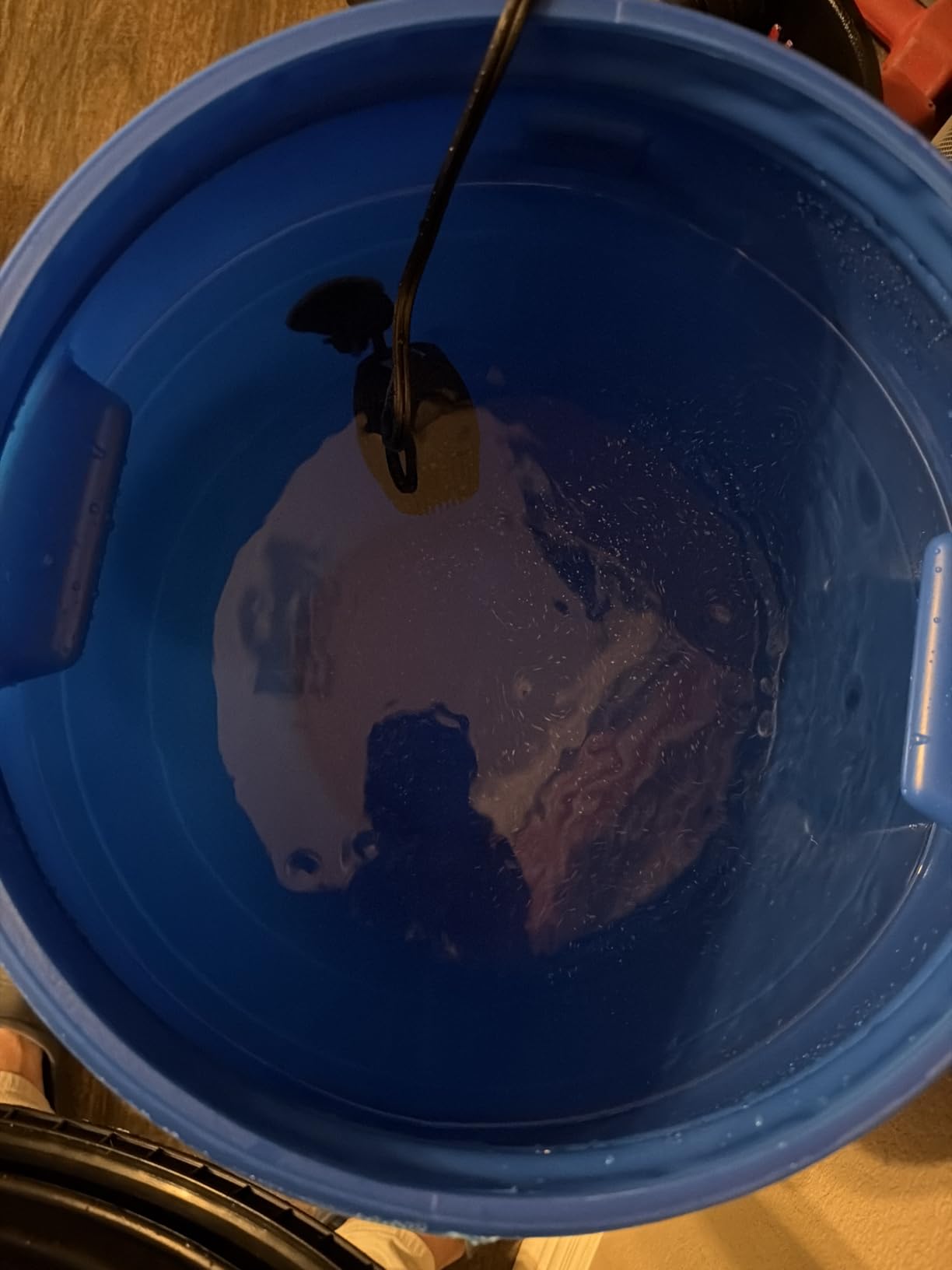
This is a bare-bones circulation pump. No controller, no wave modes, no magnetic mount. What you get is 800 GPH of adjustable-direction flow from a compact 3.25-inch housing that costs less than dinner for two. The articulating ball joint allows full 360-degree rotation, so you can direct flow exactly where you need it.
I found the flow pattern effective for stirring up detritus and directing it toward the filter intake. Dead spots in the lower corners of my test tank disappeared within the first day of operation.
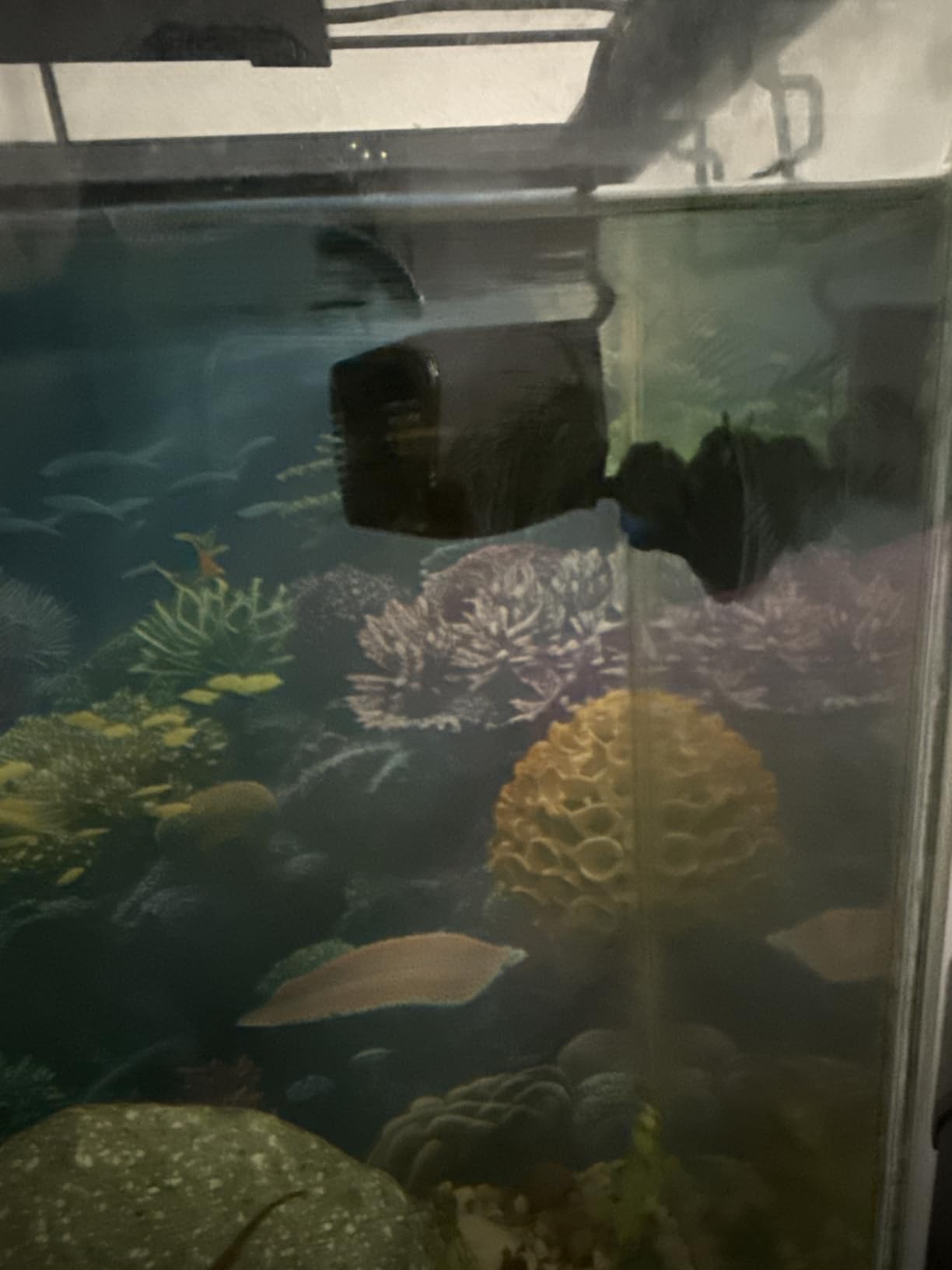
The suction cup mount works but requires periodic checking. Over time, suction cups can lose grip, especially in saltwater. I recommend pressing them firmly during each water change to maintain a secure hold.
With over 1,000 reviews, this pump has proven popular with budget-conscious aquarists. The 4.1-star rating reflects a product that does its job without pretension.
Who Should Buy This Pump
This is the pump I recommend for anyone setting up their first aquarium on a tight budget. If you have a 75 to 120 gallon tank and just need basic water circulation without spending much, the AQUANEAT 800 GPH does the job.
It is also a good spare or backup pump to keep on hand in case your primary wave maker fails unexpectedly.
Limitations to Consider
The suction cup mount is the biggest weakness. If you can stretch your budget slightly, a magnetic mount is far more reliable and convenient. There is also no controller, so expect constant flow only.
The manufacturer explicitly notes this pump is not recommended for small fish tanks or small-sized fish, as the 800 GPH flow can overwhelm smaller inhabitants.
10. AQUANEAT 2-Pack 480 GPH – Best Value Multi-Pump Setup
- Two pumps included for the price of one
- 480 GPH per unit with low 3W consumption
- Compact 2.75 inch size per pump
- Full 360-degree articulation on each unit
- Suitable for fresh and saltwater
- Suction cup mounts need periodic checking
- No controller or wave modes
- Lower individual flow rate
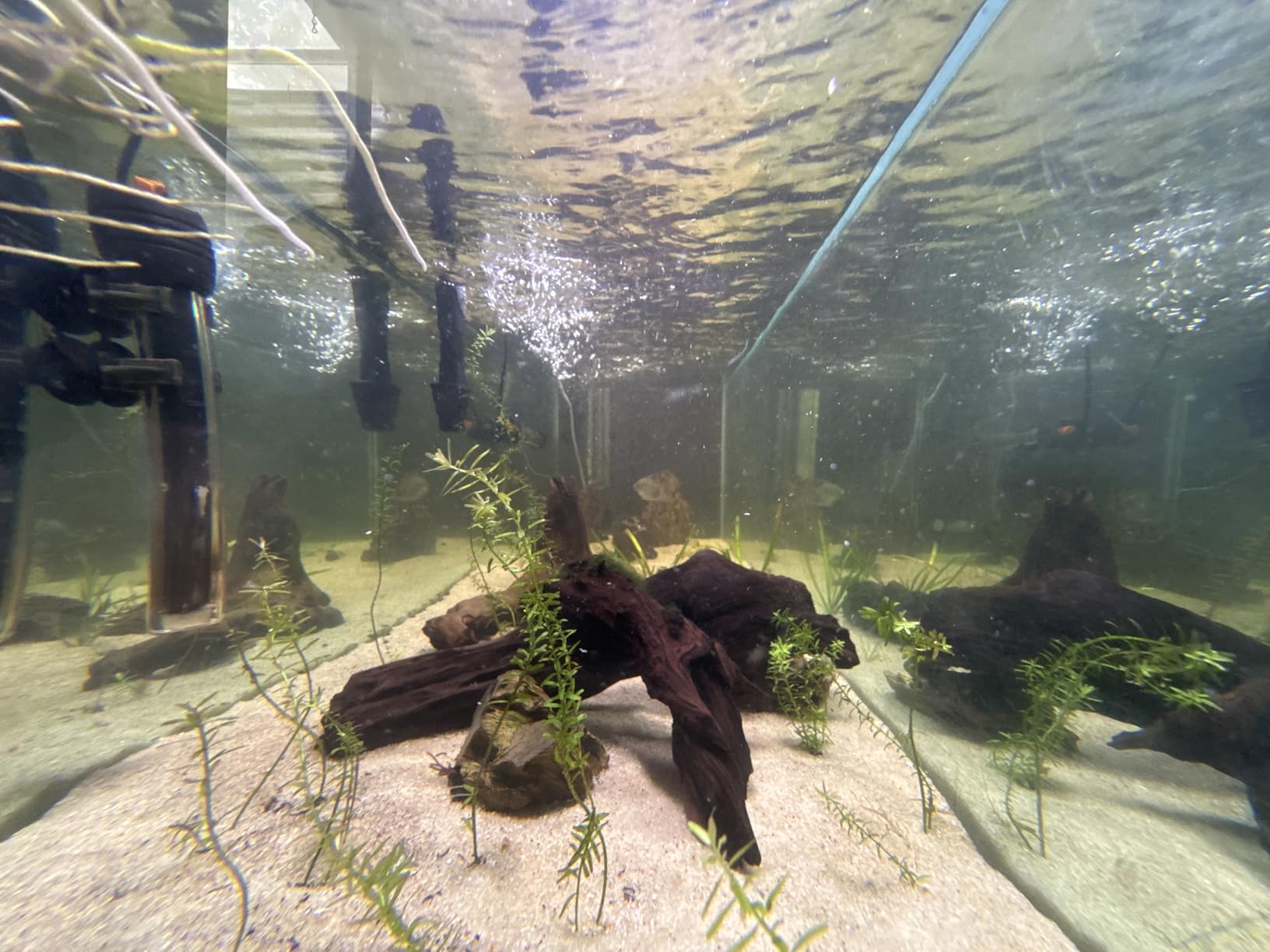
The AQUANEAT 2-Pack is the smartest budget purchase in this guide. Instead of one pump, you get two 480 GPH circulation pumps for less than the cost of a single mid-range unit. I tested both pumps on a 60-gallon planted tank, placing one on each end to create opposing flow that eliminated all dead spots.
The strategy of running two smaller pumps instead of one larger one is something experienced aquarists have recommended for years. Two pumps create more complex, natural turbulence than a single focused jet. My fish responded positively, showing more active swimming behavior and better coloration within the first week.
Each pump draws just 3W, meaning the pair together consumes less power than many single pumps in this guide. The running cost is essentially negligible.
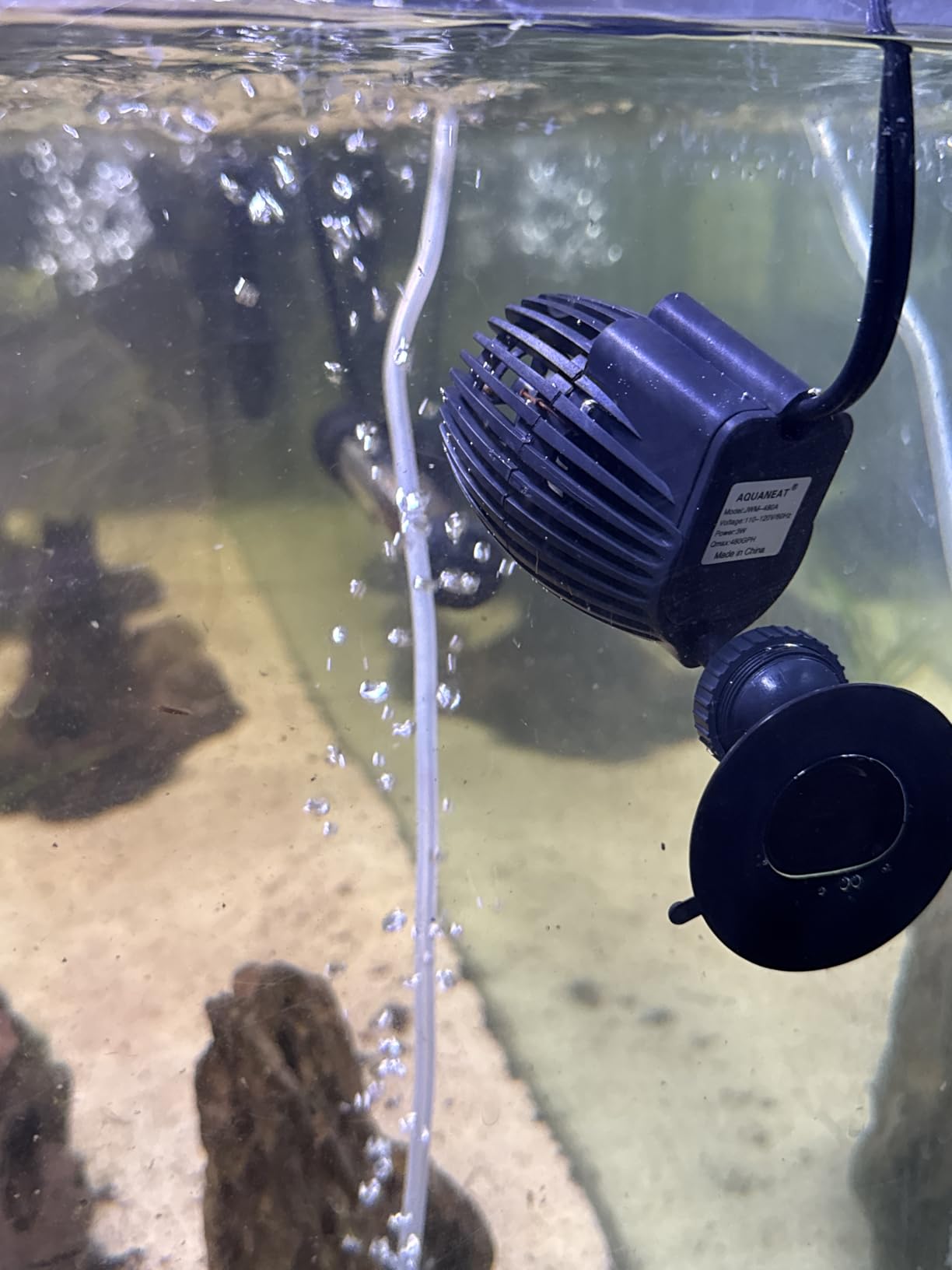
The compact 2.75-inch size per pump makes them easy to hide behind rockwork or plants. From the front of the tank, neither pump is visible, which is a big plus for aquascaping-focused setups.
With over 2,100 reviews, this is one of the most purchased wave maker products on Amazon. The consistent positive feedback speaks to a product that delivers exactly what it promises at a price point that is hard to beat.
Who Should Buy This Pump
This 2-pack is perfect for tanks between 45 and 75 gallons where you want multi-directional flow without spending much. Two pumps on opposite ends of the tank create far better circulation than a single pump at twice the GPH.
It is also ideal for longer tanks where a single pump cannot reach every corner. Place one pump at each end and aim them toward each other for full coverage.
Limitations to Consider
The suction cup mounts are the same as the single AQUANEAT pump. They work but require periodic maintenance to stay secure. If suction cups bother you, look at magnetic-mount options instead.
Each individual pump produces 480 GPH, which is moderate. For high-flow reef tanks with demanding SPS corals, you will likely need more power per pump.
How to Choose the Right Wave Maker
Choosing the right wave maker comes down to matching your tank size, livestock type, and budget. After testing 10 pumps and years of personal experience, here is the framework I use to recommend wave makers to fellow aquarists.
Tank Size and Flow Rate
The rule of thumb for flow rate is 10 to 20 times your tank volume per hour for freshwater and 20 to 30 times for reef tanks. A 50-gallon reef tank needs between 1,000 and 1,500 GPH of total flow, while a 50-gallon freshwater tank needs 500 to 1,000 GPH.
Remember that rockwork, plants, and tank dimensions all reduce effective flow. A heavily aquascaped tank may need 30 to 50 percent more rated GPH than the basic calculation suggests.
AC vs DC Wave Makers
AC wave makers plug directly into a standard wall outlet and run at constant speed. They are simpler, cheaper, and have fewer failure points. The Hydor Koralia, AQUANEAT, and Fluval CP3 are all AC pumps.
DC wave makers use a DC power supply and typically include a controller. They offer variable speed, wave modes, feeding timers, and night mode. The hygger Intelligent and Cross Flow pumps are DC options. DC pumps cost more but offer significantly more control over your flow environment.
Gyre vs Propeller Pumps
Propeller pumps shoot a focused stream of water in one direction. They are great for targeted flow and are the most common type of wave maker. Examples include the Hydor Koralia, FREESEA, and Fluval CP3.
Gyre pumps use a cross-flow design that creates a broad sheet of laminar water movement across the entire tank. They cover more area and produce gentler, more natural flow. The hygger Cross Flow Pump is the standout budget gyre option in this guide.
Mounting Options
Magnetic mounts allow instant repositioning without getting your hands wet. They are superior to suction cups in every way, though they add cost. All the hygger models and the FREESEA use magnetic mounts.
Suction cup mounts are the budget standard. They work but lose grip over time, especially in saltwater. The AQUANEAT and Fluval pumps use suction cups. If you go this route, check and reseat the suction cups during every water change.
Noise Considerations
If your tank is in a bedroom or living space, pump noise matters. DC pumps with sine wave control are generally the quietest, which is why the hygger Cross Flow Pump impressed us so much. Look for pumps that include vibration-absorbing pads, like the hygger Mini with its cotton pad insert.
AC pumps tend to be noisier due to the direct-drive motor. The Hydor Koralia mitigates this with its vibration-absorbing magnet base, but it is still audible compared to DC alternatives.
Controller and Smart Features
Controllers add cost but provide meaningful benefits. Wave modes create varied flow patterns that benefit coral health and fish behavior. Feeding mode pauses the pump so food does not get blown around the tank. Night mode reduces flow after lights out to help fish rest.
If you run a reef tank, a controller is worth the investment. For a basic freshwater community tank, a constant-flow pump is perfectly adequate.
Frequently Asked Questions
Are wave makers good for fish tanks?
Yes, wave makers are good for most aquariums. They prevent dead spots where waste accumulates, distribute heat and nutrients evenly, increase oxygenation through surface agitation, and create natural water movement that benefits fish health and coral growth.
How do I choose the right wave maker for my aquarium?
Match your wave maker to your tank size and livestock type. Aim for 10-20x tank volume per hour in GPH for freshwater and 20-30x for reef tanks. Choose a magnetic mount over suction cups, consider DC pumps with controllers for reef setups, and select a flow pattern (gyre vs propeller) based on your aquascape.
Do fish like wave makers?
Most fish benefit from the water movement wave makers provide. The current mimics natural river and reef environments, encourages active swimming behavior, and improves overall health. However, very small fish or weak swimmers may need reduced flow settings to avoid stress.
Are wave makers worth it?
Yes, wave makers are worth the investment for any aquarium over 20 gallons. They improve water quality by preventing stagnant zones, support coral health in reef tanks, and reduce maintenance by keeping debris suspended for filter removal. A quality wave maker can last years and significantly improve tank conditions.
How many wave makers do I need for my tank?
Most tanks need one or two wave makers. A single pump works for tanks under 75 gallons, but two smaller pumps on opposite ends create better, more natural circulation than one large pump. Long tanks over 48 inches or heavily aquascaped tanks almost always benefit from multiple pumps to eliminate dead spots.
Final Thoughts
After testing all 10 pumps, the best aquarium wave makers come down to matching the right tool to your specific tank. For most reef keepers, the hygger Cross Flow Pump 18W offers the best combination of gyre-style flow, wave modes, and value. The hygger Intelligent Wave Maker 25W and 35W variants are the top picks for anyone who wants programmable wave patterns with wireless control.
For budget-conscious aquarists, the FREESEA Dual Head and AQUANEAT 2-Pack deliver excellent performance per dollar. Small tank owners should look at the hygger Mini 530 GPH. Large tank owners will want the Uniclife 3400 GPH powerhouse.
Whatever you choose, investing in proper water circulation will transform your aquarium in 2026. Dead spots disappear, water quality improves, and your fish and corals will thank you with healthier, more vibrant behavior every single day.